20 Focal Table Centerpiece Ideas That Transform Ordinary Tables Into Memorable Points
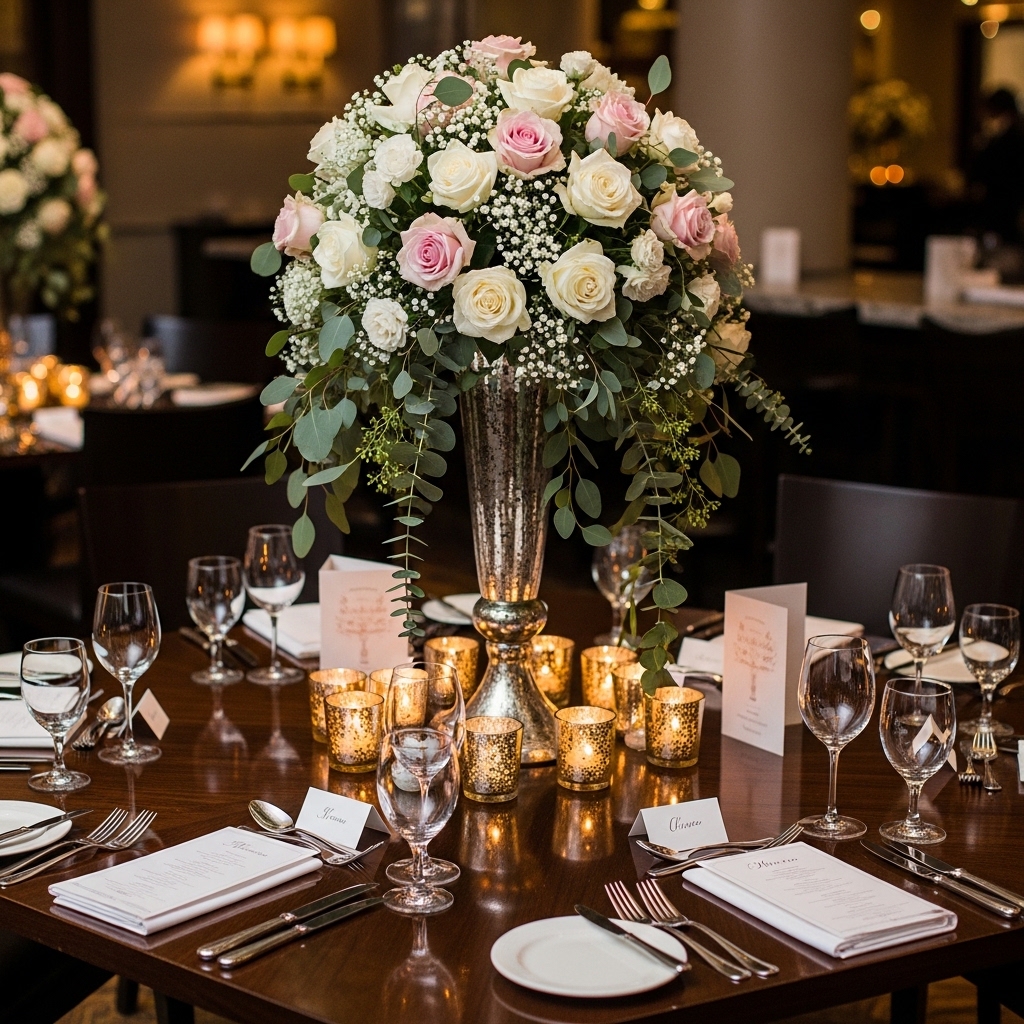
A bare table is a missed opportunity. Whether it is a dining table, coffee table, or entry console, an empty surface feels unfinished. The right centerpiece changes everything—it anchors the room, starts conversations, and adds personality.
The best centerpieces are not complicated. They do not require expensive flowers or rare objects. They follow simple rules: varied heights, limited colors, and intentional placement.
This guide delivers 20 table centerpiece ideas for every table, every style, and every budget. From casual everyday arrangements to holiday statements, each idea brings life to your table.
1. Single Large Vase with Fresh Greenery
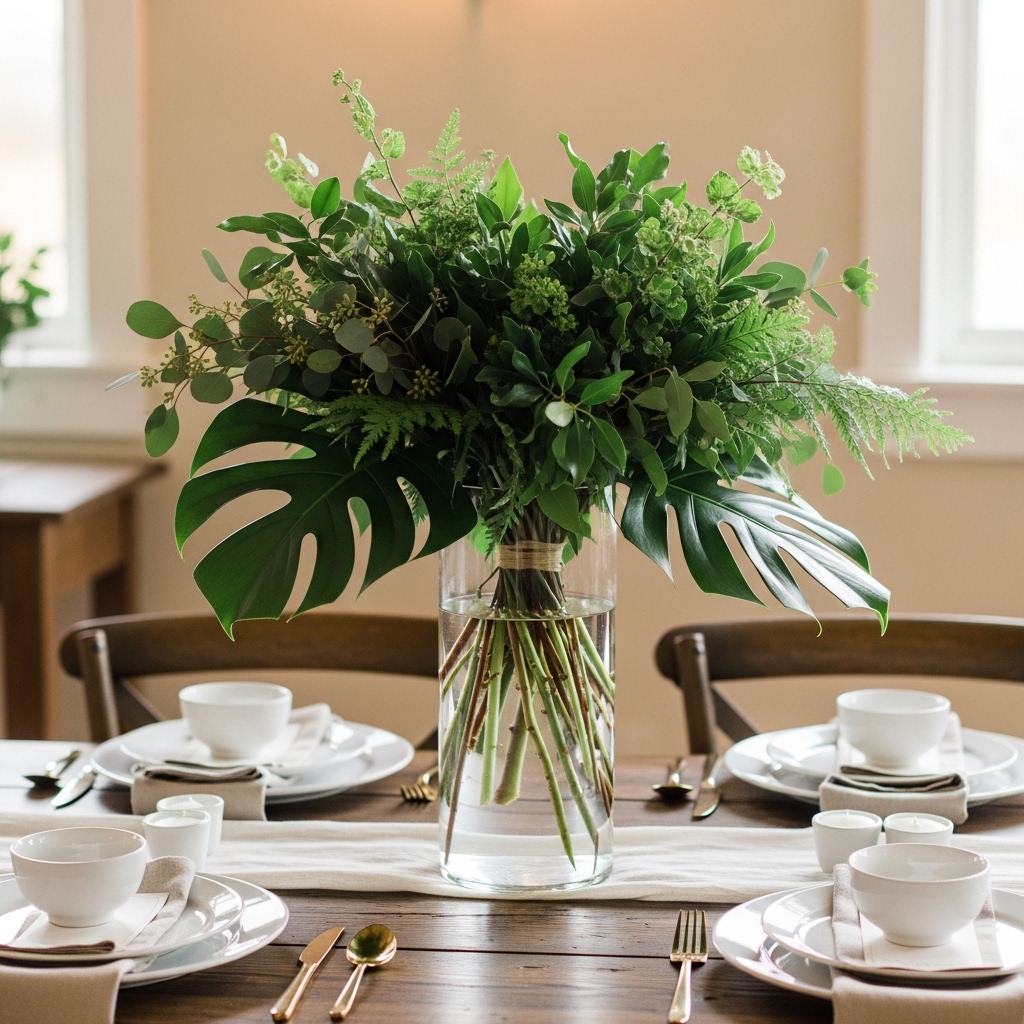
One large vase makes a stronger statement than several small ones. Fill it with fresh eucalyptus, olive branches, or monstera leaves.
Choose a vase with a wide mouth. The greenery should spill out naturally. Change the water every few days to keep it fresh.
Pro Tip: Use faux greenery in rooms with no natural light. High-quality faux eucalyptus looks real.
Mistake to Avoid: Do not use flowers that wilt quickly. Greenery lasts longer than blooms.
2. Tray with Candles in Varying Heights
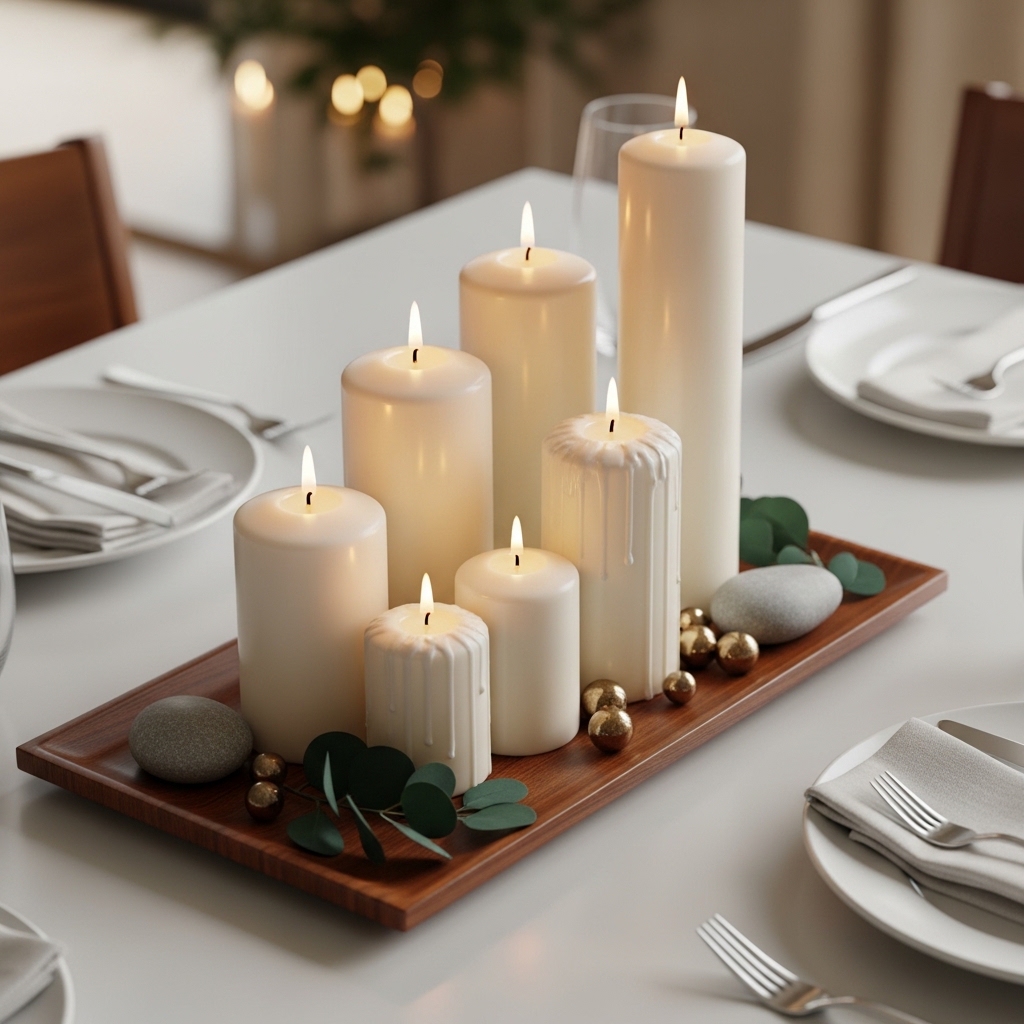
A tray corrals items into a unified composition. Place three candles of different heights on the tray. The varying heights create visual rhythm.
Use unscented candles for dining tables. Strong scents interfere with food. Use pillar candles or taper candles in holders.
Pro Tip: Group candles in odd numbers. Three or five candles look more dynamic than two or four.
Mistake to Avoid: Do not leave burning candles unattended. Never fall asleep with candles lit.
3. Stack of Coffee Table Books with Small Object on Top
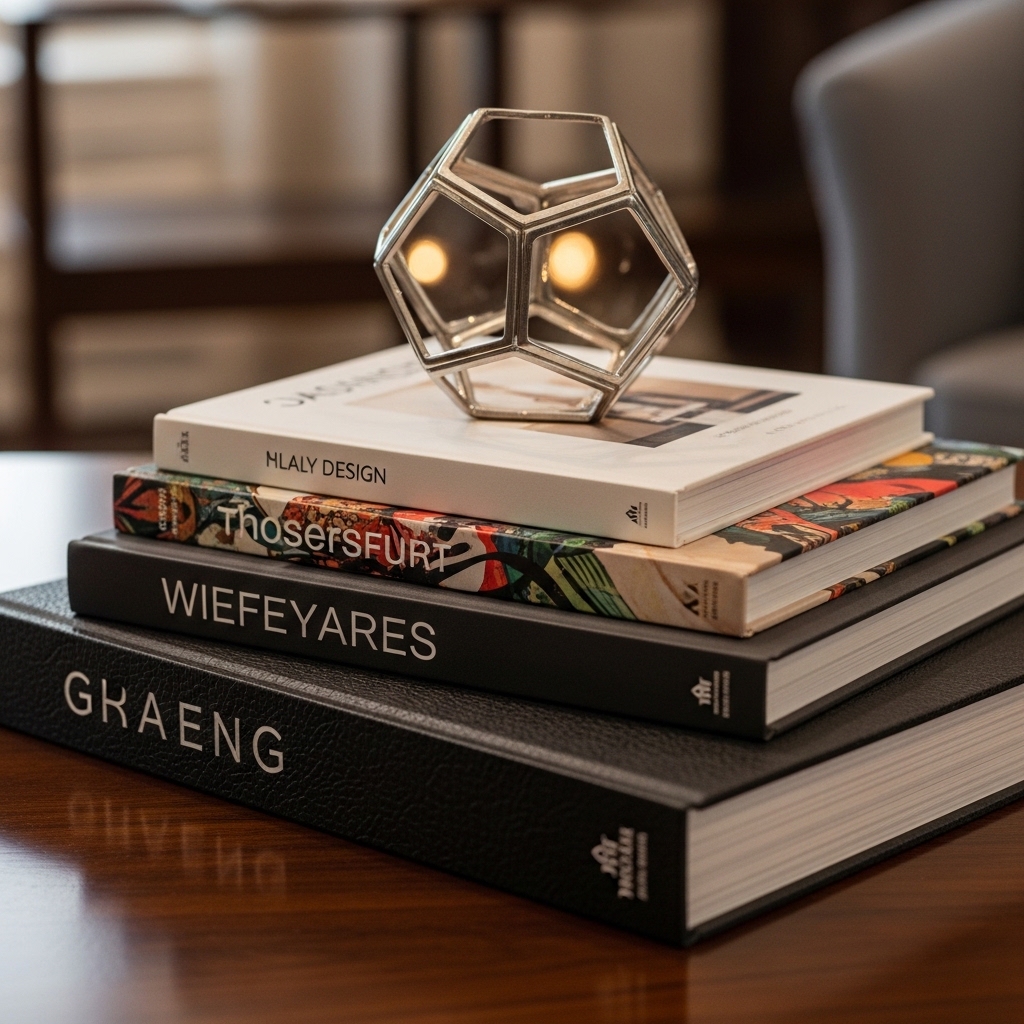
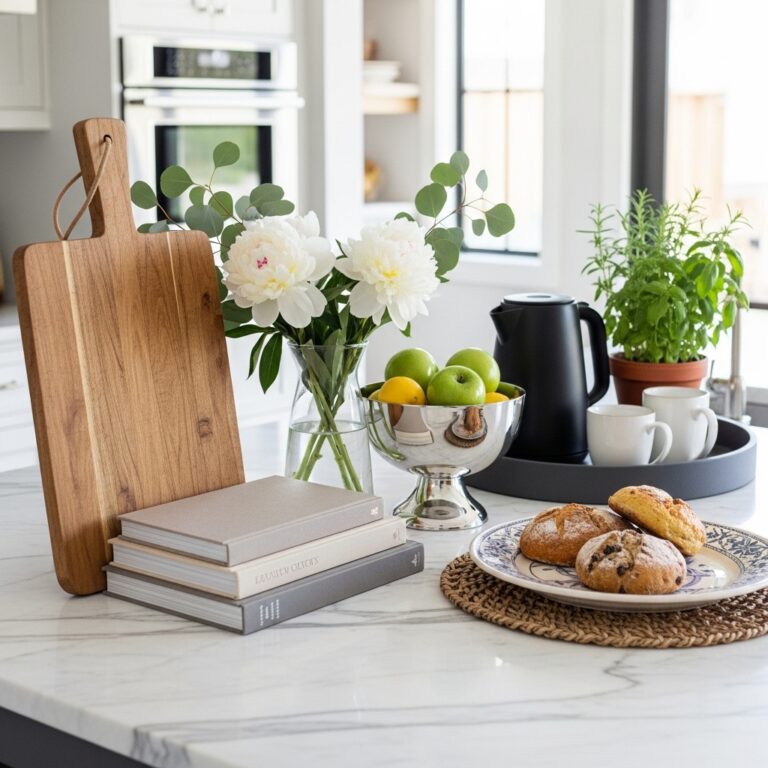
Books add height, color, and intellectual warmth. A stack of three books becomes a pedestal for a small object.
Choose books with complementary cover colors. Place the largest book on the bottom, smallest on top. Top the stack with a small vase, bowl, or sculpture.
Pro Tip: Use books you have actually read. The stack tells a story about your interests.
Mistake to Avoid: Do not stack books too high. Three books is plenty. Five books look unstable.
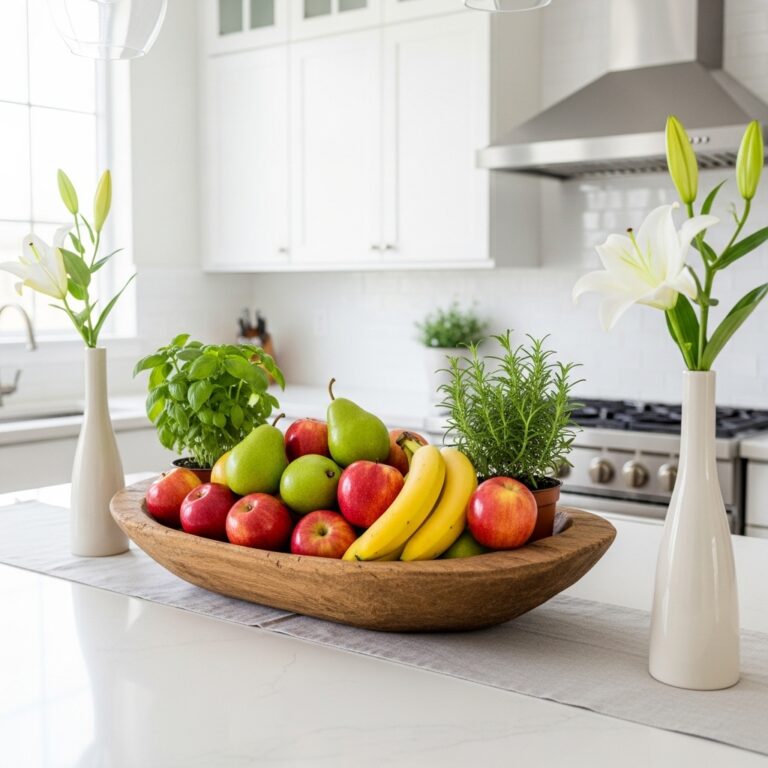
4. Low Bowl Filled with Seasonal Fruit
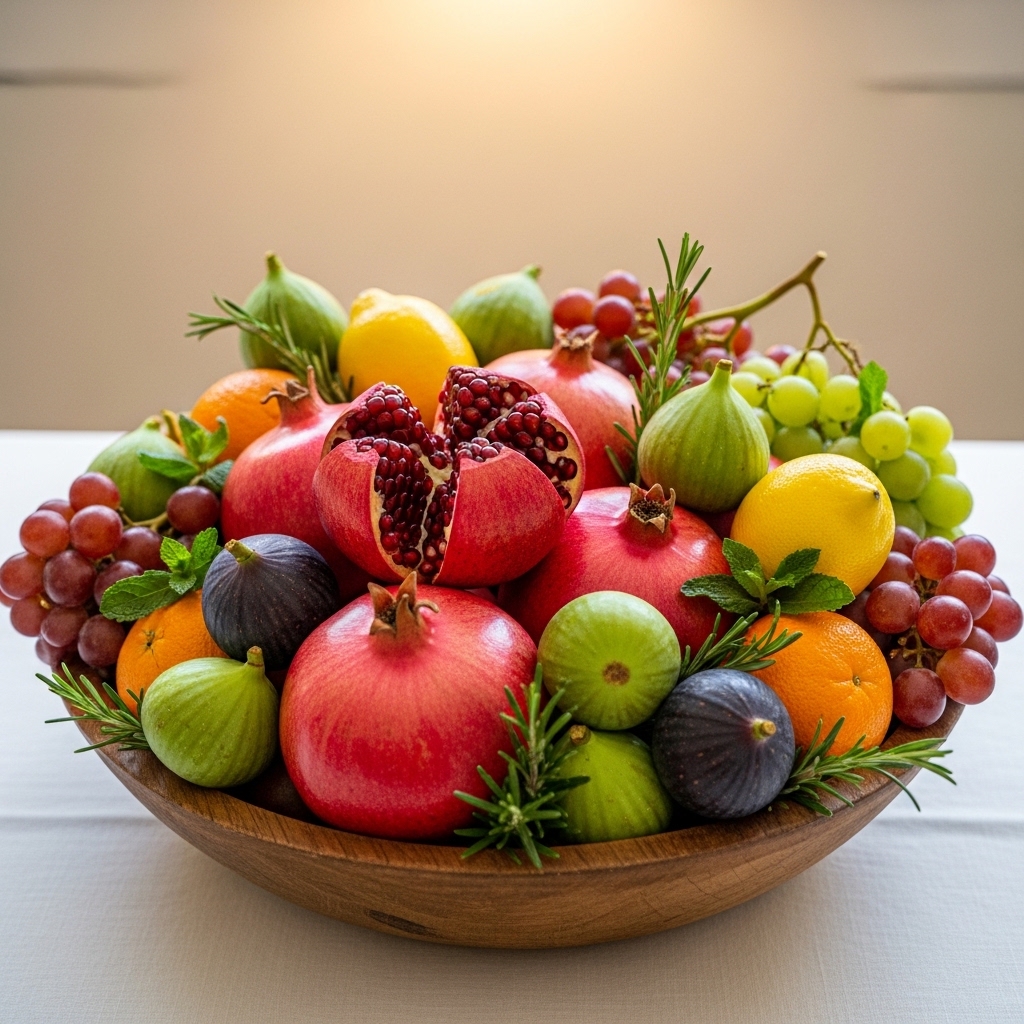
A bowl of fruit is practical and beautiful. It adds color, texture, and a snack within reach.
Choose a shallow, wide bowl. Fill it with lemons, limes, or green apples. The uniform color creates a cleaner look than mixed fruit.
Pro Tip: Use faux fruit in rooms with direct sunlight. Real fruit ripens and rots faster in heat.
Mistake to Avoid: Do not use fruit that bruises easily. Bananas and peaches look messy within days.
5. Single Stem in a Small Bud Vase
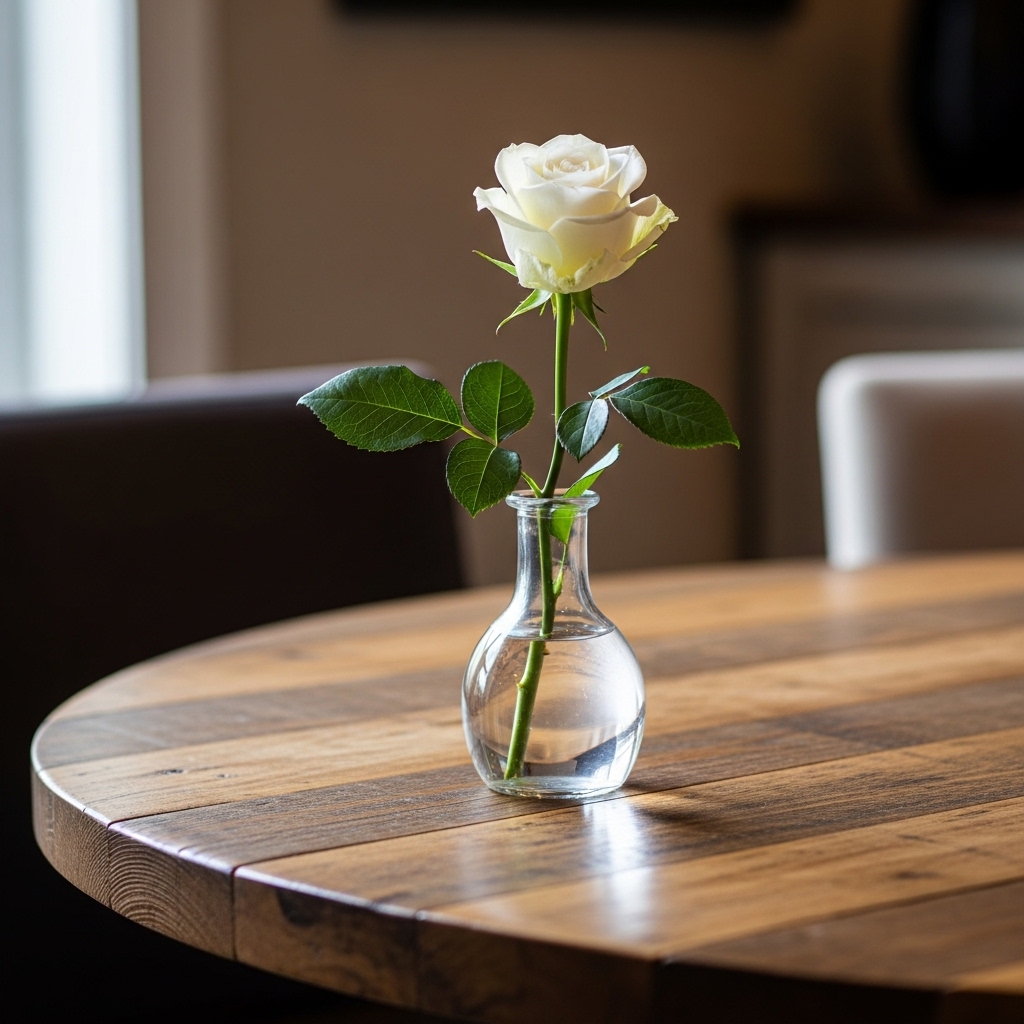
One flower is more impactful than a bouquet. A single stem in a small vase draws attention without competing.
Use a dramatic flower—a large peony, a sunflower, or a single orchid stem. Place the vase where it will be seen up close.
Pro Tip: Change the flower weekly. A single stem is inexpensive enough to refresh often.
Mistake to Avoid: Do not use a stem that is too tall for the vase. The proportion should feel balanced.
6. Runner of Greenery Down the Table Center
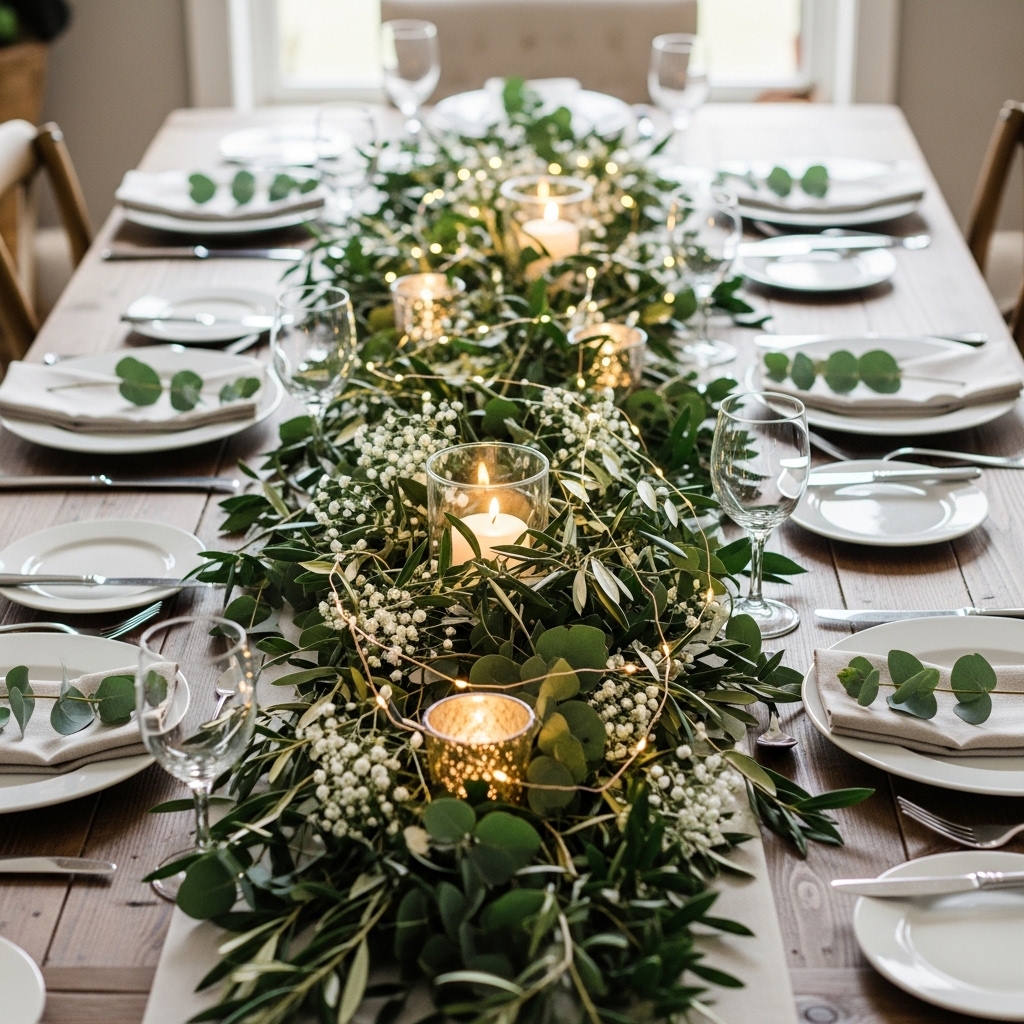
A greenery runner fills a long table without blocking sightlines. It adds texture and color from end to end.
Use eucalyptus, salal, or ivy. Lay the stems end to end down the center. Tuck in small candles or flowers along the runner.
Pro Tip: Use faux greenery for events. Real greenery wilts within hours in warm rooms.
Mistake to Avoid: Do not use greenery with strong scent. Eucalyptus is lovely. Some herbs are overpowering.
7. Collection of Small Vases in a Cluster
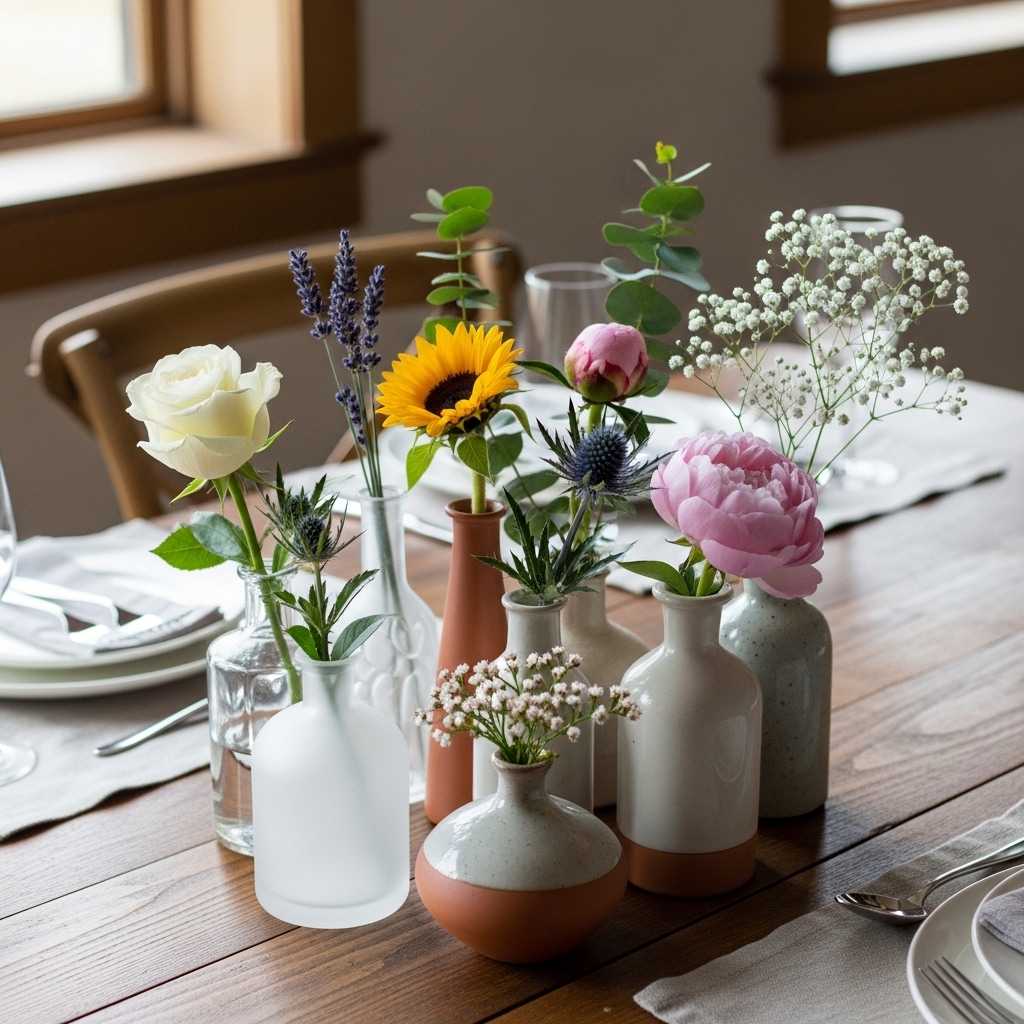
One vase is expected. A cluster of small vases is intentional. Group three to five vases of different shapes and heights.
Use the same color vases or the same color flowers. The repetition creates cohesion. Leave space between each vase.
Pro Tip: Use bud vases from thrift stores. Mixing different styles works as long as the colors relate.
Mistake to Avoid: Do not crowd the vases. Each vase needs breathing room.
8. Wooden Bowl Filled with Pinecones or Ornaments
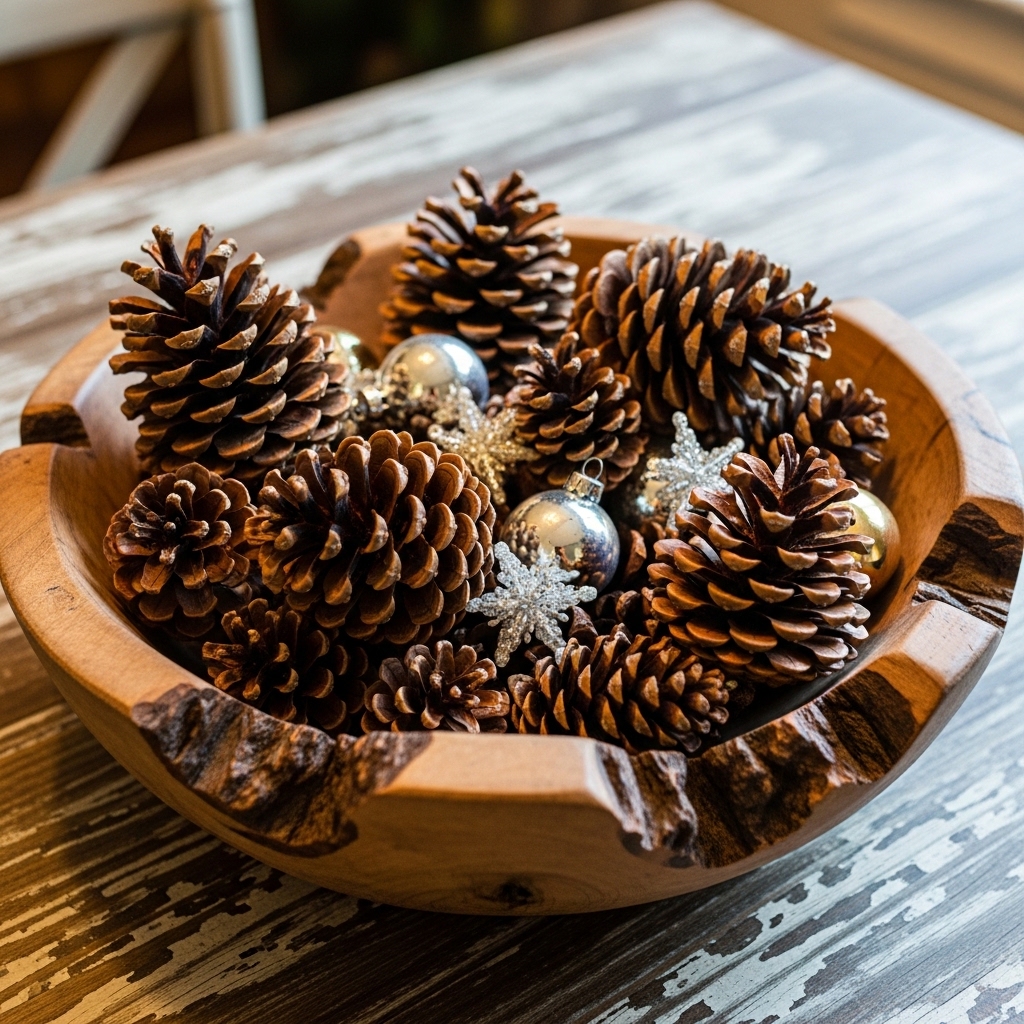
A wooden bowl adds natural texture. Fill it with seasonal items—pinecones in winter, seashells in summer, ornaments during holidays.
Choose a bowl with a wide opening. The contents should spill slightly over the edge. Change the fillings with the seasons.
Pro Tip: Spray paint pinecones white for a winter tablescape. The white adds contrast to dark wood.
Mistake to Avoid: Do not use flammable decorations near candles. Keep ornaments away from open flames.
9. Hurricane Vase with Candle and Fillers
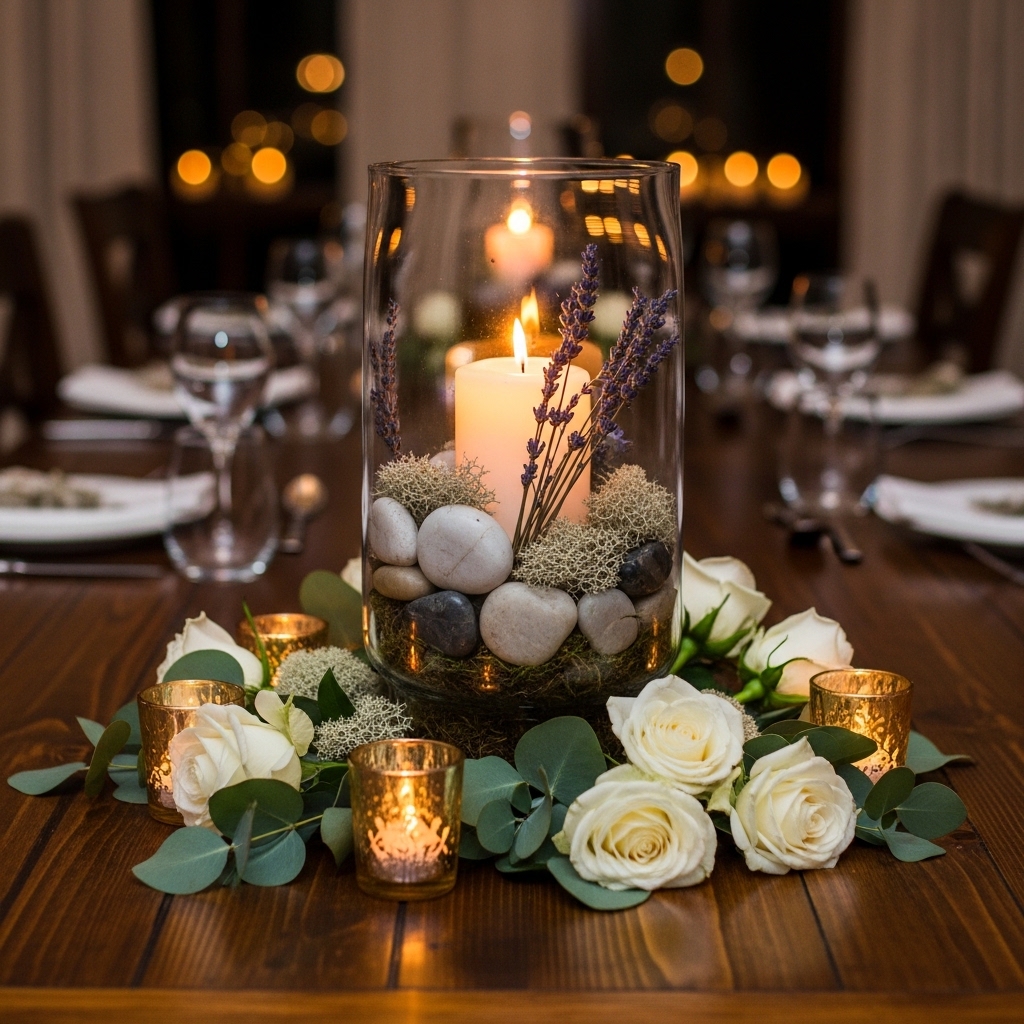
A hurricane vase is a glass cylinder. Place a candle inside. Fill the space around the candle with sand, pebbles, or berries.
The glass protects the flame. The fillers add color and texture. Use unscented candles for dining tables.
Pro Tip: Use battery-operated candles for tables where children will be present. No fire risk.
Mistake to Avoid: Do not use fillers that are flammable. Dried flowers and paper burn.
10. Sculptural Object Alone on a Pedestal
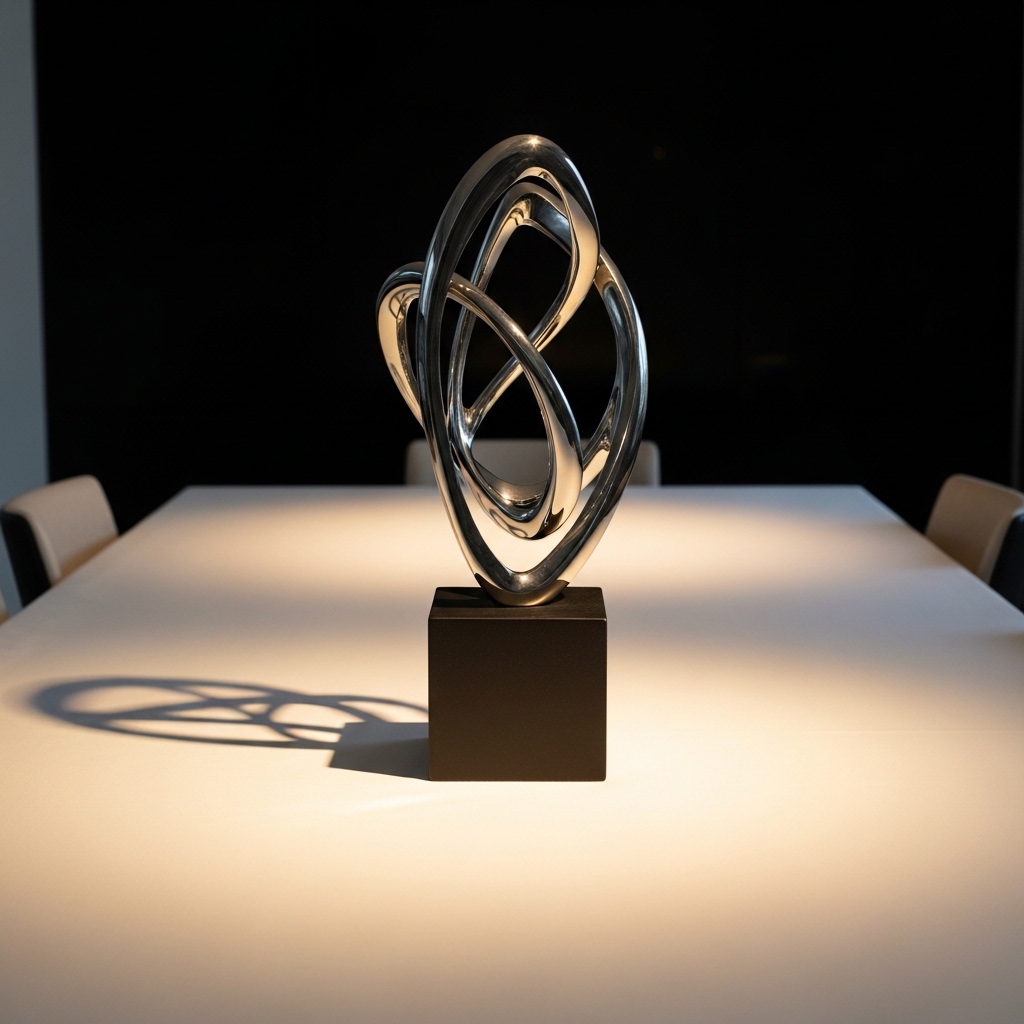
One object on a pedestal is dramatic. It asks to be examined. It becomes a conversation piece.
Choose an object with interesting shape or texture. A piece of driftwood. A ceramic sculpture. A vintage clock. Place it on a small pedestal or cake stand.
Pro Tip: Use a mirrored pedestal. The reflection doubles the visual weight.
Mistake to Avoid: Do not use an object that is too small. The object should be visible from across the room.
11. Layered Trays with Different Textures
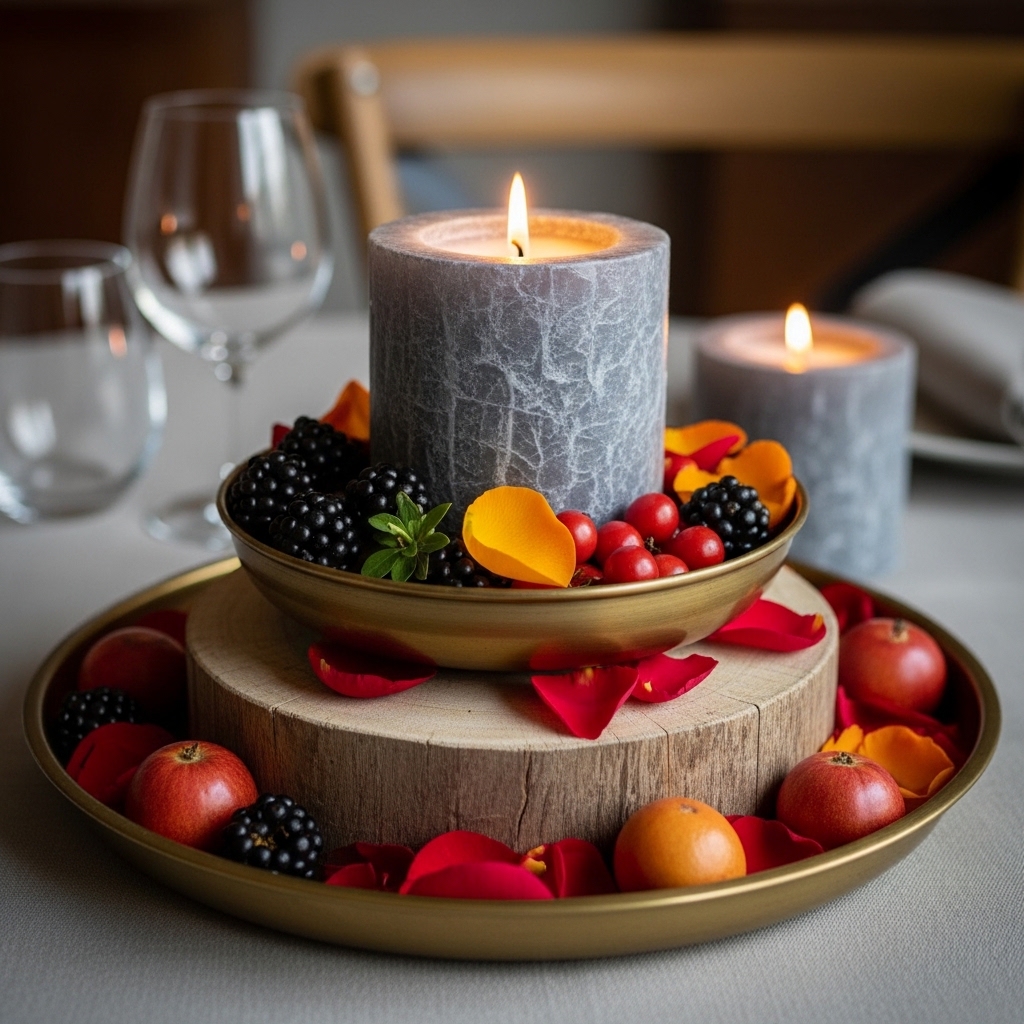
Two trays layered create depth. A larger tray made of wood. A smaller tray made of marble or ceramic.
Place the smaller tray off-center on the larger tray. Add a small candle or vase to the top tray. Leave empty space on both trays.
Pro Tip: Use trays in contrasting materials. Wood with marble. Metal with ceramic. The contrast adds interest.
Mistake to Avoid: Do not center the smaller tray. Off-center placement feels more dynamic.
12. Potted Orchid for Elegant Simplicity
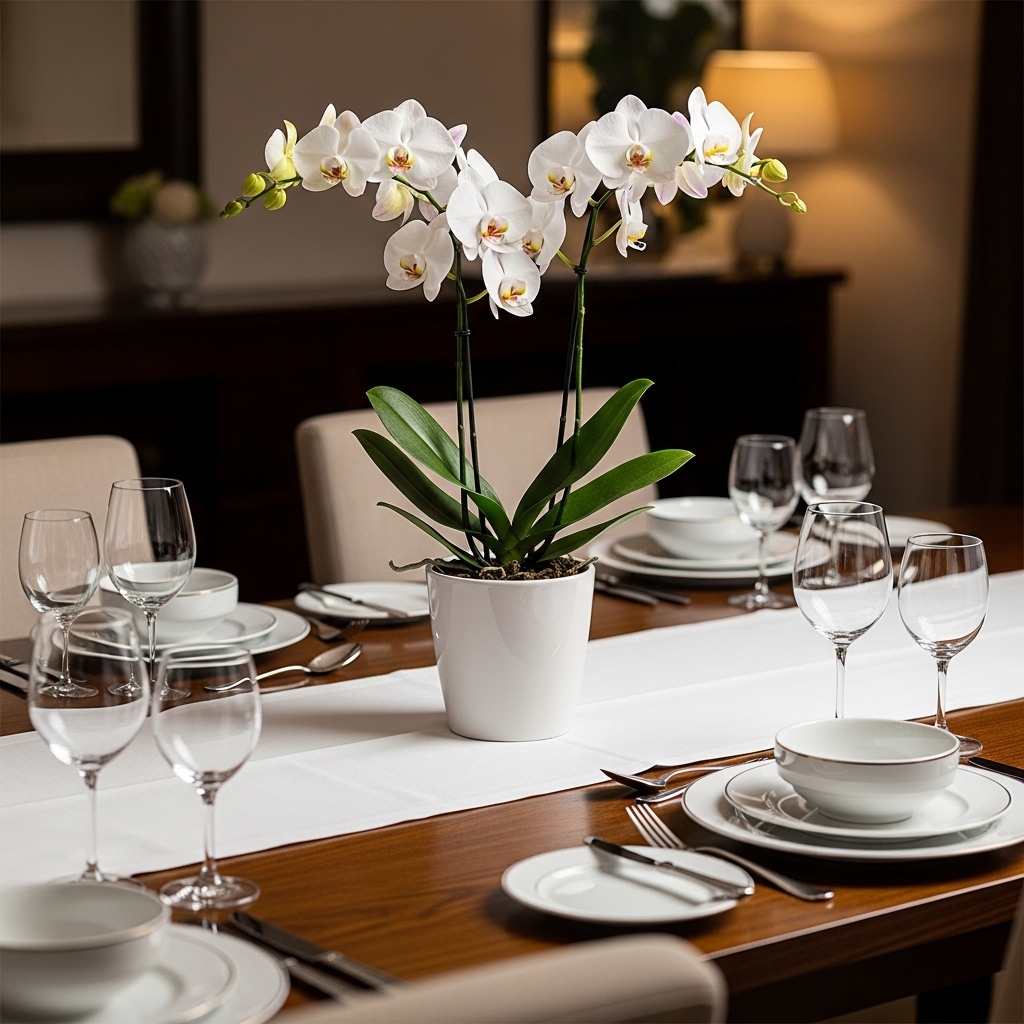
An orchid is sculptural. Its blooms last for weeks. Its form is elegant without effort.
Place a single orchid in a simple pot. Use a pot that complements the table—white ceramic, terracotta, or brass. No other decorations needed.
Pro Tip: Water the orchid with three ice cubes once per week. The slow melt prevents overwatering.
Mistake to Avoid: Do not place an orchid in direct sunlight. The leaves will burn.
13. Wine Bottle with Dried Flowers
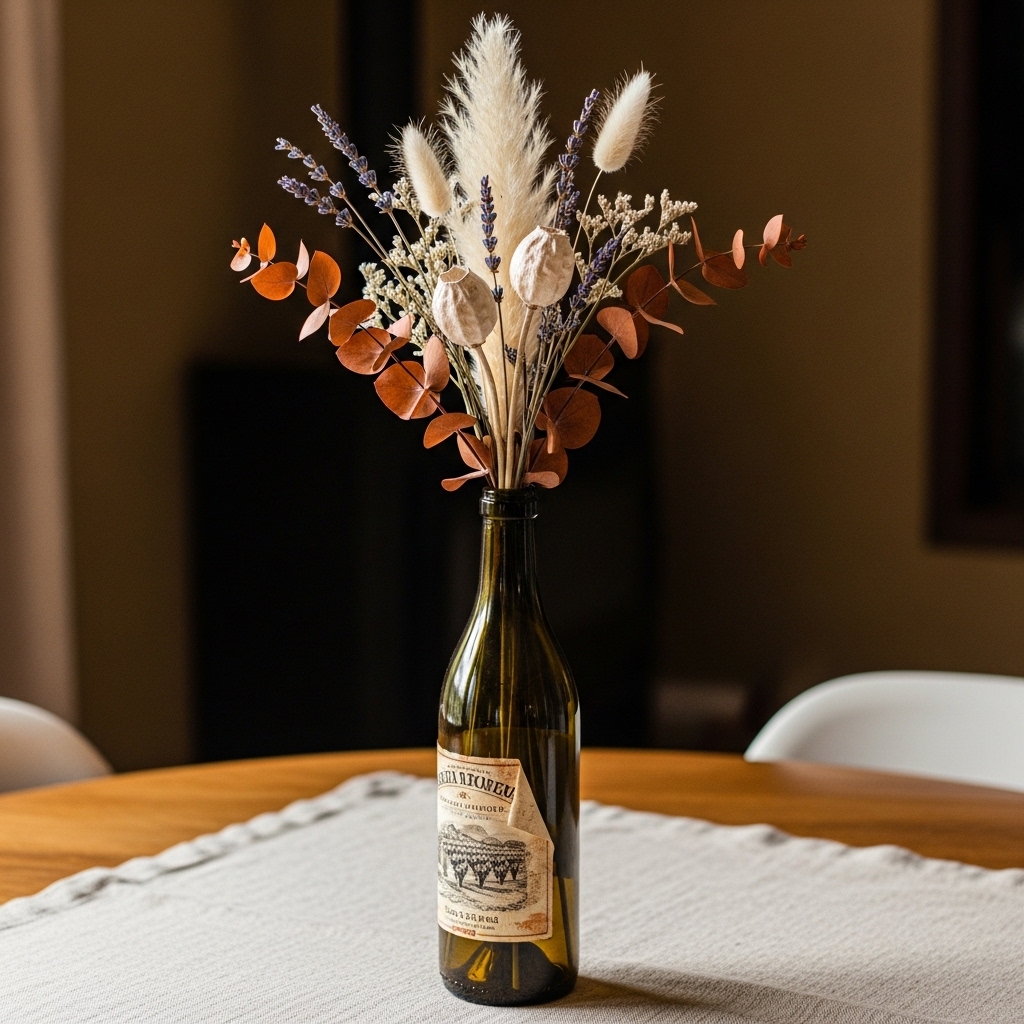
An empty wine bottle becomes a vase. The label adds character. The dried flowers last for months.
Choose a bottle with an interesting label. Remove the label for a clean look or keep it for charm. Add dried lavender, wheat, or pampas grass.
Pro Tip: Use bottles of different heights for a longer table. Three bottles in a row create rhythm.
Mistake to Avoid: Do not use bottles with sticky residue. Clean the bottle thoroughly first.
14. Stack of Vintage Books Tied with Ribbon
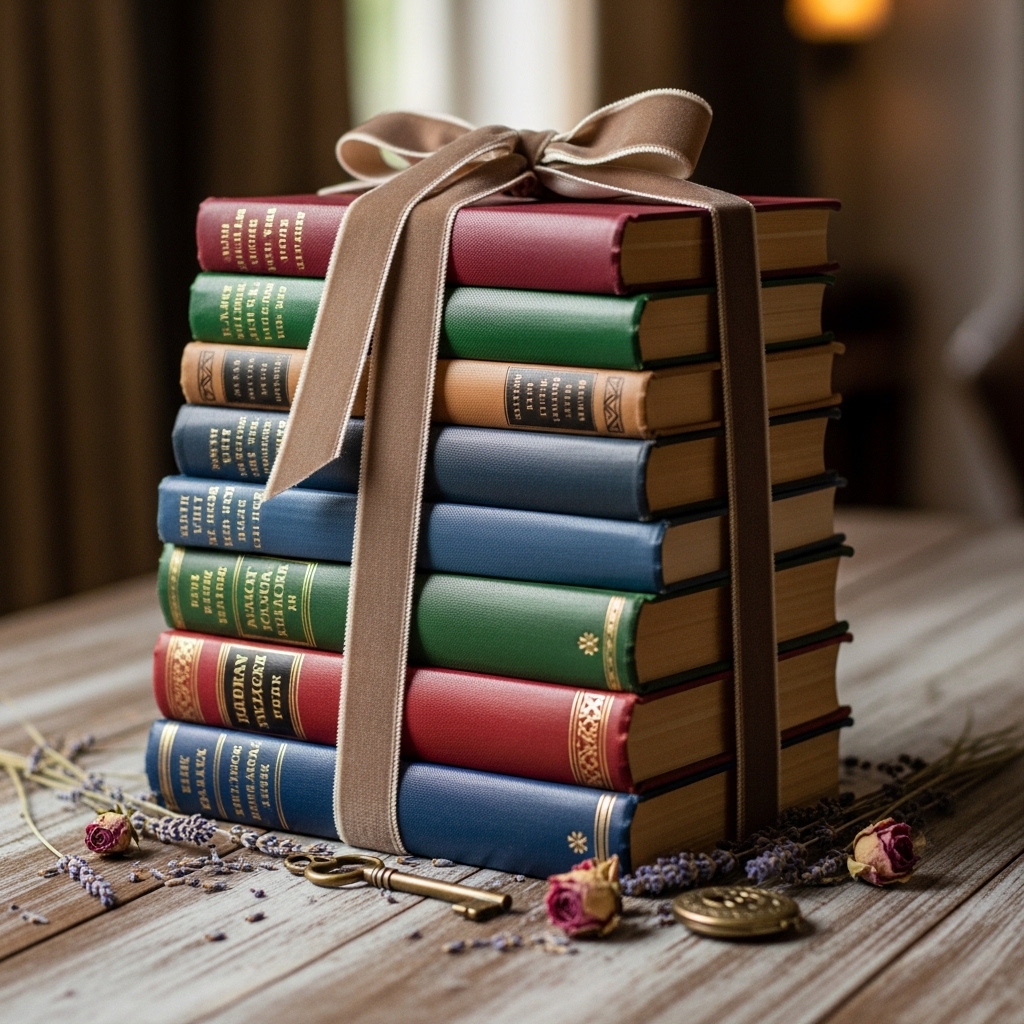
Vintage books have worn covers and gold lettering. A stack of three tied with ribbon becomes a centerpiece.
Choose books in complementary colors. Tie them with a wide ribbon. Place a small object on top—a candle, a vase, or a small frame.
Pro Tip: Look for vintage books at library sales. Old encyclopedias and atlases cost very little.
Mistake to Avoid: Do not use books that are falling apart. Loose pages look messy.
15. Metal or Wooden Crate Turned Upside Down
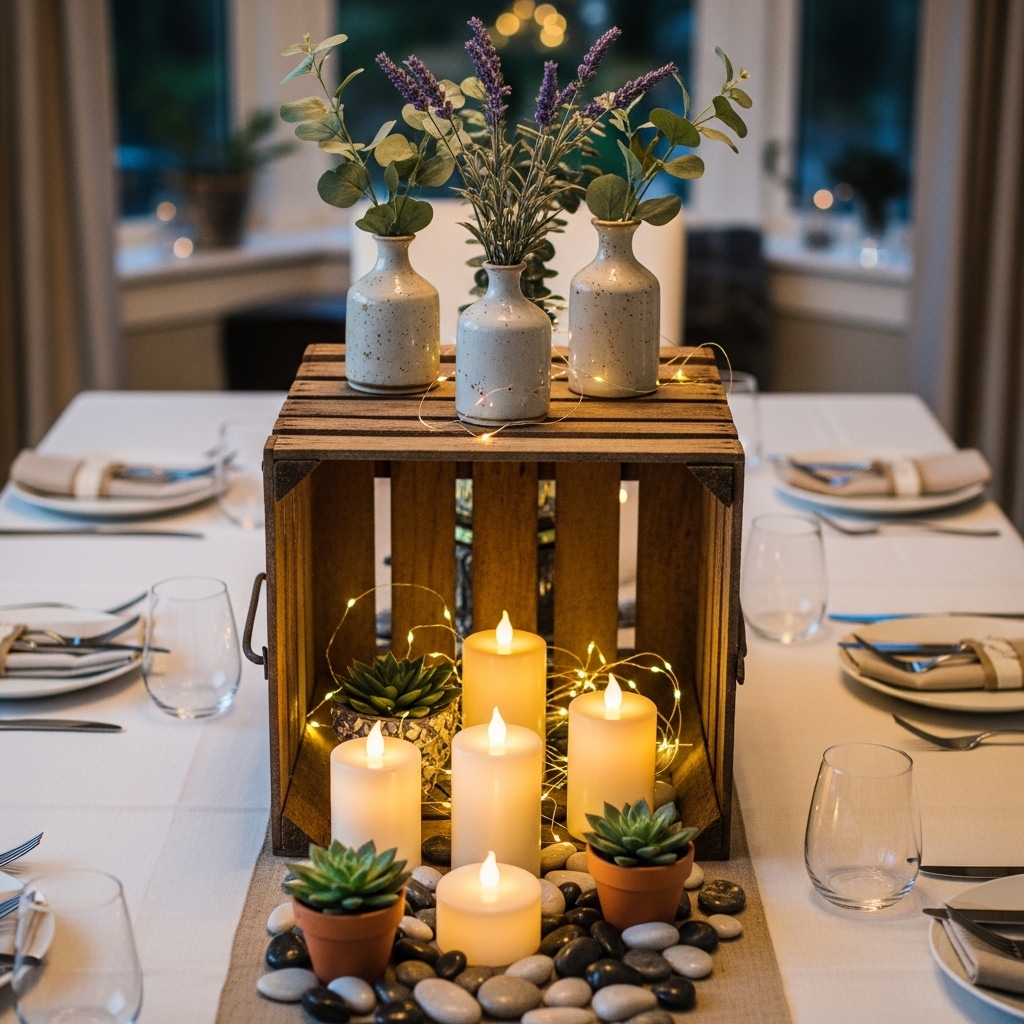
A crate becomes a pedestal. Turn it upside down. Place a vase or sculpture on top. The crate adds industrial or farmhouse texture.
Use a wooden crate for rustic tables. Use a metal crate for industrial spaces. Paint the crate or leave it raw.
Pro Tip: Use the crate to store napkins or silverware. The crate serves two purposes.
Mistake to Avoid: Do not use a crate that is unstable. Test it before placing items on top.
16. Glass Cloche with a Single Object Inside
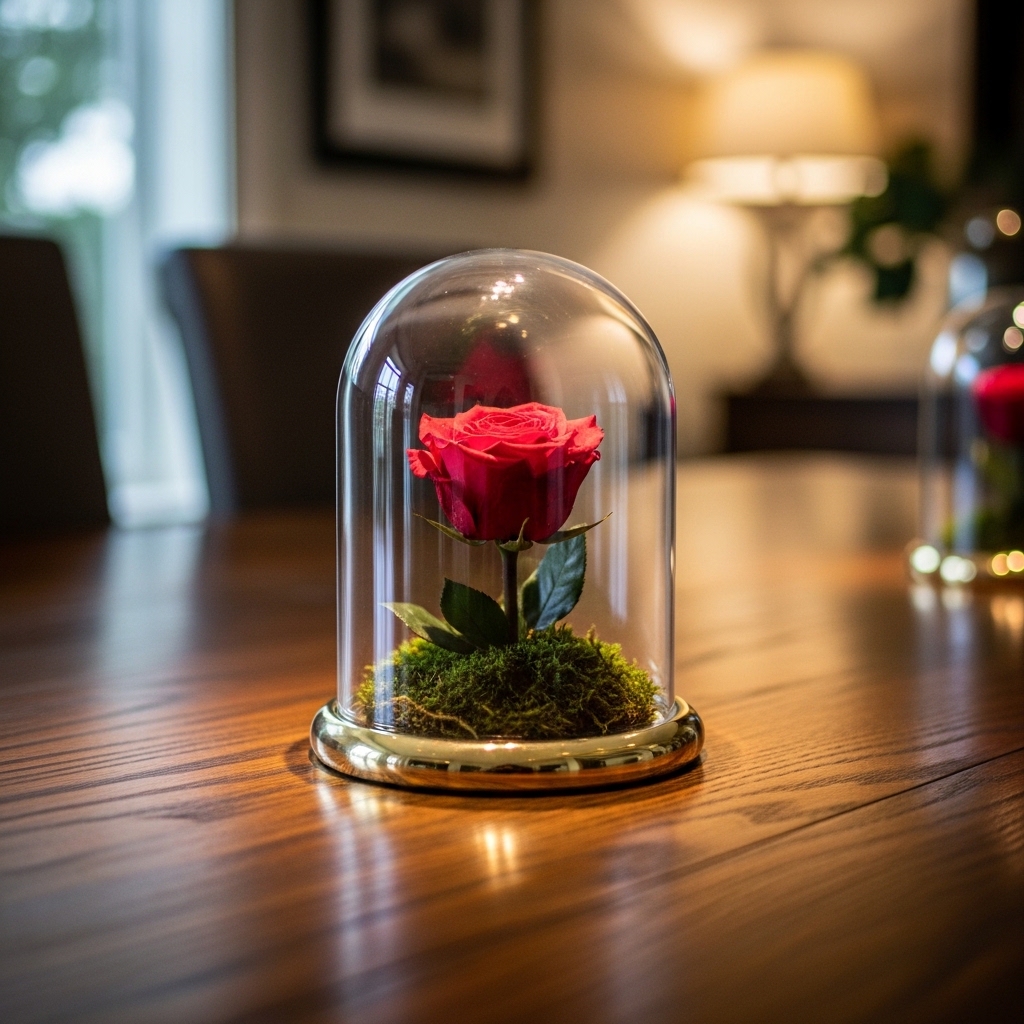
A glass cloche is a dome on a base. It protects and highlights whatever is inside. The object becomes precious.
Place a single object under the cloche. A small sculpture. A dried flower. A vintage watch. The cloche draws attention.
Pro Tip: Use a cloche on a coffee table. Guests will lift it to examine the object. The interaction is part of the experience.
Mistake to Avoid: Do not use a cloche that is too small. The object should have breathing room inside.
17. Ceramic Bowl Filled with Floating Candles
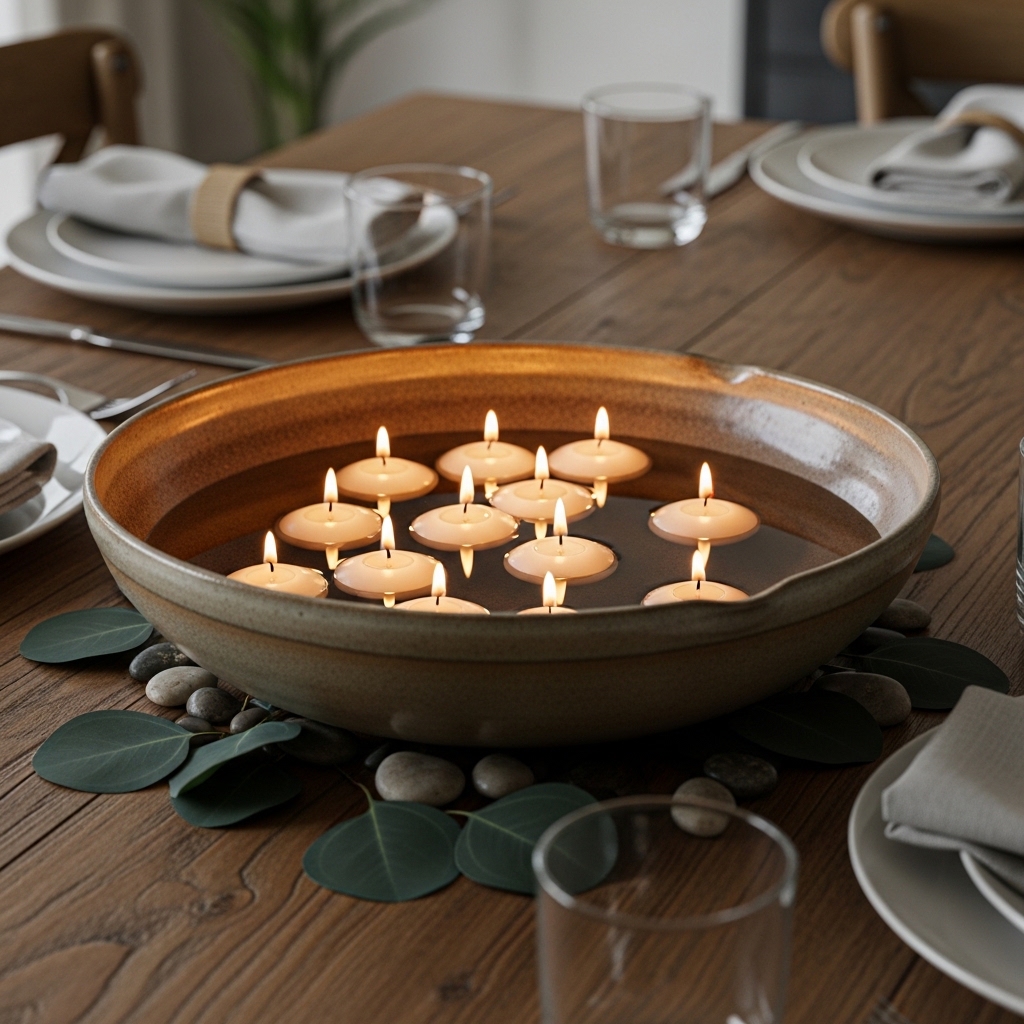
A shallow bowl filled with water holds floating candles. The water reflects the flame. The effect is calm and elegant.
Use a wide, shallow bowl. Fill it with water. Add three floating candles. Light them for dinner parties.
Pro Tip: Add a few flower petals to the water. The petals add color and movement.
Mistake to Avoid: Do not use scented candles. The scent will mix with food aromas.
18. Single Large Candle in a Statement Holder
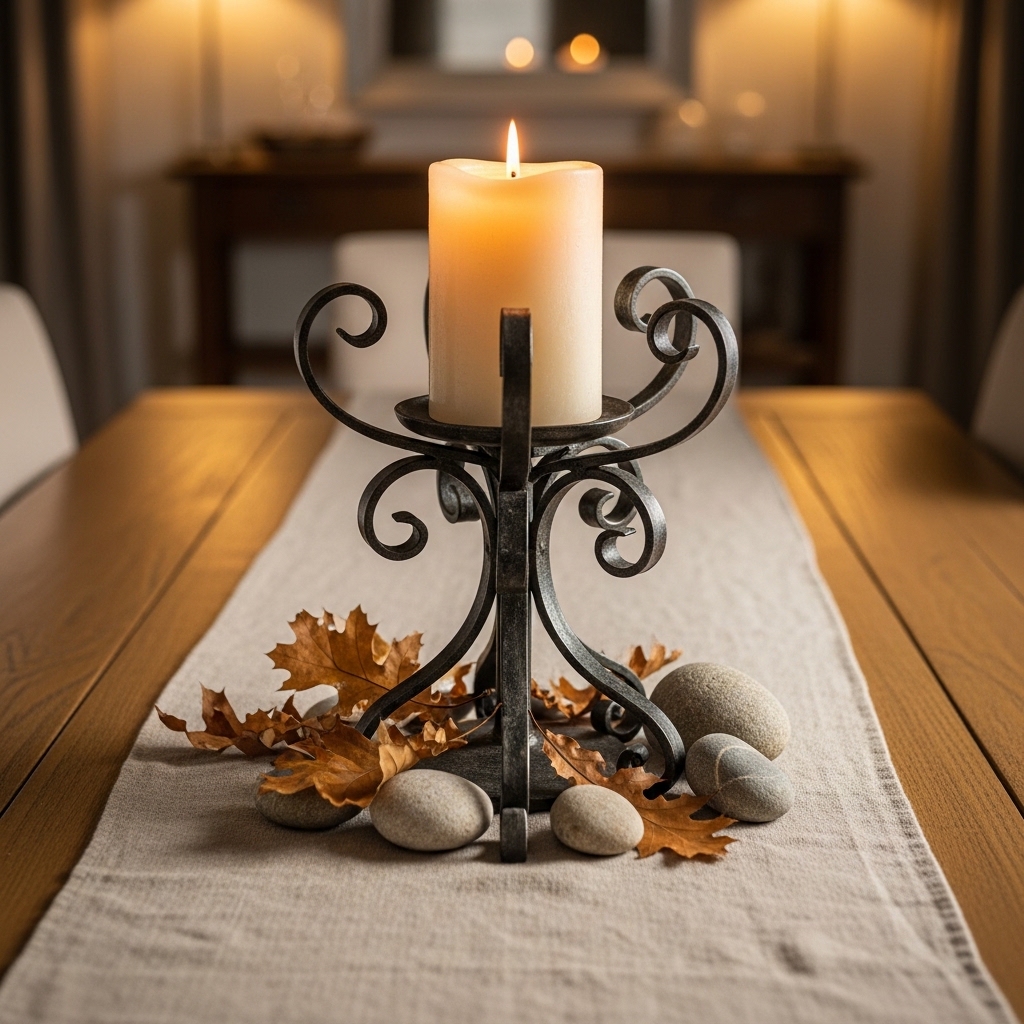
One large candle is dramatic. The holder should be equally dramatic. The combination becomes sculpture.
Choose a candle that is thick and tall. Choose a holder that complements the candle—brass, wood, or ceramic. Place it alone on the table.
Pro Tip: Use a candle that is unscented. A large scented candle will overwhelm the room.
Mistake to Avoid: Do not use a candle that is too small. The proportion should feel substantial.
19. Succulent Garden in a Shallow Tray
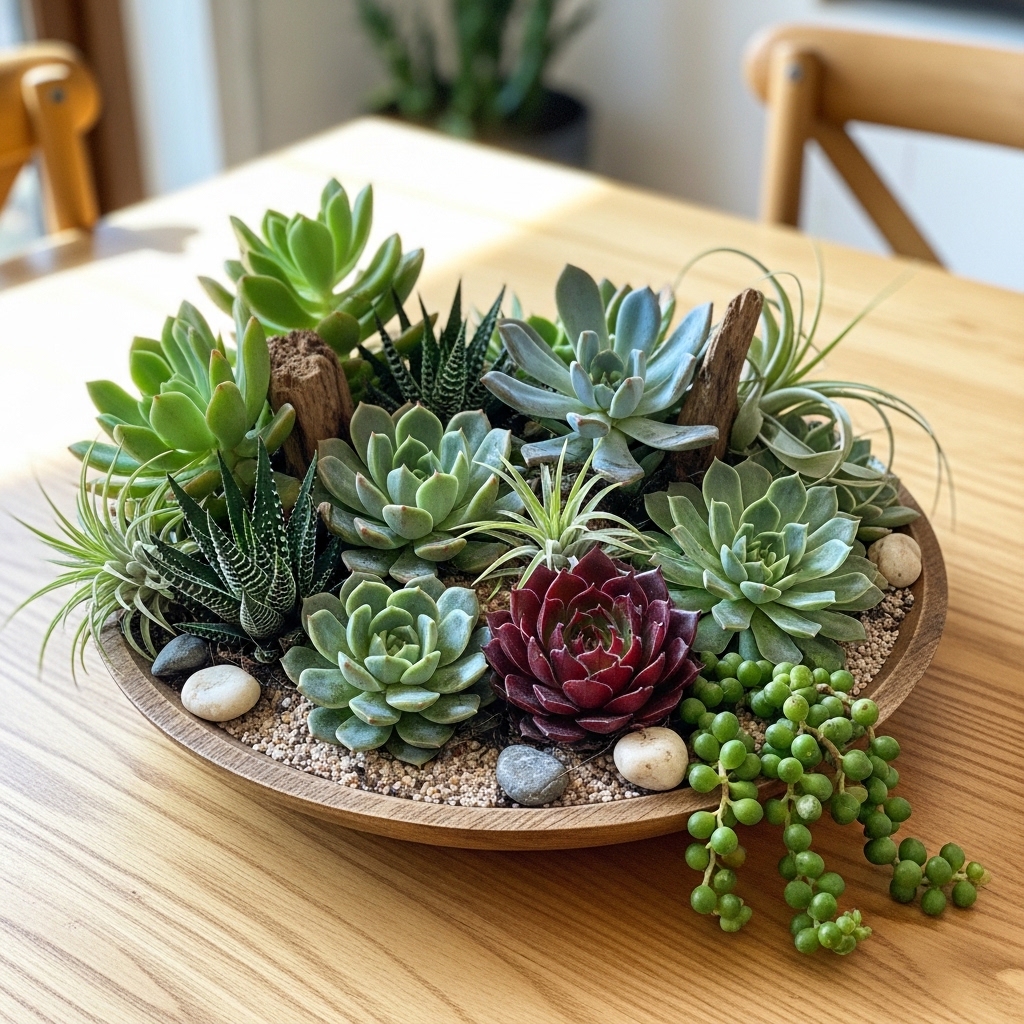
Succulents are sculptural and low-maintenance. A tray of succulents becomes a living centerpiece that lasts for months.
Use a shallow tray with drainage holes. Plant several small succulents together. The different shapes and colors create interest.
Pro Tip: Use a tray with a rim. The rim hides the pots or soil.
Mistake to Avoid: Do not overwater succulents. Water once every two weeks.
20. One Simple Object with Intention
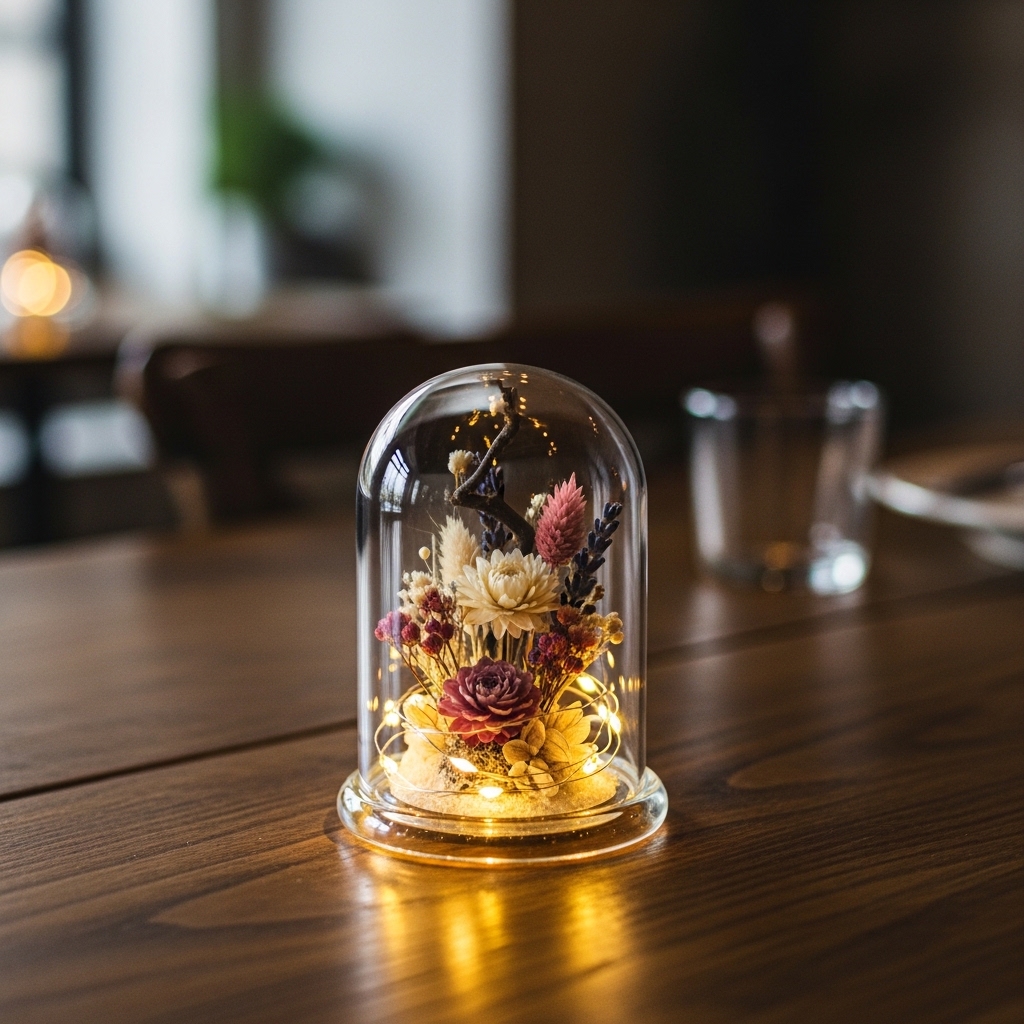
The most sophisticated centerpiece is sometimes the simplest. One object. Placed with intention. Nothing else.
Choose an object that matters to you. A piece of pottery from a trip. A bowl made by a friend. A sculpture you have always loved. Place it in the center of the table. Leave everything else off.
Pro Tip: Rotate the object monthly. Keep a collection of meaningful objects. Each one gets its turn.
Mistake to Avoid: Do not choose an object that is too small. The object should be visible from across the room.
Frequently Asked Questions
How tall should a centerpiece be?
A centerpiece should be low enough to see over. For dining tables, keep the centerpiece under 12 inches tall. For coffee tables, any height works.
What is the easiest centerpiece for everyday use?
A bowl of fruit. It is practical, beautiful, and requires no maintenance. Replace fruit weekly. Wash the bowl when empty.
How do I style a long dining table?
Use multiple smaller centerpieces instead of one long one. Place a small vase every few feet. The repetition creates rhythm. Leave space for serving dishes.
What should I avoid in a centerpiece?
Avoid anything that blocks sightlines. Avoid strong scents during meals. Avoid items that tip over easily. Avoid clutter—one strong element is better than several weak ones.
Conclusion
A bare table is an opportunity. The right centerpiece anchors the room, starts conversations, and adds personality. One large vase with greenery. A tray with candles. A stack of books with a small object. A bowl of fruit. A single stem. A runner of greenery. A cluster of vases.
Start with one centerpiece today. Place it on your table. Live with it for a week. Adjust until it feels right. The table will feel more intentional, more personal, and more complete.