15 Backyard Garden Design Ideas for Style, Function, and Serenity
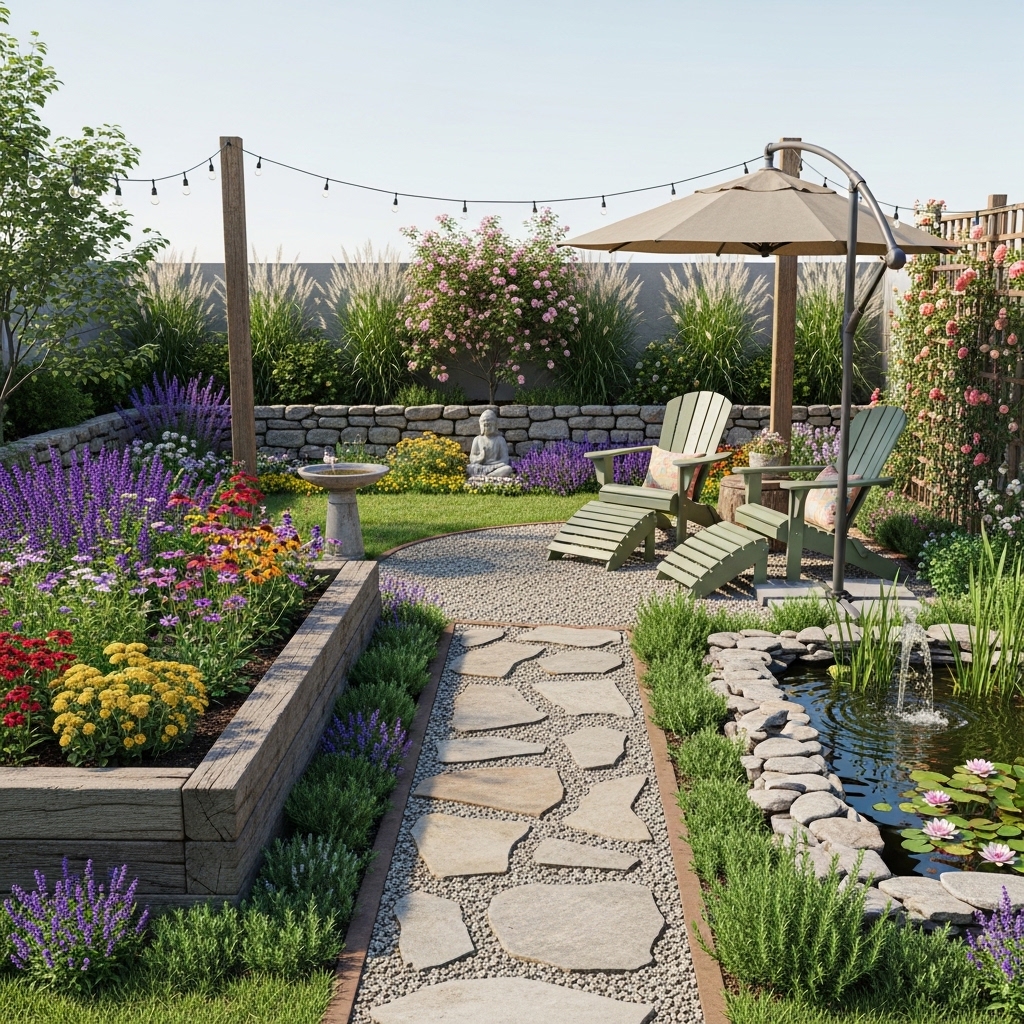
Backyard gardens can really make your outdoor space feel special. They can be a place to relax a fun area for kids to play or a great spot to grow your own food.
Here are 15 ideas for backyard gardens that’re really useful no matter how big or small your yard is. These ideas will help you figure out how to set up your garden, which plants to choose what kind of decorations to use and how to make the most of the space.
Each idea also includes some advice, from people who have actually done it things to watch out for so you do not make mistakes and ways to use every bit of your backyard garden.
1. Tiered Flower Beds for Depth
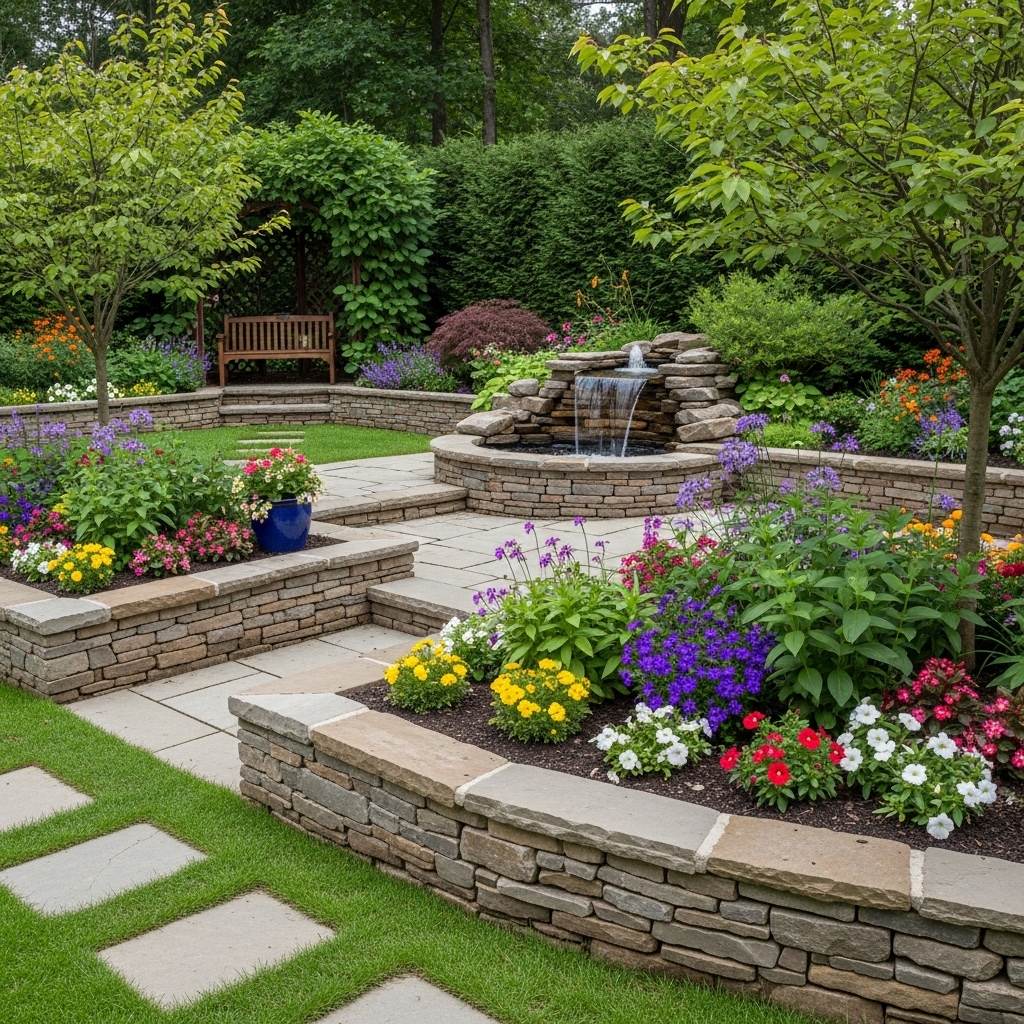
Who it’s for: Ideal for small or sloped backyards wanting visual variety.
Tiered flower beds create multiple planting levels, maximizing space and adding depth. Plant seasonal flowers, perennials, or small shrubs to create a layered, lush look.
This works because it draws the eye upward, makes the garden feel larger, and organizes plants by height and color. Many homeowners make the mistake of planting tall species at the front, which can hide smaller flowers.
Pro Tip: Use retaining walls or natural stone for structure and durability.
Mistake to Avoid: Avoid overcrowding tiers; give each plant adequate sunlight and soil space.
2. Curved Pathways With Border Gardens
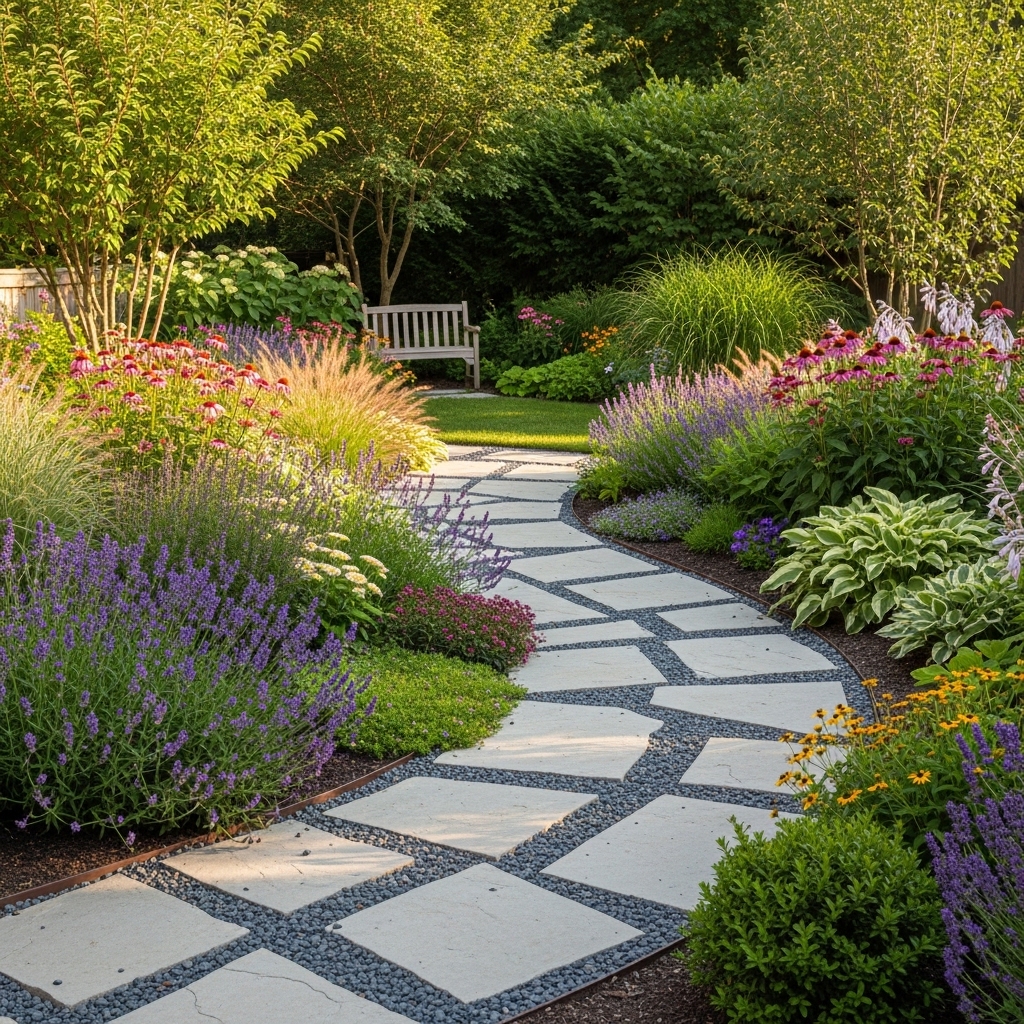
Who it’s for: Best for narrow or rectangular backyards needing flow.
Create gently curving paths lined with low-growing plants or succulents to guide movement and create focal points. This adds both function and charm.
It works because curves visually expand small spaces and lead visitors through different garden zones. Straight, rigid paths can make small yards feel boxy and confined.
Pro Tip: Use gravel or pavers with mulch edges for low maintenance.
Mistake to Avoid: Don’t make curves too tight; paths must remain navigable.
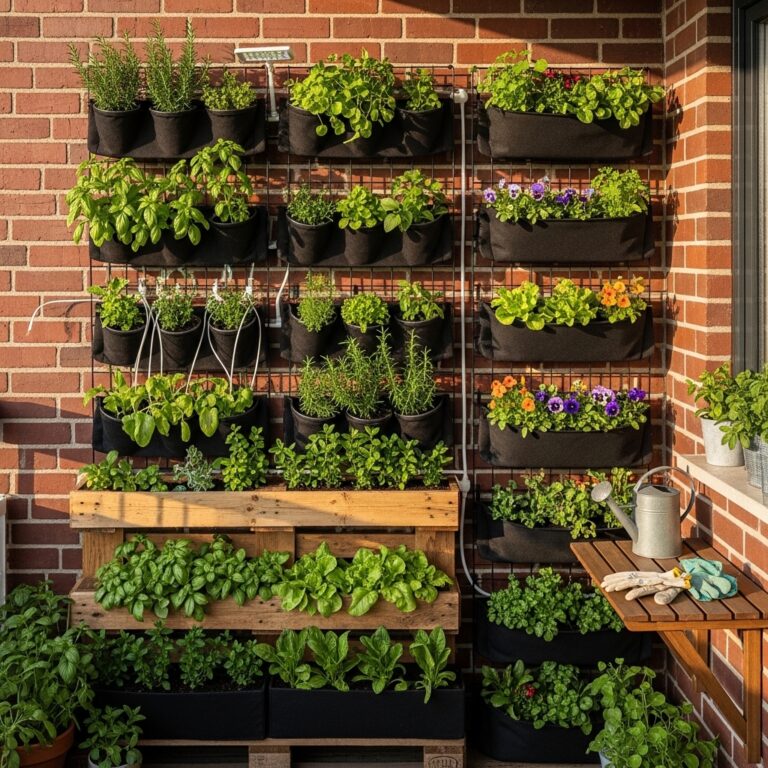
3. Vertical Garden Walls
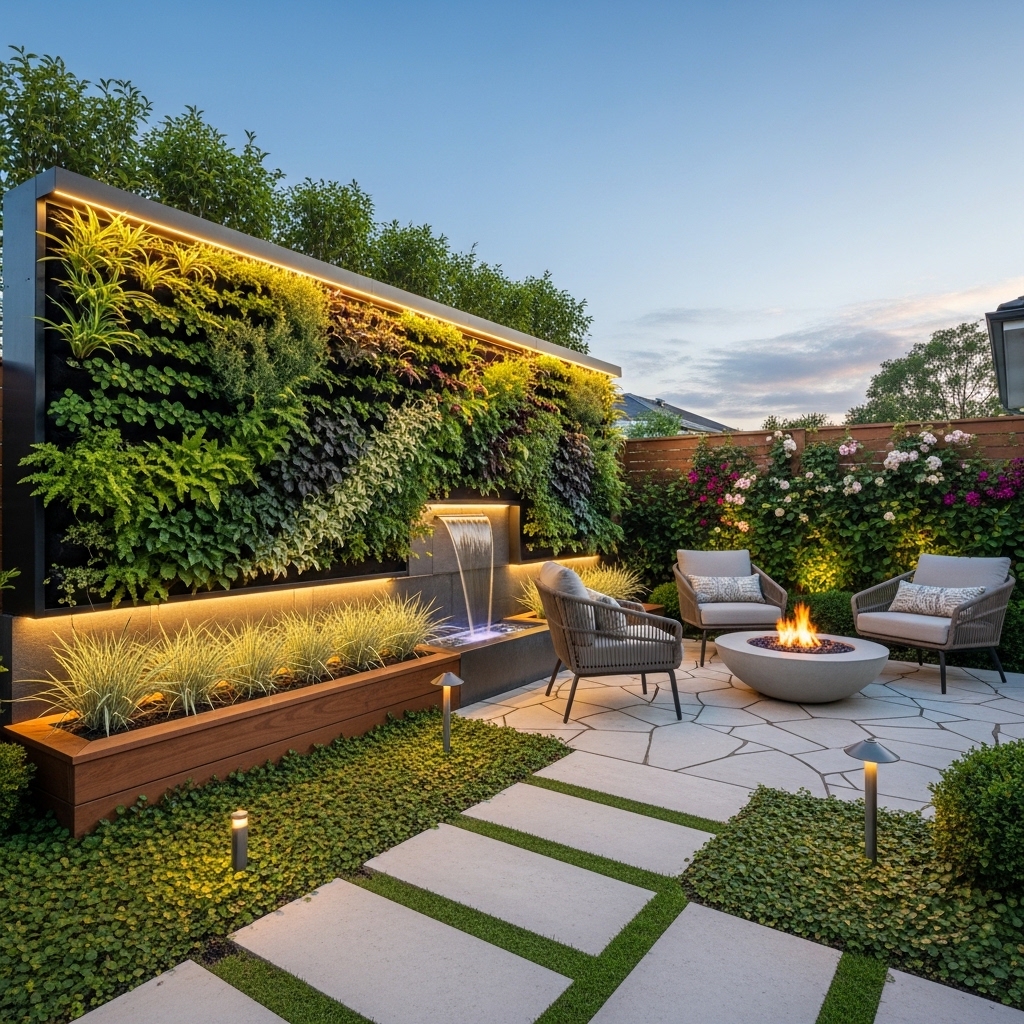
Who it’s for: Perfect for patios, narrow backyards, or privacy screens.
Install vertical planters or trellises with climbing vines, flowers, or herbs to maximize space and add greenery without taking up the floor area.
This works because it turns blank walls into living features, improving air quality and visual appeal. Beginners often overcrowd panels, reducing airflow and causing rot.
Pro Tip: Choose lightweight containers and rotate plants for even sunlight exposure.
Mistake to Avoid: Avoid heavy planters that may damage walls or supports.
4. Small Water Features
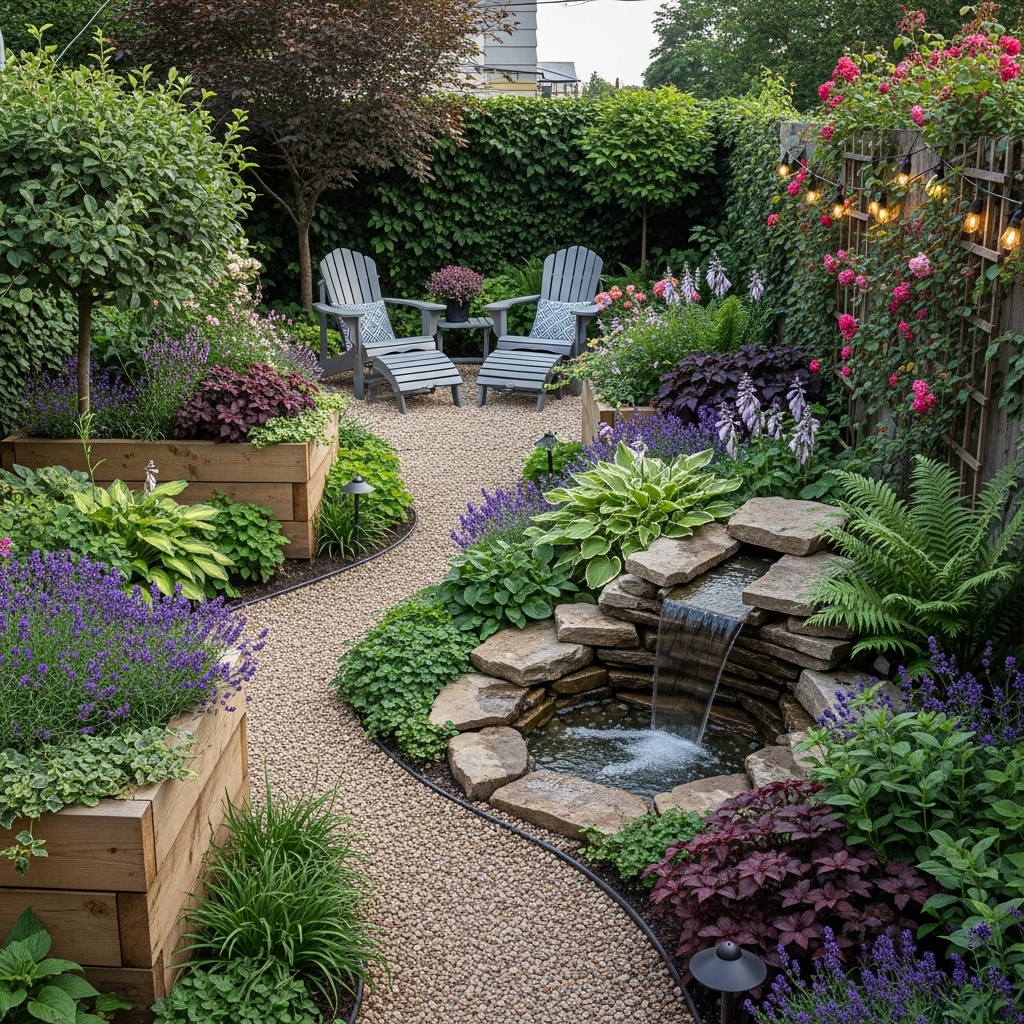
Who it’s for: Ideal for homeowners seeking tranquility in compact backyards.
Install fountains, small ponds, or cascading water bowls to create soothing sounds and a focal point. Even a corner water feature can transform the atmosphere.
It works because water adds movement, attracts wildlife, and provides a calming effect. Mistakes include poor drainage or placement that blocks sunlight to surrounding plants.
Pro Tip: Add aquatic plants like lilies or floating greenery to enhance the natural feel.
Mistake to Avoid: Don’t choose oversized water features that overwhelm a small yard.
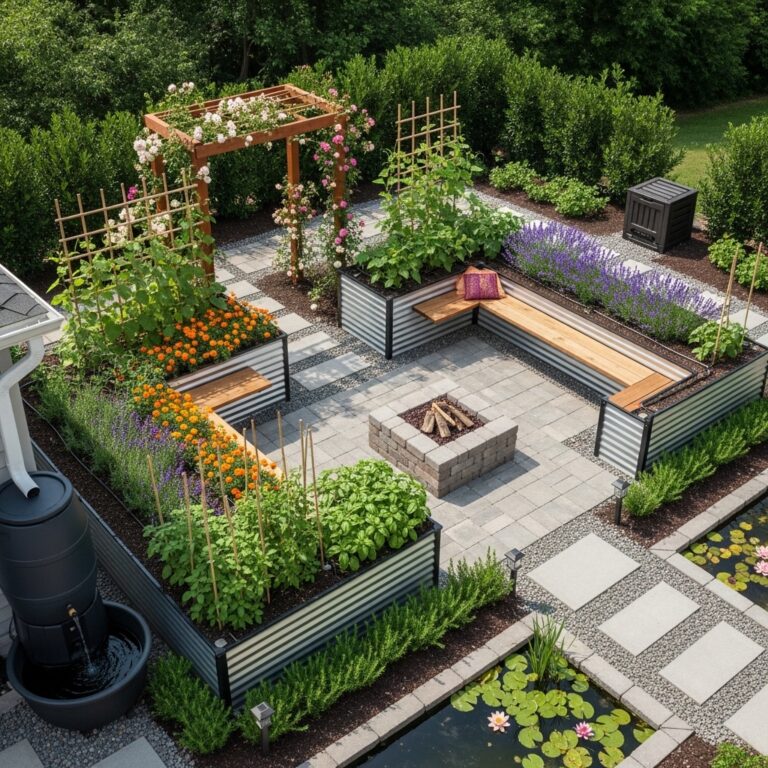
5. Raised Vegetable Beds
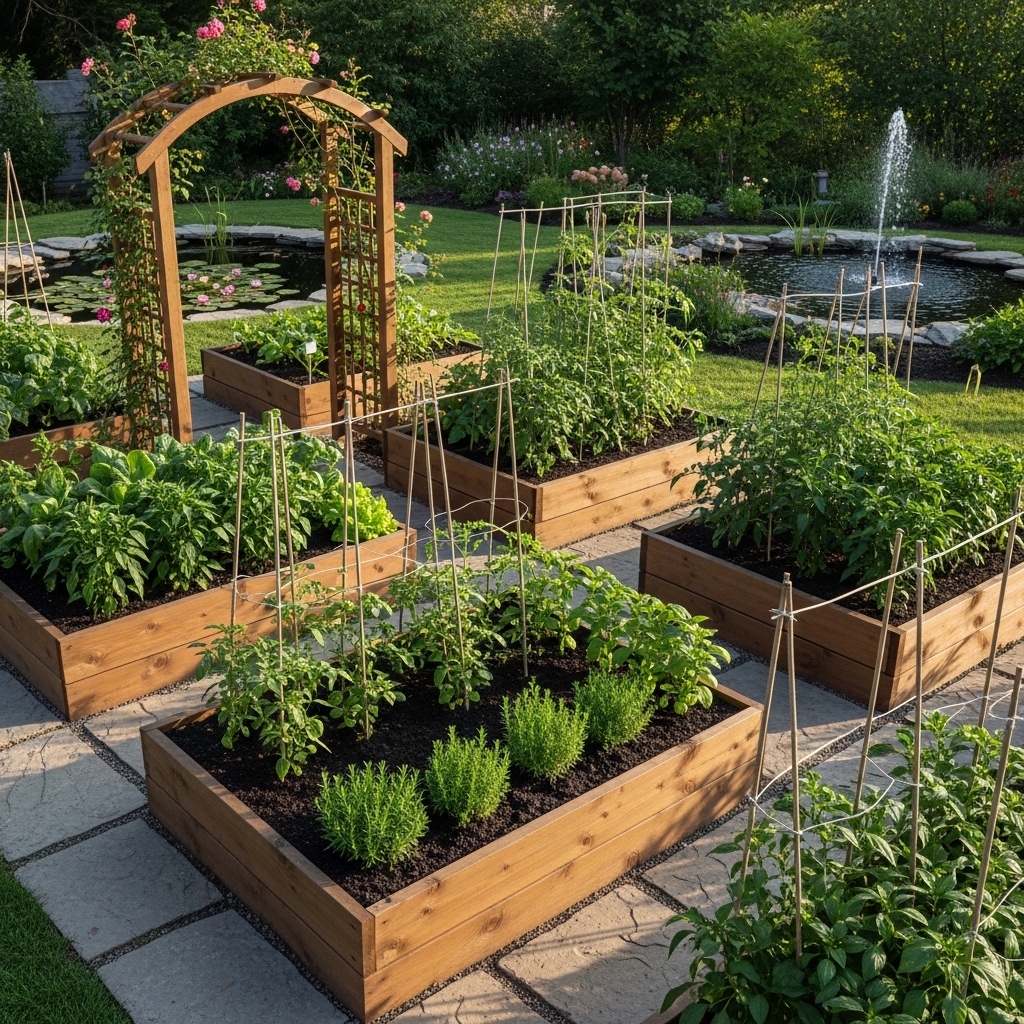
Who it’s for: Perfect for families or individuals wanting fresh produce in small yards.
Elevate soil using wooden or metal frames for growing vegetables, strawberries, or herbs. Raised beds improve soil quality, drainage, and pest management.
This works because plants get better growth in controlled soil, and raised beds are easier to maintain. Many beginners skip soil preparation, leading to uneven growth.
Pro Tip: Use companion planting to improve yield and prevent pests.
Mistake to Avoid: Avoid planting tall vegetables at the front of beds; block sunlight for others.
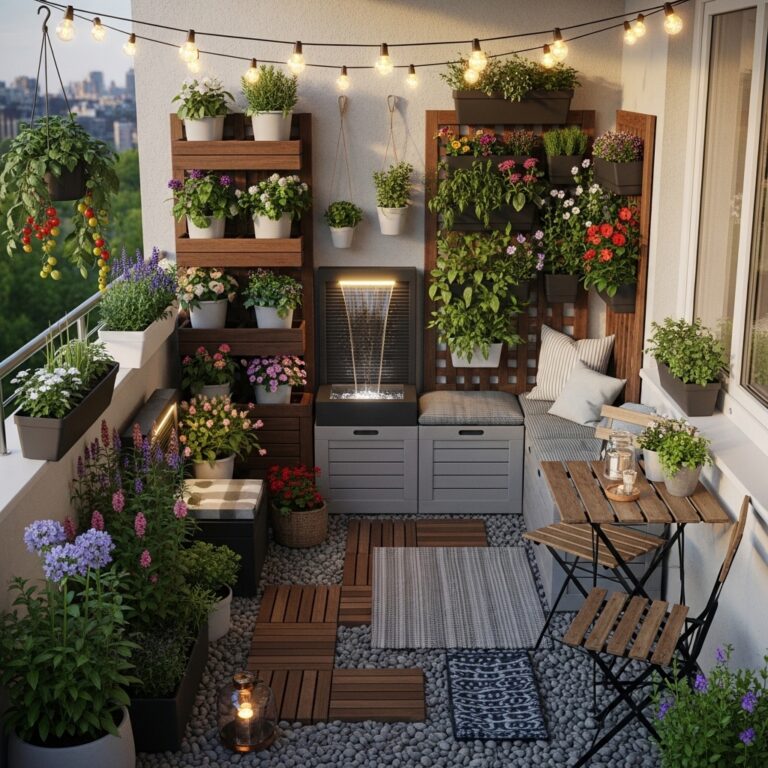
6. Cozy Patio Garden Corners
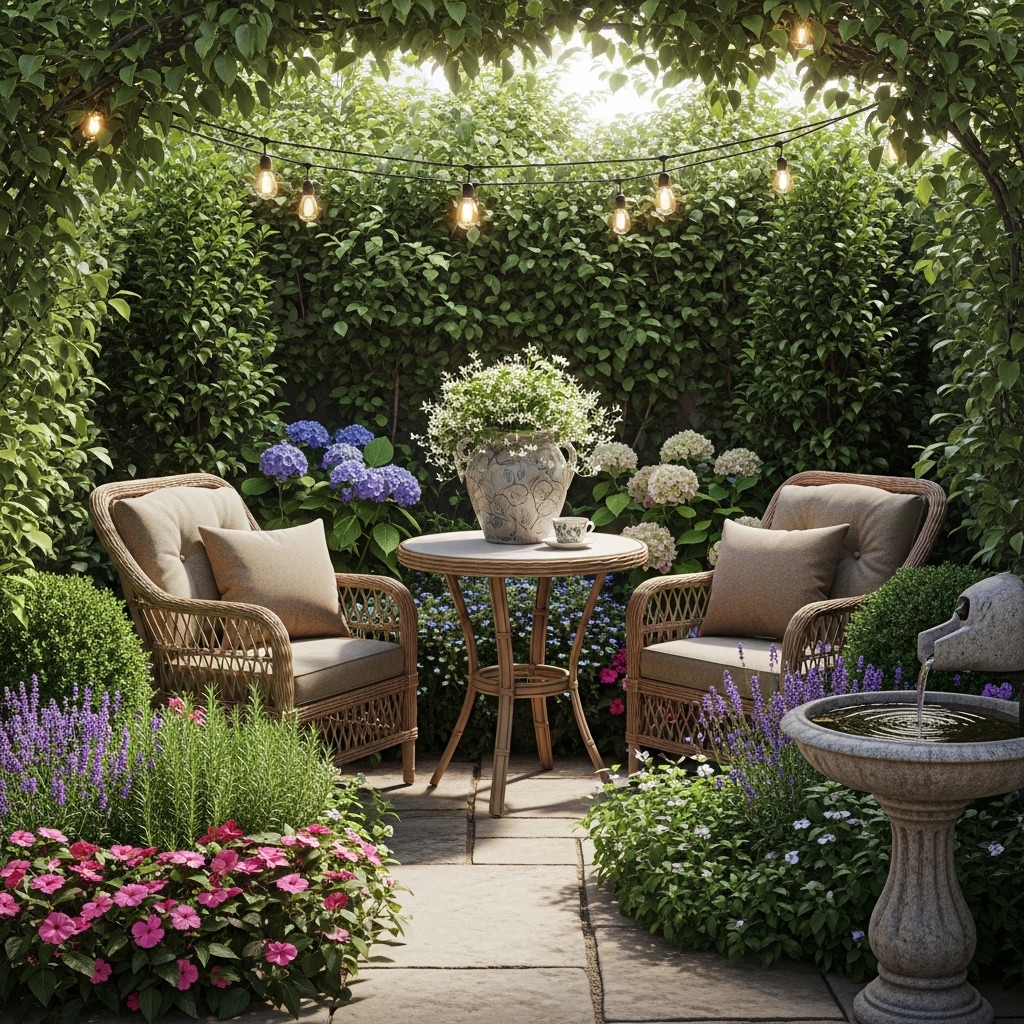
Who it’s for: Great for entertaining or outdoor relaxation.
Use planters, small trees, and climbing vines to create intimate corners around seating areas. Adding cushions and outdoor rugs enhances comfort.
This works because enclosing seating spaces with greenery improves privacy, creates shade, and enhances ambiance. Mistakes include cluttering the area with too many pots, limiting movement.
Pro Tip: Mix textures and heights for a layered, cozy effect.
Mistake to Avoid: Don’t place plants that require constant watering in high-sun patios.
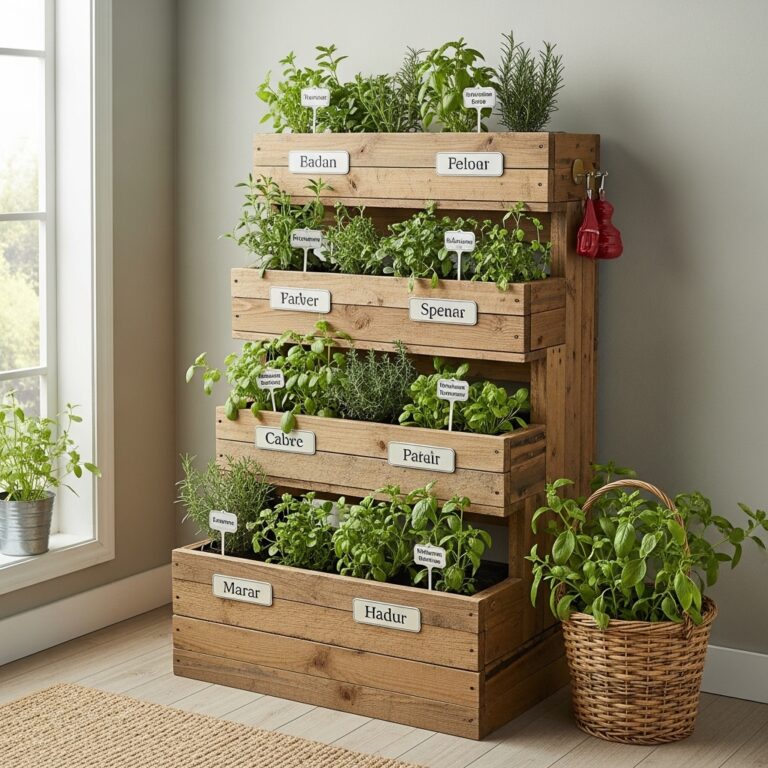
7. Herb Spiral for Small Spaces
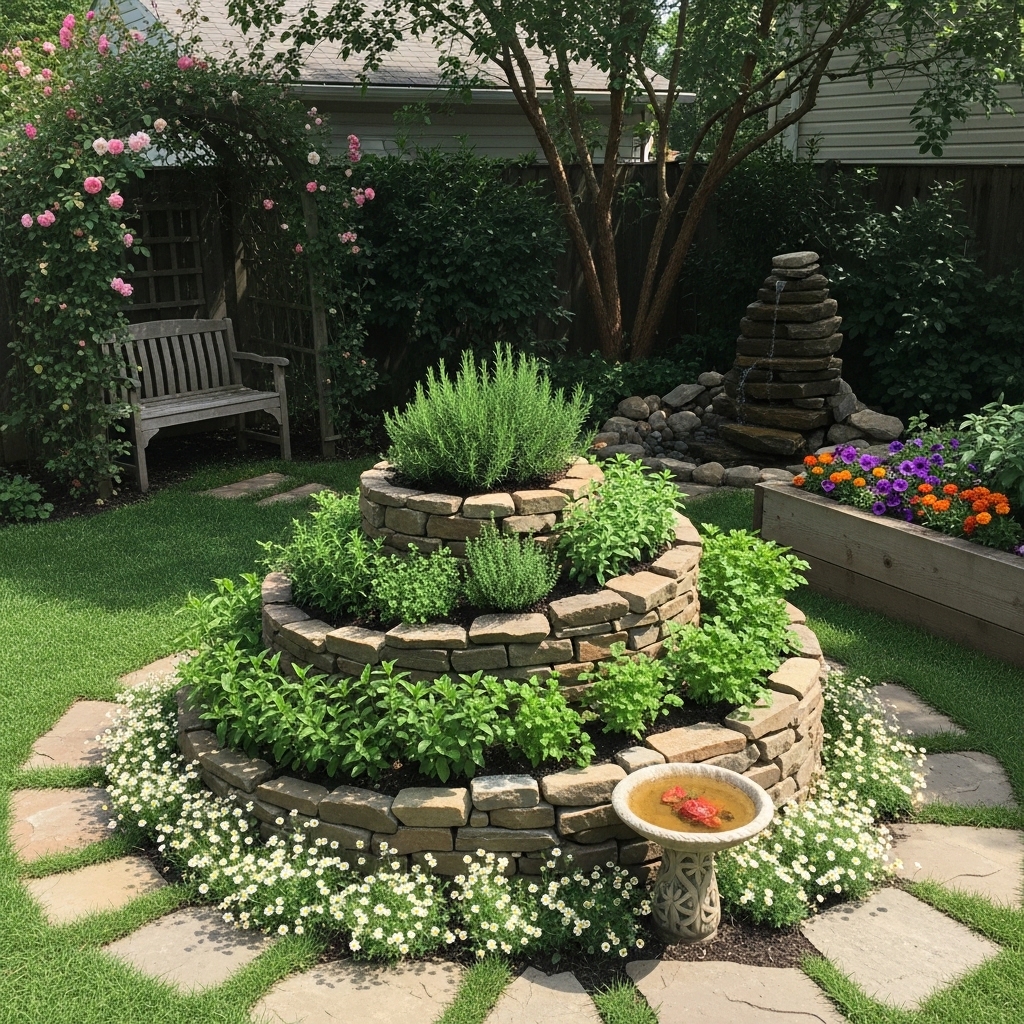
Who it’s for: Ideal for small or narrow backyards where space is at a premium.
A spiral structure allows you to grow multiple herbs in a compact footprint, using vertical height efficiently.
This works because herbs benefit from different microclimates within the spiral—sun-loving at the top, shade-tolerant at the bottom. Many beginners make the mistake of planting the same species throughout, reducing variety.
Pro Tip: Build with stones or recycled bricks for a rustic, durable design.
Mistake to Avoid: Avoid overwatering the bottom plants; drainage is essential.
8. Native Plant Gardens
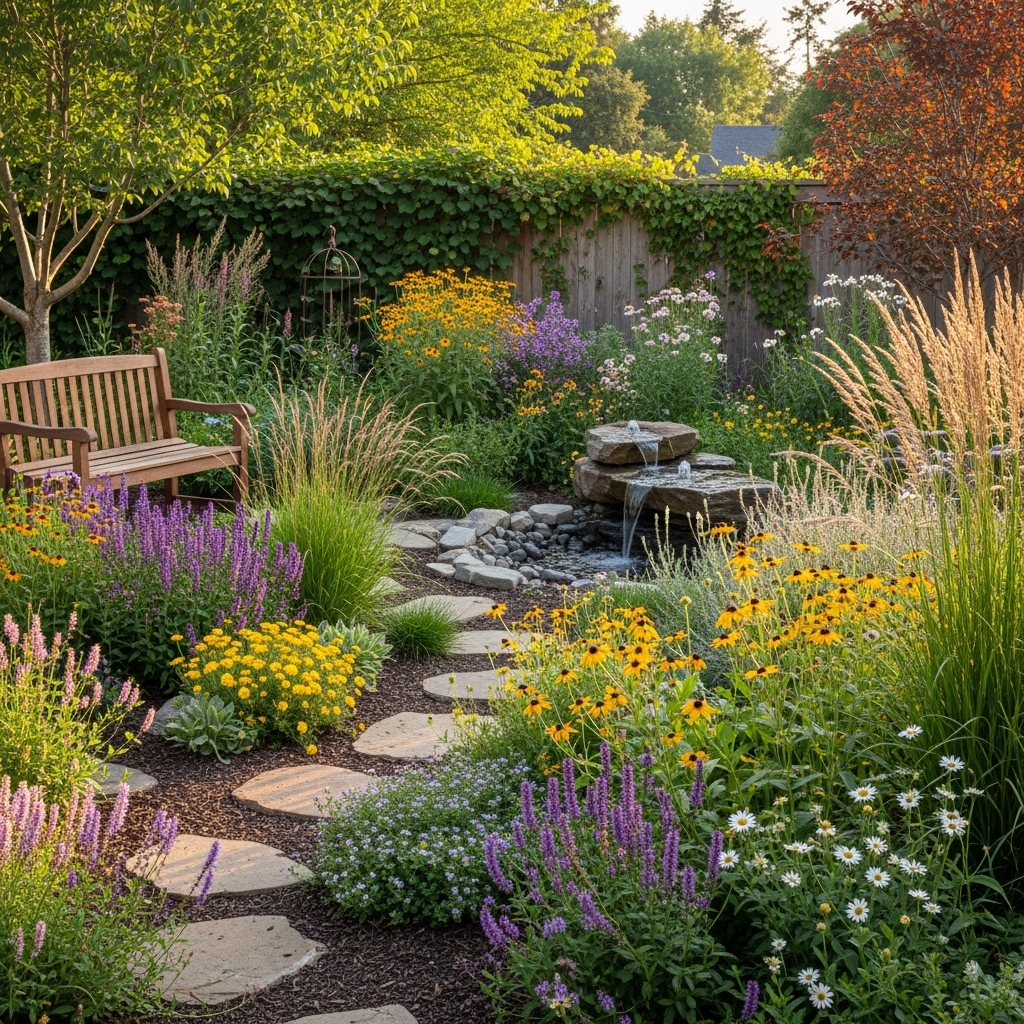
Who it’s for: Homeowners seeking low-maintenance, eco-friendly landscaping.
Use native plants that thrive in your climate and soil conditions to reduce water, fertilizer, and upkeep needs. Incorporate grasses, perennials, and shrubs for texture.
It works because native plants support local ecosystems and require less intervention. Mistakes include pairing incompatible species or ignoring seasonal color planning.
Pro Tip: Include flowering natives to attract pollinators like bees and butterflies.
Mistake to Avoid: Don’t overcrowd plants; native species need room to flourish naturally.
9. Multi-Level Deck With Planters
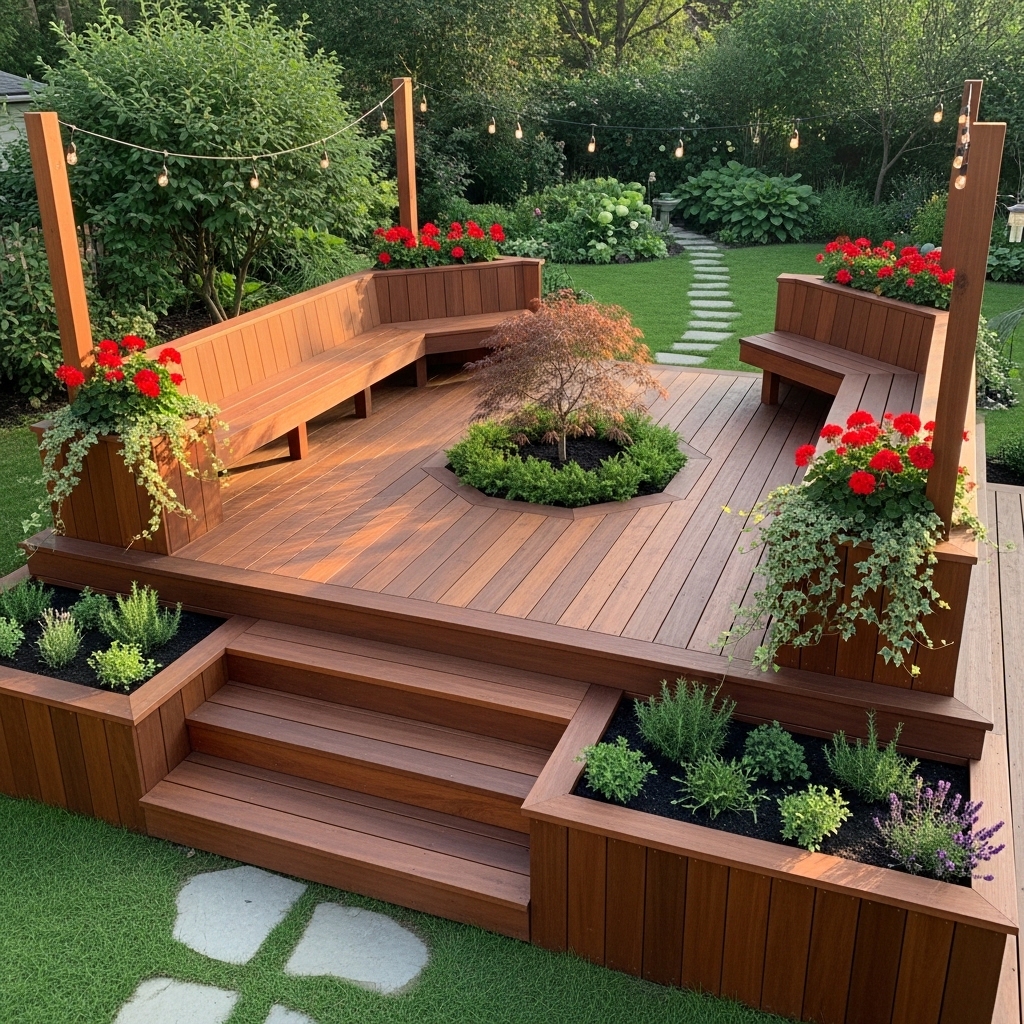
Who it’s for: Perfect for small yards with elevation changes or patio areas.
Combine raised decks with built-in planters for flowers, herbs, or ornamental grasses. This adds usable seating and green space simultaneously.
It works because it merges functionality with aesthetics, creating zones for lounging and gardening. Mistakes include insufficient support for planters, leading to damage or instability.
Pro Tip: Use treated wood or composite materials for longevity.
Mistake to Avoid: Avoid planting heavy species on edges without proper reinforcement.
10. Fruit Tree Corner
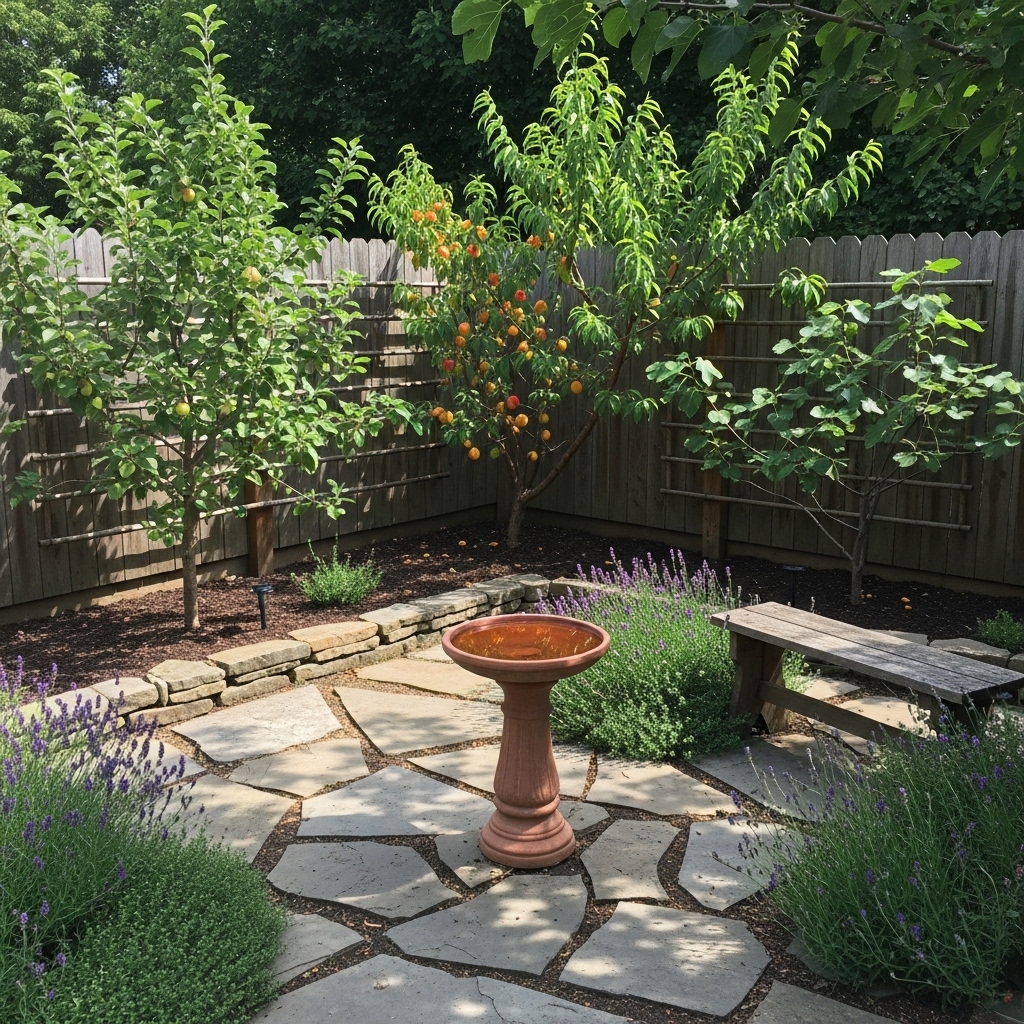
Who it’s for: Small garden owners wanting fresh fruit without taking up much ground.
Plant dwarf fruit trees like lemons, apples, or cherries in a designated corner. These require minimal space yet offer seasonal yield.
This works because dwarf varieties are compact, decorative, and productive. Beginners often over-prune or neglect sunlight requirements.
Pro Tip: Mulch around trees to retain moisture and reduce weeds.
Mistake to Avoid: Avoid planting too close to structures; roots can interfere with foundations.
11. Wildlife-Friendly Garden Patch
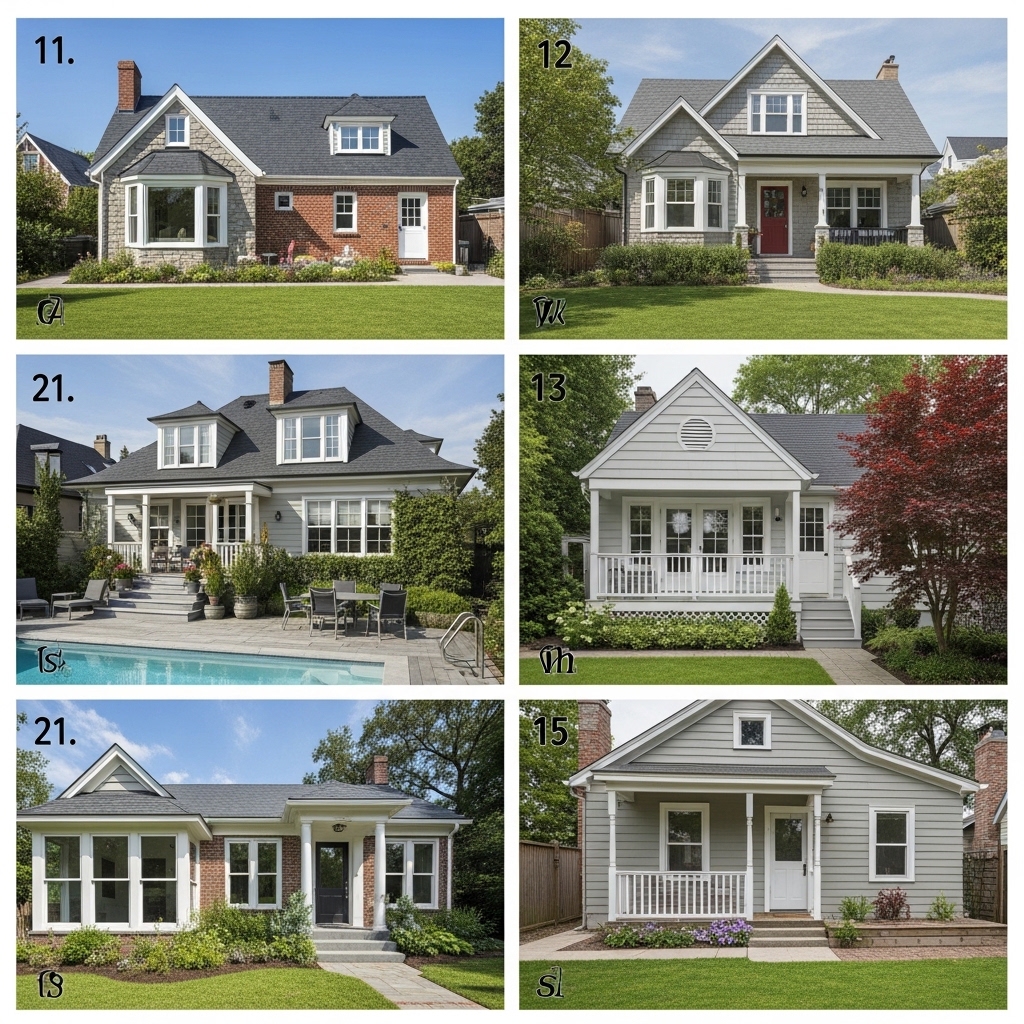
Who it’s for: Homeowners interested in attracting birds, butterflies, or beneficial insects.
Incorporate flowering plants, small shrubs, and water features to create habitats. Include nectar-rich flowers and sheltering shrubs.
It works because biodiversity helps maintain a healthy garden ecosystem and adds movement and life. Mistakes include using invasive plants that drive away native wildlife.
Pro Tip: Install bird feeders or bat boxes to encourage natural pest control.
Mistake to Avoid: Don’t use pesticides that harm pollinators or beneficial insects.
12. Decorative Gravel & Rock Zones
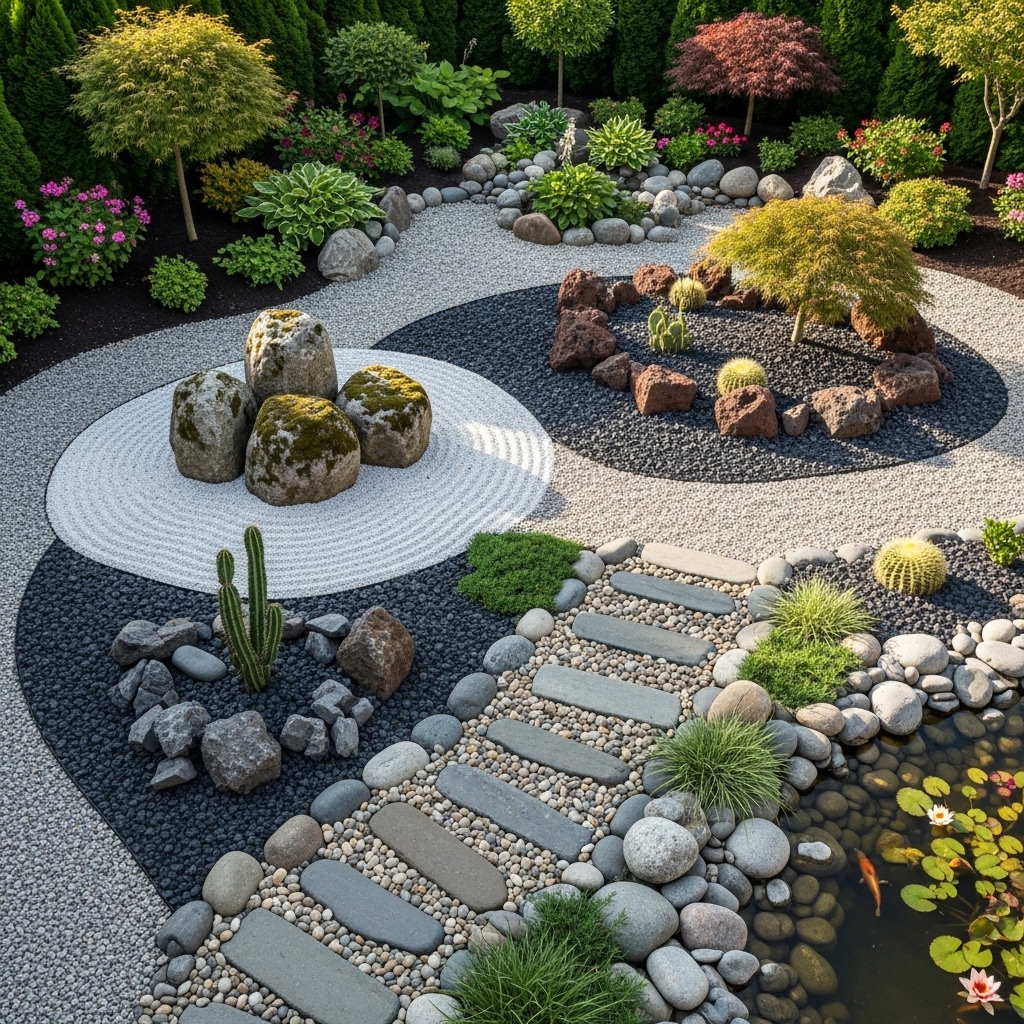
Who it’s for: Small gardens needing low-maintenance aesthetic elements.
Combine gravel, rocks, and small plants to create Zen-like or modern minimalist zones. Gravel paths and rock beds reduce water needs.
It works because it provides structure, drainage, and visual contrast. Many beginners forget weed barriers, causing maintenance headaches.
Pro Tip: Use contrasting gravel sizes for depth and texture.
Mistake to Avoid: Avoid large boulders in tiny spaces; they overwhelm the garden visually.
13. Pergola With Climbing Plants
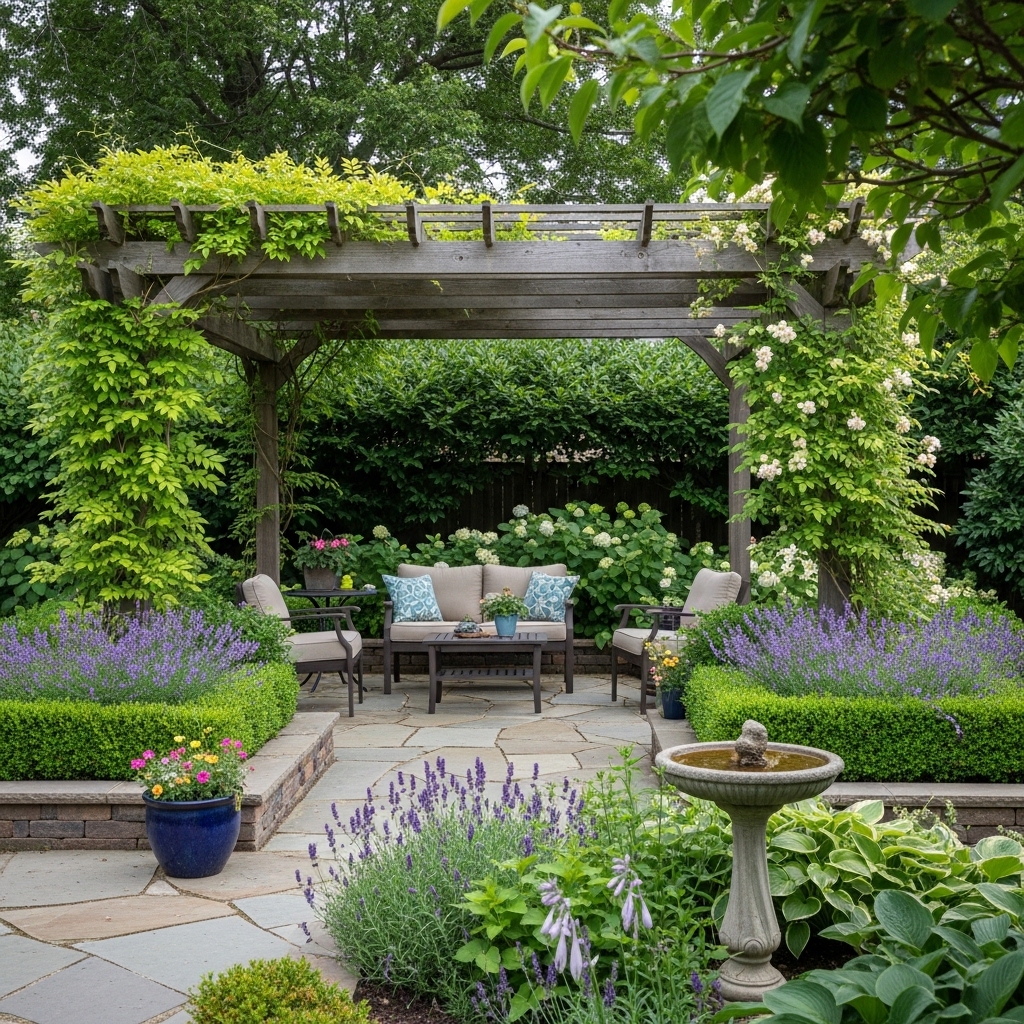
Who it’s for: Ideal for creating shade and vertical interest in mid-size backyards.
Install a pergola over seating areas and train climbers like wisteria, jasmine, or grapevines to grow over it.
It works because climbers provide shade, fragrance, and visual appeal while defining outdoor rooms. Mistakes include using heavy climbers on weak structures.
Pro Tip: Use trellis wiring for controlled growth and seasonal pruning.
Mistake to Avoid: Don’t plant climbers too close to house walls; they can damage siding.
14. Fire Pit Garden Hub
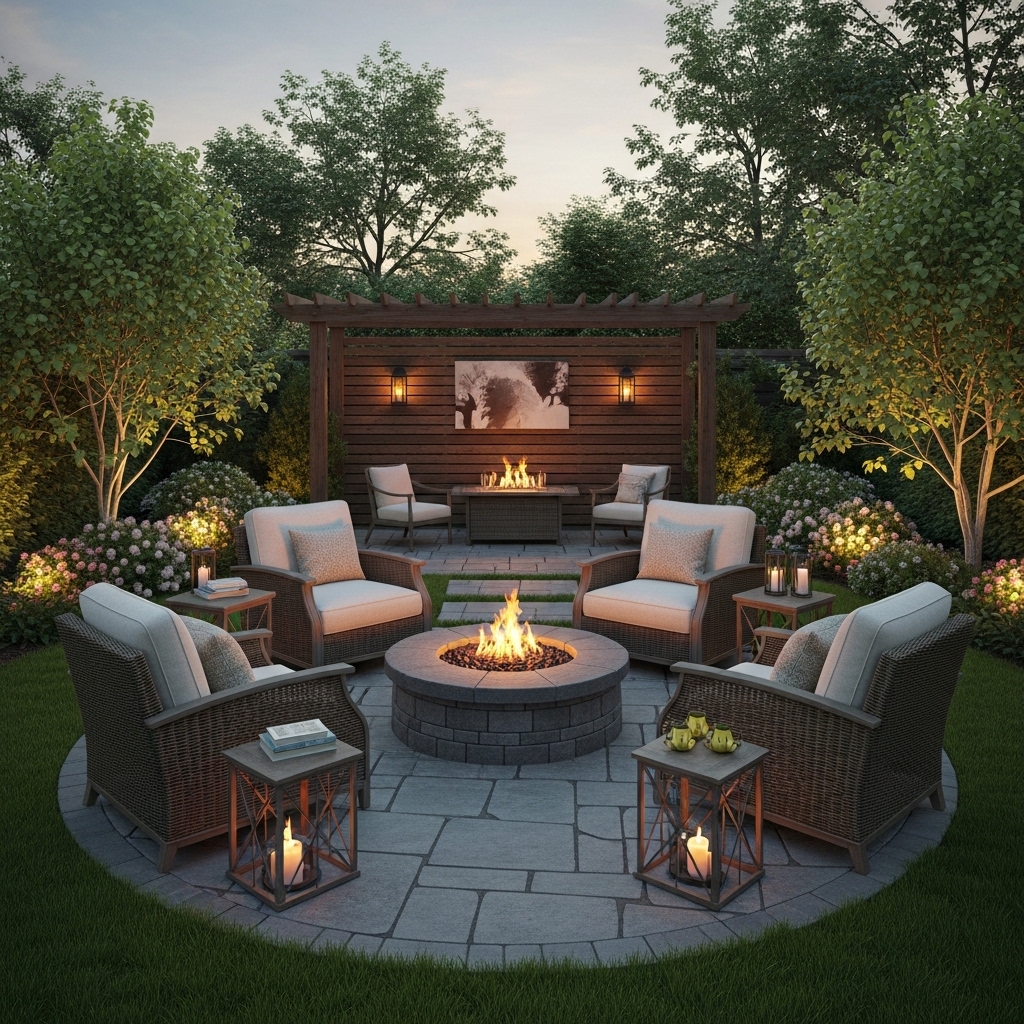
Who it’s for: Families or entertainers looking for a central outdoor feature.
Place a fire pit surrounded by seating and low shrubs or flowers for comfort and ambiance. Choose safe materials and maintain proper distances from plants.
It works because it draws people together, creating a functional focal point that enhances garden usability. Beginners often place fire pits too close to plants or structures.
Pro Tip: Use gravel or stone surrounds to prevent accidental fires.
Mistake to Avoid: Don’t leave wood or flammable materials nearby.
15. Seasonal Color Zones
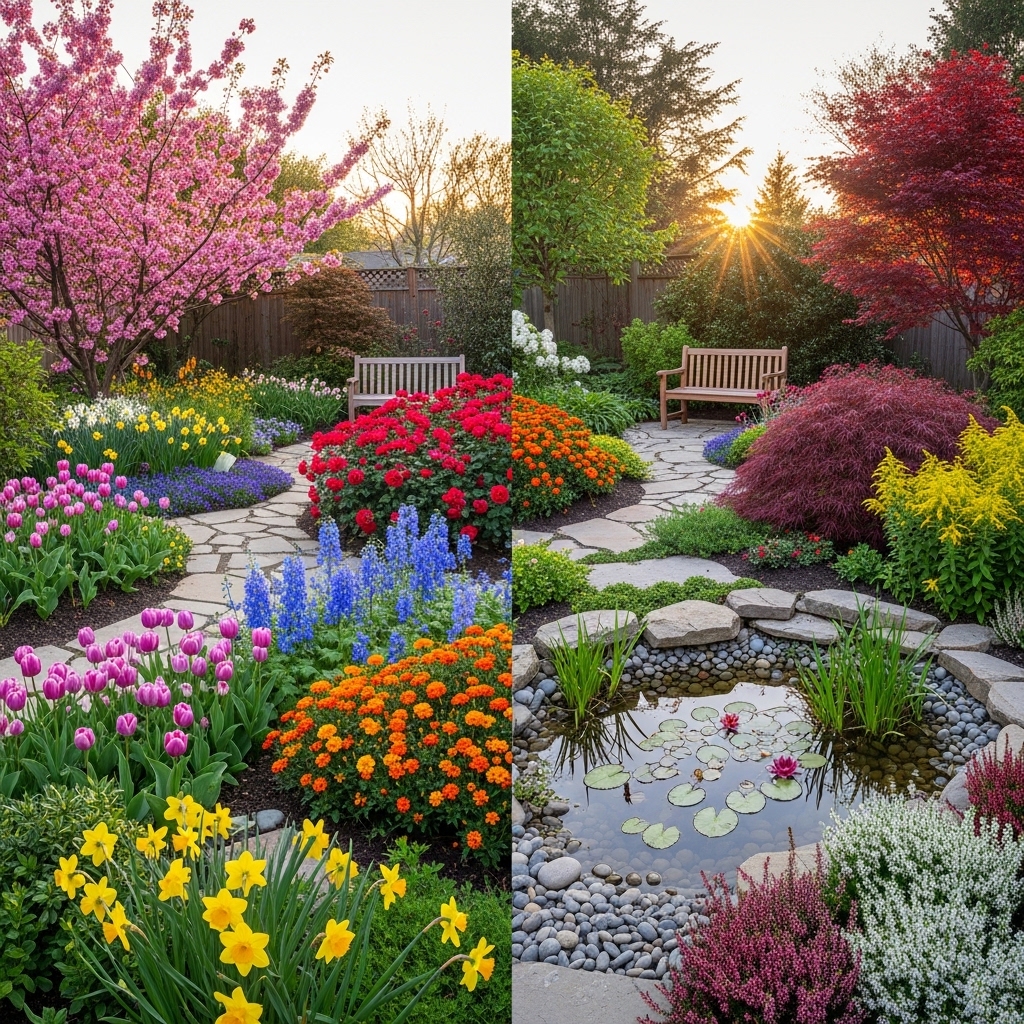
Who it’s for: Gardeners who want year-round vibrancy in small yards.
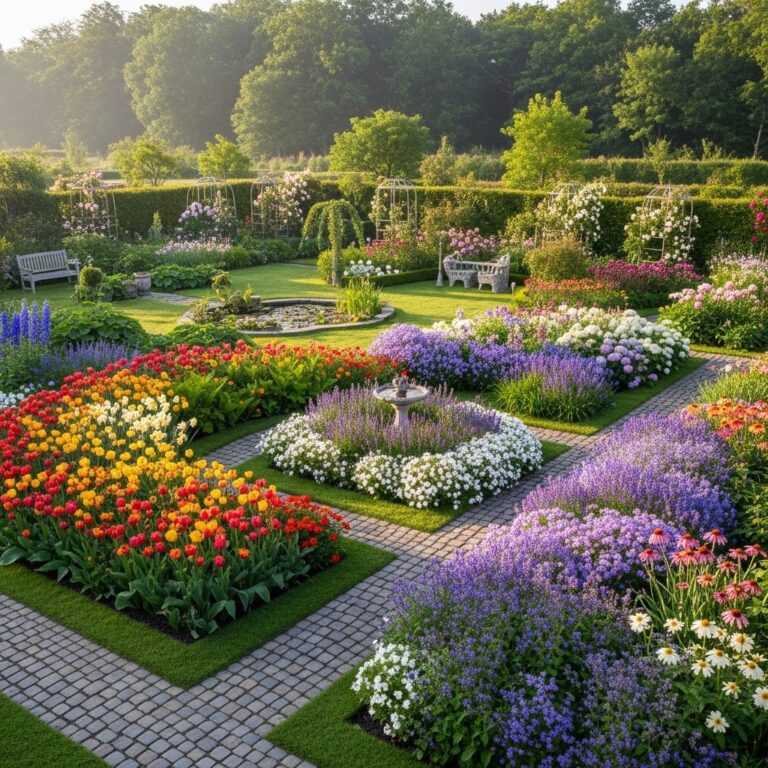
Plan zones for spring bulbs, summer annuals, fall perennials, and winter evergreens. Rotate plantings to maintain color and interest throughout the year.
It works because the garden never feels empty, and different textures provide dynamic visual appeal. Many gardeners fail to plan succession, leaving gaps in bloom periods.
Pro Tip: Use modular containers or beds for easy seasonal swaps.
Mistake to Avoid: Avoid planting incompatible species in the same soil or microclimate.
Conclusion
Backyard gardens are more, than pretty spaces. They are productive and great places to relax.
You can make your backyard feel big and welcoming by using wall planters, layered designs, planning for the seasons and features that serve purposes.
Here are 15 backyard garden design ideas to help you. They will give you ideas that work, helpful tips and things to watch out for. This way your outdoor space will be both nice to look at and practical.