15 Trendy Garden Ideas That Improve Layout, Plant Health, and Everyday Usability
Many gardens do not turn out well not because of the plants chosen. Because they lack a good plan. Without spacing separate areas and a clear plan even a healthy garden can look messy and be hard to take care of.
This guide shares garden tips that make your garden both useful and look good. Each tip helps you make a garden that’s easy to look after looks balanced and fits how you really use your garden.
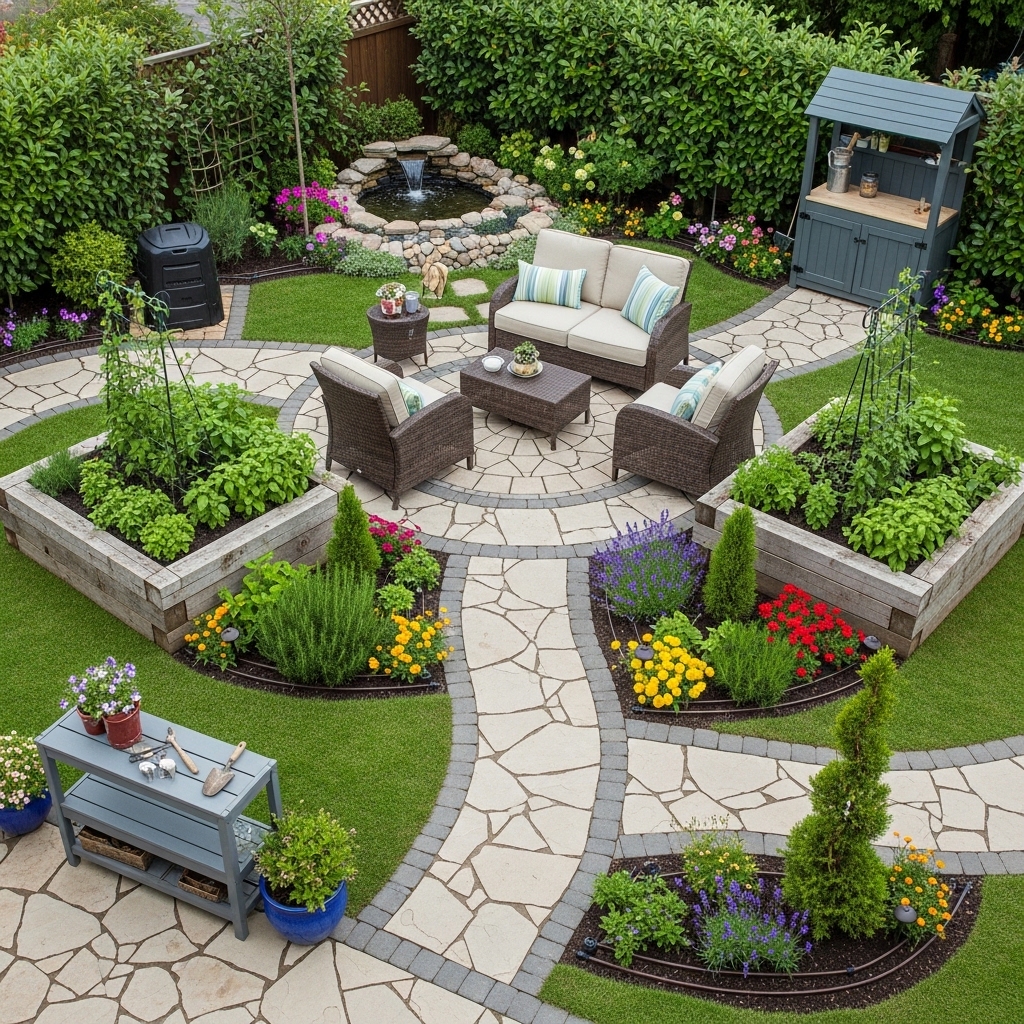
1. Plan Your Garden Layout Around Daily Use, Not Just Looks
Ideal for: Beginners or anyone redesigning their garden.
Start by deciding how you’ll use the garden—relaxing, growing food, or entertaining. Then place seating, plants, and paths based on that purpose.
This works because the garden becomes functional, not just decorative. It also prevents wasted or unused areas.
Avoid copying layouts that don’t fit your lifestyle.
Pro Tip: Test your layout before planting or building.
2. Divide the Garden Into Clear Functional Zones
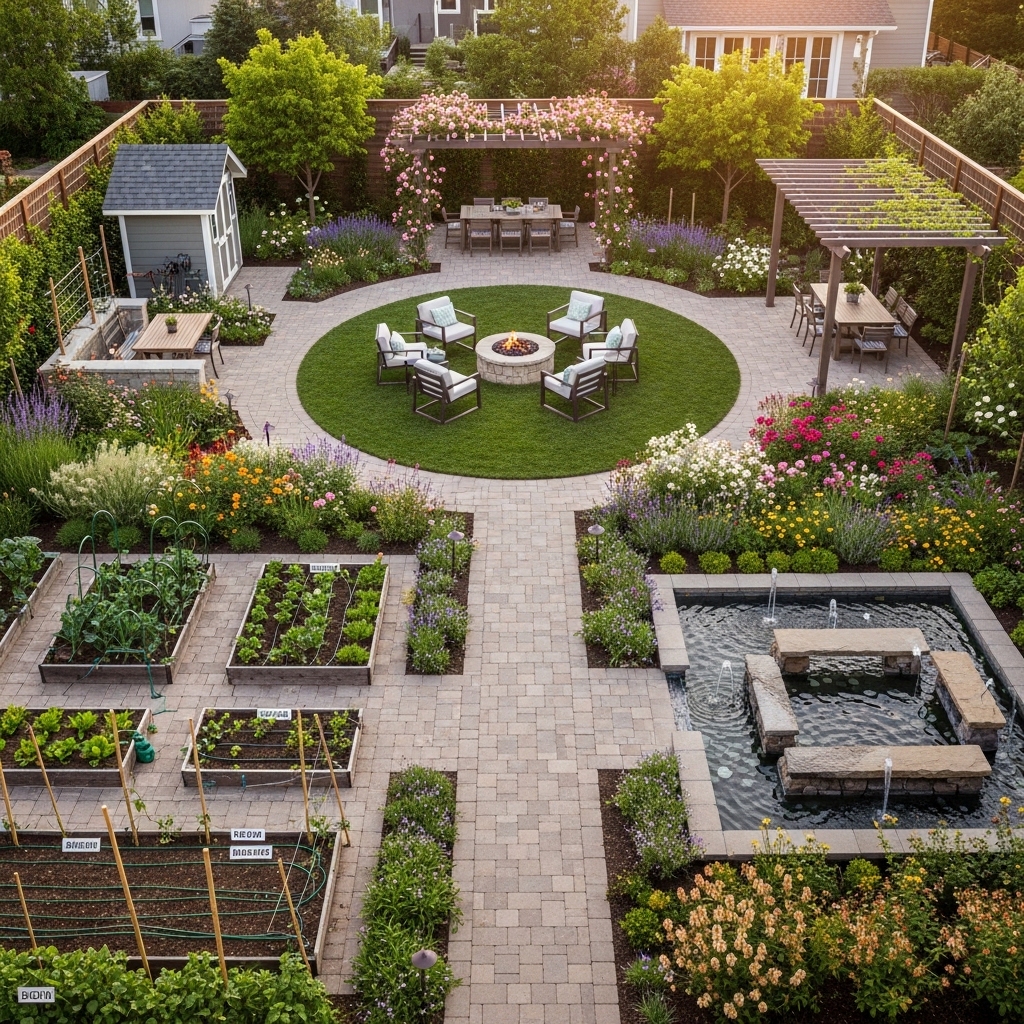
Best for: Medium to large gardens.
Separate areas for planting, seating, and movement using subtle boundaries like paths or materials.
This creates structure and makes the garden easier to navigate and maintain.
Avoid blending all elements into one undefined space.
Pro Tip: Keep transitions simple and consistent.
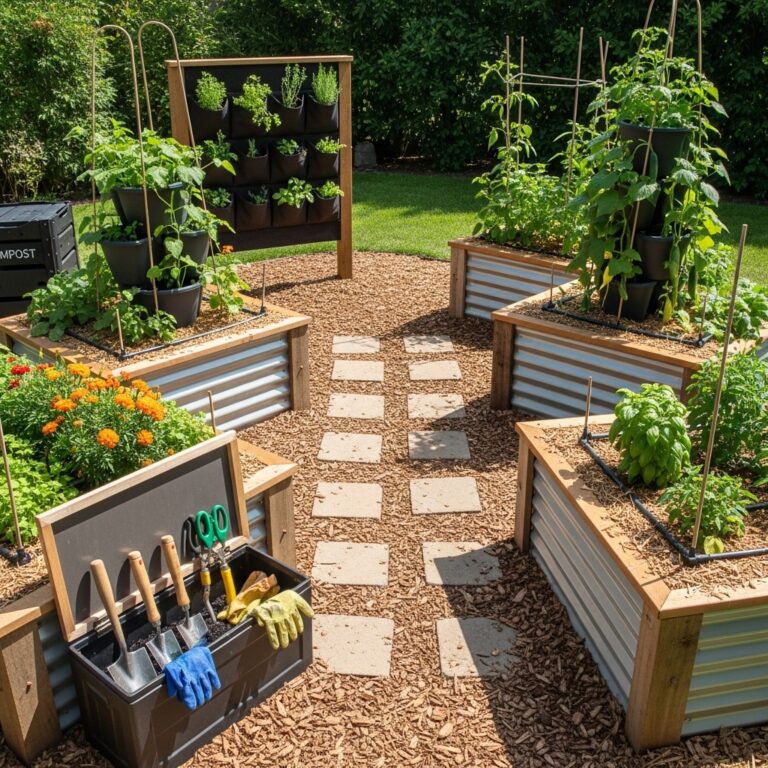
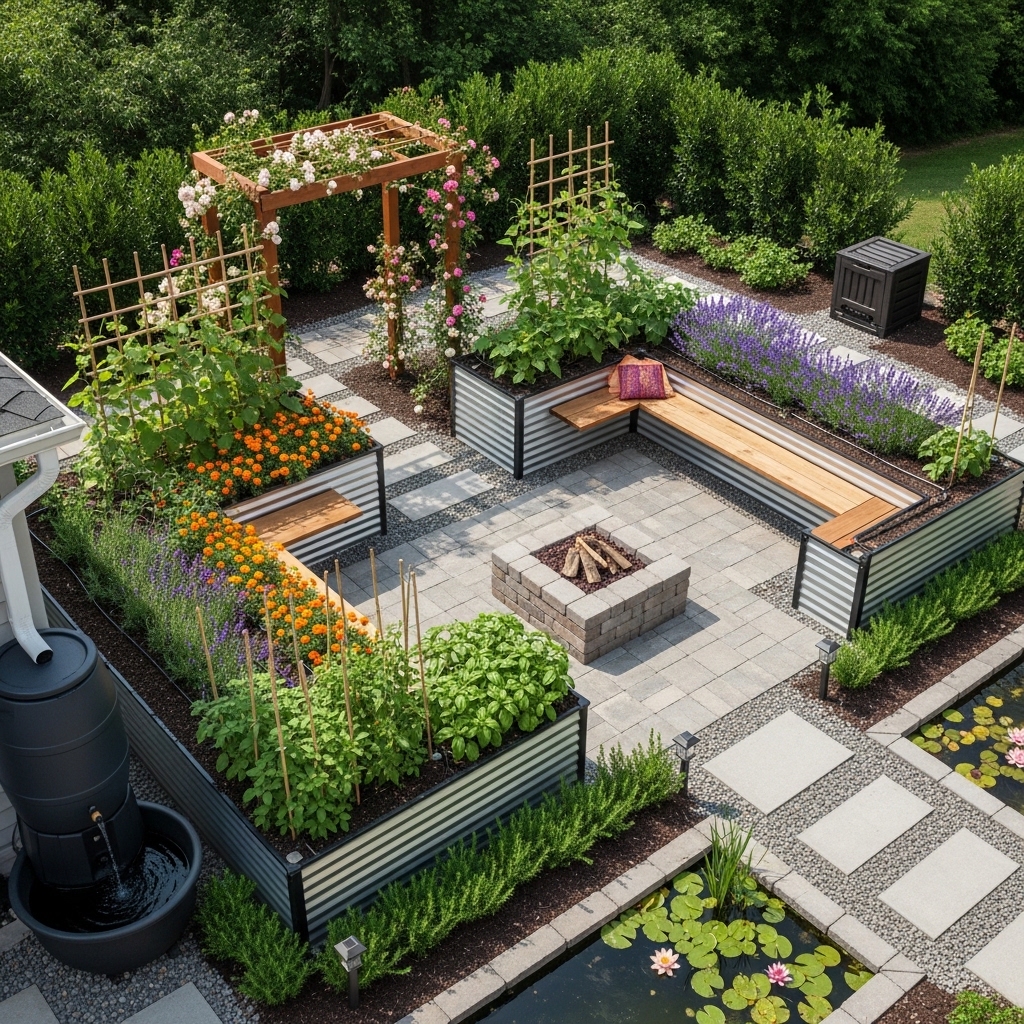
3. Use Raised Beds to Keep Planting Organized
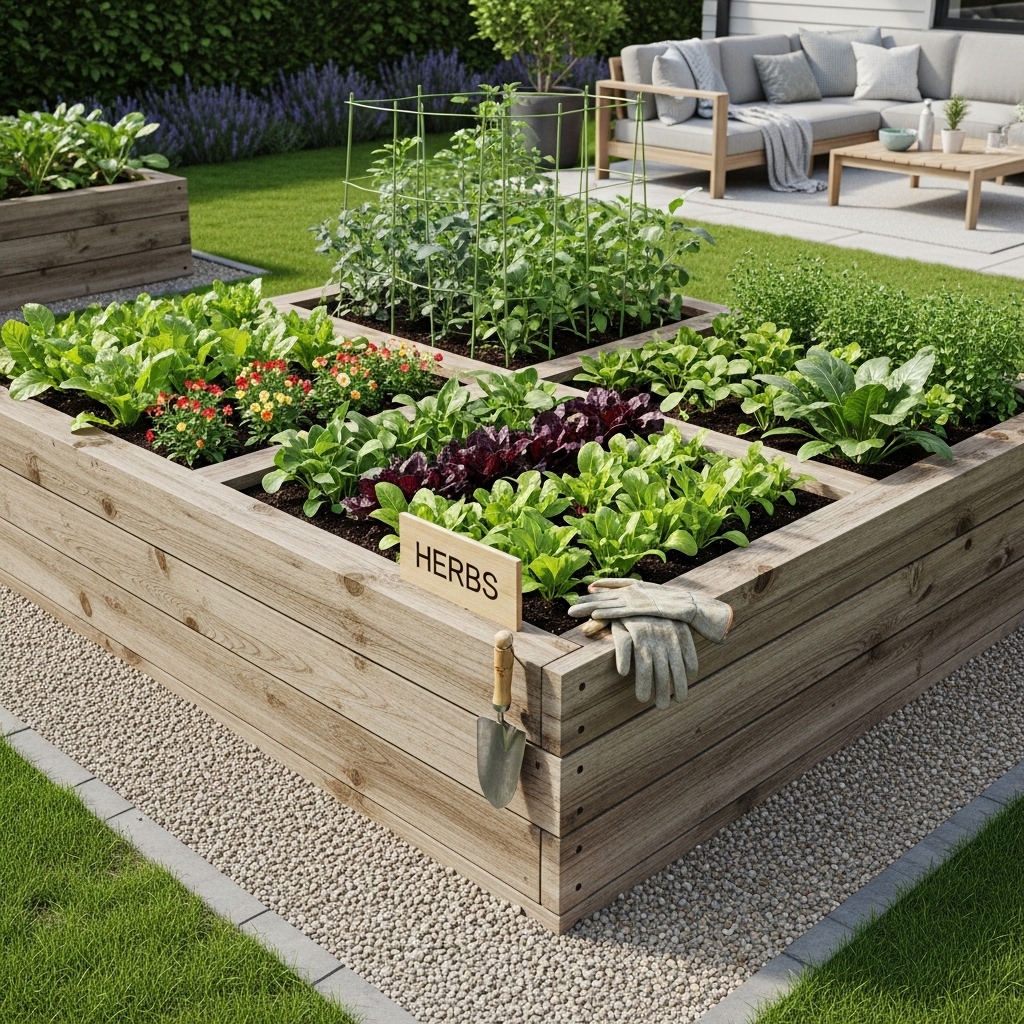
Great for: Vegetable or mixed gardens.
Install raised beds to control soil quality and keep planting areas clearly defined.
Raised beds improve drainage and reduce weed growth.
Avoid making beds too large to access easily.
Pro Tip: Keep beds within arm’s reach from all sides.
4. Add Pathways to Improve Accessibility and Flow
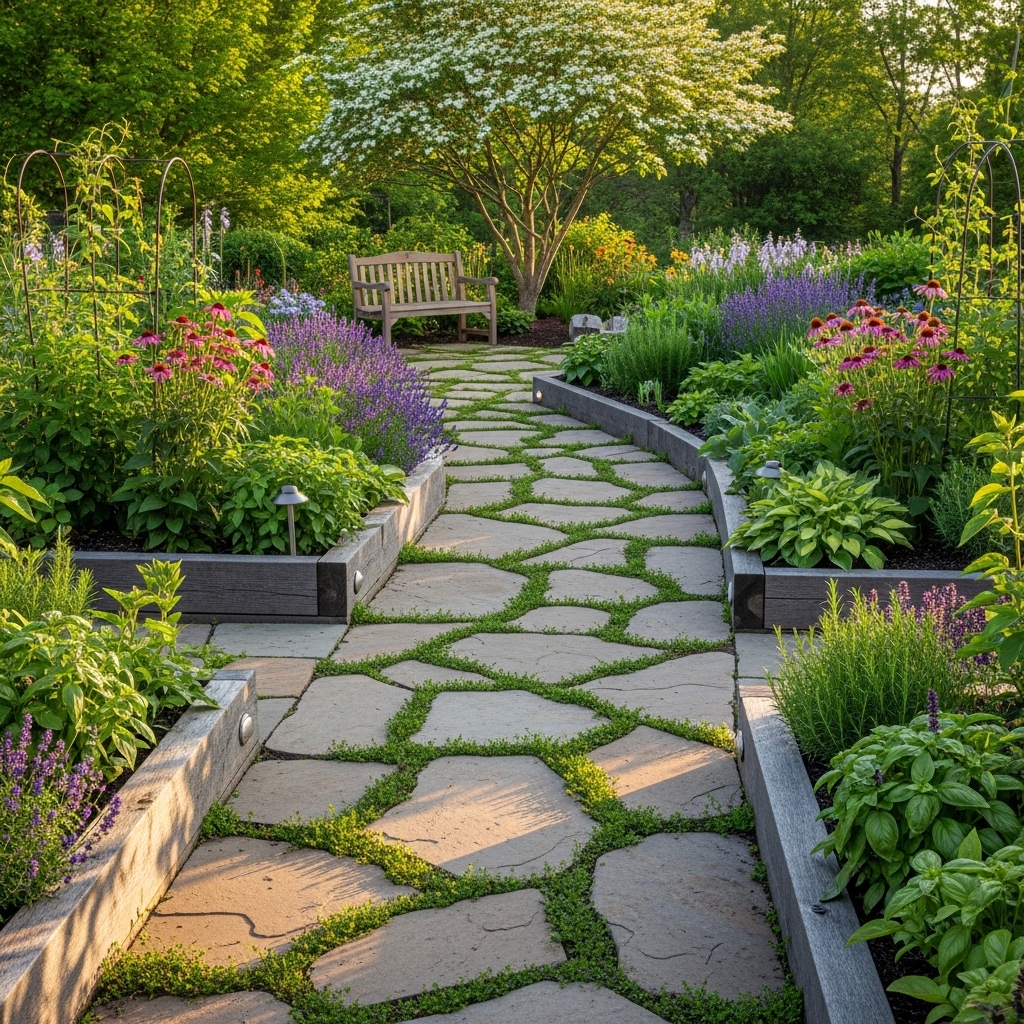
Ideal for: Gardens with multiple sections.
Create paths using gravel, stepping stones, or mulch to connect different areas.
Paths make maintenance easier and prevent soil compaction.
Avoid uneven or narrow pathways.
Pro Tip: Maintain consistent width throughout.
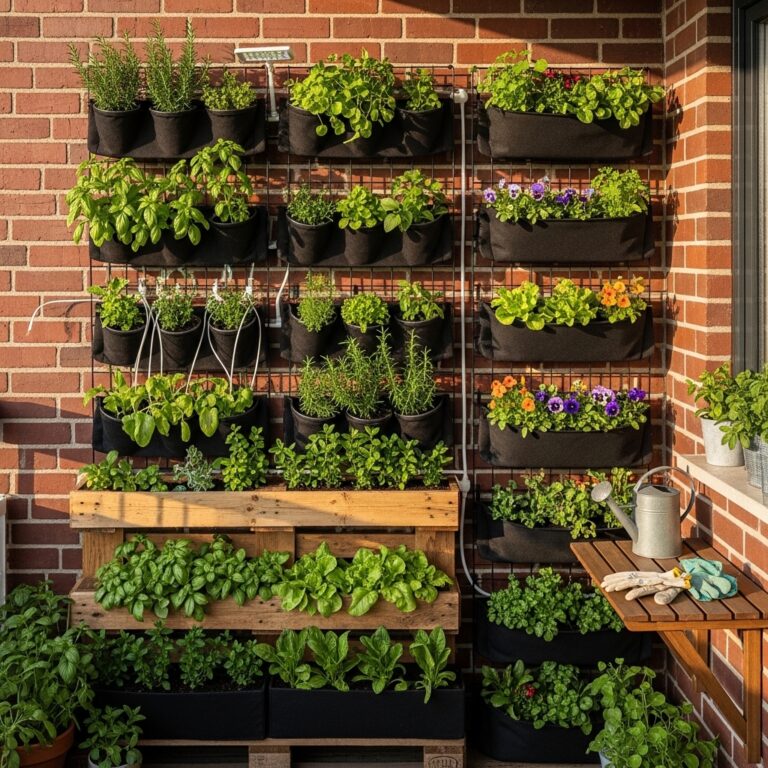
5. Use Vertical Gardening to Maximize Small Spaces
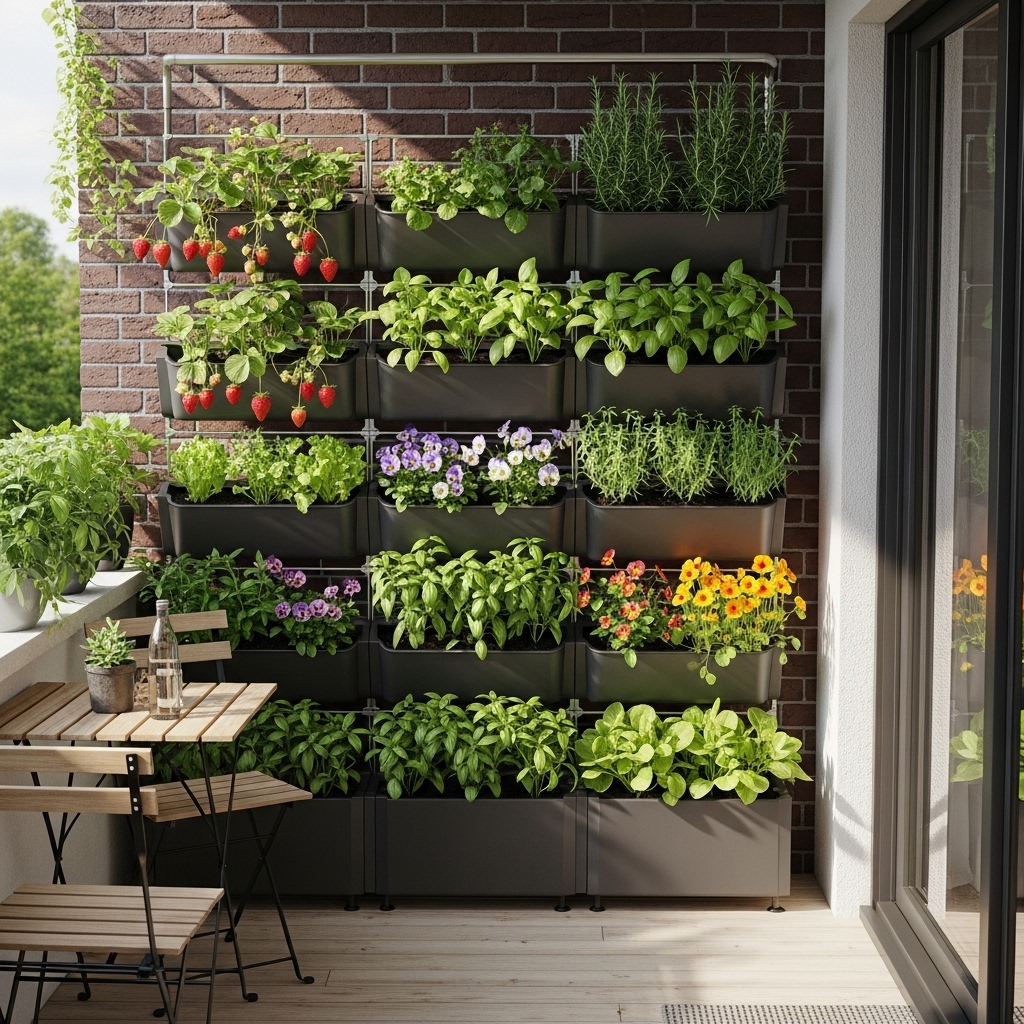
Best for: Compact or urban gardens.
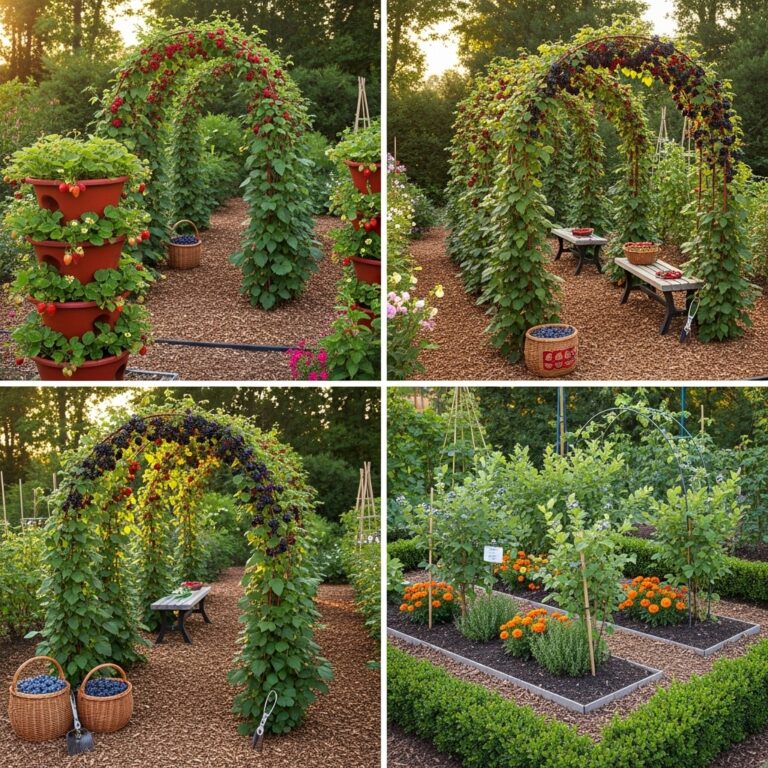
Install trellises, wall planters, or vertical supports for climbing plants.
This increases planting space without using more ground area.
Avoid weak structures that can’t support growth.
Pro Tip: Secure supports before planting.
6. Group Plants Based on Water and Sun Needs
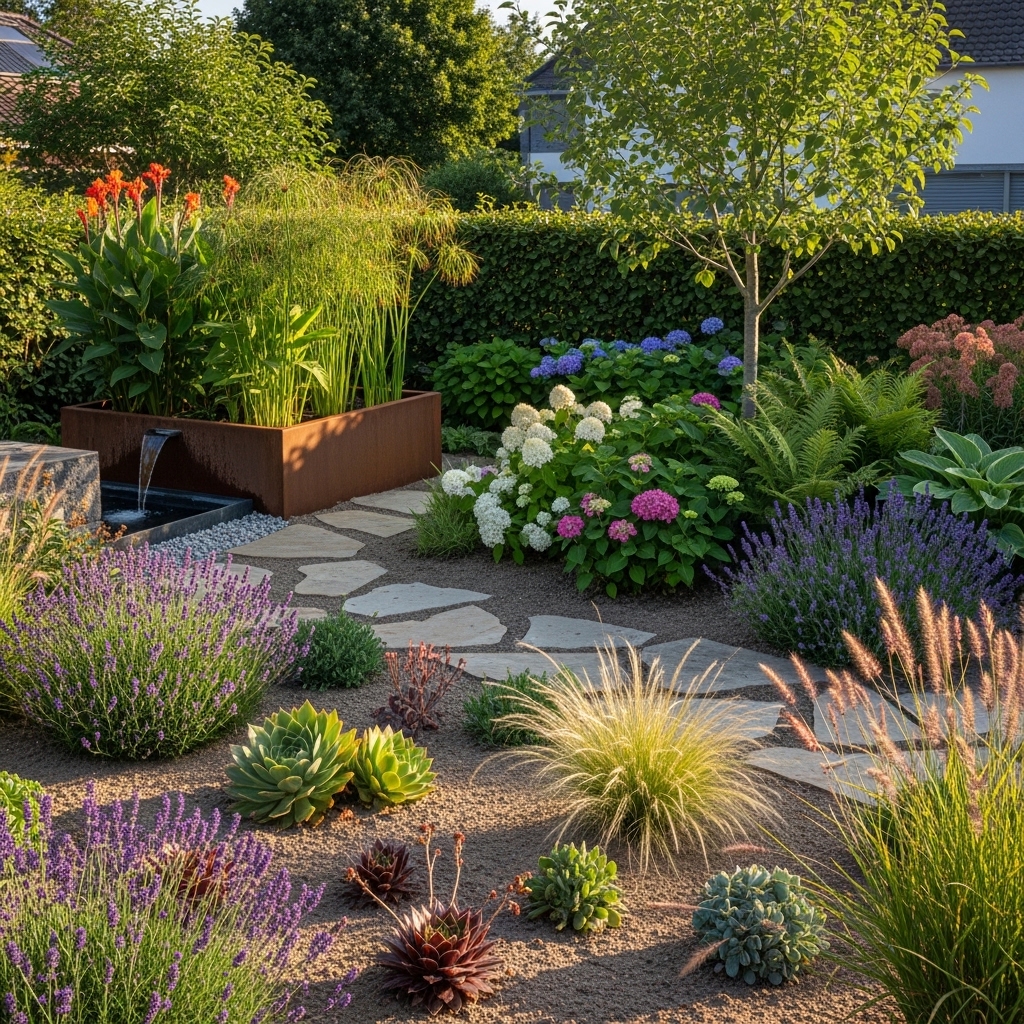
Great for: Efficient garden care.
Place plants with similar requirements together to simplify watering and maintenance.
This reduces plant stress and improves growth consistency.
Avoid mixing plants with very different needs.
Pro Tip: Label zones for easy care.
7. Use Mulch to Maintain Soil Health and Clean Appearance
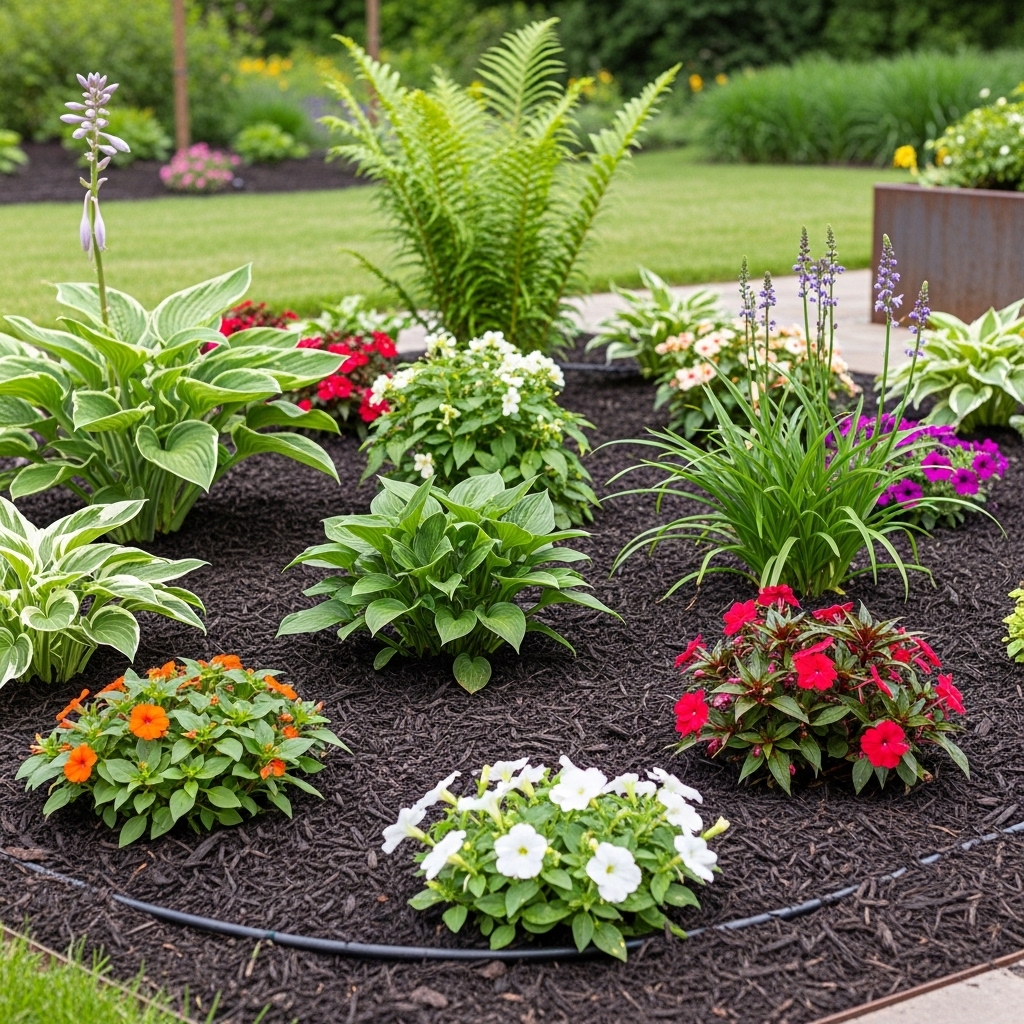
Ideal for: Low-maintenance gardening.
Apply mulch around plants to retain moisture and reduce weeds. Keep layers even.
Mulch improves soil quality and reduces maintenance effort.
Avoid piling mulch against plant stems.
Pro Tip: Refresh mulch regularly.
8. Incorporate a Focal Point for Visual Structure
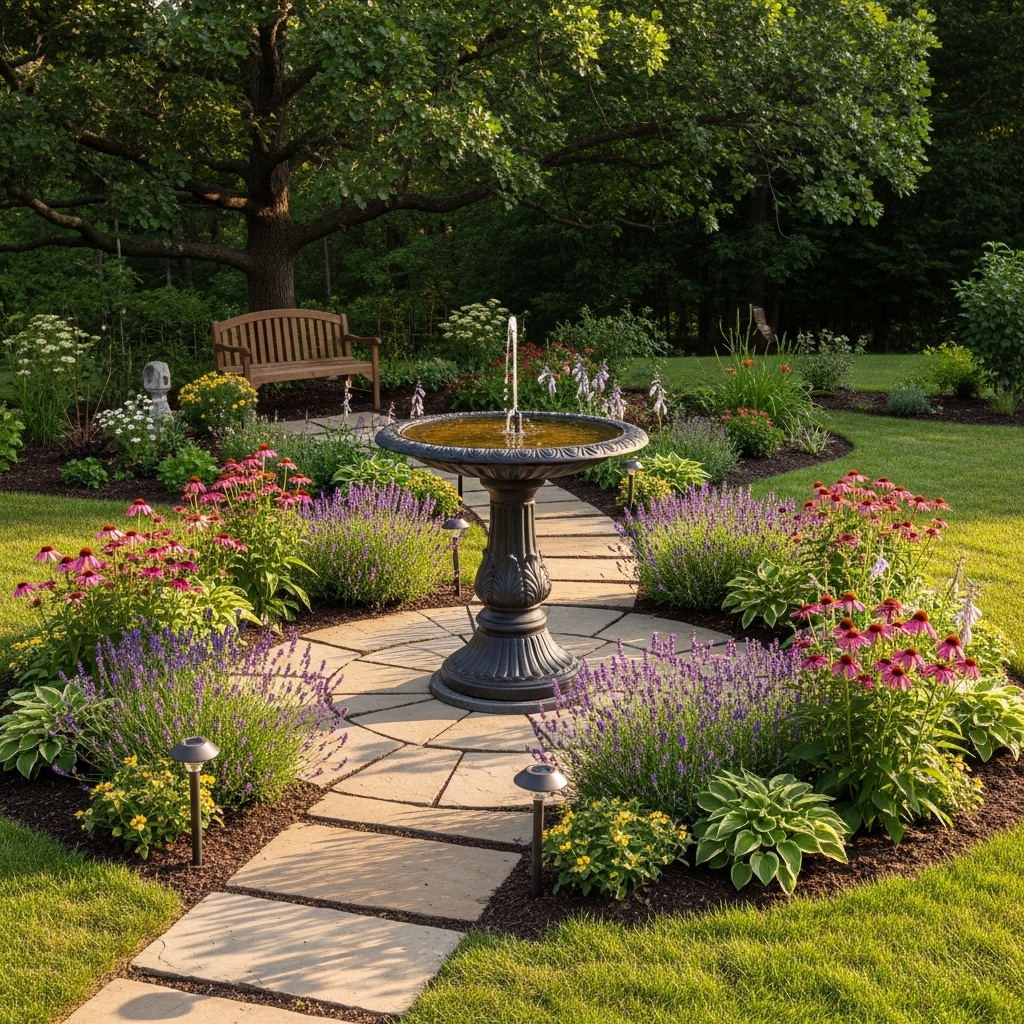
Best for: Gardens that feel scattered.
Add a central feature like a tree, sculpture, or seating area to anchor the design.
This creates a clear visual direction and improves overall balance.
Avoid multiple competing focal points.
Pro Tip: Position it where it’s easily visible.
9. Keep Plant Spacing Based on Mature Growth
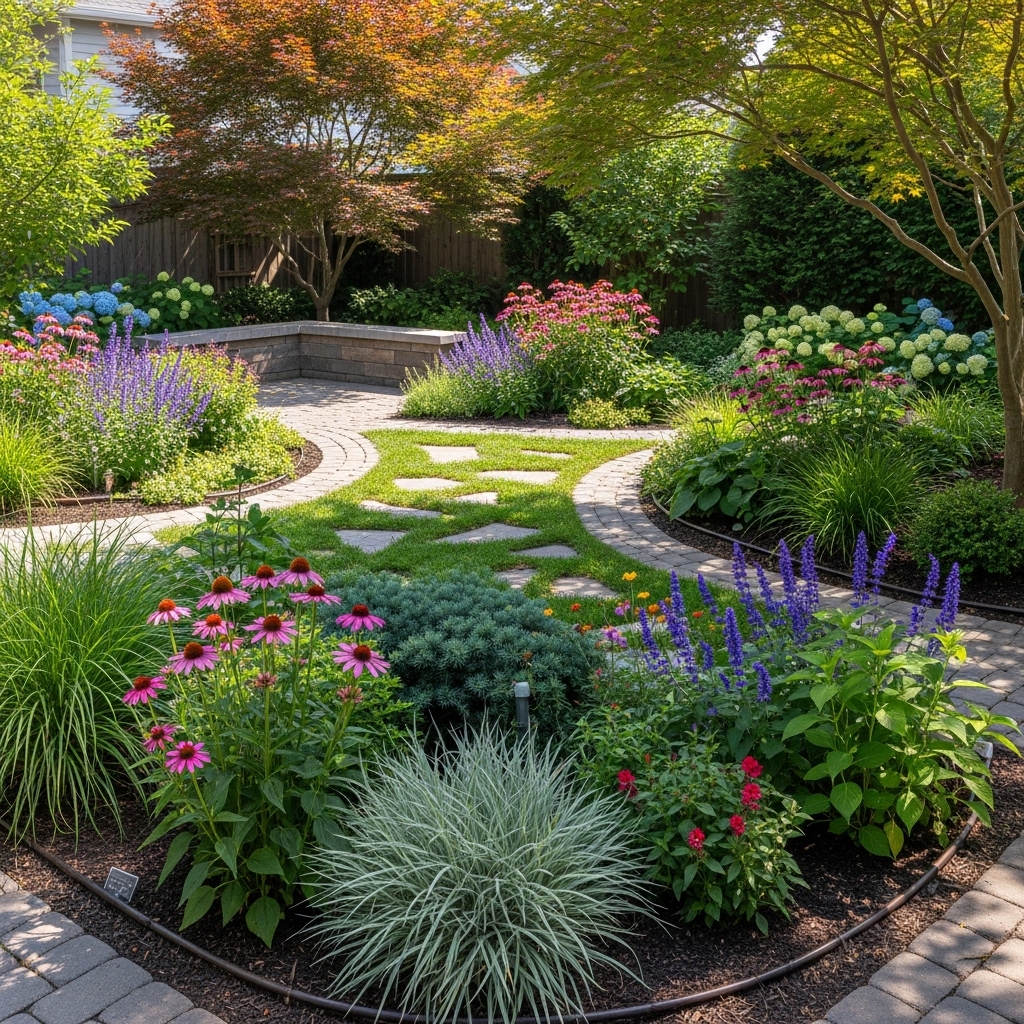
Great for: Long-term garden success.
Space plants according to their full size rather than how they look when planted.
Proper spacing improves airflow and prevents overcrowding.
Avoid planting too closely for instant fullness.
Pro Tip: Check plant growth details before planting.
10. Mix Edible and Decorative Plants for Function and Style
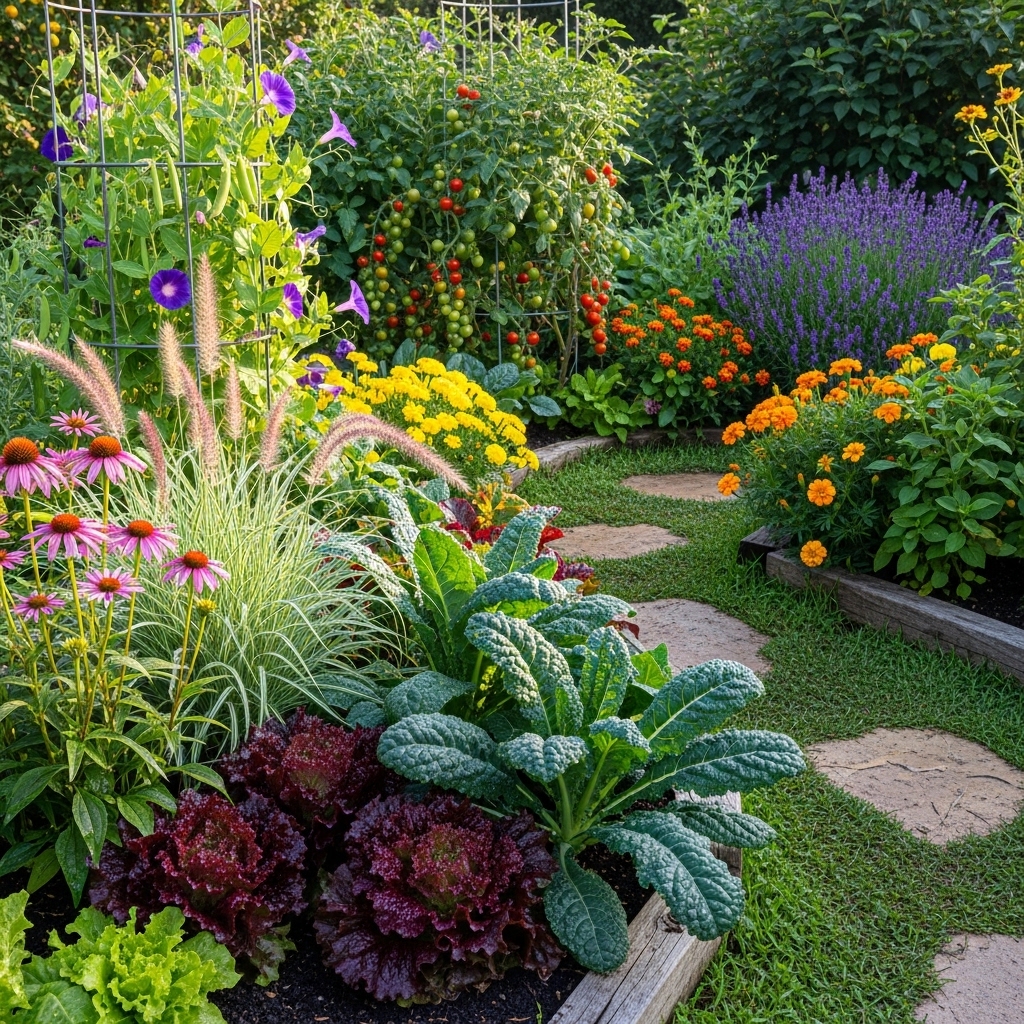
Ideal for: Practical yet attractive gardens.
Combine vegetables, herbs, and flowers in one layout while maintaining structure.
This creates a productive garden that still looks visually appealing.
Avoid overcrowding different plant types.
Pro Tip: Use flowers to attract pollinators.
11. Use Containers for Flexible Gardening Options
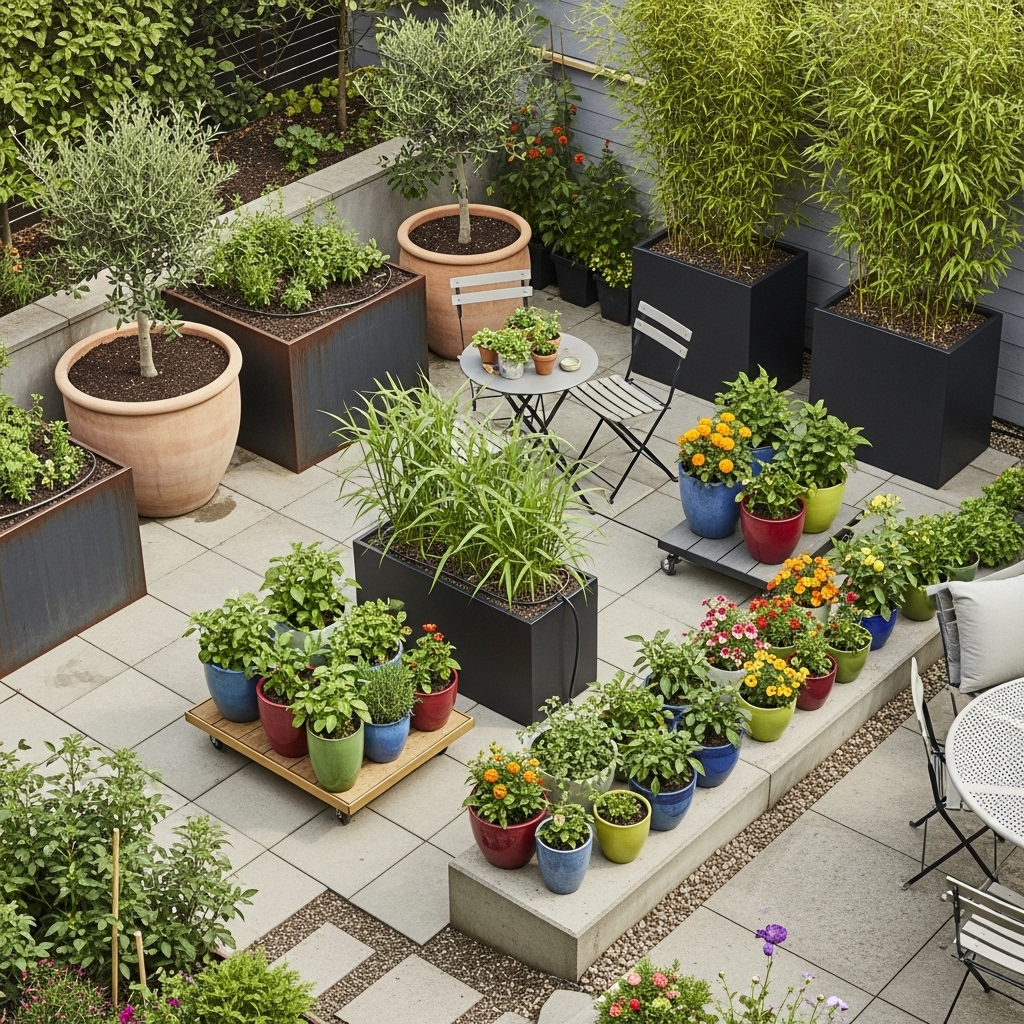
Best for: Renters or small spaces.
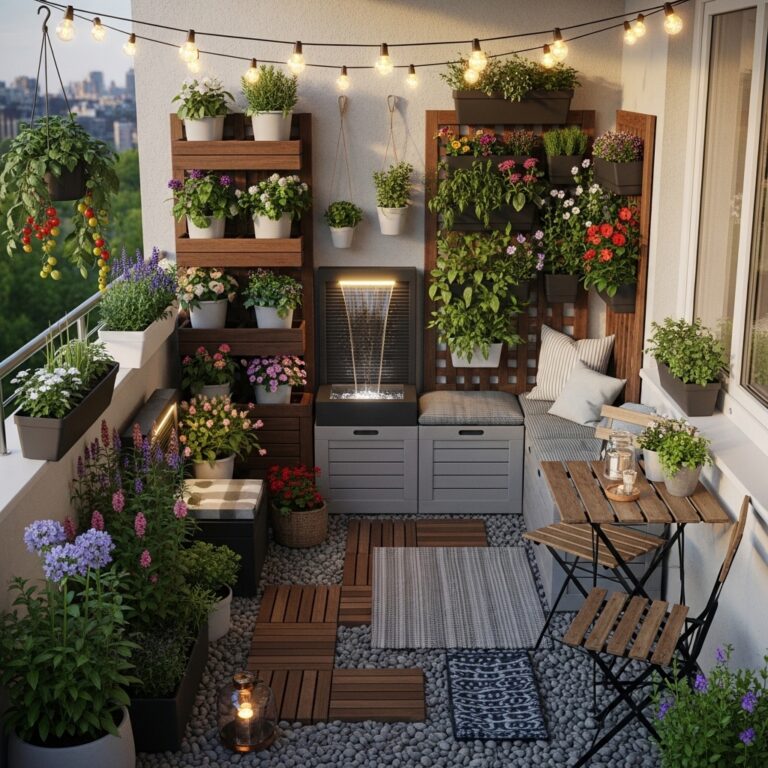
Plant in pots or containers that can be moved and rearranged easily.
This allows flexibility and easier maintenance.
Avoid containers without proper drainage.
Pro Tip: Choose lightweight pots for convenience.
12. Add Lighting to Extend Garden Use Into Evening
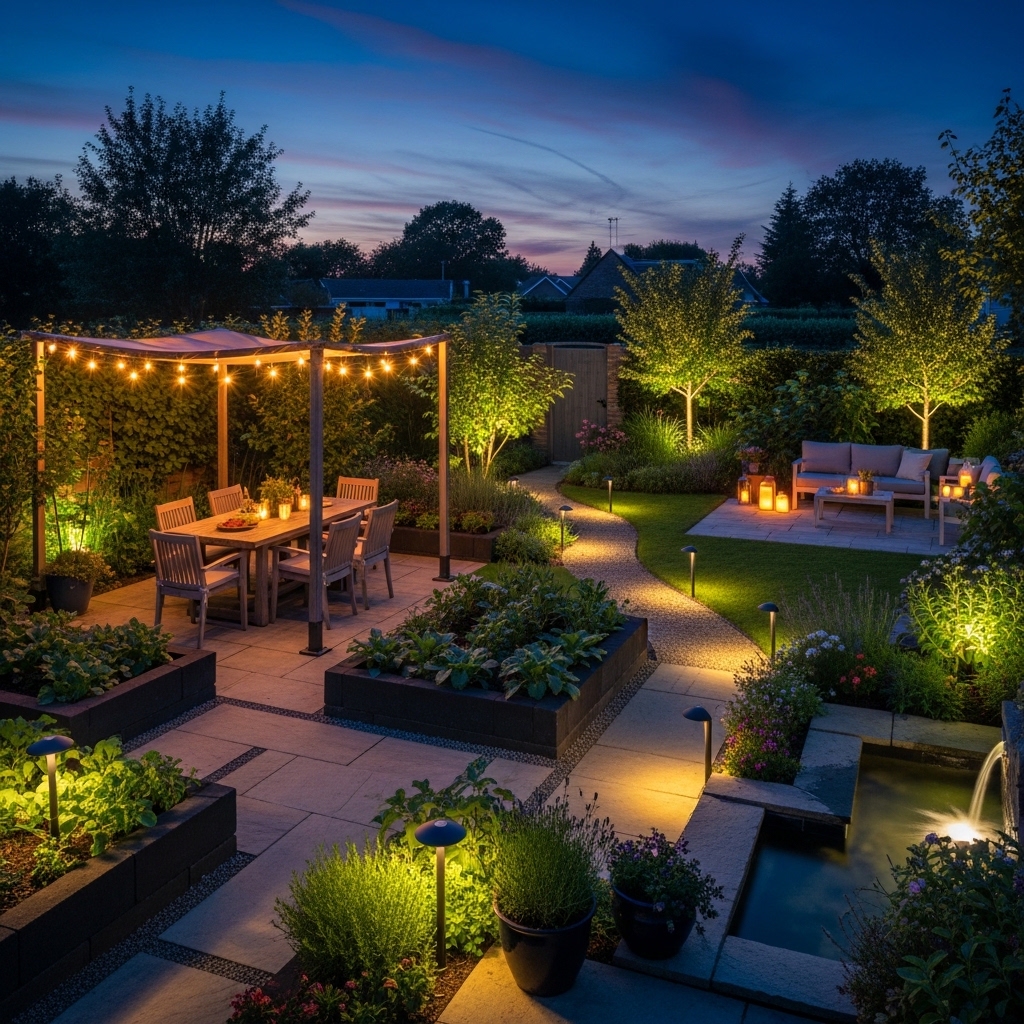
Great for: Nighttime relaxation or safety.
Install simple lighting along paths or near seating areas.
Lighting improves visibility and enhances atmosphere.
Avoid overly bright or uneven lighting.
Pro Tip: Focus on key areas instead of lighting everything.
13. Keep Design Simple to Avoid Overcomplication
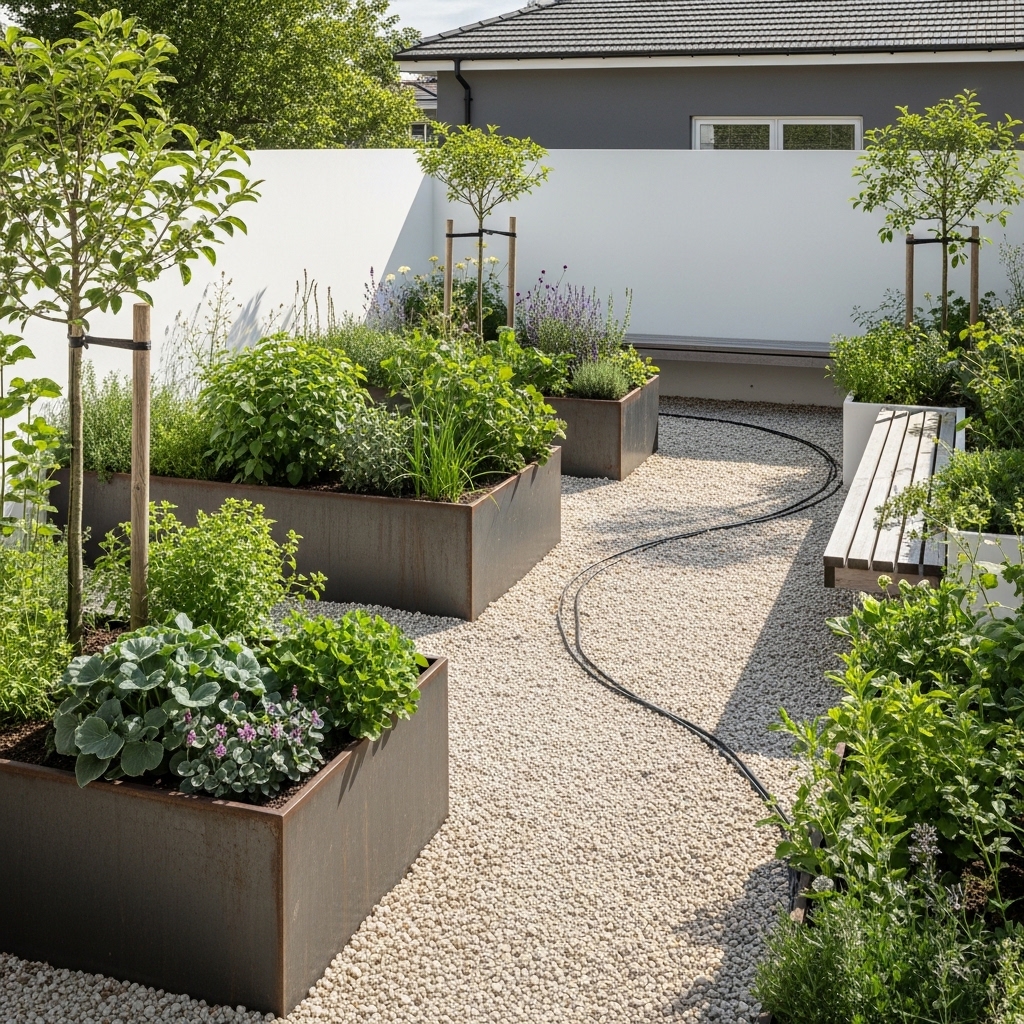
Ideal for: Beginners or low-maintenance setups.
Focus on a few well-planned elements instead of adding too many features.
Simple designs are easier to manage and more effective.
Avoid overloading the garden with too many ideas.
Pro Tip: Expand gradually over time.
14. Use Repetition to Create a Cohesive Look
Best for: Visual consistency.
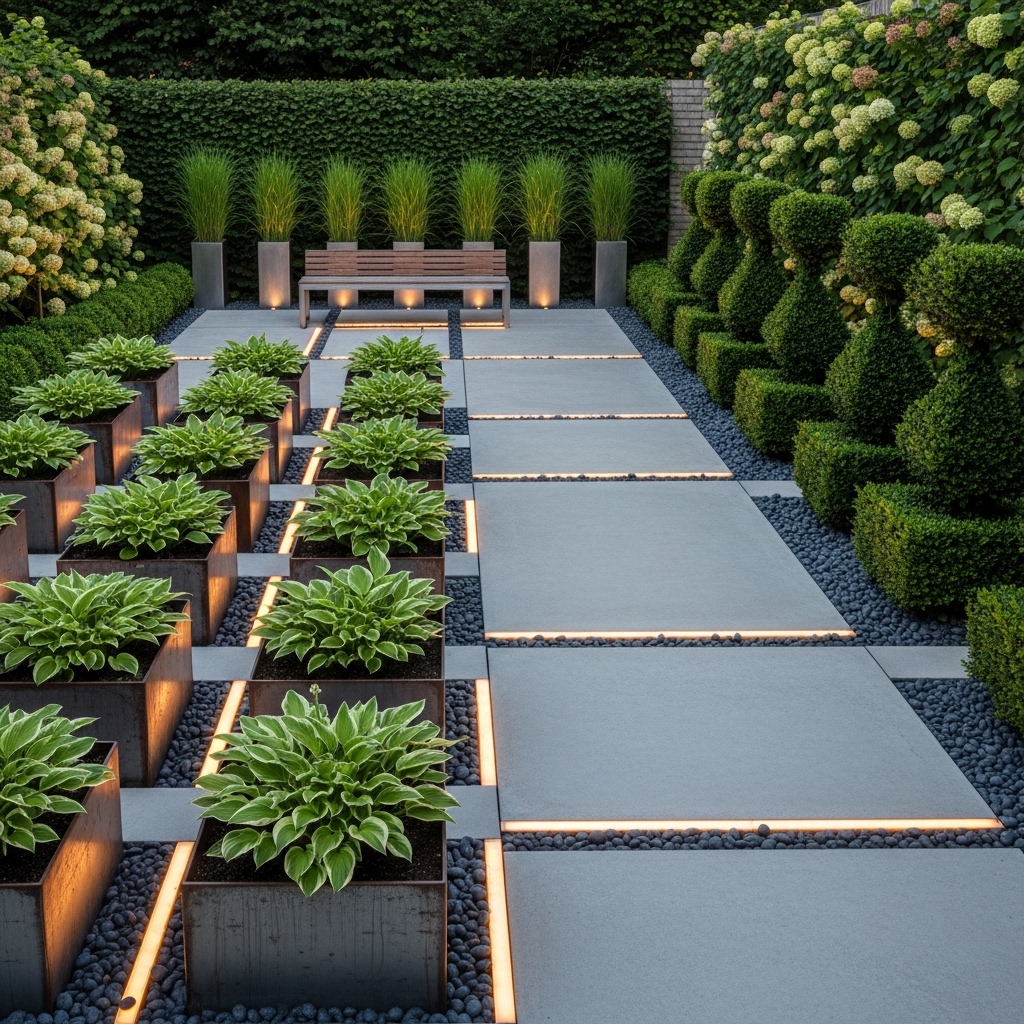
Repeat plant types, colors, or materials throughout the garden.
Repetition ties the design together and improves flow.
Avoid using too many different styles.
Pro Tip: Stick to a limited palette.
15. Adjust the Garden Over Time Based on Results
Great for: Continuous improvement.
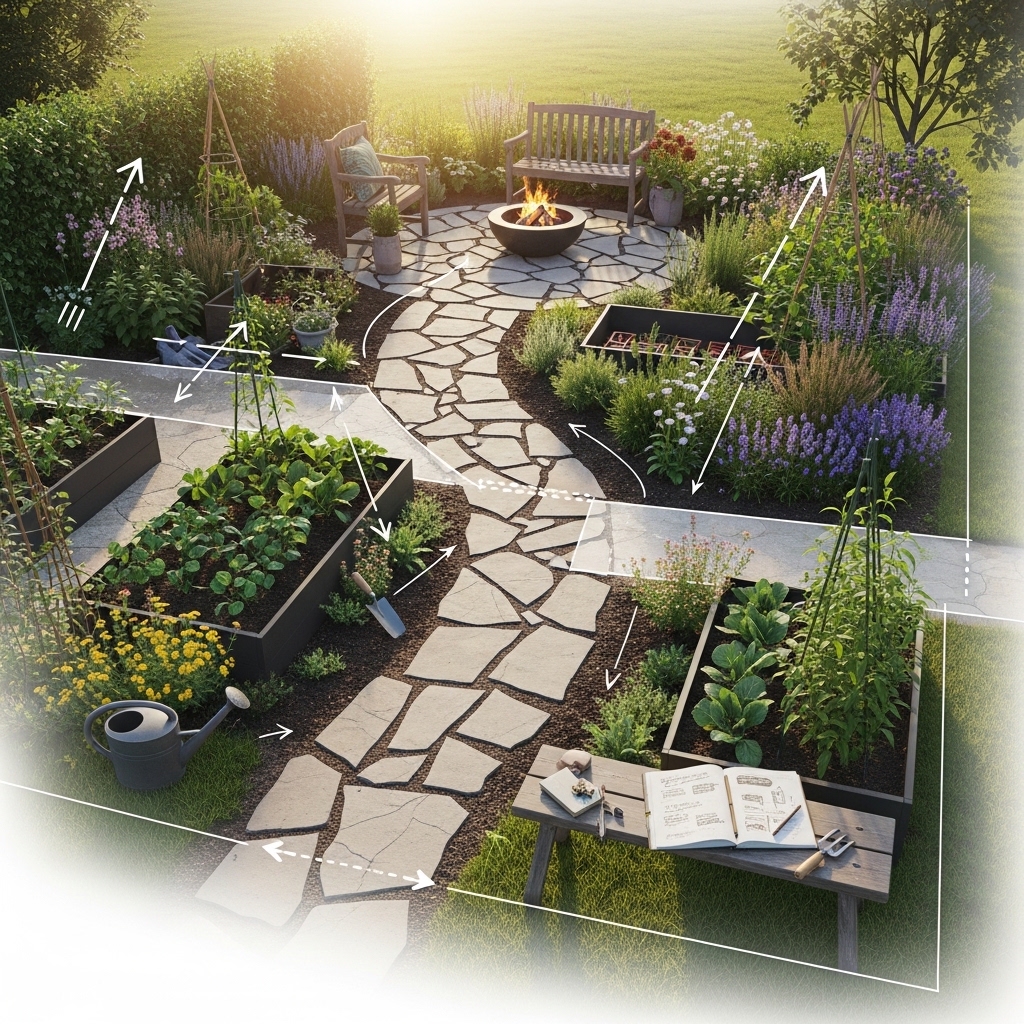
Observe how plants grow and how you use the space, then make adjustments accordingly.
This ensures the garden evolves for better performance and usability.
Avoid sticking to ineffective layouts.
Pro Tip: Keep notes on what works best.
Conclusion: A Well-Designed Garden Balances Structure, Function, and Simplicity
A great garden is not about having a lot. It’s about using what you have in a way.
When your garden is laid out clearly with space, between things and you’ve made good choices it will look and work really well.
Here are 15 garden ideas that can help you make a space that’s easy to take care of looks good and is fun to use every single day.
These garden ideas will help you create a garden that you will enjoy.
A planned garden makes it easy to do everyday tasks.
You will love spending time in your garden.