30 Kids Bedroom Ideas That Create Fun, Functional & Magical Spaces They Will Never Want to Leave
Designing a kids’ bedroom is different from designing any other room in your home.
You are not just decorating for today. You are creating a space that will grow with your child.
A space for sleeping, playing, studying, dreaming, and becoming who they are meant to be.
The best kids’ rooms balance fun with function. Whimsy with practicality. Color with calm.
Your child deserves a room that sparks imagination without causing sensory overload.
This guide delivers 30 kids bedroom ideas that create fun, functional, and magical spaces.
From loft beds to reading nooks, each idea prioritizes play, rest, and real childhood.
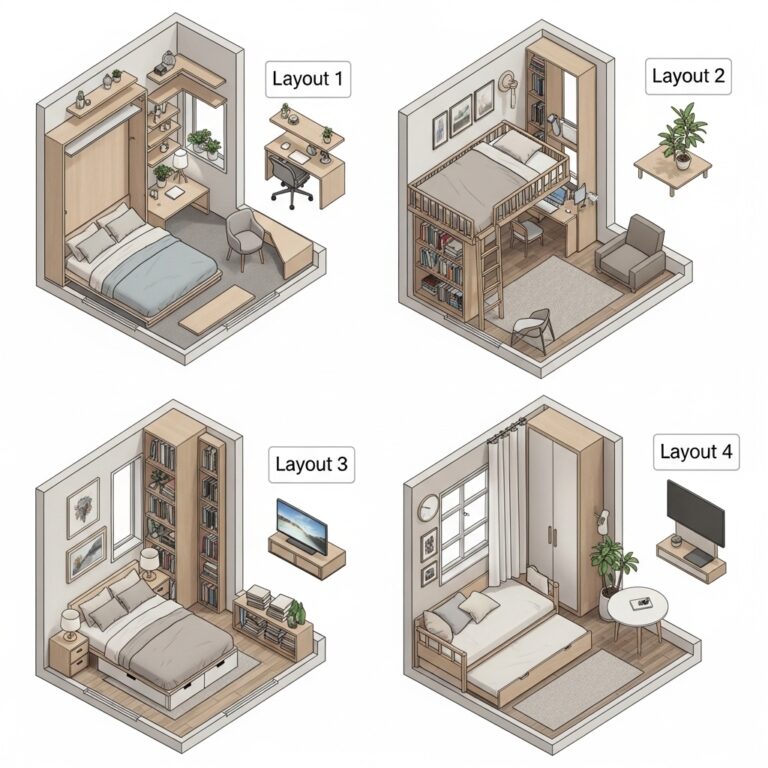
1. Install a Loft Bed to Double Your Floor Space
Use this idea when your child’s room is small and every square inch matters.
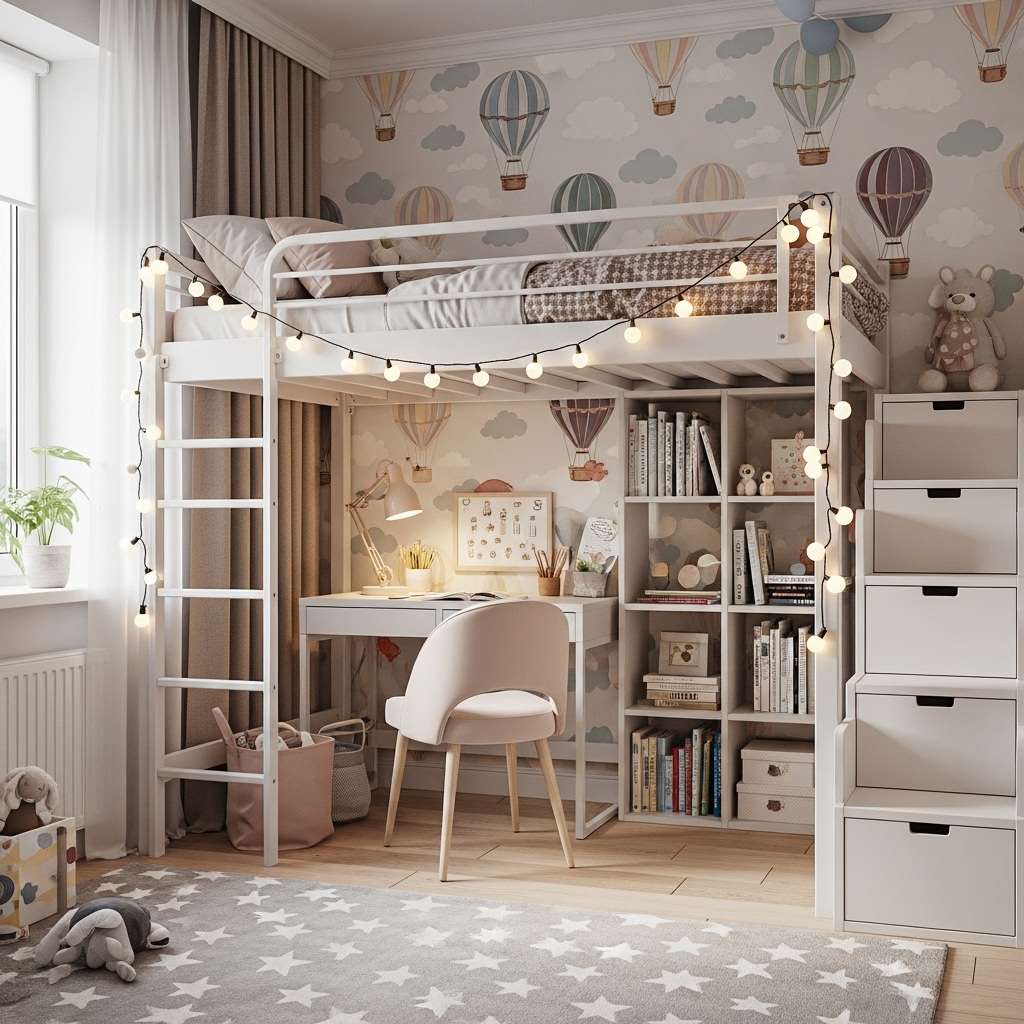
Build or buy a loft bed with enough height for a desk, reading nook, or play area underneath.
The loft bed doubles your usable floor space instantly. Play happens below. Sleep happens above.
A standard bed consumes floor space for one function only. A loft bed gives you two rooms in one footprint.
Pro Tip: Install a motion-sensor light under the loft bed. Your child can find their way to the play area at night without turning on bright overhead lights.
Mistake to Avoid: Do not buy a loft bed for a child under six years old. Climbing ladders safely requires coordination and strength that young toddlers lack.
2. Paint a Chalkboard Wall for Endless Creativity
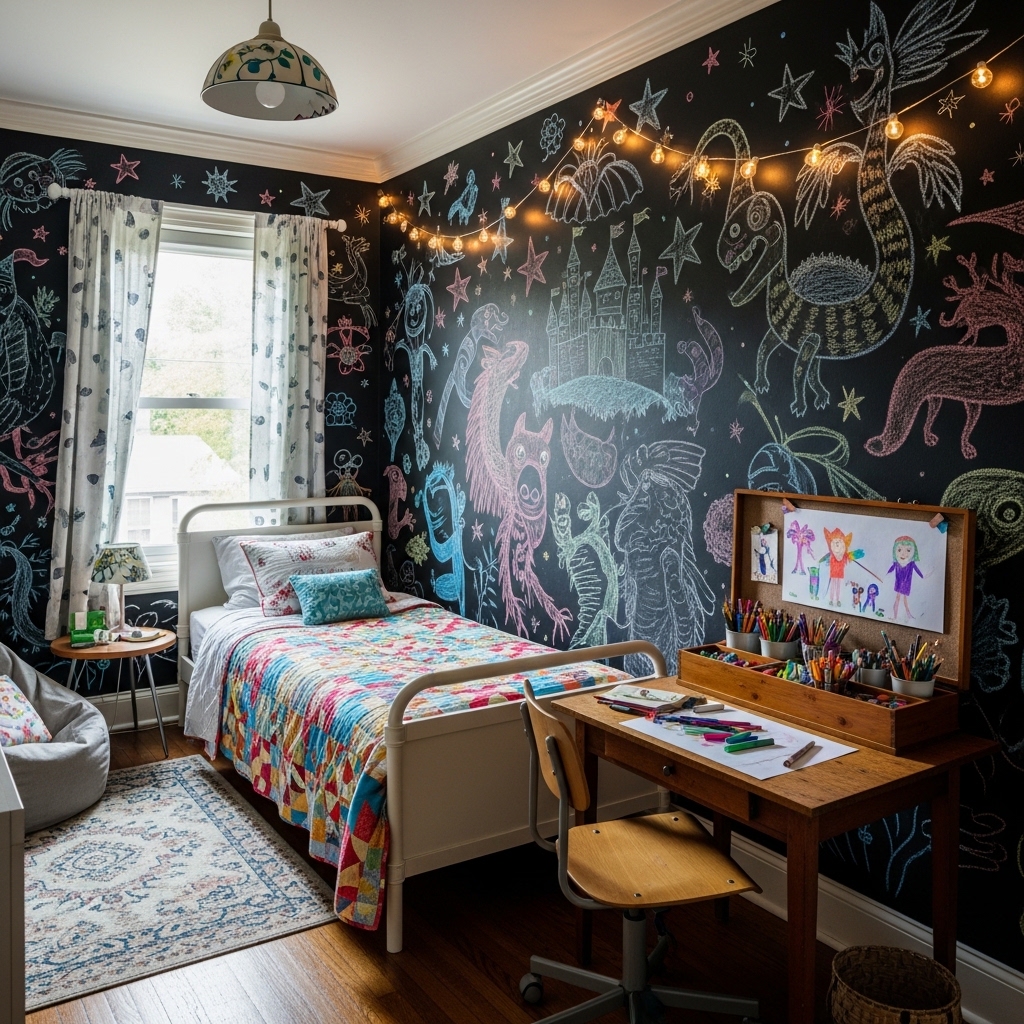
Choose this approach when your child loves to draw and you want to contain the mess.
Paint one entire wall with chalkboard paint from baseboard to ceiling. Add a chalk ledge at the bottom.
Your child draws, erases, and redraws endlessly. The wall changes every single day.
Paper gets used once and thrown away. A chalkboard wall offers infinite creativity without waste.
Pro Tip: Use dustless chalk. Dustless chalk keeps chalk dust off your floors, furniture, and your child’s clothes.
Mistake to Avoid: Do not paint the chalkboard wall near your child’s bed. Chalk dust floating through the air can irritate young lungs during sleep.
3. Create a Reading Nook Inside a Closet or Under Stairs
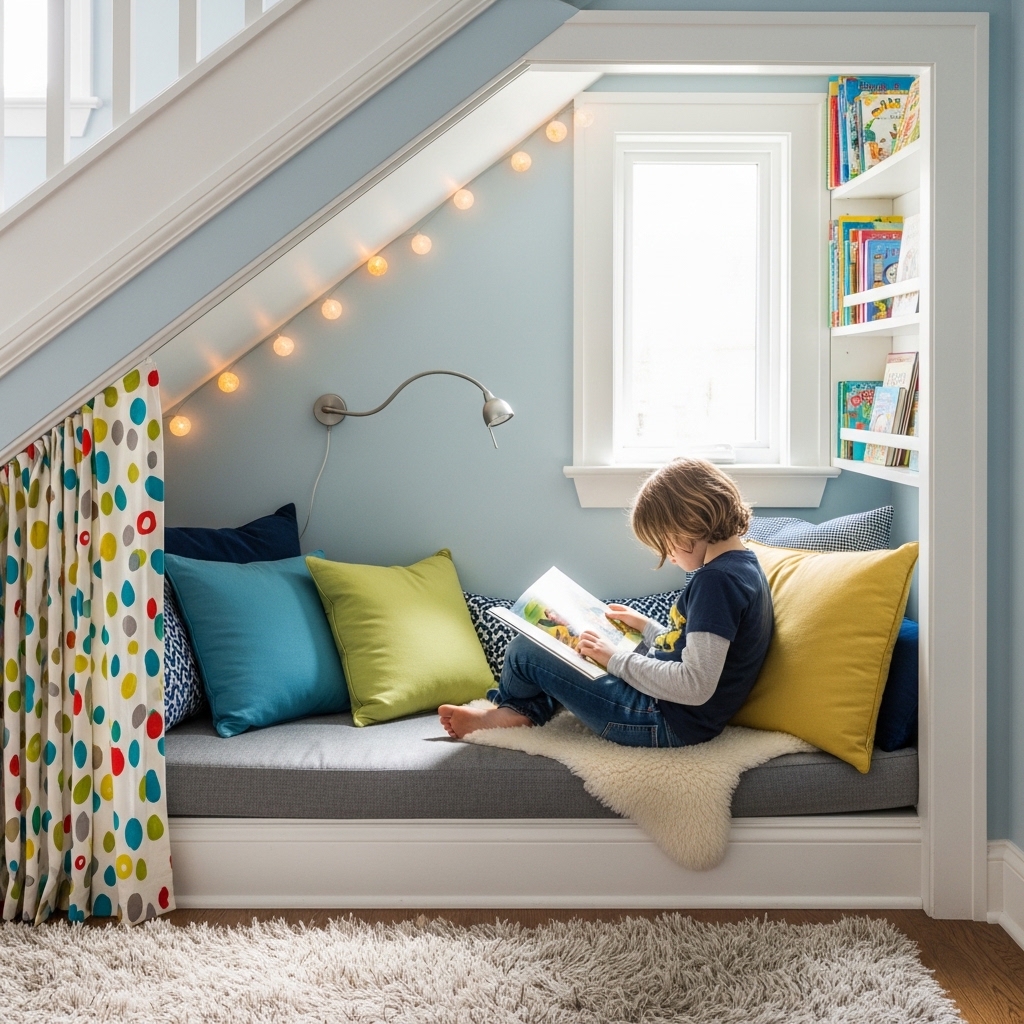
Apply this method when you have an unused closet or awkward space under your staircase.
Remove the closet door. Add soft pillows, string lights, and a small bookshelf inside the space.
The cozy enclosure feels like a secret hideaway. Your child will read for hours in their special spot.
An unused closet holds junk. A reading nook holds the key to a lifetime love of books.
Pro Tip: Install a battery-operated push light on the ceiling of your nook. Your child turns the light on and off independently.
Mistake to Avoid: Do not enclose your reading nook completely. Leave the front open for airflow. Closed spaces get stuffy and hot.
4. Use a Tent or Teepee for Imaginative Play
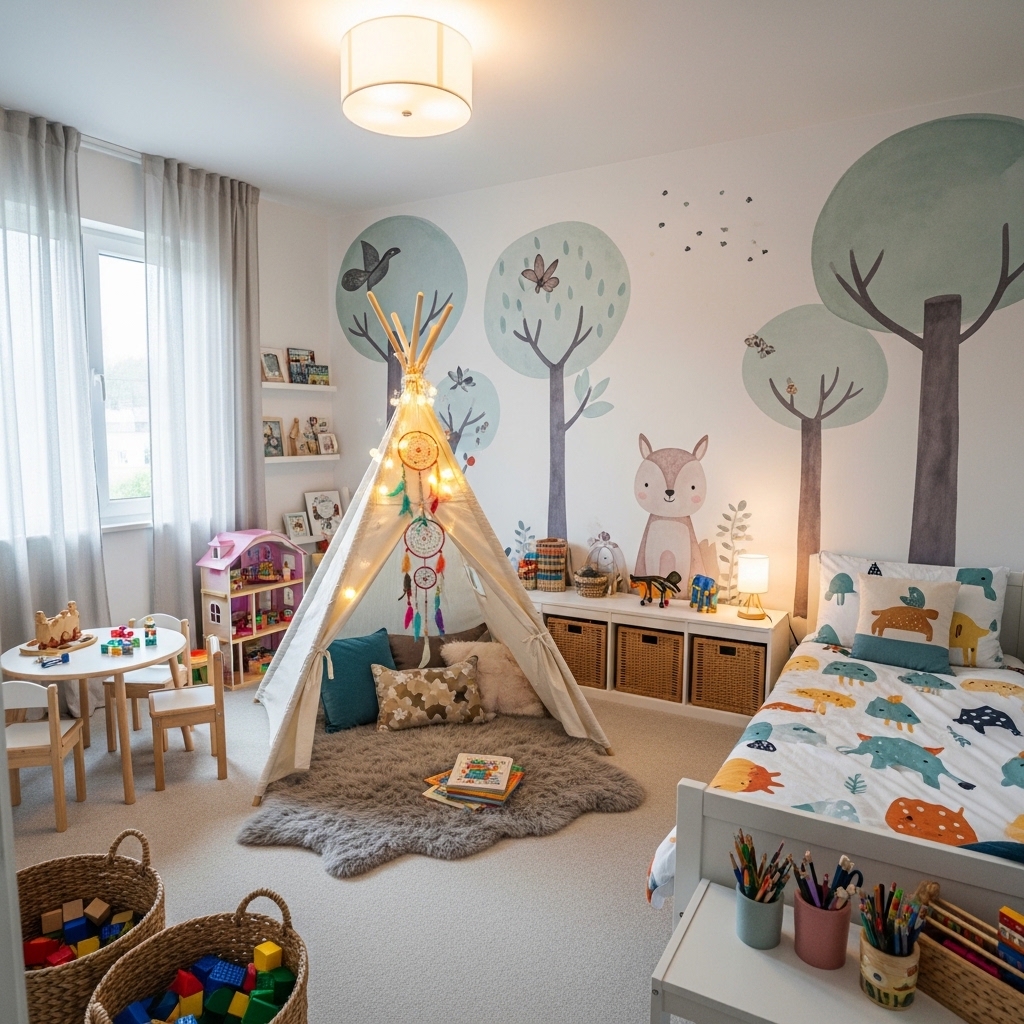
Use this strategy when your child needs a dedicated space for pretending and quiet time.
Set up a canvas teepee or play tent in the corner of your child’s bedroom.
Your child uses the tent as a fort, a castle, a spaceship, or a secret clubhouse.
An empty corner offers no invitation for play. A tent says “adventure starts here” every single day.
Pro Tip: Fill the tent with floor cushions and a battery-operated lantern. The lantern makes the tent usable for evening play without turning on room lights.
Mistake to Avoid: Do not use a tent with long tie strings. Children wrap strings around their necks during play. Choose a tent with Velcro or snap closures.
5. Install Wall-Mounted Bookshelves at Child Height
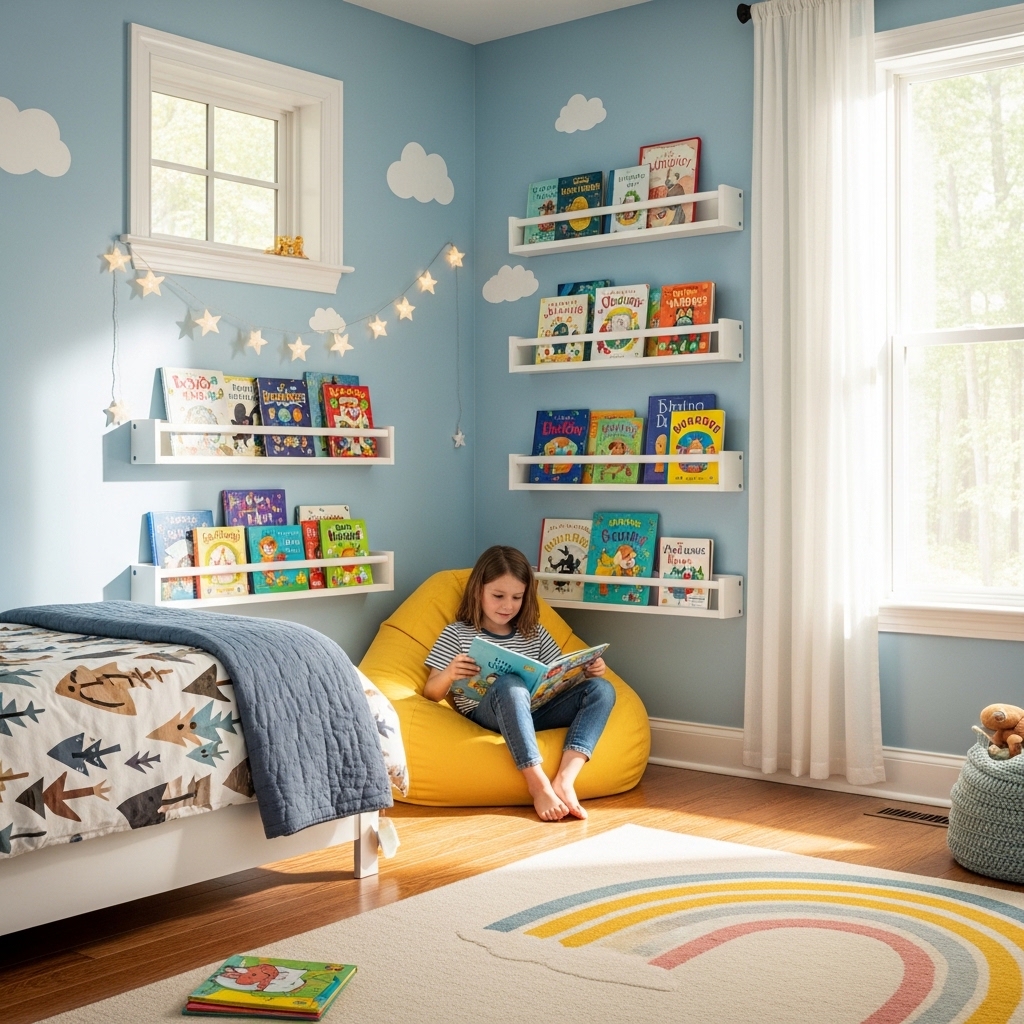
Choose this approach when you want your child to choose books independently without climbing furniture.
Mount long, shallow bookshelves on the wall at your child’s eye level, roughly 24 to 36 inches from the floor.
Books face forward so your child sees covers instead of boring spines.
Traditional bookshelves are too tall. Forward-facing shelves at child height invite book selection without asking for help.
Pro Tip: Rotate books every two weeks. Store half your child’s books in a closet and swap them out to keep the collection feeling new.
Mistake to Avoid: Do not mount shelves above your child’s bed. Books can fall onto your child’s face during sleep.
6. Paint a World Map Wall for Geography Learning
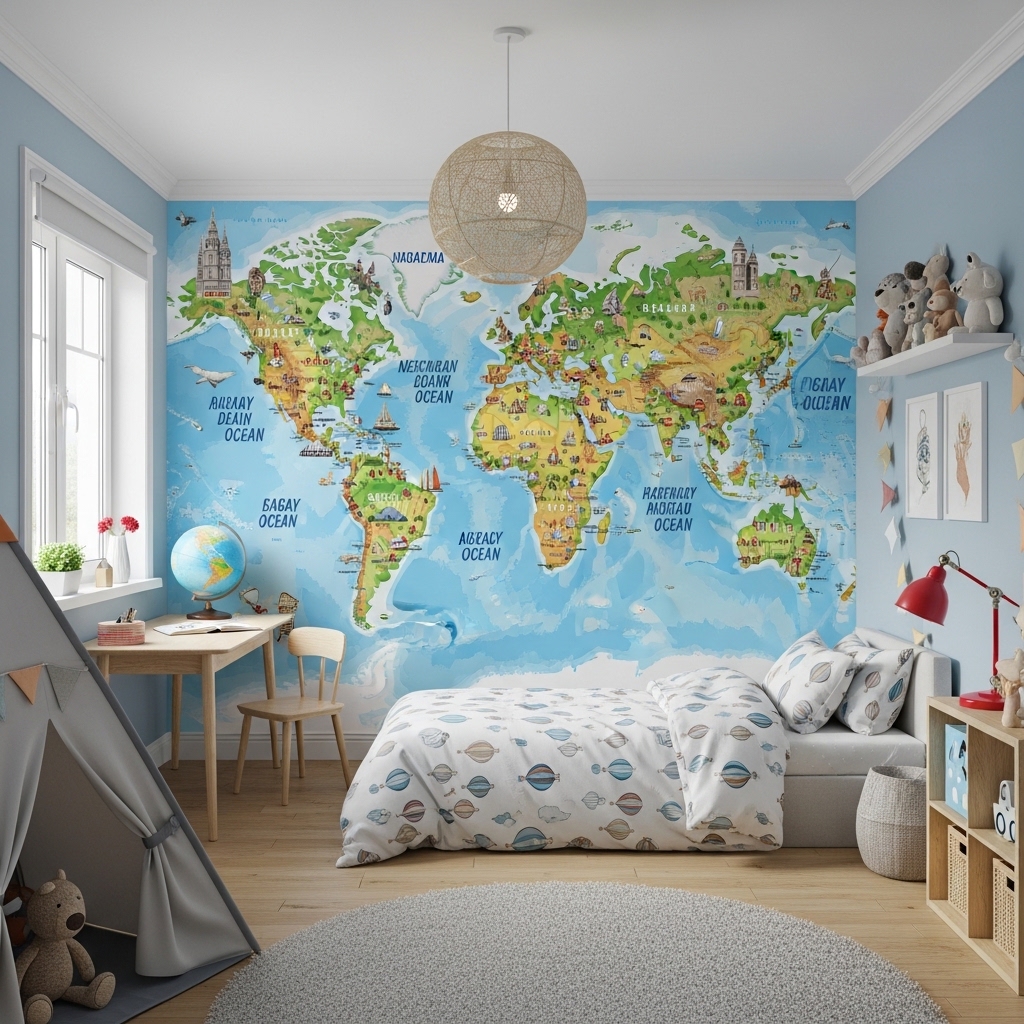
Apply this method when you want educational decor that stays relevant from preschool through high school.
Paint or use a large removable wall decal of a world map on one full wall of your child’s bedroom.
Your child sees continents and countries daily. You talk about where family lives and where you have traveled.
Animal decals lose appeal by age five. A world map stays interesting and useful until age eighteen.
Pro Tip: Add small stickers on places where family members live or where you have gone on vacation. Your child learns geography through personal connection.
Mistake to Avoid: Do not use a political map with tiny country labels. Children need simple, clear continent shapes and country outlines.
7. Create a Gallery Wall of Your Child’s Artwork
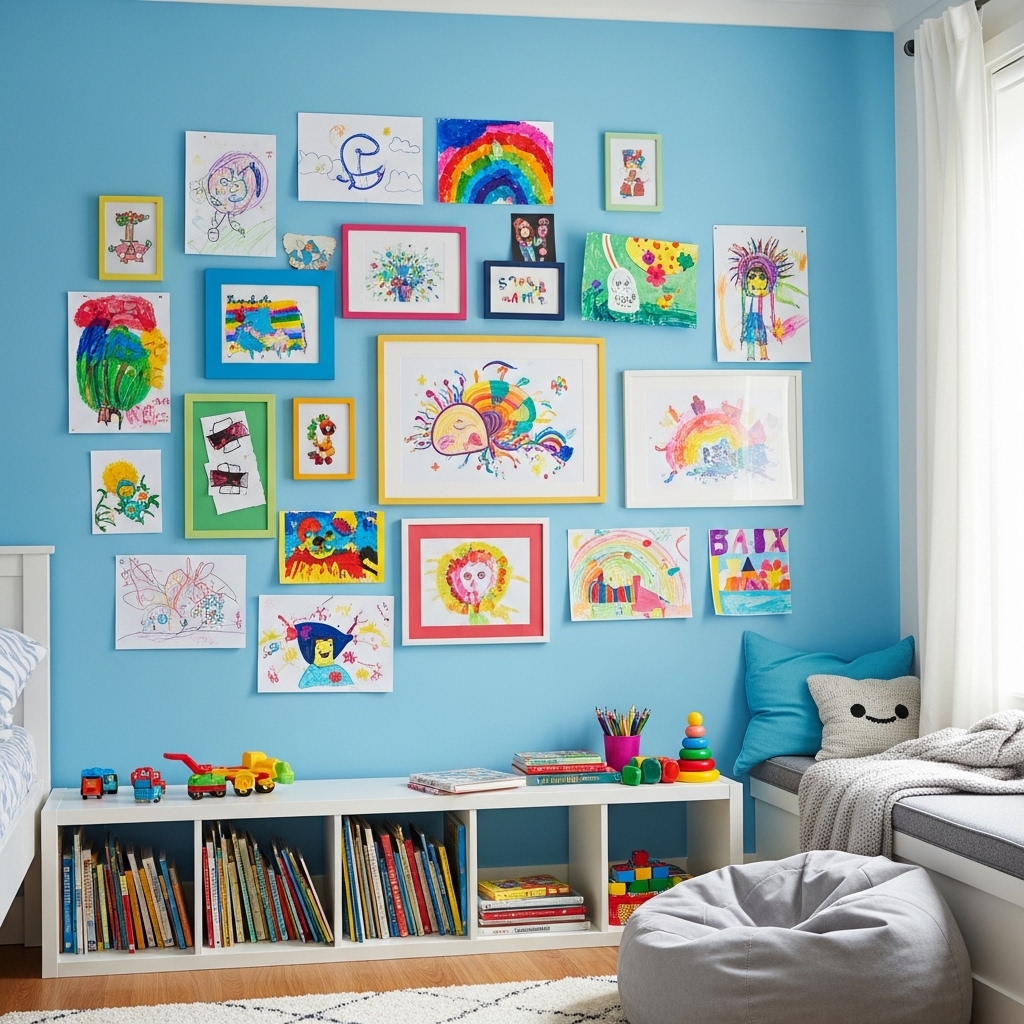
Use this idea when your child loves to create and you want to celebrate their work.
Frame your child’s best drawings and paintings. Arrange them in a gallery wall at their eye level.
Your child sees their work treated like fine art. Confidence and creativity grow through this validation.
Unframed artwork gets crumpled and lost. Framed artwork says “what you make matters” to your child.
Pro Tip: Use inexpensive frames from dollar stores. Swap artwork in and out monthly as your child creates new masterpieces.
Mistake to Avoid: Do not use glass frames. Acrylic frames only for kids’ rooms. Glass breaks dangerously when frames fall off walls.
8. Install a Climbing Wall on One Lower Wall Section
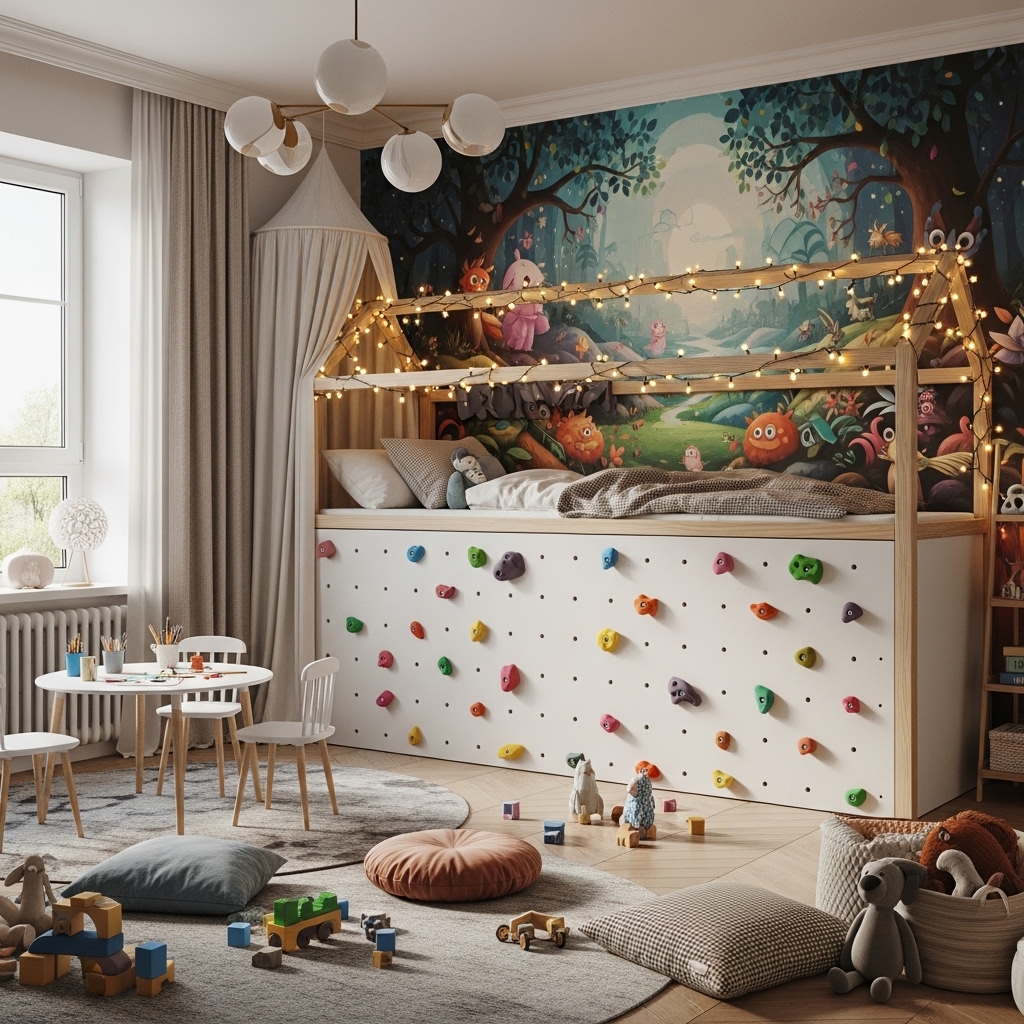
Choose this approach when your child has endless energy and needs a safe outlet for climbing.
Mount small colorful climbing holds on a lower section of one wall, just above baseboard height.
Your child climbs, builds strength, and develops gross motor skills on safe, padded flooring below.
Flat walls offer zero movement opportunities. A climbing wall channels energy into healthy physical development.
Pro Tip: Install a thick crash mat underneath your climbing wall. The mat makes landings safe during climbing practice.
Mistake to Avoid: Do not install climbing holds above hard flooring. Carpet or foam mats are absolutely essential for safety.
9. Use Bunk Beds with Built-In Storage Drawers
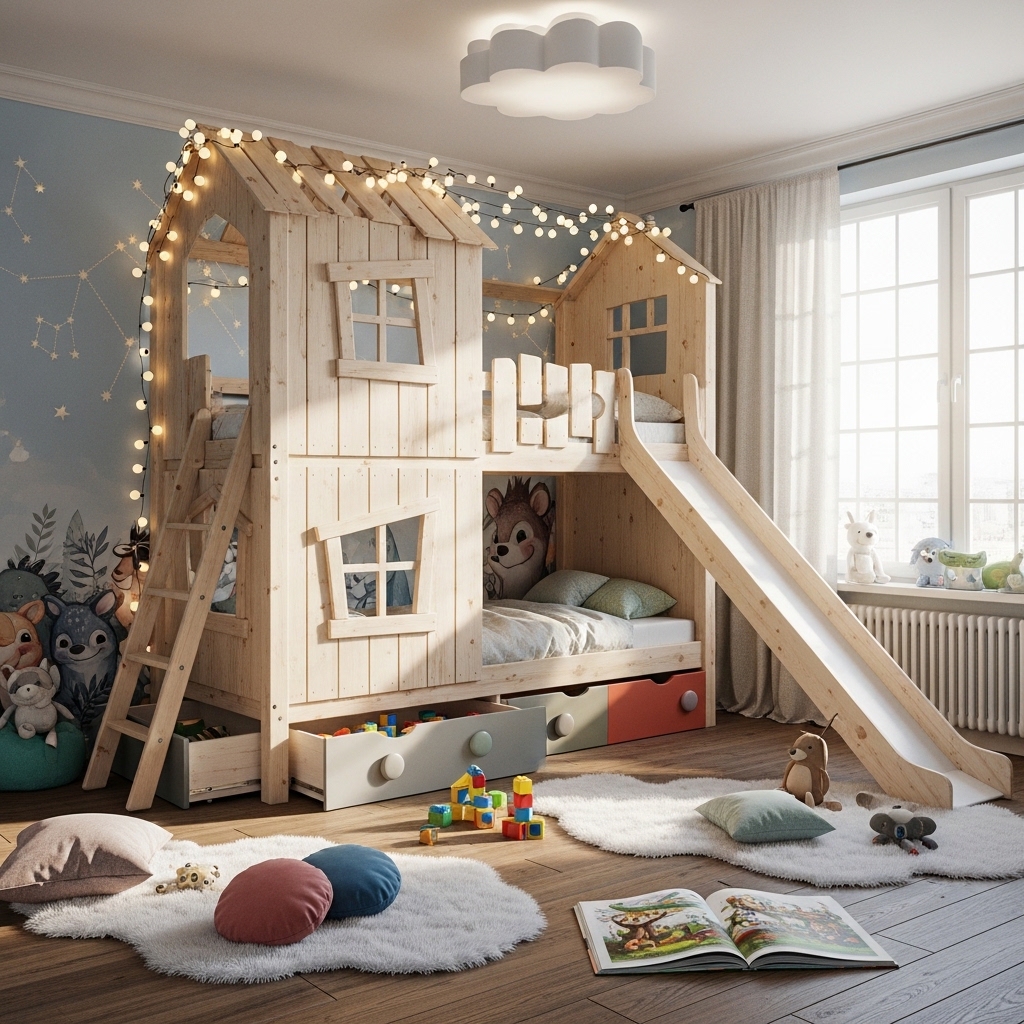
Apply this method when two children share a room or one child wants a sleepover-ready space.
Choose bunk beds with large drawers built into the base of the bottom bunk.
The drawers store extra bedding, off-season clothes, or toys without adding extra furniture to your floor.
Standard bunk beds waste the space underneath. Built-in drawers turn that wasted space into valuable storage.
Pro Tip: Label each drawer with a picture label. Your child learns to put away their own things when they know exactly where each item belongs.
Mistake to Avoid: Do not buy bunk beds with ladders that have open rungs. Solid-back ladders are safer for small feet that slip through openings.
10. Paint a Growth Chart Ruler Directly on the Wall
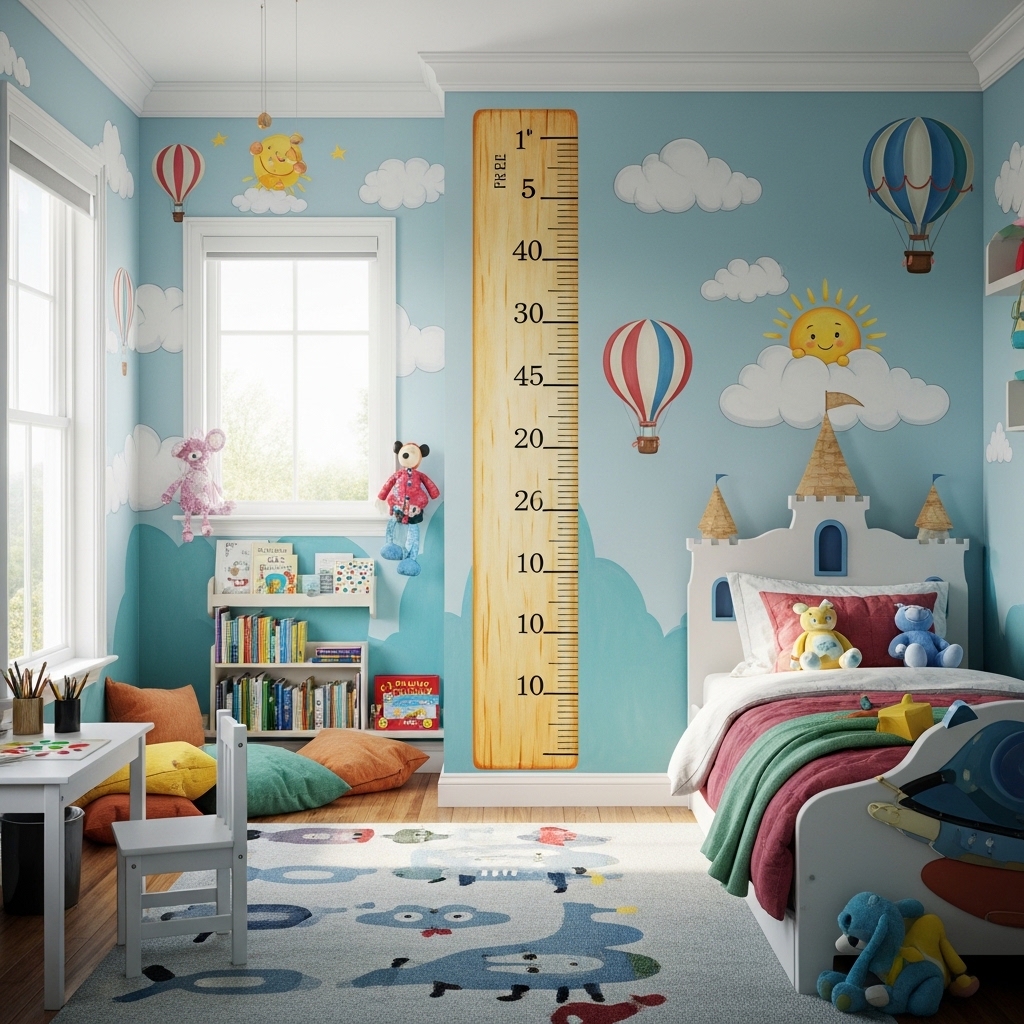
Use this strategy when you want a keepsake that grows with your child for years.
Paint a large ruler directly on one wall. Mark inches from floor to 60 inches high.
You mark your child’s height every birthday directly on the wall. The marks become a family treasure.
Paper growth charts get lost in moves. A painted ruler stays with the house and becomes part of its history.
Pro Tip: Paint small animals or stars at each inch mark. Decorative details make measurement fun for young children.
Mistake to Avoid: Do not paint your ruler on a wall that might be removed during future renovation. Choose a permanent wall.
11. Create a Lego Wall with Mounted Baseplates
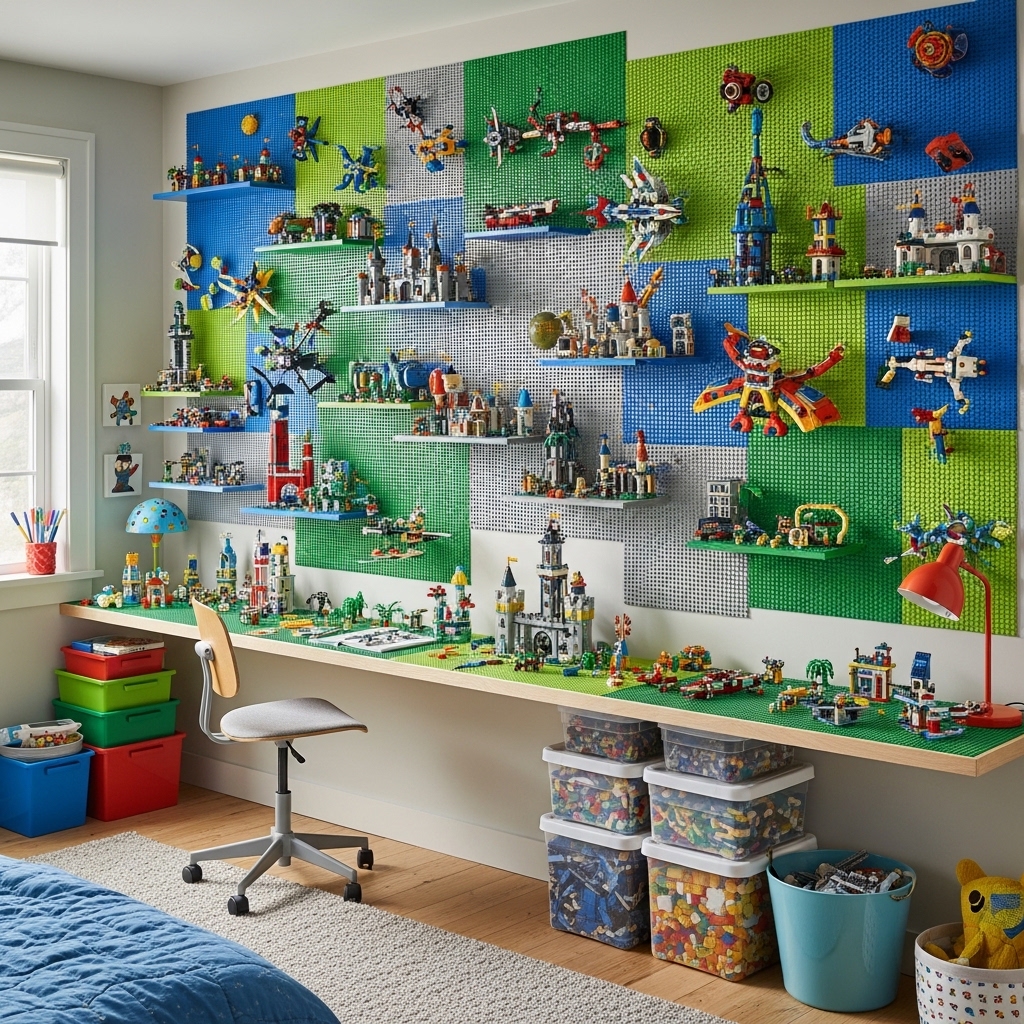
Choose this approach when your child loves Legos and you want to keep bricks off the floor.
Mount large green Lego baseplates on a lower wall section using heavy-duty adhesive strips.
Your child builds Lego creations directly on the wall. Floor space stays clear for other activities.
Lego bricks on the floor get stepped on and lost. A Lego wall keeps bricks visible and organized for building.
Pro Tip: Install a shallow lip at the bottom of your Lego wall. The lip catches falling bricks before they hit the floor.
Mistake to Avoid: Do not install a Lego wall until your child is past the mouthing stage around age three. Small bricks are choking hazards.
12. Hang a Canopy or Mosquito Net Over the Bed
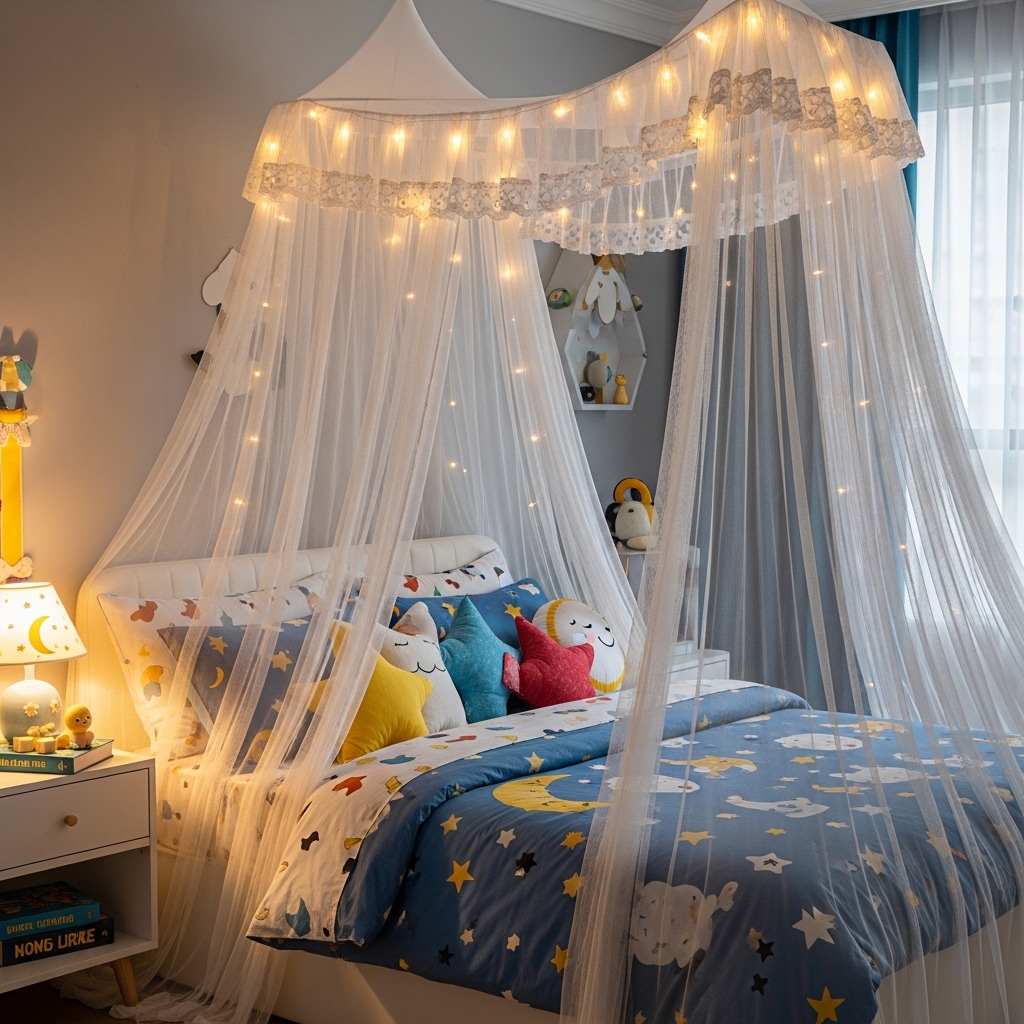
Apply this method when your child’s bed needs a magical, dreamy focal point.
Install a ceiling hook above your child’s bed. Hang a sheer canopy or mosquito net from the hook.
The canopy transforms an ordinary bed into a magical sleeping castle or fairy princess hideaway.
A plain bed is just a bed. A canopy says “sleep is an adventure” and makes bedtime feel special.
Pro Tip: Choose a canopy in a color that matches your child’s bedding. Matching colors create a cohesive, designer look.
Mistake to Avoid: Do not hang your canopy within reach of a toddler’s crib. Toddlers pull canopies down and wrap fabric around themselves dangerously.
13. Use a Rolling Cart for Art Supplies and Toys
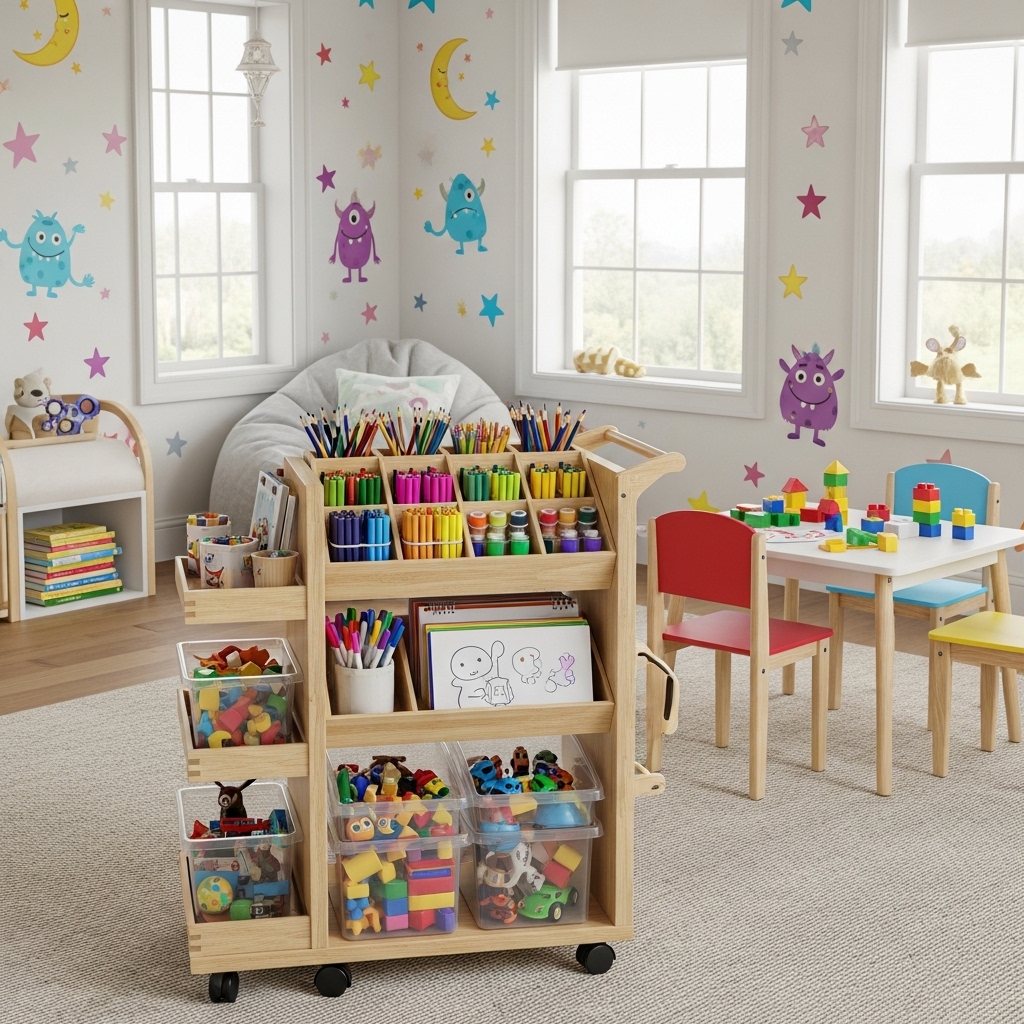
Use this idea when your child needs mobile storage for frequently used items.
Buy a three-tier rolling cart. Fill one tier with art supplies, one tier with small toys, one tier with books.
The cart rolls from the desk to the play area to the reading nook. Your child brings supplies wherever they play.
Stationary storage keeps items in one place. A rolling cart empowers your child to take ownership of their things.
Pro Tip: Choose a cart with locking casters. Lock the wheels when your child uses the cart as a standing support while learning to walk.
Mistake to Avoid: Do not overload the top tier. A top-heavy cart tips over when rolled across carpet or bumped into furniture.
14. Install a Wall-Mounted Whiteboard for Daily Drawing
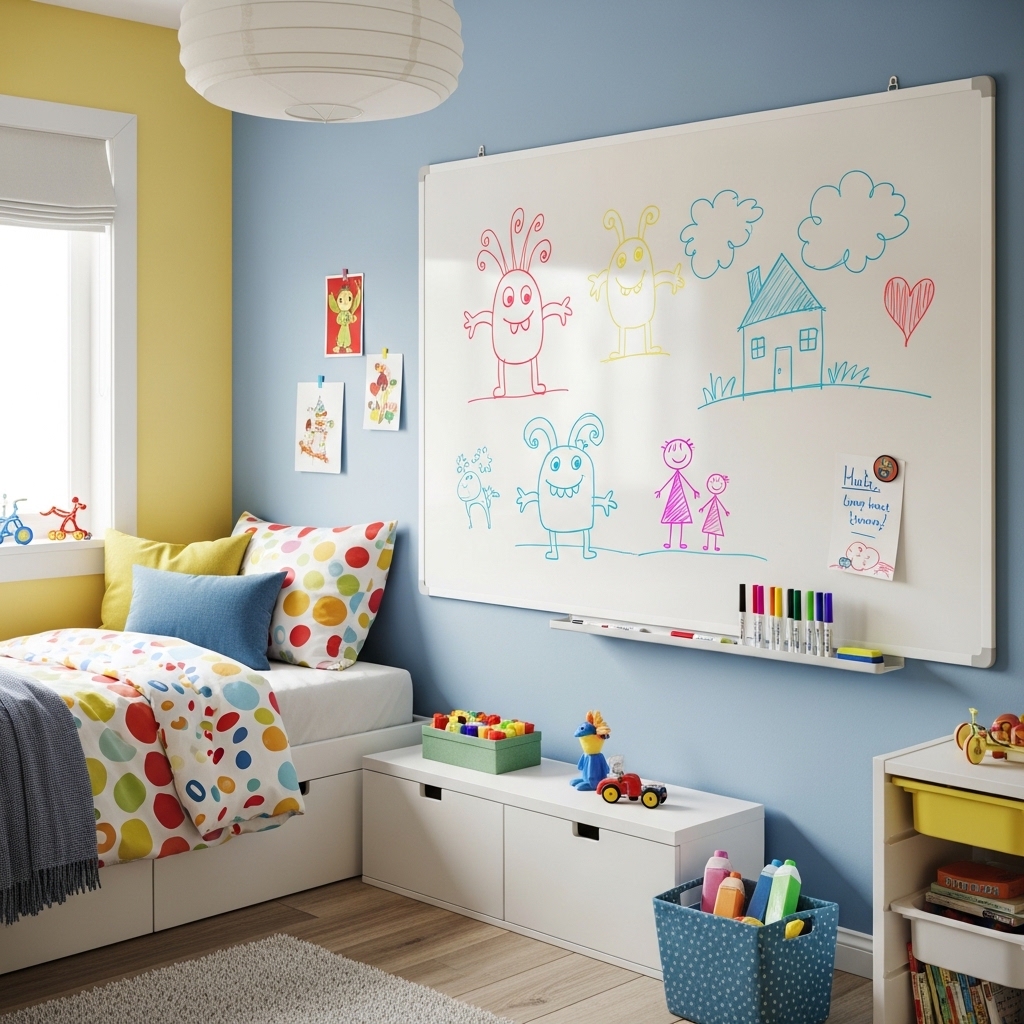
Choose this approach when you want to contain drawing mess to one surface instead of all walls.
Mount a large whiteboard on a wall at your child’s height. Provide washable dry erase markers only.
Your child draws, erases, and draws again endlessly. Creativity and fine motor skills develop daily.
Paper gets used once and thrown away. A whiteboard offers infinite drawing without waste or clutter.
Pro Tip: Install a marker holder on the whiteboard frame. Markers stay organized and within your child’s reach at all times.
Mistake to Avoid: Do not use permanent markers near your whiteboard. One mistake ruins the surface permanently.
15. Create a Dress-Up Closet with Low Hanging Rods
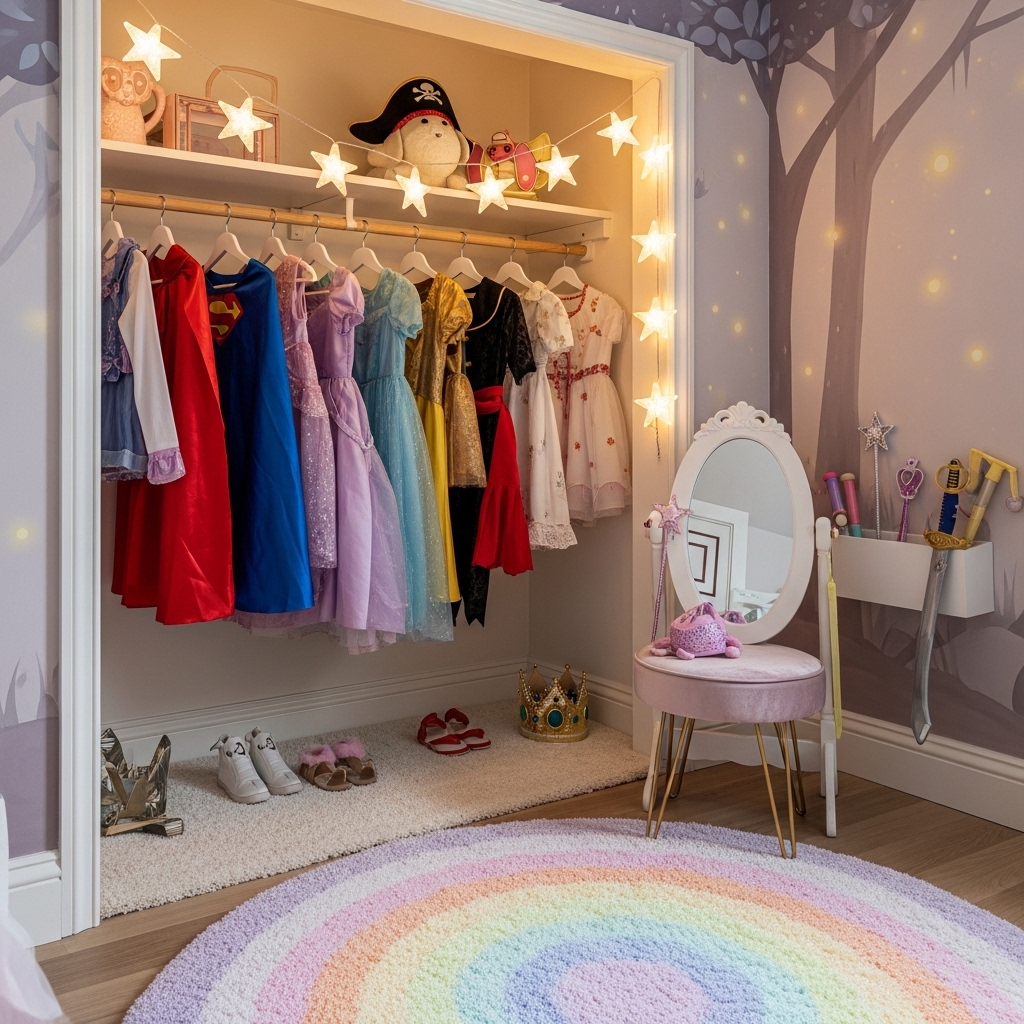
Apply this method when your child loves costumes and imaginative play.
Install a second hanging rod in your child’s closet at their height, roughly 36 inches from the floor.
Hang dress-up clothes, capes, hats, and costumes on the low rod. Your child chooses their outfit independently.
Costumes in a bin stay hidden. Costumes on a rod invite daily dress-up and creative play.
Pro Tip: Add a full-length mirror to the inside of the closet door. Your child admires their costume choices and builds self-confidence.
Mistake to Avoid: Do not hang dress-up items with long strings or ties. Strangulation hazard for young children. Choose Velcro or snap closures only.
16. Paint a Magnetic Wall for Letters and Numbers
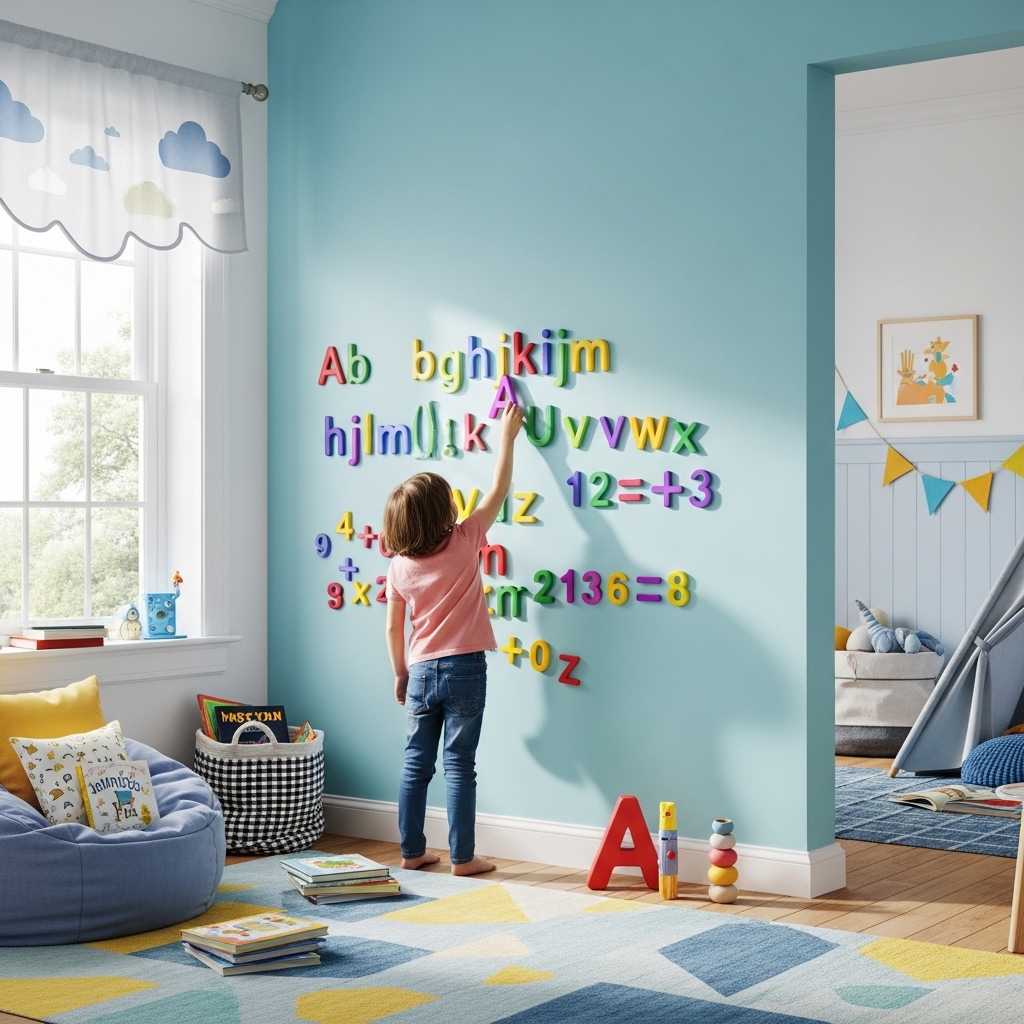
Use this strategy when you want to support early literacy and math learning through play.
Paint one wall section with magnetic paint. Apply chalkboard paint over it or leave as is.
Your child attaches magnetic letters, numbers, and shapes to the wall. Spelling and counting happen naturally.
Magnetic letters on the fridge are fine. A magnetic wall gives your child a dedicated, full-surface learning zone.
Pro Tip: Buy multiple sets of magnetic letters. Having duplicates means your child can spell words that use the same letter twice.
Mistake to Avoid: Do not use small magnetic letters with a child under age three. Small magnets are choking hazards if swallowed.
17. Use a Daybed with Trundle for Sleepovers
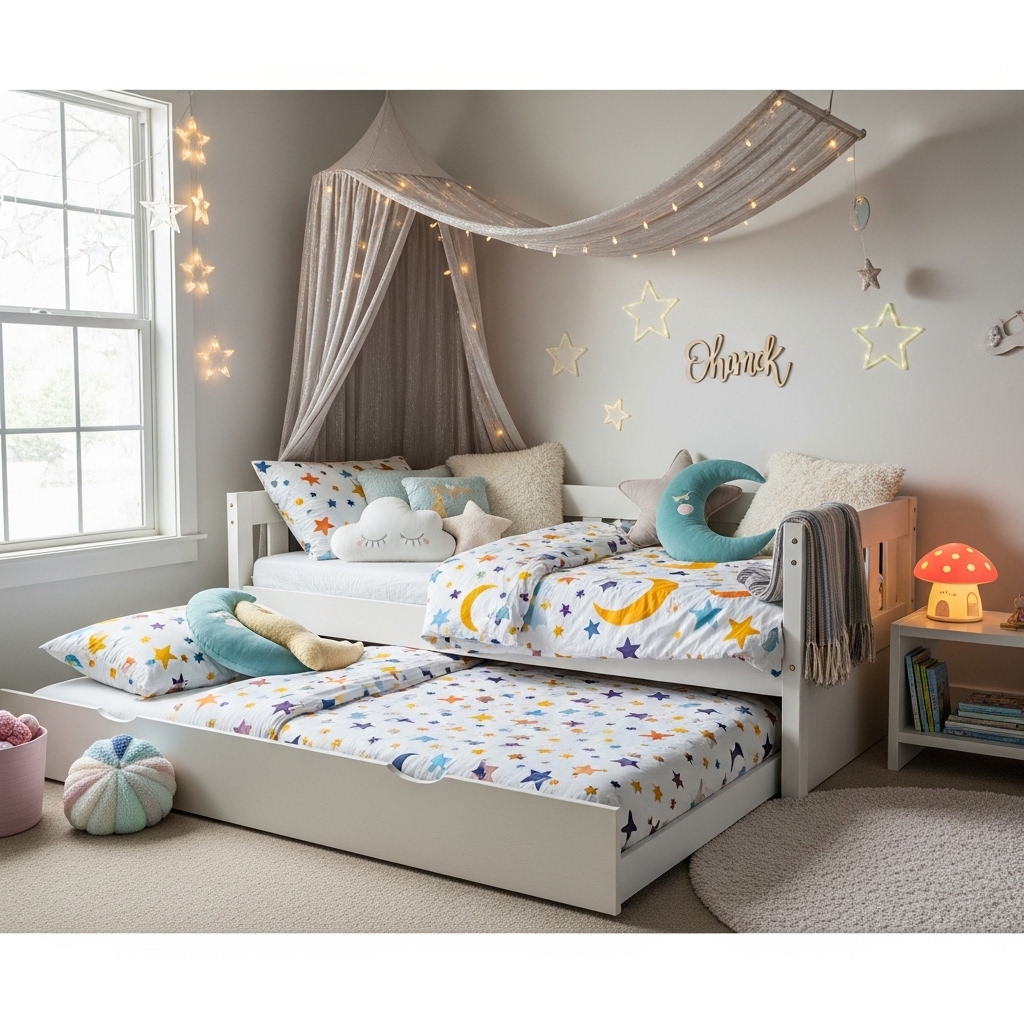
Choose this approach when your child loves having friends sleep over but space is tight.
Buy a daybed with a pull-out trundle underneath. The trundle stores a second mattress.
Your child sleeps on the daybed daily. Pull out the trundle for sleepovers. Tuck it away in the morning.
A standard bed offers no guest sleeping solution. A daybed with trundle makes your house the sleepover house.
Pro Tip: Store extra pillows and a blanket in the trundle drawer. Your sleepover guest’s bedding is always ready to go.
Mistake to Avoid: Do not buy a trundle that requires fully removing the mattress to open. Choose a trundle that rolls out with the mattress on top.
18. Install a Swing or Hammock Chair from the Ceiling
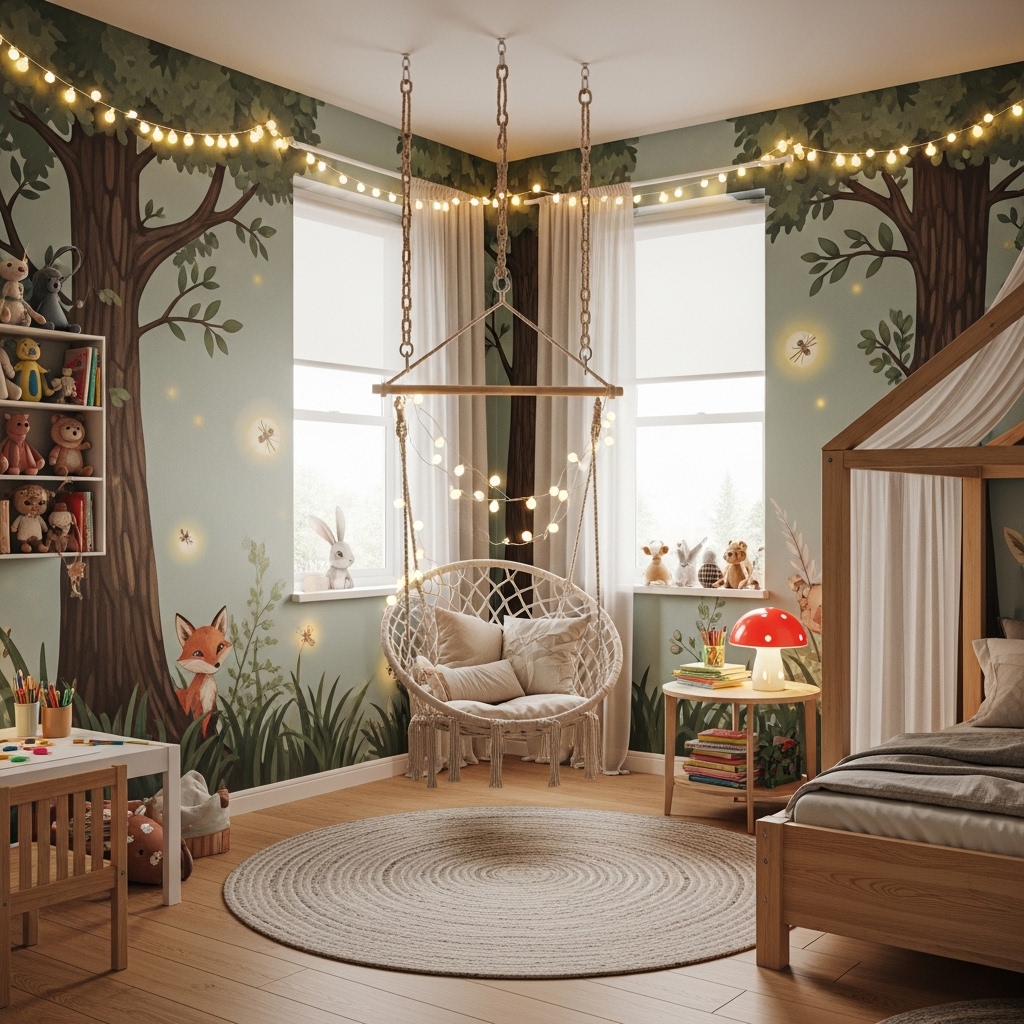
Apply this method when you have a sturdy ceiling beam and a child who needs sensory input.
Mount a fabric swing or hammock chair from a ceiling hook rated for 200 pounds.
Your child swings to calm down, regulate emotions, or just have fun. The swinging motion soothes.
Rocking chairs offer linear motion only. Swings offer circular, side-to-side, and back-and-forth movement variety.
Pro Tip: Choose a bucket-style fabric swing that fully supports your child’s back during swinging.
Mistake to Avoid: Do not install your swing near windows or glass doors. Swinging bodies can break glass panels dangerously.
19. Paint a Rainbow Stripe Wall in Pastel Colors
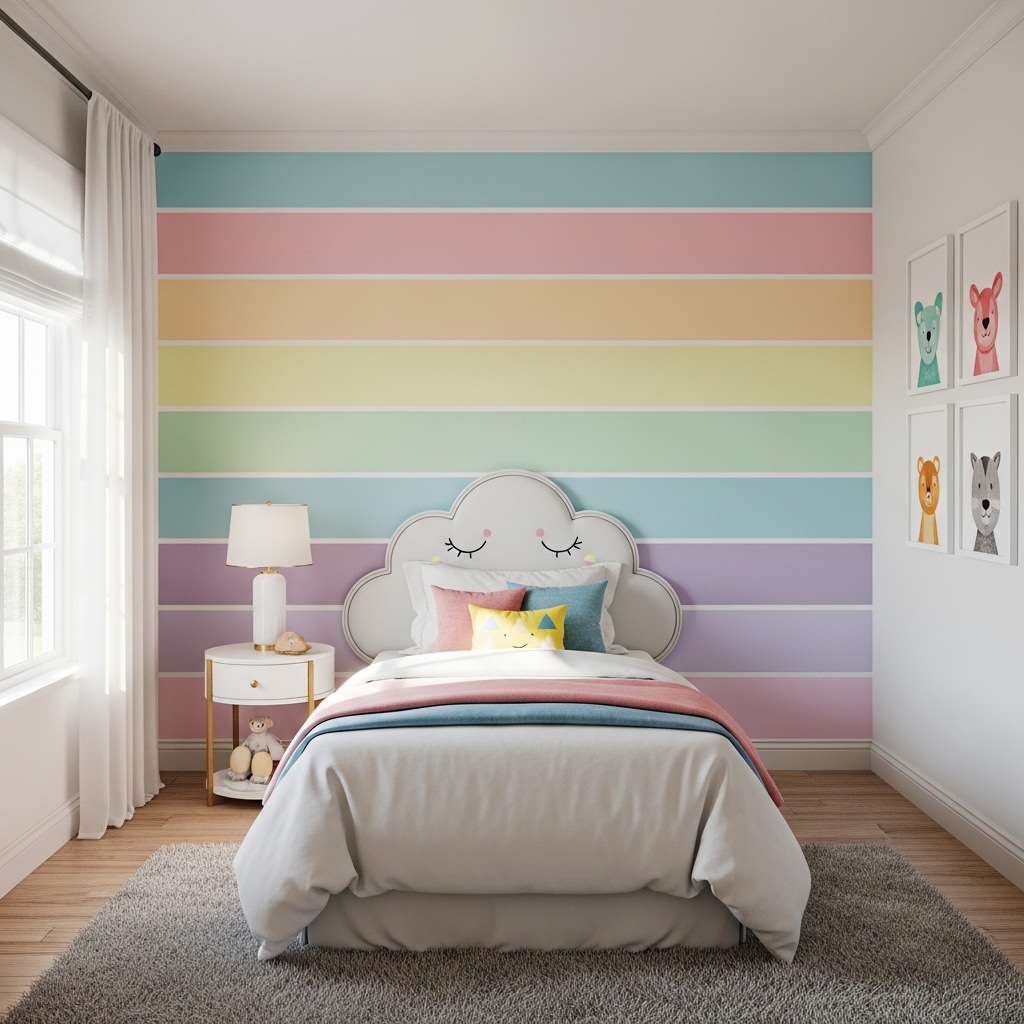
Use this idea when your child loves color but you want a softer, sleep-friendly palette.
Paint wide horizontal or vertical stripes in pastel rainbow order on a single accent wall.
Pastel stripes add major visual impact with minimal effort. One weekend completes the whole project.
Solid color walls look fine but never excite. Rainbow stripes make your child’s bedroom joyful and memorable.
Pro Tip: Use painter’s tape and a level. Crooked stripes look terrible and ruin the whole effect.
Mistake to Avoid: Do not paint vertical stripes in a room with low ceilings. Vertical stripes make ceilings feel even lower.
20. Create a Homework Station with Wall-Mounted Desk
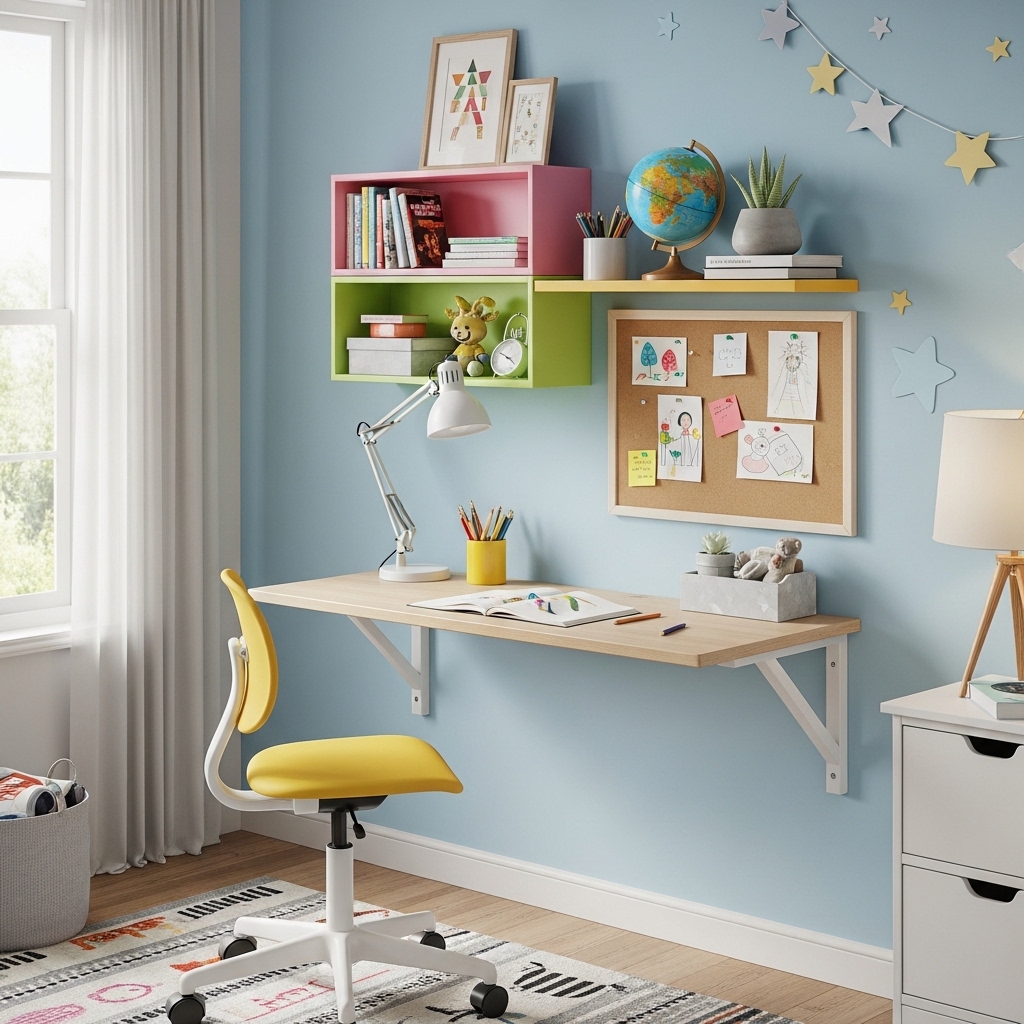
Choose this approach when your child needs a dedicated homework spot but floor space is limited.
Mount a fold-down wall desk at your child’s seated height. Add a wall-mounted pencil holder nearby.
The desk folds flat against the wall when not in use. Your child’s floor stays open for play.
A permanent desk consumes floor space all day. A fold-down desk gives you that space back when homework ends.
Pro Tip: Install a small whiteboard above the desk. Your child writes reminders, math formulas, or spelling words on the board.
Mistake to Avoid: Do not mount your desk higher than 26 inches. Your child’s elbows should rest at a 90-degree angle when seated.
21. Use Floor Cushions Instead of Chairs
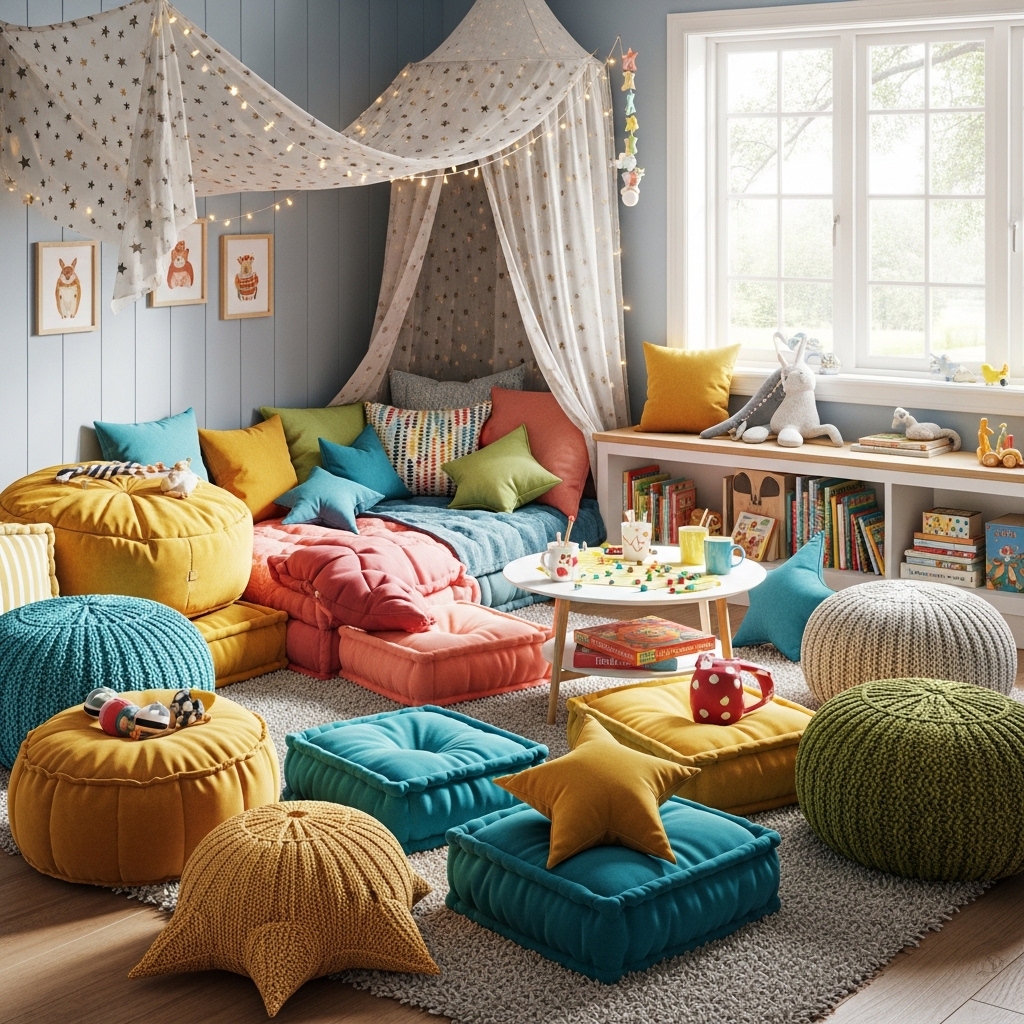
Apply this method when you need flexible seating that adapts to different activities and group sizes.
Buy six to eight thick floor cushions in various colors. Stack them in a corner when not in use.
Spread cushions on the floor for reading, playing, or having friends over. Cushions adapt to any situation.
Chairs are fixed and take up space. Floor cushions stack, store flat, and seat any number of children.
Pro Tip: Choose cushions with removable, machine-washable covers in dark colors to hide dirt and stains.
Mistake to Avoid: Do not use thin floor cushions. Thick cushions at least four inches tall support proper posture during floor sitting.
22. Install a Wall-Mounted Pegboard for Toy Storage
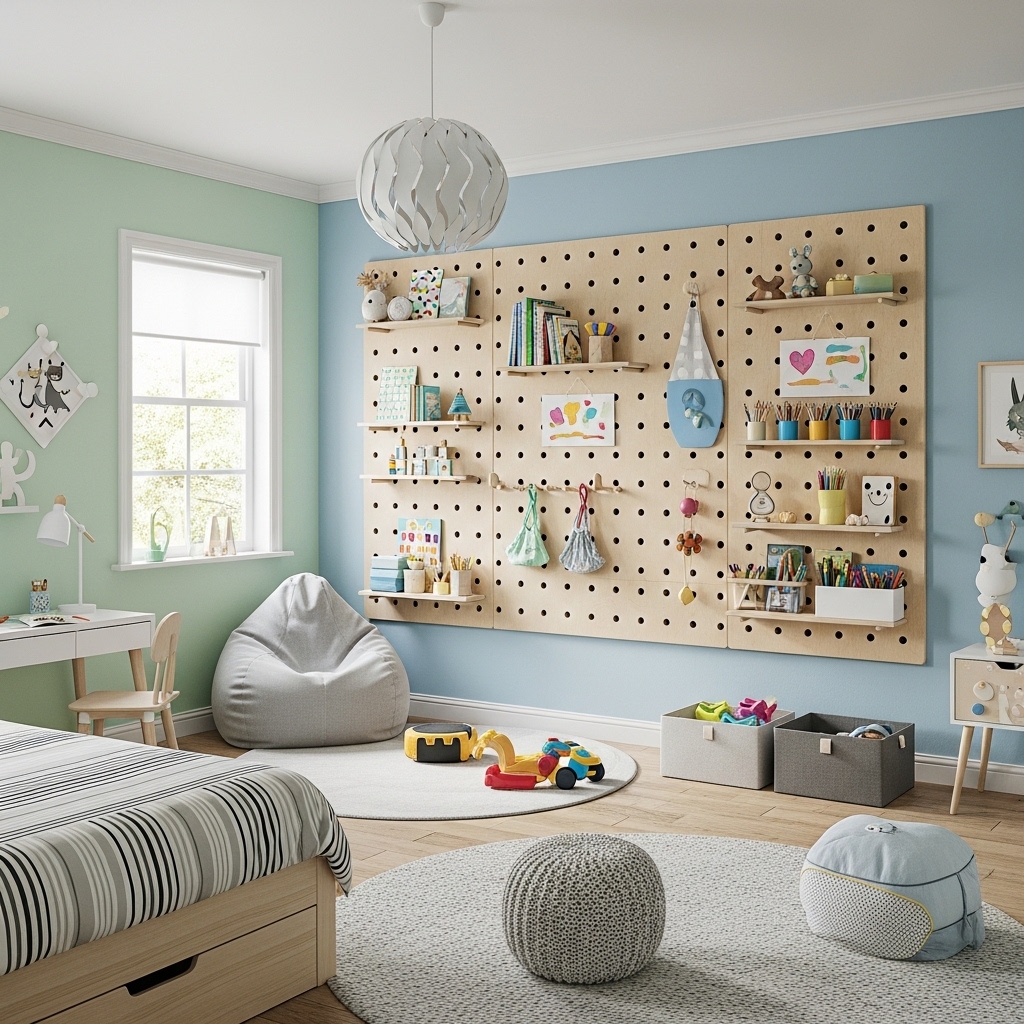
Use this strategy when small toys take over your child’s floor and you need vertical organization.
Mount a large pegboard on one wall. Add hooks, small baskets, and shelves for toy storage.
Pegboards keep frequently used toys visible and reachable. Your child puts toys away independently.
Toy bins hide everything. A pegboard displays toys like art and makes cleanup obvious and easy.
Pro Tip: Paint your pegboard a bright color that matches your child’s room. A colorful pegboard looks like decor, not just storage.
Mistake to Avoid: Do not hang heavy wooden toys on pegboard hooks. Use lightweight plastic or fabric toys only.
23. Paint a Forest or Jungle Mural with Hidden Animals
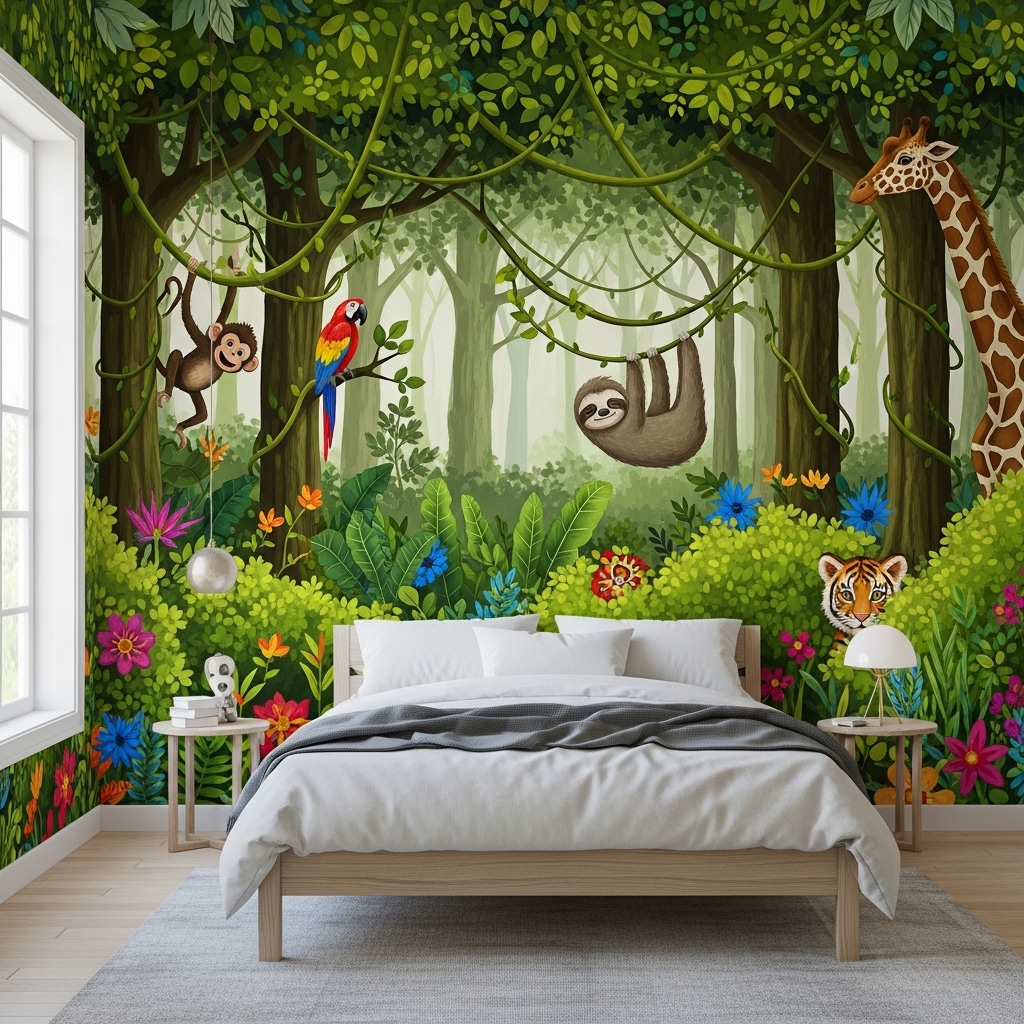
Choose this approach when you want a whimsical bedroom that rewards close looking and discovery.
Paint a forest or jungle scene across one wall. Hide small animals among the trees and leaves.
Your child spots new hidden animals each month. The wall stays interesting for years.
A plain painted wall offers nothing new after day one. A hidden animal mural reveals surprises for months.
Pro Tip: Paint three to five hidden animals per square yard. Too few and discovery ends quickly. Too many and the wall looks cluttered.
Mistake to Avoid: Do not use dark colors only. Add bright pops of color for visual contrast and child appeal.
24. Use a Vintage Suitcase as Under-Bed Storage
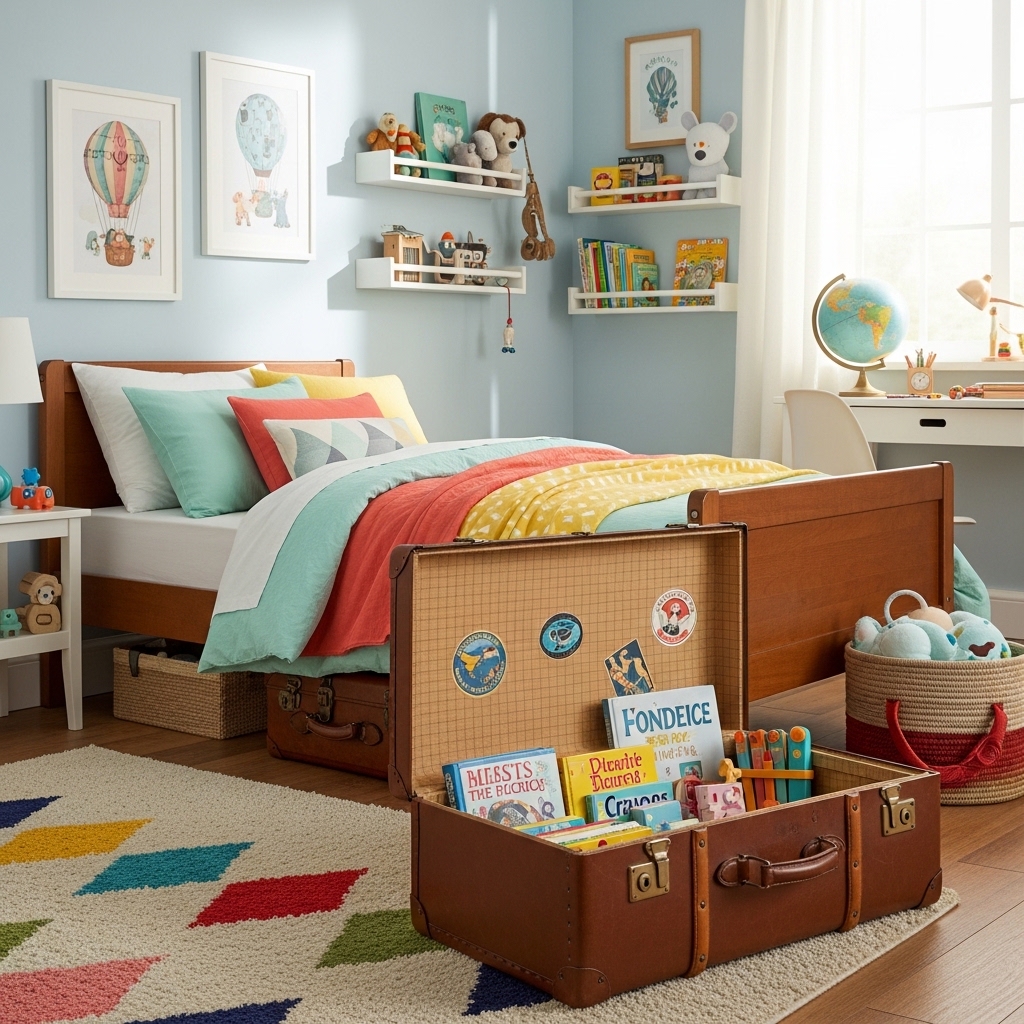
Apply this method when you need attractive storage that slides easily under your child’s bed.
Find two to three vintage suitcases at thrift stores. Stack them under your child’s bed.
Store off-season clothes, extra bedding, or toys inside the suitcases. The suitcases look like decor.
Plastic bins are ugly but functional. Vintage suitcases are beautiful and functional at the same time.
Pro Tip: Label each suitcase with a luggage tag. “Winter pajamas,” “Summer shorts,” “Extra blankets.”
Mistake to Avoid: Do not use suitcases with broken latches. Latches that do not close properly will pop open and spill contents.
25. Install a Paper Roll Holder on the Wall
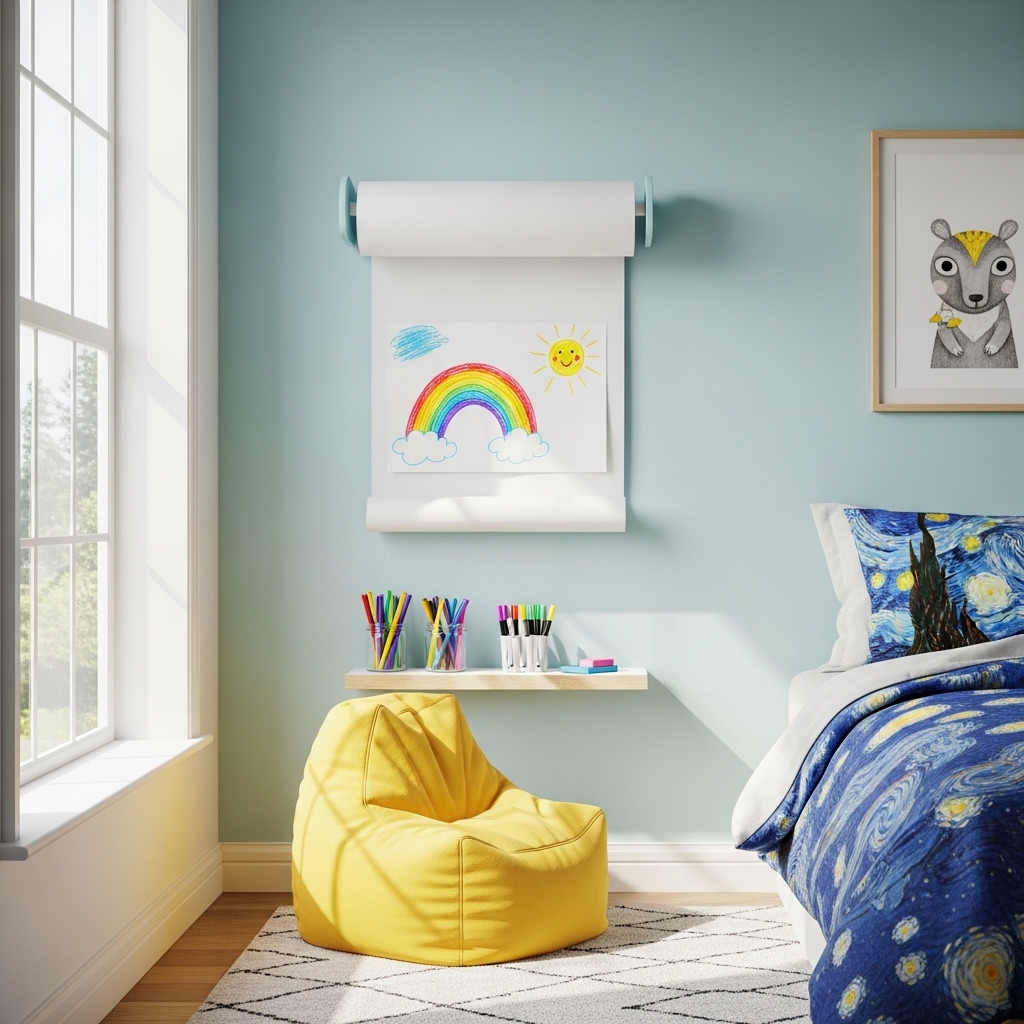
Use this idea when your child loves to draw and you want to provide endless paper without waste.
Mount a wall-mounted paper roll holder at your child’s height. Thread a roll of kraft paper through it.
Your child pulls down as much paper as they need. Tear it off along the built-in cutter.
Individual paper sheets get used up quickly. A paper roll gives your child unlimited drawing surface.
Pro Tip: Install a small shelf below the paper holder. The shelf holds crayons, markers, and colored pencils within reach.
Mistake to Avoid: Do not install the paper holder above your child’s bed. Your child will pull paper while half asleep and create a mess.
26. Create a Photo Timeline Wall
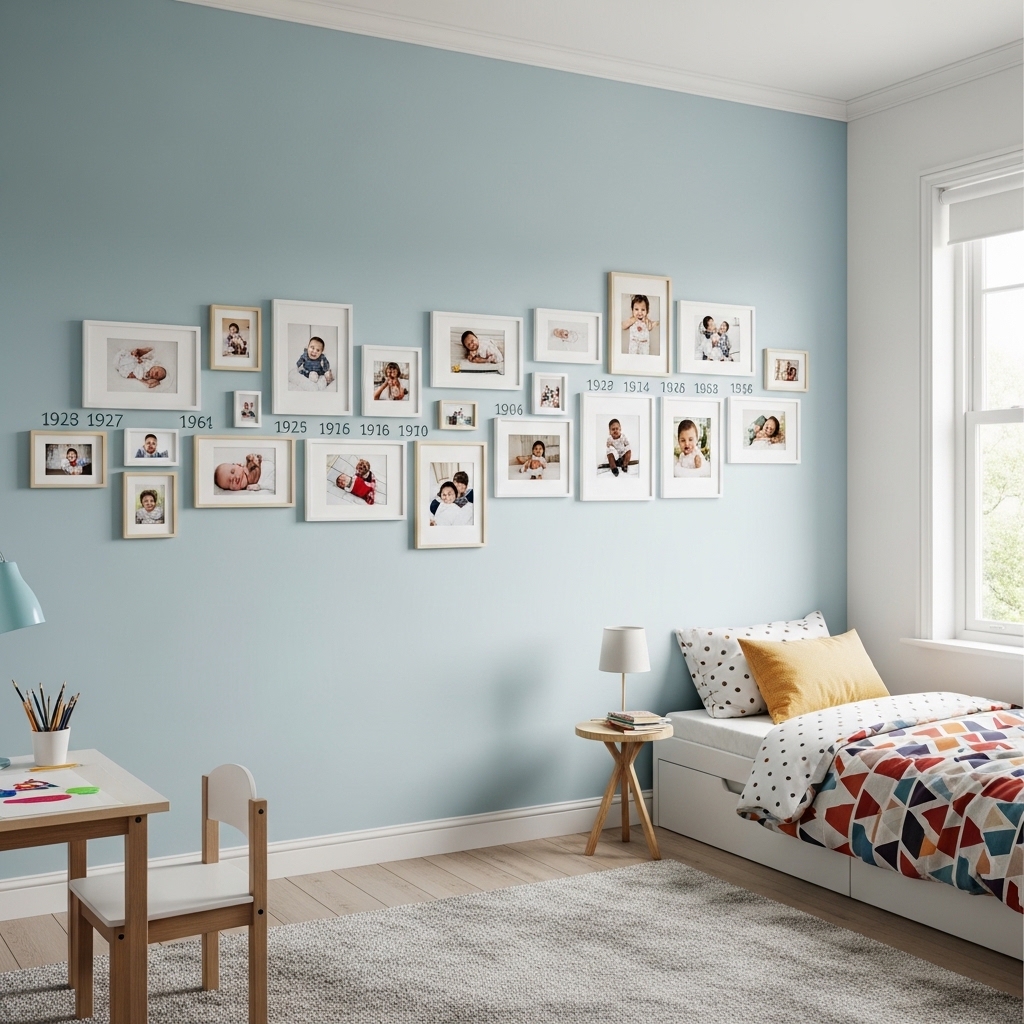
Choose this approach when you want your child to see their own growth and development.
Print one photo from each year of your child’s life. Arrange them in chronological order on one wall.
Your child sees themselves grow from baby to big kid. The wall tells their personal story.
Generic art is fine. A photo timeline makes your child the star of their own room.
Pro Tip: Leave empty frames below the last photo. Add new photos each birthday and watch the wall grow with your child.
Mistake to Avoid: Do not hang photos too high. Keep photos at your child’s eye level so they can see themselves clearly.
27. Use a Hanging Fruit Basket as a Toy Storage
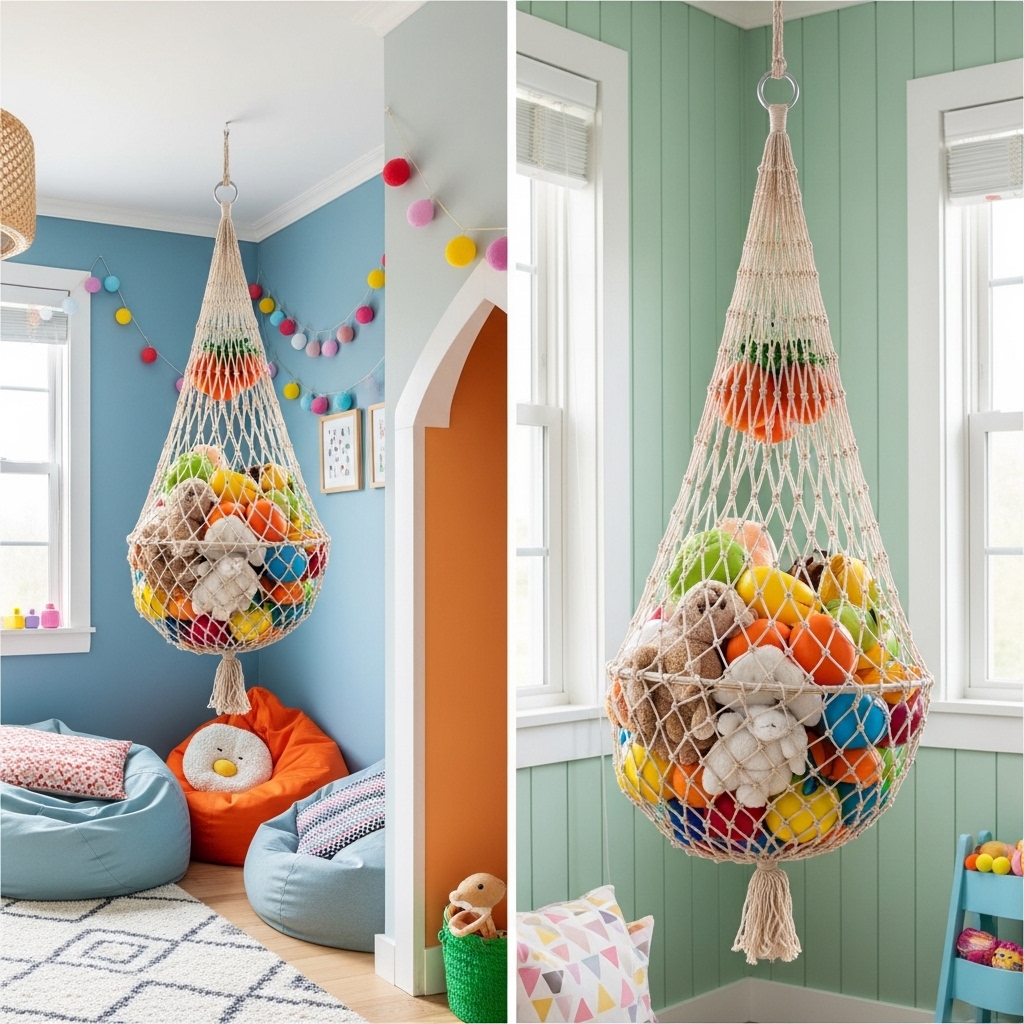
Apply this method when you need storage for small toys and have unused ceiling space.
Hang a three-tier wire fruit basket from your ceiling. Place small toys, stuffed animals, or art supplies on each tier.
Hanging storage uses overhead space that nothing else can occupy. Your floor stays clear for play.
Floor bins consume valuable square footage. A hanging basket stores toys without using any floor space.
Pro Tip: Choose a basket with a deep bottom tray to catch items that fall from upper tiers.
Mistake to Avoid: Do not hang your basket lower than 60 inches from the floor. Your child will bump their head when standing up.
28. Install a Rope Swing with Knots for Grip Strength
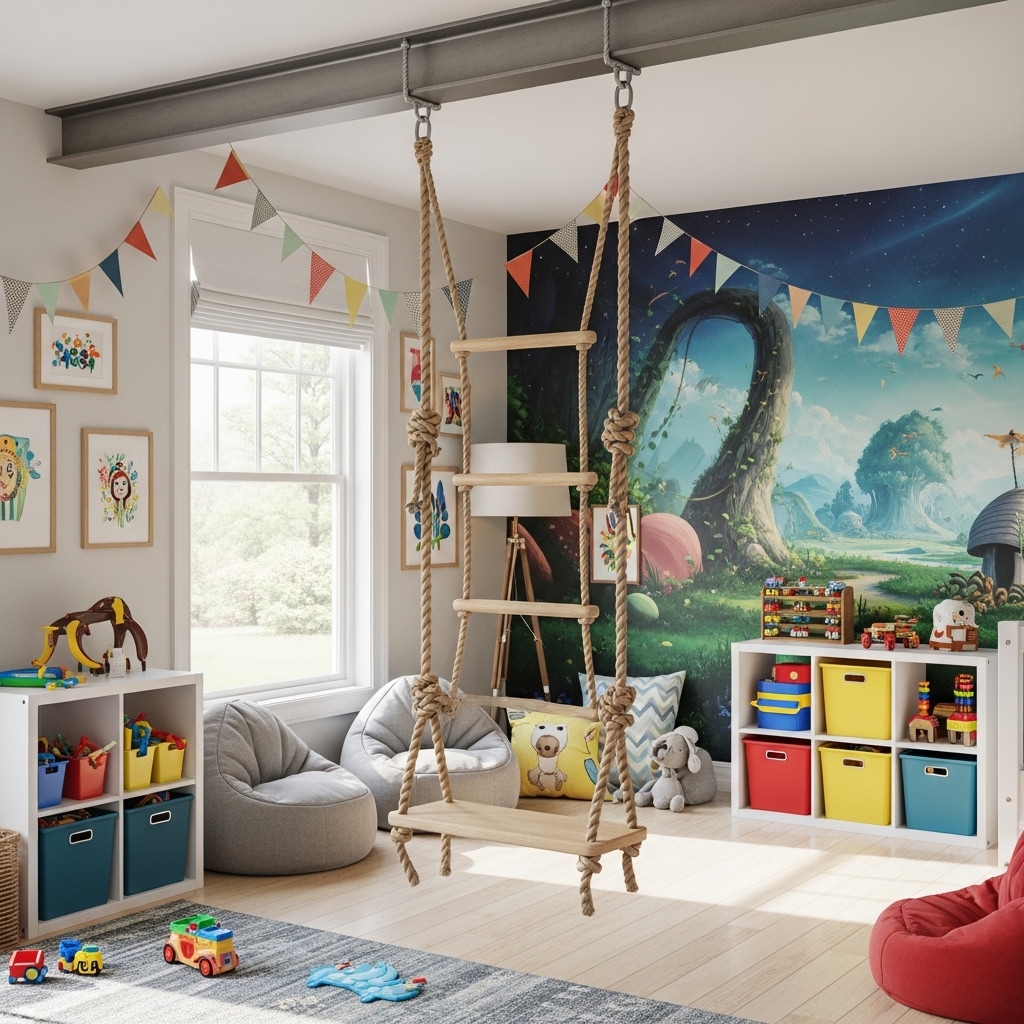
Use this strategy when you have a sturdy ceiling beam and a child who needs gross motor development.
Mount a thick rope swing with knots tied at various heights from a ceiling hook rated for 300 pounds.
Your child grips knots and swings. Grip strength, upper body strength, and coordination develop naturally.
Standard playground swings offer passive seating. A rope swing with knots requires active gripping and builds real strength.
Pro Tip: Wrap the rope with soft fabric where your child’s hands grip to prevent rope burn during swinging.
Mistake to Avoid: Do not install a rope swing above hard flooring. Thick foam mats underneath are absolutely essential.
29. Paint a Starry Night Ceiling with Glow Paint
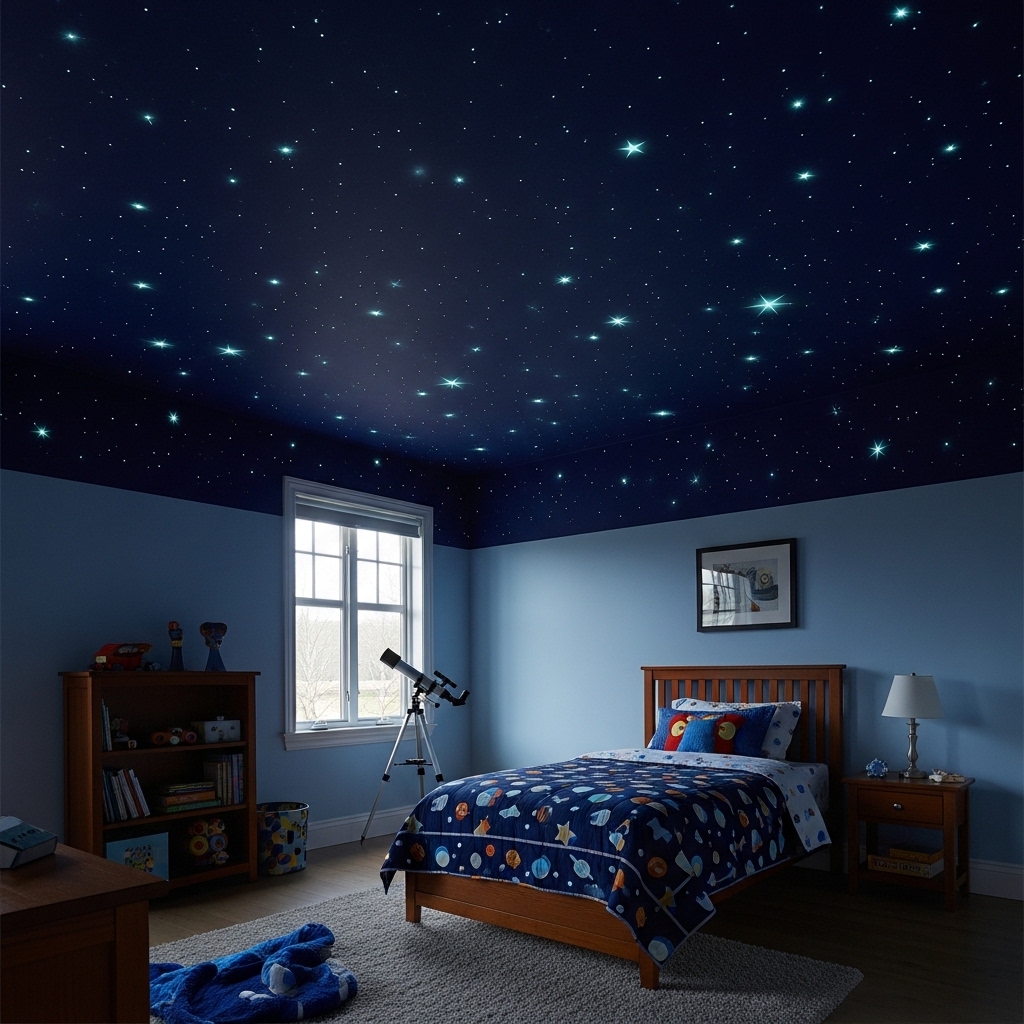
Choose this approach when your child is afraid of the dark and needs something beautiful to watch.
Paint your ceiling dark navy blue. Add glow-in-the-dark stars, moons, and planets across the surface.
Your child falls asleep watching the stars glow softly overhead. The ceiling becomes a comfort object.
A plain white ceiling offers nothing special. A starry night ceiling makes bedtime something to look forward to.
Pro Tip: Use a sponge to create a milky way effect across your ceiling. The milky way adds depth and magic to your night sky.
Mistake to Avoid: Do not paint your ceiling too dark in a room with small windows. Balance with light-colored walls.
30. Create a Lego Headboard with Storage Bins
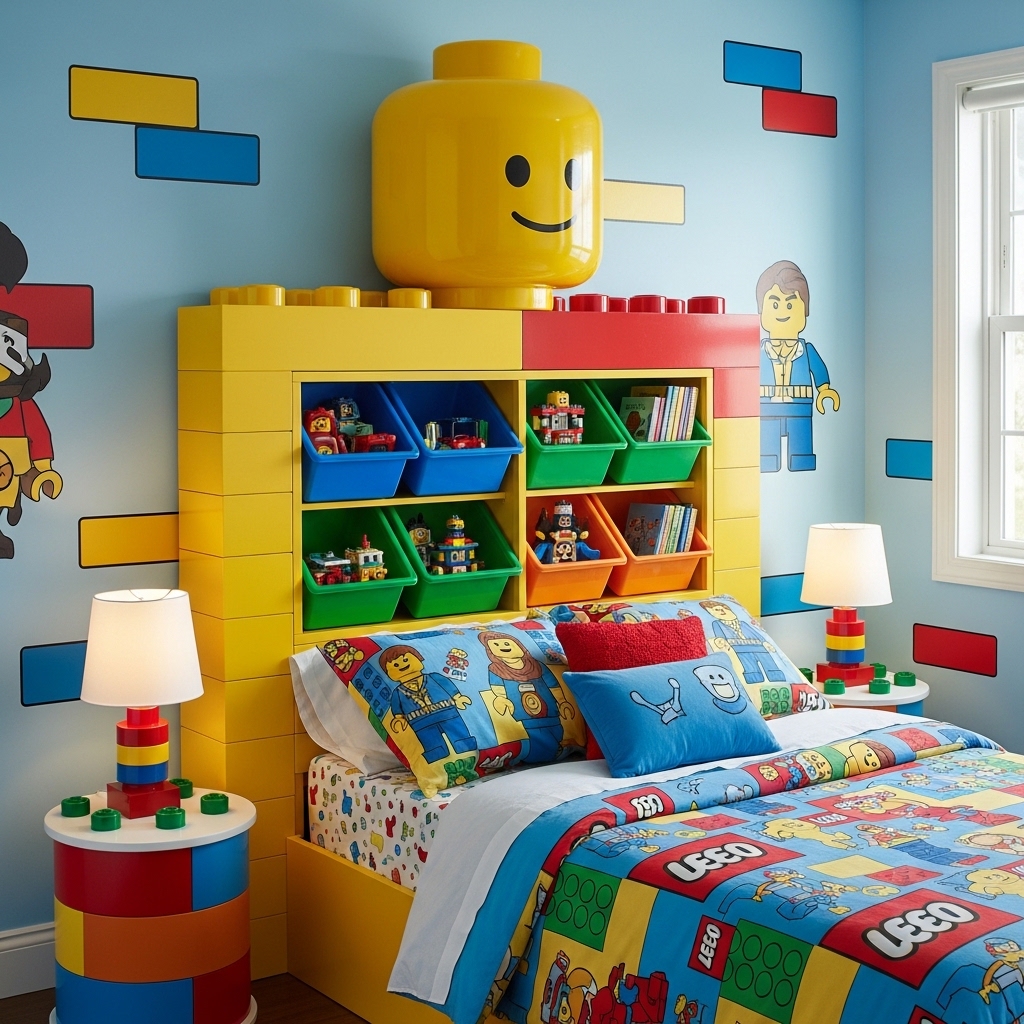
Apply this method when your child loves Legos and you want to combine sleeping with storage.
Build or buy a headboard with built-in cubbies. Fill each cubby with a clear plastic bin.
Your child stores Lego creations, bricks, and minifigures in the headboard bins. Bed and storage in one piece.
A standard headboard is decorative only. A Lego headboard stores hundreds of bricks within arm’s reach of sleep.
Pro Tip: Label each bin with a picture of what goes inside. “Minifigures,” “Green bricks,” “Wheels,” “Windows.”
Mistake to Avoid: Do not overload headboard bins. Heavy bins can pull the headboard off the wall or tip the bed frame.
Conclusion
A great kids’ bedroom is not about matching furniture sets or following Pinterest trends perfectly.
The 30 ideas above prove that fun, functional, and magical spaces come from understanding how children actually live.
Install a loft bed to double your floor space. Paint a chalkboard wall for endless creativity.
Create a reading nook inside an unused closet. Use a tent or teepee for imaginative play.
Install wall-mounted bookshelves at child height. Paint a world map wall for geography learning.
Create a gallery wall of your child’s artwork. Install a climbing wall for endless energy.
Use bunk beds with built-in storage drawers. Paint a growth chart ruler directly on the wall.
Create a Lego wall with mounted baseplates. Hang a canopy over the bed for magic.
Use a rolling cart for art supplies. Install a wall-mounted whiteboard for daily drawing.
Create a dress-up closet with low hanging rods. Paint a magnetic wall for letters and numbers.
Use a daybed with trundle for sleepovers. Install a swing for sensory regulation.
Paint a rainbow stripe wall in pastel colors. Create a homework station with a fold-down desk.
Use floor cushions instead of chairs. Install a pegboard for toy storage.
Paint a forest mural with hidden animals. Use vintage suitcases for under-bed storage.
Install a paper roll holder on the wall. Create a photo timeline wall of your child’s life.
Use a hanging fruit basket for toy storage. Install a rope swing with knots for grip strength.
Paint a starry night ceiling with glow paint. Create a Lego headboard with storage bins.
Start with one idea that excites your child. Implement it together this weekend.
Then add another idea next month. Your child’s room should evolve as they grow.
The best kids’ rooms are never truly finished. They change as your child changes.
Take back the bedroom from boring beige starting today. Create a space your child will never want to leave.