10 Shared Kids Bedroom Ideas to Create a Fun, Organized, and Space-Saving Room
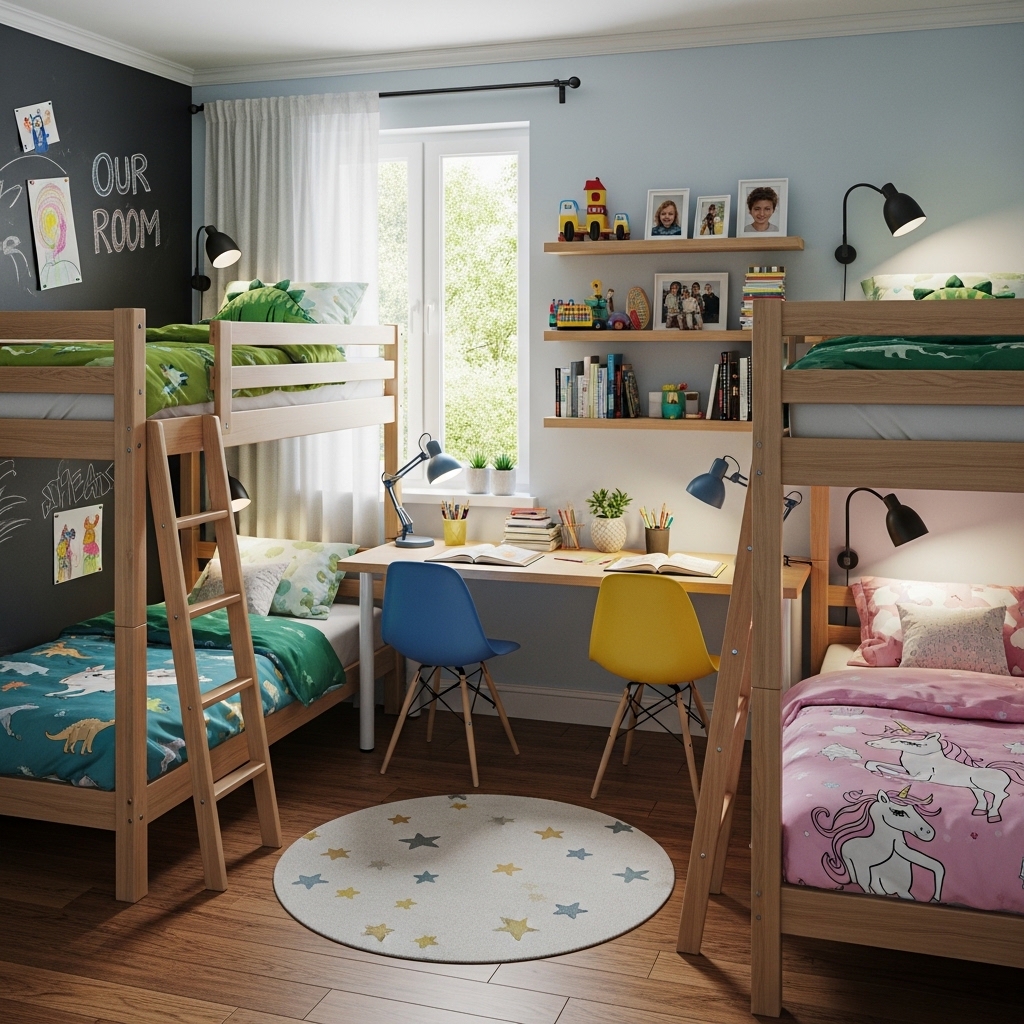
Designing a bedroom for kids to share is a job. It is fun but hard. When kids share a room you want to make sure it is comfortable and organized for all of them. You also want to make sure it is fair.
Good ideas for a shared kids bedroom include using the space you have in a way making separate areas for each kid and finding clever ways to store their stuff. This helps keep the room clean and useful.
A lot of families use bunk beds and storage that’s clever and fun. They also use colors for different parts of the room and furniture that can be used for more than one thing.
This makes the room look nice and work well. Whether you are making a room for kids who’re the same age or different ages these ideas can help.
They can help you make a room where kids can get along be creative and be independent. Shared kids bedroom ideas, like these can really make a difference.
1. Bunk Beds for Maximum Space Efficiency
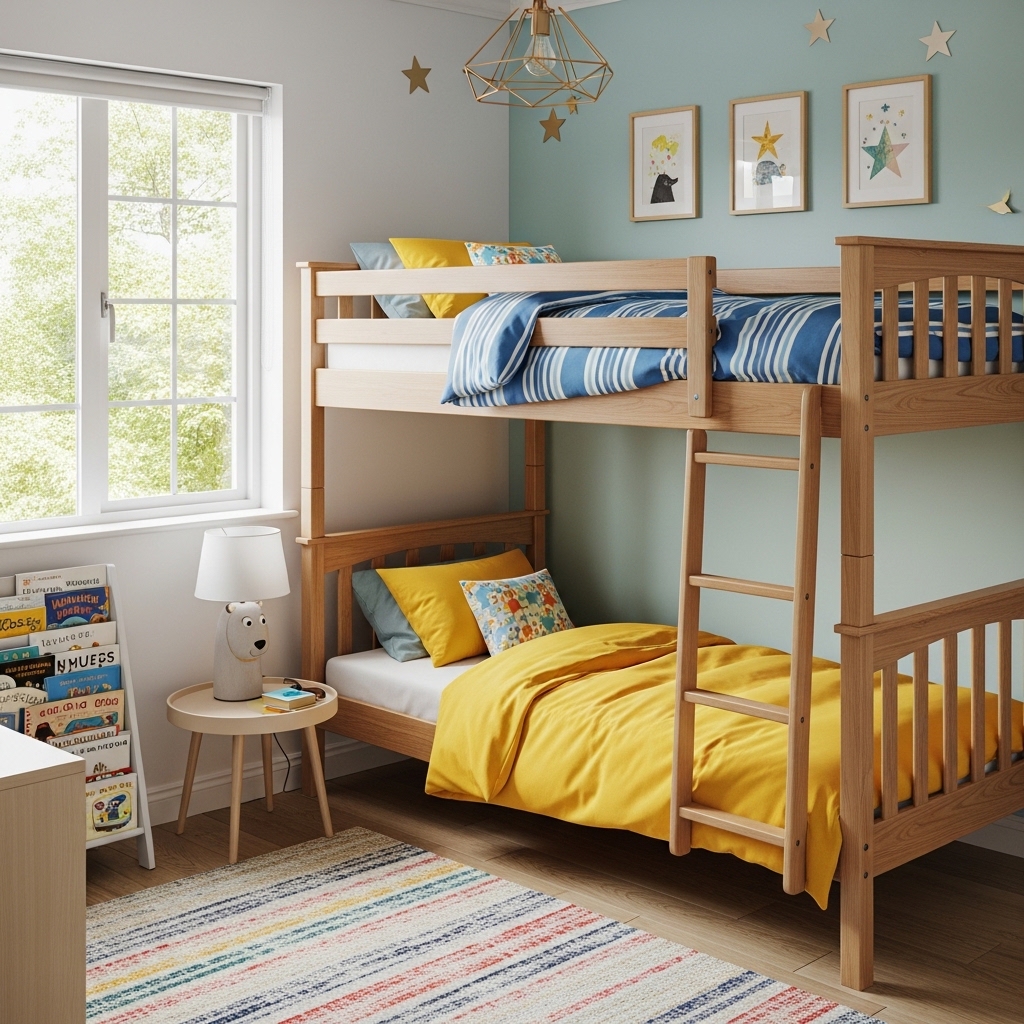
Bunk beds are one of the most practical solutions for a shared kids bedroom. They free up valuable floor space while allowing two children to sleep comfortably in the same room. Modern bunk bed designs often include built-in storage drawers, shelves, or even study desks underneath.
This setup keeps the room organized while creating more open space for play areas or desks. Bunk beds are especially useful in smaller bedrooms where traditional bed layouts would feel cramped.
Pro Tip: Choose bunk beds with safety rails and sturdy ladders to ensure both safety and durability.
2. Twin Beds with a Shared Nightstand
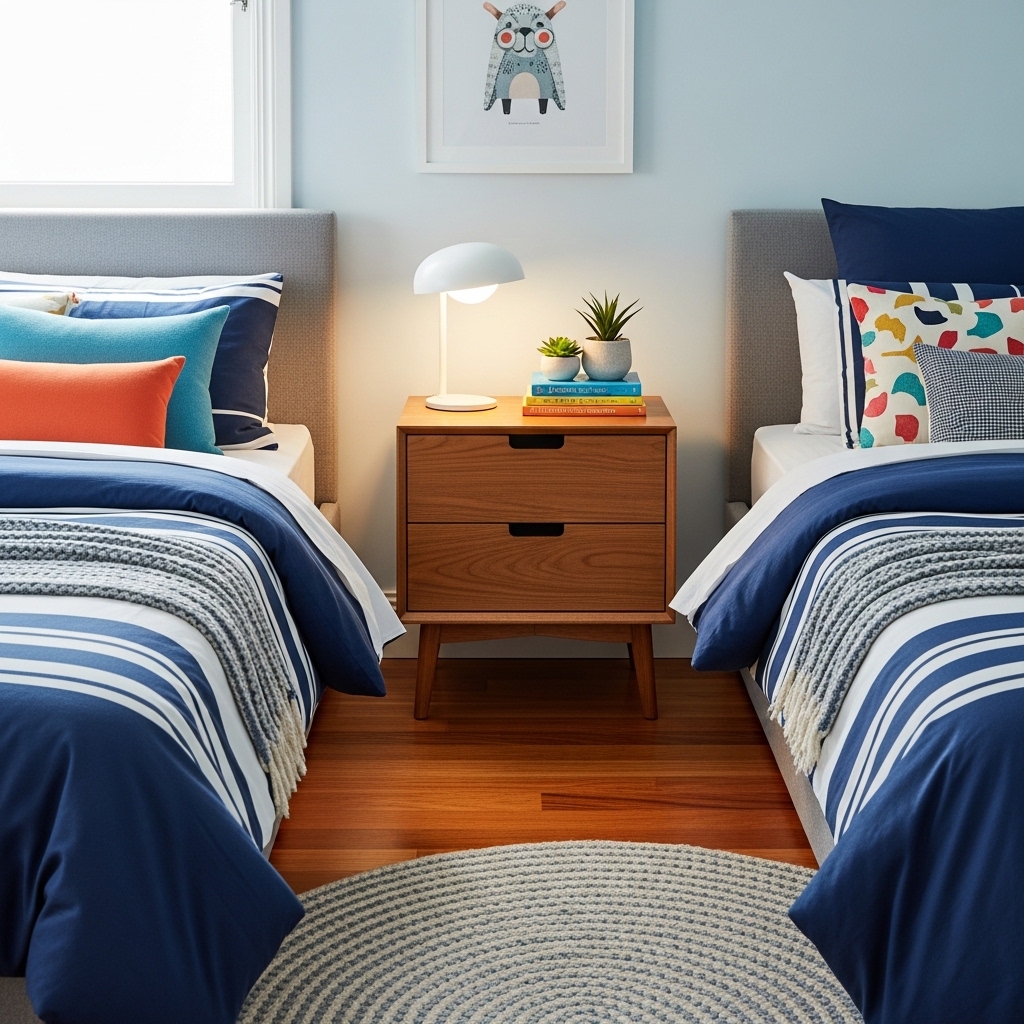
Placing two twin beds side by side with a shared nightstand creates a balanced and symmetrical bedroom layout. This design works well for siblings who want their own sleeping space while still sharing the room comfortably.
A shared nightstand between the beds provides space for lamps, books, or small personal items. It also helps maintain an organized and cohesive room design.
Pro Tip: Use matching bedding with different accent colors so each child feels their side of the room is unique.
3. Color-Coded Zones for Each Child
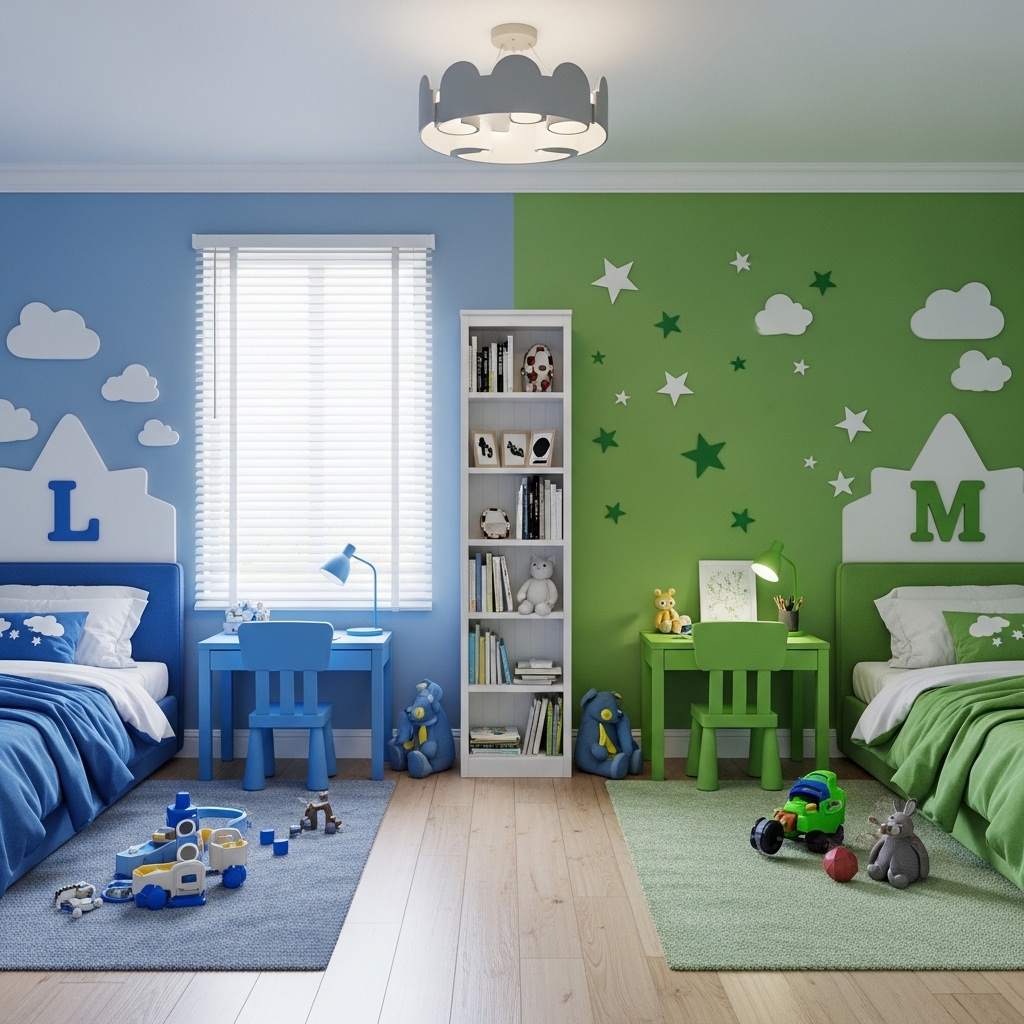
Color zoning is a creative way to give each child a sense of personal space within the same bedroom. Assigning a specific color to each child’s bedding, wall decor, or storage helps define their individual area.
This approach also makes it easier to organize belongings and avoid confusion about whose items belong where. Color zoning can be subtle yet effective in shared spaces.
Pro Tip: Use removable wall decals or accent pillows in different colors to personalize each child’s side of the room.
4. Built-In Storage for Shared Organization
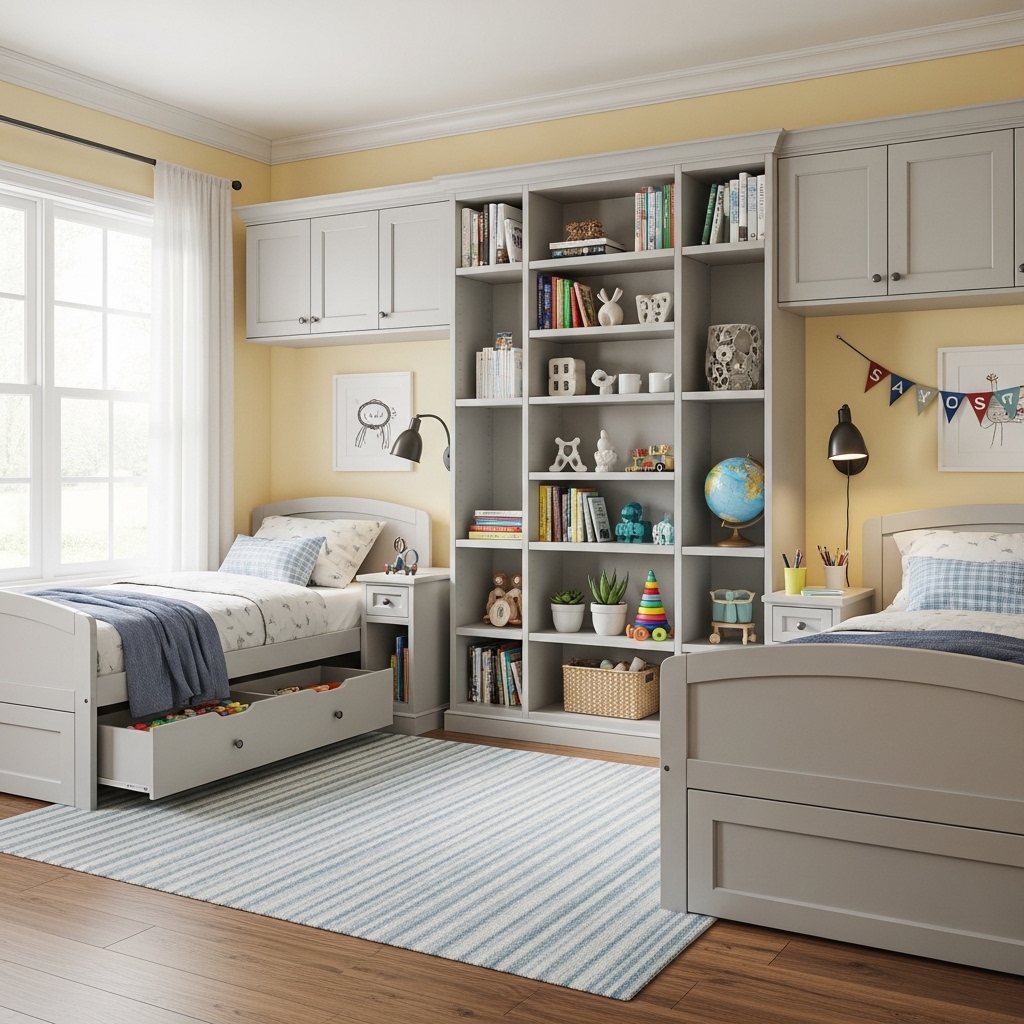
Storage is essential in a shared kids bedroom to prevent clutter and maintain order. Built-in shelves, under-bed drawers, and vertical cabinets help store toys, books, clothes, and school supplies efficiently.
These storage solutions maximize available space while keeping the room visually tidy. Organized storage also teaches kids responsibility for their belongings.
Pro Tip: Use labeled bins or baskets so children can easily find and return their items.
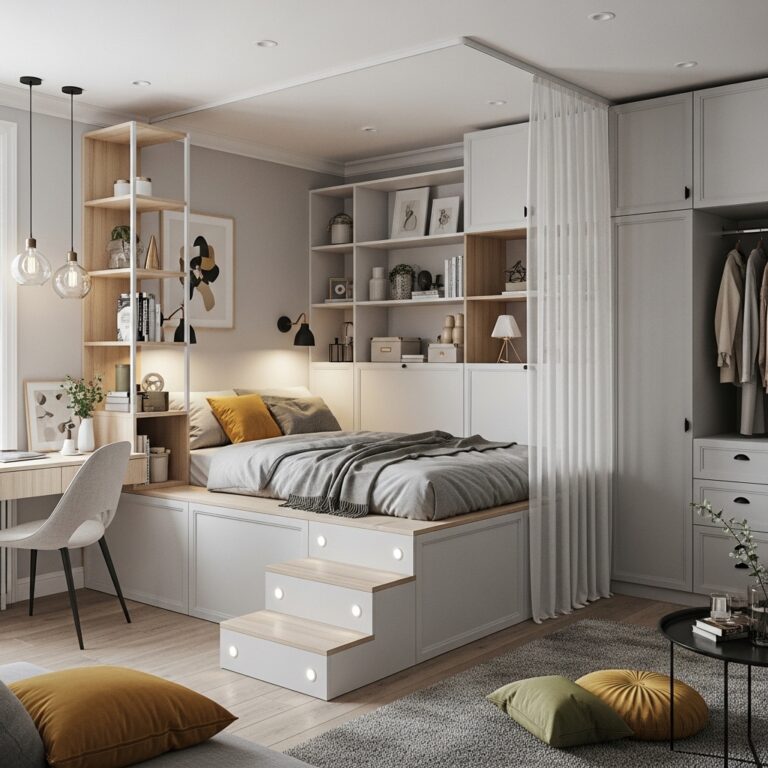
5. Loft Beds with Study Areas Underneath
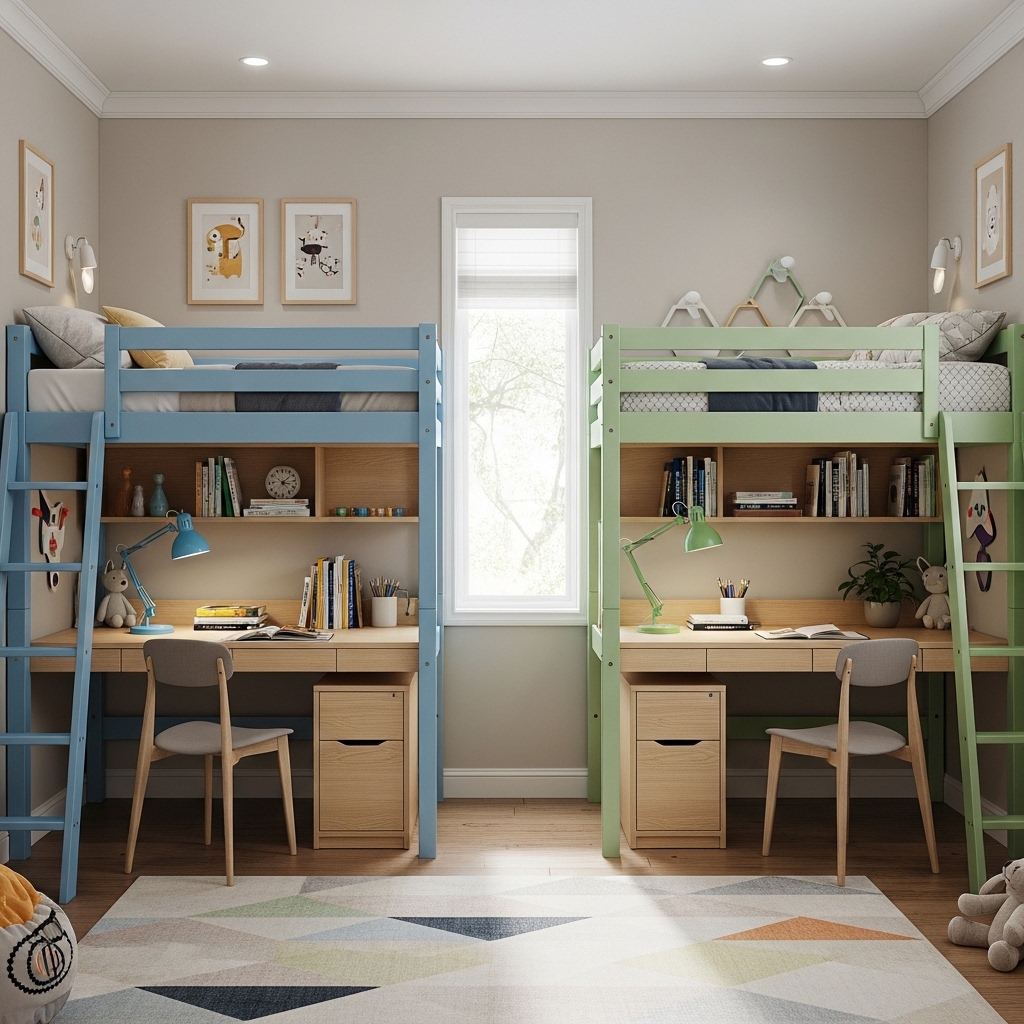
Loft beds are really great because they put the bed up high and leave the space below it free. You can put a desk under the bed for doing homework.
You can make a cozy little spot for reading. This is an idea for kids who are in school and need a quiet place to study in their own bedroom.
When you have a loft bed it helps to keep the sleeping part and the studying part separate. This makes the whole room feel more useful and tidy. Loft beds are especially good, in bedrooms that kids share with their brothers or sisters.
Pro Tip: Install good lighting under the loft bed to create a comfortable and productive study space.
6. Shared Play Area in the Center of the Room
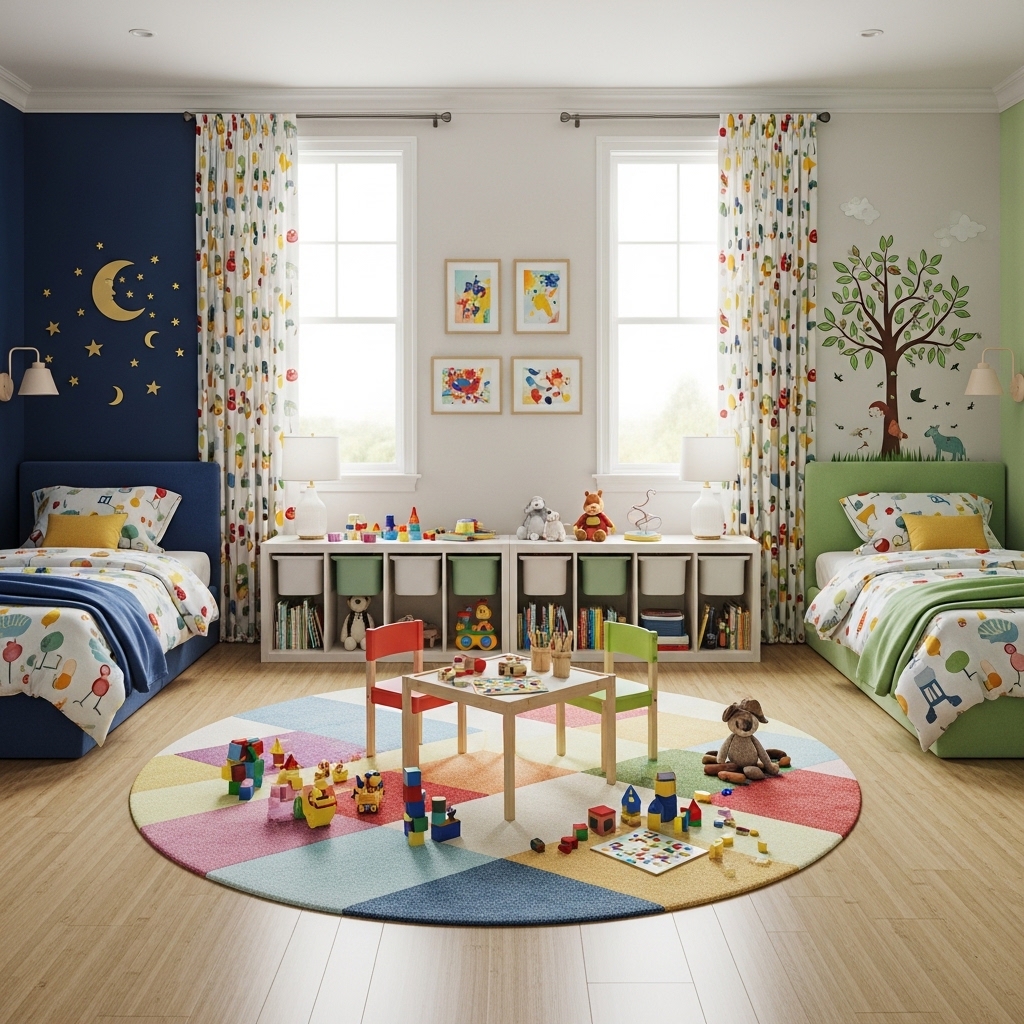
Creating a shared play area encourages siblings to interact and enjoy activities together. Keeping the center of the room open allows space for building toys, board games, or creative playtime.
Soft rugs, storage baskets, and toy organizers can help define the play zone while keeping the rest of the room neat. This layout also prevents toys from spreading across sleeping areas.
Pro Tip: Use a colorful area rug to visually separate the play space from sleeping areas.
7. Personalized Wall Decor for Each Child
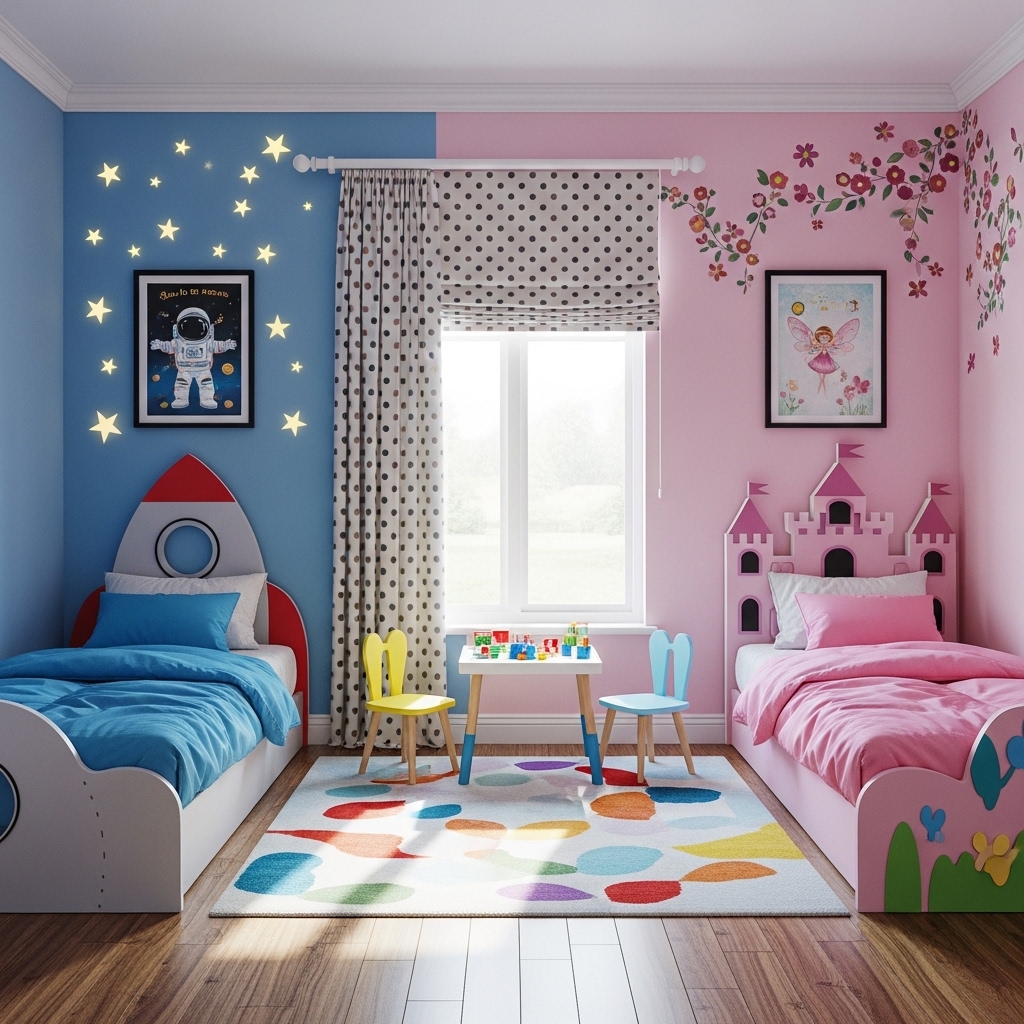
Personalized wall decor helps each child feel special even in a shared bedroom. Framed name prints, artwork, or themed posters can decorate each side of the room.
This approach allows kids to express their personality while maintaining a cohesive room design. It also helps them feel a sense of ownership over their personal space.
Pro Tip: Use matching frames or color palettes to keep the overall room design balanced.
8. Double Desk Workspace for Homework
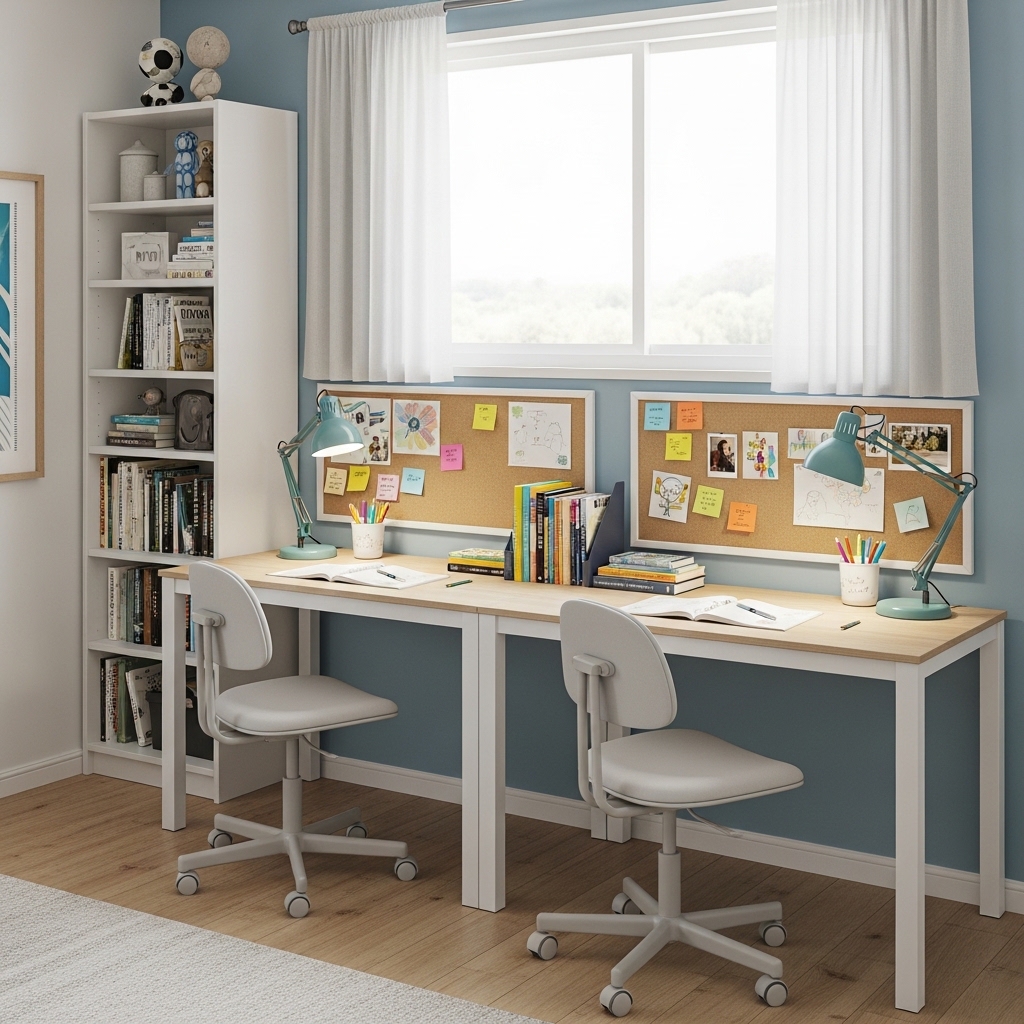
A shared study desk is ideal for school-aged siblings who need a quiet place for homework or creative projects. Long desks or built-in study stations allow both children to work comfortably side by side.
Providing adequate storage for school supplies helps keep the desk area organized and functional. This design also encourages productive study habits.
Pro Tip: Add individual desk lamps for better lighting and personal workspace comfort.
9. Curtain Dividers for Privacy
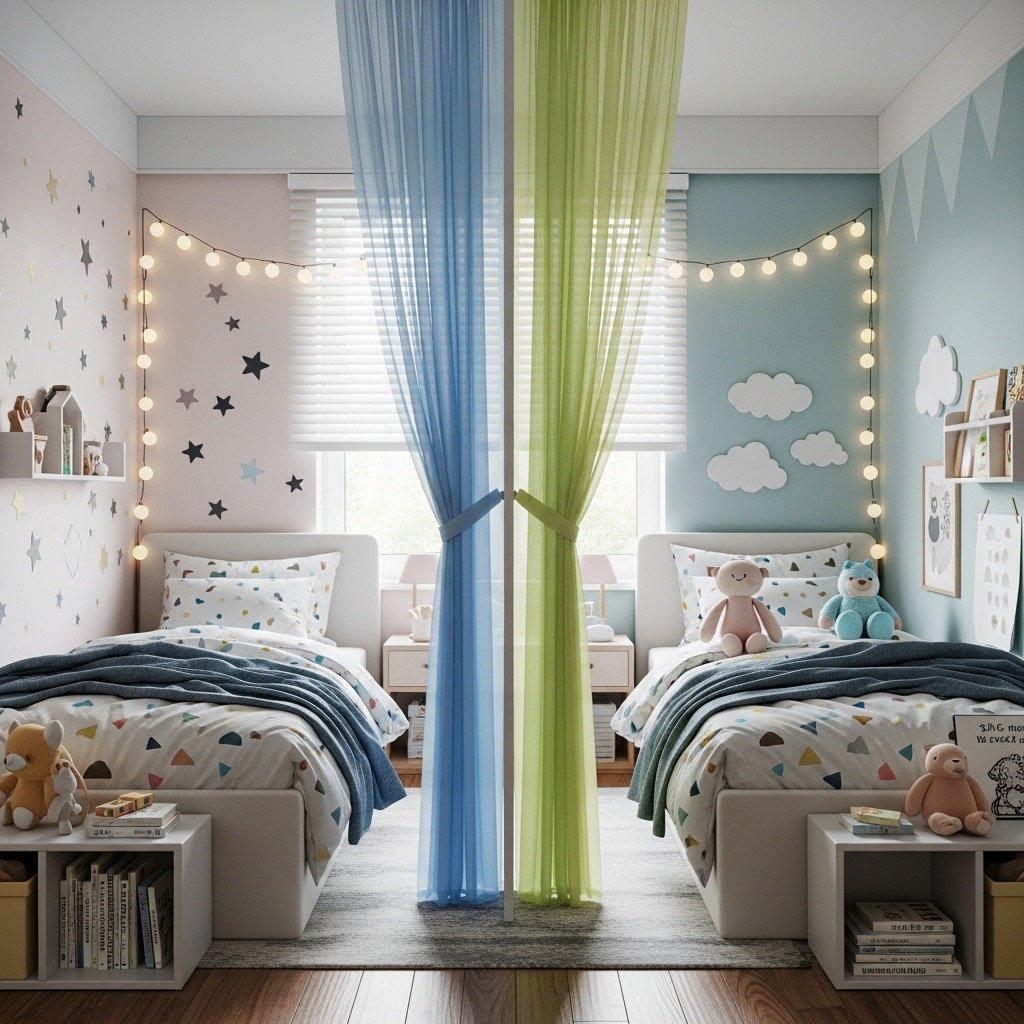
Curtain dividers are a simple yet effective way to provide privacy in a shared bedroom. Hanging a curtain between beds or along a bunk bed creates personal zones when needed.
This idea works particularly well for older kids who may want a little separation while still sharing the room. Curtains also add a decorative element to the space.
Pro Tip: Choose lightweight fabrics so the divider feels airy rather than restrictive.
10. Matching Storage Cubes and Toy Organizers
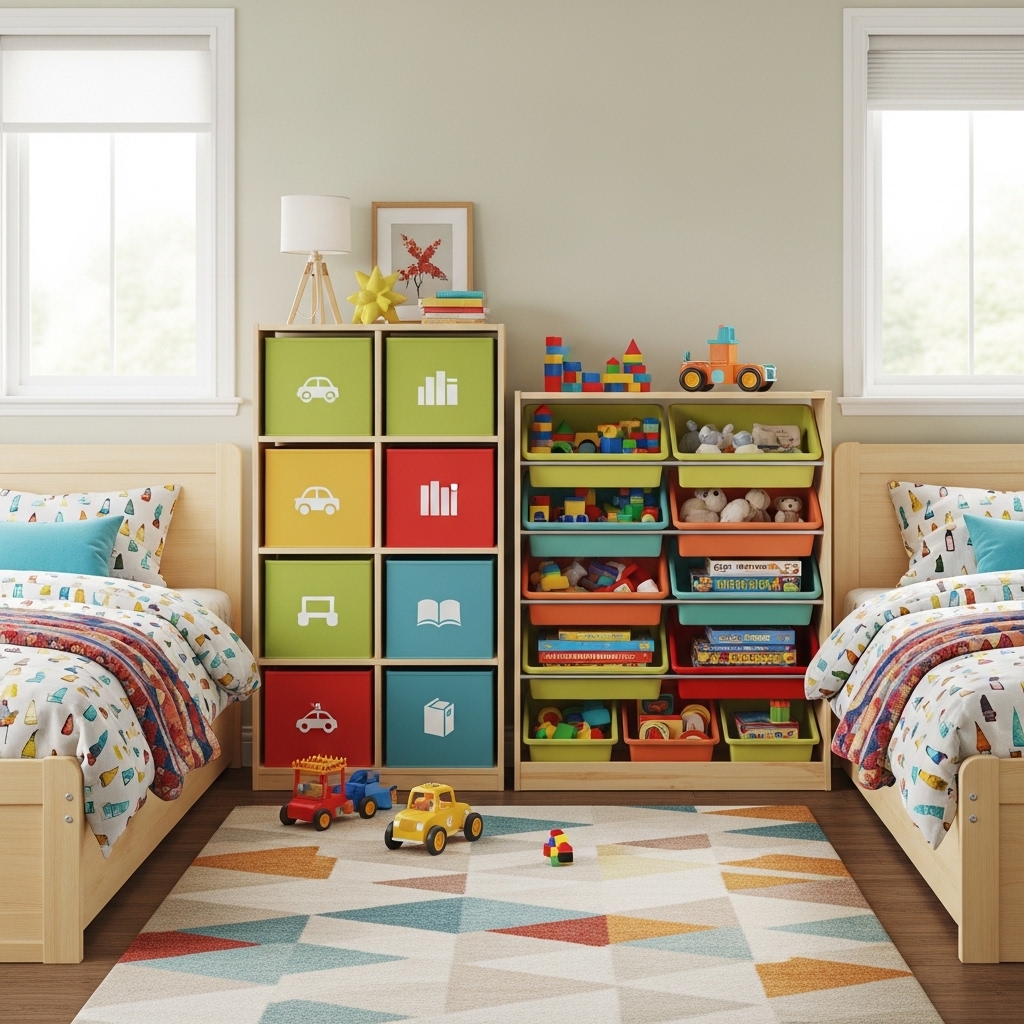
Storage cubes and toy organizers keep shared bedrooms tidy and easy to manage. Modular cube shelves allow toys, books, and clothes to be sorted into individual sections for each child.
This storage system is flexible and can adapt as kids grow and their needs change. It also makes cleanup faster and more manageable.
Pro Tip: Assign specific cubes to each child so they learn responsibility for keeping their own items organized.
Conclusion
Designing a shared kids bedroom takes some planning. You want to make sure it’s comfortable, functional and has space for each child.
Here are some ideas for a shared kids bedroom. They focus on layouts, storage and decor that makes each child feel special.
You can make a shared bedroom work by using things like bunk beds, zones for each child loft beds and organized storage. This way siblings can have a room thats fun helps them learn and gets plenty of rest. The room will also look great. Stay organized.
Shared kids bedrooms need design to balance comfort, functionality and personal space. These shared kids bedroom ideas focus on layouts, creative storage and personalized decor to ensure every child feels comfortable and valued in the shared kids bedroom.
By incorporating solutions, like bunk beds color-coded zones, loft beds, study areas and organized storage you can transform a shared kids bedroom into a fun and harmonious environment.
With the design choices siblings can enjoy a shared kids bedroom space that supports play, learning and restful sleep while keeping the room stylish and organized.