15 Small Apartment Decor Ideas That Maximize Space Without Sacrificing Style
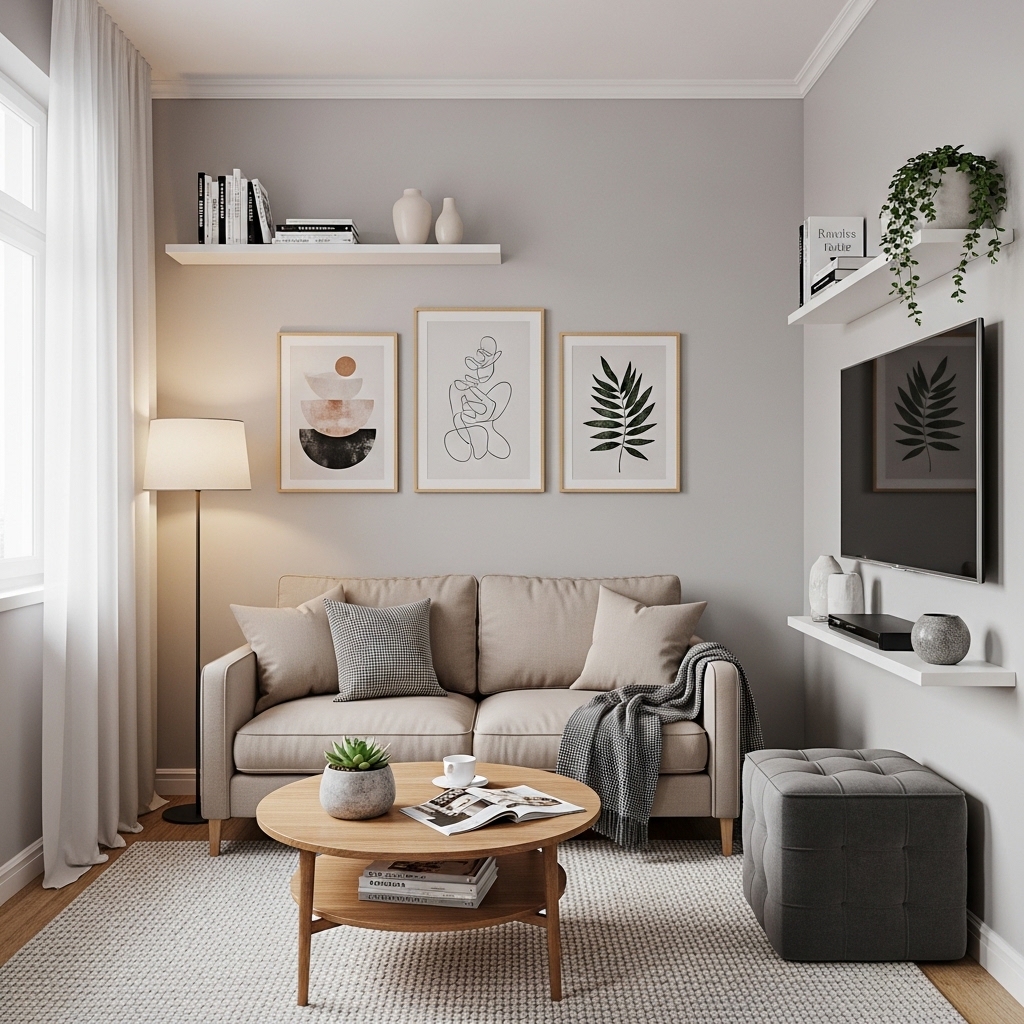
Decorating an apartment is not about filling it up with a lot of things. It is about picking things that can do than one thing and keeping the apartment feeling open and easy to use.
A lot of apartments feel really tight because the furniture is not in the right place and there is not enough storage.
These ideas are for people who really live in apartments, like studio apartments and have to deal with rules, from landlords and not a lot of money to spend.
Each idea helps you make a space that feels bigger is organized and is comfortable to use every day.
1. Multi-Functional Furniture That Solves Storage Problems
Ideal for: Studio apartments or rooms where furniture must serve more than one purpose.
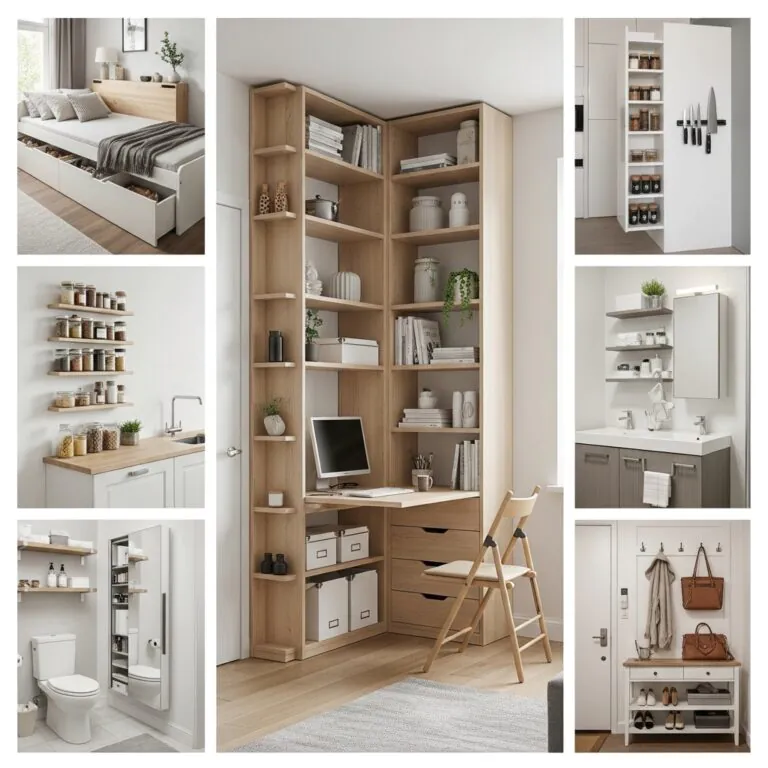
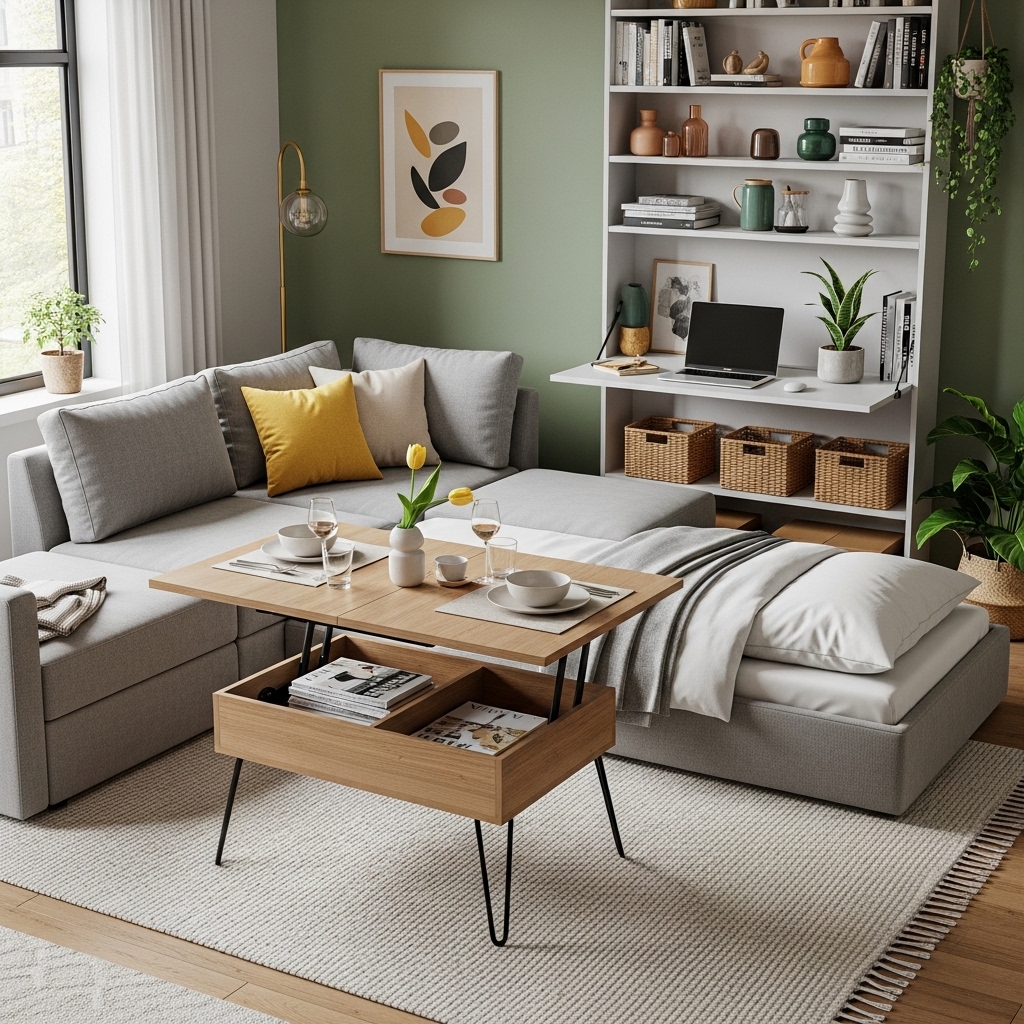
Choose pieces like storage ottomans or beds with drawers to reduce the need for extra furniture. Place them where they replace bulky items rather than add to them.
Why it works: It combines function and storage, reducing clutter while maximizing usability.
Mistake to avoid: Oversized multi-use furniture can still crowd the space.
Pro Tip: Measure your layout before buying to ensure proper fit.
2. Wall-Mounted Shelves to Free Up Floor Space
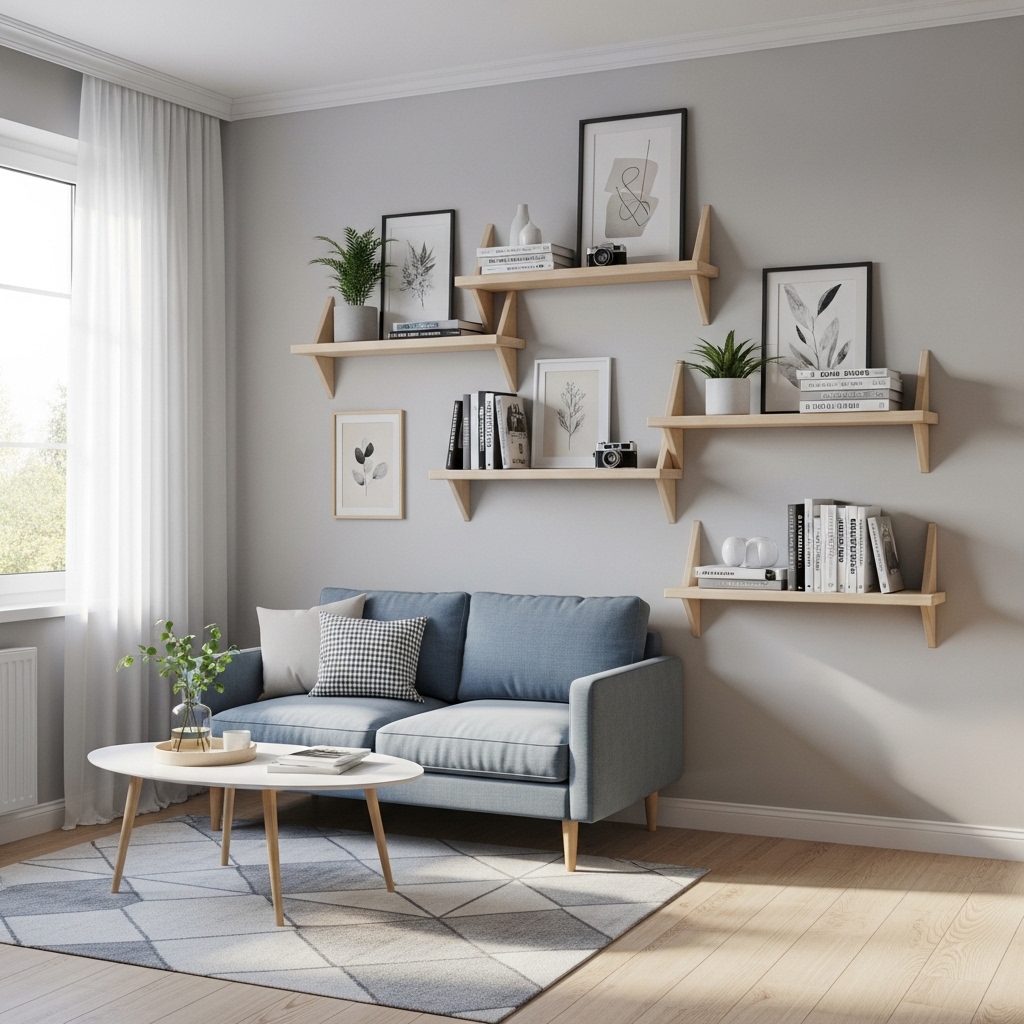
Best for: Apartments with limited storage and no room for bulky cabinets.
Install shelves above desks, sofas, or beds to store essentials vertically. Keep spacing even and avoid overcrowding.
Why it works: Vertical storage keeps the floor clear, making the room feel more open.
Mistake to avoid: Overloading shelves creates visual clutter.
Pro Tip: Limit each shelf to a few well-arranged items.
3. Light Color Palette to Make Small Rooms Feel Bigger
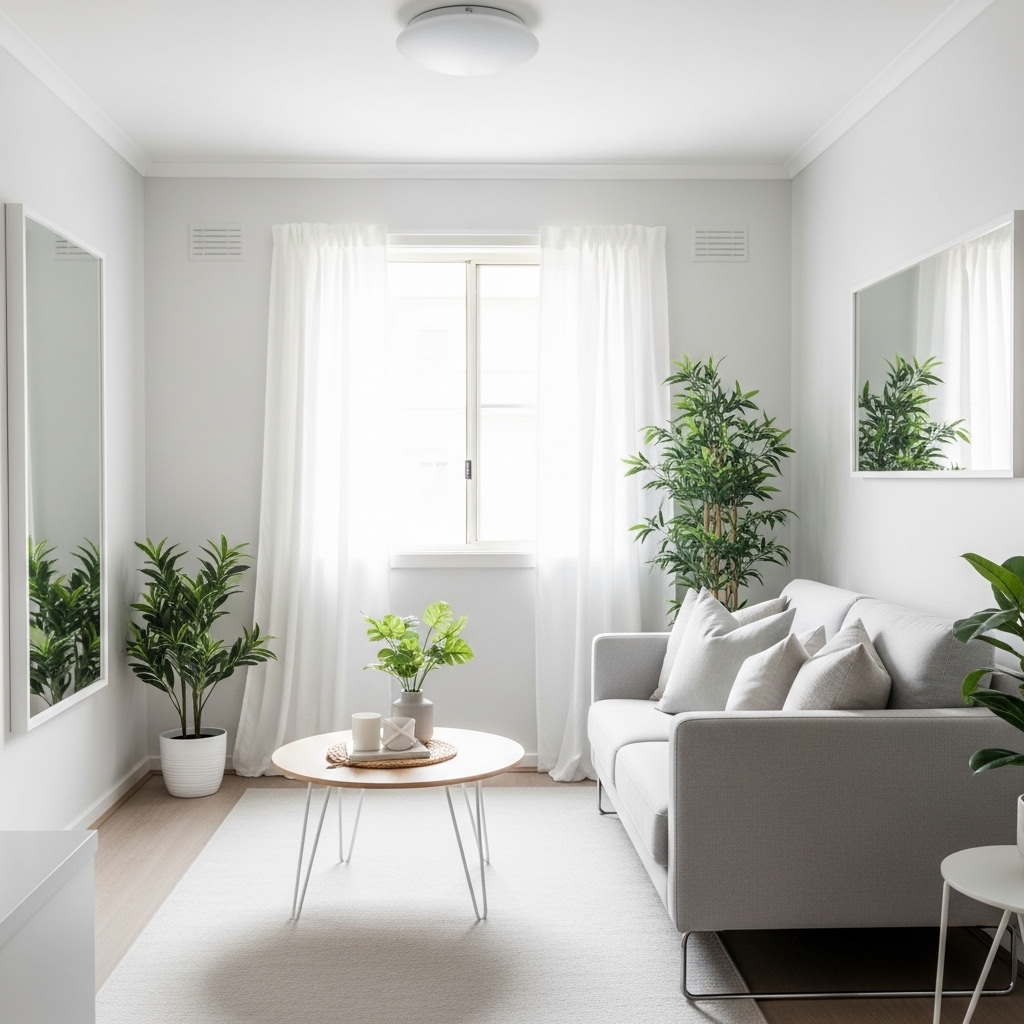
Great for: Apartments that feel dark or visually tight.
Use whites, creams, or soft grays on walls and large furniture pieces. Add color through small decor items only.
Why it works: Light tones reflect more light, creating an airy and open feel.
Mistake to avoid: Too many contrasting colors can shrink the space visually.
Pro Tip: Keep furniture and walls in similar tones for continuity.
4. Mirrors to Expand Visual Space Instantly
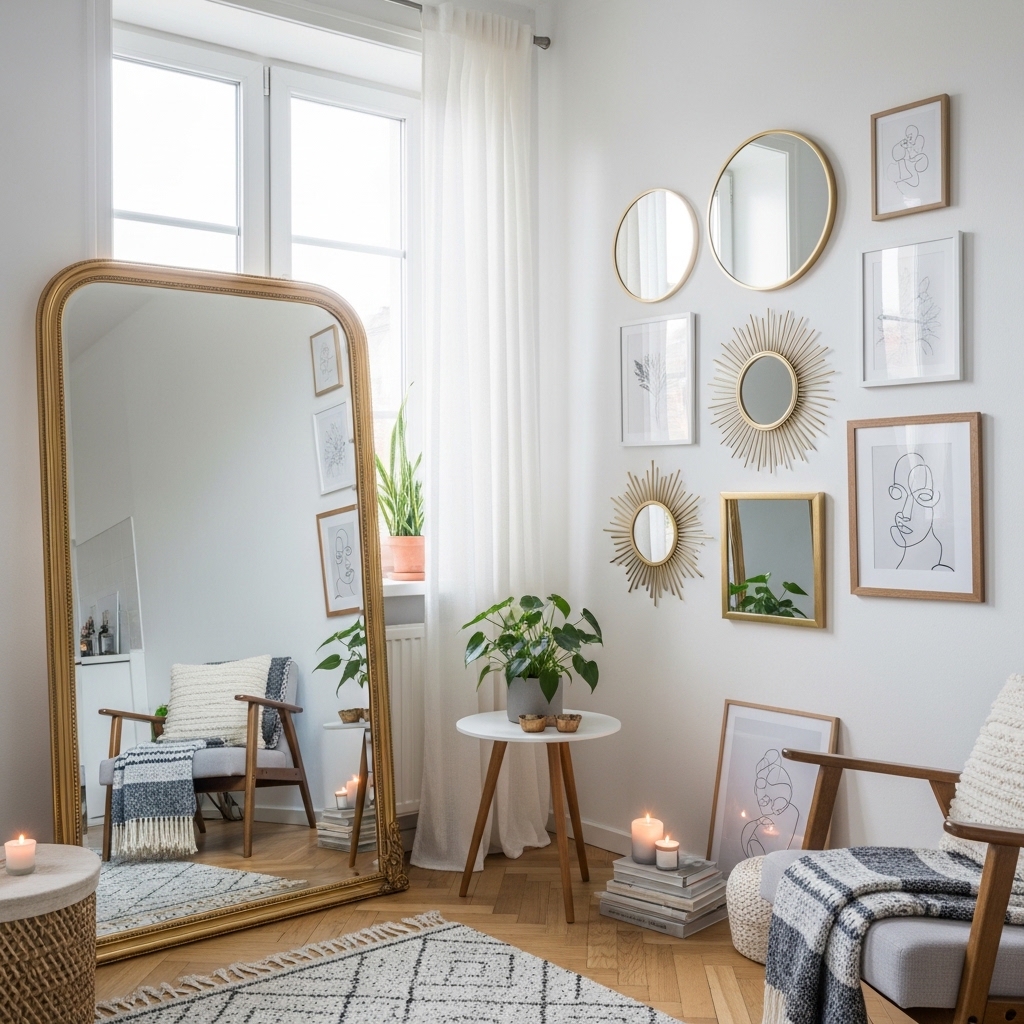
Ideal for: Rooms lacking natural light or feeling narrow.
Place mirrors opposite windows or light sources to reflect brightness. Choose larger mirrors instead of multiple small ones.
Why it works: Reflection creates the illusion of depth and doubles perceived space.
Mistake to avoid: Placing mirrors where they reflect clutter.
Pro Tip: Use frameless or thin-frame mirrors for a cleaner look.
5. Foldable Furniture for Flexible Living
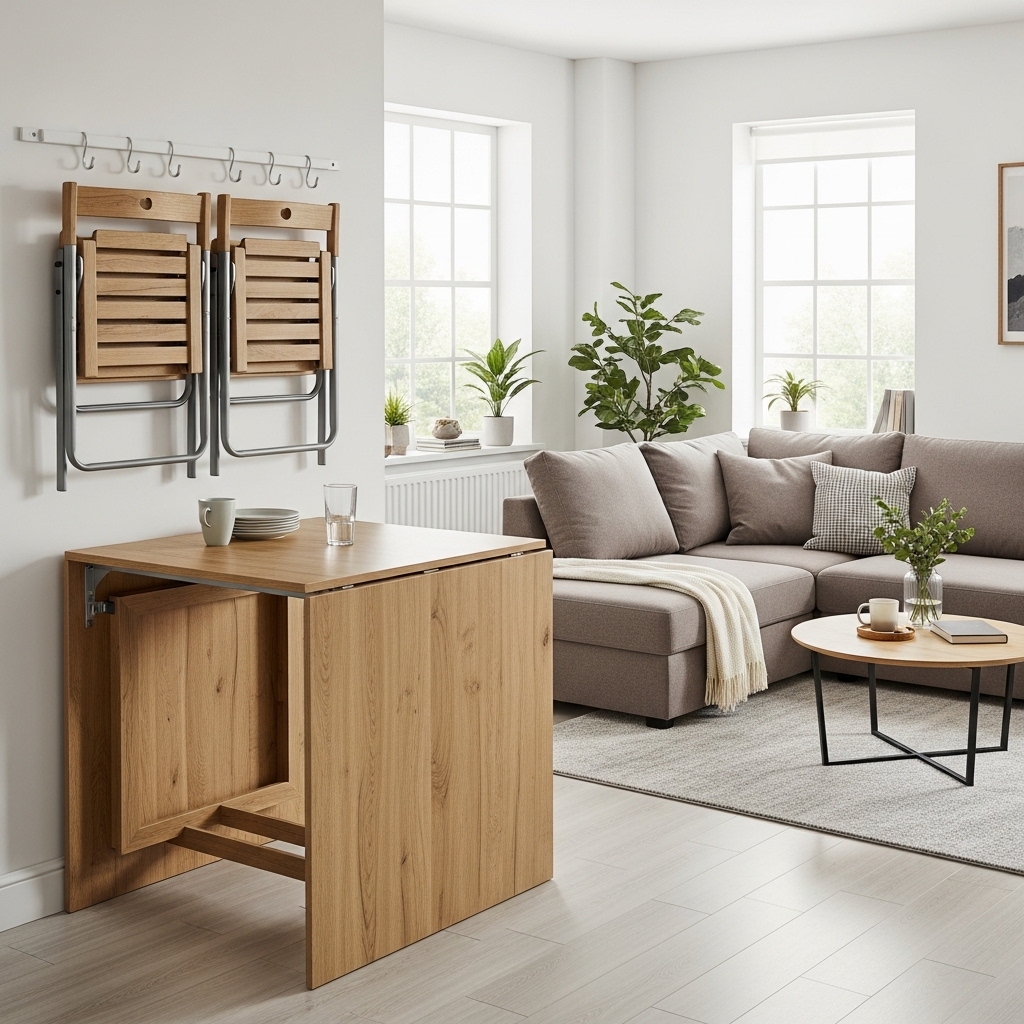
Best for: Apartments where space needs change throughout the day.
Use foldable tables, chairs, or desks that can be stored when not in use. Keep them easily accessible.
Why it works: It allows you to adapt the space without permanent crowding.
Mistake to avoid: Cheap folding furniture may lack durability.
Pro Tip: Choose sturdy designs with simple mechanisms.
6. Under-Bed Storage to Use Hidden Space Efficiently
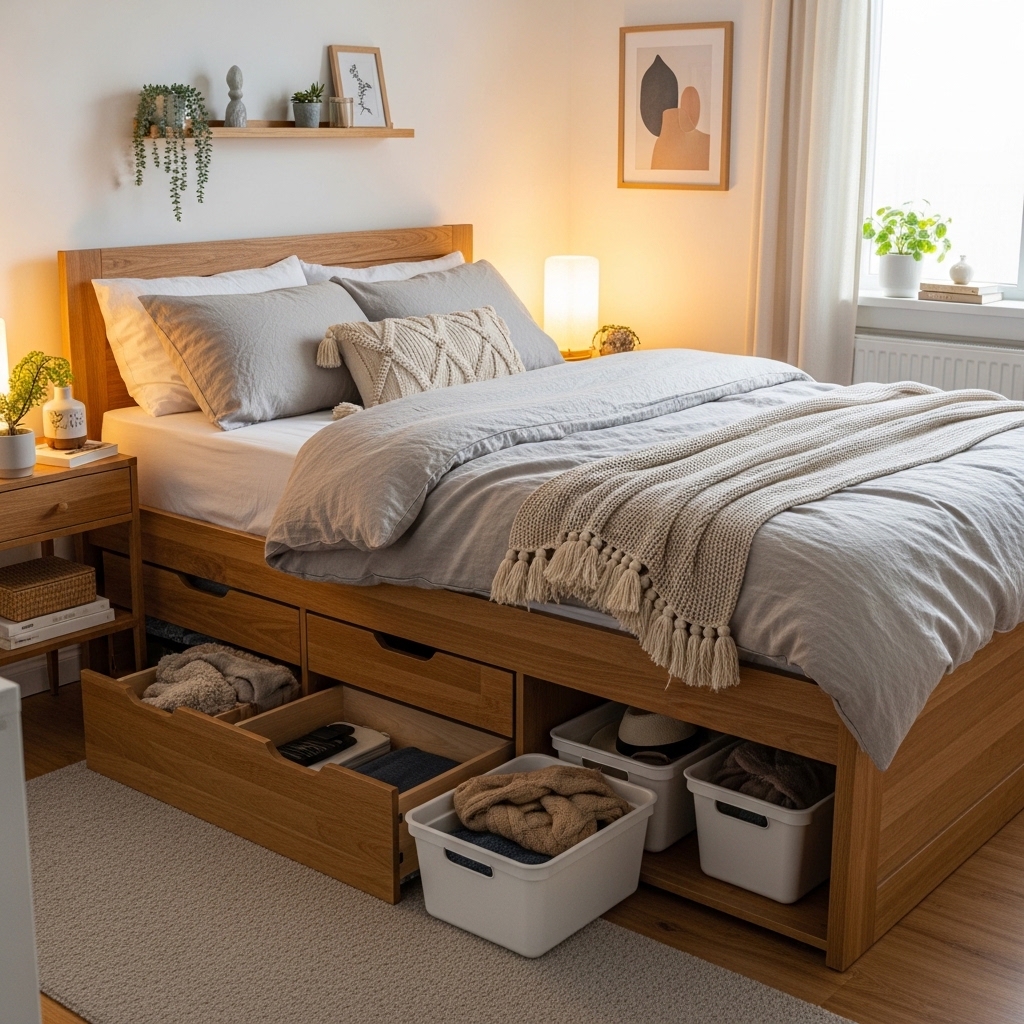
Great for: Bedrooms with limited closet space.
Store seasonal clothes, bedding, or boxes under the bed using low-profile containers. Keep items organized.
Why it works: It utilizes unused space without affecting the room layout.
Mistake to avoid: Random storage leads to difficulty finding items.
Pro Tip: Label containers for quick access.
7. Minimal Decor to Prevent Visual Overload
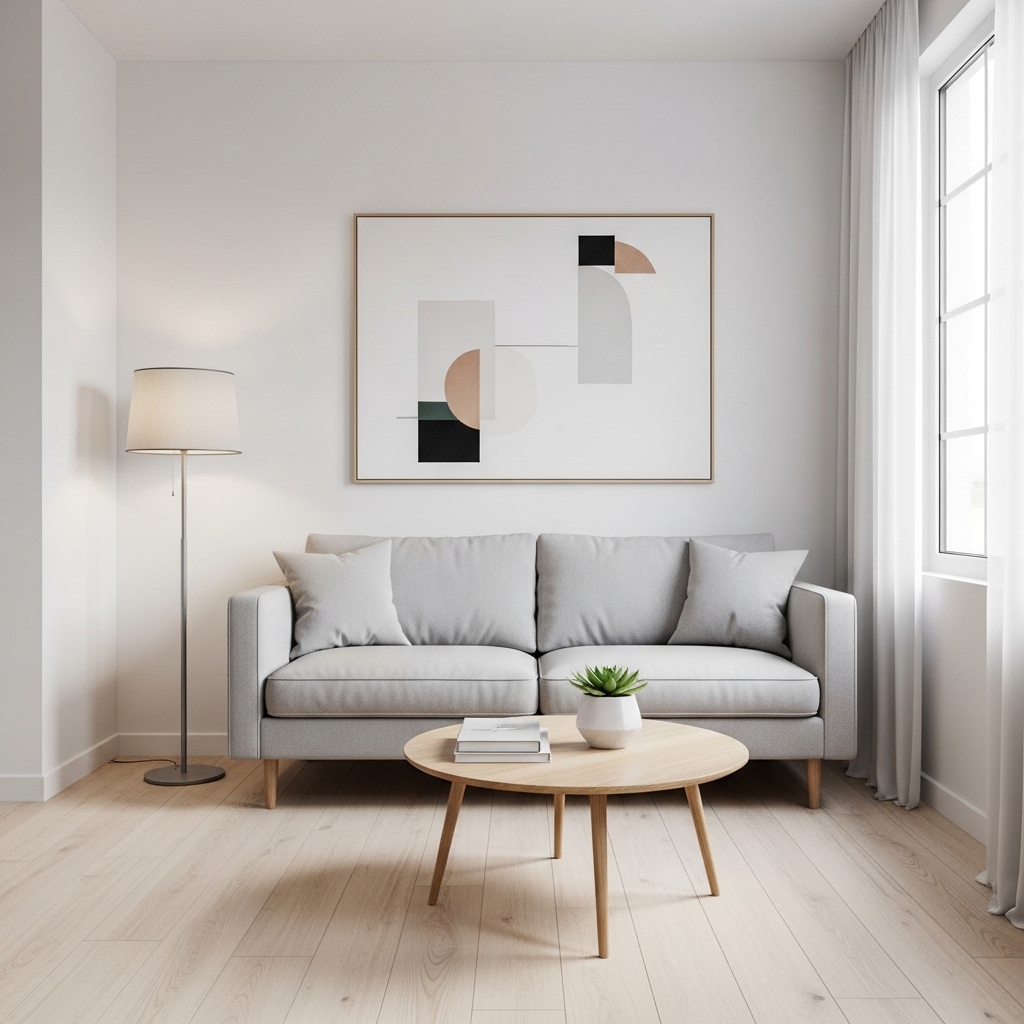
Ideal for: Small apartments that feel cluttered easily.
Limit decor to a few meaningful pieces instead of filling every surface. Focus on quality over quantity.
Why it works: Fewer items reduce visual noise and create a cleaner look.
Mistake to avoid: Empty spaces without purpose can feel unfinished.
Pro Tip: Use decor that also serves a function.
8. Vertical Storage Units for Compact Organization
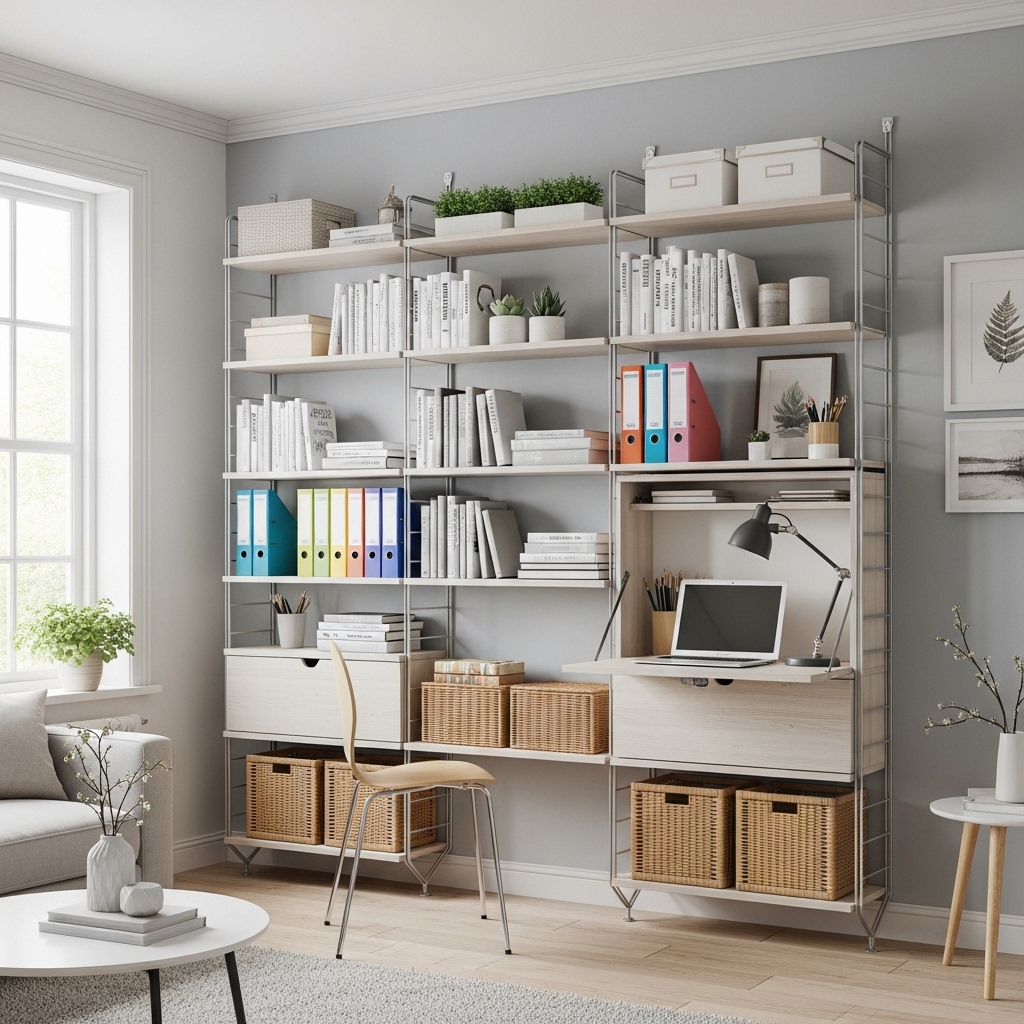
Best for: Apartments needing more storage without using extra floor area.
Use tall, narrow storage units instead of wide cabinets. Place them in corners or unused wall spaces.
Why it works: Vertical design maximizes storage while maintaining open floor space.
Mistake to avoid: Units that are too tall can feel overwhelming.
Pro Tip: Anchor tall furniture for safety.
9. Rugs to Define Zones in Open Layouts
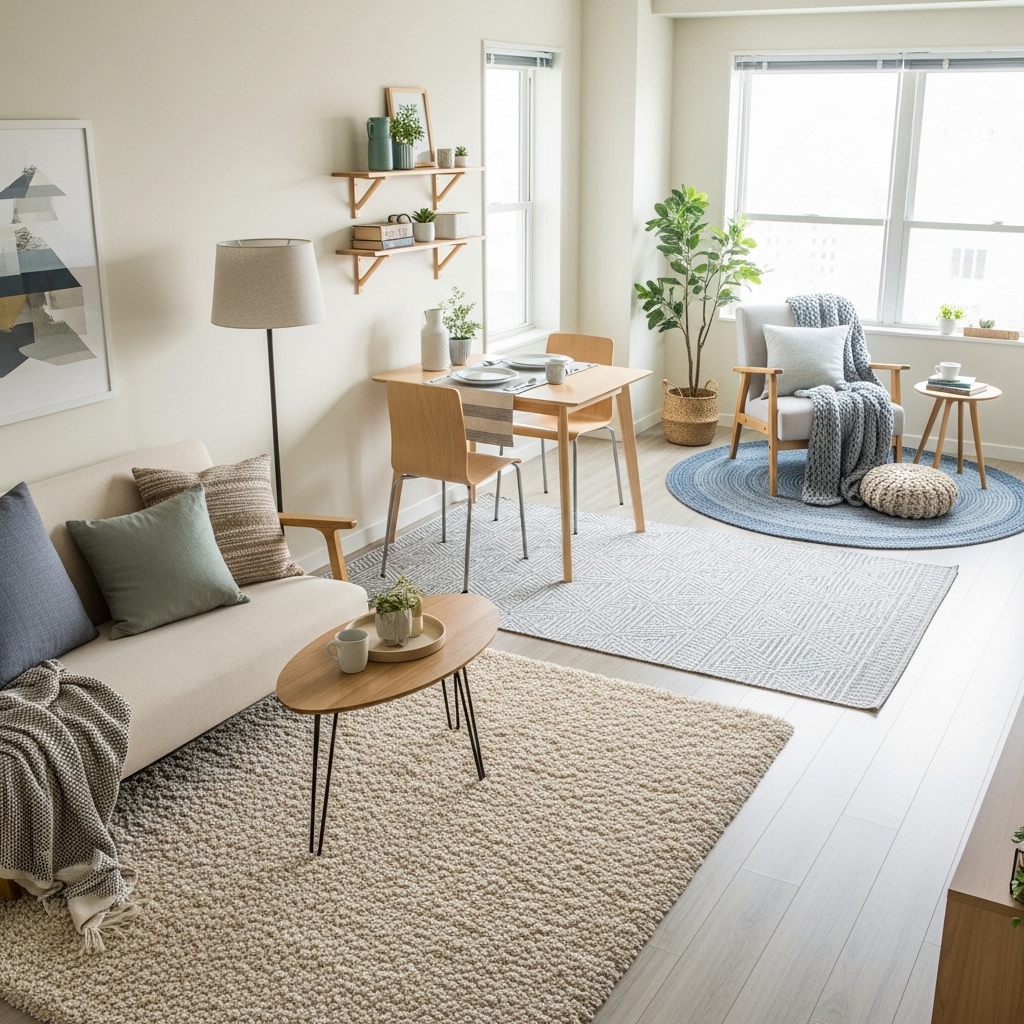
Great for: Studio apartments where spaces overlap.
Use rugs to separate living, sleeping, or dining areas. Keep sizes proportional to each zone.
Why it works: It visually organizes the layout without adding walls.
Mistake to avoid: Rugs that are too small can disrupt balance.
Pro Tip: Place furniture partially on rugs for cohesion.
10. Compact Lighting to Avoid Bulk
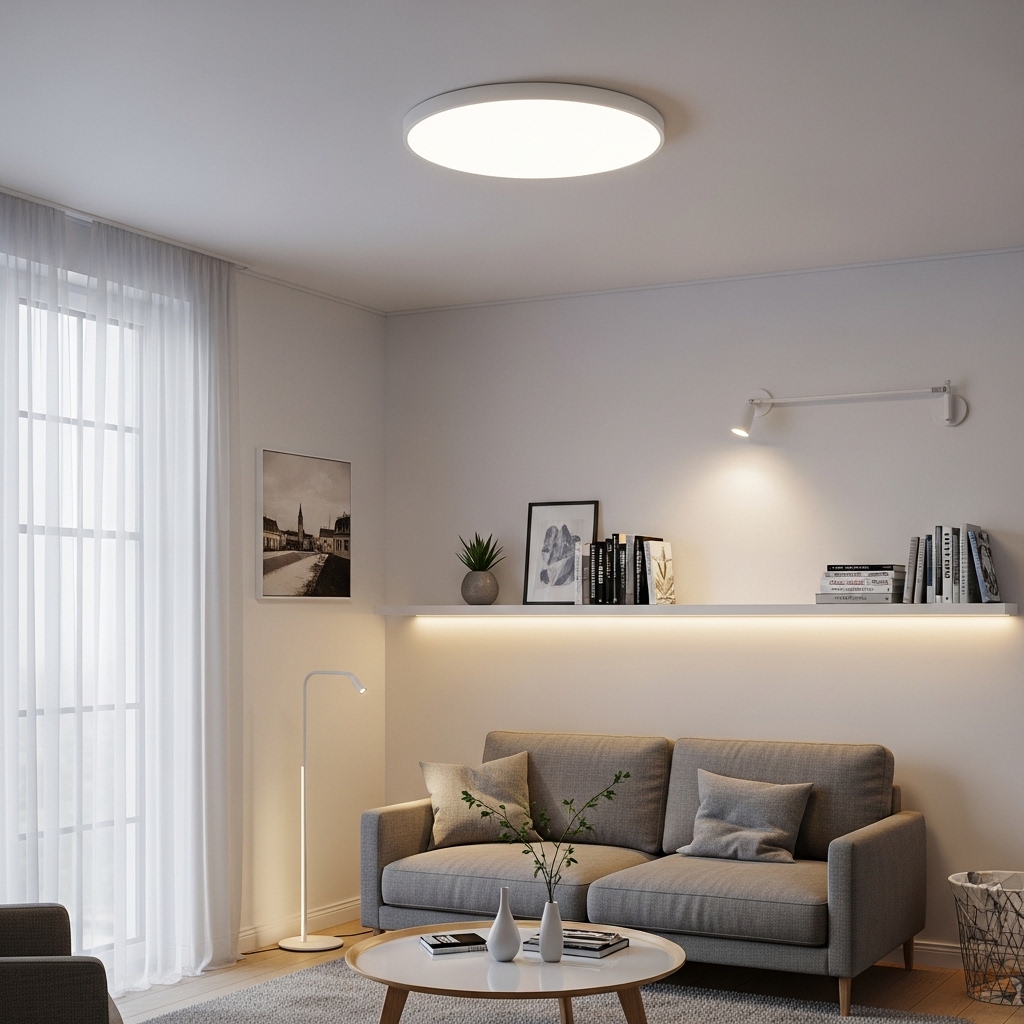
Ideal for: Apartments where large fixtures take up too much space.
Use wall sconces or slim floor lamps instead of bulky table lamps. Position lighting where needed.
Why it works: It saves space while maintaining proper illumination.
Mistake to avoid: Poor lighting placement creates dark corners.
Pro Tip: Use warm lighting for a comfortable atmosphere.
11. Floating Desks for Small Workspaces
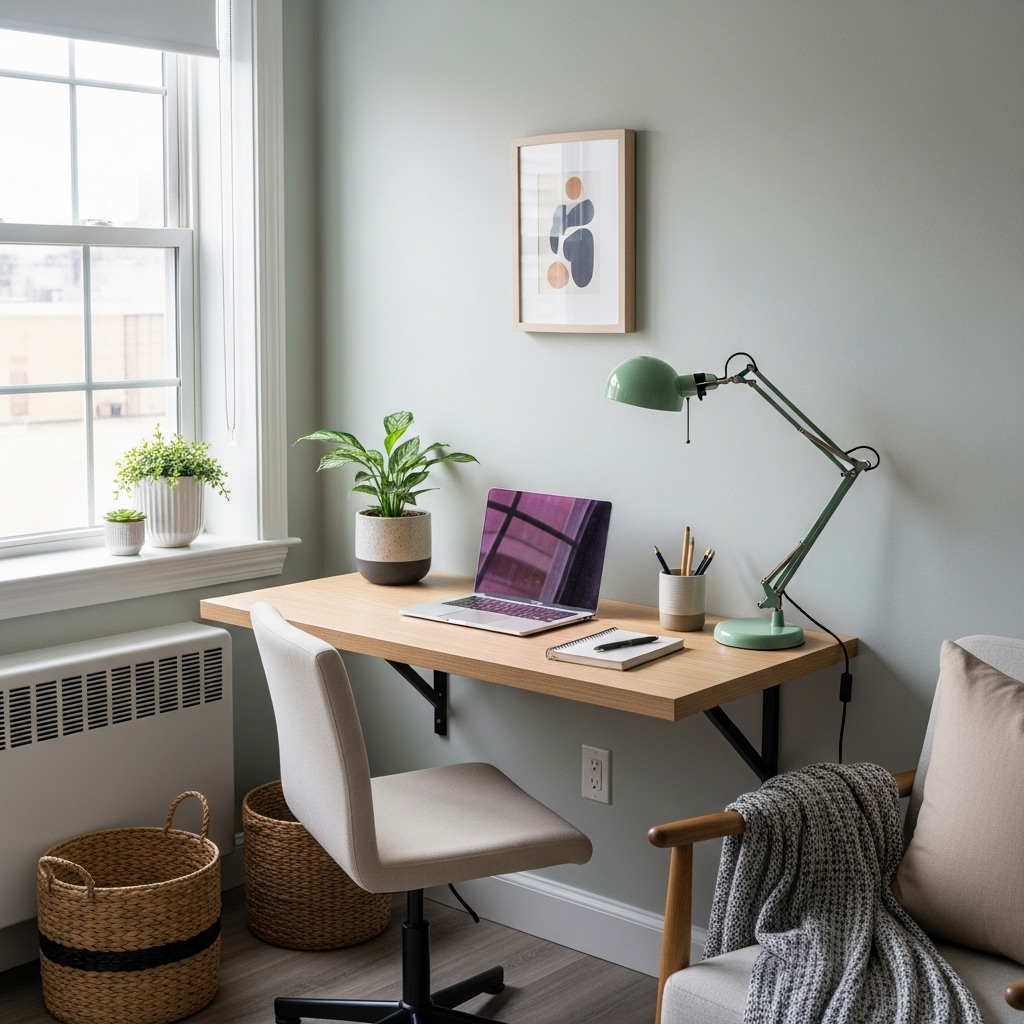
Best for: Apartments without room for a full office setup.
Install a wall-mounted desk that folds or stays compact. Keep accessories minimal.
Why it works: It creates a functional workspace without taking up floor space.
Mistake to avoid: Overloading the desk reduces usability.
Pro Tip: Add a wall shelf above for storage.
12. Transparent Furniture for Less Visual Weight
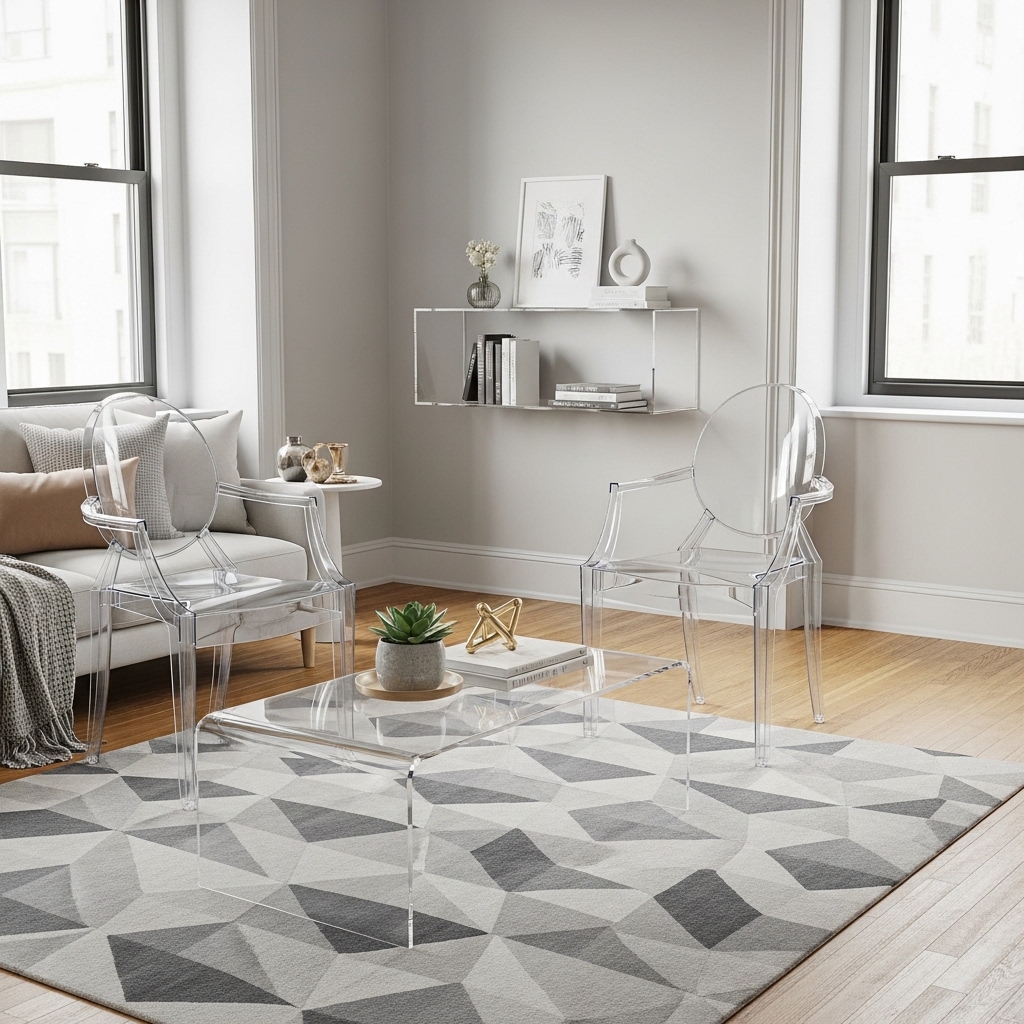
Great for: Small spaces that feel crowded with solid furniture.
Use acrylic or glass tables to maintain openness. Keep surrounding decor simple.
Why it works: Transparent materials reduce visual heaviness.
Mistake to avoid: Overuse can make the space feel cold.
Pro Tip: Mix with warm textures like rugs or wood.
13. Curtains Hung Higher to Increase Room Height
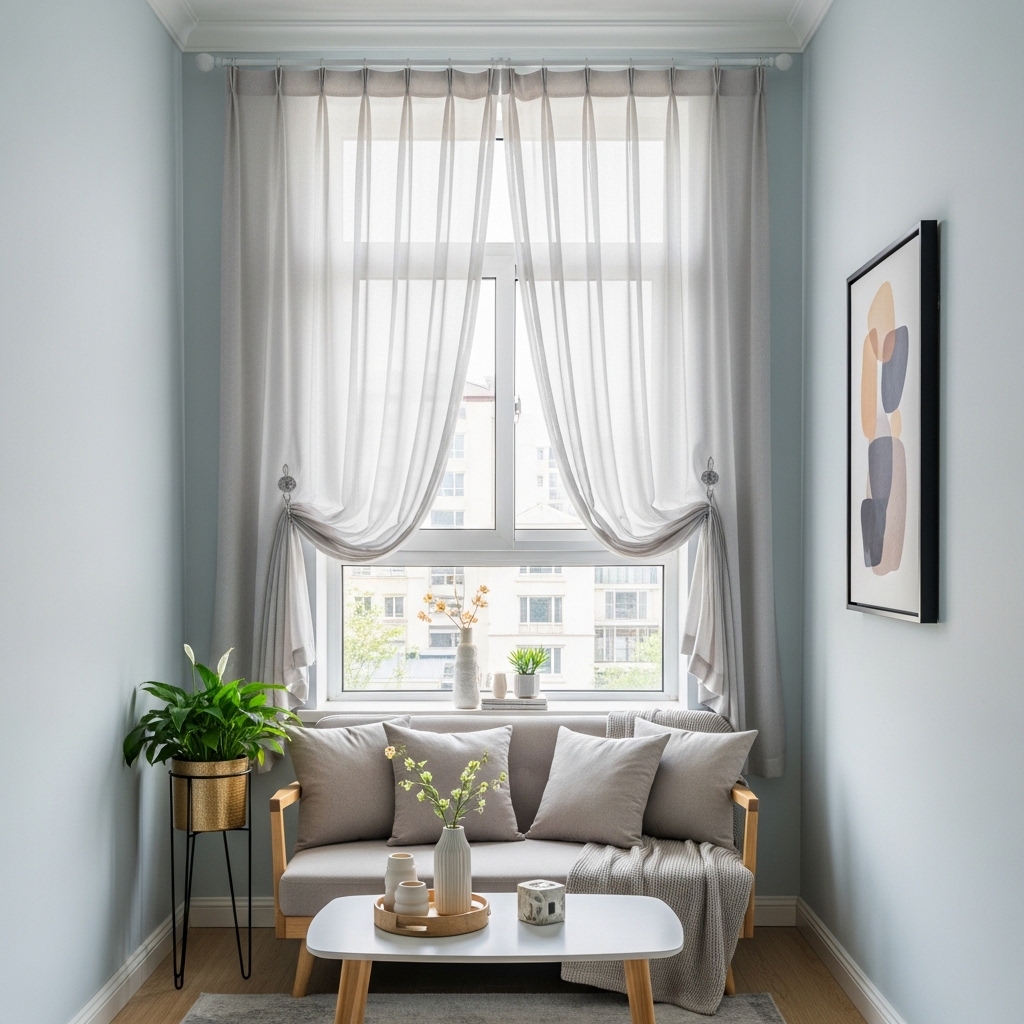
Ideal for: Apartments with low ceilings.
Hang curtains closer to the ceiling rather than directly above windows. Use light fabrics.
Why it works: It creates the illusion of taller walls and larger windows.
Mistake to avoid: Short curtains break the vertical effect.
Pro Tip: Let curtains slightly touch the floor for a polished look.
14. Open Layout Furniture Placement for Better Flow
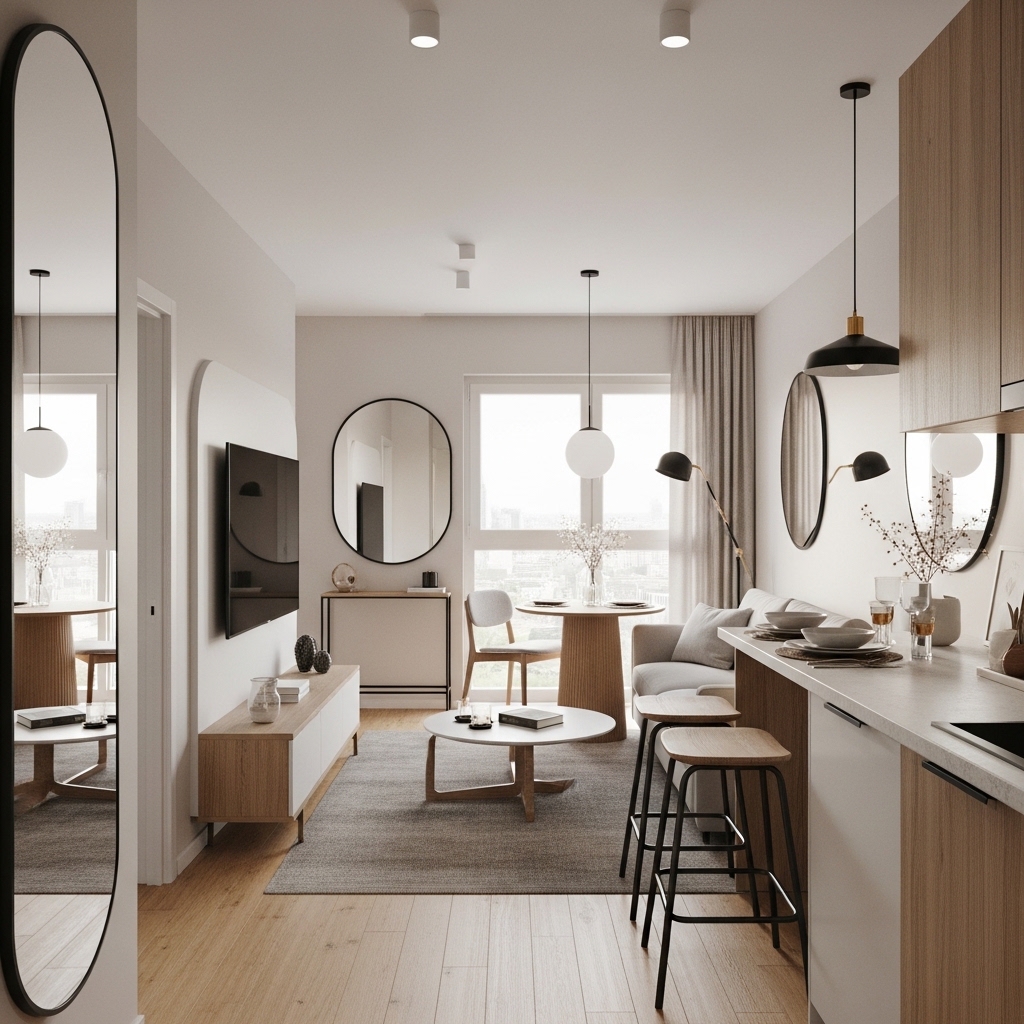
Best for: Apartments that feel cramped due to poor arrangement.
Avoid pushing all furniture against walls. Create small groupings to improve flow.
Why it works: Balanced layouts make the space feel more natural and usable.
Mistake to avoid: Blocking pathways reduces functionality.
Pro Tip: Leave clear walking space between furniture.
15. Hidden Storage Solutions for a Clean Finish
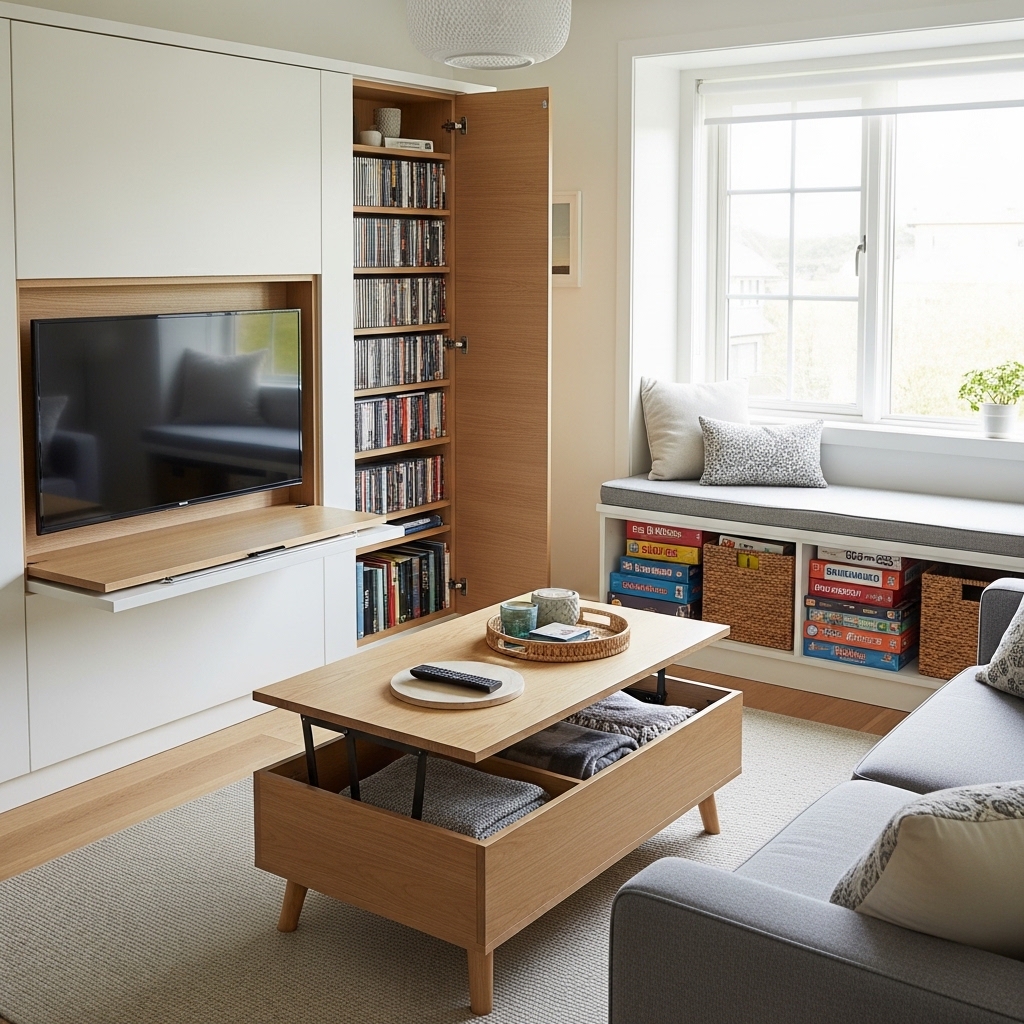
Great for: Apartments where clutter builds up quickly.
Use storage inside benches, coffee tables, or cabinets to keep items out of sight. Maintain organization.
Why it works: Hidden storage keeps the space visually clean and functional.
Mistake to avoid: Ignoring organization inside storage areas.
Pro Tip: Declutter regularly to maintain efficiency.
Conclusion: Small Apartment Decor Works Best When Function Leads Design
Designing an apartment is about making smart choices that make the space work better for you every day. When you pick the furniture, storage and layout even a tiny apartment can feel big and cozy.
You should think about using things that can do than one job, like a table that is also a desk. You should also use storage that goes up like shelves and make sure everything has its place.
With these ideas, for an apartment you can make your space feel bigger more organized and easy to live in every day.