15 Small Apartment Storage Ideas That Maximize Every Inch Without Creating Clutter
Small apartments do not run out of space. They run out of space.
Most of the time storage problems happen because we do not use the space above us we have furniture that is not made for the space and we store things without thinking about how we use them.
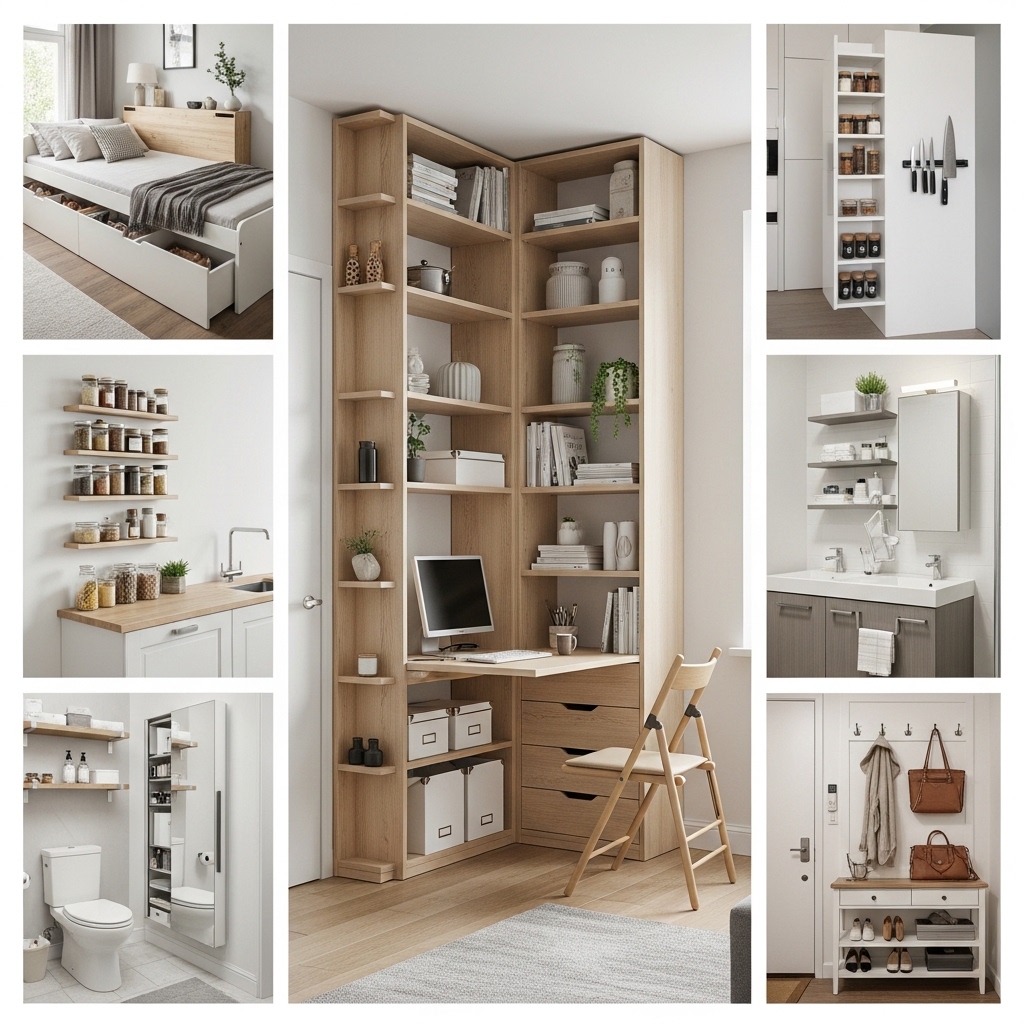
This guide is about storage ideas that really work for apartments that’re small have tiny closets and have rules about what you can and cannot do.
The storage ideas in this guide will show you how to make space to store your things without making your apartment feel too full or look messy.
Each storage idea in this guide is, about creating space to store your things in your small apartment.
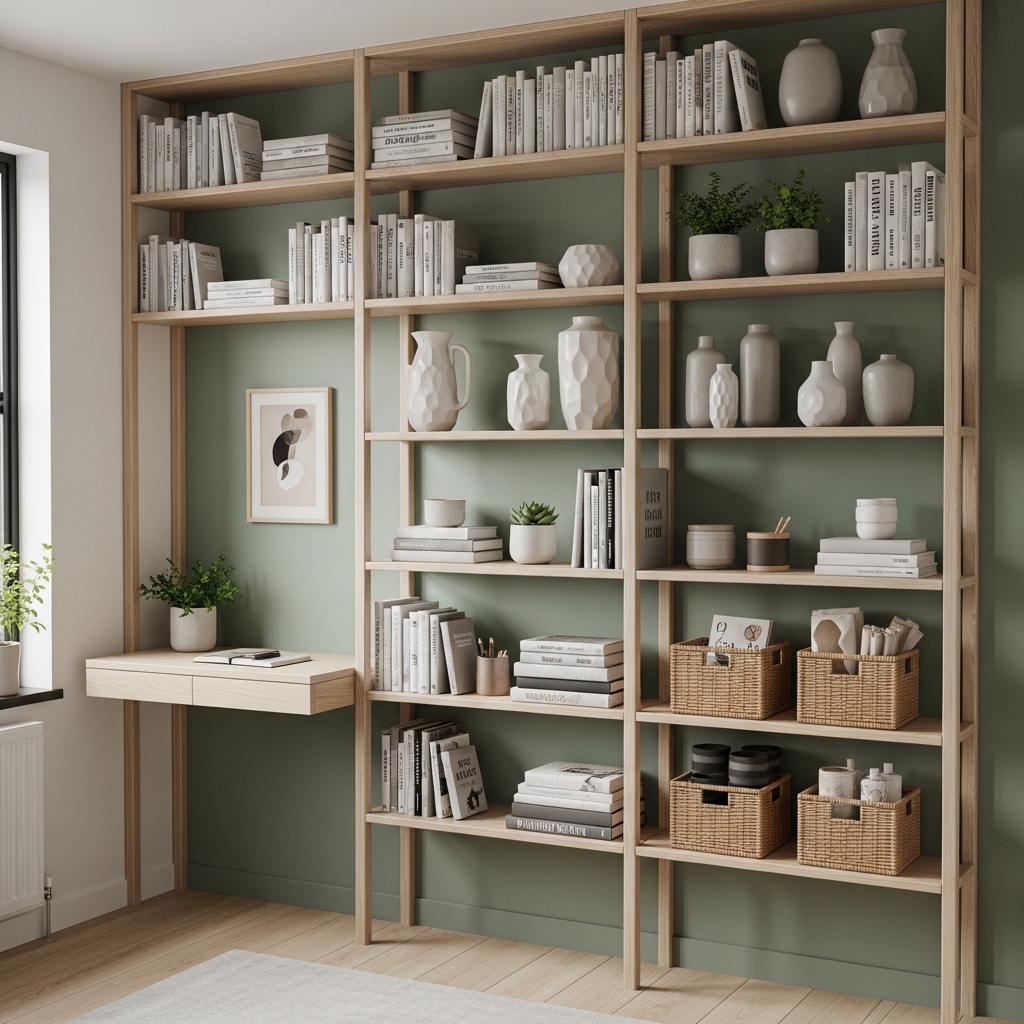
1. Use Vertical Wall Space Instead of Expanding Furniture
Ideal for: Apartments where floor space is already limited.
Install shelves, hooks, or wall organizers above eye level to store items you don’t use daily. Keep lower areas open for movement and essential items.
This works because vertical storage increases capacity without affecting floor layout. It also keeps the room visually balanced when used correctly.
Avoid filling entire walls with storage, as it can feel overwhelming and heavy. Leave gaps for visual breathing space.
Pro Tip: Store seasonal or rarely used items on higher shelves.
2. Choose Storage Furniture That Replaces, Not Adds
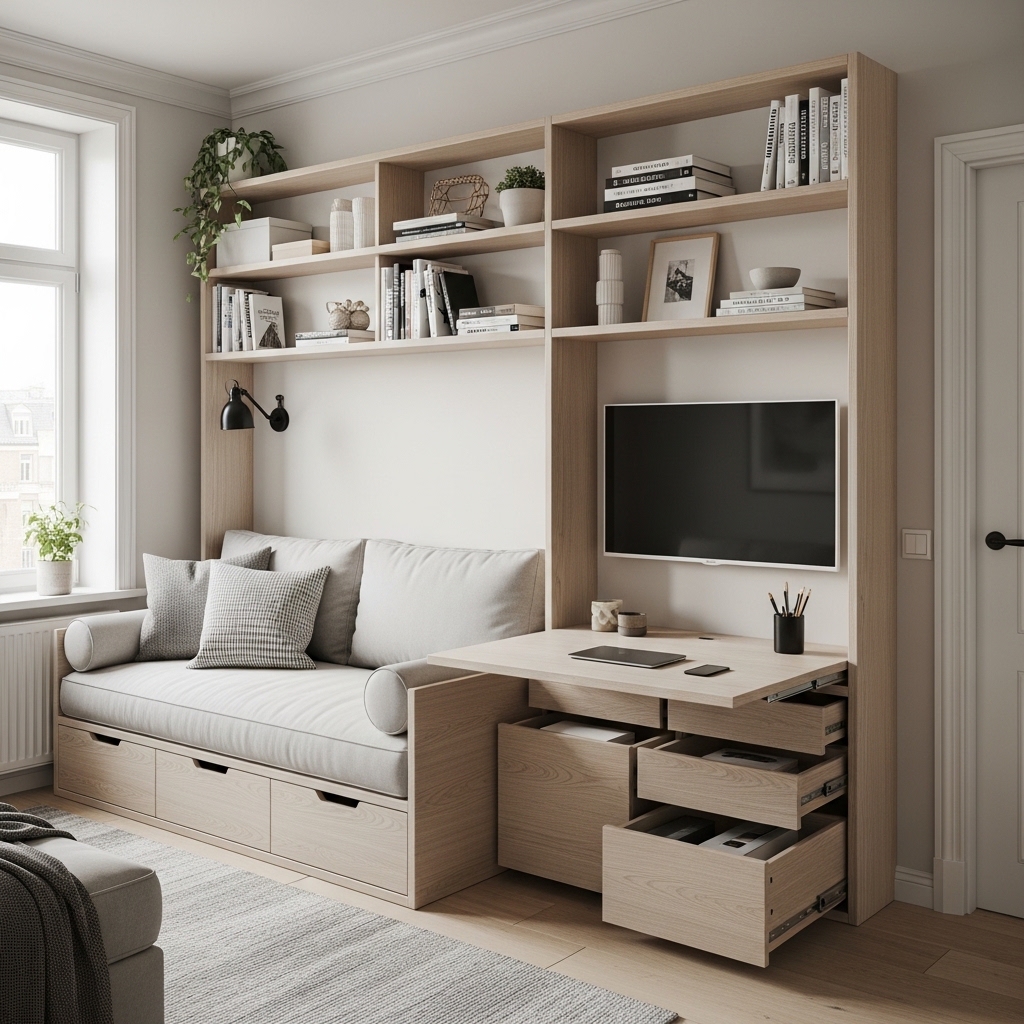
Best for: Living rooms or bedrooms already filled with furniture.
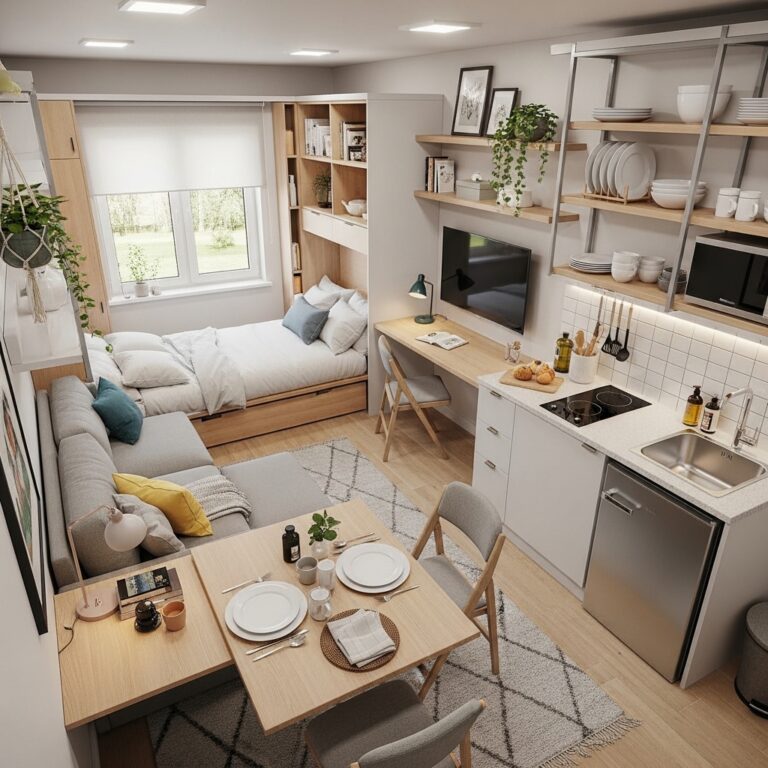
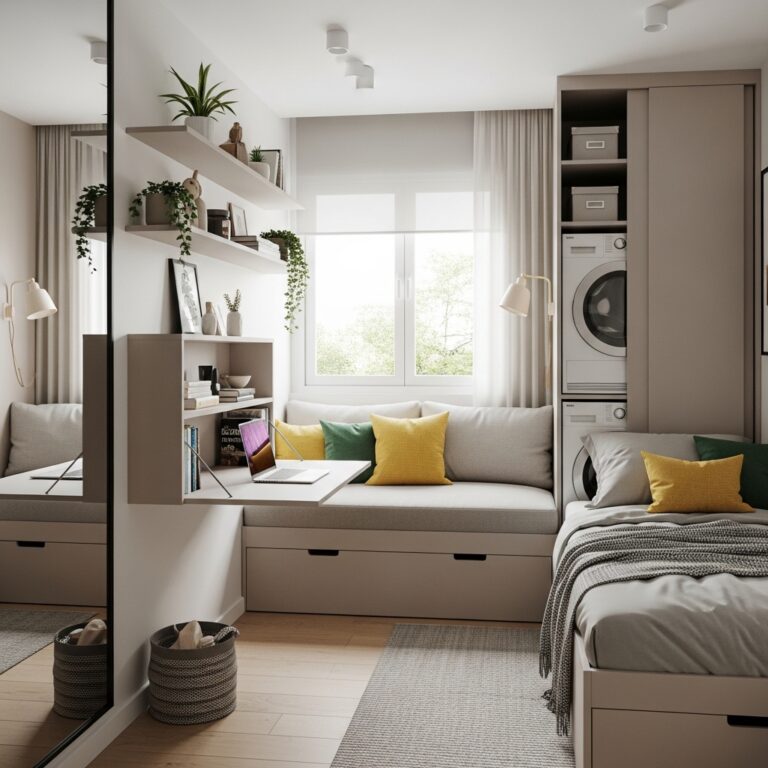
Use ottomans, beds, or benches that include built-in storage instead of adding separate storage units. Place them where you already need seating or support.
This approach reduces clutter by combining functions into one piece. It also keeps the layout simple and efficient.
Avoid buying storage furniture that’s too bulky for the room. It should fit naturally into your layout.
Pro Tip: Prioritize pieces you use daily for maximum impact.
3. Store Based on Frequency, Not Category
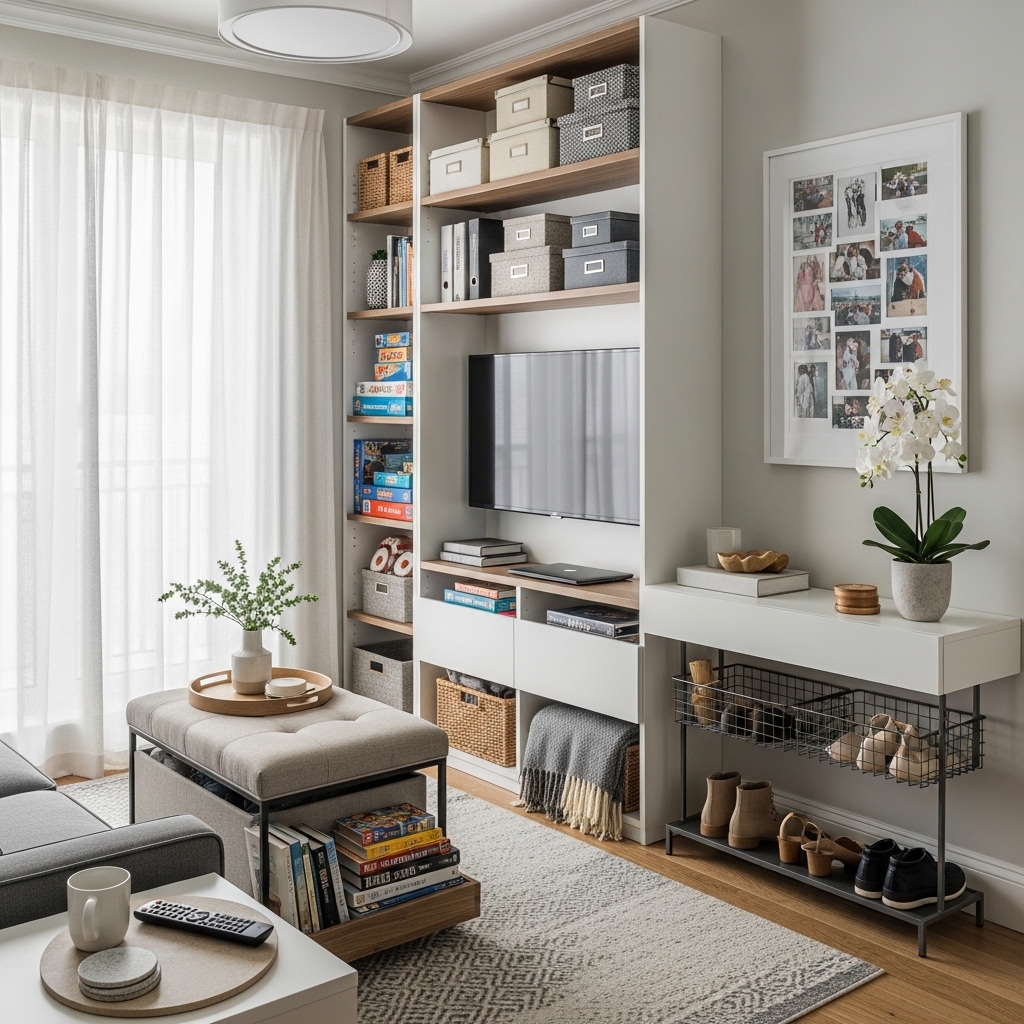
Great for: People who struggle to maintain organization long-term.
Keep frequently used items within arm’s reach and store occasional-use items in higher or hidden areas. Organize around daily habits instead of strict categories.
This works because it aligns your storage with real-life usage, reducing friction and making it easier to stay organized.
Avoid mixing high-use and low-use items in the same space. It leads to constant rearranging.
Pro Tip: Reassess your storage every few weeks to keep it effective.
4. Use Under-Bed Storage Without Creating Hidden Clutter
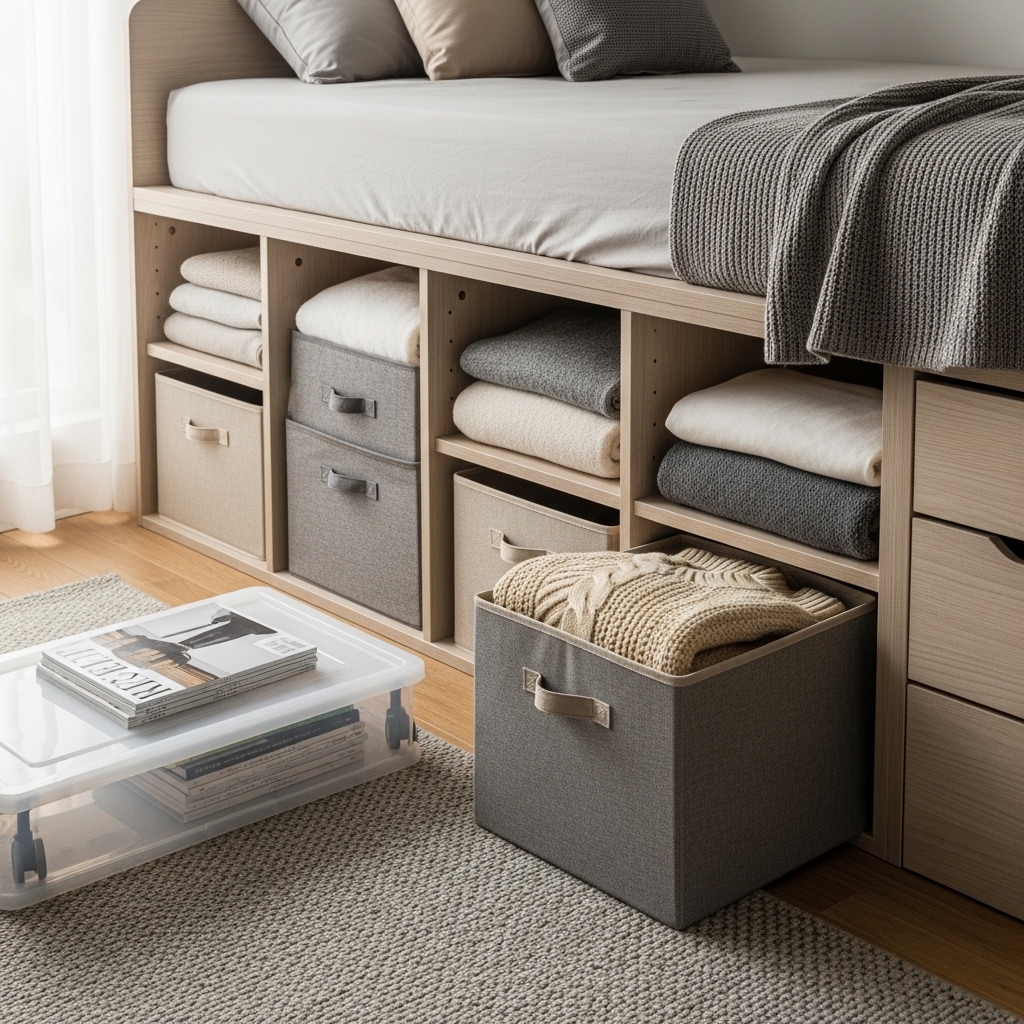
Ideal for: Bedrooms with limited closet space.
Store items like seasonal clothing or extra bedding under the bed using structured containers. Keep everything labeled and easy to access.
This space is often underused, but it can hold a large volume without affecting the room layout.
Avoid turning under-bed storage into a dumping area, as it quickly becomes disorganized.
Pro Tip: Use low-profile bins that slide easily for daily convenience.
5. Turn Dead Corners Into Functional Storage Zones
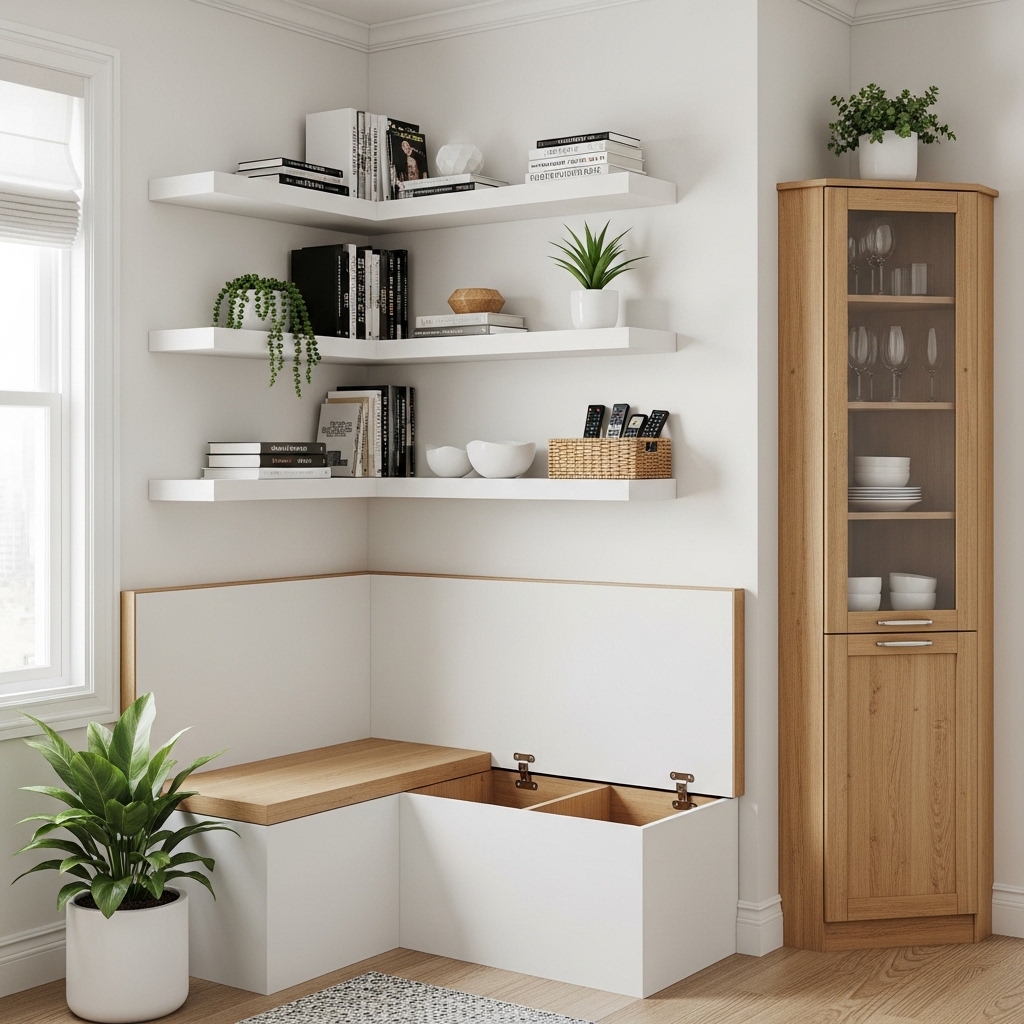
Best for: Apartments with unused or awkward corners.
Add corner shelves, slim cabinets, or small storage units to make use of these overlooked areas. Keep them compact and purpose-driven.
Corners provide extra storage without interfering with main pathways. They also help balance the room visually.
Avoid placing large furniture in corners that blocks movement or light.
Pro Tip: Use vertical corner units to maximize capacity.
6. Use Over-the-Door Storage for Hidden Capacity
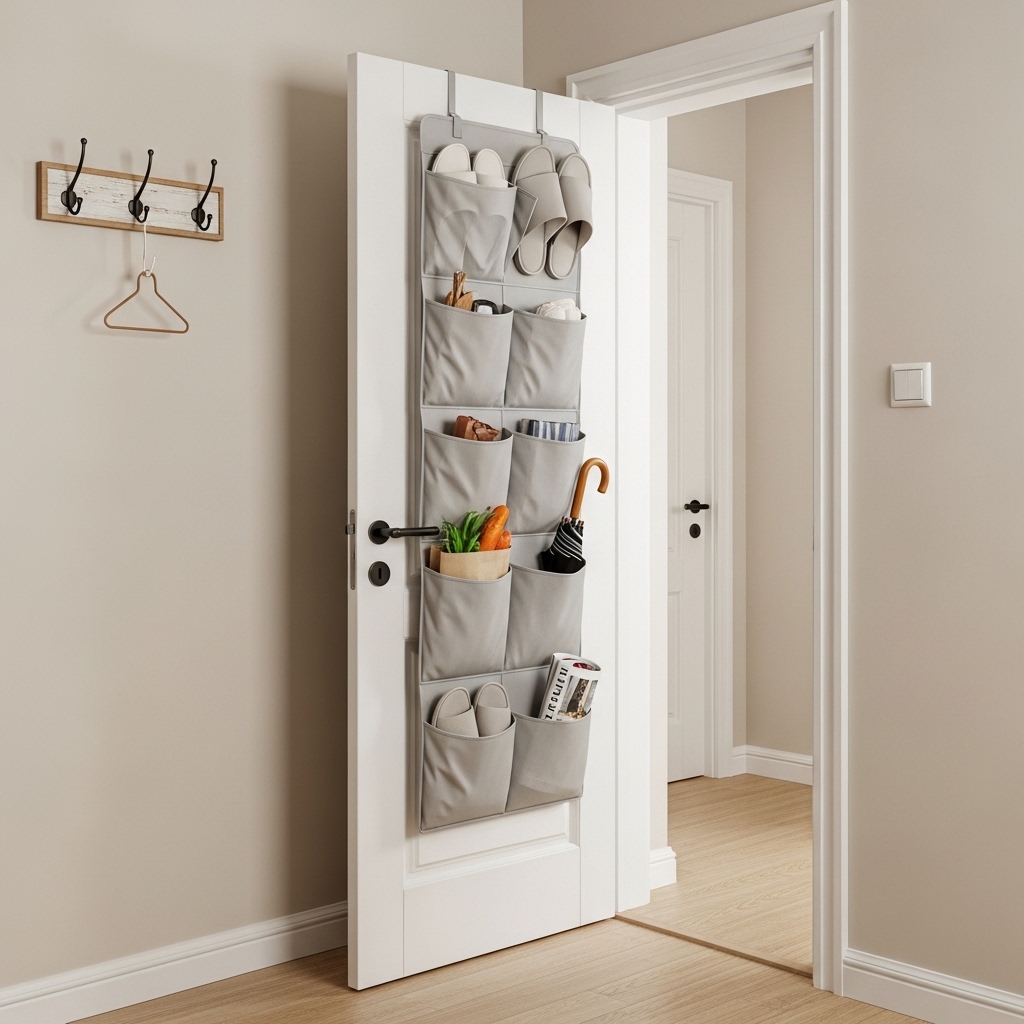
Great for: Apartments with minimal closet space.
Install over-the-door organizers for shoes, accessories, or cleaning supplies. Use doors in bedrooms, bathrooms, and kitchens.
This adds storage without taking up floor or wall space. It’s especially useful in rentals where drilling may be limited.
Avoid overloading organizers, as it can strain the door and reduce usability.
Pro Tip: Choose slim designs to keep doors easy to close.
7. Keep Storage Visually Light to Avoid a Heavy Look
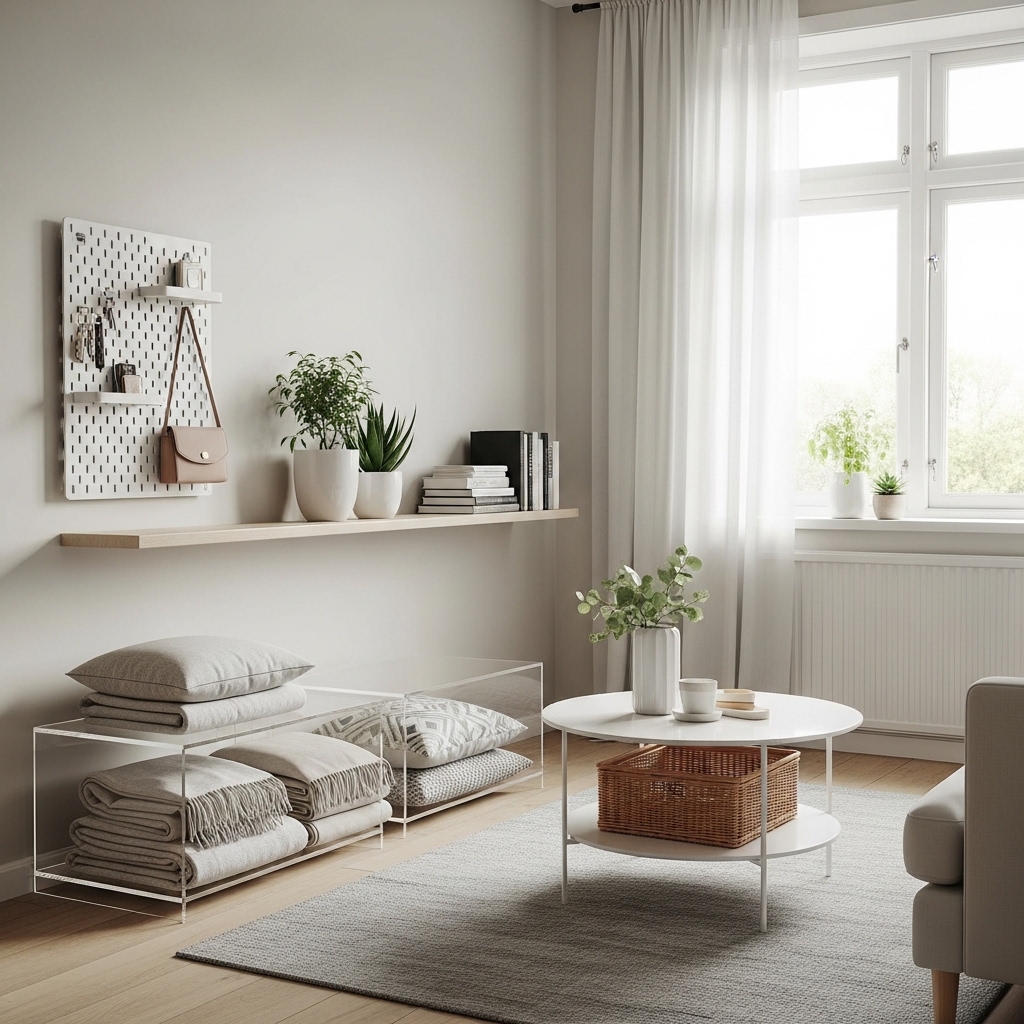
Ideal for: Small apartments that already feel crowded.
Use open shelving, light-colored storage units, or transparent containers to reduce visual weight. Keep designs simple.
Heavy or dark storage can make a space feel smaller, while lighter options maintain openness.
Avoid bulky cabinets unless absolutely necessary. They can dominate the room.
Pro Tip: Mix open and closed storage for balance.
8. Use Pull-Out Systems for Deep Storage Areas
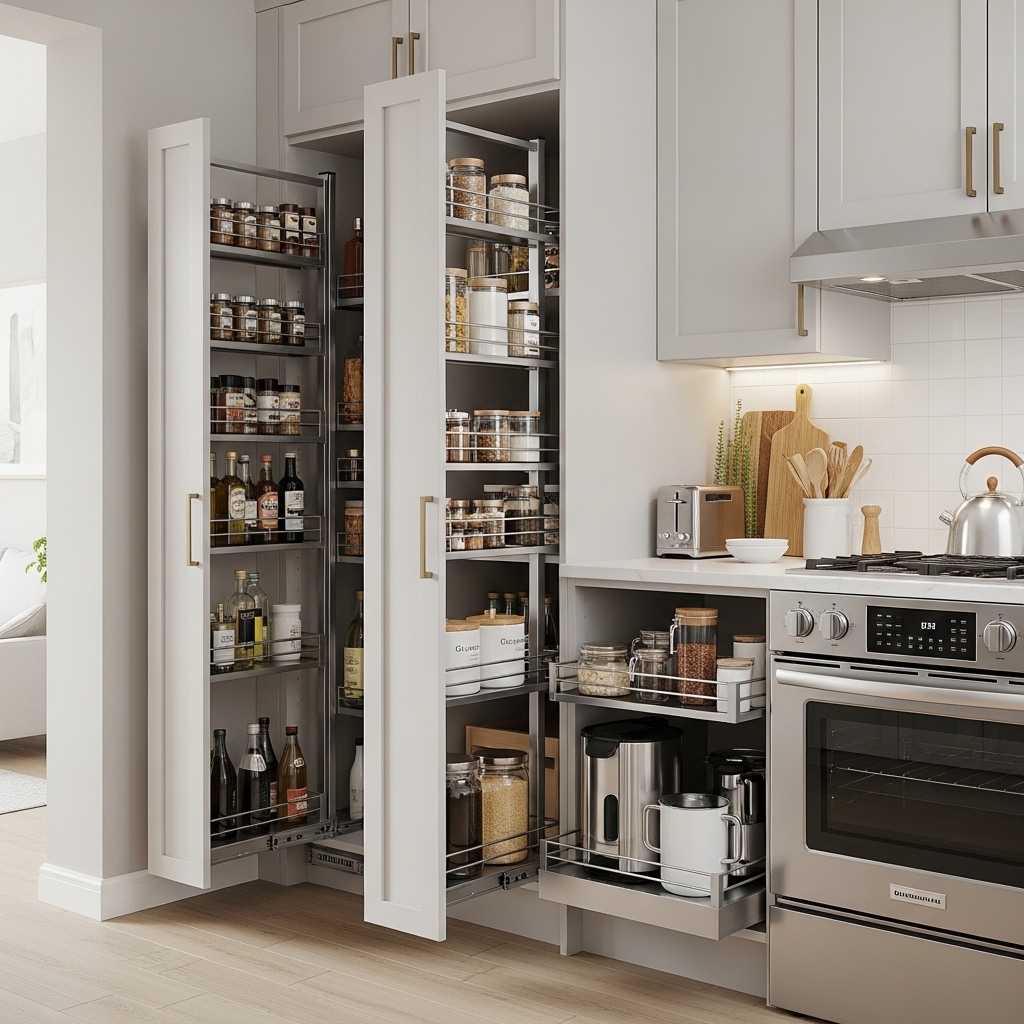
Best for: Kitchens or closets with deep cabinets.
Install pull-out drawers or baskets to access items at the back easily. Organize items in layers for visibility.
This improves usability and prevents wasted space in hard-to-reach areas. It also reduces clutter buildup.
Avoid stacking items without structure, as it leads to frustration during use.
Pro Tip: Use pull-outs for pantry items or cleaning supplies.
9. Store Vertically Inside Cabinets to Double Capacity
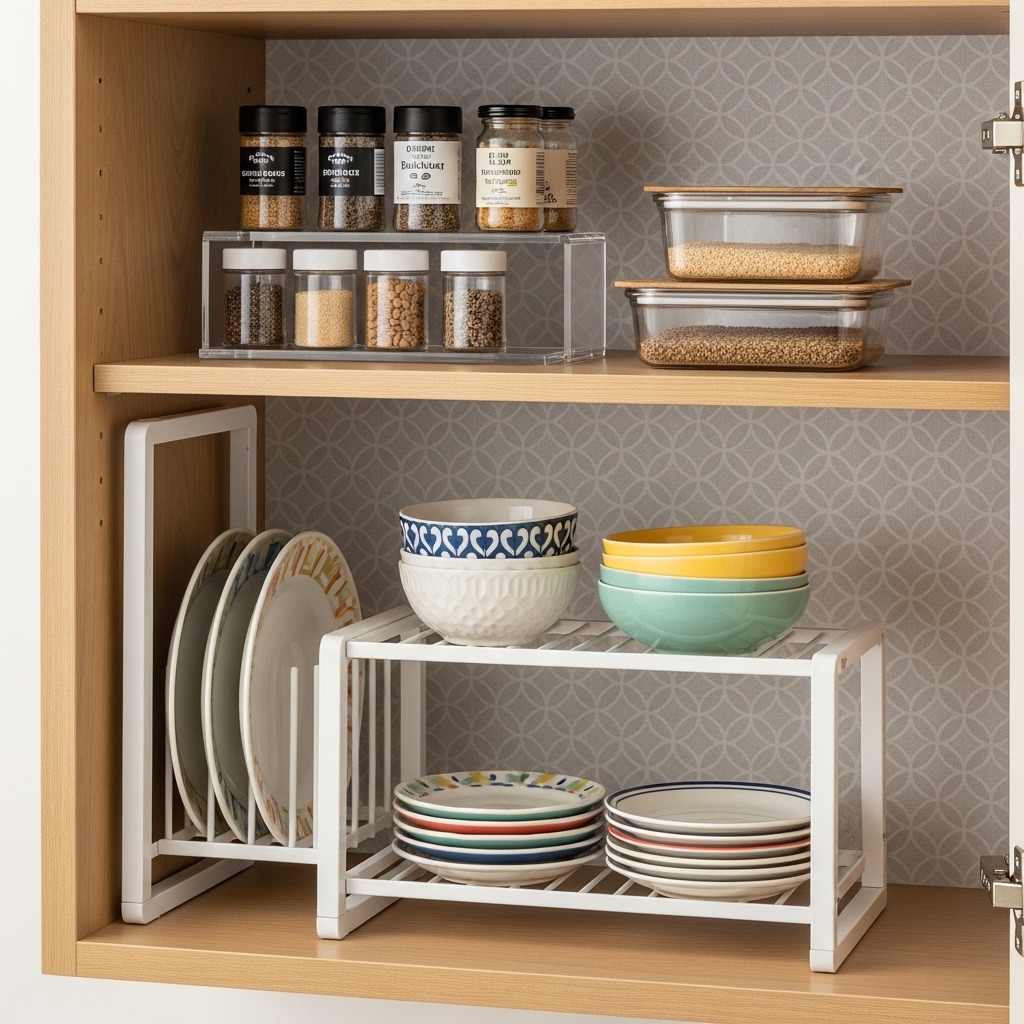
Great for: Small kitchens or bathrooms with limited cabinet space.
Use stackable organizers or shelf risers inside cabinets to create multiple levels of storage.
This effectively doubles storage capacity without expanding cabinet size. It also keeps items more accessible.
Avoid piling items directly on top of each other without structure.
Pro Tip: Group similar items together for easier access.
10. Keep Surfaces Clear to Prevent Overflow Storage
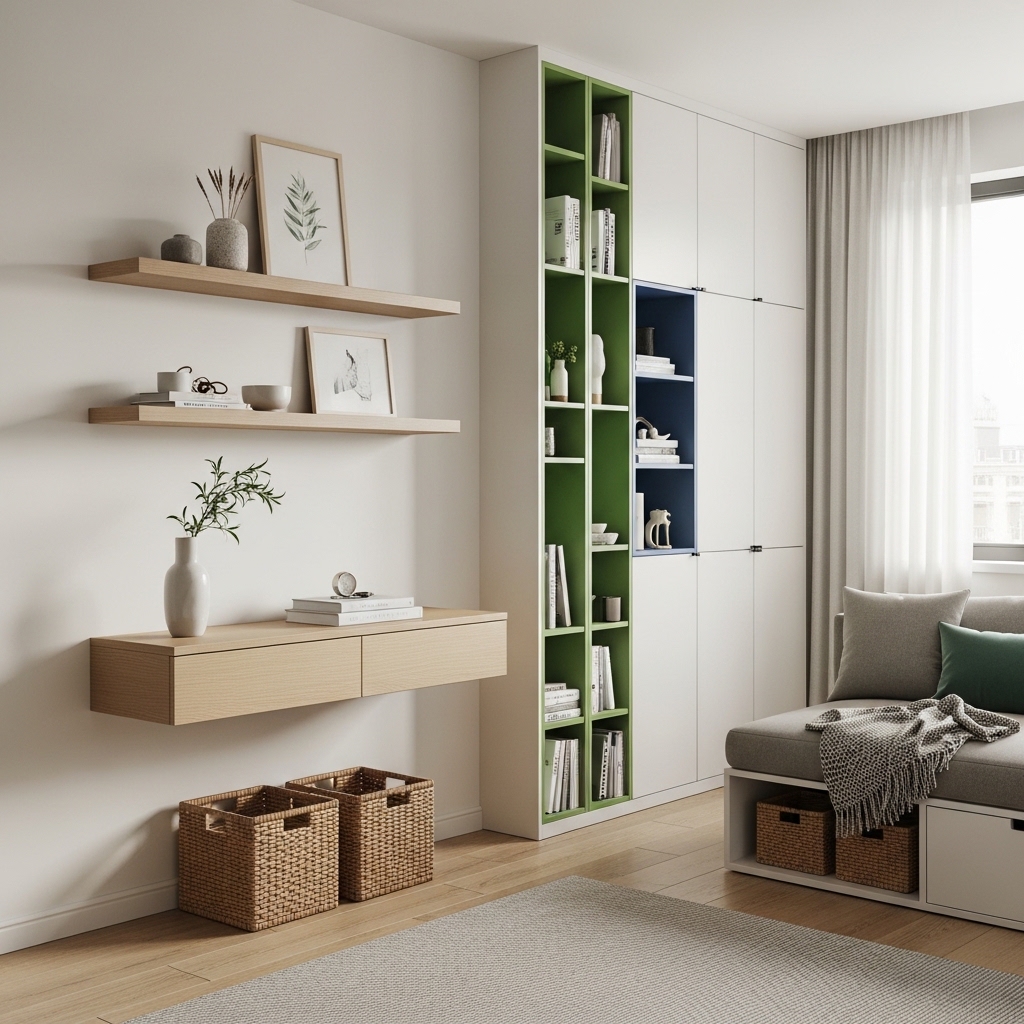
Ideal for: Apartments where clutter spreads quickly.
Limit items on countertops, tables, and shelves to essentials only. Store everything else out of sight.
Clear surfaces reduce visual clutter and make the space feel more organized. It also improves daily functionality.
Avoid letting small items accumulate over time. They quickly overwhelm small spaces.
Pro Tip: Do a quick daily reset to maintain order.
11. Use Slim Storage Units in Narrow Spaces
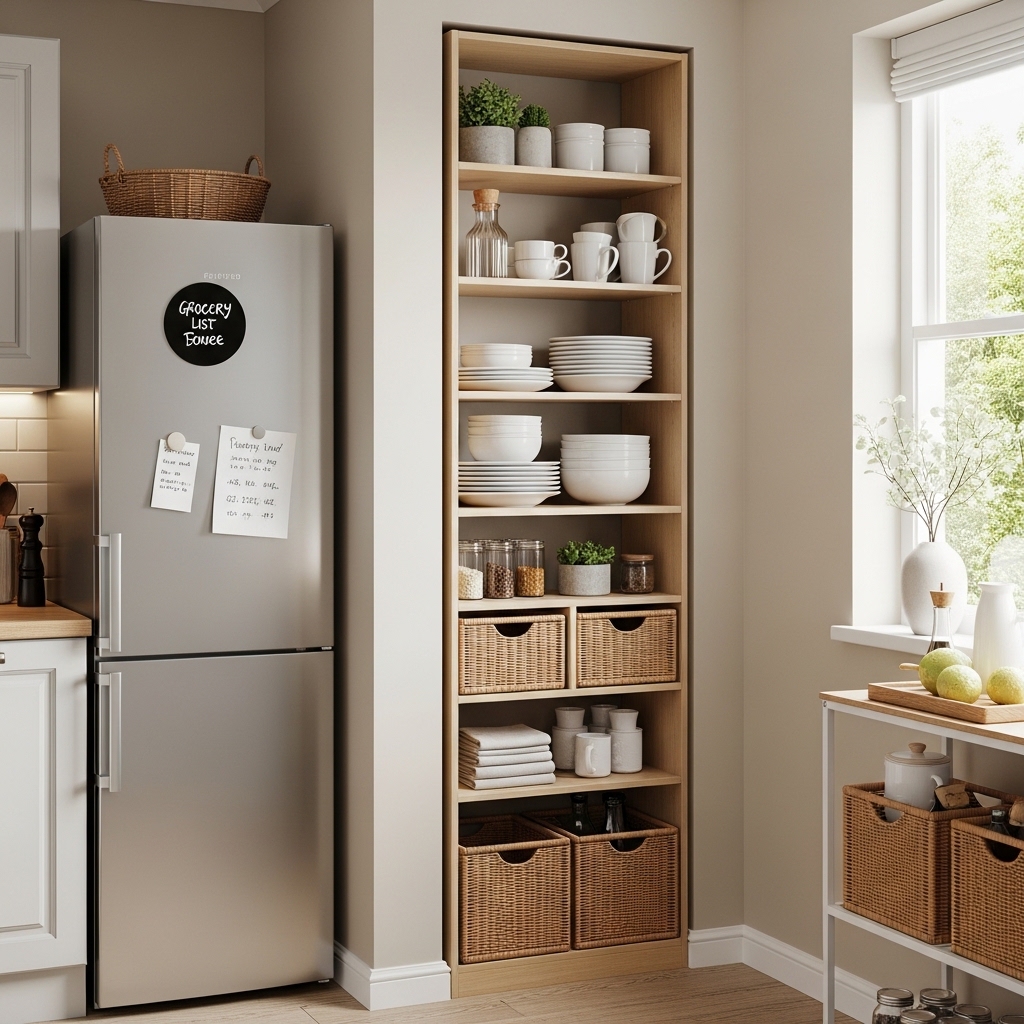
Best for: Hallways, entryways, or tight gaps.
Install narrow shelves or cabinets in unused slim spaces. Keep them proportionate to the area.
These units provide storage without blocking movement. They also make use of otherwise wasted space.
Avoid placing wide furniture in narrow areas, as it restricts flow.
Pro Tip: Measure carefully before installing to ensure a proper fit.
12. Rotate Seasonal Items to Avoid Overcrowding
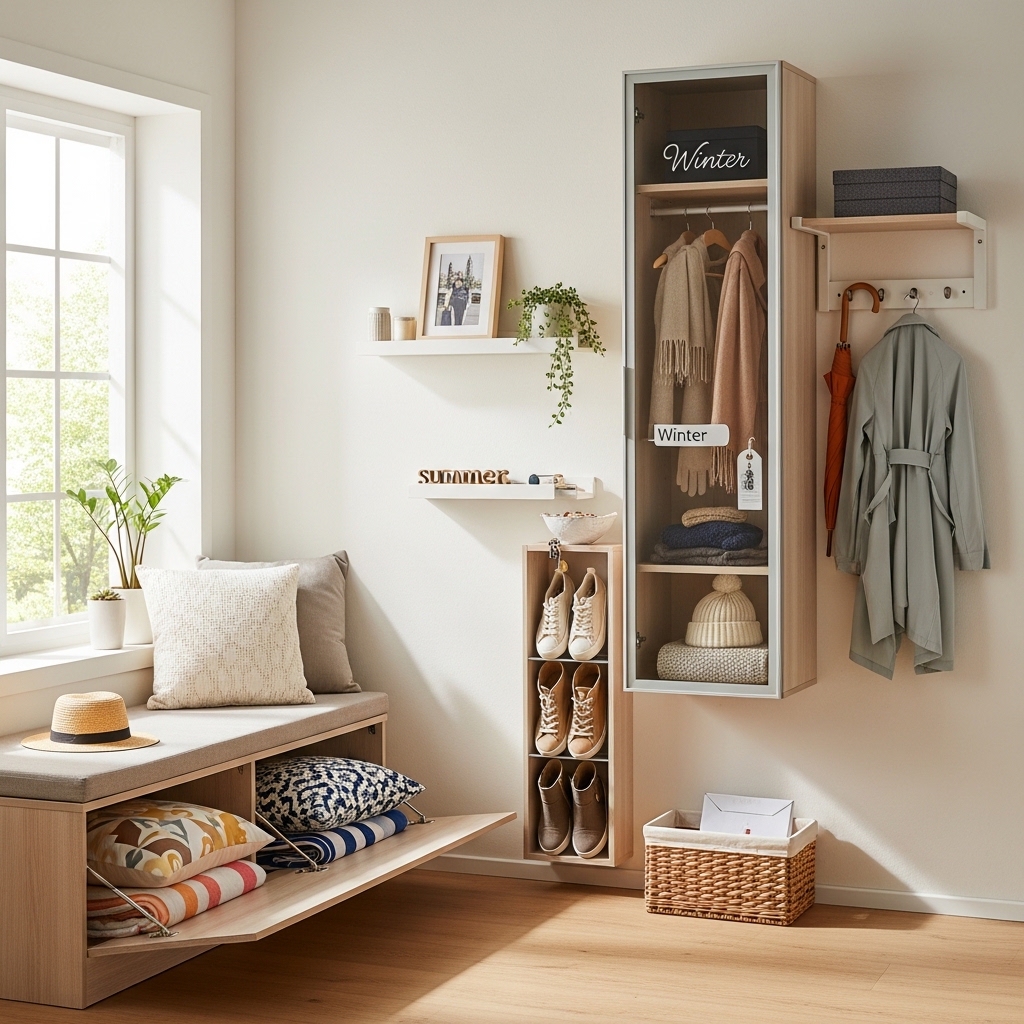
Great for: Apartments with limited year-round storage.
Store off-season items separately and rotate them when needed. Keep only current-use items accessible.
This reduces clutter and keeps storage manageable. It also prevents overcrowding.
Avoid keeping everything accessible at once, as it wastes space.
Pro Tip: Use labeled bins for easy rotation.
13. Use Multi-Level Hanging Storage in Closets
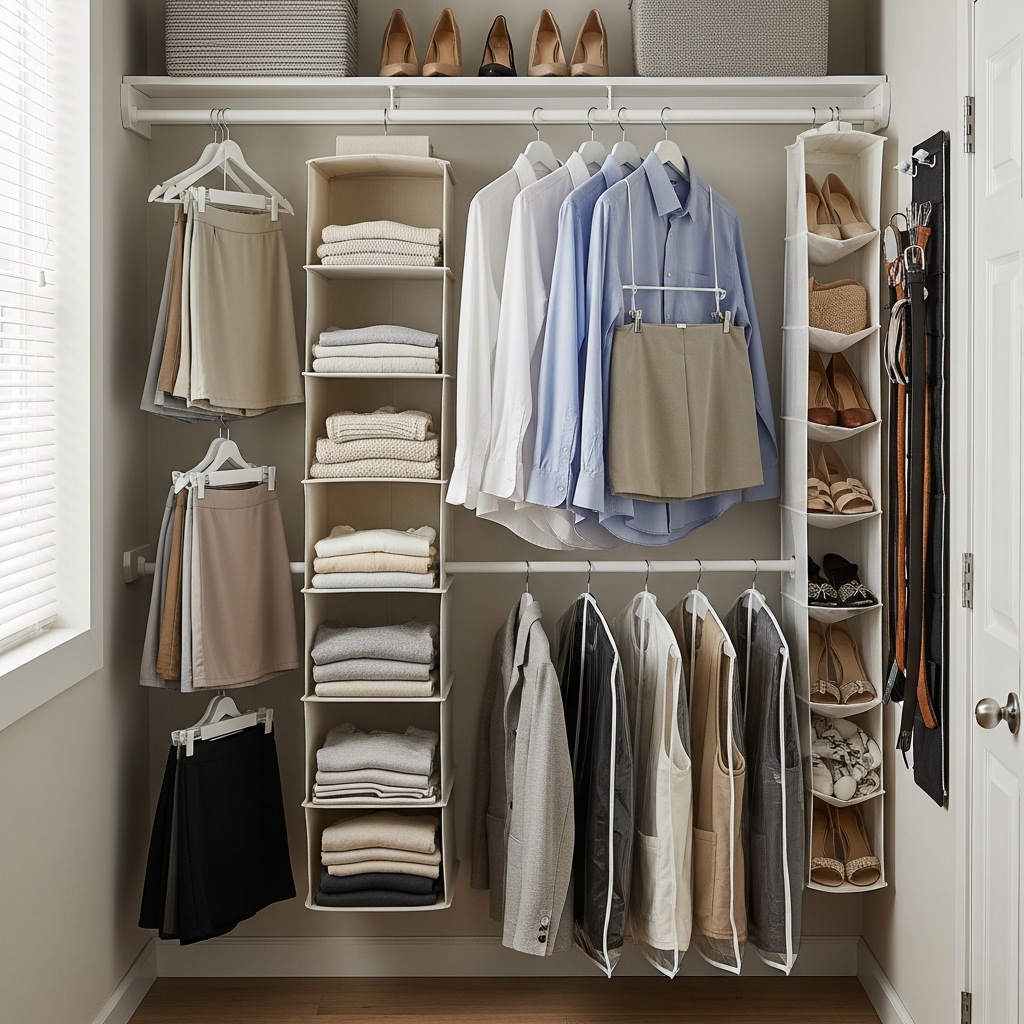
Ideal for: Closets with limited hanging space.
Add double rods or hanging organizers to create multiple levels for clothes. Separate items by length.
This maximizes vertical space inside closets and improves organization.
Avoid overcrowding rods, as it makes items difficult to access.
Pro Tip: Keep frequently worn items at eye level.
14. Hide Storage in Plain Sight With Dual-Purpose Decor
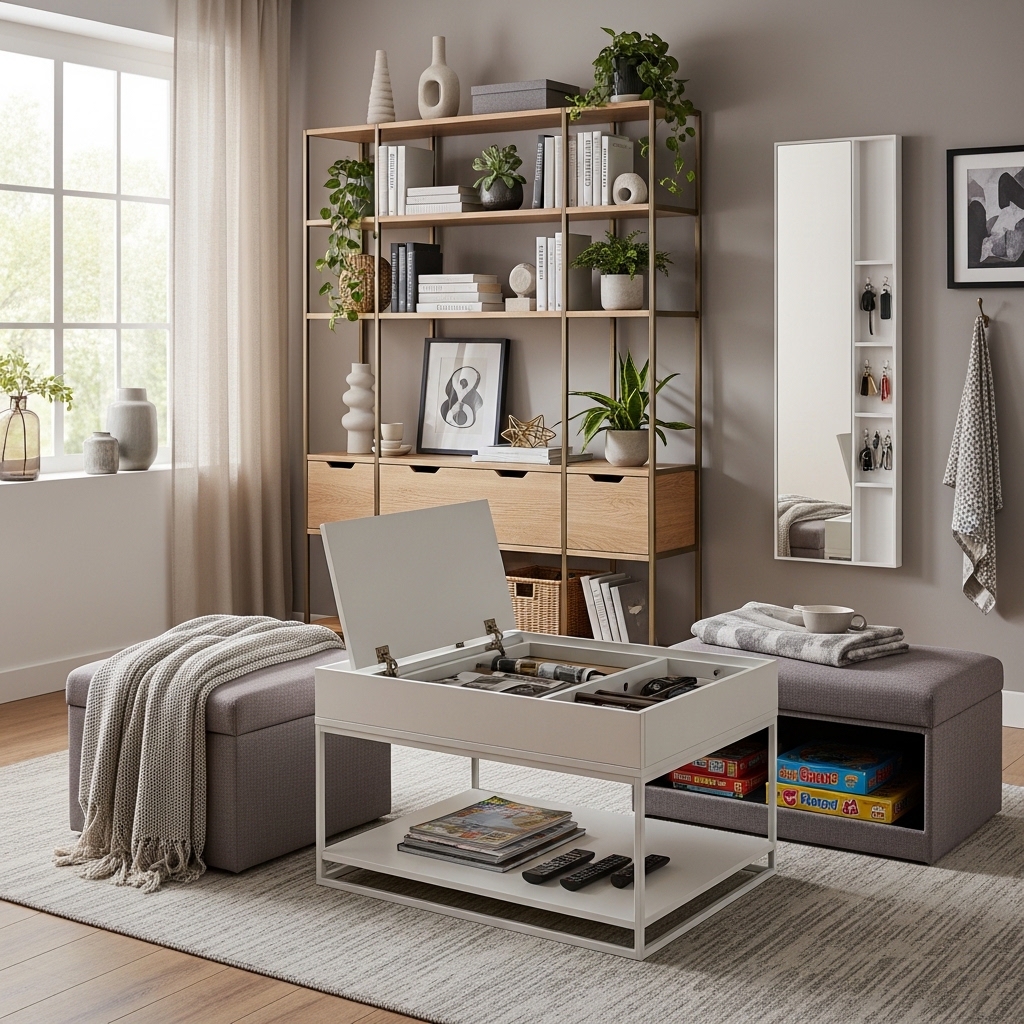
Best for: Living areas where visible storage affects aesthetics.
Use decorative baskets, boxes, or trays that also store items. Place them in open areas.
This keeps the space organized while maintaining a styled look. It blends function with design.
Avoid using purely decorative items that don’t serve a purpose.
Pro Tip: Choose neutral tones to match your overall decor.
15. Edit Your Storage Regularly to Maintain Efficiency
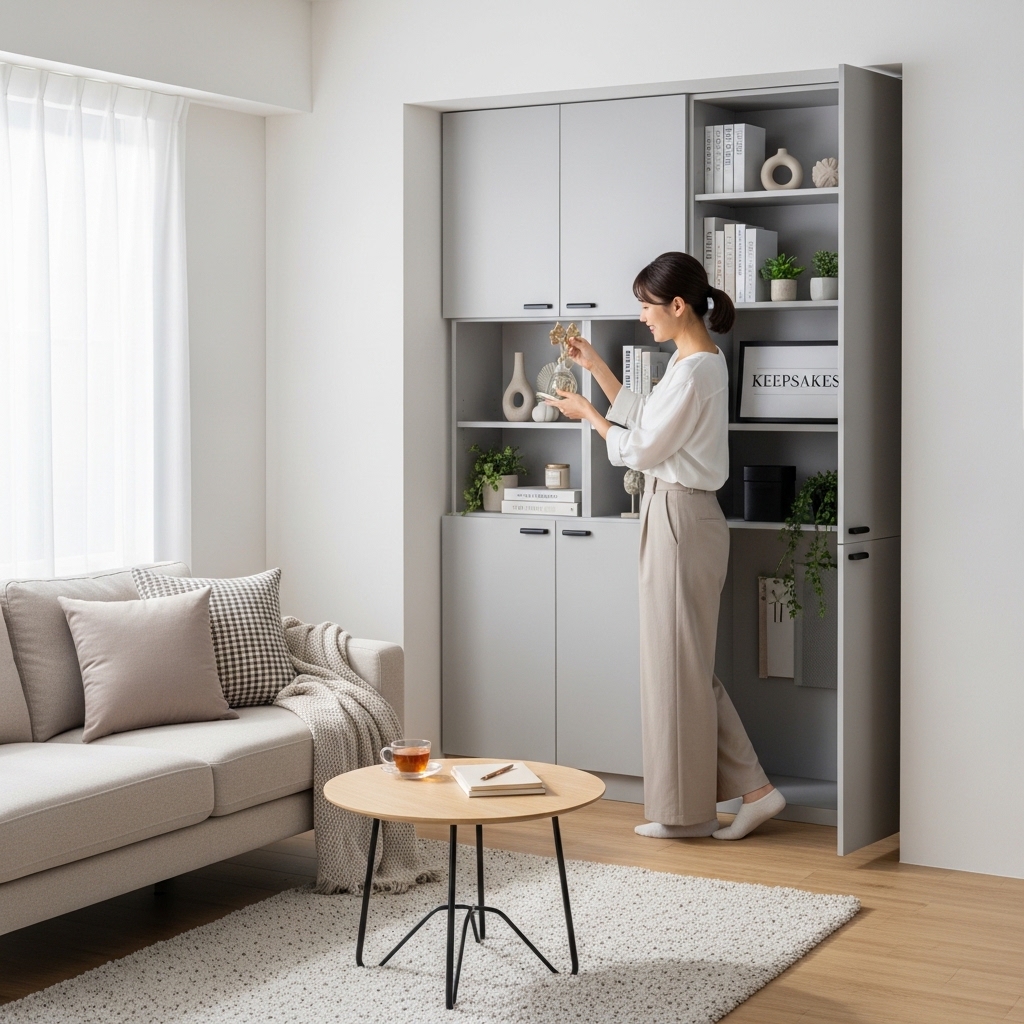
Great for: Apartments where storage fills up too quickly.
Periodically remove unused items and reorganize your storage based on current needs. Keep only what you actually use.
Regular editing prevents clutter from building up and keeps storage functional. It also improves long-term organization.
Avoid treating decluttering as a one-time task. It requires consistency.
Pro Tip: Follow a “one in, one out” rule for better control.
Conclusion: Smart Storage Turns Small Apartments Into Functional Living Spaces
The key to storing things in an apartment is not to get more stuff it is to use what you already have in a better way. If you use your space in a way that makes sense for how you live and where things are a really small apartment can feel neat and easy to take care of.
If you try these 15 ideas, for storing things in a small apartment you can make your home feel big work well and not be cluttered all without giving up things that make you comfortable or that you like.