15 Vegetable Garden Ideas That Maximize Yield, Space, and Easy Maintenance
A lot of vegetable gardens do not do well. This is not because people do not try hard enough. It is because the garden is not laid out well.
The plants are too close together. The space is not used in a good way. When you do not plan your garden the plants have to compete with each other for light, water and food. This means you get food from your garden.
This guide is about ideas for a vegetable garden that really work. These ideas help you get food from your garden.
They also help you keep your garden organized and easy to take care of. Each idea in this guide will help you grow food in a smaller space.
You will also learn how to avoid mistakes that people who are new, to gardening often make. These mistakes can really limit what you get from your vegetable garden.
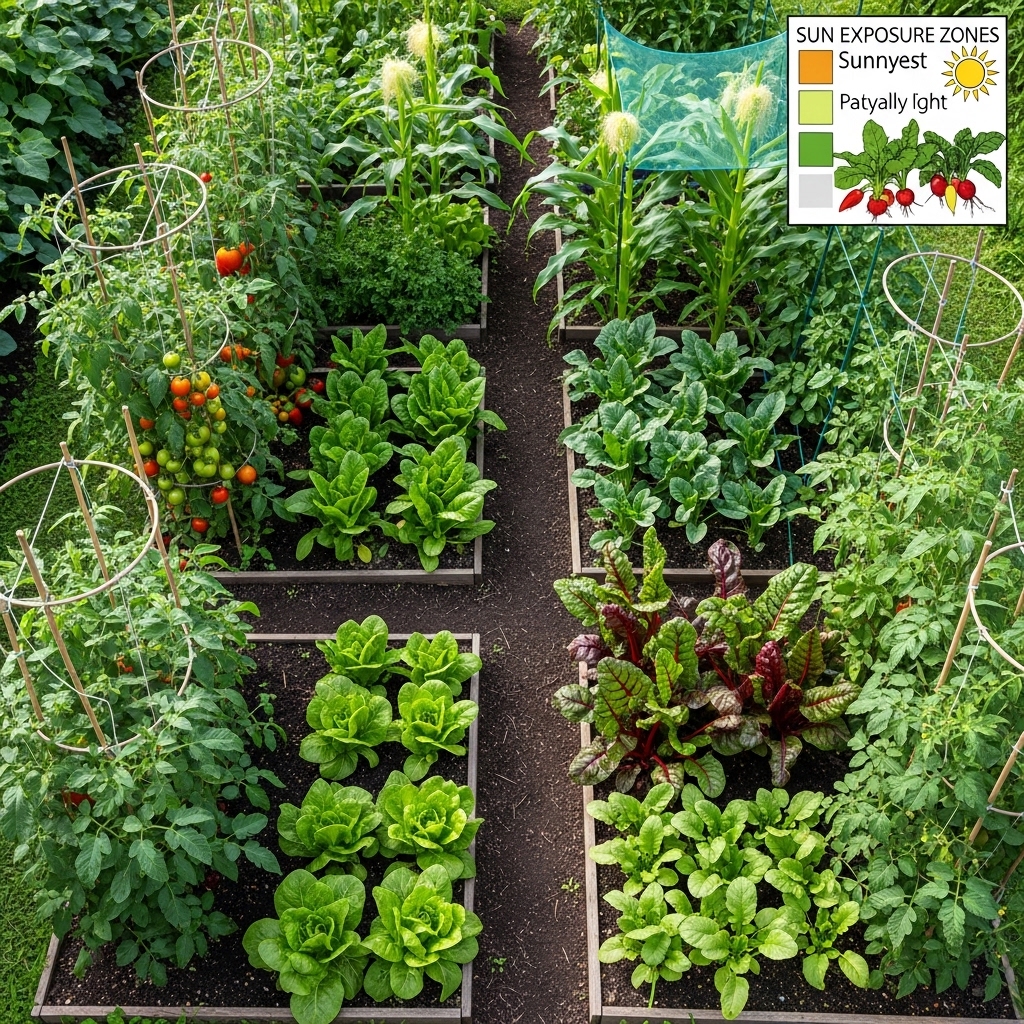
1. Plan Crop Placement Based on Sunlight Exposure
Ideal for: Beginners struggling with low yields.
Place sun-loving vegetables like tomatoes and peppers in the brightest areas, while leafy greens can tolerate partial shade. Observe your garden throughout the day before planting.
This works because vegetables need consistent sunlight to grow properly, and correct placement improves growth and harvest quality.
Avoid planting everything in one spot without checking light conditions.
Pro Tip: Track sunlight for a full day before finalizing layout.
2. Use Raised Beds for Better Soil and Drainage Control
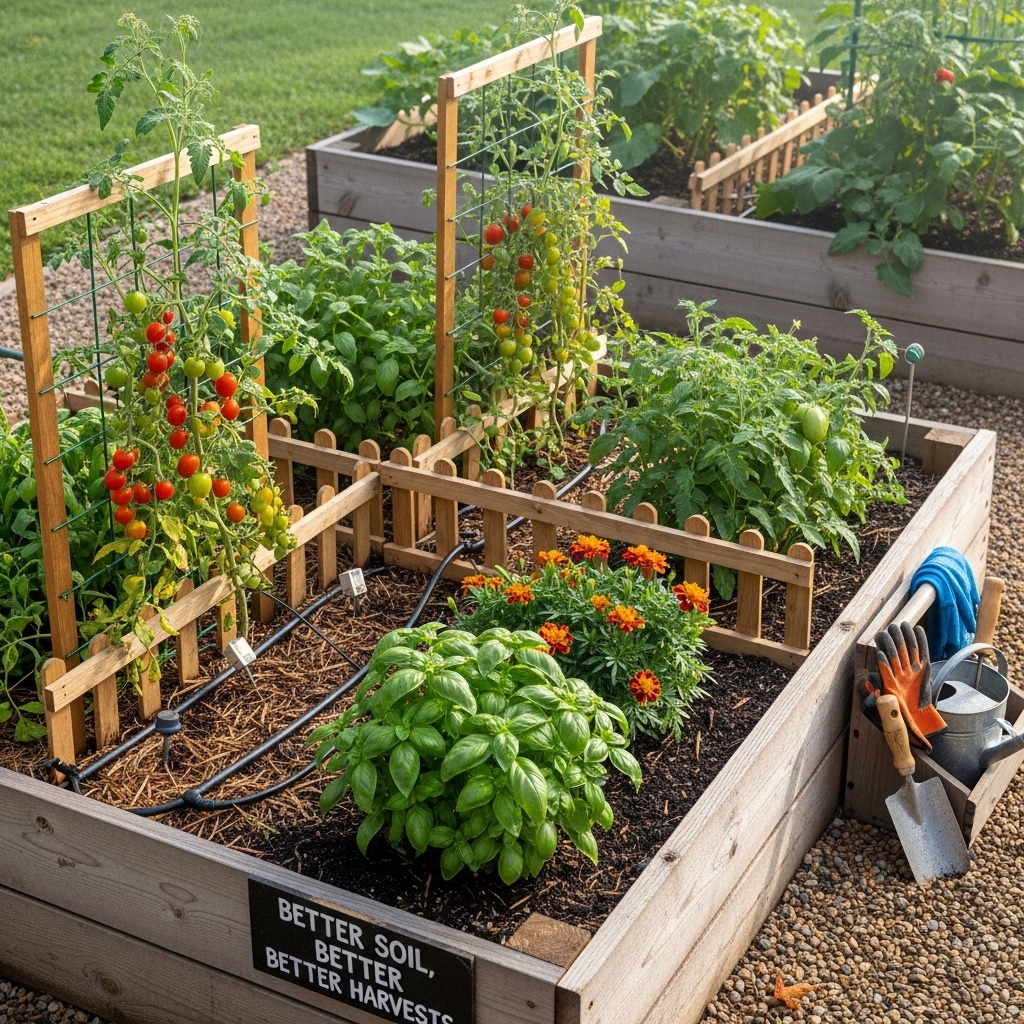
Best for: Organized and high-yield gardens.
Build raised beds to control soil quality, drainage, and spacing. Keep beds narrow enough for easy access from both sides.
Raised beds improve root health and reduce weed problems, making maintenance easier.
Avoid making beds too wide to reach comfortably.
Pro Tip: Use quality soil mix for better results.
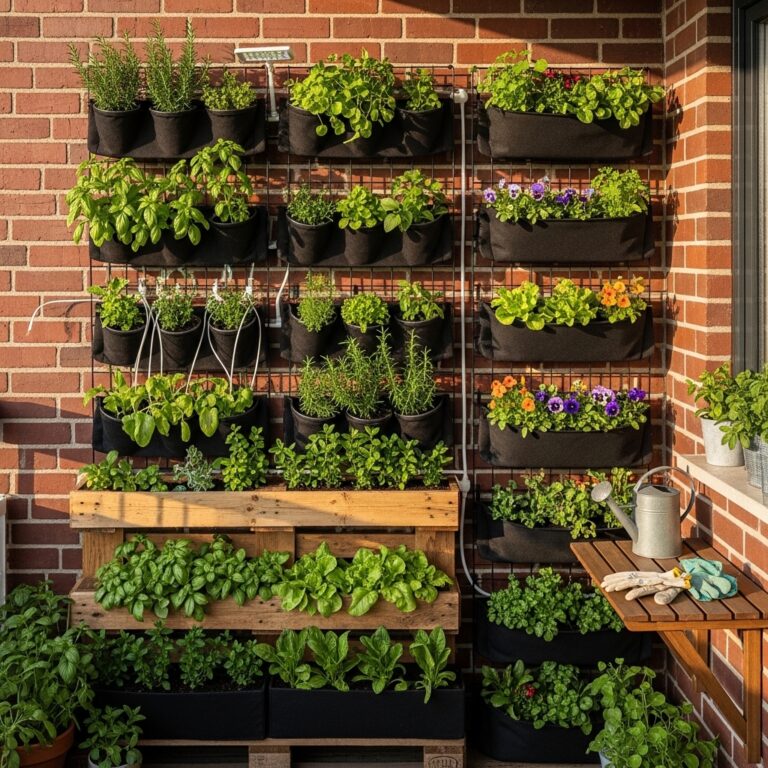
3. Grow Vertically to Increase Yield in Small Spaces
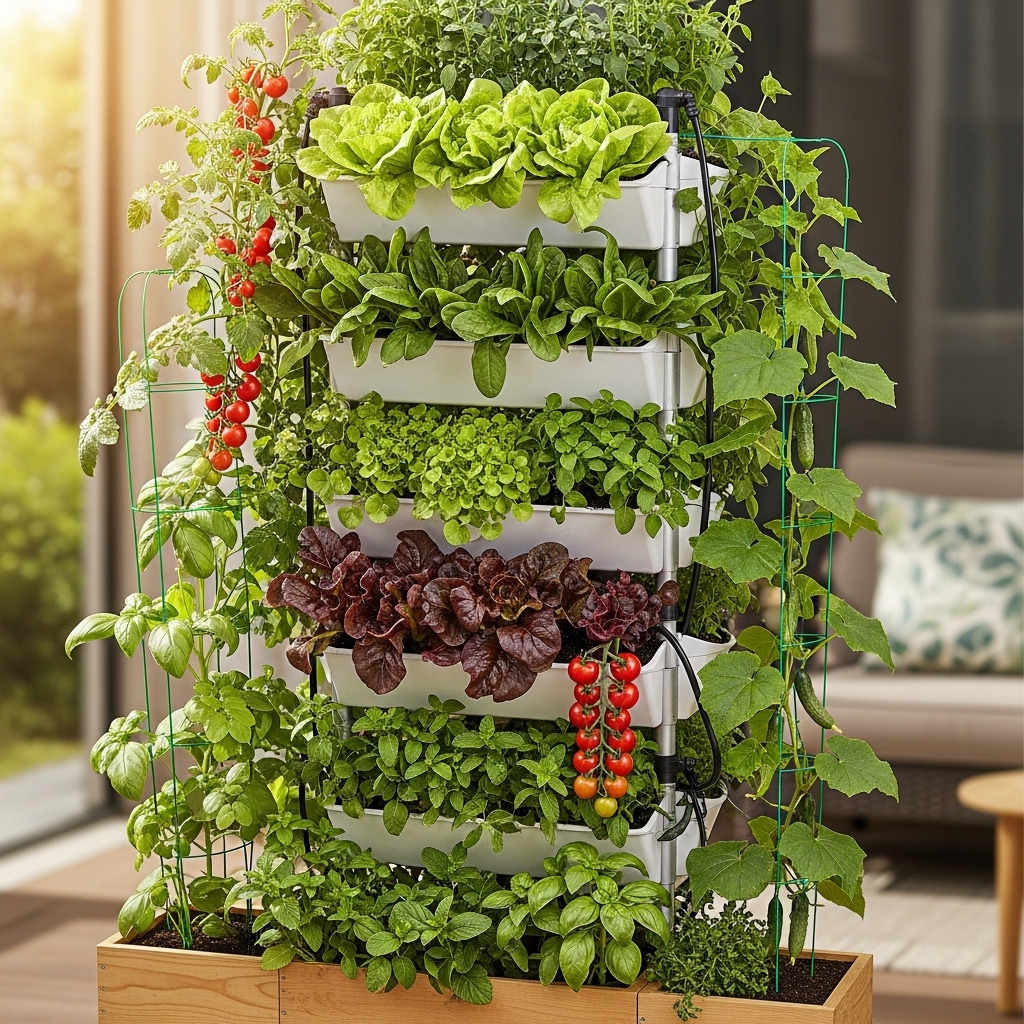
Great for: Urban or compact gardens.
Use trellises, cages, or vertical supports for climbing vegetables like beans, cucumbers, and tomatoes.
Vertical growing saves space and improves airflow, reducing disease risk.
Avoid weak supports that collapse under weight.
Pro Tip: Install supports before planting.
4. Practice Companion Planting for Healthier Crops
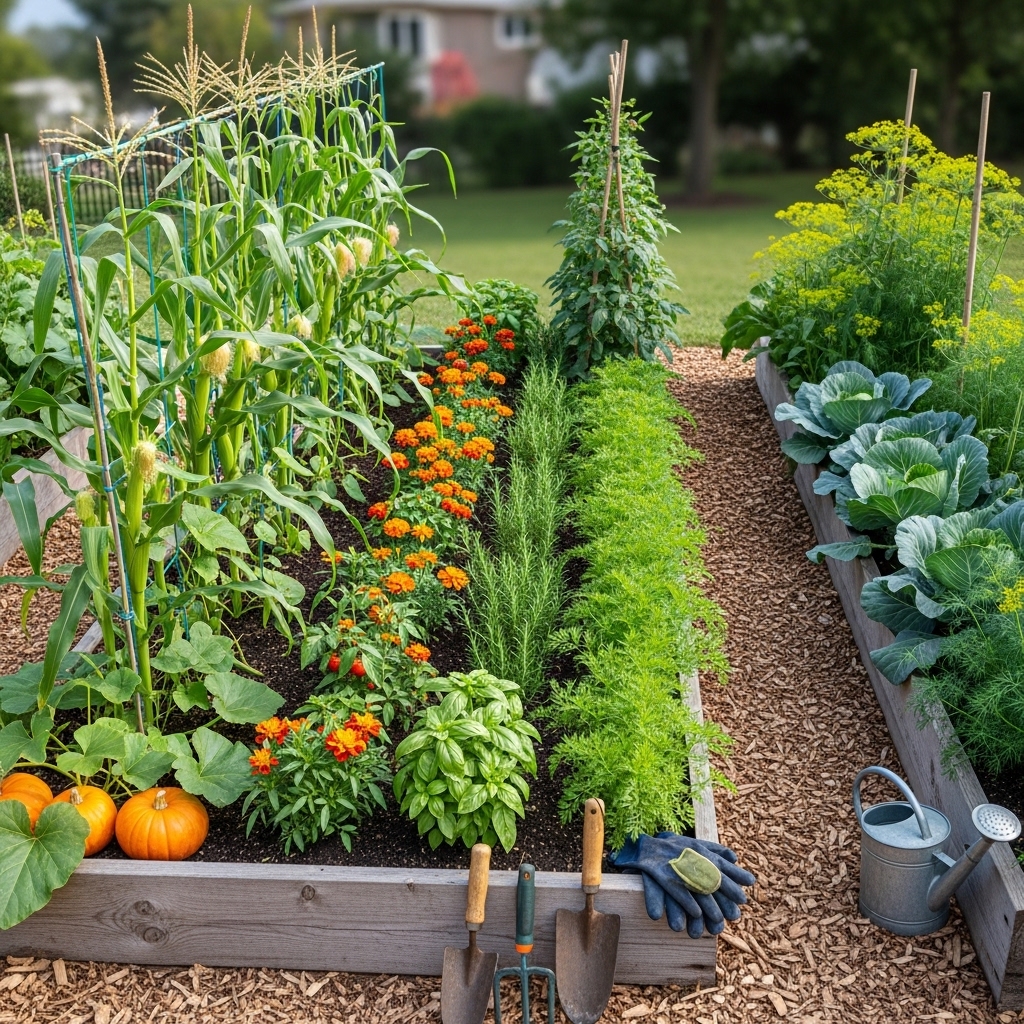
Ideal for: Natural pest control and better growth.
Plant compatible vegetables together to improve growth and deter pests. For example, basil near tomatoes can be beneficial.
This works by creating a balanced ecosystem in your garden.
Avoid mixing plants that compete for nutrients.
Pro Tip: Research compatible plant pairings before planting.
5. Use Mulch to Retain Moisture and Reduce Weeds
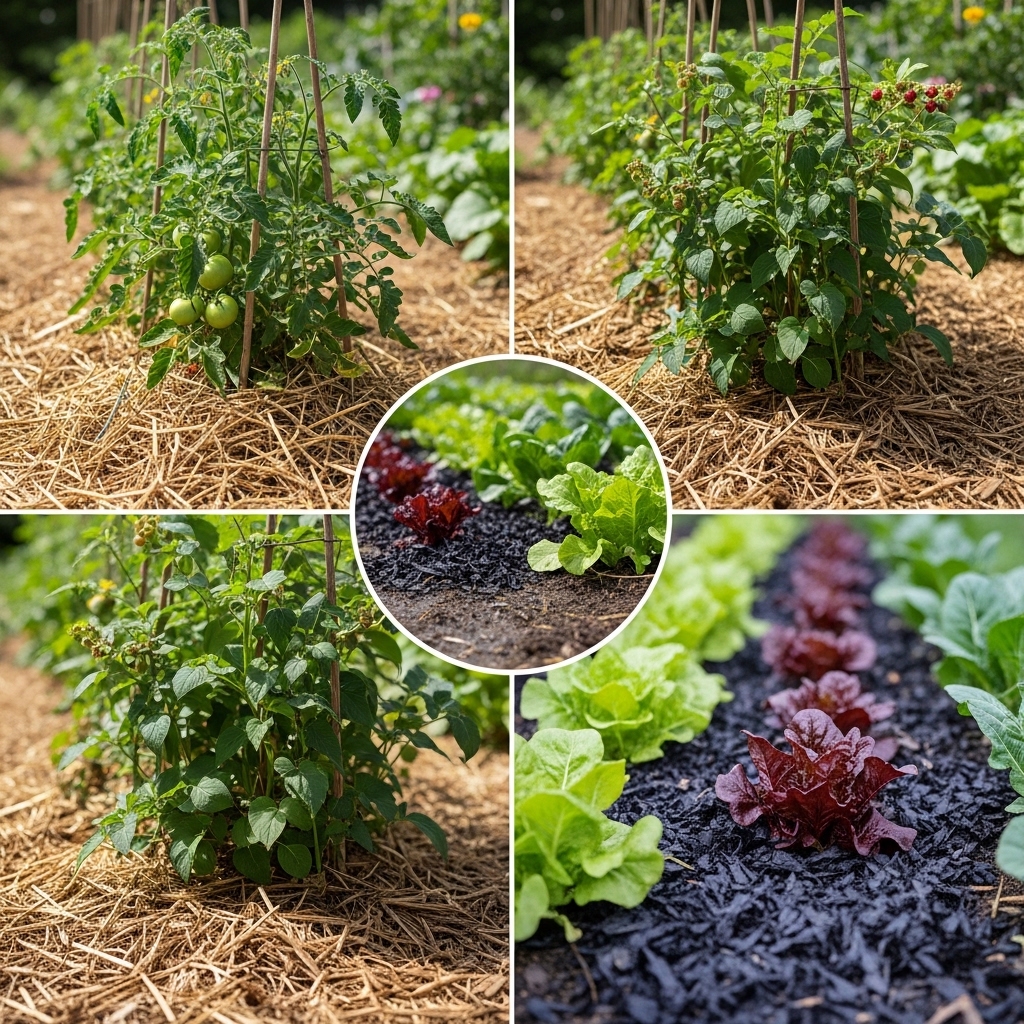
Best for: Low-maintenance gardening.
Apply organic mulch around plants to keep soil moist and prevent weed growth. Keep layers even.
Mulch reduces watering needs and keeps plants healthier.
Avoid placing mulch directly against stems.
Pro Tip: Refresh mulch regularly for best results.
6. Space Plants Properly for Maximum Growth
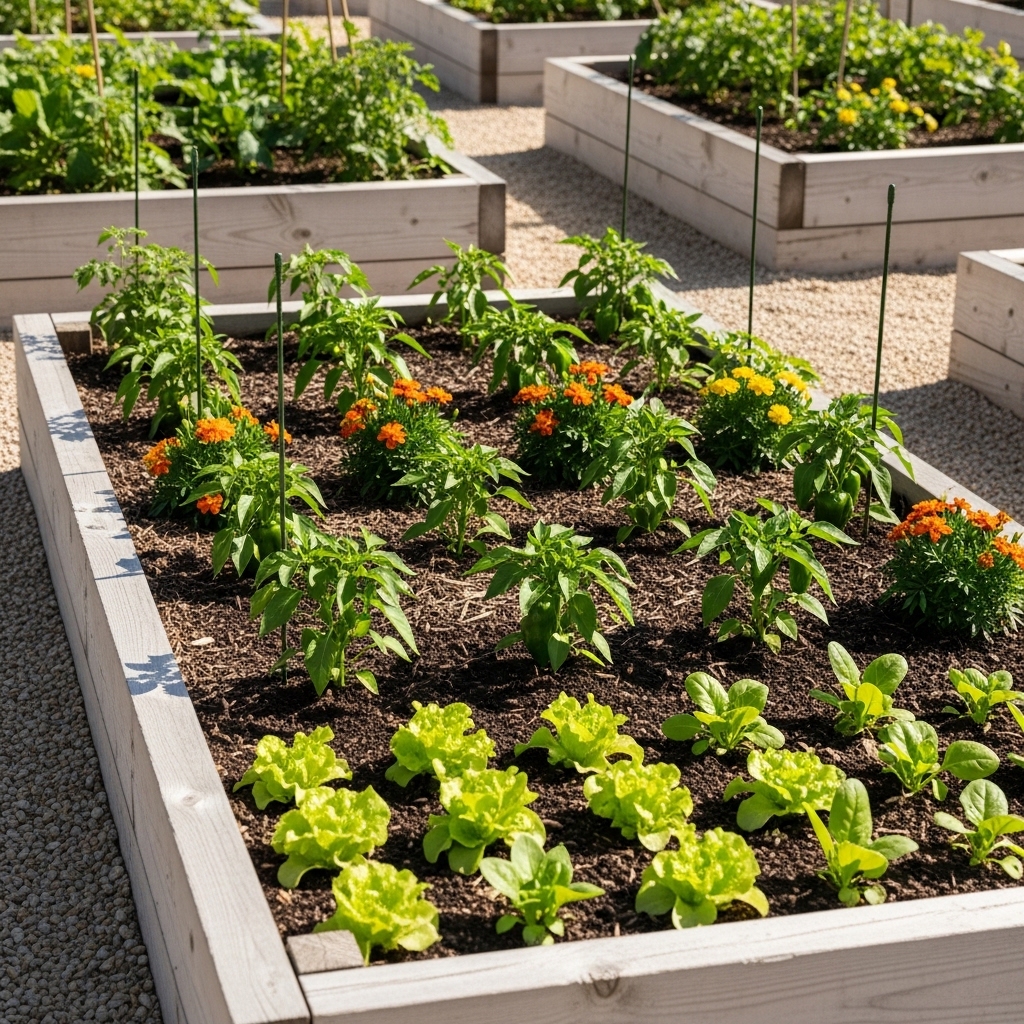
Great for: Preventing overcrowding issues.
Follow spacing guidelines based on mature plant size instead of planting too closely.
Proper spacing improves airflow and reduces disease risk.
Avoid overcrowding for quick visual fullness.
Pro Tip: Always check seed packet instructions.
7. Rotate Crops Each Season to Maintain Soil Health
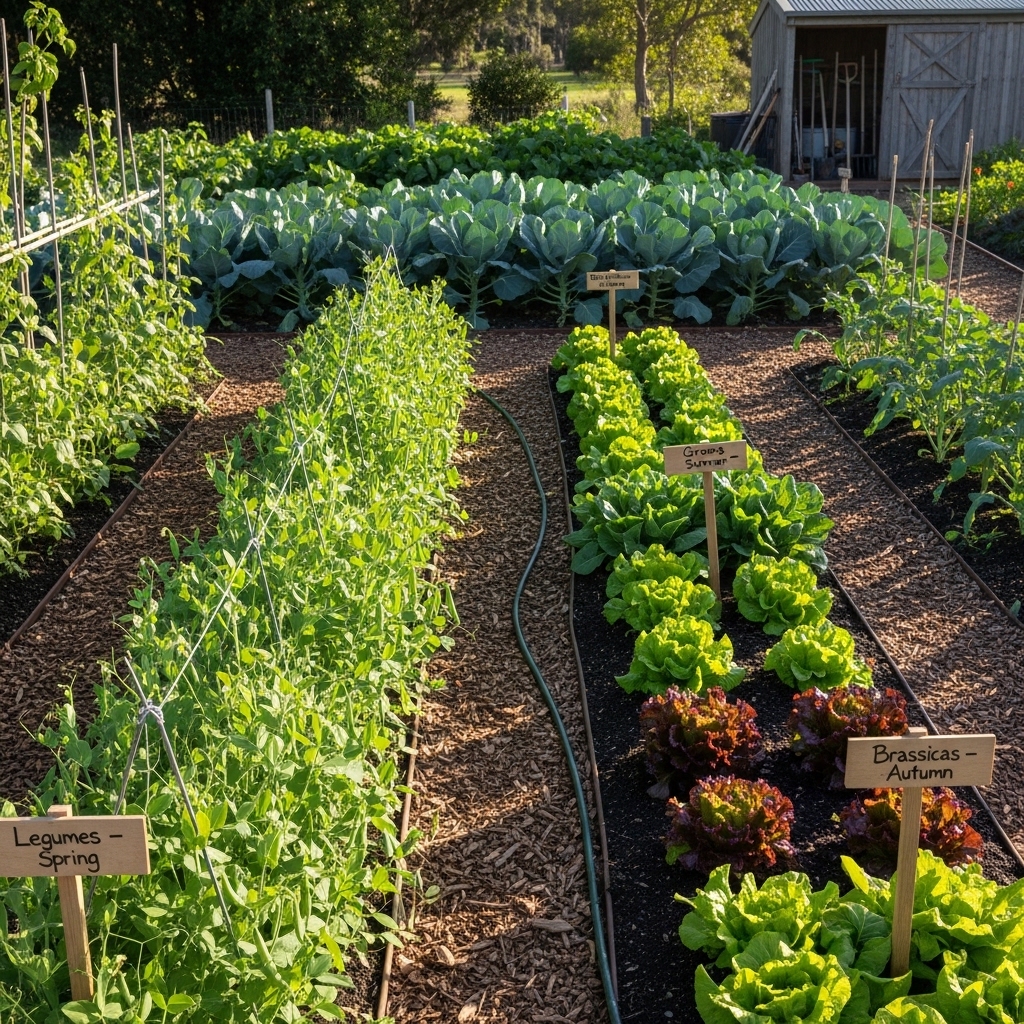
Ideal for: Long-term vegetable gardening success.
Change plant locations each season to prevent soil depletion and pest buildup.
Crop rotation keeps soil fertile and reduces disease problems.
Avoid planting the same crops in the same spot repeatedly.
Pro Tip: Keep a simple rotation plan.
8. Add Compost to Boost Soil Nutrients Naturally
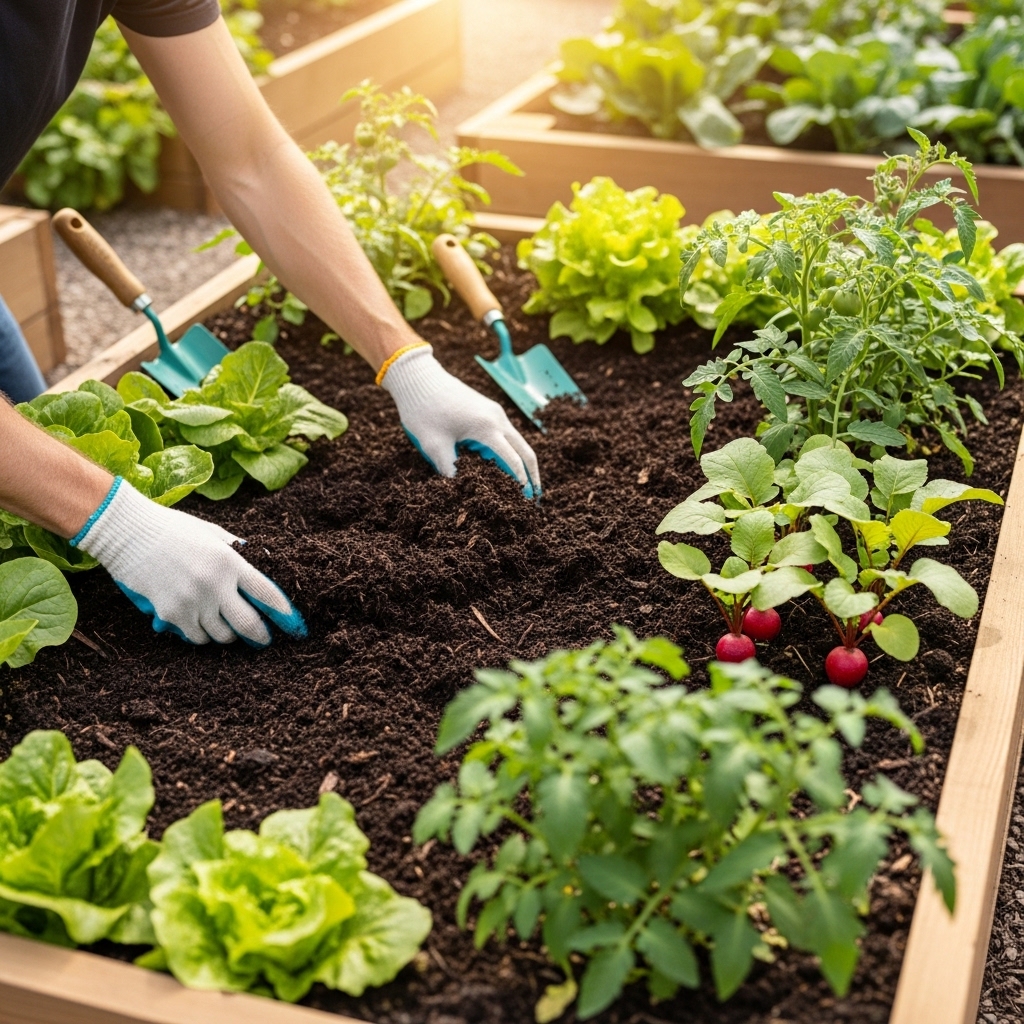
Best for: Improving soil quality.
Mix compost into your soil regularly to provide essential nutrients for plant growth.
Healthy soil leads to stronger plants and better yields.
Avoid using unfinished compost.
Pro Tip: Start composting kitchen waste.
9. Use Drip Irrigation for Efficient Watering
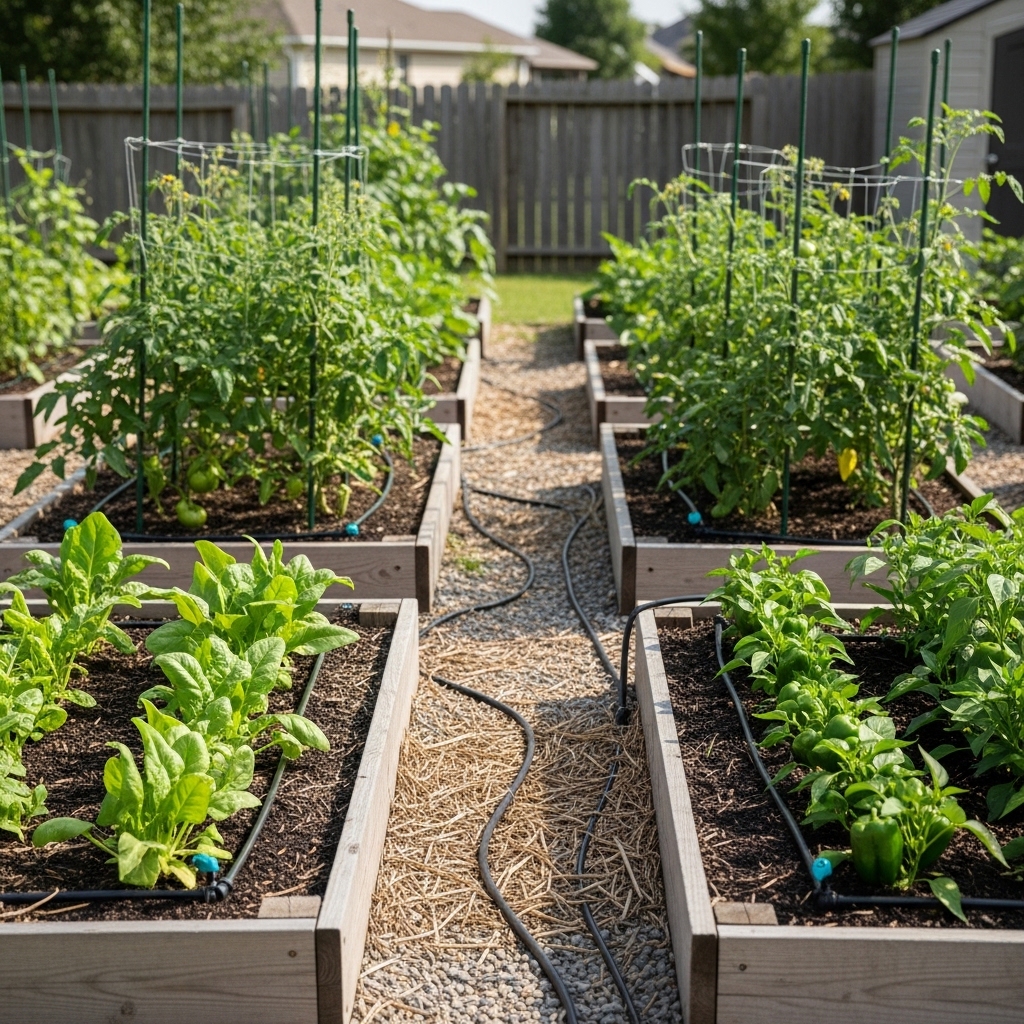
Great for: Busy gardeners or hot climates.
Install drip irrigation systems to deliver water directly to plant roots.
This reduces water waste and ensures consistent moisture levels.
Avoid overwatering with poorly adjusted systems.
Pro Tip: Adjust watering based on weather conditions.
10. Grow High-Yield Crops for Maximum Output
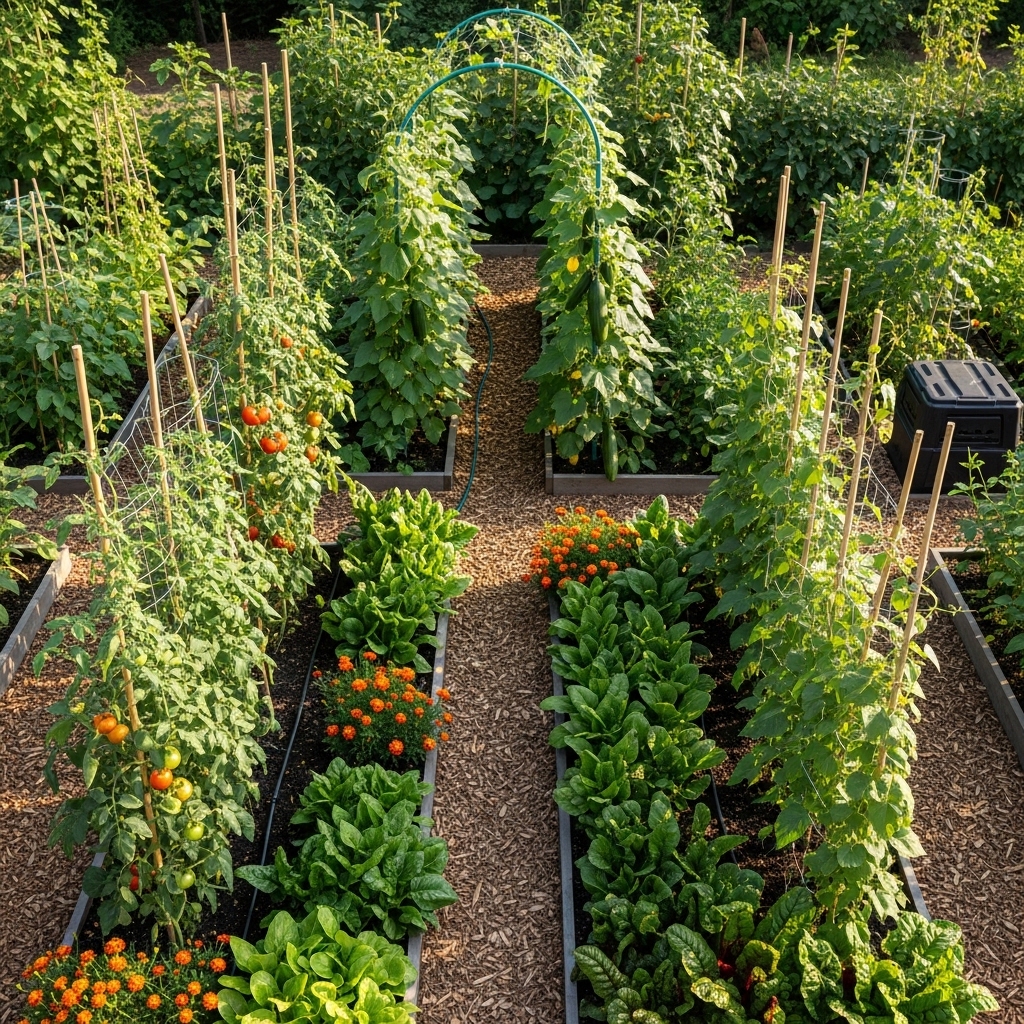
Ideal for: Small gardens aiming for more produce.
Choose vegetables like lettuce, zucchini, and beans that produce frequently.
High-yield crops maximize harvest from limited space.
Avoid focusing only on low-yield plants.
Pro Tip: Harvest regularly to encourage more growth.
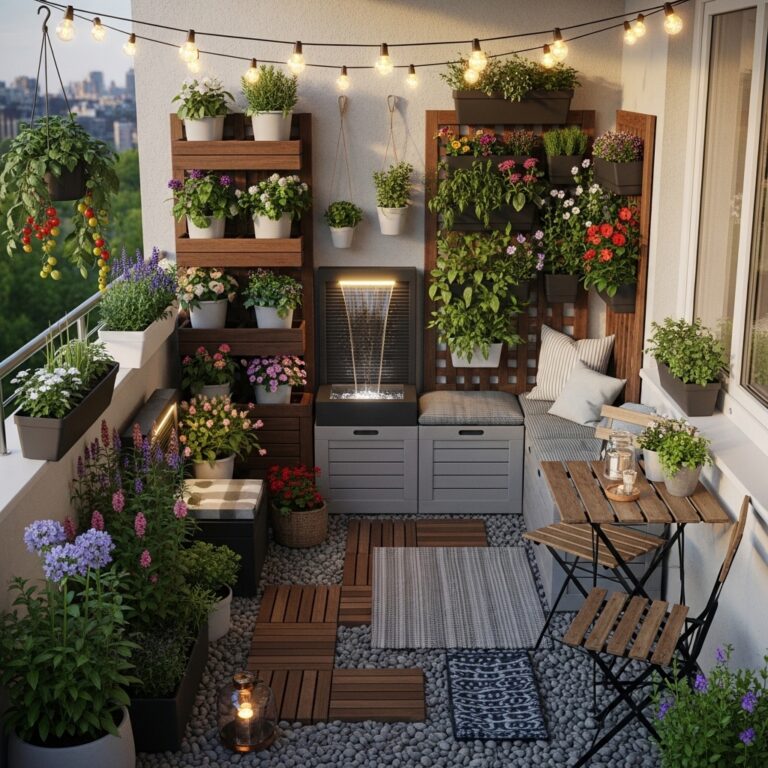
11. Use Containers for Flexible Vegetable Gardening
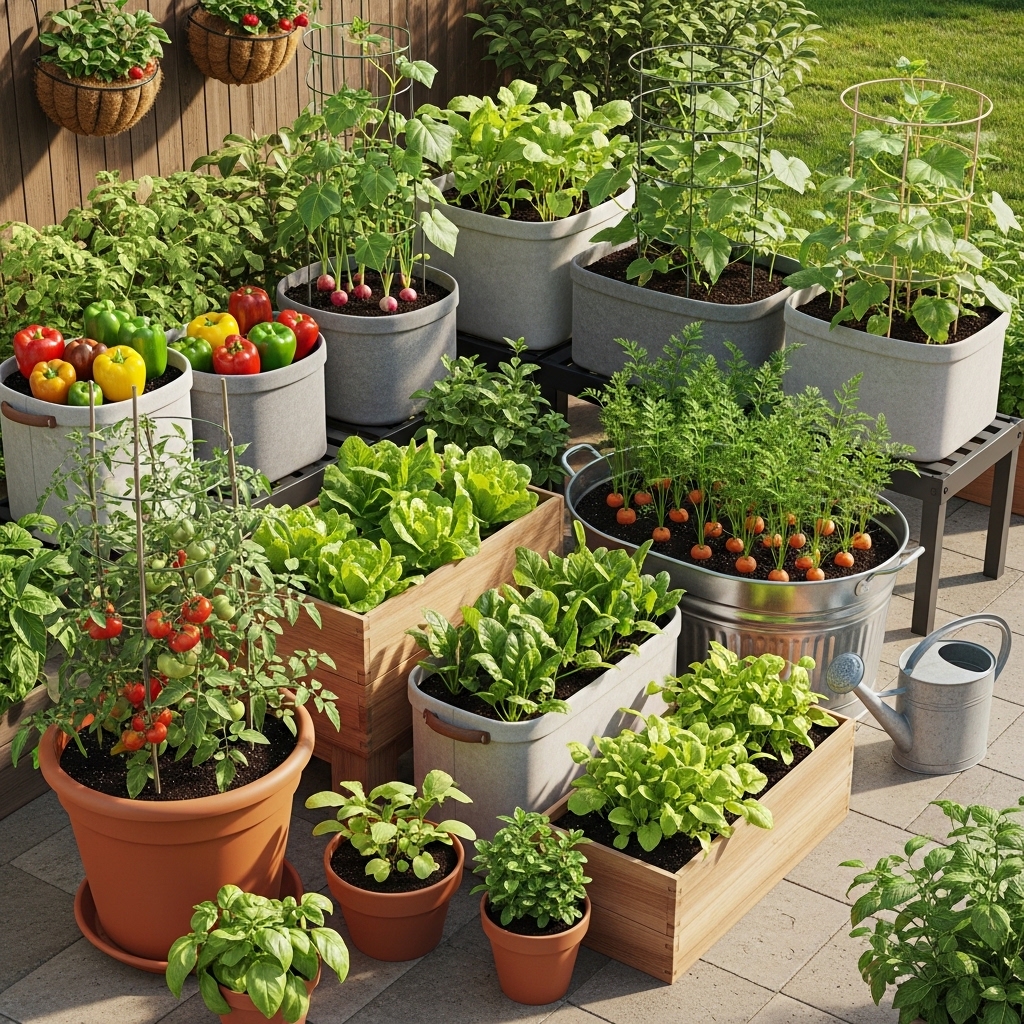
Best for: Renters or limited space setups.
Grow vegetables in pots or containers that can be moved based on sunlight.
Container gardening allows flexibility and easy management.
Avoid using containers without drainage holes.
Pro Tip: Use larger pots for better root growth.
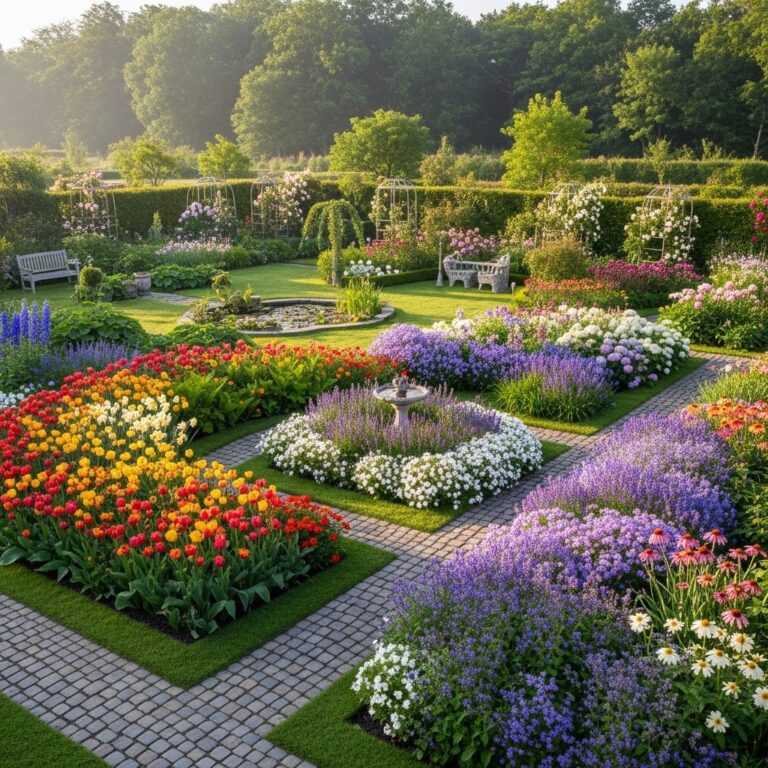
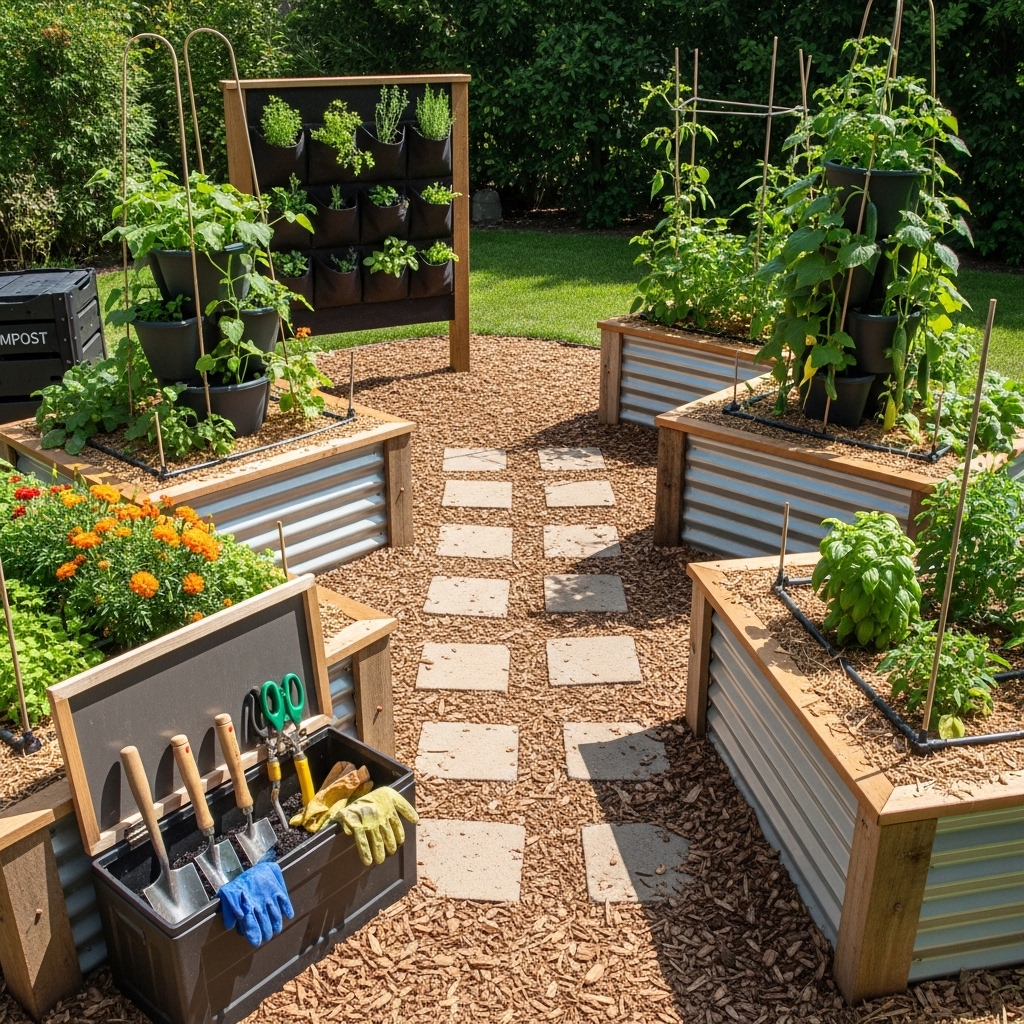
12. Add Pathways to Protect Soil and Improve Access
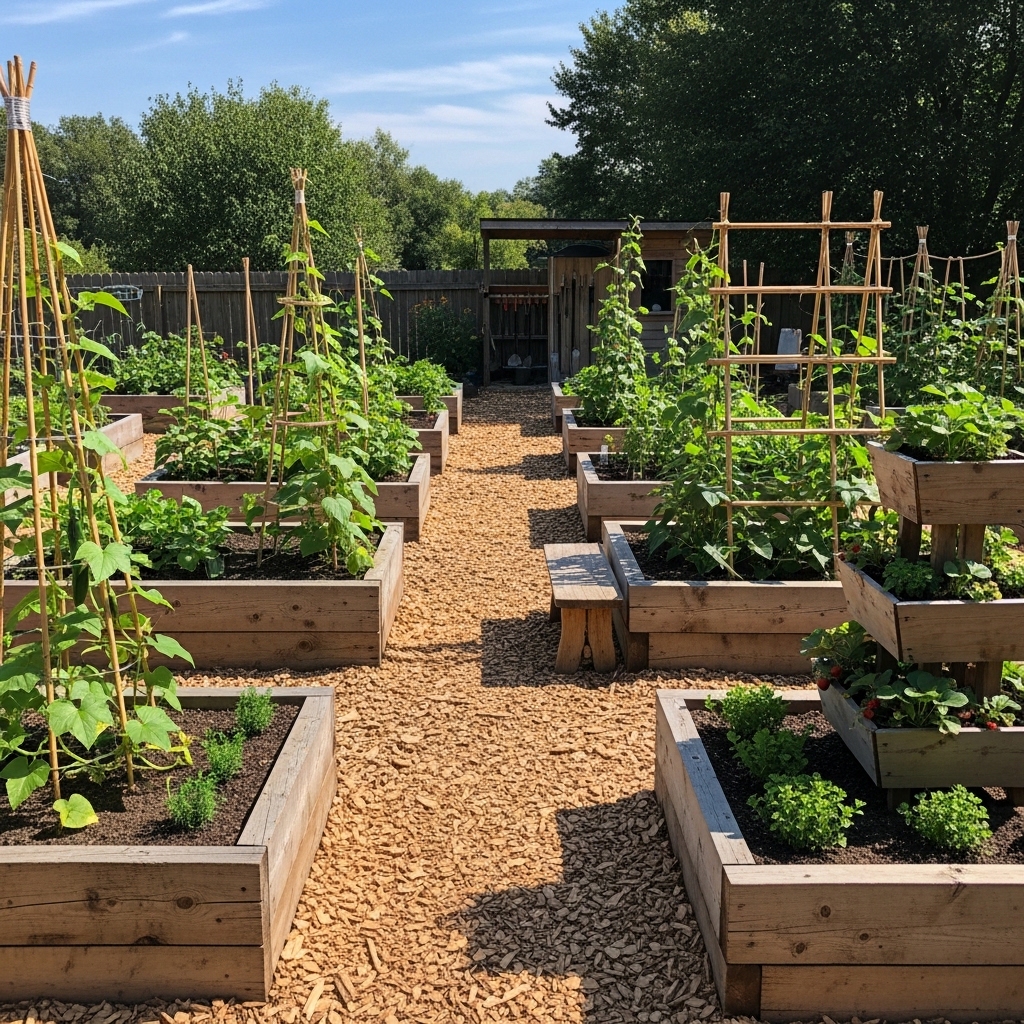
Great for: Organized gardens.
Create clear paths between planting areas to avoid stepping on soil.
Paths prevent compaction and make maintenance easier.
Avoid narrow or uneven walkways.
Pro Tip: Use mulch or gravel for simple paths.
13. Use Netting or Covers to Protect Crops
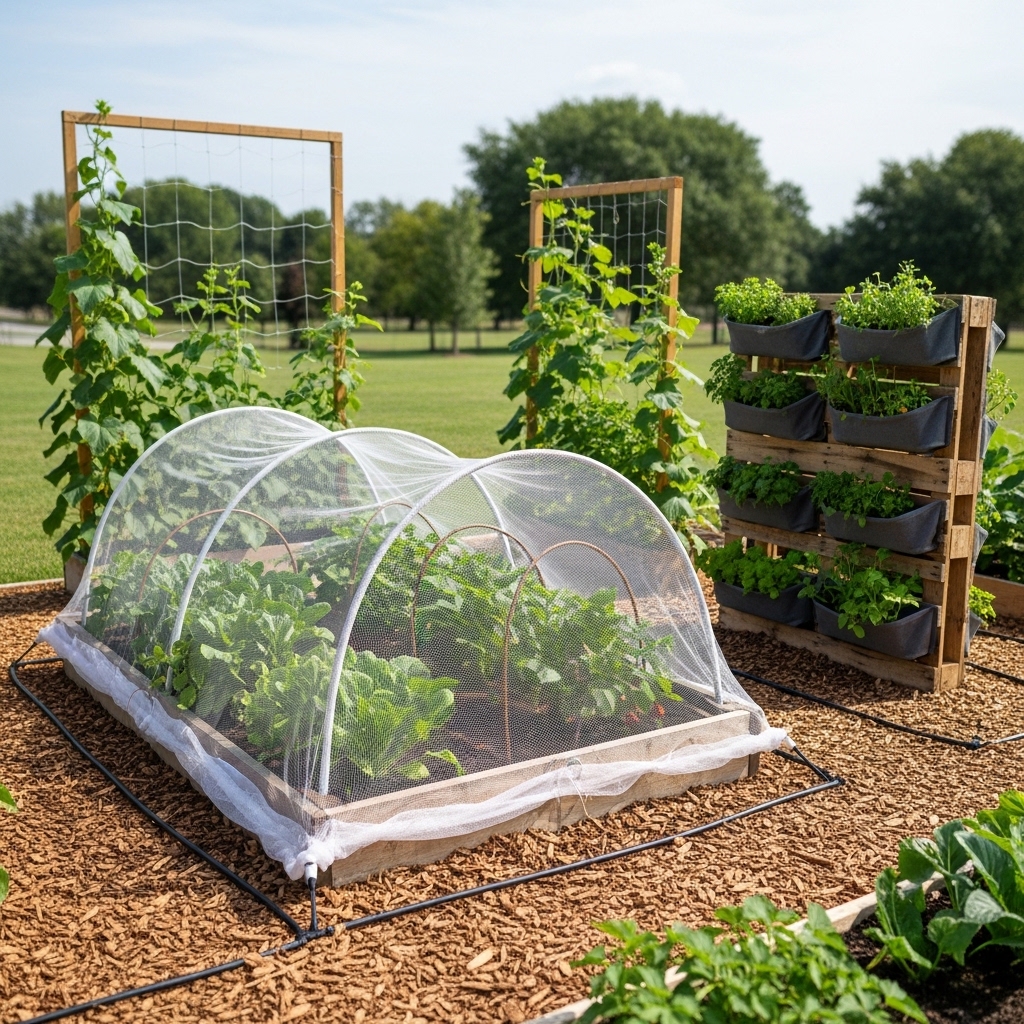
Ideal for: Pest-prone gardens.
Install netting or row covers to protect vegetables from insects and animals.
This reduces damage and improves yield quality.
Avoid leaving plants exposed to pests.
Pro Tip: Secure covers properly to prevent gaps.
14. Plant in Succession for Continuous Harvest
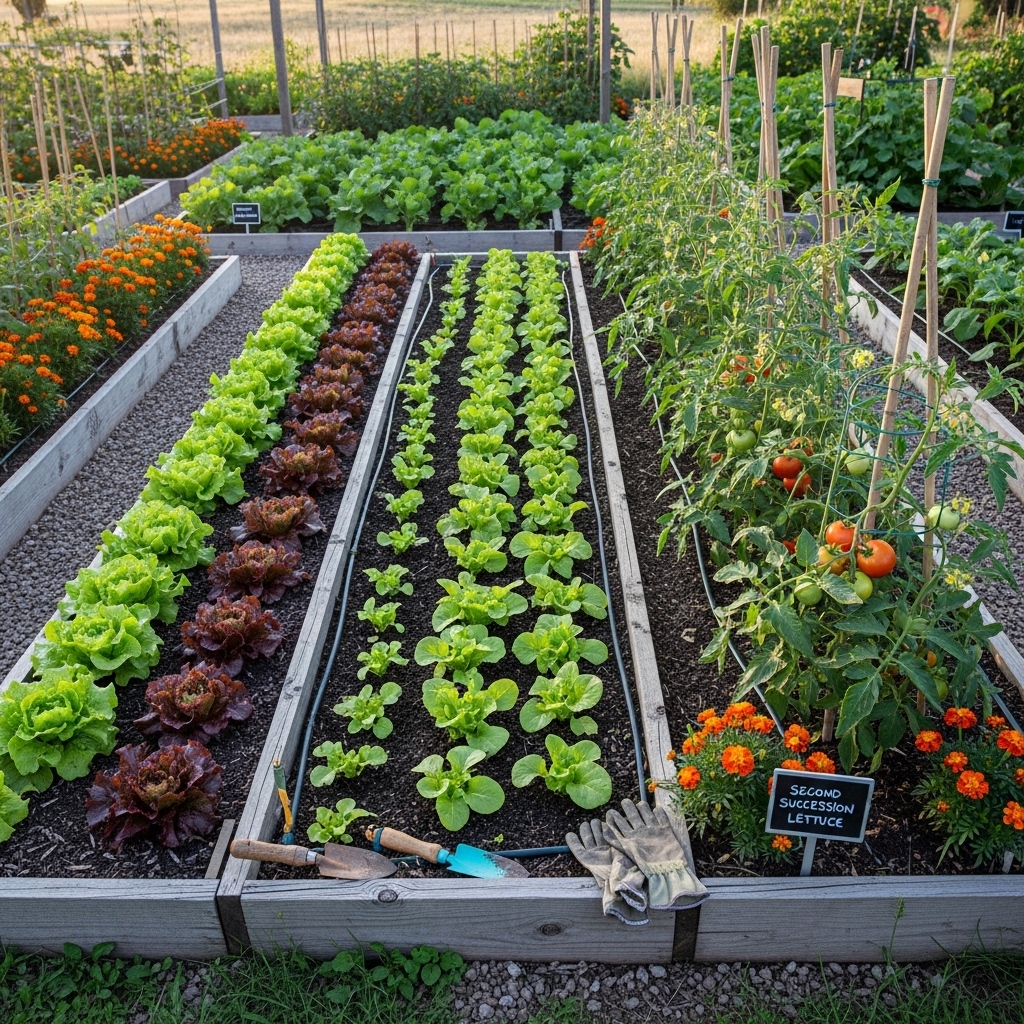
Best for: Ongoing production.
Stagger planting times so crops mature at different stages instead of all at once.
This ensures a steady supply of vegetables over time.
Avoid planting everything at the same time.
Pro Tip: Plan planting schedule in advance.
15. Adjust Garden Layout Based on Performance
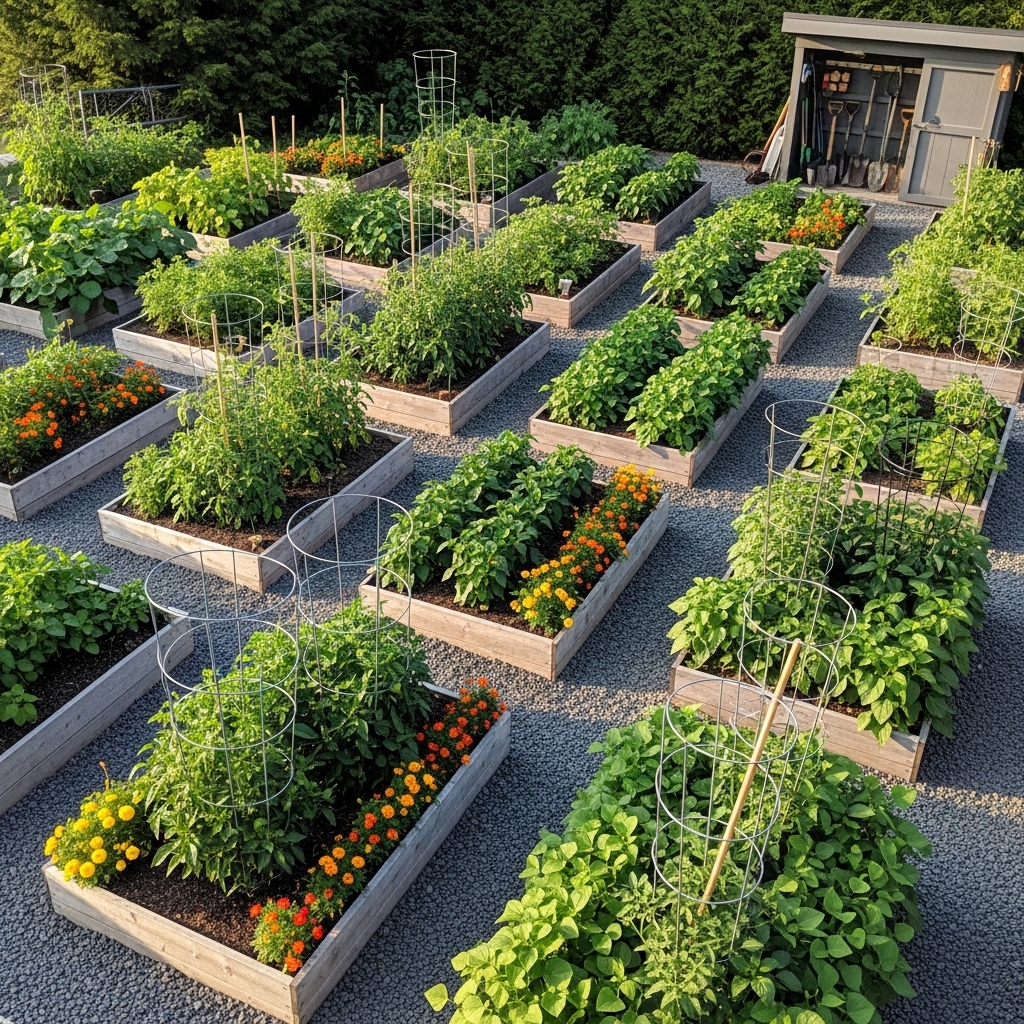
Great for: Improving results over time.
Observe which plants perform best and rearrange your garden accordingly in the next season.
This helps optimize yield and efficiency.
Avoid repeating ineffective layouts.
Pro Tip: Keep notes on plant performance.
Conclusion: A Productive Vegetable Garden Depends on Smart Planning and Consistent Care
A good vegetable garden is not about doing a lot of work it is about doing things in a way, with the layout and the spacing of the plants and what plants you choose to grow.
If you make a small changes to the way you plan your garden you can get much better results.
If you use these ideas for your vegetable garden you can grow a lot of food without having to do too much work and your garden will be easy to take care of and it will produce a lot of food all season long.