10 Vertical Garden Ideas That Maximize Space, Growth, and Practical Use
Vertical gardening is not about saving space it is about using the walls and corners and the extra height you have in a smart way.
A lot of gardens do not work out because they have too many plants they are not strong enough or they are put in a place that does not get enough sunlight and is hard to take care of.
This guide will teach you how to grow plants in a smaller area and take care of them easily. Each idea in this guide will help you grow plants in a smaller space and take care of them easily.
Vertical gardening is a way to make the most of the space you have and this guide will show you how to do it with vertical gardens that actually work.
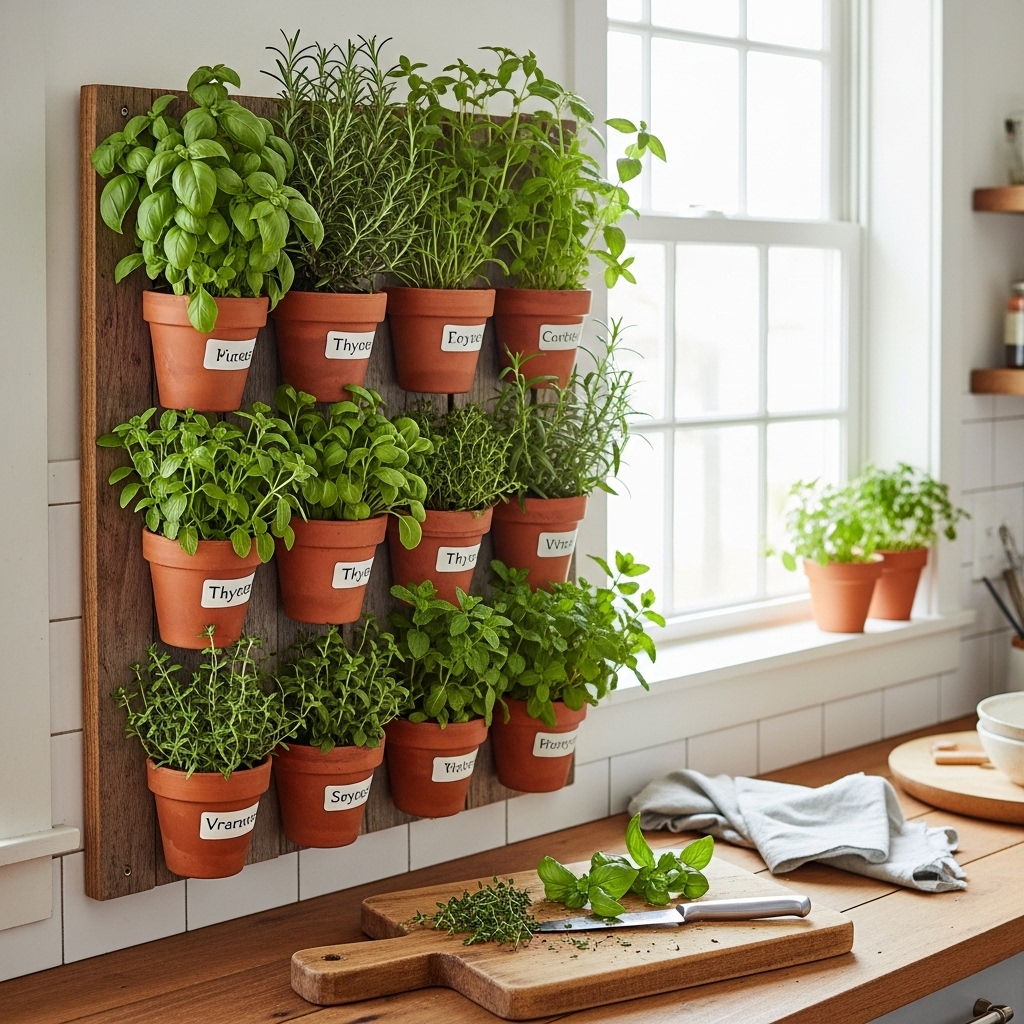
1. Build a Wall-Mounted Herb Garden for Daily Kitchen Use
Ideal for: Small homes, apartments, and cooking-focused setups.
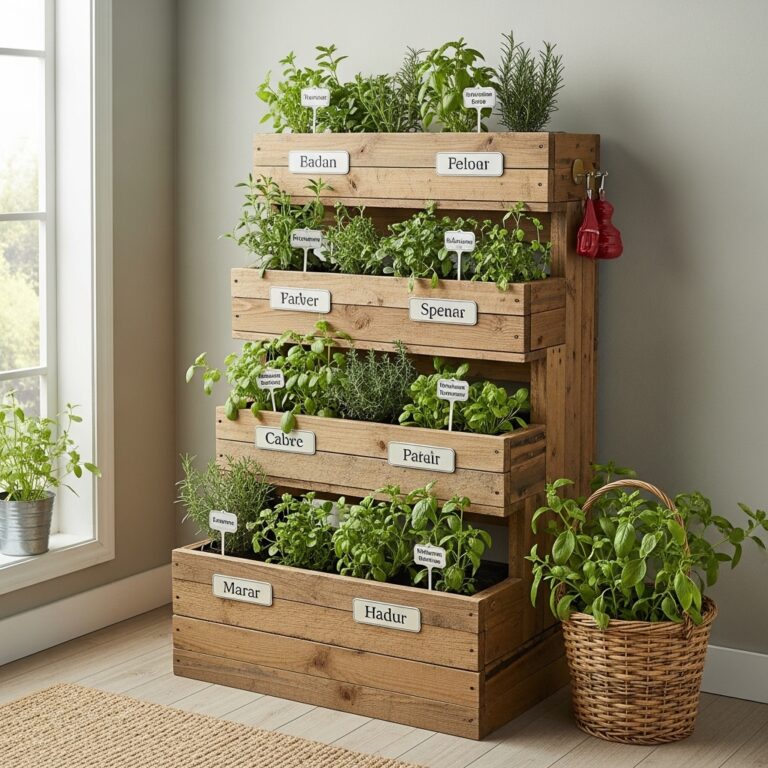
Install a wall-mounted system near your kitchen door, balcony, or backyard wall where you can easily access herbs while cooking.
Use small pots or pocket planters arranged in rows, keeping frequently used herbs like mint and basil at mid-level for easy reach. Make sure the wall gets at least partial sunlight during the day.
This works because it combines accessibility with vertical efficiency, turning unused wall space into a productive herb station.
When herbs are visible and easy to reach, they get used more often and stay healthier due to regular trimming.
A common mistake is placing vertical herb gardens too high or in shaded walls, which reduces usability and growth.
Pro Tip: Keep your most-used herbs between waist and chest height.
Mistake to Avoid: Don’t install on walls with poor sunlight exposure.
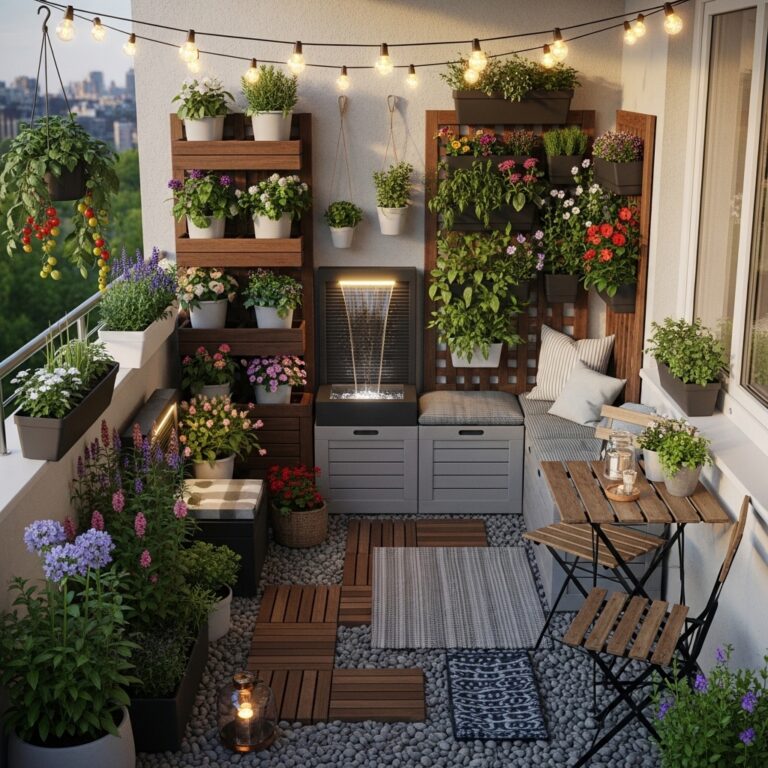
2. Use Tiered Plant Stands to Maximize Balcony Corners
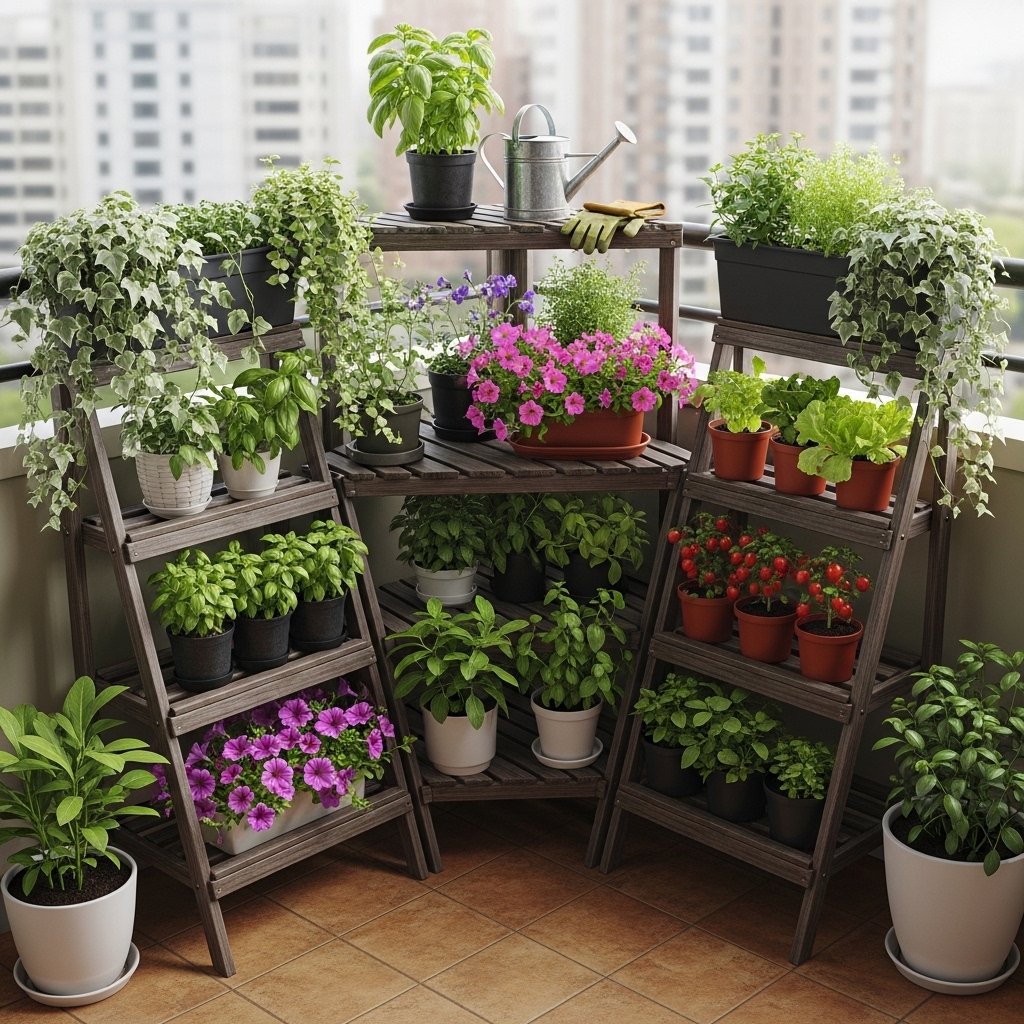
Best for: Tight balconies or small patios.
Place a multi-level plant stand in a corner where it won’t block movement. Arrange plants based on light needs—sun-loving plants on top and shade-tolerant ones below.
Leave enough spacing between levels so each plant gets proper light and airflow.
This setup works because it multiplies planting space without expanding your footprint, making it perfect for compact areas. It also keeps plants organized and easier to maintain.
Many people make the mistake of overcrowding stands, which blocks light and leads to uneven growth across levels.
Pro Tip: Rotate the stand slightly every few days for even light exposure.
Mistake to Avoid: Avoid stacking plants too tightly on each level.
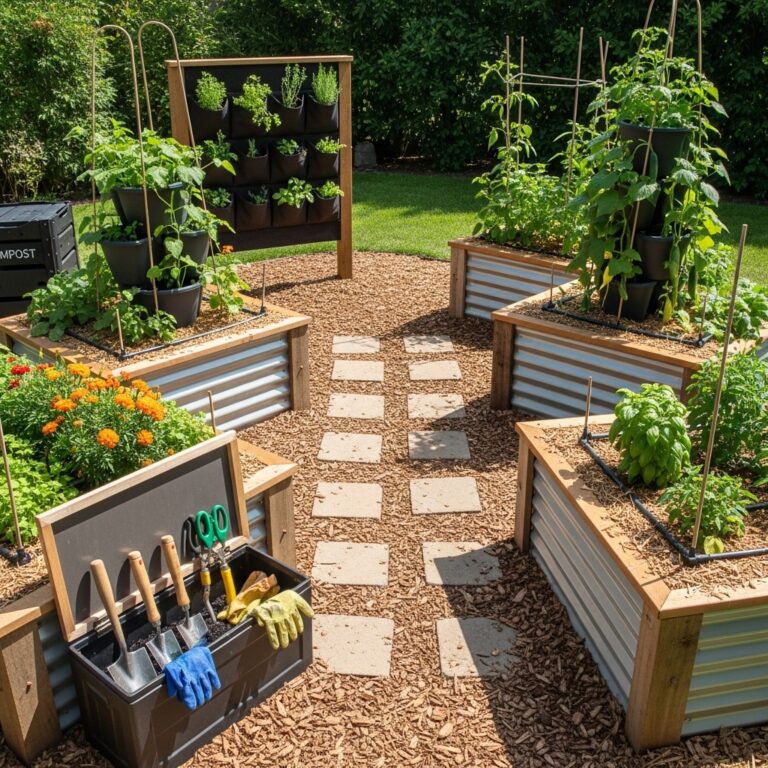
3. Install a Vertical Trellis for Climbing Vegetables
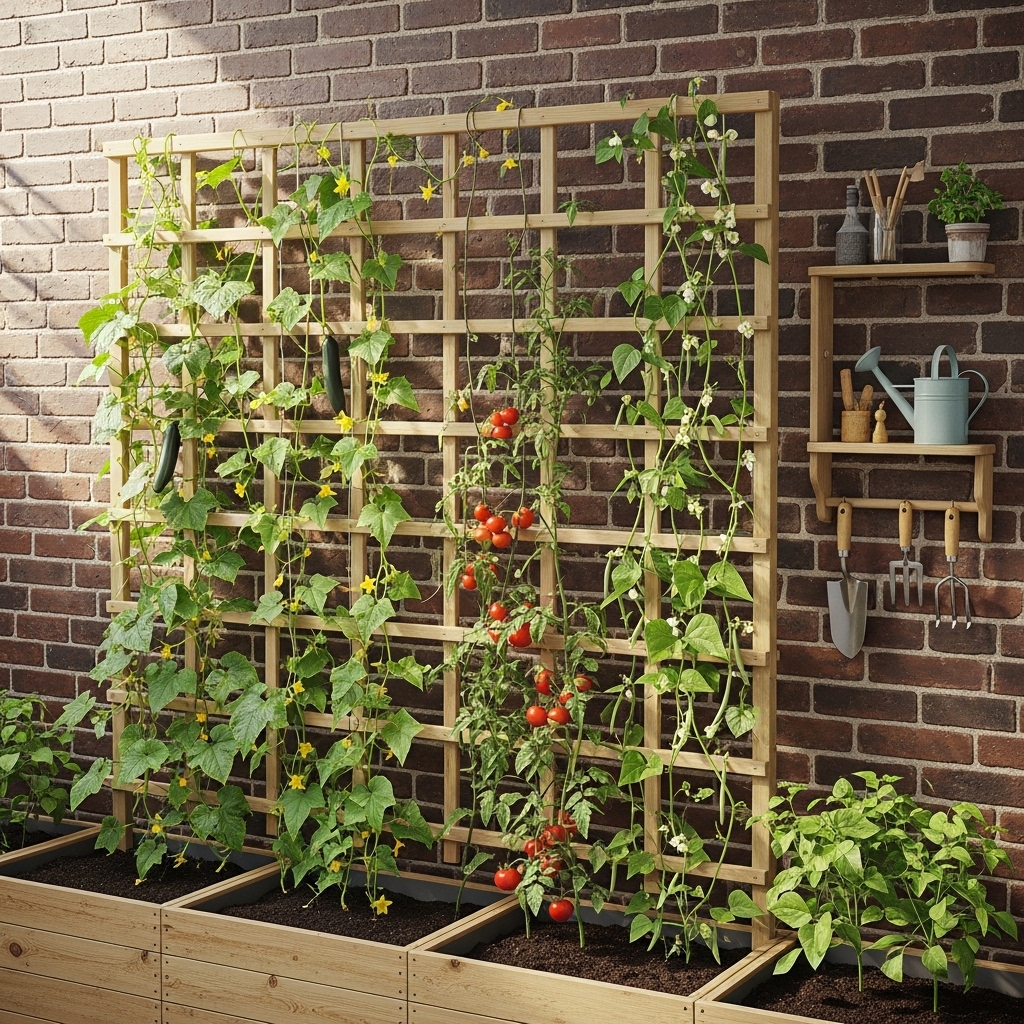
Ideal for: Backyard gardens with limited horizontal space.
Set up a sturdy trellis against a wall or fence to grow climbing vegetables like cucumbers, beans, or tomatoes. Train plants to grow upward using ties or supports as they develop.
Keep the base area clear for airflow and maintenance.
This works because vertical growth reduces ground crowding while improving sunlight exposure and air circulation. It also makes harvesting easier since produce is more visible.
A frequent mistake is using weak trellises that collapse under plant weight, especially during peak growth.
Pro Tip: Install the trellis before planting to avoid root disturbance.
Mistake to Avoid: Don’t let plants grow unsupported—they’ll spread and tangle.
4. Create a Hanging Pot System for Flexible Layouts
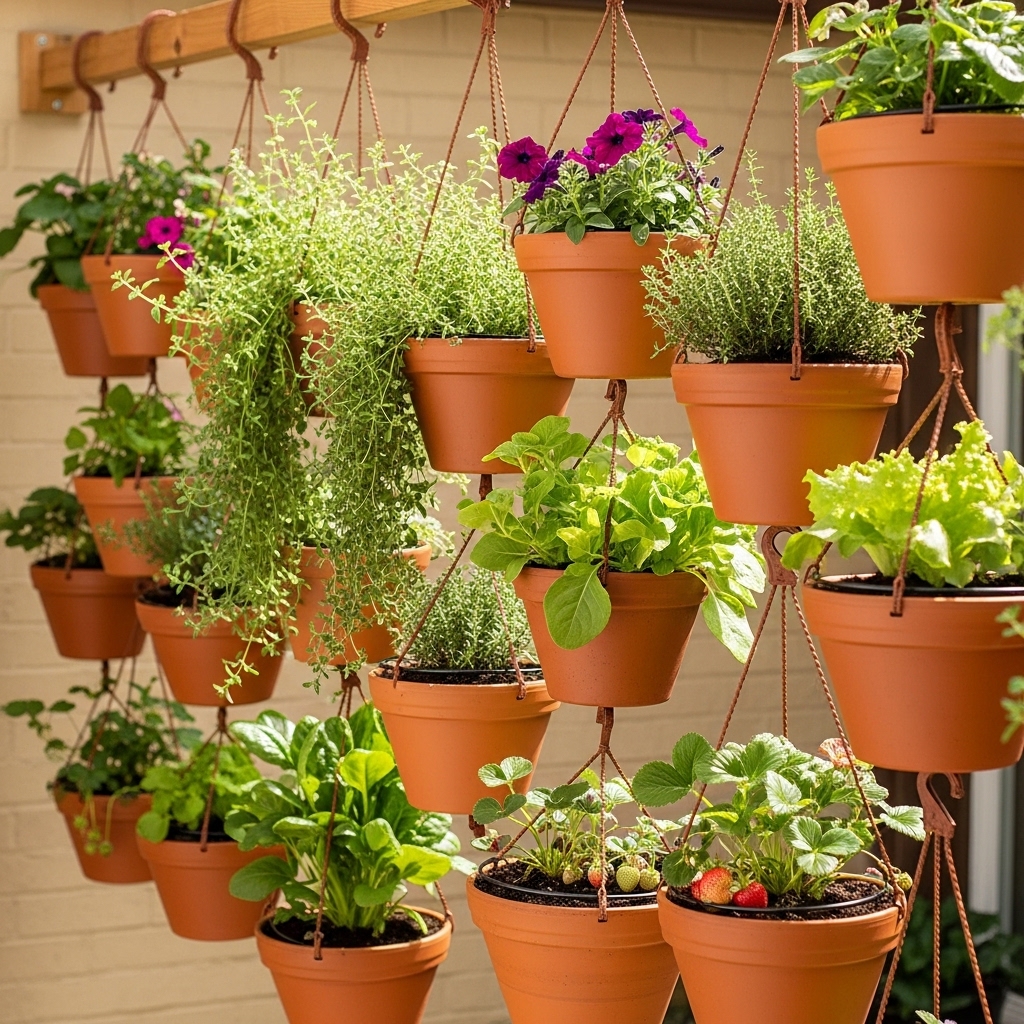
Best for: Renters or temporary setups.
Use hooks, rods, or overhead structures to hang pots vertically in layers. Arrange them at different heights while keeping enough space for watering and maintenance.
Choose lightweight containers to avoid strain on supports.
This works because hanging systems free up floor space while allowing flexible rearrangement based on sunlight and plant needs.
It’s especially useful in rented spaces where permanent installations aren’t possible. Many setups fail because pots are hung too close together, limiting light and airflow.
Pro Tip: Keep at least 6–8 inches between hanging pots.
Mistake to Avoid: Don’t overload one support point with too much weight.
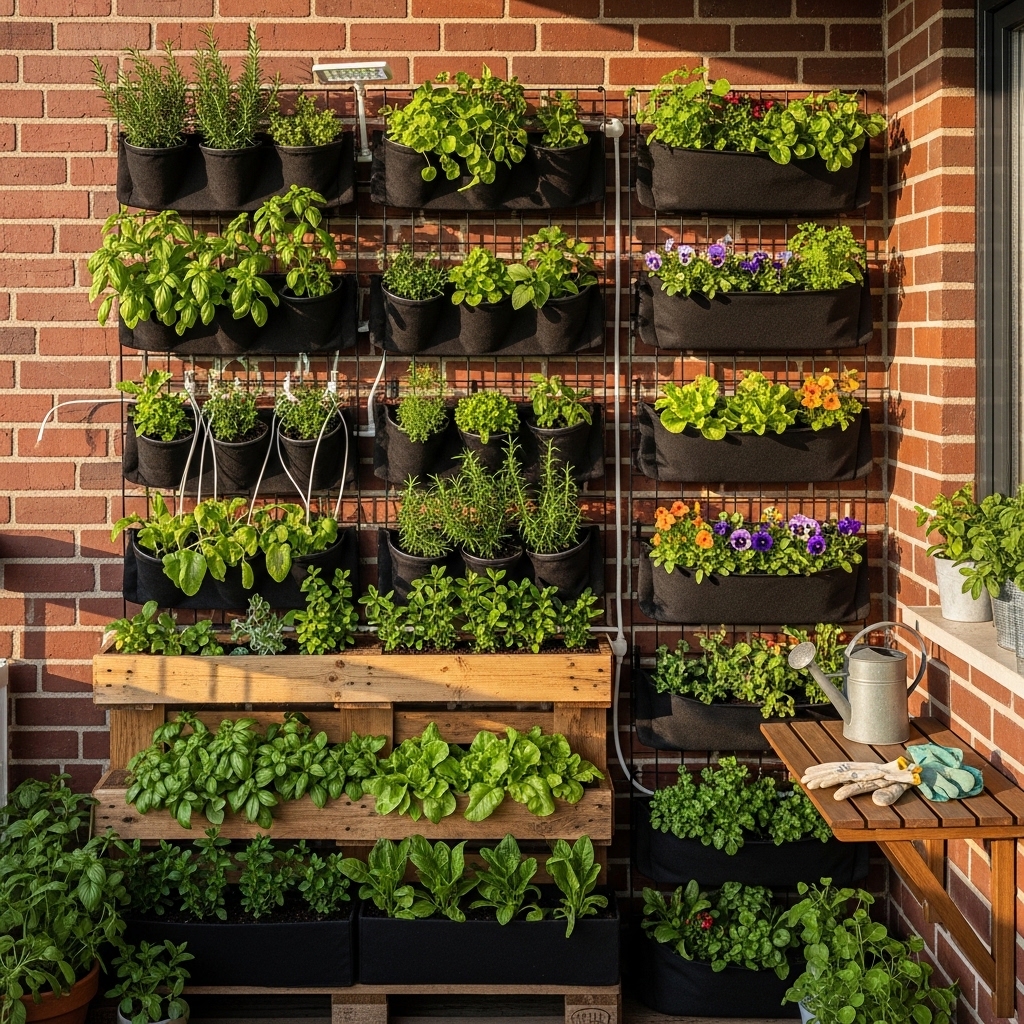
5. Use a Pocket Planter Wall for Dense Planting
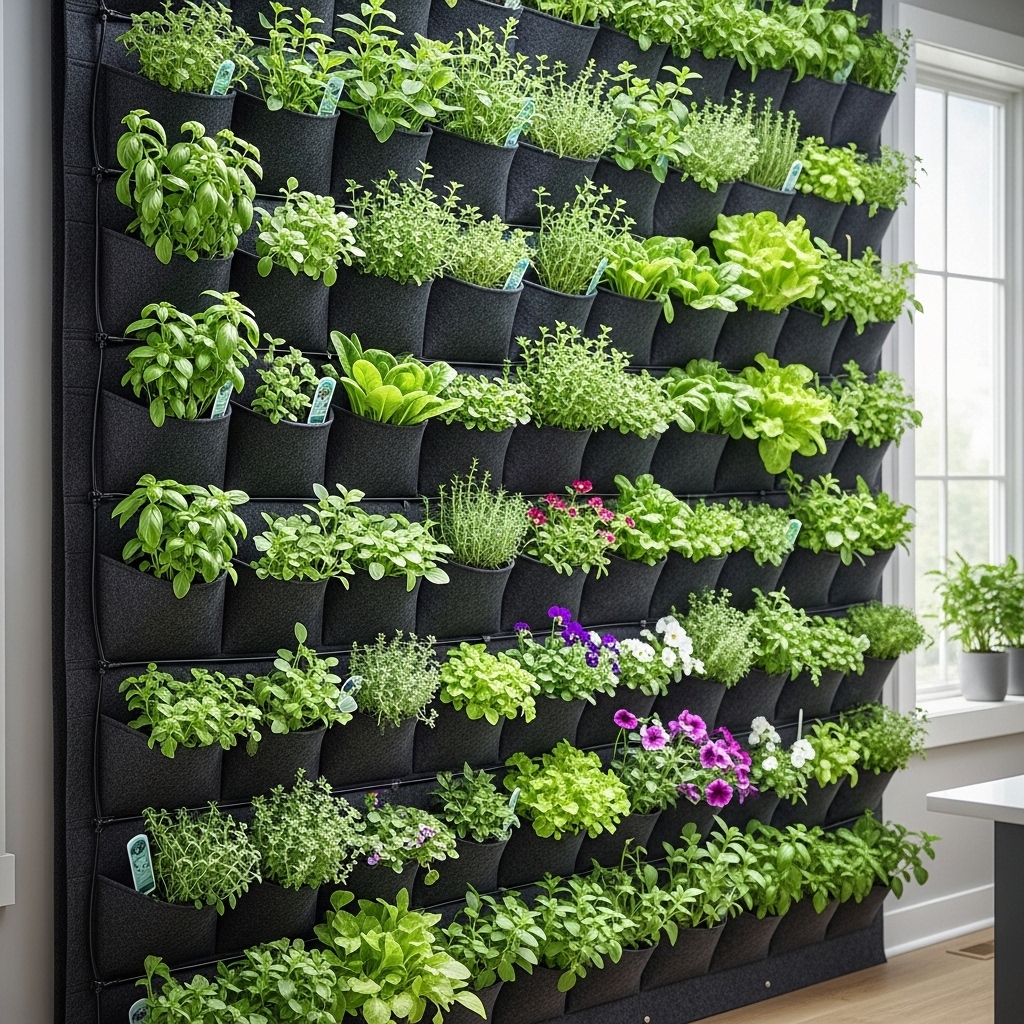
Ideal for: Decorative + functional vertical gardens.
Install fabric or modular pocket planters on a wall to grow herbs, flowers, or small greens.
Fill each pocket with proper soil and choose plants that don’t require deep roots. Arrange plants strategically based on light exposure.
This works because pocket systems allow high-density planting without using ground space. They’re visually clean and efficient when maintained properly.
A common issue is overwatering, which can damage both plants and the wall if drainage isn’t managed well.
Pro Tip: Choose breathable fabric planters for better drainage.
Mistake to Avoid: Don’t use deep-root plants in shallow pockets.
6. Repurpose Wooden Pallets for Budget Vertical Gardens
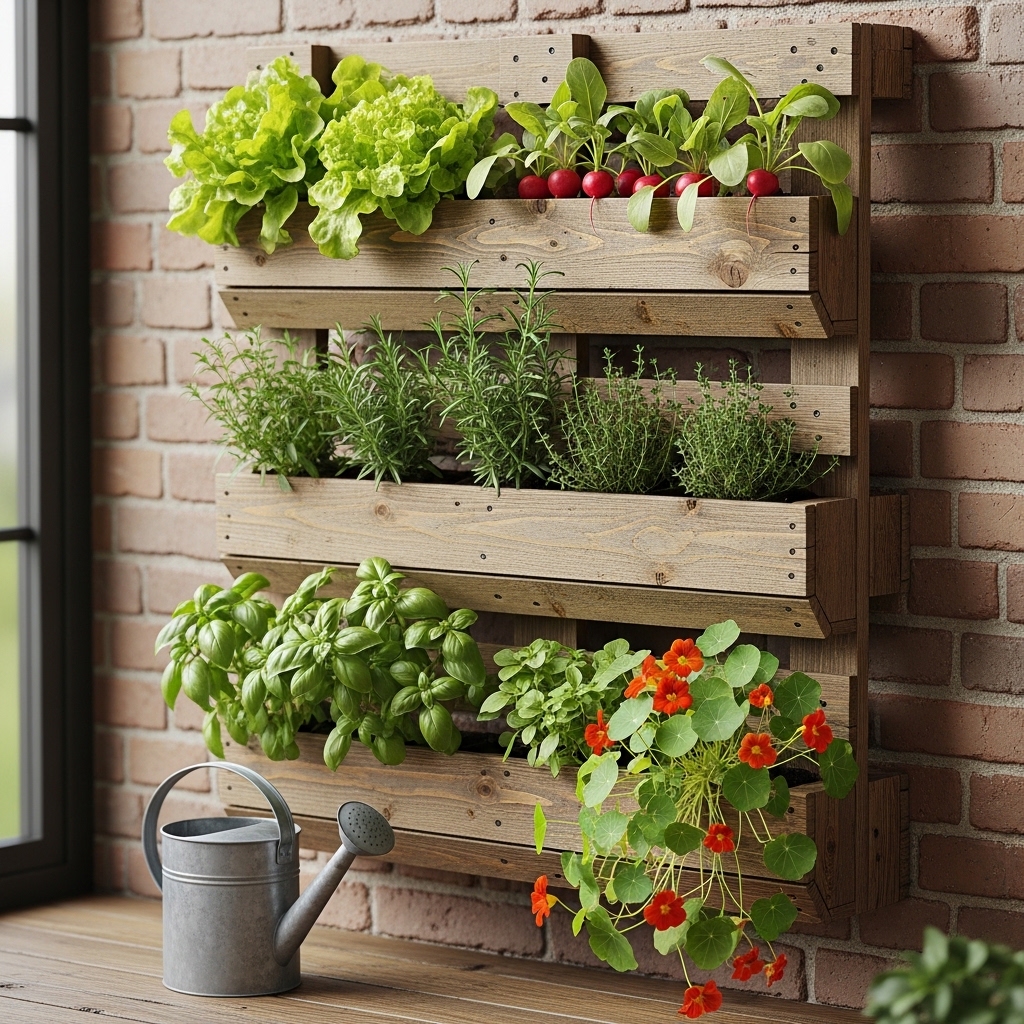
Best for: DIY and low-cost setups.
Stand a wooden pallet vertically and use its gaps to hold pots or soil-filled sections for planting herbs or small flowers.
Secure the pallet firmly to prevent tipping and line it if planting directly inside.
This works because pallets provide a ready-made structure for vertical planting at minimal cost. It’s a practical solution for beginners looking to experiment without investing heavily.
A frequent mistake is using untreated wood that rots quickly when exposed to moisture.
Pro Tip: Seal or treat the pallet to increase durability.
Mistake to Avoid: Don’t leave pallets unsecured—they can fall easily.
7. Build a Ladder-Style Vertical Garden for Easy Access
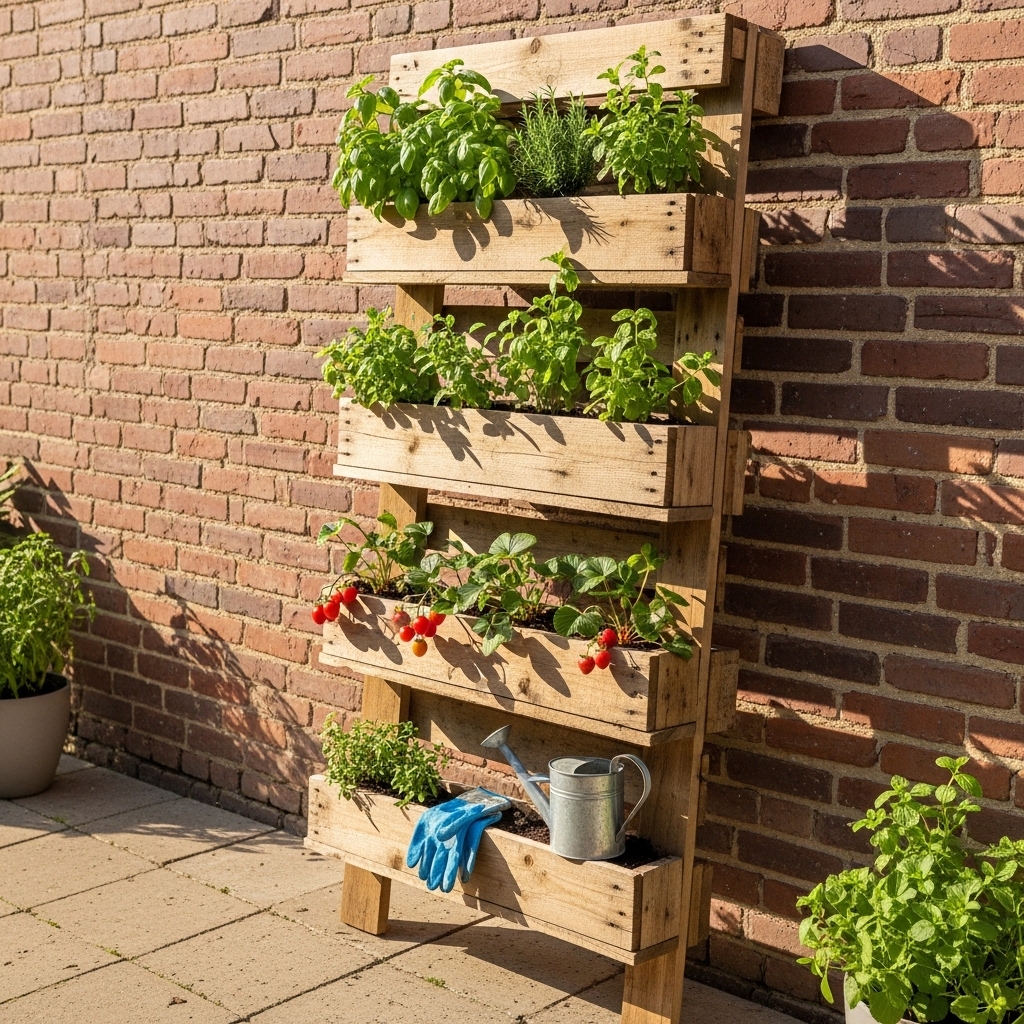
Ideal for: Organized and beginner-friendly setups.
Use a ladder-style stand where each step holds plant pots.
Arrange plants by height and sunlight needs, keeping frequently used ones in the middle for easy reach. Place the ladder against a stable surface.
This works because it combines structure with accessibility, making maintenance and harvesting simple.
It also prevents overcrowding since each level is clearly defined. A common mistake is placing the ladder in high-traffic areas where it blocks movement.
Pro Tip: Position the ladder near a wall to save space.
Mistake to Avoid: Don’t overload steps with heavy pots.
8. Use Fence-Mounted Planters to Utilize Boundaries
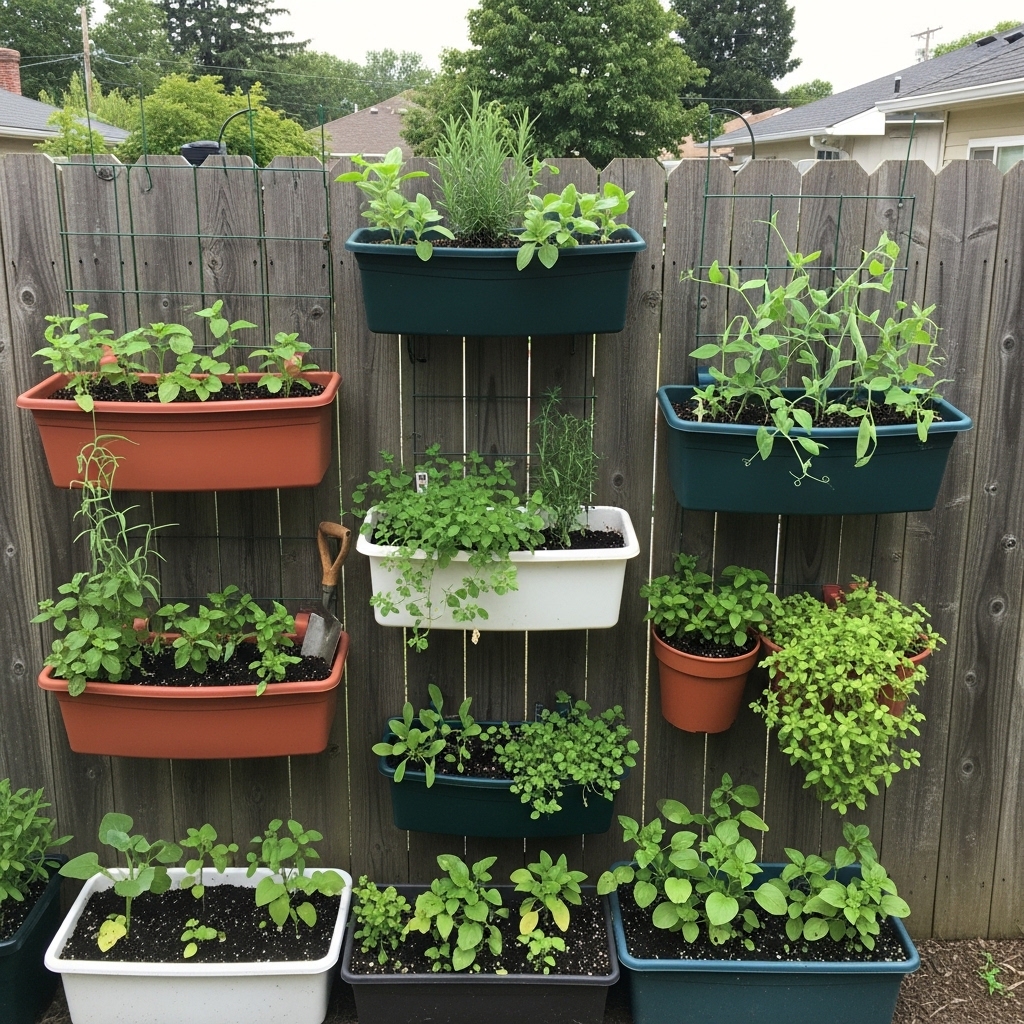
Best for: Small backyards with unused fence space.
Attach planters directly to fences to grow herbs, flowers, or small vegetables.
Space them evenly and ensure the fence receives enough sunlight. Keep installation secure to handle weight.
This works because it turns dead boundary space into productive growing areas without affecting ground layout. It’s especially useful in narrow yards.
Many people fail by attaching too many planters, which overloads the structure.
Pro Tip: Distribute weight evenly across the fence.
Mistake to Avoid: Don’t install on weak or unstable fencing.
9. Combine Vertical Gardening With Drip Irrigation
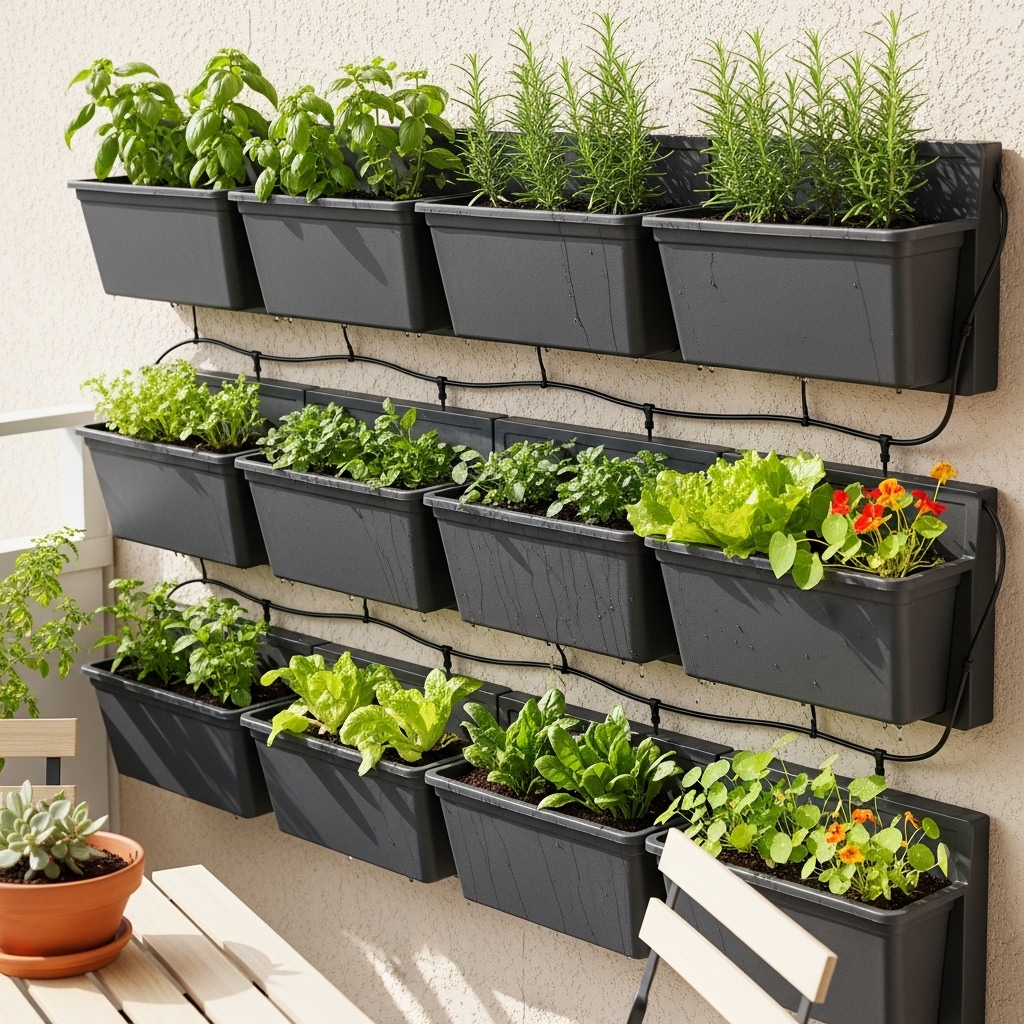
Ideal for: Busy gardeners or hot climates.
Set up a drip irrigation system to water vertical plants consistently. Place lines so that water reaches each level evenly without runoff. Adjust flow as needed.
In vertical gardens, watering is consistent, so they don’t dry out as fast as ground gardens.
In addition, it reduces maintenance effort on a daily basis. An important mistake is uneven watering, where top plants receive more water than lower plants.
Pro Tip: Test water flow across all levels before final setup.
Mistake to Avoid: Don’t rely on manual watering for large vertical setups.
10. Adjust Vertical Layout Based on Plant Growth Over Time
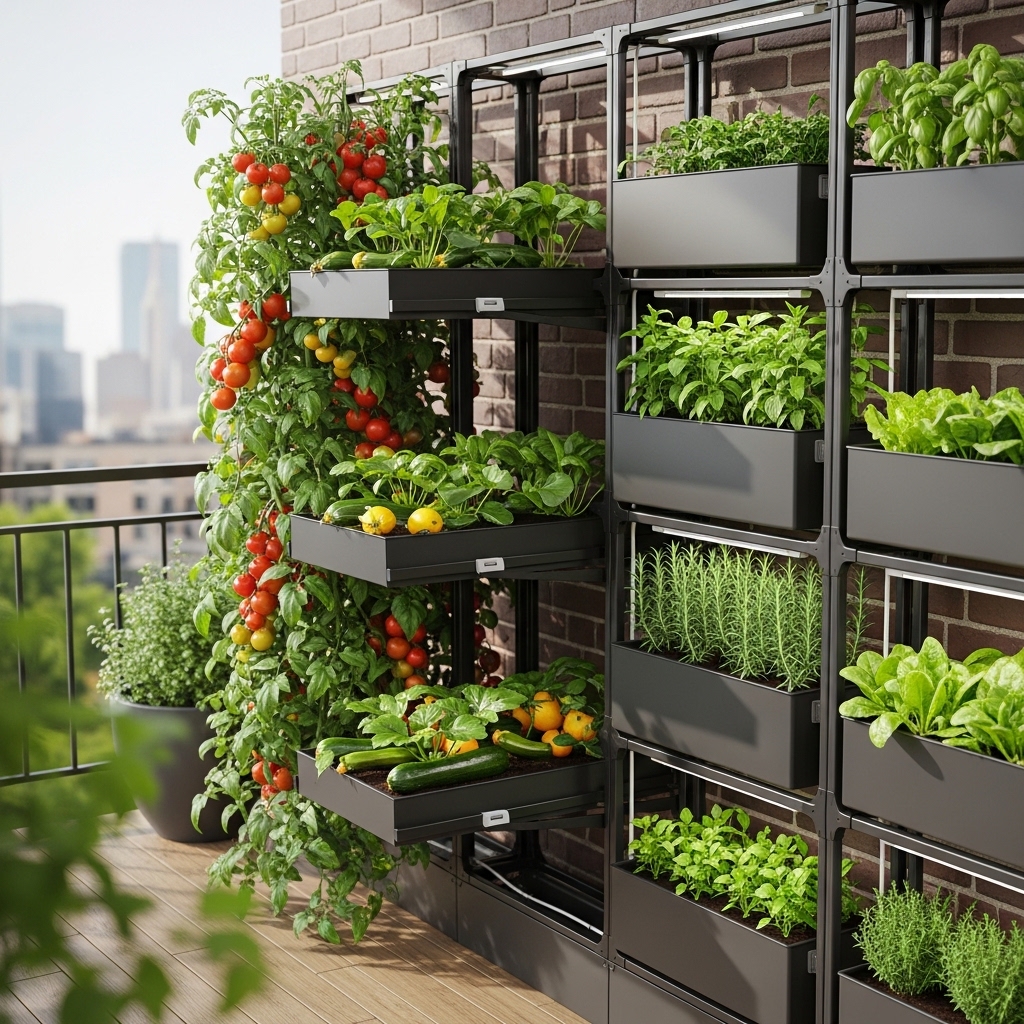
Best for: Long-term success and flexibility.
Adjust spacing, positioning, or structure as needed. Move or replace overgrown or blocking plants. Keep the system flexible.
Because plants mature quickly in vertical gardens, regular adjustments prevent overcrowding and imbalance.
The vertical setup is often treated as a fixed setup, resulting in poor growth over time.
Pro Tip: Review your vertical garden every 2–3 weeks.
Mistake to Avoid: Don’t ignore overcrowding as plants grow.
Conclusion: Vertical Gardening Works Best When It’s Planned for Access, Light, and Growth
The key to a successful vertical garden is not to just put the plants on top of each other; rather, it is to make a system that helps the plants grow well, is easy to reach, and is easy to maintain.
There is no doubt that if you do it correctly you can turn a tiny area into a garden that is easy to manage and produces a lot of vegetables.
You can use these ideas to make the most of your available space, ensure that your plants stay healthy and create a setup that will work well for a long time to come.