20 Minimalist Coffee Table Decor Ideas That Create Clean, Intentional, and Clutter-Free Living Room Styling
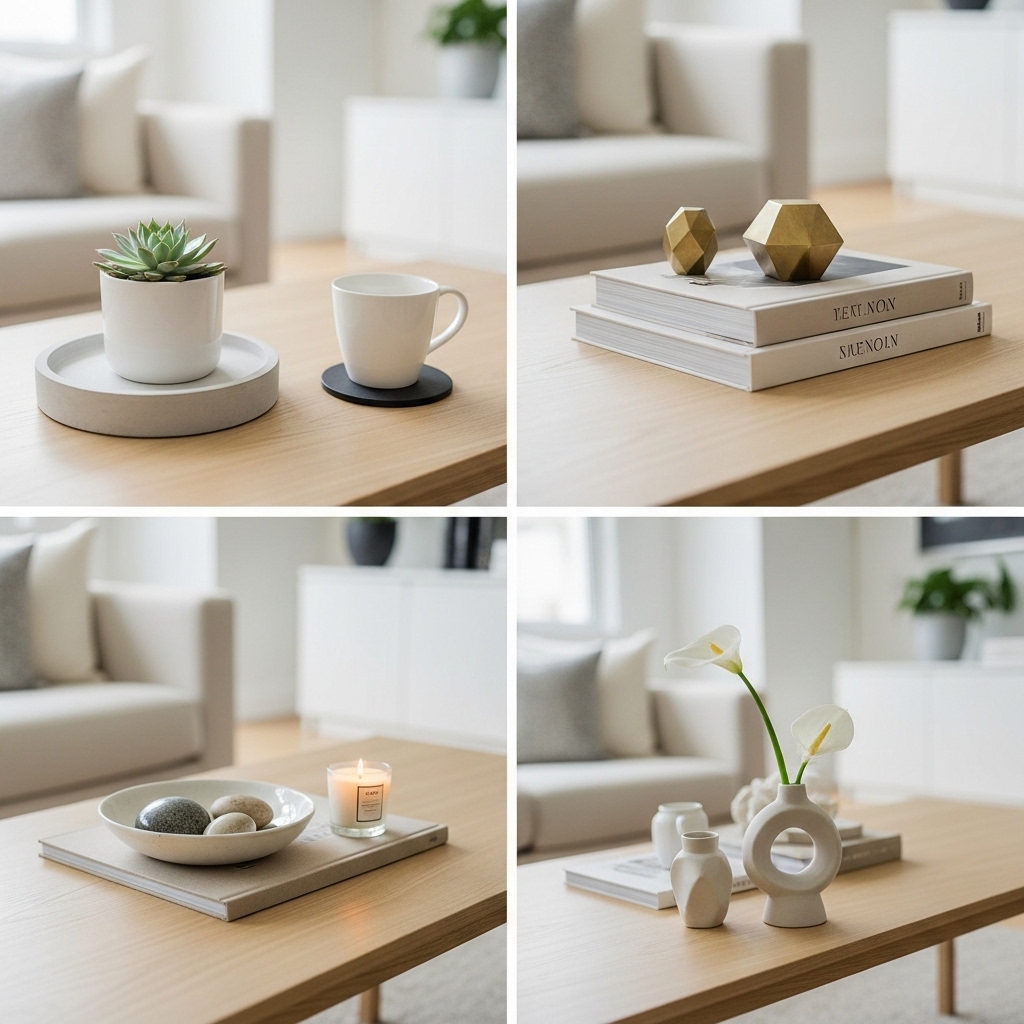
Minimalist coffee table decor isn’t about having less—it’s about choosing better and placing with intention. Every object should serve a purpose, either visually or functionally, while maintaining open space, balance, and clarity. The goal is to create a table that feels calm, usable, and effortlessly styled without looking empty or unfinished.
The ideas below are built specifically for minimalist homes, small apartments, and modern interiors where clean lines, negative space, and controlled composition matter most.
1. Single Statement Object With Intentional Negative Space
Ideal for: Minimalist homes and small living rooms where simplicity is key.
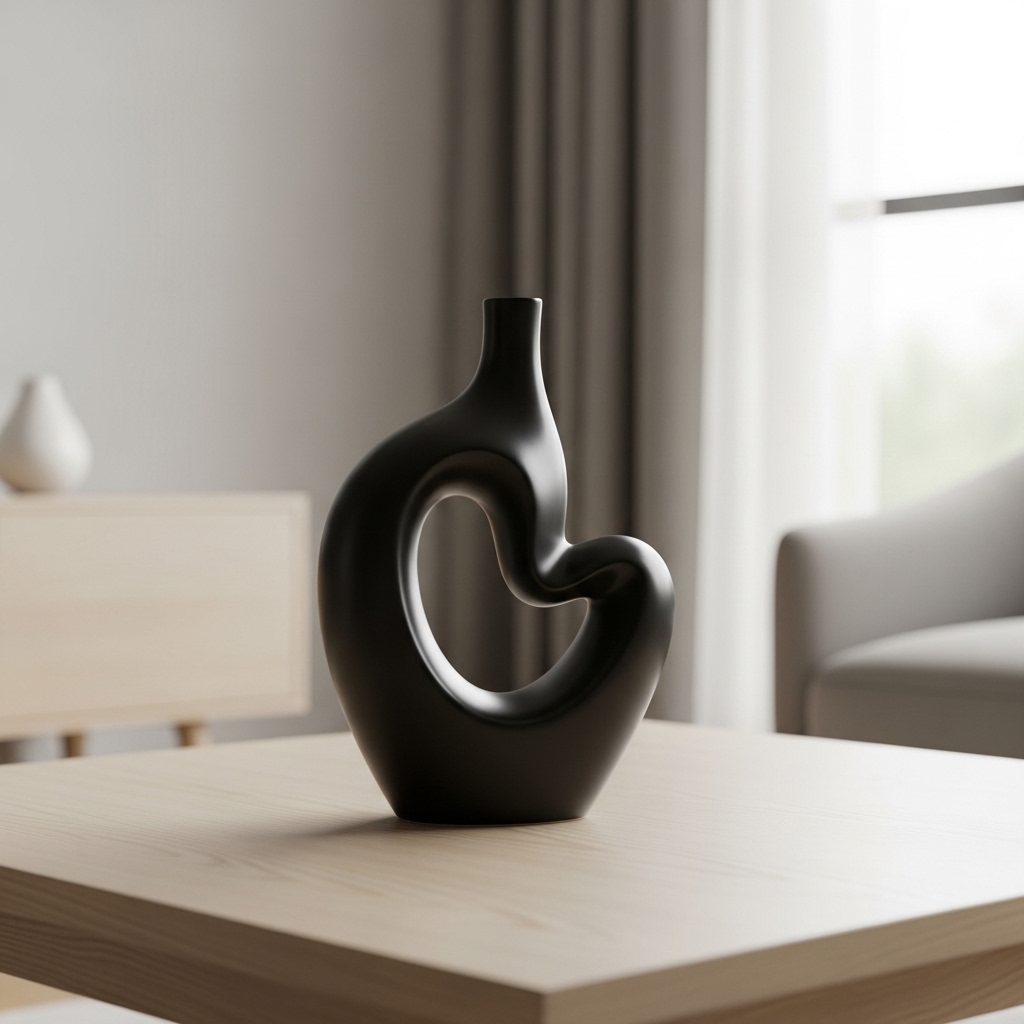
Place one carefully selected decor piece—such as a sculptural vase or ceramic object—at the center or slightly off-center of the table. Keep the rest of the surface completely clear to allow the object to stand out. This approach works best when you want the table to feel clean but not empty.
This works because negative space is the foundation of minimalist design. By limiting the number of objects, you give full attention to the one piece, making it feel more impactful. Adding more items would dilute the focus and create unnecessary visual noise.
Pro Tip: Choose objects with interesting shapes rather than bold colors.
Mistake to Avoid: Don’t use oversized decor that dominates the table.
2. Neutral Book Stack With Subtle Top Accent
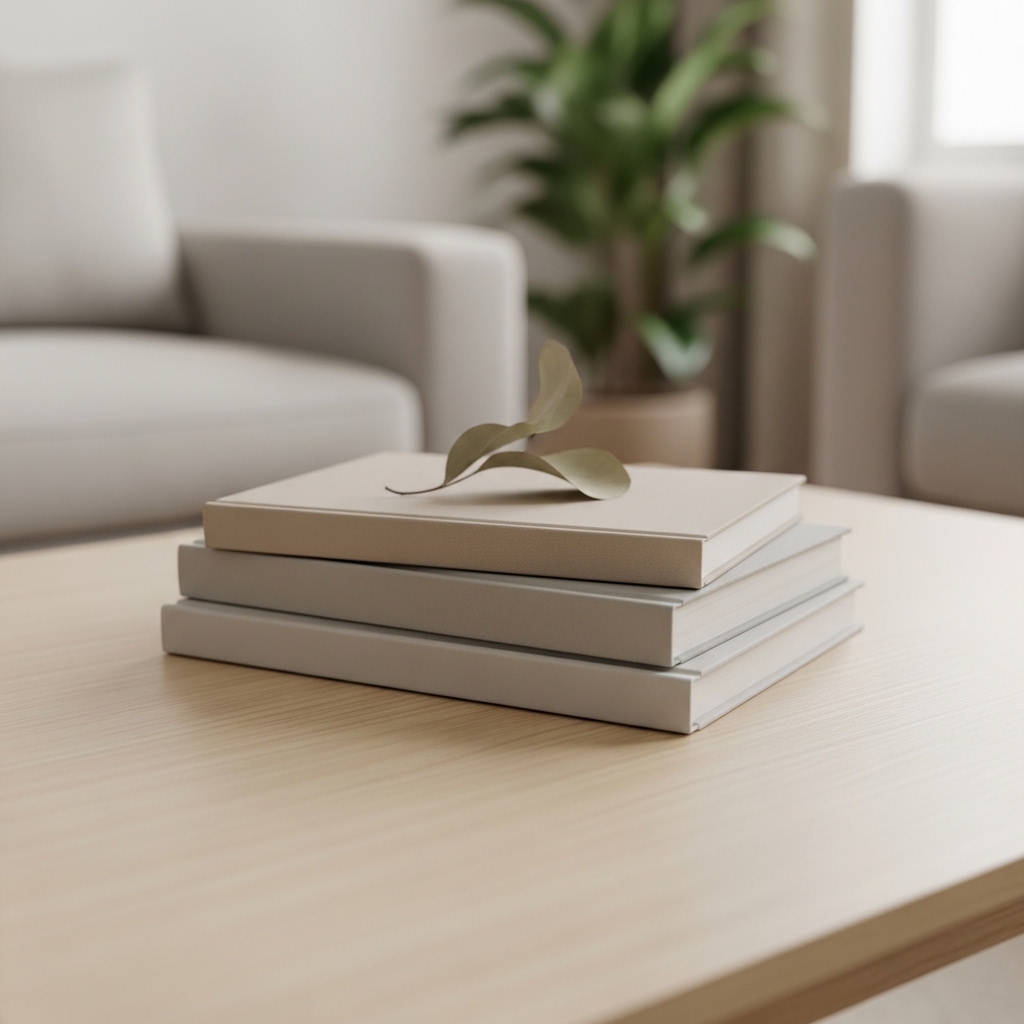
Ideal for: Those who want minimal styling with a touch of structure.
Stack two neutral-toned books neatly and place a small object—like a candle or stone—on top. Keep the arrangement compact and slightly off-center to avoid stiffness. This works well when you need a functional surface but still want a styled look.
This works because layering adds depth without increasing clutter. The books create a base while the top object adds a focal point, keeping everything visually contained and intentional.
Pro Tip: Use books with clean covers or remove dust jackets.
Mistake to Avoid: Don’t stack more than two or three books.
3. Minimal Tray With Two-Object Composition
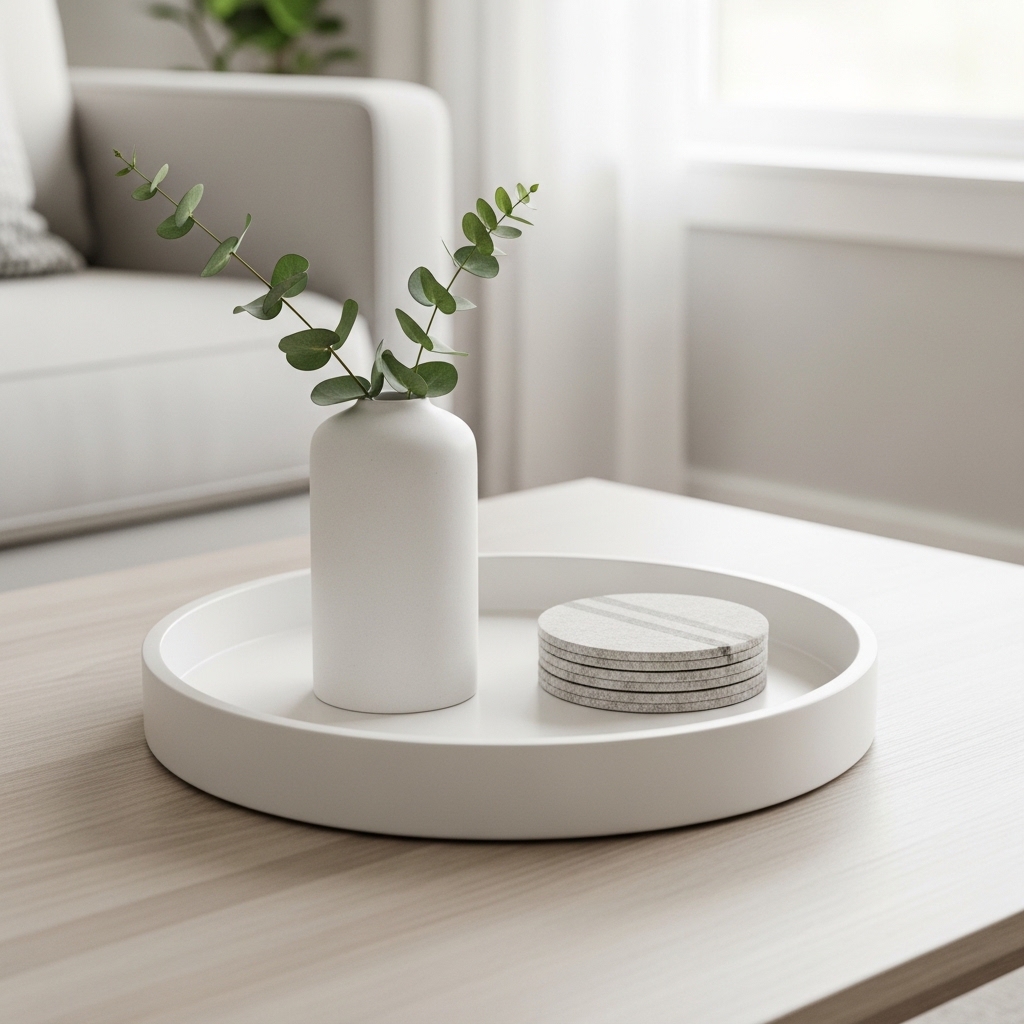
Ideal for: Homes needing organized yet minimal styling.
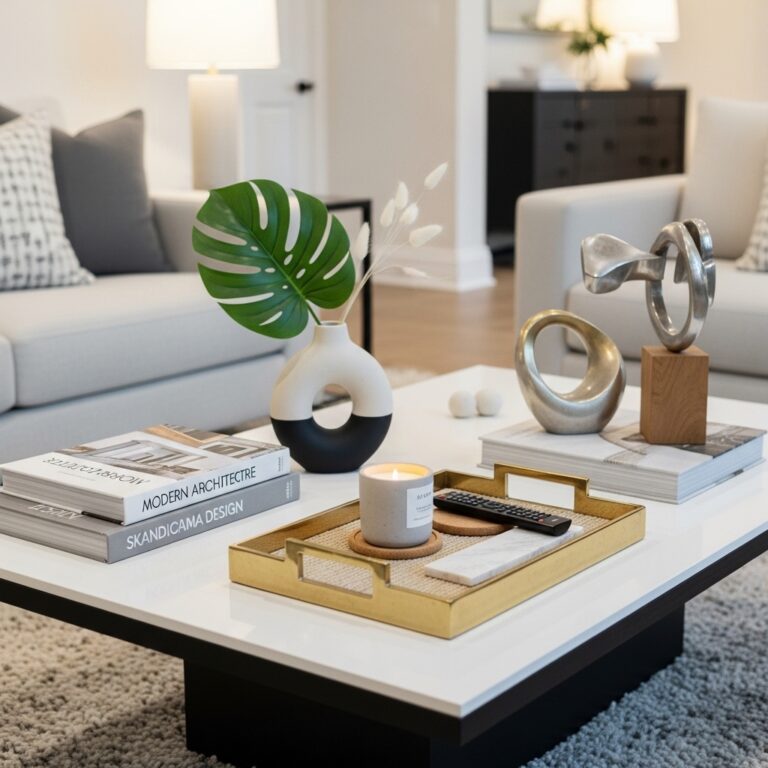
Place a small tray at the center or slightly to one side and include only two items inside it—such as a candle and a small decorative object. Keep spacing clean and avoid filling the tray completely.
This works because the tray defines a boundary, helping the decor feel intentional rather than scattered. Limiting the number of objects ensures the table remains uncluttered while still styled.
Pro Tip: Choose trays with simple shapes and matte finishes.
Mistake to Avoid: Don’t overcrowd the tray with extra items.
4. Asymmetrical Two-Piece Layout for Modern Simplicity
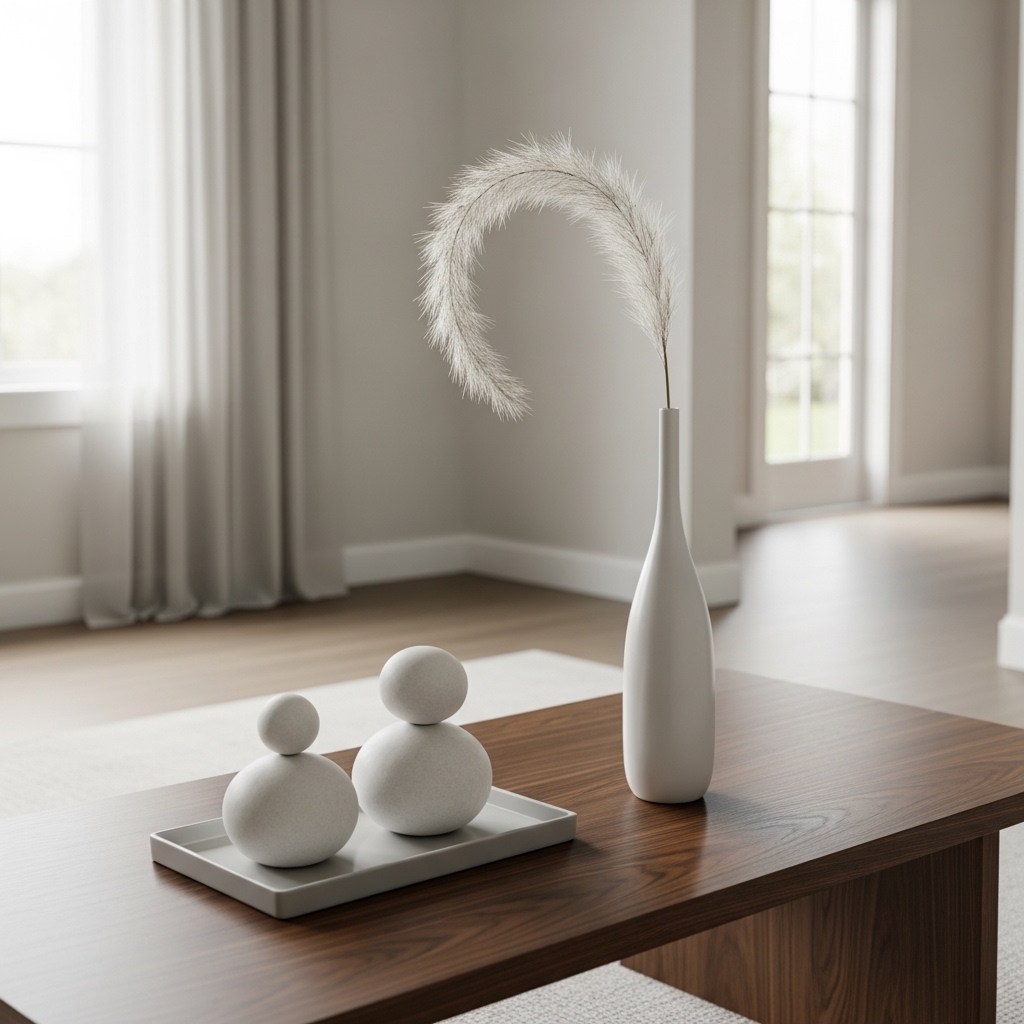
Ideal for: Contemporary minimalist interiors.
Use two decor elements of different heights and place them slightly off-center, leaving the rest of the table empty. One item should be taller to create hierarchy, while the other balances the composition.
This works because asymmetry introduces movement without disrupting simplicity. It avoids rigid layouts while still maintaining balance through visual weight.
Pro Tip: Keep one dominant focal piece.
Mistake to Avoid: Don’t place items too close together.
5. Low Greenery Accent With Open Surrounding Space
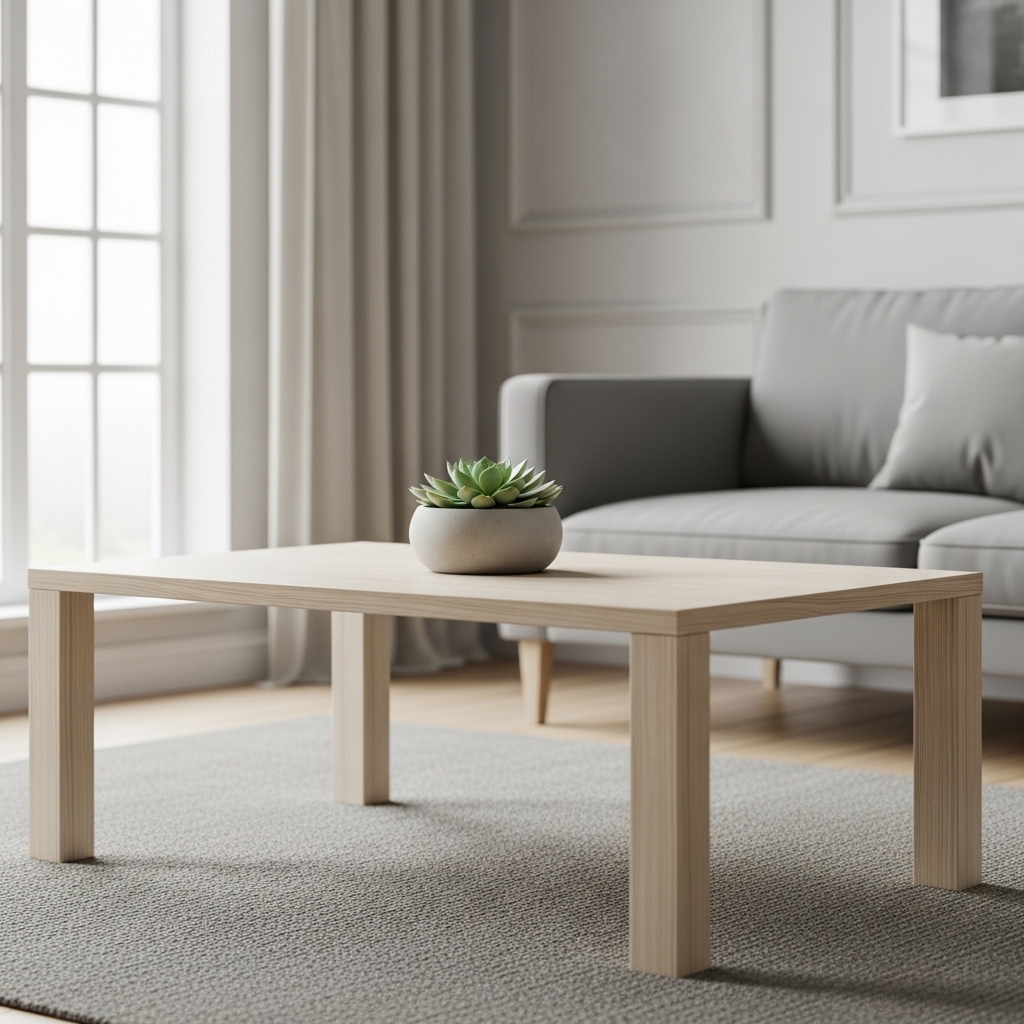
Ideal for: Bright minimalist spaces needing natural softness.
Place a small plant or greenery arrangement on the table, either alone or paired with one small object. Keep the height low so it doesn’t block sightlines across the room.
This works because greenery adds life and texture without increasing clutter. It softens the overall look while maintaining the simplicity of the space.
Pro Tip: Choose structured plants like succulents.
Mistake to Avoid: Don’t use large or messy plants.
6. Linear Placement Along One Edge
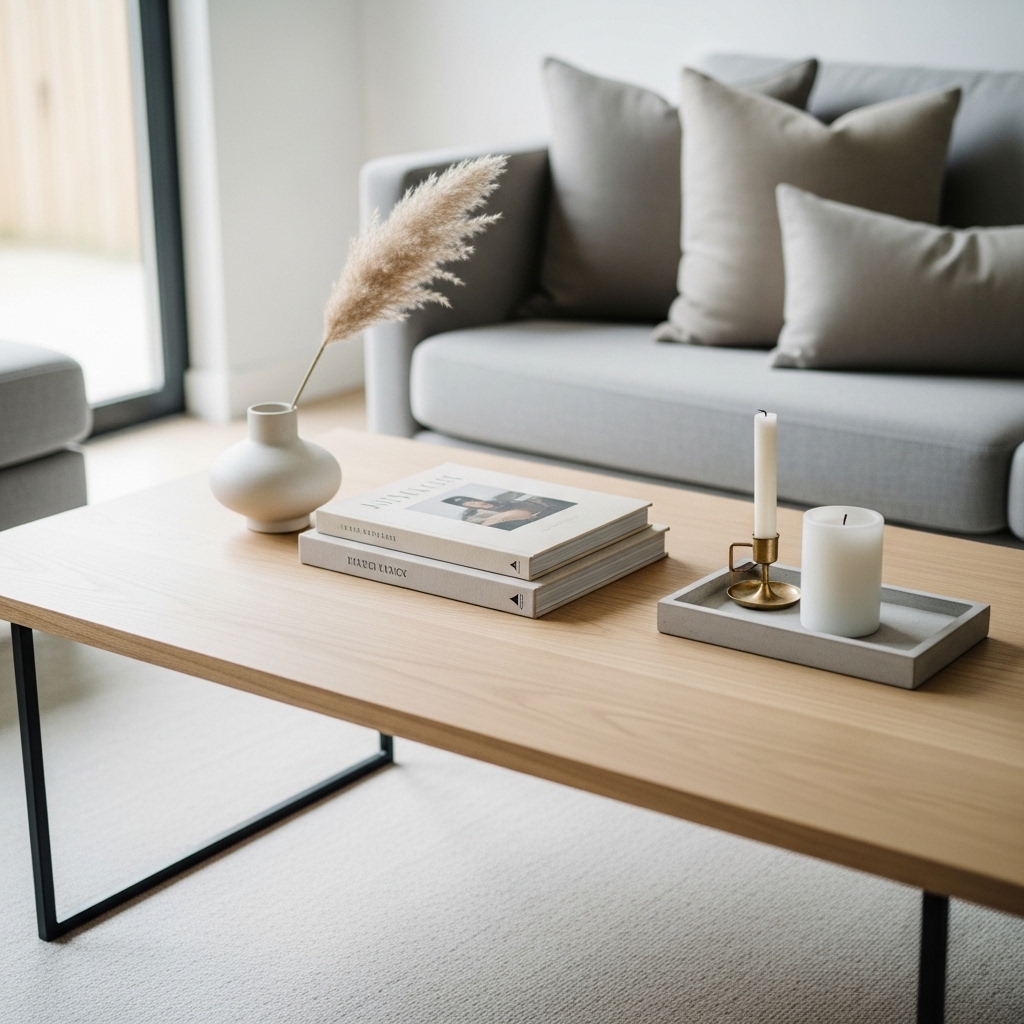
Ideal for: Rectangular tables in minimalist settings.
Arrange one or two items along one edge of the table, leaving the rest of the surface empty. Keep alignment clean and parallel to the table edges.
This works because linear placement introduces subtle structure while preserving maximum open space. It keeps the table functional and visually light.
Pro Tip: Align decor with furniture lines.
Mistake to Avoid: Don’t scatter items across the table.
7. Monochrome Object Pairing for Visual Calm
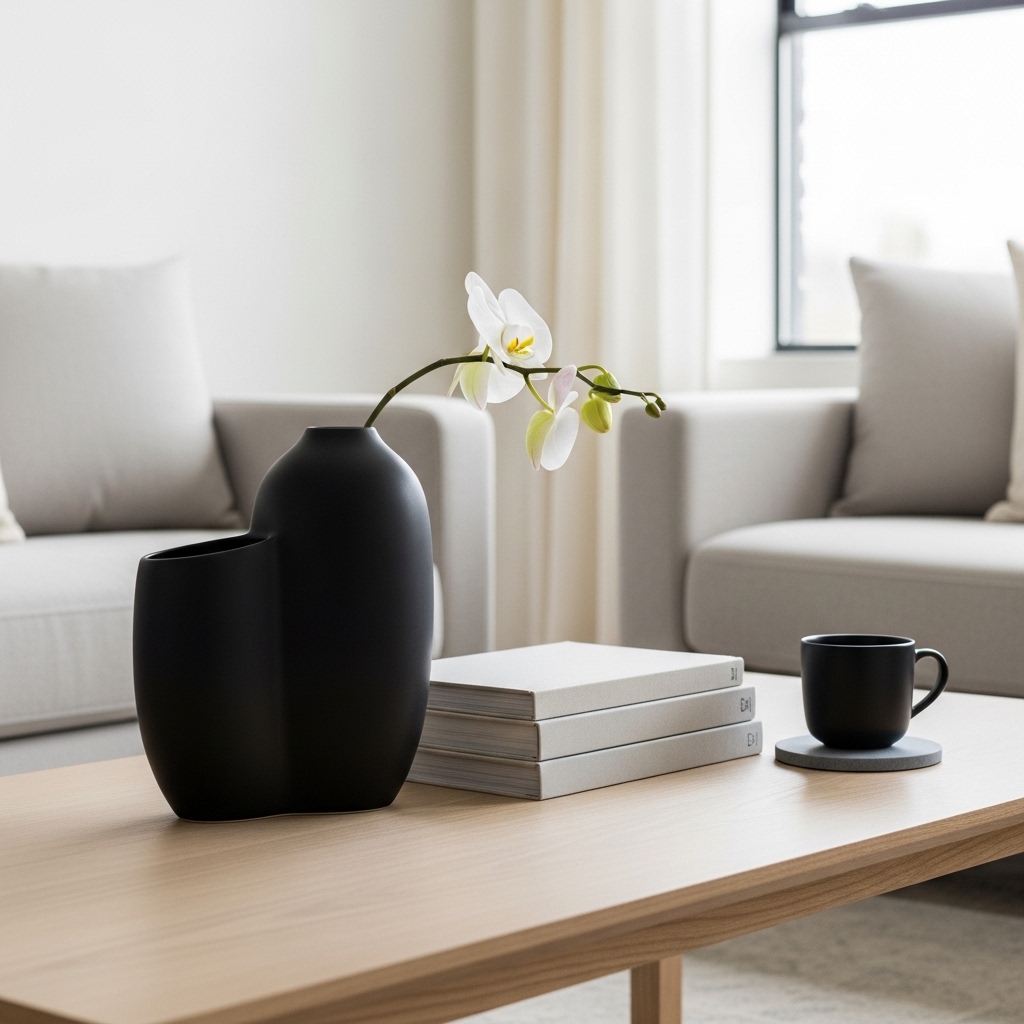
Ideal for: Neutral and Scandinavian-style interiors.
Use two objects in the same color family—such as white ceramics or beige decor—and place them with slight spacing between them. Keep shapes simple and cohesive.
This works because monochrome styling reduces visual noise while still creating interest through form and texture. It keeps the look refined and balanced.
Pro Tip: Mix matte and slightly textured finishes.
Mistake to Avoid: Don’t introduce contrasting colors.
8. Single Candle With Subtle Base Element
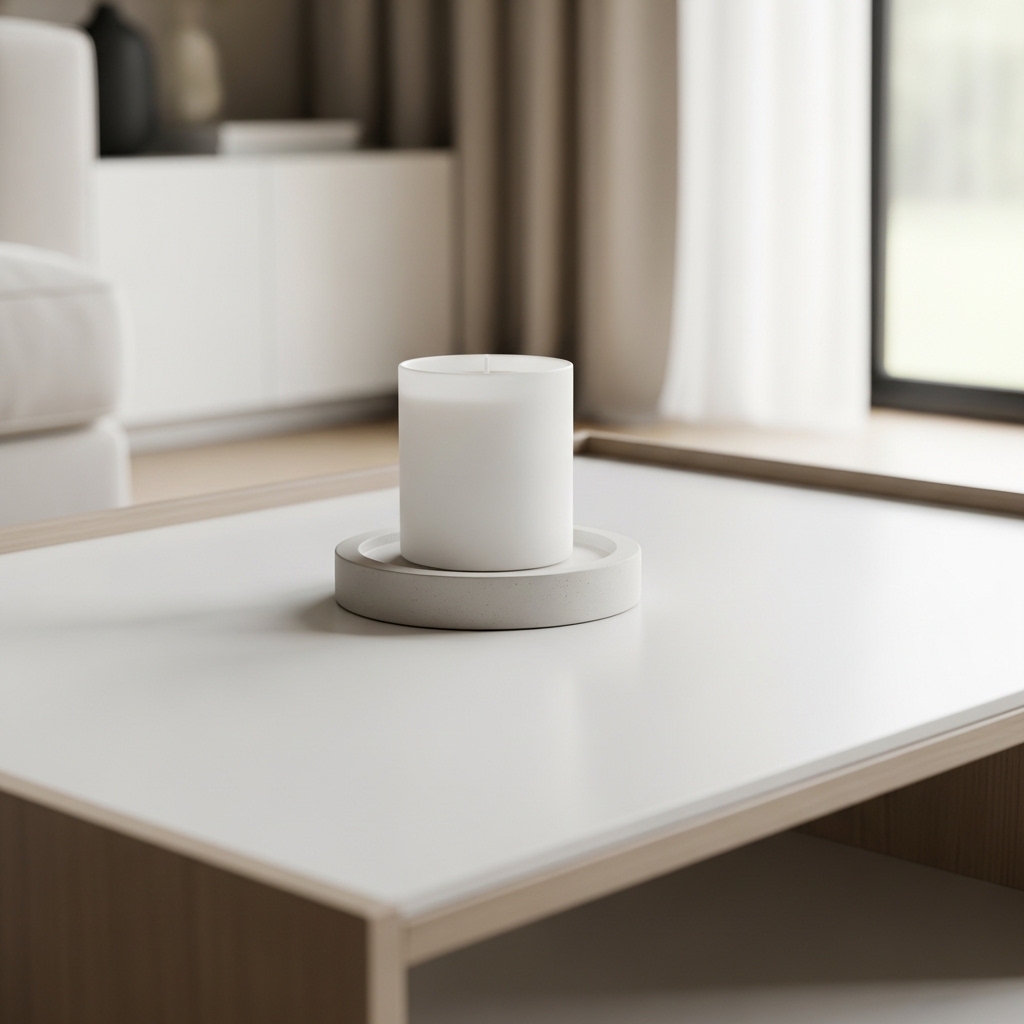
Ideal for: Cozy minimalist living rooms.
Place one candle on a small base like a coaster or thin tray. Keep it centered or slightly off-center with no additional items.
This works because a candle adds warmth without cluttering the surface. The base element anchors it visually, preventing it from feeling lost.
Pro Tip: Use neutral-colored candles.
Mistake to Avoid: Don’t add multiple candles.
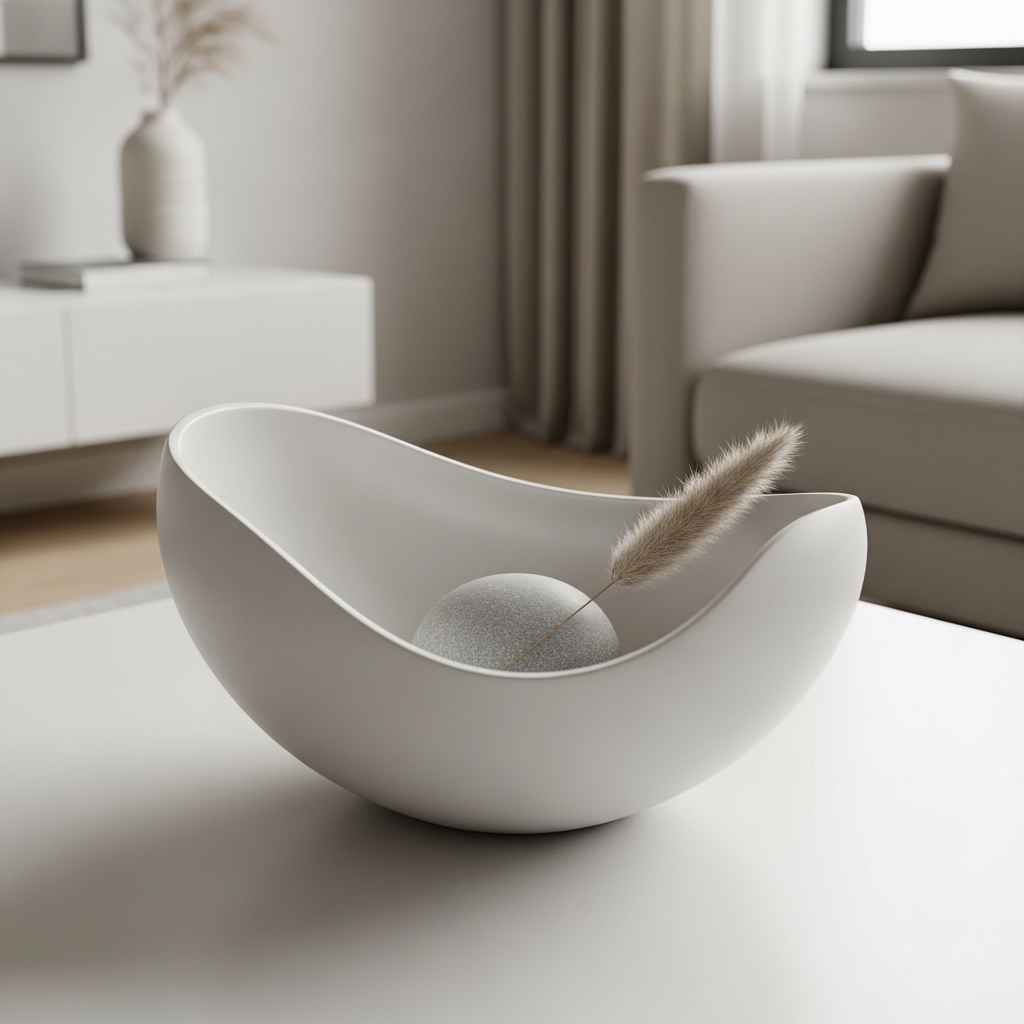
9. Sculptural Bowl With Minimal Contents
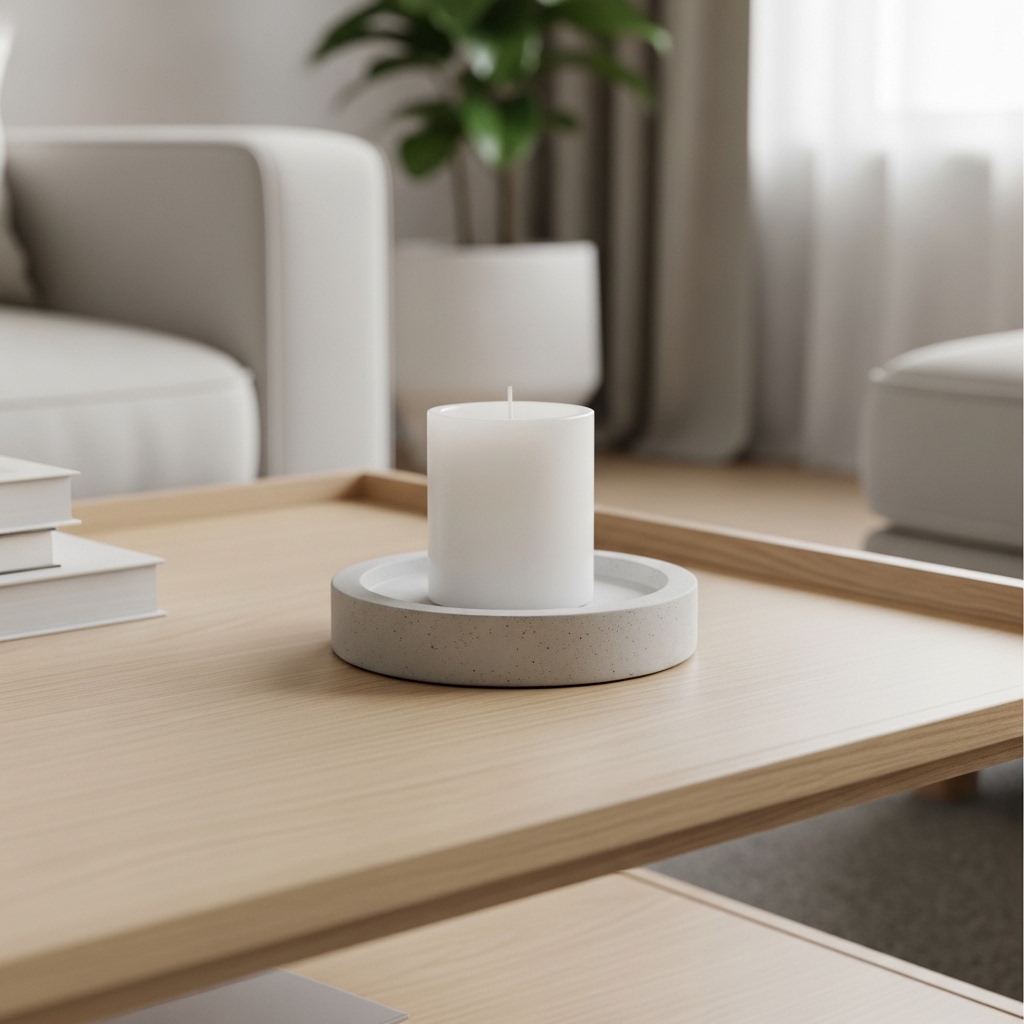
Ideal for: Functional minimalist setups.
Use a simple bowl as a centerpiece and keep contents minimal—just one or two small items if needed. Position it centrally or slightly offset.
This works because it combines storage and decor while maintaining a clean look. Overfilling the bowl breaks the minimalist aesthetic.
Pro Tip: Choose organic shapes for softness.
Mistake to Avoid: Don’t use cluttered fillers.
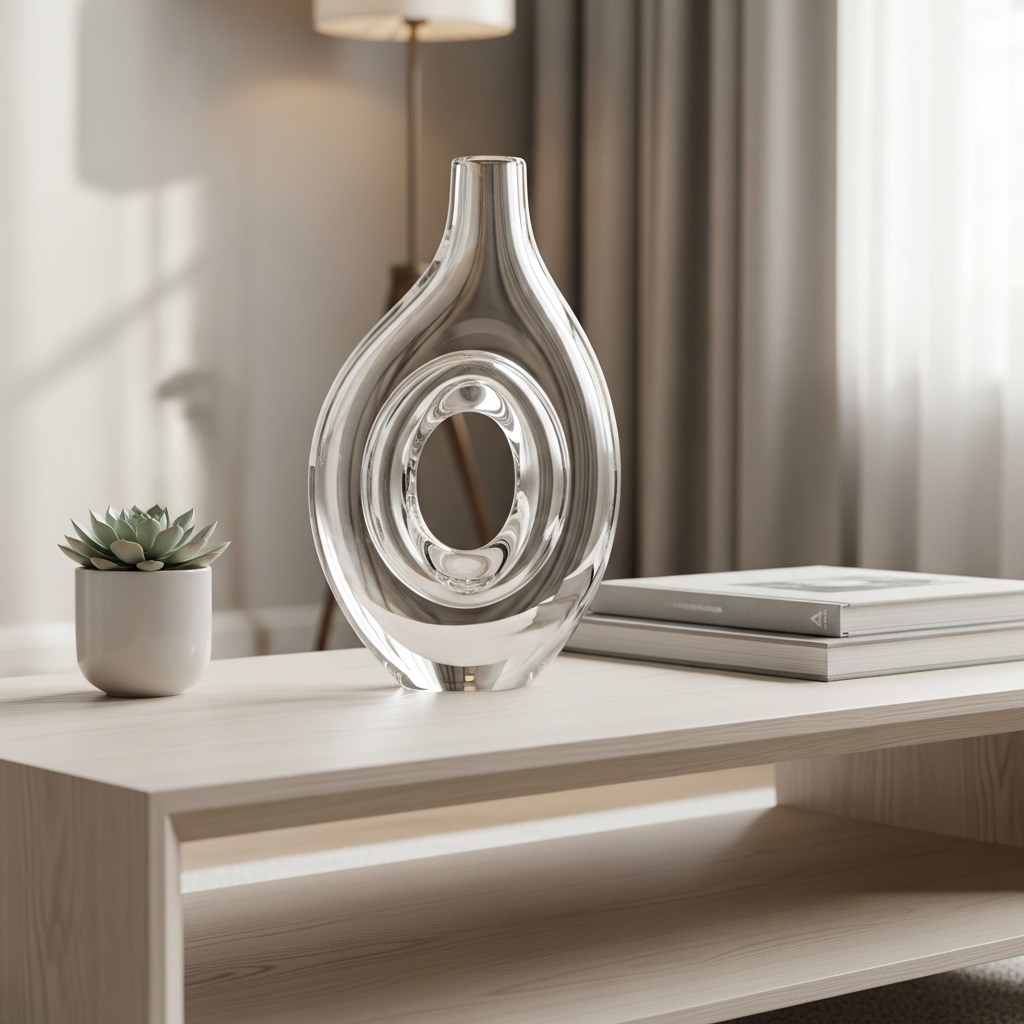
10. Glass Object With Open Space Emphasis
Ideal for: Small apartments needing visual lightness.
Place a single glass decor item on the table and keep the rest empty. Allow light to pass through to maintain openness.
This works because transparency reduces visual weight, making the table feel less crowded even with decor present.
Pro Tip: Pair glass with a solid base if needed.
Mistake to Avoid: Don’t use multiple glass pieces.
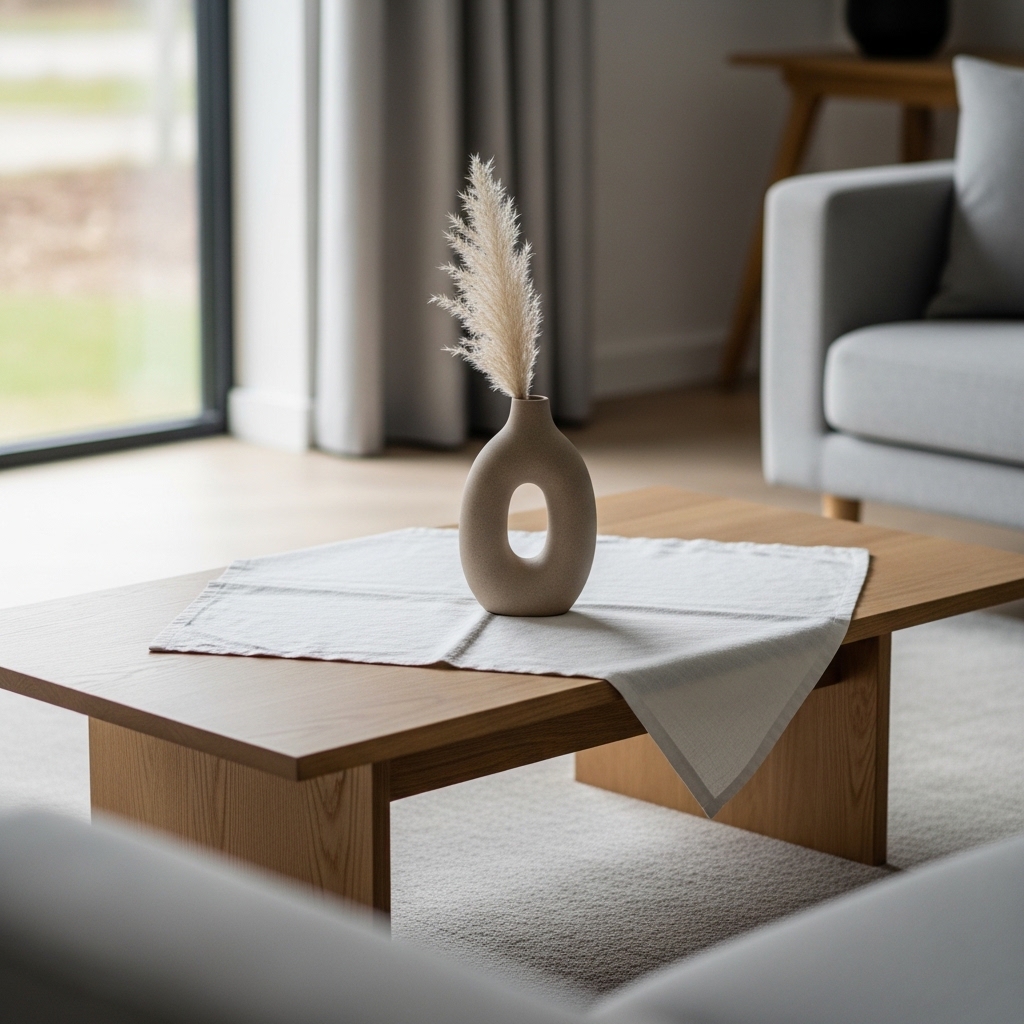
11. Minimal Fabric Layer With Single Object
Ideal for: Hard-surface tables needing softness.
Add a small neutral fabric mat or runner and place one decor item on top. Keep the fabric subtle and proportionate.
This works because fabric adds texture and warmth without adding extra objects. It grounds the decor visually.
Pro Tip: Use linen or cotton textures.
Mistake to Avoid: Don’t use bold patterns.
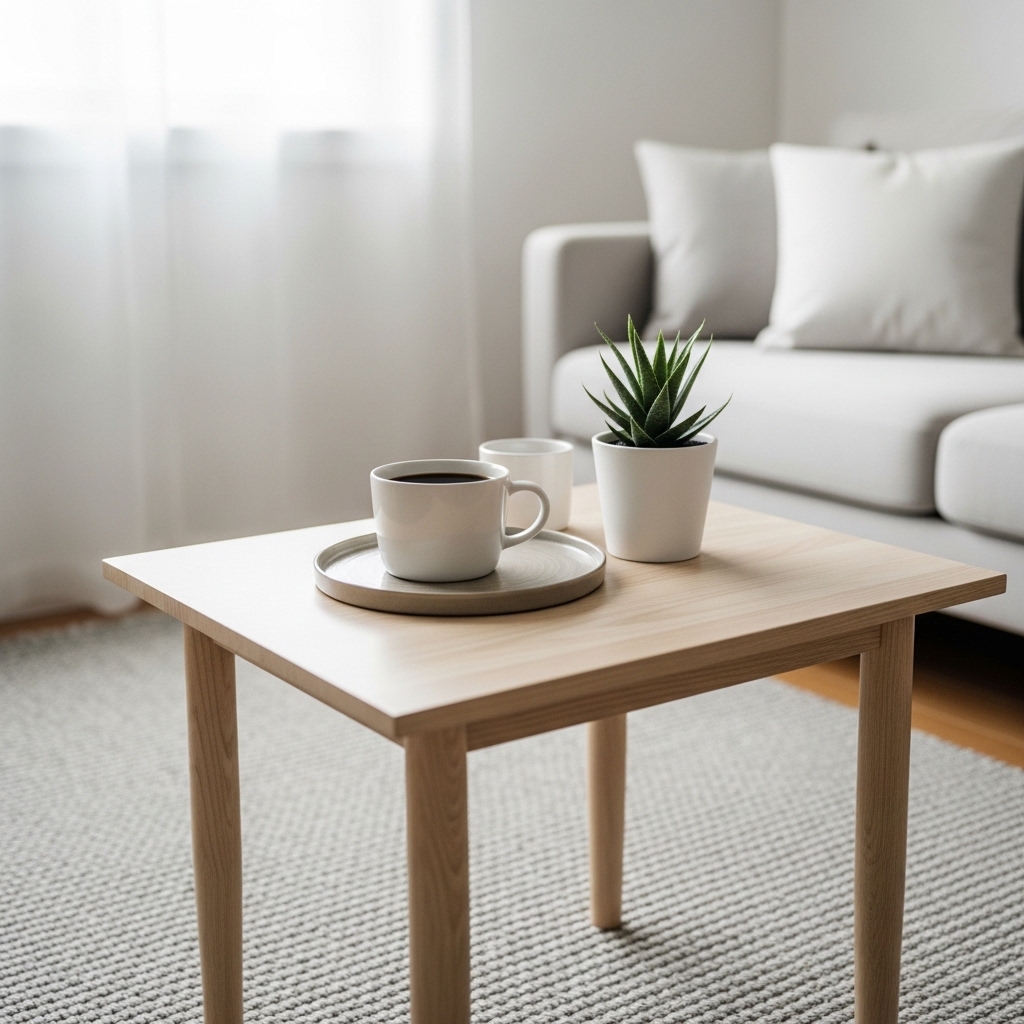
12. Compact Two-Item Cluster for Small Tables
Ideal for: Studio apartments and tight spaces.
Use only two small decor items placed with enough space between them. Keep both items simple and low-profile.
This works because minimal items maintain functionality while still providing visual interest. Overdecorating small tables creates clutter quickly.
Pro Tip: Choose multi-purpose pieces.
Mistake to Avoid: Don’t overcrowd small surfaces.
13. Offset Book and Object Pairing
Ideal for: Minimal styling with slight layering.
Place a small book stack on one side and a single object beside it. Keep spacing intentional and avoid filling the center.
This works because offset placement creates balance without symmetry. It keeps the composition relaxed and modern.
Pro Tip: Keep the stack low and compact.
Mistake to Avoid: Don’t center everything.
14. Neutral Ceramic Solo Placement
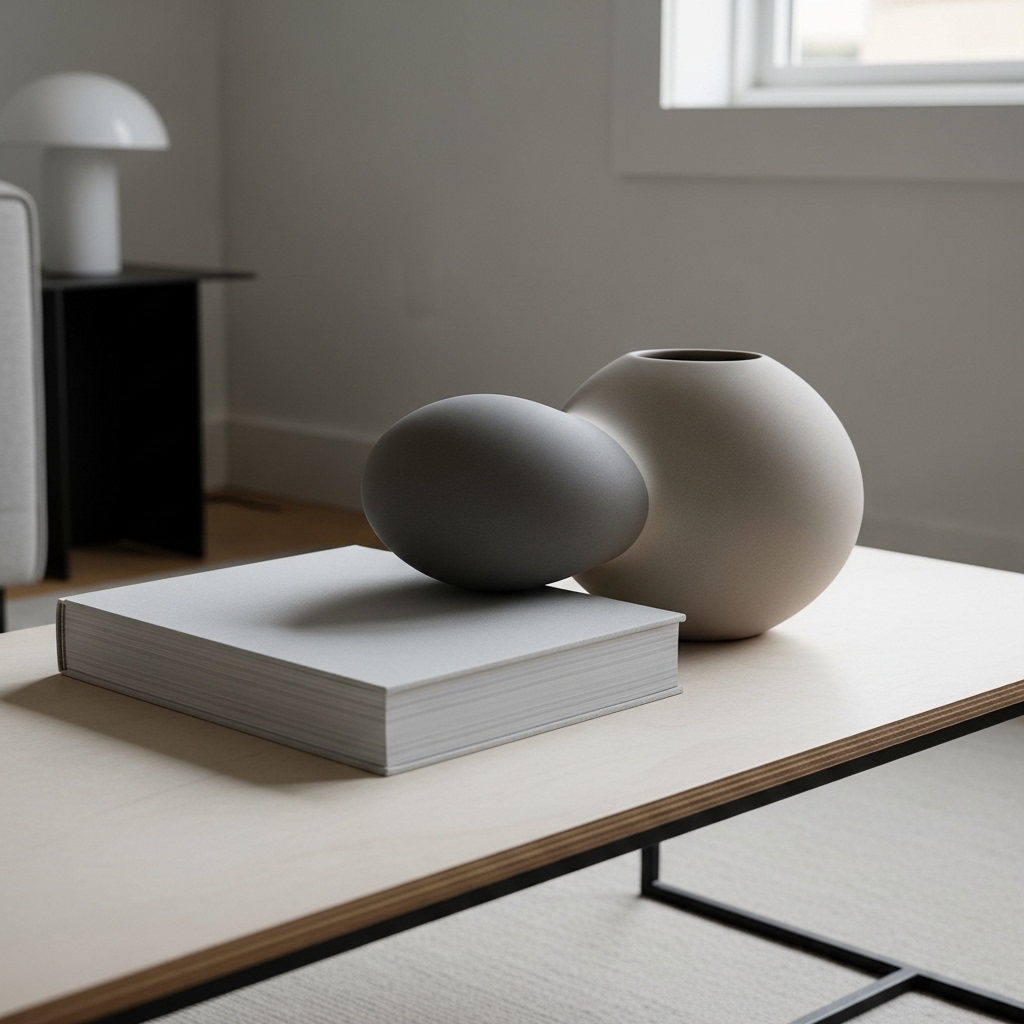
Ideal for: Ultra-minimal interiors.
Use one ceramic piece placed alone with ample empty space around it. Keep the shape simple and refined.
This works because a single object emphasizes form and material, which is central to minimalist design.
Pro Tip: Choose matte finishes.
Mistake to Avoid: Don’t combine multiple ceramics.
15. Stone Accent With Open Layout
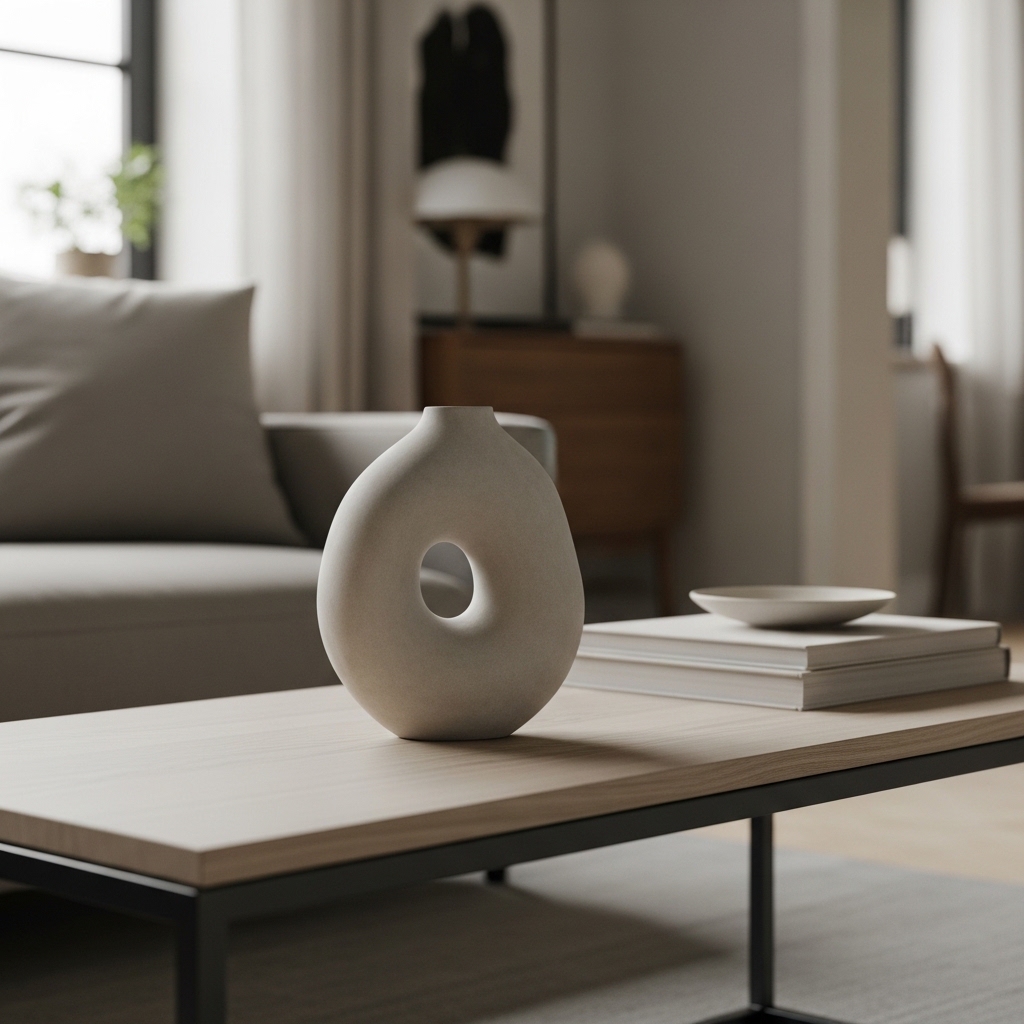
Ideal for: Earthy minimalist spaces.
Place one stone or marble decor piece on the table with no additional items.
This works because natural materials add depth without needing multiple elements. The simplicity enhances its presence.
Pro Tip: Pair with neutral surroundings.
Mistake to Avoid: Don’t mix heavy materials.
16. Low Tray With Single Functional Item
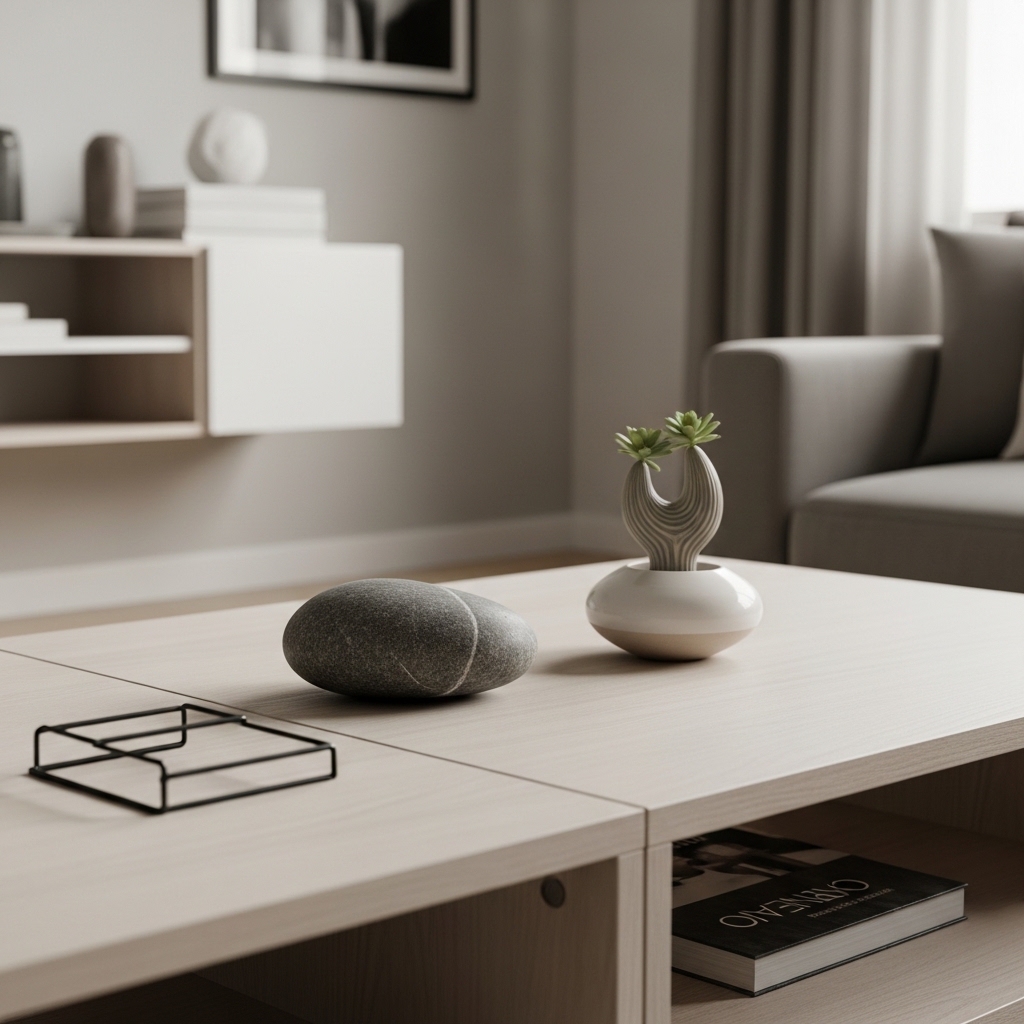
Ideal for: Practical minimalist homes.
Use a flat tray with one functional item like coasters or a candle. Keep it minimal and centered.
This works because it combines function with simplicity, keeping the table organized without clutter.
Pro Tip: Use thin, minimal trays.
Mistake to Avoid: Don’t add extra decor.
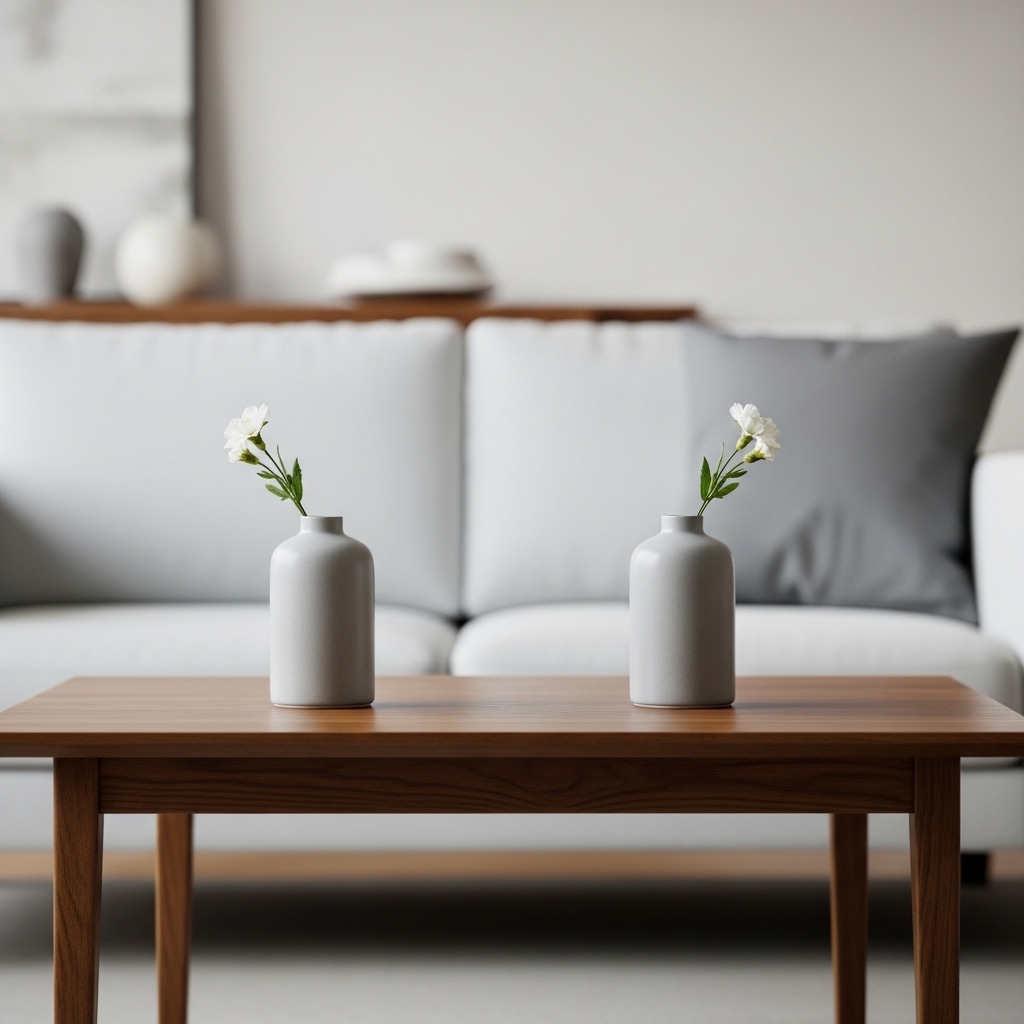
17. Symmetrical Two-Object Minimal Setup
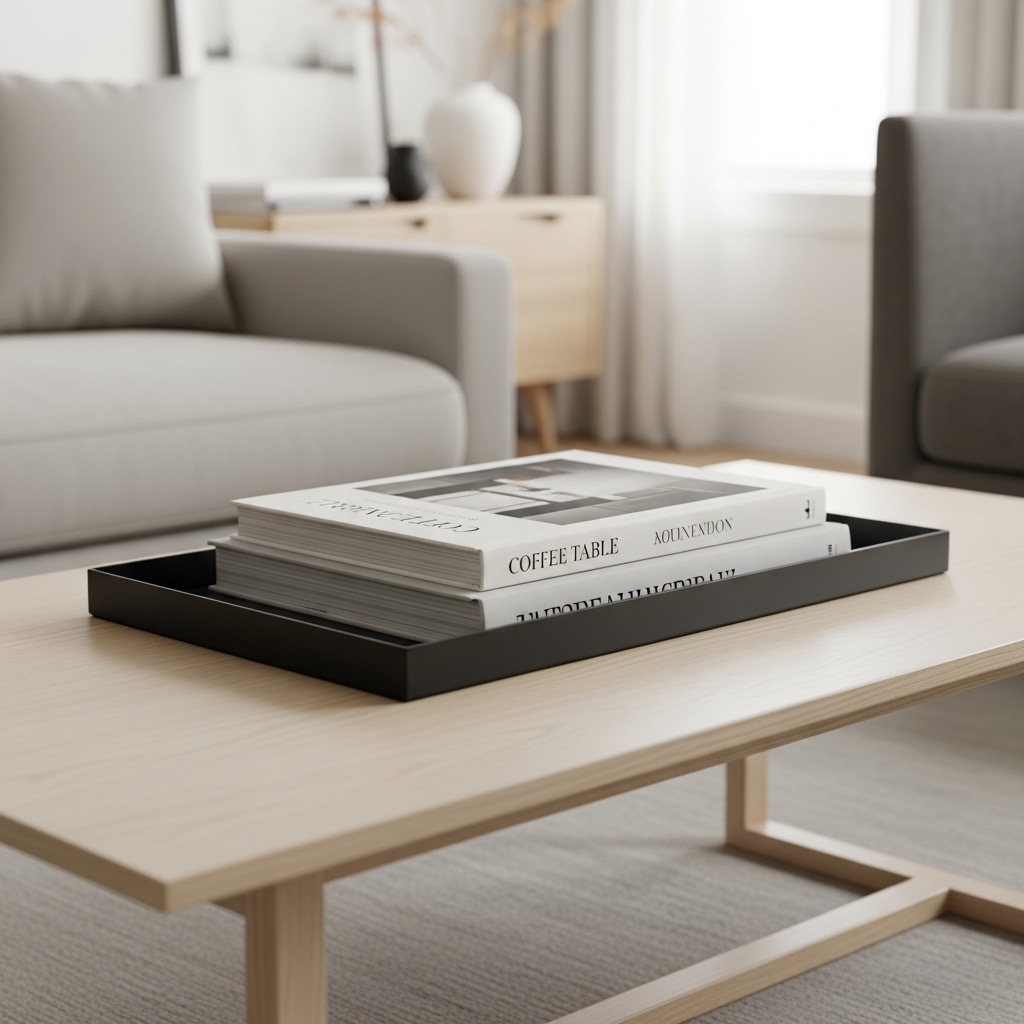
Ideal for: Clean, structured minimalist interiors.
Place two identical objects evenly spaced on the table. Keep everything aligned and balanced.
This works because symmetry creates order and calmness without needing multiple elements.
Pro Tip: Maintain equal spacing.
Mistake to Avoid: Don’t mix different styles.
18. Elevated Object With Clear Surroundings
Ideal for: Tables needing vertical emphasis.
Use one slightly taller object and keep the surrounding area empty.
This works because height variation adds interest while maintaining simplicity.
Pro Tip: Keep base footprint small.
Mistake to Avoid: Don’t add lower competing items.
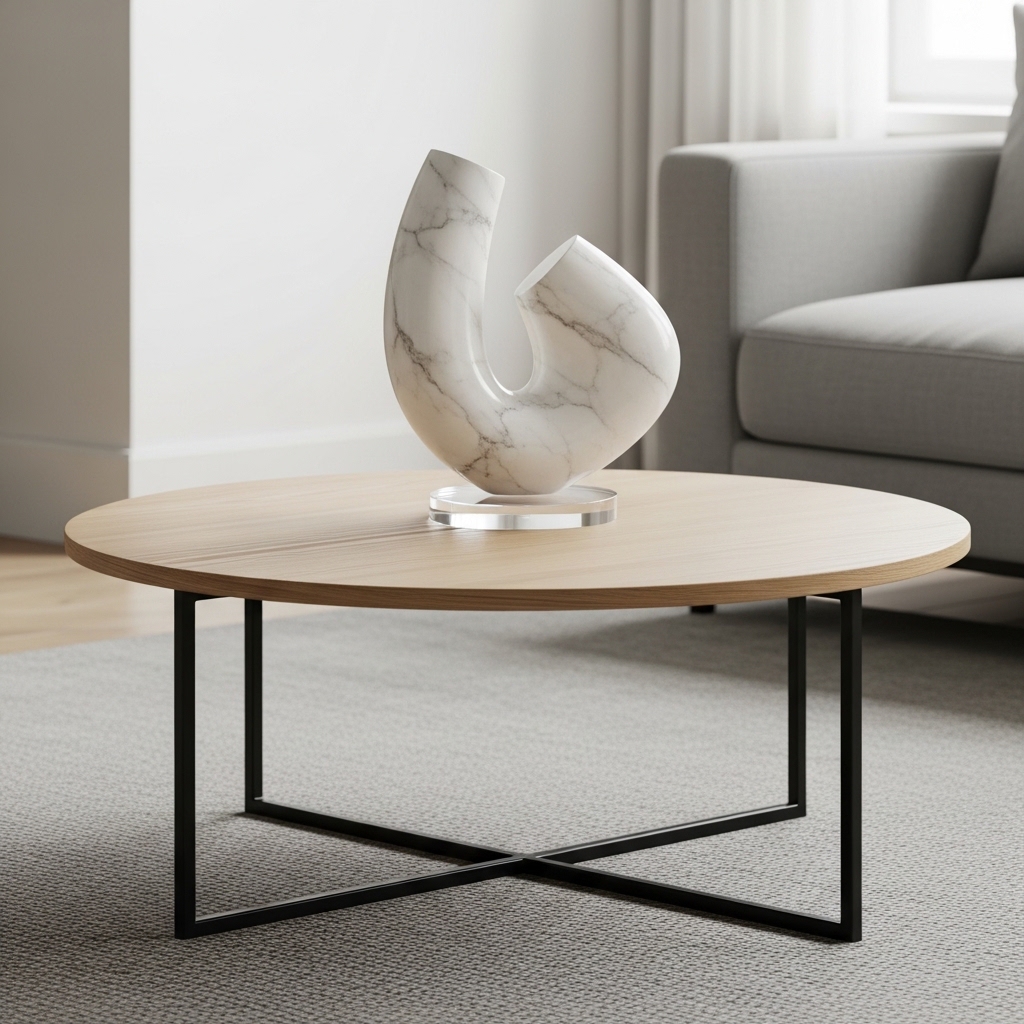
19. Seasonal Single Swap Styling
Ideal for: Minimalists who like subtle updates.
Keep one decor item and replace it seasonally without changing layout.
This works because it refreshes the space without adding complexity.
Pro Tip: Stick to neutral base tones.
Mistake to Avoid: Don’t change multiple elements.
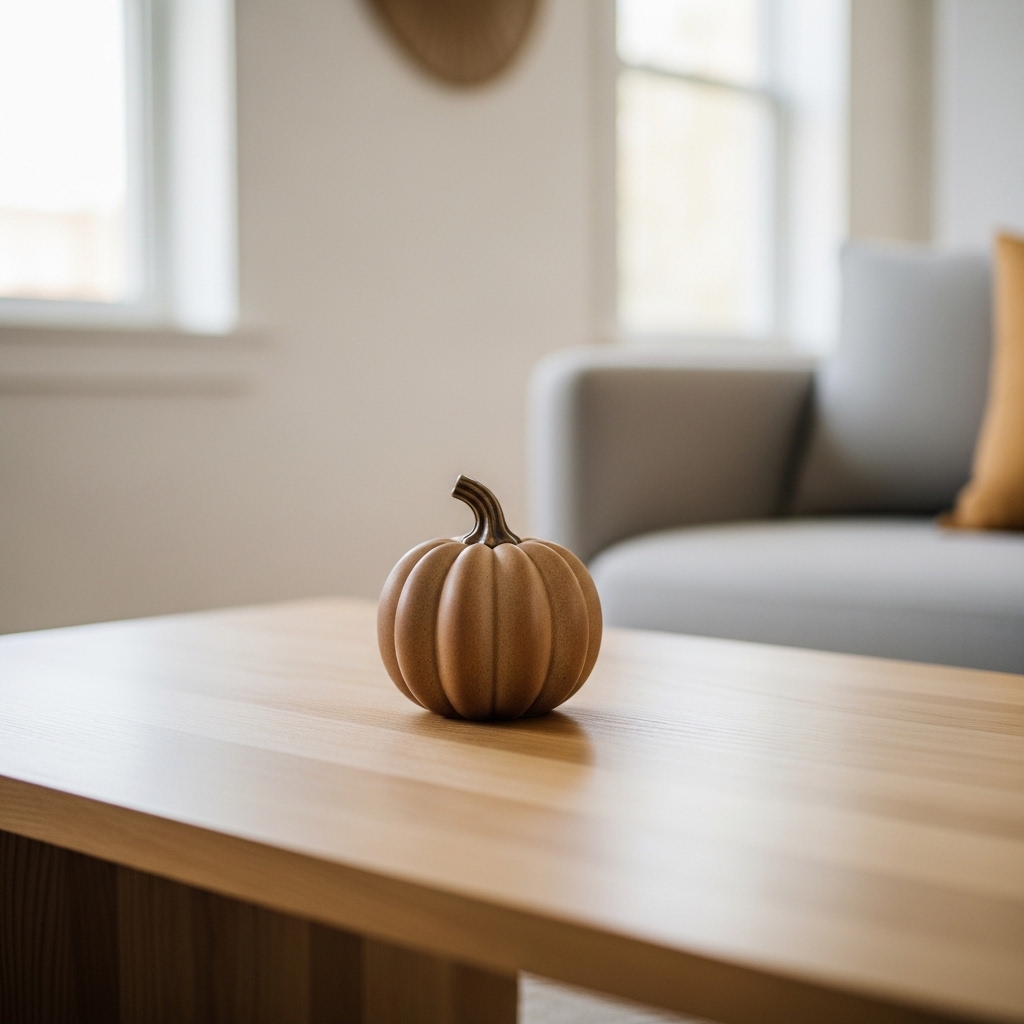
20. Functional Minimal Storage Element
Ideal for: Everyday use with clean aesthetics.
Use one storage piece like a small box or tray that blends into the decor. Keep it simple and uncluttered.
This works because it combines practicality with minimalist design, keeping surfaces clean.
Pro Tip: Choose low-profile storage.
Mistake to Avoid: Don’t use bulky containers.
Conclusion
Minimalist coffee table decor is about intentional restraint, clean composition, and functional beauty. Every item should have a purpose, and every space should feel deliberate.
When done correctly, your coffee table becomes a calm, refined focal point that enhances your living room without adding visual noise.