20 Dining Table Decor Ideas That Create a Stylish, Functional, and Welcoming Dining Space
Dining table decor isn’t just about aesthetics—it shapes how your space feels during everyday meals, gatherings, and special occasions. The goal is to create a setup that looks intentional, balanced, and inviting while still leaving enough room for practical use.
The ideas below are designed for real homes—small dining areas, open-plan layouts, and modern interiors—focusing on center balance, proportion, and flexible styling so your dining table always looks refined without feeling overcrowded.
1. Centered Vase Arrangement for Clean Everyday Elegance
Ideal for: Daily dining setups that need a simple focal point.
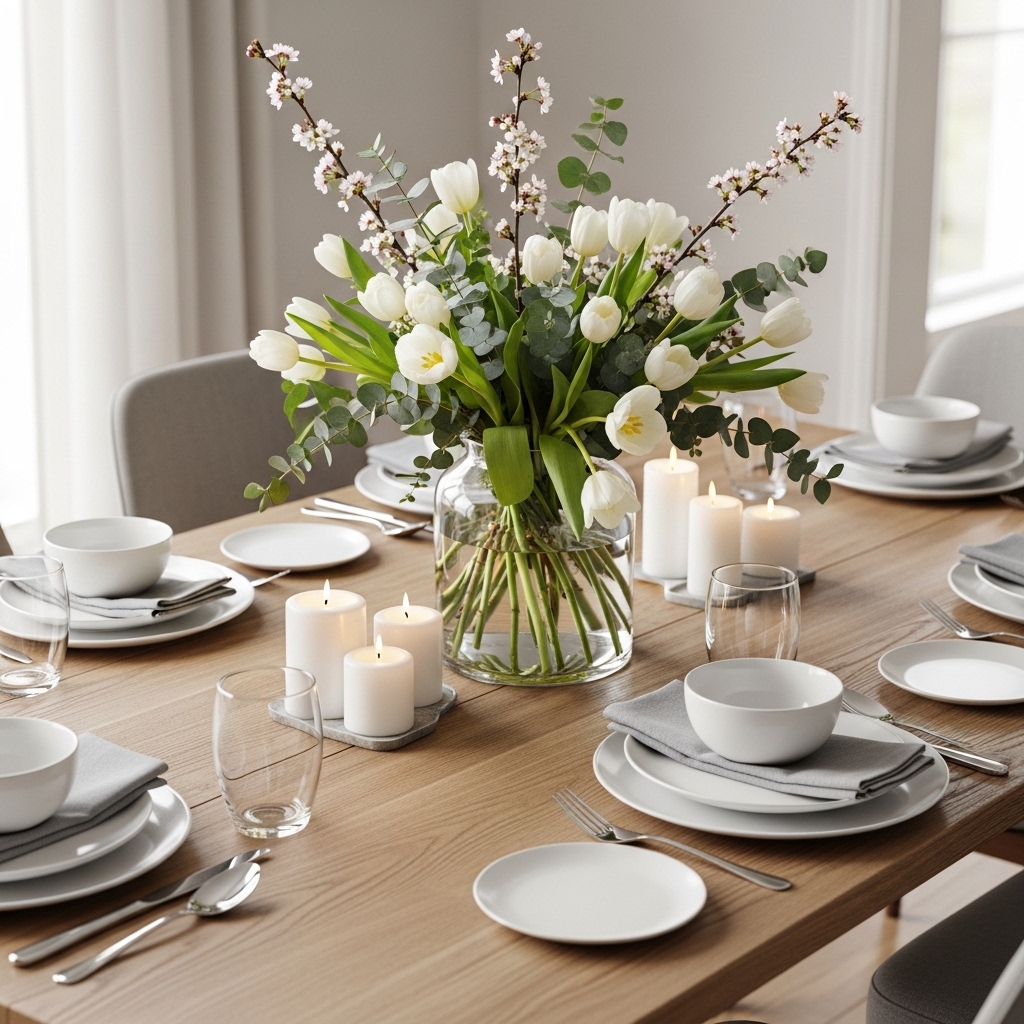
Place a medium-sized vase at the center of the table with fresh or dried stems. Keep the height moderate so it doesn’t block eye contact across the table, especially during meals or conversations. Choose neutral or soft-toned florals that complement your dining space without overwhelming it.
This works because a single centered element creates balance and structure while keeping the table functional. It adds life and softness without requiring multiple decor items. Overdecorating can interfere with usability, especially in smaller dining areas.
Pro Tip: Rotate seasonal stems to keep the look fresh without changing layout.
Mistake to Avoid: Don’t use overly tall arrangements that block visibility.
2. Table Runner With Minimal Center Accents
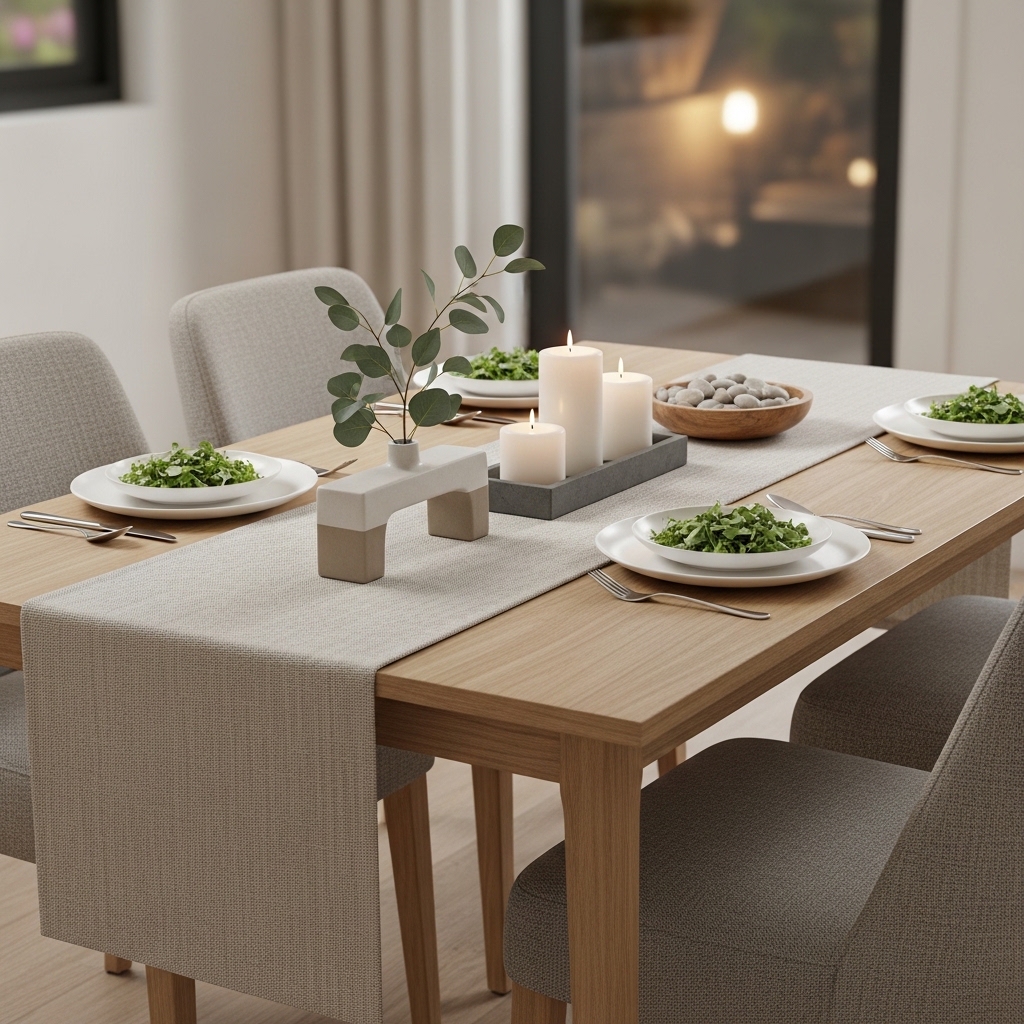
Ideal for: Rectangular dining tables needing visual length and definition.
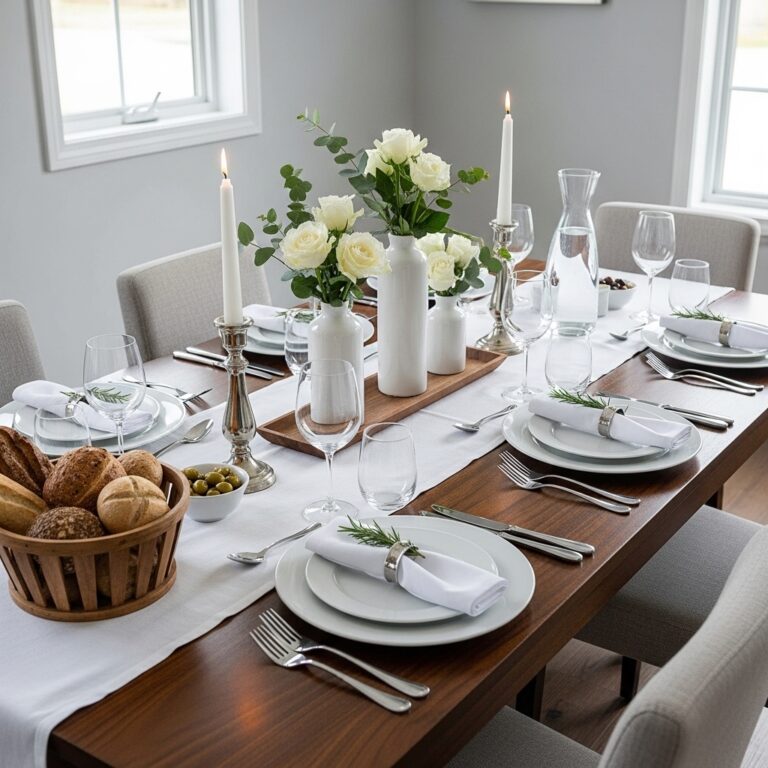
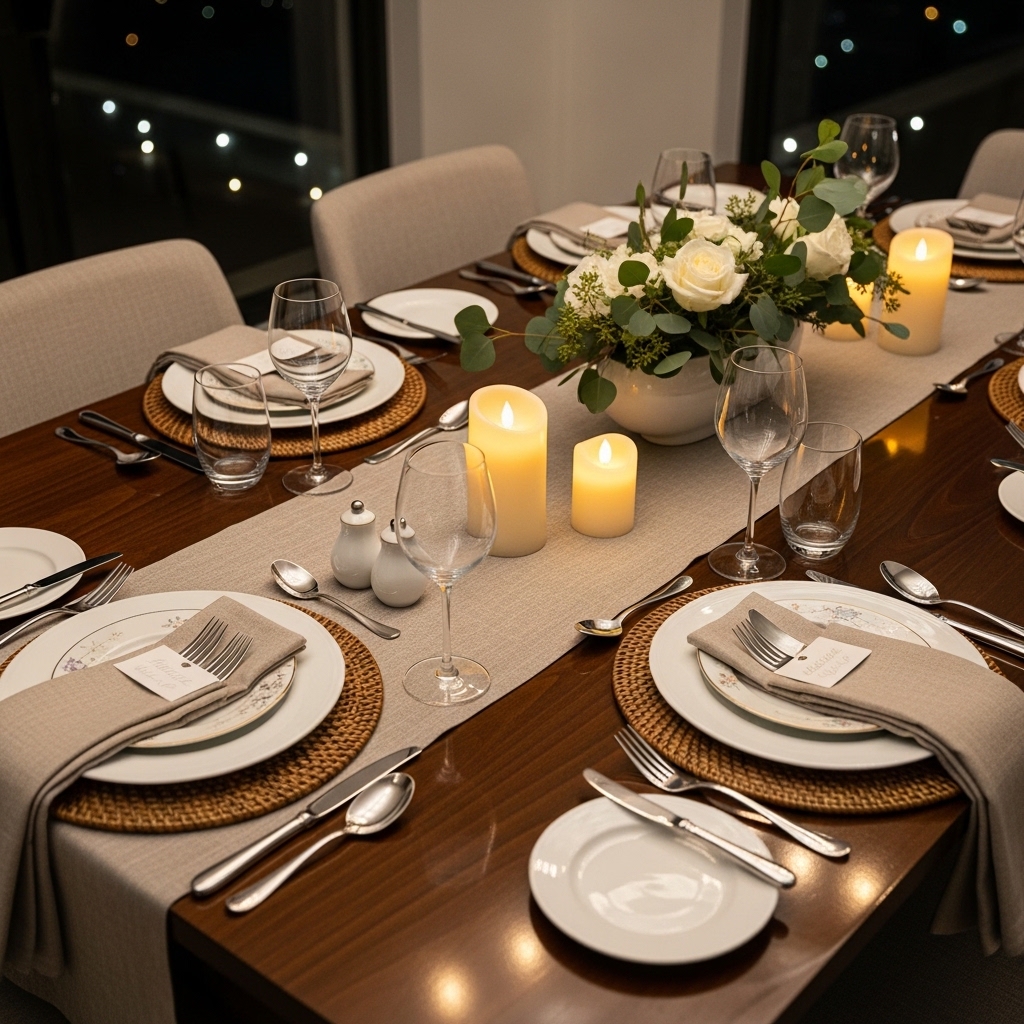
Lay a table runner along the center of the table and place one or two small decor items on top, such as a candle or small vase. Keep the runner proportional to the table size and avoid letting it hang too far over the edges.
This works because the runner visually anchors the decor and adds texture without cluttering the surface. It helps define the center line while leaving enough space for plates and serving dishes.
Pro Tip: Choose neutral or textured fabrics for a modern look.
Mistake to Avoid: Don’t use bold or busy patterns that overpower the table.
3. Minimal Candle Cluster for Warm Dining Atmosphere
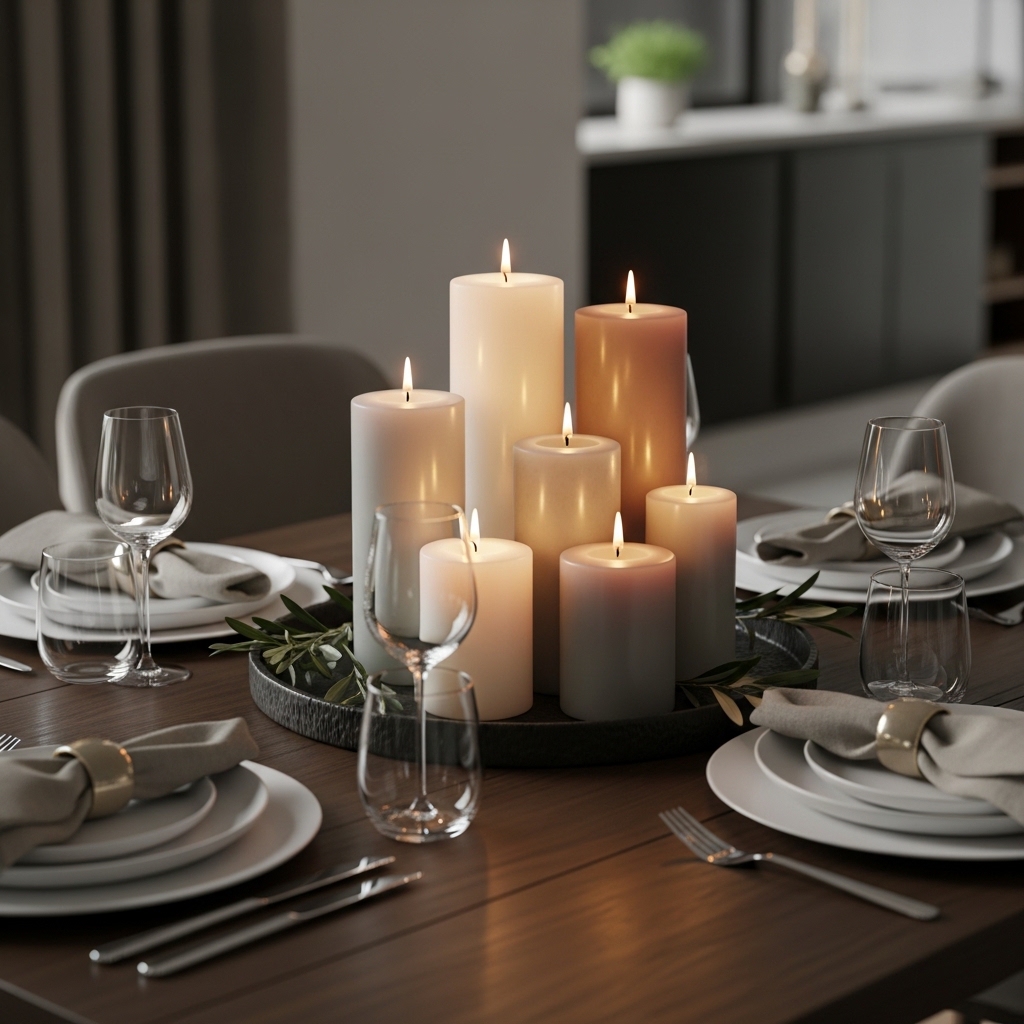
Ideal for: Evening meals and cozy dining settings.
Group two to four candles of varying heights at the center or along the runner. Keep colors consistent and spacing balanced to avoid a messy look.
This works because candles create warmth and intimacy while adding subtle height variation. They enhance the dining experience without taking up much space.
Pro Tip: Use unscented candles for dining areas.
Mistake to Avoid: Don’t mix too many styles or colors.
4. Low Bowl Centerpiece for Functional Styling
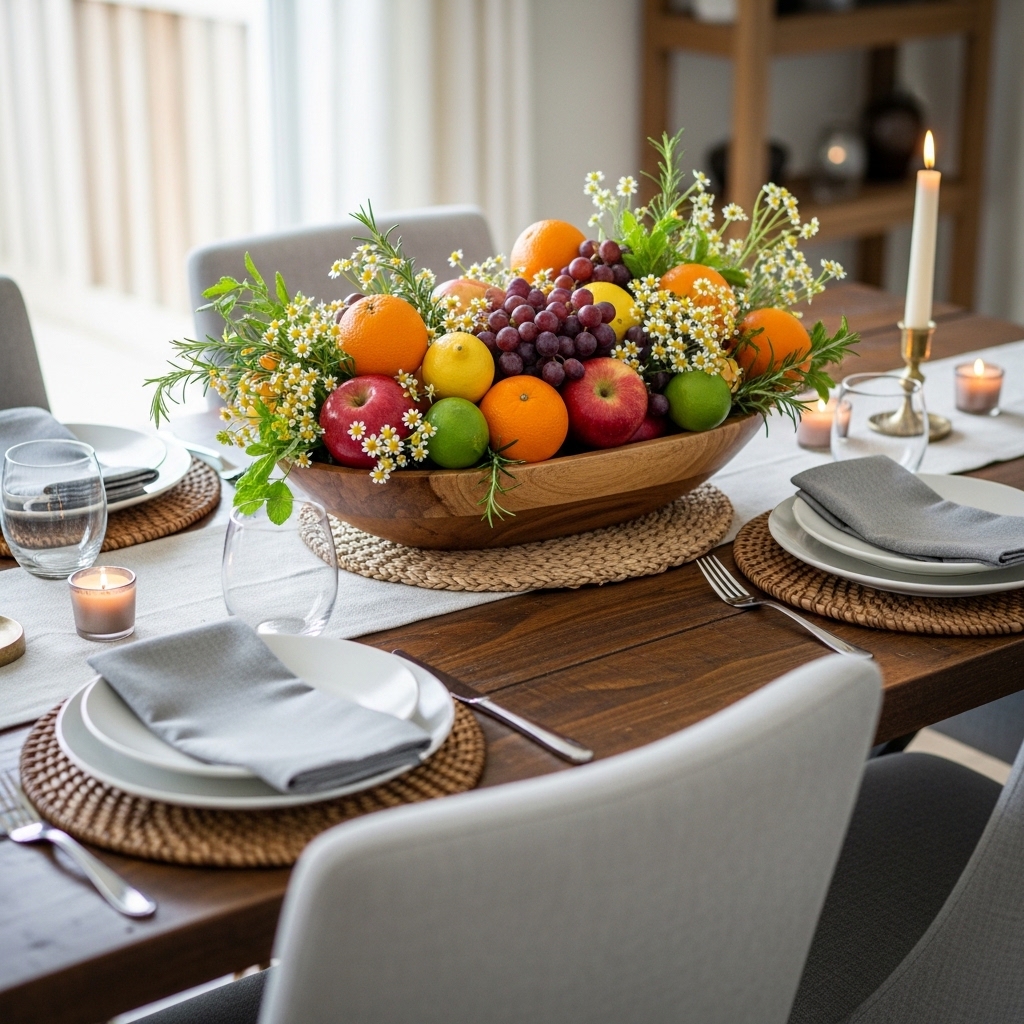
Ideal for: Everyday use and family dining spaces.
Place a shallow bowl at the center of the table to hold fruits or small decorative items. Keep the contents minimal and neatly arranged.
This works because it combines function with decor, keeping the table organized while still visually appealing. Overfilling reduces both function and style.
Pro Tip: Use ceramic or wooden bowls for warmth.
Mistake to Avoid: Don’t overcrowd the bowl.
5. Layered Placemats With Subtle Center Decor
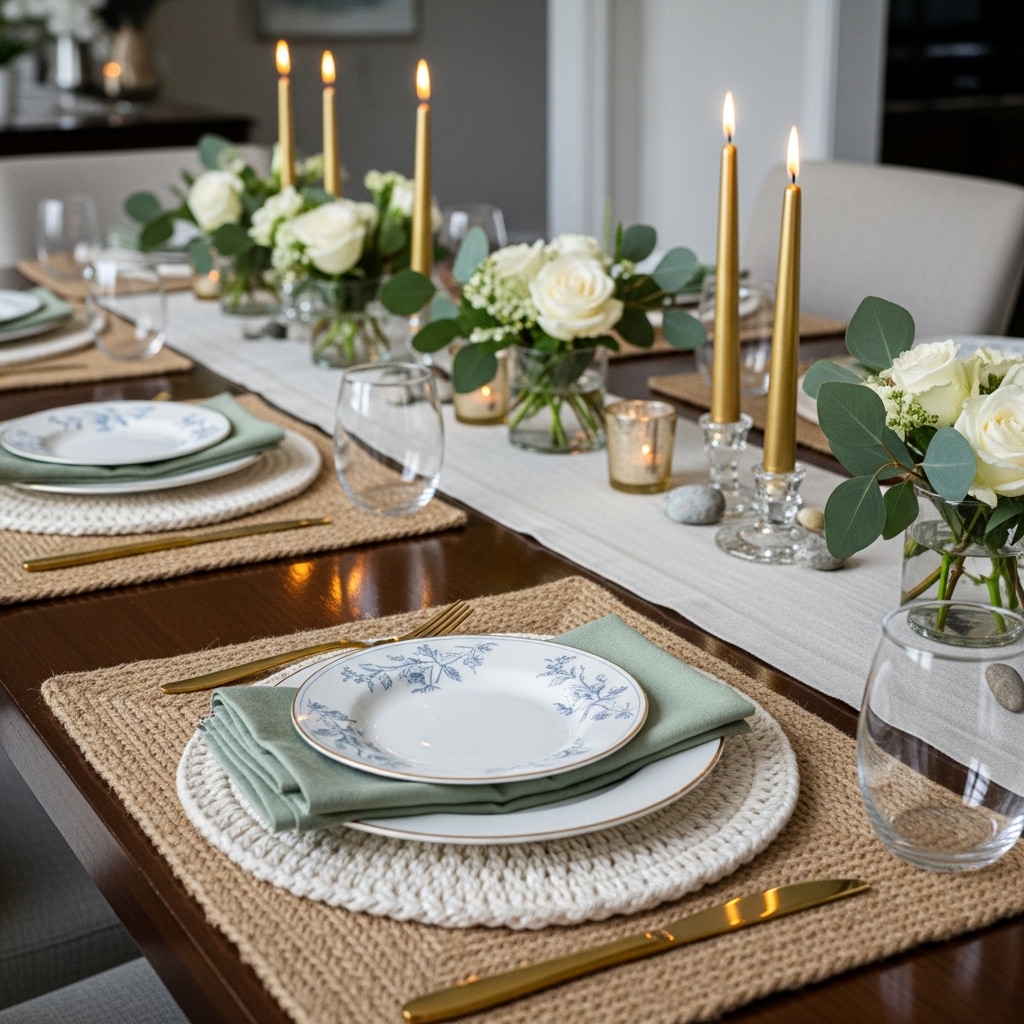
Ideal for: Casual dining setups that still feel styled.
Use placemats at each seat and keep the center decor minimal—such as one small vase or candle. Focus on layering textures rather than adding multiple items.
This works because it distributes visual interest across the table instead of concentrating everything in the center. It keeps the setup balanced and practical.
Pro Tip: Match placemats with overall room palette.
Mistake to Avoid: Don’t use too many decorative layers.
6. Greenery Garland for Natural Flow
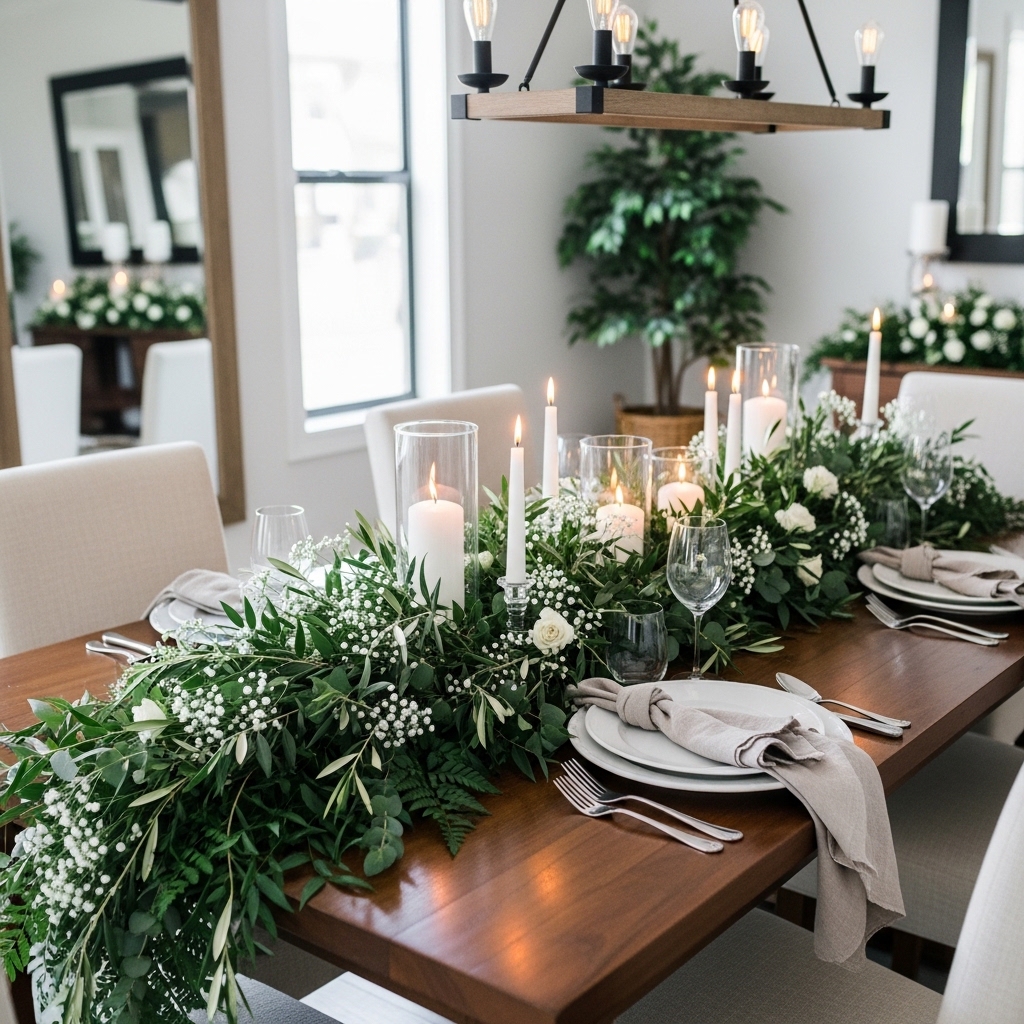
Ideal for: Long dining tables and seasonal styling.
Lay a greenery garland along the center of the table, keeping it low and slightly loose. Add small accents like candles if needed.
This works because greenery creates a natural flow across the table, softening the surface and adding texture without clutter.
Pro Tip: Use faux greenery for low maintenance.
Mistake to Avoid: Don’t make the garland too dense.
7. Single Sculptural Object for Modern Dining Style
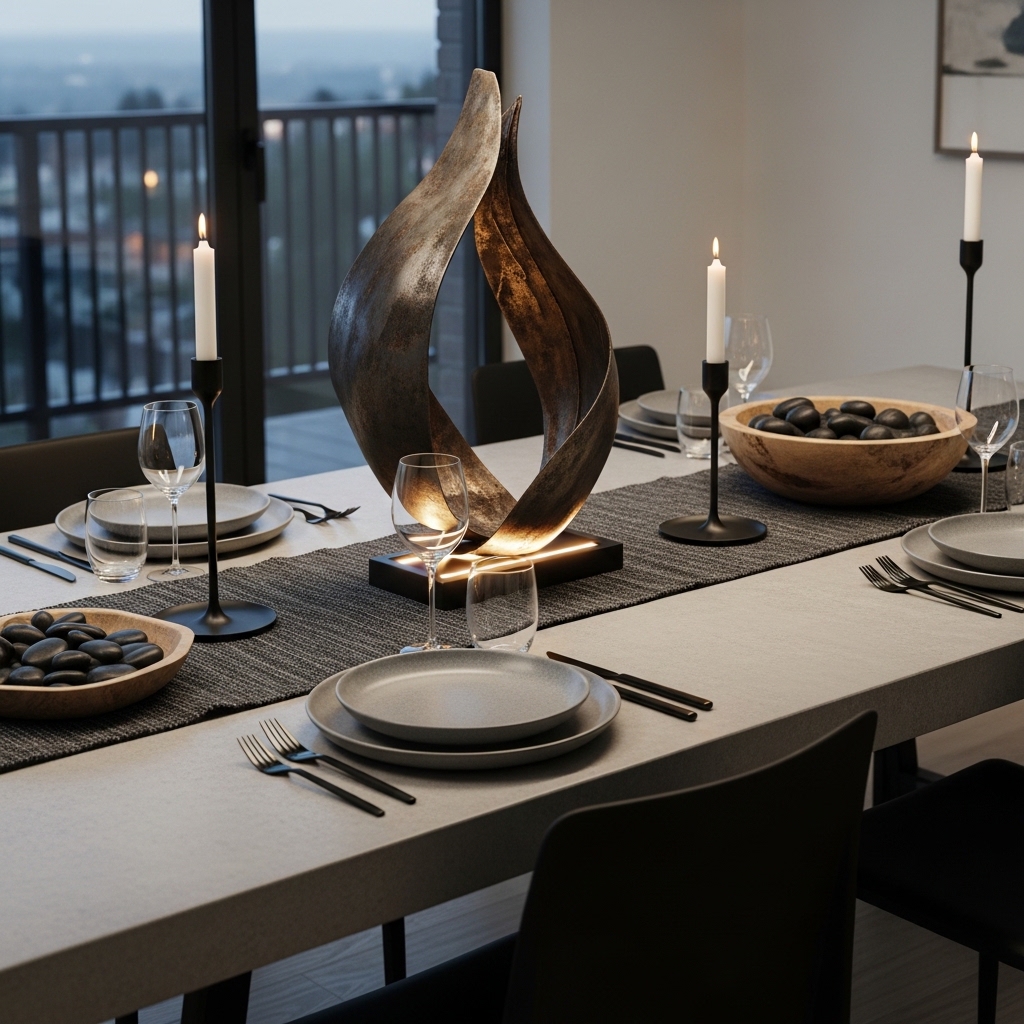
Ideal for: Minimalist and contemporary dining rooms.
Place one sculptural decor piece at the center of the table with no additional items. Choose shapes that complement your interior style.
This works because a single strong element creates focus while maintaining clean, open space.
Pro Tip: Choose neutral tones for versatility.
Mistake to Avoid: Don’t add extra decor around it.
8. Tray-Based Dining Table Styling
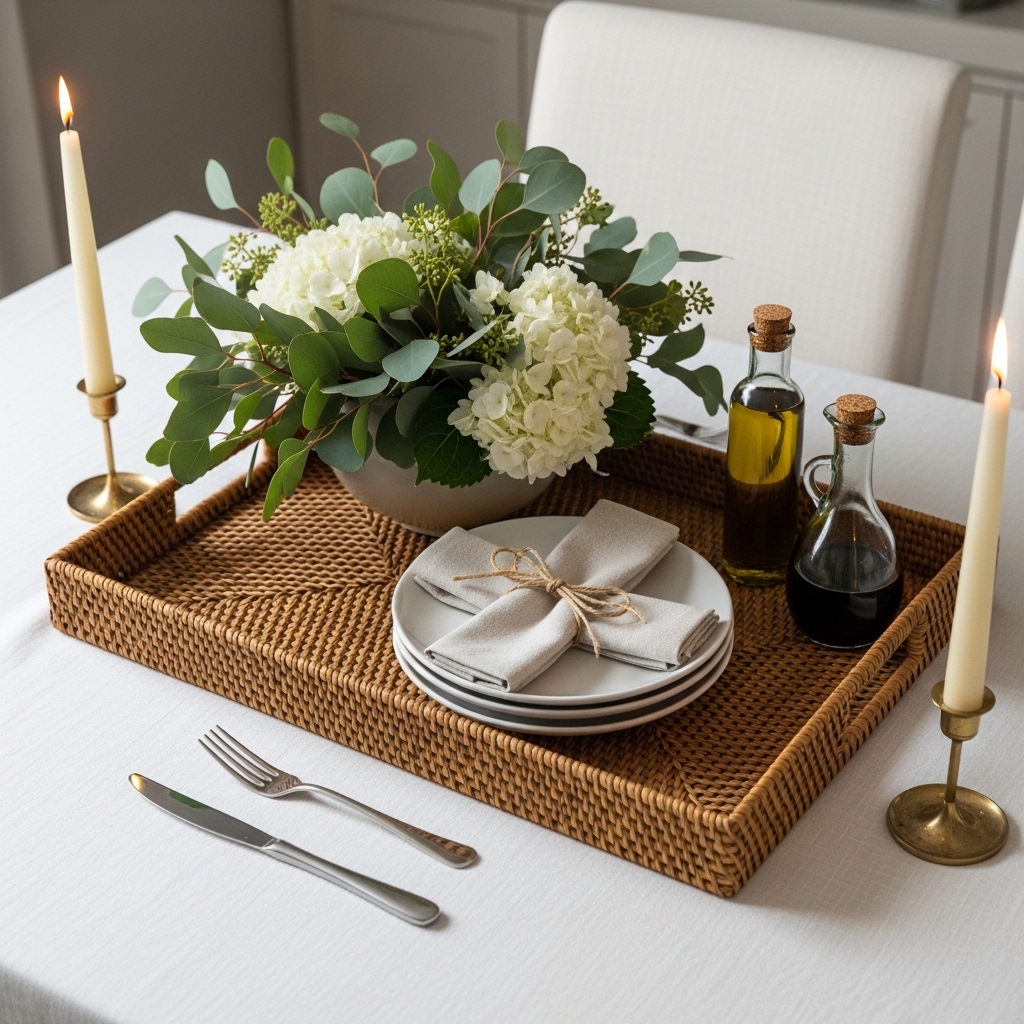
Ideal for: Flexible and movable decor setups.
Place a tray at the center and group items like candles, small vases, or coasters inside it. Keep the arrangement compact.
This works because trays organize multiple elements into one controlled space, making it easy to move when needed.
Pro Tip: Use trays with simple finishes.
Mistake to Avoid: Don’t overload the tray.
9. Symmetrical Setup for Formal Dining Rooms
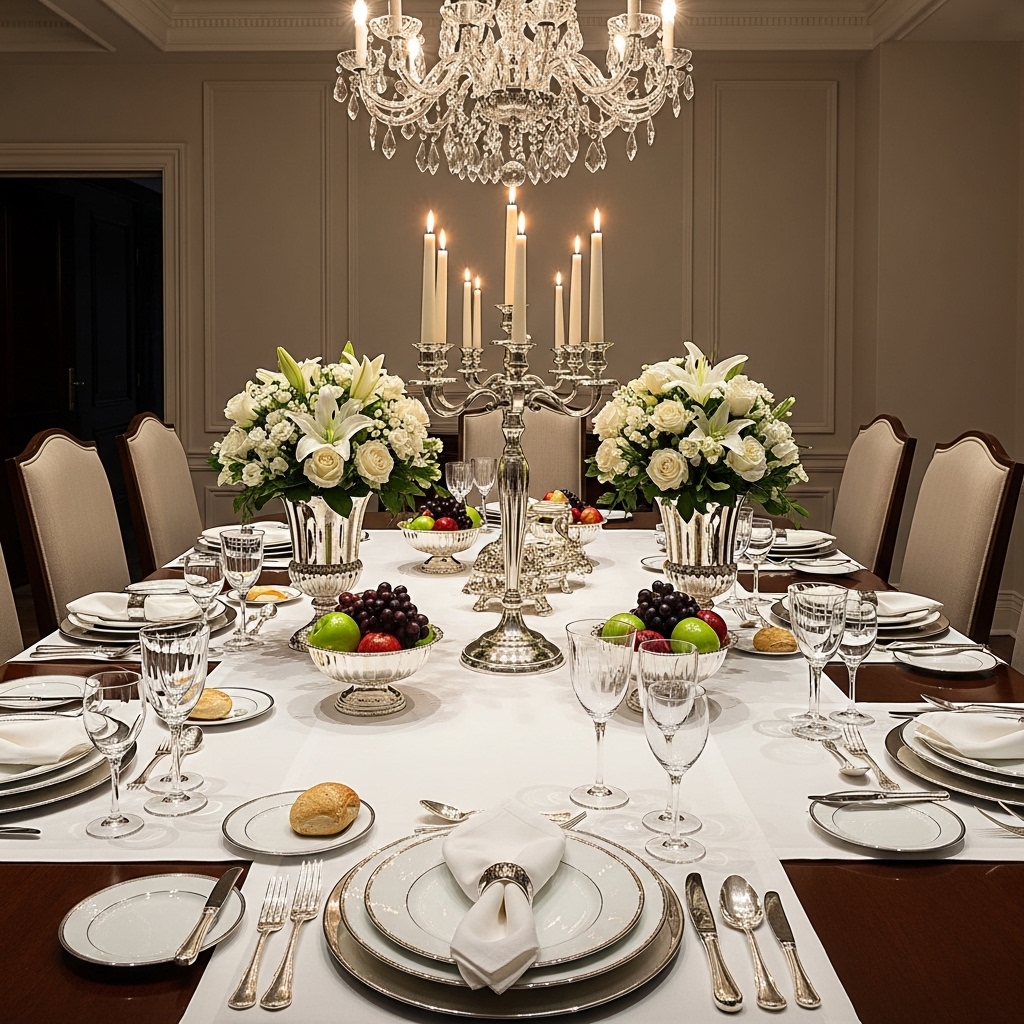
Ideal for: Traditional or formal dining areas.
Arrange identical decor items evenly across the table, such as matching candle holders or vases. Keep alignment precise.
This works because symmetry creates order and elegance, enhancing formal dining settings.
Pro Tip: Measure spacing for consistency.
Mistake to Avoid: Don’t mix styles in symmetrical setups.
10. Asymmetrical Minimal Styling for Modern Spaces
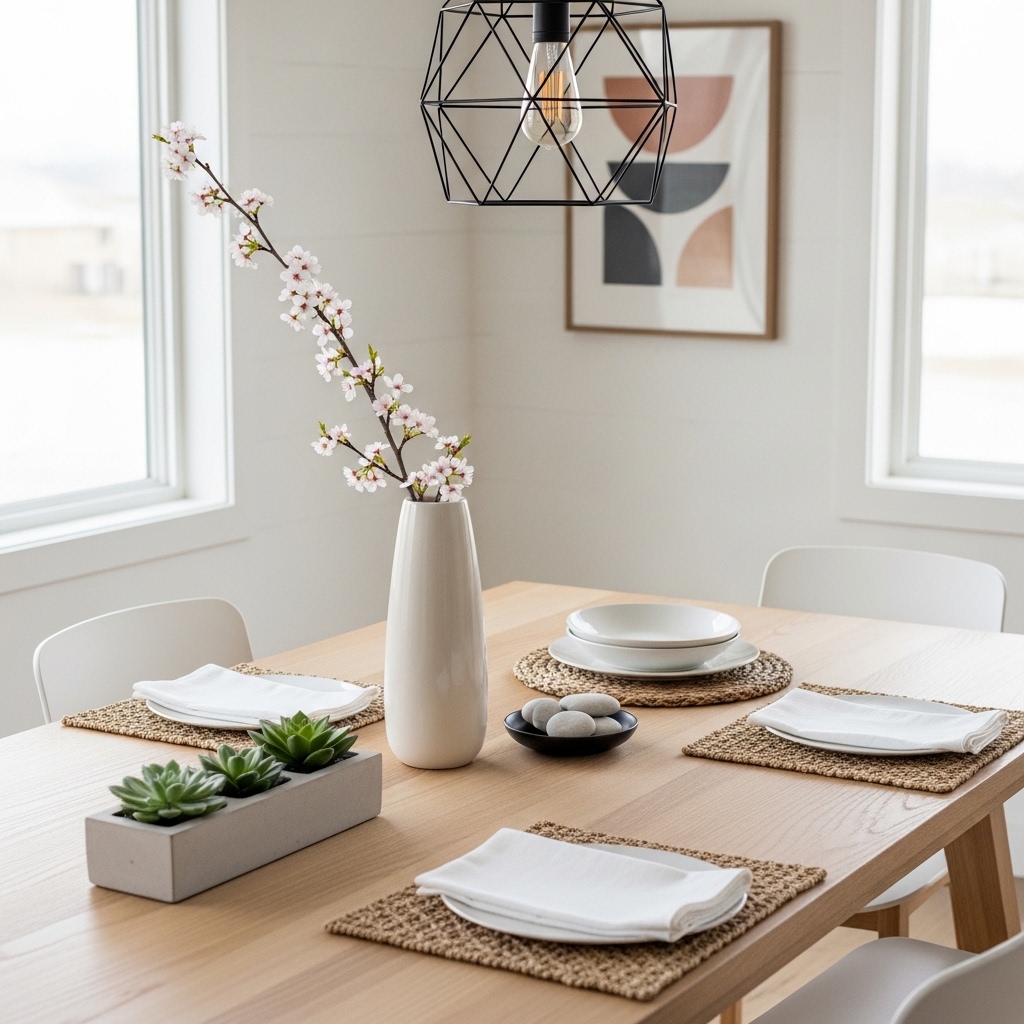
Ideal for: Contemporary and casual dining rooms.
Place one or two decor items slightly off-center, leaving the rest of the table open. Balance visual weight instead of exact placement.
This works because asymmetry creates a relaxed, modern feel while still maintaining balance.
Pro Tip: Use different heights for variation.
Mistake to Avoid: Don’t cluster items too closely.
11. Seasonal Centerpiece Swap for Easy Refresh
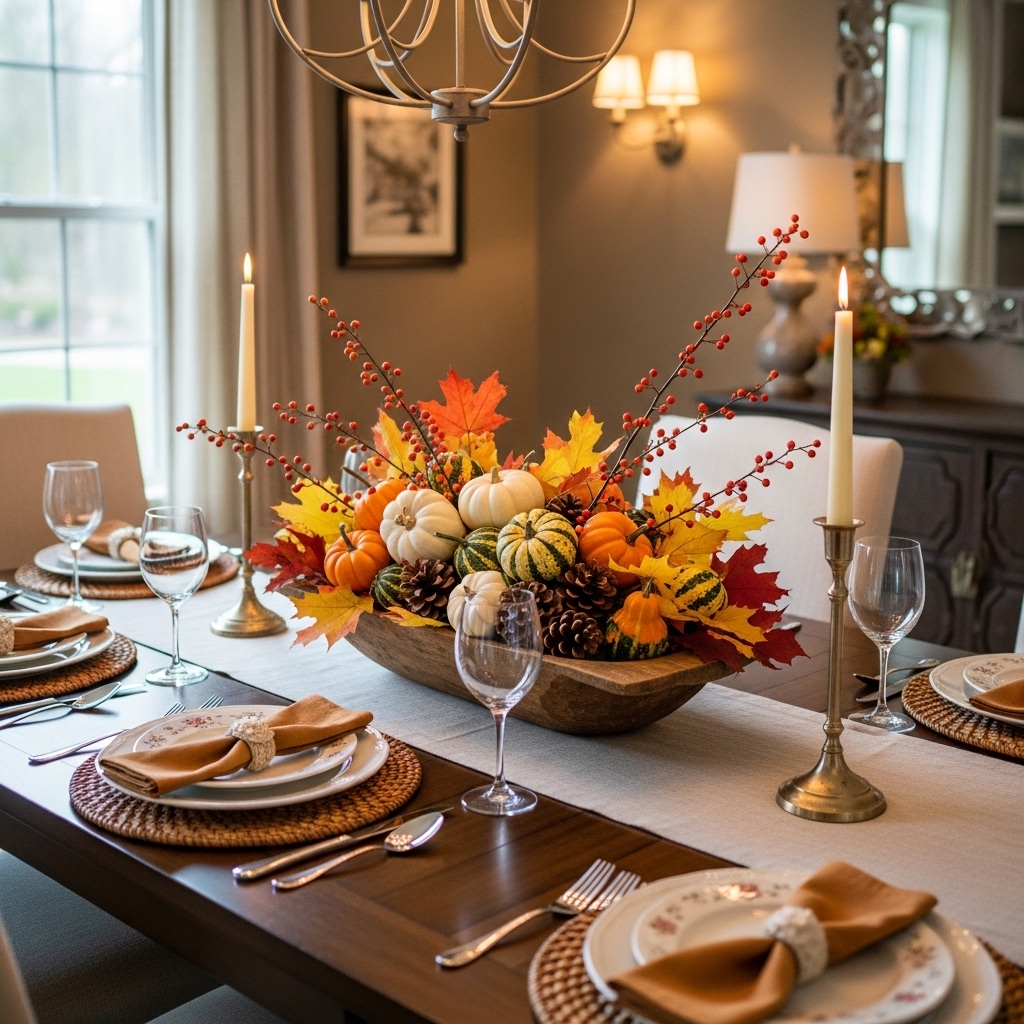
Ideal for: Homes that update decor throughout the year.
Keep a consistent base setup and swap small items based on the season—flowers, candles, or accents. Maintain the same layout for consistency.
This works because it refreshes the table without requiring a full redesign.
Pro Tip: Use neutral base pieces year-round.
Mistake to Avoid: Don’t change everything at once.
12. Glass Vase With Minimal Stems for Light Styling
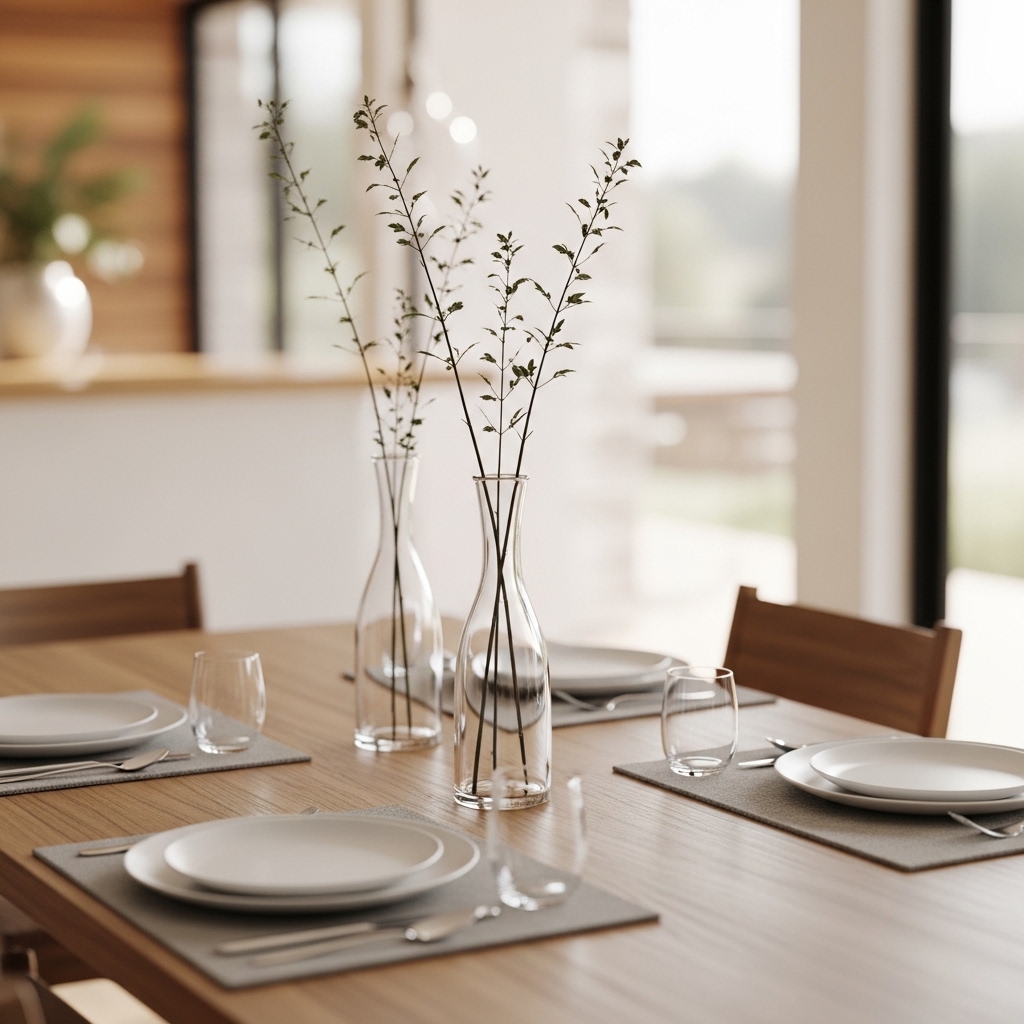
Ideal for: Small dining spaces needing openness.
Use a clear glass vase with a few stems placed centrally. Keep the arrangement simple and airy.
This works because transparency reduces visual weight and keeps the table feeling open.
Pro Tip: Use fewer stems for a cleaner look.
Mistake to Avoid: Don’t overcrowd the vase.
13. Neutral Tone Decor for Calm Dining Atmosphere
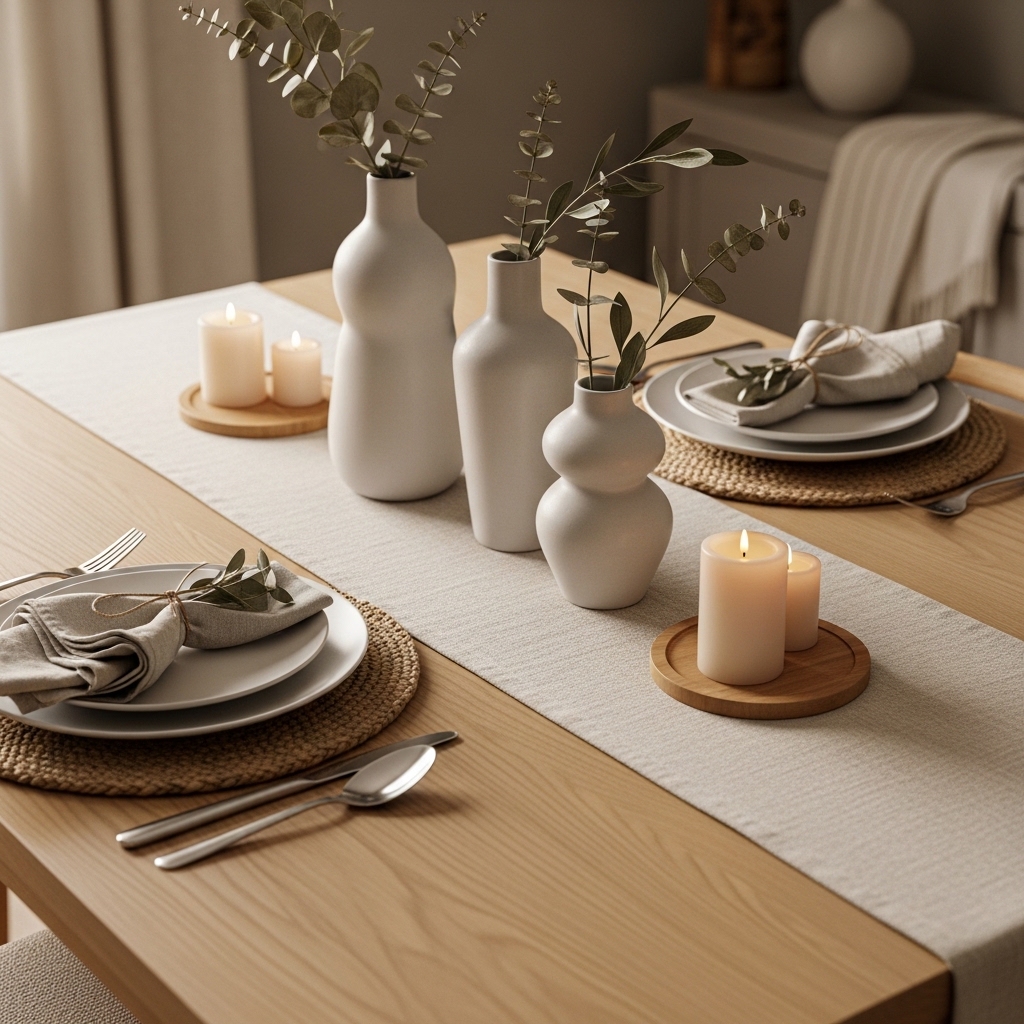
Ideal for: Minimalist and Scandinavian interiors.
Use decor in soft neutral tones layered lightly at the center. Focus on texture rather than color variation.
This works because neutral palettes reduce visual noise and create a calm dining environment.
Pro Tip: Mix materials like wood and ceramic.
Mistake to Avoid: Don’t introduce bright colors.
14. Mixed Height Center Arrangement for Visual Depth
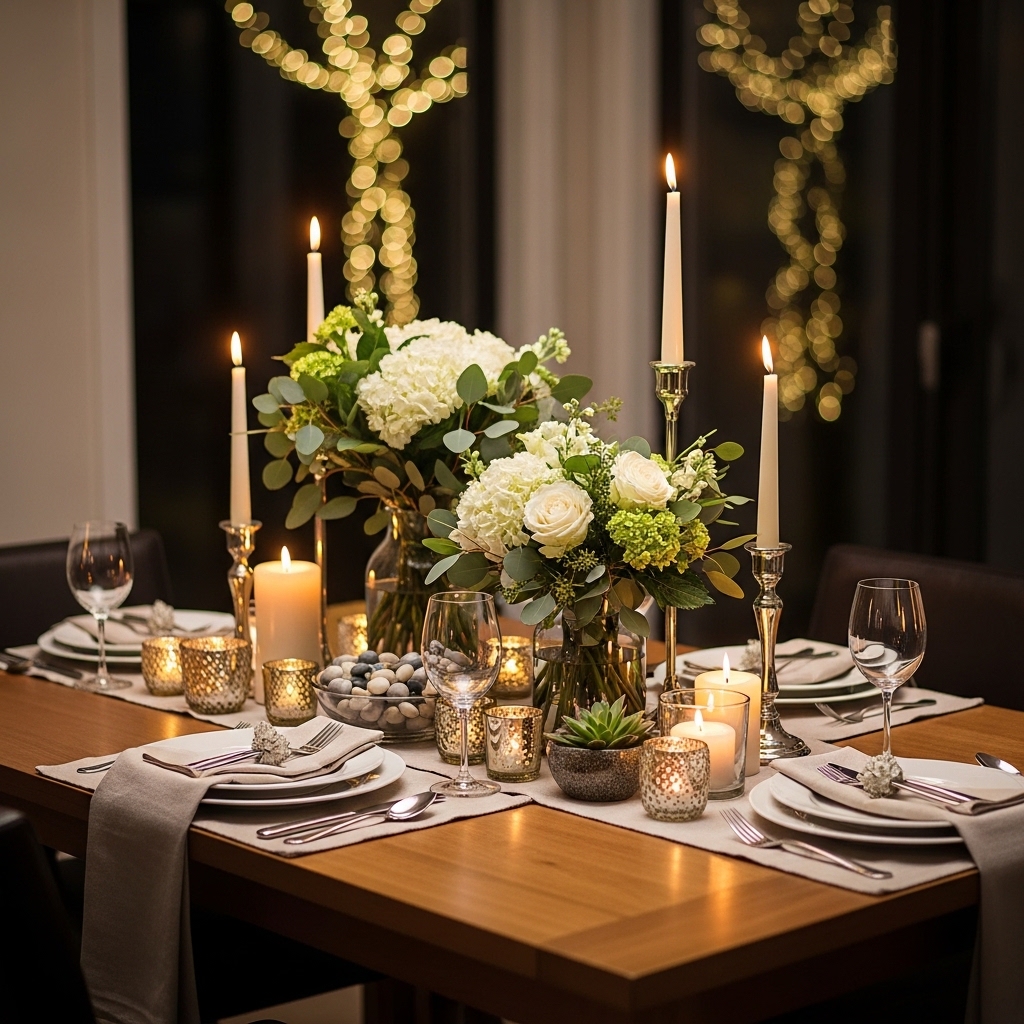
Ideal for: Medium to large dining tables.
Combine items of varying heights in a central grouping, such as a tall vase, medium candle, and low bowl.
This works because height variation adds dimension and prevents the table from looking flat.
Pro Tip: Keep tallest item slightly off-center.
Mistake to Avoid: Don’t use equal heights.
15. Oversized Centerpiece for Large Tables
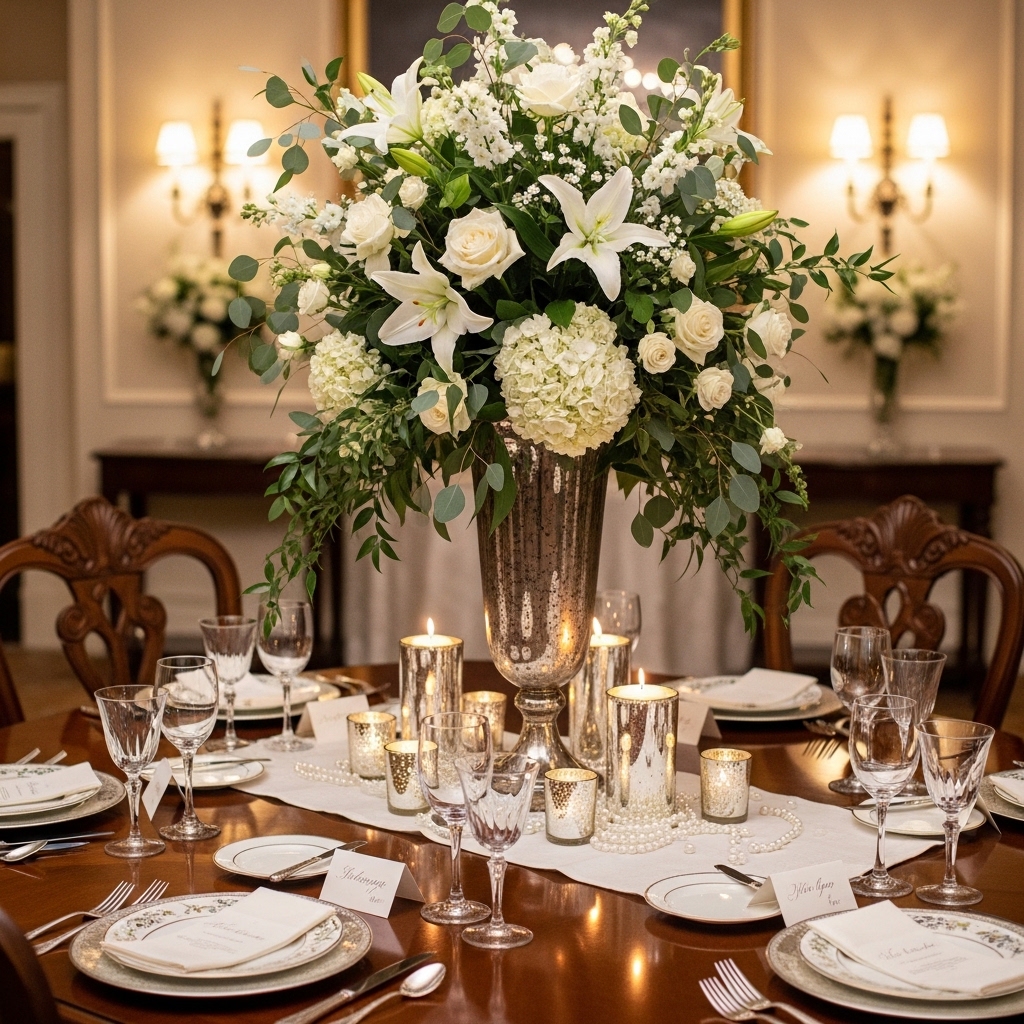
Ideal for: Spacious dining areas.
Use one large decor item as the focal point and keep the rest of the table clear.
This works because a bold centerpiece anchors the table without clutter.
Pro Tip: Choose sculptural shapes.
Mistake to Avoid: Don’t add competing items.
16. Compact Decor for Small Dining Tables
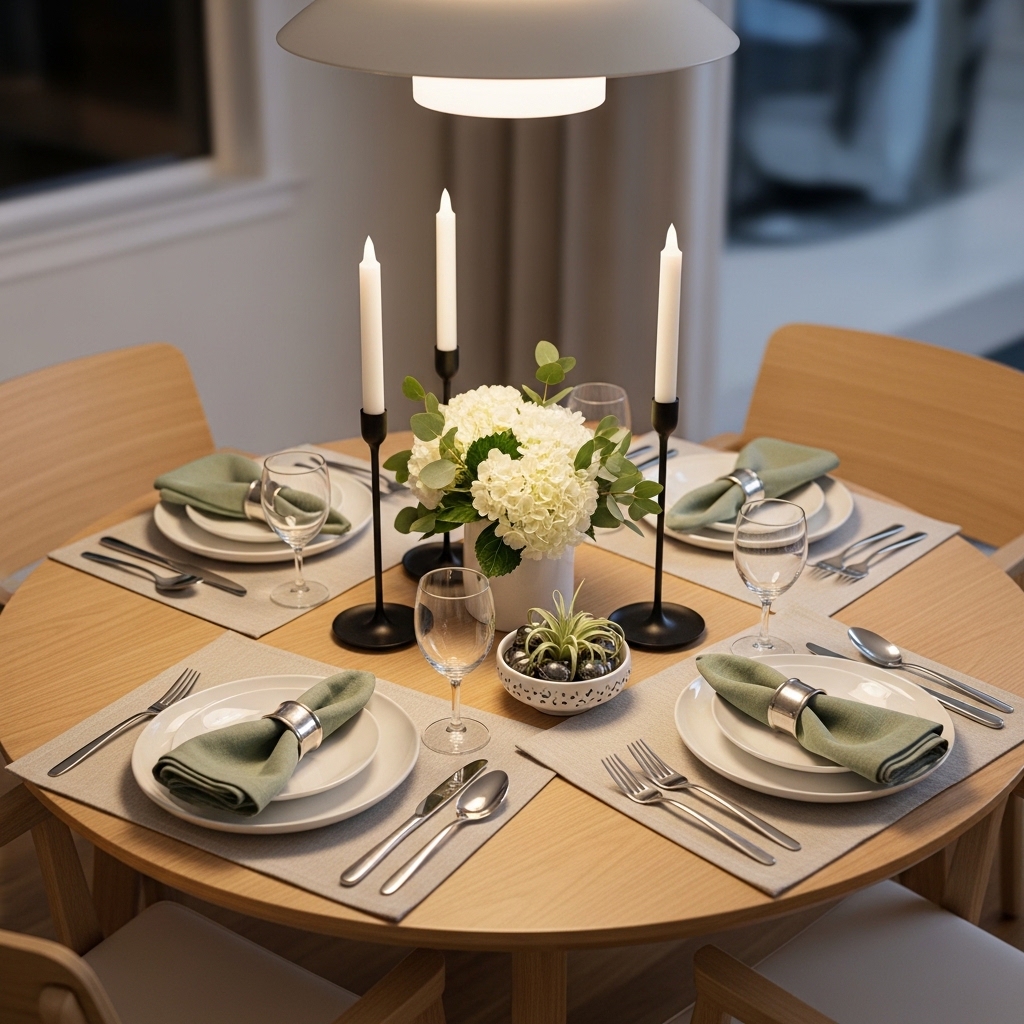
Ideal for: Apartments and limited spaces.
Use one or two small decor items with plenty of open space.
This works because minimal decor keeps the table functional.
Pro Tip: Choose multi-purpose items.
Mistake to Avoid: Don’t overcrowd the surface.
17. Candle + Greenery Pairing for Balanced Look
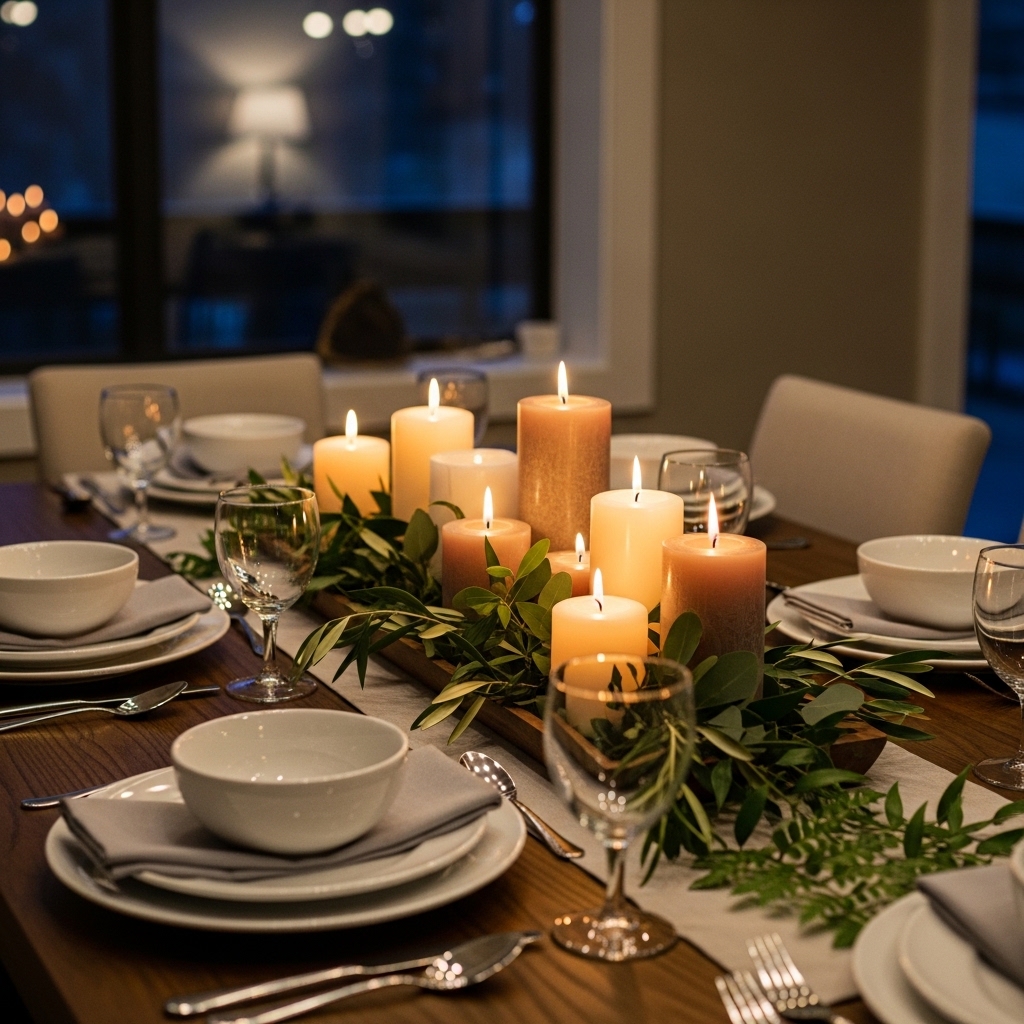
Ideal for: Everyday dining setups.
Combine one candle with a small plant or greenery.
This works because it balances warmth and freshness.
Pro Tip: Keep spacing clean.
Mistake to Avoid: Don’t add extra items.
18. Wooden Accent Styling for Warm Dining Feel
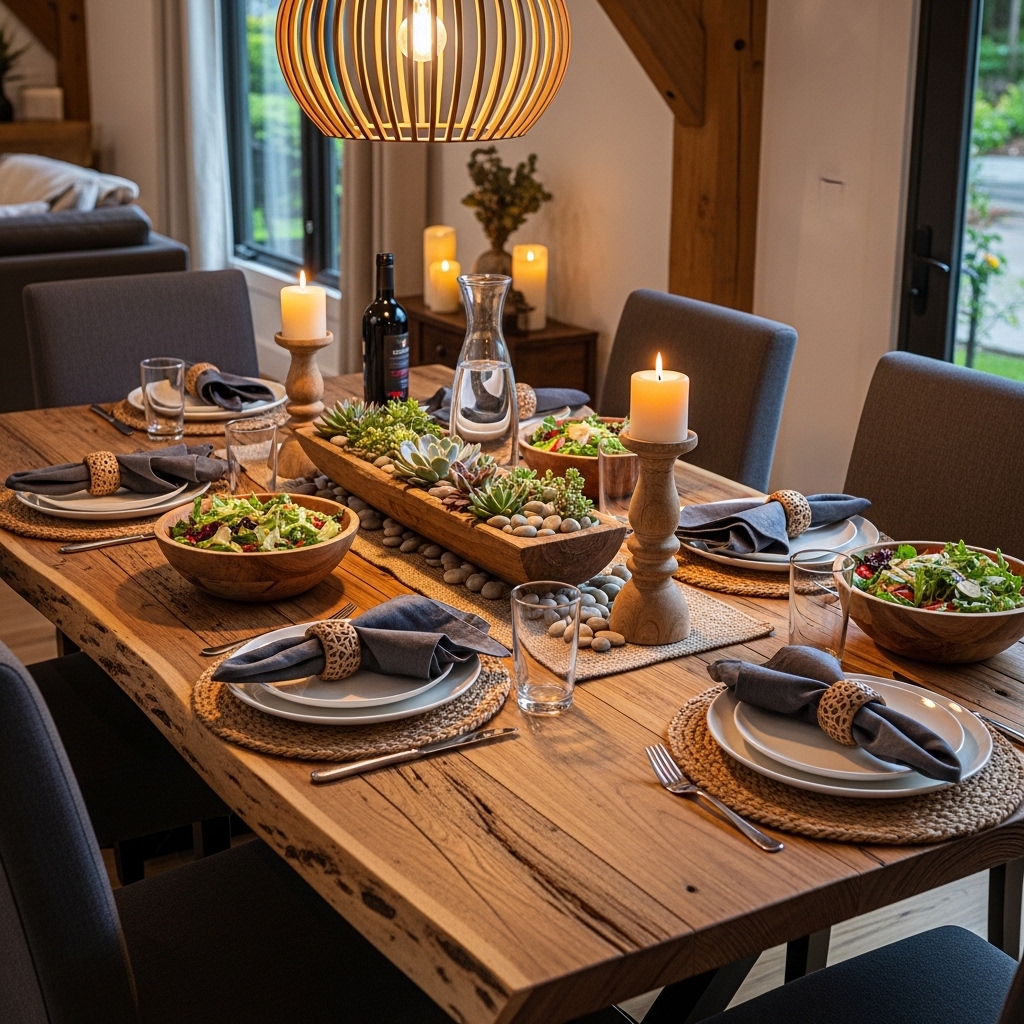
Ideal for: Rustic or cozy interiors.
Use wooden trays, bowls, or decor pieces at the center.
This works because wood adds warmth and texture.
Pro Tip: Use light finishes.
Mistake to Avoid: Don’t mix wood tones.
19. Minimal Fabric Layer for Soft Texture
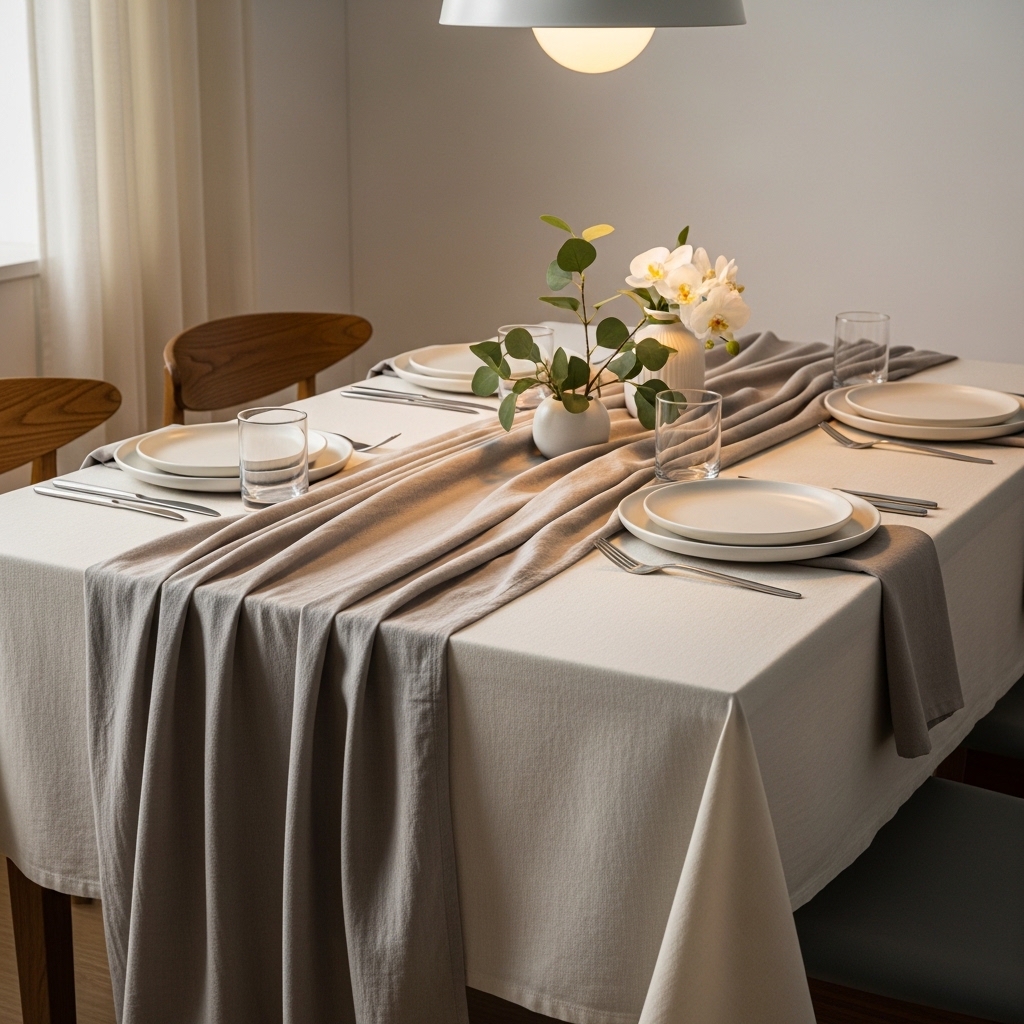
Ideal for: Hard dining surfaces.
Add a simple table cloth or runner with minimal decor.
This works because fabric softens the overall look.
Pro Tip: Use neutral tones.
Mistake to Avoid: Don’t use bold prints.
20. Functional Decor With Storage Elements
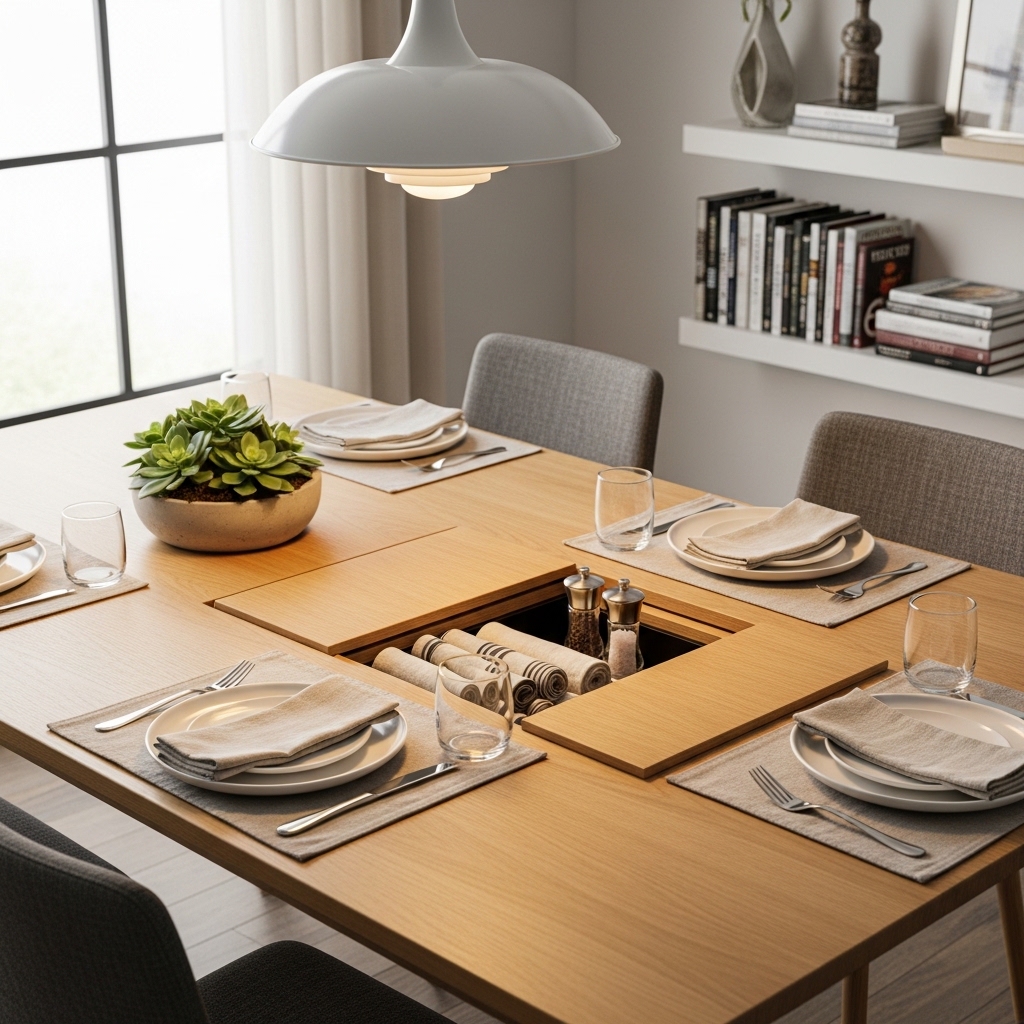
Ideal for: Practical dining spaces.
Use decor that doubles as storage, like baskets or trays.
This works because it combines style and usability.
Pro Tip: Keep storage visually simple.
Mistake to Avoid: Don’t use bulky items.
Conclusion
Dining table decor works best when it balances function, simplicity, and visual harmony. The goal is to create a setup that enhances the dining experience without interfering with everyday use.
When styled thoughtfully, your dining table becomes a welcoming centerpiece that brings both style and practicality to your home.