20 Minimalist Furniture Design That Prioritizes Function and Form
Less-Is-More Furnishings | Essential Pieces Only | Clean, Uncluttered Interiors
Minimalist furniture design is not about having nothing. It is about having exactly what you need and nothing more. Every piece serves a purpose. Every piece earns its footprint. There is no room for the decorative-only item.
The beauty comes from the shape, the material, and the negative space around the furniture. A single chair in a corner is not empty. It is intentional.
This guide delivers 20 minimalist furniture design ideas that prioritize function and form.
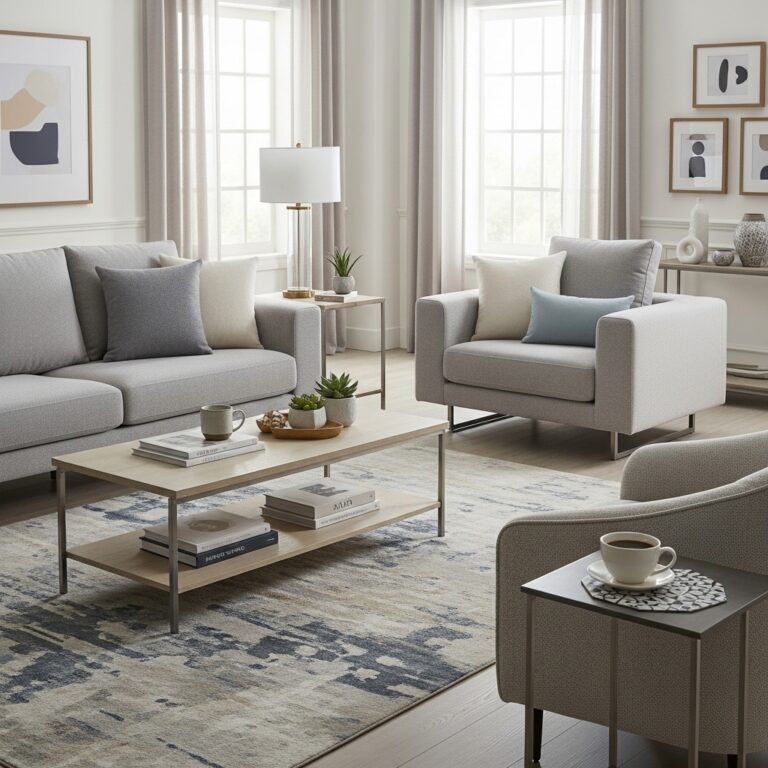
1. Choose a Sofa with a Low Back
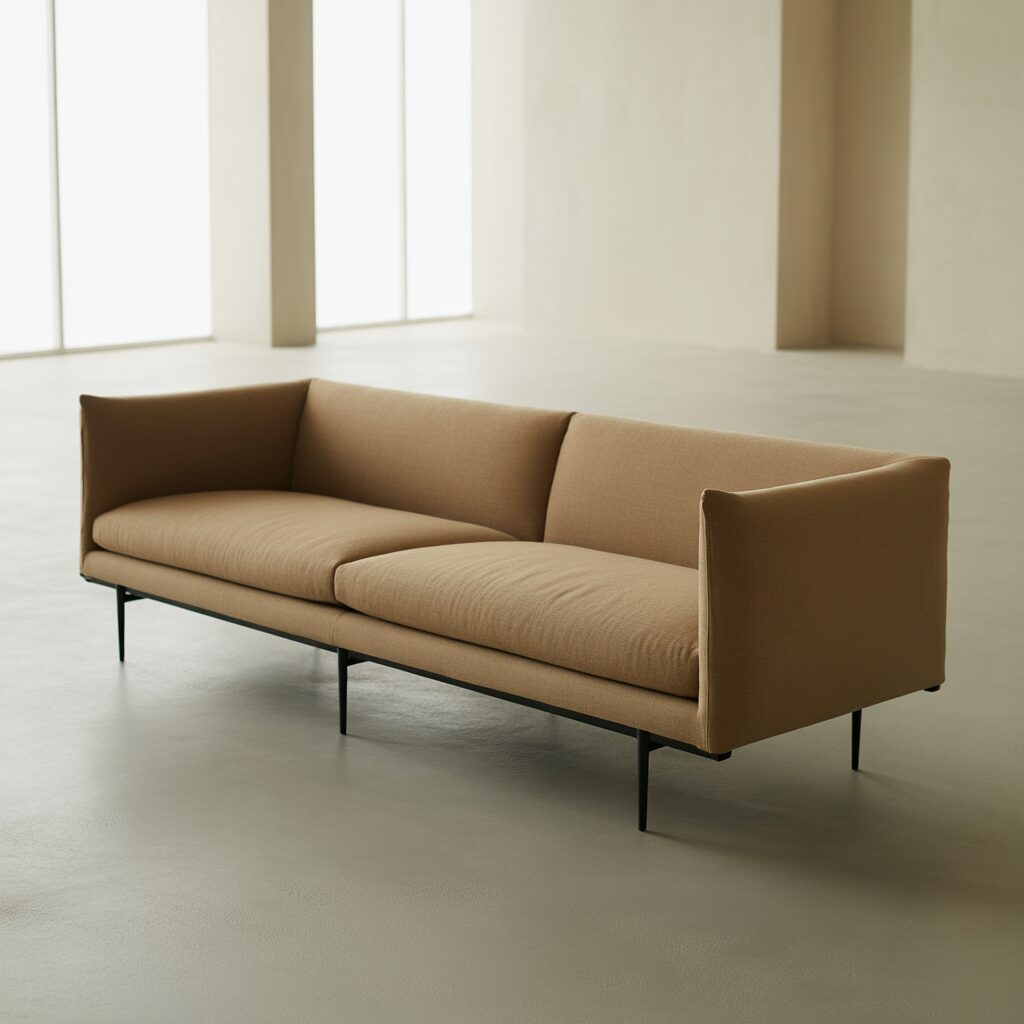
High backs are traditional. Low backs are minimalist.
Choose a sofa with a back height of 28-32 inches. The low back will not block light. The room will feel more open.
Pro Tip: Choose a sofa with a chaise. The chaise eliminates the need for an ottoman.
Mistake to Avoid: Do not choose a sofa with rolled arms. Rolled arms add visual weight.
2. Add a Bed with No Headboard
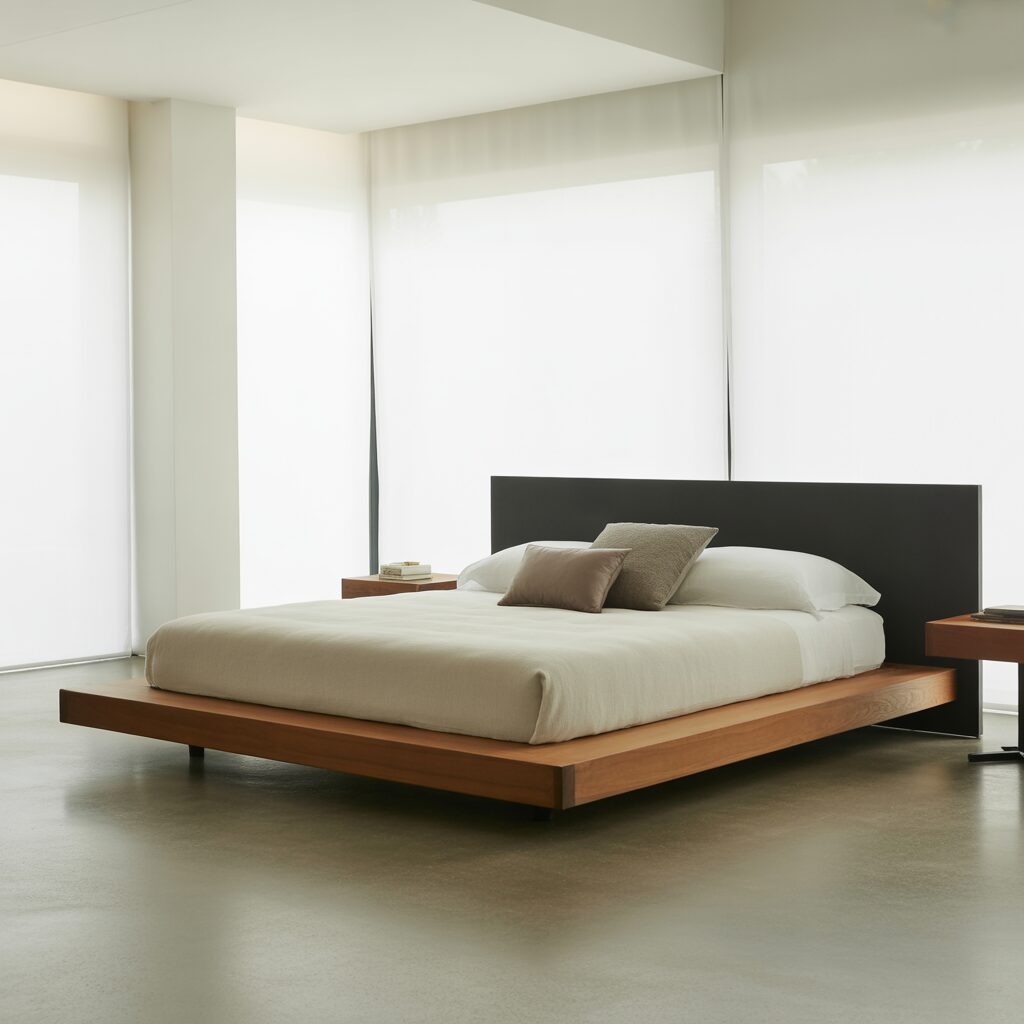
Headboards are traditional. Minimalist bedrooms do not need them.
Choose a bed frame without a headboard. The bed will recede. The wall will be the focus.
Pro Tip: Hang a single piece of art above the bed. The art replaces the headboard.
Mistake to Avoid: Do not use a bed skirt. The skirt adds unnecessary fabric.
3. Select a Dining Table with a Thin Top
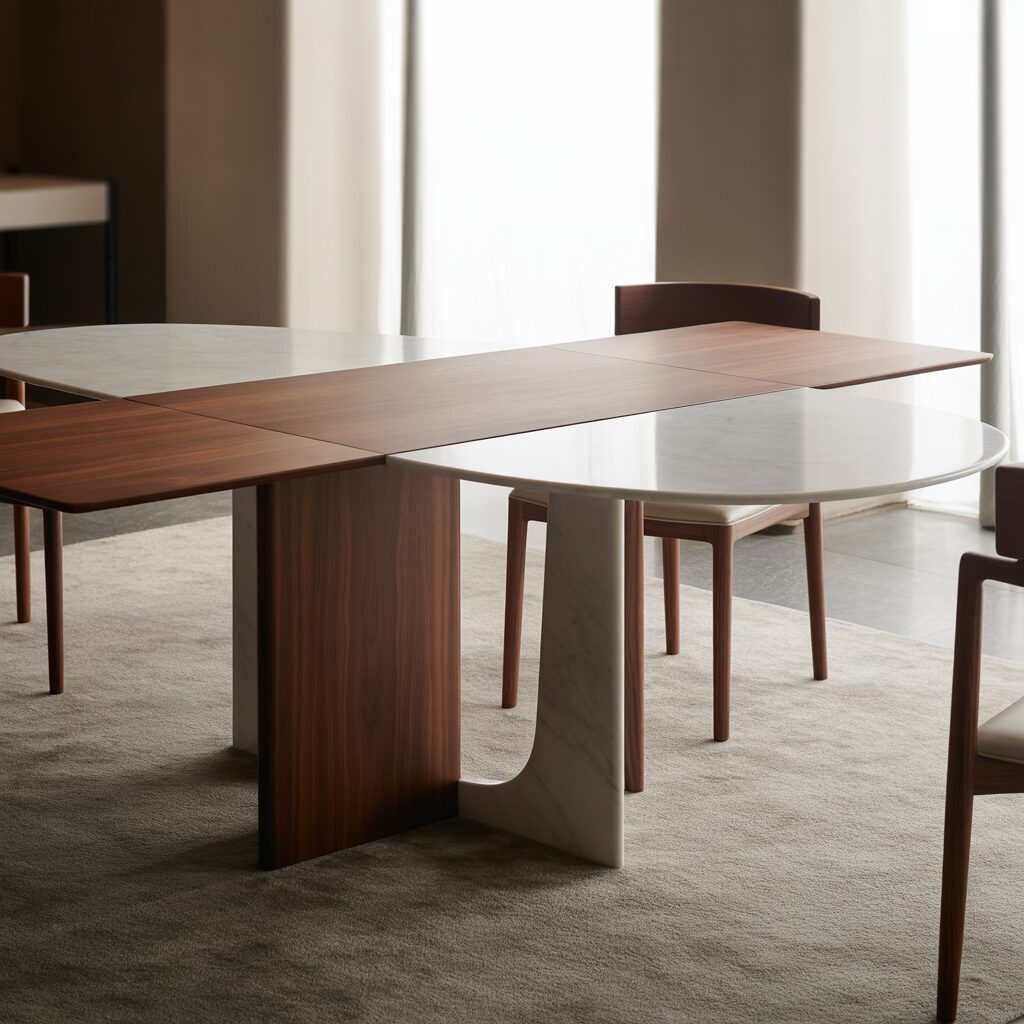
Thick tabletops are heavy. Thin tabletops are light.
Choose a dining table with a top thickness of 1 inch or less. The legs should be thin. The silhouette should be minimal.
Pro Tip: Choose a table with a live edge. The organic edge adds interest without ornament.
Mistake to Avoid: Do not choose a table with a pedestal base. Four thin legs are more minimalist.
4. Add a Single Armchair, Not a Pair
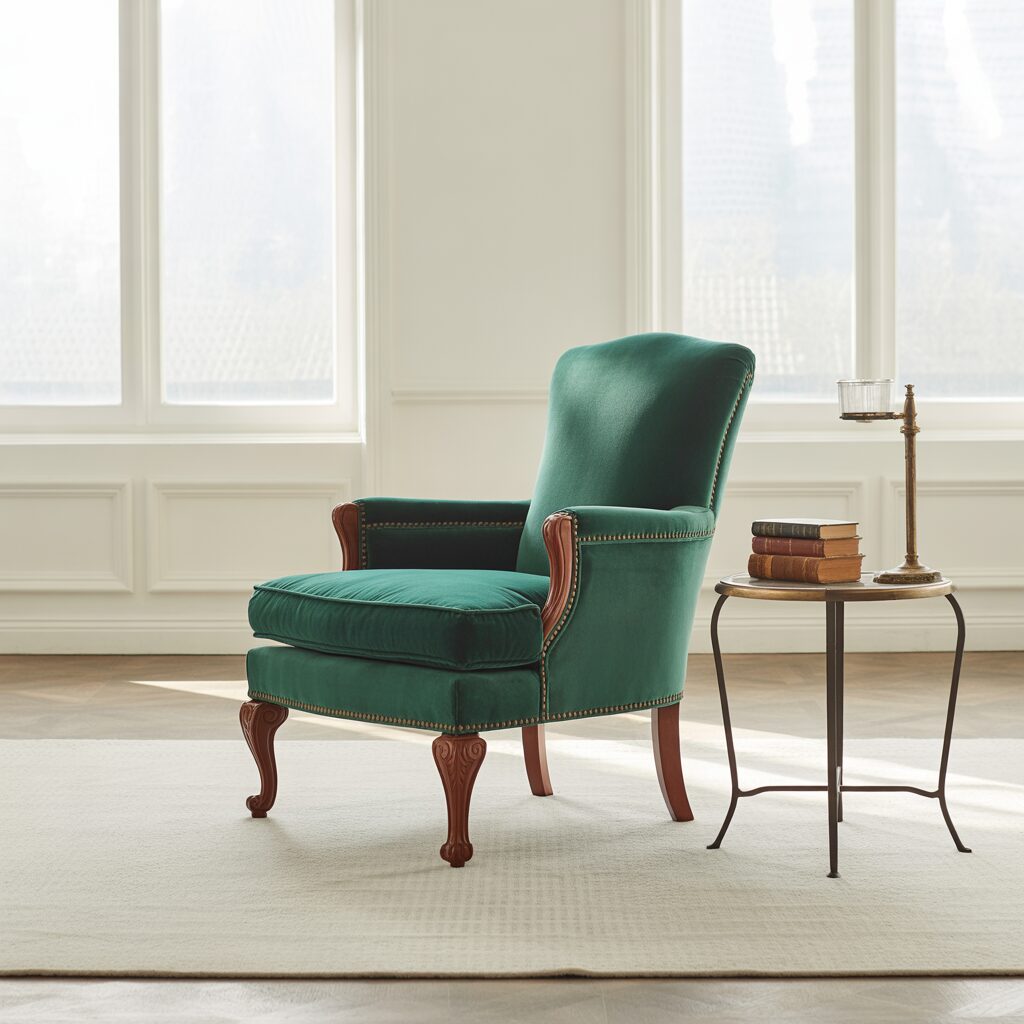
Pairs are traditional. One is minimalist.
Place a single armchair in the living room or bedroom. The chair should be comfortable. The chair should be beautiful. One is enough.
Pro Tip: Choose a chair with a canvas or linen cover. Natural fabrics are minimalist.
Mistake to Avoid: Do not add a side table next to the chair. The chair should stand alone.
5. Use a Coffee Table with No Drawers
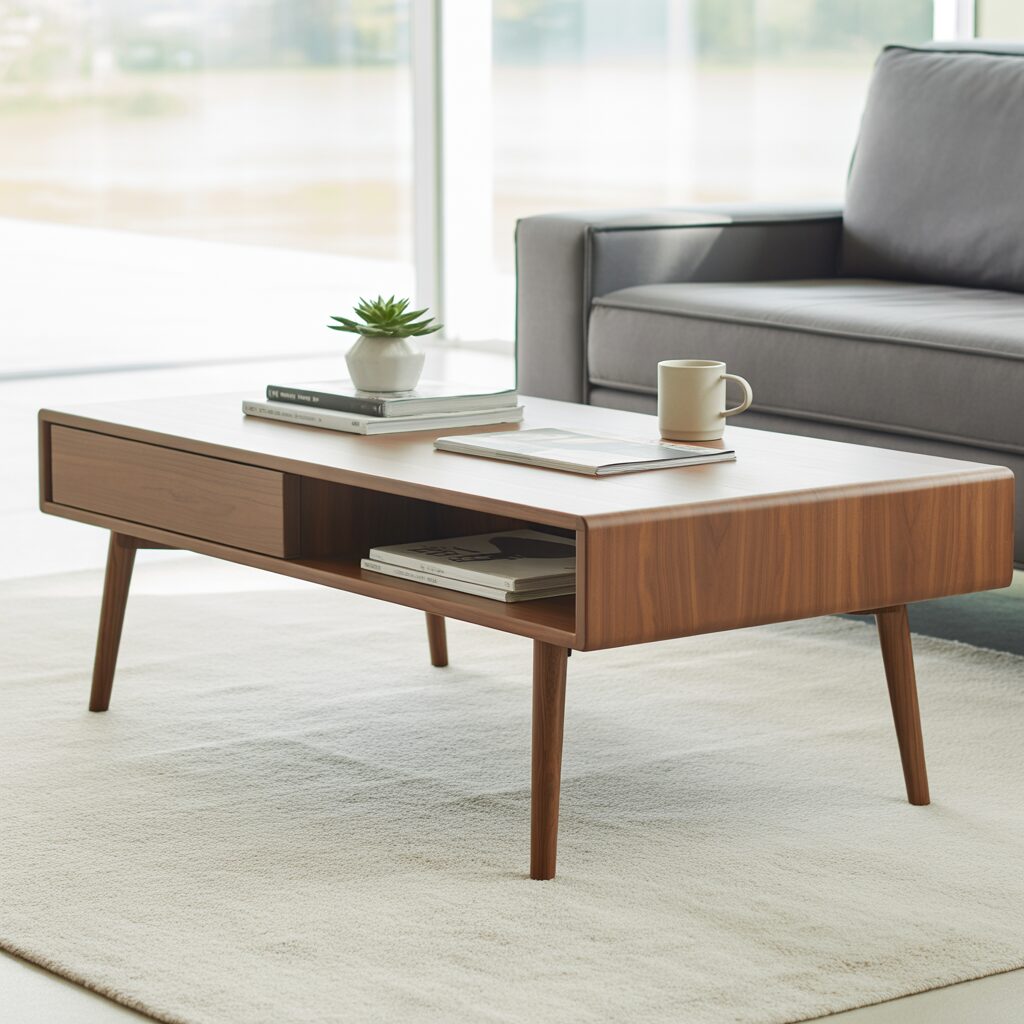
Drawers add visual weight. A flat top does not.
Choose a coffee table with a simple flat top. No drawers. No shelves. No hardware. The surface should be uninterrupted.
Pro Tip: Choose a table in light wood or white. Light colors recede.
Mistake to Avoid: Do not place anything on the coffee table. A minimalist coffee table is often empty.
6. Add a Floor Lamp with a Simple Shade
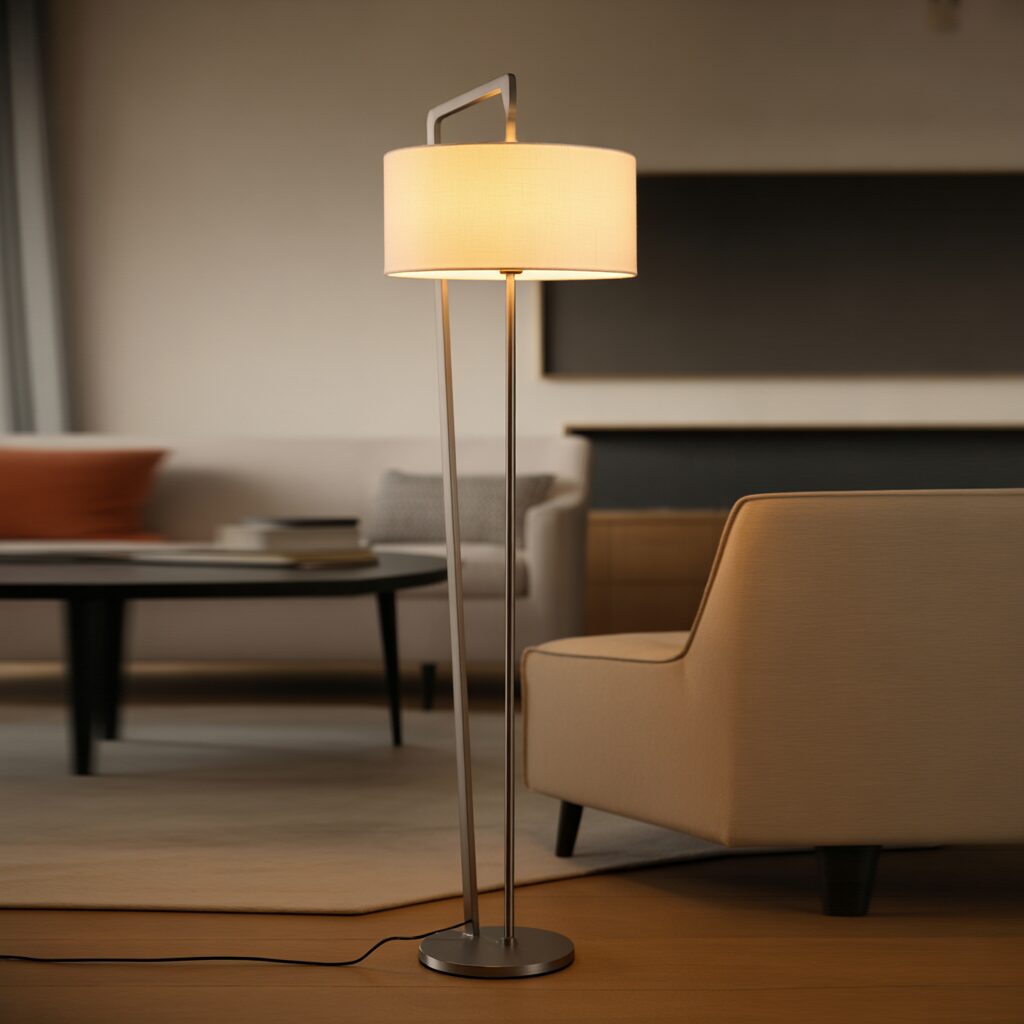
Ornate lamps are decorative. Simple lamps are functional.
Choose a floor lamp with a drum shade. The base should be straight. The cord should be hidden.
Pro Tip: Choose a lamp with a foot switch. The switch eliminates the need for a side table.
Mistake to Avoid: Do not choose a lamp with a stained glass shade. Stained glass is not minimalist.
7. Select a Bookshelf with Horizontal Lines
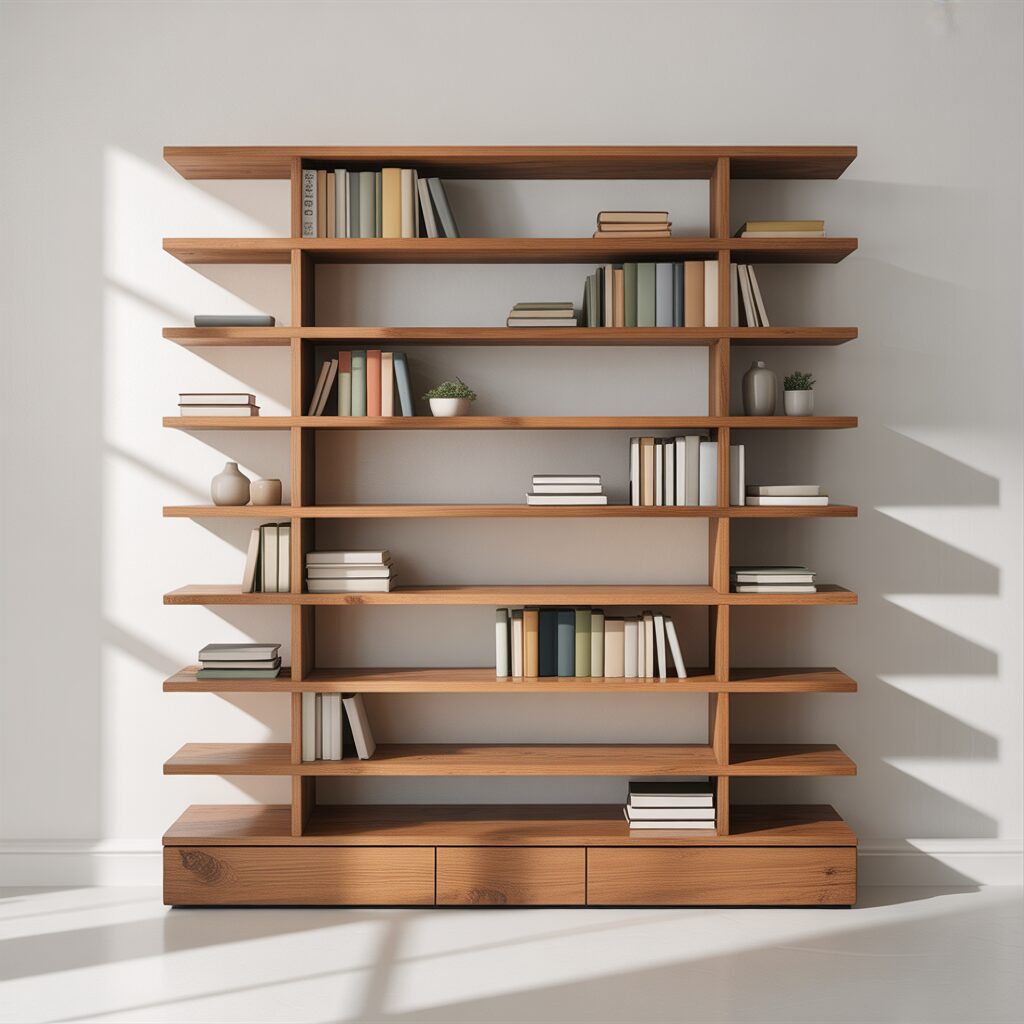
Vertical bookshelves are standard. Horizontal is minimalist.
Choose a low, wide bookshelf. The horizontal line will anchor the room. The books will be visible.
Pro Tip: Use the bookshelf as a room divider. The low height preserves sightlines.
Mistake to Avoid: Do not fill every shelf. Leave empty space.
8. Add a Platform Bed with a Floating Nightstand
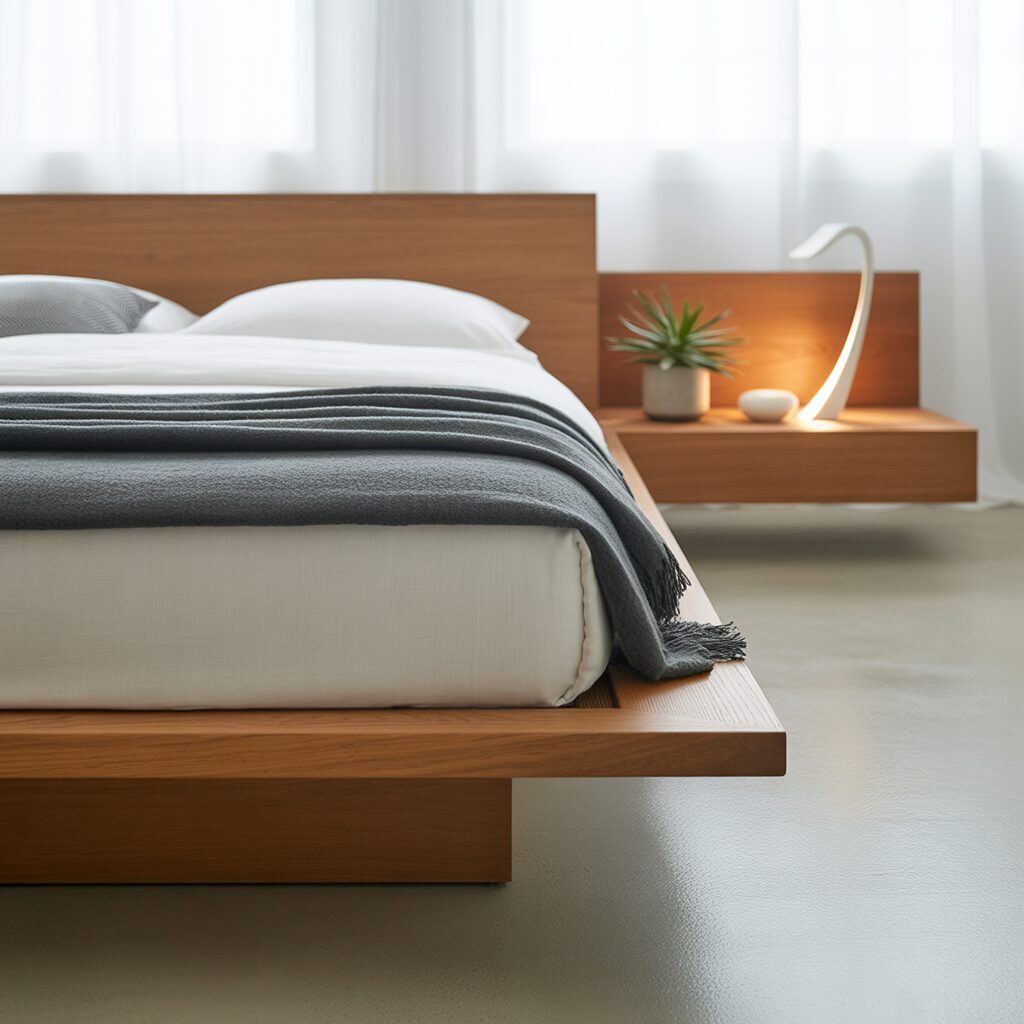
Nightstands take floor space. Floating nightstands do not.
Choose a platform bed with a cantilevered shelf on each side. The shelves will hold a lamp and a book. The floor will be visible underneath.
Pro Tip: Mount the shelves at mattress height. The shelf will be within reach.
Mistake to Avoid: Do not use a nightstand with legs. Floating is cleaner.
9. Use a Console Table with Hairpin Legs
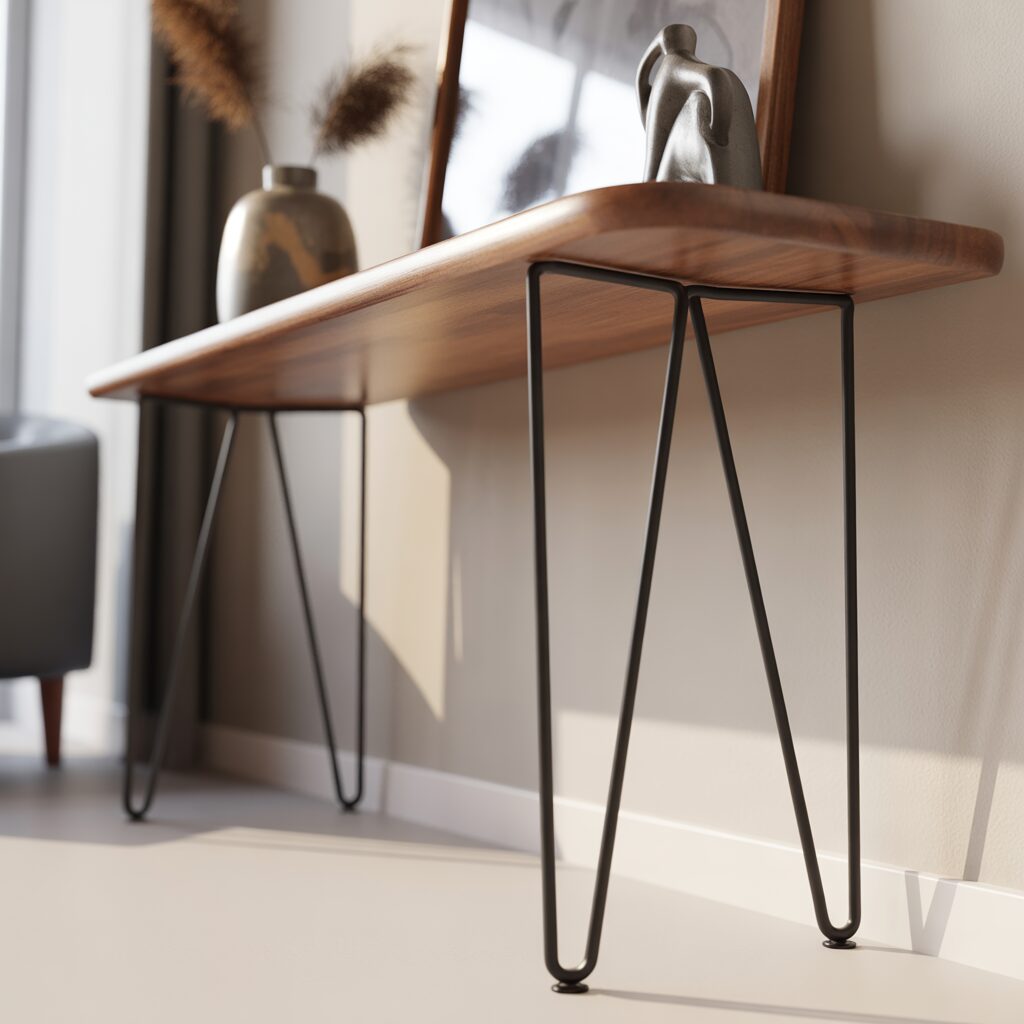
Heavy legs are traditional. Hairpin legs are minimalist.
Choose a console table with thin metal hairpin legs. The top should be wood or marble. The legs should disappear visually.
Pro Tip: Use the console table behind a sofa. The table will add surface without bulk.
Mistake to Avoid: Do not place anything on the console table. The table is the object.
10. Add a Wall-Mounted Desk
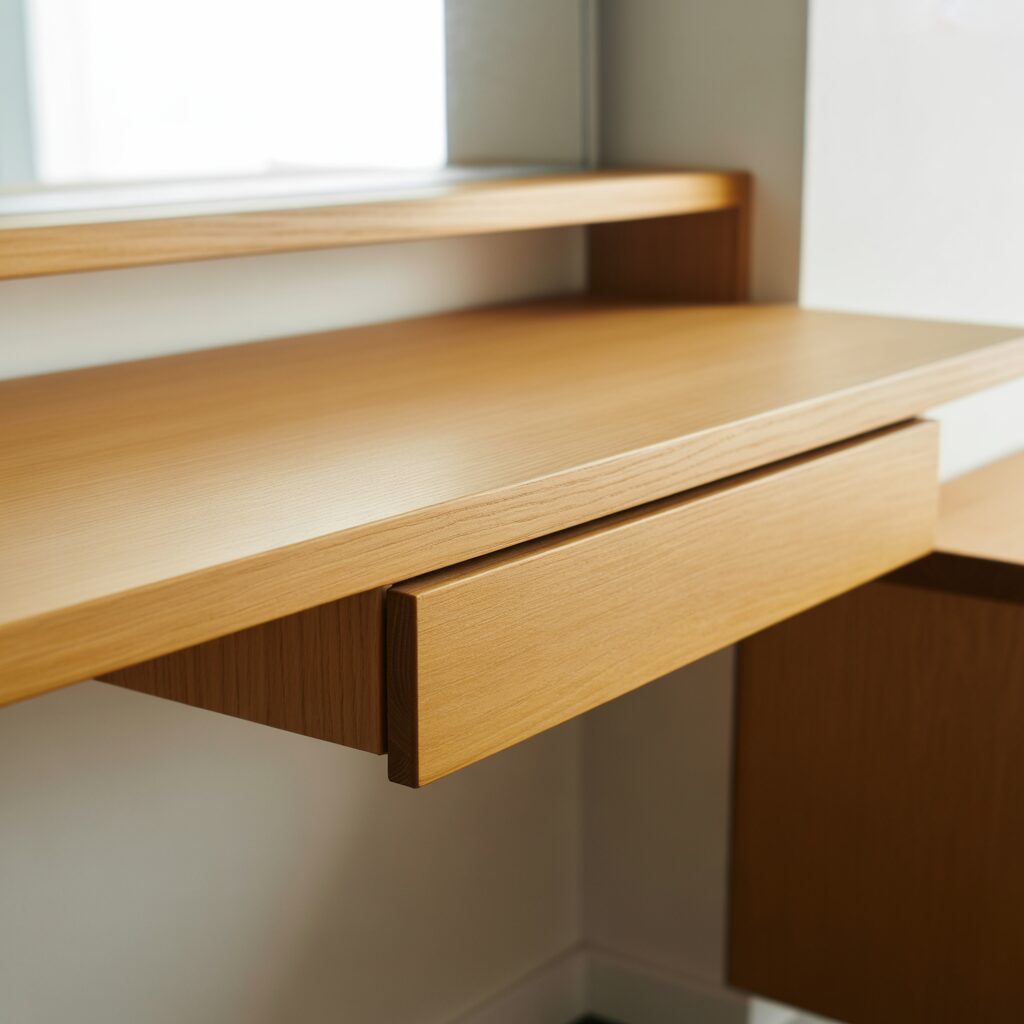
Desk legs take floor space. A wall-mounted desk does not.
Choose a desk that attaches directly to the wall. The top should be deep enough for a laptop (20-24 inches). The brackets should be invisible.
Pro Tip: Mount the desk at 29 inches from the floor. Standard desk height.
Mistake to Avoid: Do not use a desk with a hutch. The hutch adds visual weight.
11. Select a Dining Chair with a Single Material
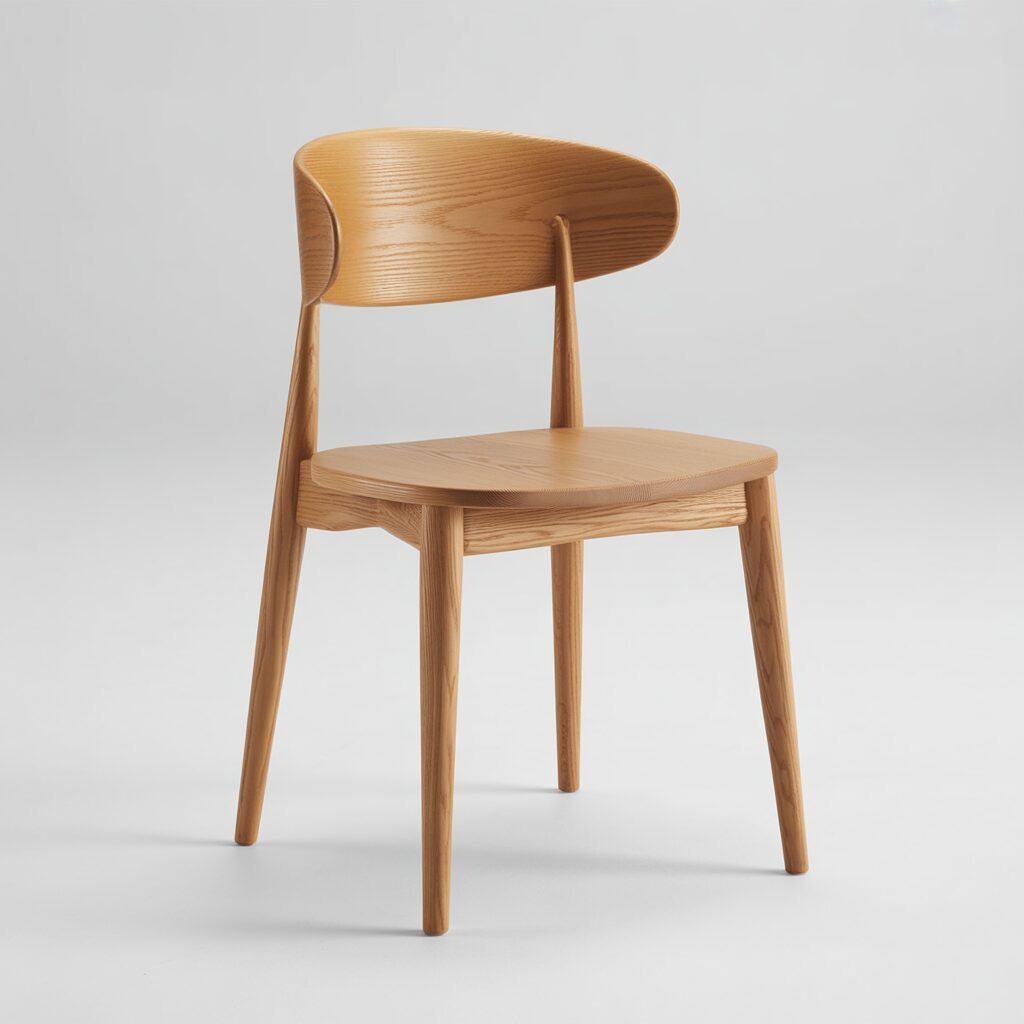
Mixed materials are busy. One material is clean.
Choose a dining chair made entirely of wood, entirely of metal, or entirely of molded plastic. No cushions. No upholstery.
Pro Tip: Choose chairs in a light wood. Ash or maple.
Mistake to Avoid: Do not choose chairs with arms. Armless chairs are more minimalist.
12. Add a Storage Unit with Sliding Doors
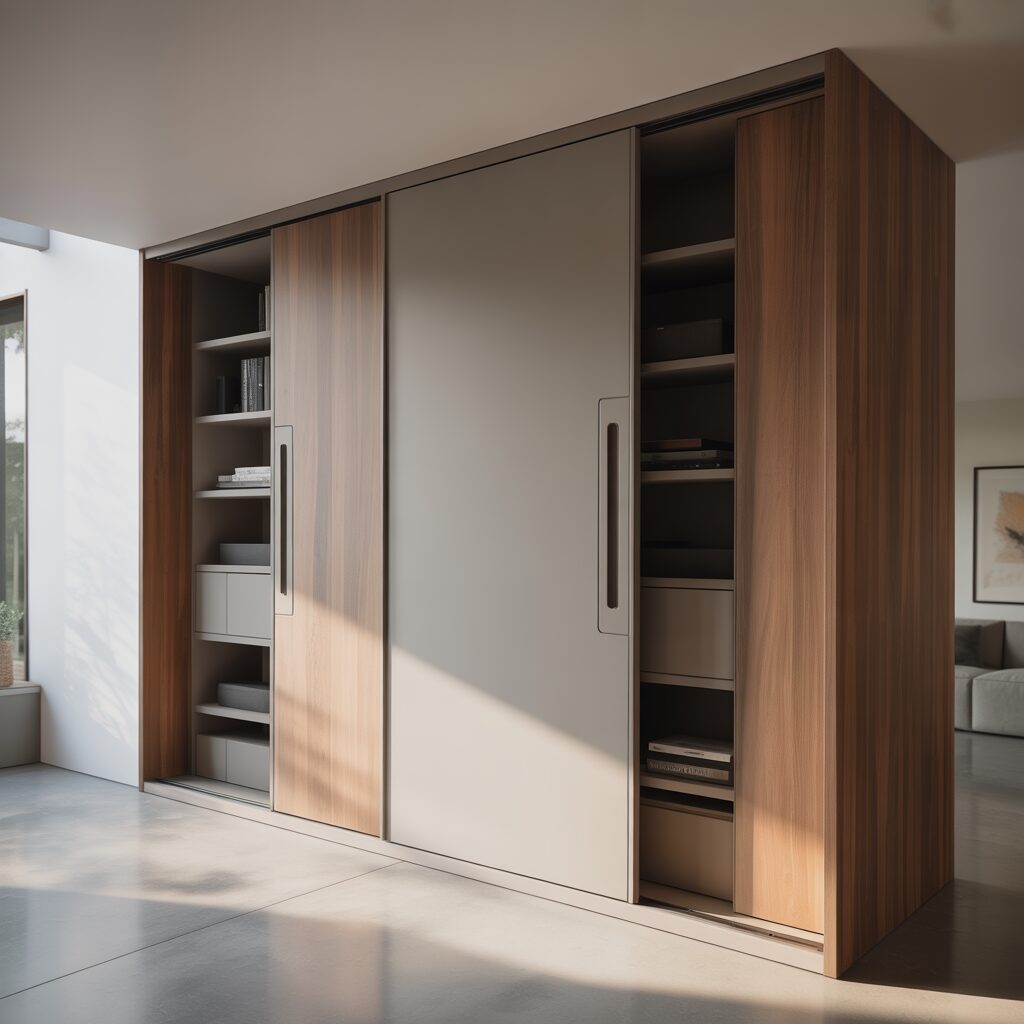
Sliding doors are flat. Hinged doors have gaps.
Choose a storage unit with sliding doors. The front should be uninterrupted. The handles should be recessed.
Pro Tip: Choose a unit in white or light gray. The color will recede.
Mistake to Avoid: Do not use a storage unit with visible hardware. Hidden is cleaner.
13. Use a Stool Instead of a Chair
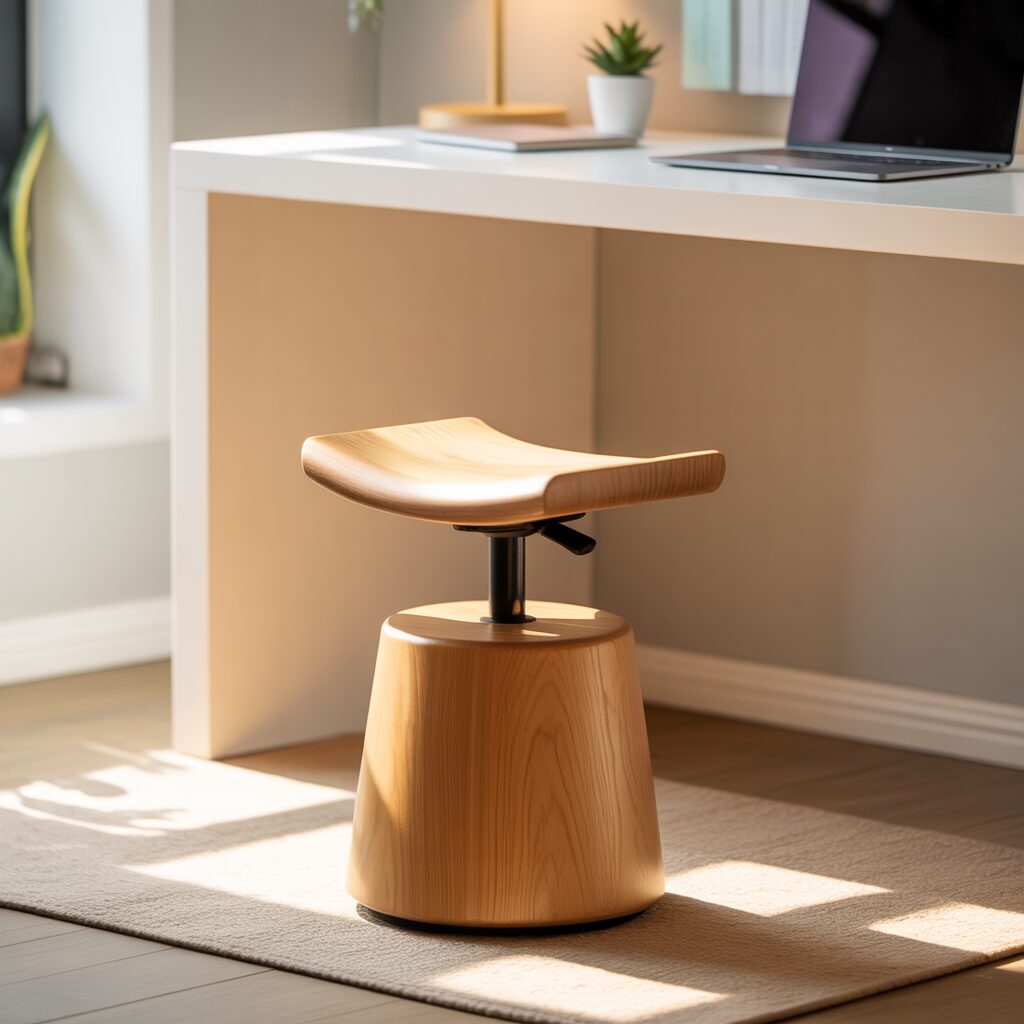
Chairs have backs. Stools do not. Stools are more minimalist.
Place a stool at a desk or a counter. The stool should have a round or square seat. The legs should be straight.
Pro Tip: Choose a stool with a footrest. The footrest adds comfort.
Mistake to Avoid: Do not use a stool for long periods of sitting. Stools are for short visits.
14. Add a Coat Rack with a Single Stem
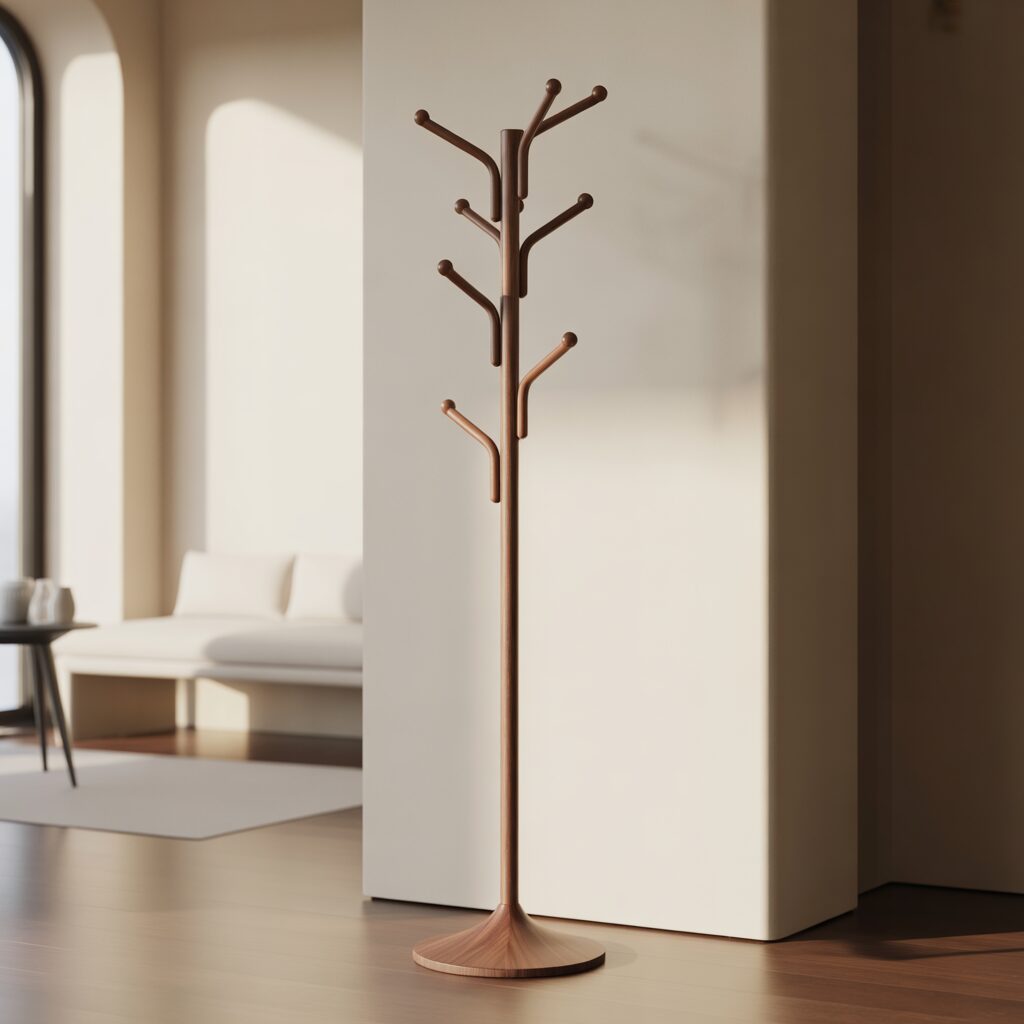
Coat racks with multiple hooks are busy. A single stem is clean.
Choose a coat rack with a central pole and a few hooks at the top. The pole should be metal or wood. The base should be weighted.
Pro Tip: Place the rack in a corner. The pole will disappear.
Mistake to Avoid: Do not overload the rack. Two coats are enough.
15. Select a Side Table with a Glass Top
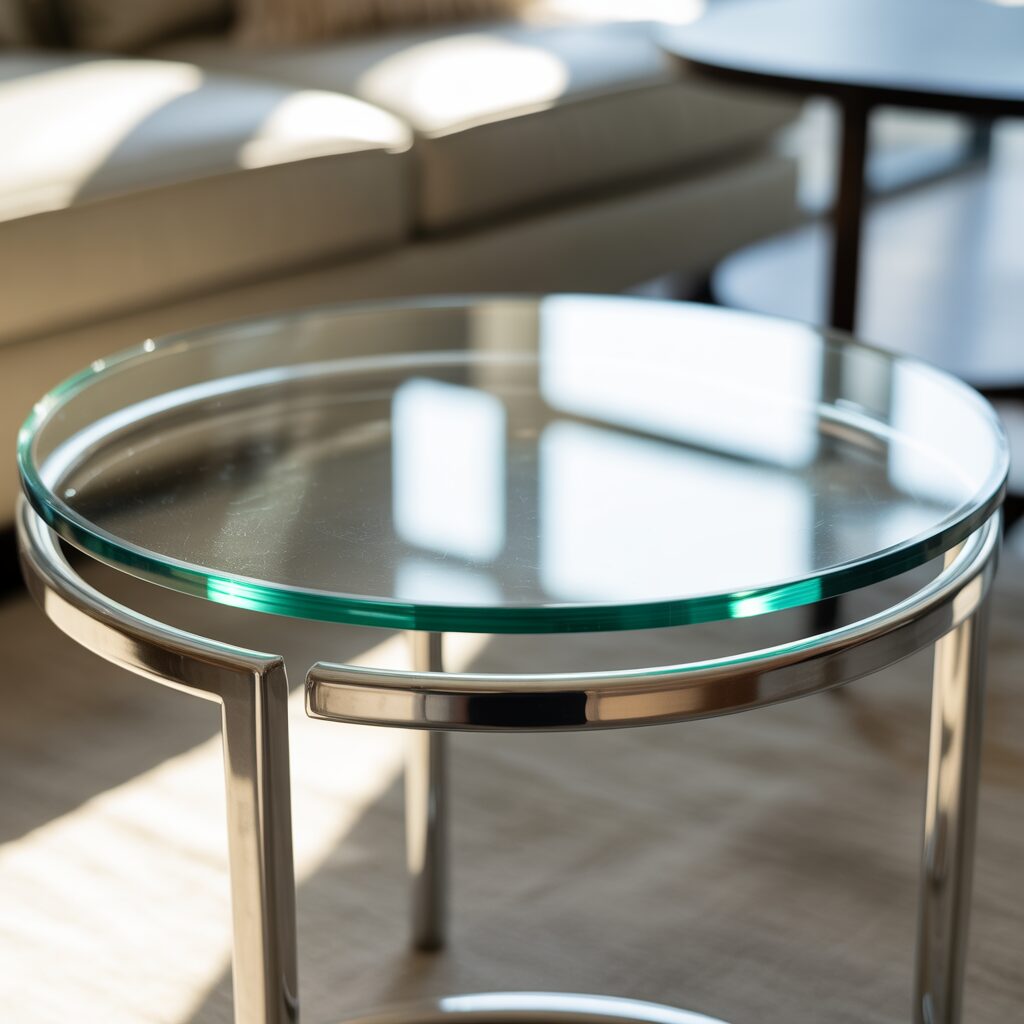
Glass is transparent. It disappears.
Choose a side table with a glass top and a metal base. The top will show the floor underneath. The table will not add visual weight.
Pro Tip: Choose a table with a beveled edge. The bevel adds a subtle detail.
Mistake to Avoid: Do not use a glass table in a high-traffic area. It will show fingerprints.
16. Add a Media Console with No Handles
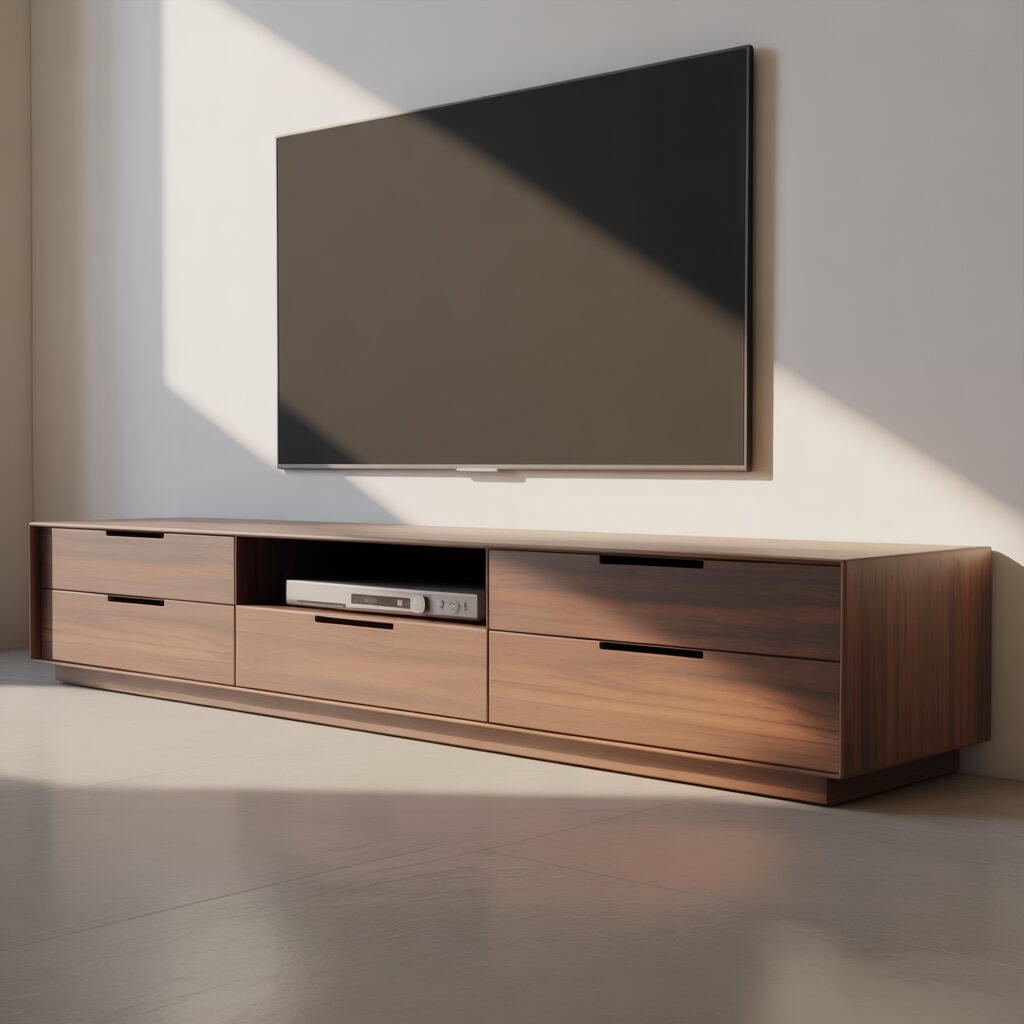
Handles are visual clutter. Push-to-open hardware is not.
Choose a media console with push-to-open doors. The front should be completely flat. The finish should be matte.
Pro Tip: Choose a console in white or black. The color will contrast with the wall.
Mistake to Avoid: Do not place anything on top of the console. The top should be empty.
17. Use a Bench with a Leather Strap
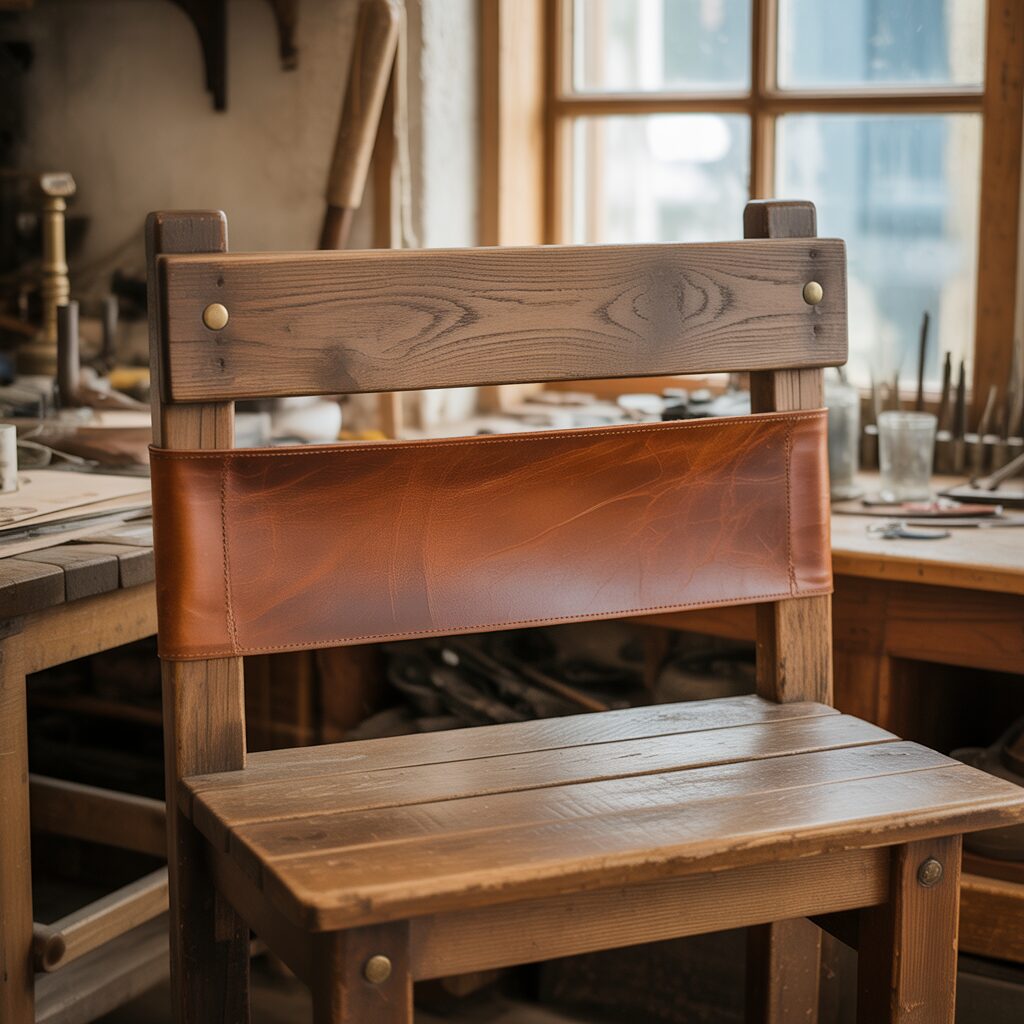
Wood benches are solid. Leather strap benches are light.
Choose a bench with a leather strap seat suspended from a wood frame. The straps will flex. The frame will be visible.
Pro Tip: Place the bench in an entryway. Use it for putting on shoes.
Mistake to Avoid: Do not use the bench for daily dining. The straps will stretch.
18. Add a Pendant Light Instead of a Table Lamp
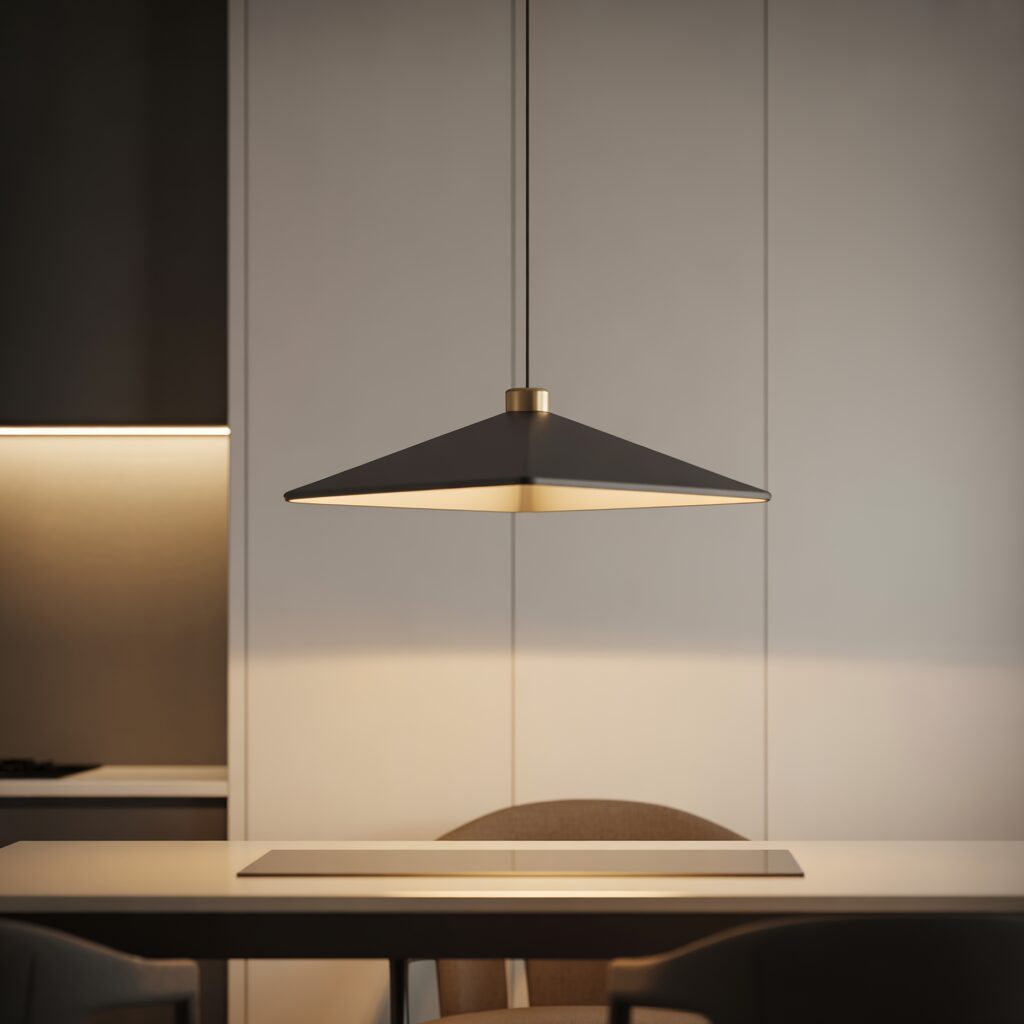
Table lamps take surface space. Pendant lights do not.
Hang a pendant light over a desk or a side table. The cord should be visible. The shade should be simple.
Pro Tip: Use a pendant with a long cord. The cord becomes part of the design.
Mistake to Avoid: Do not hang the pendant too low. It should clear your head.
19. Select a Dining Table with a Butterfly Leaf
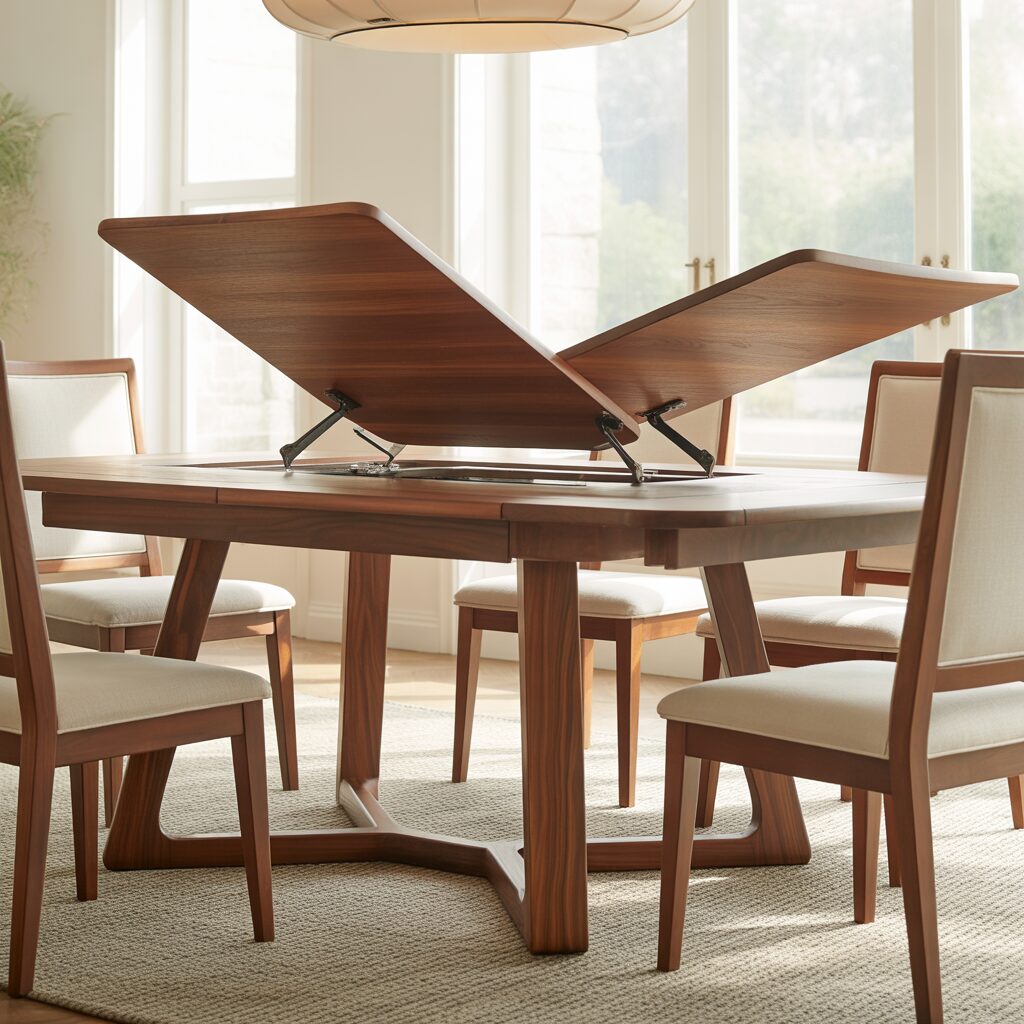
Expandable tables have gaps. Butterfly leaf tables do not.
Choose a dining table with a butterfly leaf that folds into the table. When closed, the table is small. When open, the leaf extends.
Pro Tip: Choose a table with a leaf that is easy to lift. Complicated mechanisms are frustrating.
Mistake to Avoid: Do not choose a table with a stored leaf that is visible. The seam should be hidden.
20. Add a Single Large Mirror
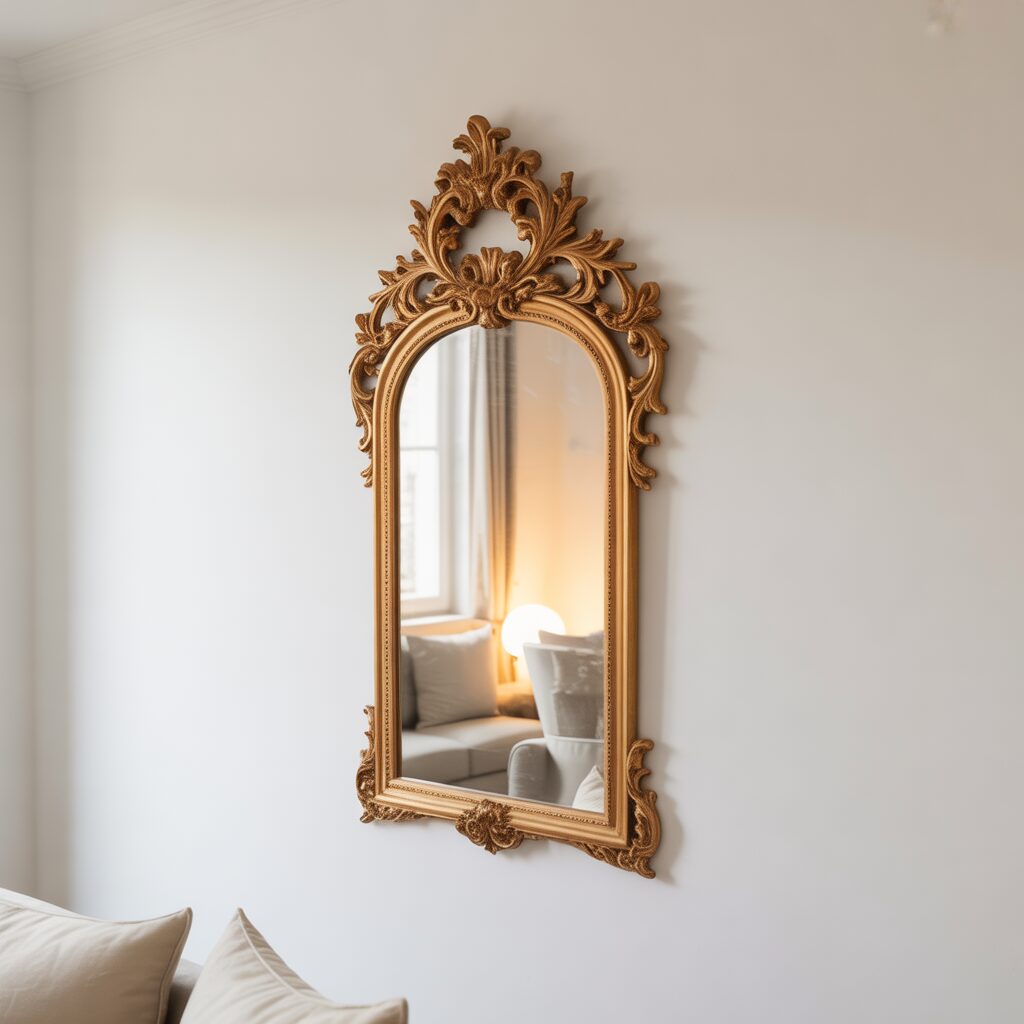
Multiple mirrors are busy. One large mirror is clean.
Choose a single large mirror with a thin frame. Lean it against the wall. The mirror will reflect the room. The frame will disappear.
Pro Tip: Choose a mirror with a beveled edge. The bevel adds a subtle detail.
Mistake to Avoid: Do not hang the mirror. Leaning is more minimalist.
Conclusion
Minimalist furniture design prioritizes function and form. A sofa with a low back. A bed with no headboard. A dining table with a thin top. A single armchair. A coffee table with no drawers. A floor lamp with a simple shade. A horizontal bookshelf. A platform bed with floating nightstands. A console table with hairpin legs. A wall-mounted desk. A dining chair with a single material. A storage unit with sliding doors. A stool instead of a chair. A coat rack with a single stem. A side table with a glass top. A media console with no handles. A bench with a leather strap. A pendant light. A dining table with a butterfly leaf. A single large mirror.
Start with one minimalist furniture idea today. A sofa with a low back. A coffee table with no drawers. The room will feel lighter, the space will feel calmer, and the function will be clear.