20 Furniture Ideas That Transform Empty Rooms Into Functional, Beautiful Spaces
Essential Furniture Pieces | Room-by-Room Guide | Smart Home Furnishing Choices
A room without furniture is just a box. Four walls. A floor. A ceiling. No function. No comfort. No life.
Furniture is what makes a house a home. It provides a place to sit, to sleep, to eat, to work. The right furniture transforms an empty space into a sanctuary. The wrong furniture makes even a large room feel cramped and useless.
This guide delivers 20 furniture ideas that transform empty rooms into functional, beautiful spaces.
1. Start Every Room with an Anchor Piece
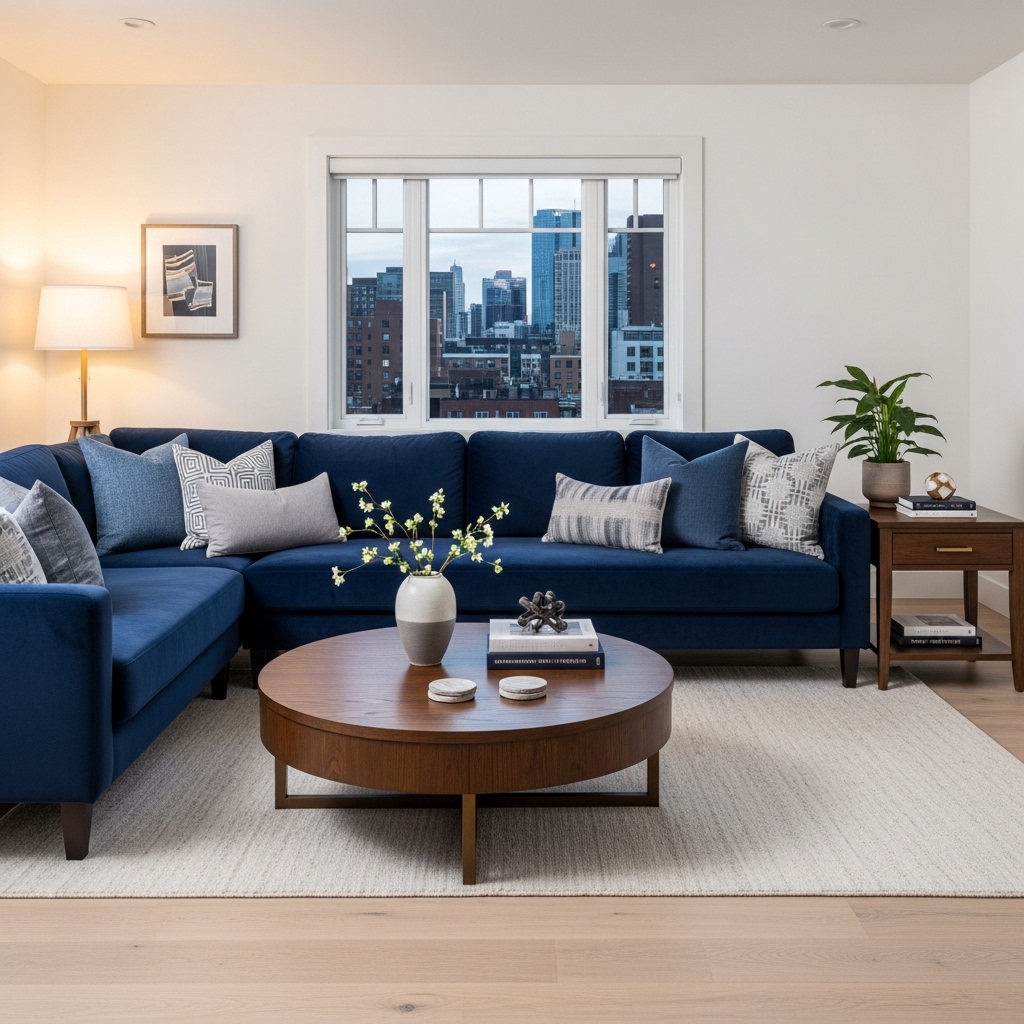
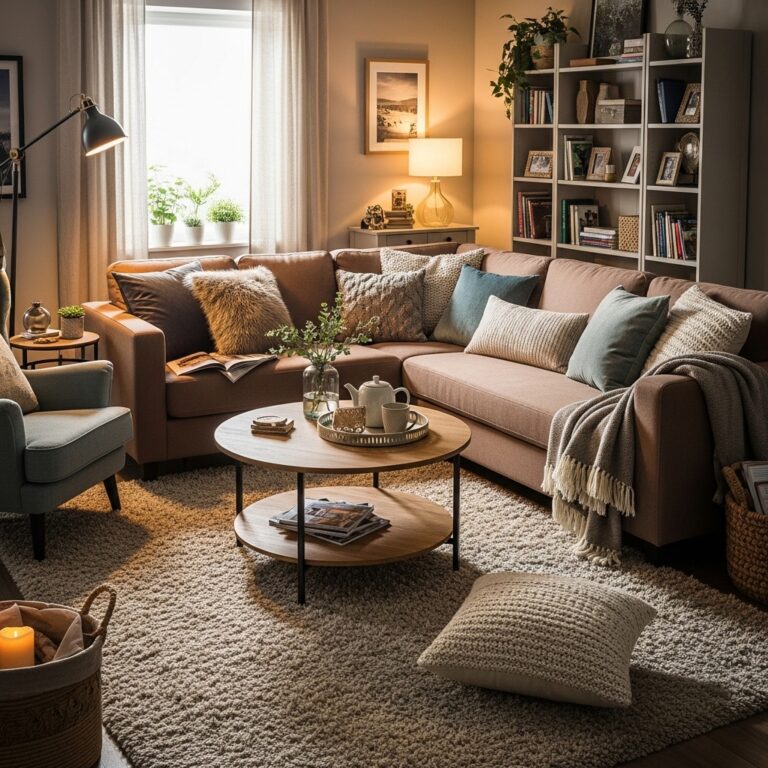
Every room needs one large piece that grounds the space. In the living room, it is the sofa. In the bedroom, it is the bed. In the dining room, it is the table.
Choose the anchor piece first. Everything else works around it. The anchor should be neutral in color. It should be timeless in style. It should be comfortable above all else.
Pro Tip: Spend the largest portion of your budget on the anchor piece. Everything else can be thrifted.
Mistake to Avoid: Do not buy the anchor piece last. You will end up with furniture that does not fit together.
2. Add a Statement Chair for Personality
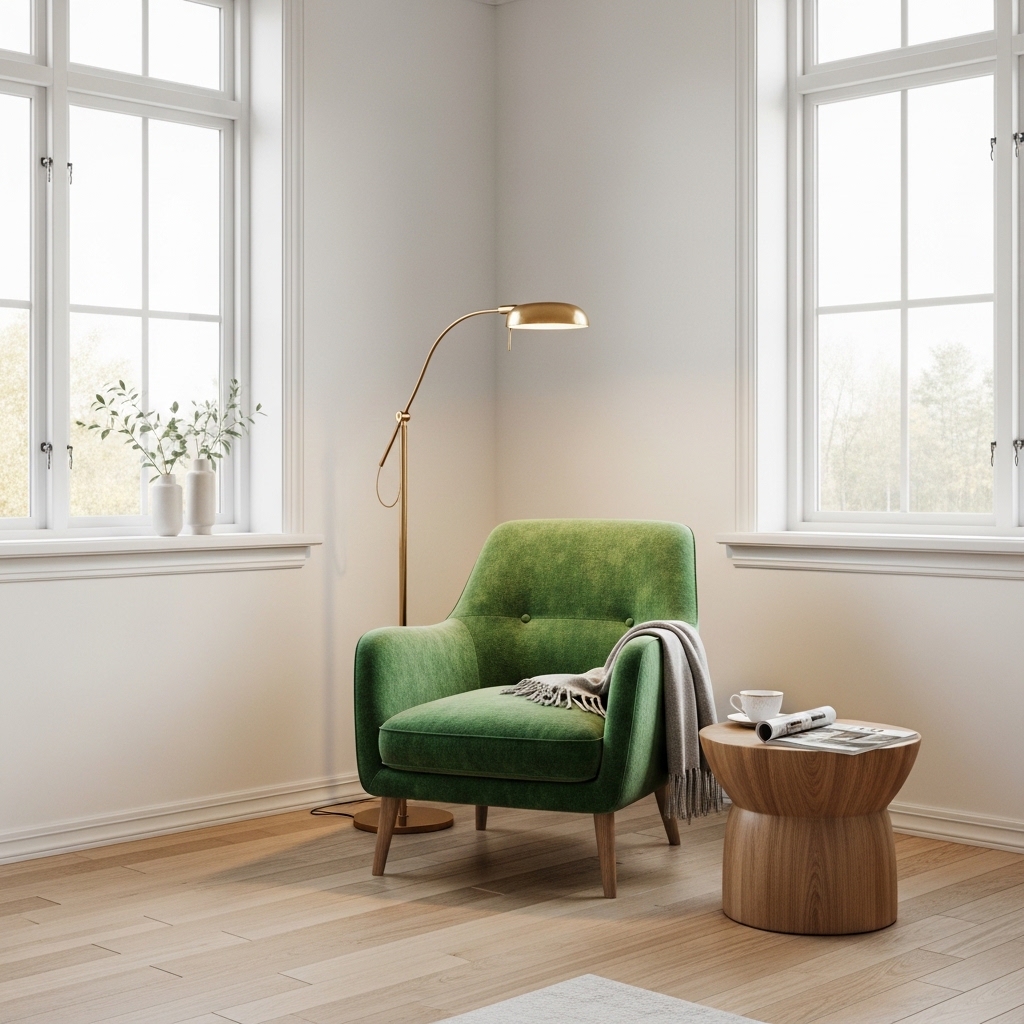
An anchor piece is neutral. A statement chair is not. It is where personality enters the room.
Choose a chair in a bold color or an interesting shape. Velvet in emerald green. Leather in cognac. A wingback with a floral fabric. The chair should stand out.
Pro Tip: Place the statement chair near a window or a lamp. It will become a reading nook.
Mistake to Avoid: Do not buy a statement chair that is uncomfortable. Beauty without comfort is useless.
3. Include a Surface at Every Seat
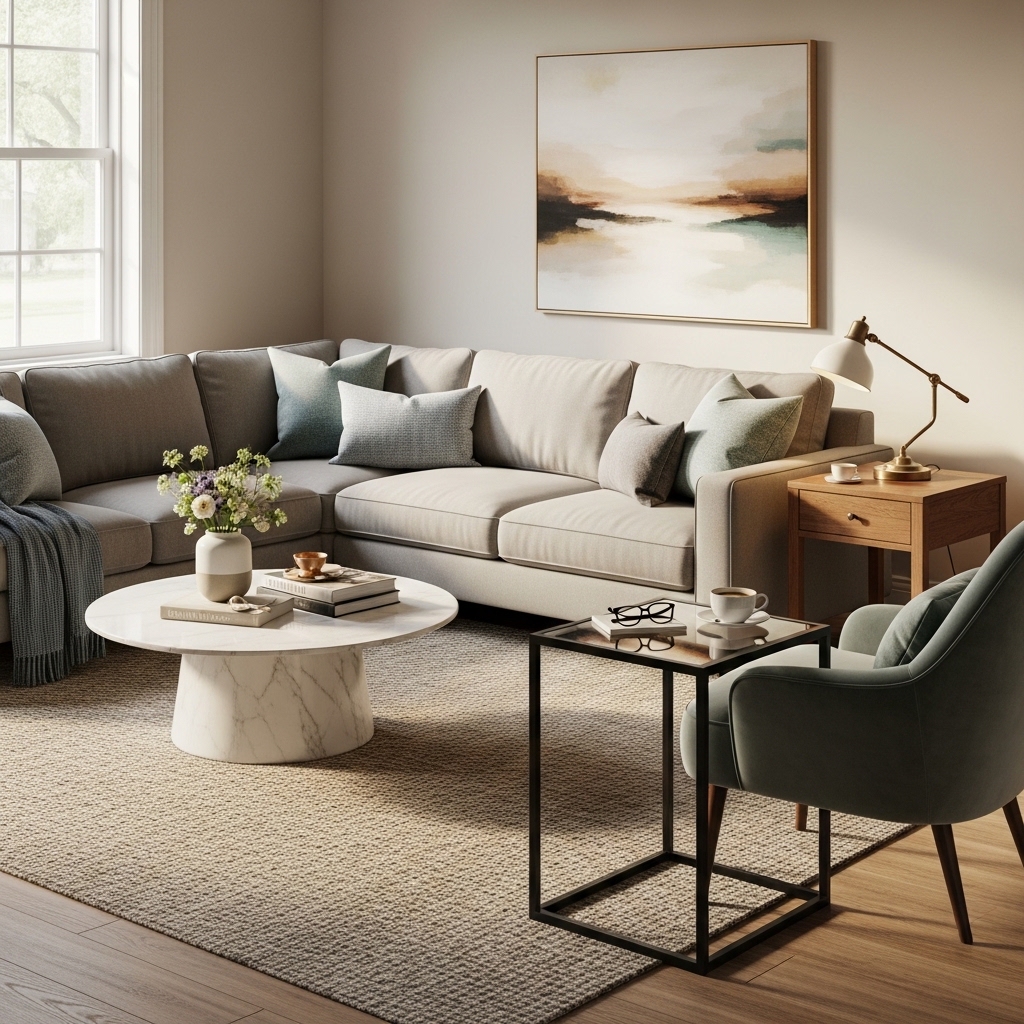
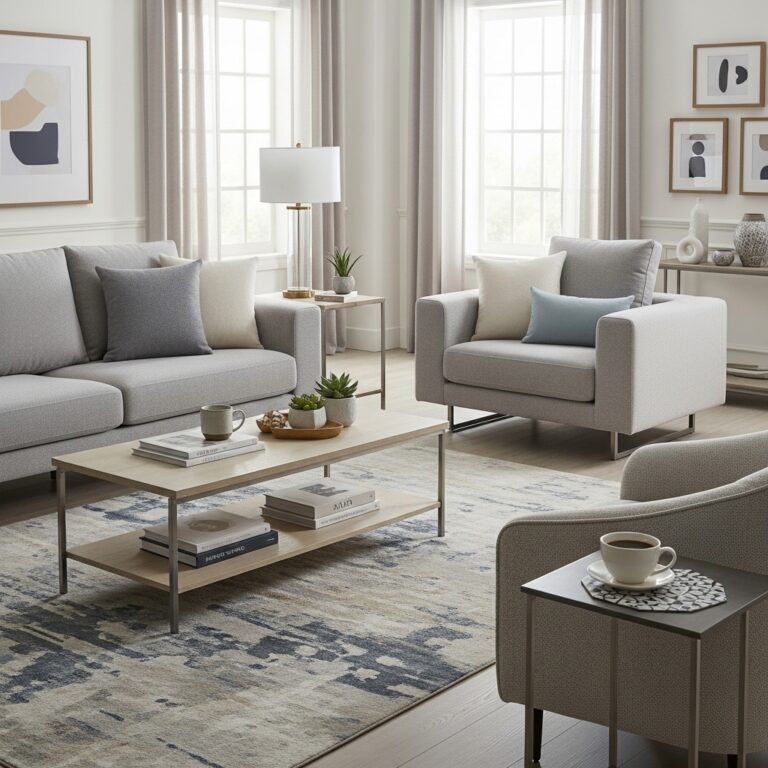
Every place where a person sits needs a surface nearby. A coffee table for the sofa. A side table for an armchair. A nightstand for the bed.
The surface should be within arm’s reach. It should be large enough for a drink and a book. It should not dominate the space.
Pro Tip: Use nesting tables for flexibility. Pull one out when needed. Tuck it away when not.
Mistake to Avoid: Do not place a surface too far from the seat. Reaching should not require leaning.
4. Add Storage That Does Not Look Like Storage
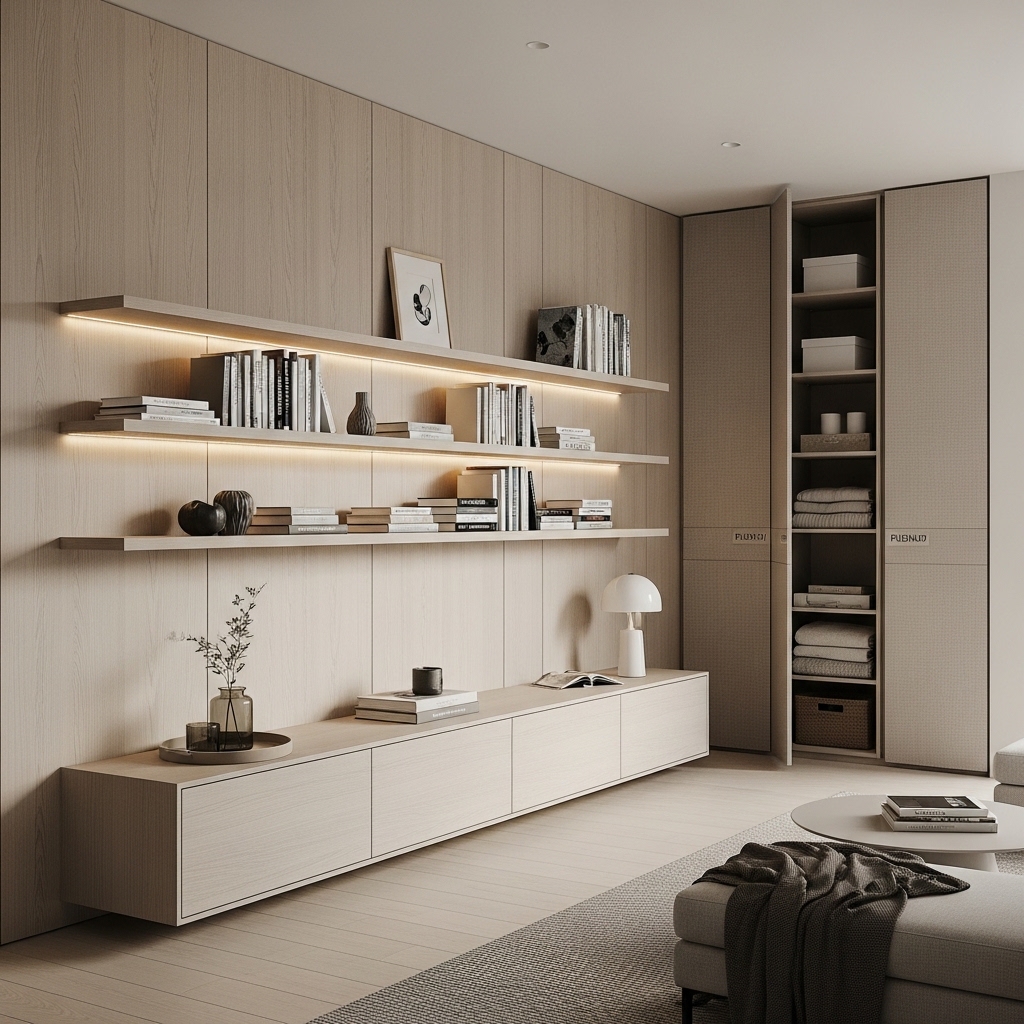
Open storage is functional. It is also visible. Closed storage hides the mess.
Choose dressers, cabinets, and chests that look like furniture, not storage units. A beautiful armoire stores clothes without looking like a closet. A sideboard stores dishes without looking like a kitchen cabinet.
Pro Tip: Paint old dressers to match your decor. A fresh coat transforms a thrifted find.
Mistake to Avoid: Do not use plastic storage bins in visible areas. Bins belong in closets.
5. Use a Bench for Flexible Seating
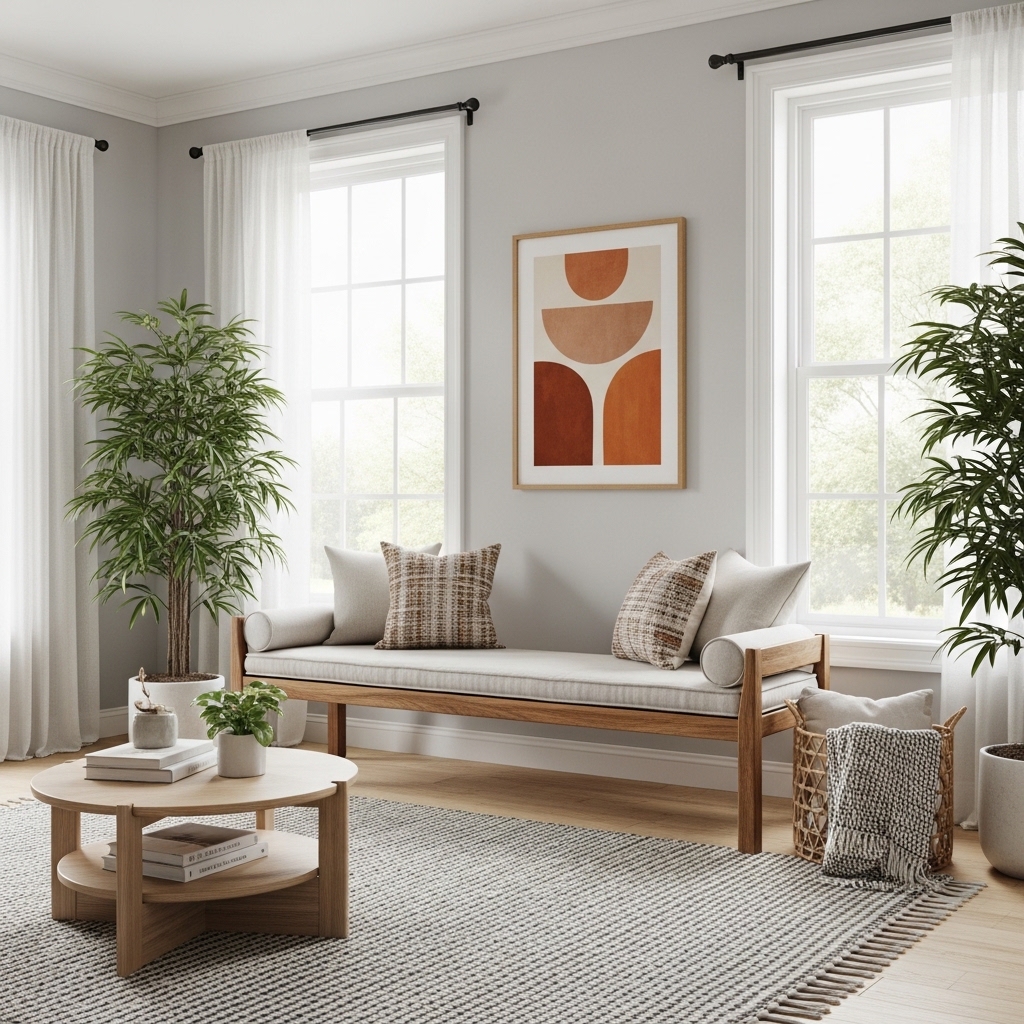
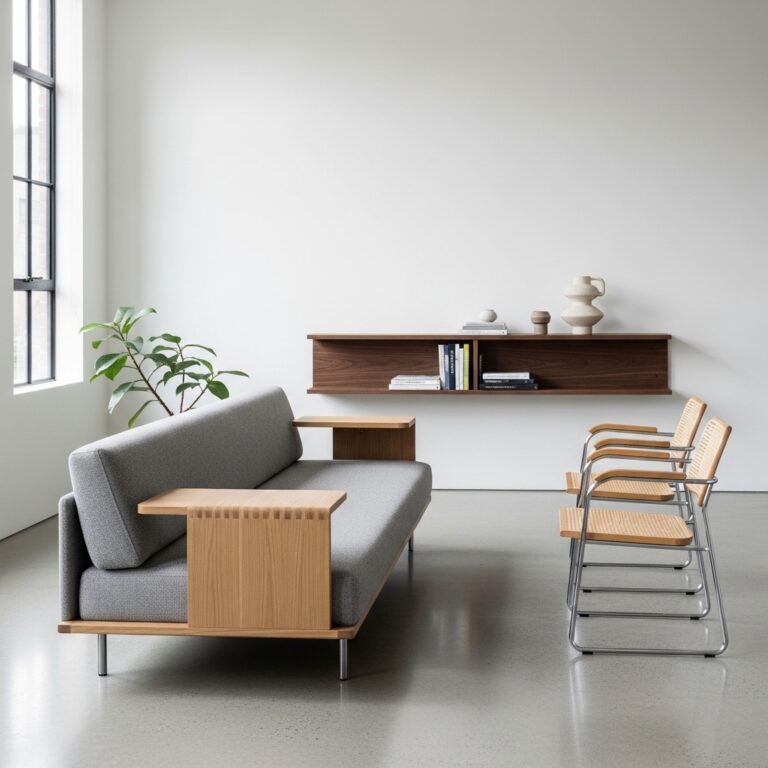
Benches are versatile. They seat multiple people. They fit into corners. They tuck under tables.
Place a bench at a dining table. Place one at the foot of a bed. Place one in an entryway for putting on shoes.
Pro Tip: Choose a bench with storage underneath. The hidden space is useful.
Mistake to Avoid: Do not use a bench without a back for long periods of sitting. It becomes uncomfortable.
6. Add a Cart for Mobile Storage
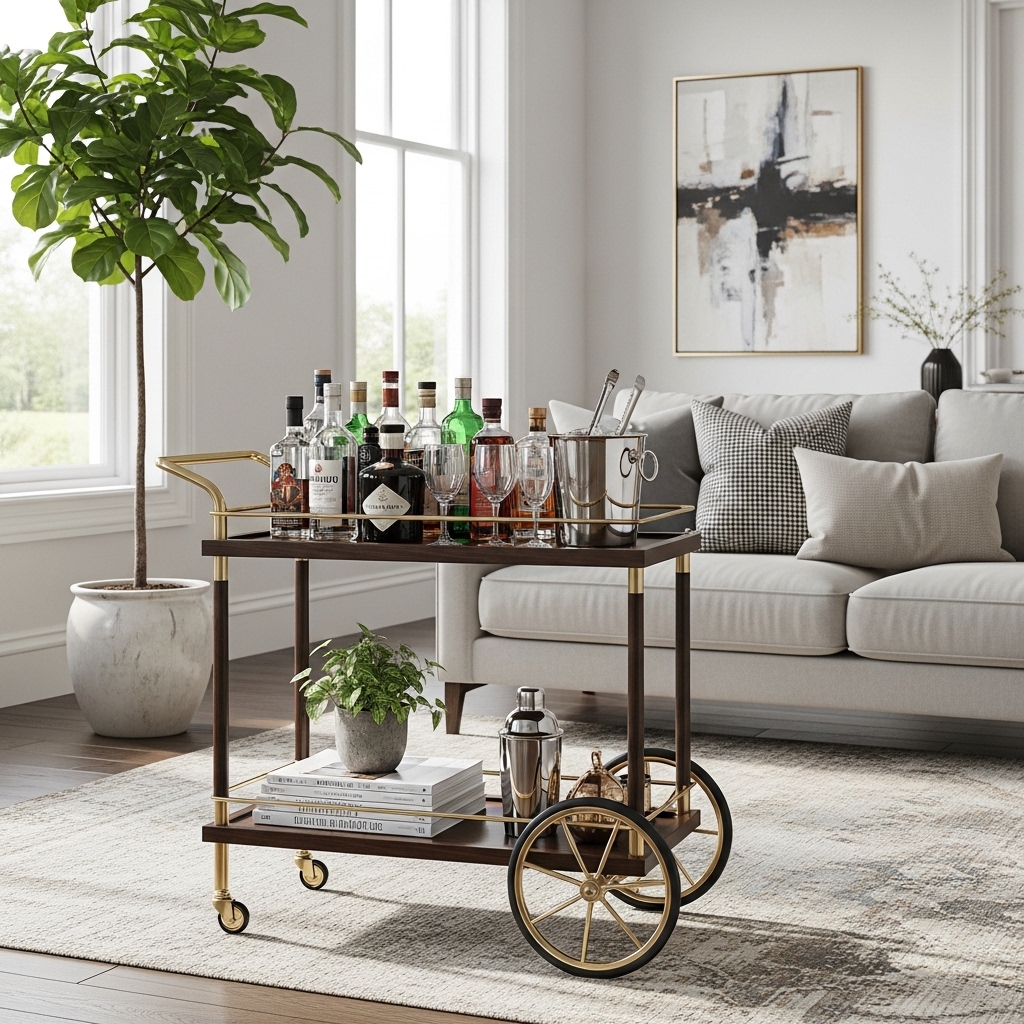
Carts are not just for hospitals and hotels. They are for homes too.
Use a bar cart for drinks and glasses. Use a kitchen cart for extra counter space. Use a utility cart for craft supplies. The wheels make it mobile.
Pro Tip: Choose a cart with locking casters. The locks keep it stable.
Mistake to Avoid: Do not overload a cart. Carts tip when top-heavy.
7. Include a Floor Lamp for Vertical Interest
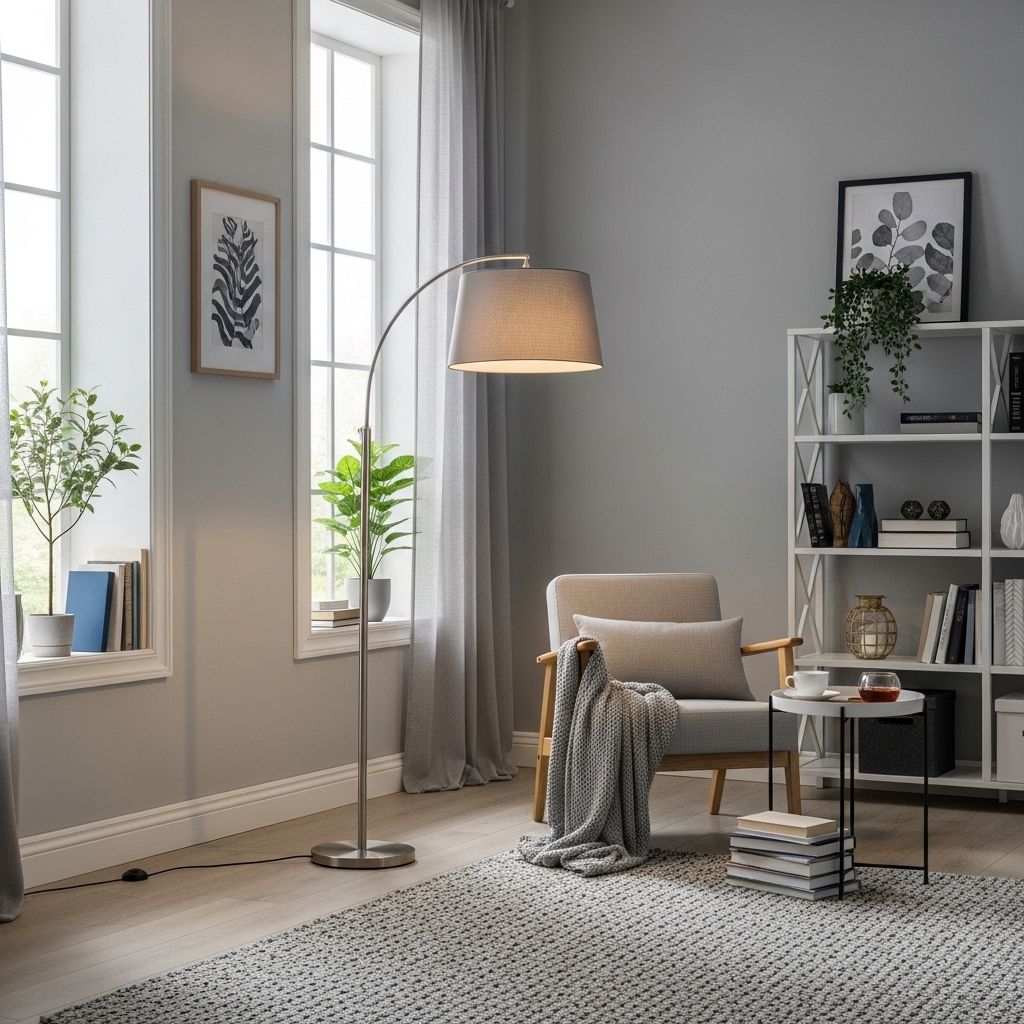
Furniture is not just sofas and tables. Lighting is furniture too.
A floor lamp fills an empty corner. It adds vertical interest. It provides task lighting for reading.
Pro Tip: Choose a lamp with an adjustable arm. The arm directs light where you need it.
Mistake to Avoid: Do not buy a lamp that is too short. The shade should be at shoulder height when seated.
8. Add an Ottoman for Multifunctionality
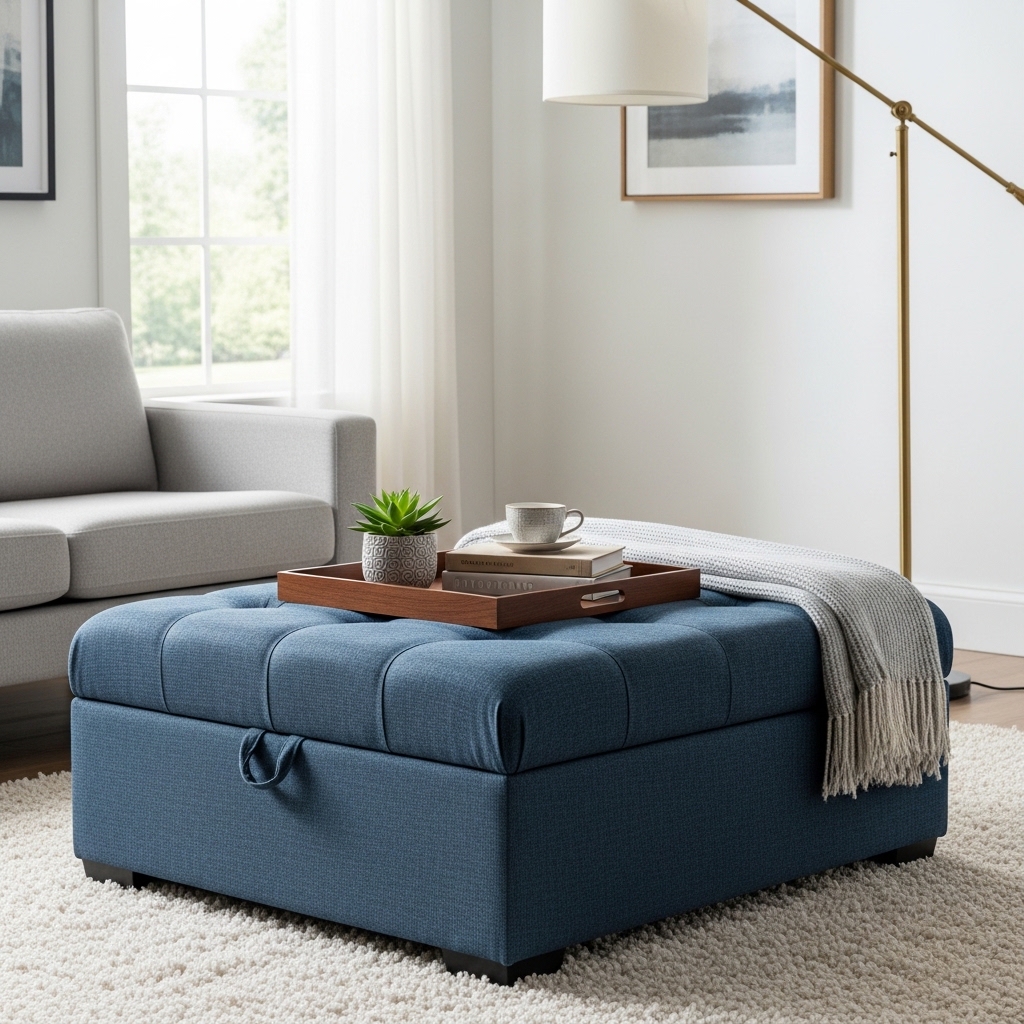
An ottoman is a footrest. It is also a coffee table. It is also extra seating. It is also storage.
Choose an ottoman with a removable tray. The tray creates a flat surface for drinks. Remove the tray for lounging.
Pro Tip: Choose an ottoman with a lid that lifts. Store blankets inside.
Mistake to Avoid: Do not choose an ottoman that is too large. It should not dominate the room.
9. Use a Desk That Fits Your Work Style
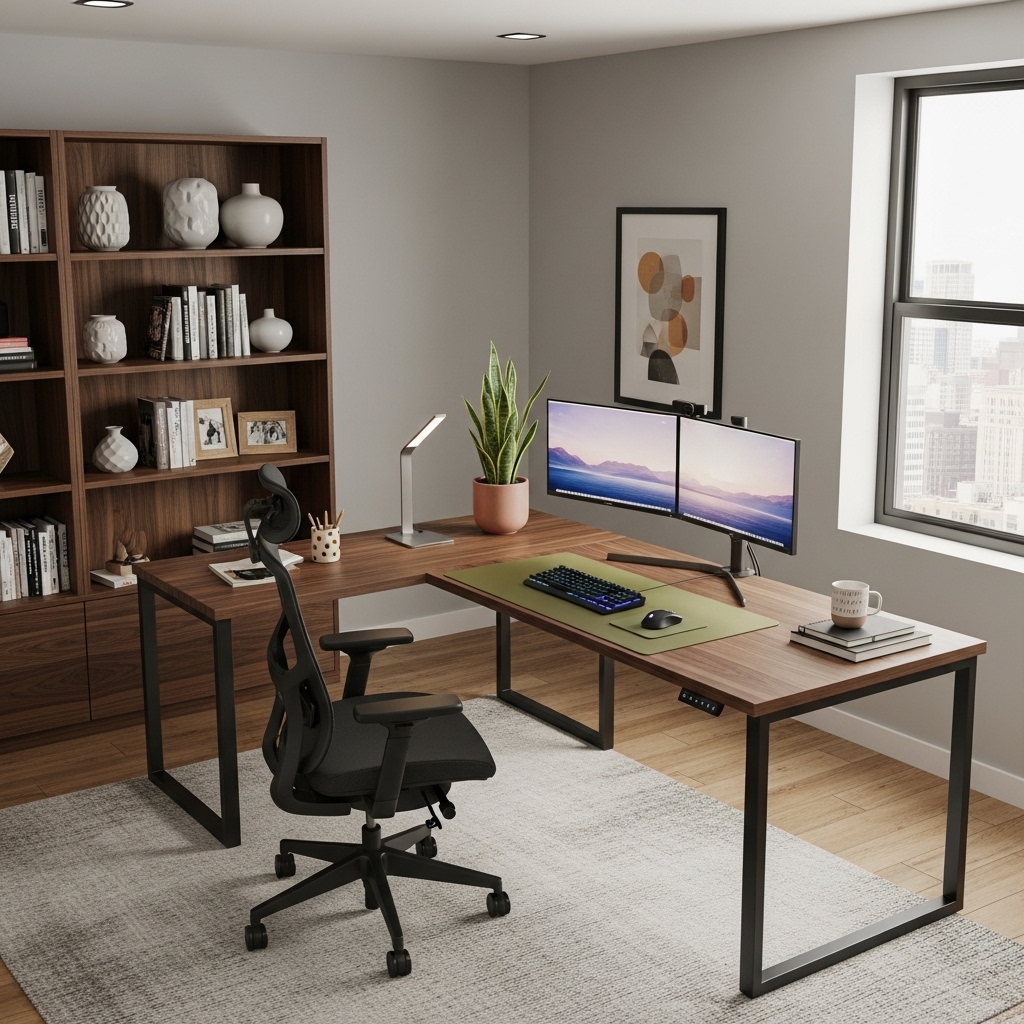
Not all desks are the same. A writing desk is small. An executive desk is large. A standing desk is adjustable.
Choose a desk that matches how you work. Do you spread out papers? Get a large desk. Do you work only on a laptop? Get a small desk.
Pro Tip: Use a desk with drawers. The drawers hide cords and supplies.
Mistake to Avoid: Do not buy a desk without measuring the room first. A large desk in a small room is a mistake.
10. Add a Bookshelf That Reaches the Ceiling
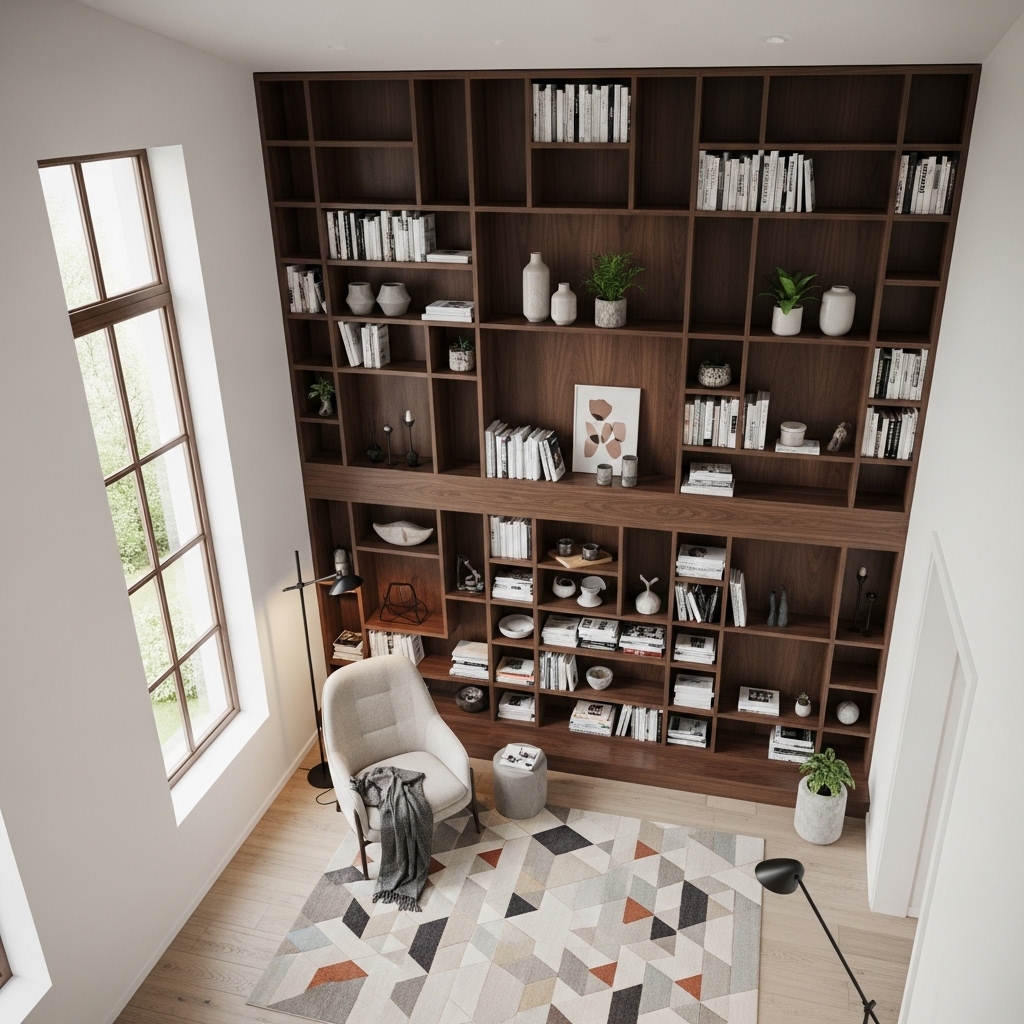
Short bookshelves waste vertical space. Tall bookshelves use it.
Choose a bookshelf that is at least 72 inches tall. Use the top shelves for items you access less often. Use the bottom shelves for daily items.
Pro Tip: Anchor tall bookshelves to the wall. Tall furniture tips easily.
Mistake to Avoid: Do not fill every shelf. Leave empty space for the eye to rest.
11. Include a Console Table in the Hallway
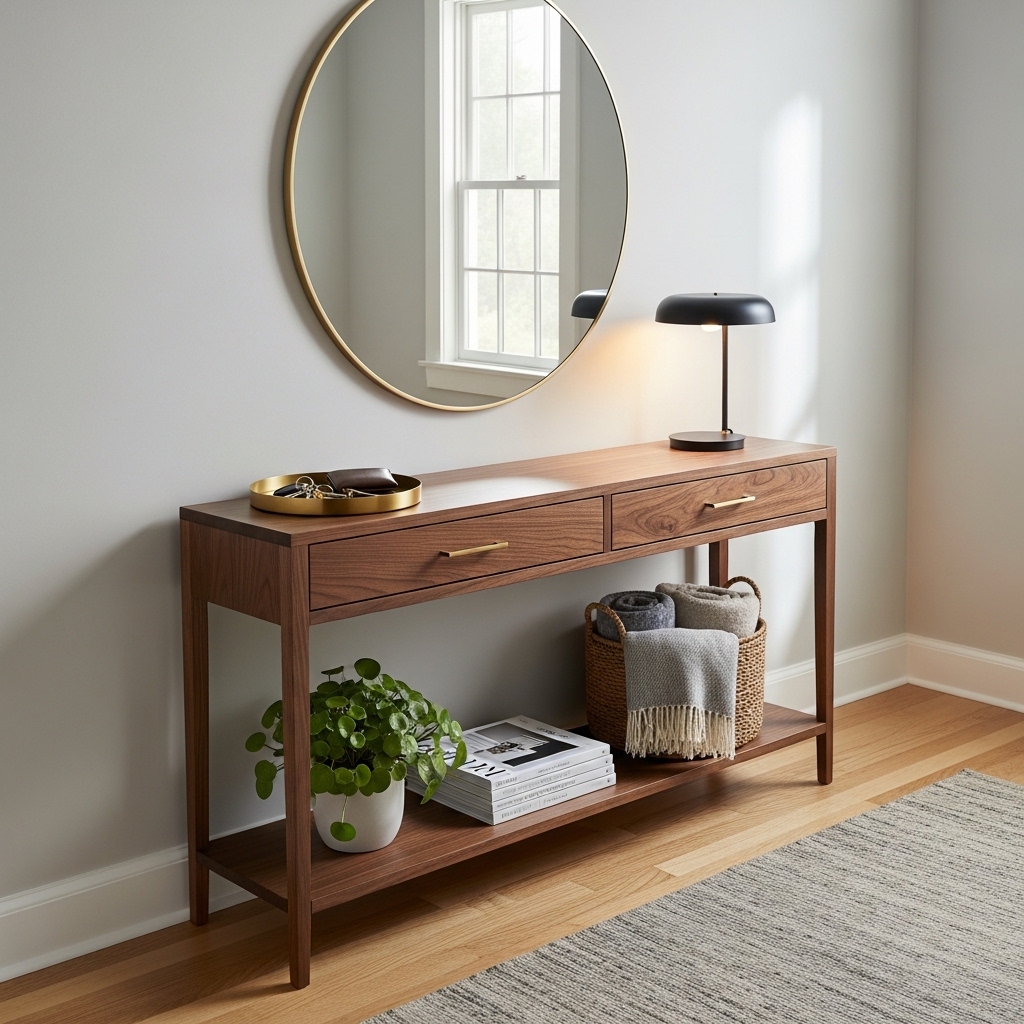
Hallways are narrow. They are also empty. A console table fills the space without blocking the path.
Choose a console table that is shallow (12-14 inches deep). Use it for a lamp, a bowl for keys, and a piece of art.
Pro Tip: Place the console table against a wall that is not a walking path.
Mistake to Avoid: Do not use a console table that is too deep. It will block the hallway.
12. Add a Rocking Chair for Nostalgia
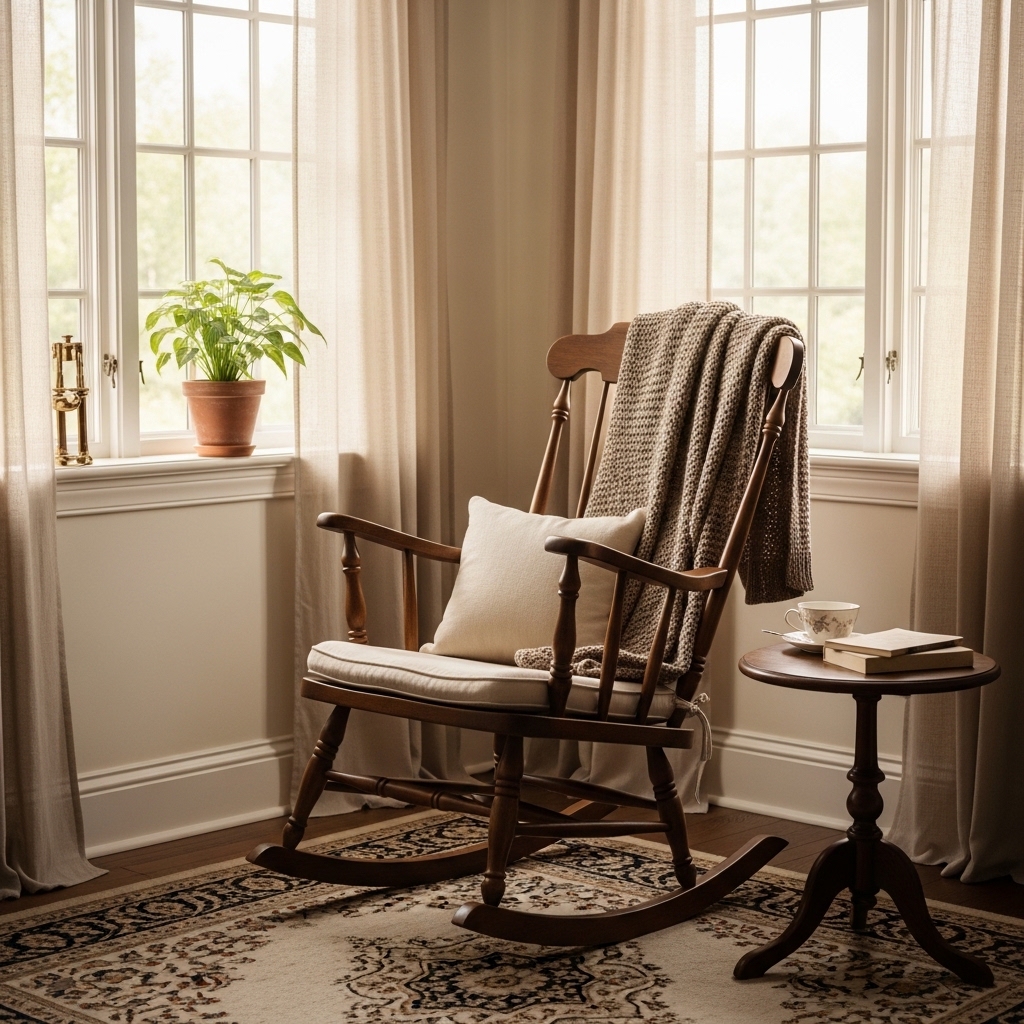
Rocking chairs are not just for grandparents. They are soothing. They are comfortable. They are timeless.
Place a rocking chair in a nursery, a bedroom, or a living room corner. The motion is calming.
Pro Tip: Choose a rocker with padded armrests. The padding adds comfort.
Mistake to Avoid: Do not place a rocker on a thick rug. It will not rock properly.
13. Use a Folding Table for Flexibility
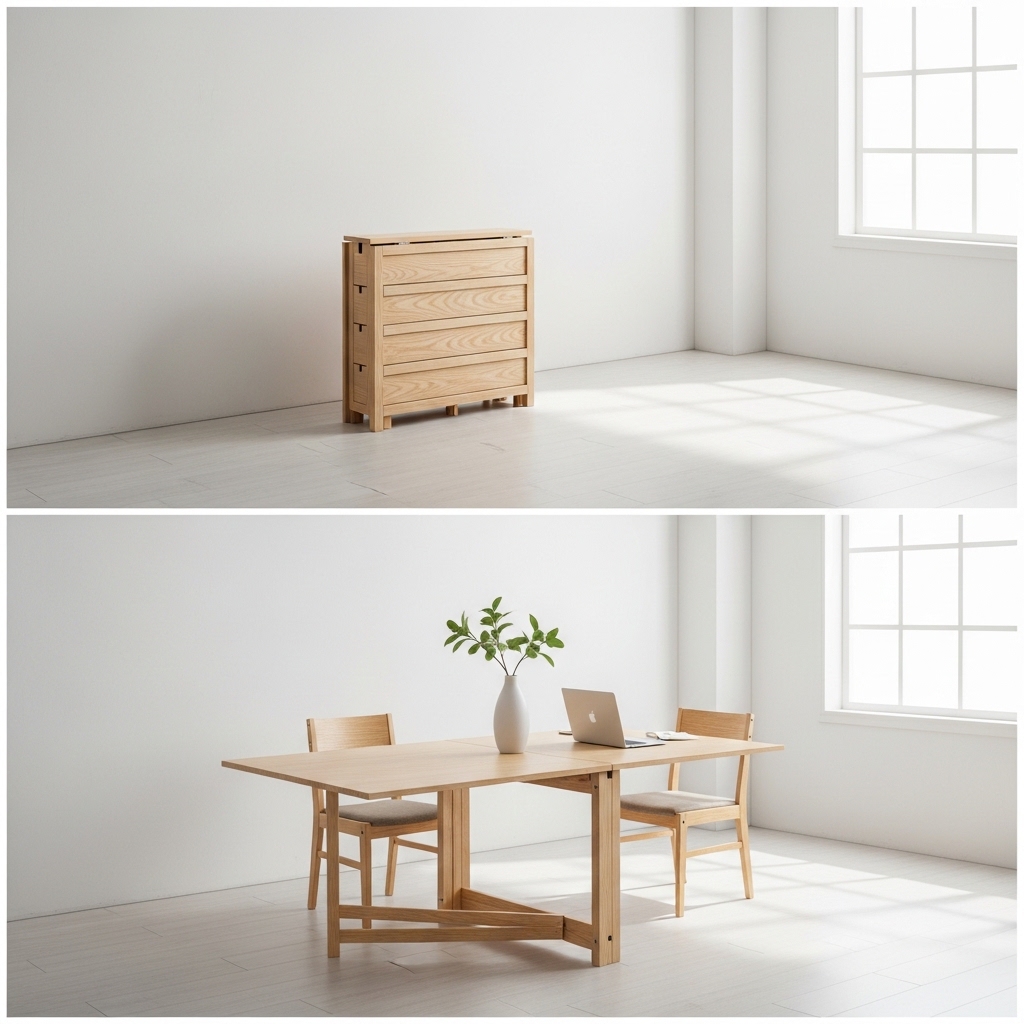
A permanent table takes up space. A folding table does not.
Use a folding table for crafts, for parties, or for extra dining space. Store it in a closet when not in use.
Pro Tip: Choose a table with a handle. The handle makes it easy to carry.
Mistake to Avoid: Do not use a folding table as a permanent desk. It will wobble.
14. Add a Valet Stand for Tomorrow’s Clothes
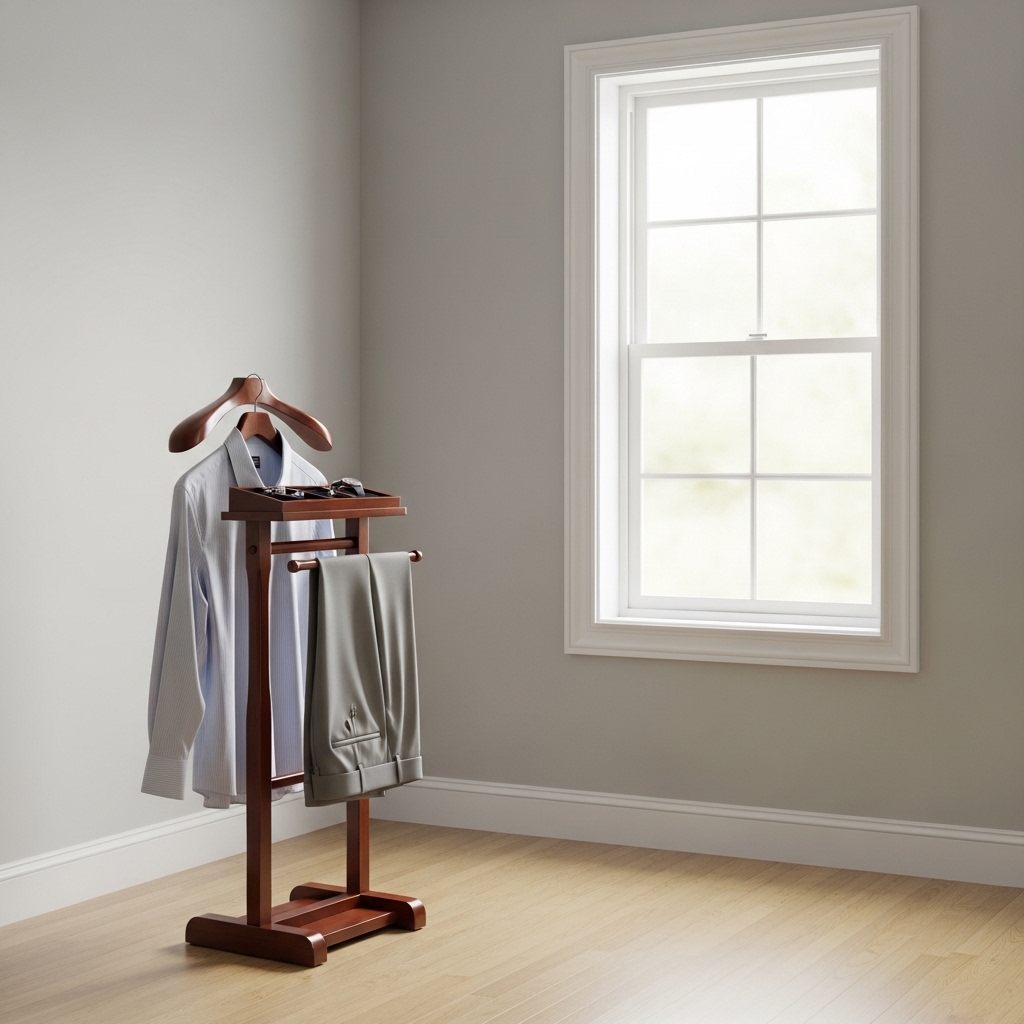
Valet stands hold the outfit you will wear tomorrow. They keep clothes off the floor and off the chair.
Place a valet stand in the bedroom or closet. Hang a shirt on the bar. Drape pants over the rod.
Pro Tip: Choose a stand with a tray for a watch, wallet, and keys.
Mistake to Avoid: Do not overload the stand. One outfit is enough.
15. Include a Magazine Rack for Reading Material
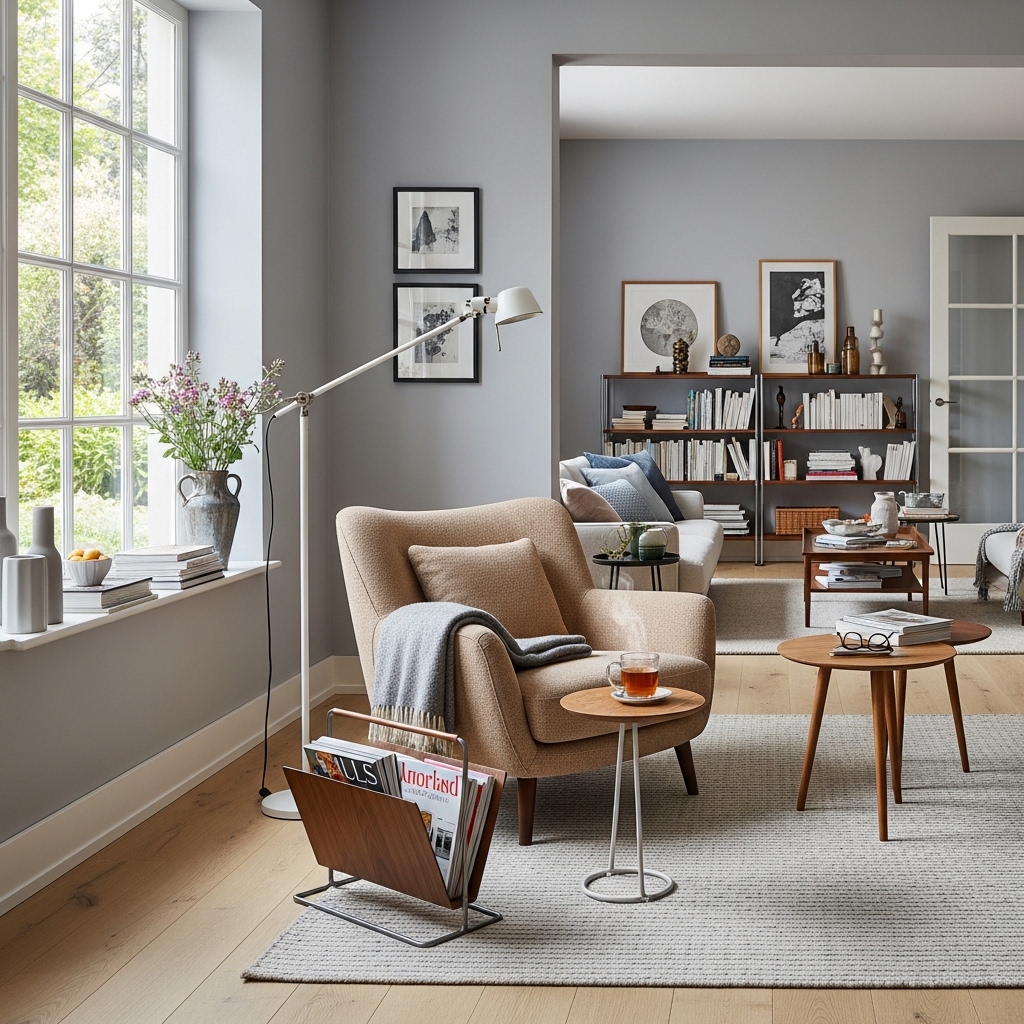
Magazines pile up on coffee tables. A magazine rack corrals them.
Choose a rack in wood or wire. Place it next to a chair. Store current issues inside.
Pro Tip: Use a rack with handles. Handles make it easy to move.
Mistake to Avoid: Do not use a rack that is too small. It will overflow.
16. Add a Plant Stand for Greenery
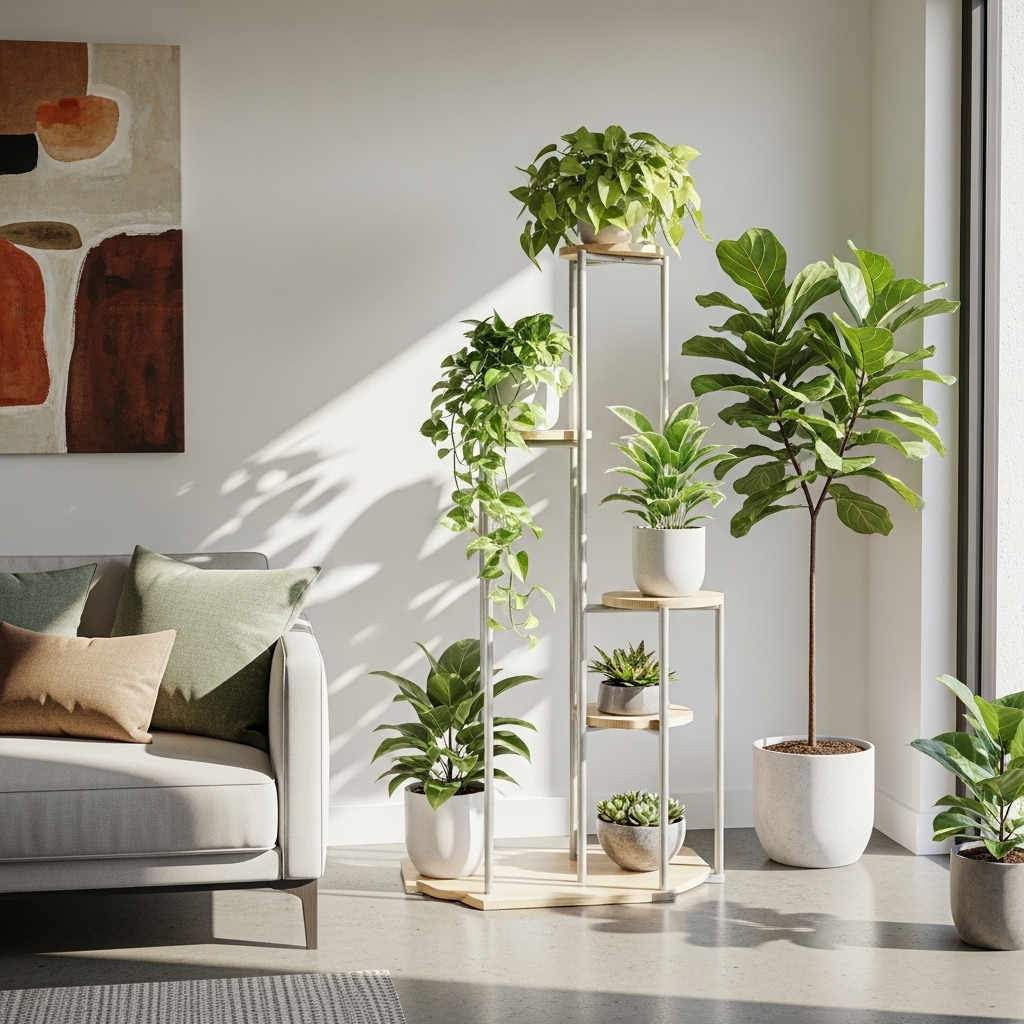
Plants need to be seen. A plant stand elevates them.
Choose a stand in wood, metal, or ceramic. Place a large plant on it. The stand will draw the eye upward.
Pro Tip: Use a stand with a drip tray. The tray catches water.
Mistake to Avoid: Do not use a stand that is too small for the pot. The pot should fit securely.
17. Use a Bed with Storage Drawers
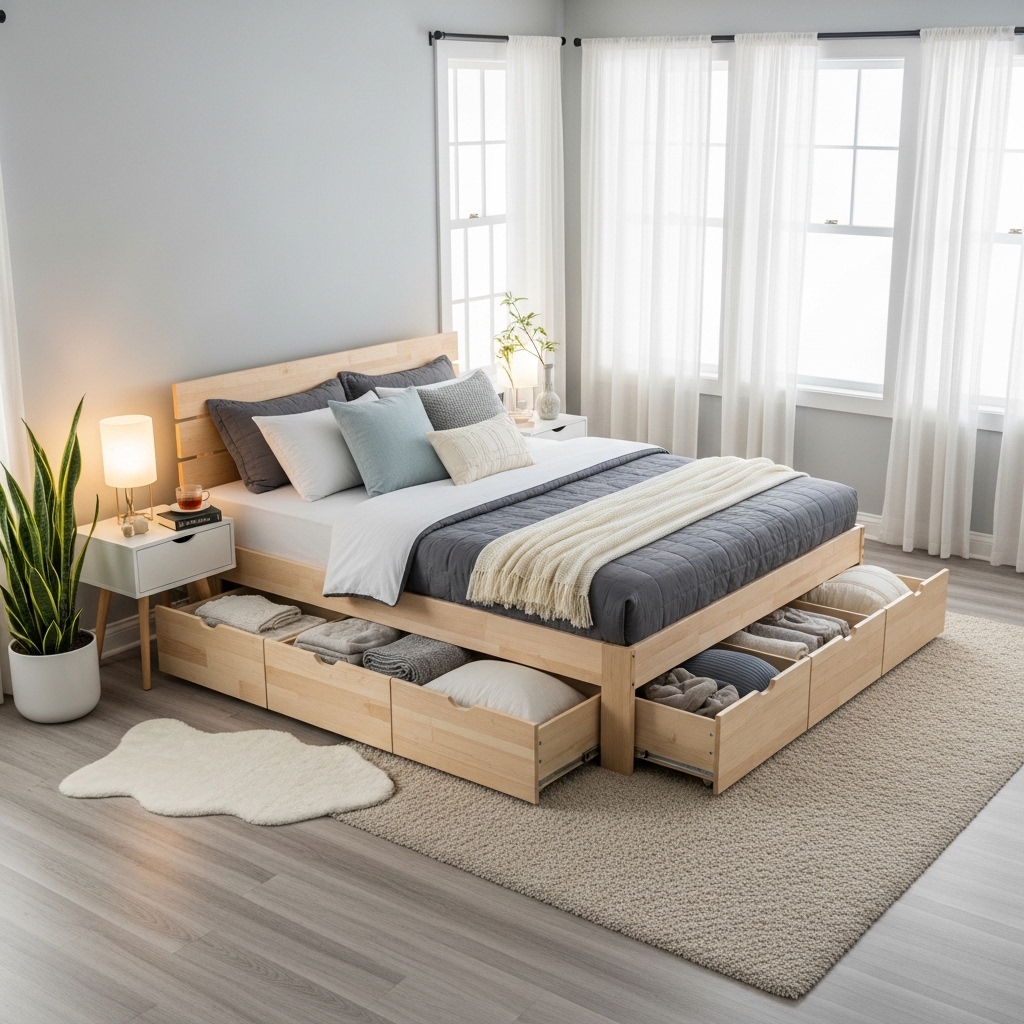
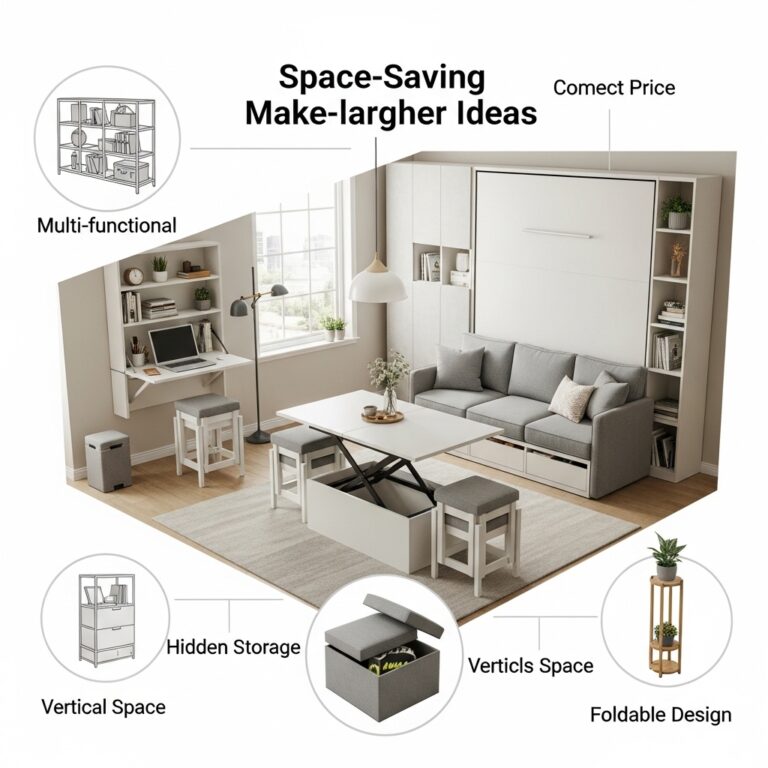
The space under the bed is wasted. Drawers use it.
Choose a bed frame with built-in drawers. Store off-season clothes, extra linens, or shoes.
Pro Tip: Use a bed with drawers on both sides. The storage doubles.
Mistake to Avoid: Do not buy a bed with drawers that are too shallow. Deep drawers hold more.
18. Add a Bar Cart for Entertaining
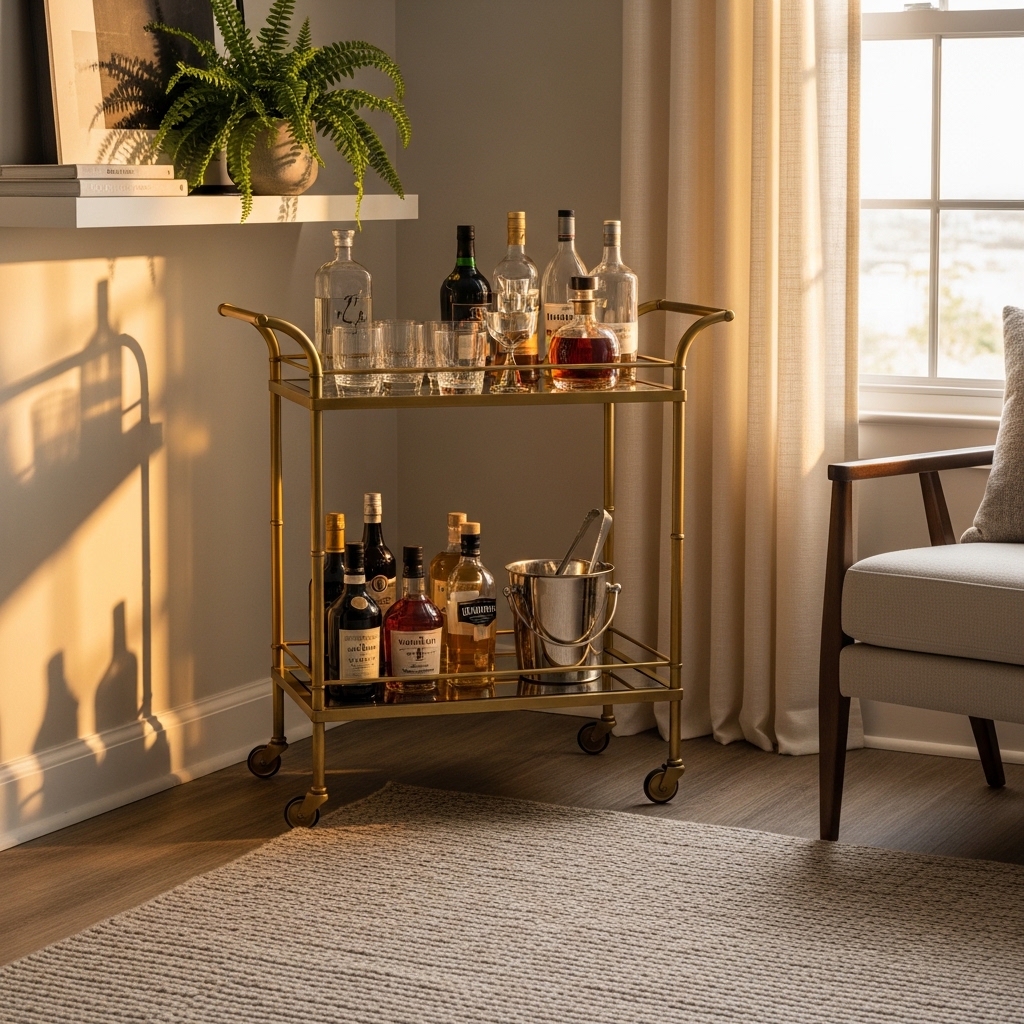
A bar cart is functional. It is also decorative.
Use a bar cart for glasses, bottles, and a shaker. Roll it to the party. Roll it back when done.
Pro Tip: Choose a cart with a mirrored top. The mirror reflects light.
Mistake to Avoid: Do not overload the cart with bottles. A cluttered cart looks messy.
19. Include a Firewood Rack near the Fireplace
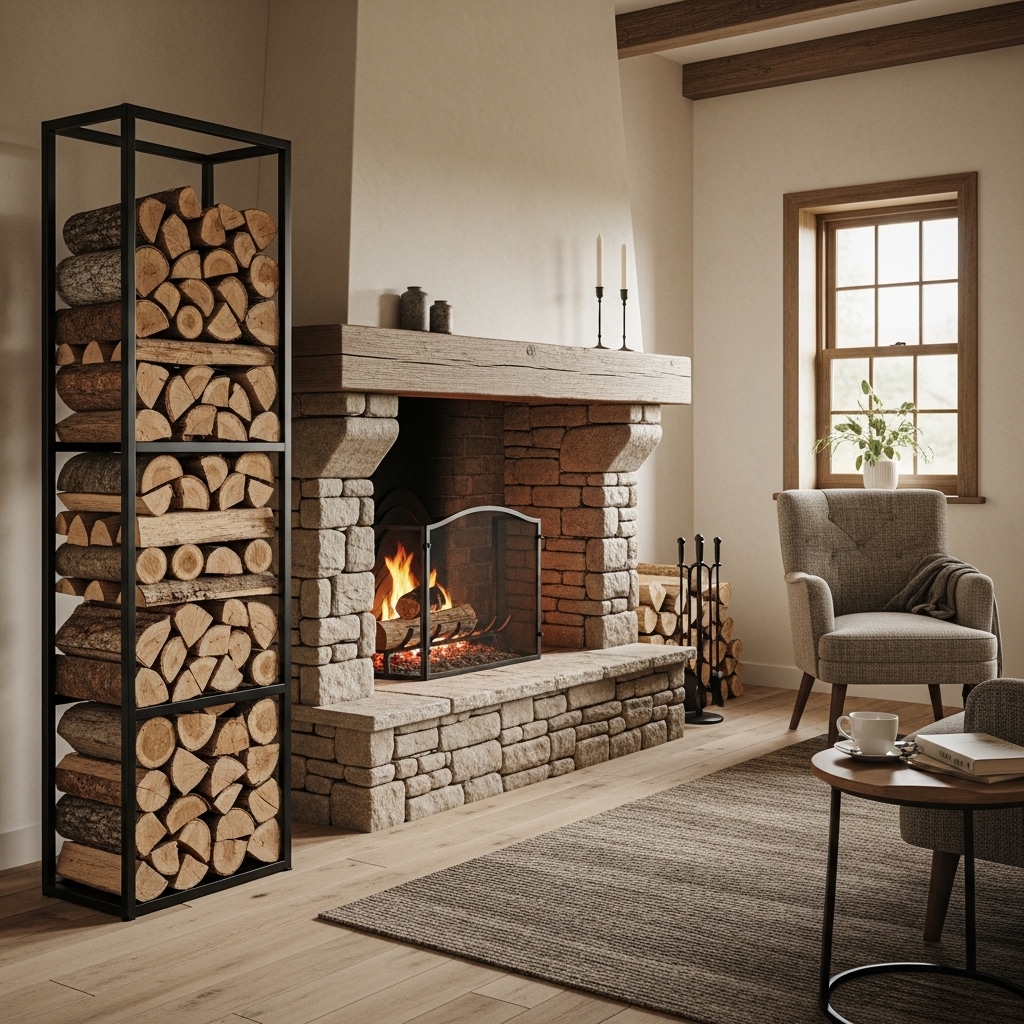
Firewood belongs in a rack. A rack organizes it.
Choose a rack in iron or steel. Place it next to the fireplace. The rack keeps wood off the floor.
Pro Tip: Use a rack with a leather handle. The handle adds warmth.
Mistake to Avoid: Do not place the rack too close to the fire. Sparks are dangerous.
20. Add a Single Chair in a Sunny Corner
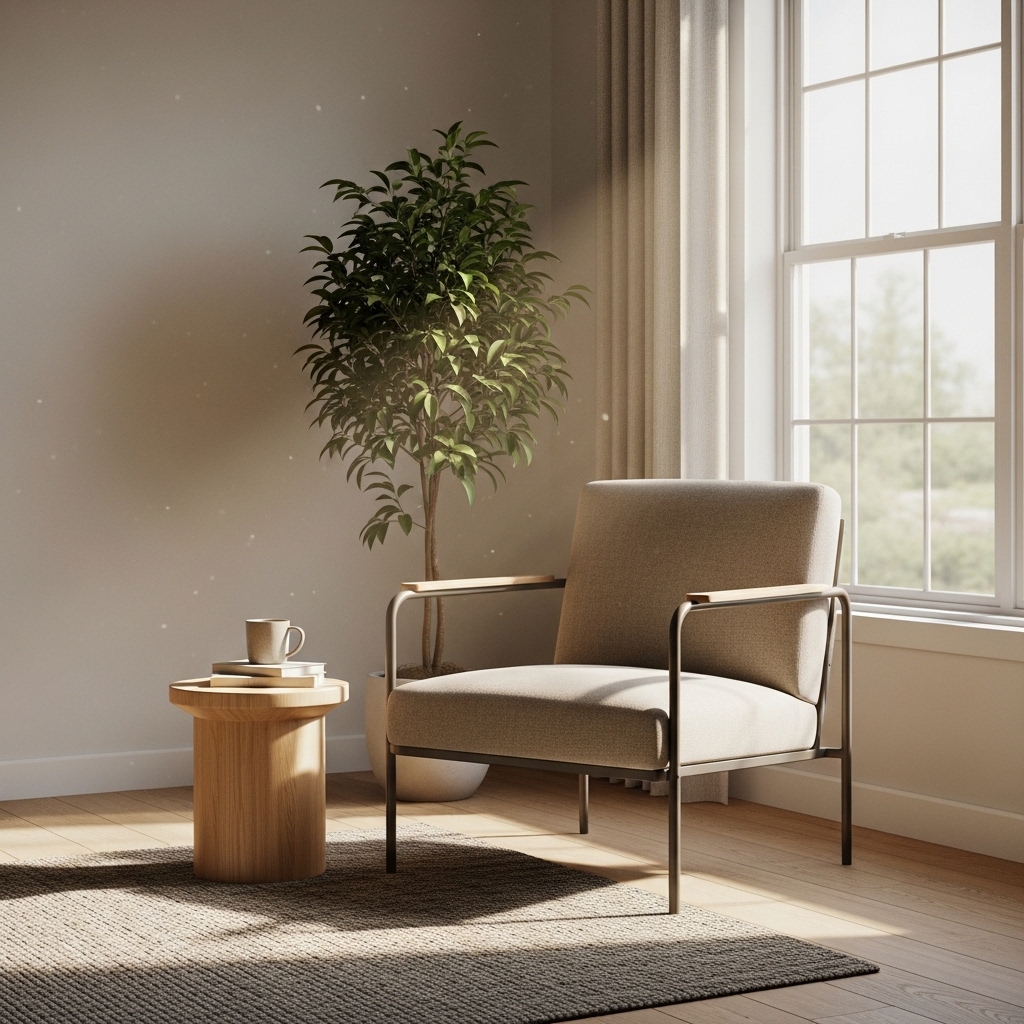
Not every corner needs a full seating arrangement. One chair is enough.
Place a single chair in a sunny corner. Add a small table. The corner becomes a retreat.
Pro Tip: Choose a chair that swivels. The swivel lets you face the room or the window.
Mistake to Avoid: Do not put a chair in a corner that is too dark. Light matters.
Conclusion
Furniture transforms empty rooms into homes. An anchor piece grounds the space. A statement chair adds personality. A surface serves every seat. Storage hides the mess. Benches provide flexible seating. Carts offer mobility. Floor lamps add vertical interest. Ottomans multitask. Desks fit work styles. Tall bookshelves use vertical space. Console tables fill hallways. Rocking chairs soothe. Folding tables provide flexibility. Valet stands hold tomorrow’s clothes. Magazine racks corral reading material. Plant stands elevate greenery. Storage beds use dead space. Bar carts serve parties. Firewood racks organize logs. A single chair creates a retreat.
Start with one furniture idea today. An anchor piece. A statement chair. The room will feel more functional, more beautiful, and more like home.