15 Tiny Home Decor Ideas That Maximize Comfort Without Overcrowding Your Space
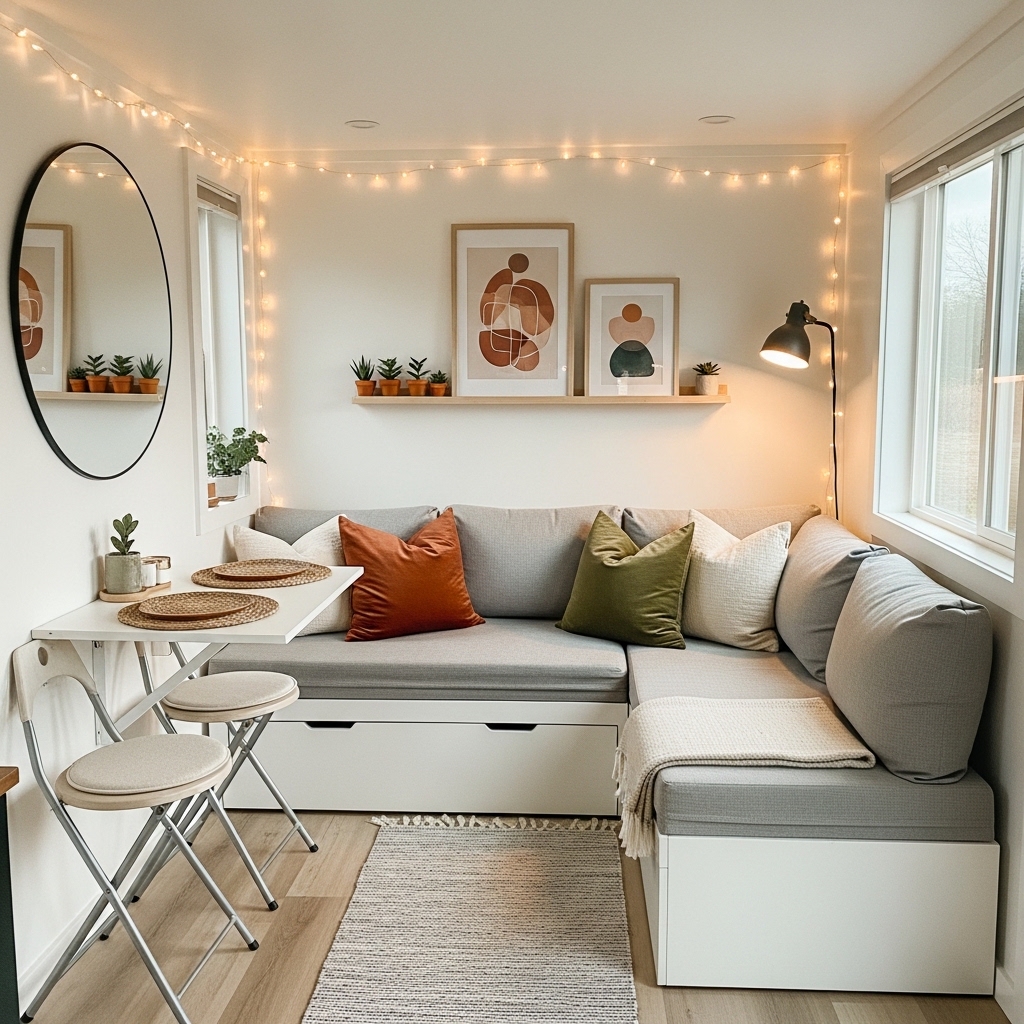
Tiny home decor is not about putting a lot of things into a small space. It is about picking things that help you live your life without getting in the way or making a mess.
A lot of homes feel small and crowded but that is not because of how big they are. It is because the things inside them do not work well together.
This guide is, about useful ways to decorate your tiny home. We talk about loft layouts, mobile homes and small cabins.
Each idea will help you make a space that feels big and tidy and comfortable. You can still make it look like you want it to. It will be a great place to live.
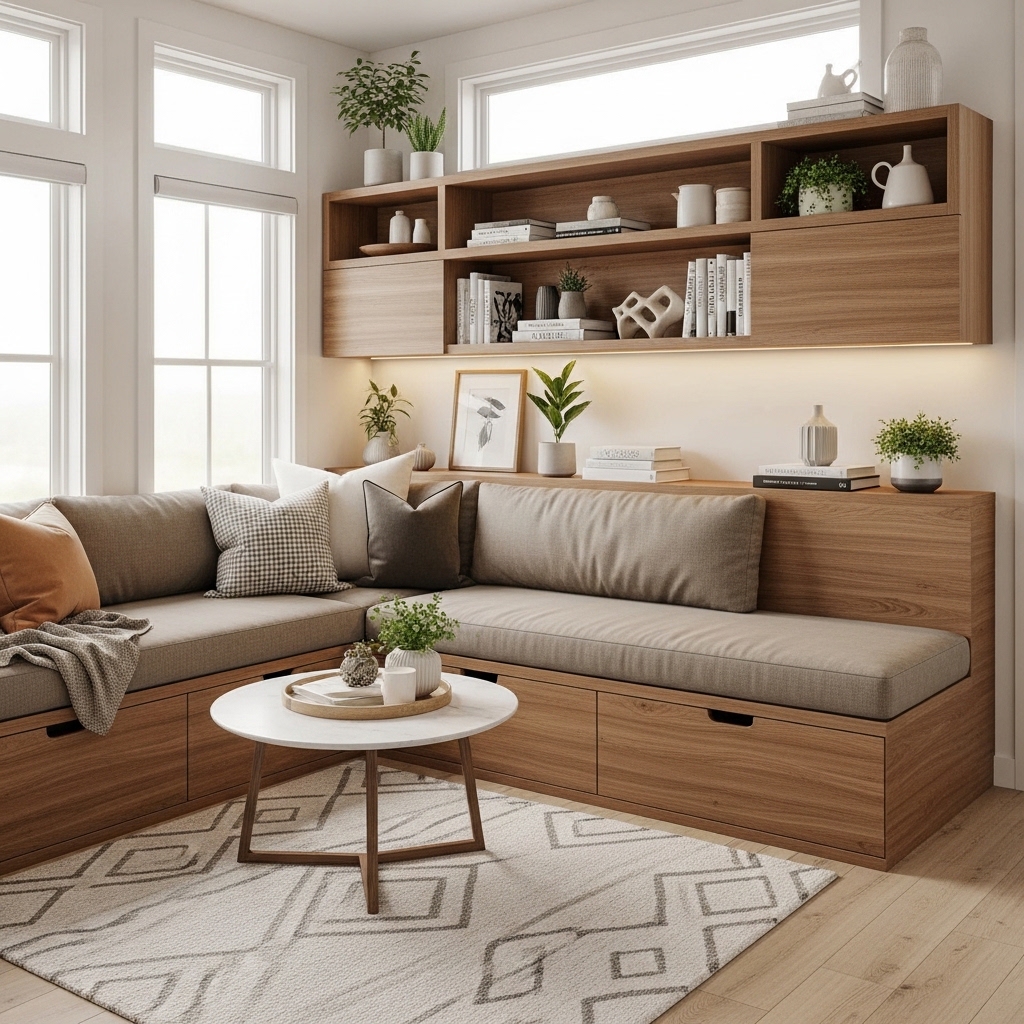
1. Use Built-In Decor That Doubles as Storage
Ideal for: Tiny homes where every inch must serve more than one purpose.
Incorporate built-in benches, shelves, or wall niches that function as both decor and storage. Position them along walls to avoid blocking pathways.
This works because built-ins eliminate the need for extra furniture while maintaining a clean, cohesive look. It also reduces visual clutter by integrating storage into the structure itself.
Avoid adding separate decorative furniture pieces that take up valuable floor space. Focus on elements that blend into the layout.
Pro Tip: Use closed storage at the bottom and open shelving above for balance.
2. Keep Decor Low-Profile to Preserve Sightlines
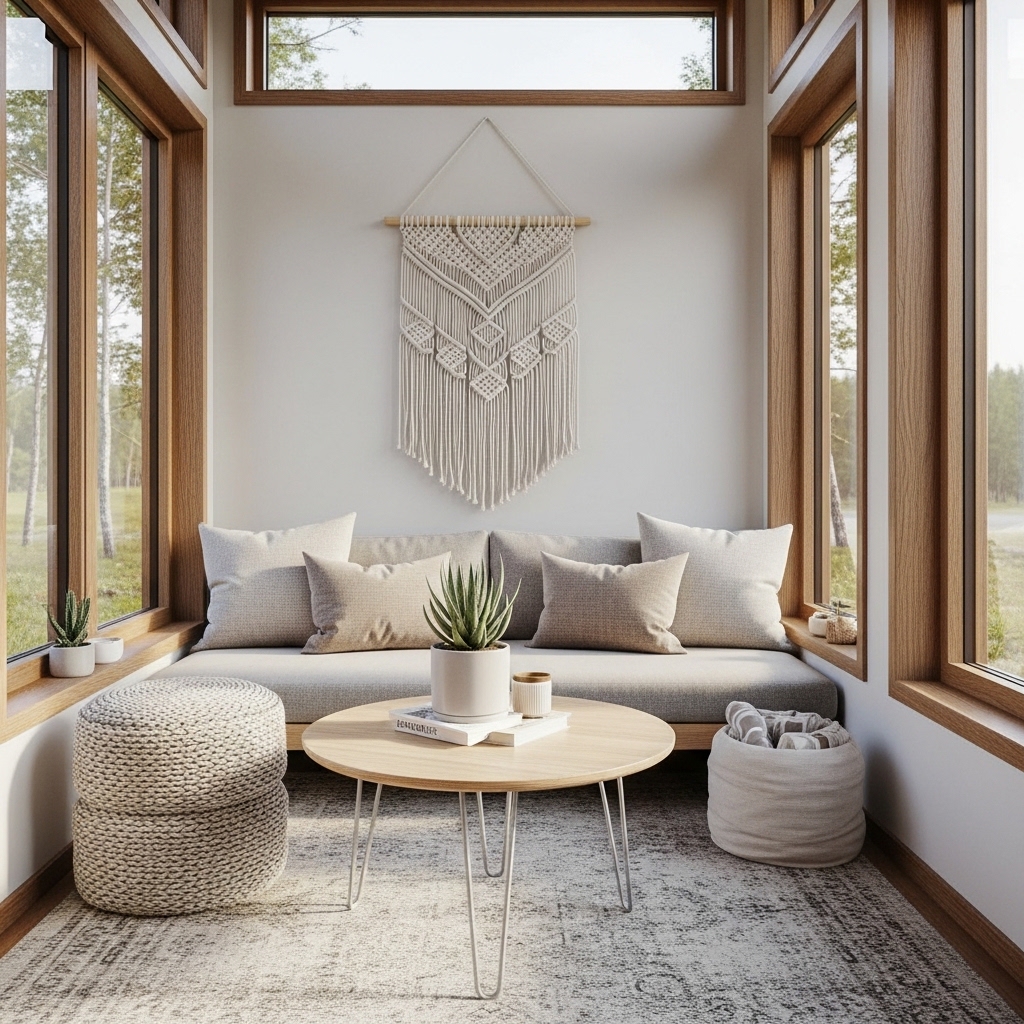
Best for: Tiny homes that feel visually cramped even when organized.
Choose decor items that don’t rise too high or block views across the room. Keep surfaces streamlined and uncluttered.
Maintaining clear sightlines allows the eye to travel freely, making the space feel larger. It also improves the sense of openness.
Avoid tall or bulky decor pieces that interrupt visual flow. Keep height variation minimal.
Pro Tip: Place taller elements only in corners where they won’t block views.
3. Use One Dominant Texture Instead of Multiple Competing Ones
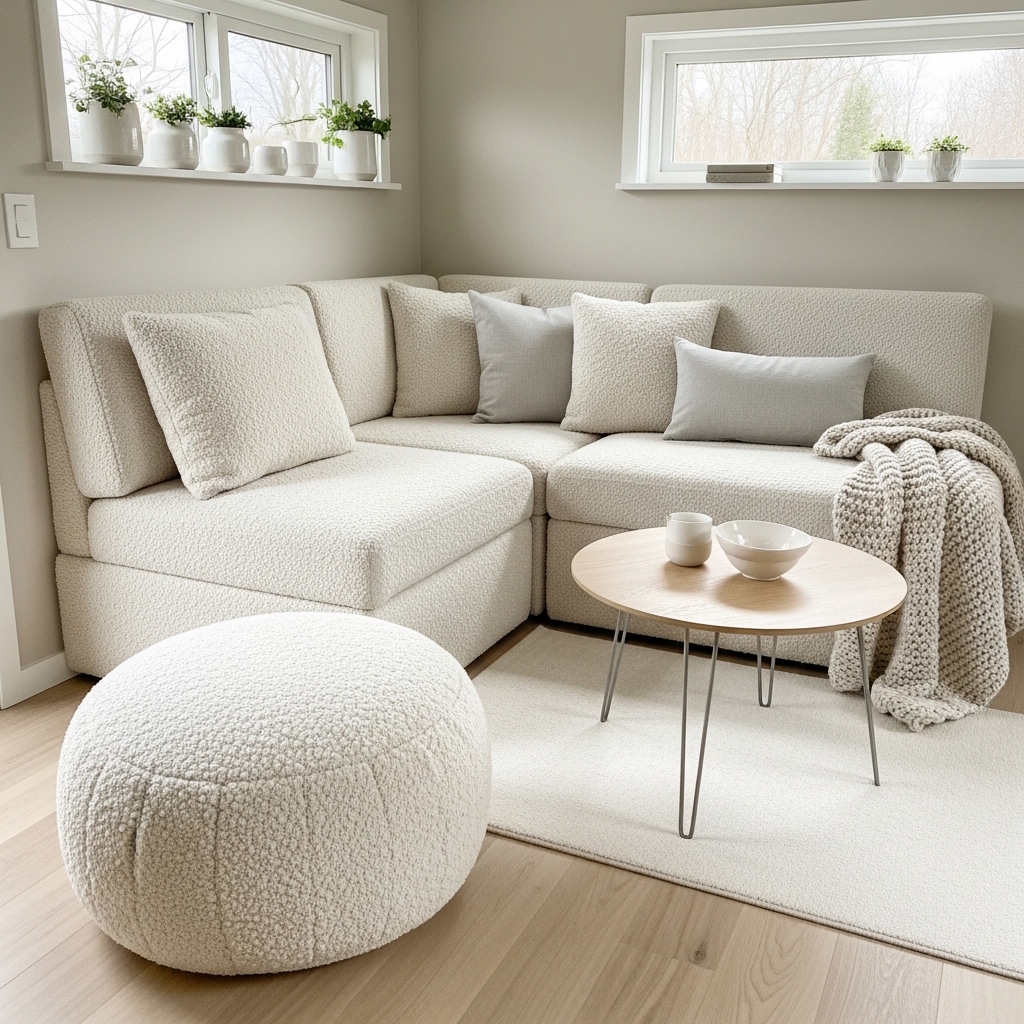
Great for: Tiny spaces that feel busy or overwhelming.
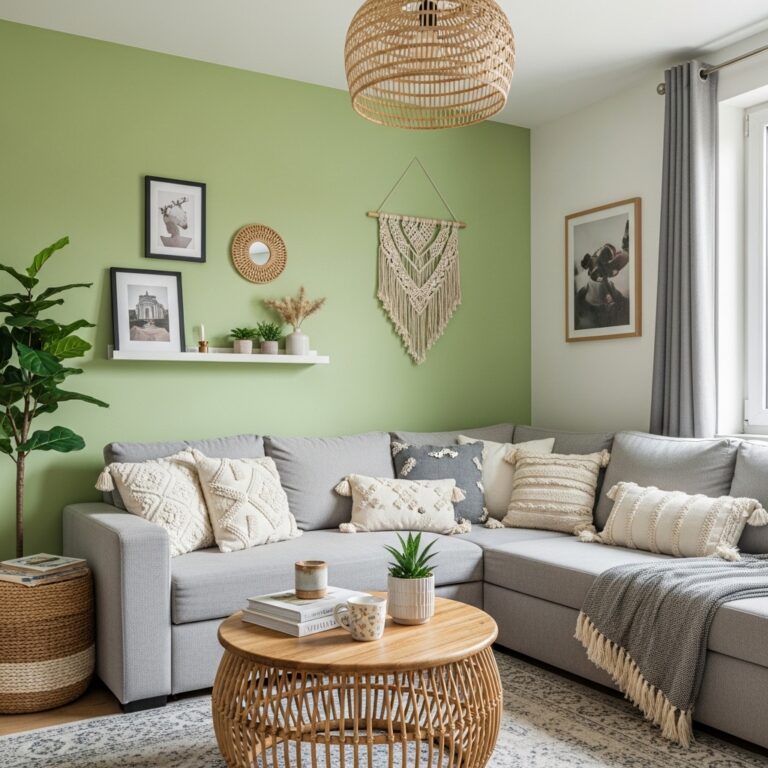
Select one main texture—such as wood, linen, or woven material—and repeat it throughout the decor. Keep other textures subtle.
Too many textures in a small space create visual noise, while repetition creates harmony and calm. This approach simplifies the design.
Avoid mixing unrelated textures without a clear connection. It can make the space feel chaotic.
Pro Tip: Use texture layering in soft elements like cushions instead of hard surfaces.
4. Decorate Vertical Zones Instead of Horizontal Surfaces
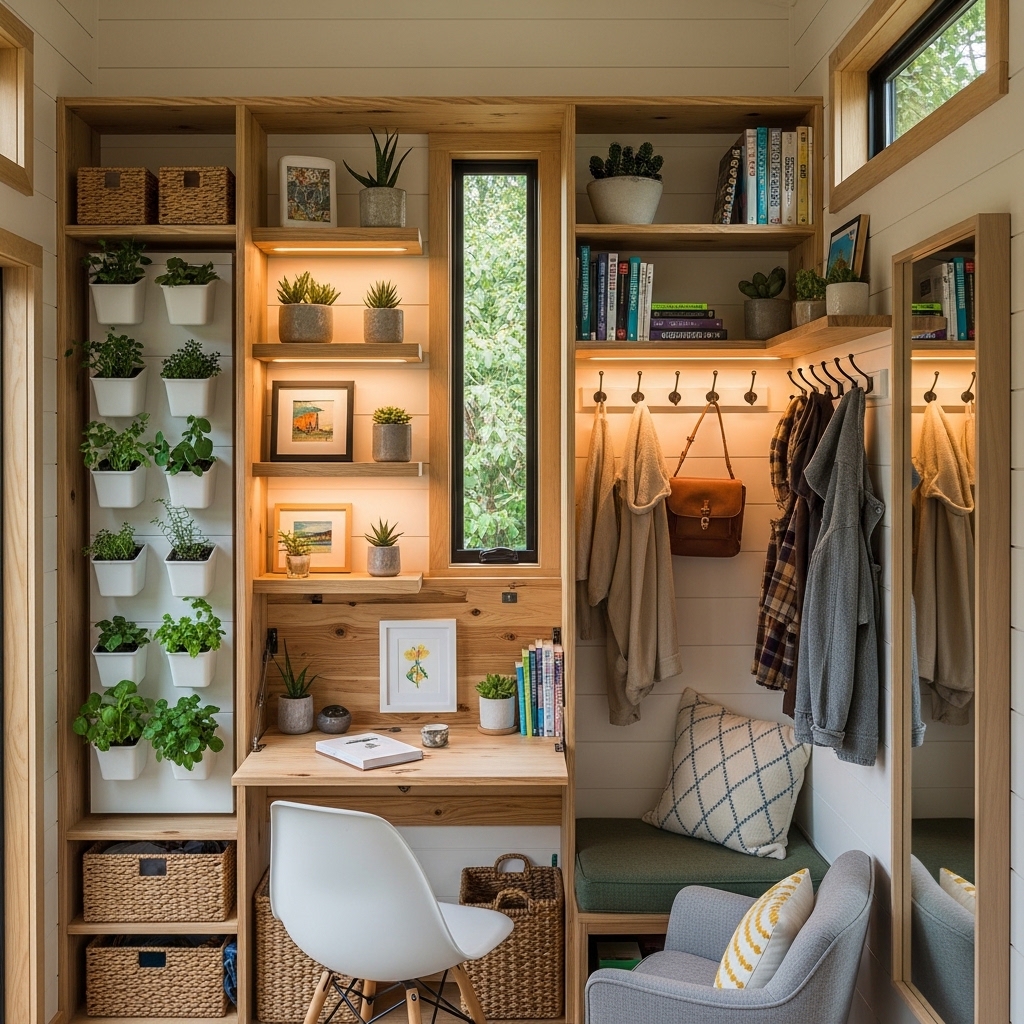
Ideal for: Homes with limited counter or table space.
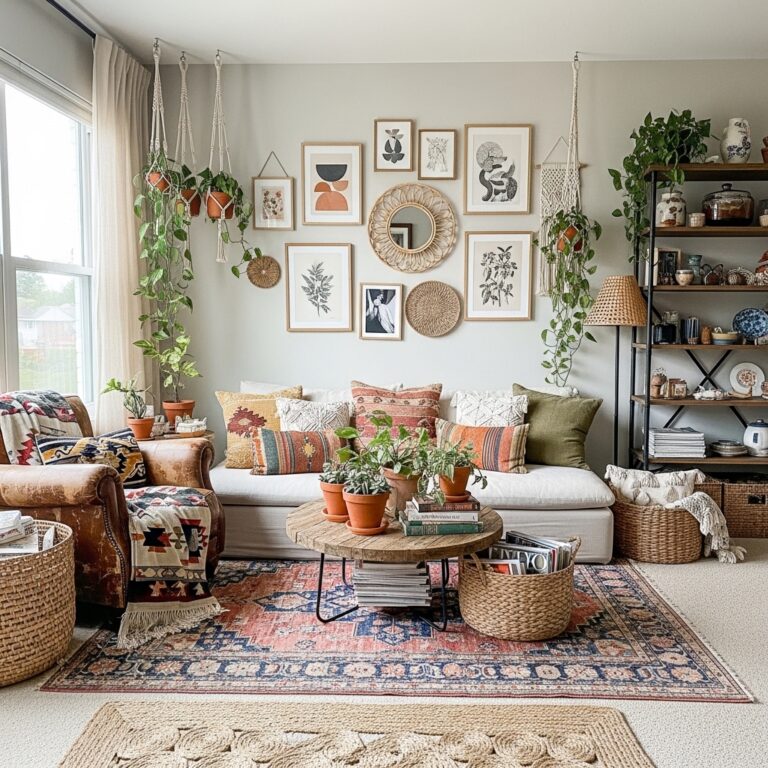
Shift decor from tables to walls using hooks, small shelves, or hanging elements. Keep floor and surfaces clear for function.
This works because vertical styling frees up usable space while still adding personality. It also keeps the layout organized.
Avoid overcrowding walls with too many items, which can feel cluttered. Maintain spacing between pieces.
Pro Tip: Group items in odd numbers for a more natural arrangement.
5. Use Light-Reflective Decor to Enhance Brightness
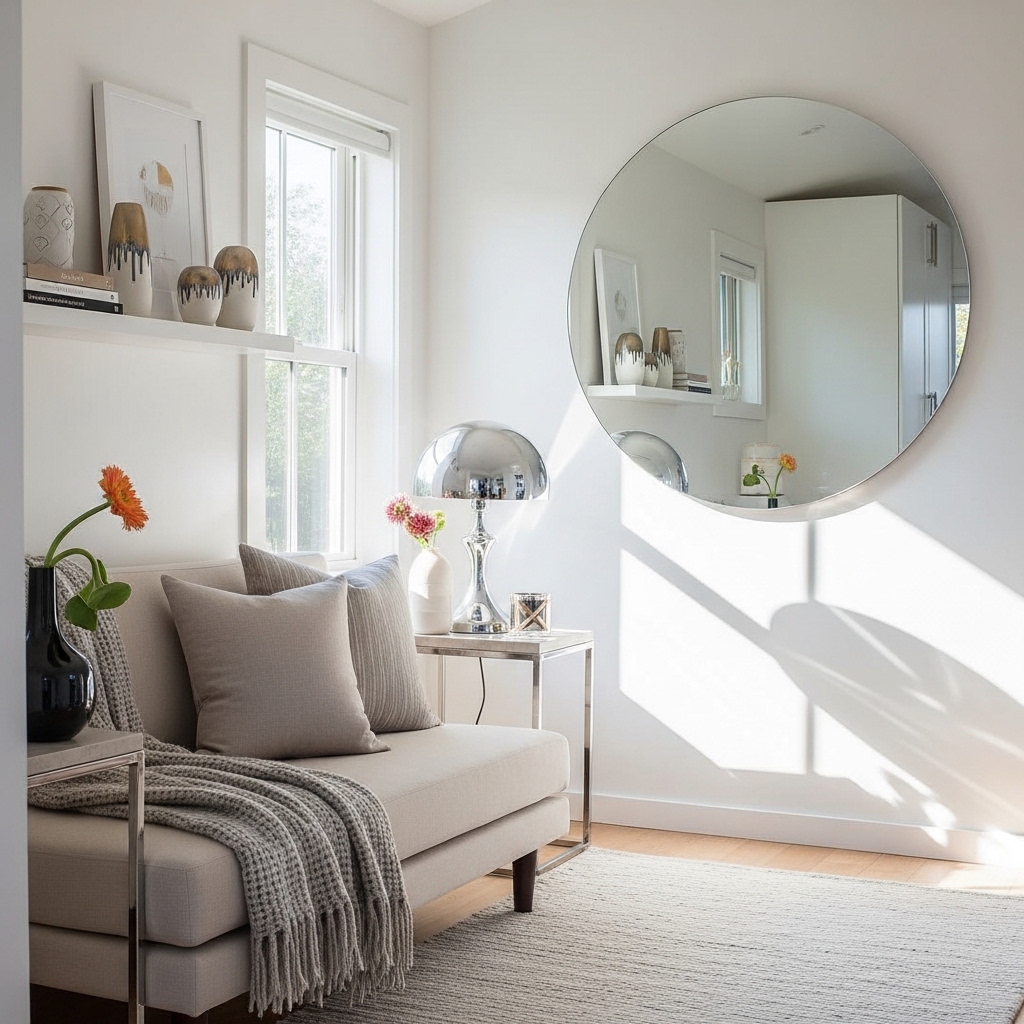
Best for: Tiny homes with limited natural light.
Incorporate mirrors, glass decor, or light-colored finishes to reflect available light. Place them strategically near windows.
Light reflection increases brightness and makes the space feel more open. It also reduces the need for excessive artificial lighting.
Avoid placing reflective items where they highlight clutter or dark corners. Position them thoughtfully.
Pro Tip: Use one large mirror instead of several small ones.
6. Limit Decor to Functional Items Only
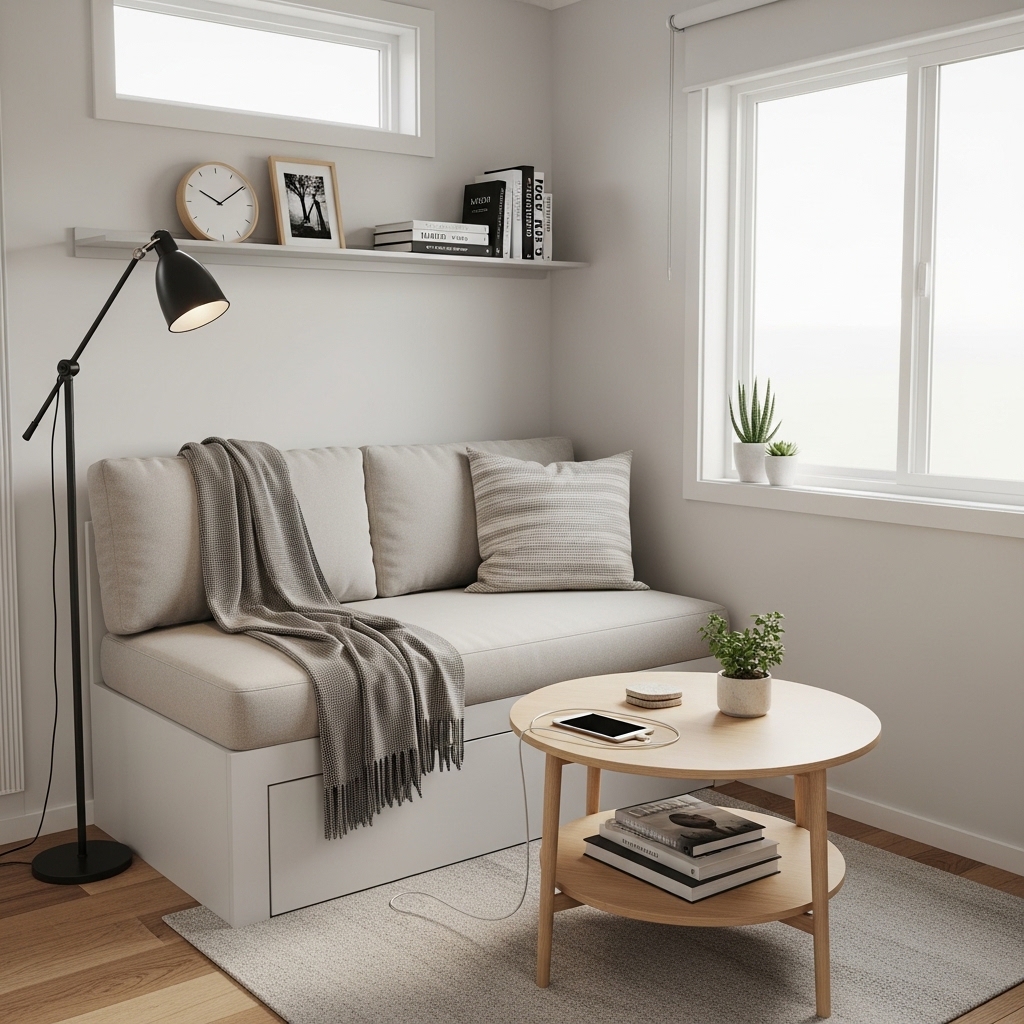
Great for: Minimalist tiny home setups or off-grid living.
Choose decor that serves a purpose, such as storage baskets, trays, or lighting. Avoid purely decorative items that take up space.
This approach keeps the home efficient and prevents unnecessary clutter. It also aligns with the practical nature of tiny living.
Avoid collecting items that don’t contribute to daily use. Prioritize function first.
Pro Tip: Rotate seasonal decor instead of keeping everything out year-round.
7. Use Foldable Decor Elements for Flexibility
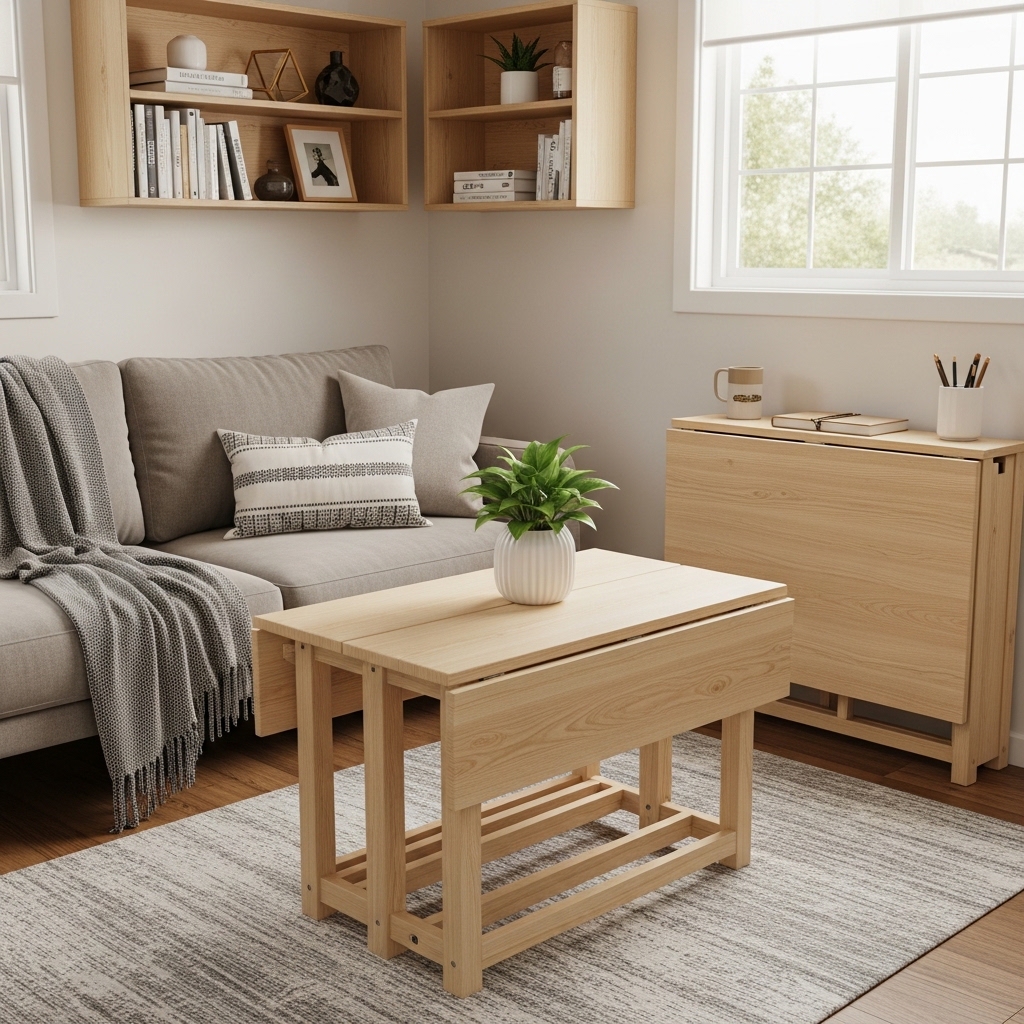
Ideal for: Tiny homes where space needs change throughout the day.
Incorporate foldable items like wall-mounted tables or collapsible decor pieces. Store them when not in use.
Flexibility allows the same space to serve multiple purposes without feeling crowded. It adapts to different daily activities.
Avoid heavy or complex folding systems that are hard to manage. Keep it simple and practical.
Pro Tip: Choose lightweight materials for easy handling.
8. Keep Color Transitions Soft and Continuous
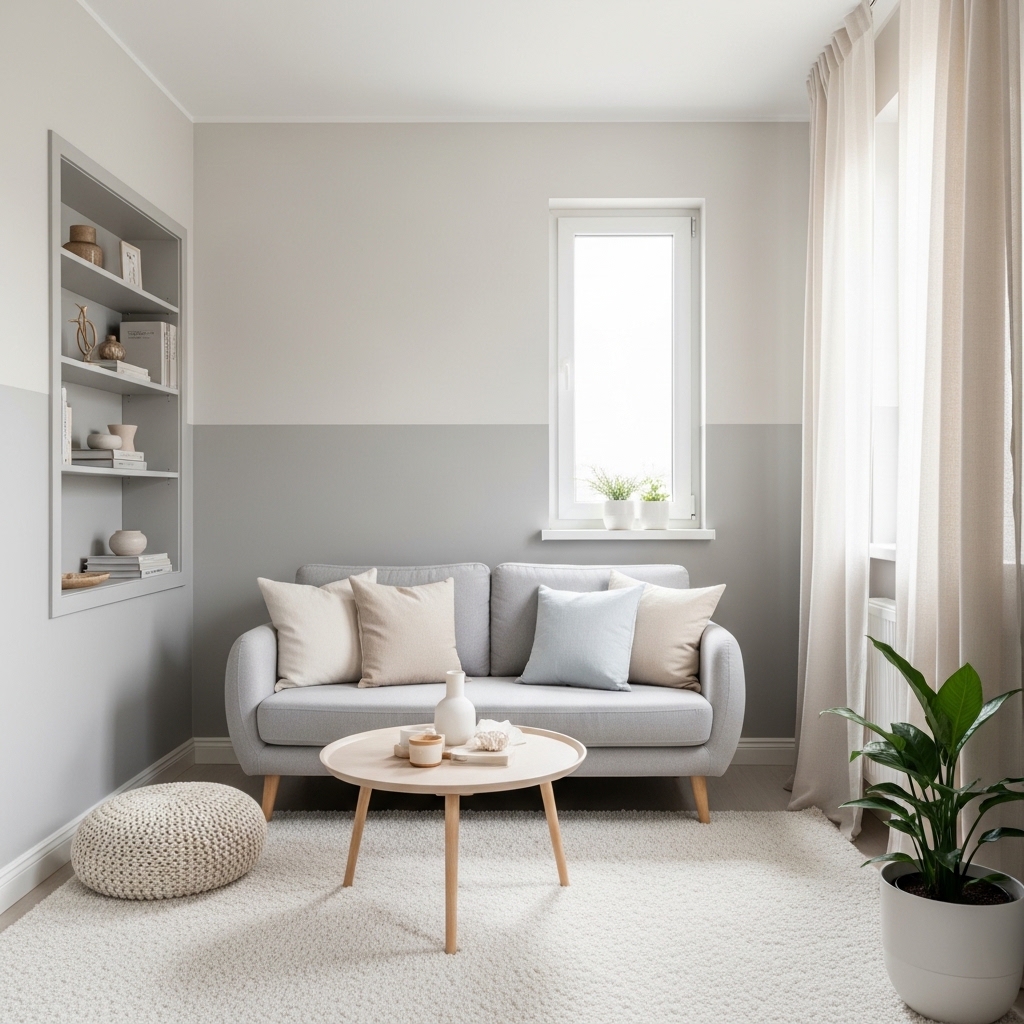
Best for: Tiny homes that feel visually broken or segmented.
Use a consistent color palette across walls, furniture, and decor. Avoid strong contrasts that divide the space.
Continuous color flow helps the eye move smoothly, making the space feel larger and more cohesive. It also creates a calming effect.
Avoid abrupt color changes between areas, especially in open layouts. Maintain subtle transitions.
Pro Tip: Use one base color and vary shades for depth.
9. Use Corners for Subtle Decorative Features
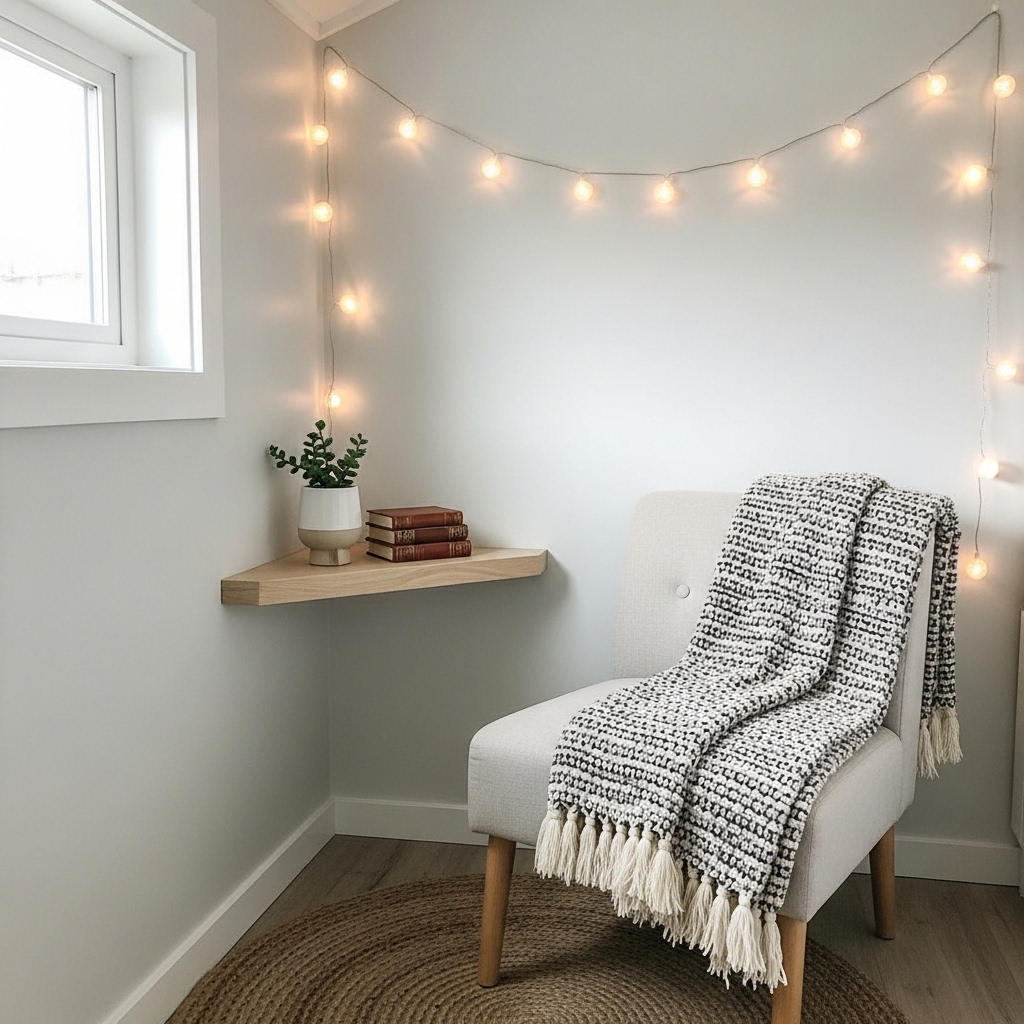
Great for: Tiny homes where central areas must remain open.
Place small decor items like plants or lamps in corners to add interest without affecting movement. Keep them minimal.
Using corners prevents clutter in high-traffic areas while still enhancing the overall design. It also balances the room visually.
Avoid placing large items in corners that block light or movement. Keep it lightweight.
Pro Tip: Use corner shelves to maximize space efficiently.
10. Choose Multi-Layer Lighting Instead of Single Fixtures
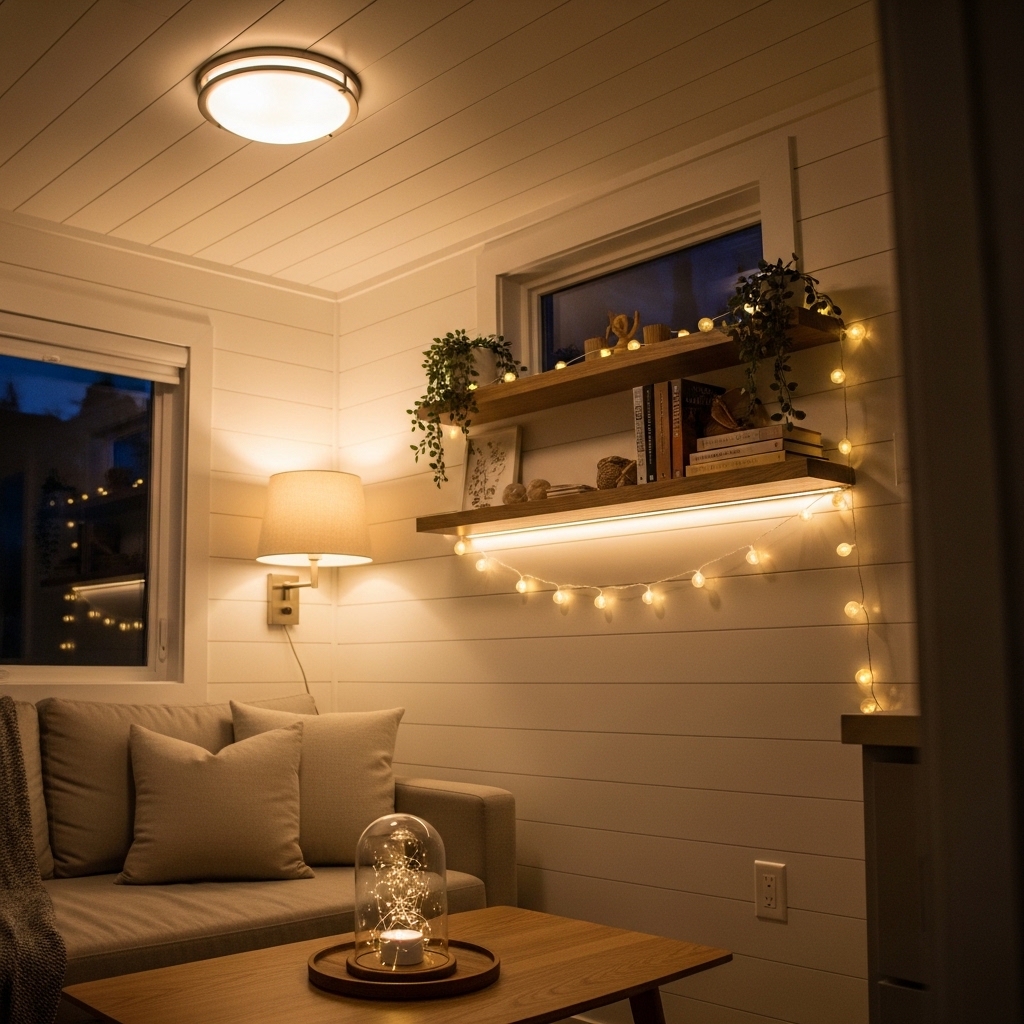
Ideal for: Tiny homes that feel flat or poorly lit.
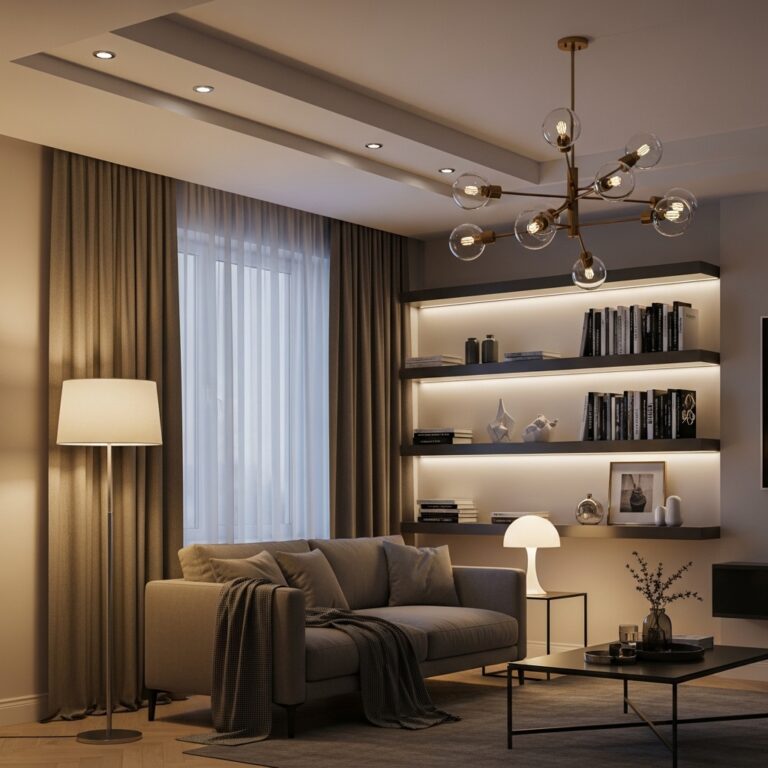
Combine ambient, task, and accent lighting to create depth. Use wall lights and compact fixtures to save space.
Layered lighting improves functionality and enhances the overall atmosphere. It also helps define zones within small layouts.
Avoid relying on one central light source, which creates shadows and uneven lighting.
Pro Tip: Use warm lighting to make the space feel more inviting.
11. Use Rugs to Add Warmth Without Adding Bulk
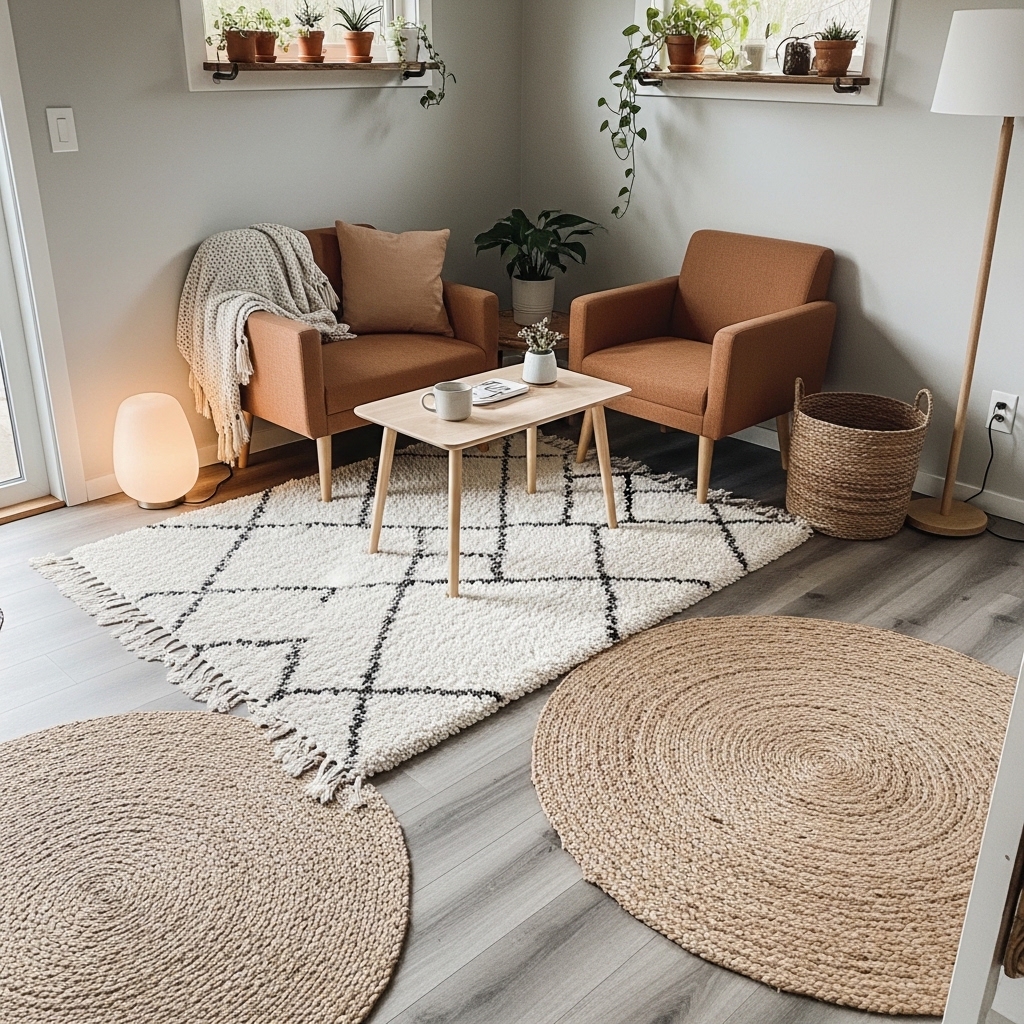
Best for: Tiny homes with hard flooring that feels cold.
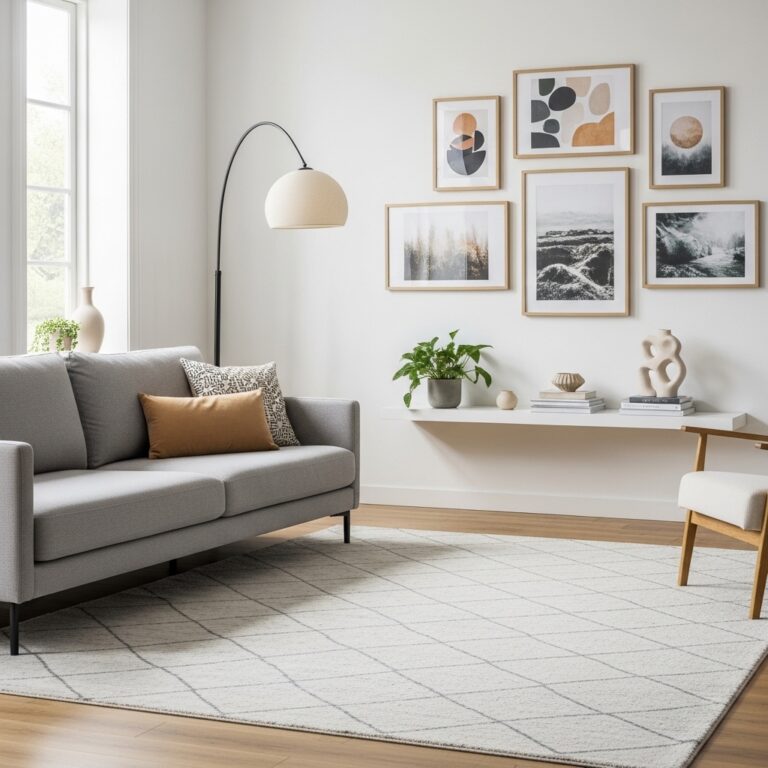
Add a single well-sized rug to define a space and introduce texture. Keep patterns subtle.
Rugs provide comfort and visual structure without taking up physical space. They also help connect furniture elements.
Avoid using multiple small rugs, which can break up the space. Stick to one cohesive piece.
Pro Tip: Ensure the rug fits under key furniture for balance.
12. Keep Decor Grouped Instead of Scattered
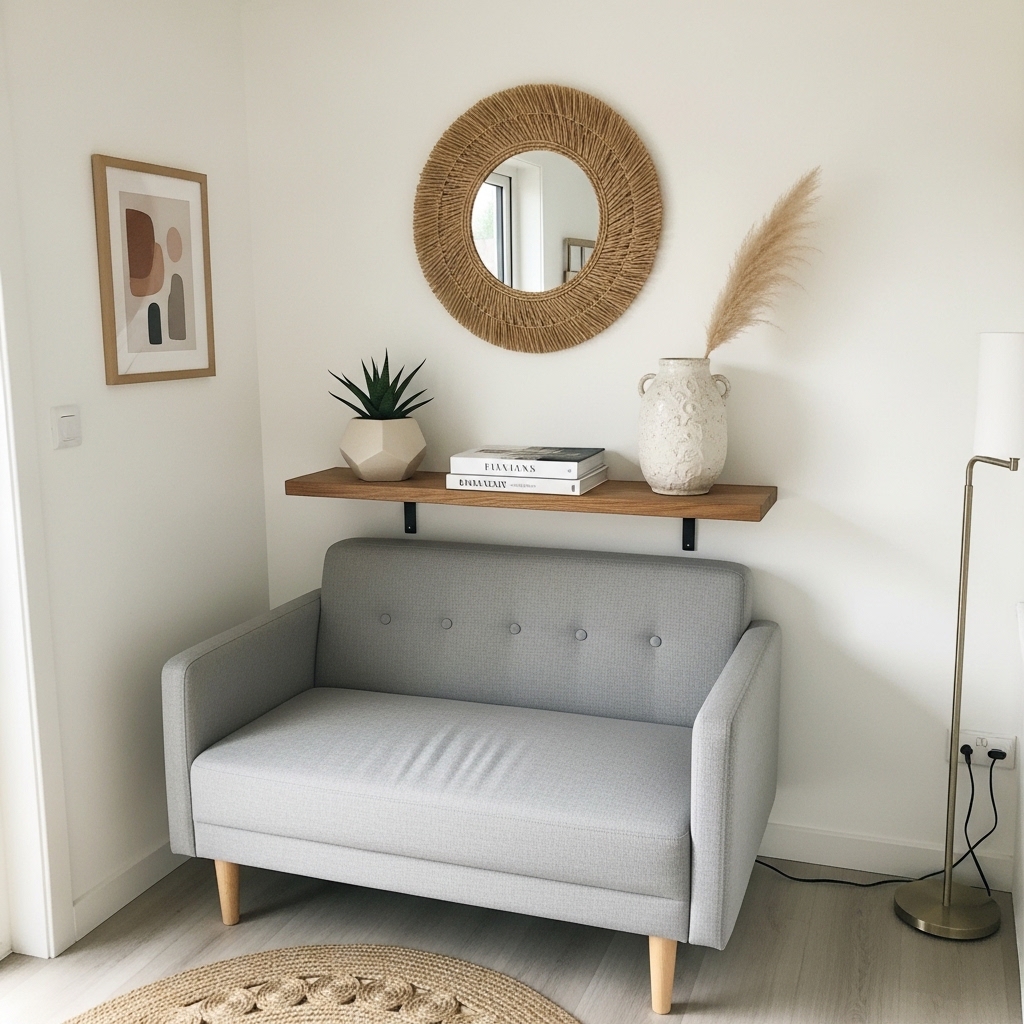
Great for: Homes that feel cluttered despite minimal items.
Arrange decor in small groups rather than spreading items across the room. Use trays or defined areas.
Grouping reduces visual noise and creates intentional styling. It also makes the space feel more organized.
Avoid placing single items randomly, as it creates imbalance. Keep arrangements cohesive.
Pro Tip: Use odd-number groupings for a natural look.
13. Use Hidden Decor Storage to Maintain Clean Surfaces
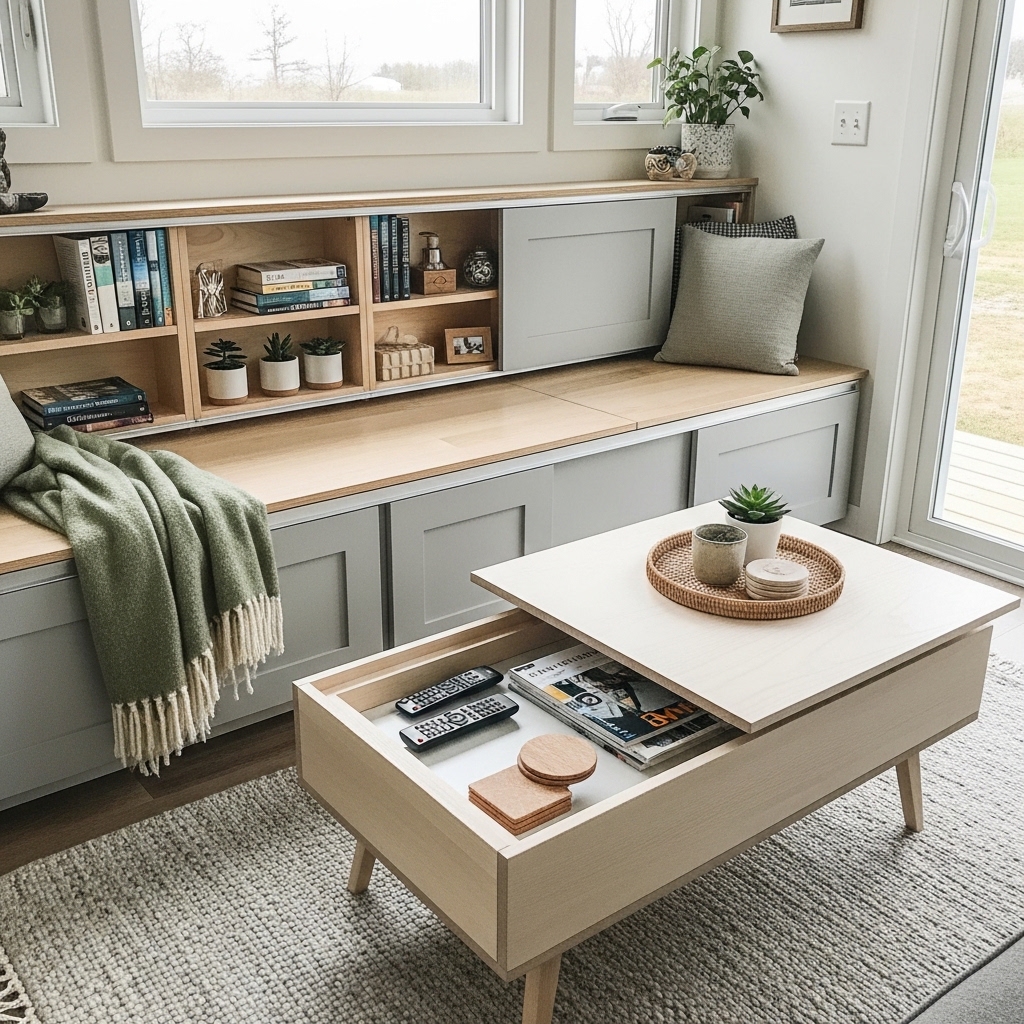
Ideal for: Tiny homes where clutter builds up quickly.
Store decor items in hidden compartments and bring them out when needed. Keep surfaces mostly clear.
This approach allows flexibility while maintaining a clean and open look. It also prevents visual overload.
Avoid keeping all decor items on display at once. Rotate them periodically.
Pro Tip: Use decorative boxes that double as storage.
14. Balance Open and Closed Elements for Visual Relief
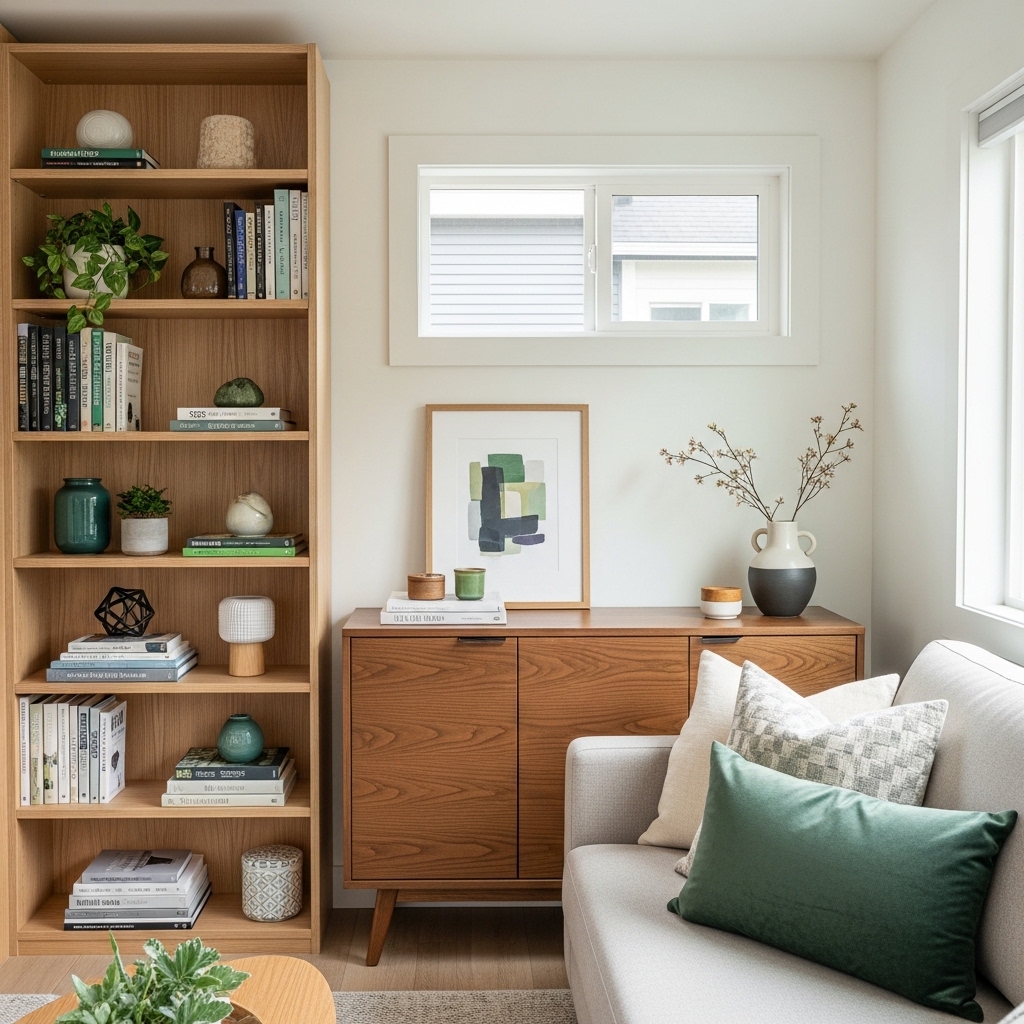
Best for: Tiny homes that feel either too empty or too crowded.
Mix open decor like shelves with closed storage to create balance. Keep proportions even.
This works because too much openness feels unfinished, while too much storage feels heavy. Balance creates harmony.
Avoid overloading either side, as it disrupts visual flow. Maintain a thoughtful mix.
Pro Tip: Place closed storage lower and open elements higher.
15. Edit Decor Regularly to Keep the Space Functional
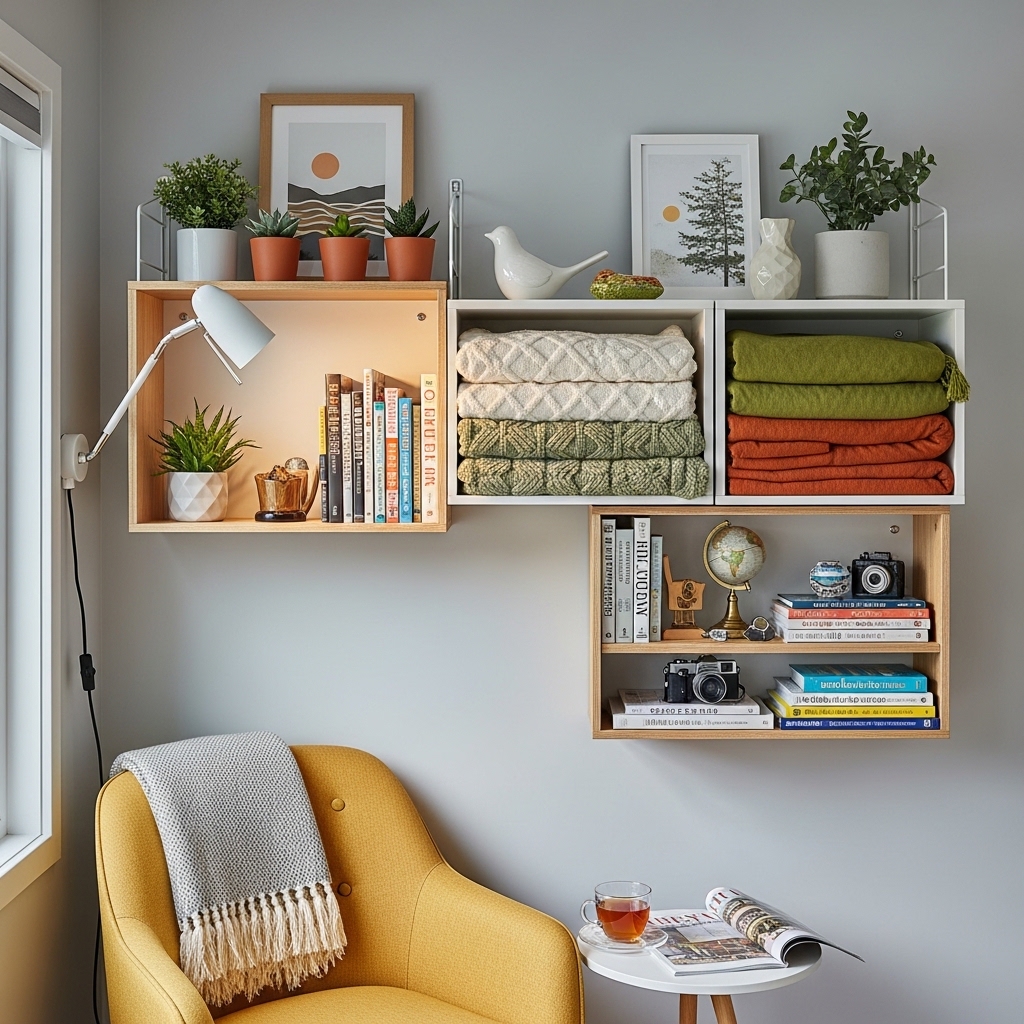
Great for: Tiny homes where items slowly accumulate over time.
Set a routine to remove unnecessary decor and reassess what you actually use. Keep only essential pieces.
Regular editing ensures the space stays functional and prevents clutter from returning. It also adapts to changing needs.
Avoid treating decluttering as a one-time task. Tiny homes require ongoing adjustments.
Pro Tip: Follow a “less but better” rule when adding new items.
Conclusion: Tiny Home Decor Works Best When Every Item Has a Purpose
Decorating a home is all about making choices that work for you and the way you live. You do not want a lot of stuff in a home because it can feel really cramped. When everything in your home has a purpose and a spot to be it can feel really nice and look great.
Try to keep things and use storage that makes sense. You also want to make sure your tiny home looks nice and balanced. Here are some tiny home decor ideas that can help you make a space that feels big and organized and perfect, for life.