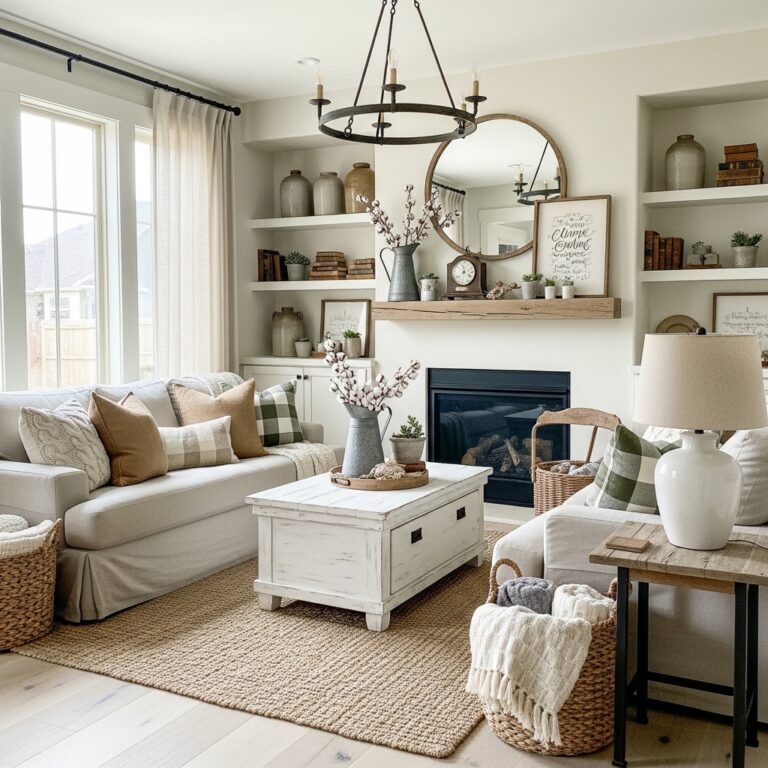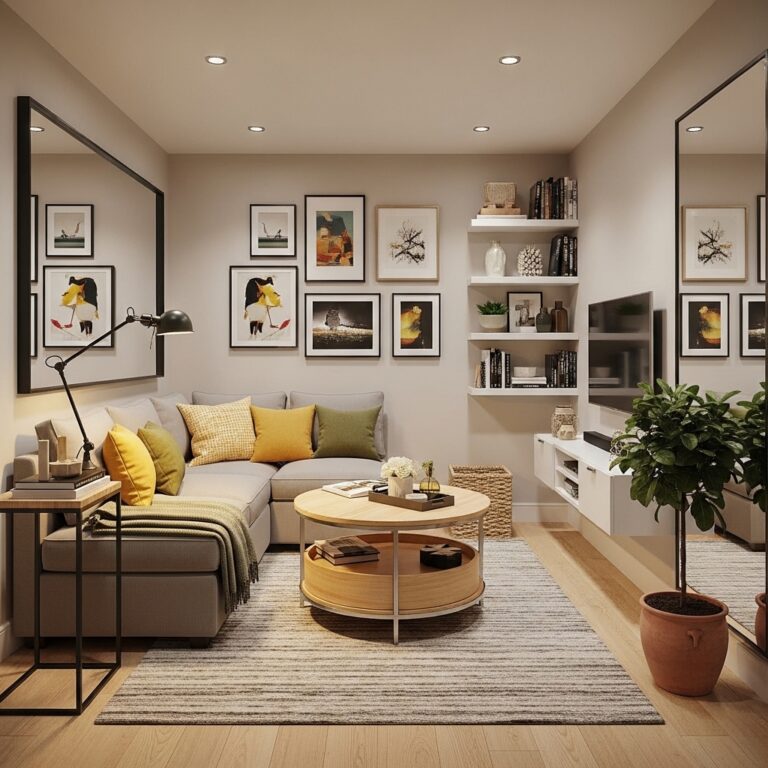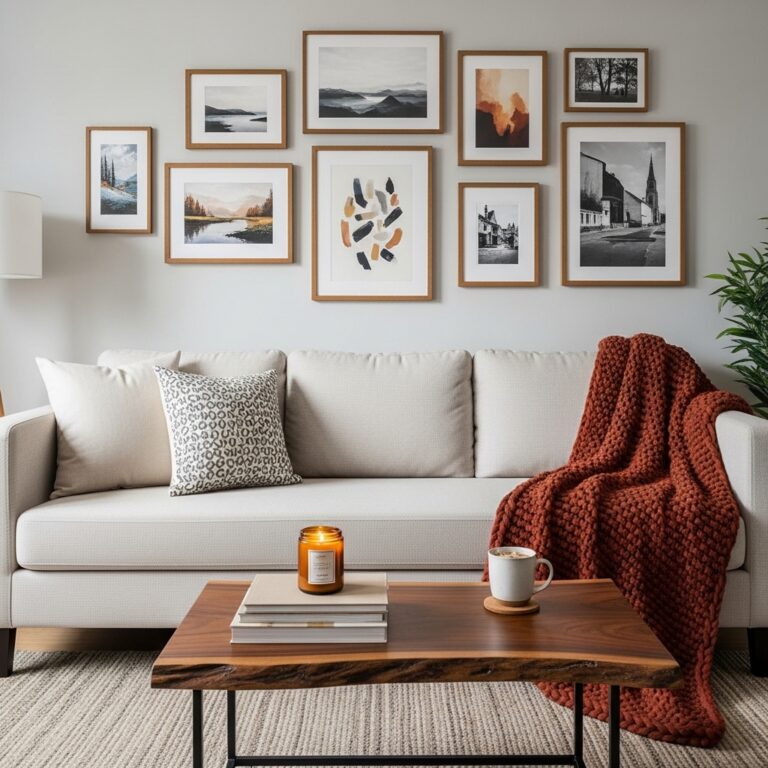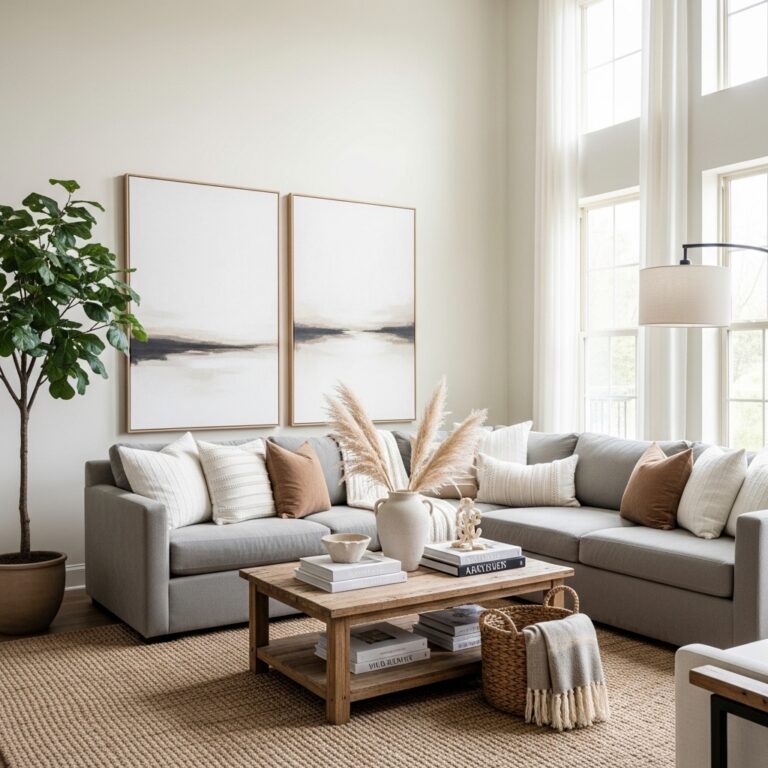
15 Living Room Lighting Ideas to Create a Warm and Functional Space
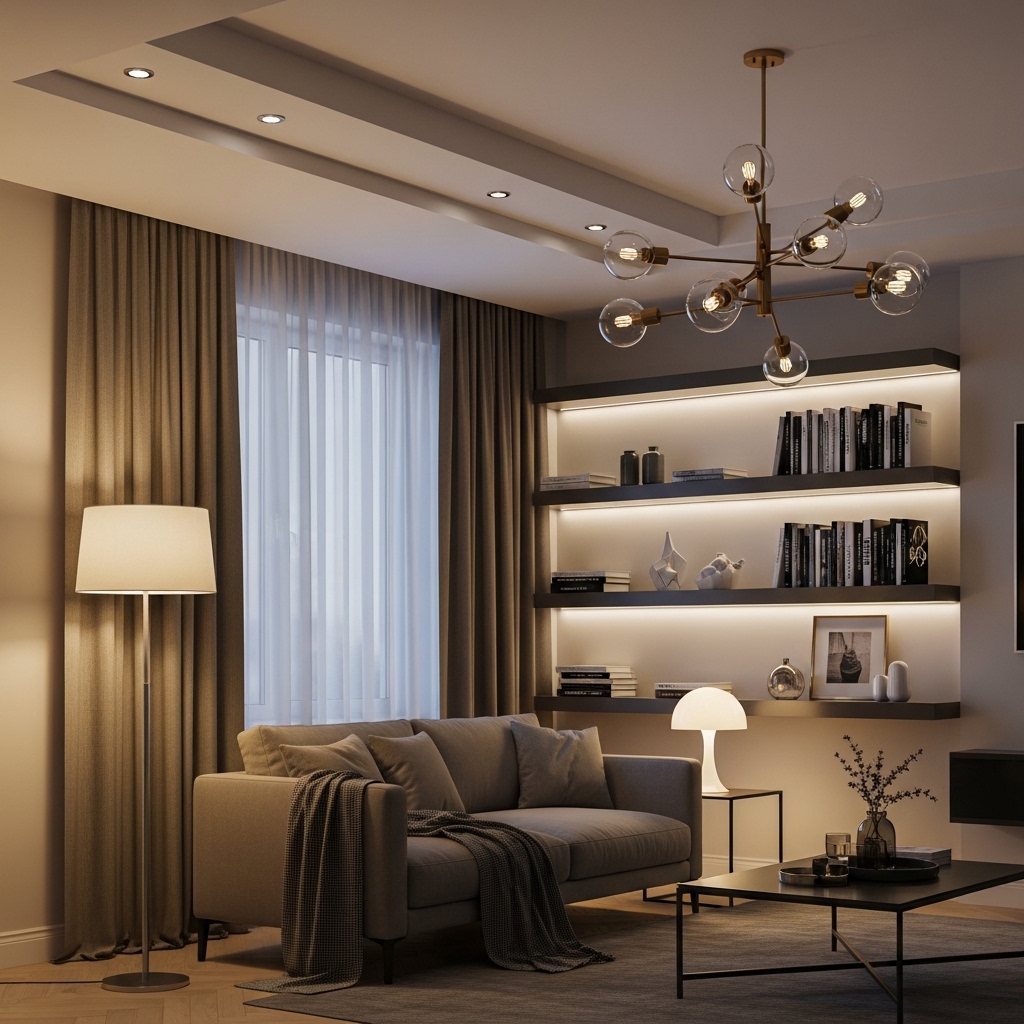
Lighting is really important in a living room. It can make the room feel nice or not so nice. If you just have one light in the ceiling it can make the room look boring. If you have a few different lights it can make the room feel cozy and nice.
The ideas I am going to talk about are for living rooms, like the one you might have in a small apartment or a bigger house. These ideas can help you see better feel happier and not make mistakes with the lighting that can make the room feel unpleasant or uneven.
1. Layered Lighting for Balanced Illumination
Who this is for: Living rooms that rely on one ceiling light and feel flat or harsh.
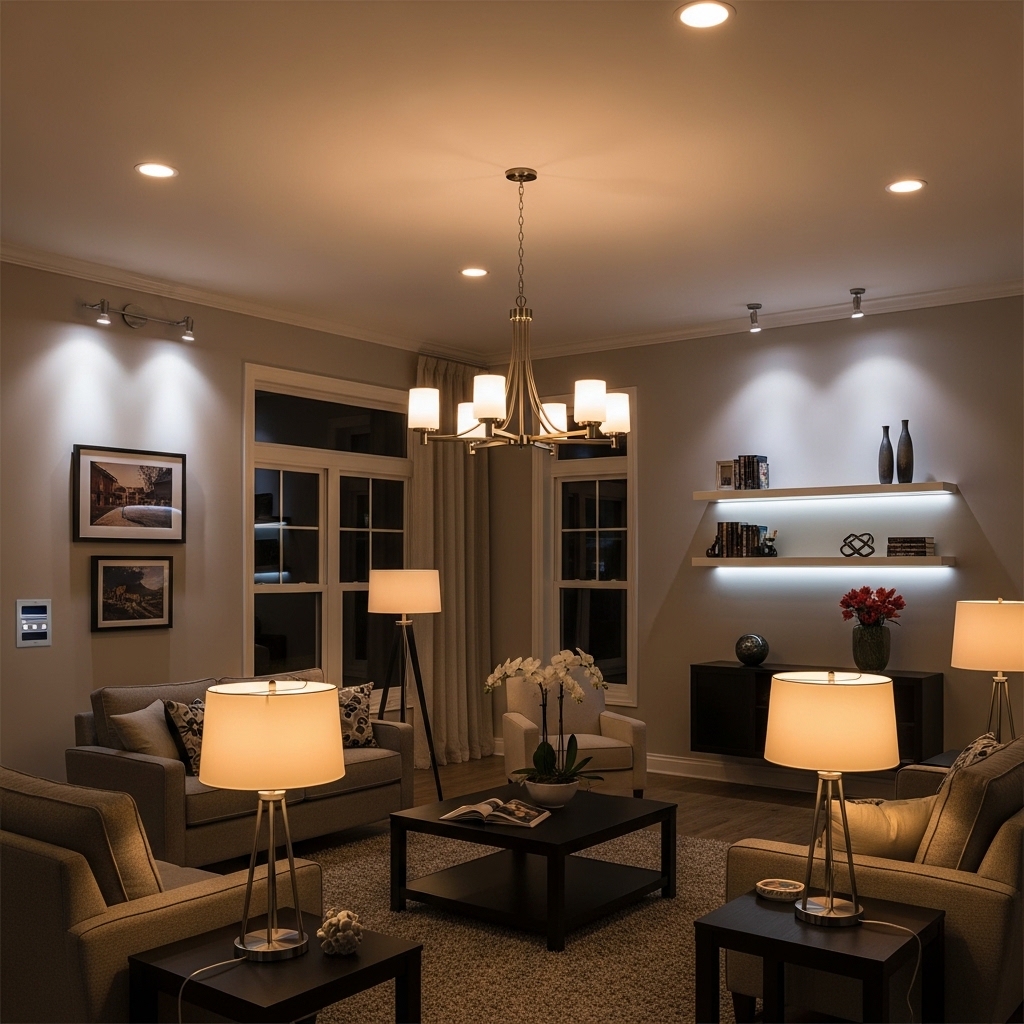
Layered lighting combines multiple sources—ambient, task, and accent—to create depth. This setup allows you to adjust brightness depending on time and activity.
How to apply: Use a ceiling light for general lighting, add table or floor lamps for warmth, and include accent lights for highlights.
Mistake to avoid: Relying only on overhead lighting creates shadows and uneven brightness.
2. Warm White Bulbs for a Cozy Atmosphere
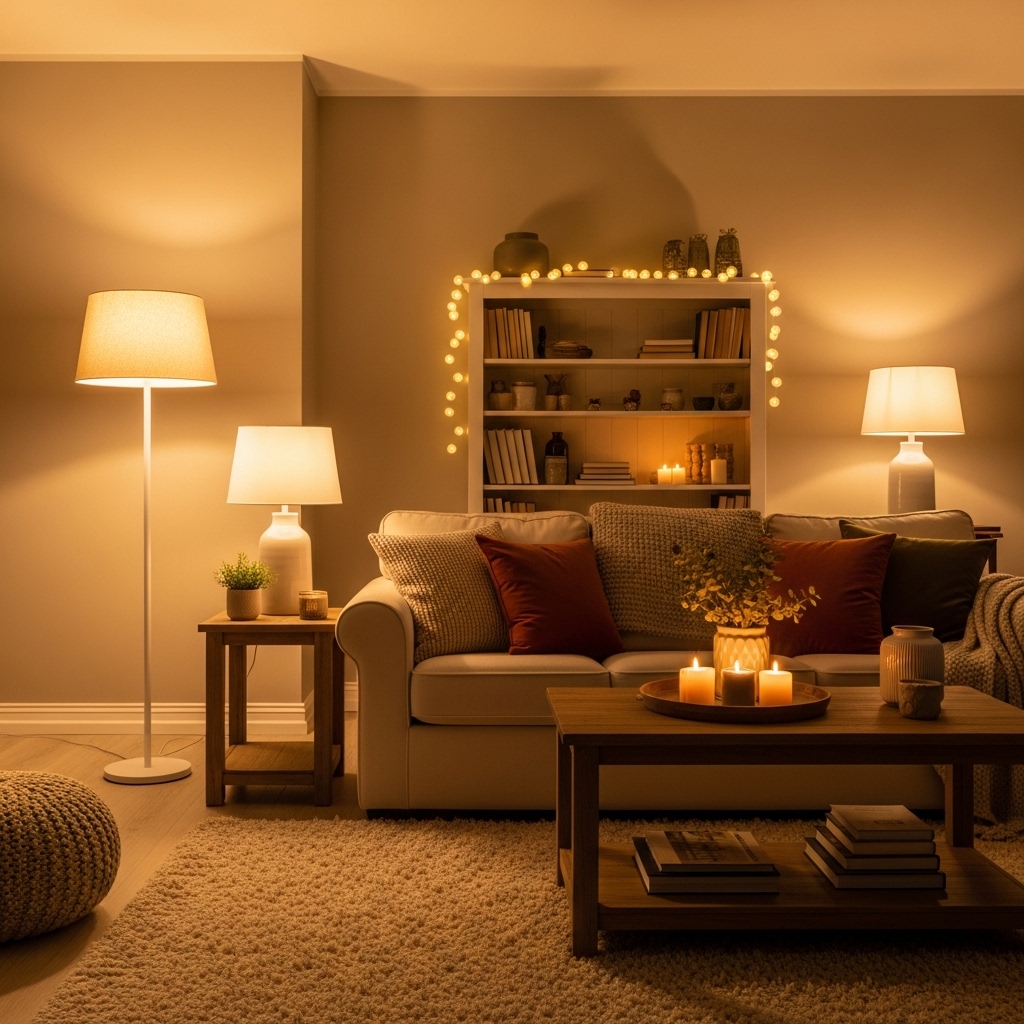
Who this is for: Spaces that feel too bright or clinical.
Warm bulbs (around 2700K) create a softer and more inviting glow, making the living room feel comfortable in the evening.
How to apply: Replace cool white bulbs with warm ones in lamps and ceiling fixtures. Keep consistency across all lights.
Mistake: Mixing warm and cool bulbs can make the room feel visually inconsistent.
3. Floor Lamps for Flexible Lighting
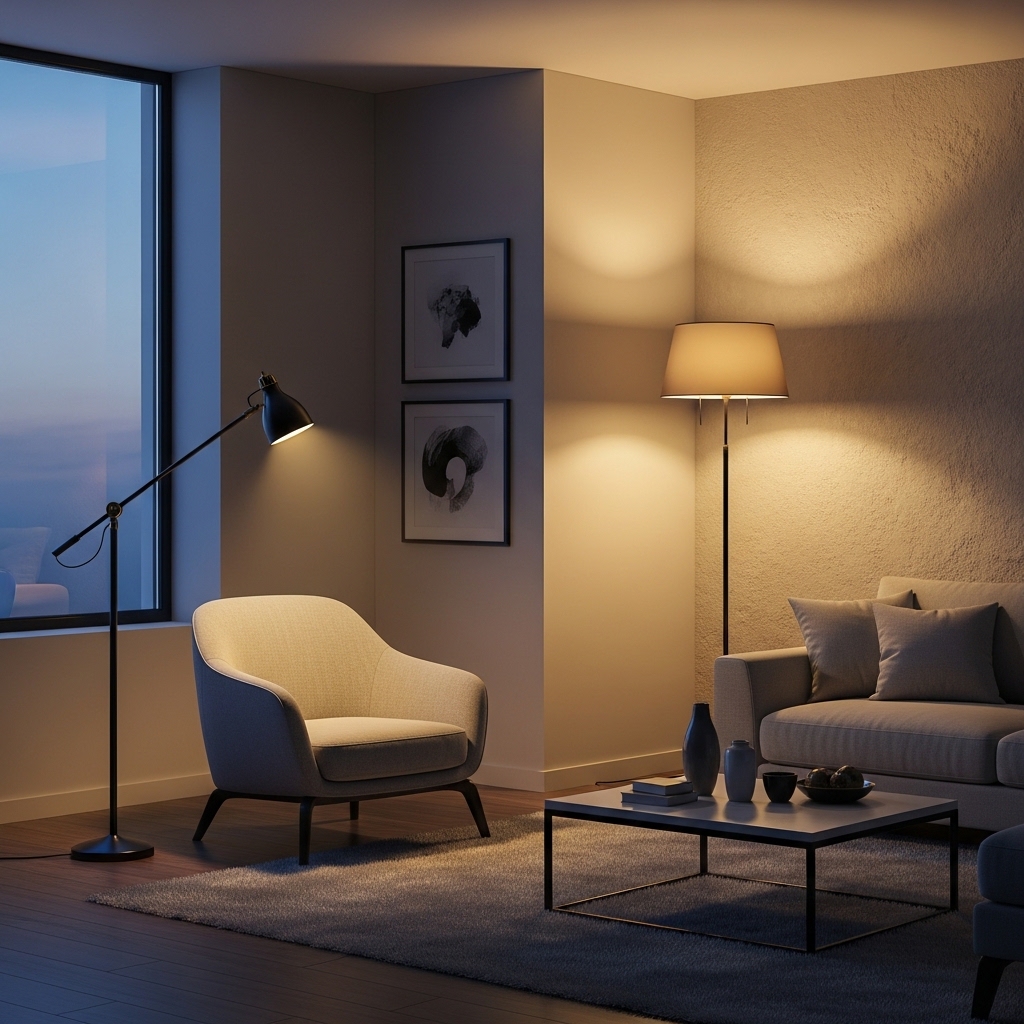
Who this is for: Apartments where installing fixtures isn’t possible.
Floor lamps provide adjustable lighting and can be moved easily based on layout changes. They’re ideal for renters.
How to apply: Place beside sofas or reading chairs. Use lamps with shades to diffuse light evenly.
Mistake: Positioning lamps too far from seating reduces their usefulness.
4. Table Lamps to Add Soft Light Layers
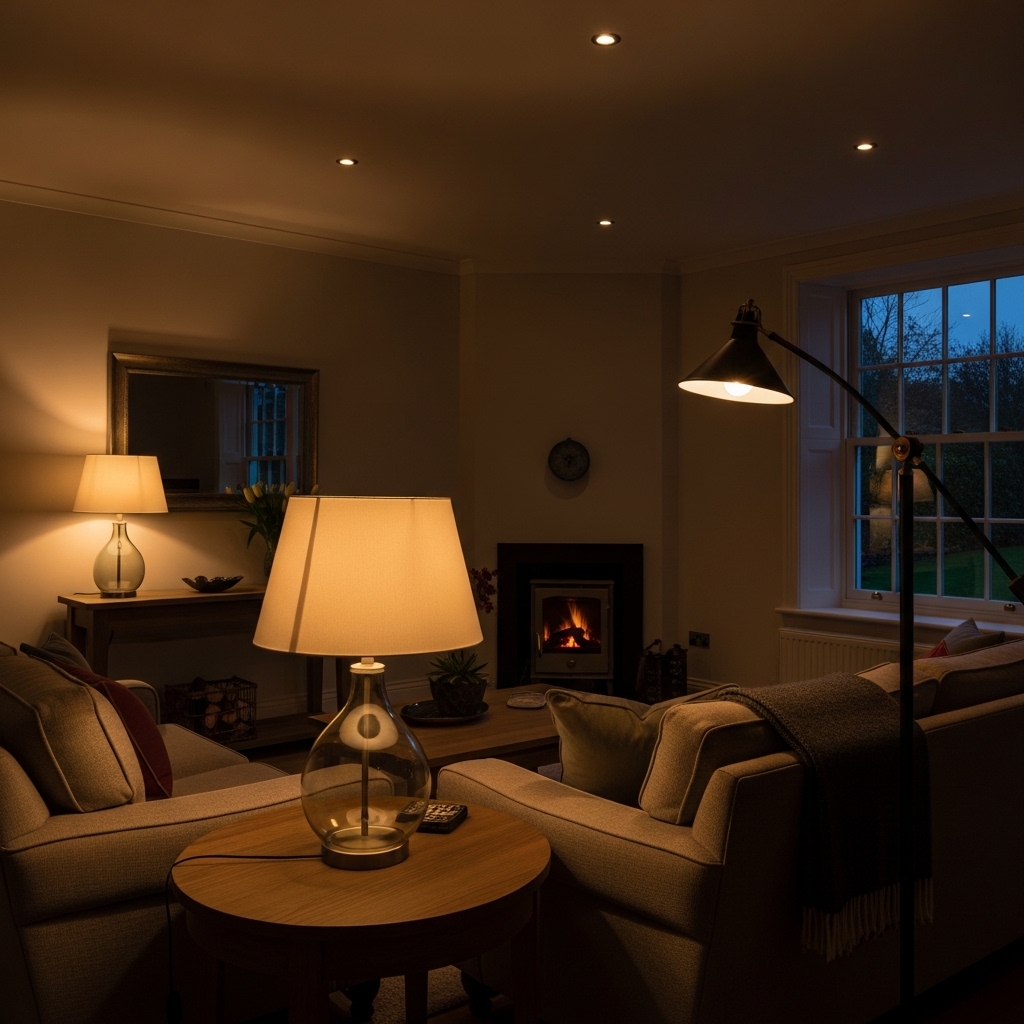
Who this is for: Living rooms needing subtle ambient lighting.
Table lamps create pockets of light that make the room feel more intimate and less harsh.
How to apply: Place on side tables or consoles. Keep height at eye level when seated.
Mistake: Using lamps that are too small reduces effectiveness.
5. Wall Sconces to Save Floor Space
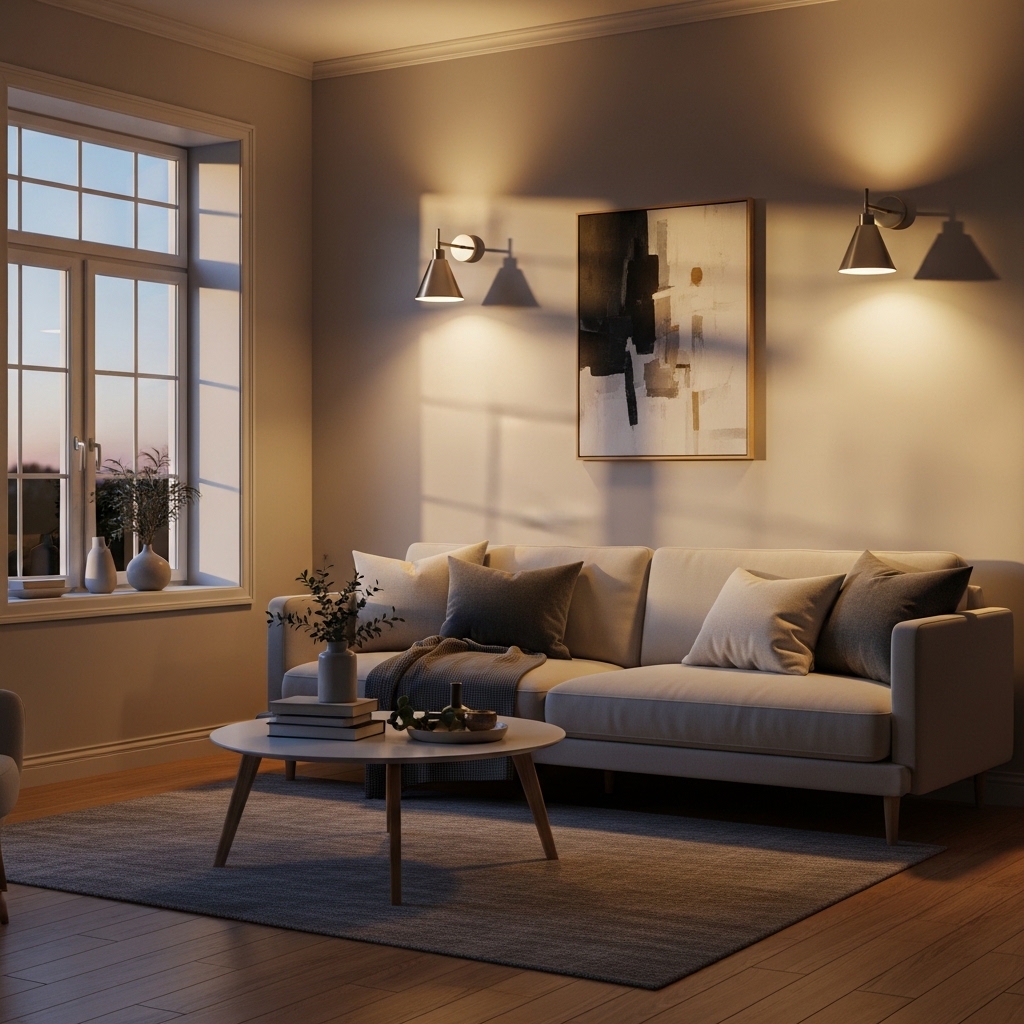
Who this is for: Small living rooms with limited floor area.
Wall-mounted lights free up space while providing targeted illumination. They also add a decorative element.
How to apply: Install beside seating or artwork. Use warm bulbs for a cozy feel.
Mistake: Mounting too high can create unwanted shadows.
6. LED Strip Lighting for Subtle Glow
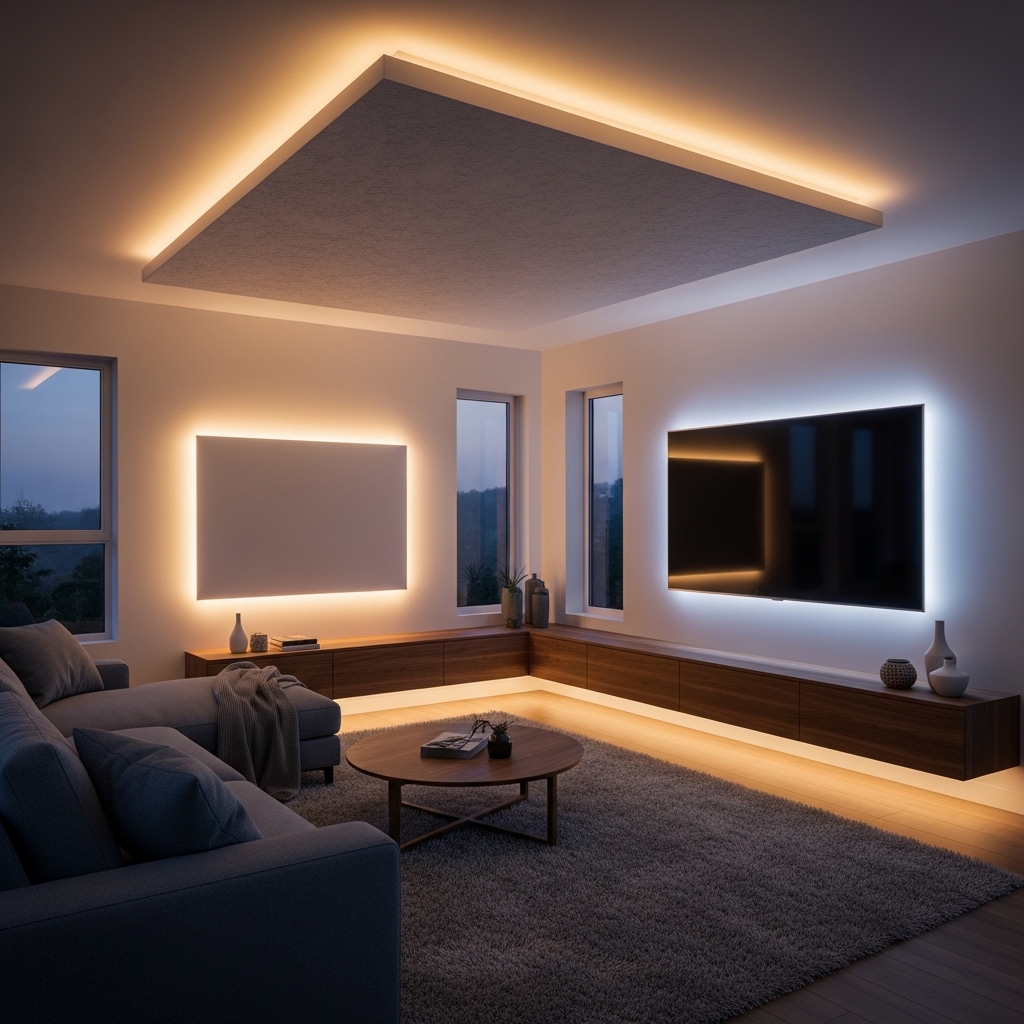
Who this is for: Modern setups or TV walls.
LED strips add indirect lighting that enhances ambiance without being too bright.
How to apply: Install behind TVs, shelves, or under consoles. Choose soft white or warm tones.
Mistake: Bright colored LEDs can feel distracting.
7. Statement Ceiling Light as a Focal Point
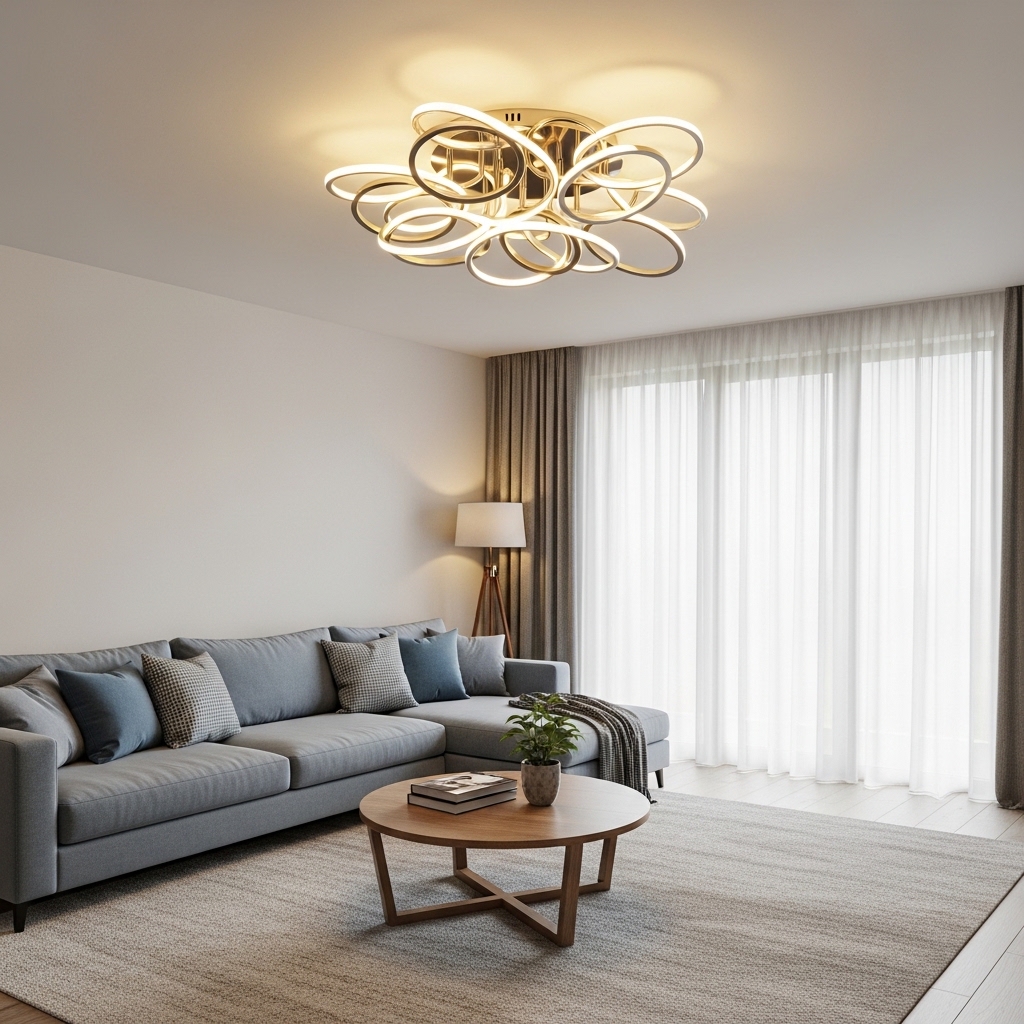
Who this is for: Minimal living rooms needing a design feature.
A bold ceiling fixture adds personality while providing main lighting.
How to apply: Choose a size that matches room scale. Keep surrounding decor simple.
Mistake: Oversized fixtures can overwhelm small rooms.
8. Dimmer Switches for Adjustable Mood
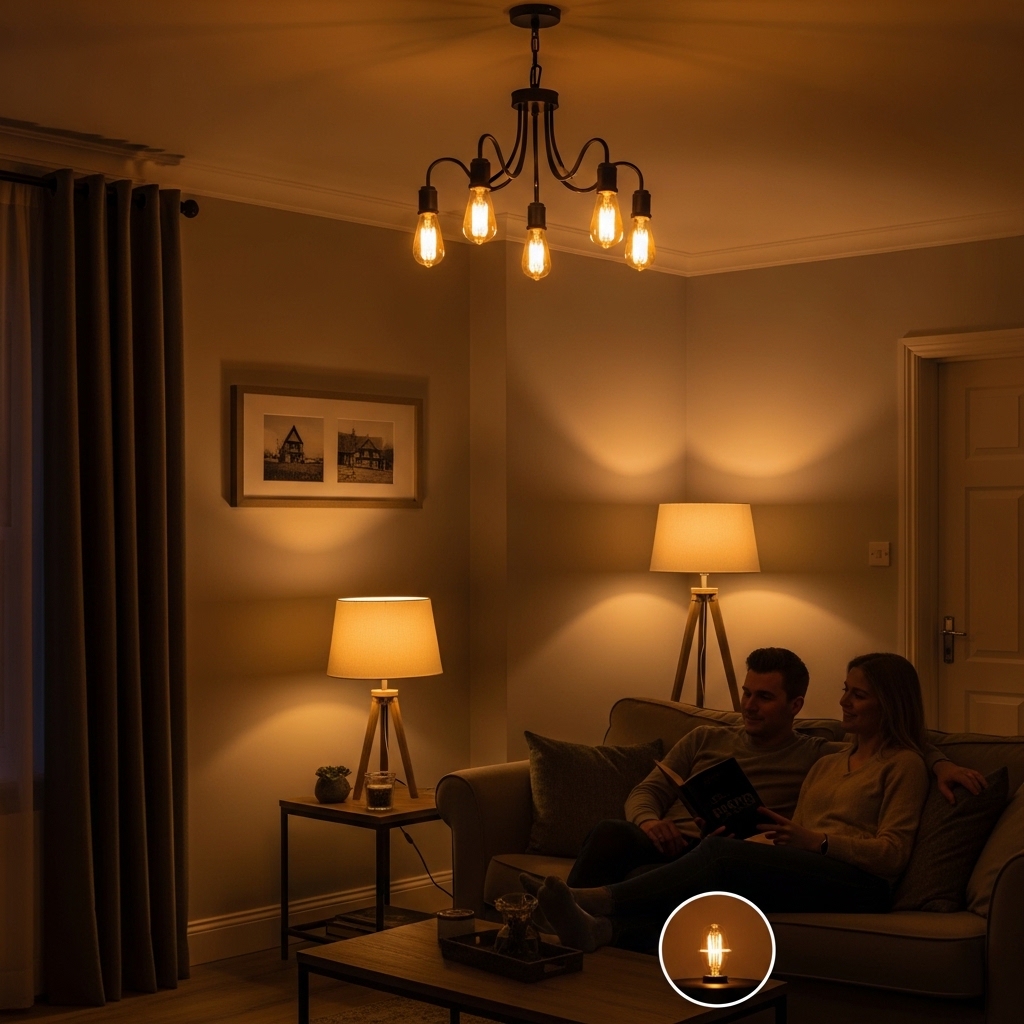
Who this is for: Spaces used for both daytime and evening relaxation.
Dimmers allow you to control brightness levels, making the room more versatile.
How to apply: Install dimmers on main lighting sources. Adjust based on activity.
Mistake: Using only one brightness level limits flexibility.
9. Corner Lighting to Eliminate Dark Spots
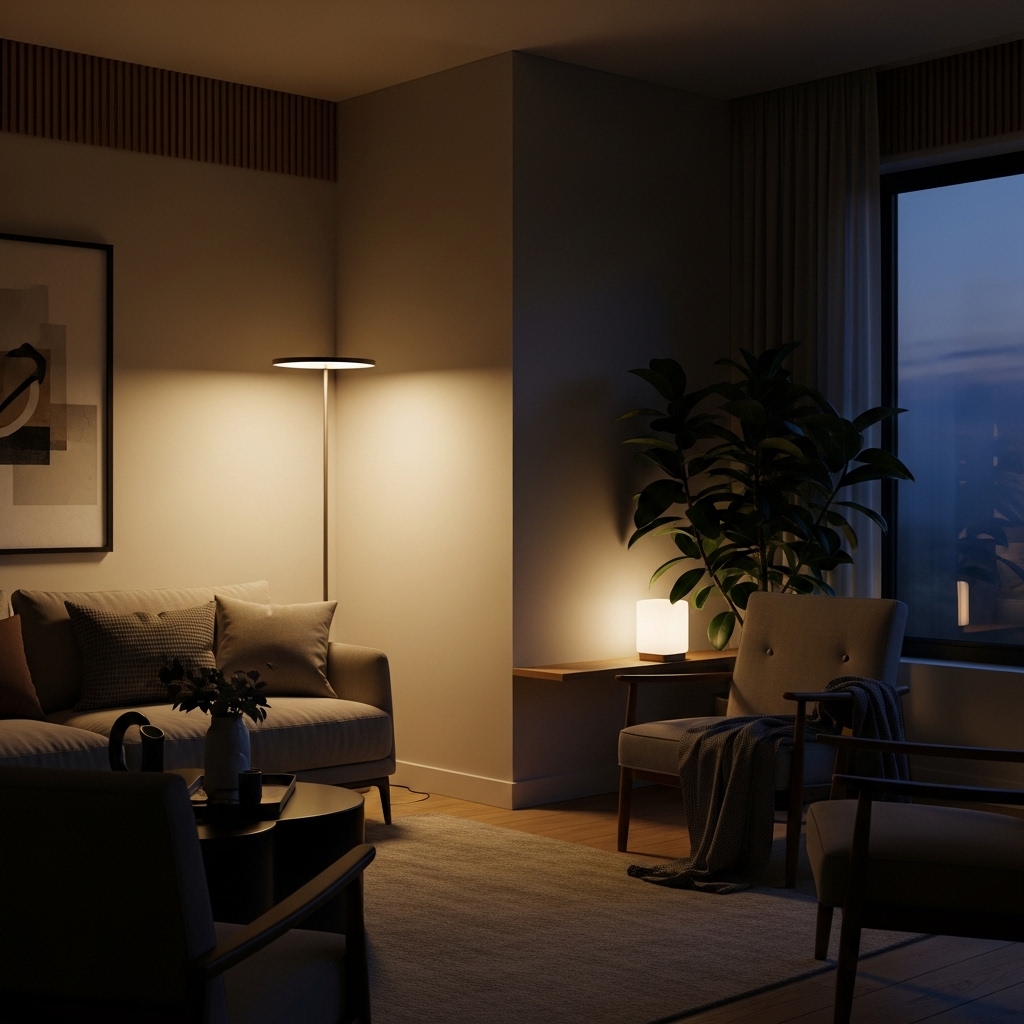
Who this is for: Rooms with uneven lighting distribution.
Corners often remain dark and make the space feel smaller. Adding light improves balance.
How to apply: Place a floor lamp or small table lamp in darker corners.
Mistake: Ignoring corners creates uneven lighting.
10. Accent Lighting to Highlight Decor
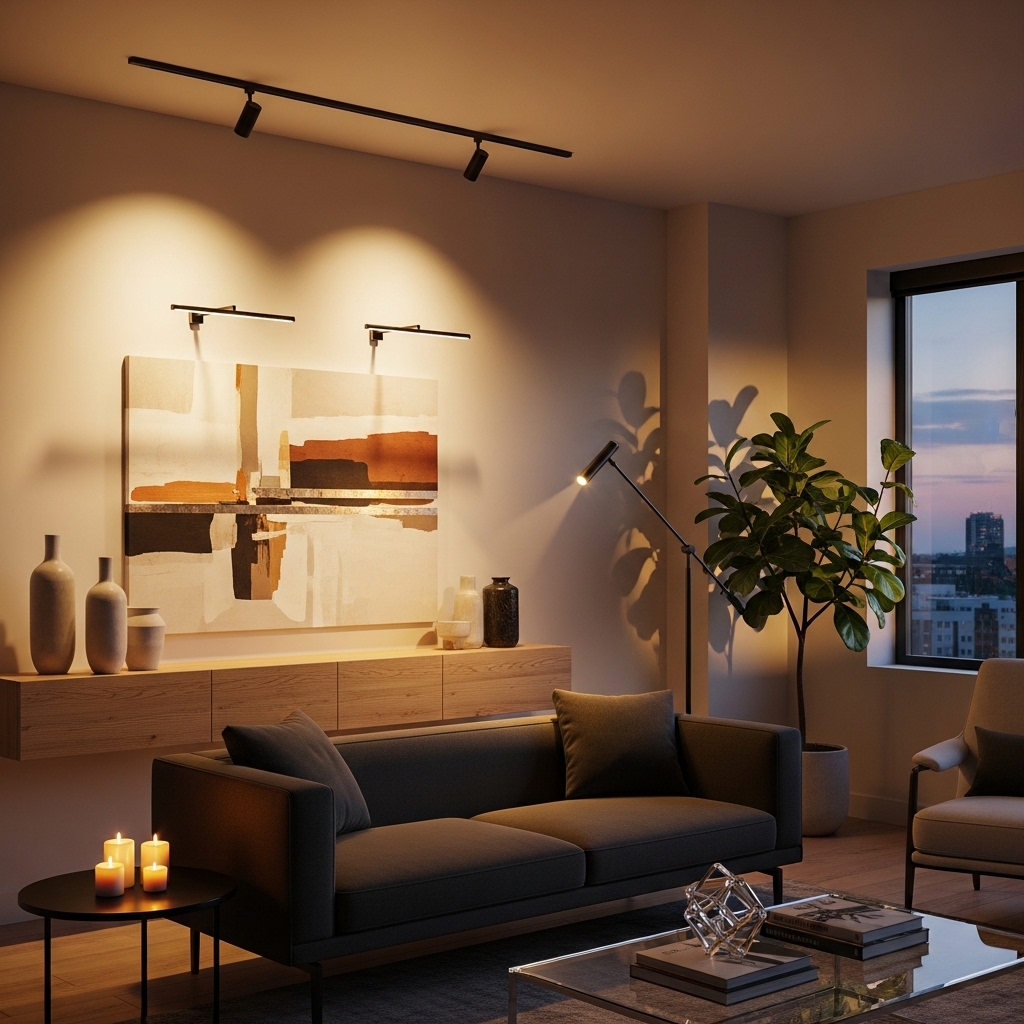
Who this is for: Living rooms with artwork or feature walls.
Accent lights draw attention to specific elements and add depth to the design.
How to apply: Use spotlights or picture lights for artwork. Keep brightness subtle.
Mistake: Over-lighting reduces the effect.
11. Natural Light Enhancement with Curtains
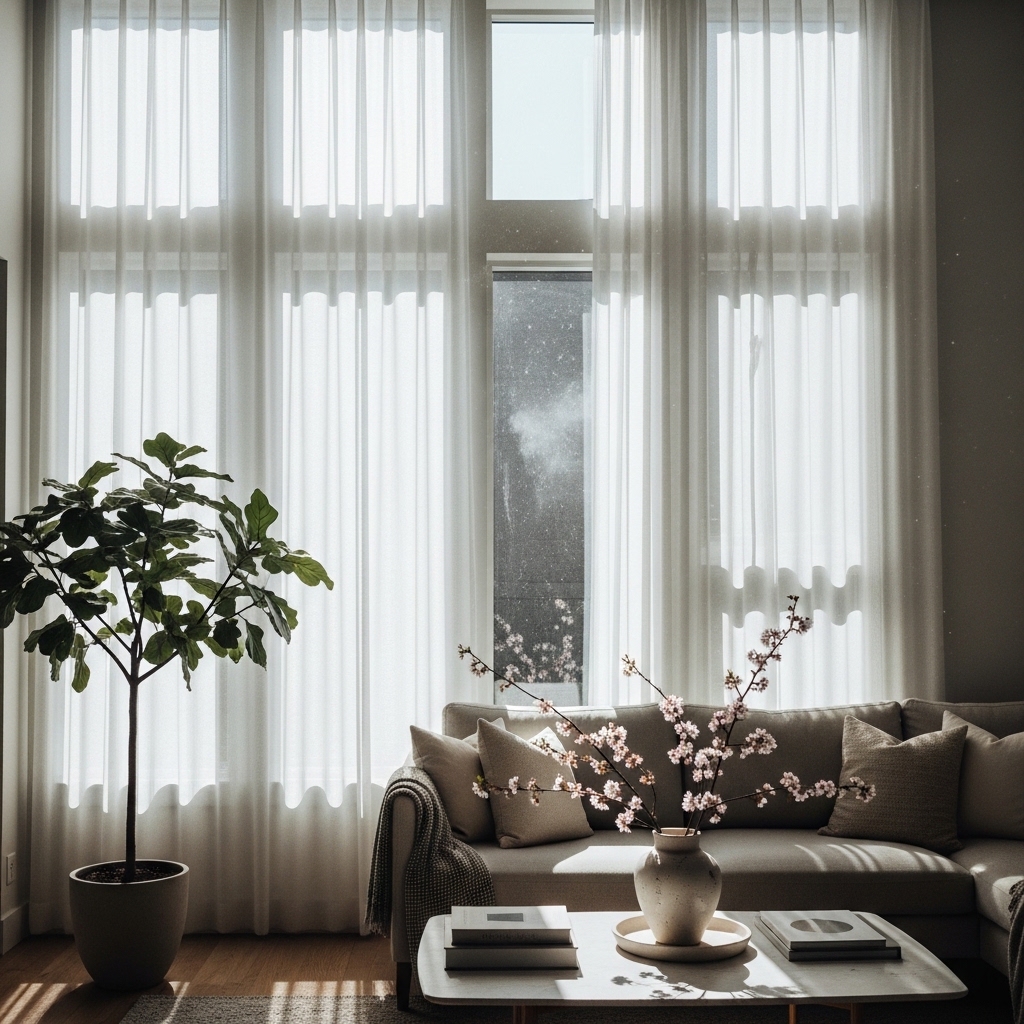
Who this is for: Daytime-focused living rooms.
Maximizing natural light reduces the need for artificial lighting and makes the space feel open.
How to apply: Use sheer or light-colored curtains to allow sunlight through.
Mistake: Heavy curtains block natural brightness.
12. Pendant Lights for Zoned Lighting
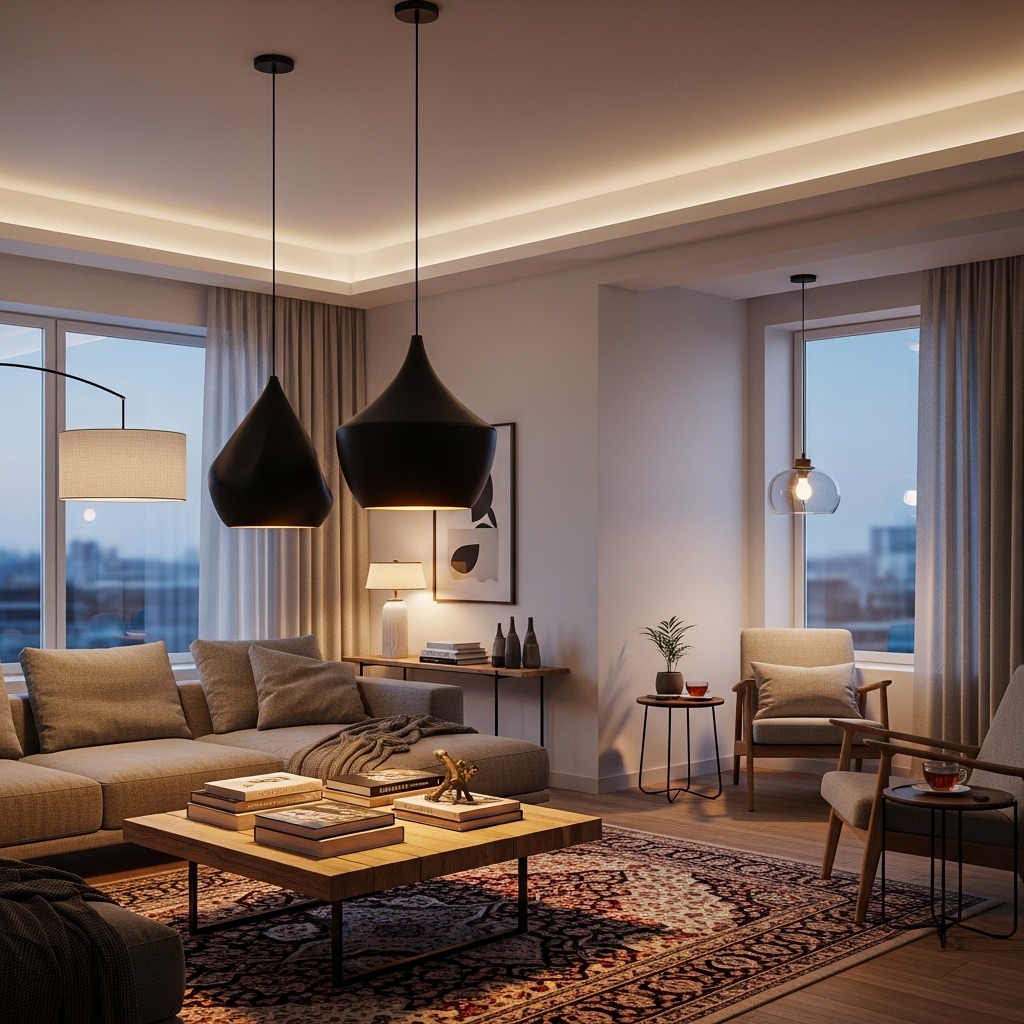
Who this is for: Open-plan living rooms.
Pendant lights help define specific areas like seating or reading zones.
How to apply: Hang above tables or central seating areas. Keep height balanced.
Mistake: Hanging too low can obstruct views.
13. Smart Lighting for Convenience
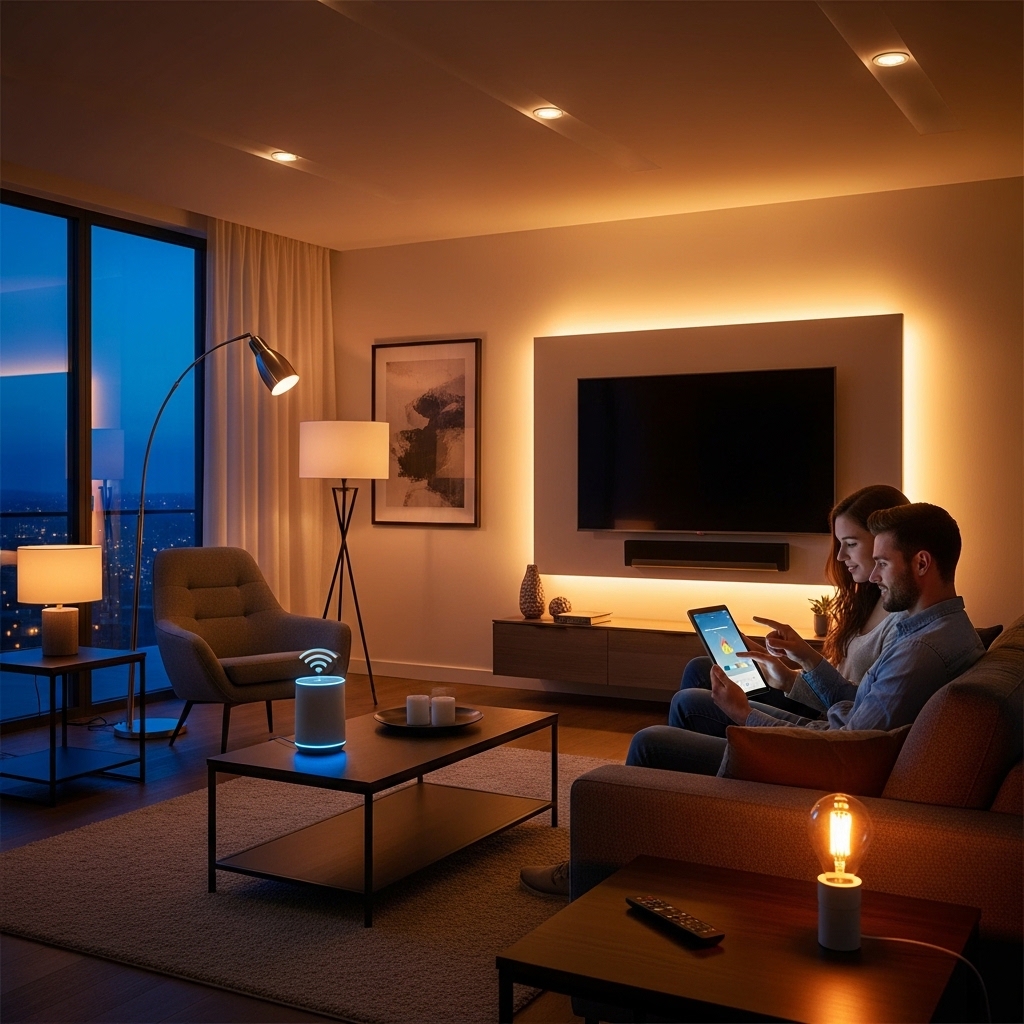
Who this is for: Tech-friendly homes.
Smart lighting allows control of brightness and color through apps or voice commands.
How to apply: Use smart bulbs in key fixtures. Set schedules for different times.
Mistake: Overcomplicating setup reduces usability.
14. Layered Lamp Heights for Visual Interest
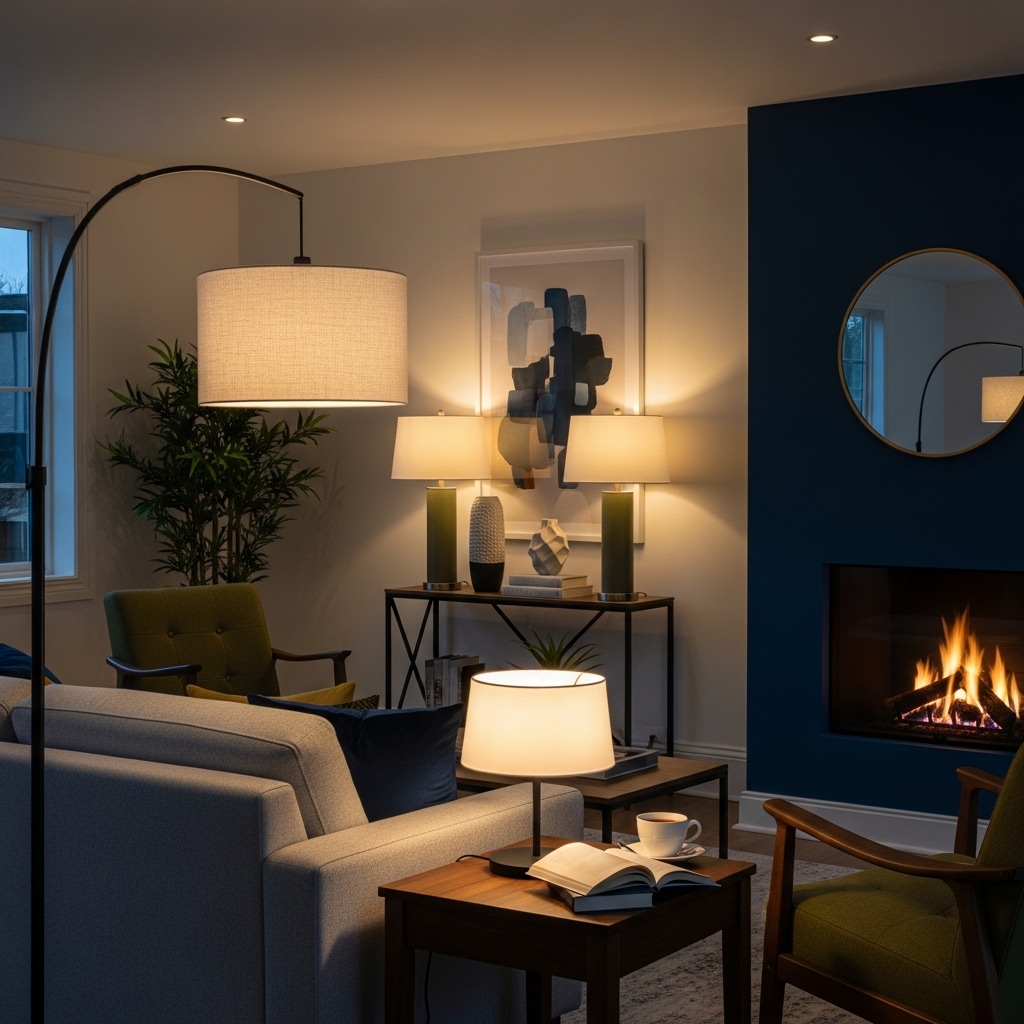
Who this is for: Living rooms that feel flat even with multiple lights.
Using different lamp heights creates visual depth and better light distribution.
How to apply: Combine tall floor lamps with medium table lamps and low accent lights.
Mistake: Using lights at the same height reduces layering effect.
15. Balanced Lighting Placement for Even Coverage
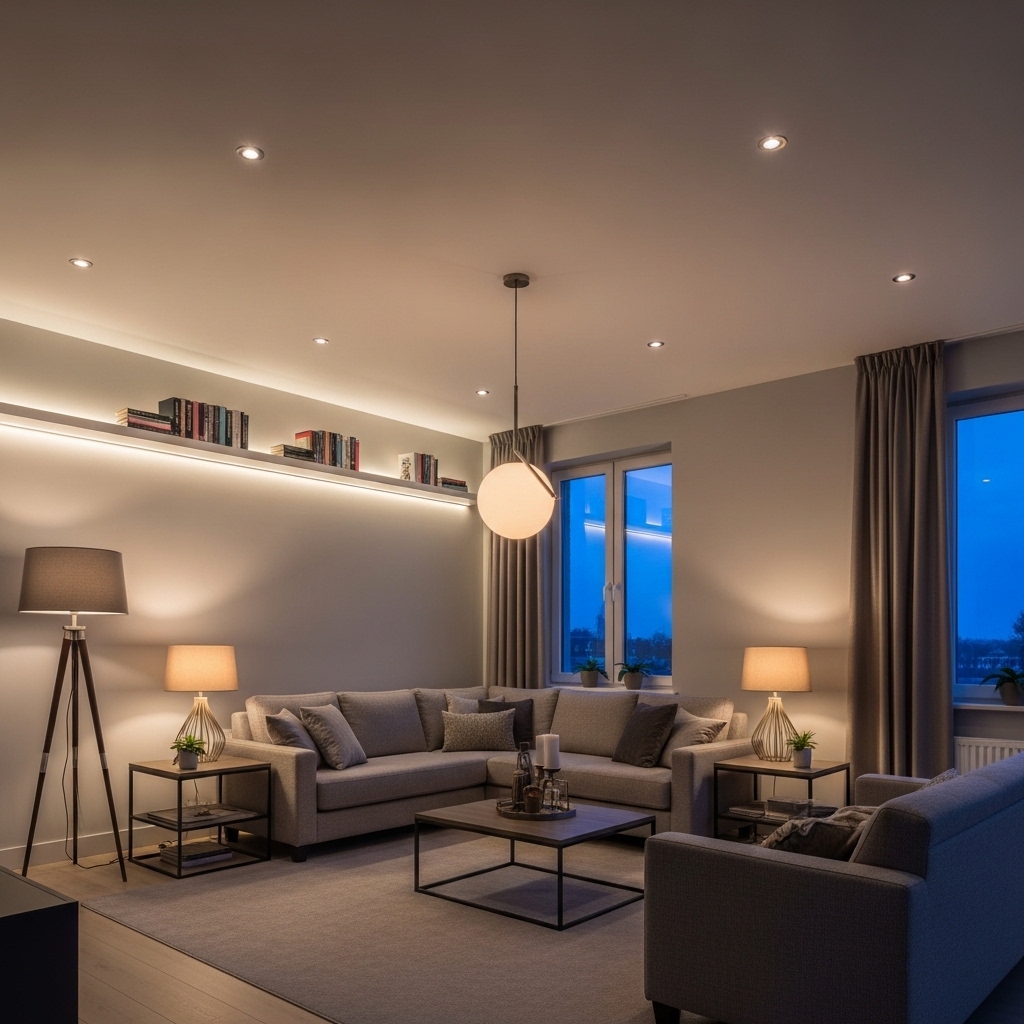
Who this is for: Any living room with uneven brightness.
Even placement ensures the room is well-lit without harsh contrasts or dark spots.
How to apply: Distribute light sources across the room instead of clustering them in one area.
Mistake: Concentrating lighting in one spot creates imbalance.
Conclusion: Build a Lighting Setup That Works for Everyday Living
Good lighting is not about being bright it also makes your living room feel and work better every day. A good mix of general, task and highlight lighting makes the room useful and cozy.
First make your main light better add more lights slowly to make it warmer and more flexible. These 15 ideas for living room lights will help you make a room that’s good, for relaxing having friends over and doing things every day without making it too complicated.