15 Functional Small Space Living Ideas That Make Compact Homes Feel Spacious
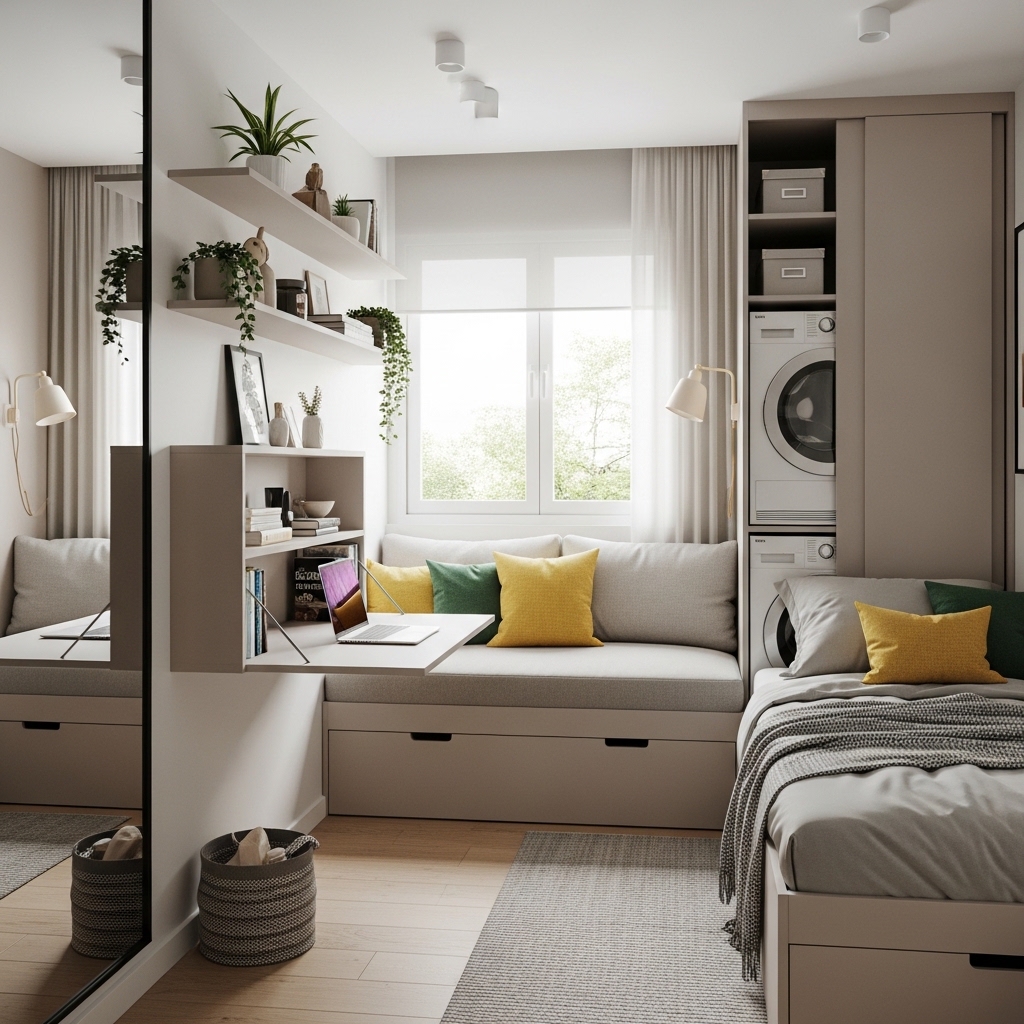
Living in a space is not about getting rid of things it is about setting up your space so that everything in it helps you live the way you really do.
A lot of homes feel tight because the furniture is not in the right place there is not a good plan for storing things and the lighting is not right for what you do every day.
This guide is about useful ideas for people who live in apartments, studios and small homes.
Each idea in this guide will show you how to make your space feel more open get rid of clutter and make your home feel bigger without having to spend a lot of money on changes, to your space.
1. Design Your Layout Around Movement, Not Just Furniture
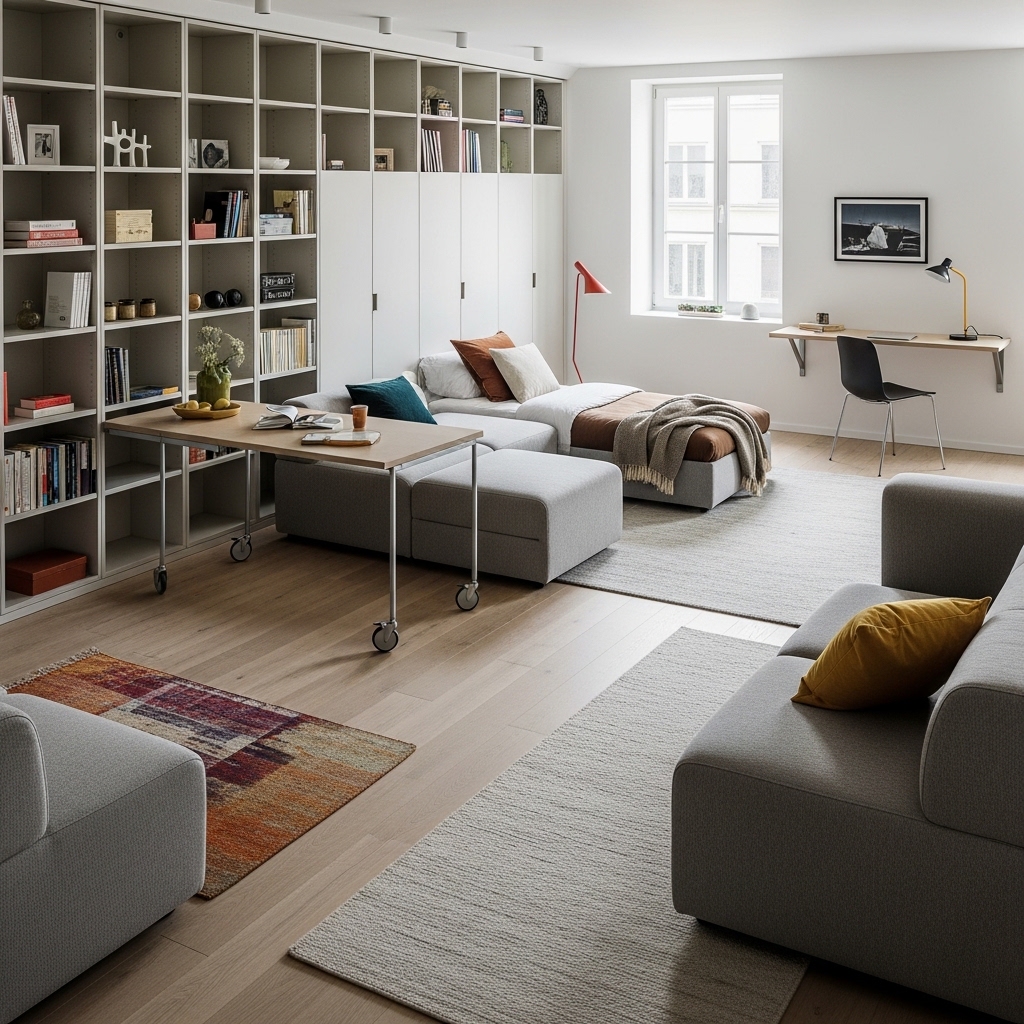
Ideal for: Living rooms or studios where walking paths feel blocked or awkward.
Start by identifying your daily movement—entry to sofa, bed to bathroom, desk to door—and arrange furniture around those paths. Leave clear walkways instead of filling every gap.
This works because smooth movement instantly makes a space feel larger and more comfortable. Even a well-decorated room will feel cramped if navigation is difficult.
Avoid placing furniture purely against walls without considering flow. This often creates dead zones and inefficient layouts.
Pro Tip: Walk through your space after arranging to test if movement feels natural.
2. Use One Anchor Piece to Organize the Entire Room
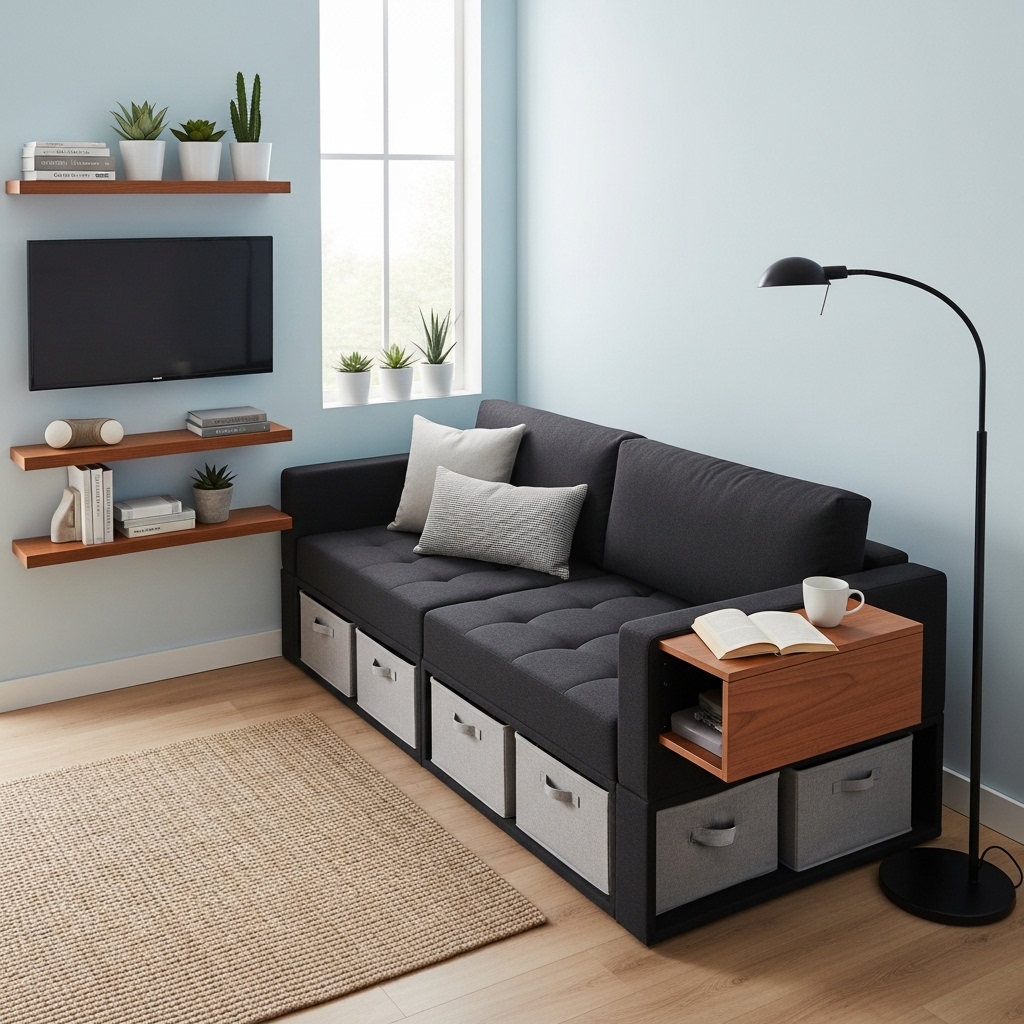
Best for: Spaces that feel scattered or lack a clear focal point.
Choose one main piece like a sofa or bed and build the rest of the layout around it. Keep supporting furniture aligned with that anchor.
A strong focal point simplifies decision-making and creates visual order. It also prevents overcrowding by limiting unnecessary additions.
Avoid adding multiple focal points, as it divides attention and reduces cohesion. Keep the surrounding decor minimal and intentional.
Pro Tip: Position your anchor piece where it gets the most natural light.
3. Keep Floor Space Visible to Reduce Visual Density
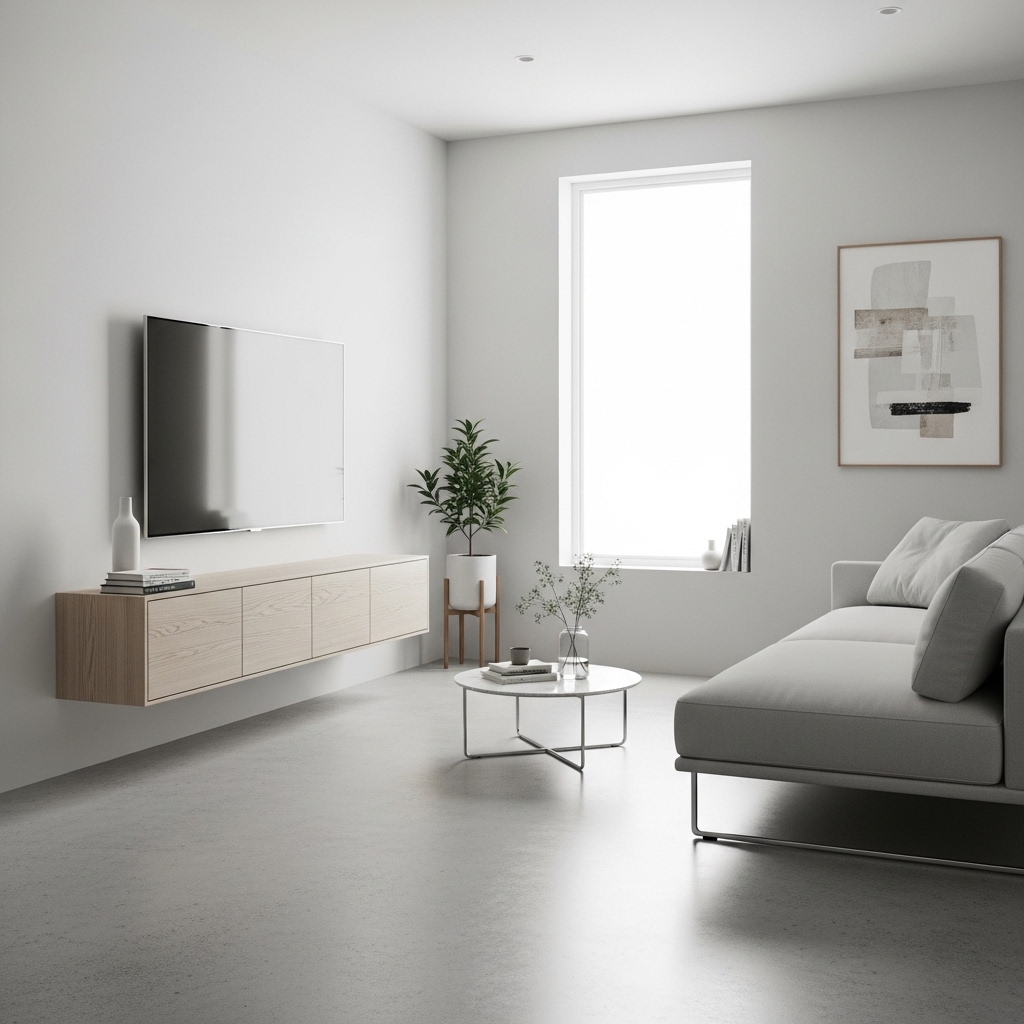
Great for: Rooms that feel tight even with minimal furniture.
Choose furniture with legs or elevated bases to allow the floor to remain partially visible. Avoid bulky pieces that sit directly on the ground.
When more floor area is visible, the room appears less crowded and more open. This visual trick is especially effective in small living rooms.
Avoid mixing too many heavy, grounded furniture pieces in one space. It creates a dense, closed-in feeling.
Pro Tip: Use rugs to connect furniture without blocking floor visibility.
4. Limit Furniture Quantity Instead of Downsizing Everything
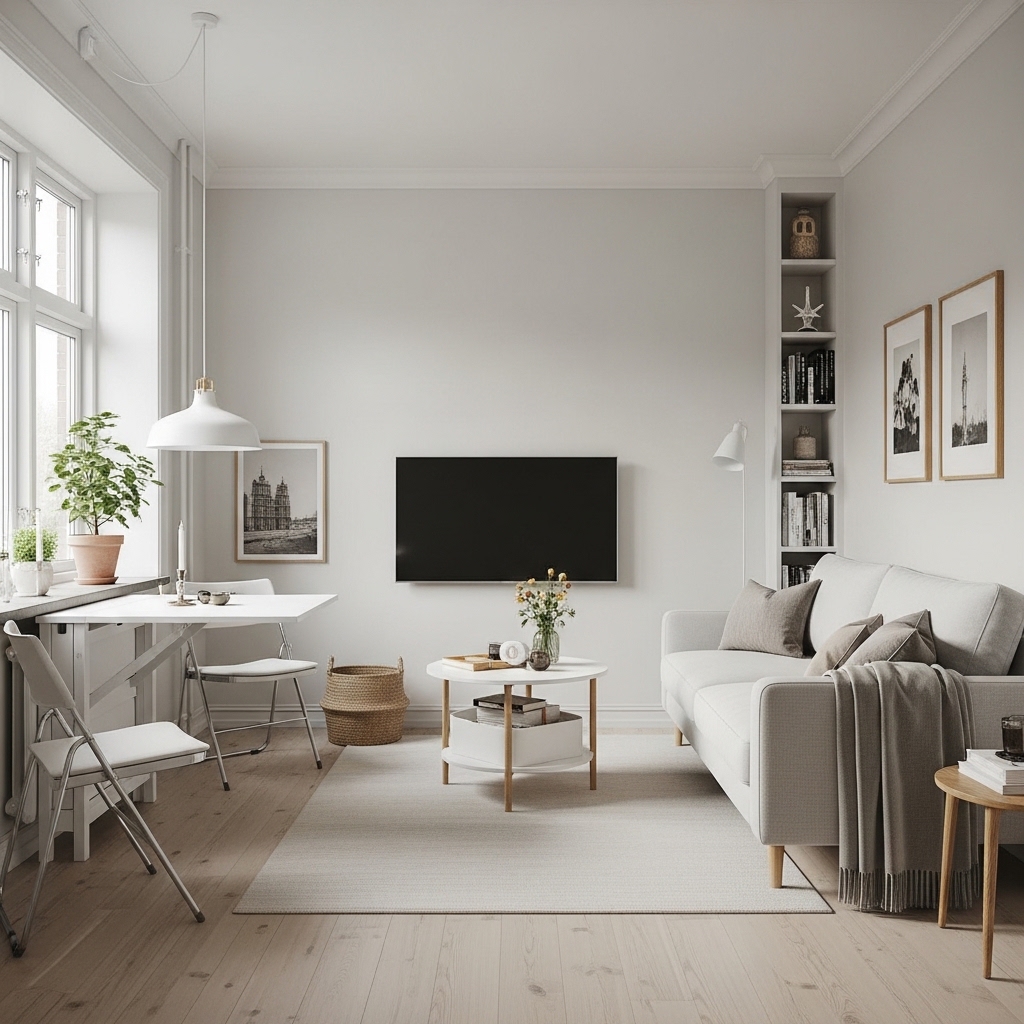
Ideal for: People trying to fit too many small pieces into one room.
Instead of using many small items, choose fewer, well-sized pieces that serve clear purposes. Keep only what you actually use daily.
Too many small items create clutter faster than a few properly scaled ones. A simplified layout improves both function and appearance.
Avoid keeping furniture just because it fits—prioritize usefulness over quantity. Remove anything that doesn’t add value.
Pro Tip: If a piece isn’t used weekly, reconsider its place in the room.
5. Use Vertical Space for Storage Without Overcrowding Walls
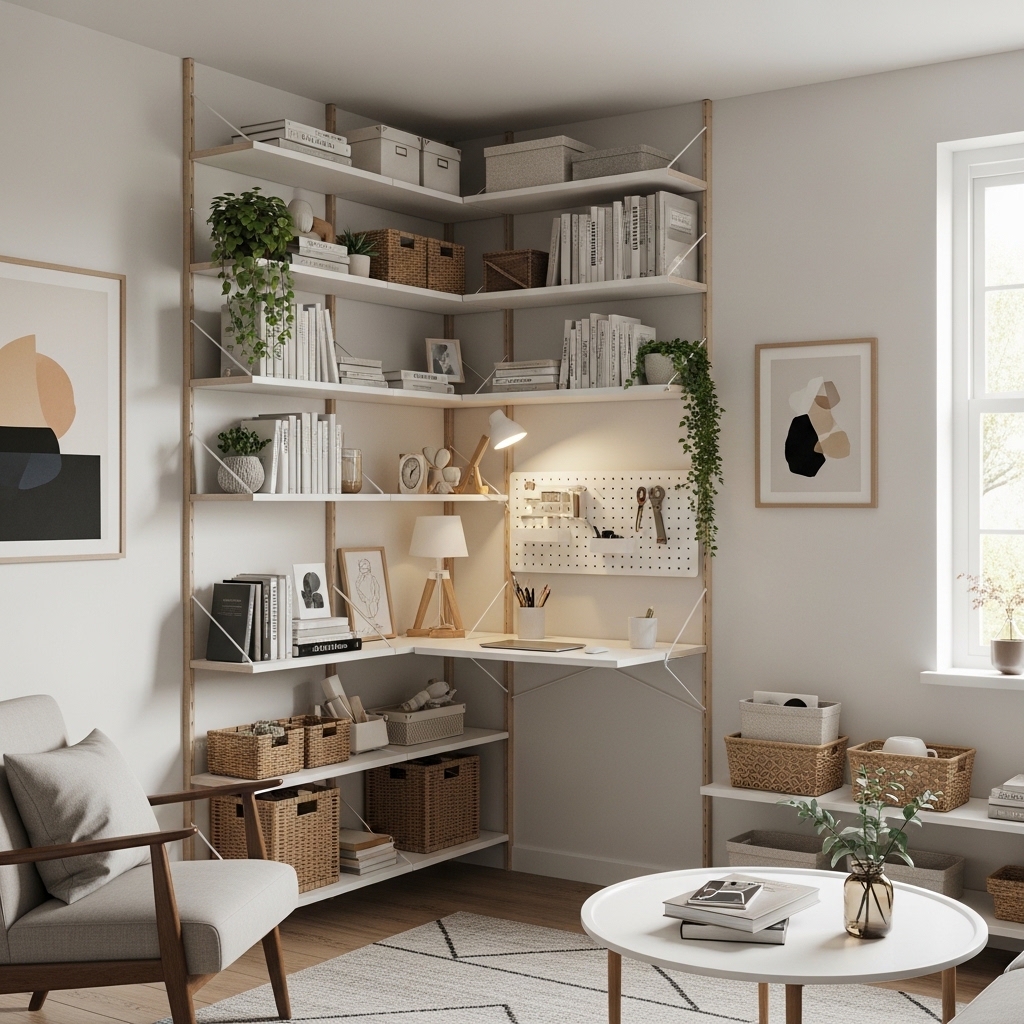
Best for: Homes with limited floor storage options.
Install shelves or cabinets higher on walls to store less frequently used items. Keep lower areas open for daily use.
Vertical storage expands capacity without taking up valuable floor space. It also keeps the layout balanced when done correctly.
Avoid filling entire walls with storage, as it can feel overwhelming. Leave some empty space for visual relief.
Pro Tip: Store heavier items lower and lighter items higher for safety.
6. Align Furniture with Natural Light to Improve Openness
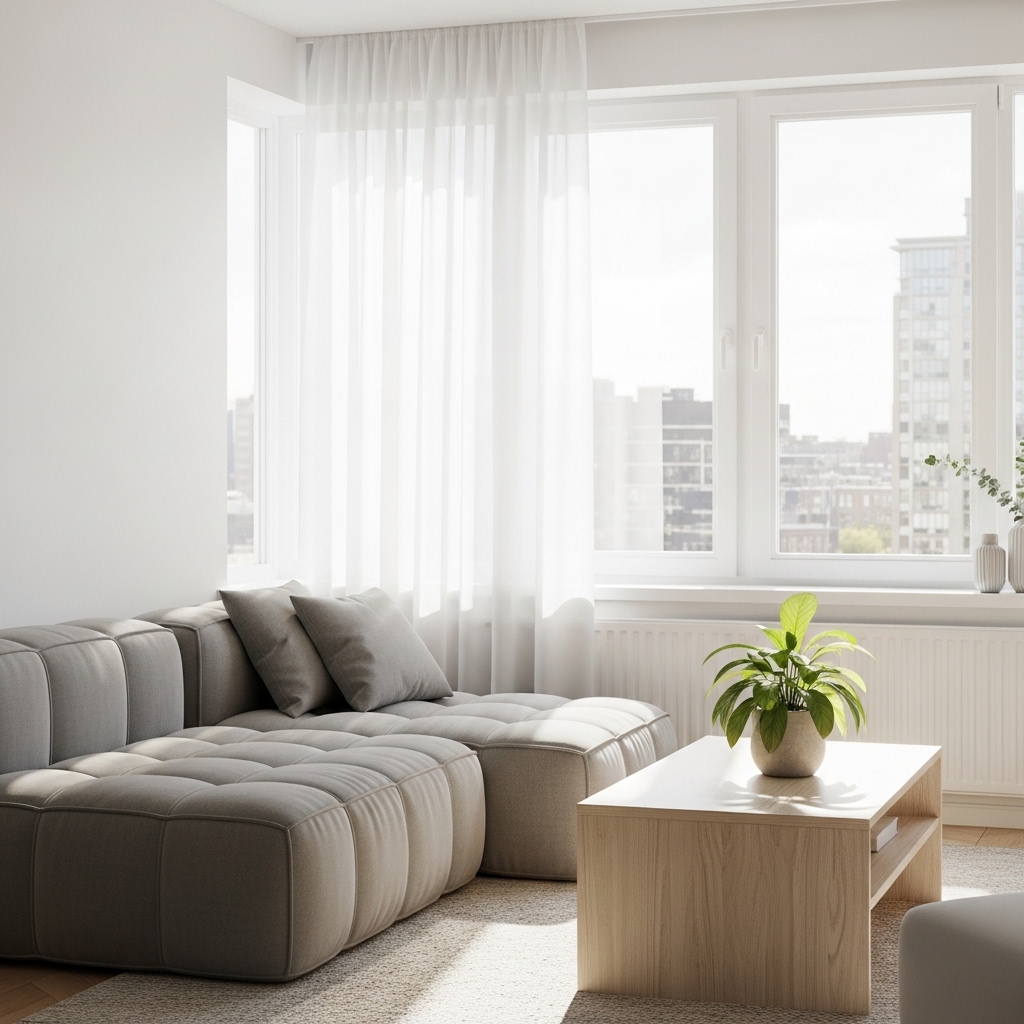
Great for: Spaces that feel dim or smaller than they are.
Place seating and key furniture near windows without blocking light. Keep tall items away from natural light sources.
Light distribution affects how spacious a room feels. A well-lit layout appears larger and more inviting.
Avoid placing large furniture directly in front of windows, as it cuts off brightness. Let light flow freely.
Pro Tip: Use sheer curtains to maintain privacy while maximizing light.
7. Use Consistent Materials to Create Visual Continuity
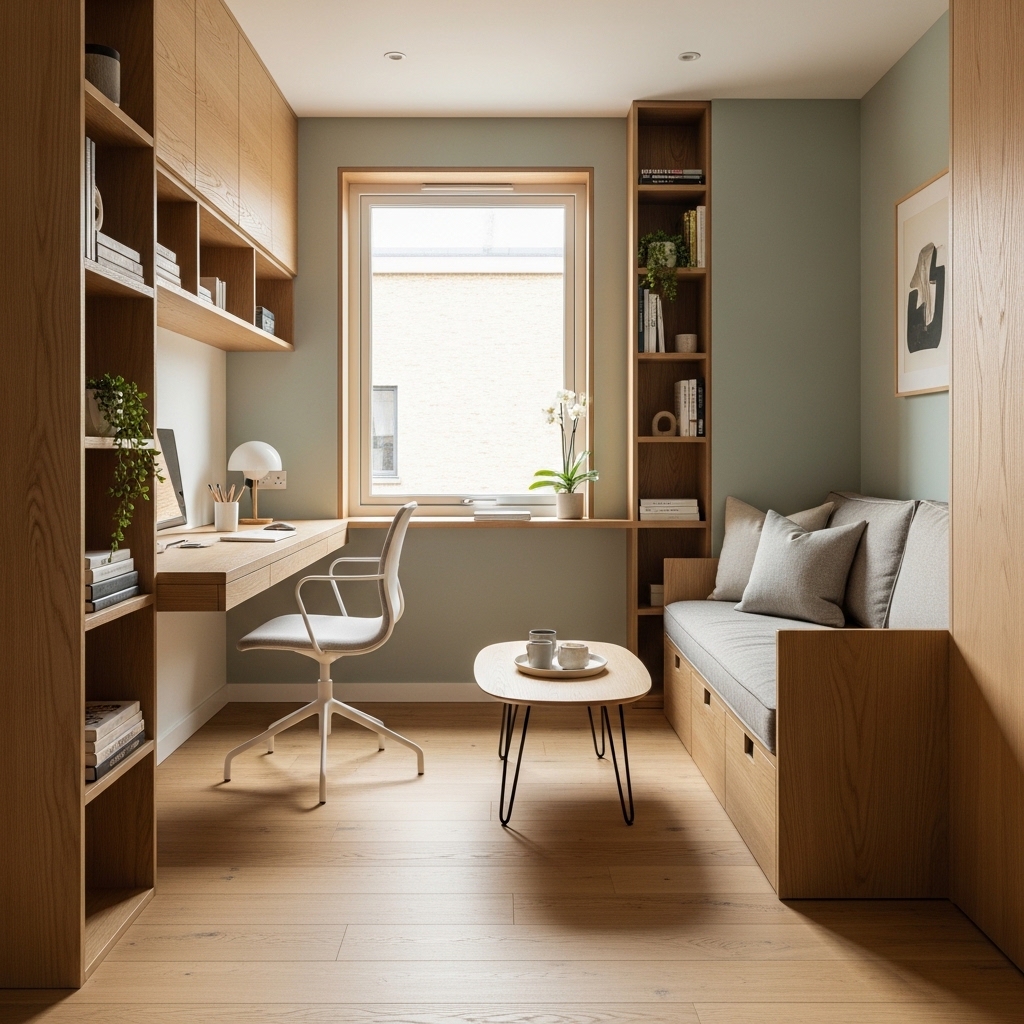
Ideal for: Rooms that feel disjointed due to mixed styles.
Stick to a limited range of materials like wood, metal, or fabric and repeat them throughout the space. Avoid random combinations.
Consistency helps the eye move smoothly across the room, making it feel larger and more cohesive. It also simplifies styling decisions.
Avoid mixing too many finishes, as it creates visual breaks and reduces harmony. Keep combinations intentional.
Pro Tip: Match furniture tones rather than exact colors for flexibility.
8. Turn Dead Spaces Into Functional Zones
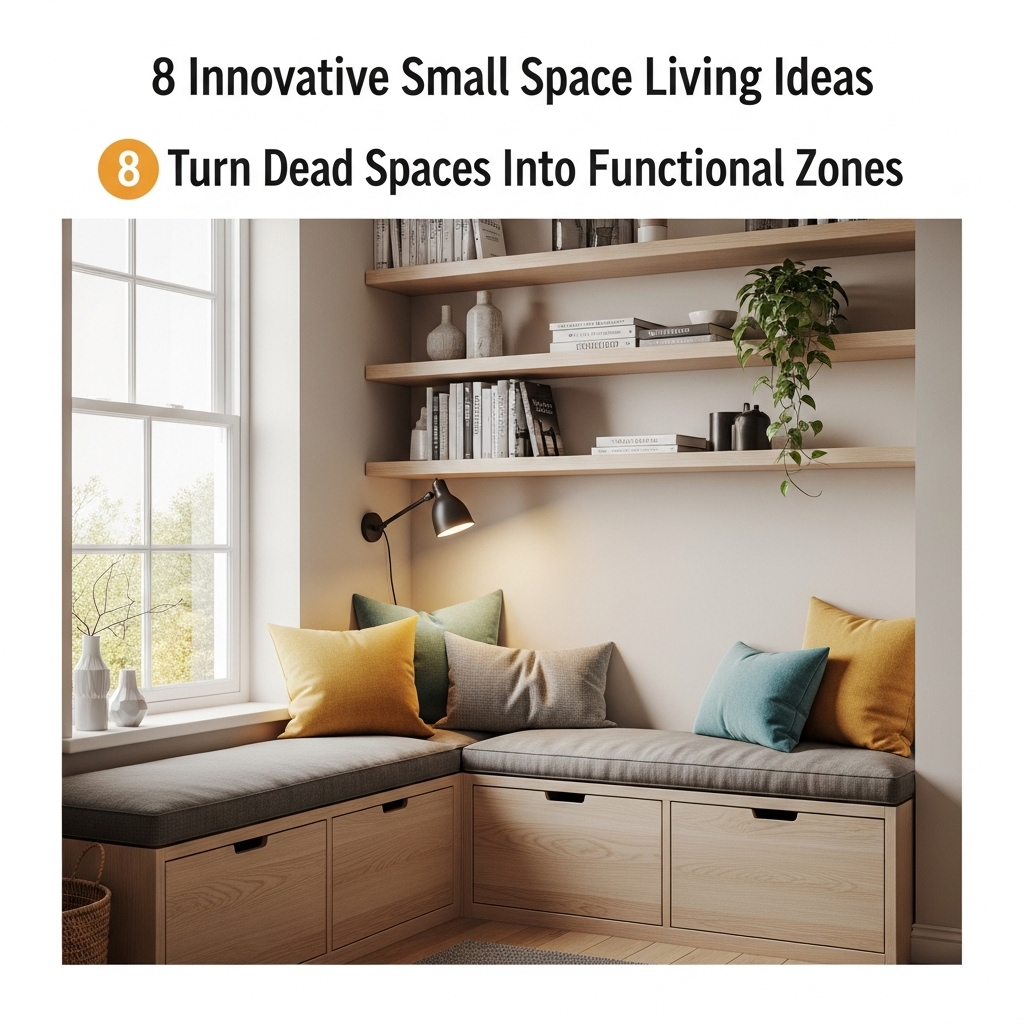
Best for: Small homes where certain areas go unused.
Use corners, wall gaps, or areas behind doors for storage or mini setups like reading nooks or workstations. Keep them compact.
Utilizing overlooked spaces increases functionality without affecting the main layout. It also reduces pressure on central areas.
Avoid placing large items in these spots, as they can disrupt flow. Keep solutions lightweight and purpose-driven.
Pro Tip: Add lighting to make small zones feel intentional.
9. Use Sliding Solutions to Save Space in Tight Areas
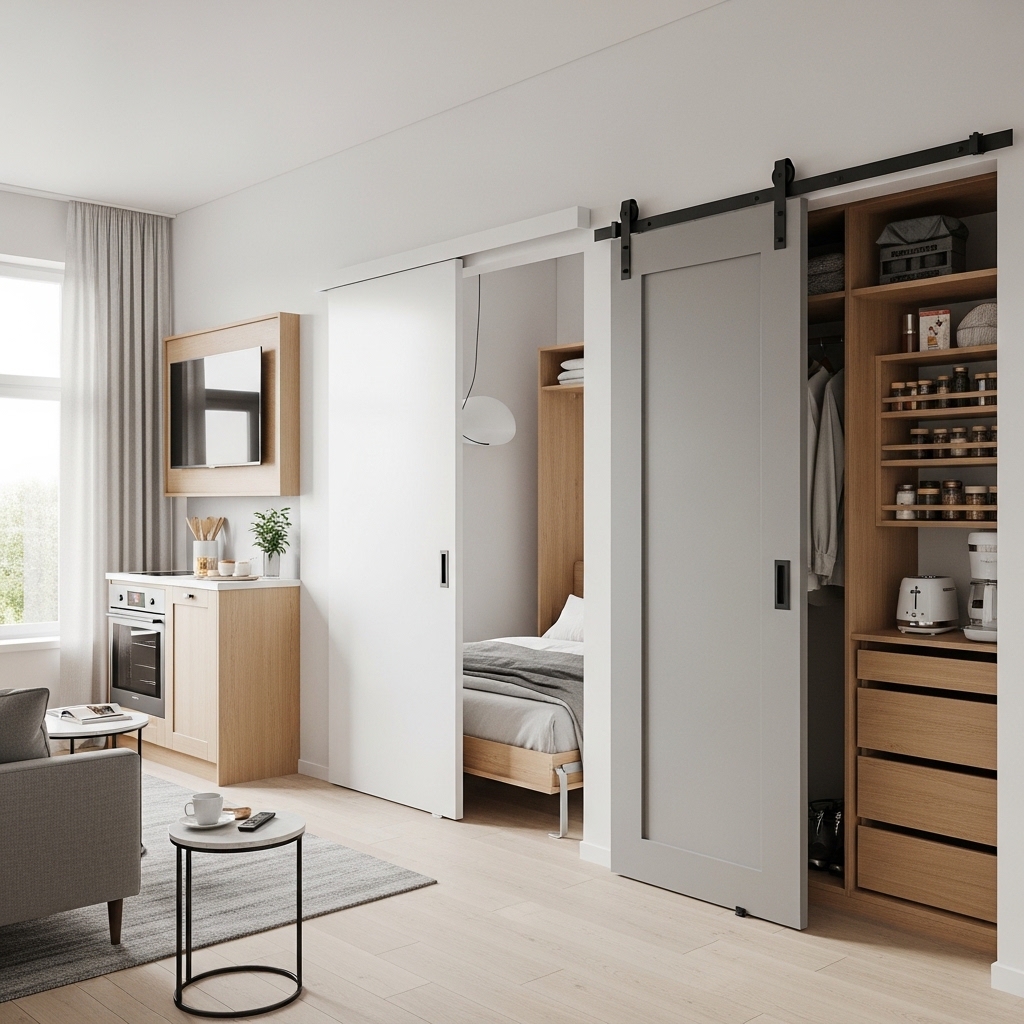
Great for: Rooms where doors or furniture limit movement.
Replace swing doors with sliding panels or use sliding storage units. This reduces the space needed for movement.
Sliding systems free up valuable floor area and allow more flexible furniture placement. They’re especially useful in narrow layouts.
Avoid complicated mechanisms that are difficult to maintain. Keep designs simple and functional.
Pro Tip: Use ceiling-mounted tracks for a cleaner finish.
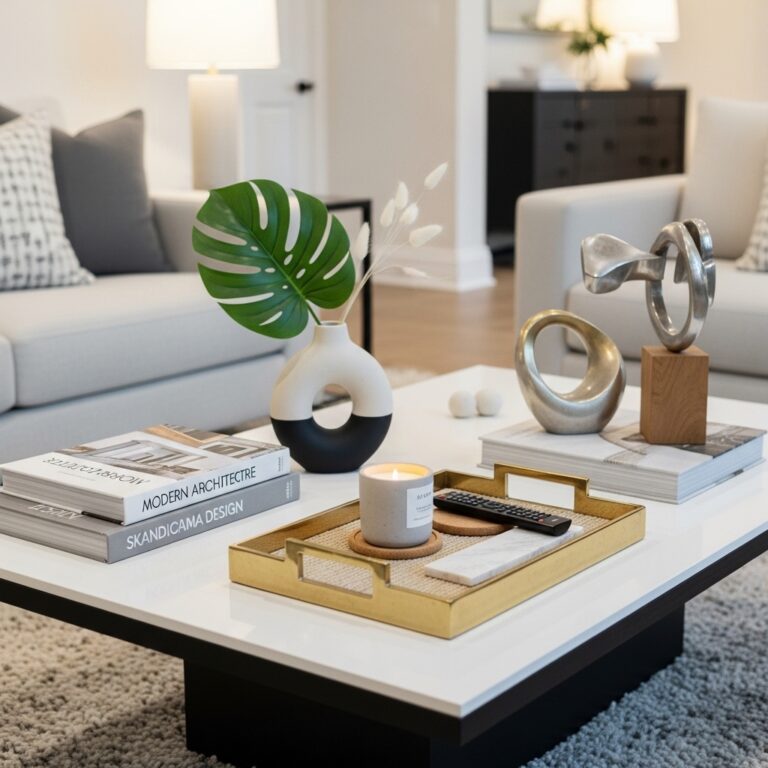
10. Keep Surfaces Clear to Reduce Mental Clutter
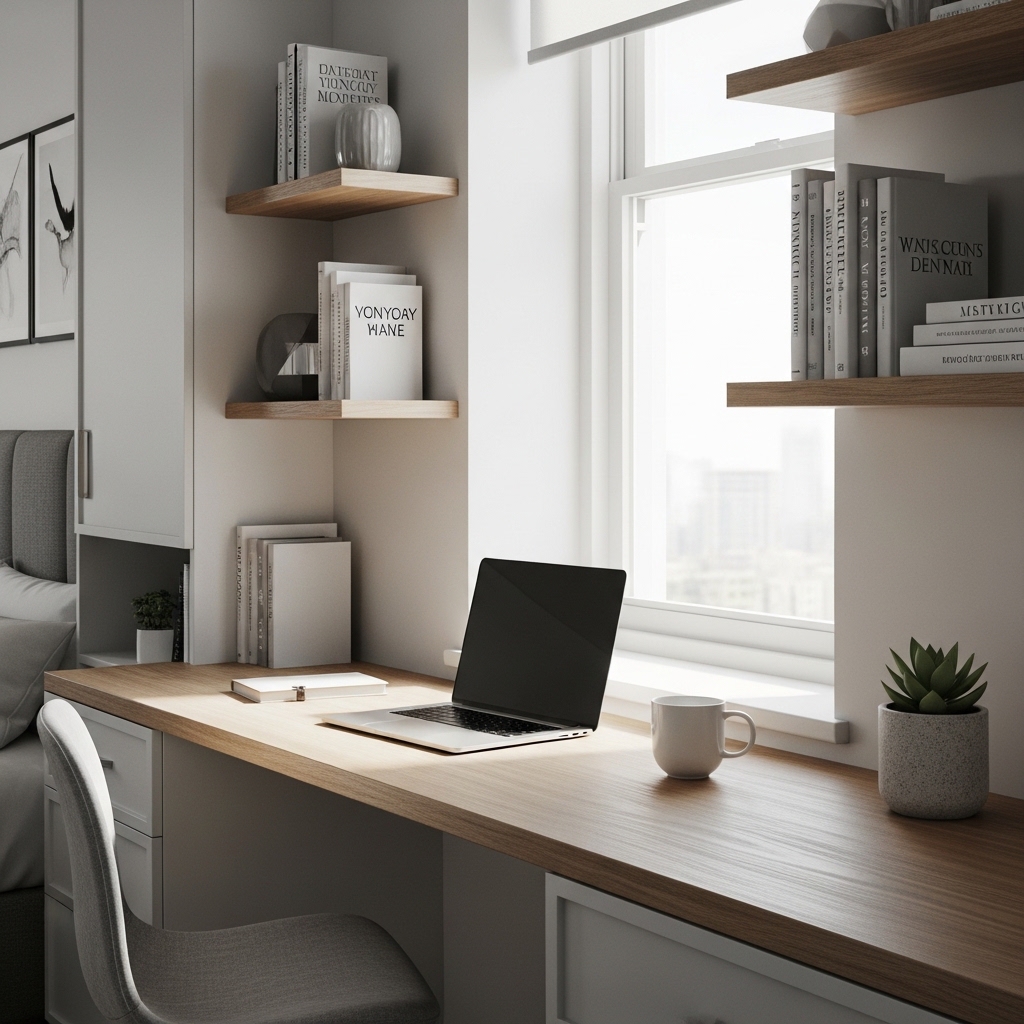
Ideal for: Homes where clutter builds up quickly.
Limit items on tables, countertops, and shelves to essentials only. Store everything else out of sight.
Clear surfaces make a room feel calmer and more organized. It also improves usability in everyday routines.
Avoid letting small items accumulate over time, as they quickly create chaos. Maintain a simple system.
Pro Tip: Do a quick daily reset to keep surfaces clean.
11. Use Flexible Furniture That Adapts to Your Routine
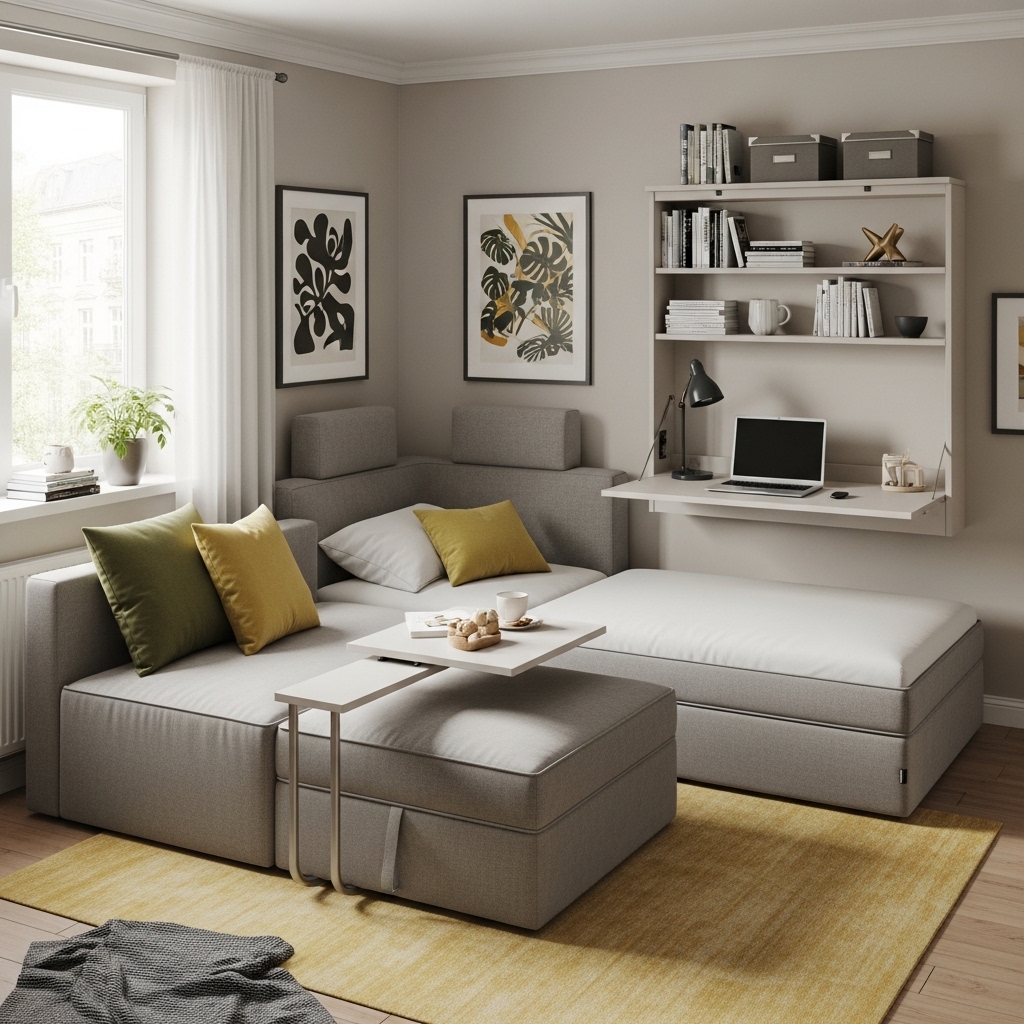
Best for: Spaces that need to serve multiple purposes.
Choose furniture that can be moved, folded, or repurposed easily. Arrange it based on daily activities.
Flexibility allows the same space to function as a living room, workspace, or dining area without overcrowding.
Avoid heavy or fixed furniture that limits adaptability. Keep your layout dynamic.
Pro Tip: Lightweight furniture is easier to rearrange as needed.
12. Keep Color Transitions Smooth to Avoid Visual Breaks
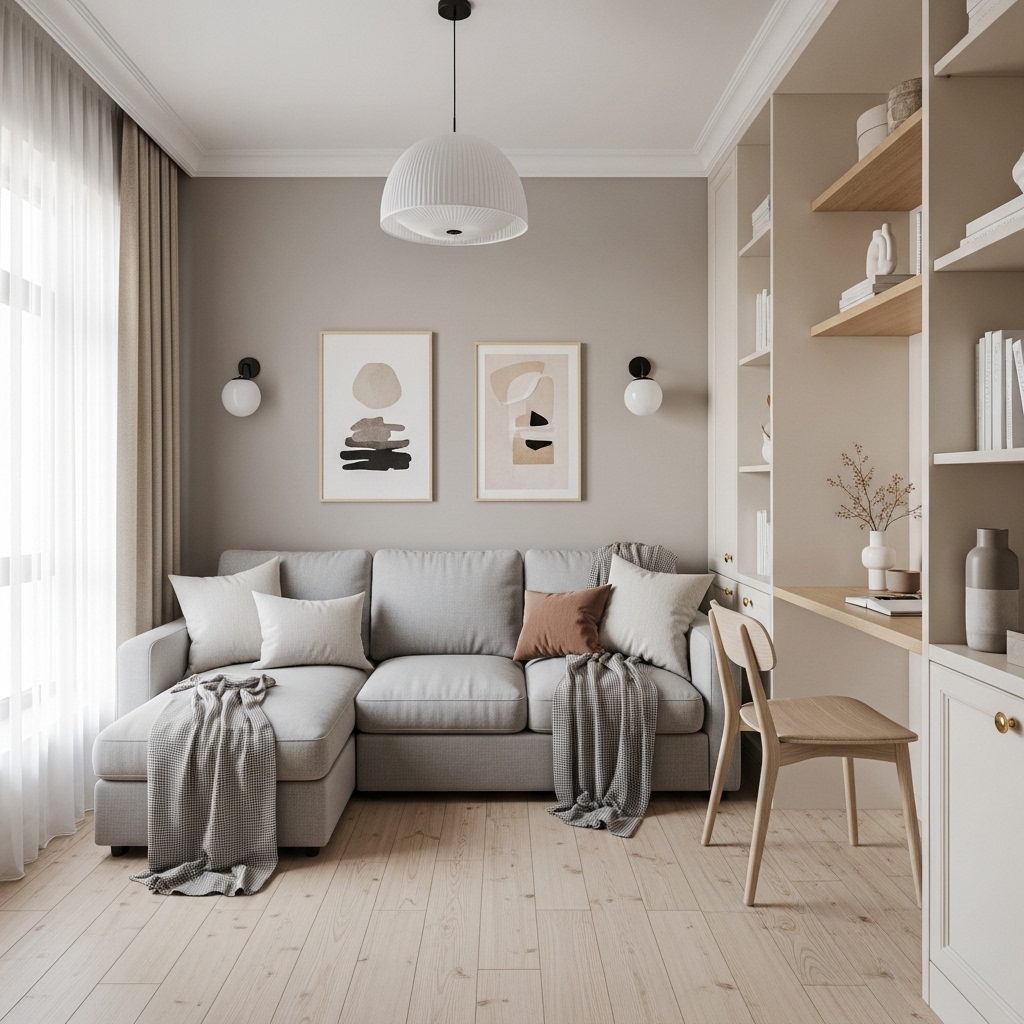
Great for: Rooms that feel smaller due to harsh contrasts.
Use similar tones across walls, furniture, and decor to create a continuous visual flow. Add contrast subtly.
Smooth transitions help the eye move without interruption, making the space feel larger. It also creates a calming atmosphere.
Avoid sharp color changes between major elements, as they divide the space visually.
Pro Tip: Use one dominant tone with subtle variations.
13. Define Zones Without Blocking the Room
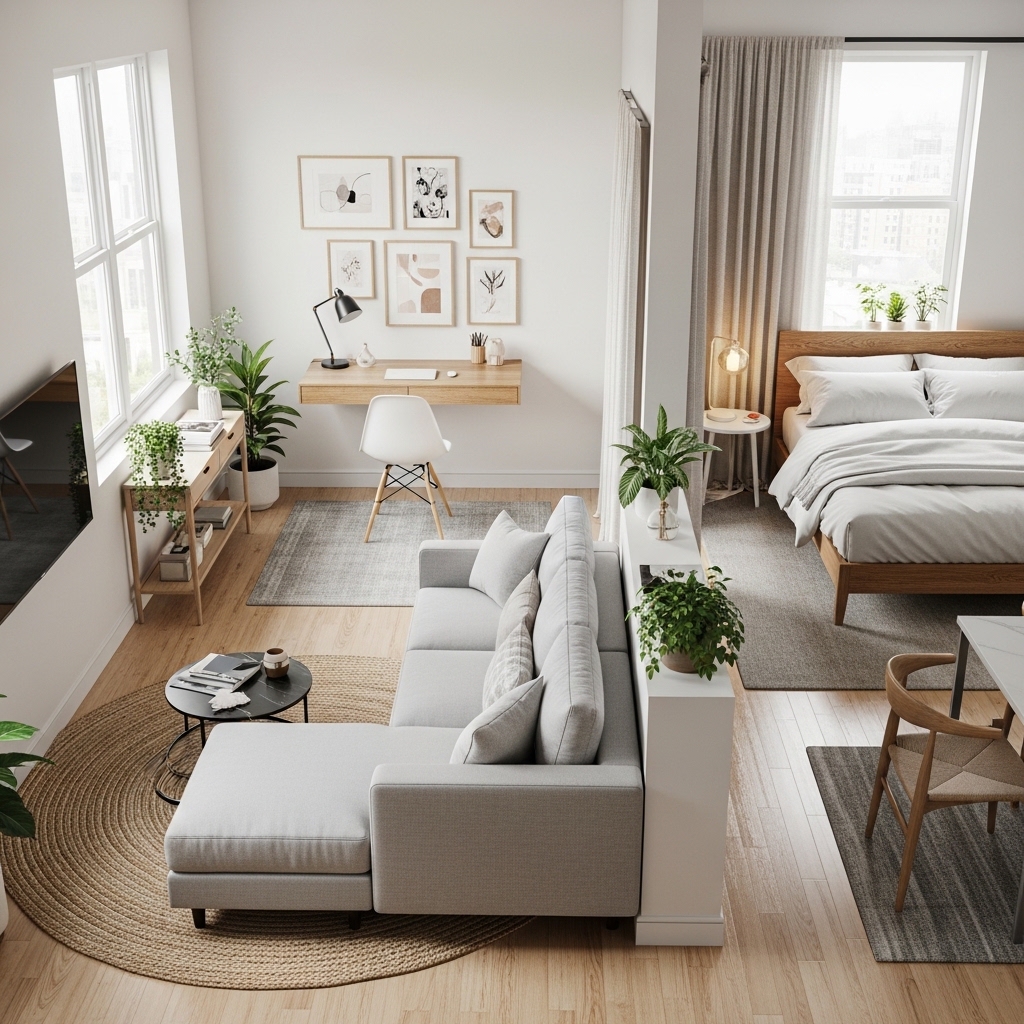
Ideal for: Open-plan or studio layouts.
Use rugs, lighting, or furniture orientation to create zones instead of physical dividers. Keep lines open.
This approach maintains openness while still giving structure to the space. It also allows light to move freely.
Avoid using bulky partitions that shrink the room. Keep separation visual rather than physical.
Pro Tip: Align rugs with furniture to clearly define each zone.
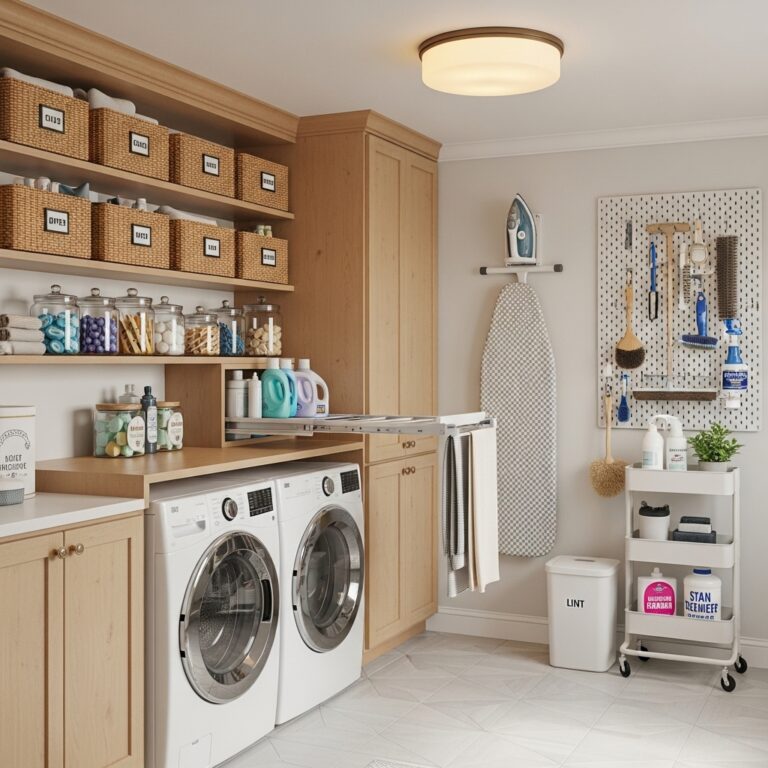
14. Choose Storage That Matches Your Habits
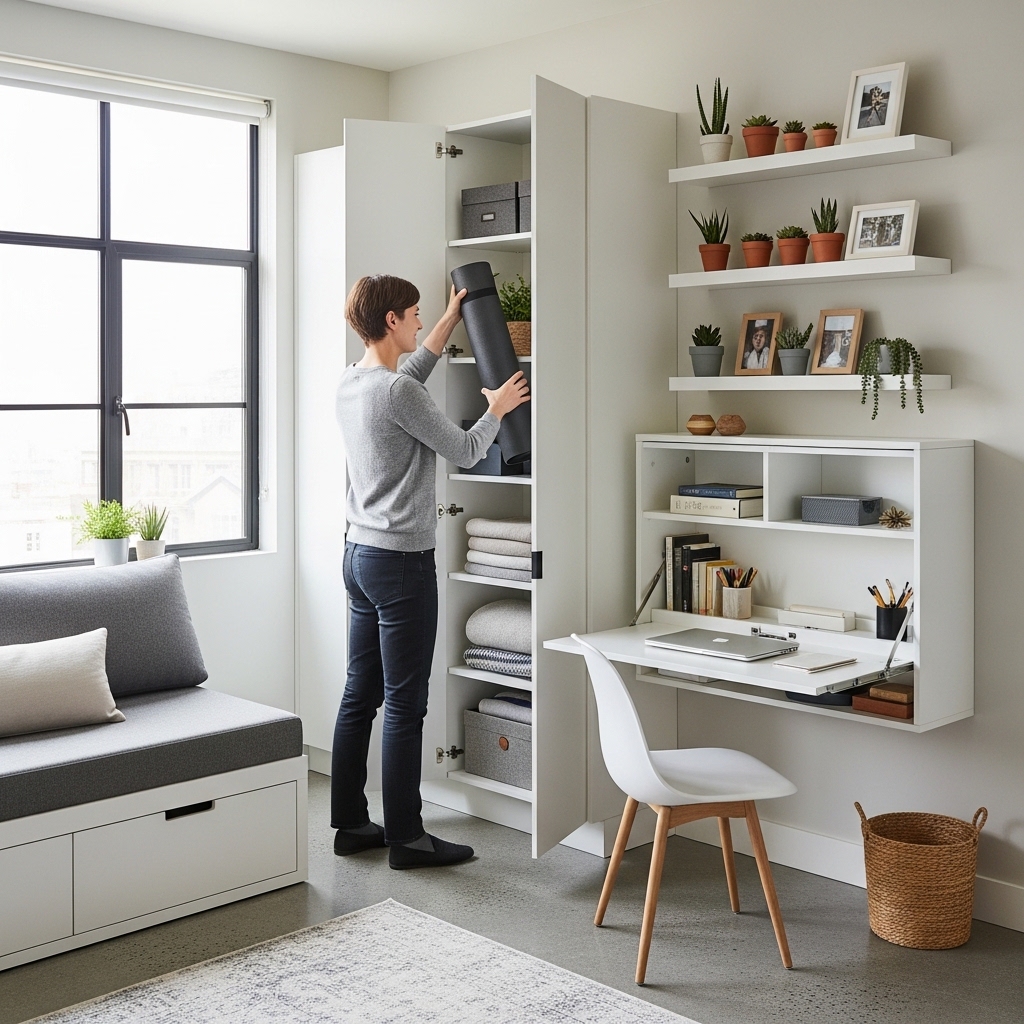
Best for: People who struggle to keep spaces organized.
Design storage based on what you use daily, placing frequently used items within easy reach. Store rarely used items higher or hidden.
When storage aligns with behavior, it becomes easier to maintain organization. It reduces clutter buildup over time.
Avoid generic storage solutions that don’t fit your routine. They often go unused.
Pro Tip: Reorganize storage every few weeks to keep it effective.
15. Edit Your Space Regularly to Maintain Function
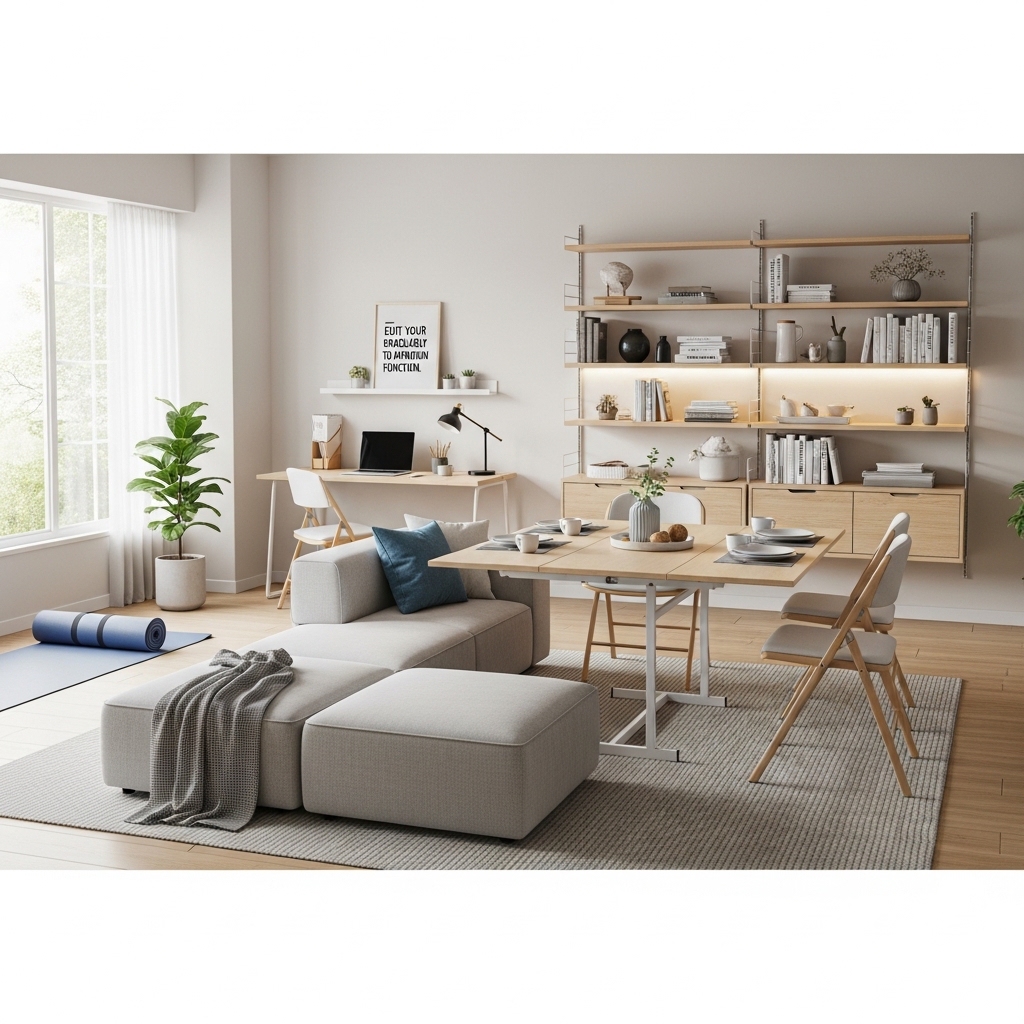
Great for: Homes where clutter slowly returns after cleaning.
Set a routine to remove unnecessary items and reassess your layout. Keep only what supports your lifestyle.
Regular editing ensures your space stays functional and prevents overcrowding. It also helps adapt to changing needs.
Avoid treating organization as a one-time task. Small spaces require continuous adjustment.
Pro Tip: Follow a “one in, one out” rule to control clutter.
Conclusion: Small Space Living Works Best When Function Leads Every Decision
A small space that is designed well does not feel small. It feels like everything has its place it feels simple and it is easy to live in. The main thing to think about is how you will use the space every day not how stuff you can put in it.
If you make a plan for the room find a place to put all your things and make it easy to move around even a very small home can feel big and comfortable.
These small space living ideas will help you make a space that works well looks nice and tidy and feels bigger every day. Small space living is, about making the most of the space you have and these ideas will help you do that with small space living.