10 Backyard Kitchen Ideas That Turn Outdoor Space Into a Functional Cooking & Entertaining Zone
Backyard kitchens can look really great. They do not work well when you use them every day. This is because the layout and the space between things are not planned well.
You need to think about how you will move around the kitchen when you are getting food ready, cooking and serving. If you do not do this the kitchen will be annoying to use of fun.
This guide is about ideas, for kitchens that are actually useful. We want to help you make a backyard kitchen that’s easy to use and comfortable.
Each idea will help you make a kitchen that works well when you are really cooking and having people over not when you use it sometimes.
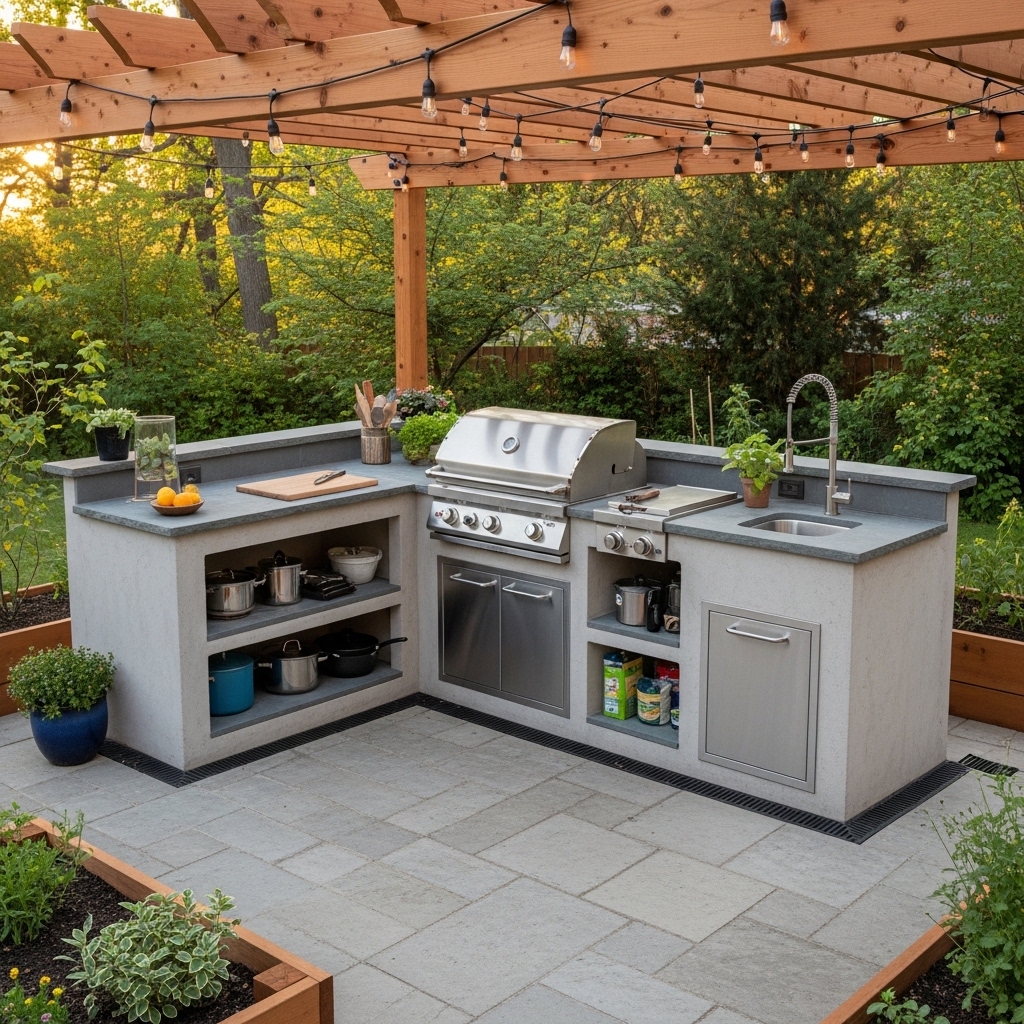
1. Design a Simple Work Triangle for Outdoor Cooking Efficiency
Ideal for: Frequent outdoor cooks who need a functional setup.
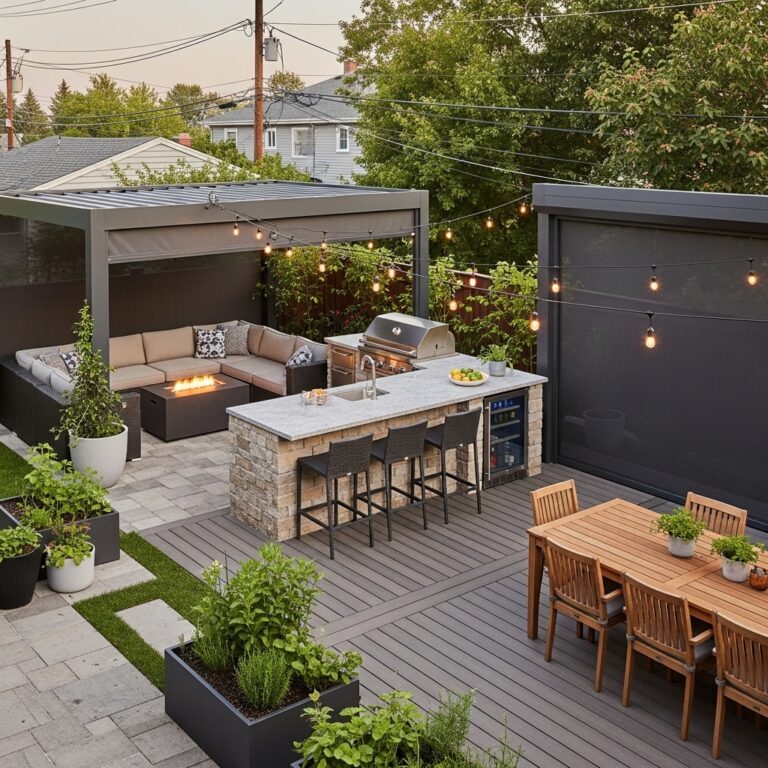
Arrange your grill, prep surface, and serving area in a triangular layout to reduce unnecessary movement. Keep distances short but comfortable.
This works because it mirrors efficient indoor kitchen design, making cooking faster and more organized. It also improves workflow during gatherings.
Avoid placing cooking and prep areas too far apart, which creates inconvenience.
Pro Tip: Keep all key zones within a few steps of each other.
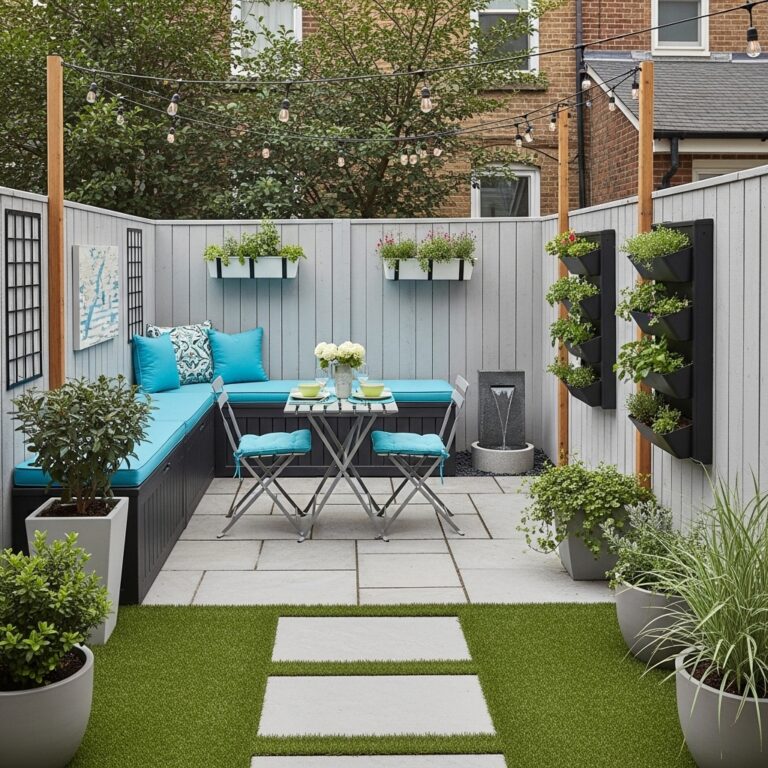
2. Use a Compact Linear Kitchen for Small Backyards
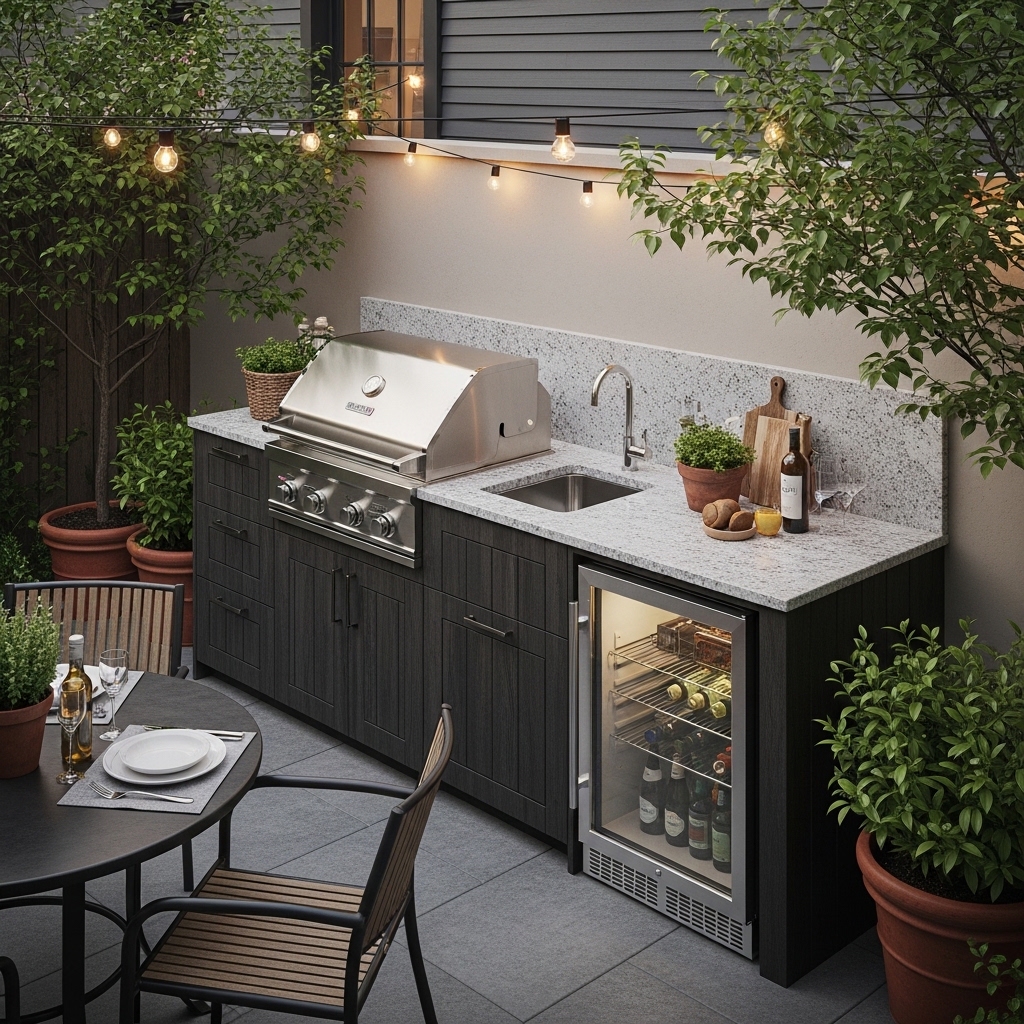
Best for: Tight outdoor spaces or narrow patios.
Install a straight-line kitchen along one wall or fence, including grill, counter, and storage in a single row.
This layout maximizes space while maintaining functionality. It keeps everything accessible without overcrowding.
Avoid spreading elements across multiple areas in small spaces.
Pro Tip: Use vertical storage to maximize efficiency.
3. Add a Prep Counter Next to the Grill for Convenience
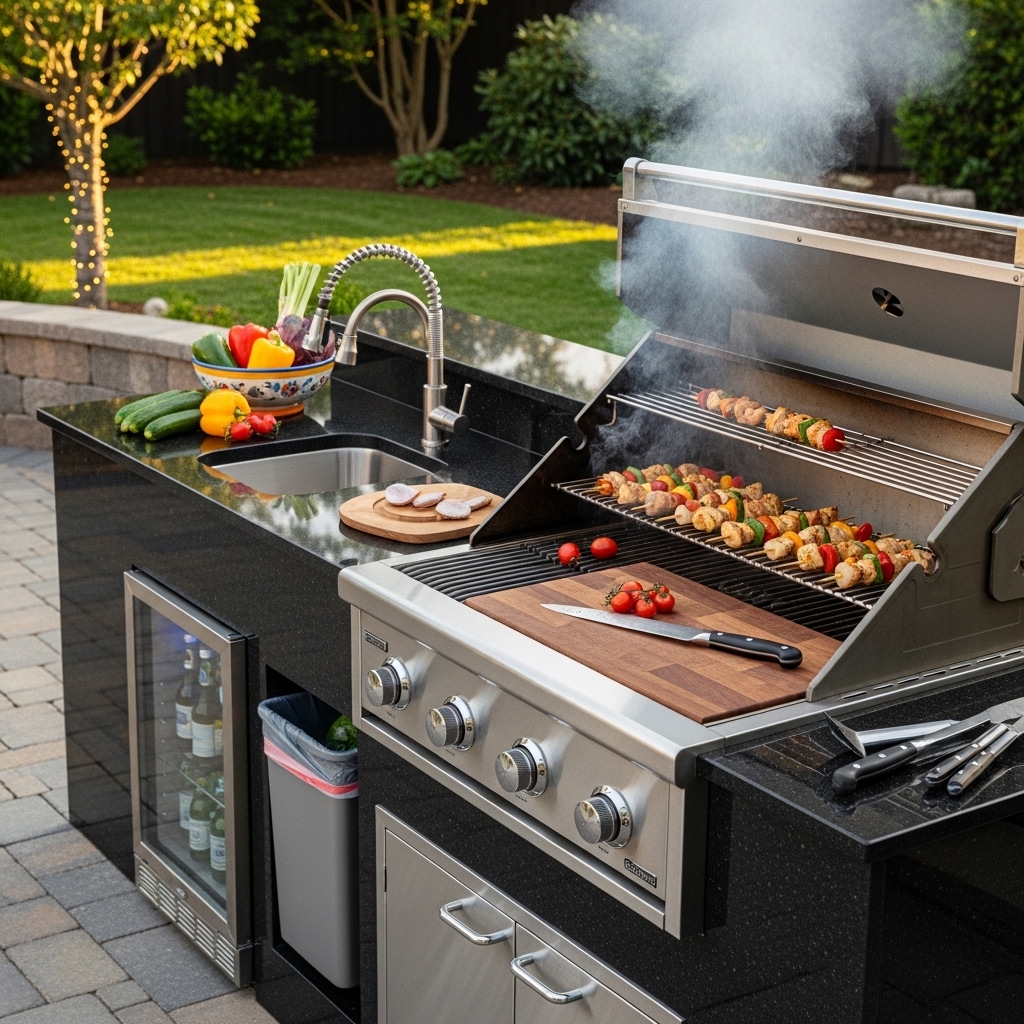
Great for: Backyard cooks who host guests often.
Place a dedicated prep surface directly beside the grill for cutting, seasoning, and plating. Keep it heat-resistant.
This improves cooking flow and reduces back-and-forth movement. It also keeps everything within reach.
Avoid placing prep areas too far from the grill.
Pro Tip: Choose materials that are easy to clean and durable.
4. Include Storage to Keep Tools Organized and Accessible
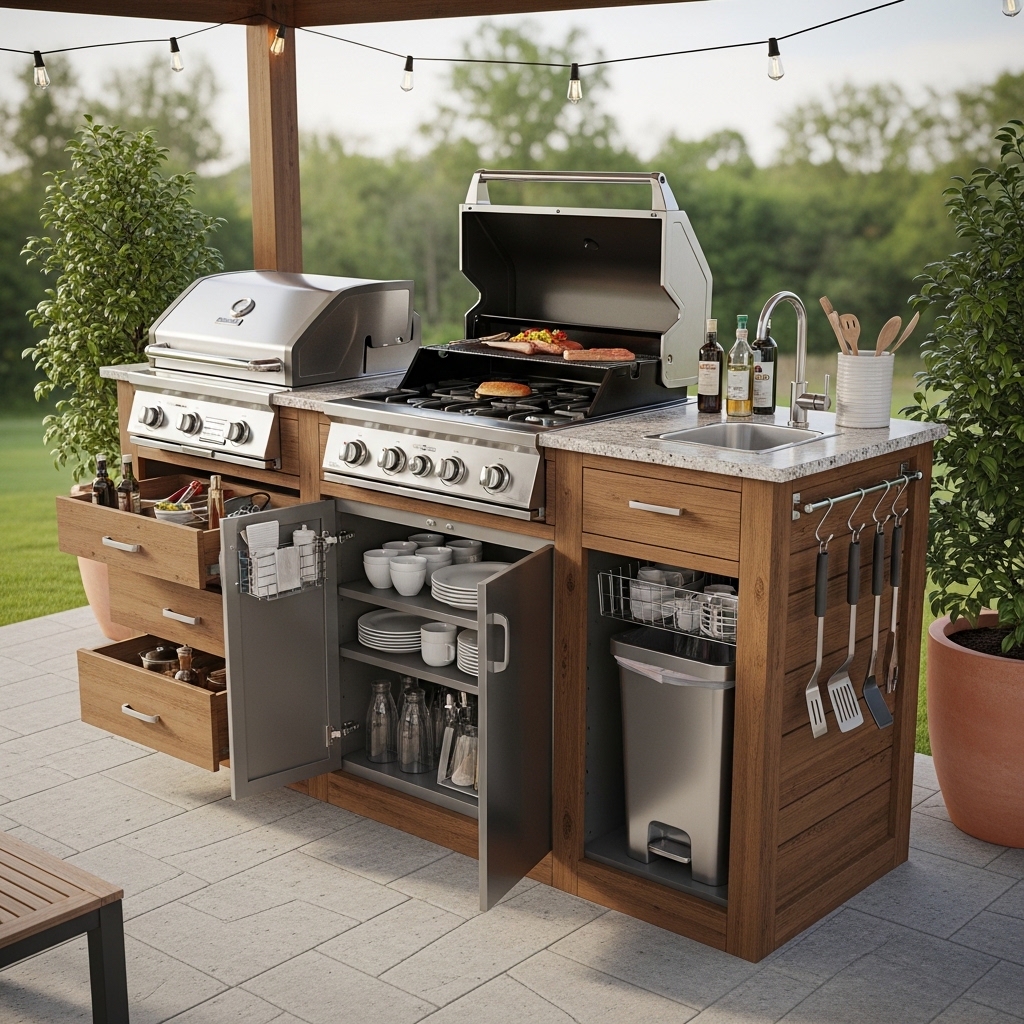
Ideal for: Outdoor kitchens that get cluttered quickly.
Install cabinets, drawers, or shelves to store utensils, fuel, and accessories. Position them near usage areas.
This keeps the kitchen organized and ready to use at any time. It also reduces setup time.
Avoid leaving tools exposed, which leads to wear and clutter.
Pro Tip: Use weather-resistant storage solutions.
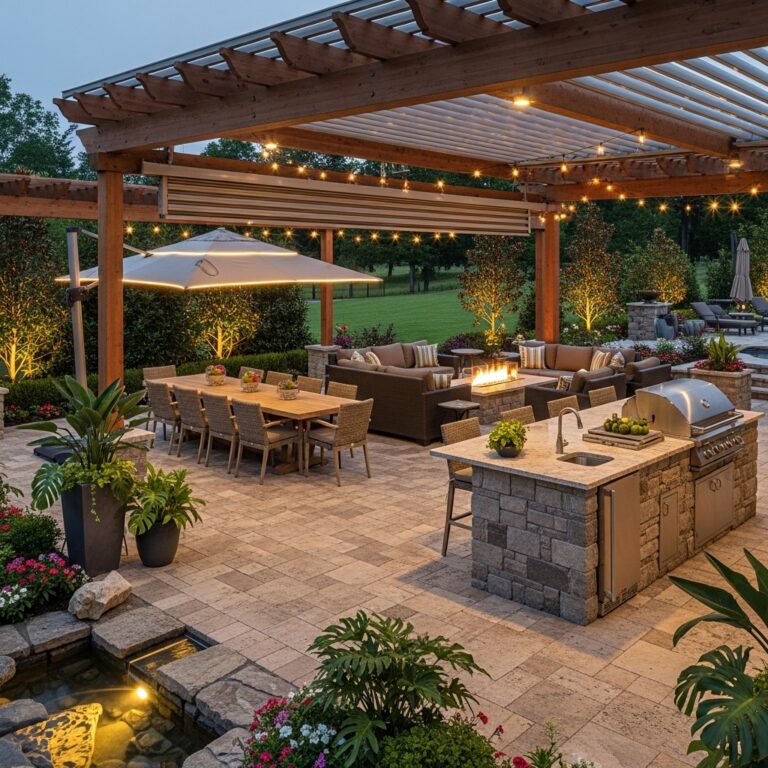
5. Add Shade Over the Cooking Area for Comfort
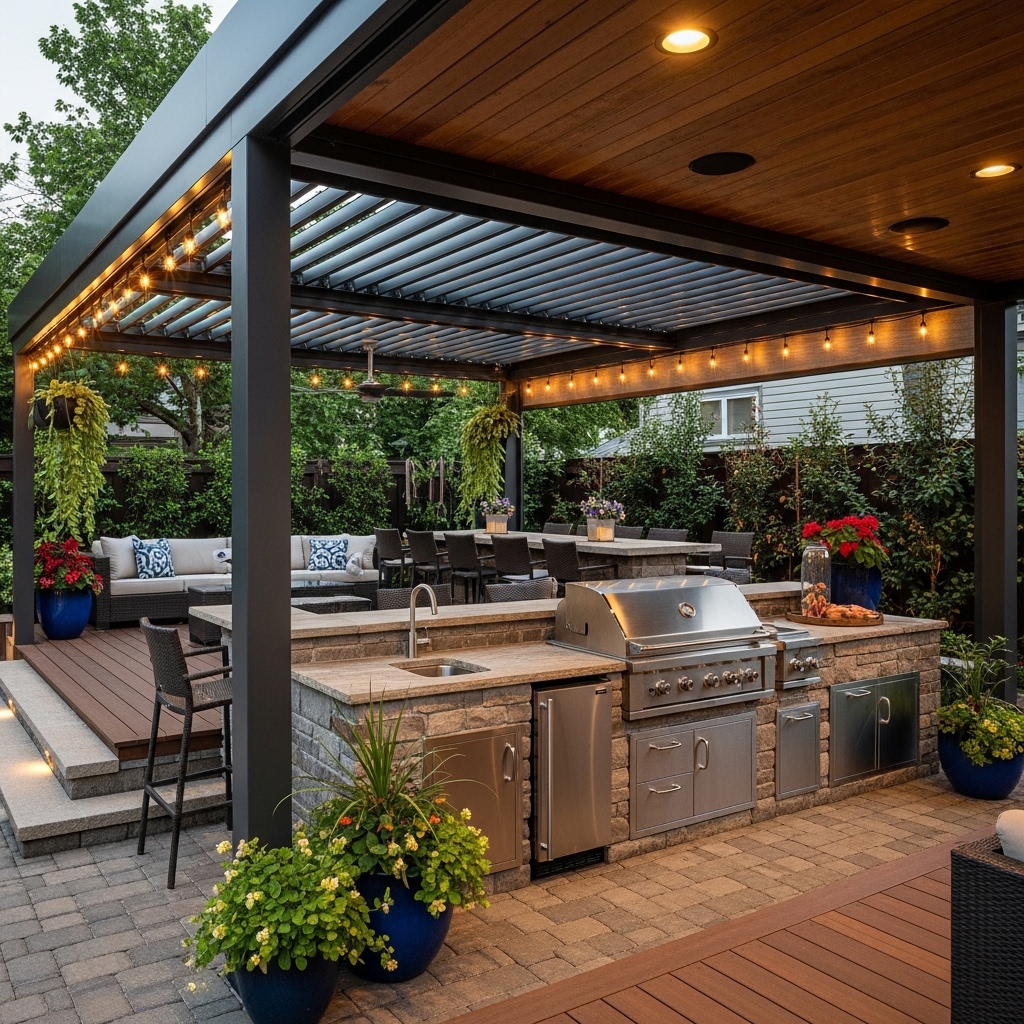
Best for: Hot or sunny climates.
Install a pergola, umbrella, or canopy above the cooking zone to protect from sun exposure.
Shade improves comfort and allows longer cooking sessions without discomfort. It also protects equipment.
Avoid placing shade structures too low, which traps heat.
Pro Tip: Position shade to block direct midday sun.
6. Use Durable Materials That Handle Outdoor Conditions
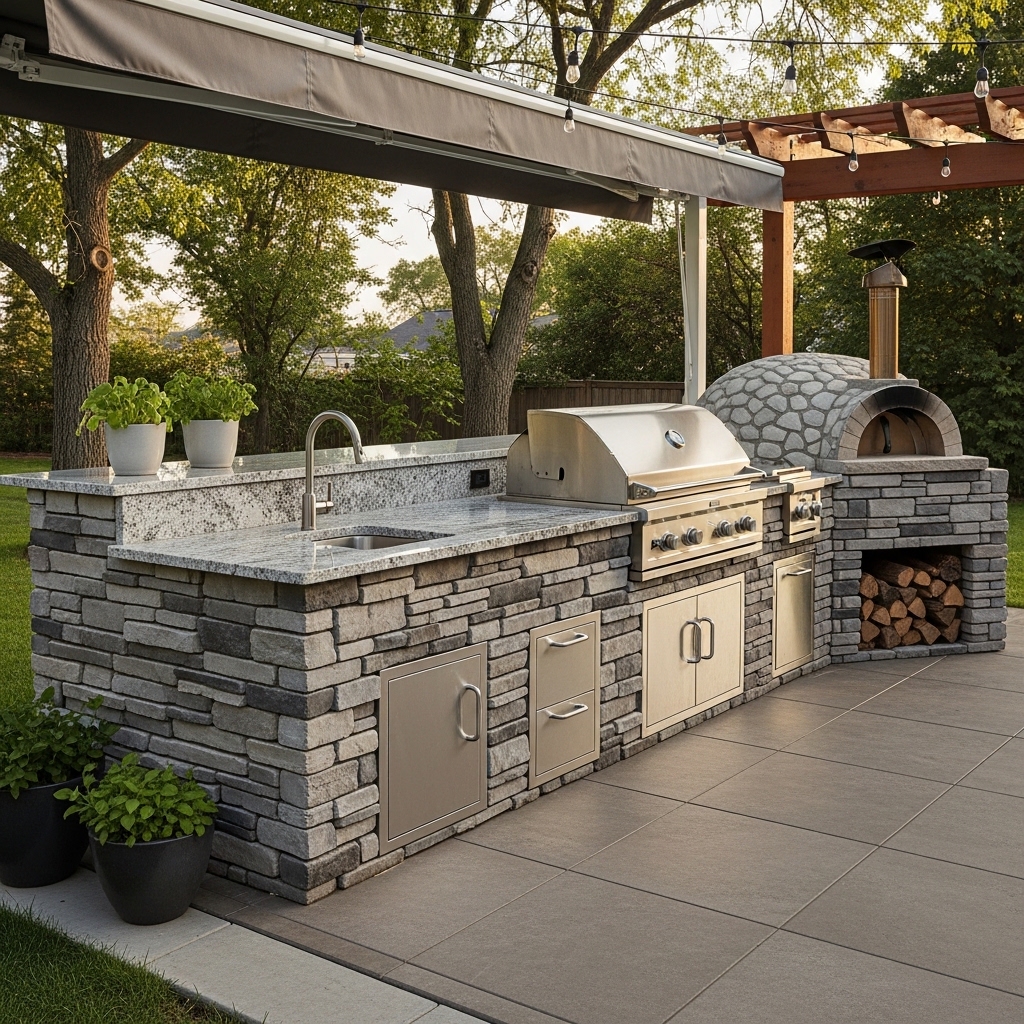
Great for: Long-term backyard kitchen setups.
Choose materials like stainless steel, stone, or sealed concrete for surfaces and appliances.
Durable materials reduce maintenance and ensure longevity. They also handle weather changes effectively.
Avoid materials that degrade quickly outdoors.
Pro Tip: Regularly maintain surfaces to extend lifespan.
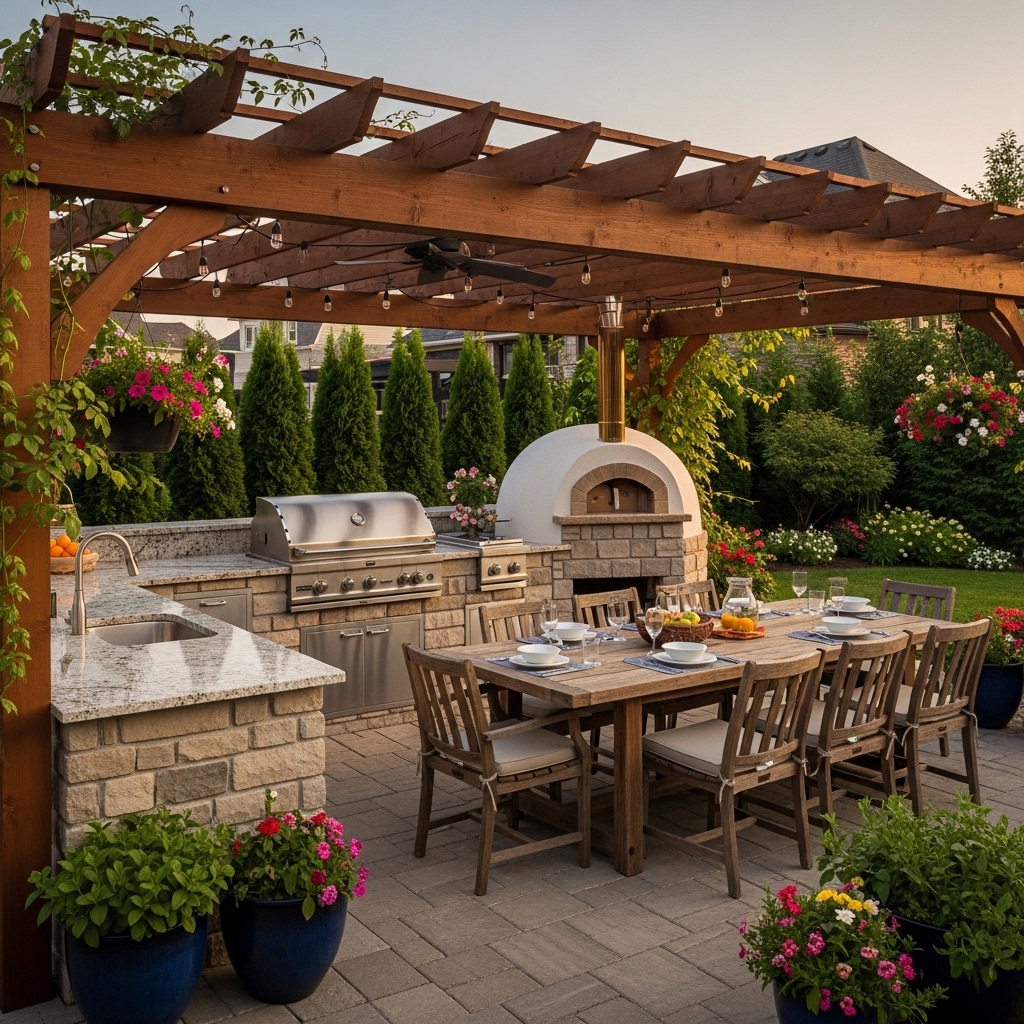
7. Create a Small Dining Zone Nearby for Easy Serving
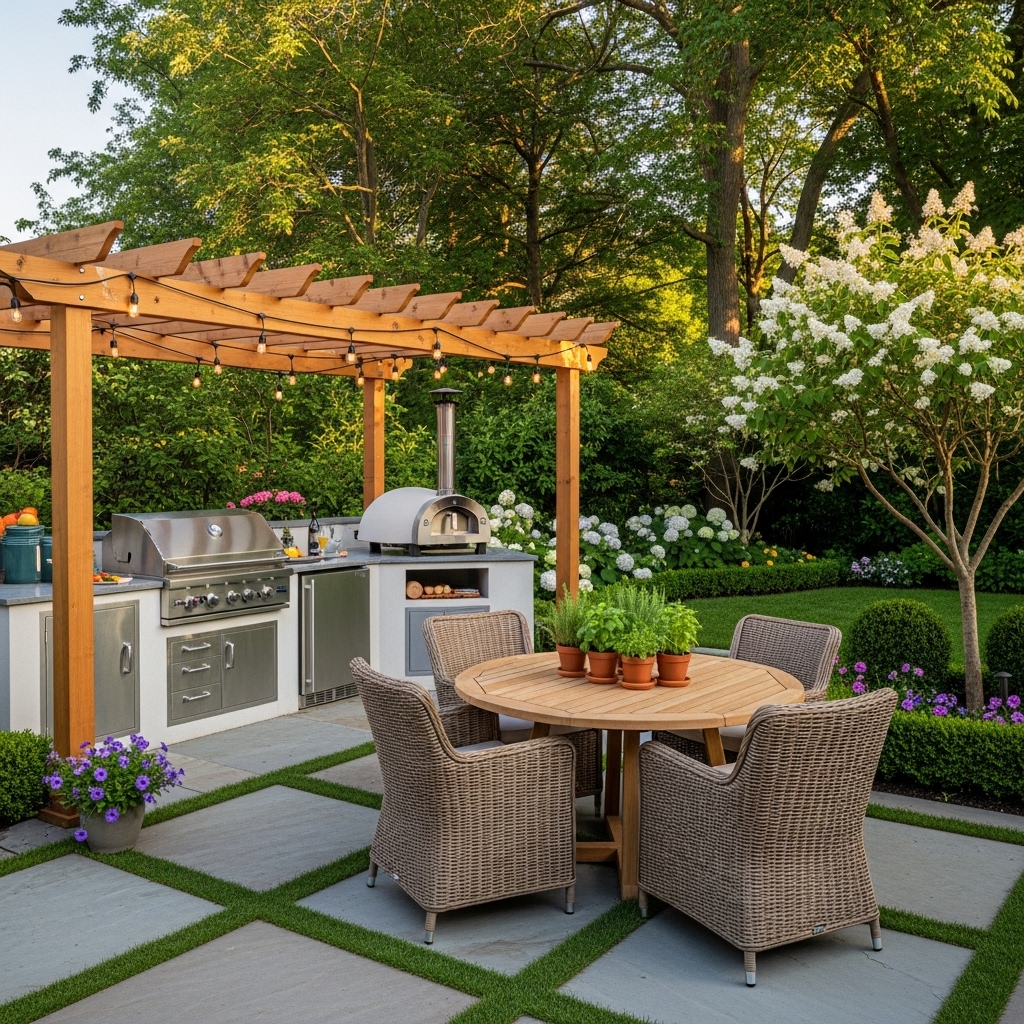
Ideal for: Families and casual gatherings.
Set up a dining table or seating area close to the kitchen for convenient serving and interaction.
This keeps guests engaged while you cook and improves flow between cooking and dining.
Avoid placing dining areas too far away.
Pro Tip: Keep clear pathways between kitchen and seating.
8. Use Lighting for Night Cooking and Safety
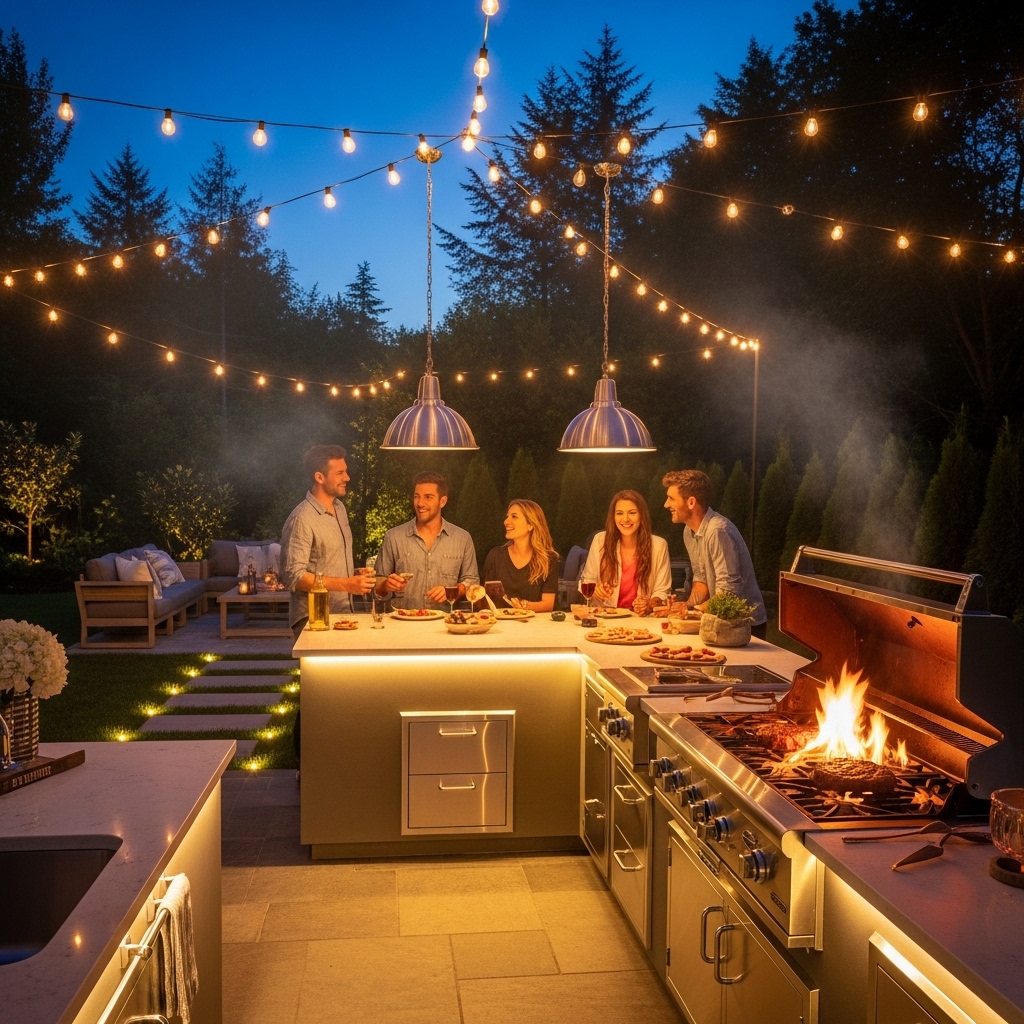
Best for: Evening use.
Install task lighting over the grill and ambient lighting around the kitchen area. Keep placement focused.
Lighting improves visibility and safety while enhancing usability at night.
Avoid relying on one dim light source.
Pro Tip: Use bright light for cooking zones and softer light for dining.
9. Keep Layout Open for Movement and Safety
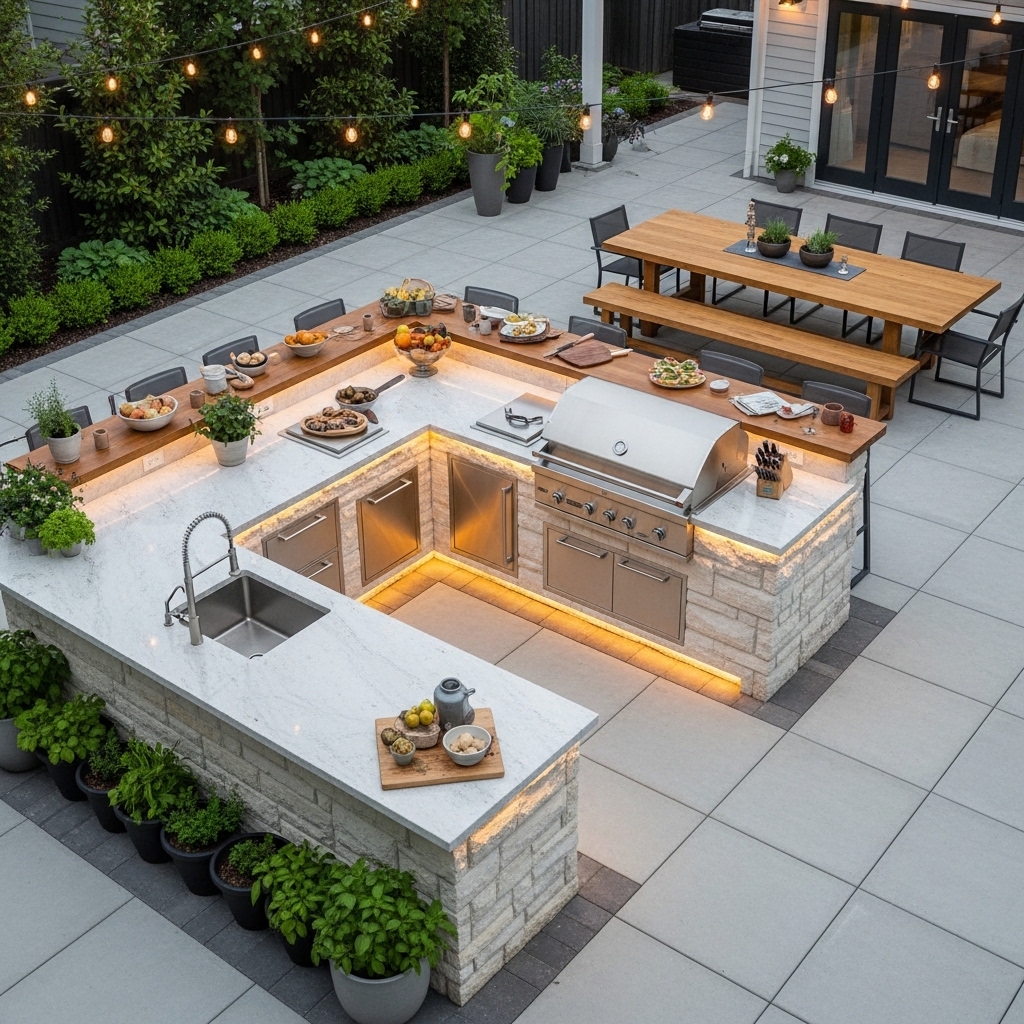
Great for: Busy cooking environments.
Ensure enough space around the kitchen for movement, especially between cooking and serving areas.
An open layout reduces accidents and improves comfort during use.
Avoid overcrowding with too many features.
Pro Tip: Maintain at least 3 feet of clearance around key zones.
10. Adjust the Setup Based on How You Actually Cook
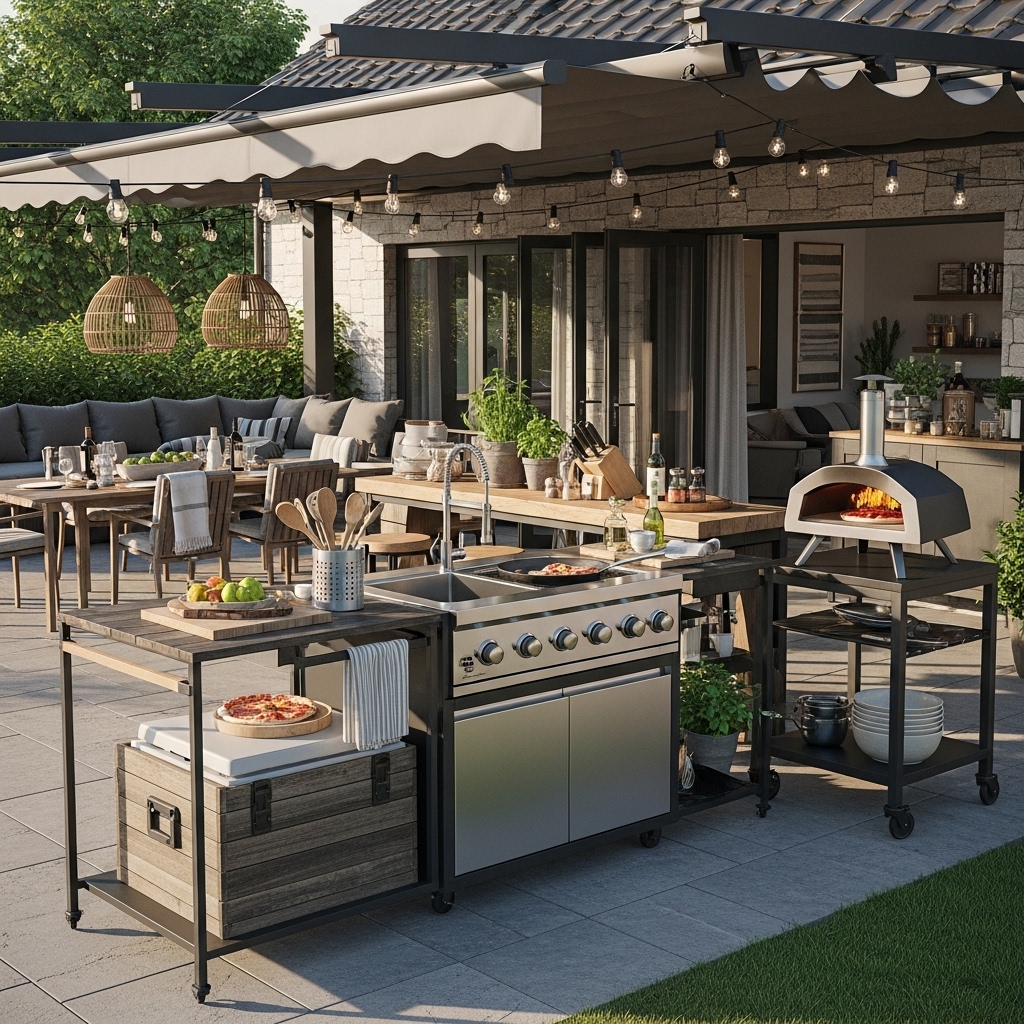
Ideal for: Backyard kitchens that feel impractical.
Observe your cooking habits and rearrange elements to improve flow and accessibility.
This ensures the kitchen works for your lifestyle rather than a fixed design.
Avoid sticking to layouts that don’t match your needs.
Pro Tip: Make small adjustments after each use to refine the setup.
Conclusion: A Functional Backyard Kitchen Starts With Smart Layout and Real-Life Use
A backyard kitchen is really great when it is made to be easy to use and comfortable. If you do not plan it well even the nicest backyard kitchens can be a hassle to use.
If you follow these ten ideas, for a backyard kitchen you can make a cooking space outside that’s easy to use organized and fun for backyard kitchen use every day and when you have people over at your backyard kitchen.