15 Backyard Landscaping Ideas That Improve Layout, Function, and Visual Balance
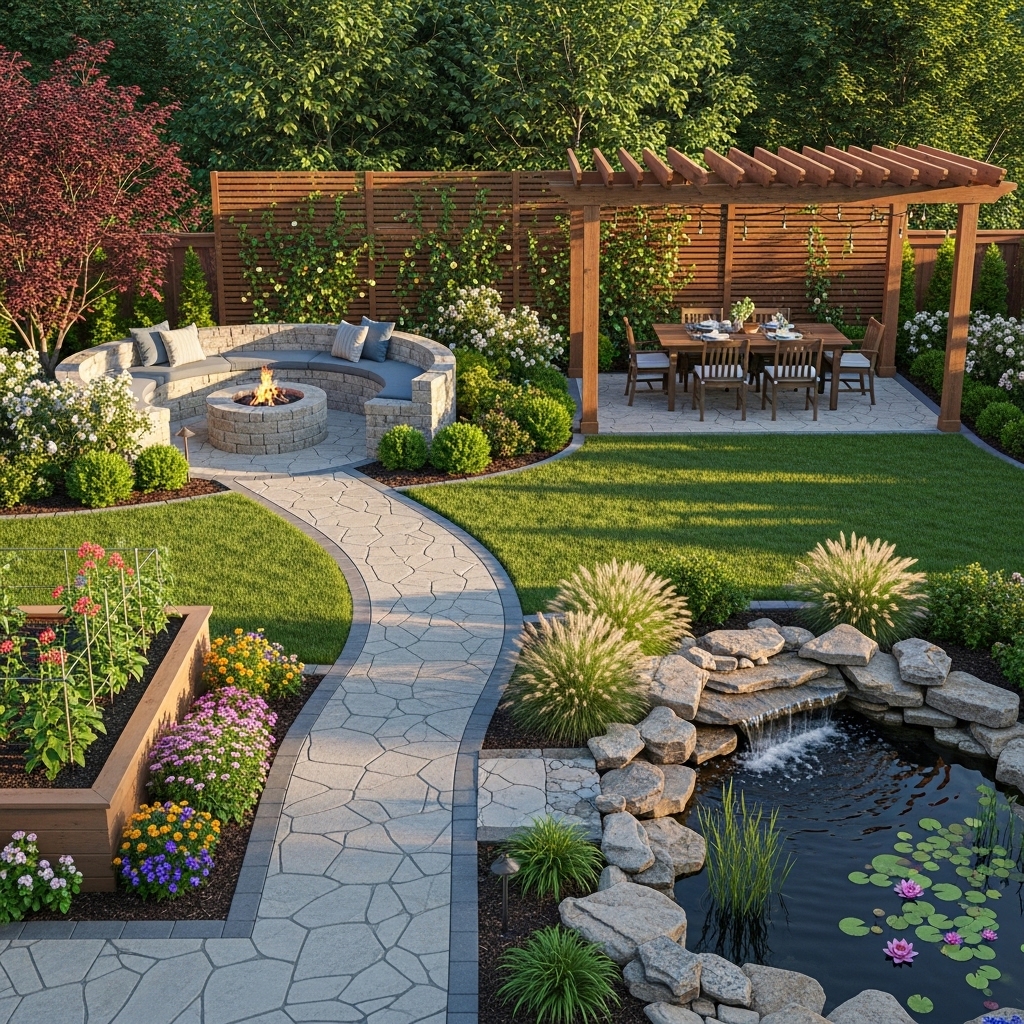
When you are working on your backyard landscaping it often does not turn out well because you do not have a plan. You might pick the plants but if you do not have a good structure for your backyard landscaping it will not look good.
If you just plant things over the place or if you put them too close together your backyard landscaping will look messy. Even if you take care of your backyard landscaping it can still look bad if you do not have a good plan.
This guide is, about backyard landscaping ideas that’re simple and that will make your backyard landscaping look better.
Each backyard landscaping idea will help you make the most of your space reduce the amount of work you have to do to take care of your backyard landscaping and create a backyard landscaping design that looks like you meant to do it that way.
Each backyard landscaping idea will help you make a backyard landscaping plan that’s easy to take care of over time.
1. Start With Zoning to Separate Lawn, Seating, and Plant Areas
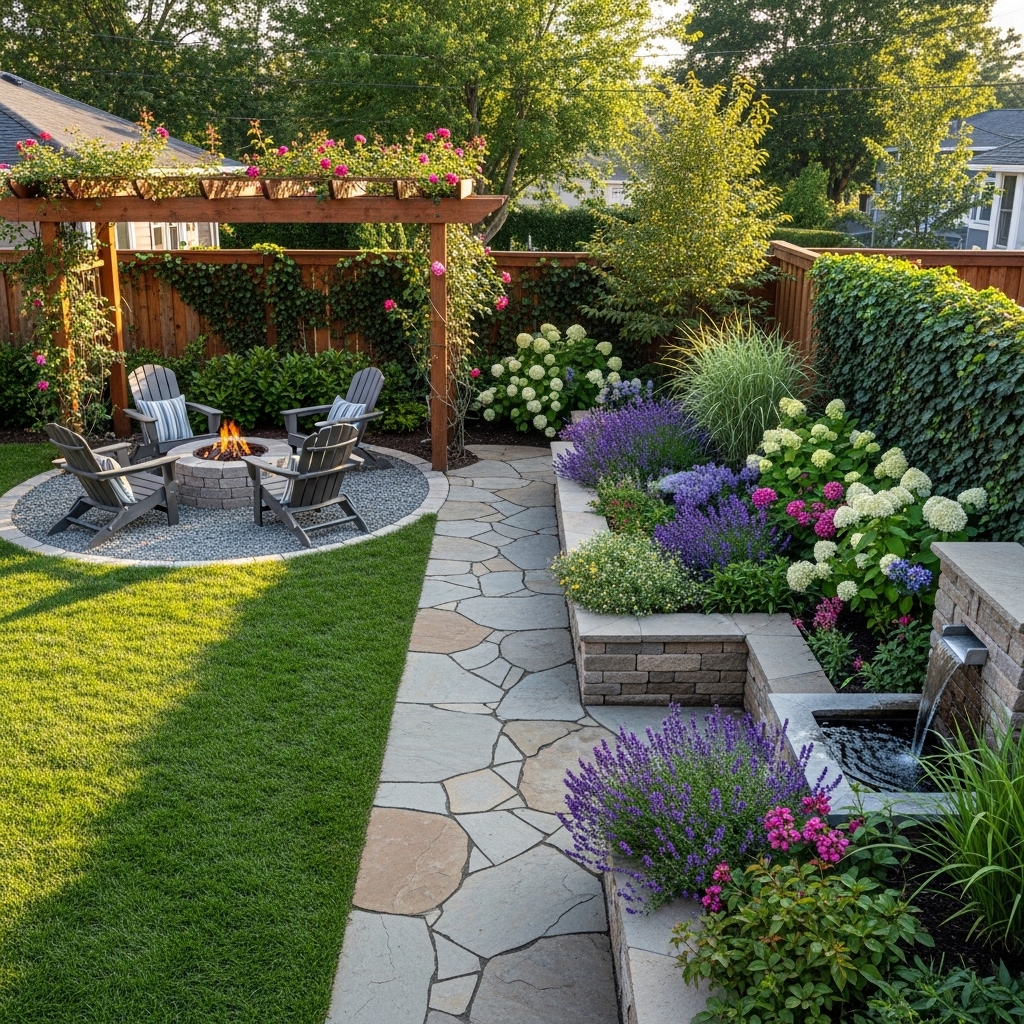
Ideal for: Backyards that feel cluttered or undefined.
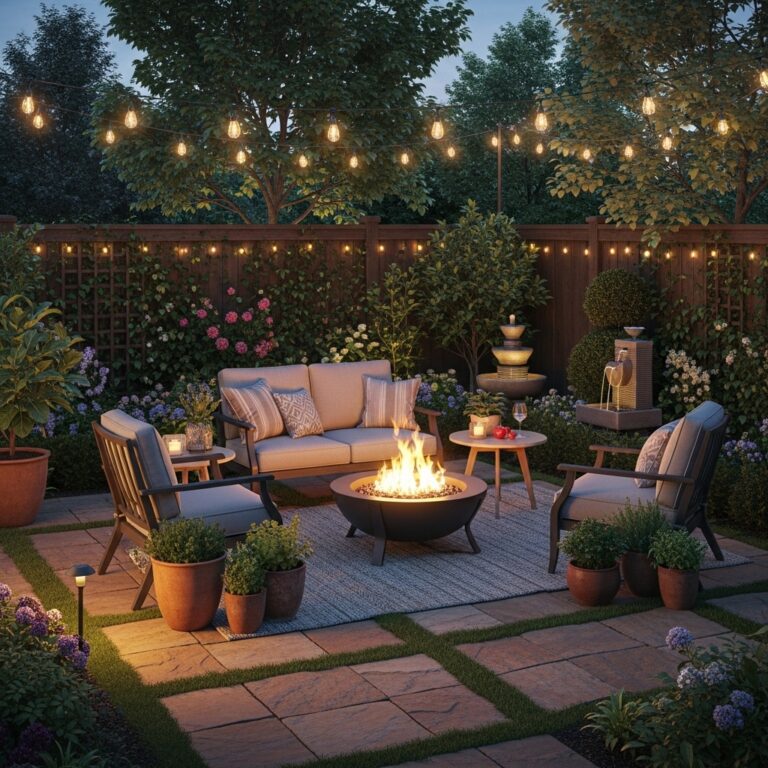
Divide your yard into clear sections like lawn, seating, and planting zones. Use edging, materials, or spacing to separate each area without walls.
This works because zoning creates structure and improves flow, making the yard easier to use and maintain.
Avoid blending everything together without clear boundaries.
Pro Tip: Keep zones simple and aligned with how you use the space.
2. Use Layered Planting for Depth and Visual Balance
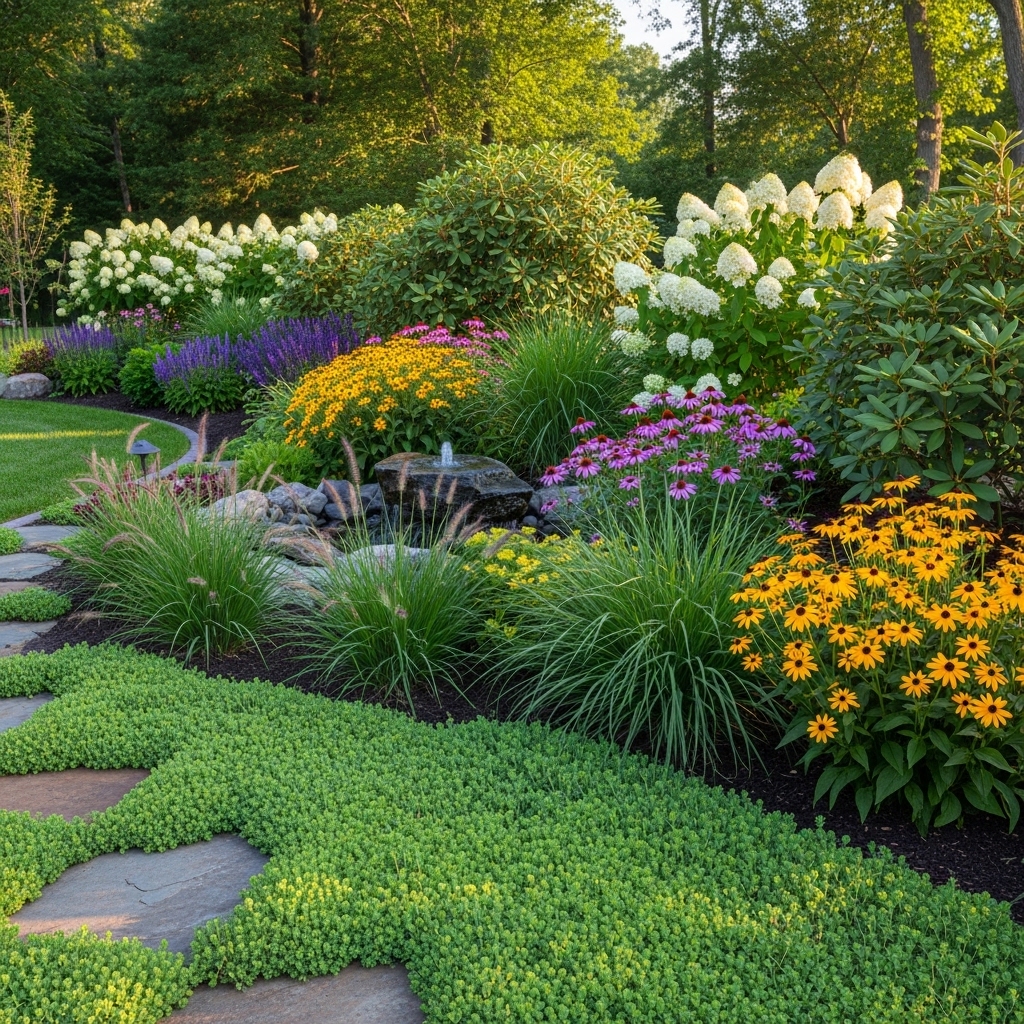
Best for: Flat yards that lack dimension.
Arrange plants in layers—taller plants at the back, medium in the middle, and low plants in front. Keep spacing consistent.
This adds depth and prevents the landscape from looking flat or crowded. It also improves visibility of each plant.
Avoid placing all plants at the same height.
Pro Tip: Choose plants with varying textures for contrast.
3. Create Defined Pathways to Improve Movement
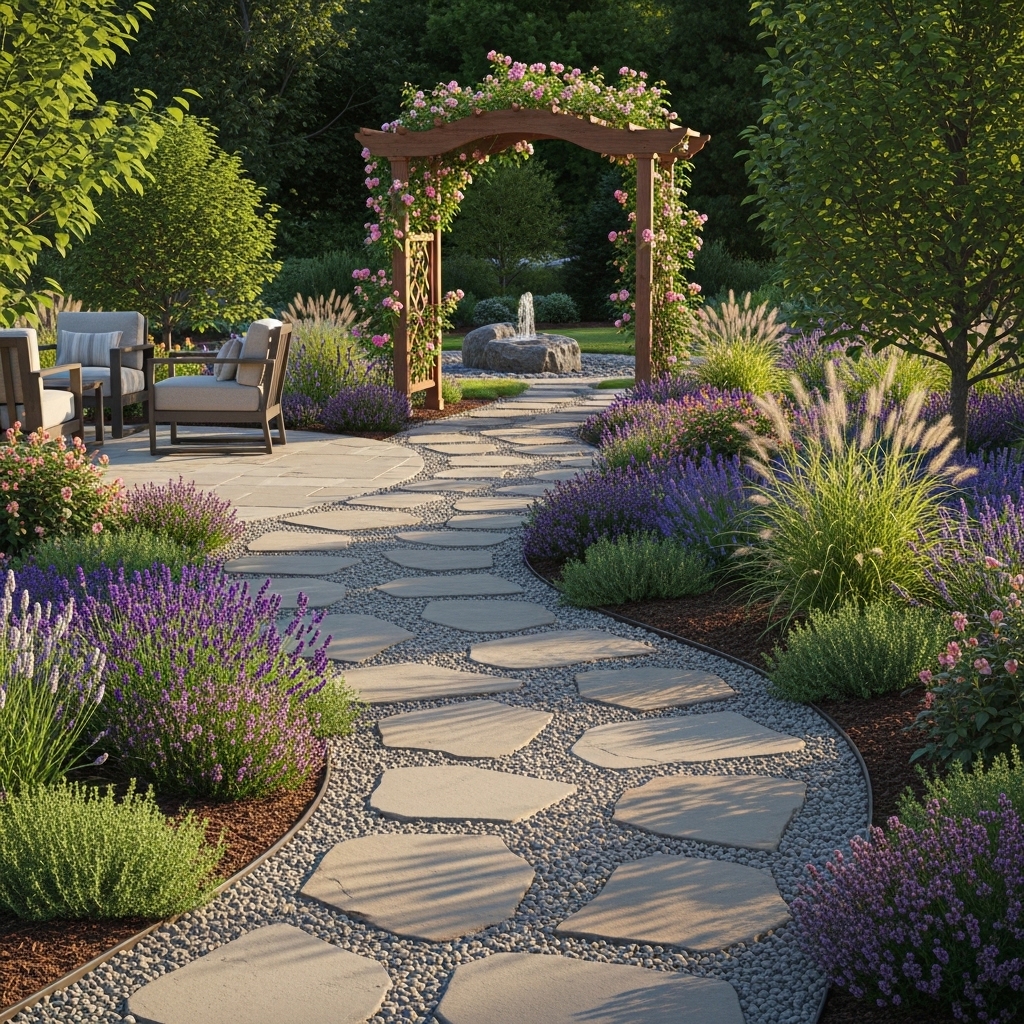
Great for: Backyards with unclear flow.
Install pathways using gravel, stone, or stepping materials to guide movement through the yard.
Paths make the space easier to navigate and connect different zones effectively.
Avoid uneven or inconsistent paths.
Pro Tip: Keep path width consistent for a clean look.
4. Use Low-Maintenance Plants to Reduce Upkeep
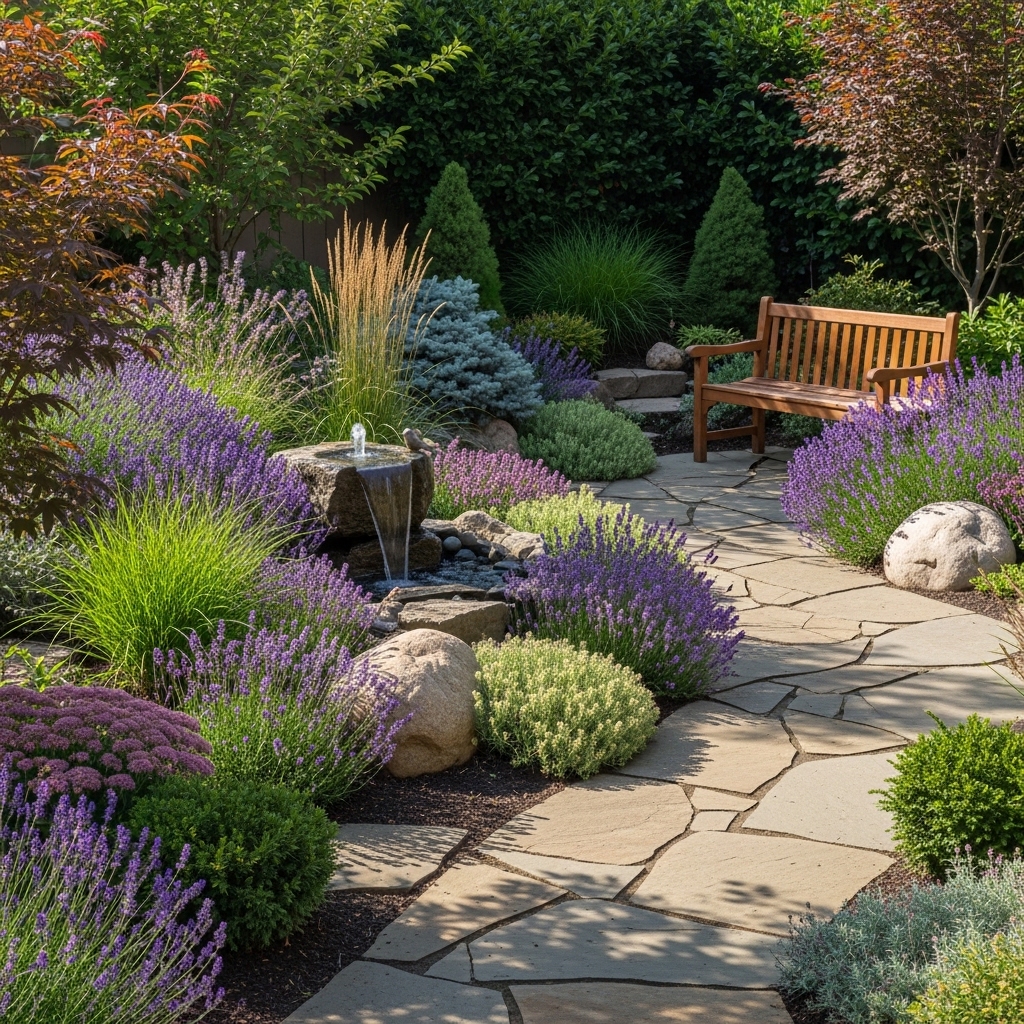
Ideal for: Busy homeowners or beginners.
Choose plants that require minimal watering, pruning, or care. Group similar plants together.
This reduces maintenance time while keeping the yard looking well-kept.
Avoid high-maintenance plants that demand constant attention.
Pro Tip: Research plant needs before planting.
5. Add Mulch to Keep Plant Beds Clean and Organized
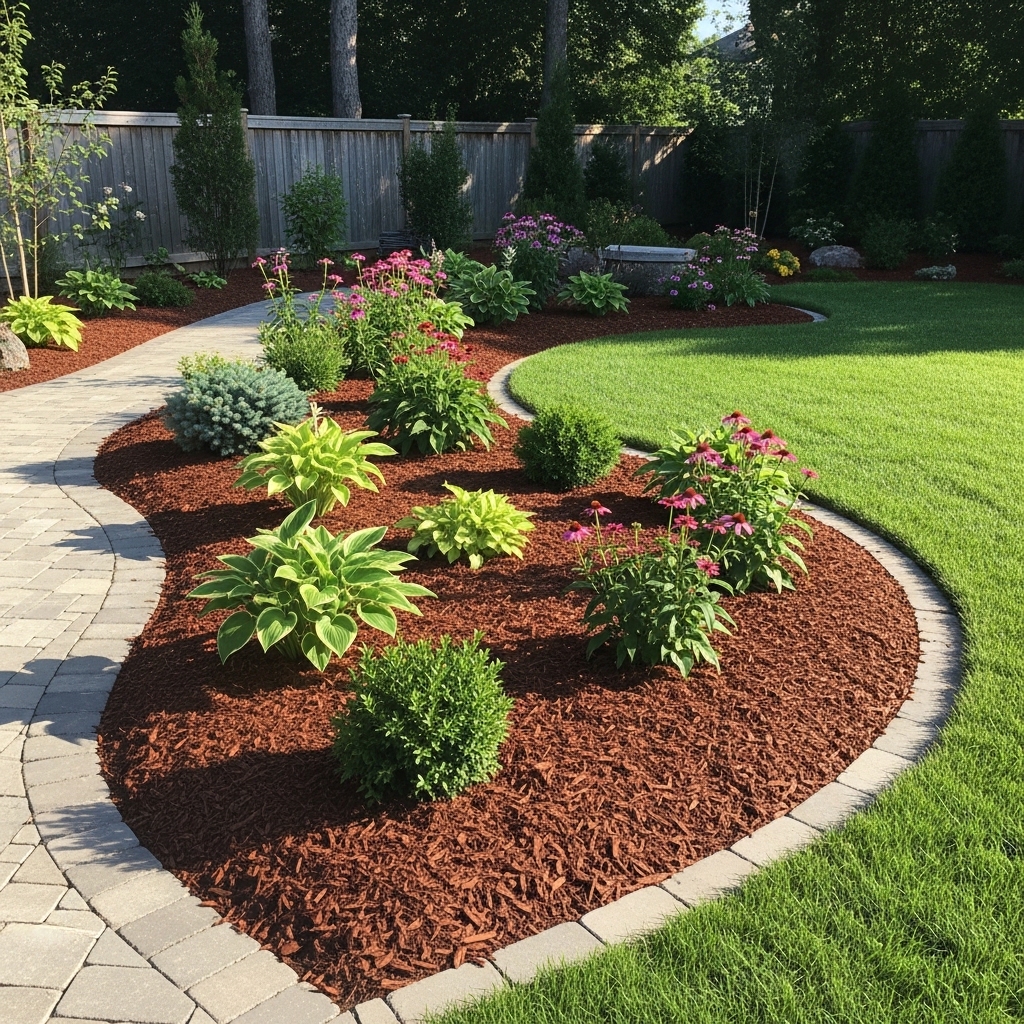
Best for: Improving plant bed appearance.
Use mulch to cover soil around plants. Keep layers even and contained within edges.
Mulch helps retain moisture, reduce weeds, and improve overall appearance.
Avoid thin layers that break down quickly.
Pro Tip: Refresh mulch regularly for best results.
6. Use Edging to Create Clean Boundaries
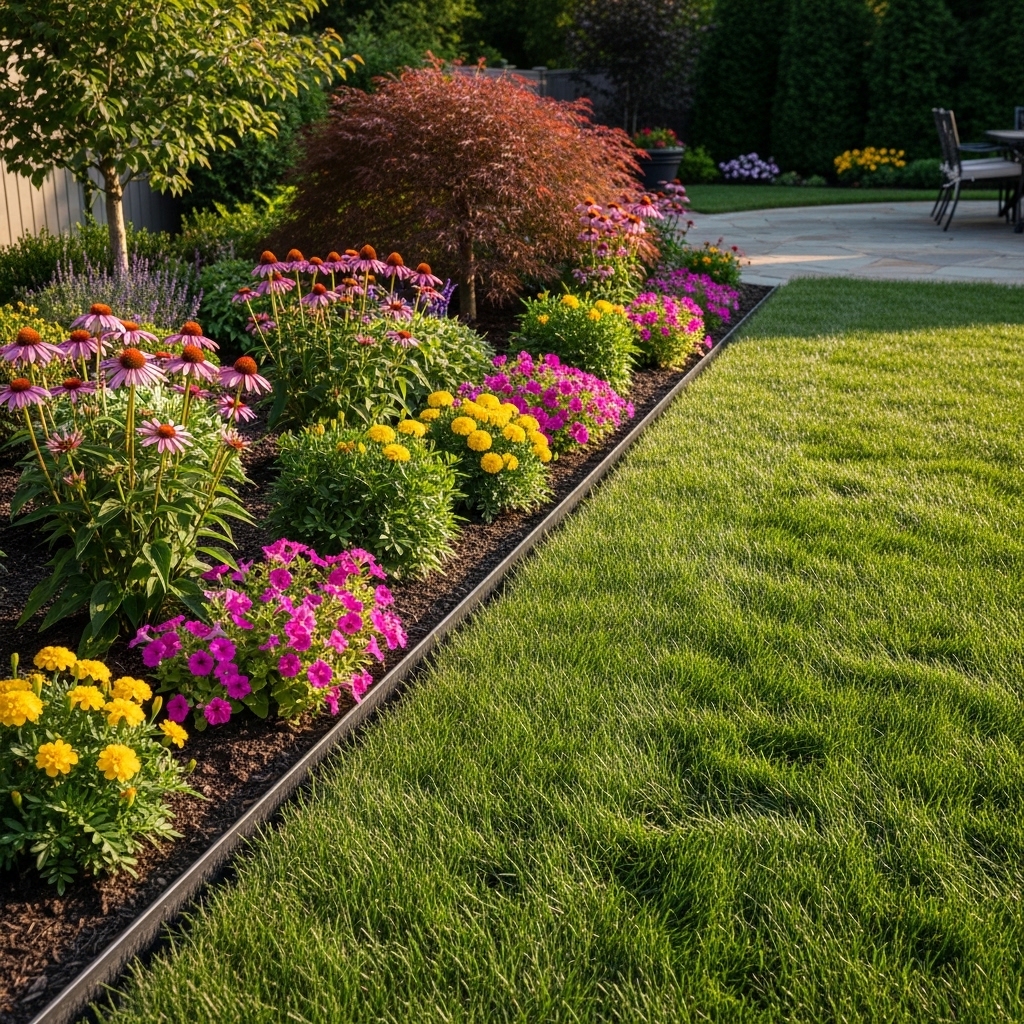
Great for: Preventing messy transitions.
Install edging between lawn, pathways, and plant beds using simple materials.
This keeps areas separate and improves the overall look of the yard.
Avoid uneven or inconsistent edging lines.
Pro Tip: Keep edges straight or smoothly curved.
7. Incorporate Vertical Elements for Height Variation
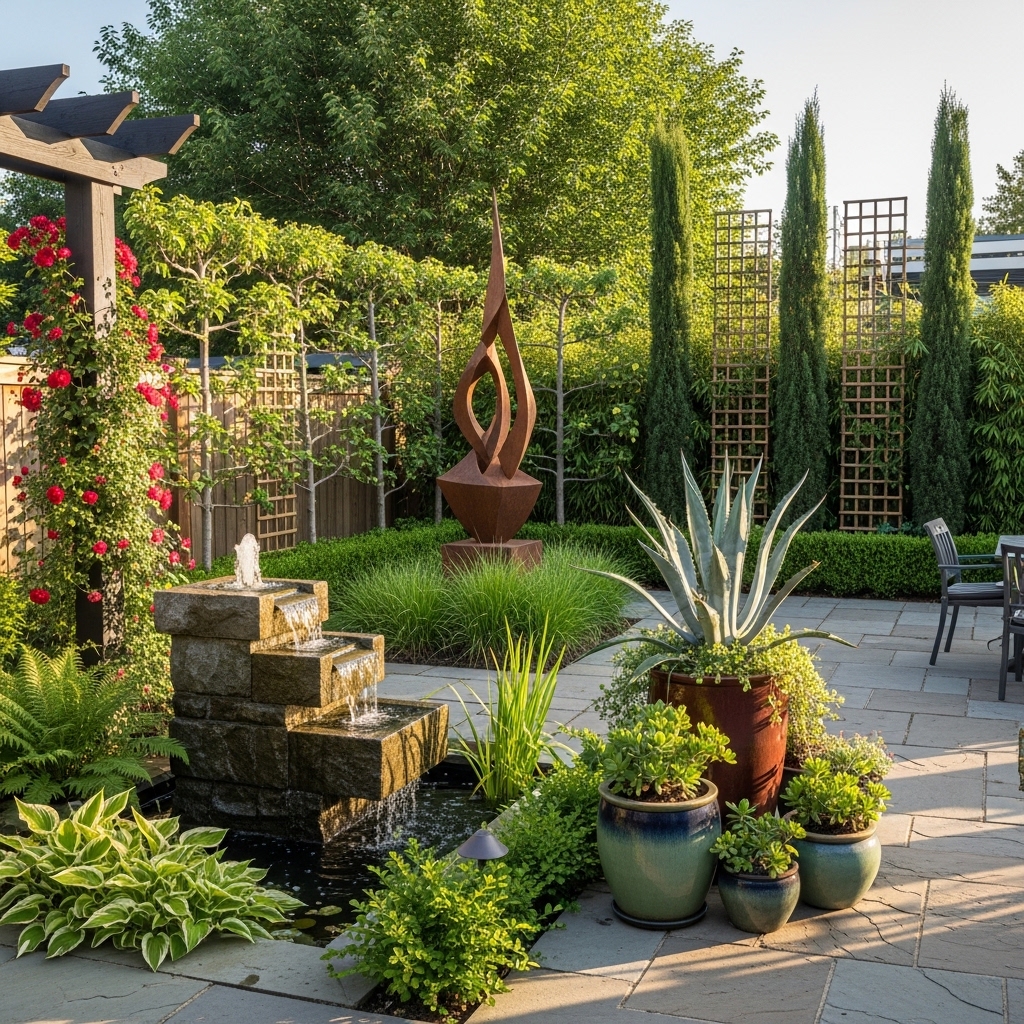
Ideal for: Small or flat landscapes.
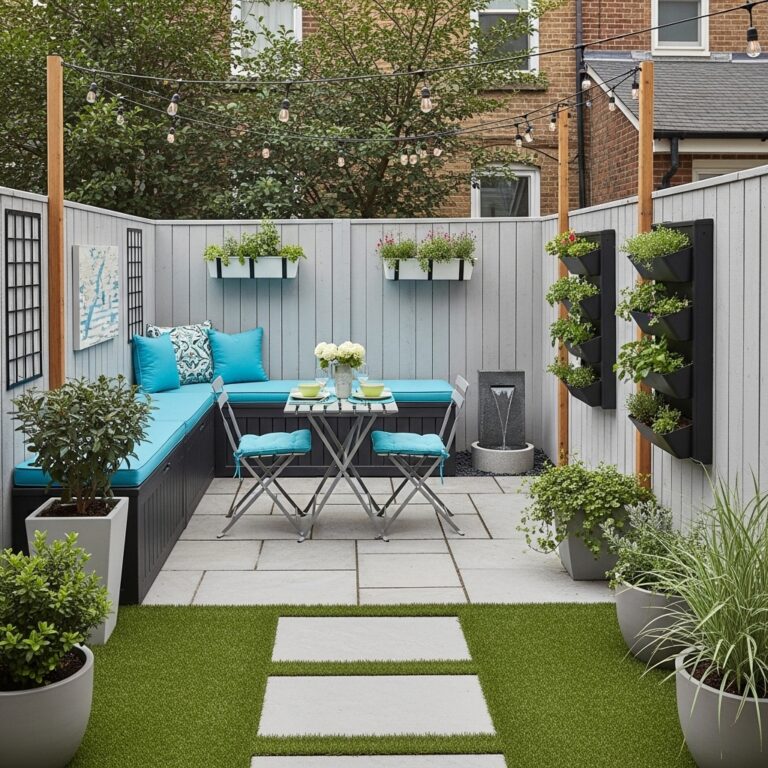
Add vertical features like trellises, tall plants, or structures to create height variation.
This adds dimension and makes the yard feel more dynamic.
Avoid overcrowding vertical elements.
Pro Tip: Position tall features strategically for balance.
8. Use Gravel Areas for Low-Cost Landscaping
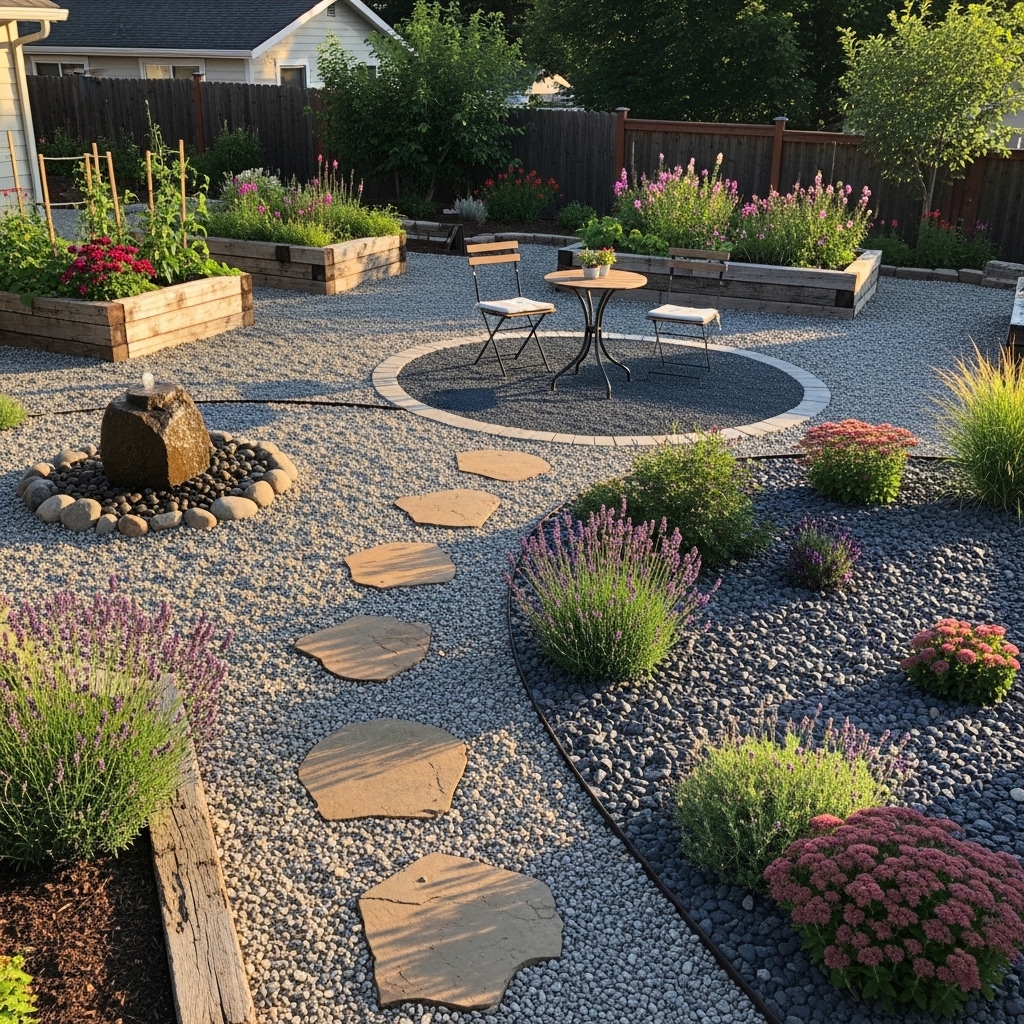
Best for: Budget-friendly upgrades.
Replace sections of lawn with gravel to reduce maintenance and create usable space.
Gravel is affordable, easy to maintain, and improves drainage.
Avoid placing gravel without proper base preparation.
Pro Tip: Use borders to contain gravel areas.
9. Keep Lawn Areas Proportionate to Yard Size
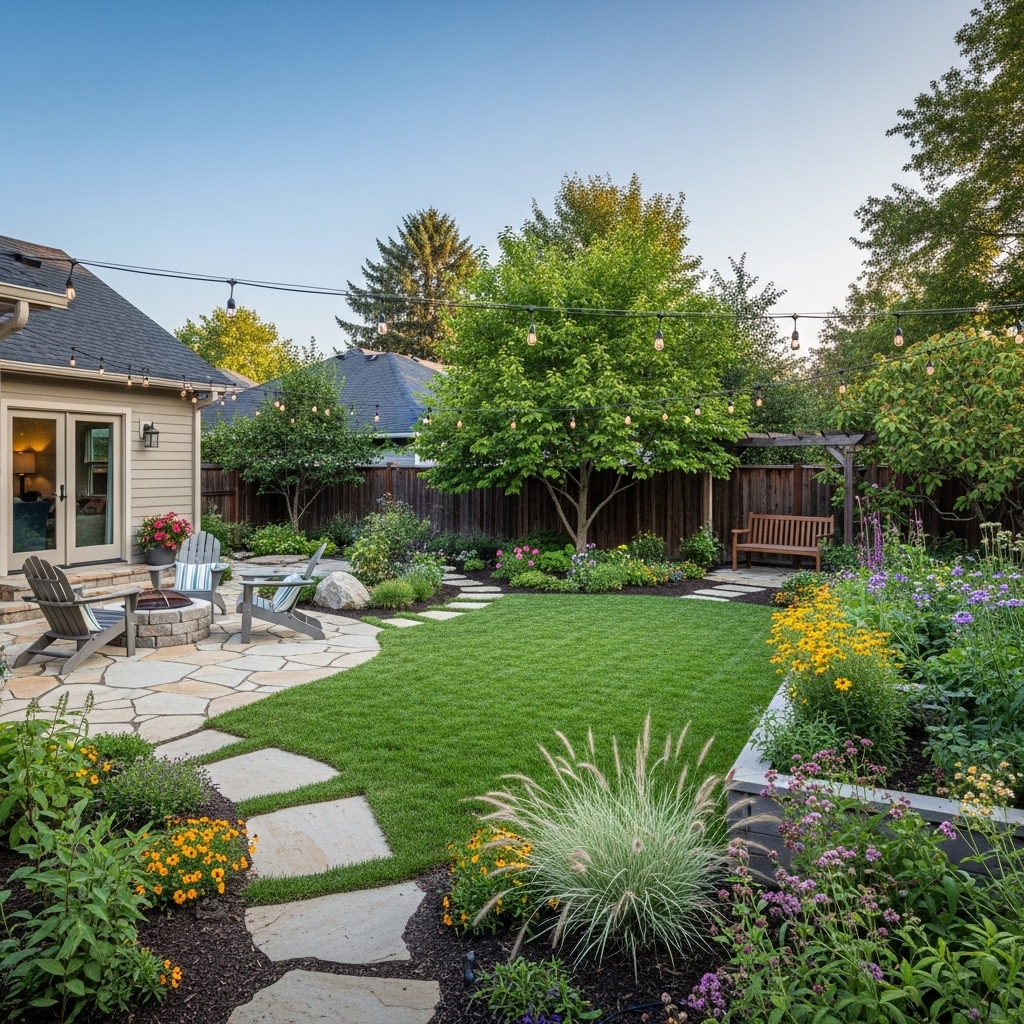
Great for: Small or medium backyards.
Limit lawn size to what you actually use. Balance it with other elements like seating or planting.
This prevents wasted space and reduces maintenance effort.
Avoid oversized lawns that serve no purpose.
Pro Tip: Focus on function over tradition.
10. Add a Focal Point to Anchor the Design
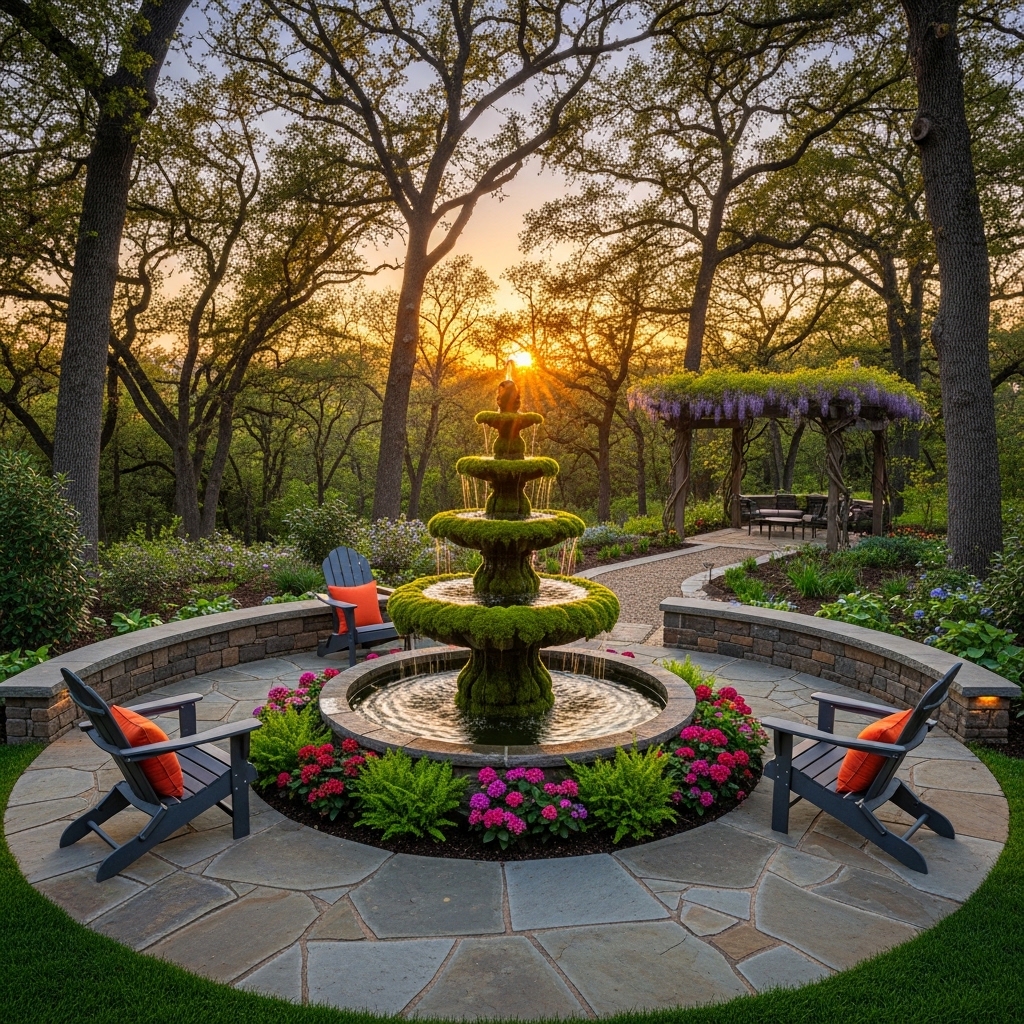
Ideal for: Backyards that feel visually scattered.
Introduce a central feature like a tree, seating area, or water element to anchor the space.
A focal point draws attention and creates a sense of structure.
Avoid multiple competing focal points.
Pro Tip: Keep the focal point aligned with main viewing angles.
11. Use Repetition for a Cohesive Look
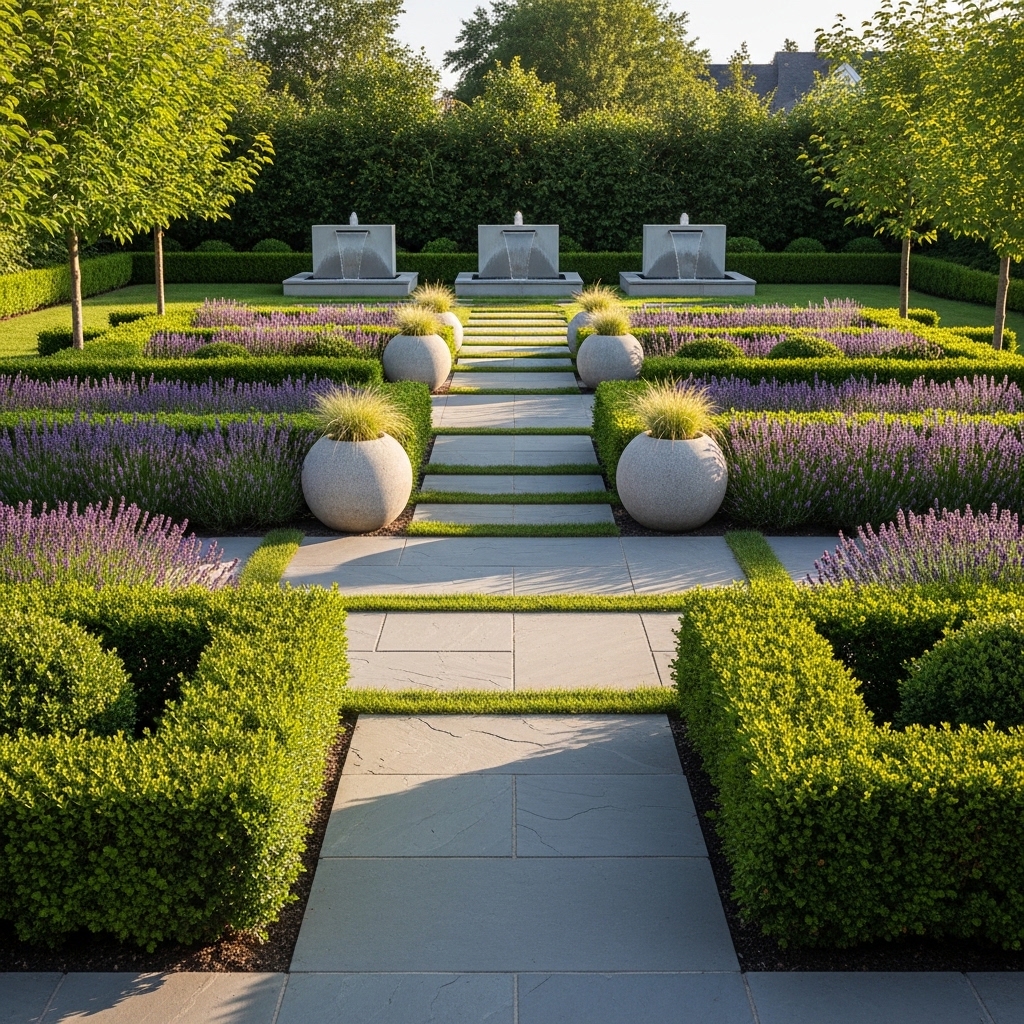
Best for: Creating visual consistency.
Repeat plant types, colors, or materials throughout the yard to tie everything together.
Repetition creates harmony and makes the design feel intentional.
Avoid too many different styles or elements.
Pro Tip: Stick to a limited palette of plants and materials.
12. Plan for Proper Spacing to Avoid Overcrowding
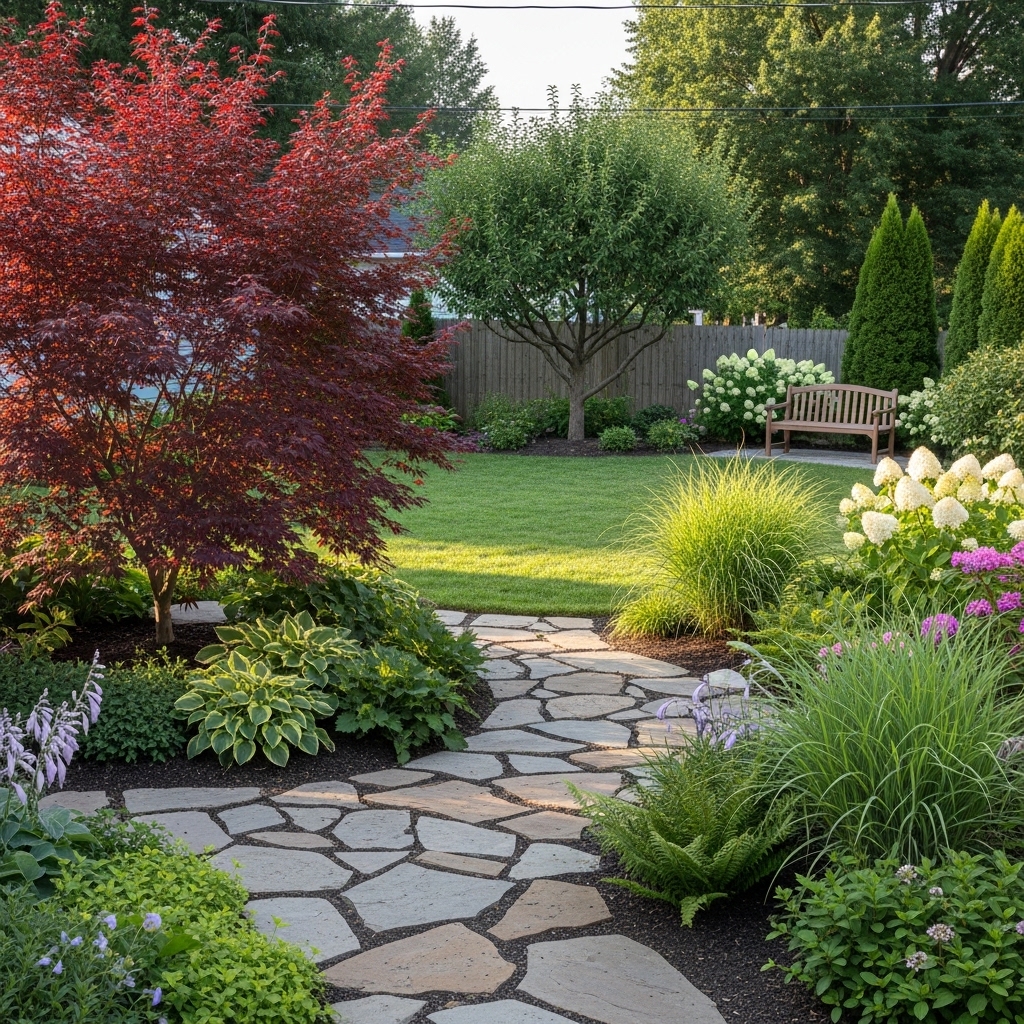
Great for: Long-term plant health.
Give plants enough room to grow based on their mature size. Avoid tight planting.
Proper spacing prevents overcrowding and reduces maintenance issues.
Avoid planting too close for instant fullness.
Pro Tip: Think about how plants will grow over time.
13. Use Lighting to Highlight Key Areas
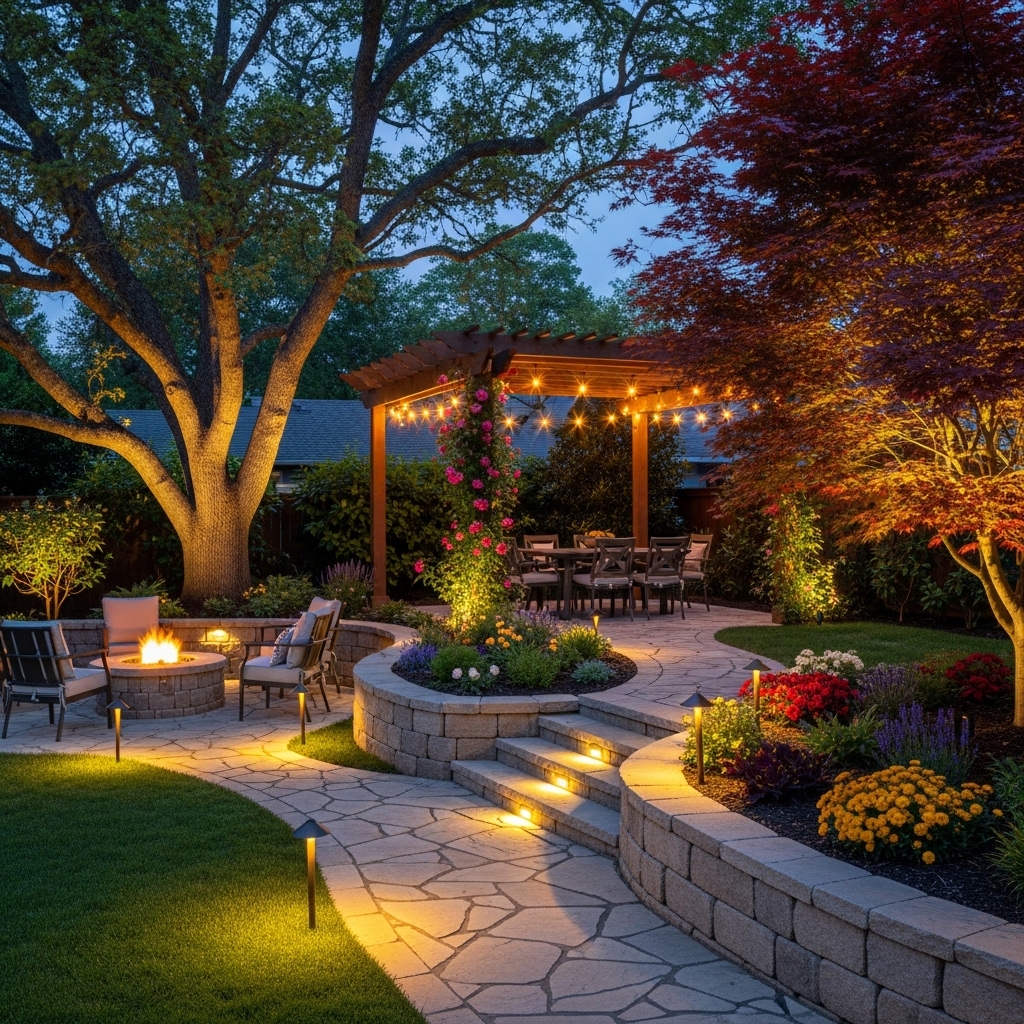
Ideal for: Evening usability.
Install simple outdoor lighting along pathways or near focal points.
Lighting improves safety and enhances the overall look at night.
Avoid overly bright or uneven lighting.
Pro Tip: Focus on key areas rather than lighting everything.
14. Keep Layout Simple for Better Maintenance
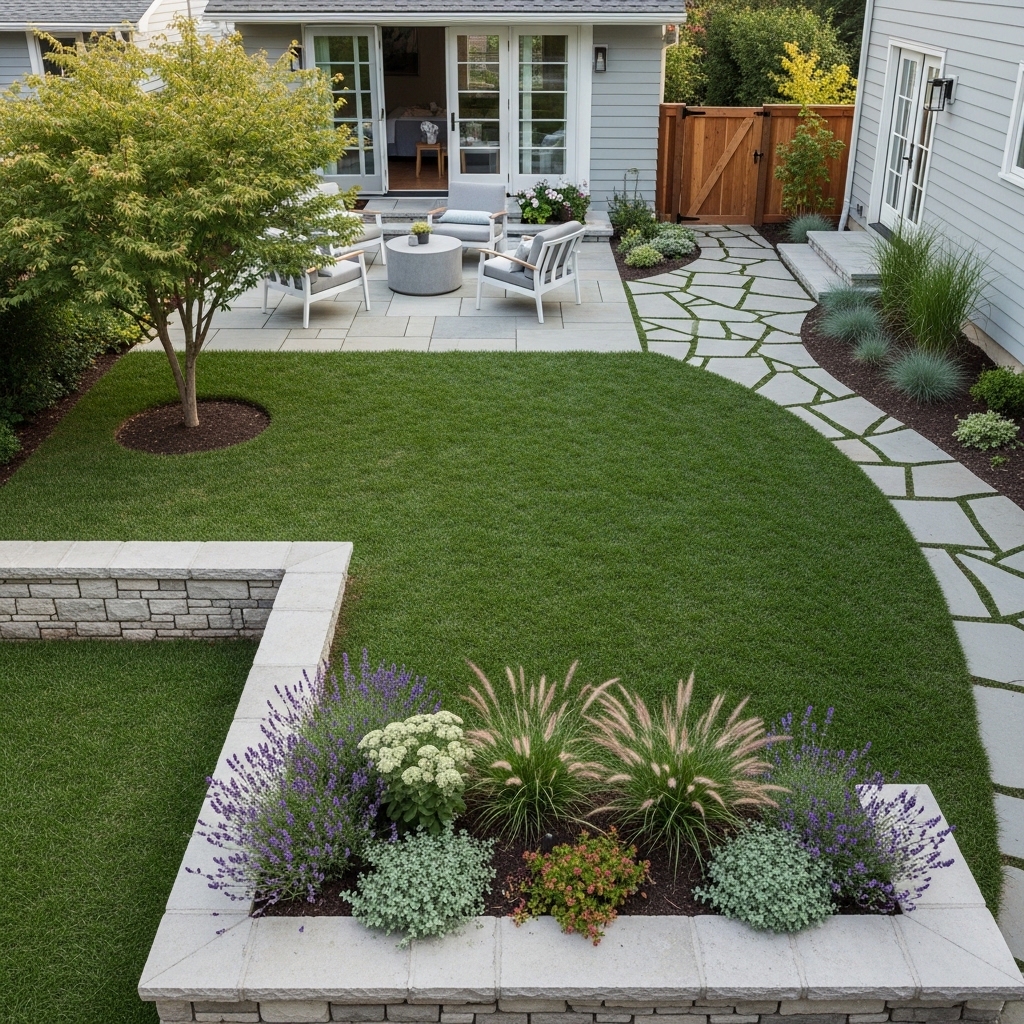
Best for: Easy-to-manage backyards.
Avoid overcomplicating the design. Focus on a few well-planned elements.
Simple layouts are easier to maintain and more functional.
Avoid adding unnecessary features.
Pro Tip: Build your landscape gradually.
15. Adjust Landscaping Based on Real Usage
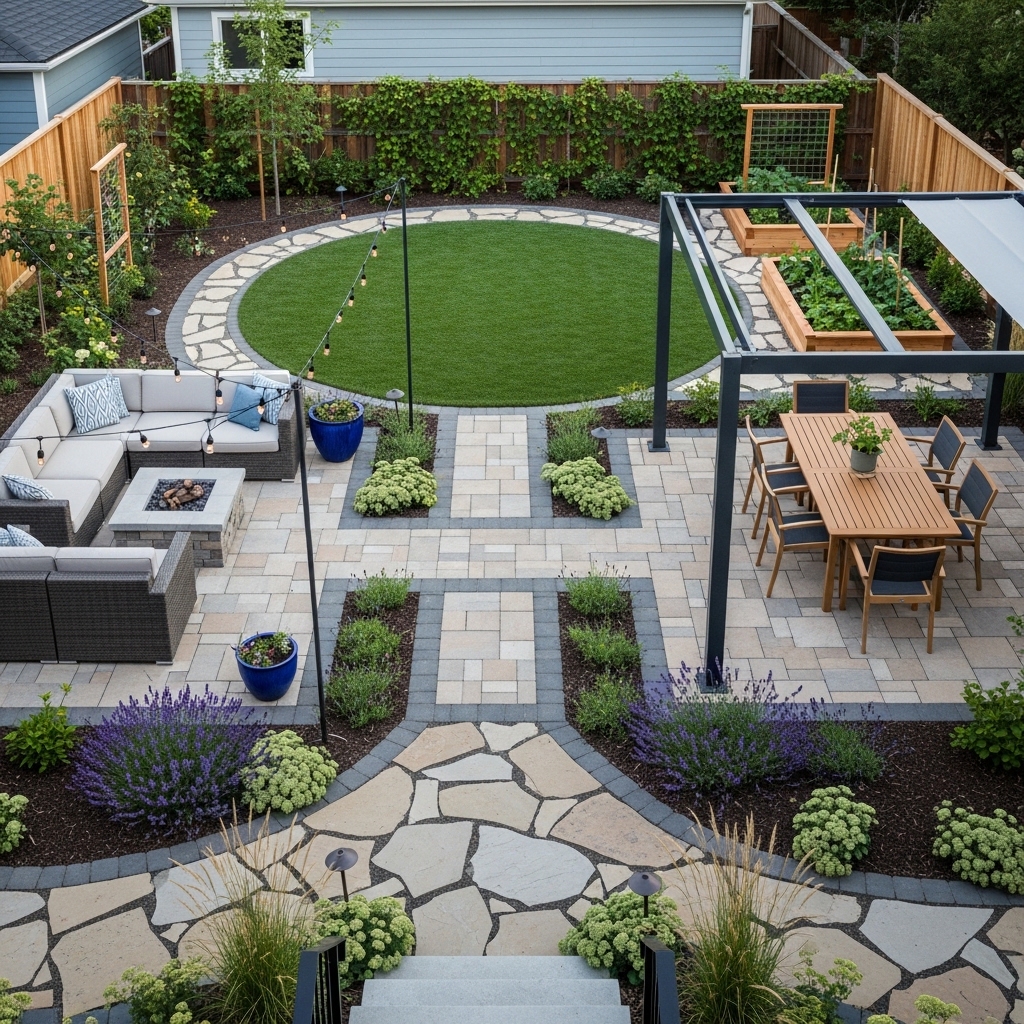
Great for: Improving long-term functionality.
Observe how you use your yard and adjust planting or layout accordingly.
This ensures the design evolves with your needs.
Avoid sticking to a layout that doesn’t work.
Pro Tip: Make small changes over time for better results.
Conclusion: Effective Landscaping Combines Structure, Simplicity, and Practical Use
Backyard landscaping works best when you plan it on purpose not just fill it with plants. You need to have areas, enough space between things and make smart choices. This is what makes a difference in how your backyard looks and how you can use it.
If you use these backyard landscaping ideas you can make a yard that’s easy to take care of and nice to be, in every day. Backyard landscaping is important to think about when you want to make your yard a great place to be.