15 Chic Small Bedroom Layout Ideas That Improve Space, Flow, and Daily Comfort
Small bedrooms can be a challenge. They often feel too tight because the way things are set up does not let you move around easily or do your things. If you put your furniture in the place it can get in the way and make the room feel even smaller than it really is.
This guide is, about finding ways to make the most of your bedroom space even if it is small or shaped funny.
We will look at lots of ideas for putting your furniture in the spot making it easy to get around and making your bedroom feel more open and useful. The goal is to make your bedroom feel nice and work well without having much stuff in it.
1. Center the Bed Only If You Have Balanced Space on Both Sides
Ideal for: Medium-small bedrooms with enough width for symmetrical placement.
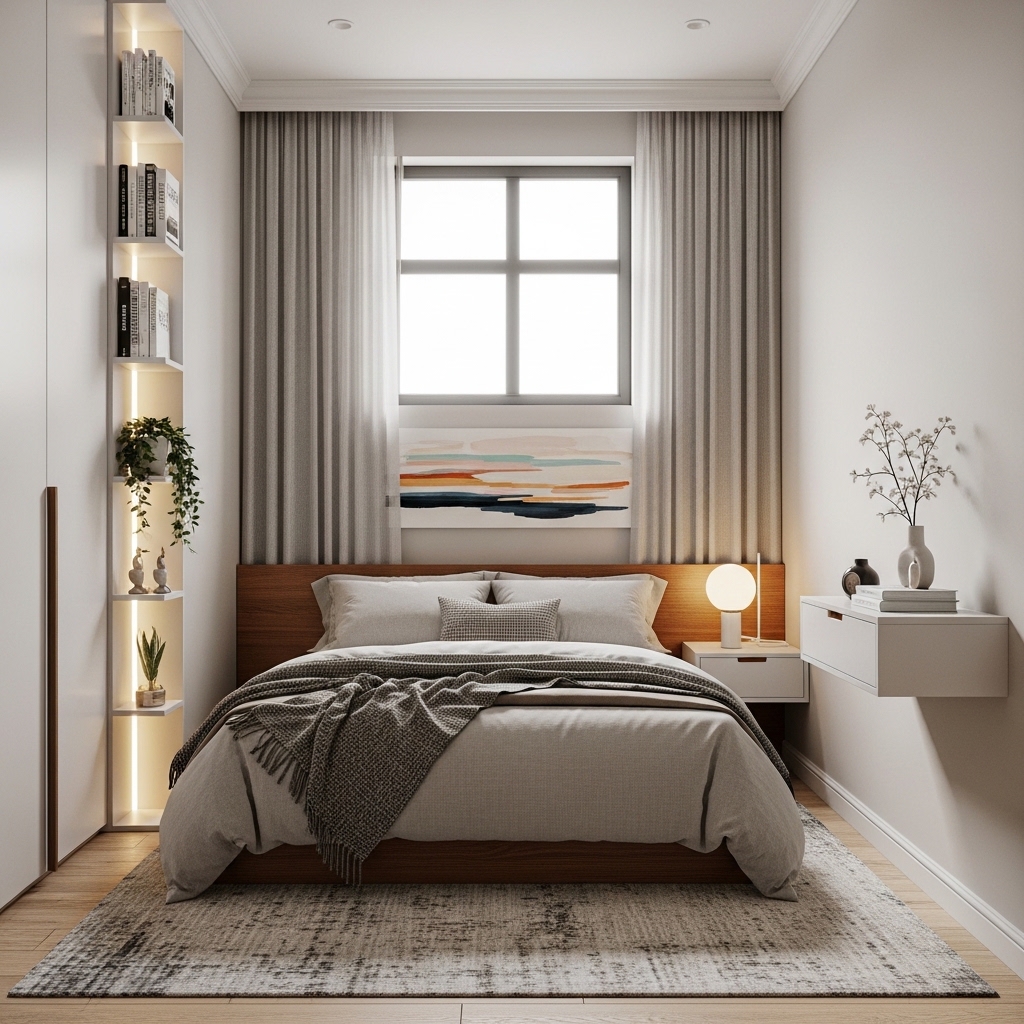
Place the bed in the center of the main wall only if you can maintain at least 18–24 inches of space on both sides. Add small nightstands if space allows.
This layout works because symmetry creates visual balance and improves accessibility from both sides. It also makes the room feel organized and intentional.
Avoid forcing a centered bed in narrow rooms, as it reduces walking space and makes the layout feel cramped.
Pro Tip: Use wall-mounted nightstands to save space without losing function.
2. Push the Bed to One Side in Narrow Rooms
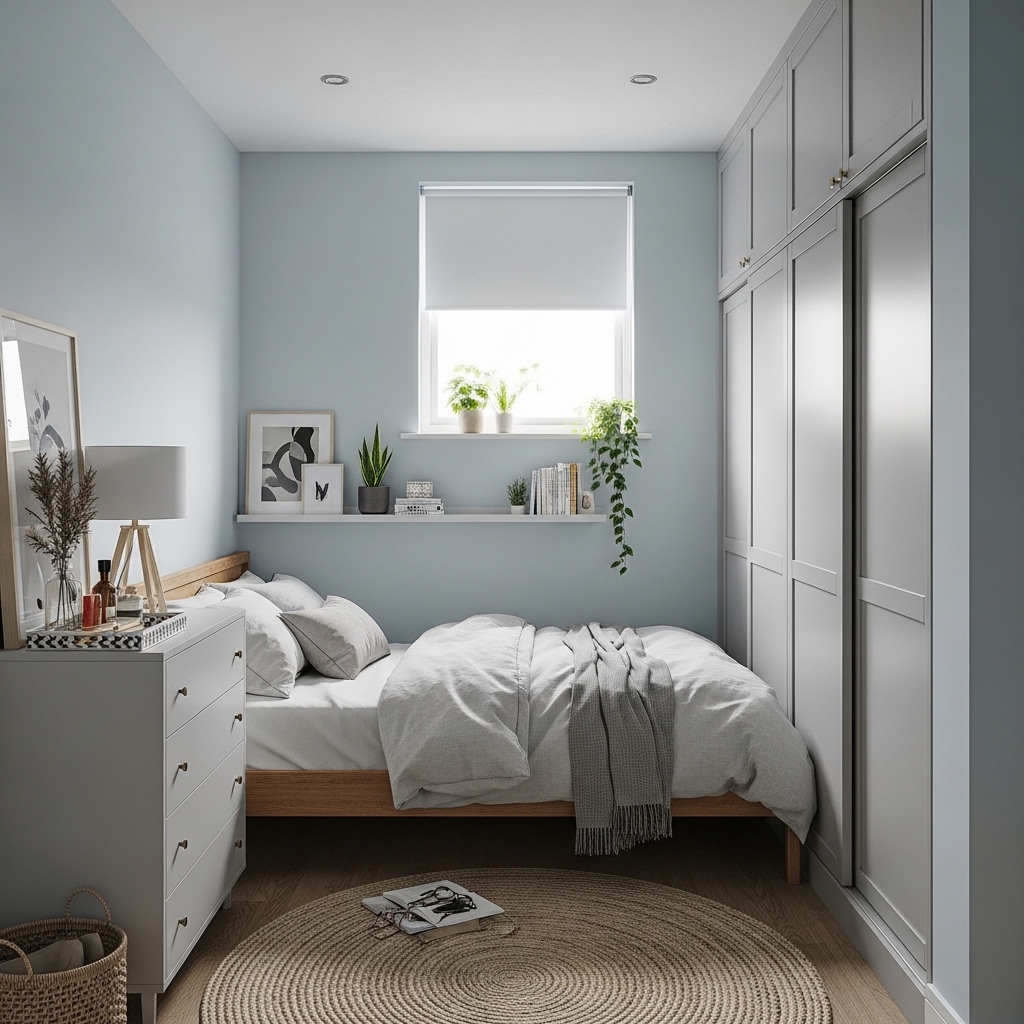
Best for: Tight bedrooms where side clearance is limited.
Position the bed against one wall to free up space for movement or additional furniture. Keep one side open for access.
This works because it creates a wider walkway, making the room feel less restricted. It also allows better placement for storage or desks.
Avoid leaving too little space on the open side, as it can feel uncomfortable to use daily.
Pro Tip: Add wall lighting on the closed side to replace a nightstand.
3. Place the Bed Opposite the Door for Clear Visual Flow
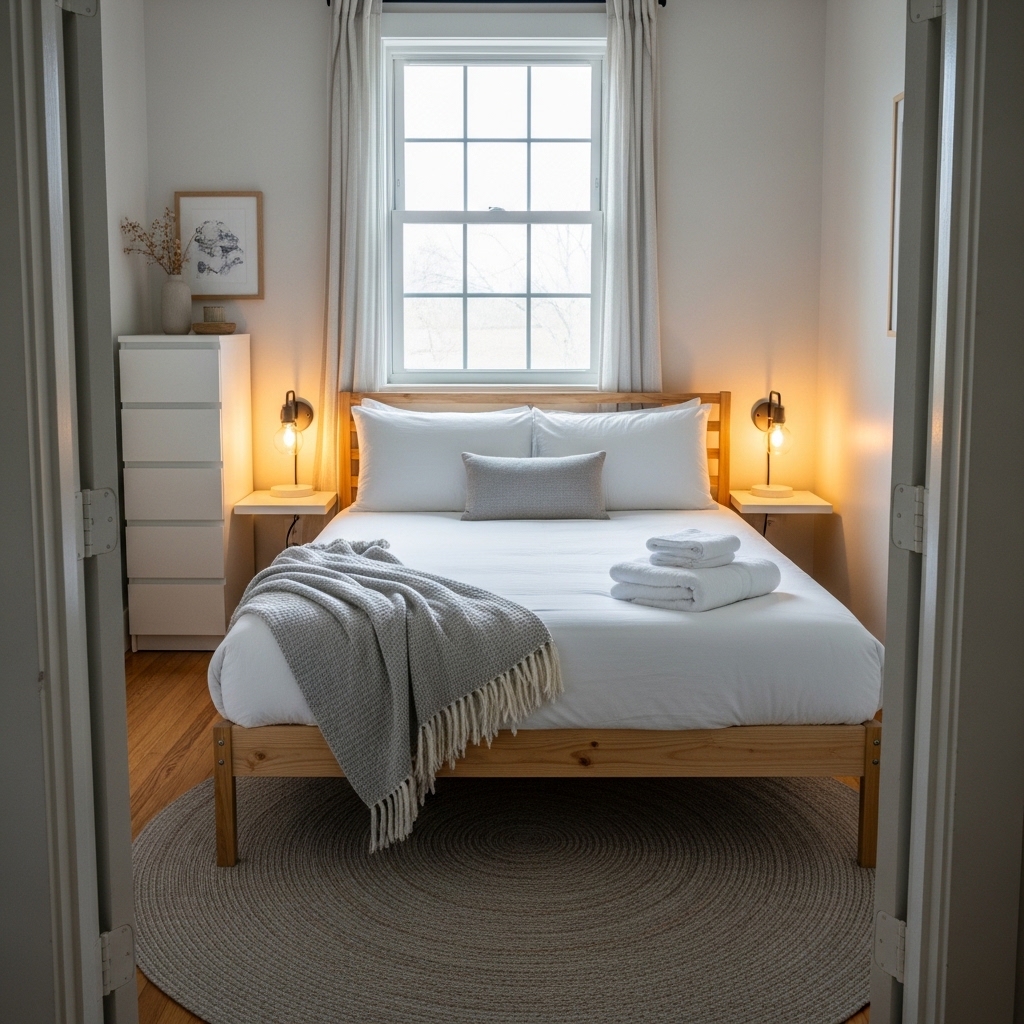
Great for: Bedrooms where the entrance feels blocked or awkward.
Align the bed so it’s visible from the doorway without being directly in the path. Keep the entry area open.
This layout improves first impressions and makes the room feel more spacious. It also enhances natural flow when entering.
Avoid placing large furniture directly in front of the door, as it disrupts movement.
Pro Tip: Keep at least 2 feet of clearance near the entrance.
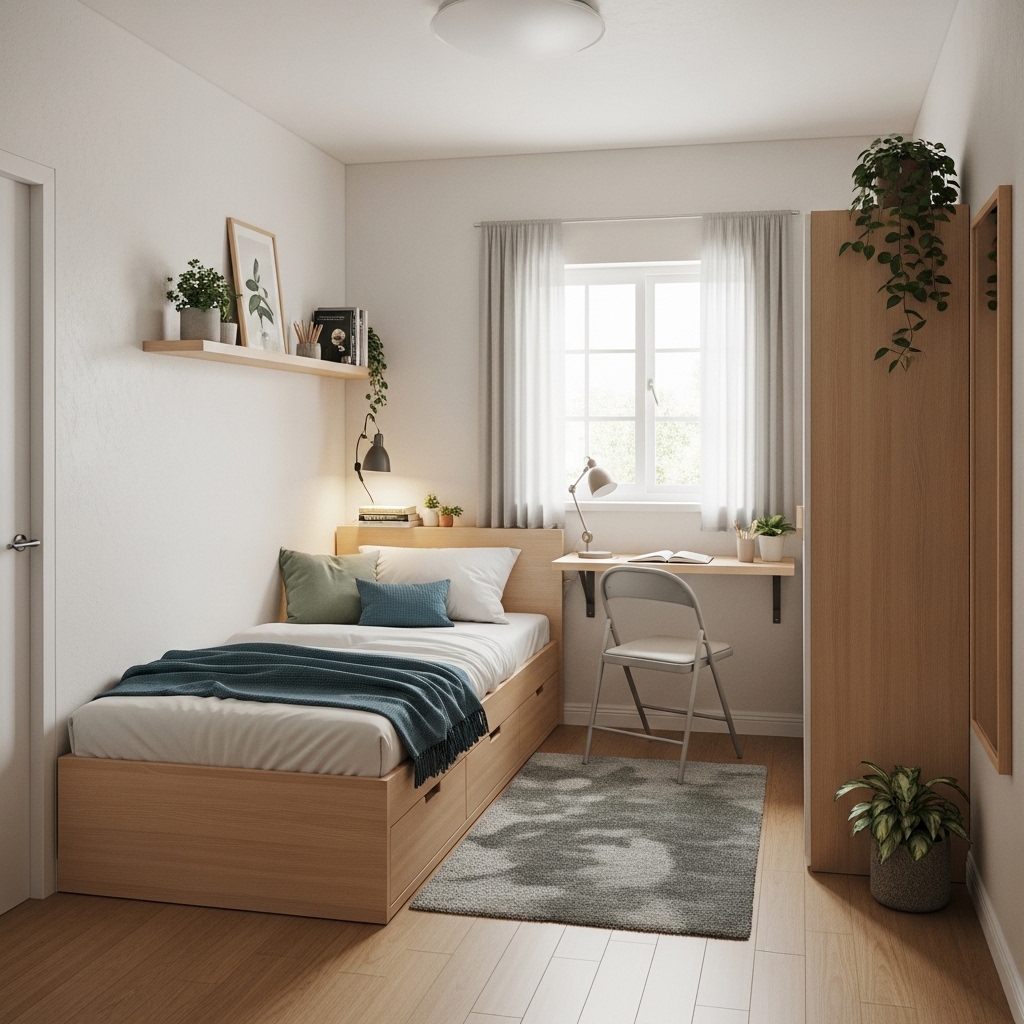
4. Use Corners for Beds in Extremely Small Rooms
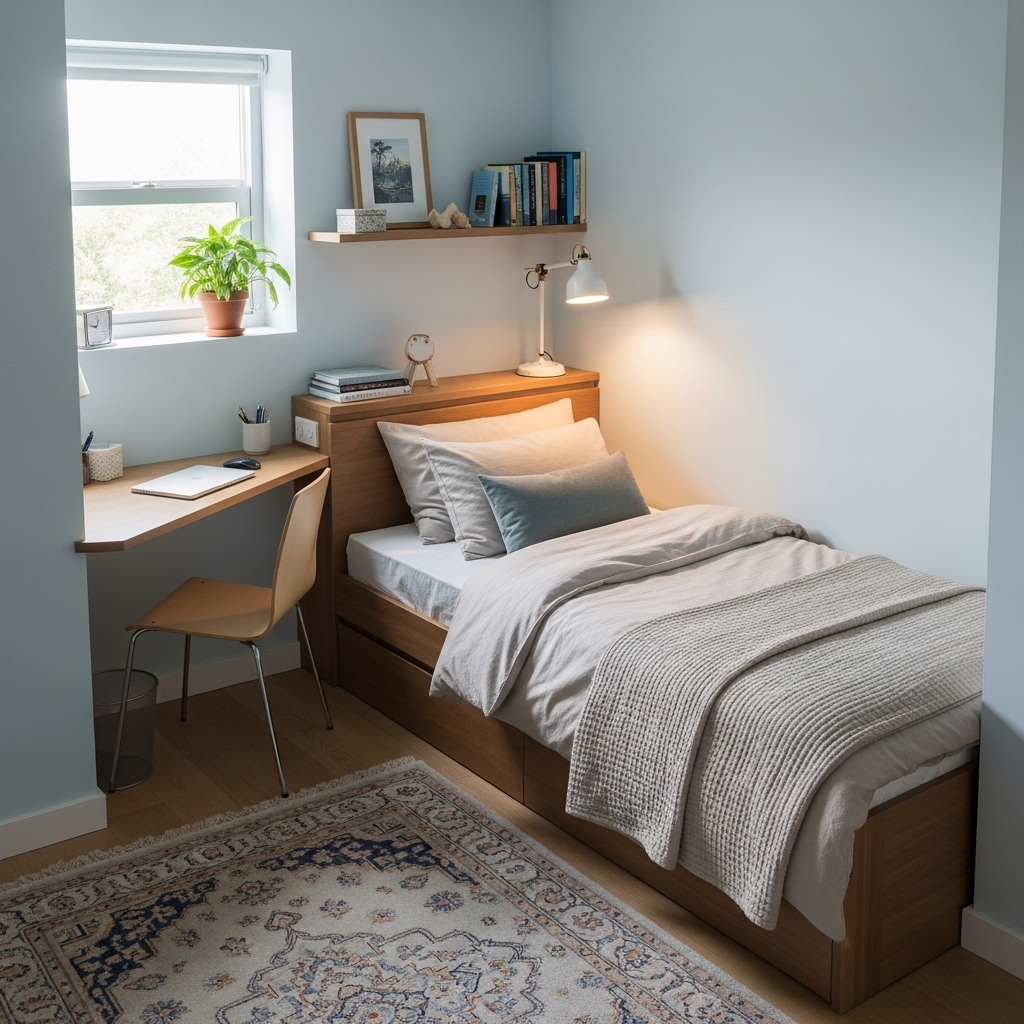
Ideal for: Very compact bedrooms where standard placement doesn’t work.
Place the bed in a corner with two sides against walls. Use the open side for access and movement.
This layout maximizes floor space and creates more room for storage or seating. It’s practical for tight layouts.
Avoid using bulky bed frames, as they can overwhelm the space.
Pro Tip: Use wall-mounted shelves instead of bedside tables.
5. Position Storage Along One Wall to Avoid Fragmentation
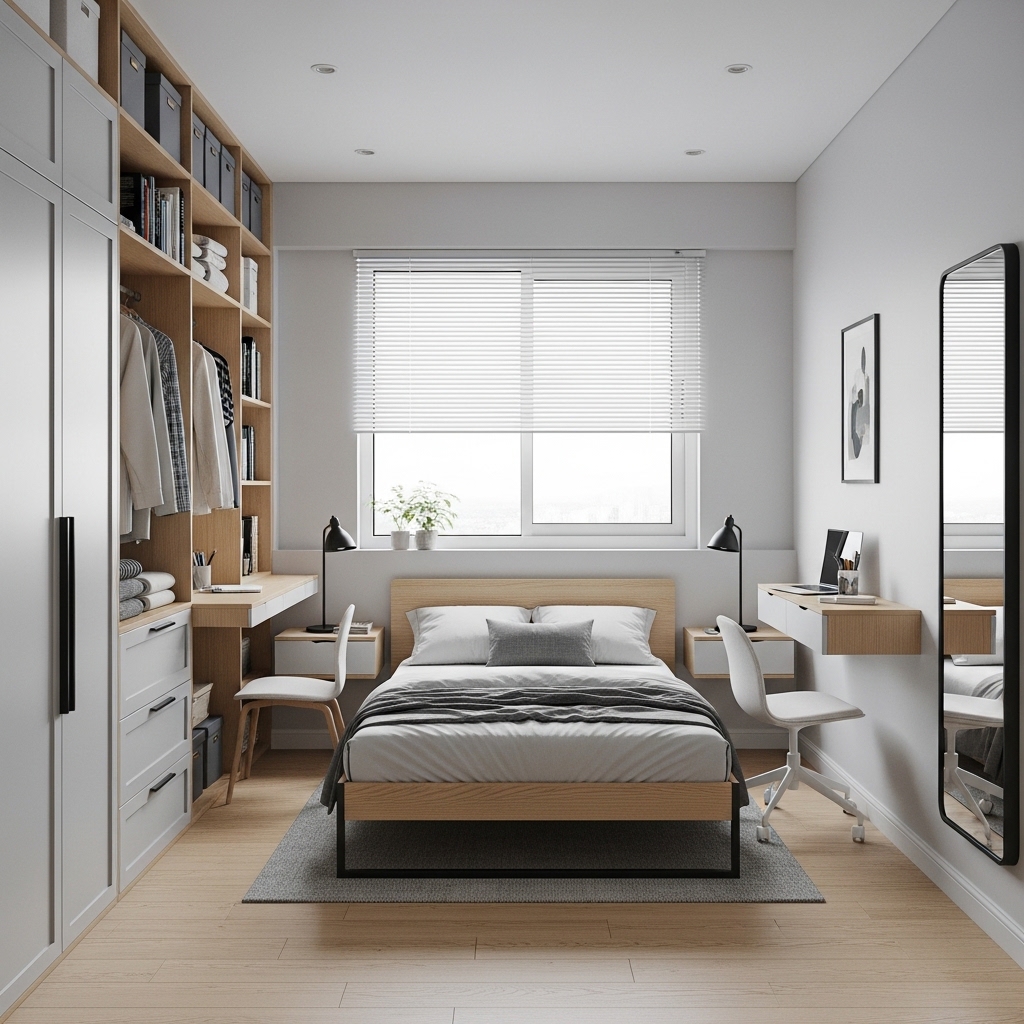
Best for: Bedrooms with limited storage options.
Keep wardrobes, dressers, and shelves aligned on a single wall instead of spreading them around the room.
This works because it creates a clean, organized look and prevents the space from feeling broken into sections. It also improves flow.
Avoid placing storage randomly, as it disrupts layout balance.
Pro Tip: Use vertical storage to maximize capacity without widening the footprint.
6. Place the Bed Under a Window Only When Necessary
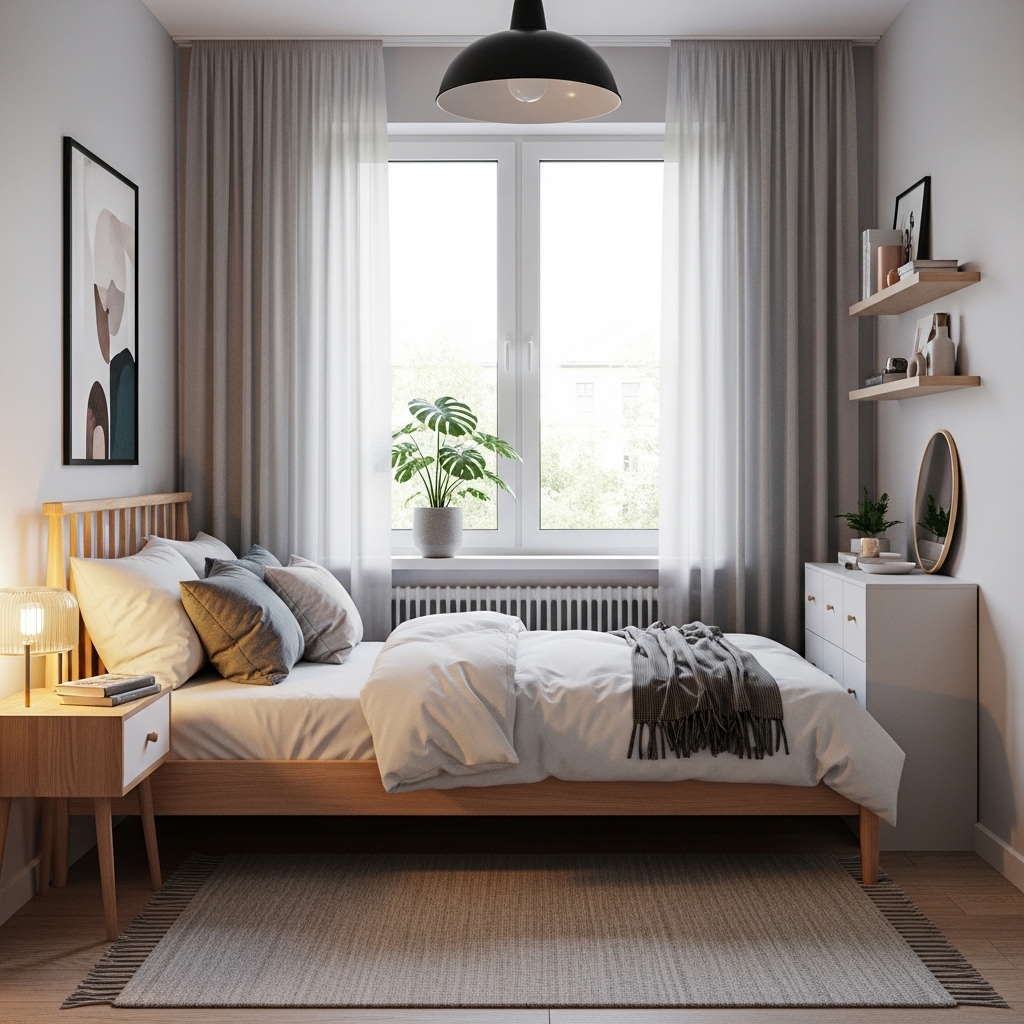
Great for: Rooms with limited wall options.
Position the bed under the window only if other layouts block movement or storage. Use low headboards to maintain light flow.
This can free up wall space for other furniture, but it requires careful placement to avoid blocking light.
Avoid heavy curtains or tall headboards that reduce brightness.
Pro Tip: Use sheer curtains to maintain natural light.
7. Use Floating Furniture to Free Up Floor Space
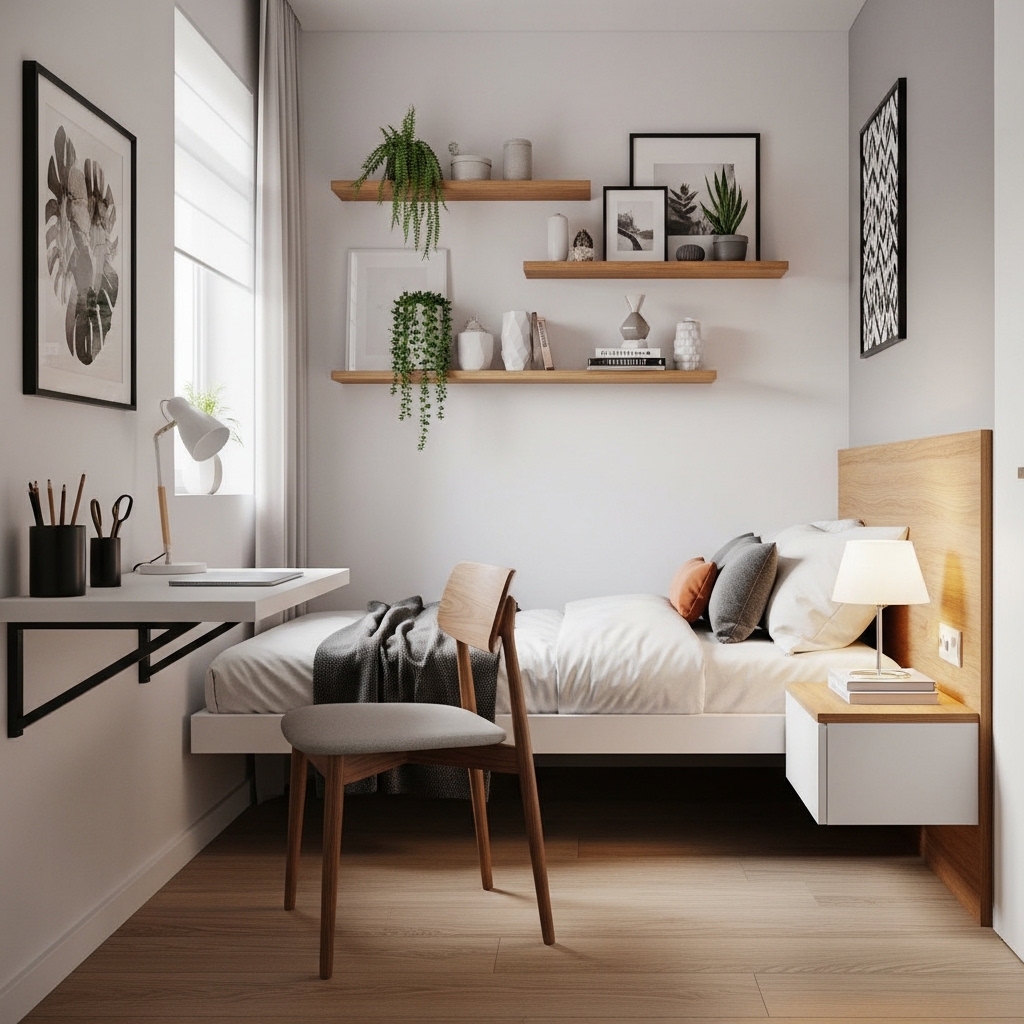
Ideal for: Bedrooms that feel crowded at ground level.
Install wall-mounted desks, shelves, or nightstands to reduce the number of items touching the floor.
This layout approach makes the room feel lighter and more open. It also improves cleaning and accessibility.
Avoid overloading floating elements, as it can create wall clutter.
Pro Tip: Keep spacing consistent for a clean look.
8. Keep a Clear Path From Bed to Door
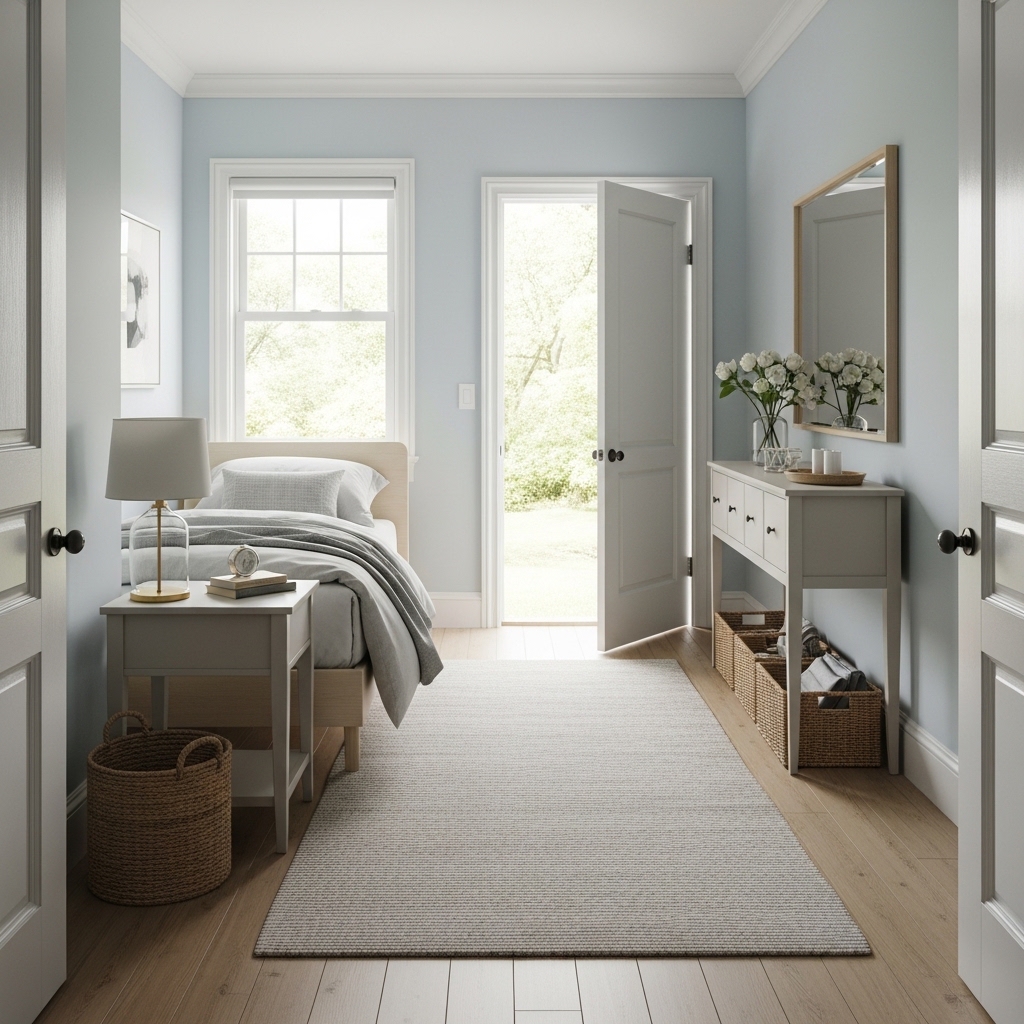
Best for: Bedrooms where movement feels restricted.
Ensure there’s a direct, unobstructed path between the bed and the door. Rearrange furniture if needed.
This improves daily comfort and makes the room feel more functional. It also enhances safety and accessibility.
Avoid placing furniture in high-traffic pathways.
Pro Tip: Test your layout by walking through it at night.
9. Use Multi-Functional Furniture to Reduce Layout Pressure
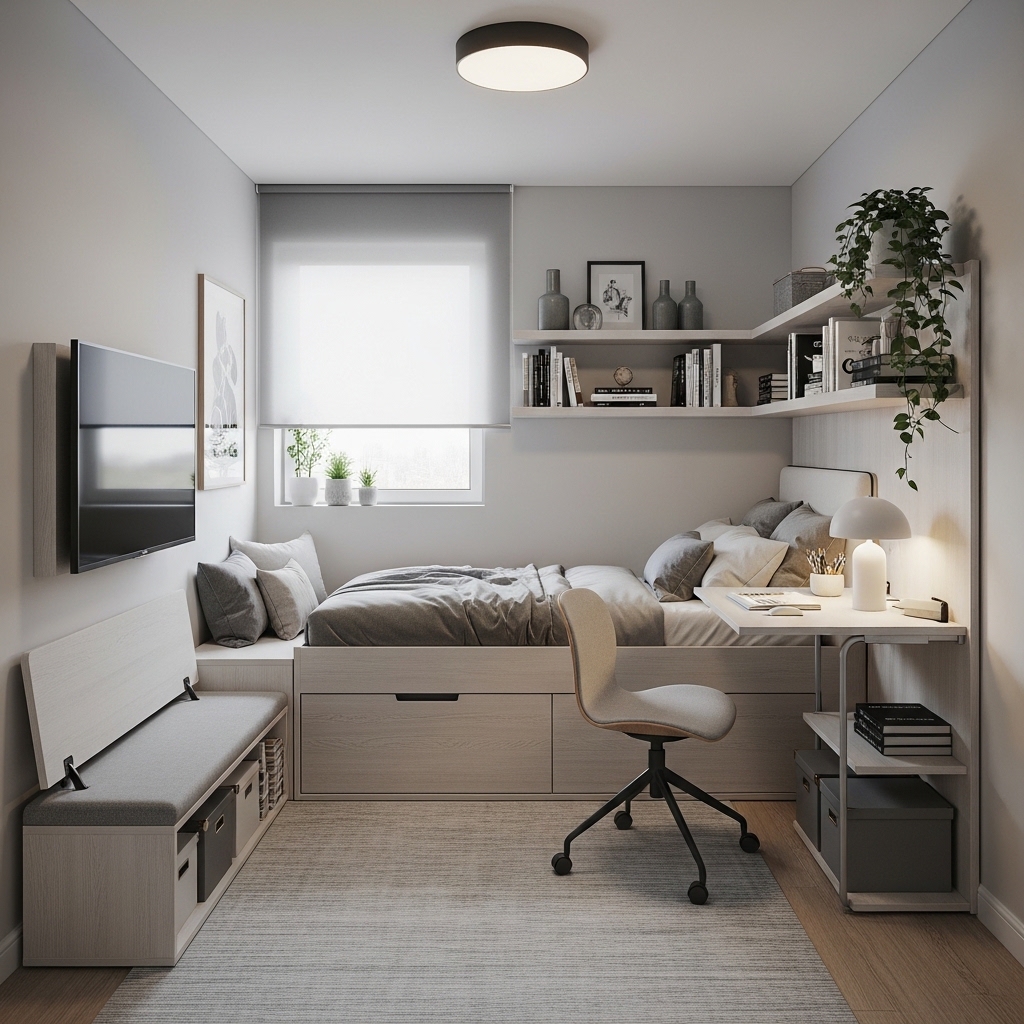
Great for: Small bedrooms that need storage and function.
Choose beds with storage, foldable desks, or dual-purpose furniture to minimize the number of pieces in the room.
This reduces clutter and frees up space for movement. It also simplifies the layout.
Avoid oversized multi-functional items that dominate the room.
Pro Tip: Prioritize pieces you use daily.
10. Align Furniture With Natural Light Sources
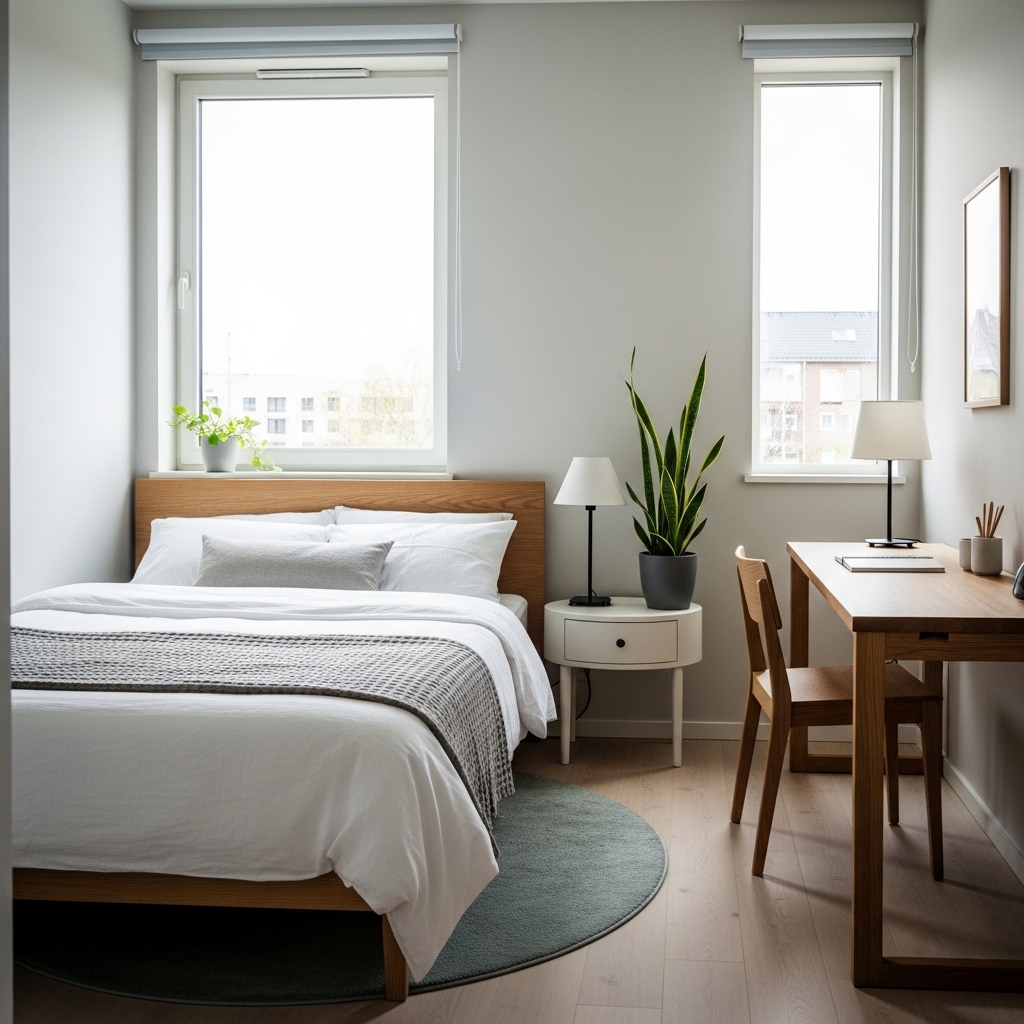
Ideal for: Bedrooms that feel darker or smaller than they are.
Place the bed and key furniture where they don’t block windows. Keep light pathways open.
Natural light makes the room feel larger and more inviting. Proper placement enhances this effect.
Avoid placing tall furniture directly in front of windows.
Pro Tip: Use light-colored bedding to reflect brightness.
11. Use Rugs to Define the Bed Area Without Adding Bulk
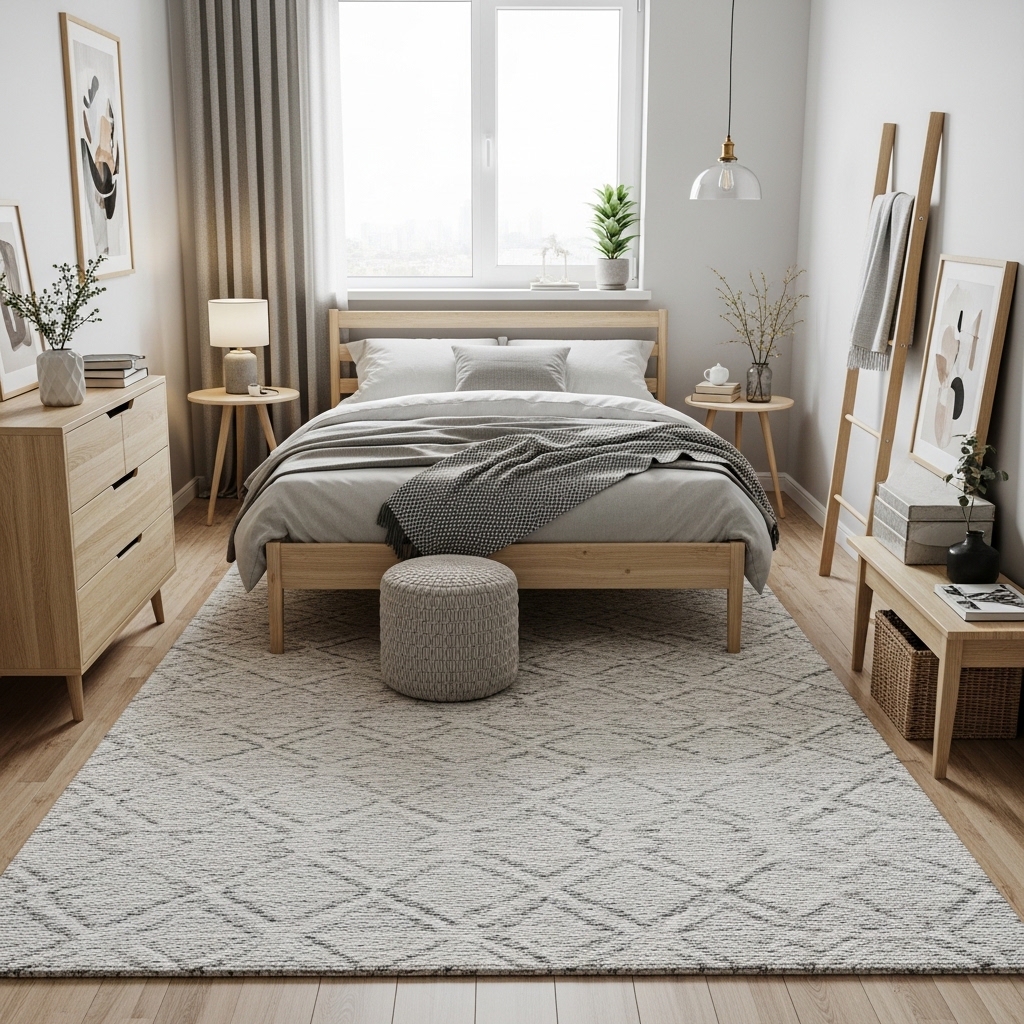
Best for: Rooms that feel visually unstructured.
Place a rug under the bed, extending slightly beyond the sides. Keep proportions balanced.
This creates a defined sleeping area and adds warmth without taking up physical space.
Avoid rugs that are too small, as they disrupt visual balance.
Pro Tip: Keep at least 12–18 inches of rug visible around the bed.
12. Place Desks Near Windows for Better Functionality
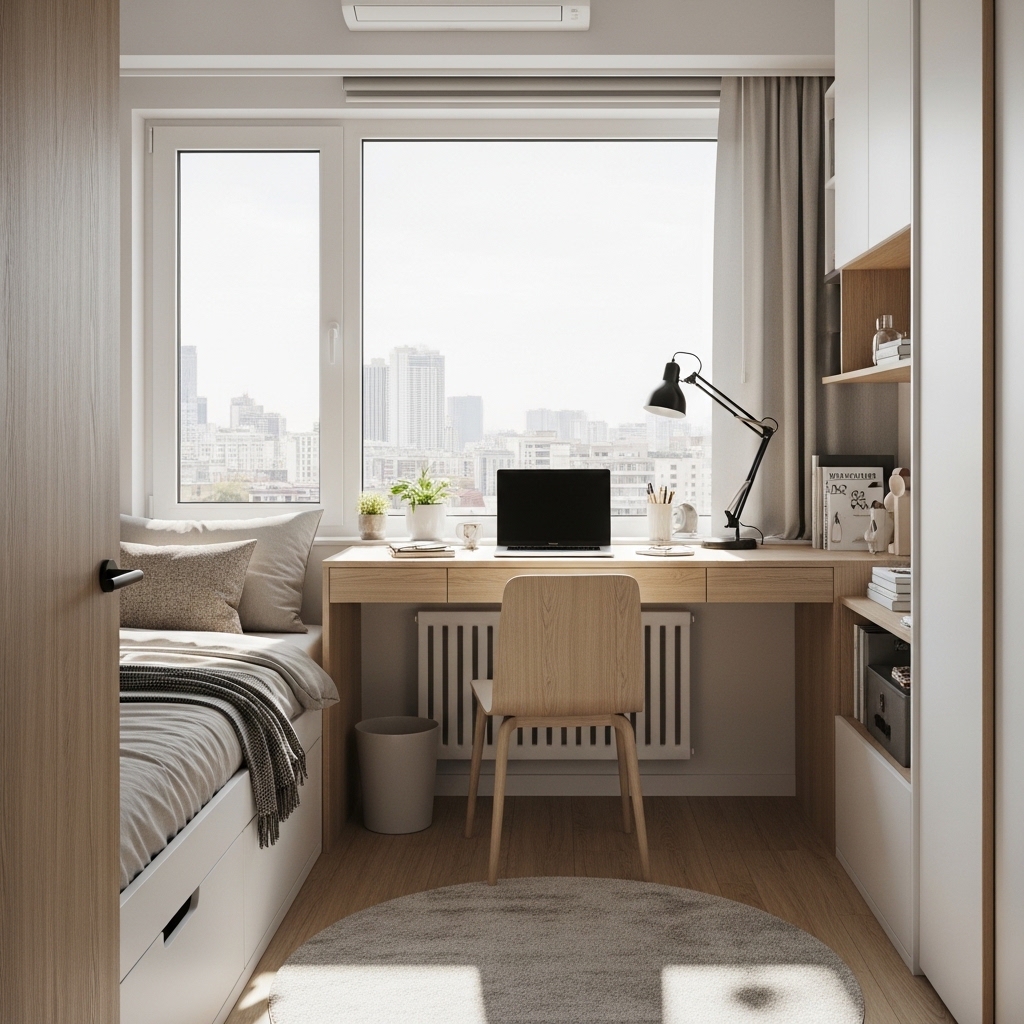
Great for: Bedrooms that double as workspaces.
Position desks close to natural light for better visibility and comfort. Keep the area uncluttered.
This improves productivity and reduces reliance on artificial lighting. It also keeps work zones efficient.
Avoid placing desks in dark corners where lighting is poor.
Pro Tip: Use compact desks to maintain space balance.
13. Keep Vertical Space Open to Avoid a Boxed-In Feel
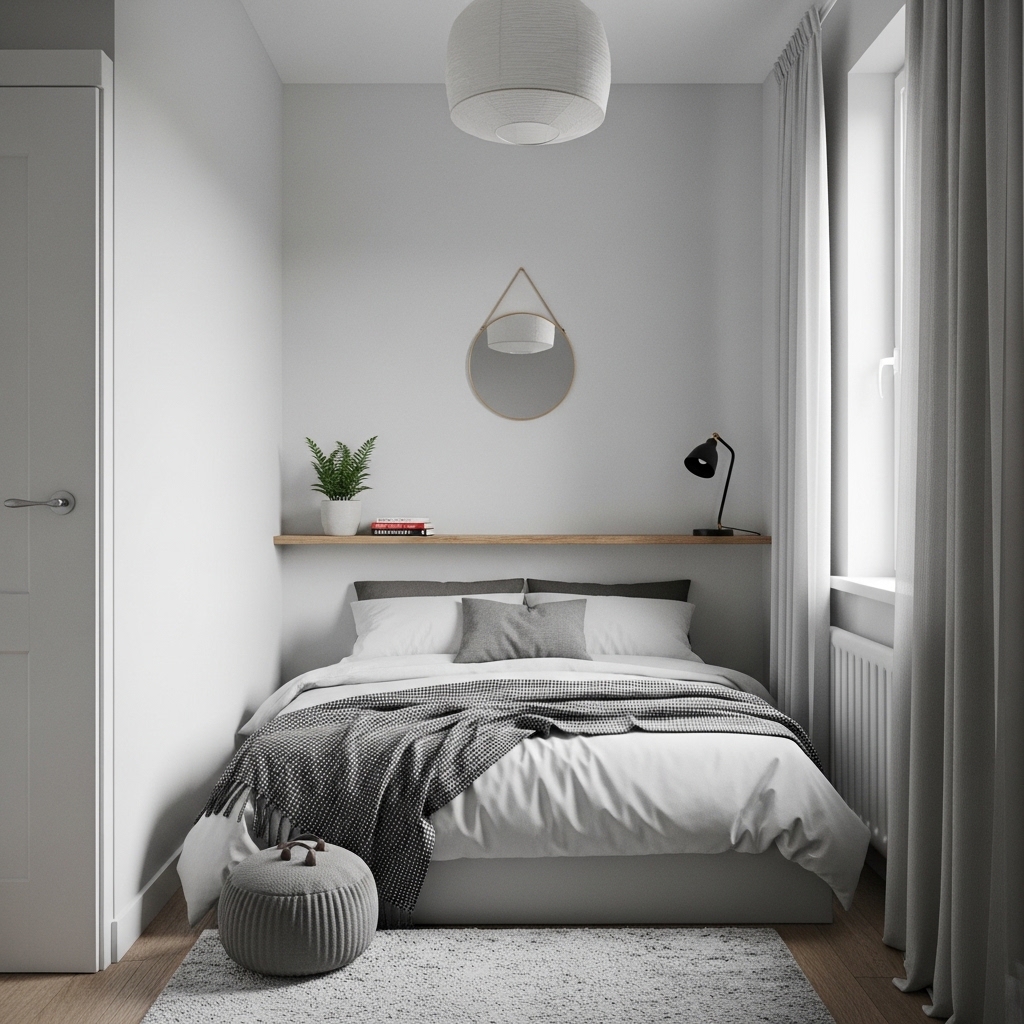
Ideal for: Low-ceiling bedrooms.
Avoid filling upper wall areas with heavy storage or decor. Leave some vertical space open.
This helps the room feel taller and less confined. It also improves airflow visually.
Avoid tall furniture that dominates the upper half of the room.
Pro Tip: Use tall curtains to enhance height perception.
14. Use Symmetry Only When Space Allows
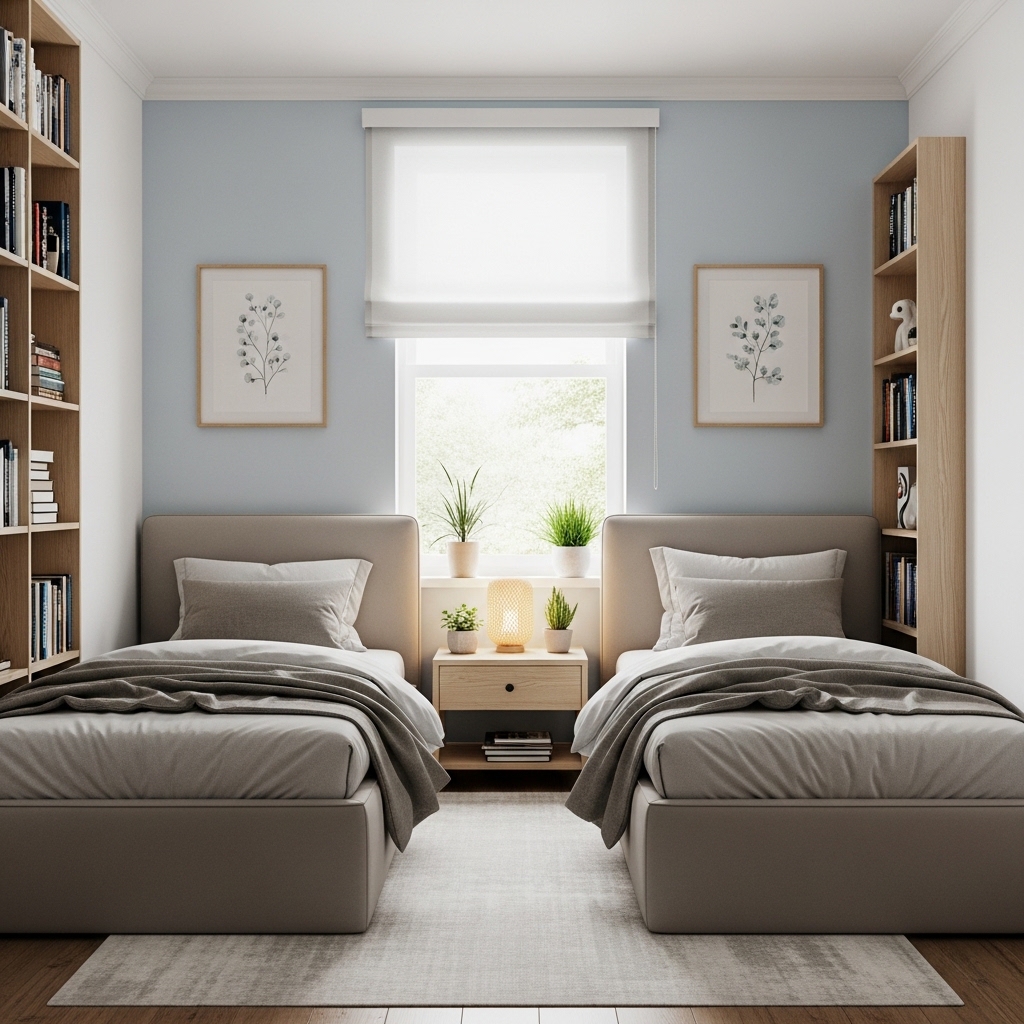
Best for: Bedrooms that can support balanced layouts.
Use matching nightstands or lamps only if there’s enough space on both sides of the bed.
Symmetry creates a calm and organized feel, but only works when proportions are correct.
Avoid forcing symmetry in tight spaces, as it reduces usability.
Pro Tip: Use asymmetrical layouts when space is limited.
15. Regularly Adjust Your Layout Based on Daily Use
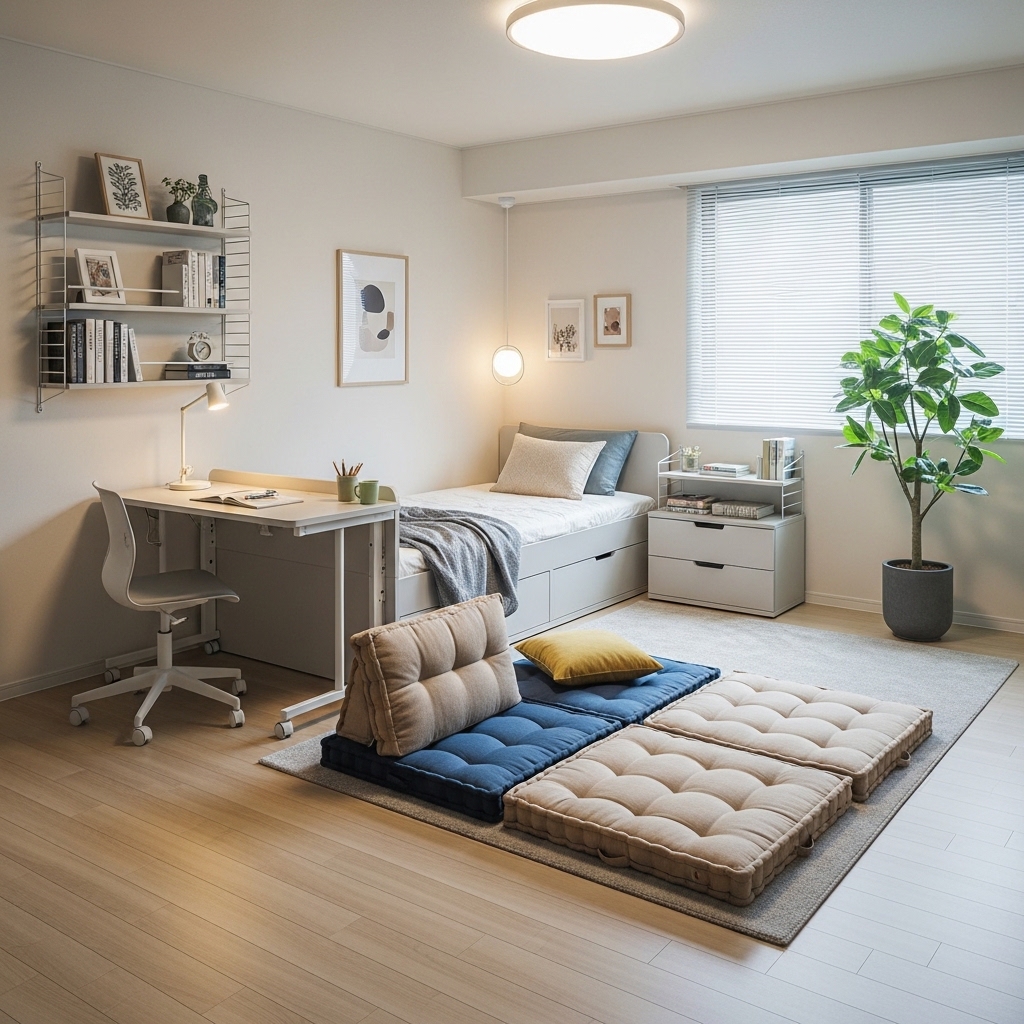
Great for: Bedrooms that don’t feel comfortable long-term.
Reevaluate your layout based on how you use the space daily. Move furniture if something feels inefficient.
Layouts should evolve with your needs to remain functional. Regular adjustments improve comfort.
Avoid sticking to a layout that doesn’t work just for aesthetics.
Pro Tip: Small changes can make a big difference in tight spaces.
Conclusion: A Smart Layout Makes Any Small Bedroom Feel Bigger
The right layout can really change a bedroom. It can make it feel bigger and work better for you. When you put your furniture in a way that makes it easy to move store your things and do your daily routine the room becomes a nicer place to be.
By trying out these 15 small bedroom layout ideas you can make your room feel more open and organized. You can make it a room that is easy to live in no matter how small it is. Small bedroom layout ideas can make a difference.