15 Backyard Seating Ideas That Maximize Comfort, Layout, and Everyday Use
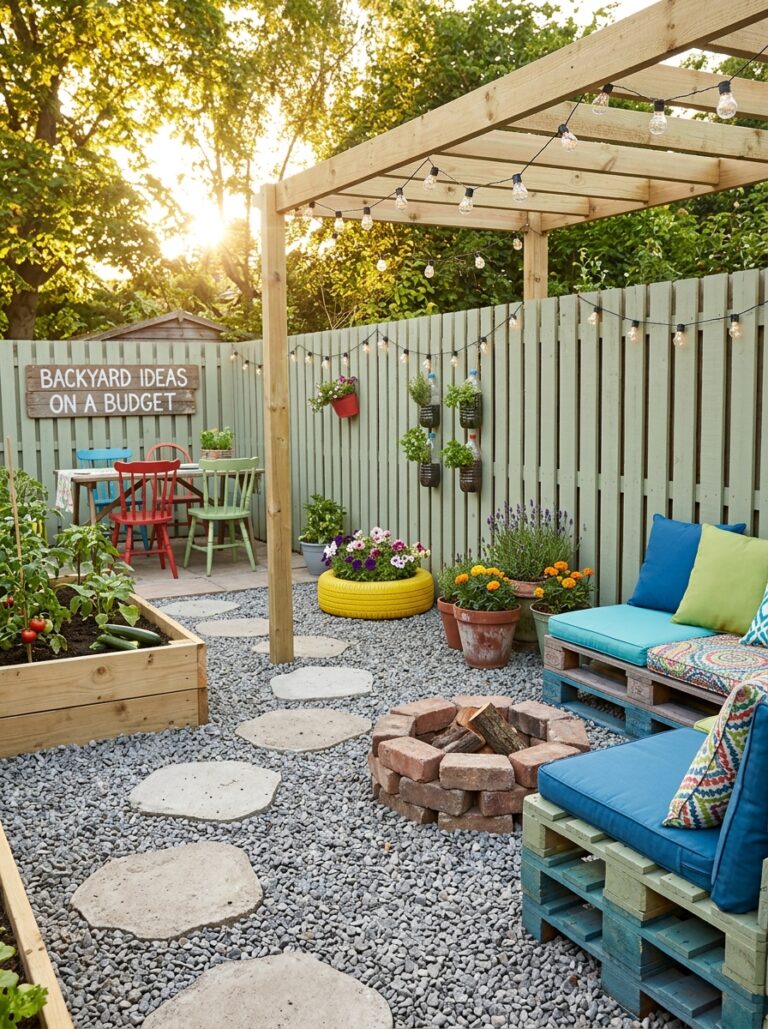
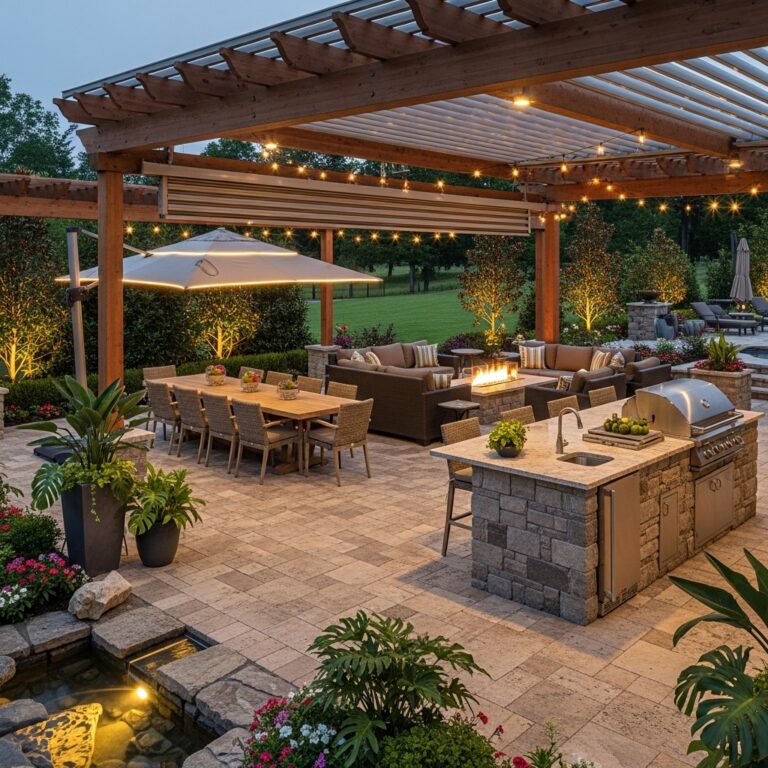
Backyard seating can look great. It often feels weird or not very useful because nobody thought about how people will really use it.
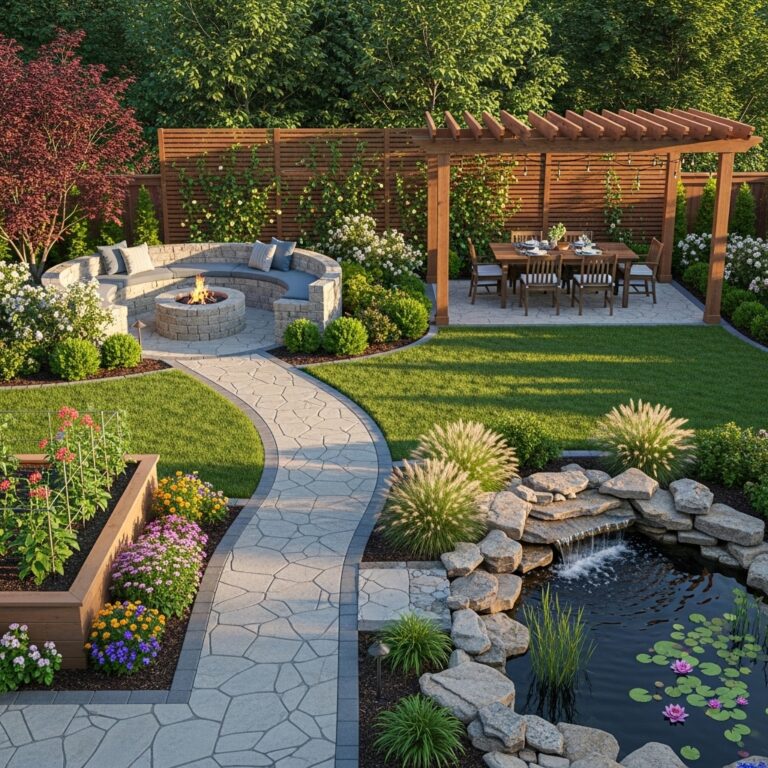
When the chairs and tables are too big or placed in spots or if theres not enough room to move around the backyard can start to feel small and nobody wants to hang out there.
This guide is, about backyard seating ideas that actually work well. We focus on making the seating comfy making the layout make sense and making sure it’s useful.
Each idea will help you make seating that fits your backyard works for life and can change to fit different situations without getting cluttered.
We will share ideas on backyard seating that improve comfort, layout flow and usability.
Backyard seating ideas help you create seating that fits your space supports activities and adapts to different situations without clutter.
1. Use Perimeter Seating to Keep the Center Open
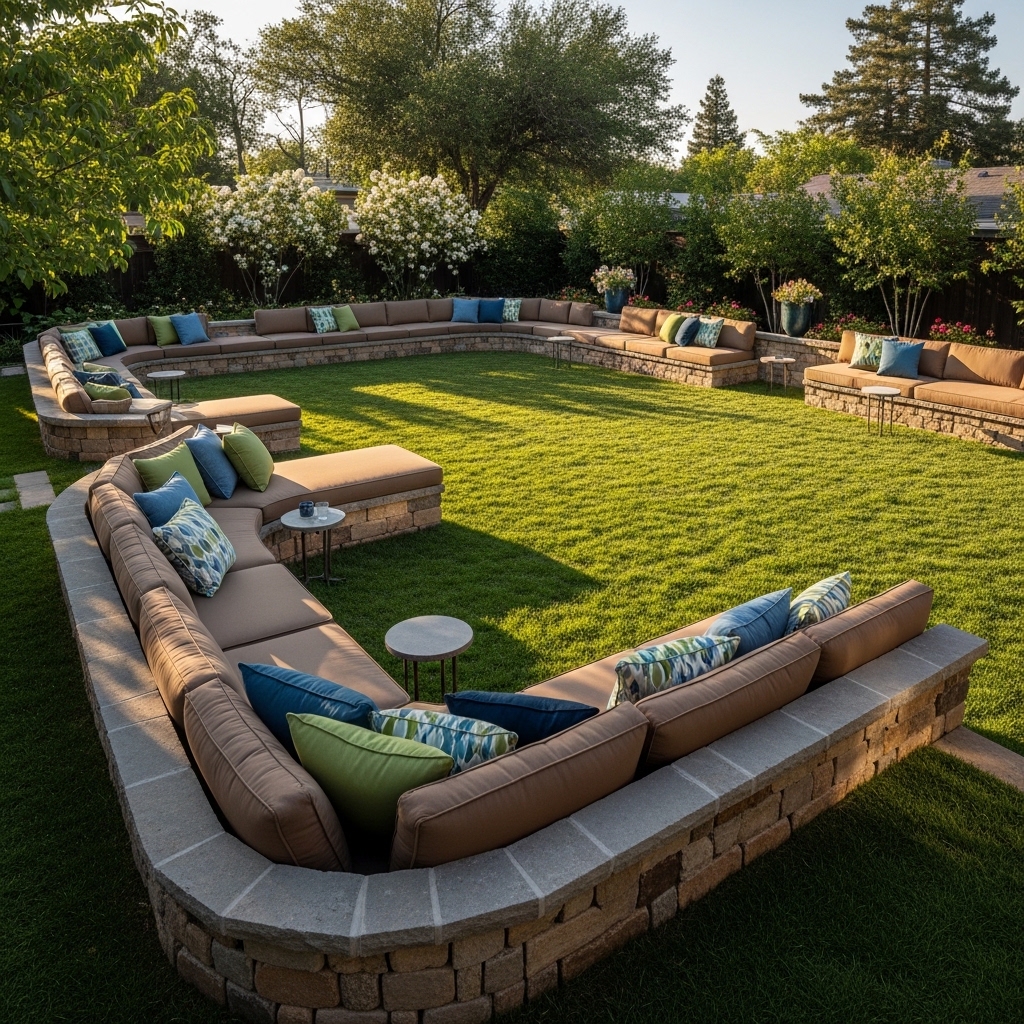
Ideal for: Small backyards that feel crowded.
Place seating along fences, walls, or edges instead of in the middle. This creates a clear central area for movement and flexibility.
This works because it opens up the space visually and physically, making the yard feel larger and easier to navigate.
Avoid pushing furniture too far apart, which breaks conversation flow.
Pro Tip: Keep seating close enough for easy interaction.
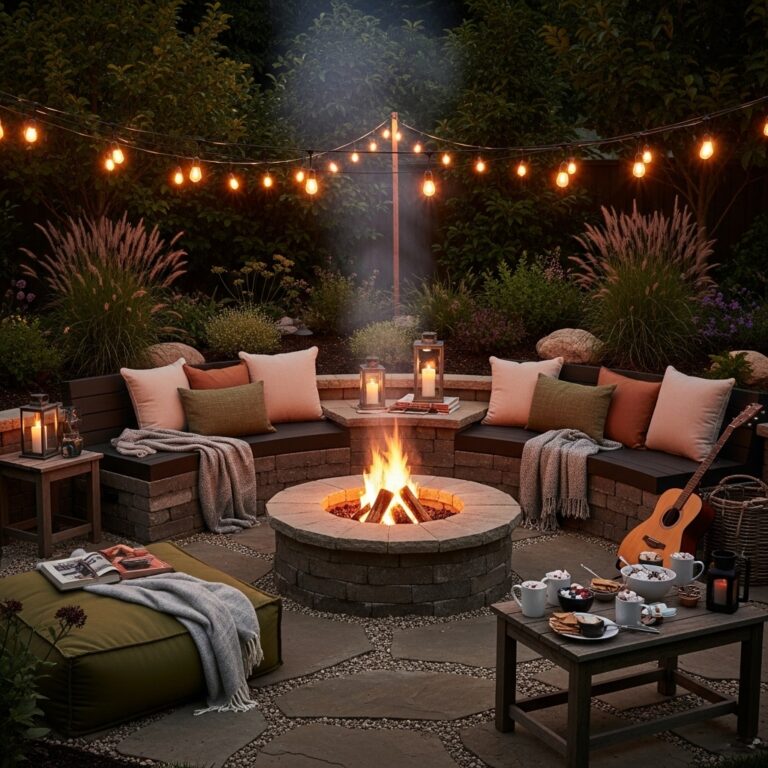
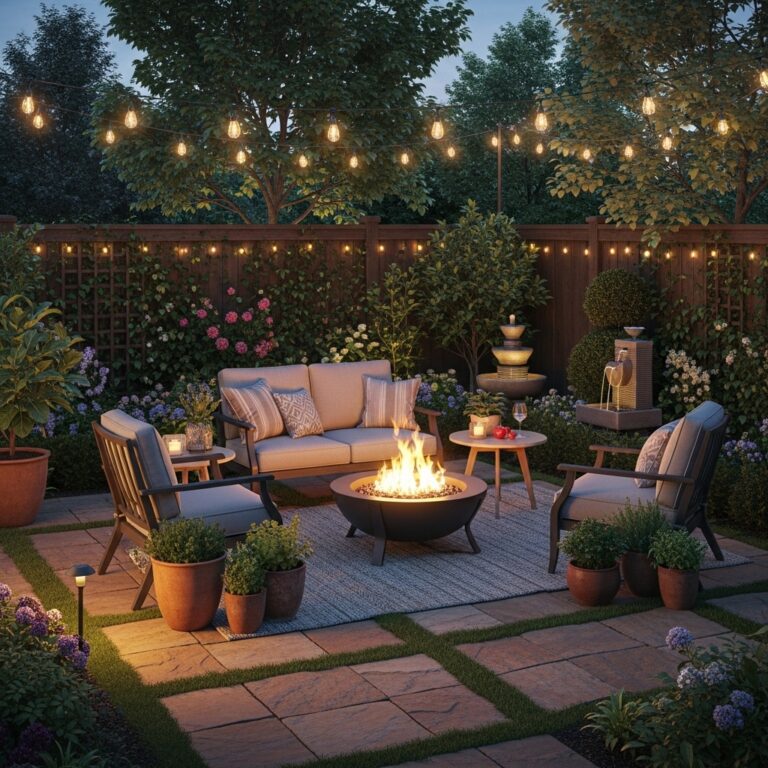
2. Create a Conversation Circle Around a Focal Point
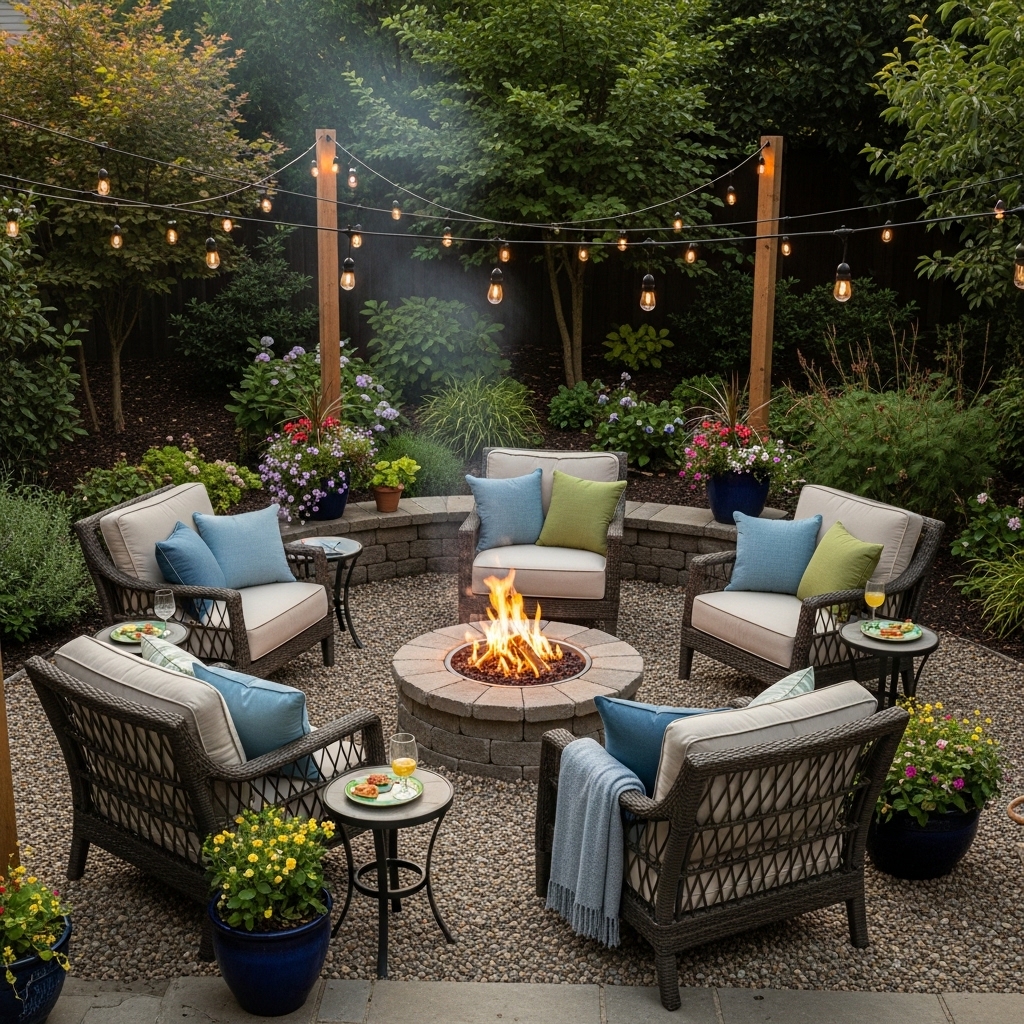
Best for: Social gatherings and family use.
Arrange chairs or sofas in a circular or semi-circular layout around a fire pit or table. Keep spacing consistent.
This layout encourages interaction and makes the seating area feel intentional.
Avoid linear arrangements that limit engagement.
Pro Tip: Maintain equal distances for balanced seating.
3. Use Built-In Benches for Space Efficiency
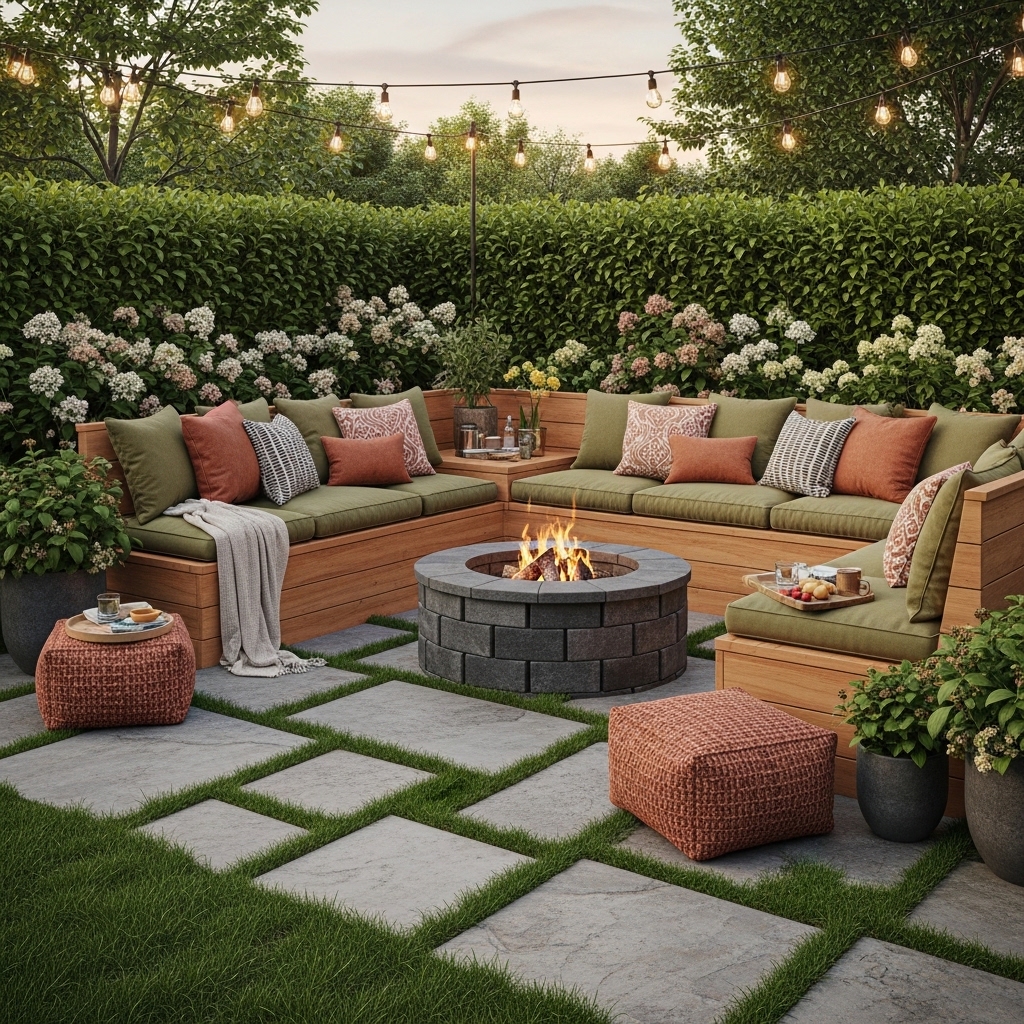
Great for: Permanent seating solutions in small yards.
Install benches along walls or corners to maximize seating without adding bulky furniture. Add cushions for comfort.
Built-in seating saves space and keeps the layout clean and organized.
Avoid hard surfaces without padding.
Pro Tip: Include storage inside benches if possible.
4. Add Movable Chairs for Flexible Seating
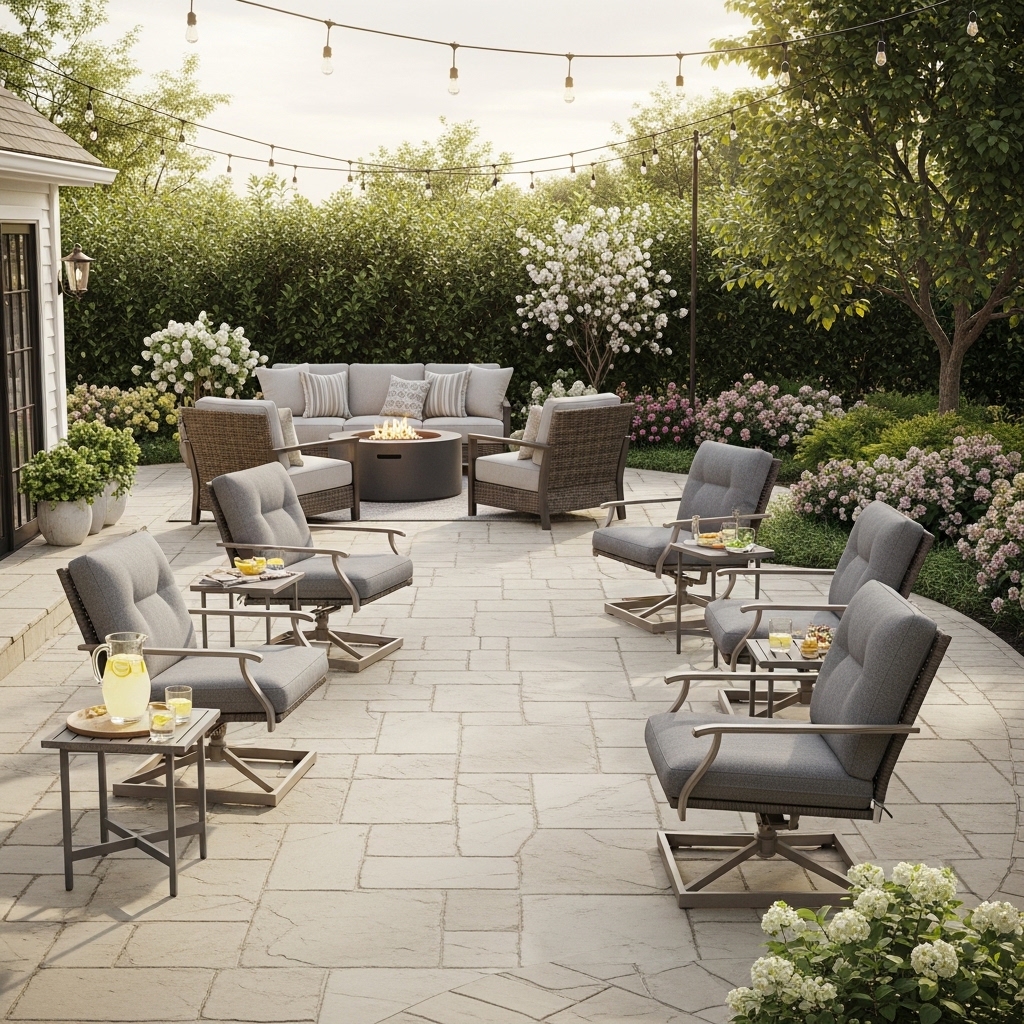
Ideal for: Changing group sizes or layouts.
Use lightweight chairs that can be rearranged easily depending on the occasion.
This works because flexibility allows the space to adapt without redesigning the layout.
Avoid heavy furniture that limits movement.
Pro Tip: Store extra chairs nearby for convenience.
5. Combine Seating With Storage to Reduce Clutter
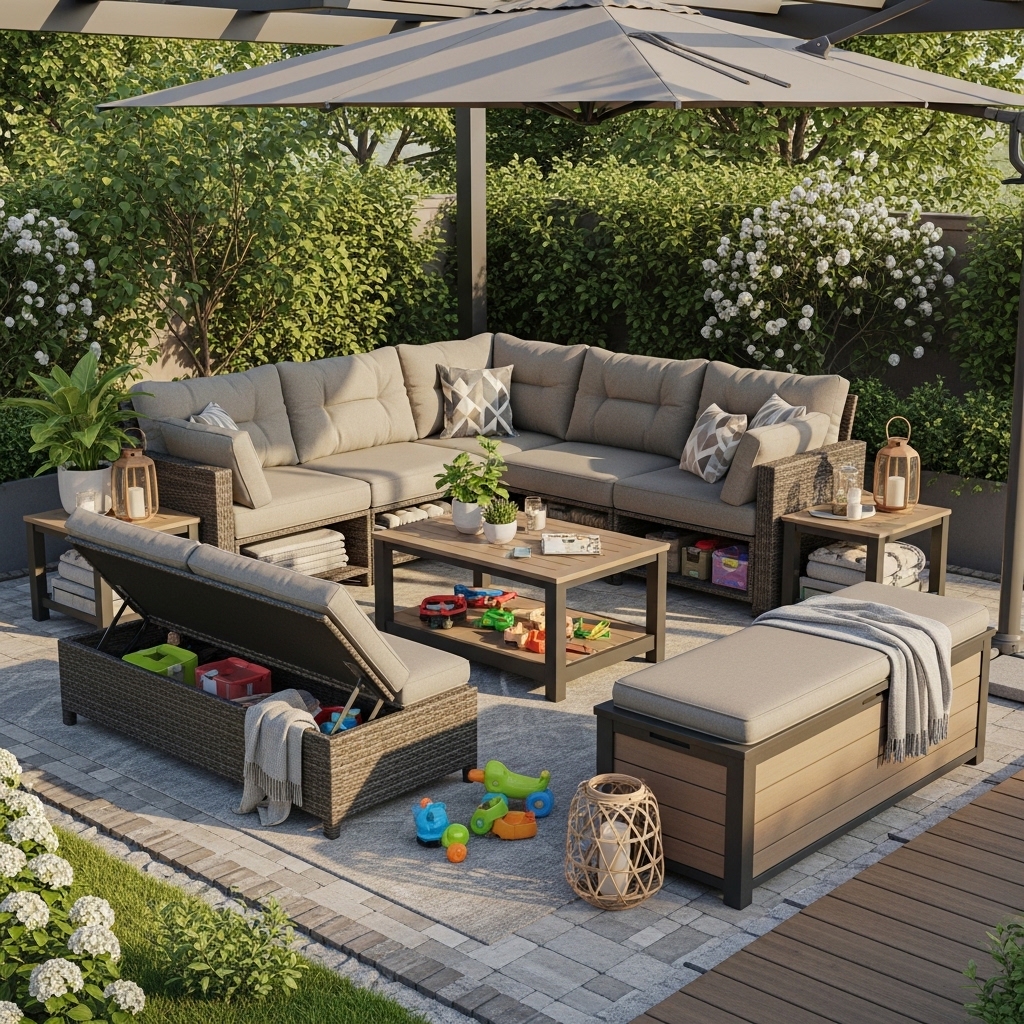
Best for: Small backyards with limited storage.
Choose seating options like storage benches or ottomans that can hold cushions and accessories.
This improves organization and keeps the space tidy.
Avoid leaving items exposed outdoors.
Pro Tip: Use weatherproof storage materials.
6. Add a Dining Bench Setup for Multi-Use Seating
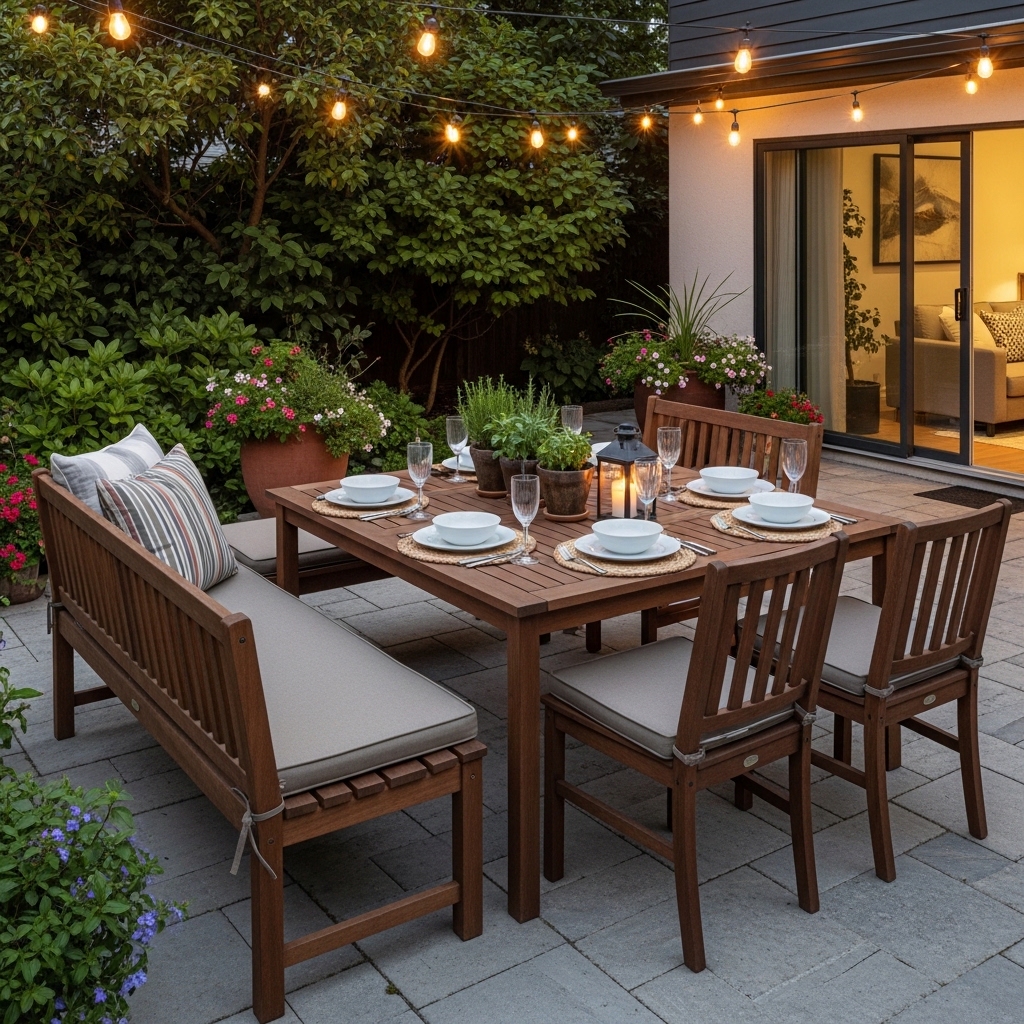
Great for: Families who use outdoor dining regularly.
Use benches instead of individual chairs around a dining table to save space and increase seating capacity.
This works because benches can fit more people while keeping the layout compact.
Avoid oversized tables that reduce movement space.
Pro Tip: Keep enough clearance for easy access.
7. Use Low Seating for a Relaxed Atmosphere
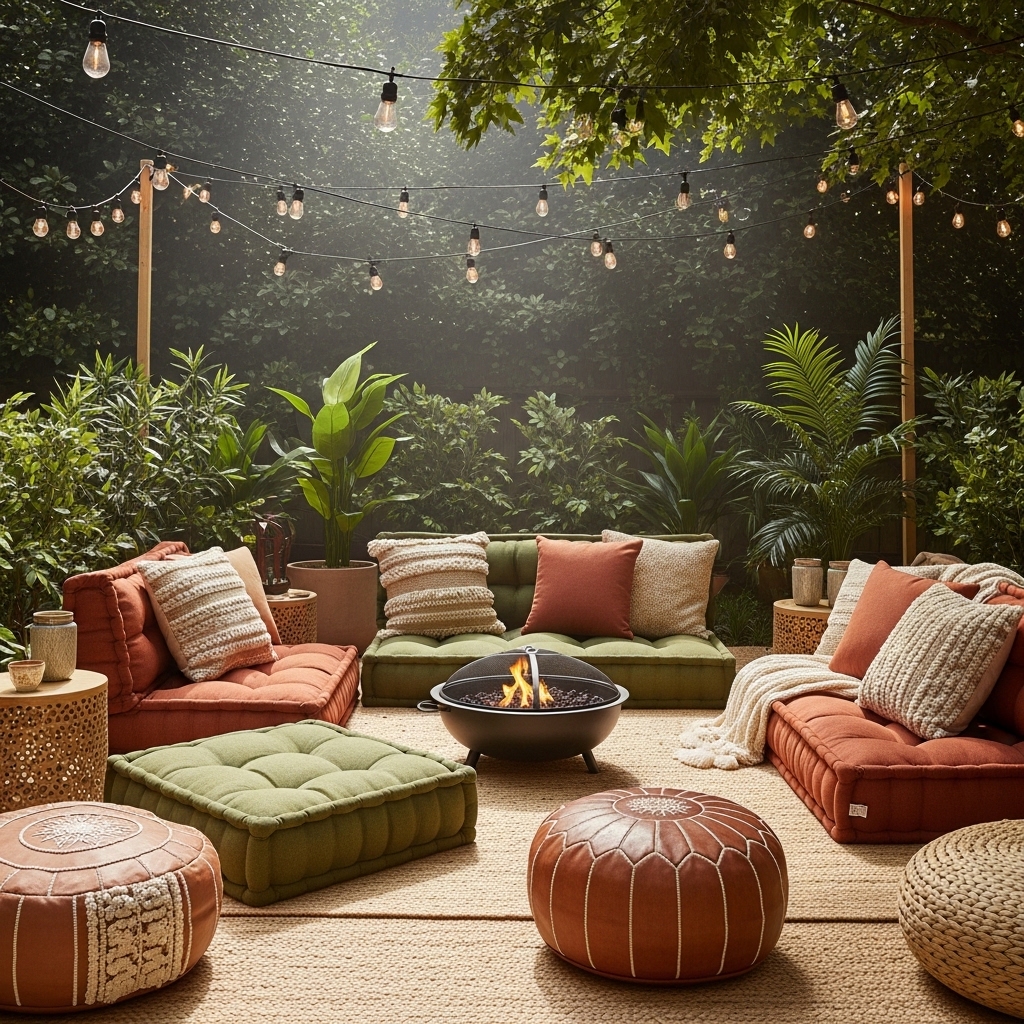
Ideal for: Casual or lounge-style backyards.
Incorporate low-profile seating like floor cushions or low sofas for a laid-back setup.
Low seating creates a cozy environment and works well in informal spaces.
Avoid using it in areas that require frequent movement.
Pro Tip: Combine with rugs for added comfort.
8. Place Seating Near Shade for Comfort
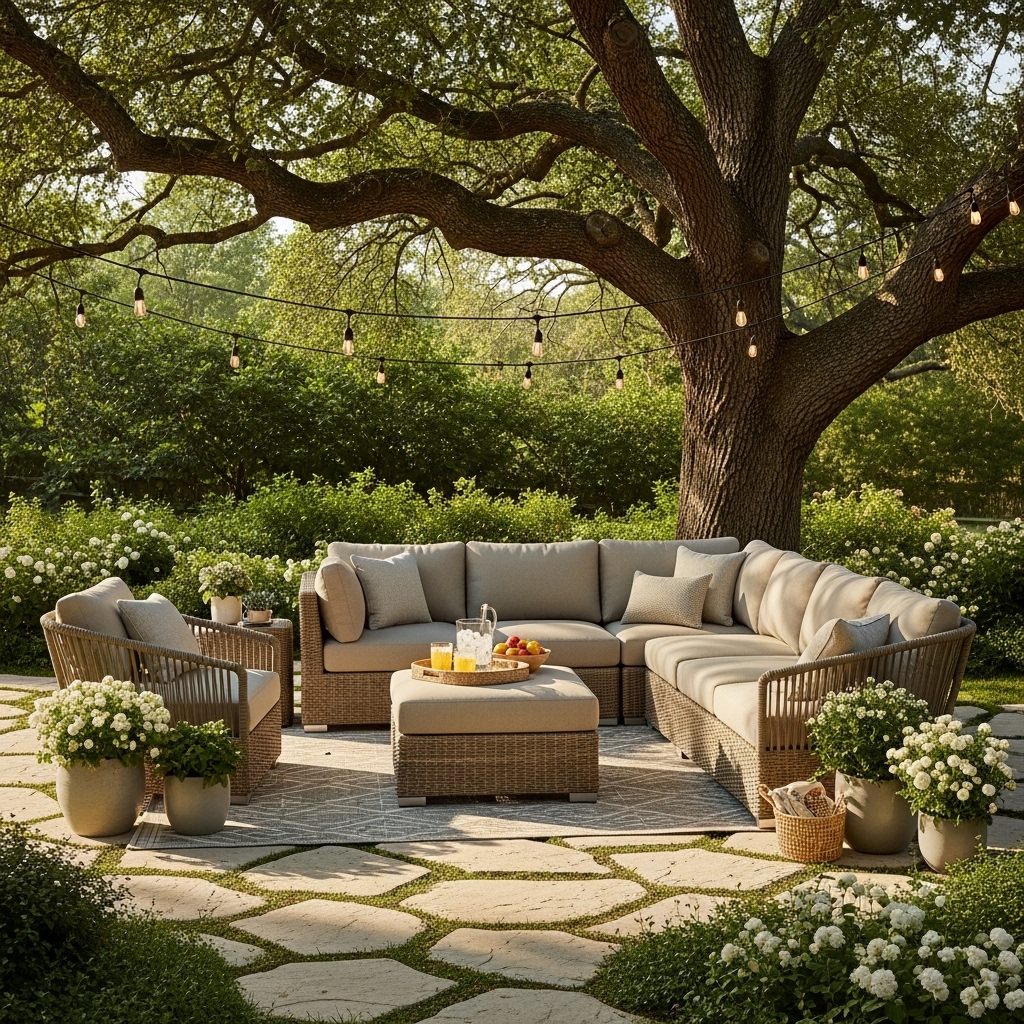
Best for: Hot or sunny environments.
Position seating under trees, umbrellas, or shade structures to make it usable during the day.
This improves comfort and extends usage time.
Avoid placing seating in direct sun without protection.
Pro Tip: Adjust placement based on sun movement.
9. Use Sectional Seating to Define a Clear Zone
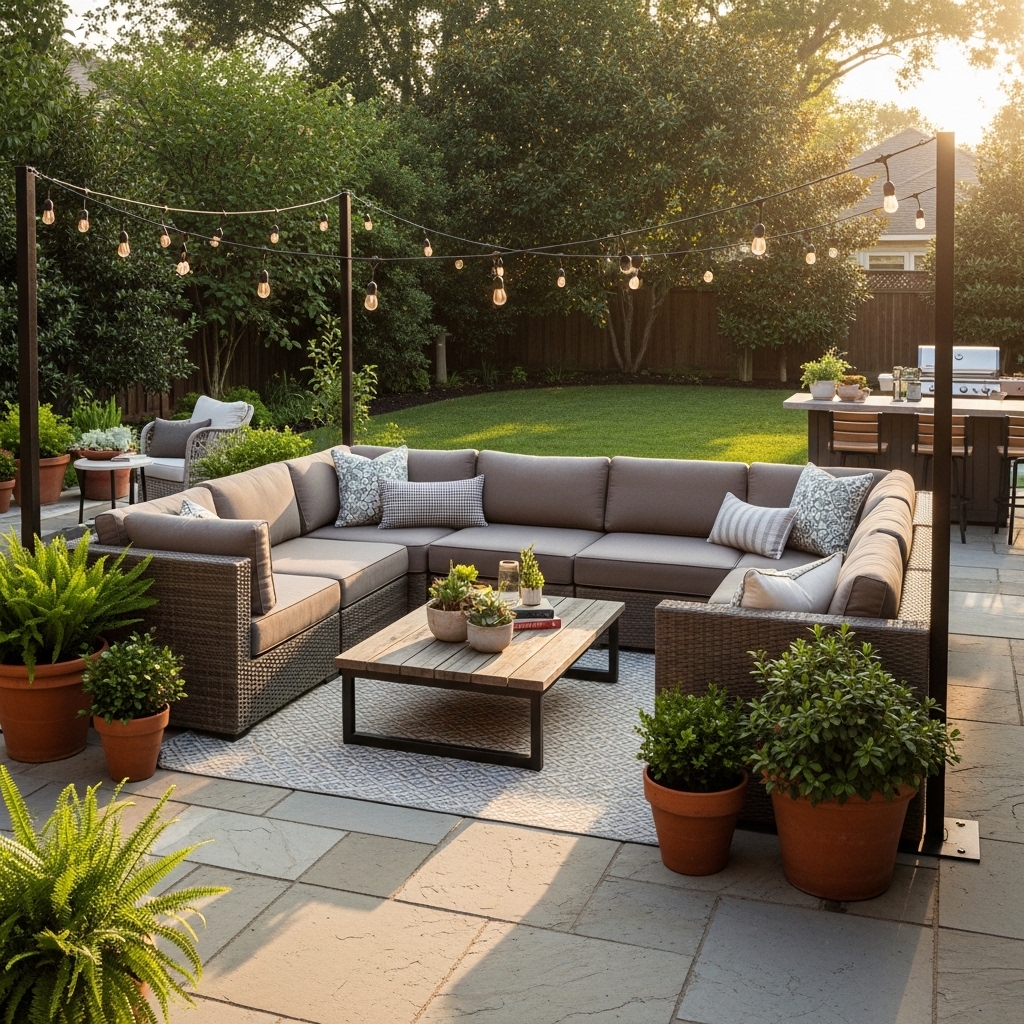
Great for: Medium to large backyards.
Arrange sectional sofas to create a defined seating area. Keep layout open on at least one side.
This anchors the space and improves organization.
Avoid oversized sectionals in small yards.
Pro Tip: Choose modular designs for flexibility.
10. Add Small Side Tables for Functionality
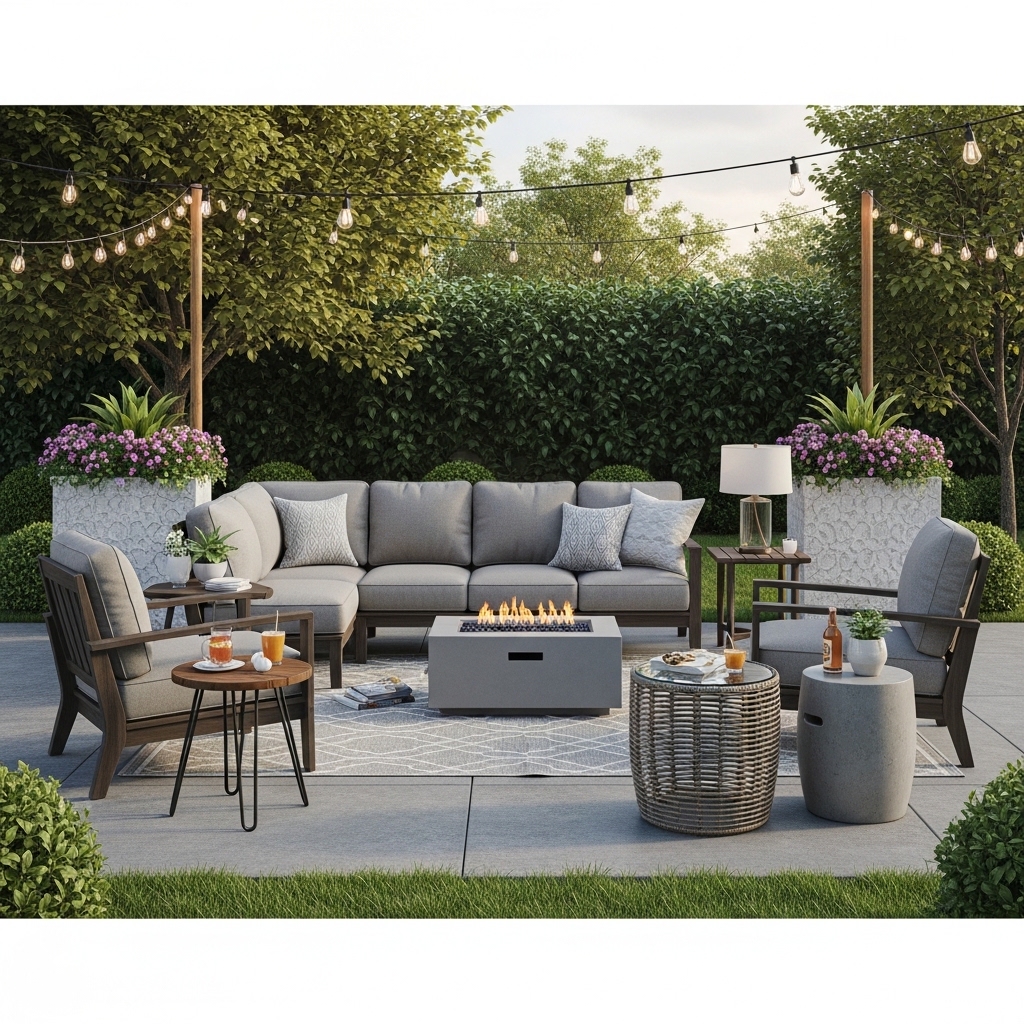
Ideal for: Comfortable, usable seating areas.
Place small tables within reach of seating for drinks or personal items. Keep them proportional.
This improves usability without cluttering the space.
Avoid large tables that block movement.
Pro Tip: Use weather-resistant materials.
11. Use Hanging Seating for Space-Saving Design
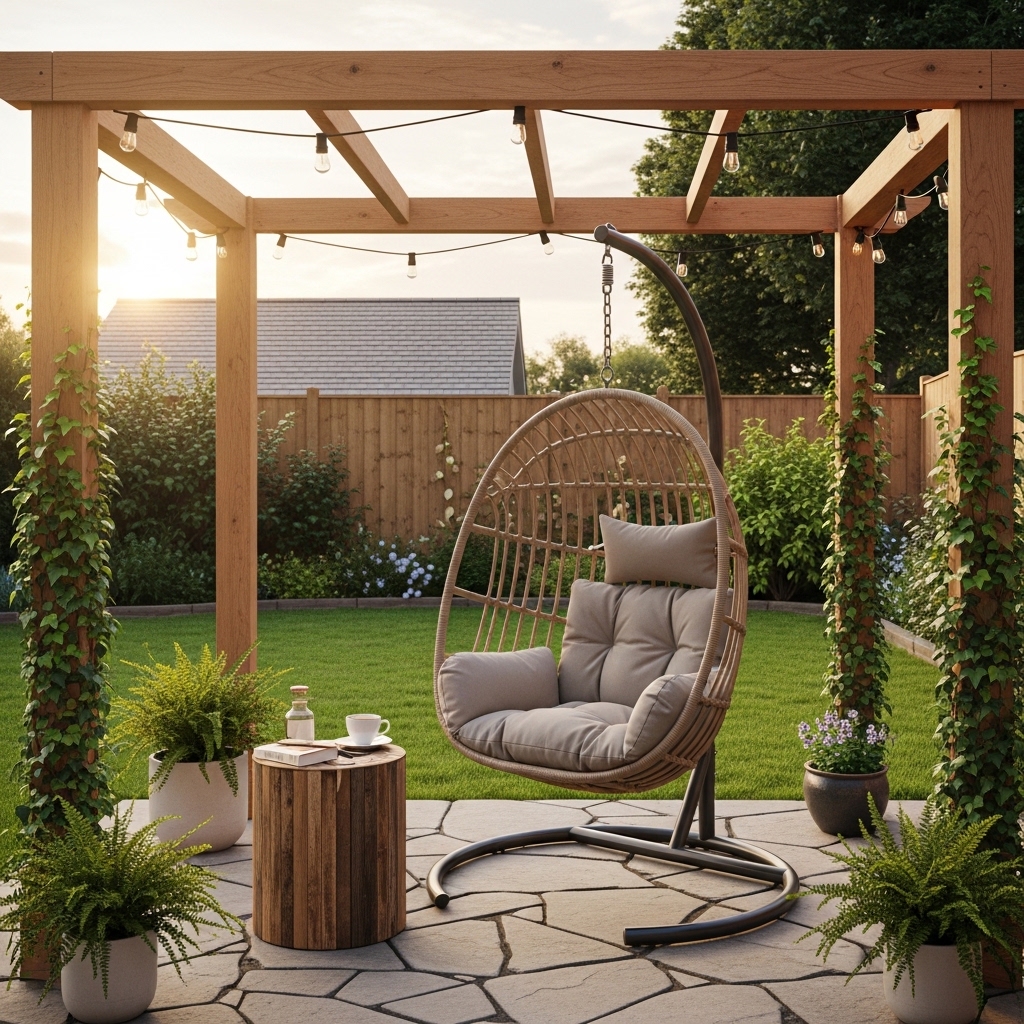
Best for: Unique and compact setups.
Install hanging chairs or swings in corners or under structures. Ensure proper support.
This saves floor space while adding a dynamic element.
Avoid improper installation that risks safety.
Pro Tip: Check weight limits before use.
12. Keep Walkways Clear Around Seating Areas
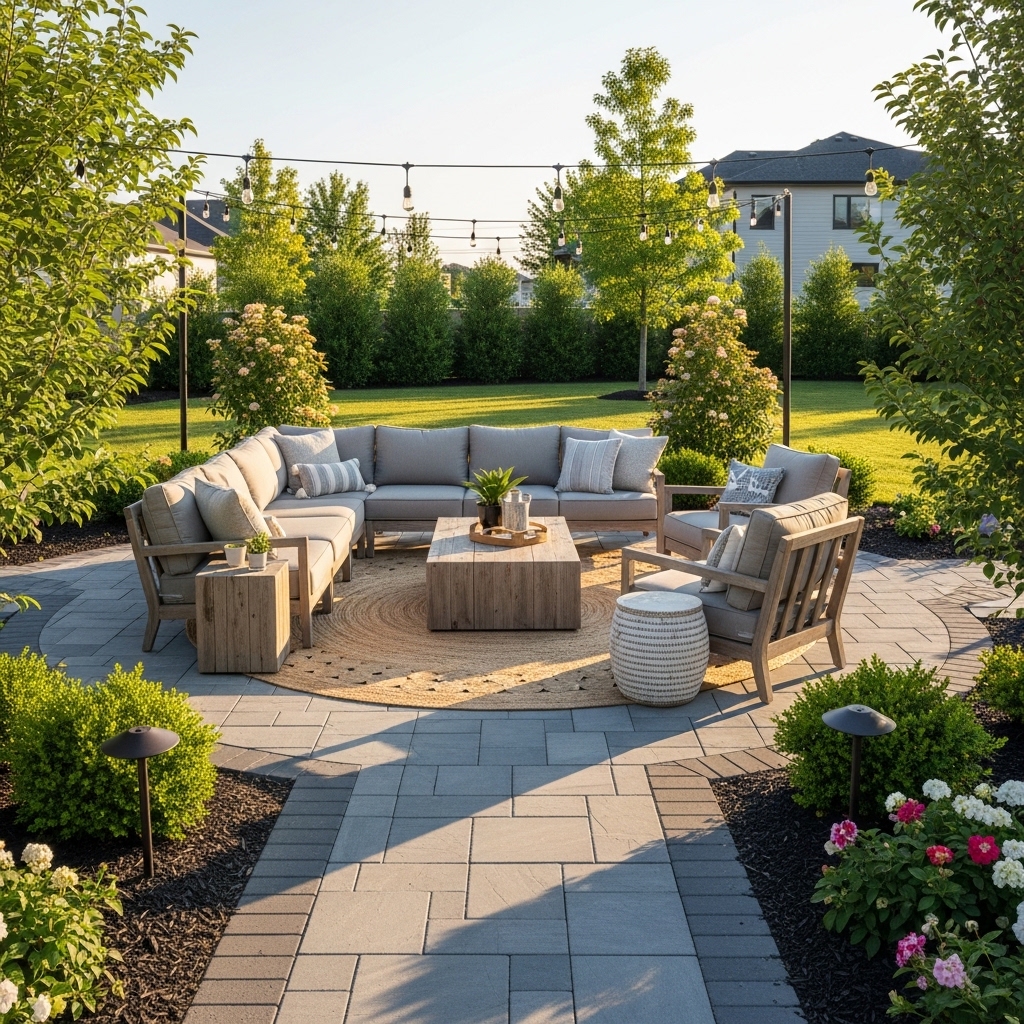
Great for: Improving flow and accessibility.
Arrange seating so that there are clear paths between entry points and key areas.
This makes the backyard easier to navigate and more functional.
Avoid blocking natural pathways.
Pro Tip: Test movement before finalizing layout.
13. Use Cushions and Textiles for Added Comfort
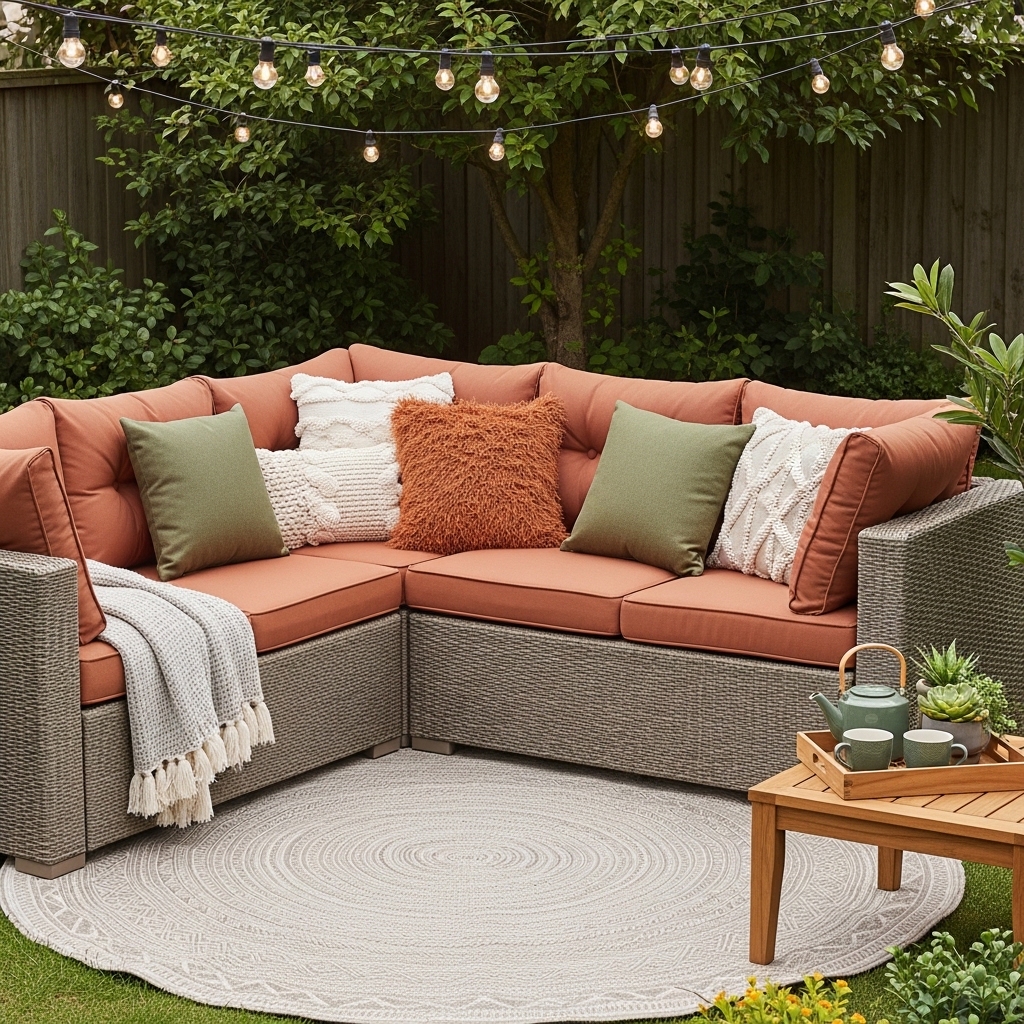
Ideal for: Enhancing basic seating setups.
Add outdoor cushions, throws, or rugs to improve comfort and visual appeal.
This makes seating more inviting and usable for longer periods.
Avoid materials that can’t handle outdoor conditions.
Pro Tip: Store textiles when not in use.
14. Create a Quiet Seating Corner for Relaxation
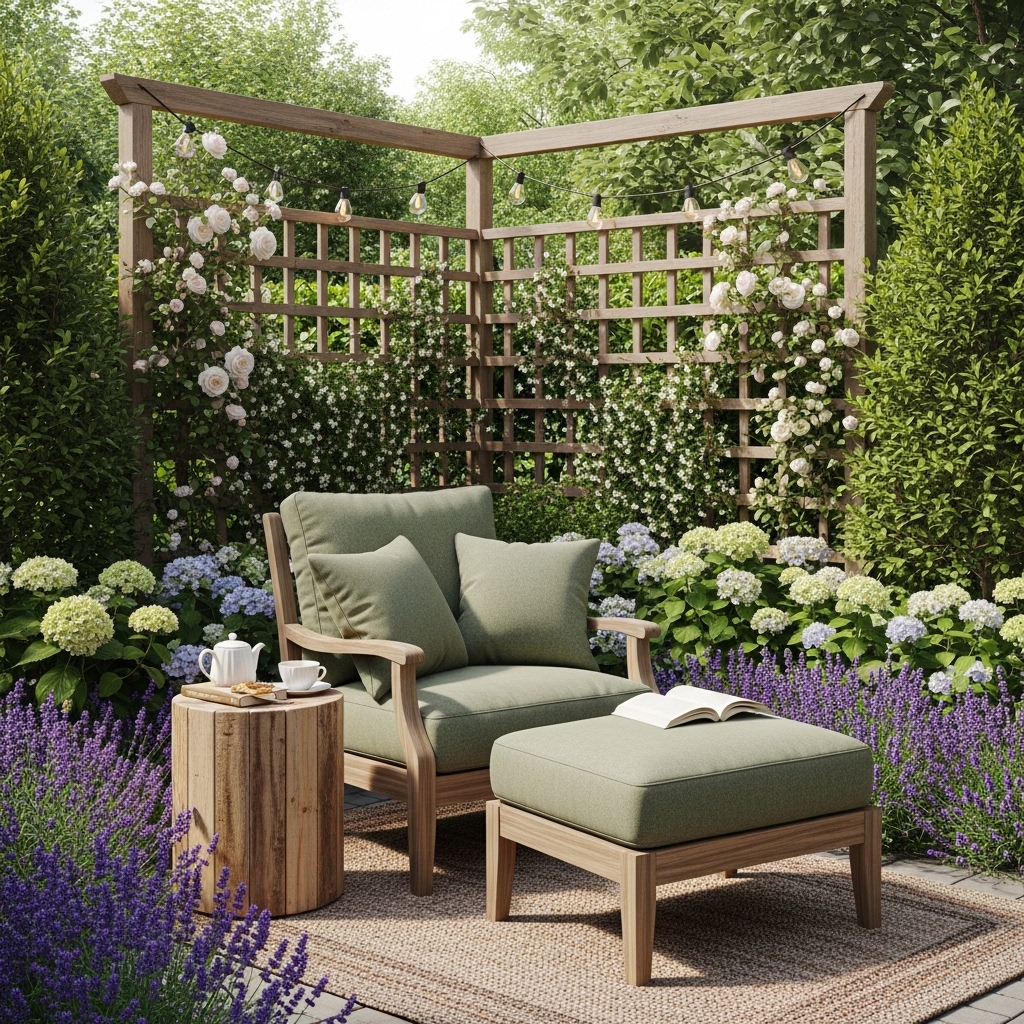
Best for: Personal use or reading areas.
Set up a small seating area away from high-traffic zones. Keep it simple and comfortable.
This creates a peaceful space within the backyard.
Avoid placing it near noisy areas.
Pro Tip: Add soft lighting for evening use.
15. Adjust Seating Based on Real Usage Patterns
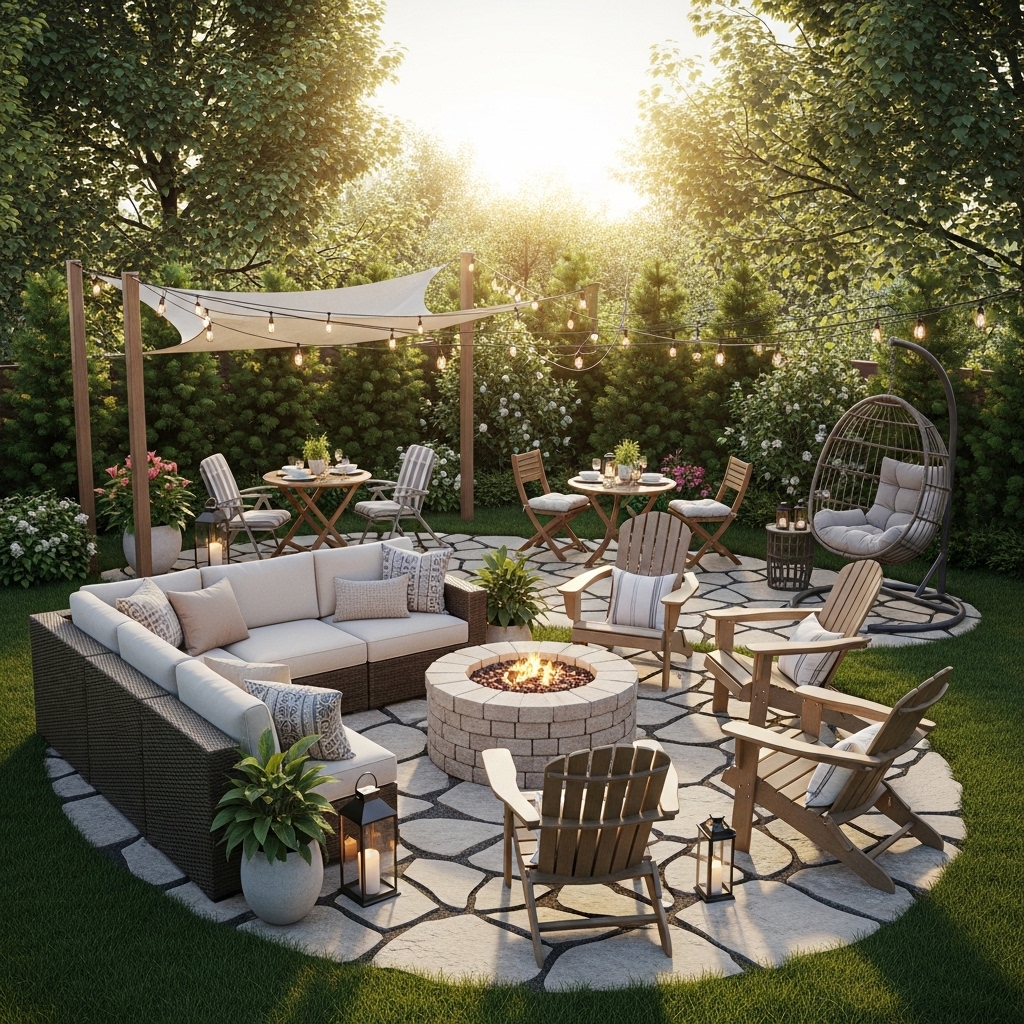
Great for: Backyards that feel underused.
Observe how people use the space and rearrange seating to improve comfort and flow.
This ensures the setup remains practical over time.
Avoid sticking to layouts that don’t work.
Pro Tip: Make small changes regularly for improvement.
Conclusion: Backyard Seating Works Best When It’s Designed for Real Comfort and Use
A good backyard seating area is not about filling up the space. It is about making areas that feel nice to sit in easy to get to and simple to use every day.
The way you set things up the space between them and being able to change things are all important for making the space work well.
If you try out these 15 backyard seating ideas you can make a backyard that feels welcoming works well and is just right, for the way you live.