10 Herb Garden Ideas That Maximize Fresh Use, Yield, and Daily Convenience
A herb garden is really helpful when you use it every day. It is not about how it looks. Many people grow herbs. Do not use them often. This is because where and how they plant the herbs does not fit with how they cook.
This guide is about setting up an herb garden that works well. It helps you make the garden easy to use grow herbs consistently and use them every day.
Each idea, in this guide helps you make a garden that saves you time gives you herbs and helps you avoid mistakes that beginners often make.
1. Build a “Grab-and-Use” Herb Station Right Outside Your Kitchen
Ideal for: Daily cooks who want instant access while preparing meals.
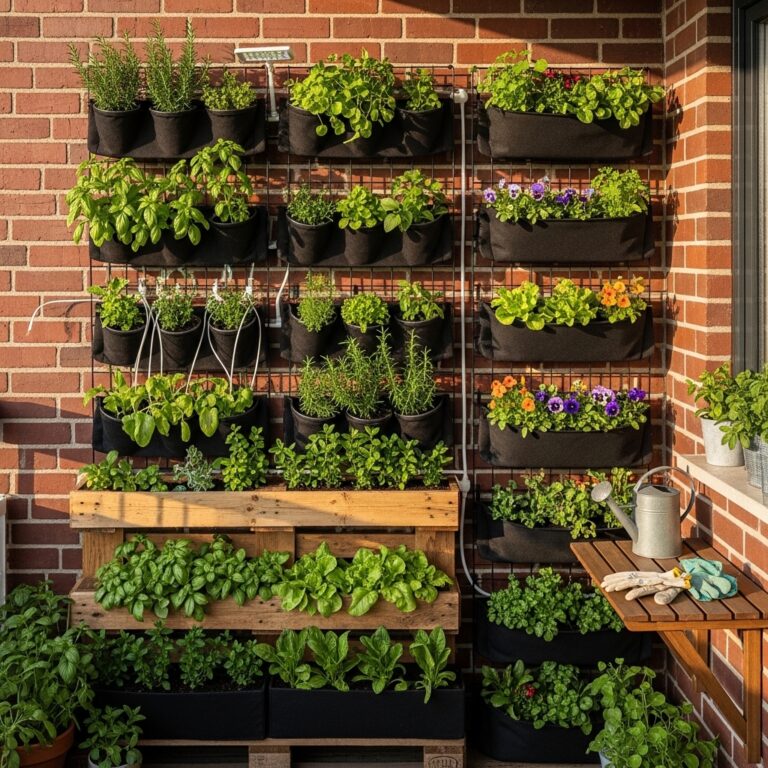
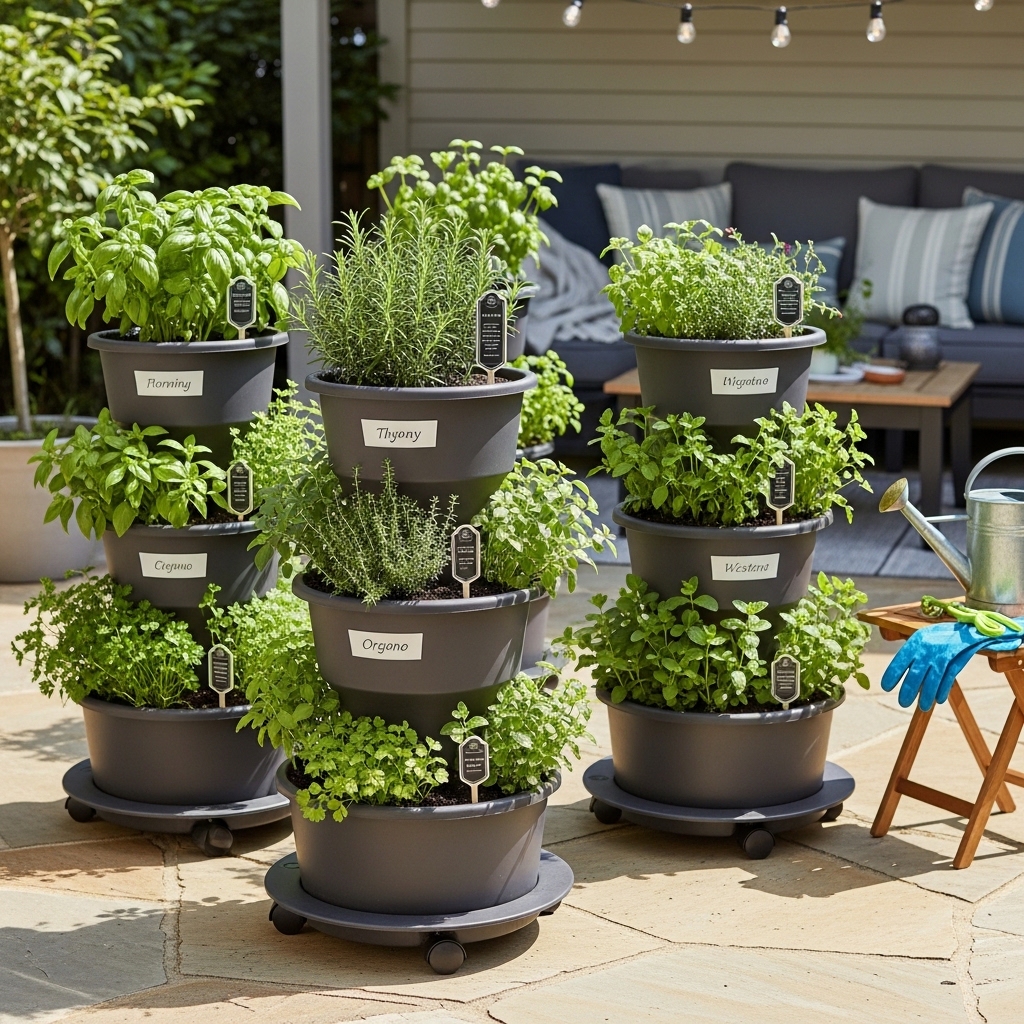
Place your herb setup directly outside your kitchen door, window ledge, or balcony edge where you naturally move during cooking.
Arrange frequently used herbs like basil, mint, and coriander at arm’s reach so you can harvest without stepping away or planning ahead. Keep a small cutter nearby to make trimming quick and effortless during meal prep.
This setup works because it removes friction from usage, turning herbs into a habit instead of an extra step. When herbs are visible and accessible, they get used more often, which also promotes healthier regrowth through frequent trimming.
A major mistake is placing herbs in decorative backyard beds far from the kitchen, which reduces usage drastically over time.
Pro Tip: Keep your top 3 most-used herbs closest to your main cooking entry point.
Mistake to Avoid: Don’t place herbs in areas you rarely walk past—they’ll be forgotten.
2. Use a Sunlight Rotation System for Consistent Growth
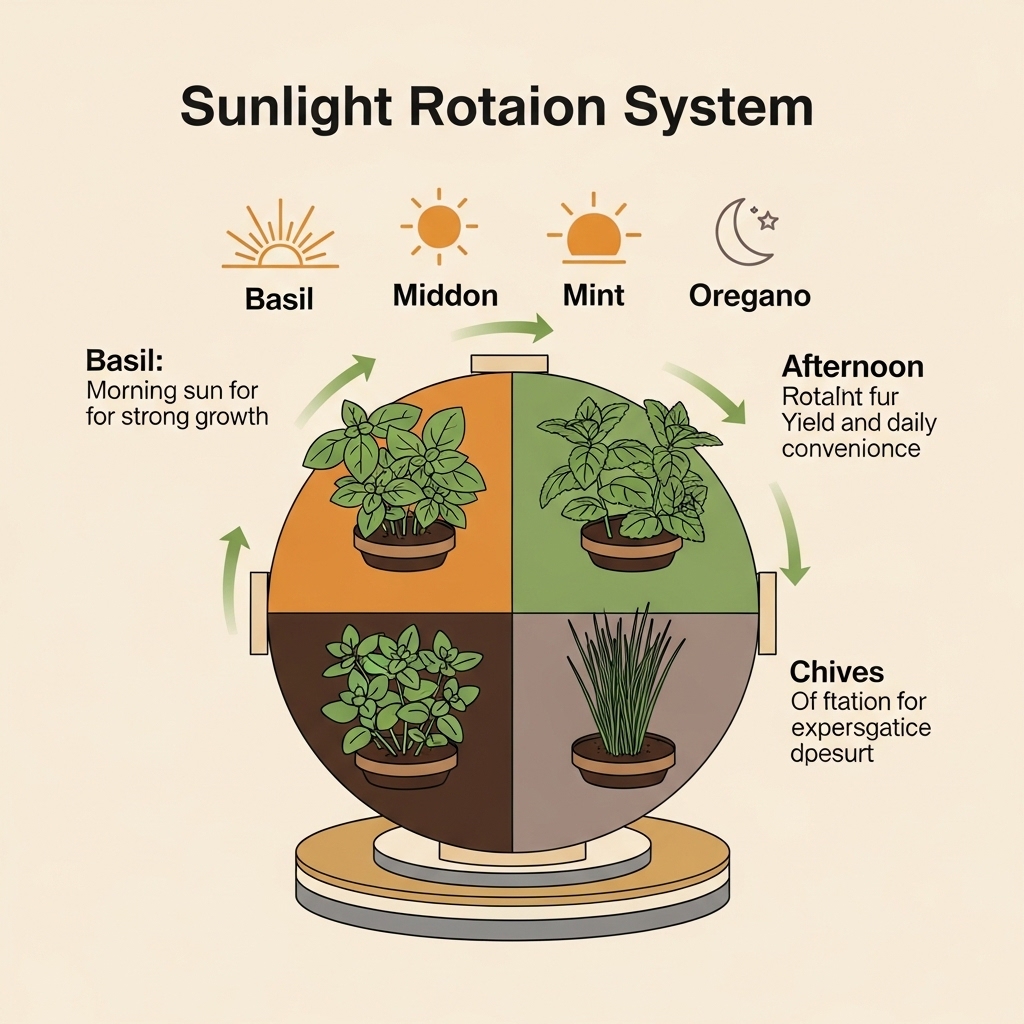
Best for: Homes with partial shade or inconsistent light exposure.
Instead of fixing herbs in one location, grow them in portable containers and rotate them based on sunlight availability.
Observe where sunlight hits during morning and afternoon, then adjust placement every few days to maintain at least 5–6 hours of exposure. This method works especially well for balconies or narrow backyards.
This approach works because herbs depend heavily on consistent light for flavor strength and leaf production. Without enough sunlight, herbs become leggy and weak.
Many beginners fail because they assume one spot will work year-round, ignoring seasonal light changes that directly affect growth quality.
Pro Tip: Rotate pots every 2–3 days instead of daily to avoid stress on roots.
Mistake to Avoid: Don’t leave herbs permanently in low-light corners—they won’t recover.
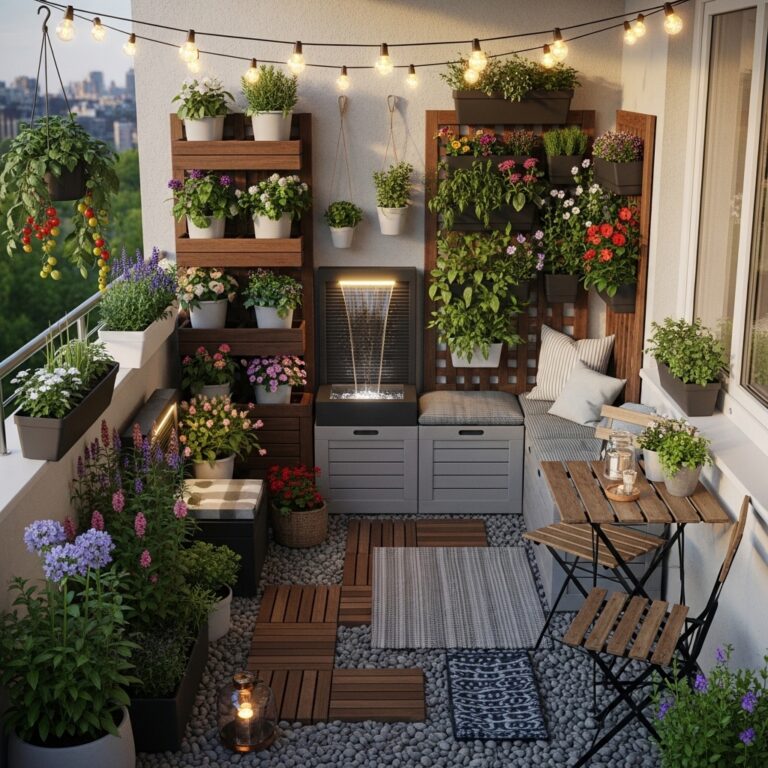
3. Build a Tiered Herb Shelf to Multiply Growing Space
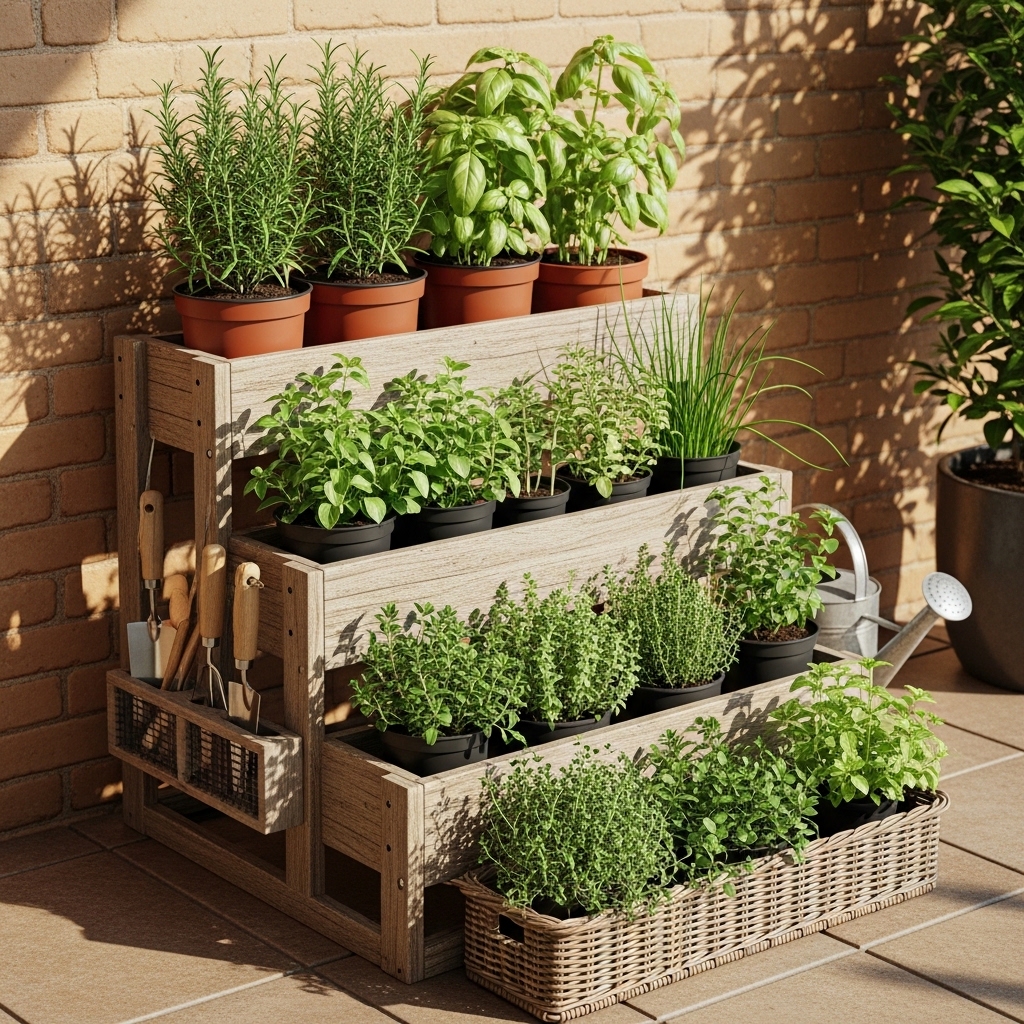
Ideal for: Small patios, balconies, or compact garden setups.
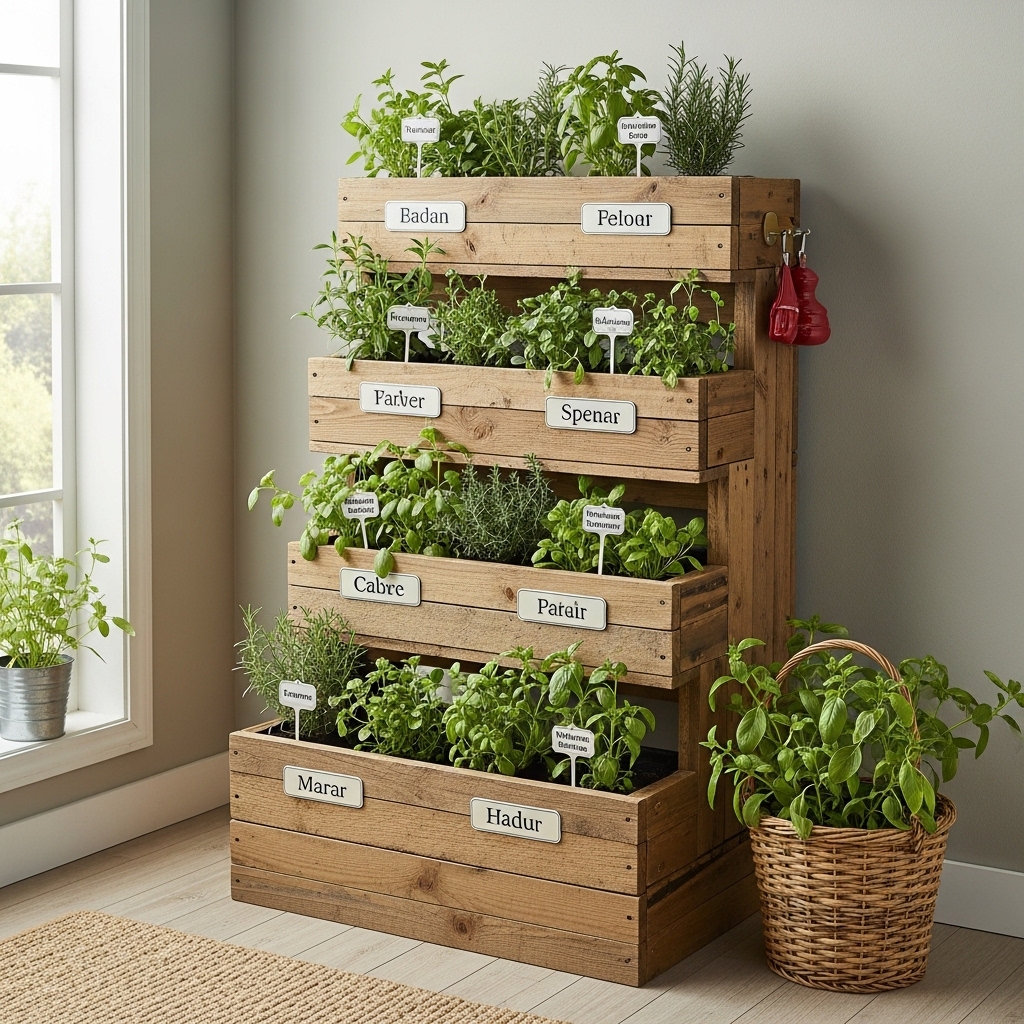
Install a 2–3 level shelf or stepped stand to hold multiple herb pots vertically. Place sun-loving herbs like rosemary and thyme on the top tier, while partial-shade herbs like parsley go on lower levels.
Make sure each level gets enough airflow and isn’t blocked by the one above it.
This works because vertical layering allows you to grow more herbs without increasing floor space. It also improves airflow between plants, reducing fungal issues caused by overcrowding.
A common mistake is stacking shelves too tightly, which blocks light and creates uneven growth across different levels.
Pro Tip: Keep at least 8–10 inches of vertical spacing between shelves.
Mistake to Avoid: Avoid overcrowding one tier—it reduces airflow and slows growth.
4. Separate Fast-Growing and Slow-Growing Herbs Into Zones
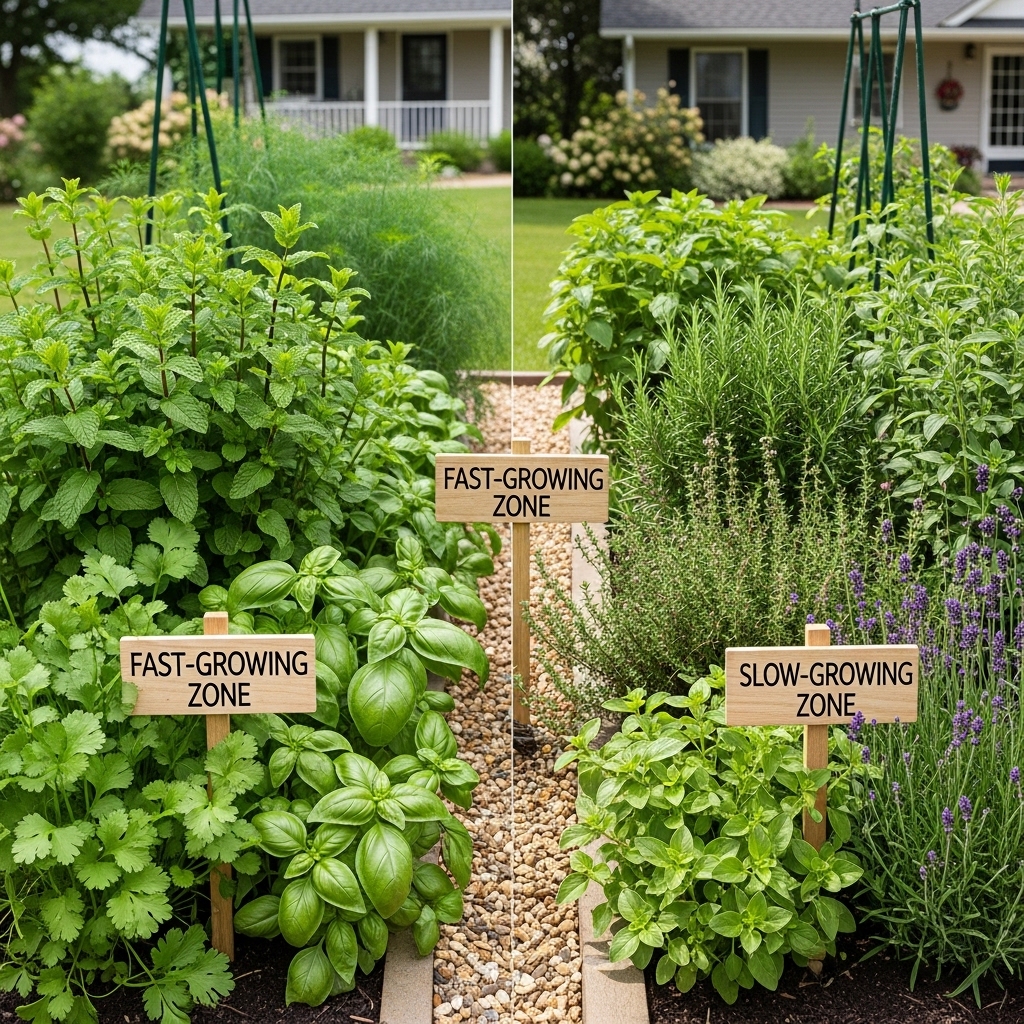
Best for: Preventing overcrowding and uneven maintenance cycles.
Group fast-growing herbs like mint and basil separately from slower-growing herbs like rosemary or thyme.
This allows you to harvest aggressively from fast growers without disturbing slower plants that need more time to establish. Use separate containers or clearly divided sections.
This works because mixed growth speeds often lead to overcrowding, where fast-growing herbs dominate space and resources.
Over time, slower herbs get shaded and weakened. Many gardeners unknowingly create imbalance by planting everything together without considering growth rate differences.
Pro Tip: Prune fast growers weekly to keep them under control.
Mistake to Avoid: Don’t mix aggressive growers with delicate herbs in the same pot.
5. Create a Dedicated “Cooking Herbs Only” Section
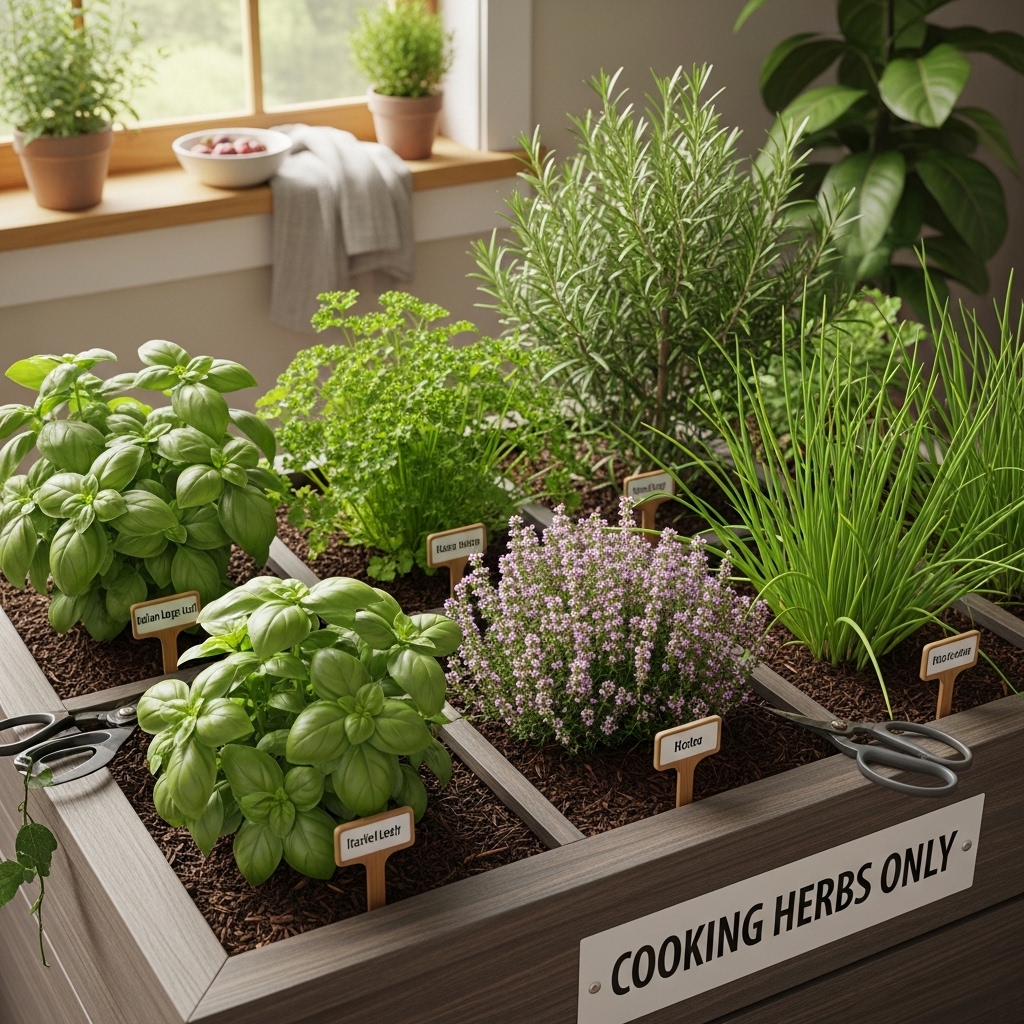
Ideal for: People who want practical, not decorative gardening.
Instead of growing random herbs, build a focused section with only the herbs you actually use in cooking.
Prioritize function over variety by selecting herbs based on your daily meals and preferences. Keep this section organized and easy to maintain.
This works because it aligns your garden with real-life usage, reducing waste and improving consistency. Many people grow herbs they rarely use, which leads to neglect and unnecessary clutter in the garden.
A focused setup ensures every plant has a purpose.
Pro Tip: Track which herbs you use for a week before planting.
Mistake to Avoid: Don’t grow herbs just because they look good—grow what you use.
6. Use Deep Containers for Strong Root Development
Best for: Healthier plants and longer growth cycles.
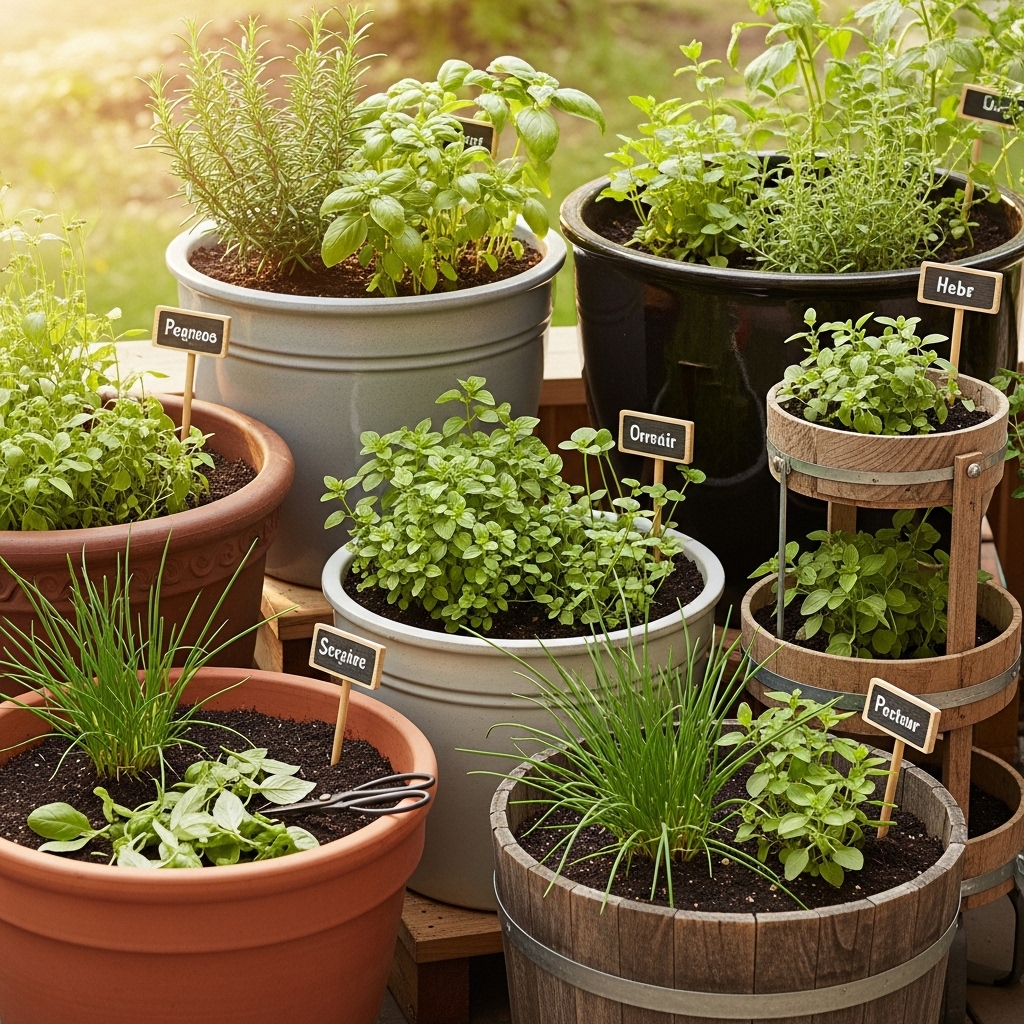
Choose containers that are deep enough to support root expansion instead of shallow decorative pots.
Herbs like basil and parsley perform better when roots have enough space to grow freely. Ensure proper drainage at the bottom.
This works because strong roots lead to healthier, more productive plants. Shallow containers restrict growth and cause herbs to dry out quickly, especially in hot weather.
Many beginners unknowingly limit plant growth by choosing pots based on appearance rather than function.
Pro Tip: Use at least 6–8 inch deep containers for most herbs.
Mistake to Avoid: Avoid small decorative pots that restrict root growth.
7. Position Herbs Based on Daily Harvest Frequency
Ideal for: Efficient and time-saving gardening.
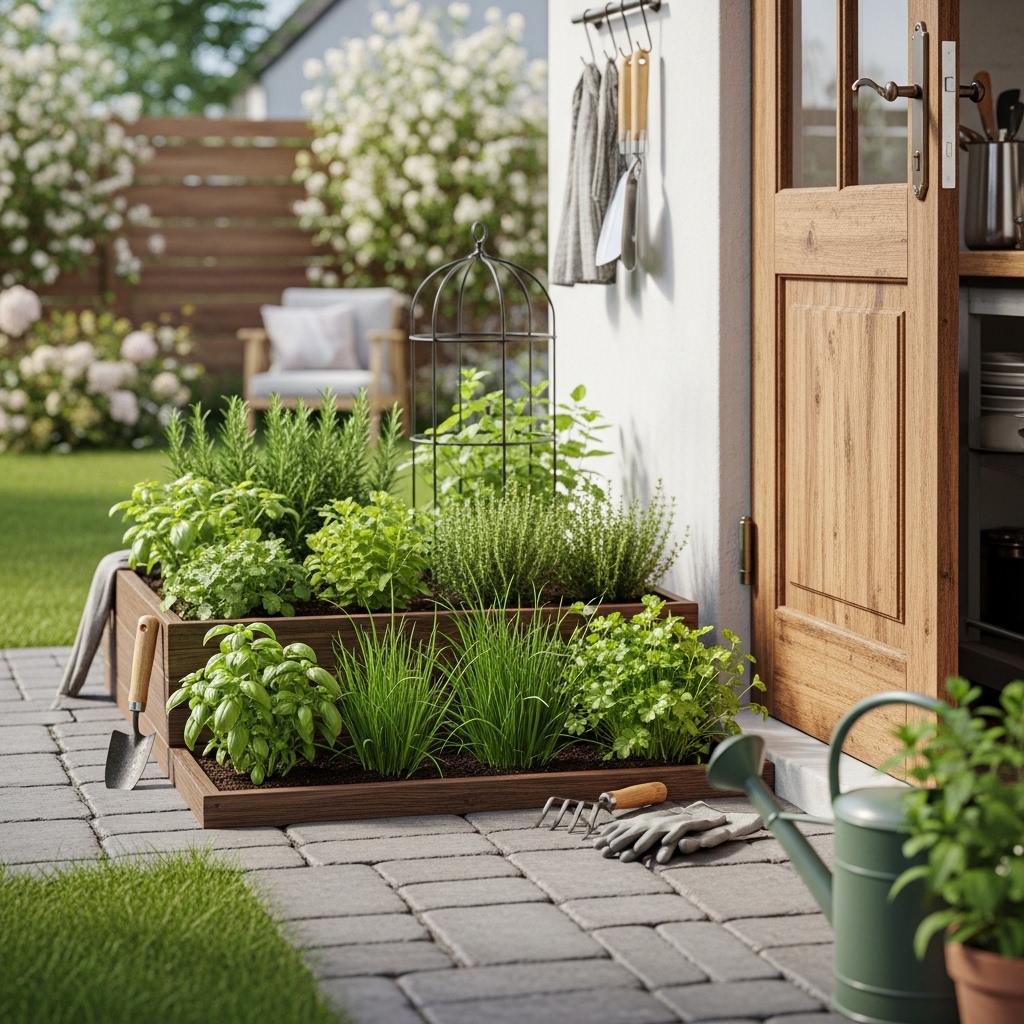
Place frequently harvested herbs in the most accessible spots, while less-used herbs can go slightly farther away.
Arrange your layout based on how often you interact with each plant rather than visual symmetry.
This works because it reduces effort and encourages consistent harvesting, which keeps herbs productive.
Poor placement leads to underuse, even if the plants are healthy. Many setups fail because they prioritize aesthetics over practicality.
Pro Tip: Keep high-use herbs at waist height for easy access.
Mistake to Avoid: Don’t place daily-use herbs in hard-to-reach areas.
8. Combine Indoor and Outdoor Herb Growing for Flexibility
Best for: Year-round herb availability.
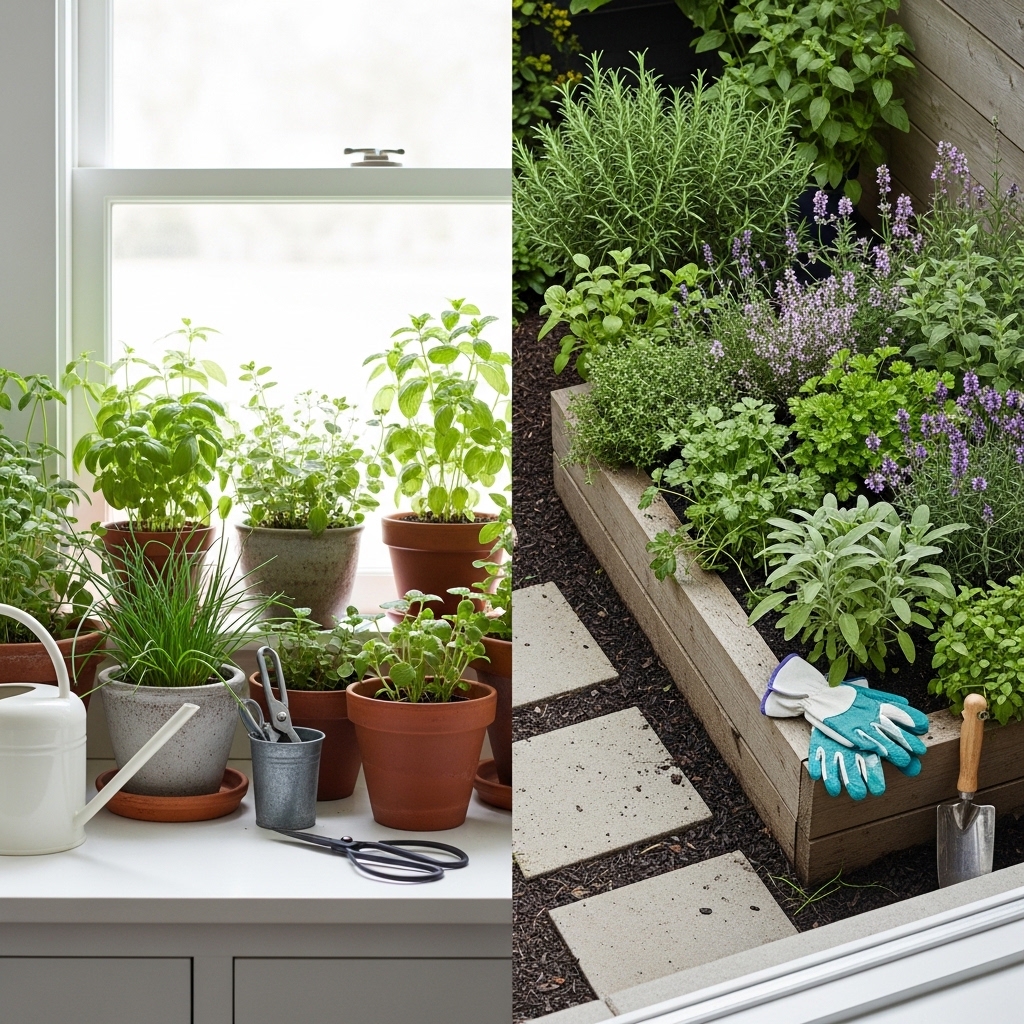
Grow some herbs indoors near windows and others outdoors based on seasonal conditions. Move sensitive herbs inside during extreme weather to maintain growth consistency.
This works because it protects herbs from environmental stress while extending their growing cycle. Many gardeners lose herbs during seasonal changes because they rely only on outdoor setups.
Pro Tip: Use sunny windows for indoor herb placement.
Mistake to Avoid: Don’t expose delicate herbs to extreme temperatures.
9. Harvest Strategically to Increase Yield Over Time
Ideal for: Maximizing production from limited plants.
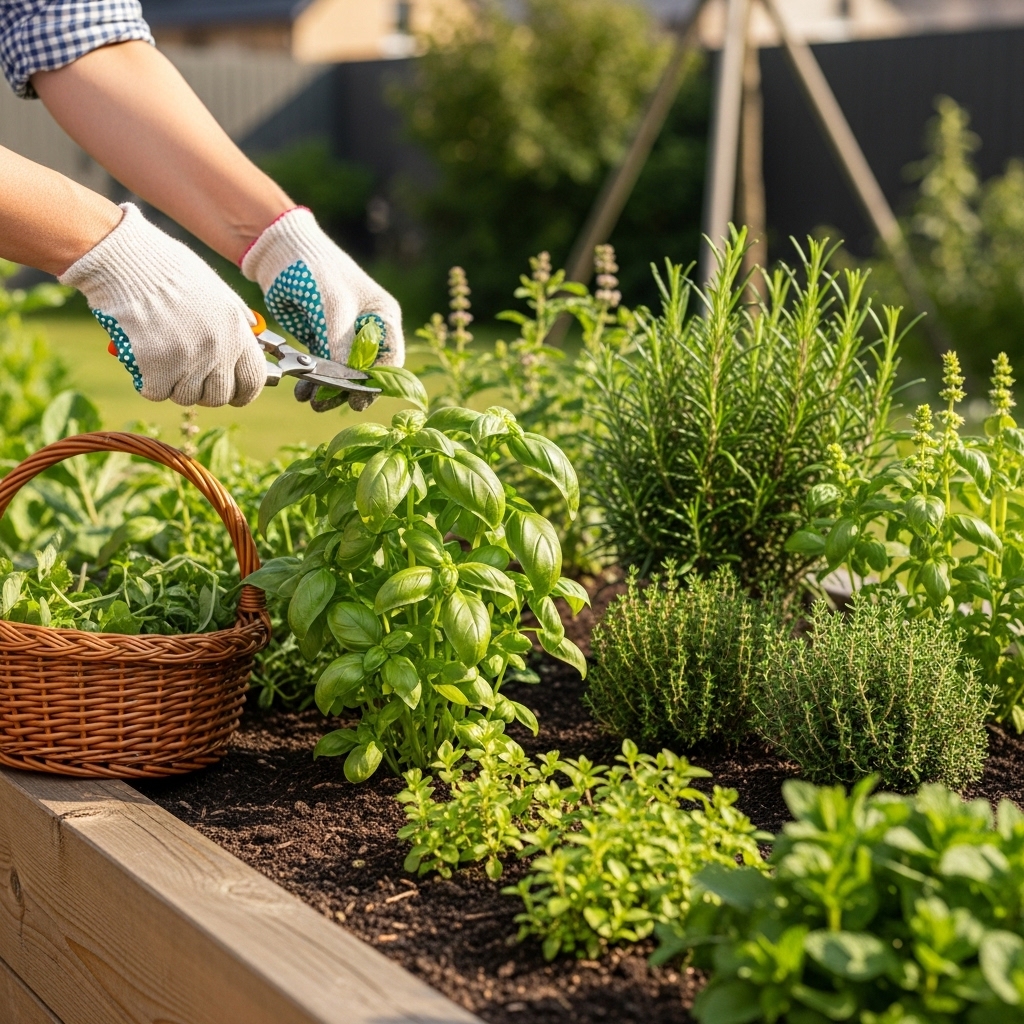
Trim herbs regularly but strategically by cutting above growth nodes to encourage branching. Avoid cutting randomly or removing too much at once.
This works because proper harvesting stimulates new growth, making plants fuller and more productive. Incorrect cutting weakens plants and slows regrowth.
Pro Tip: Harvest little and often instead of large cuts.
Mistake to Avoid: Don’t cut more than one-third of the plant at once.
10. Adjust Your Herb Garden Based on Real Usage Patterns
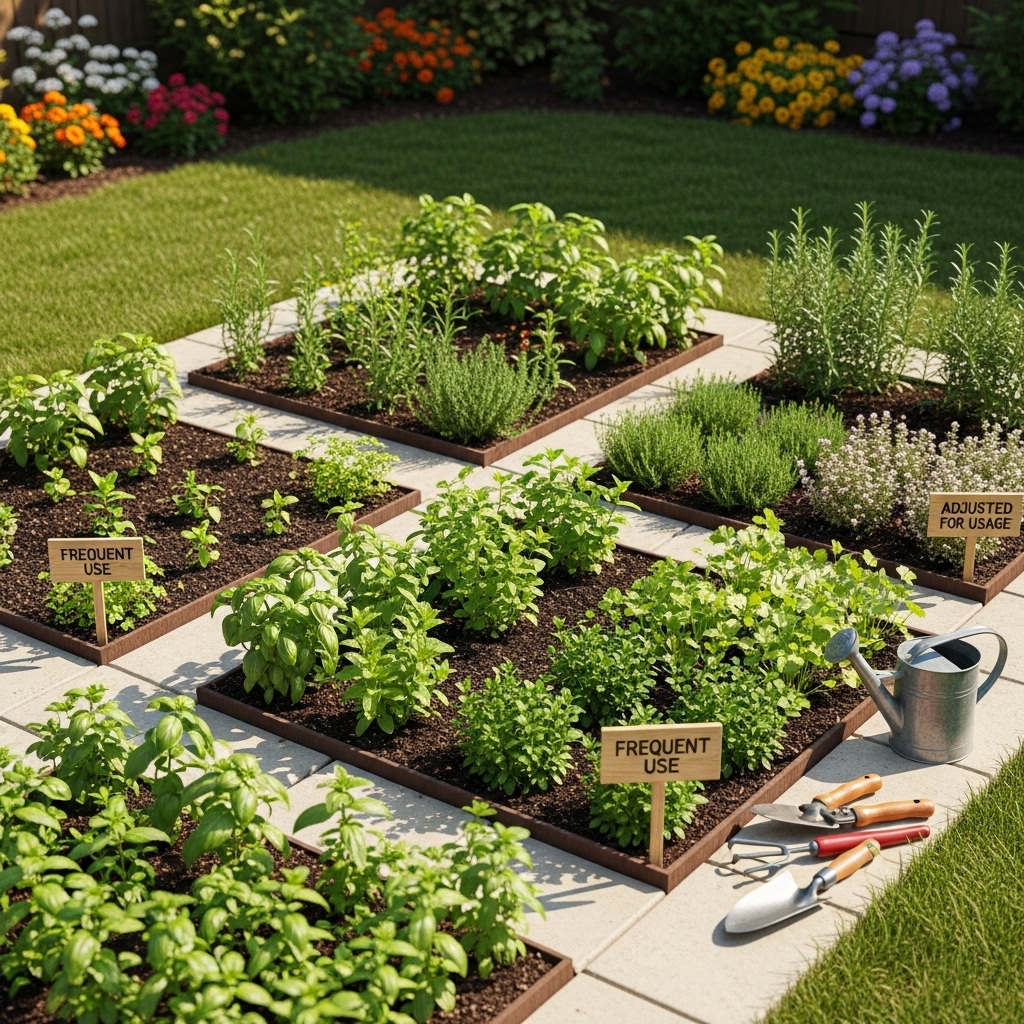
Best for: Long-term efficiency and improvement.
Observe which herbs you use most and which ones go untouched. Replace underused herbs with more practical options and adjust layout accordingly.
This works because your garden evolves into a system that matches your lifestyle, not a fixed design. Many people keep ineffective setups for too long without adapting.
Pro Tip: Review your herb usage every month.
Mistake to Avoid: Don’t keep herbs that don’t serve a purpose.
Conclusion: A Smart Herb Garden Is Built Around Use, Not Just Growth
The most successful herb gardens are not the biggest—they’re the ones designed for real-life use. Accessibility, sunlight management, and smart layout decisions make the difference between a garden you admire and one you actually use daily.
By applying these 10 herb garden ideas, you can create a system that delivers consistent growth, easy maintenance, and maximum value from every plant.
A herb garden only becomes useful when it fits into your daily routine, not when it’s just visually appealing. Many people grow herbs successfully but rarely use them because placement and layout don’t support real cooking habits.
This guide focuses on high-function herb garden setups that improve accessibility, growth consistency, and daily usage. Each idea helps you design a system that saves time, increases yield, and prevents the most common beginner mistakes.