10 Fruit Garden Ideas That Maximize Yield, Space, and Long-Term Growth
Fruit gardening can be tough if you do not plan well. Many people make mistakes like planting many trees or expecting too much. They do not think about how sunlight their garden gets or how big their trees will grow.
Here are some simple fruit garden ideas to help you get fruit make caring for your garden easier and use your space well.
These ideas help you create a garden that gives you a lot of fruit and is easy to take care of. You can make a fruit garden that works well for you.
This guide shares ideas to help you build a productive fruit garden. Each idea helps you make the most of your space and keep your garden manageable. The goal is to make your fruit garden aligned with your needs.
1. Start With a “High-Yield, Low-Space” Fruit Selection Plan
Ideal for: Beginners or small garden setups.
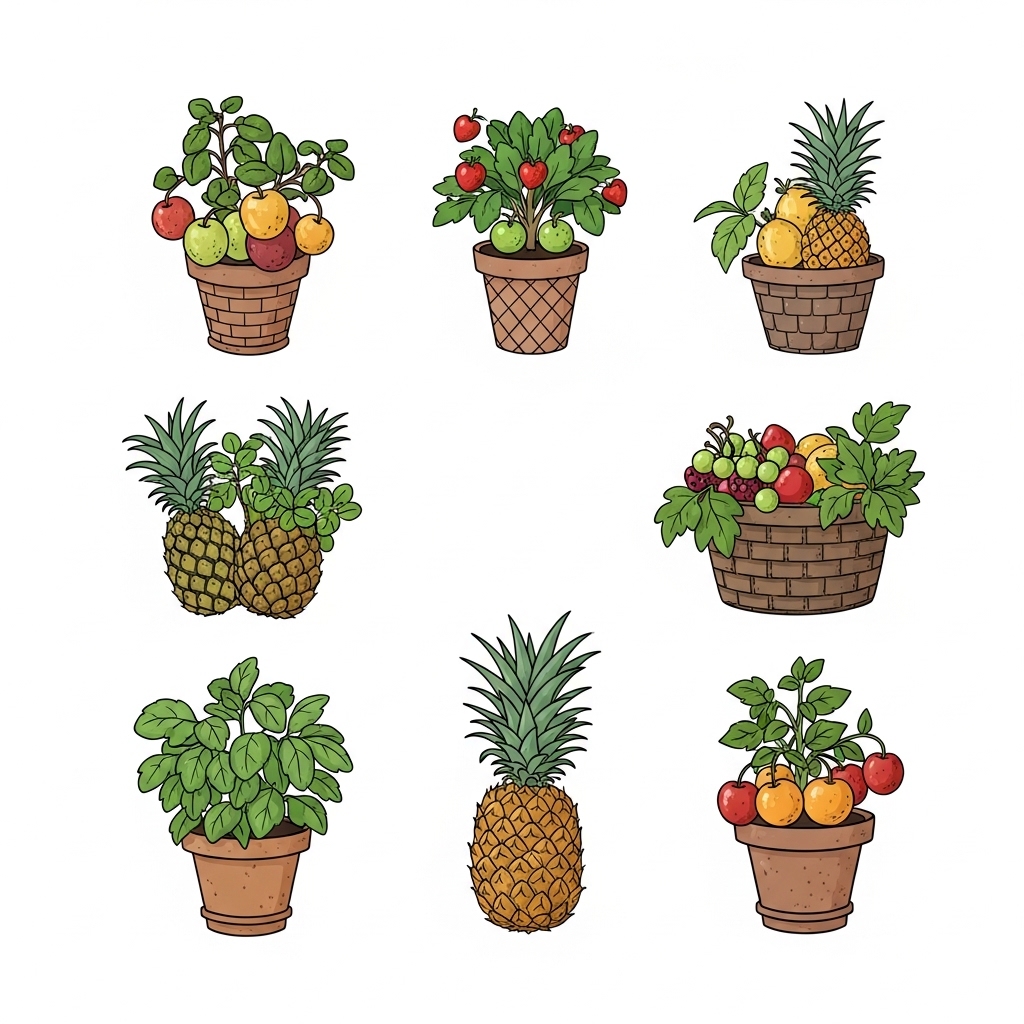
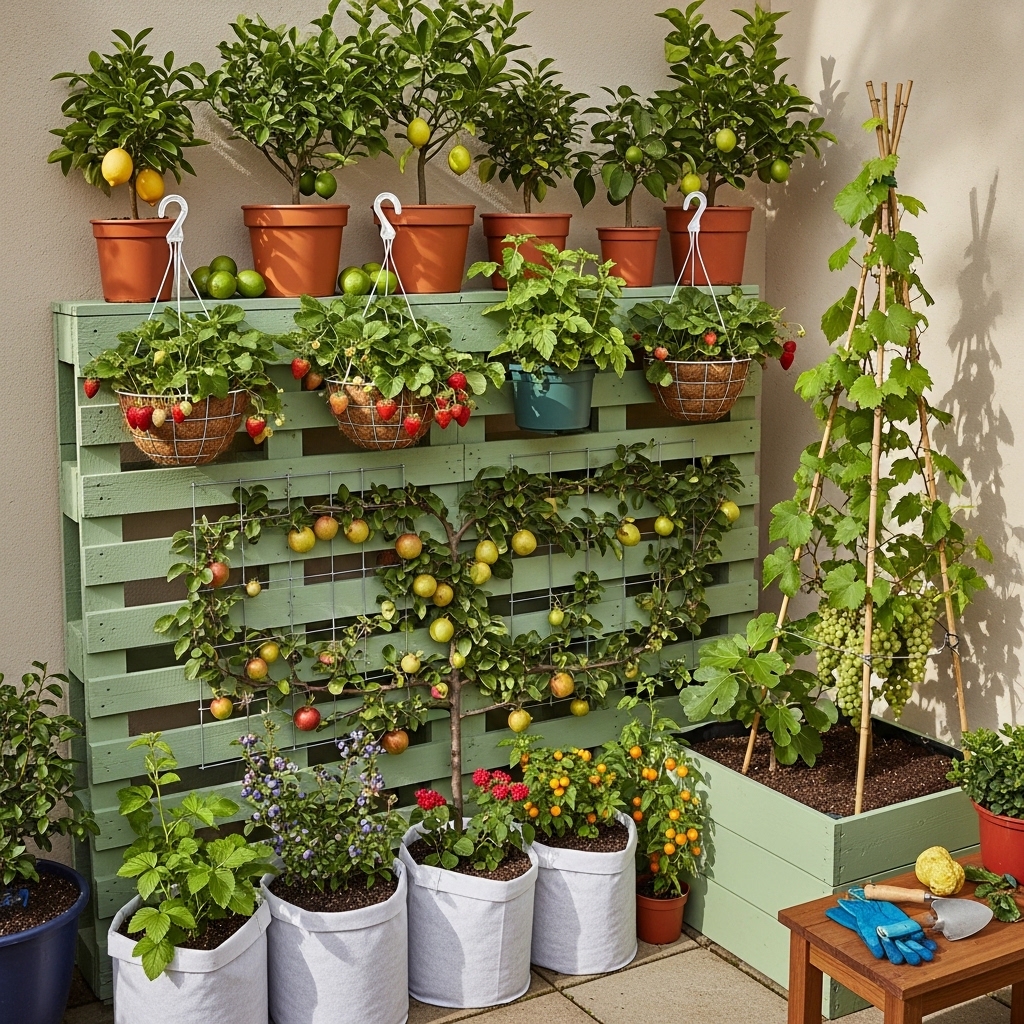
Instead of planting large fruit trees randomly, start with compact, high-yield options like berries, dwarf citrus, or container-friendly fruits.
Focus on plants that produce frequently rather than those that take years to mature. Arrange them based on sunlight and access.
This works because smaller fruit varieties mature faster and are easier to manage, especially in limited space. It also allows you to learn fruit gardening without committing to large, permanent trees.
A common mistake is planting oversized fruit trees too early, which quickly overcrowd the space and reduce flexibility.
Pro Tip: Choose dwarf or semi-dwarf varieties for easier control and faster results.
Mistake to Avoid: Don’t plant full-size trees unless you have long-term space.
2. Use Containers to Grow Fruit in Flexible Locations
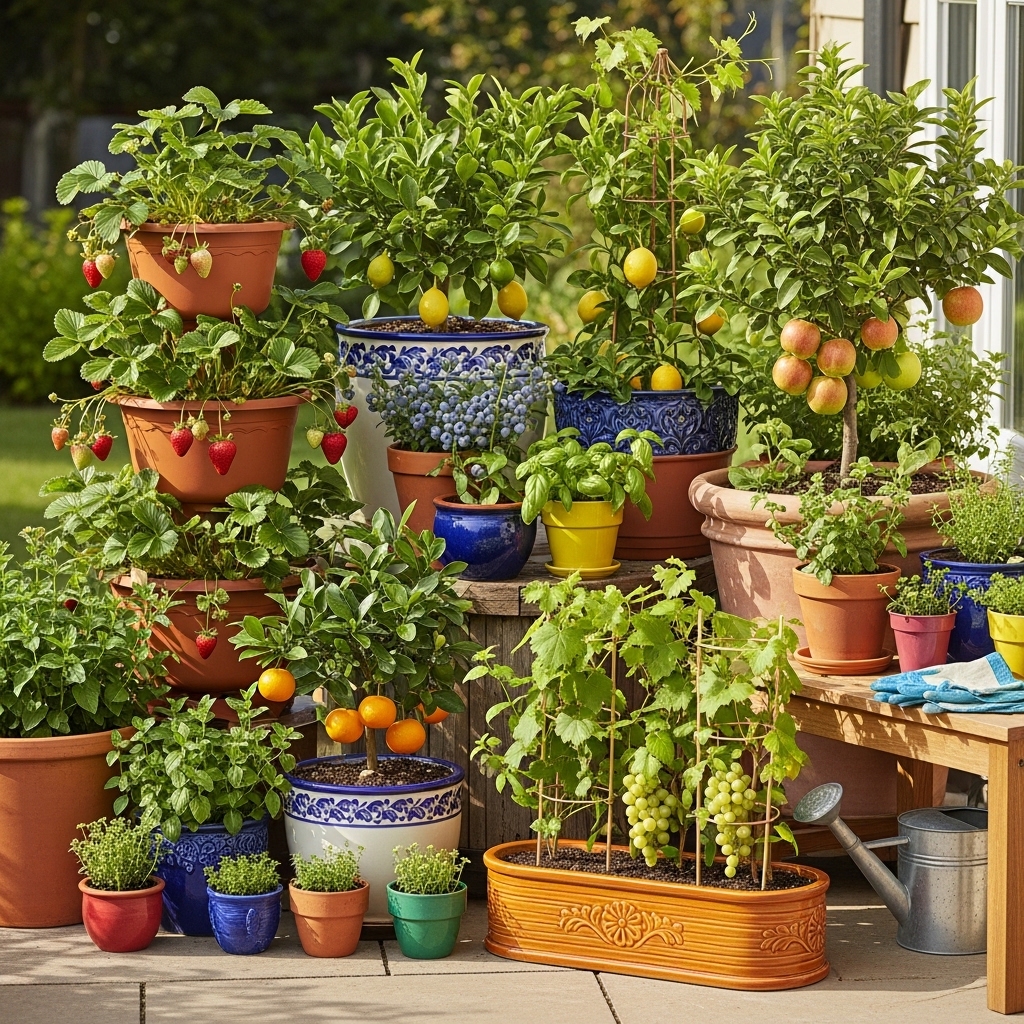
Best for: Renters, patios, and small backyards.
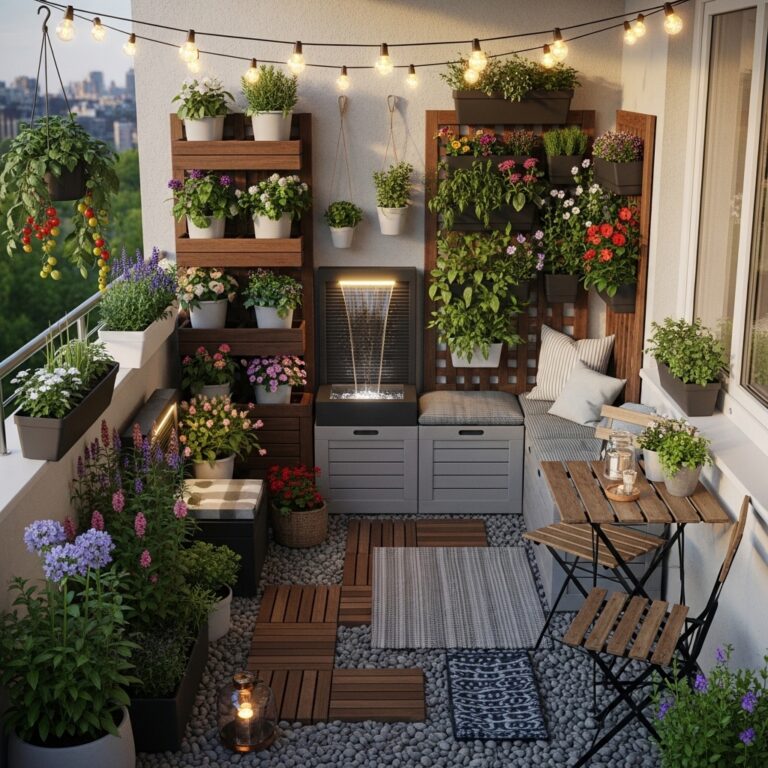
Grow fruits like strawberries, lemons, or figs in large containers that can be moved based on sunlight.
Place them where they receive consistent light and rotate them if needed throughout the season. Use well-draining soil to prevent root issues.
This works because container gardening gives you control over placement, soil quality, and watering. It also allows you to protect plants during extreme weather by moving them.
Many gardeners fail by using small pots, which restrict root growth and limit fruit production.
Pro Tip: Use deep containers (at least 12–16 inches) for better root development.
Mistake to Avoid: Don’t use decorative pots without proper drainage holes.
3. Train Fruit Plants Vertically to Save Space
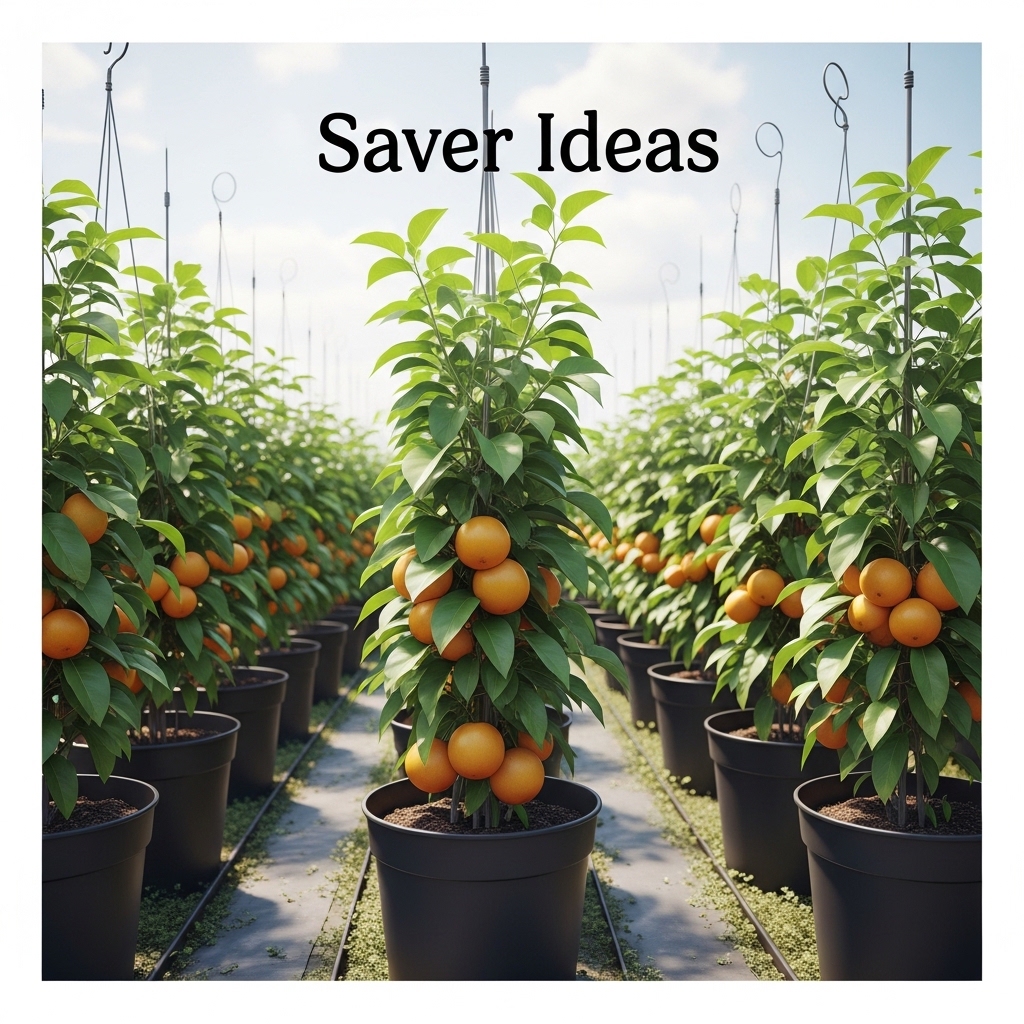
Ideal for: Small gardens or narrow yards.
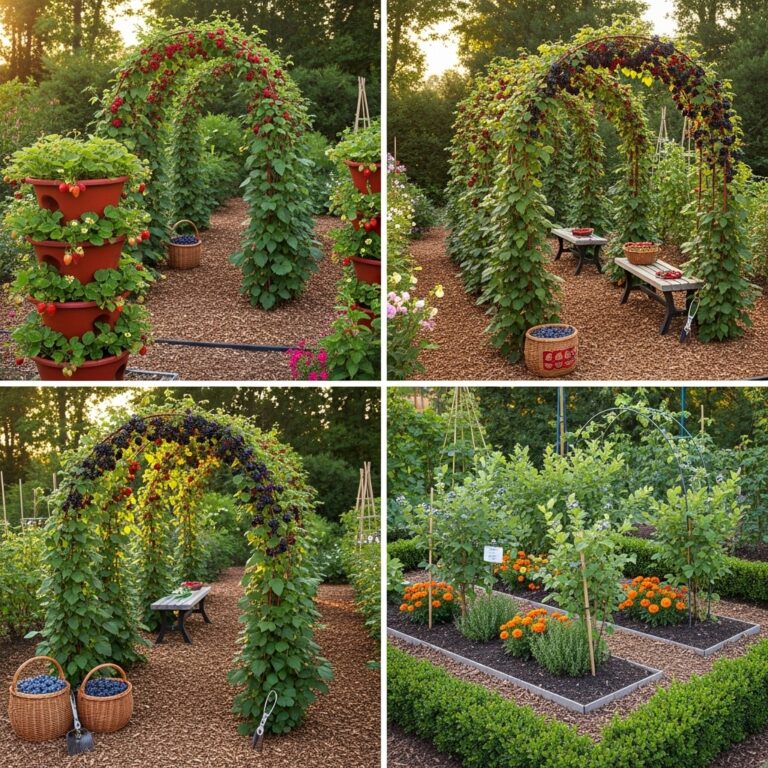
Use trellises, wires, or supports to train fruits like grapes, berries, or espaliered trees to grow vertically along walls or fences. Keep spacing consistent and guide growth as plants develop.
This works because vertical training reduces ground space usage while improving sunlight exposure and airflow.
It also makes harvesting easier and keeps fruit off the ground. A major mistake is letting fruit plants spread freely, which leads to overcrowding and poor yield.
Pro Tip: Start training plants early while stems are flexible.
Mistake to Avoid: Don’t wait until plants are fully grown to add support.
4. Space Fruit Plants Based on Mature Size, Not Initial Size
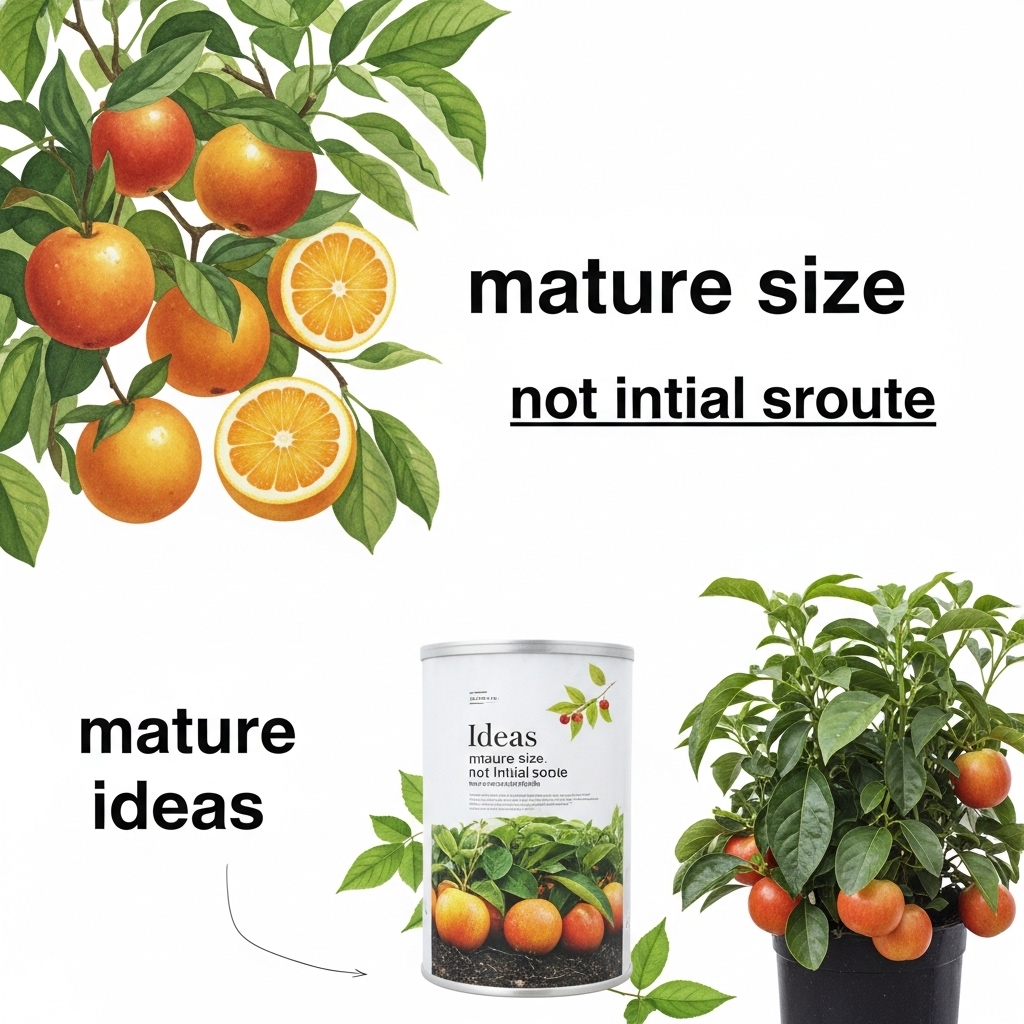
Best for: Long-term garden planning.
Research how large each plant will grow and space them accordingly from the start.
Leave enough room for canopy spread and root expansion. Avoid planting too closely just to make the garden look full.
This works because proper spacing prevents competition for sunlight, water, and nutrients.
Overcrowded fruit plants produce less and are more prone to disease. Many beginners make the mistake of planting too close, leading to major layout issues within a year or two.
Pro Tip: Always check mature width and height before planting.
Mistake to Avoid: Don’t prioritize immediate visual fullness over future growth.
5. Create a Zoned Fruit Garden for Easy Maintenance
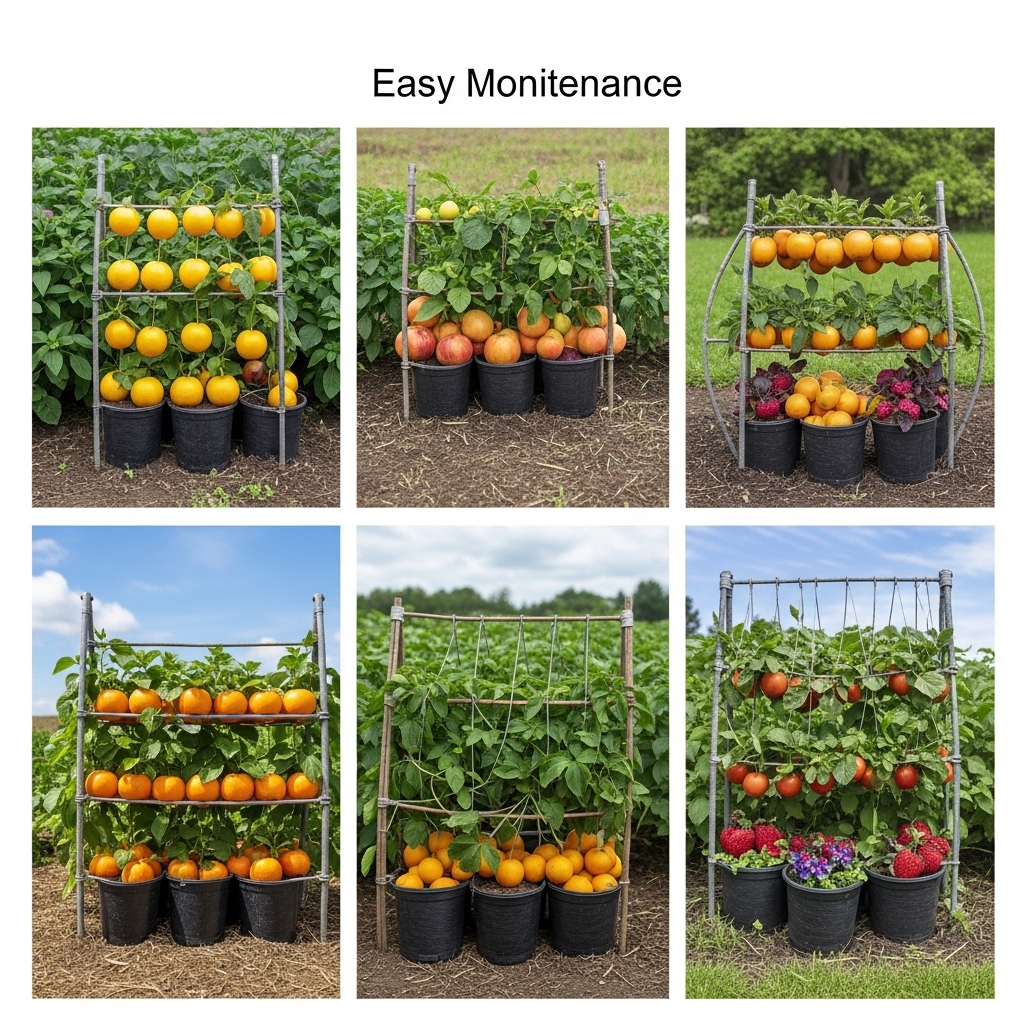
Ideal for: Medium to large backyard setups.
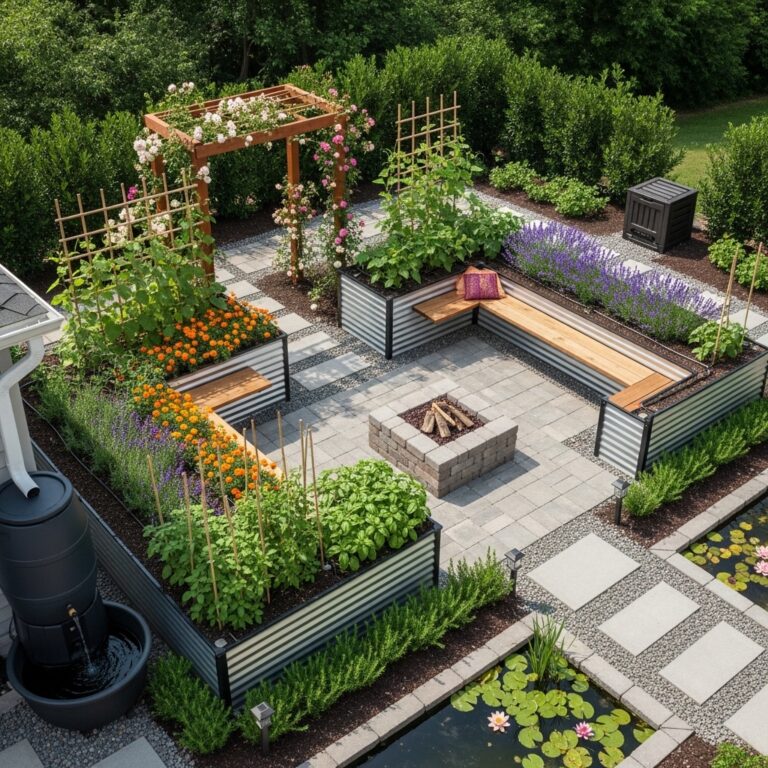
Divide your fruit garden into clear zones—trees in one area, berries in another, and container fruits in a separate section. Keep pathways between zones for easy access and maintenance.
This works because organization reduces confusion and makes watering, pruning, and harvesting more efficient.
It also helps you track plant performance more easily. A common mistake is mixing everything together, which creates a cluttered and hard-to-manage garden.
Pro Tip: Keep high-maintenance plants closer to your main access path.
Mistake to Avoid: Don’t create zones without clear walkways.
6. Use Mulch to Protect Roots and Improve Fruit Quality
Best for: Healthier plants and better yields.
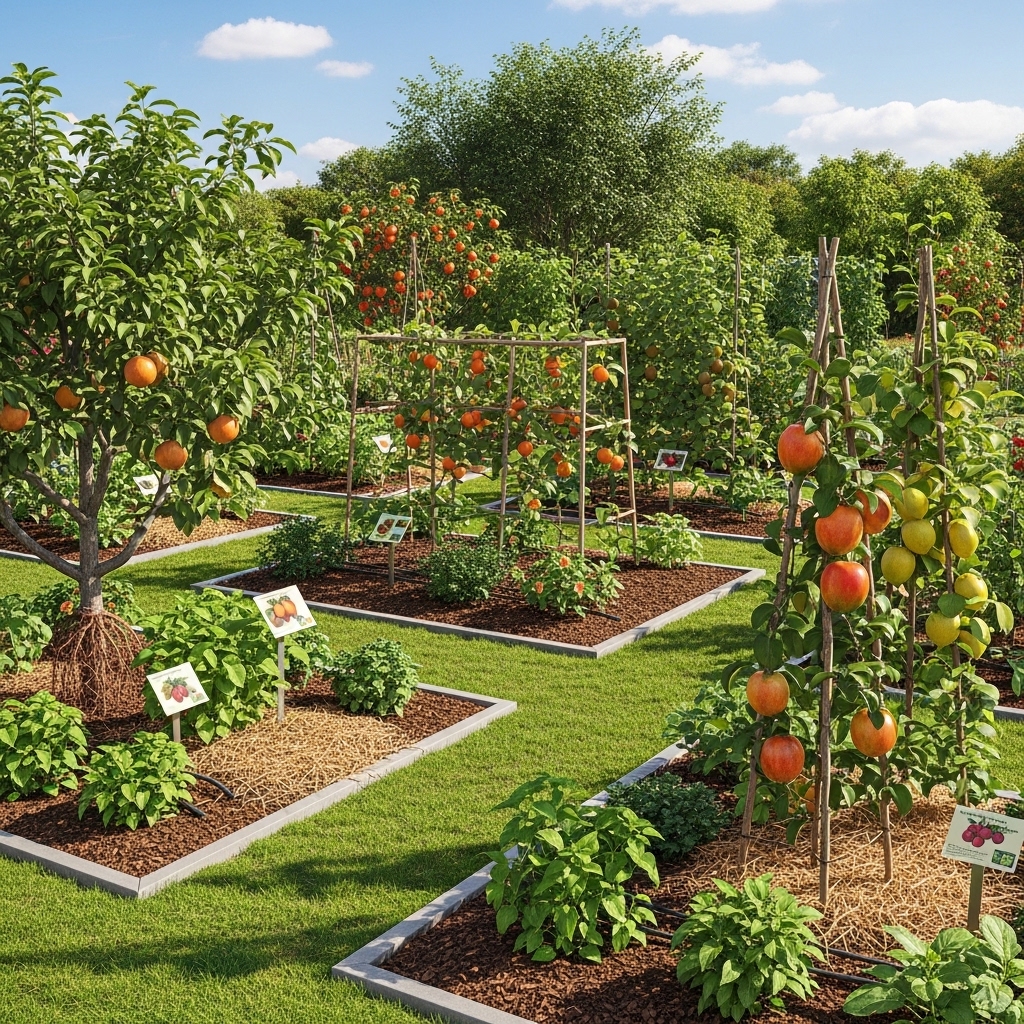
Apply mulch around fruit plants to retain moisture, regulate soil temperature, and reduce weed growth. Keep mulch evenly spread and away from the base of the plant to prevent rot.
This works because consistent soil conditions support stronger root systems and better fruit production. It also reduces the need for frequent watering. Many gardeners skip mulching, which leads to dry soil and inconsistent plant health.
Pro Tip: Use organic mulch like straw or wood chips for best results.
Mistake to Avoid: Don’t pile mulch directly against trunks or stems.
7. Focus on Pollination for Higher Fruit Production
Ideal for: Increasing yield naturally.
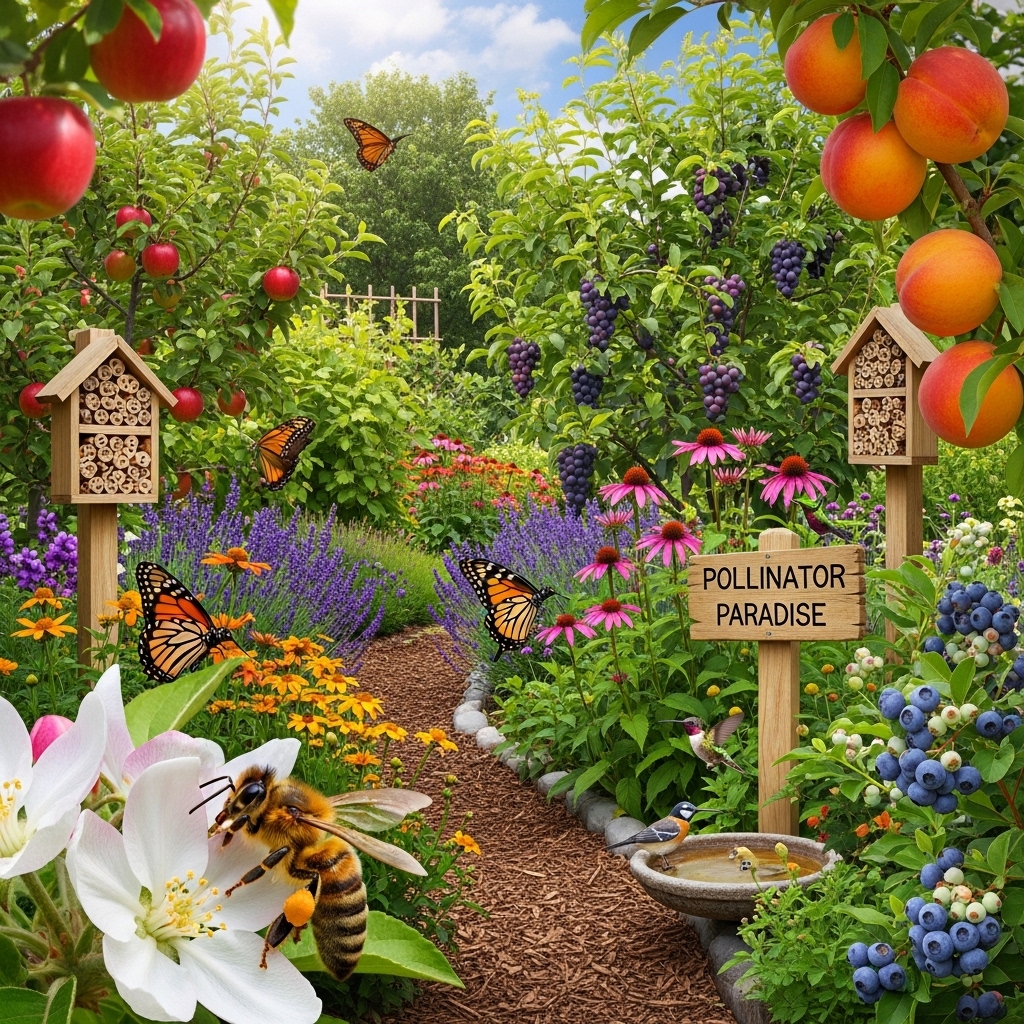
Plant compatible varieties or ensure pollinators like bees can access your garden. Avoid isolating fruit plants that require cross-pollination. Add flowers nearby to attract pollinators.
This works because proper pollination directly affects fruit production and quality. Without it, plants may grow well but produce little or no fruit. A major mistake is planting single varieties that can’t self-pollinate.
Pro Tip: Include pollinator-friendly flowers around your fruit garden.
Mistake to Avoid: Don’t rely on one plant if cross-pollination is needed.
8. Prune Regularly to Control Growth and Boost Yield
Best for: Maintaining healthy, productive plants.
Trim fruit plants regularly to remove dead branches, shape growth, and improve airflow. Focus on encouraging new growth where fruit develops.
This works because pruning directs energy into productive areas, improving both yield and fruit quality. It also prevents overcrowding and disease. Many people avoid pruning, which leads to weak structure and reduced production over time.
Pro Tip: Learn basic pruning techniques for each fruit type.
Mistake to Avoid: Don’t over-prune or cut randomly without purpose.
9. Use Companion Planting to Support Fruit Growth
Ideal for: Natural pest control and soil improvement.
Plant herbs, flowers, or beneficial plants near fruit crops to deter pests and improve soil health. Choose combinations that support each other without competing heavily.
This works because a balanced ecosystem reduces the need for chemicals and promotes healthier growth. It also attracts beneficial insects. A common mistake is planting incompatible species that compete for nutrients.
Pro Tip: Use herbs like basil or mint near fruit plants for added benefits.
Mistake to Avoid: Don’t overcrowd companion plants around roots.
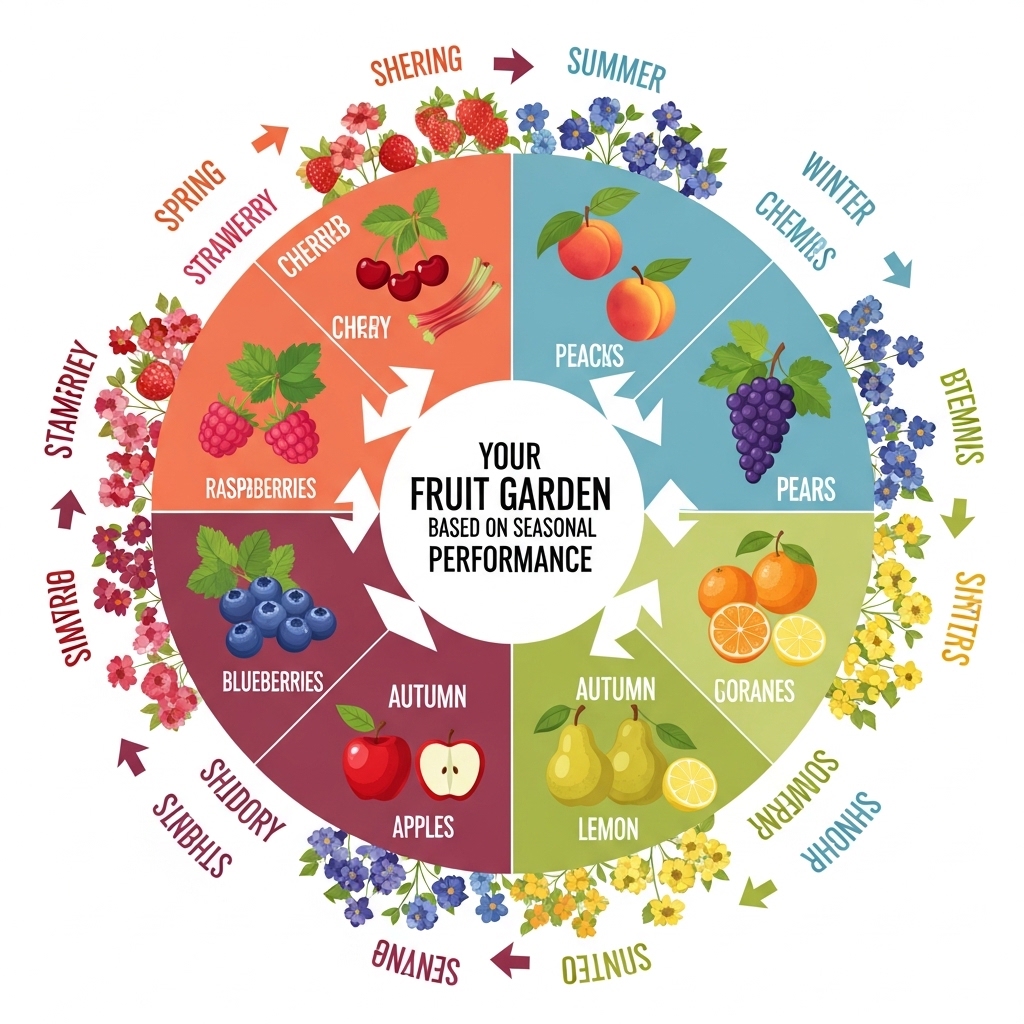
10. Adjust Your Fruit Garden Based on Seasonal Performance
Best for: Long-term improvement and better results.
Observe how each plant performs across seasons and make changes based on results. Move containers, replace underperforming plants, and adjust spacing if needed.
This works because fruit gardening is dynamic, and adapting your layout improves yield over time. Sticking to a fixed plan often leads to repeated mistakes. Many gardeners fail to evolve their setup based on real outcomes.
Pro Tip: Keep notes on which plants produce best each season.
Mistake to Avoid: Don’t repeat the same layout if it’s not working.
Conclusion: A Productive Fruit Garden Comes From Smart Planning and Consistent Adjustments
Fruit gardening is really good when you think about the space you have how sunlight it gets and how it will grow over time.
You should not worry about getting fruit away. If you plan it out well and make changes as you go you will have a lot of fruit of just a little.
If you do these things you can make a fruit garden that always has fruit is easy to take care of and fits in the space you have. You will not feel like it is too much to handle.