12 Small Garden Ideas for Maximum Space, Style, and Functionality
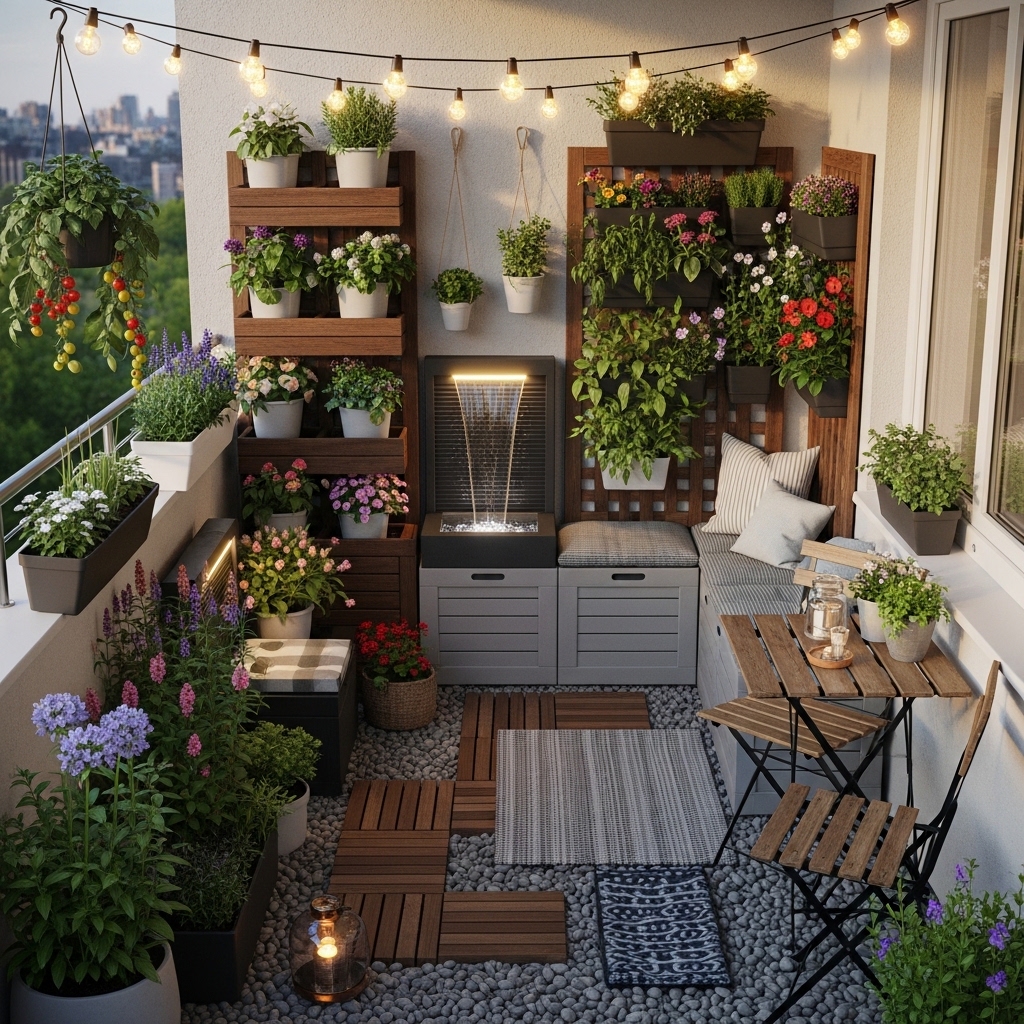
If you have a garden you do not have to give up on being creative or getting a lot done. A way to set up your garden the plants you choose and the things you put in it can make even a very small outdoor space into a lovely and useful garden.
These twelve ideas are about finding ways to make the most of yards, patios and balconies. They will give you some advice, on how to set up your garden take care of it and have fun in your small garden without making it too crowded or wasting your time.
1. Vertical Planters for Limited Space
Who it’s for: Perfect for urban apartments or small backyards with minimal floor space.
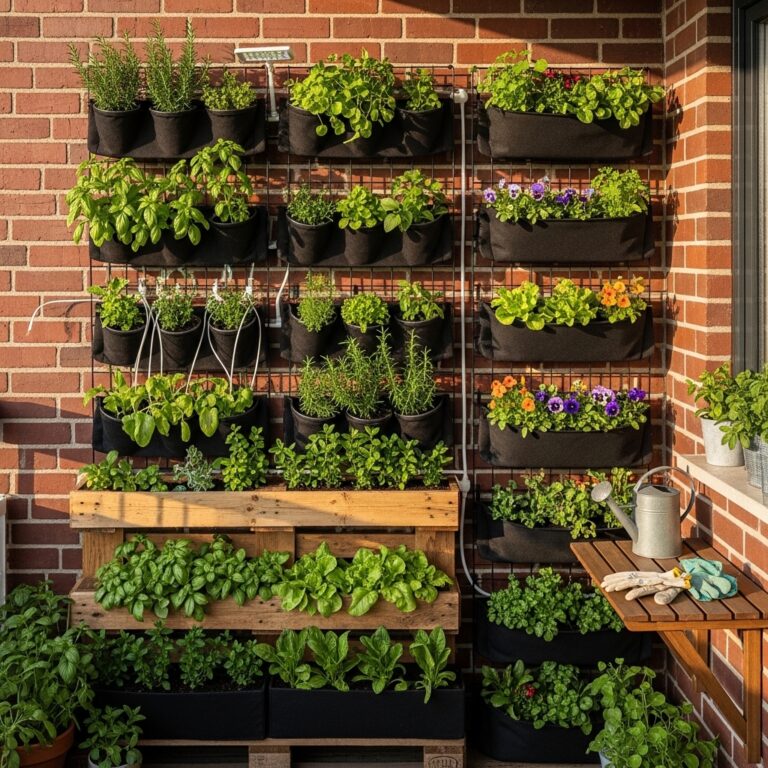
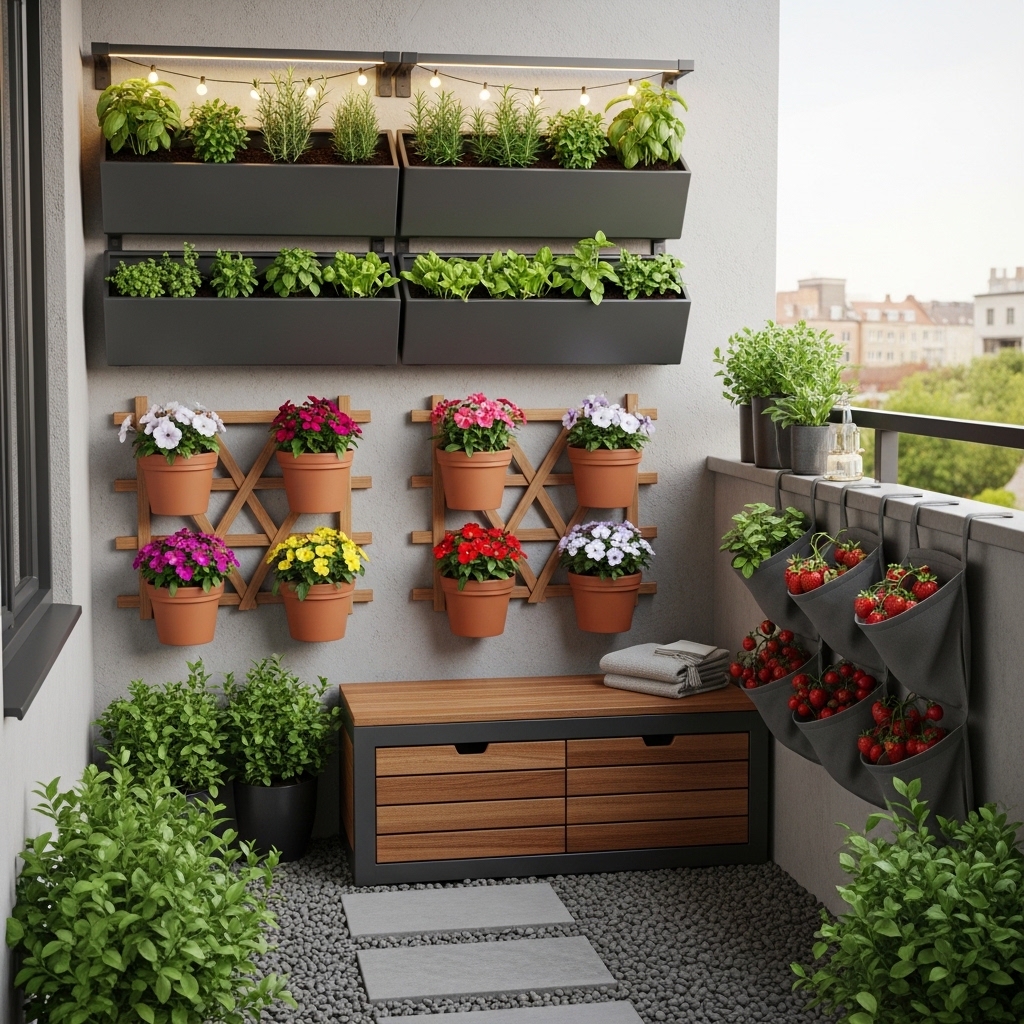
Use wall-mounted planters or tiered shelving to grow flowers, herbs, or vegetables vertically. This approach maximizes planting area while keeping pathways clear.
Vertical gardens work because they allow light to reach all plants and reduce competition for soil nutrients. They’re also visually appealing, creating a lush, layered look. Many beginners make the mistake of overcrowding planters, which can stunt growth.
Pro Tip: Choose lightweight containers and secure them properly to prevent accidents.
Mistake to Avoid: Don’t plant high-maintenance plants that require constant attention in vertical setups.
2. Compact Raised Garden Beds
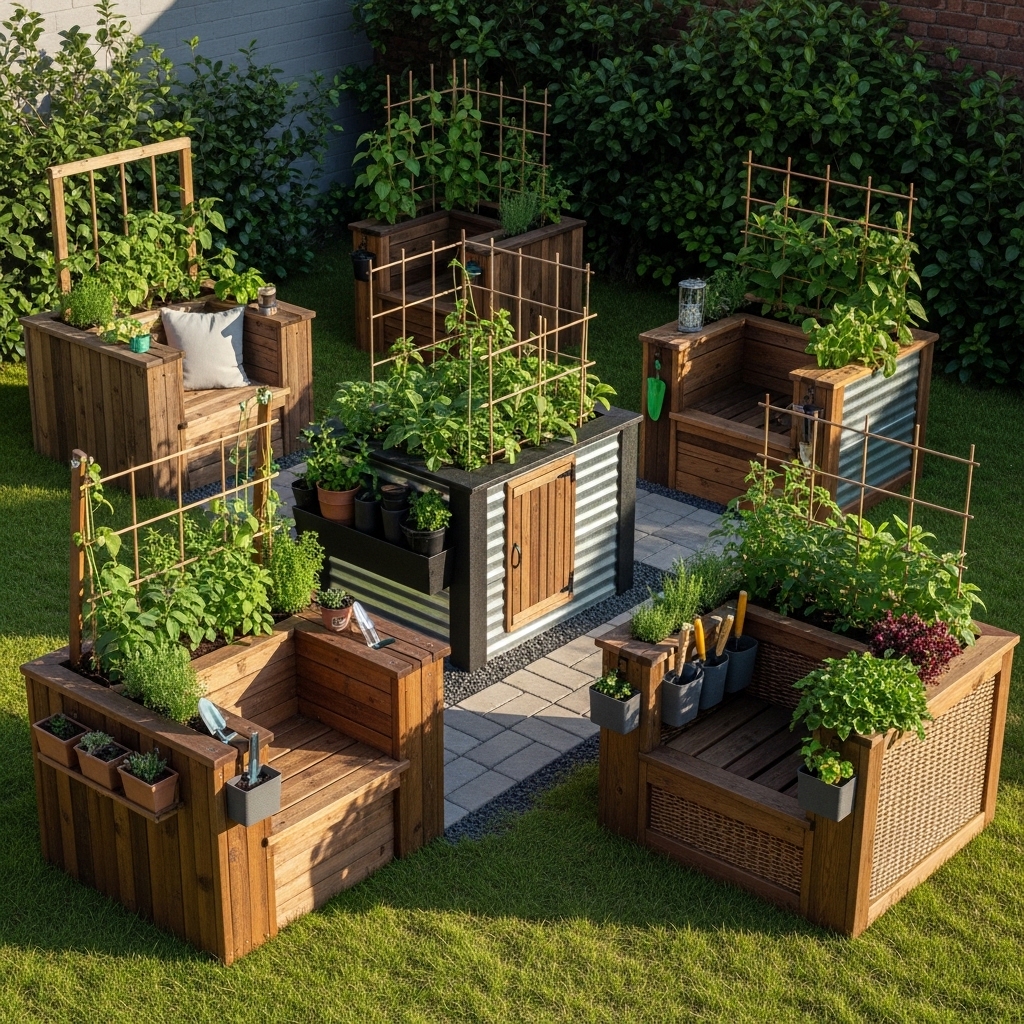
Who it’s for: Ideal for renters or homeowners with uneven soil or small plots.
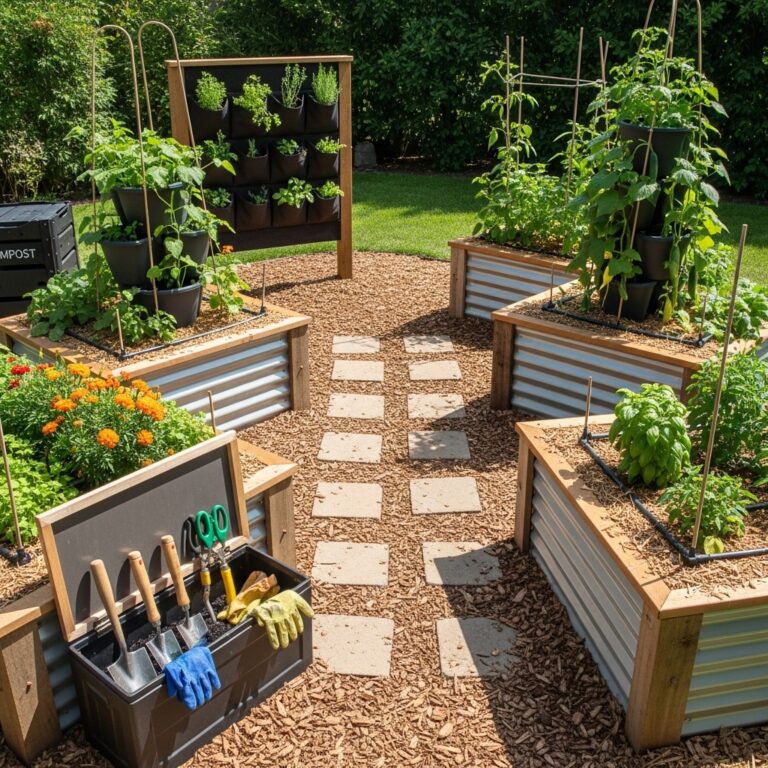
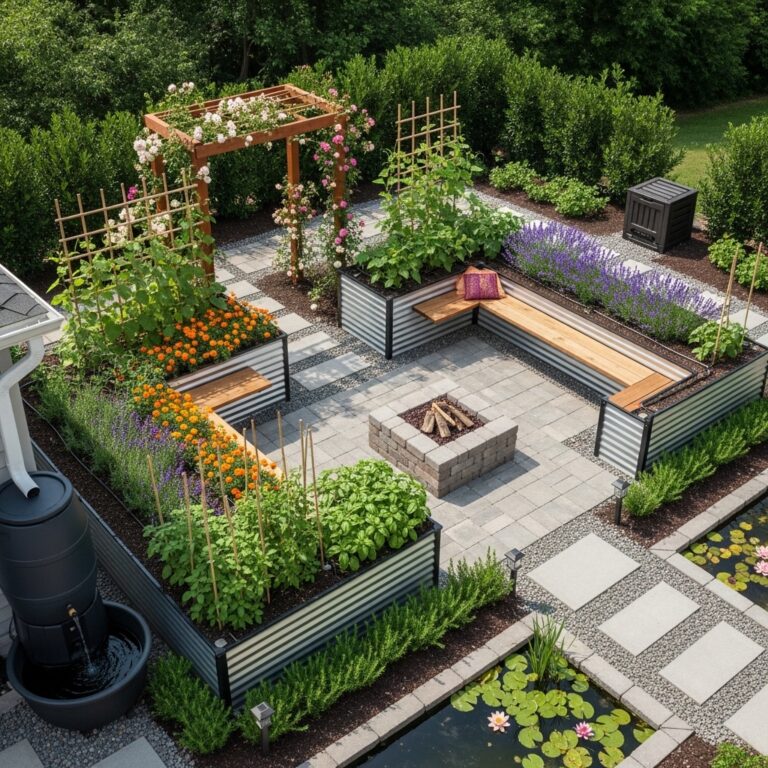
Raised beds help contain soil, improve drainage, and make gardening accessible. You can grow vegetables, flowers, or small shrubs in a controlled, organized manner.
This works because elevated soil warms faster in spring and can prevent pests from reaching plants easily. Many gardeners skip proper drainage, leading to waterlogging and root rot.
Pro Tip: Use modular beds so you can adjust layout as plants grow.
Mistake to Avoid: Avoid deep, heavy soil mixtures that make beds hard to maintain.
3. Mini Herb Garden Corners
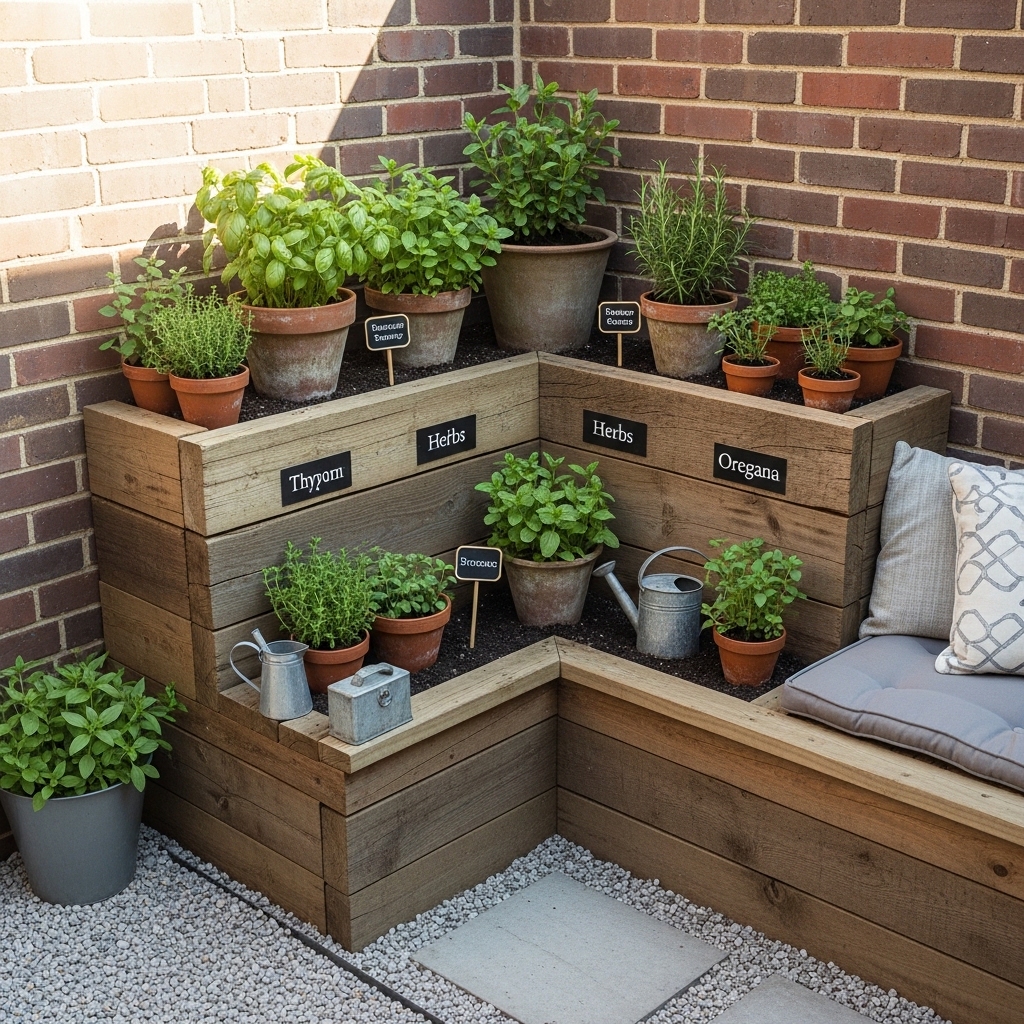
Who it’s for: Great for small patios, kitchen access, or apartment balconies.
Dedicate a corner to herbs like basil, thyme, or rosemary using small pots or a tiered stand. These plants are low-maintenance and can serve as both decor and culinary aid.
This works because herbs are compact, fragrant, and versatile, adding sensory appeal to a small space. Many people place them in low-light areas where they fail to thrive.
Pro Tip: Rotate pots periodically for even sunlight exposure.
Mistake to Avoid: Don’t overcrowd herbs in a single container; each needs room to grow.
4. Hanging Baskets for Airy Greenery
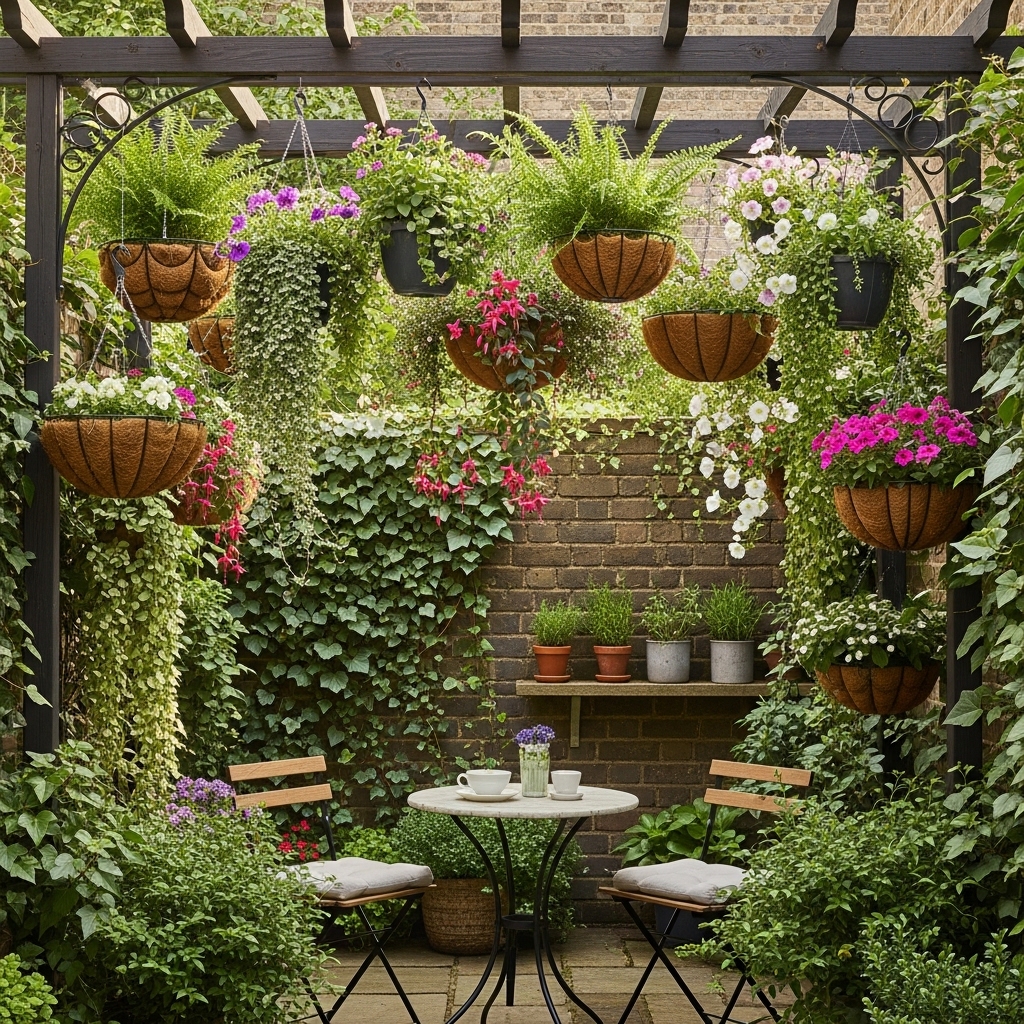
Who it’s for: Perfect for balconies or areas with little floor space.
Hang flowering plants or trailing vines to add greenery above eye level. This draws the eye upward and makes small gardens feel larger.
It works because vertical layering gives the illusion of space while adding color and texture. Beginners often hang heavy pots on weak supports, which can cause accidents.
Pro Tip: Choose lightweight, self-watering baskets to reduce maintenance.
Mistake to Avoid: Don’t place hanging baskets in shaded areas if the plant needs full sun.
5. Pocket Gardens Along Fences
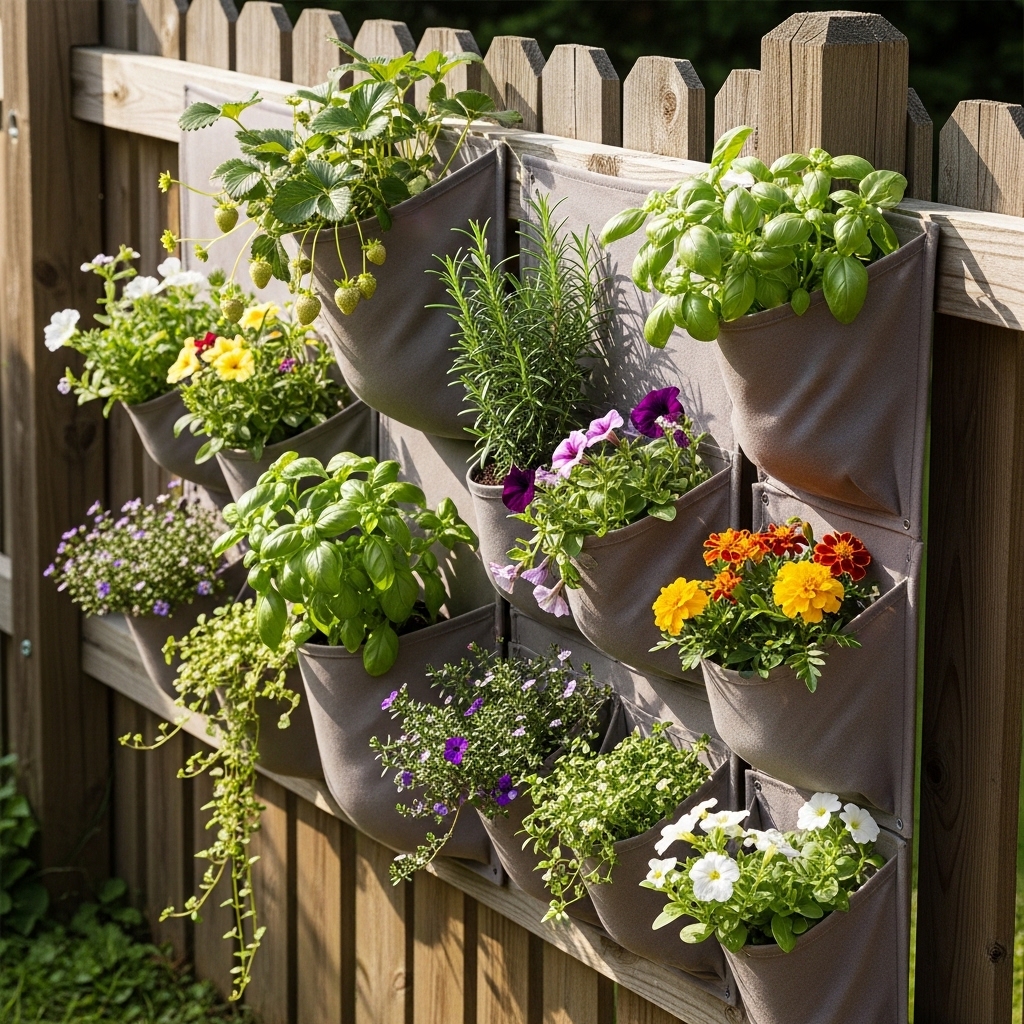
Who it’s for: Best for narrow yards or to soften hard boundaries.
Install small planters or pockets along fences to grow flowers, succulents, or small veggies. This maximizes unused vertical space and enhances privacy.
It works because plants soften fences visually and create a more intimate, enclosed garden feel. A common mistake is selecting aggressive root plants that can damage the fence structure.
Pro Tip: Use durable materials that can withstand rain and wind.
Mistake to Avoid: Avoid overcrowding the fence pockets to allow proper growth.
6. Container Gardens on Patios
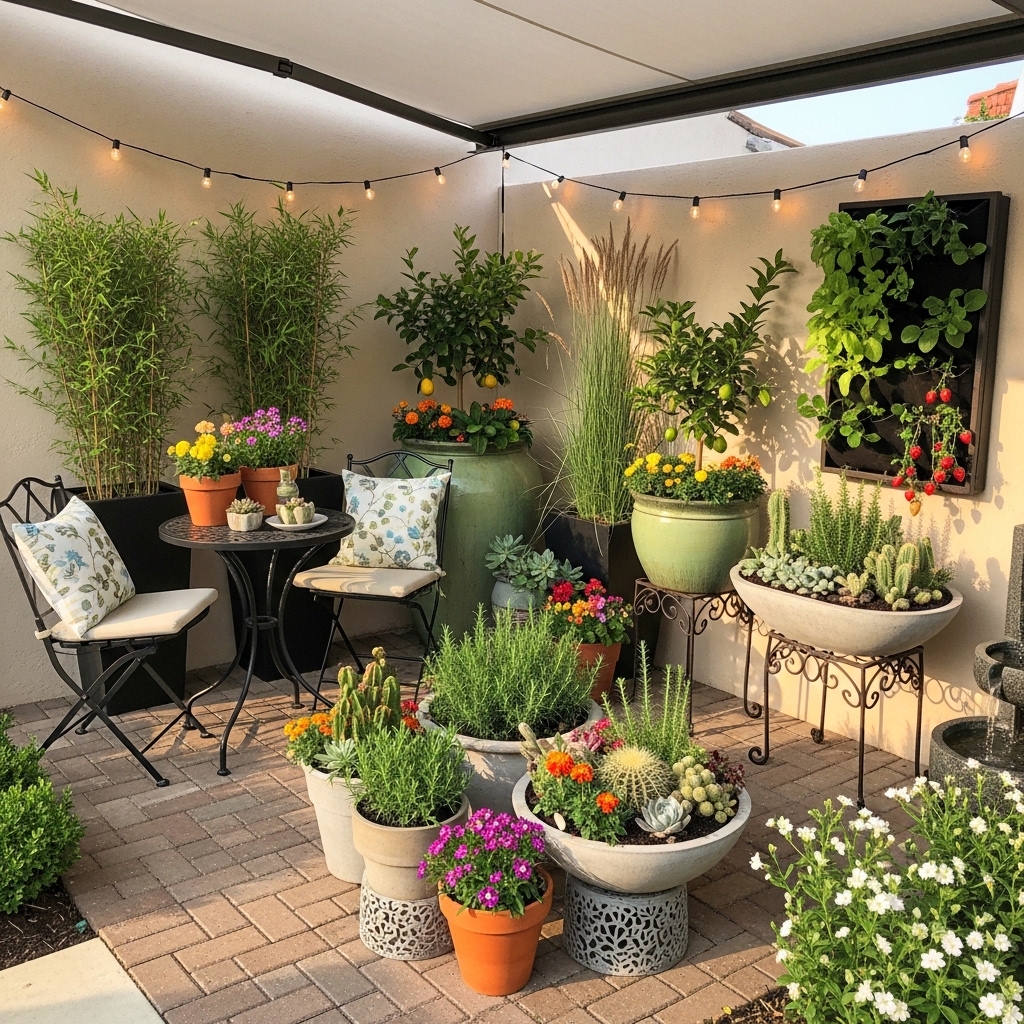
Who it’s for: Ideal for rental spaces or patios with no soil access.
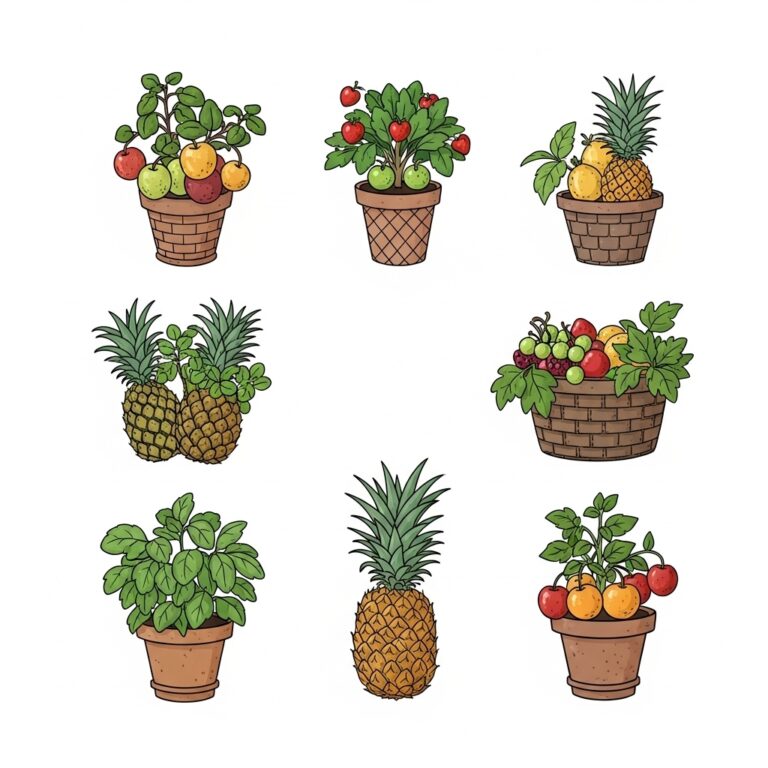
Use decorative pots for flowers, shrubs, or small fruiting plants. Containers can be rearranged seasonally and add visual interest to hardscape areas.
This works because containers allow for complete control over soil, water, and sunlight conditions. Many gardeners use oversized pots, which can be heavy and impractical.
Pro Tip: Group containers by height and color for visual harmony.
Mistake to Avoid: Don’t use containers without drainage; roots can rot quickly.
7. Window Box Gardens
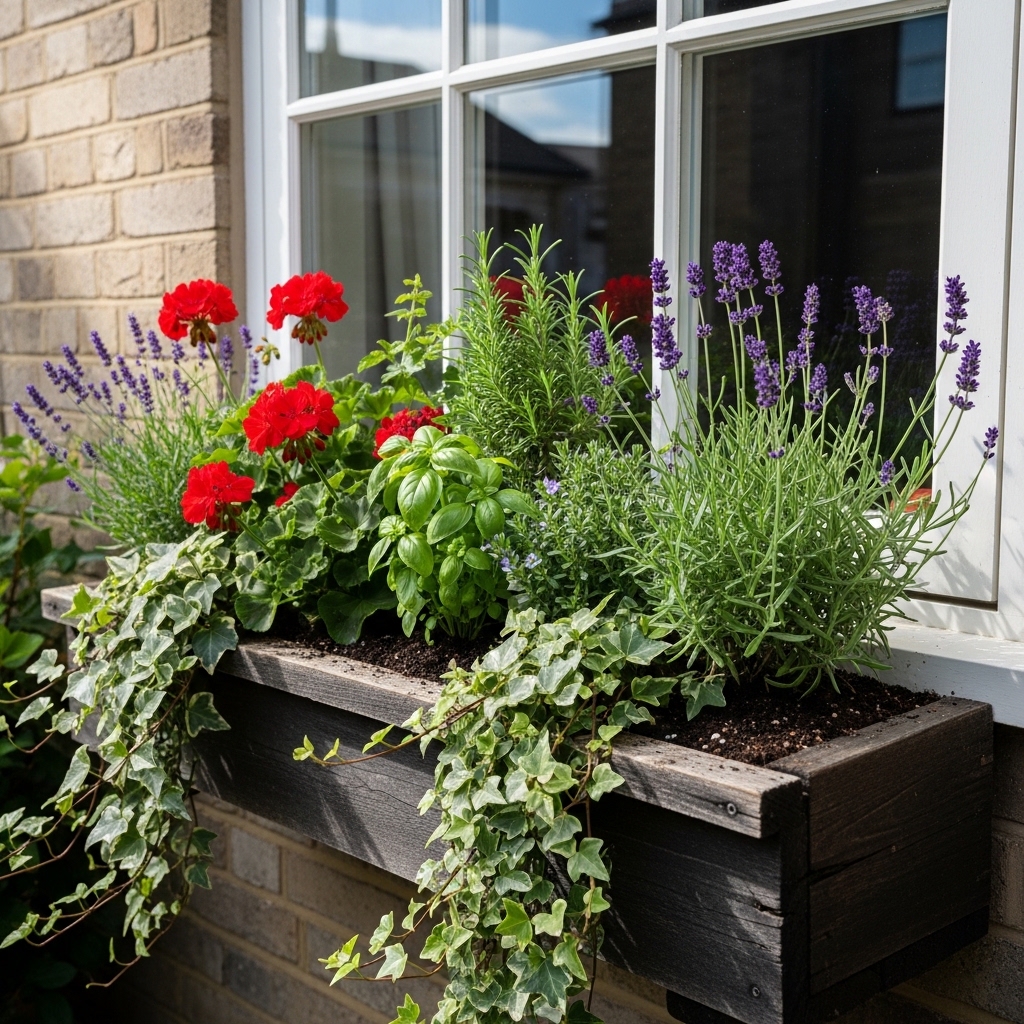
Who it’s for: Great for apartments or houses with small front/back windows.
Install boxes outside windows to grow flowers, herbs, or trailing plants. They’re compact, decorative, and make use of underutilized space.
It works because window boxes enhance curb appeal while adding greenery where space is limited. Beginners sometimes overfill boxes, causing plants to compete for sunlight and nutrients.
Pro Tip: Line boxes with water-retaining materials to reduce watering frequency.
Mistake to Avoid: Avoid using plants that grow too tall or heavy for narrow window boxes.
8. Curved Pathways With Border Plantings
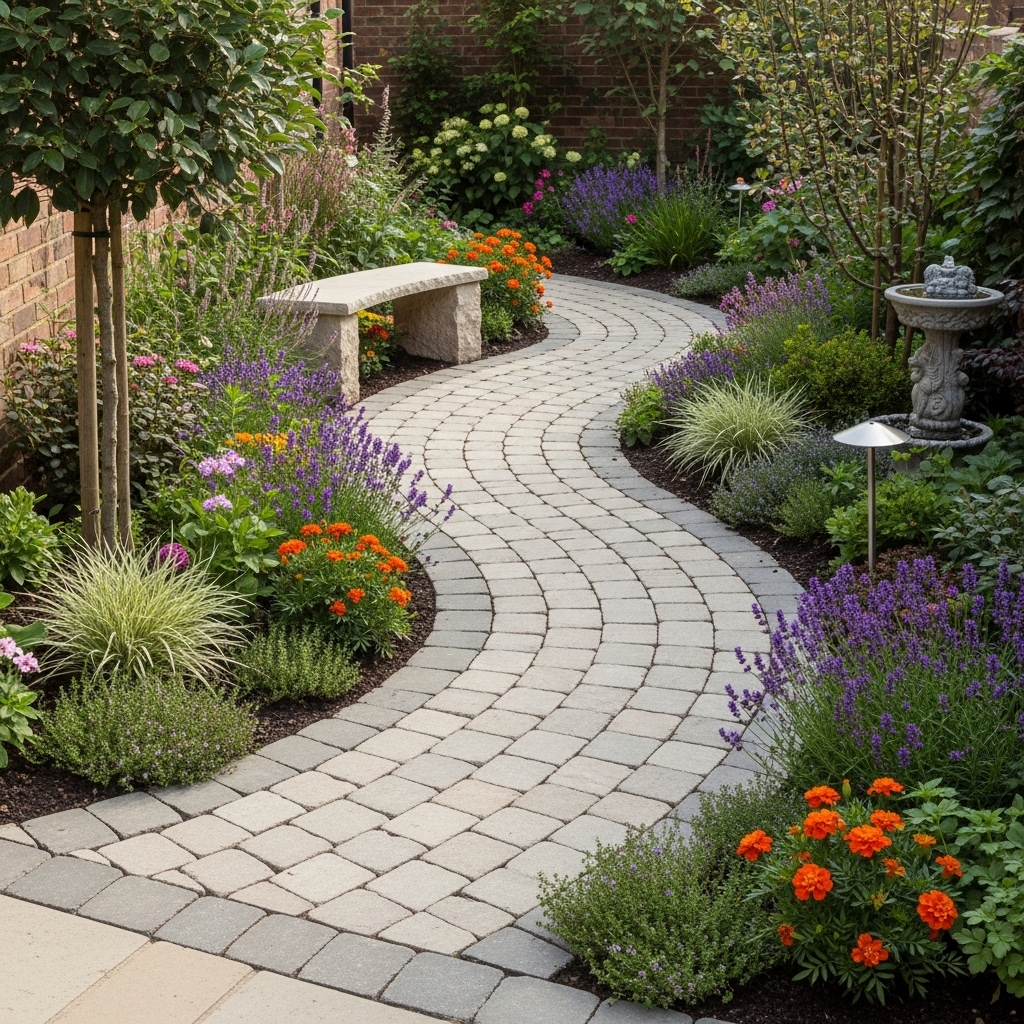
Who it’s for: Small gardens needing structure and visual interest.
Create a gentle curved pathway bordered by low plants, like lavender or dwarf shrubs. This adds movement and draws the eye through the space.
It works because curved layouts make small gardens feel larger and more inviting. Many homeowners create straight paths that make narrow gardens appear cramped.
Pro Tip: Use mulch or gravel to define the path for low maintenance.
Mistake to Avoid: Don’t plant borders too high; they can obstruct views.
9. Succulent or Rock Gardens
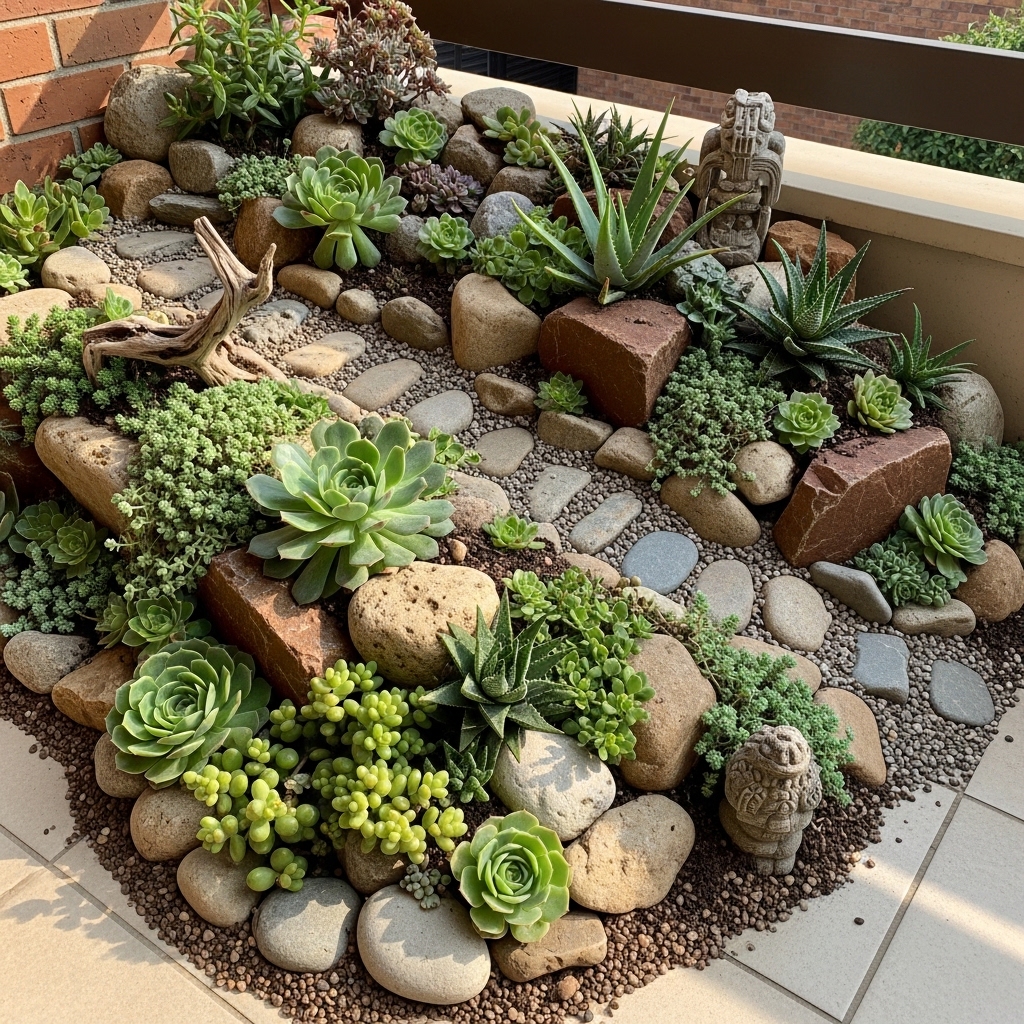
Who it’s for: Best for low-maintenance gardeners with limited time.
Arrange succulents, cacti, or decorative rocks in compact beds. This style is drought-tolerant and visually interesting.
It works because succulents require minimal water and thrive in small spaces while adding texture and color contrast. Many beginners plant succulents in deep soil, which can hold too much moisture and cause rot.
Pro Tip: Use well-draining soil and shallow pots for best results.
Mistake to Avoid: Don’t mix sun-loving and shade-loving succulents in the same bed.
10. Multi-Purpose Garden Furniture
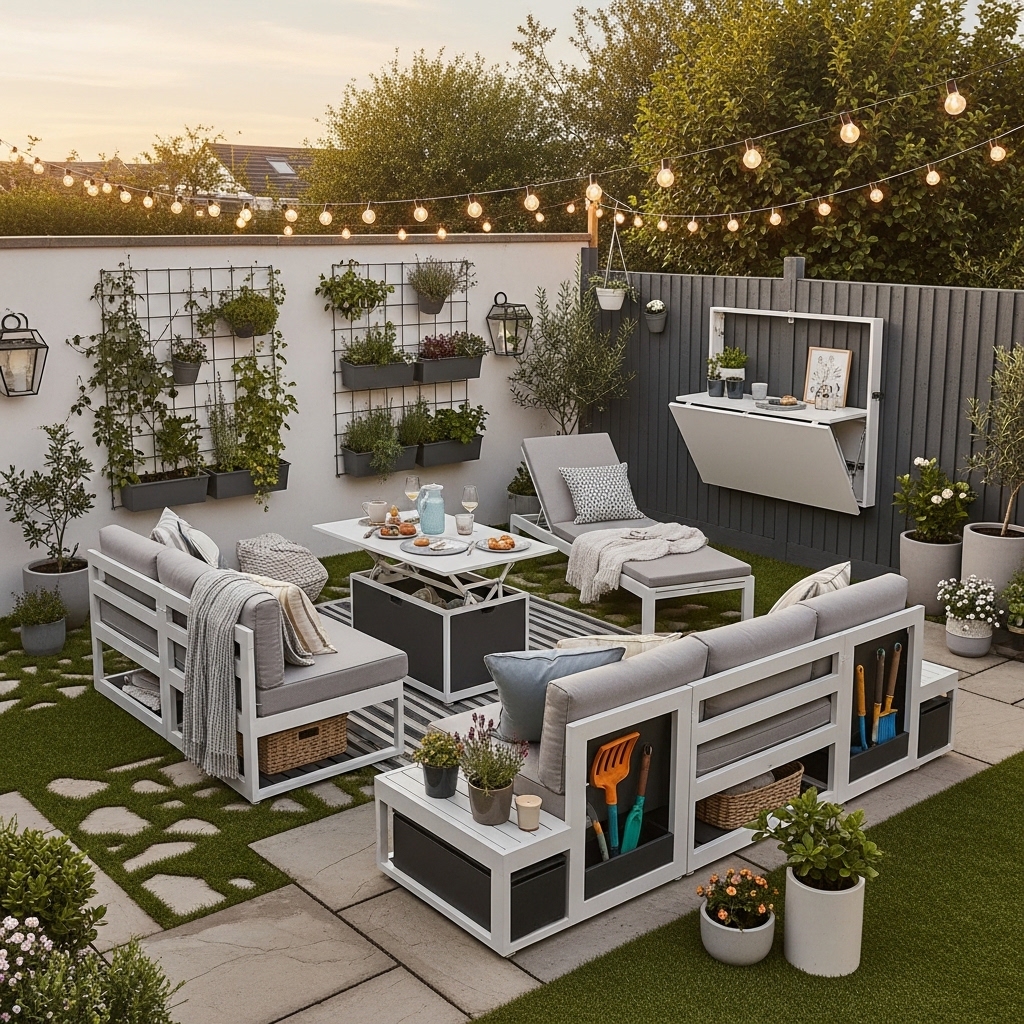
Who it’s for: Homeowners needing seating and planting solutions in tight areas.
Choose benches with built-in planters or storage to save space. This doubles functionality while adding greenery and seating.
It works because it combines decor and practical utility, enhancing both comfort and style in small gardens. Mistakes occur when furniture blocks sunlight or airflow to plants.
Pro Tip: Select lightweight, movable furniture for seasonal flexibility.
Mistake to Avoid: Don’t place furniture in areas that block essential garden access.
11. Seasonal Container Rotation
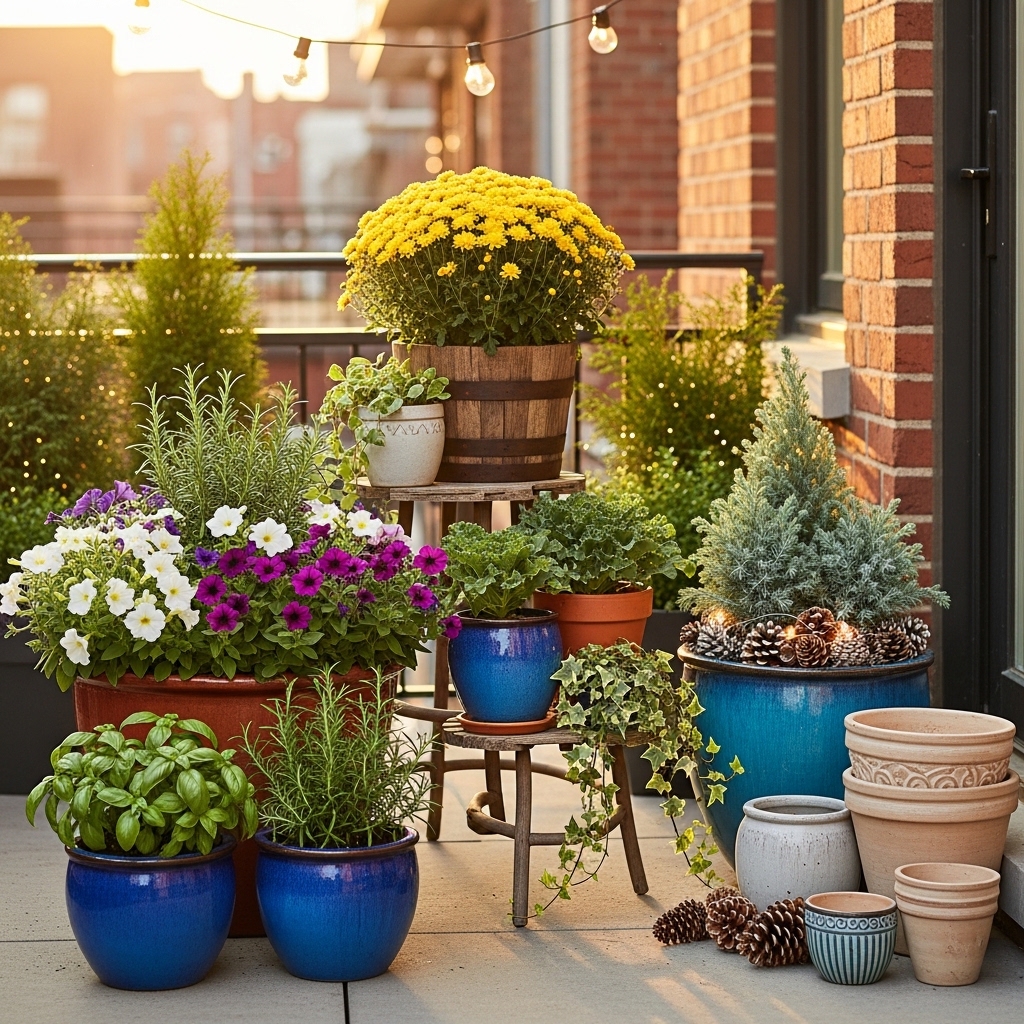
Who it’s for: Gardeners wanting continuous color and variety in small areas.
Swap plants in containers according to seasons to keep your garden vibrant year-round. Use spring bulbs, summer annuals, and fall perennials.
This works because seasonal rotation maintains visual interest without requiring more ground space. Many gardeners fail by planting everything at once and letting plants fade, leaving empty spots.
Pro Tip: Track plant needs to avoid overwatering or mismatched growth.
Mistake to Avoid: Don’t mix plants with very different watering requirements in one container.
12. Compact Fruit or Veggie Patches
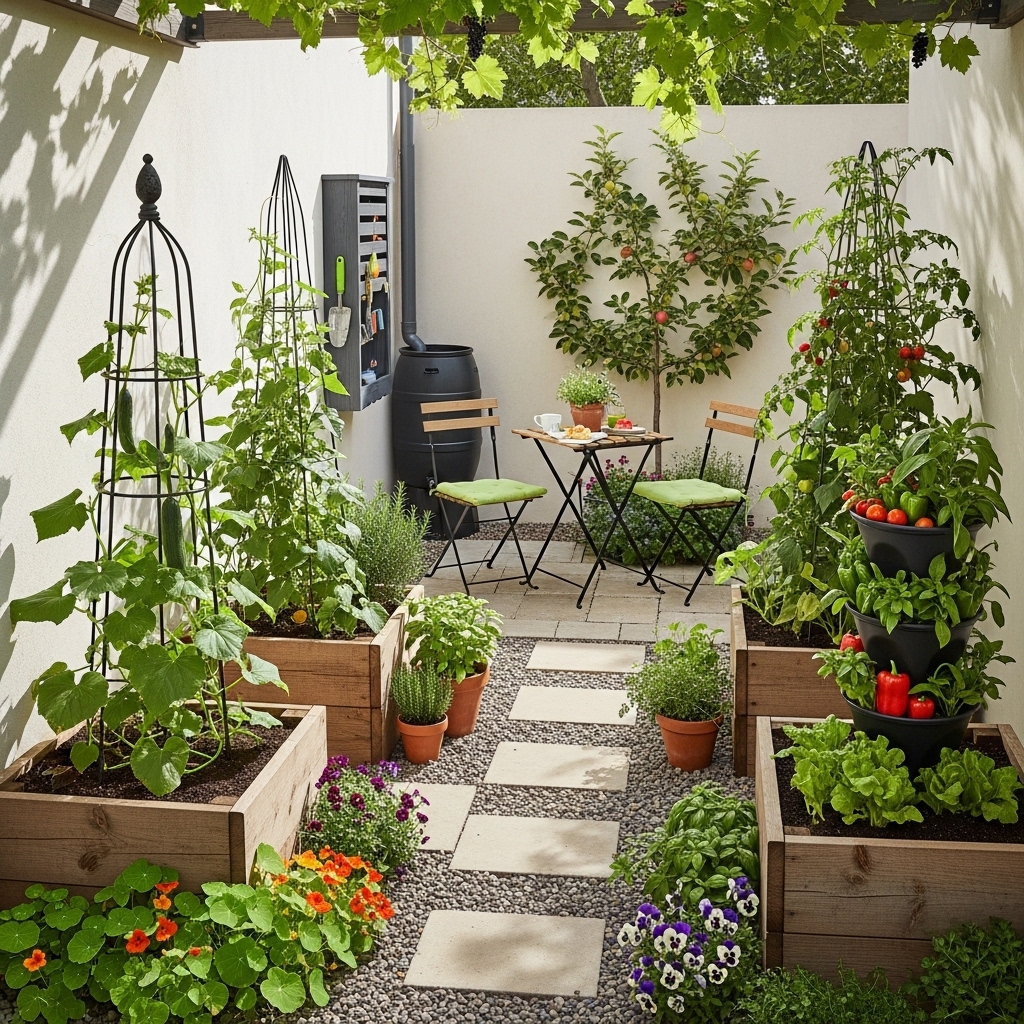
Who it’s for: Ideal for small backyard gardeners who want edible produce.
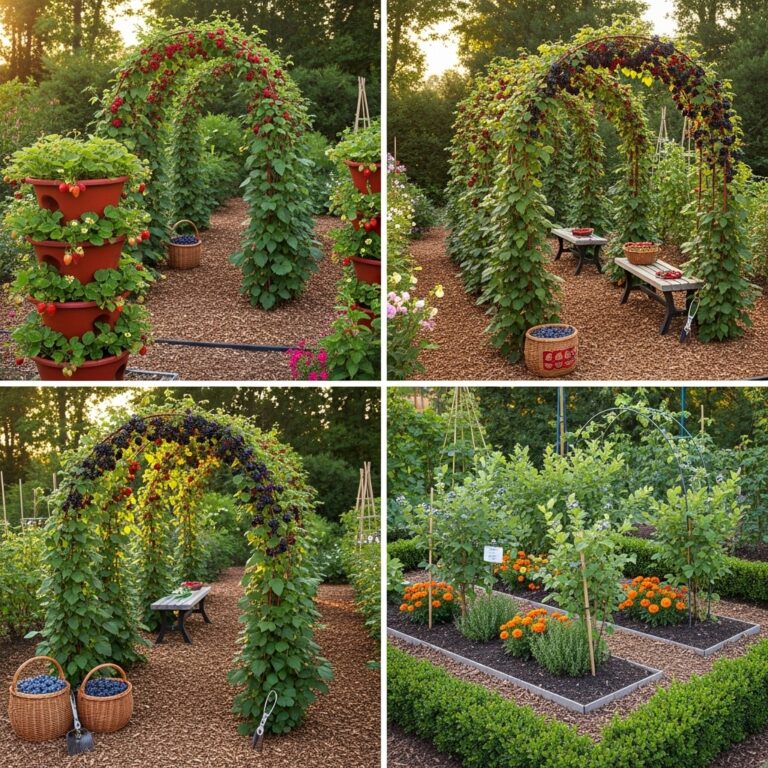
Use raised beds, containers, or vertical towers to grow strawberries, tomatoes, or peppers. Focus on high-yield, space-efficient varieties.
This works because small-scale edible gardening maximizes food production in tight areas without overcrowding. A common mistake is planting large varieties that outgrow the space quickly.
Pro Tip: Use companion planting to improve soil health and pest resistance.
Mistake to Avoid: Don’t forget to rotate crops to prevent nutrient depletion.
Conclusion
Small gardens can be really nice. Look great when you plan them carefully. You should think about how to use the space you have in a way like growing things up instead of out and using things that can do more, than one job. This way you can make the most of every bit of space you have.
If you use these garden ideas you can make a small garden that is easy to take care of produces a lot and looks nice even if you do not have a lot of room.
Small gardens can be a lot of fun and small gardens are worth the work because they can be very pretty and give you food to eat.