12 Living Room Color Ideas to Create a Stylish and Balanced Space
When you pick a color for your living room it is not about how it looks. The color you choose really affects how the room feels and how the light is in the room.
It also affects how comfortable the room is when you are using it every day. If you pick the color it can make the room feel tiny or really cold.. If you pick the right color it can completely change the way the room feels.
Here are some ideas for choosing colors that will work well in situations. For example if you have a room or a room that does not get a lot of light there are certain colors that will work better, than others.
If you have a room there are also certain colors that will look good in that type of space. Each of these color ideas comes with instructions so you can choose a color and know exactly how to use it without wondering if you are making a mistake with your design.
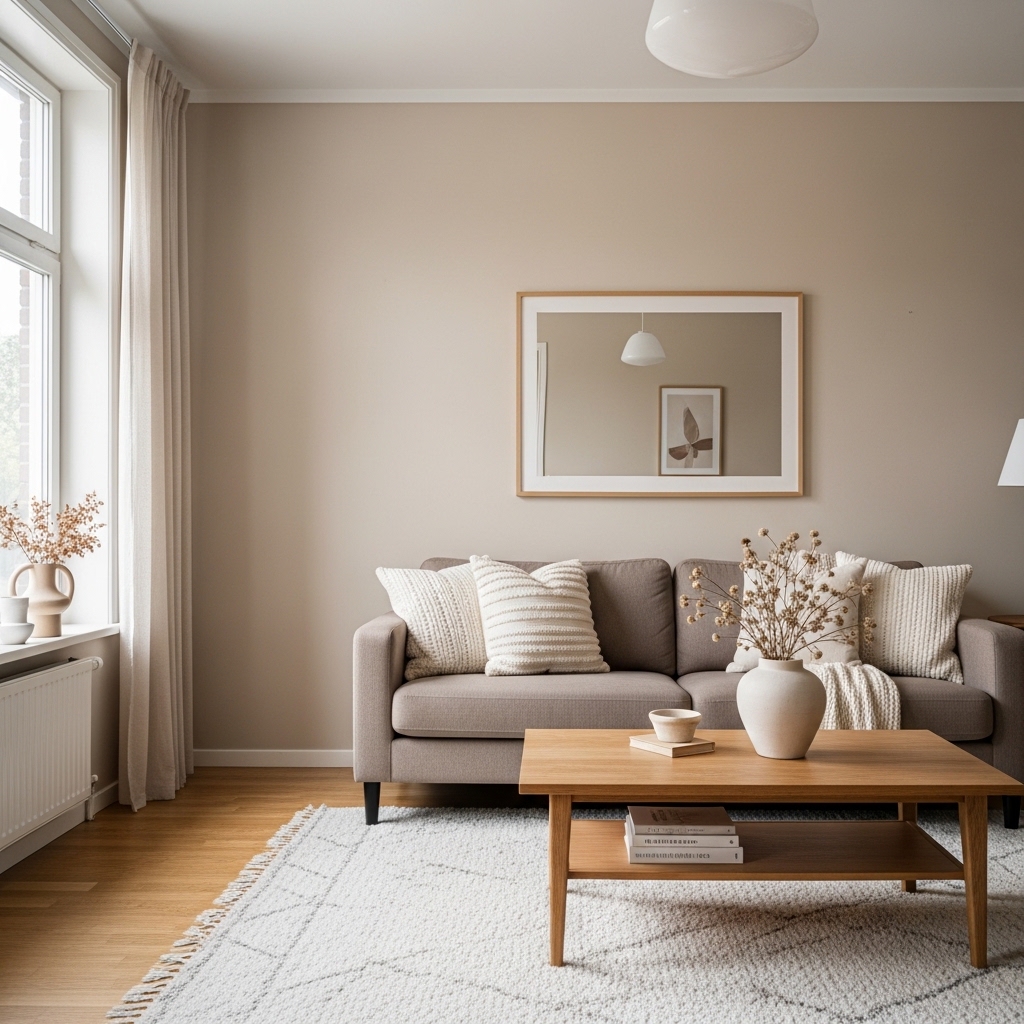
1. Warm Beige for a Cozy and Flexible Base
Who this is for: Living rooms that feel cold or lack warmth, especially with tile or modern flooring.
Warm beige creates a soft, inviting backdrop that works well with almost any furniture style. It reflects light gently without feeling stark like pure white.
How to apply: Use beige on walls and layer with textured fabrics like linen or knit. Pair with wood accents to enhance warmth.
Mistake to avoid: Choosing gray-toned beige can make the room feel dull instead of cozy.
2. Soft White to Brighten Small Spaces
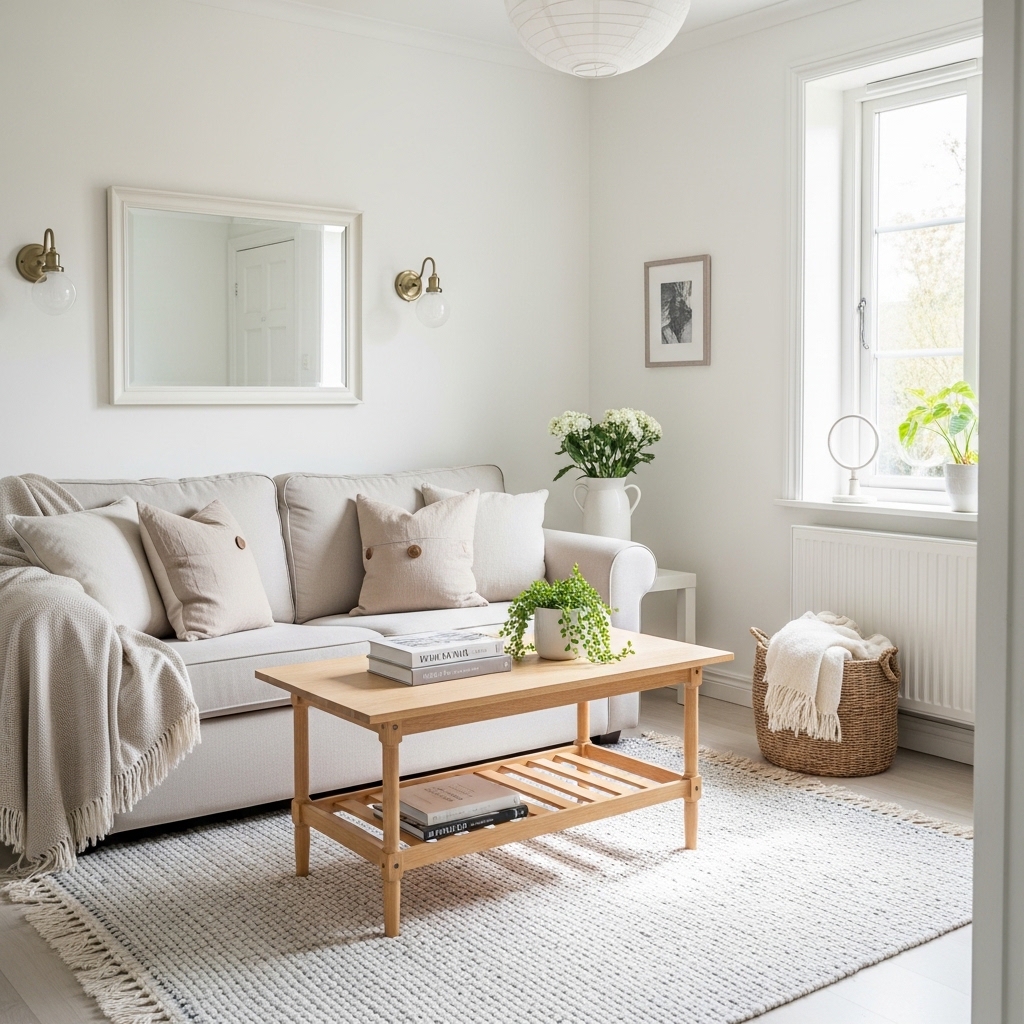
Who this is for: Small or low-light living rooms that need to feel more open.
Soft white expands visual space and reflects natural light, making the room feel larger and cleaner.
How to apply: Use warm white instead of cool white to avoid a clinical look. Add contrast through furniture and decor.
Mistake: Pure bright white can feel harsh without texture or warmth.
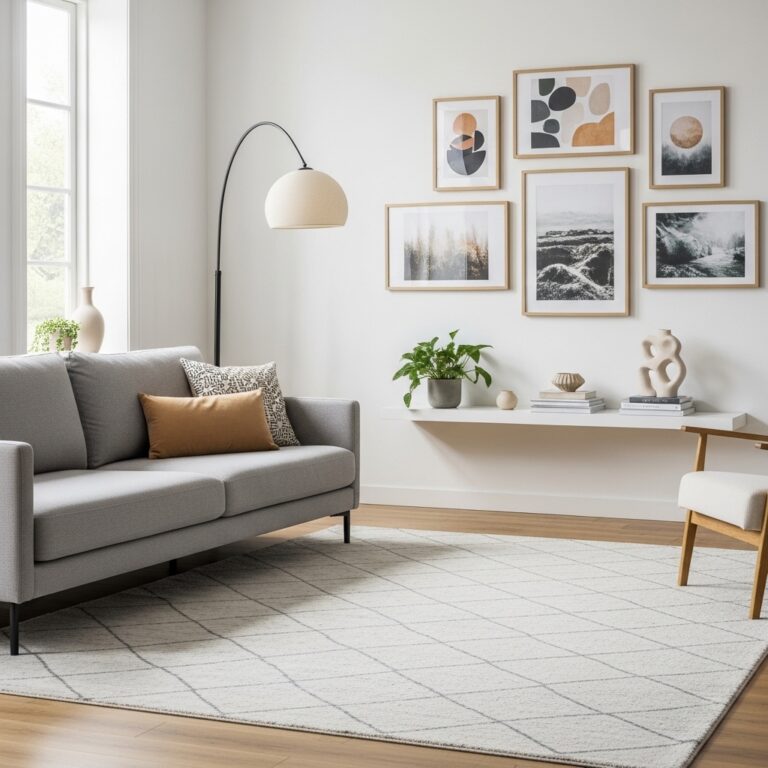
3. Light Gray for a Modern Neutral Look
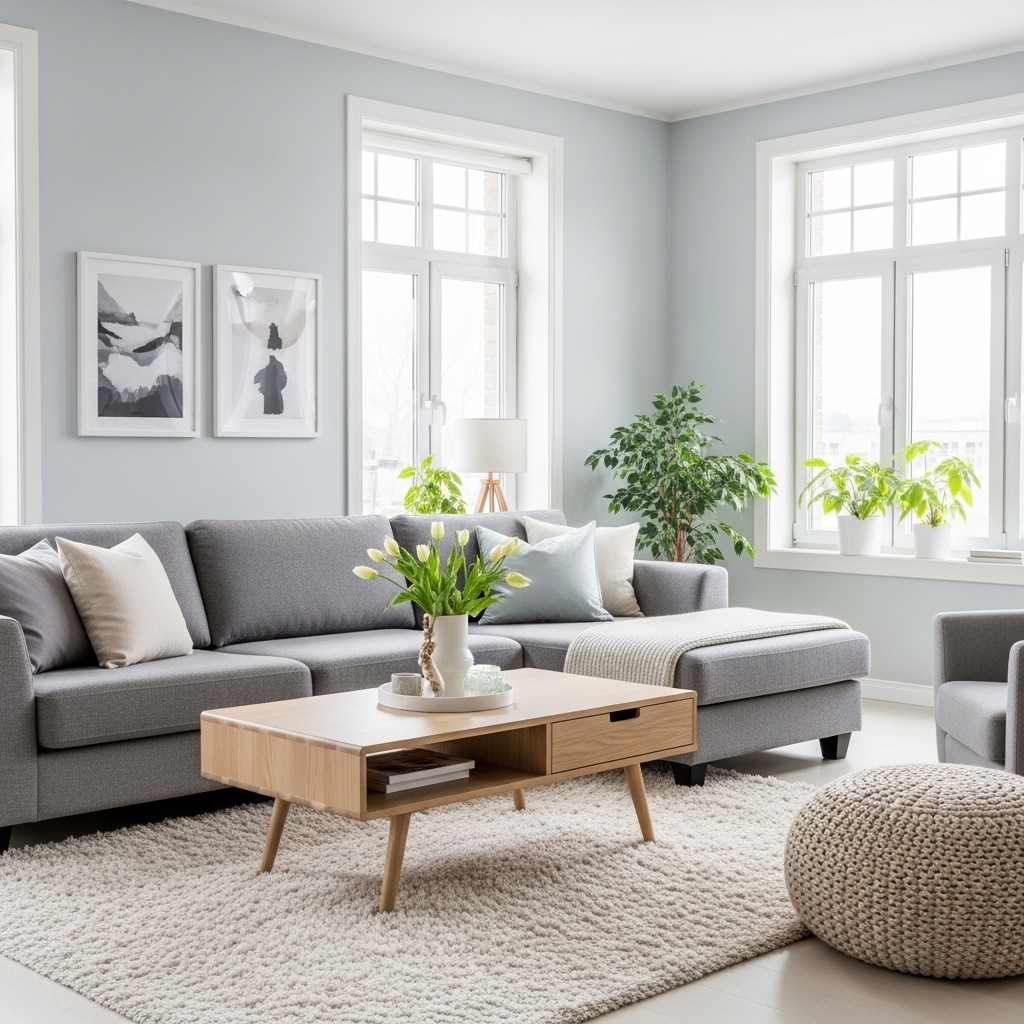
Who this is for: Contemporary living rooms aiming for a clean aesthetic.
Light gray provides a neutral base while adding more depth than white. It works well in balanced lighting conditions.
How to apply: Combine with black accents and soft textiles for contrast. Use warm lighting to prevent a cold feel.
Mistake: Using gray in dark rooms can make the space feel flat.
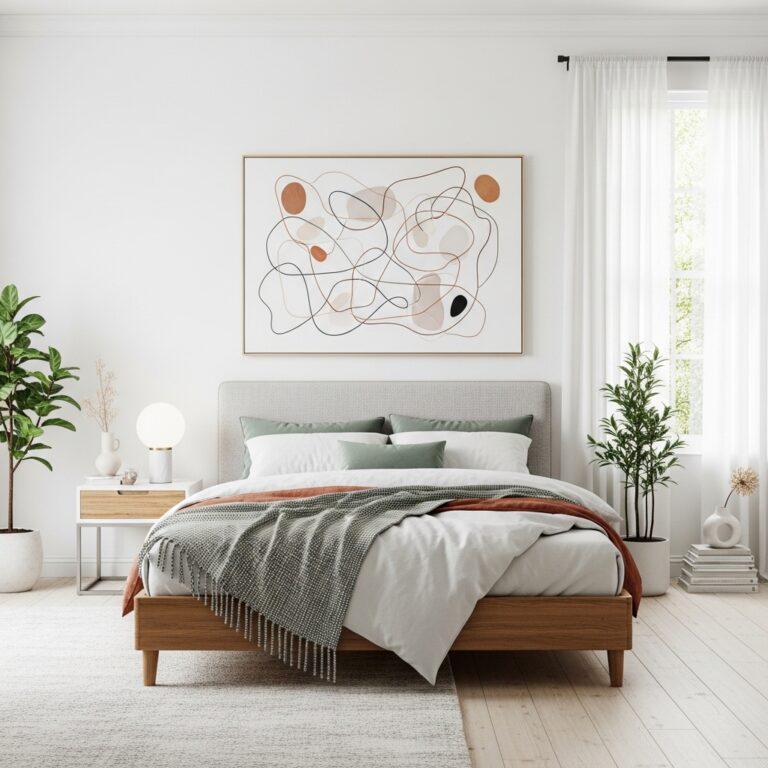
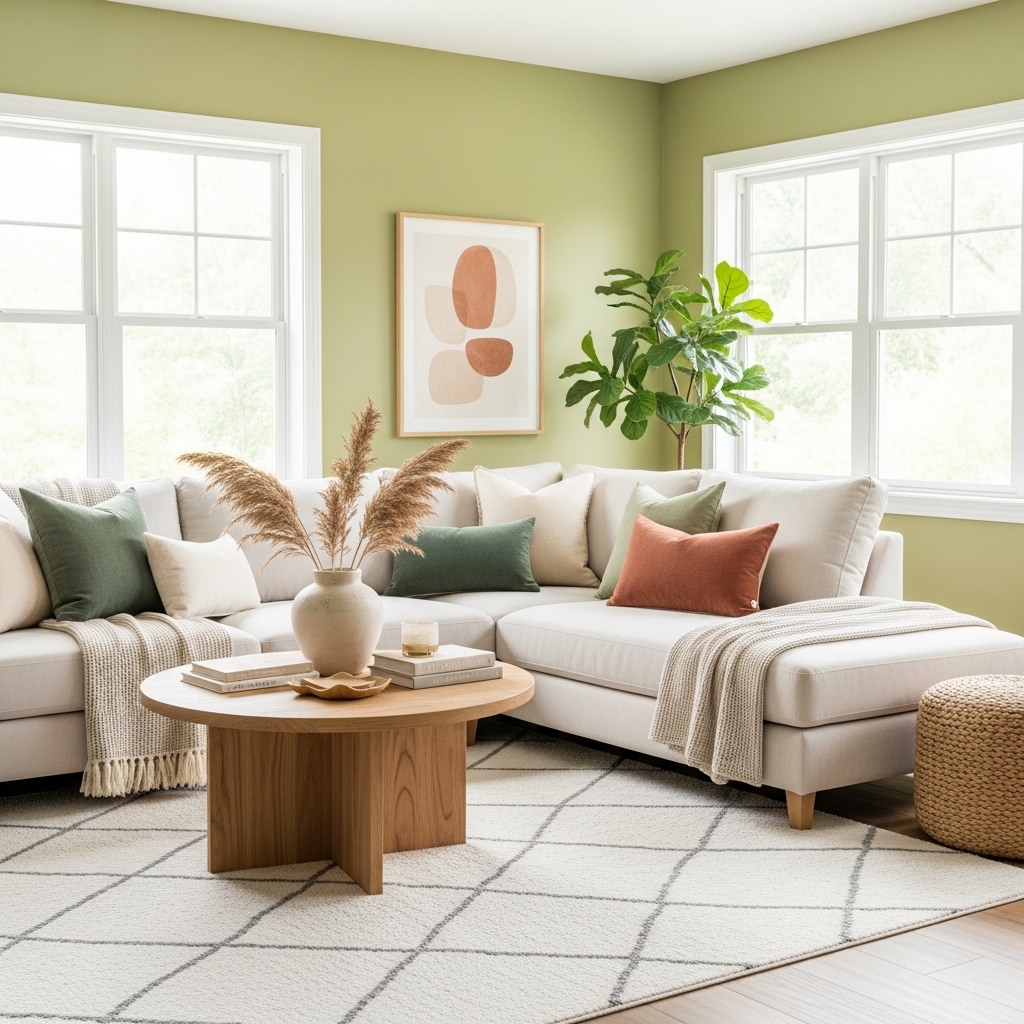
4. Sage Green for a Calm and Natural Feel
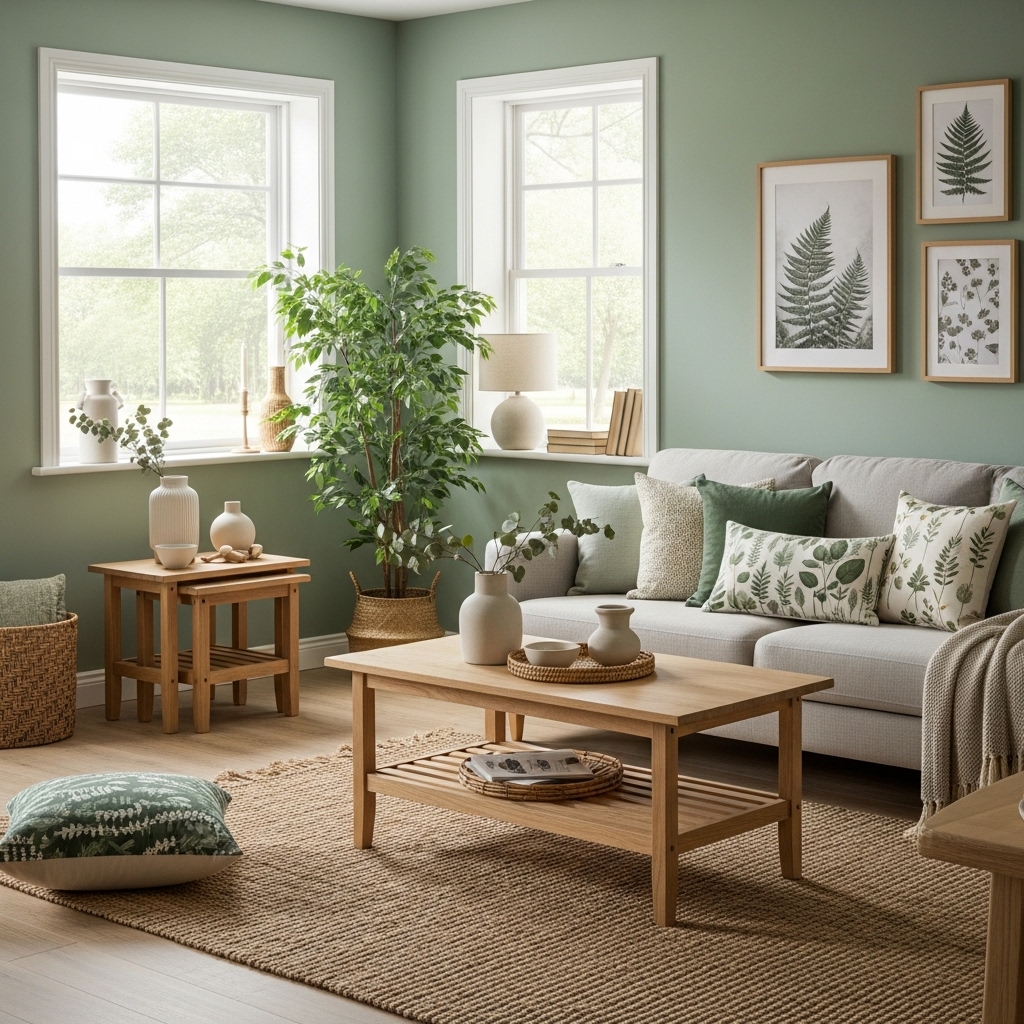
Who this is for: Spaces designed for relaxation or nature-inspired decor.
Sage green brings a subtle connection to nature while maintaining a soft, neutral tone. It works well in both modern and rustic settings.
How to apply: Use on walls or large furniture pieces. Pair with beige, cream, or wood finishes.
Mistake: Overusing green without contrast can feel monotonous.
5. Navy Blue for a Rich and Grounded Look
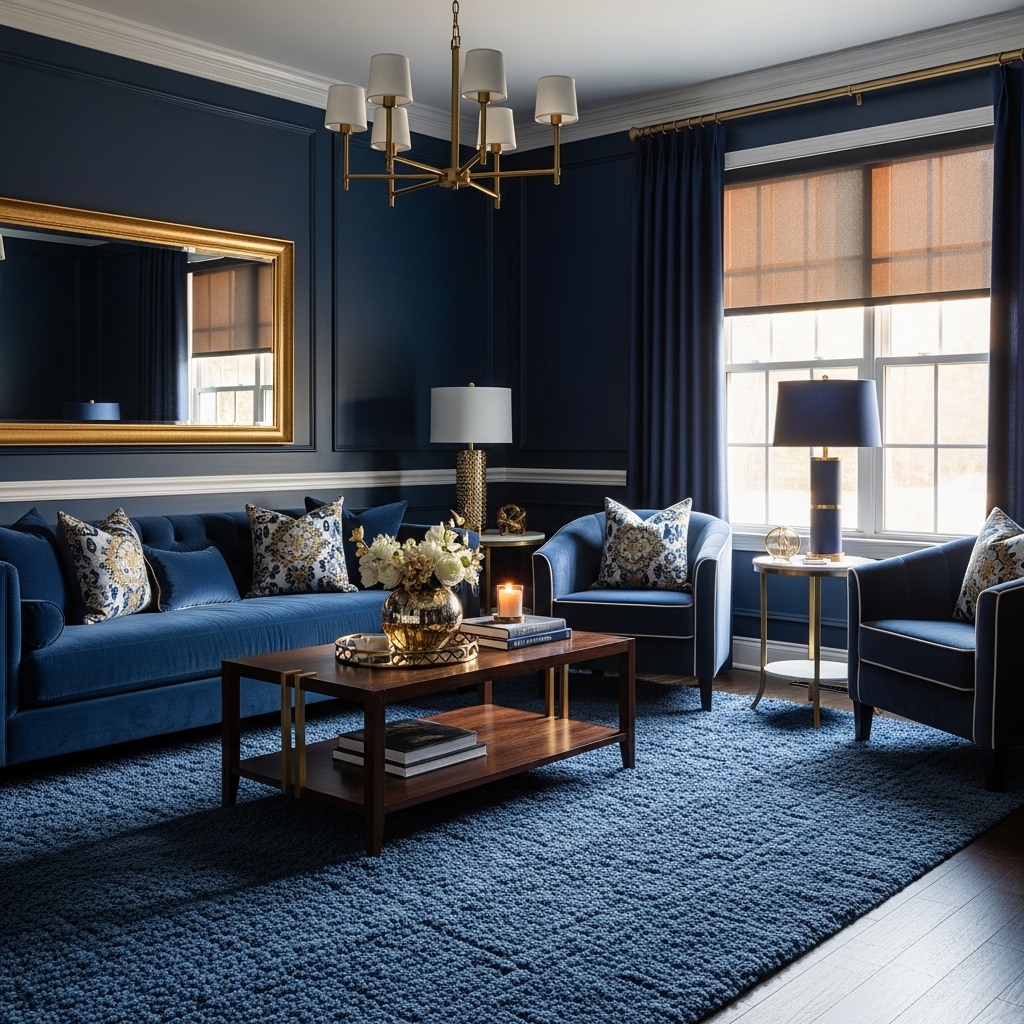
Who this is for: Medium to large living rooms with good natural light.
Navy adds depth and sophistication while creating a strong focal point. It helps anchor the space visually.
How to apply: Use on one accent wall or sofa. Balance with lighter tones like white or beige.
Mistake: Using navy in small rooms can make them feel enclosed.
6. Cream Tones for a Soft Elegant Atmosphere
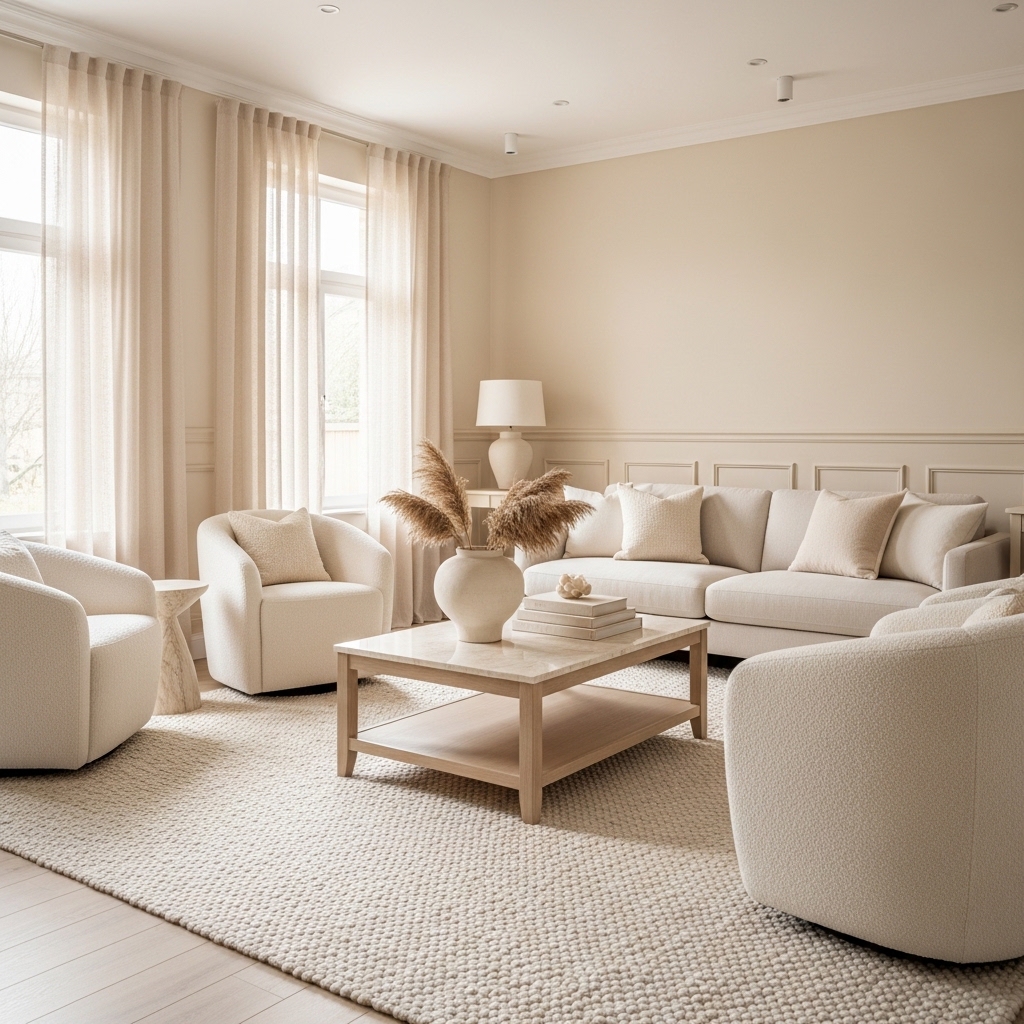
Who this is for: Neutral lovers who want warmth without strong color contrast.
Cream creates a soft and layered look that feels more relaxed than white. It works well in both classic and modern interiors.
How to apply: Use across walls, curtains, and upholstery for a cohesive look. Add subtle textures for depth.
Mistake: Mixing too many cream shades without contrast can feel flat.
7. Charcoal Gray for a Bold Modern Accent
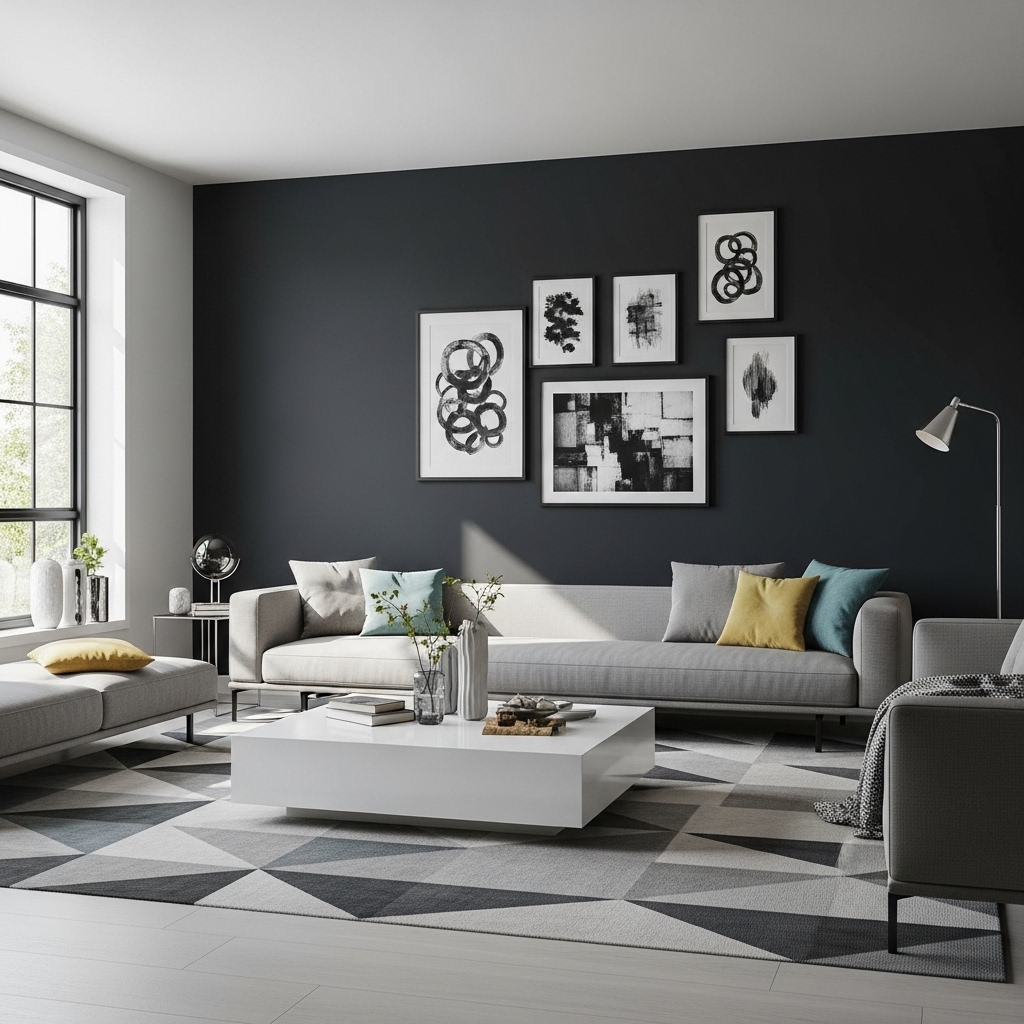
Who this is for: Living rooms needing contrast and definition.
Charcoal adds drama while still being neutral. It works best as an accent rather than the main color.
How to apply: Use on a feature wall or furniture piece. Pair with lighter tones and warm lighting.
Mistake: Using too much charcoal can darken the room excessively.
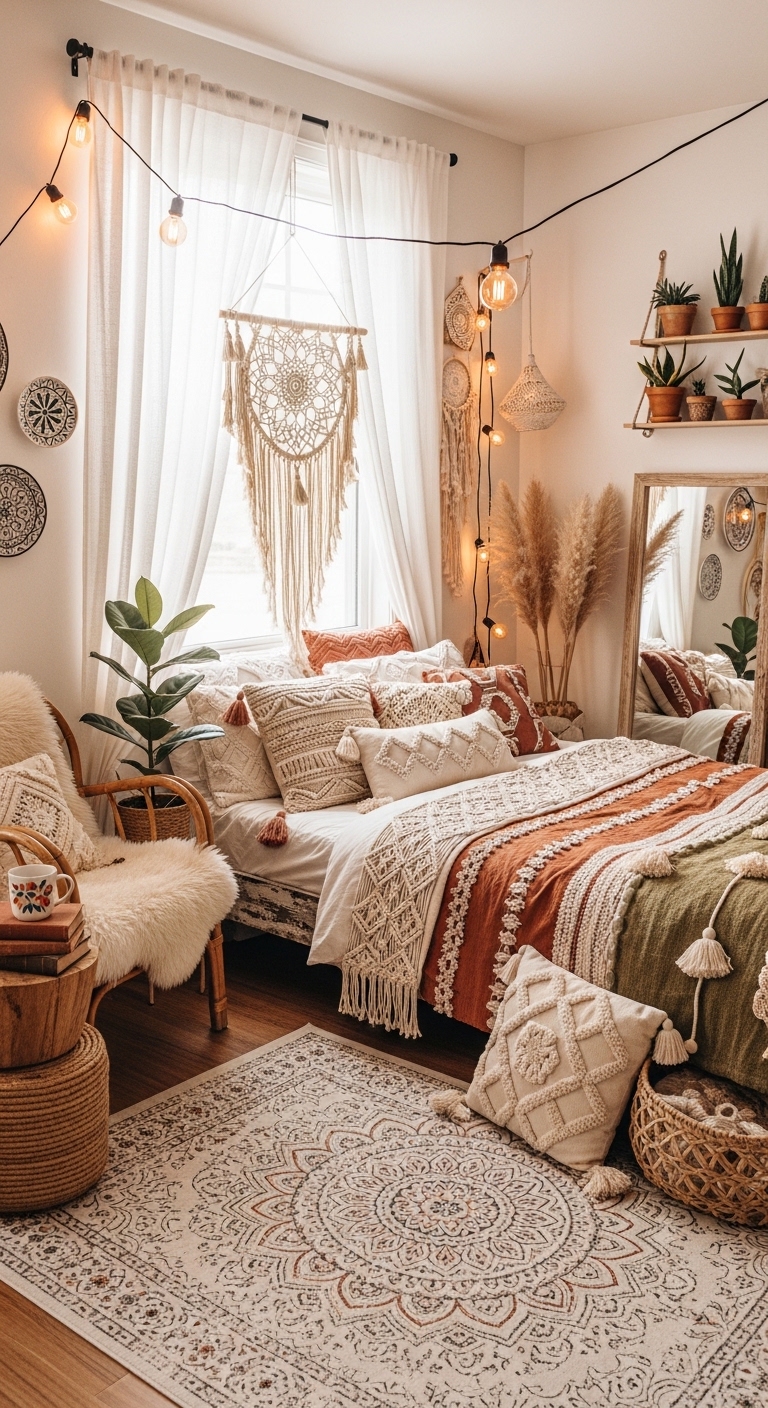
8. Terracotta for Warm Earthy Vibes
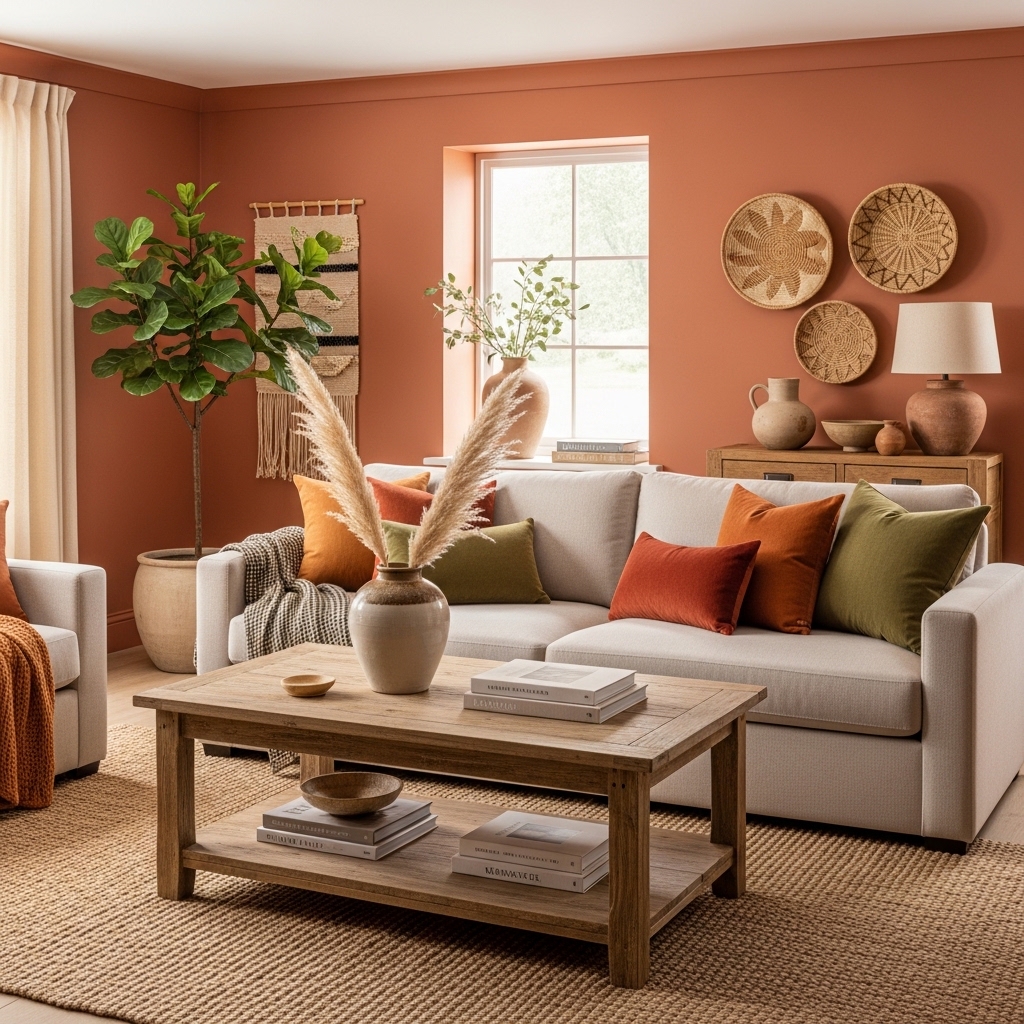
Who this is for: Cozy living rooms with a natural or boho style.
Terracotta brings warmth and personality without feeling overwhelming. It works especially well in sunlight-filled spaces.
How to apply: Use in accent walls, cushions, or decor. Pair with neutral bases like beige or cream.
Mistake: Overusing terracotta can make the room feel too heavy.
9. Dusty Blue for a Soft Relaxing Mood
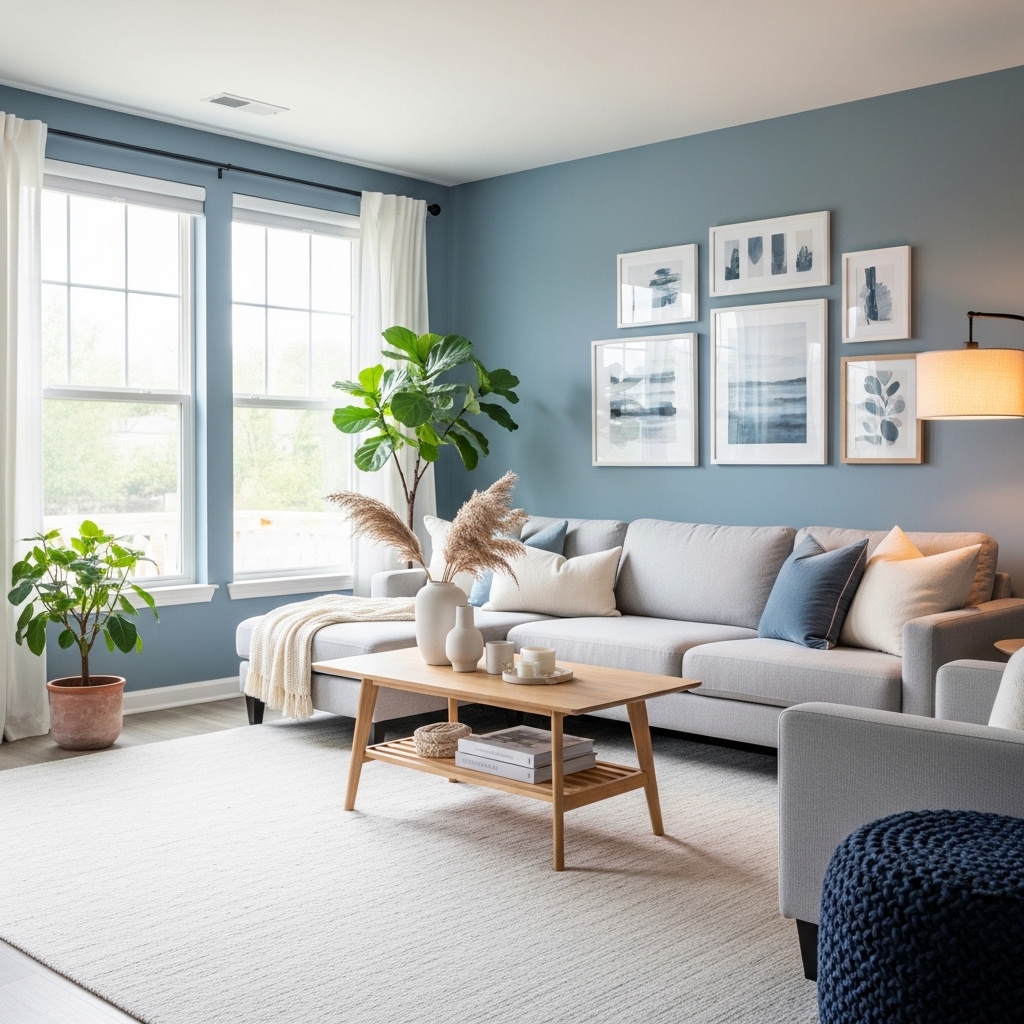
Who this is for: Living rooms designed for calm and comfort.
Dusty blue creates a soothing atmosphere while still adding subtle color. It works well in both small and large spaces.
How to apply: Use on walls or upholstery. Pair with white and light wood tones.
Mistake: Pairing with cool lighting can make it feel dull.
10. Greige for a Balanced Neutral Blend
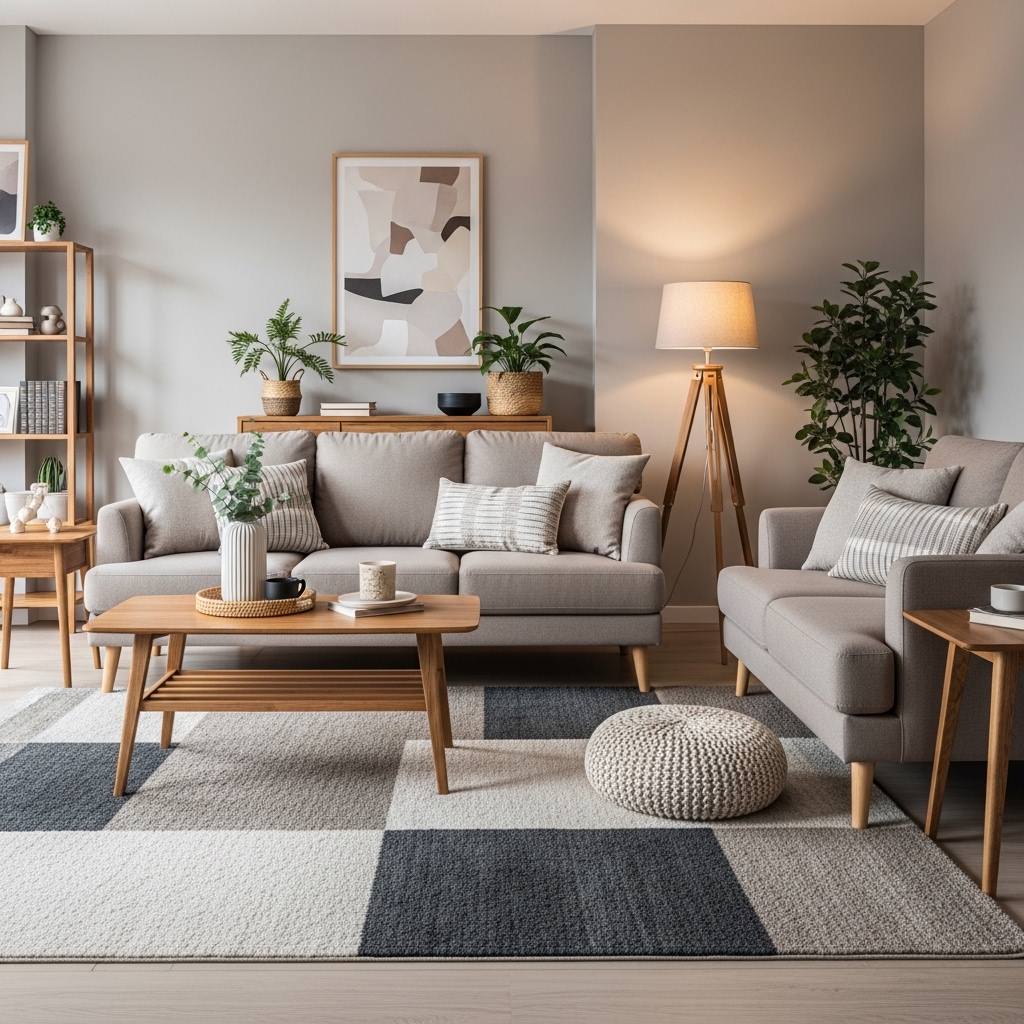
Who this is for: Those undecided between gray and beige.
Greige combines warmth and coolness, making it highly versatile for different lighting conditions.
How to apply: Use as a main wall color and layer with both warm and cool decor elements.
Mistake: Choosing the wrong undertone can clash with furniture.
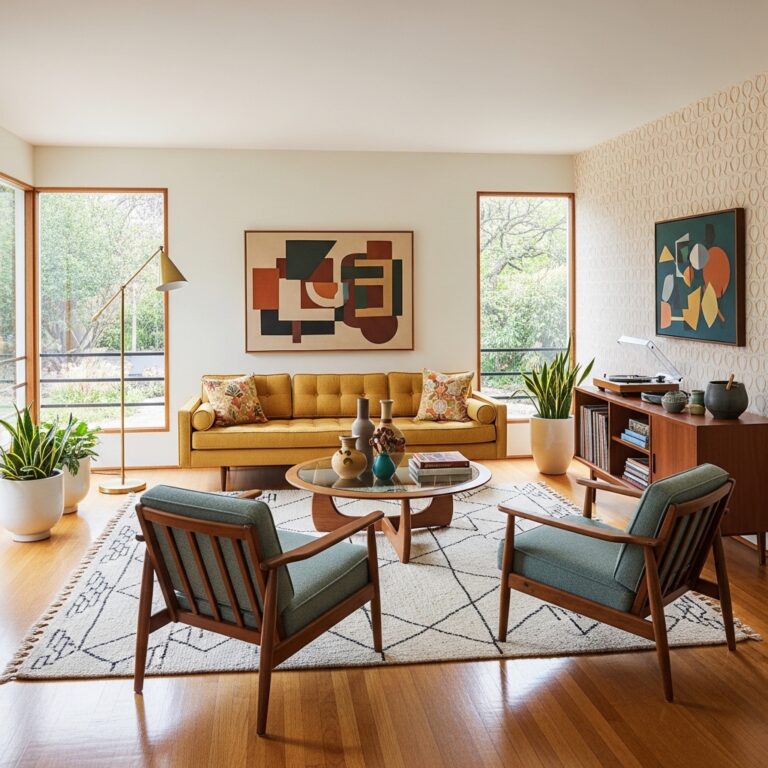
11. Olive Green for a Deep Natural Look
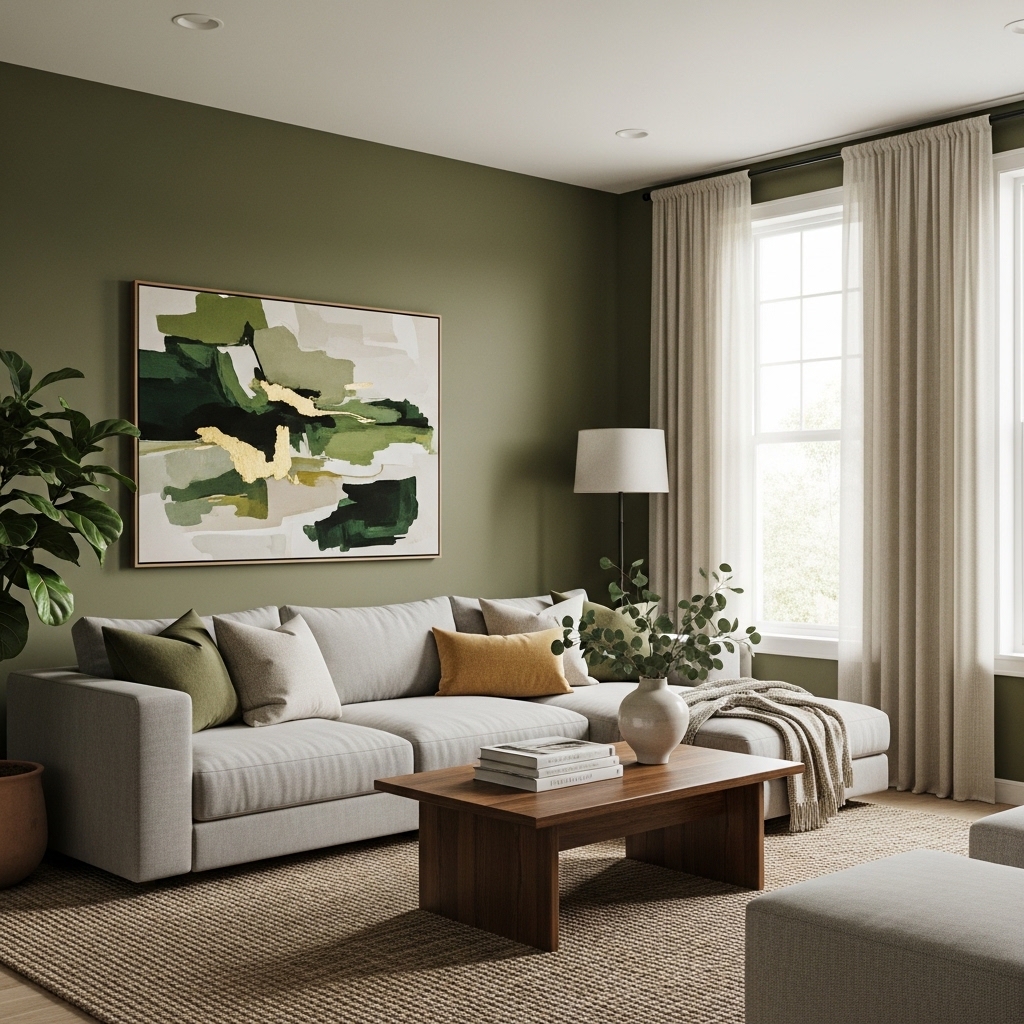
Who this is for: Larger living rooms or statement walls.
Olive green adds depth while maintaining a connection to natural tones. It creates a grounded, cozy feel.
How to apply: Use on one wall or large furniture pieces. Pair with wood and neutral fabrics.
Mistake: Using in low-light rooms can make it feel too dark.
12. Soft Blush for a Subtle Warm Accent
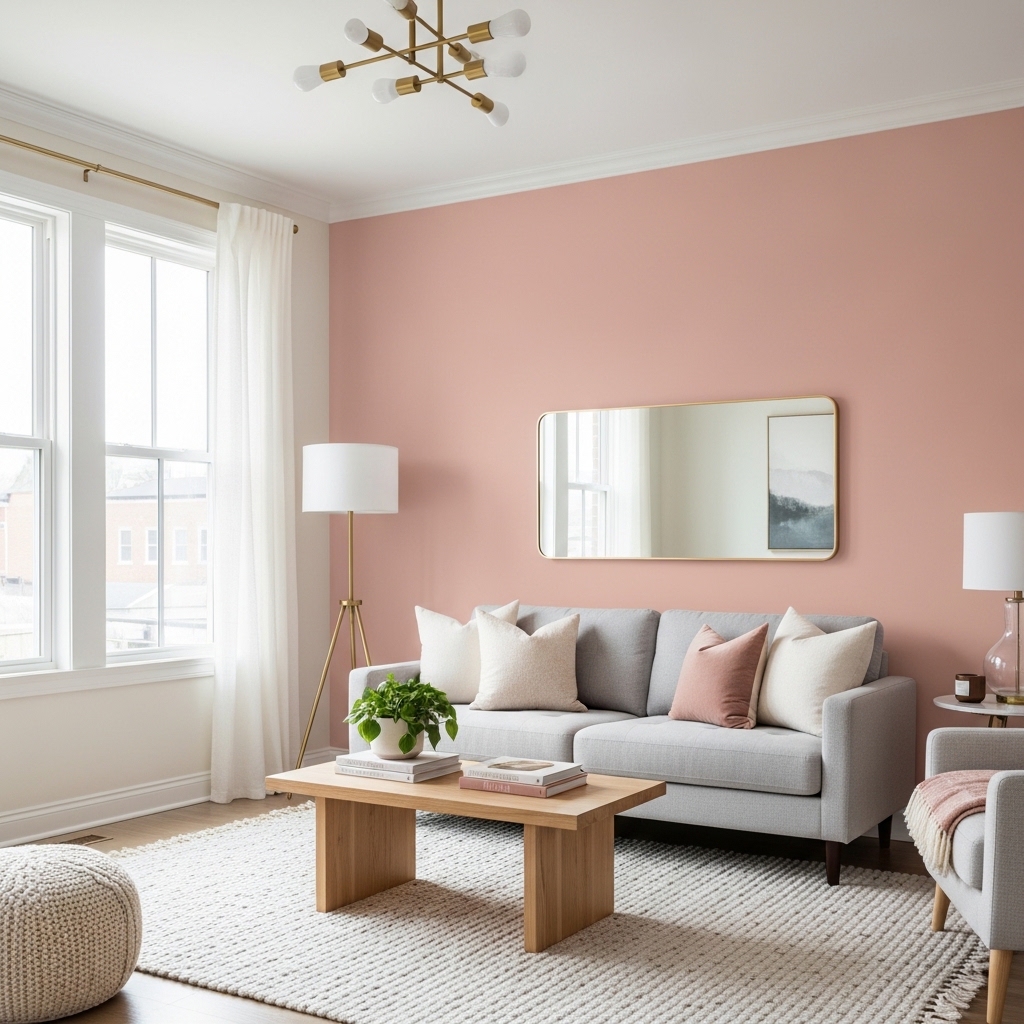
Who this is for: Neutral spaces needing a gentle pop of color.
Blush adds warmth without overwhelming the room. It works well as an accent rather than a primary color.
How to apply: Use in pillows, throws, or small decor pieces. Pair with beige or gray bases.
Mistake: Overusing blush can make the room feel overly themed.
Conclusion: Choose Colors That Match Your Space and Lifestyle
The best color for your living room is not about what is popular right now. It is about how the color works with your living room the lighting, in it and how you use the room every day.
If you pick a color it can make a small living room feel bigger. It can make a dark living room feel brighter. It can even make a plain living room feel more welcoming.
First you need to figure out what your living room needs. Does it need light more warmth or more contrast? Then you can start building your color palette.
You can start with one living room color and add a few other colors that go well with it. With these twelve living room color ideas you can make a living room that feels balanced and works well. You can make it look good without making it too complicated.