12 Luxury Living Room Design Ideas to Create a High-End, Elegant Space
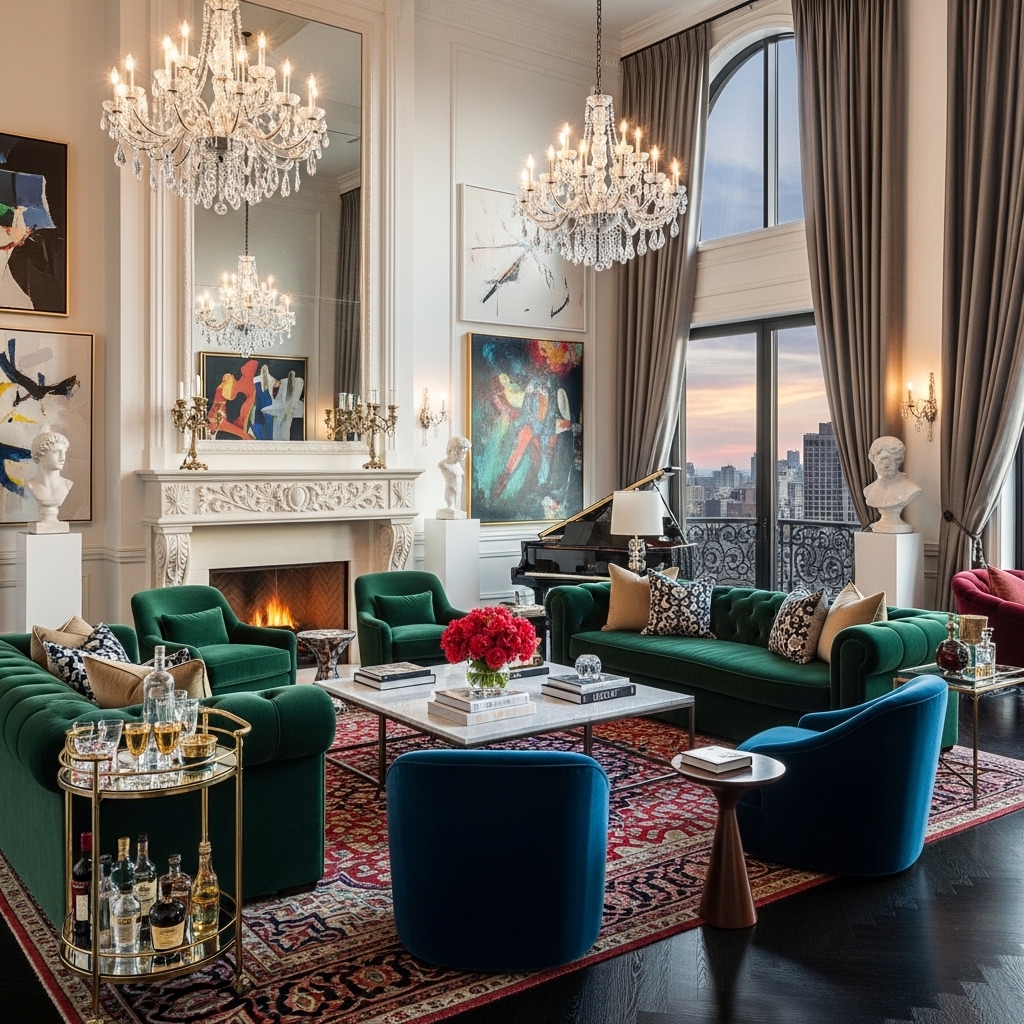
A luxury living room isn’t defined by price—it’s defined by detail, balance, and intentional design. True high-end interiors combine premium materials, layered lighting, refined color palettes, and perfectly scaled furniture to create a space that feels sophisticated yet comfortable.
These luxury living room design ideas are built using proven high-end interior design principles, modern luxury decor trends, upscale furniture styling, and premium material layering techniques.
Each idea focuses on what actually makes a space look expensive—not just decorative overload, but thoughtful execution that elevates the entire room.
1. Start with a Sophisticated Neutral Color Palette
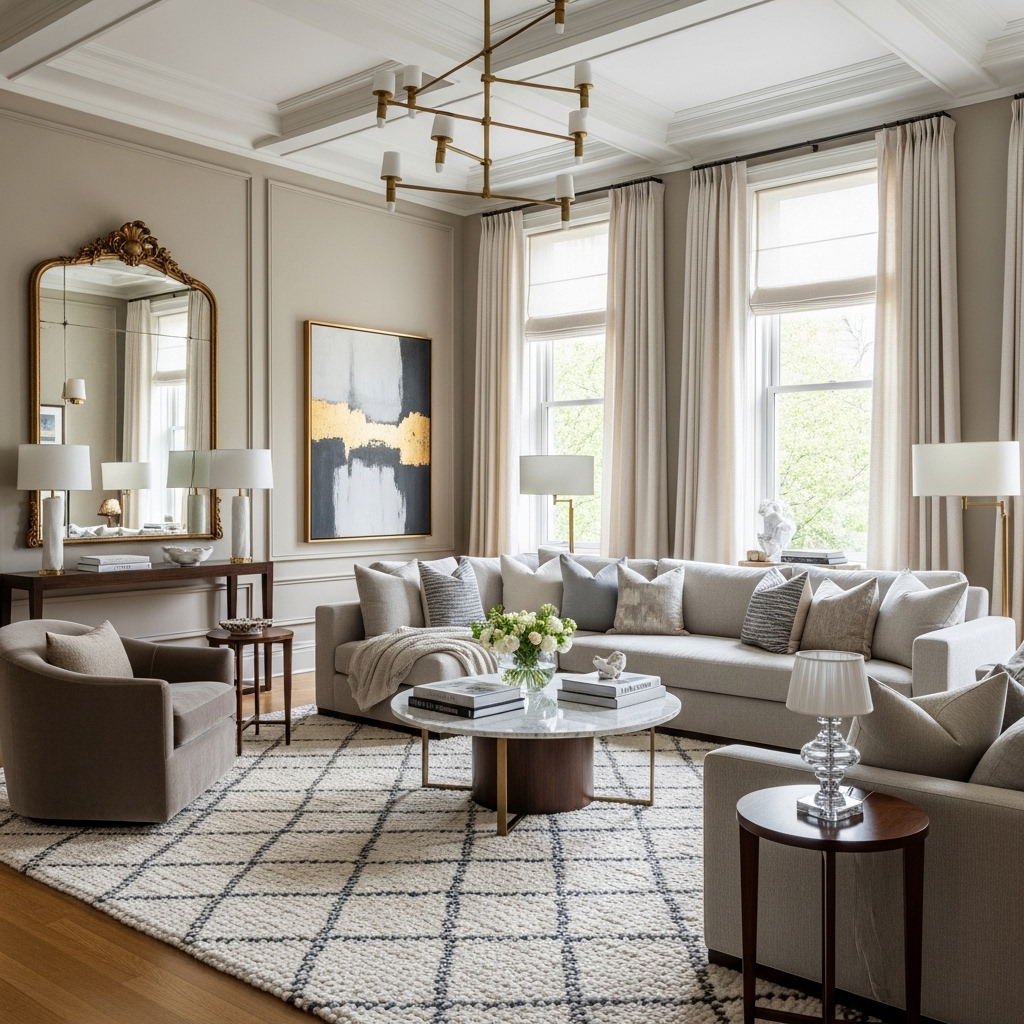
Luxury living rooms usually start with a color. Like beige, ivory, taupe, charcoal or a mix of gray and beige. These colors make the room feel calm and look rich.
The idea is to use shades of the same color to make the room look deeper. This is very important, in designing a luxury living room.
A simple color base also helps to show off the materials and textures in the room.
This makes the room look more interesting.
Using textures and materials is a key part of luxury living room design.
Pro Tip: Use tonal variation (light + mid + dark neutrals) to create dimension without clutter.
2. Invest in High-Quality Statement Furniture
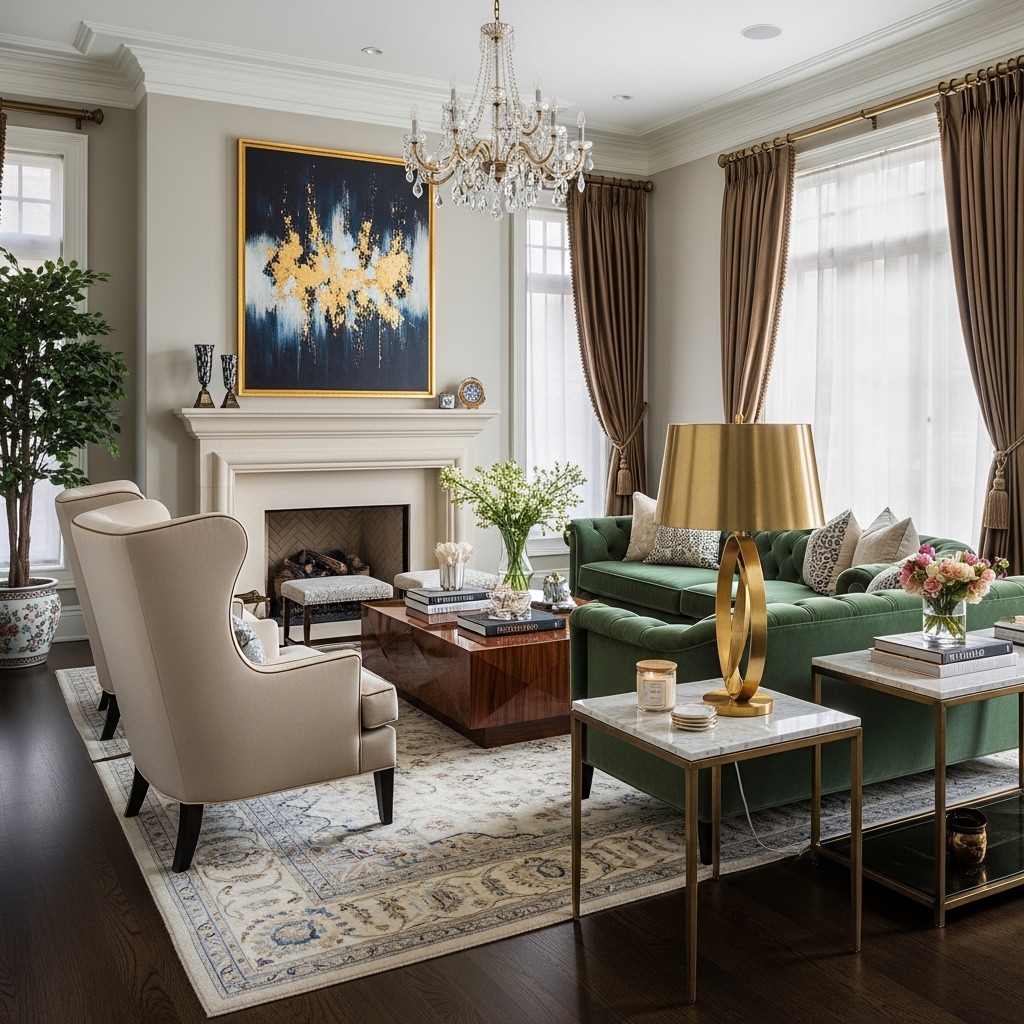
Luxury spaces prioritize fewer but better pieces. A well-crafted sofa, sculptural coffee table, or designer armchair instantly elevates the room.
Focus on clean lines, premium upholstery, and perfect proportions. This is essential in luxury living room furniture ideas.
Quality furniture not only looks better but also lasts longer.
Pro Tip: Choose one hero piece (like a sofa) and build the room around it.
3. Layer Lighting Like a Designer
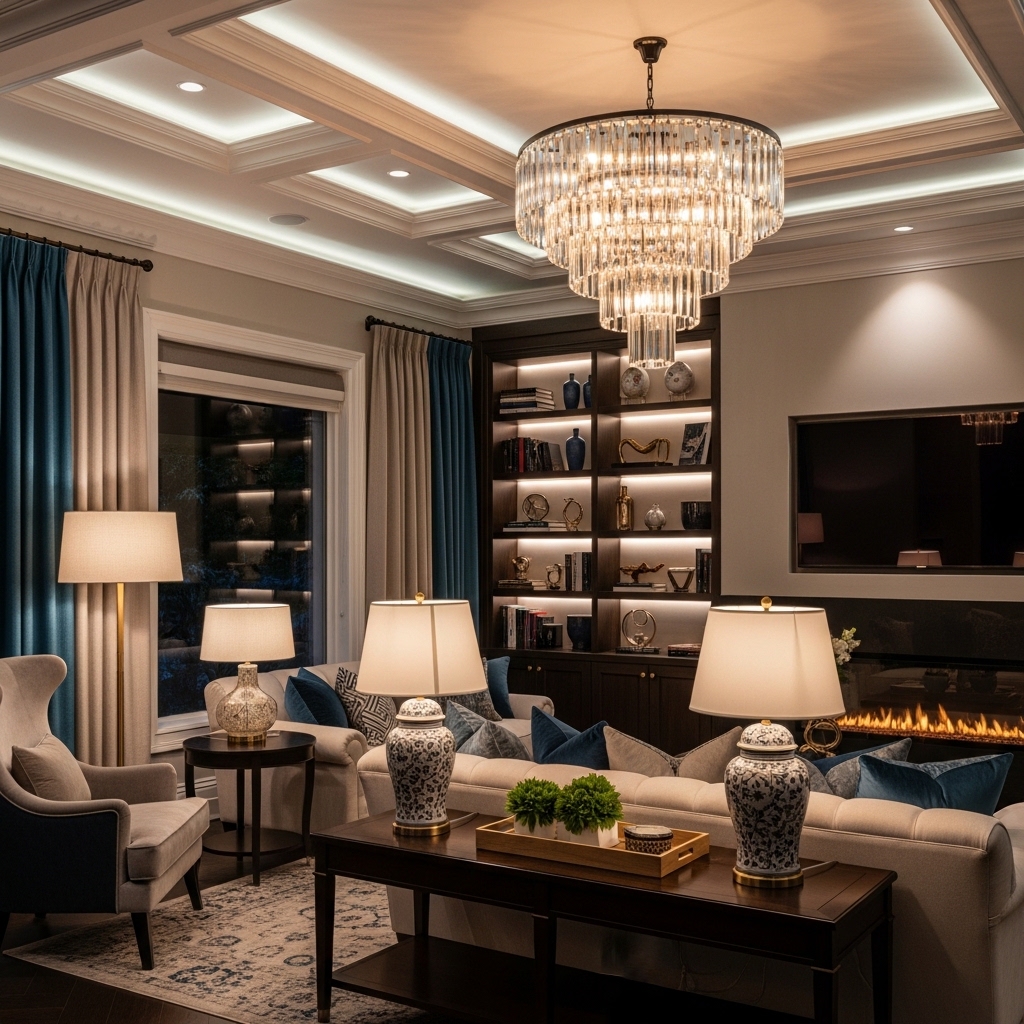
Lighting is one of the biggest differentiators between basic and luxury interiors. Use a mix of ceiling fixtures, floor lamps, and accent lighting to create depth.
Layered lighting highlights textures, defines zones, and enhances ambiance—key in high-end living room lighting design.
Avoid relying on a single overhead light.
Pro Tip: Add dimmers to control mood and create a soft, hotel-like glow.
4. Use Large-Scale Rugs to Anchor the Space
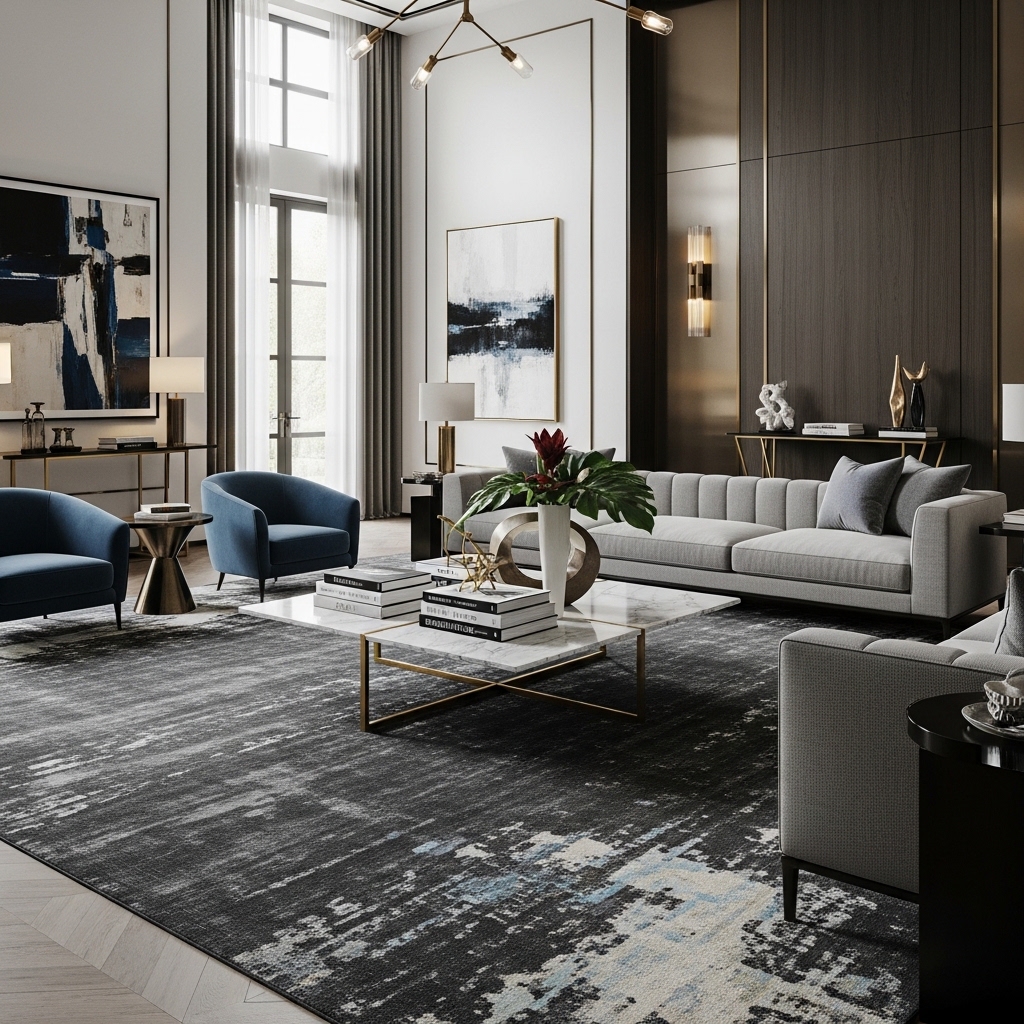
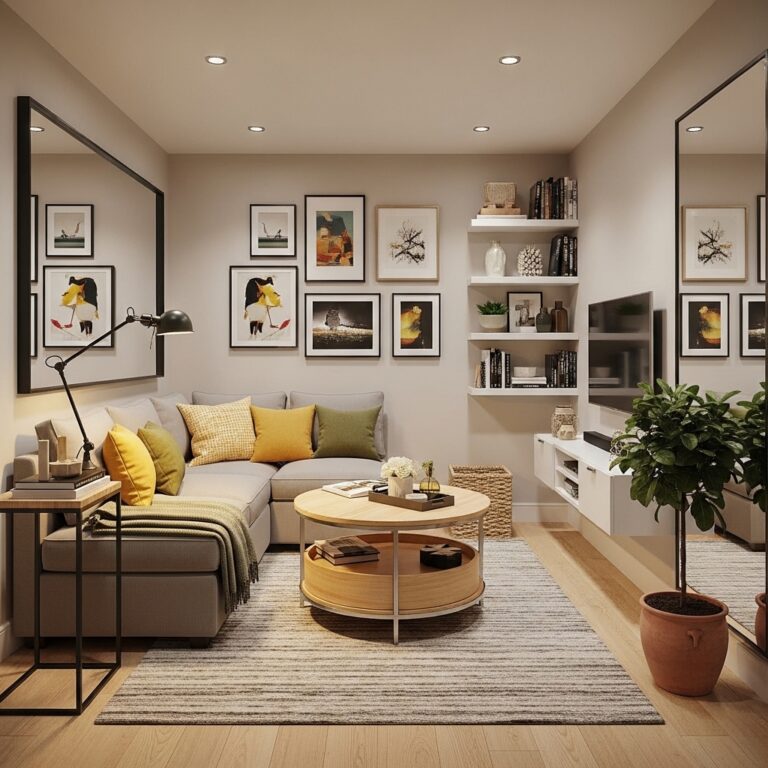
A generously sized rug instantly makes a living room feel more cohesive and expensive. It defines the seating area and adds softness underfoot.
In luxury living room decor, rugs often feature subtle patterns or rich textures rather than loud designs.
Scale is critical—small rugs break the flow.
Pro Tip: Ensure all main furniture sits partially or fully on the rug.
5. Incorporate Premium Materials and Finishes
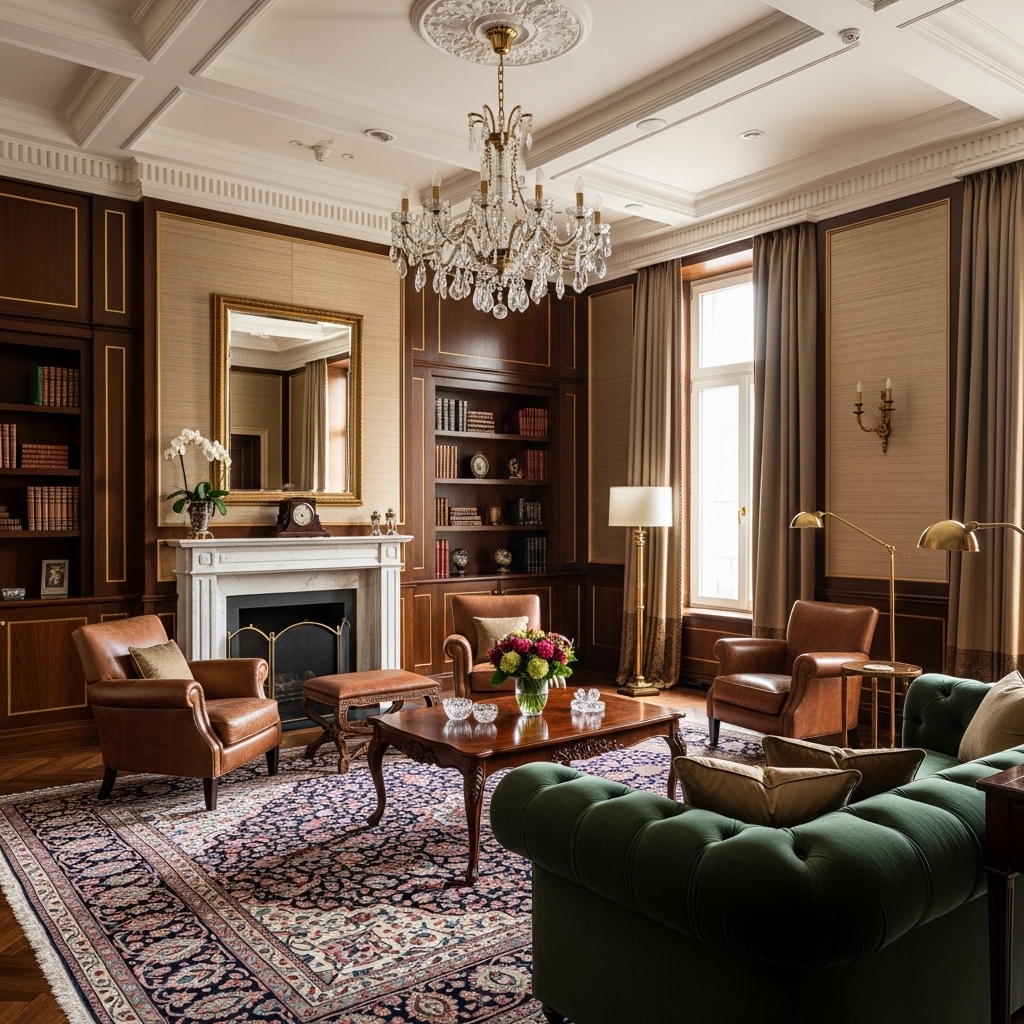
Luxury interiors rely heavily on materials like marble, velvet, brass, glass, and natural wood. These elements add richness and tactile appeal.
Mixing materials creates depth and avoids a flat look—essential in modern luxury interior design.
The goal is contrast without chaos.
Pro Tip: Combine at least 3 materials (e.g., marble + wood + metal) for a layered feel.
6. Add a Statement Lighting Fixture
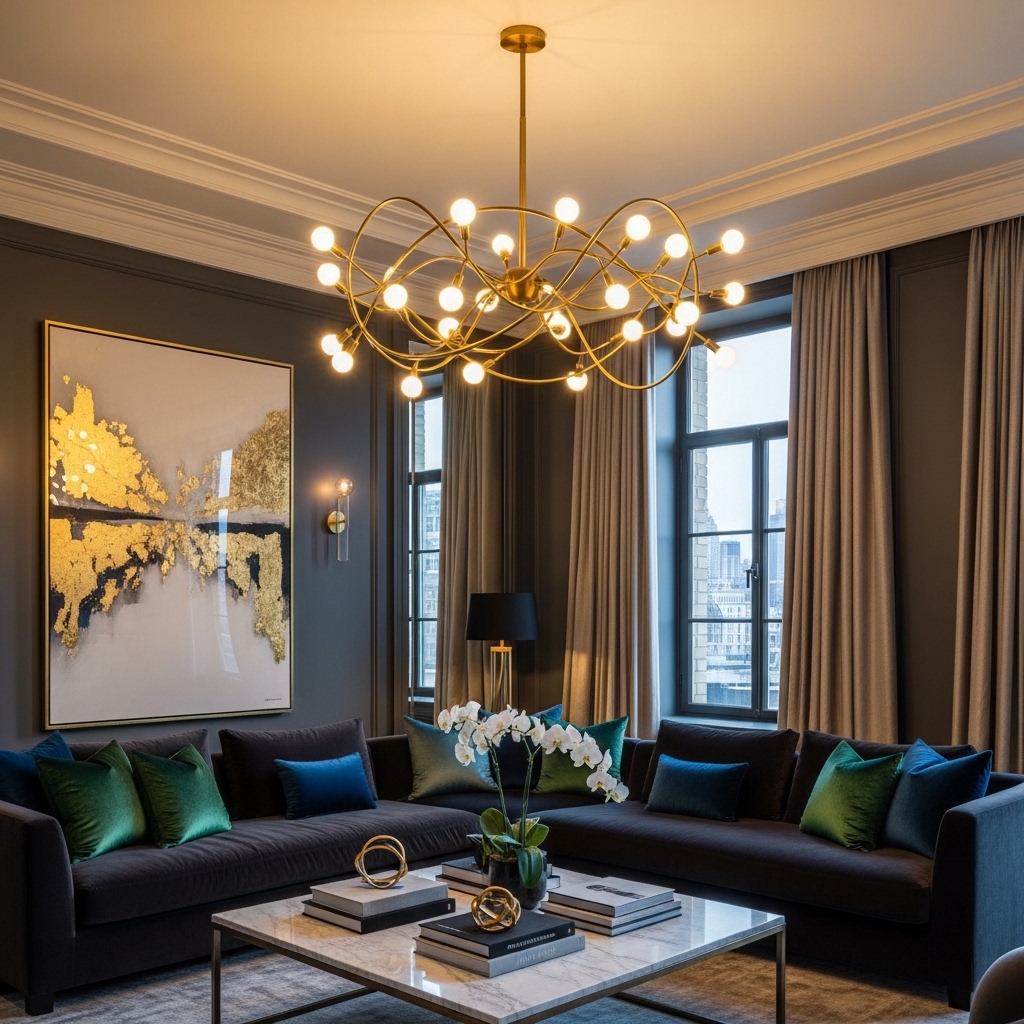
A chandelier or sculptural pendant acts as a focal point and elevates the room instantly. It draws the eye upward and adds architectural interest.
This is a signature feature in luxury living room ideas.
Statement lighting combines function with art.
Pro Tip: Keep surrounding decor minimal to let the fixture stand out.
7. Create a Strong Focal Point
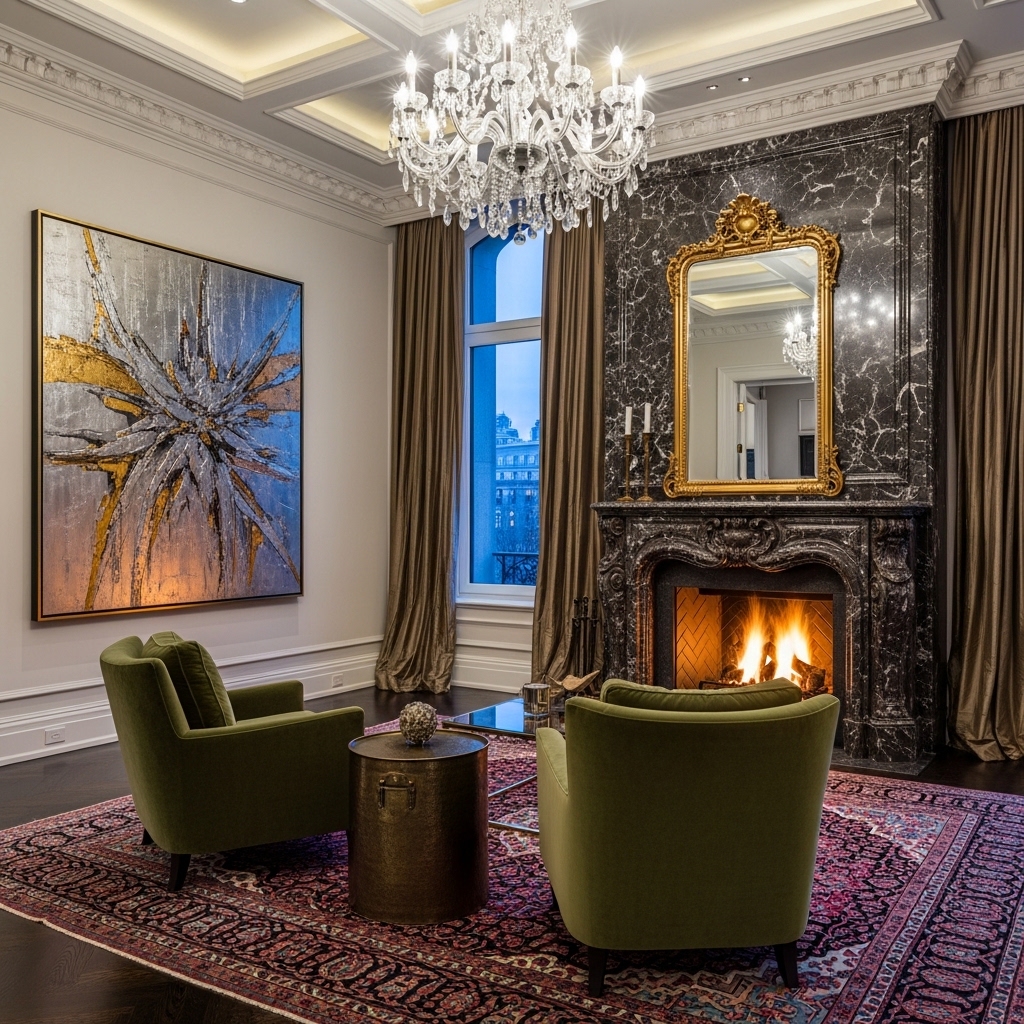
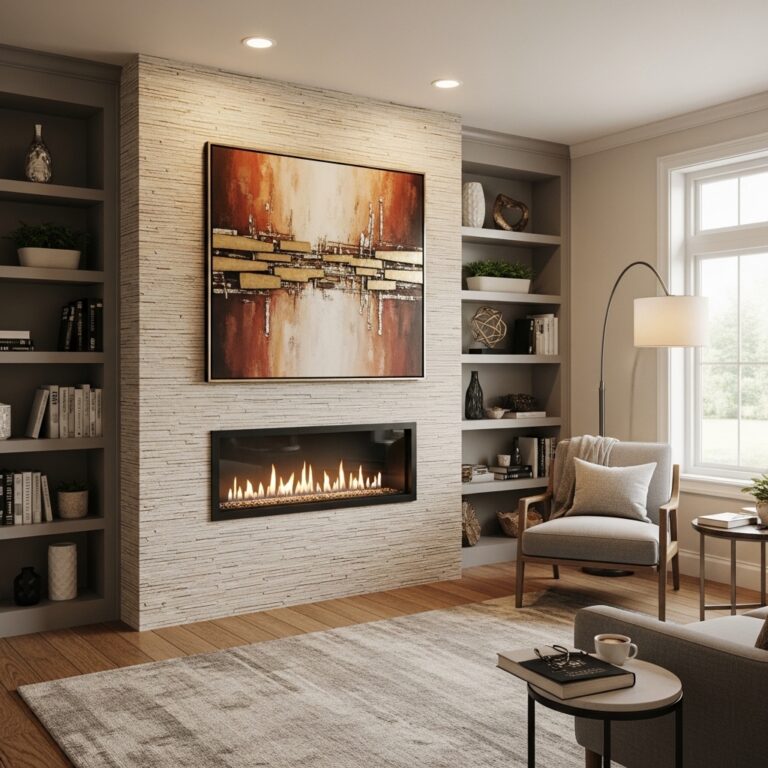
Every luxury living room has a clear focal point—whether it’s a fireplace, feature wall, or oversized artwork.
This anchors the layout and gives the room a sense of purpose.
It’s a key principle in high-end living room styling.
Pro Tip: Avoid competing focal points—one strong feature is enough.
8. Use Floor-to-Ceiling Curtains for Elegance
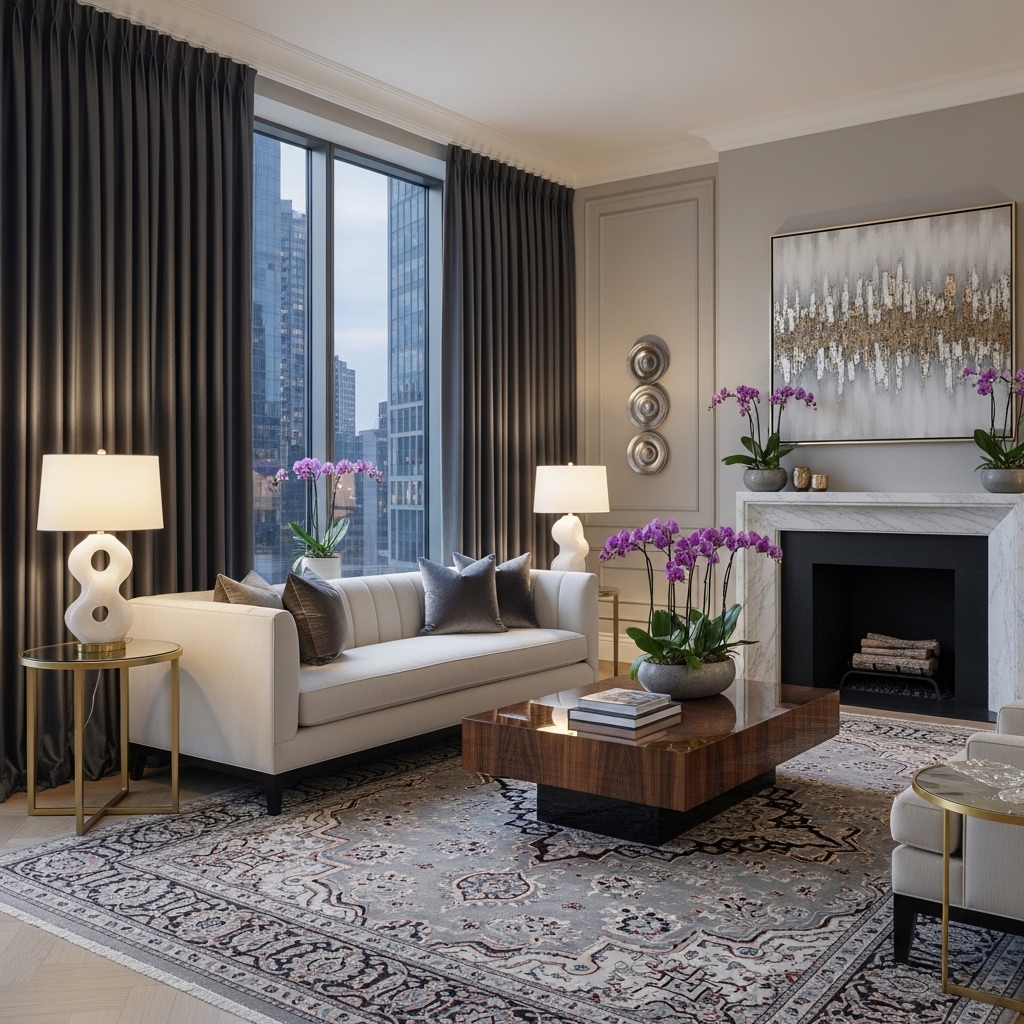
Long, flowing curtains add height, softness, and a sense of grandeur to the space. They instantly make ceilings feel taller and windows appear larger.
This is a must in luxury living room decor trends.
Fabric choice also impacts the look—linen, silk blends, or velvet work best.
Pro Tip: Hang curtains wider and higher than the window frame for maximum effect.
9. Keep Decor Minimal but Curated
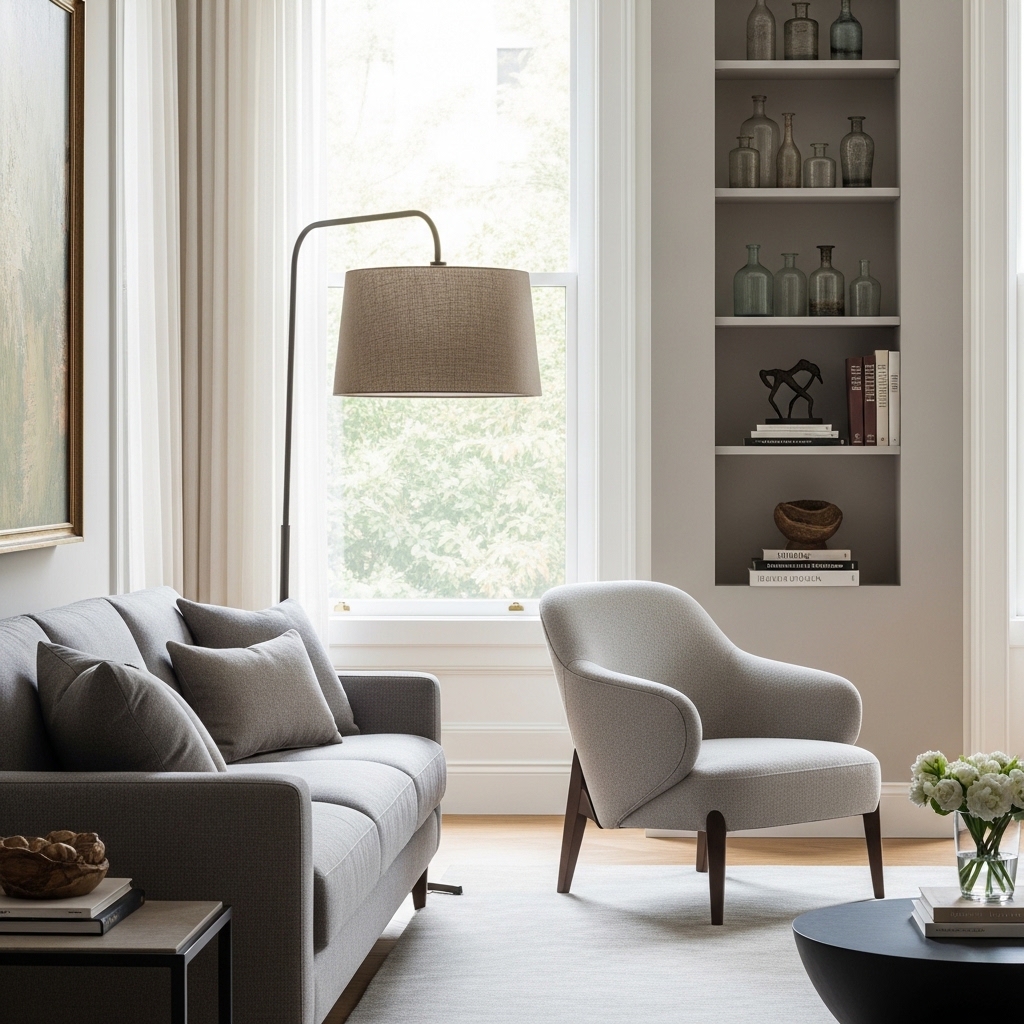
Luxury design avoids clutter. Instead of filling surfaces, use a few carefully selected decor pieces that feel intentional and refined.
This creates a clean, high-end look—essential in minimal luxury living room styling.
Each piece should serve a visual purpose.
Pro Tip: Follow the “edit ruthlessly” rule—remove anything that doesn’t add value.
10. Incorporate Subtle Metallic Accents
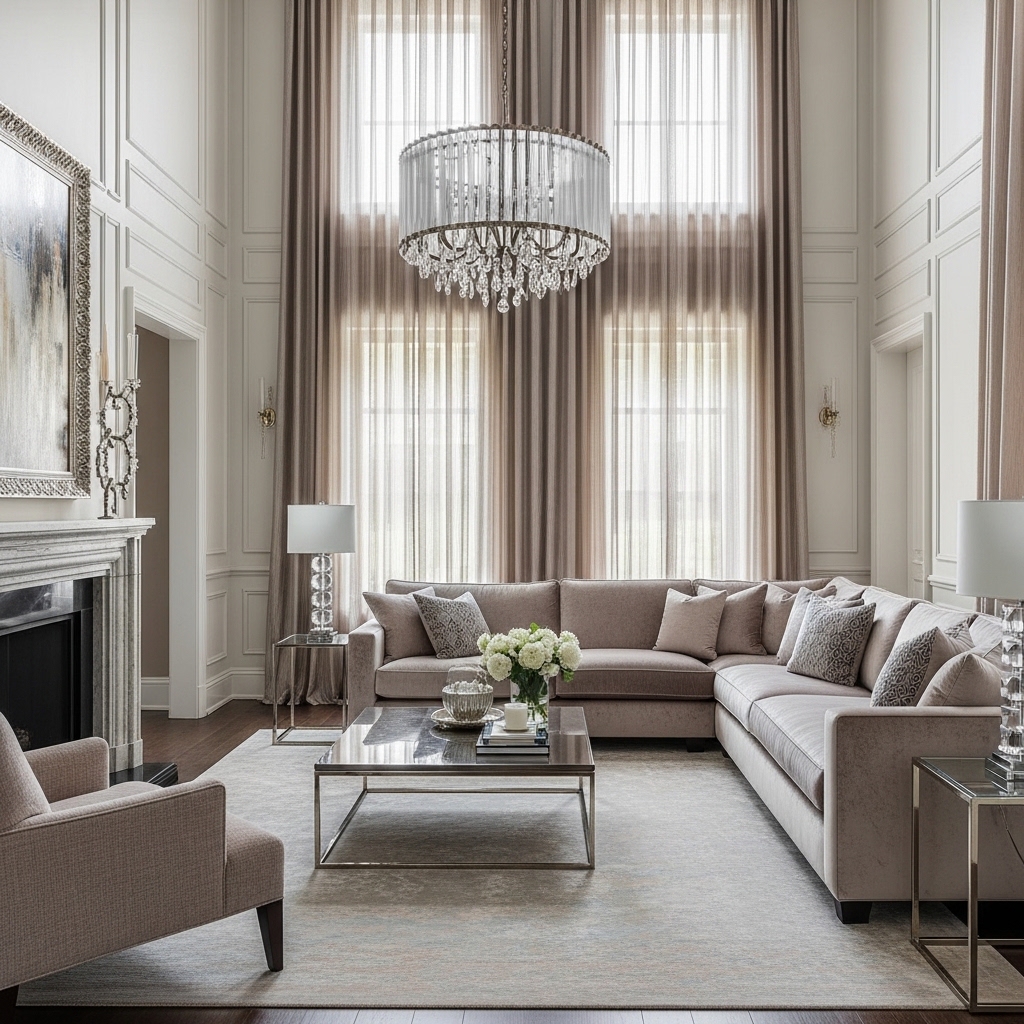
Gold and brass and matte black accents add a touch to things and they look really good.
These colors shine when the light hits them and they make everything look better.
This is something that people like to use when they are decorating their living rooms and they want it to look really fancy.
You should use colors in a way that they go well with the other colors, not in a way that they overpower the other colors.
Pro Tip: Stick to one or two finishes for a cohesive look.
11. Add Texture Through Soft Furnishings
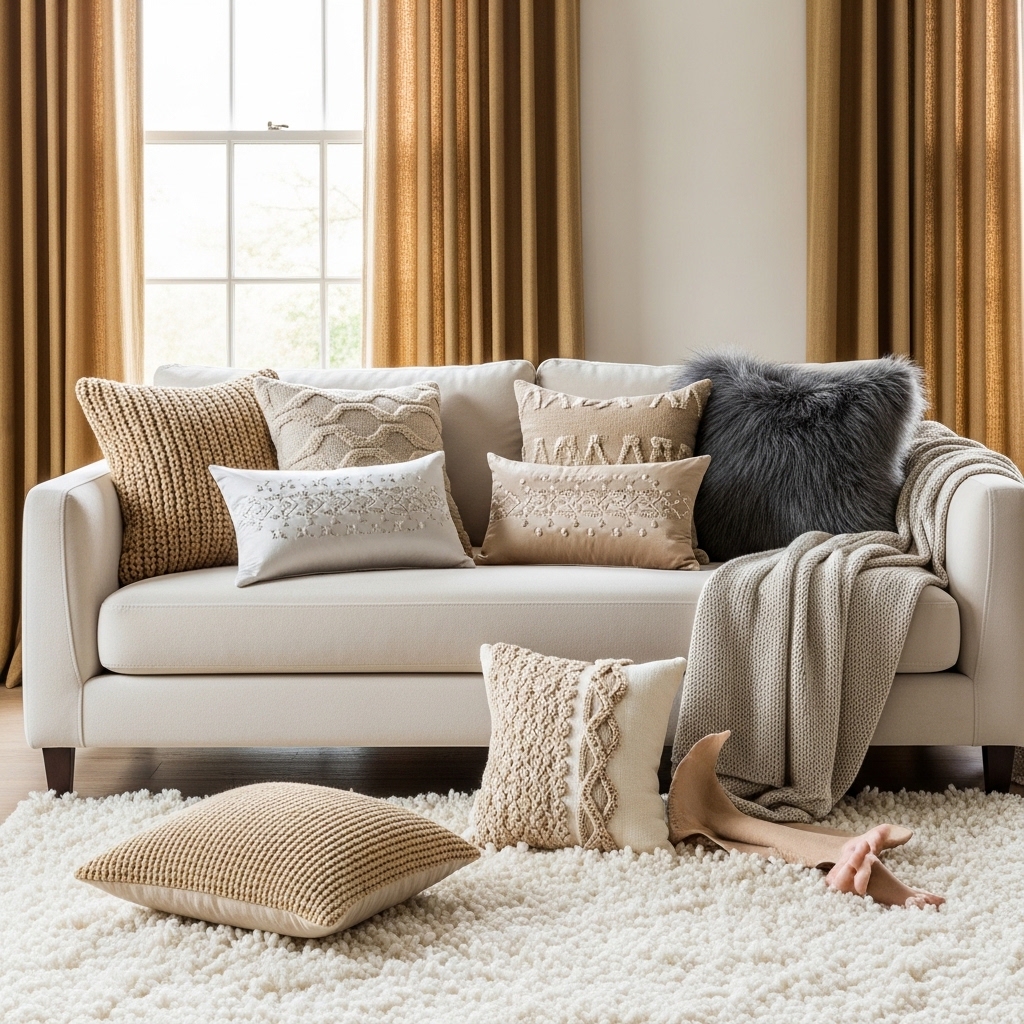
Layering textures through cushions, throws, and upholstery adds warmth and richness to the space. Think velvet, boucle, wool, or linen.
Texture is what makes a neutral luxury room feel inviting rather than flat.
This is a key strategy in high-end living room styling ideas.
Pro Tip: Mix smooth and textured fabrics for balance.
12. Maintain an Open, Balanced Layout
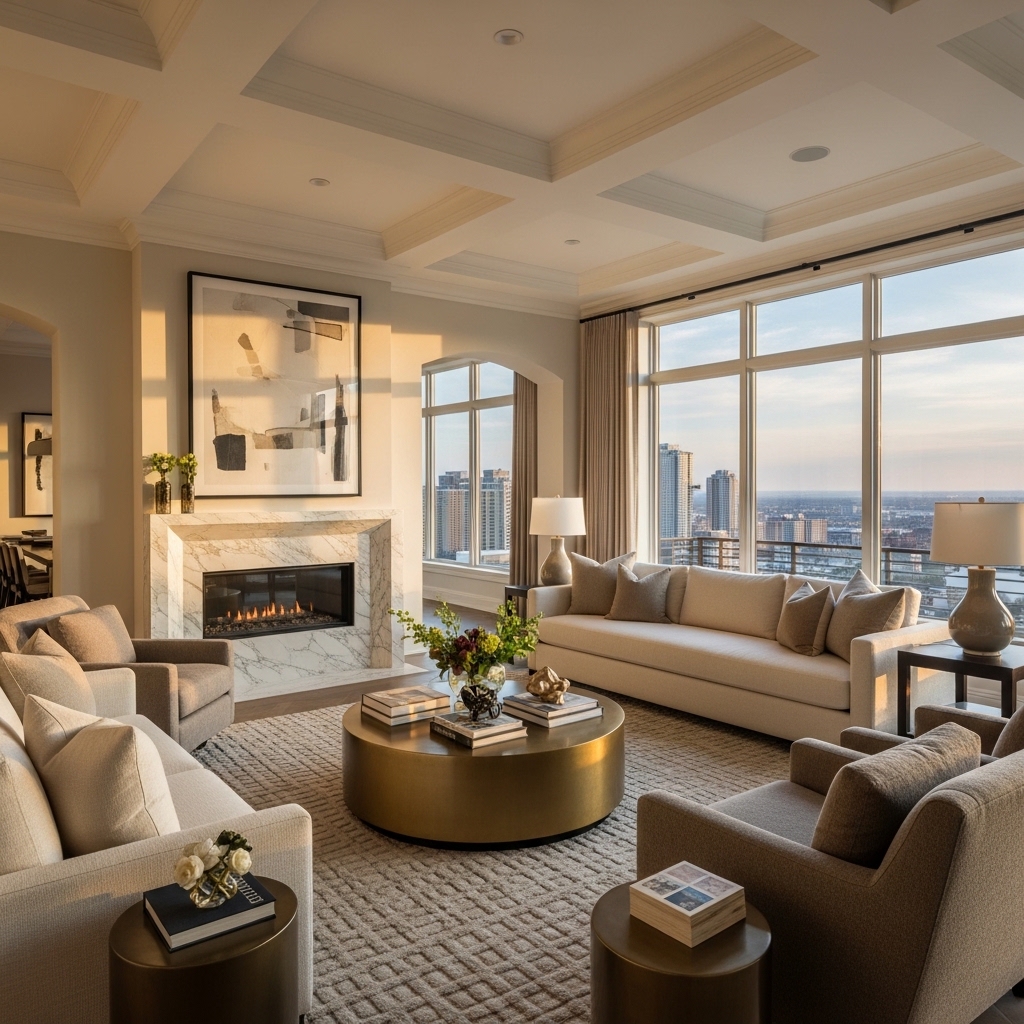
Luxury is as much about space as it is about design. Avoid overcrowding and allow furniture to breathe.
A well-planned layout improves flow, comfort, and visual clarity.
This is fundamental in luxury living room layout design.
Pro Tip: Leave intentional empty space—it enhances the overall elegance.
Conclusion
These luxury living room design ideas focus on what truly elevates a space—quality over quantity, thoughtful layouts, and refined details. Luxury isn’t about excess; it’s about precision, balance, and intentional design choices.
By combining premium materials, layered lighting, and curated decor, you can create a living room that feels sophisticated, timeless, and effortlessly high-end—without unnecessary clutter or overdesign.