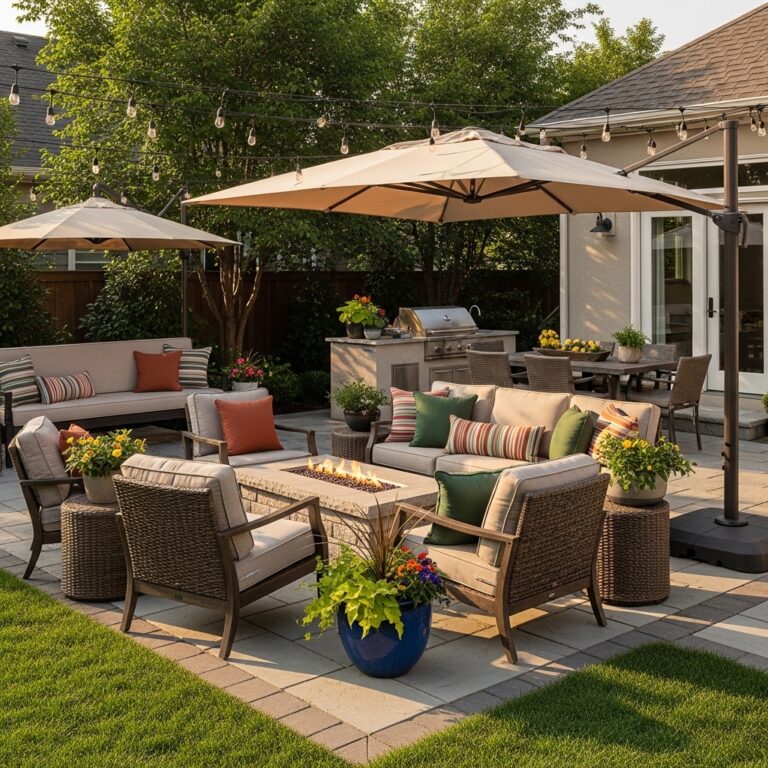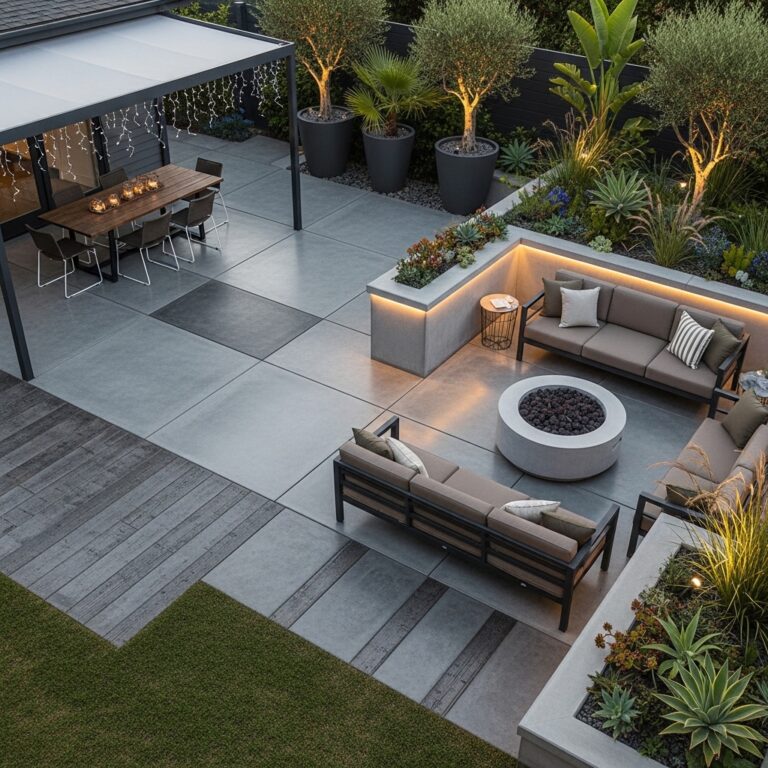
15 Small Backyard Patio Ideas That Maximize Space, Comfort, and Function
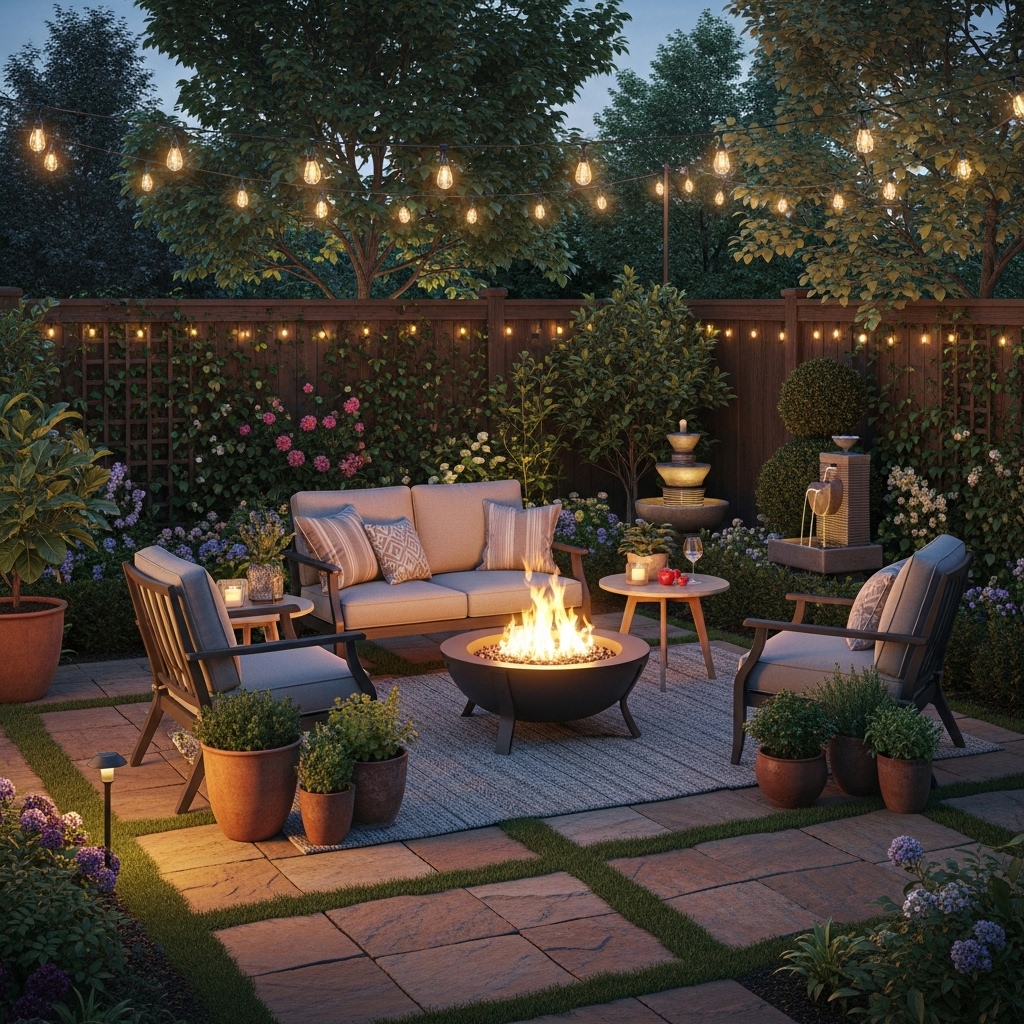
Small backyard patios can be a problem because we do not plan the furniture and the layout for these small outdoor spaces. This can make the patio feel really crowded.
It is hard to move around. Some areas of the patio just do not get used.
This guide is about patio ideas that work well for small backyards. We also talk about patio setups that’re okay to use if you are renting a place and we give you ideas for upgrades that do not cost a lot of money.
Each idea, in this guide will help you make a patio that feels big and comfortable. You will not waste any space. We want to help you make a patio that you can really use and enjoy like a backyard patio that feels like a big outdoor space.
1. Build Around a Single Activity Instead of Trying to Fit Everything
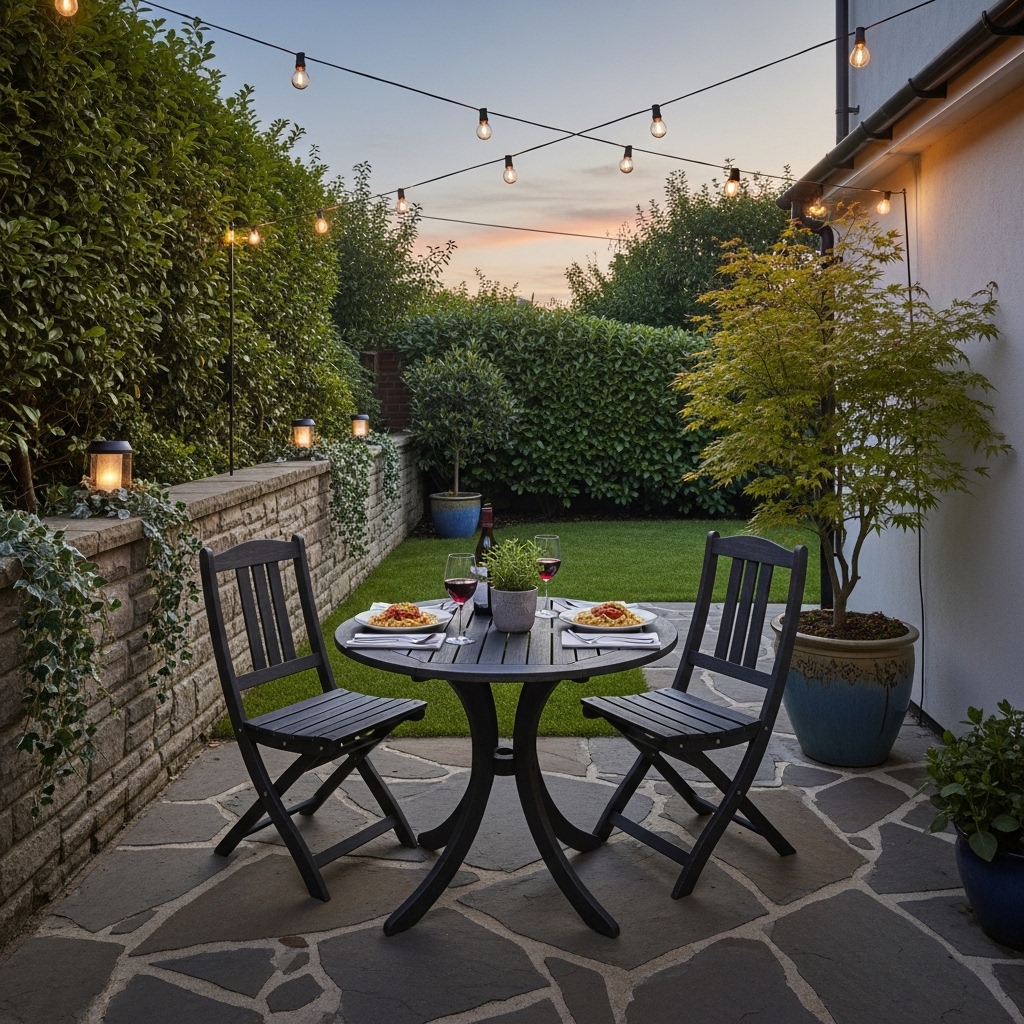
Ideal for: Small patios where space gets cluttered quickly.
Choose one main purpose—lounging, dining, or relaxing—and design your layout around that function first. Add only essential furniture that supports it.
This works because focusing on one activity prevents overcrowding and keeps the layout clean. It also improves how often the space is used.
Avoid trying to fit dining, lounging, and storage all in one tiny patio.
Pro Tip: Expand functionality later with foldable or movable pieces.
2. Use Perimeter Seating to Free the Center Area
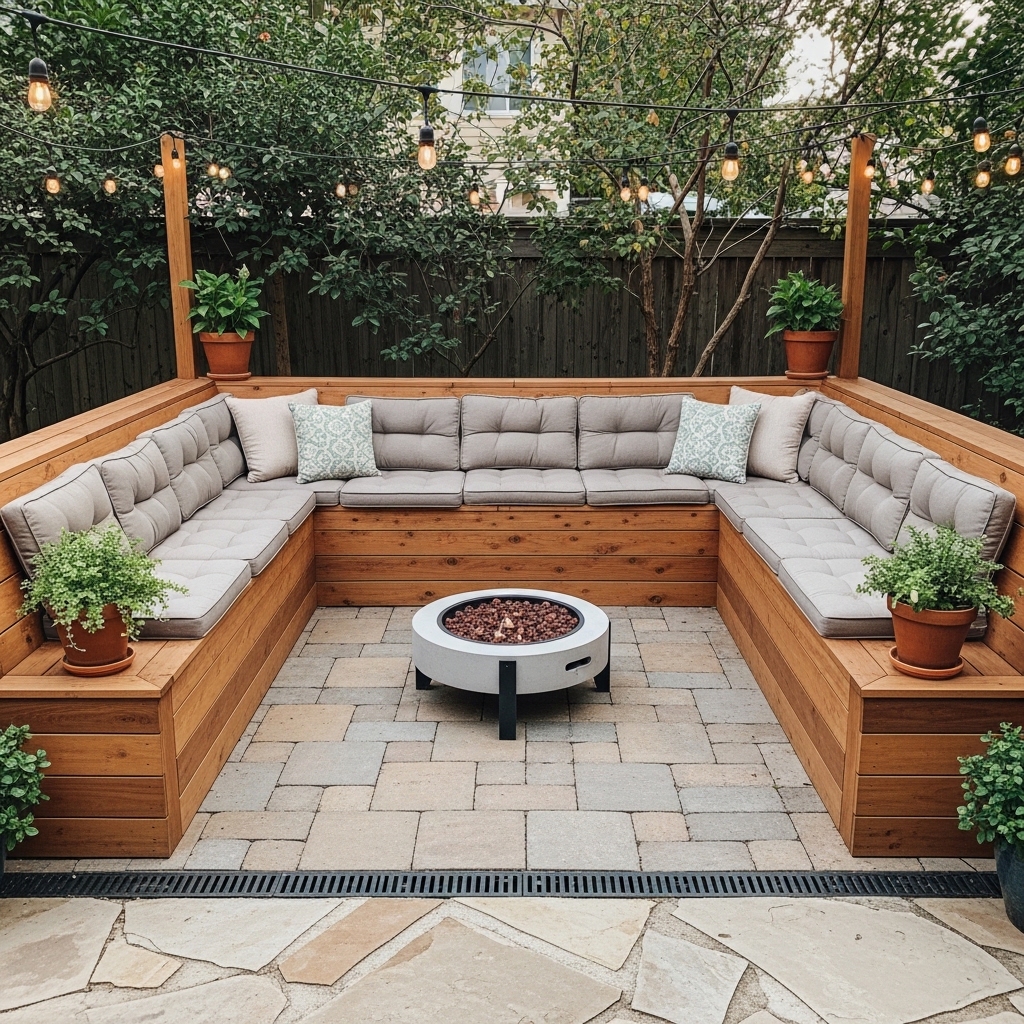
Best for: Patios that feel tight in the middle.
Place seating along the edges instead of the center. Keep the middle open for movement or a small table.
This layout creates better flow and makes the patio feel larger. It also improves accessibility.
Avoid placing bulky furniture in the center, which blocks movement.
Pro Tip: Use built-in or bench seating for a cleaner look.
3. Add Vertical Greenery Instead of Floor Planters
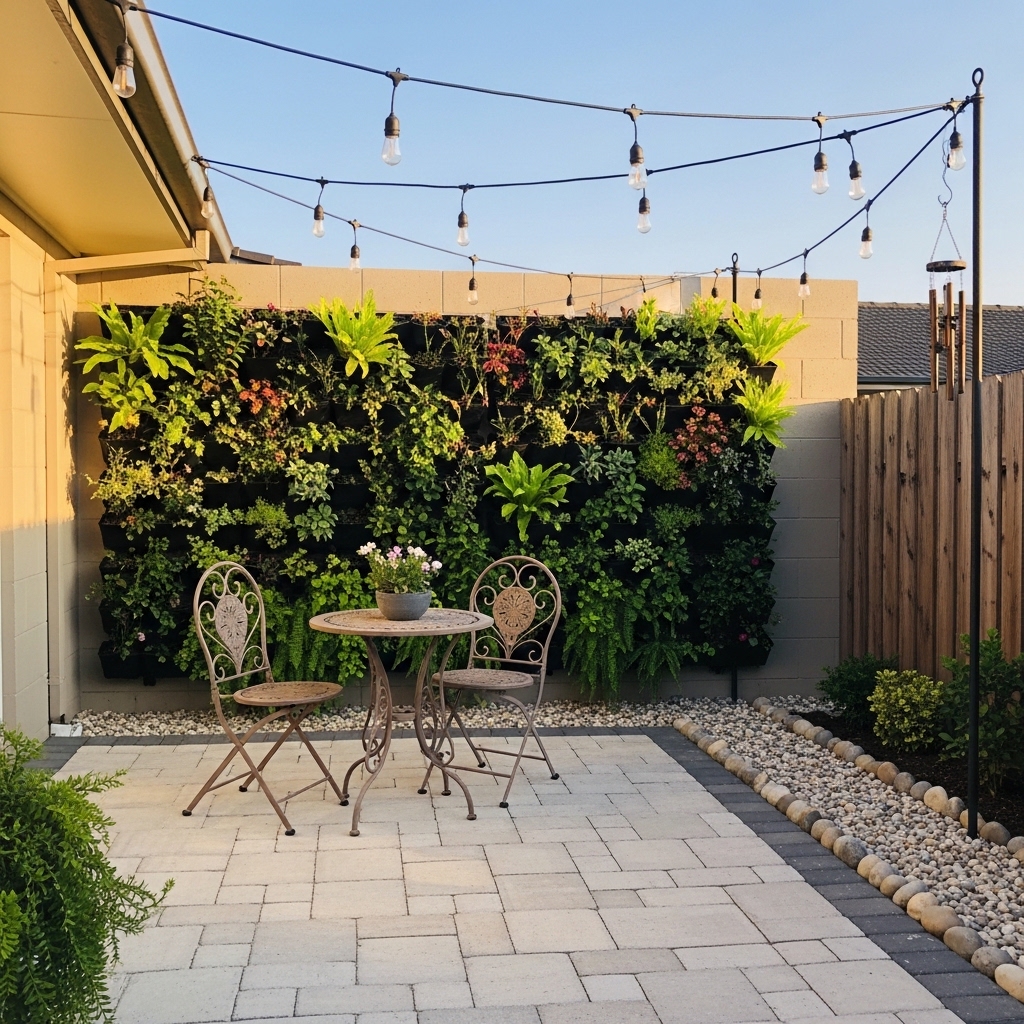
Great for: Small patios with limited ground space.
Install wall planters, trellises, or hanging plants to bring greenery without using floor area.
Vertical greenery adds life while keeping the layout open. It also enhances privacy.
Avoid overcrowding walls with too many plants, which can feel messy.
Pro Tip: Use lightweight planters for easy maintenance.
4. Use Foldable Furniture for Flexible Layouts
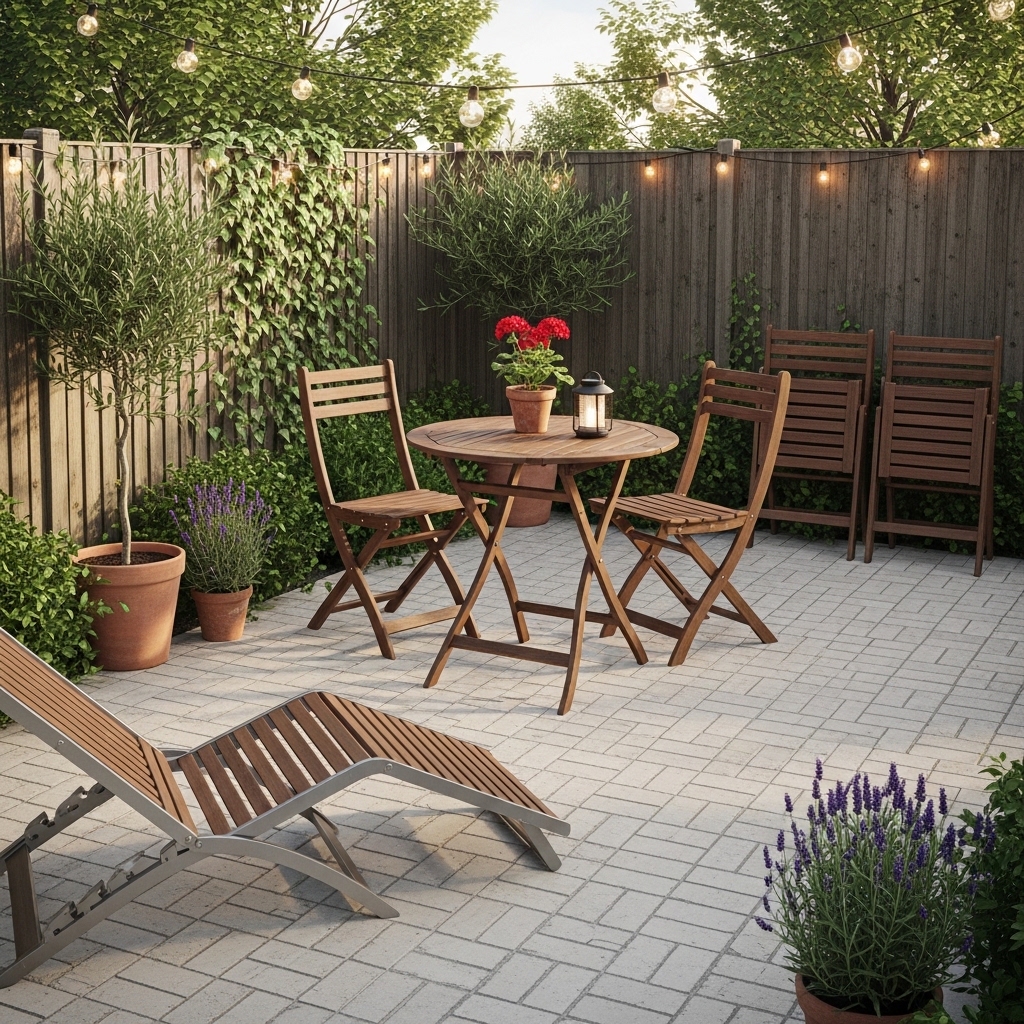
Ideal for: Patios that need to adapt for different uses.
Choose chairs and tables that can be folded and stored when not in use. Keep them lightweight.
This works because it allows you to reclaim space instantly when needed. It’s perfect for small or shared patios.
Avoid heavy folding furniture that’s difficult to move regularly.
Pro Tip: Store foldable pieces vertically to save space.
5. Create a Defined Zone Using an Outdoor Rug
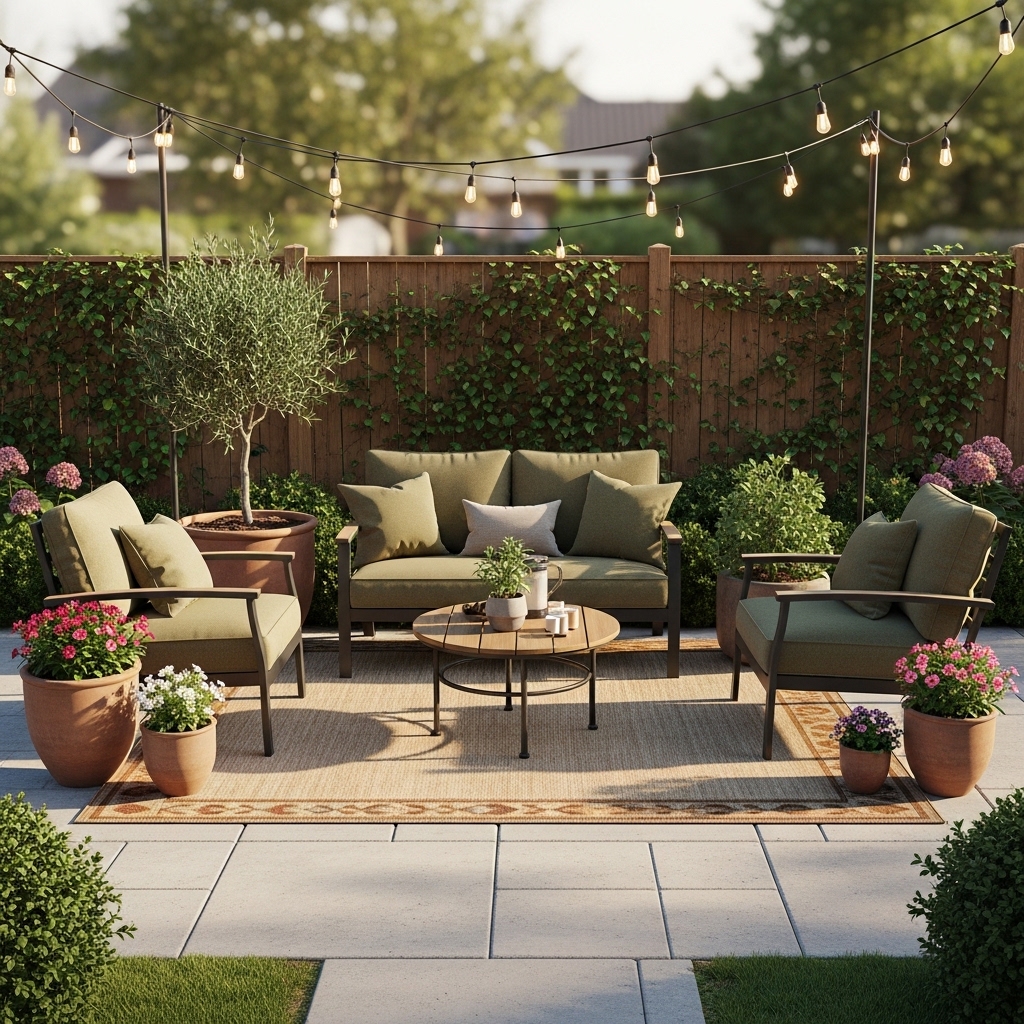
Best for: Patios that feel visually unstructured.
Use a weather-resistant rug to anchor your seating or dining area. Keep proportions aligned with furniture size.
Rugs define the space and make it feel intentional. They also add comfort underfoot.
Avoid rugs that are too small, as they break visual balance.
Pro Tip: Leave a few inches of space around the rug edges.
6. Use Multi-Functional Furniture to Save Space
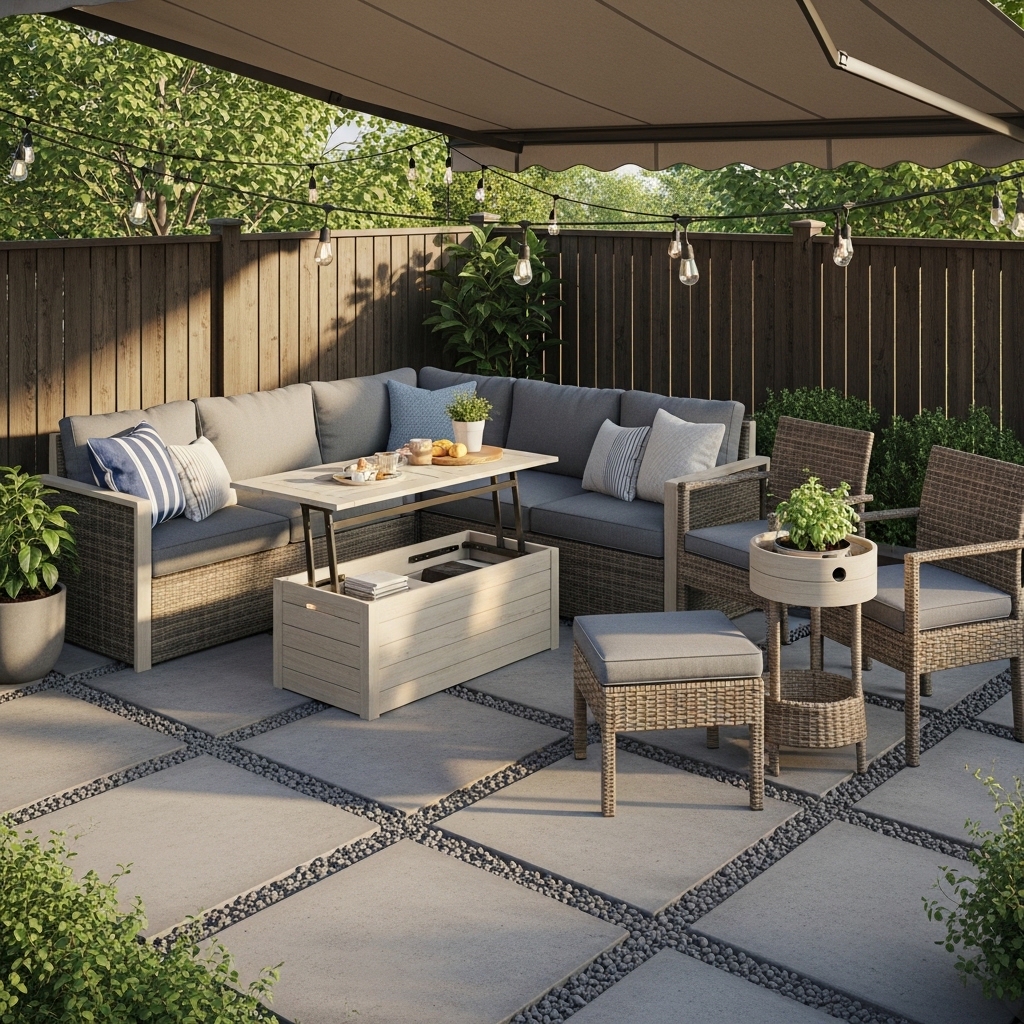
Great for: Compact patios needing storage and seating.
Choose benches with storage or tables that double as seating. Place them where they serve multiple purposes.
This reduces the number of items needed and keeps the patio organized.
Avoid oversized multi-use furniture that dominates the space.
Pro Tip: Prioritize pieces used daily for maximum value.
7. Keep Walkways Clear for Better Flow
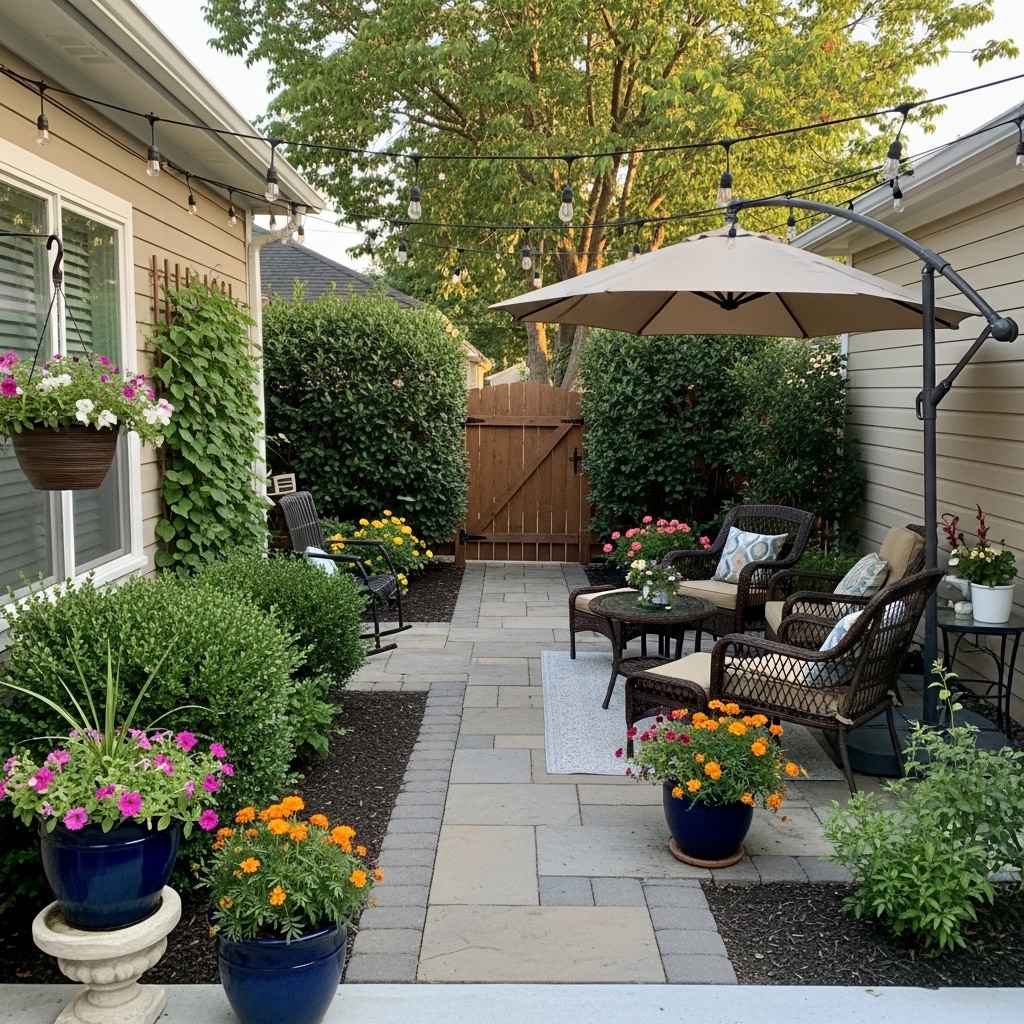
Ideal for: Patios where movement feels restricted.
Ensure clear pathways between seating and entry points. Rearrange furniture to avoid tight gaps.
This improves comfort and makes the patio easier to use. It also prevents accidental bumps.
Avoid placing furniture in main walking paths.
Pro Tip: Test movement by walking through the space naturally.
8. Use Light Colors to Make the Patio Feel Larger
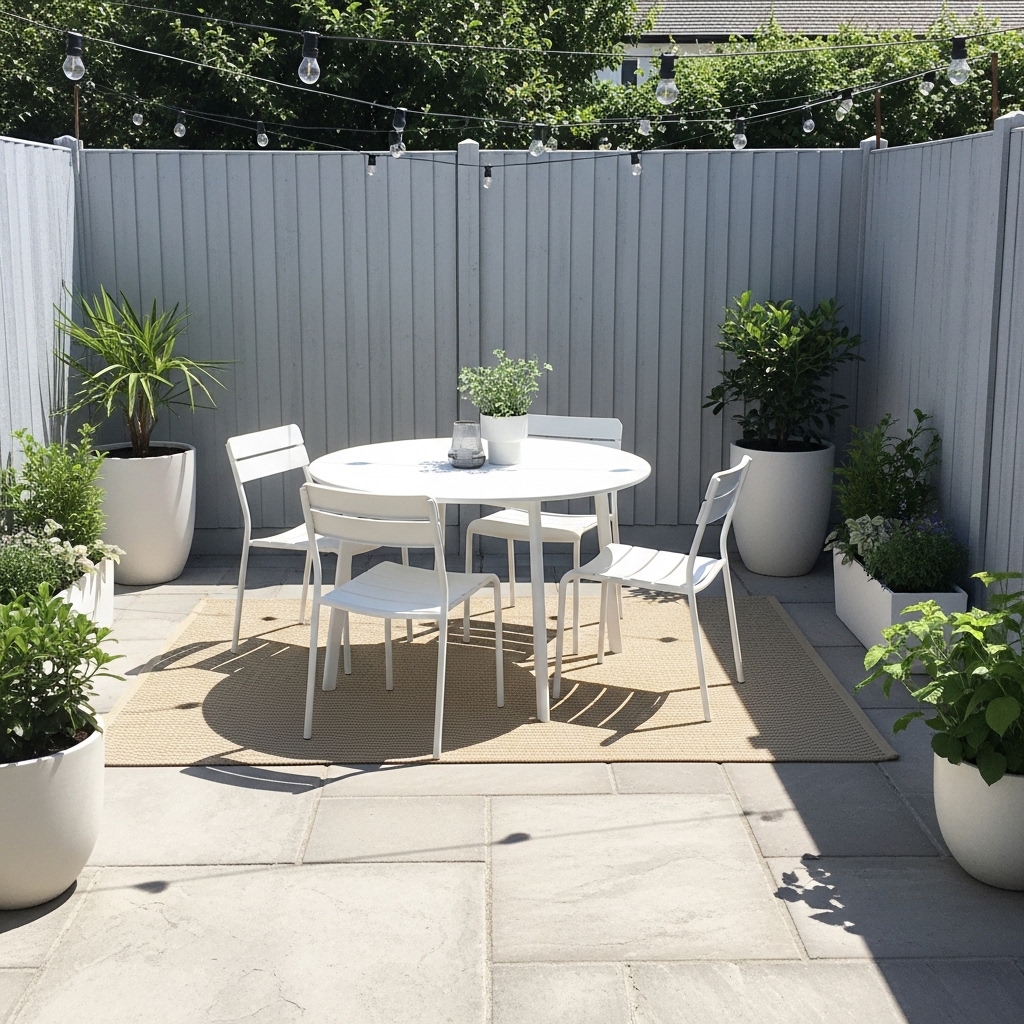
Best for: Small patios that feel enclosed.
Choose light tones for furniture, flooring, and decor to reflect light and create openness.
Light colors visually expand the space and improve brightness.
Avoid too many dark elements, which can make the area feel smaller.
Pro Tip: Pair light furniture with natural textures for warmth.
9. Add String Lighting to Define the Space at Night
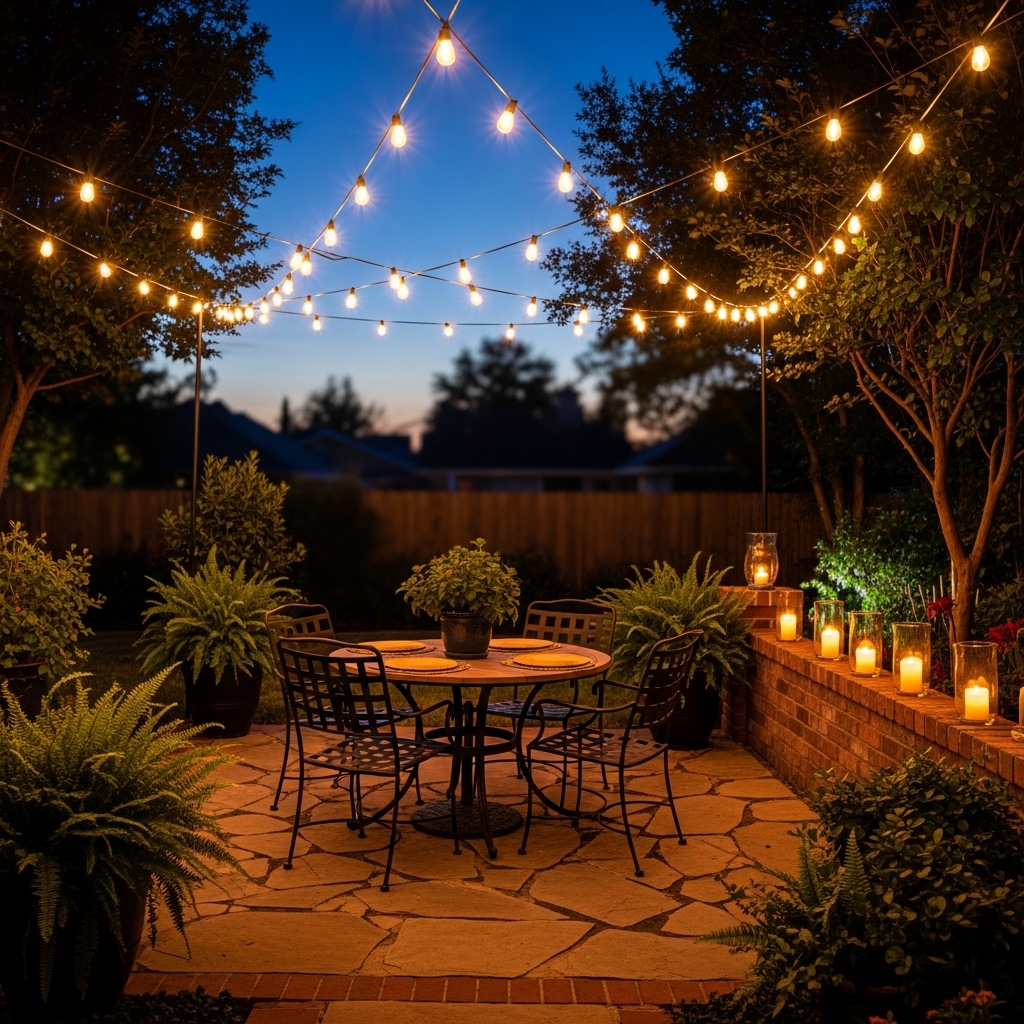
Great for: Patios used in the evening.
Install string lights above seating areas to create a defined, cozy atmosphere. Keep placement intentional.
Lighting adds depth and extends usability into nighttime. It also improves ambiance.
Avoid placing lights too high, which reduces their effect.
Pro Tip: Use warm bulbs for a comfortable glow.
10. Use Corner Layouts to Maximize Seating
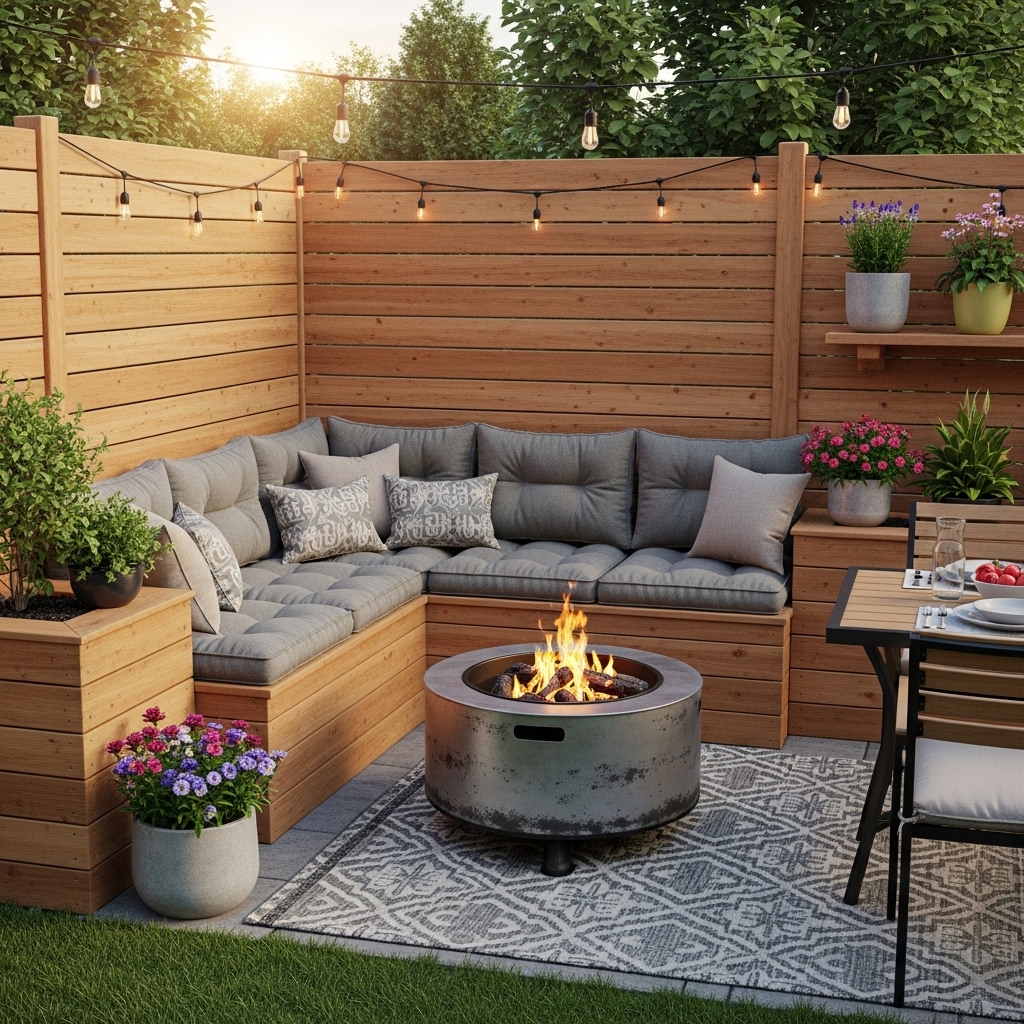
Ideal for: Patios with limited seating options.
Arrange furniture in corners to free up central space. Use L-shaped seating when possible.
Corners often go unused but can hold significant seating without crowding the patio.
Avoid leaving corners empty while overcrowding the center.
Pro Tip: Add cushions for comfort and style.
11. Add a Slim Bar Table for Compact Dining
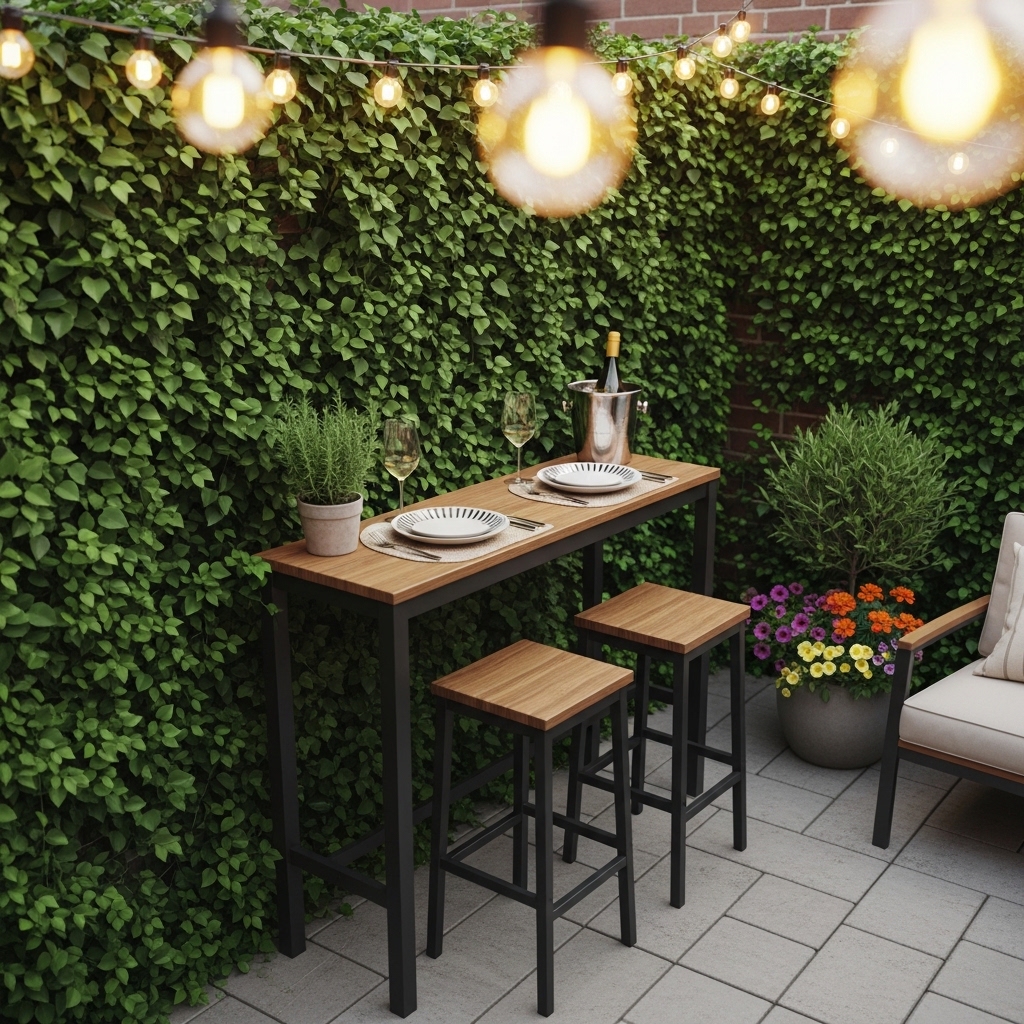
Best for: Small patios that can’t fit full dining sets.
Use a narrow bar-height table along a wall or railing. Pair it with stools.
This provides a dining area without taking up much space. It’s ideal for casual meals.
Avoid wide tables that block movement.
Pro Tip: Choose stackable stools for flexibility.
12. Use Planters as Natural Dividers
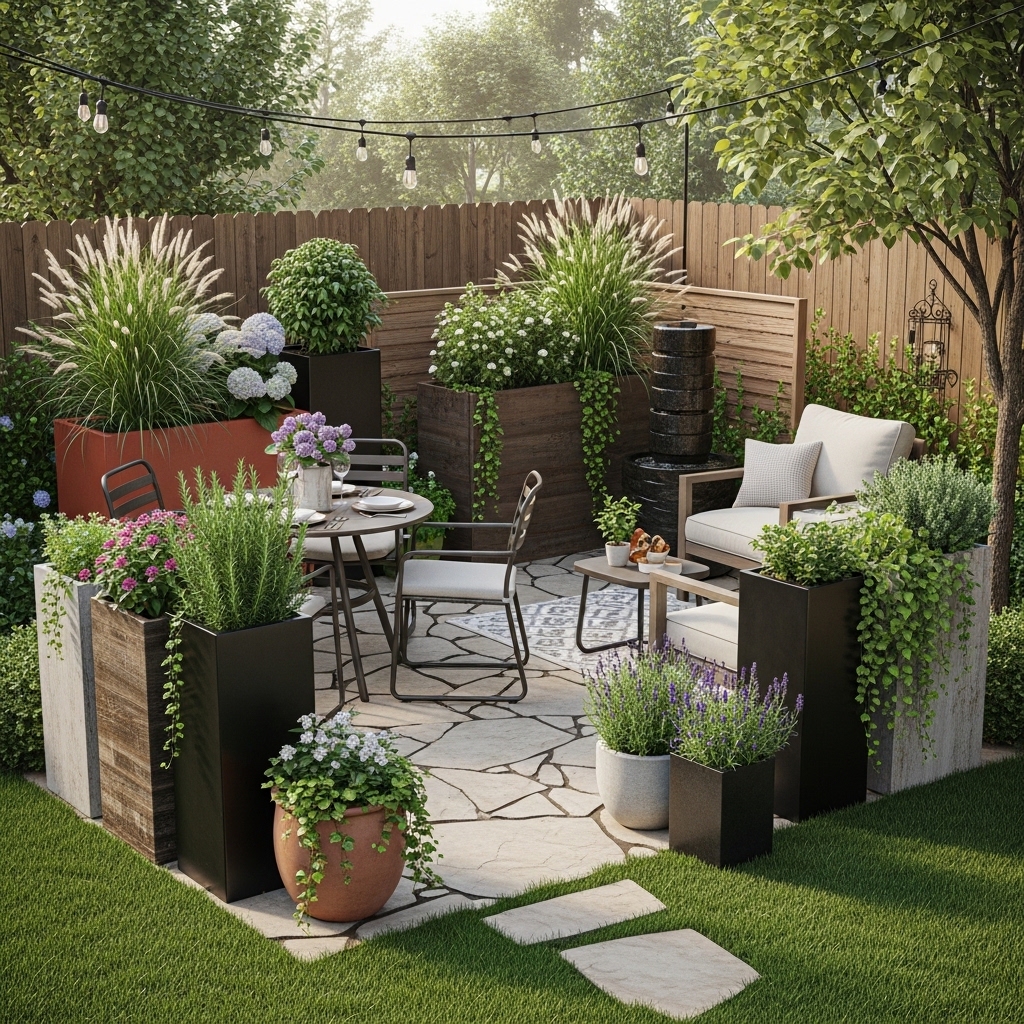
Great for: Patios needing subtle separation.
Place planters strategically to divide seating or dining areas without using solid barriers.
This creates zones while maintaining openness and airflow.
Avoid large planters that dominate the layout.
Pro Tip: Use matching planters for a cohesive look.
13. Keep Decor Minimal to Avoid Overcrowding
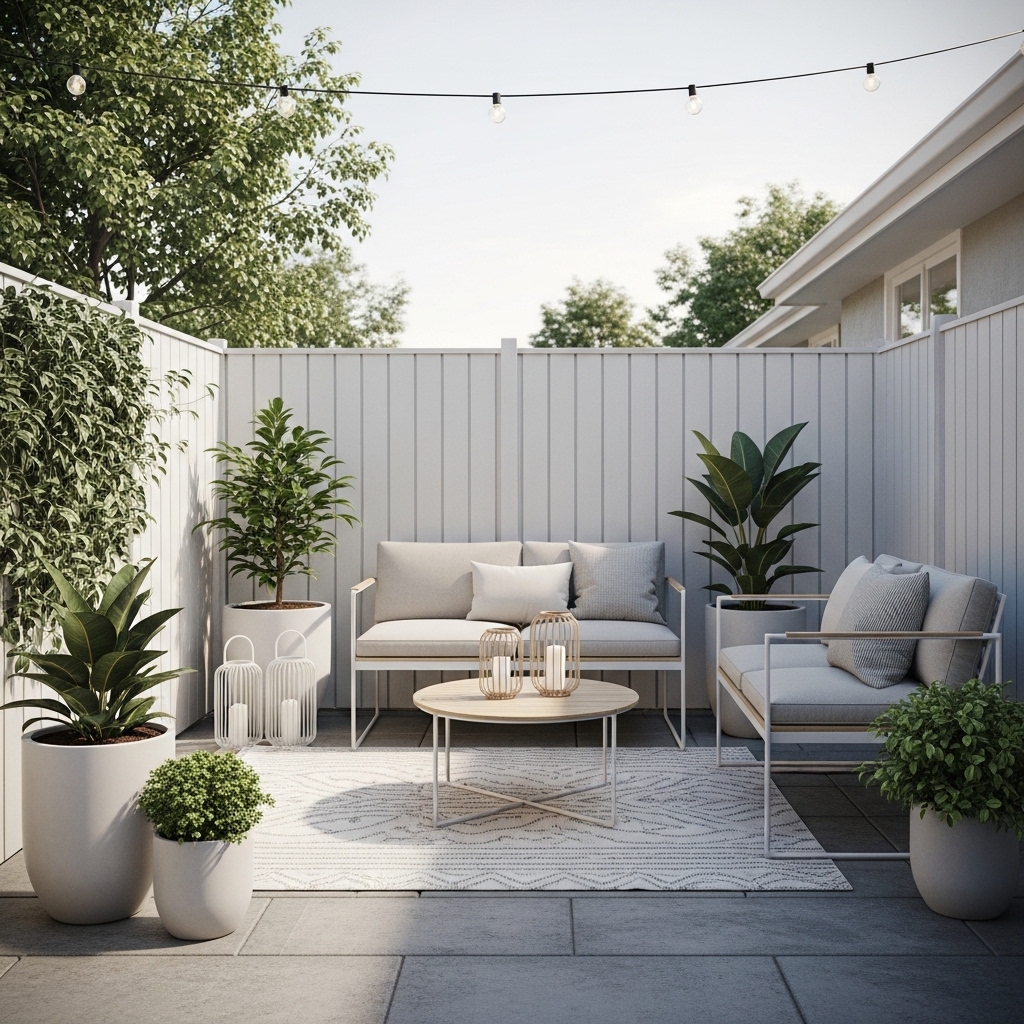
Ideal for: Small patios that feel cluttered quickly.
Limit decor to a few meaningful pieces that enhance the space without overwhelming it.
Minimal decor keeps the patio functional and visually clean.
Avoid adding too many accessories, which reduce usable space.
Pro Tip: Rotate decor instead of displaying everything at once.
14. Use Raised Platforms to Define Levels
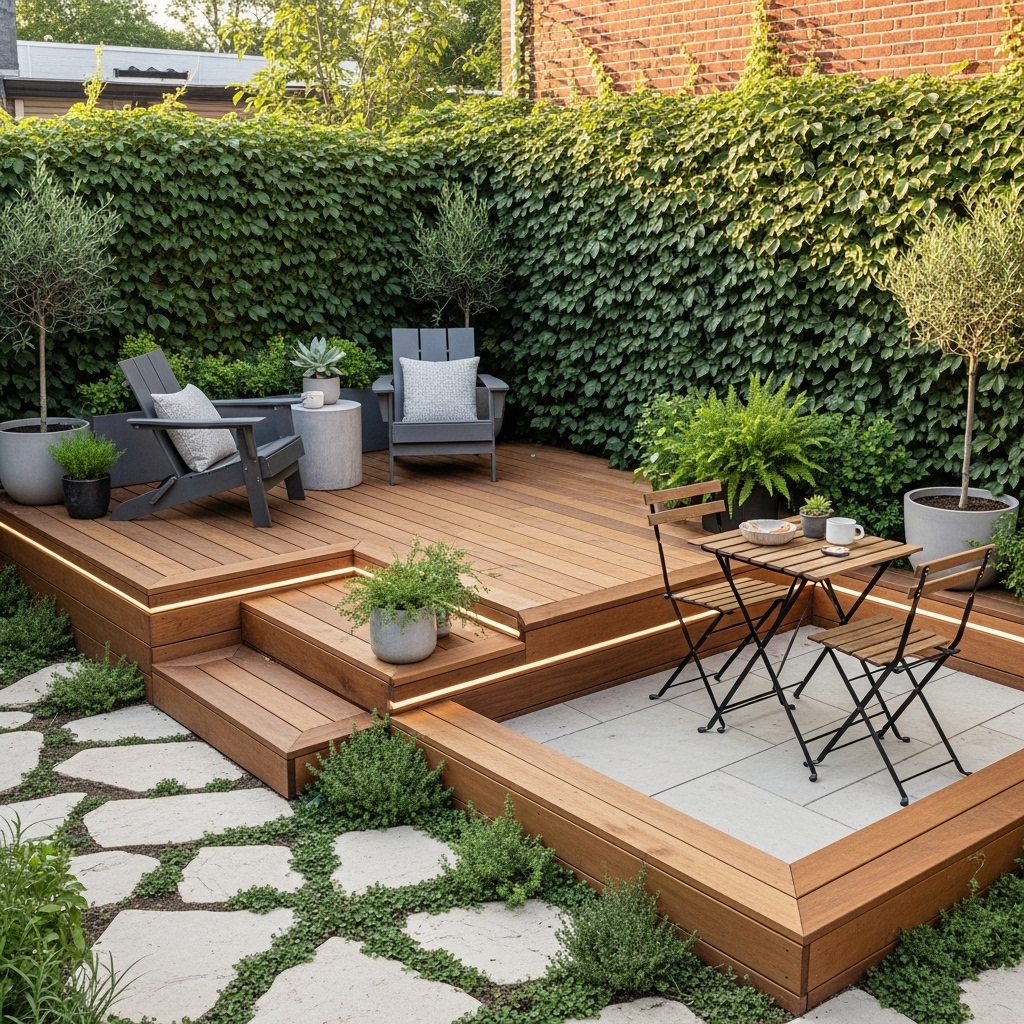
Best for: Patios that need visual separation.
Create a slightly raised platform for seating or dining areas to define zones. Keep height subtle.
This adds structure and makes the layout feel more intentional.
Avoid large height differences that disrupt flow.
Pro Tip: Use decking tiles for easy installation.
15. Adjust the Layout Based on Seasonal Use
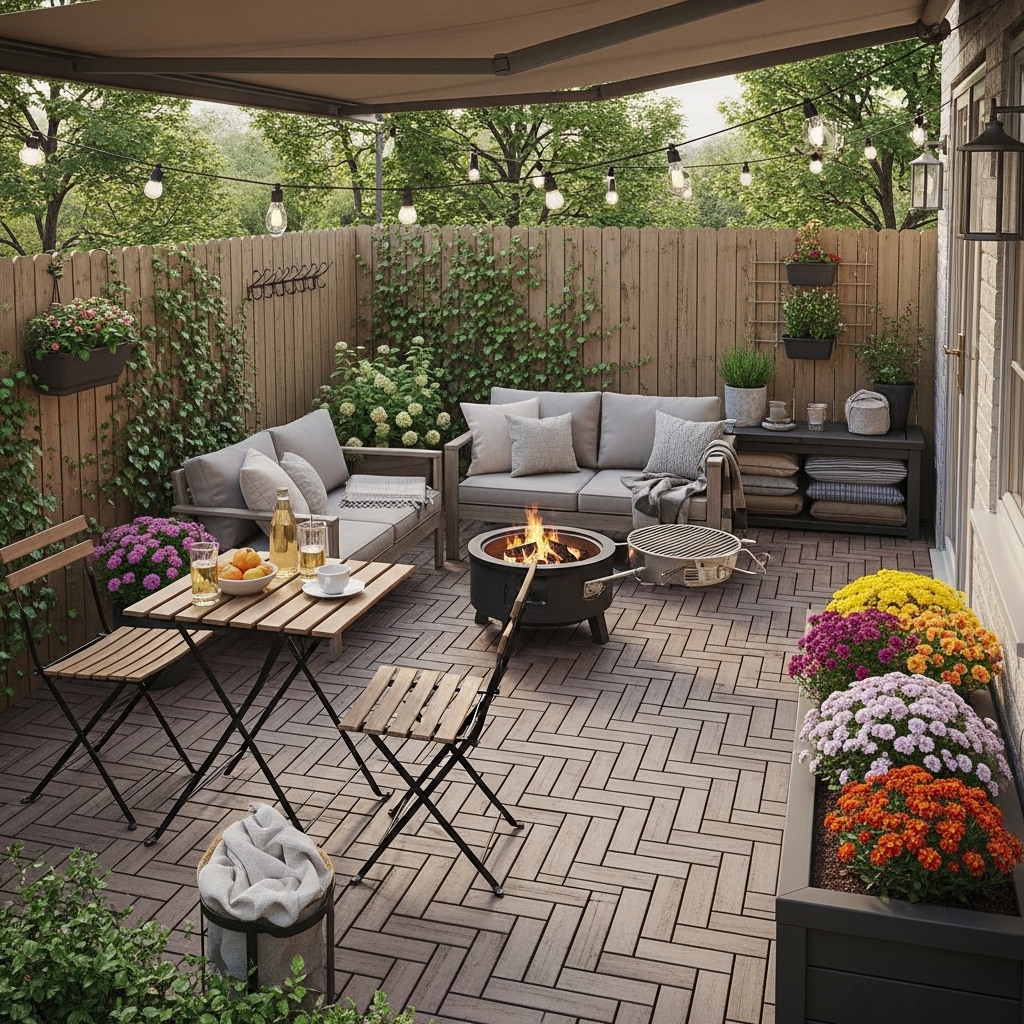
Great for: Patios used differently throughout the year.
Rearrange furniture based on weather and usage, such as creating more shade in summer or open space in winter.
This keeps the patio functional year-round and prevents wasted space.
Avoid keeping a fixed layout that doesn’t match seasonal needs.
Pro Tip: Use lightweight furniture for easy adjustments.
Conclusion: Small Patios Feel Bigger When Layout and Purpose Align
A small backyard patio can feel big and cozy if everything is put in its place. The secret is to think about what works, how people move and being able to change things around.
Here are some simple ideas to make your small backyard patio feel open, useful and fun:
By using these 15 small backyard patio ideas you can create a space that feels open, practical and enjoyable—no matter the size.