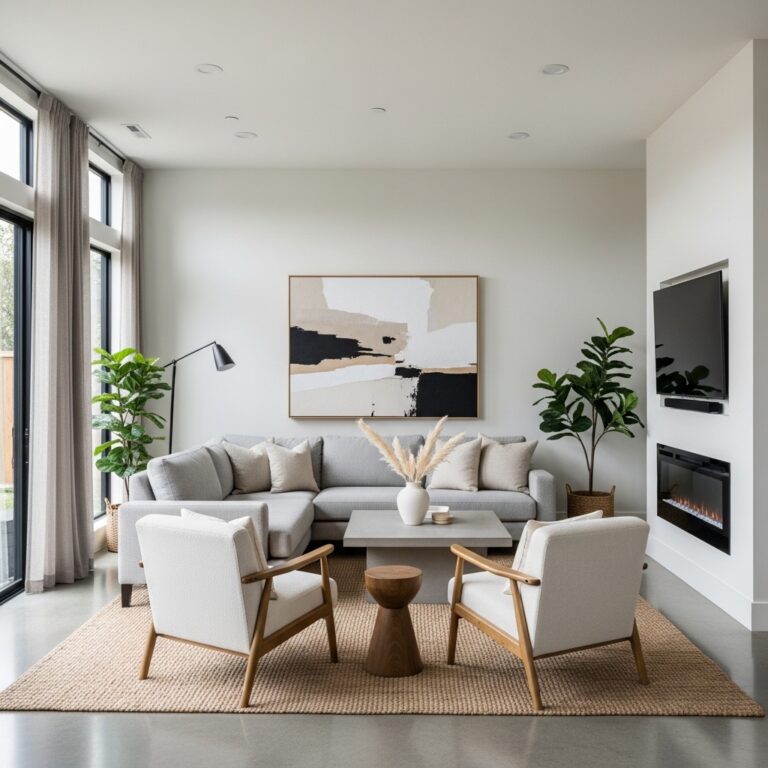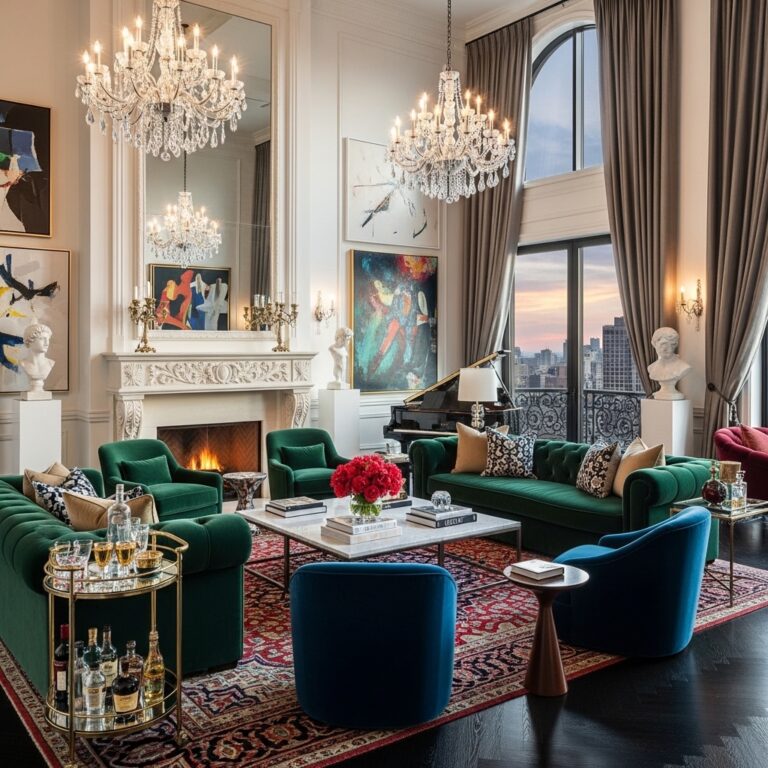
10 Small Living Room Layout Ideas That Improve Space, Flow, and Comfort
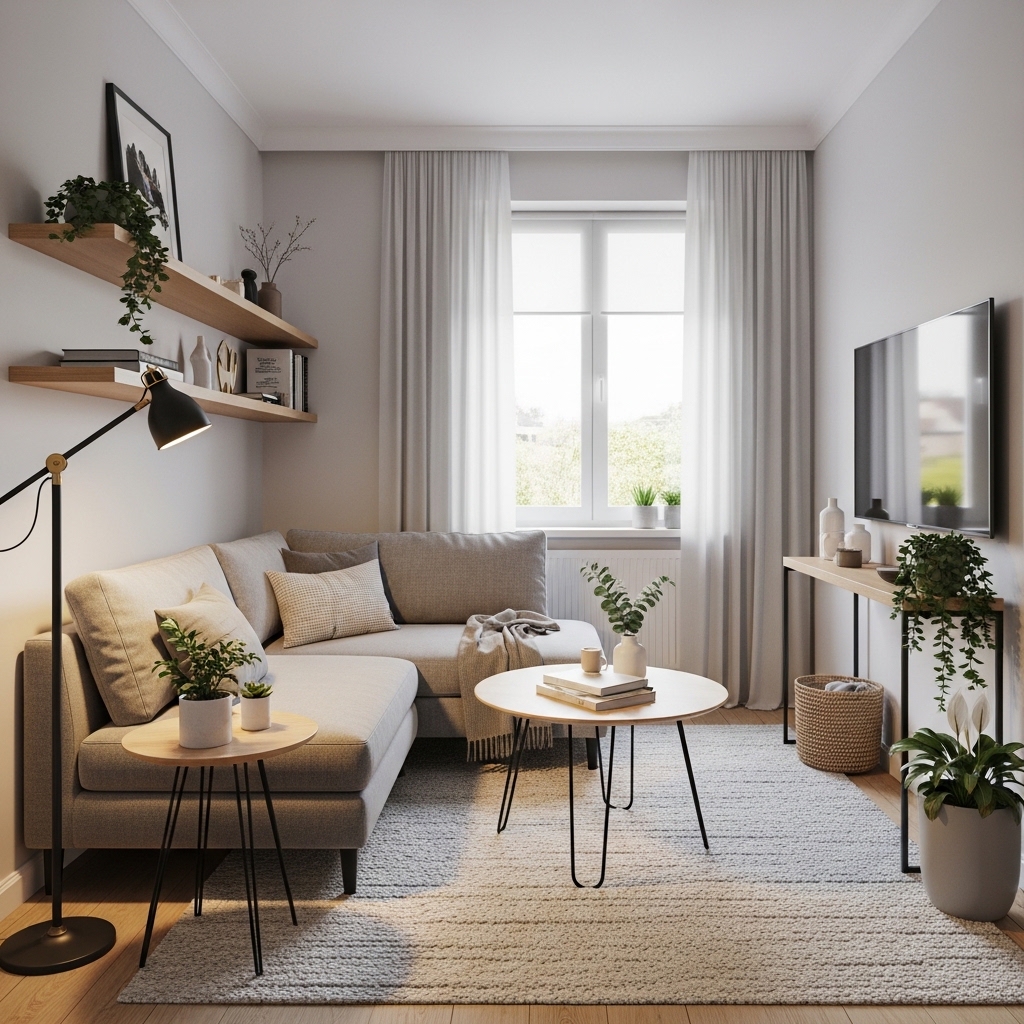
Small living rooms can feel really tight. That is not just because of how big they are. It is usually because the way things are set up gets in the way of people moving stops light from coming in or has too much stuff in certain areas.
A lot of people think that adding things to the room will make it better but that is not it. The real answer is to change where you put your furniture.
This guide is about useful ways to set up your furniture so that it is easier to move around sit comfortably and things look nice.
Each idea in this guide will help you put your furniture in a way that makes your living room feel bigger, easier to use and more organized, in a way.
1. Float the Sofa Away From Walls to Create Depth
Ideal for: Small living rooms that feel flat or pushed outward.
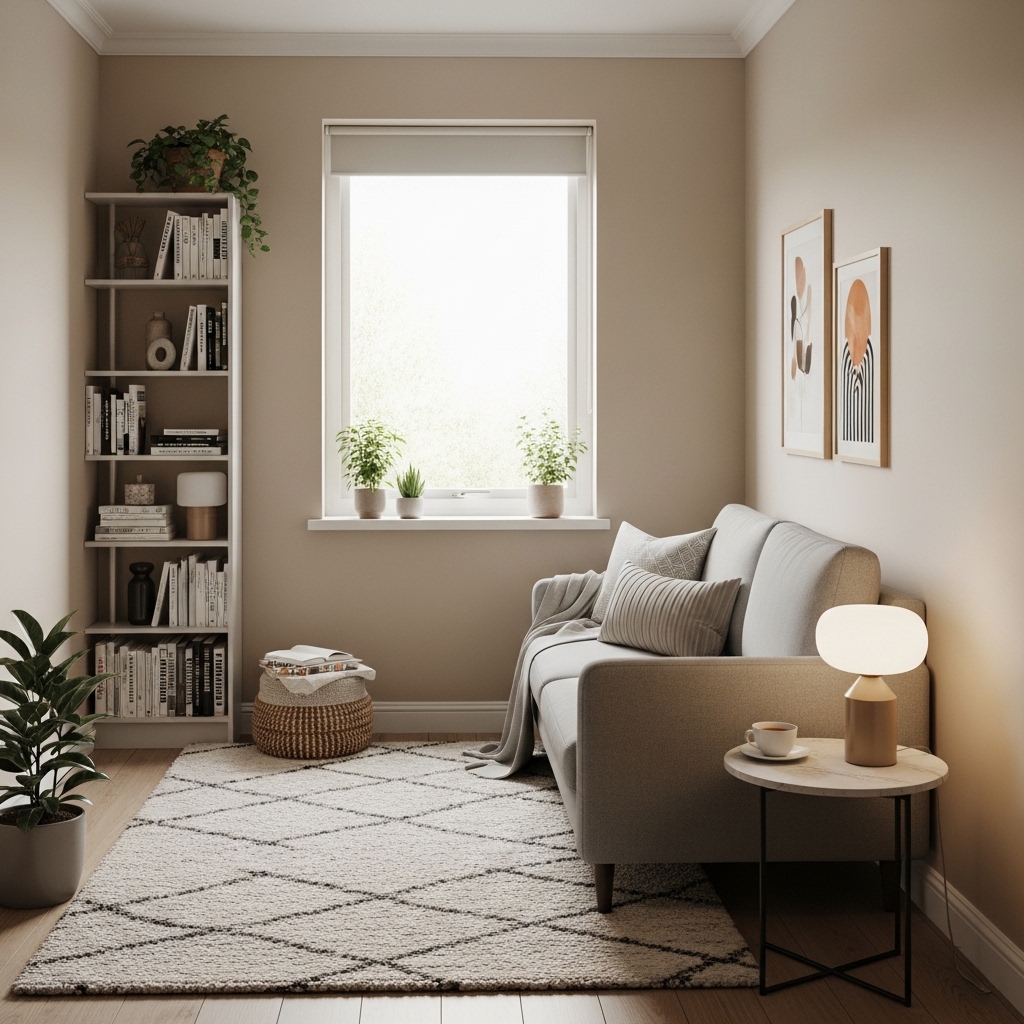
Instead of placing your sofa directly against the wall, pull it slightly forward and leave a small gap behind. Use that space for a slim console or walkway.
This works because it creates depth and prevents the room from feeling like everything is stuck to the edges. It also improves visual layering.
Avoid pulling the sofa too far forward, which can shrink your usable walking space.
Pro Tip: Keep at least 12–18 inches behind the sofa for balance.
2. Angle One Key Piece to Break Boxy Layouts
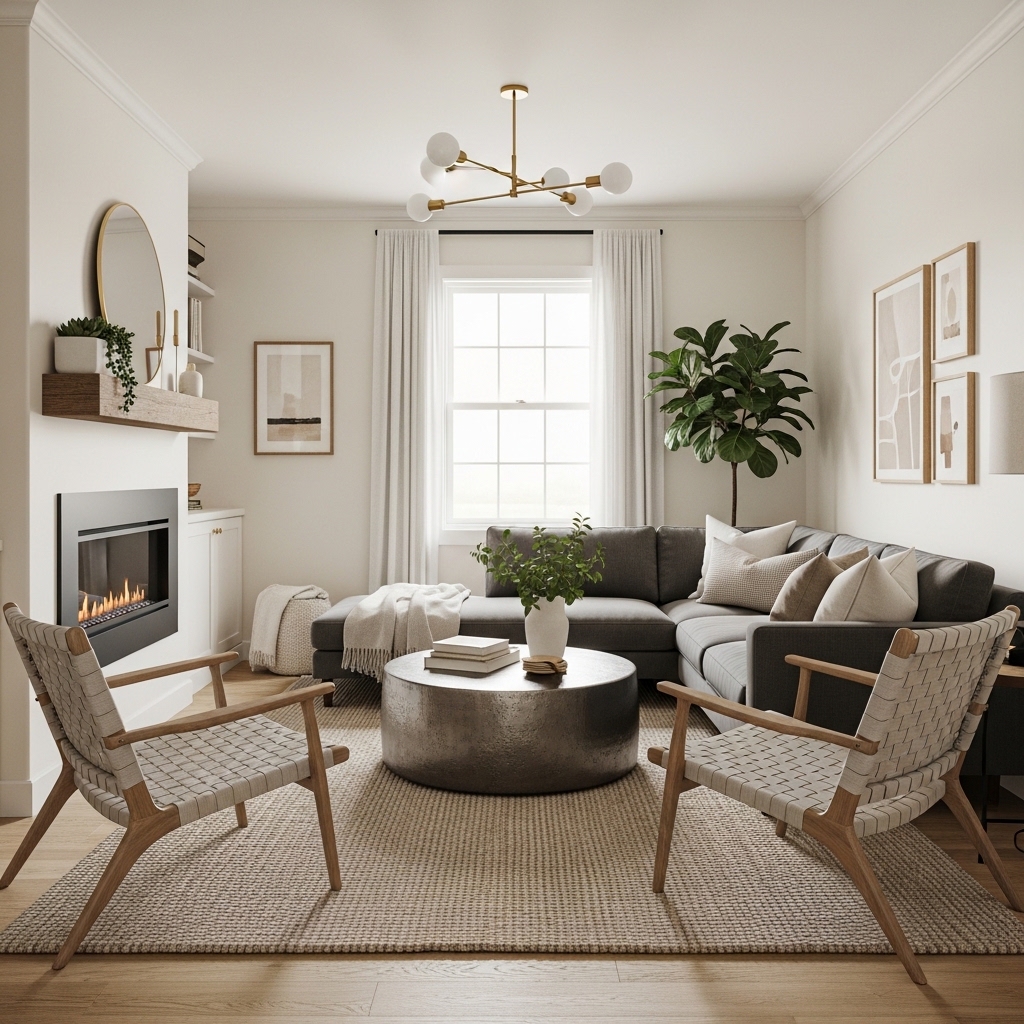
Best for: Square living rooms that feel rigid or predictable.
Rotate a chair or small seating piece slightly instead of aligning everything straight. Keep the main sofa aligned for stability.
This subtle change softens the layout and introduces movement, making the room feel more dynamic without adding clutter.
Avoid over-angling multiple pieces, which can disrupt flow and waste space.
Pro Tip: Anchor angled furniture with a rug to keep it intentional.
3. Build the Layout Around a Single Focal Direction
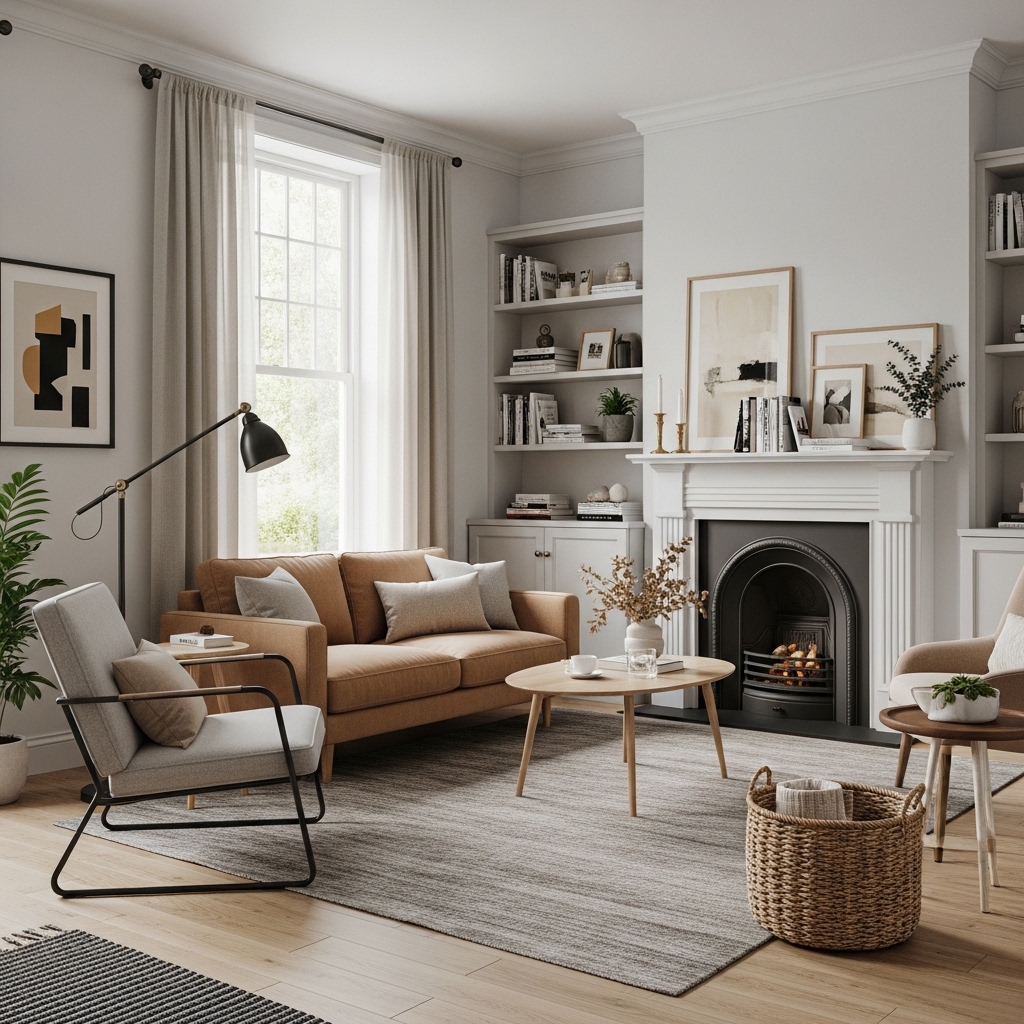
Great for: Rooms with TVs, windows, or statement walls.
Choose one main focal point and arrange all seating to face it. Keep alignment consistent across furniture pieces.
This works because it simplifies the layout and creates a natural gathering orientation. It also improves usability.
Avoid competing focal points, which split attention and confuse the layout.
Pro Tip: Keep the main viewing angle comfortable from all seats.
4. Use a “One-Side Heavy” Layout to Free Movement Space
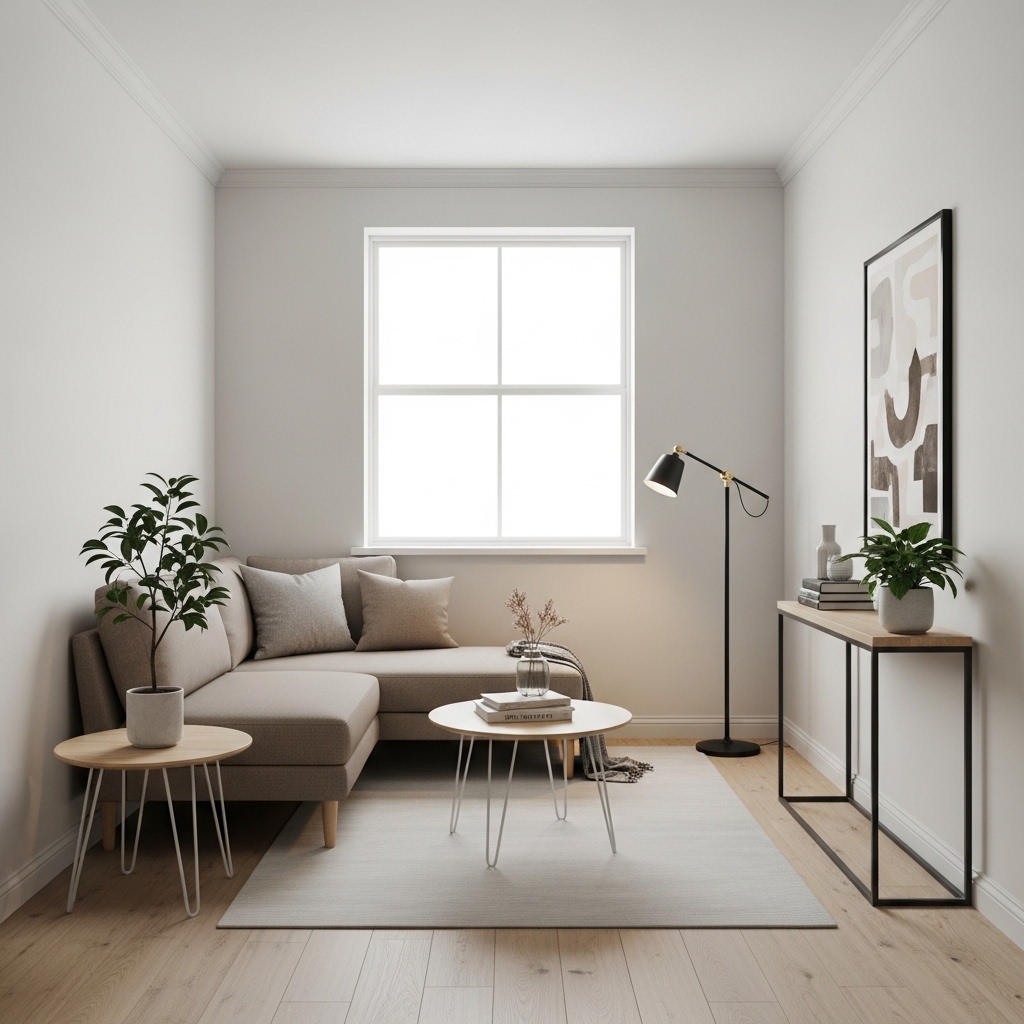
Ideal for: Narrow living rooms where both sides feel cramped.
Place most of your furniture on one side of the room and leave the other side open for walking space.
This creates a clear pathway and makes the room feel less crowded. It also improves movement and accessibility.
Avoid balancing furniture equally on both sides in tight spaces, as it reduces flow.
Pro Tip: Use a rug to visually anchor the heavier side.
5. Position Seating to Frame, Not Block, Walkways
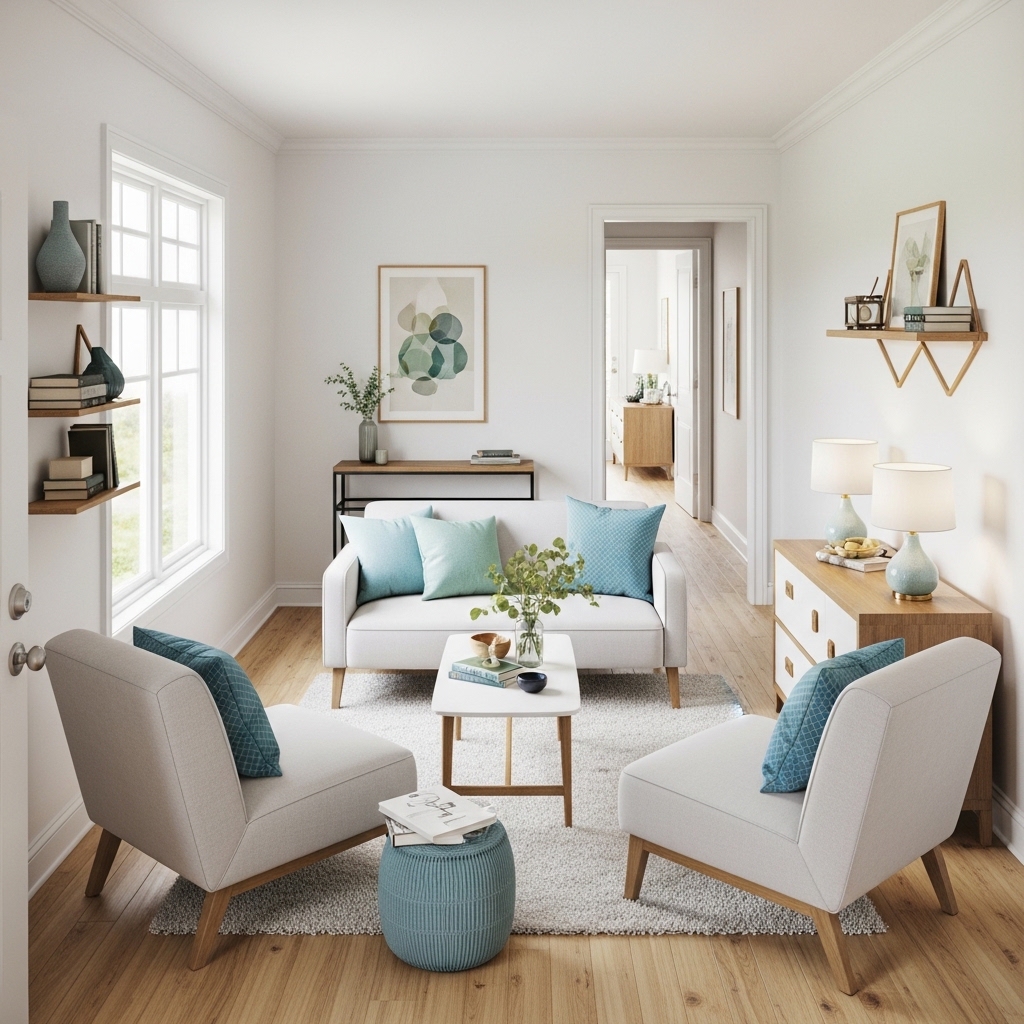
Best for: Living rooms with high foot traffic.
Arrange sofas and chairs so they outline pathways instead of sitting directly in them. Keep natural walking routes open.
This improves circulation and prevents the room from feeling obstructed. It also enhances comfort during daily use.
Avoid placing furniture directly between entry points.
Pro Tip: Test movement paths by walking through the space naturally.
6. Use a Compact “L-Shape” to Maximize Corner Seating
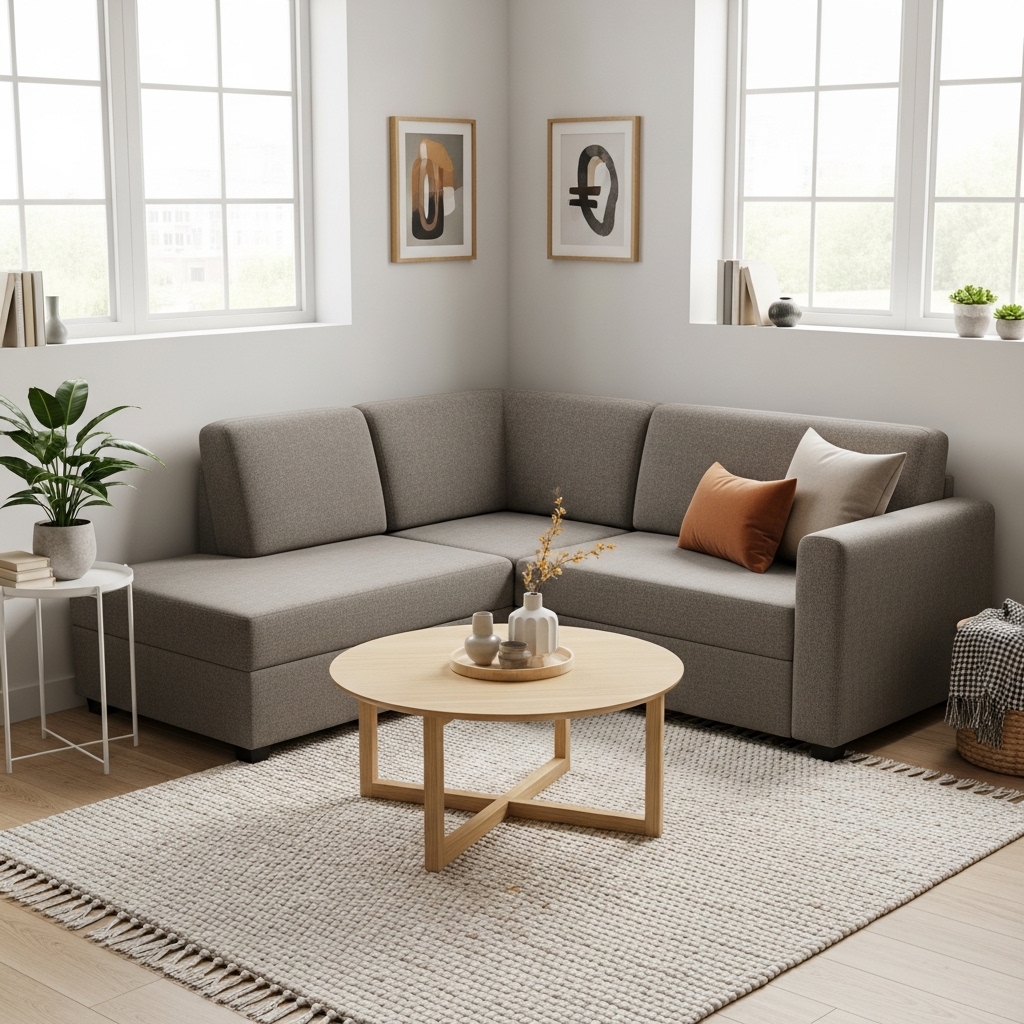
Great for: Small living rooms needing more seating.
Place a sofa and chair (or sectional) in an L-shape to utilize corners efficiently. Keep the center open.
This layout increases seating without overcrowding the room. It also creates a cozy conversation area.
Avoid oversized sectionals that dominate the space.
Pro Tip: Choose slim-profile furniture for better proportions.
7. Center the Rug First, Then Build Around It
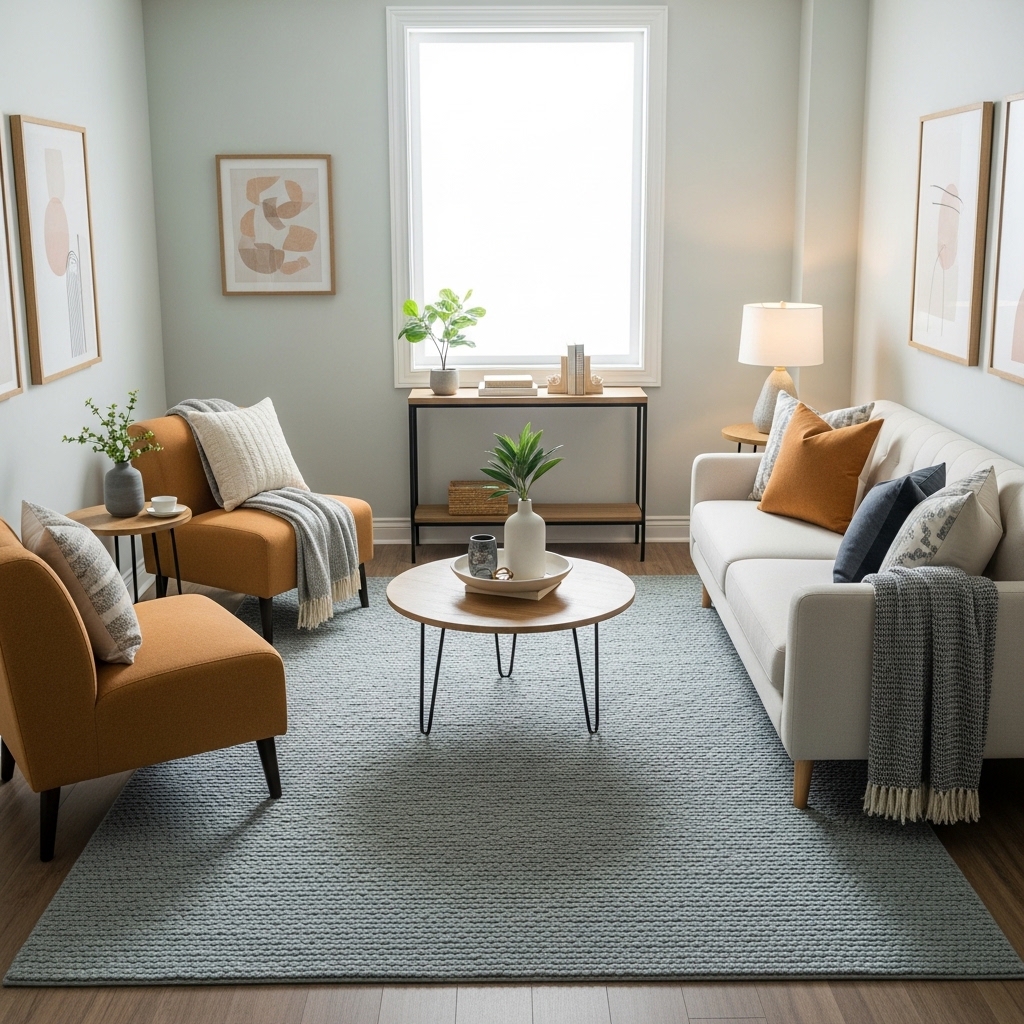
Ideal for: Rooms that feel visually unbalanced.
Start with a properly sized rug and arrange furniture around it, ensuring all key pieces connect to it.
This works because the rug acts as a foundation, organizing the layout and improving cohesion.
Avoid rugs that are too small, as they make the layout feel disconnected.
Pro Tip: Ensure at least front legs of furniture sit on the rug.
8. Keep Sightlines Open to Make the Room Feel Larger
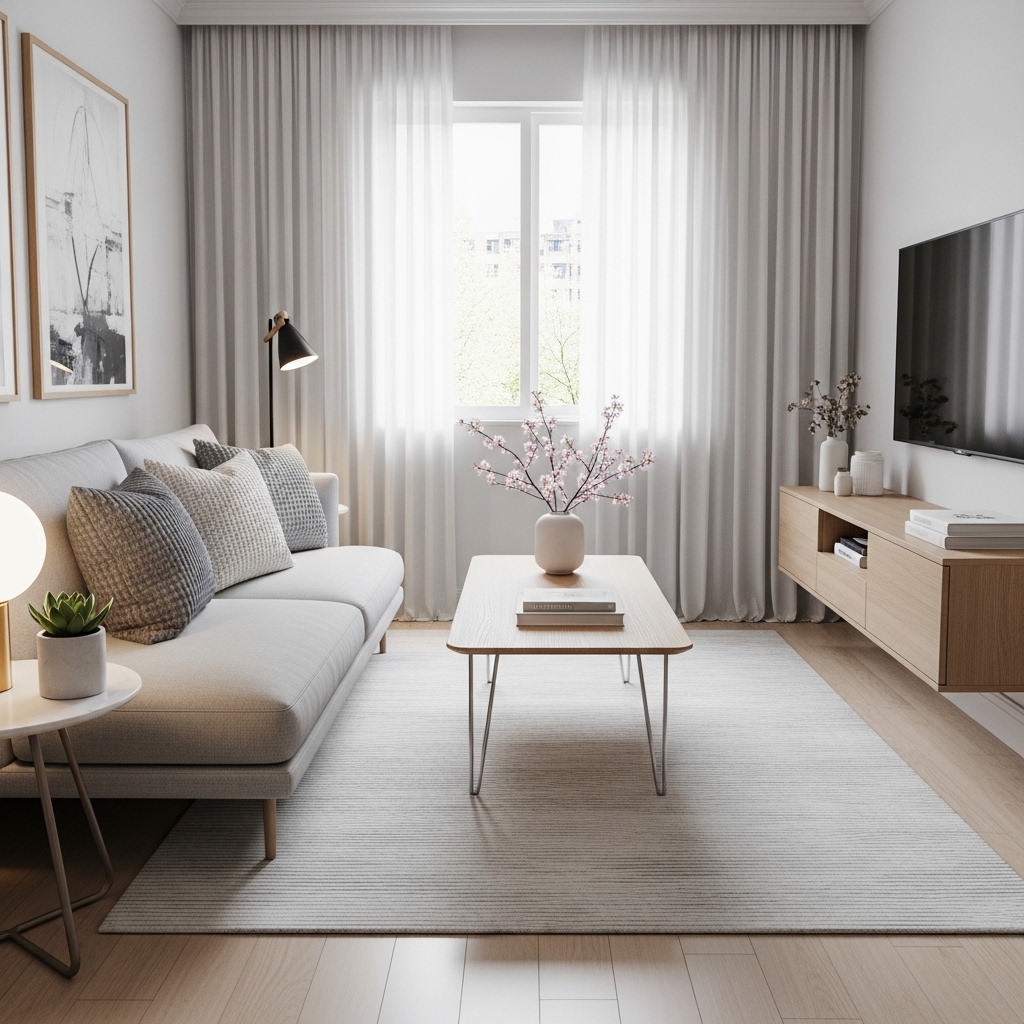
Best for: Living rooms that feel visually crowded.
Arrange furniture so you can see across the room without obstruction. Use low-profile pieces where possible.
Open sightlines make the space feel bigger and more breathable. It also improves natural light flow.
Avoid tall furniture in central positions.
Pro Tip: Place taller items along walls instead of the center.
9. Use Symmetry Only When Space Allows Proper Spacing
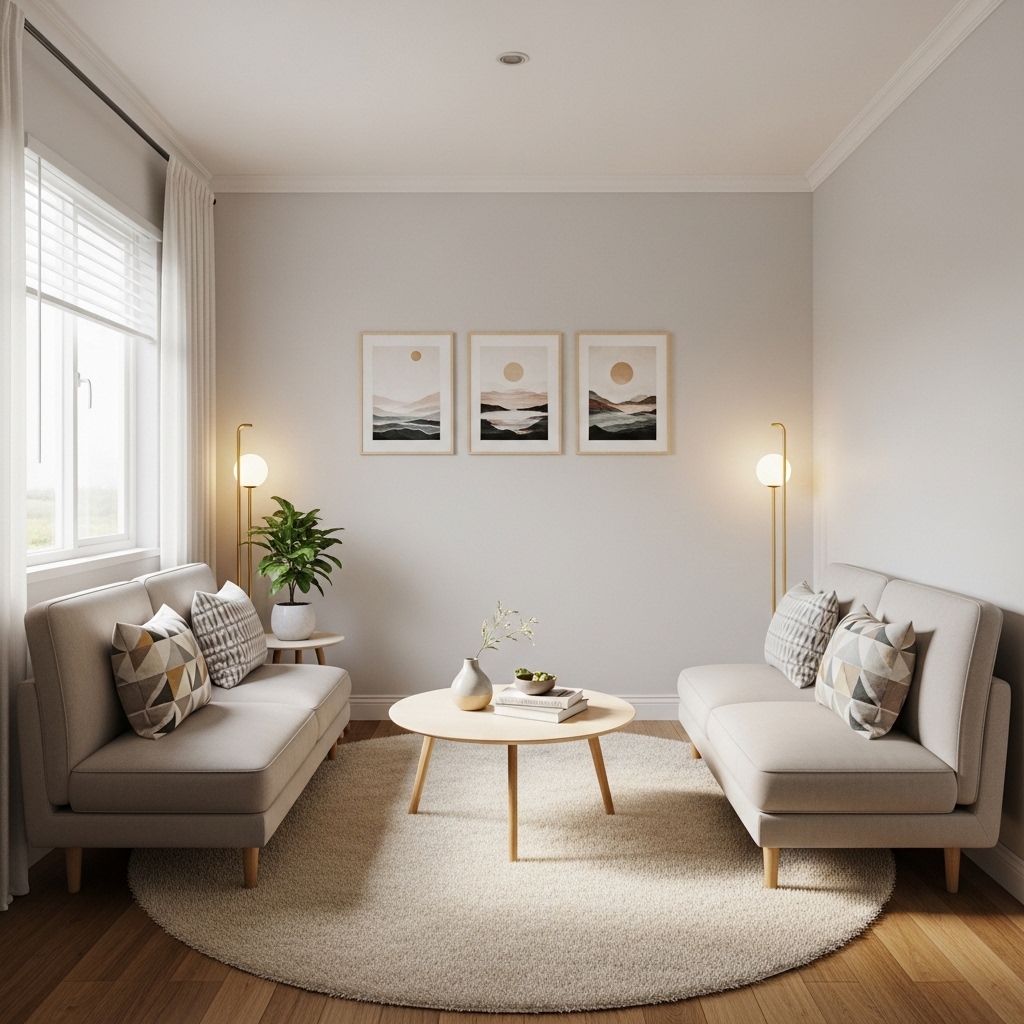
Great for: Small rooms with balanced dimensions.
Use matching chairs or tables only if you can maintain equal spacing without crowding the layout.
Symmetry creates a clean and organized feel, but only works when proportions are right.
Avoid forcing symmetry in tight layouts, as it reduces usability.
Pro Tip: Use asymmetry when space is limited.
10. Adjust Layout Based on How You Actually Use the Room
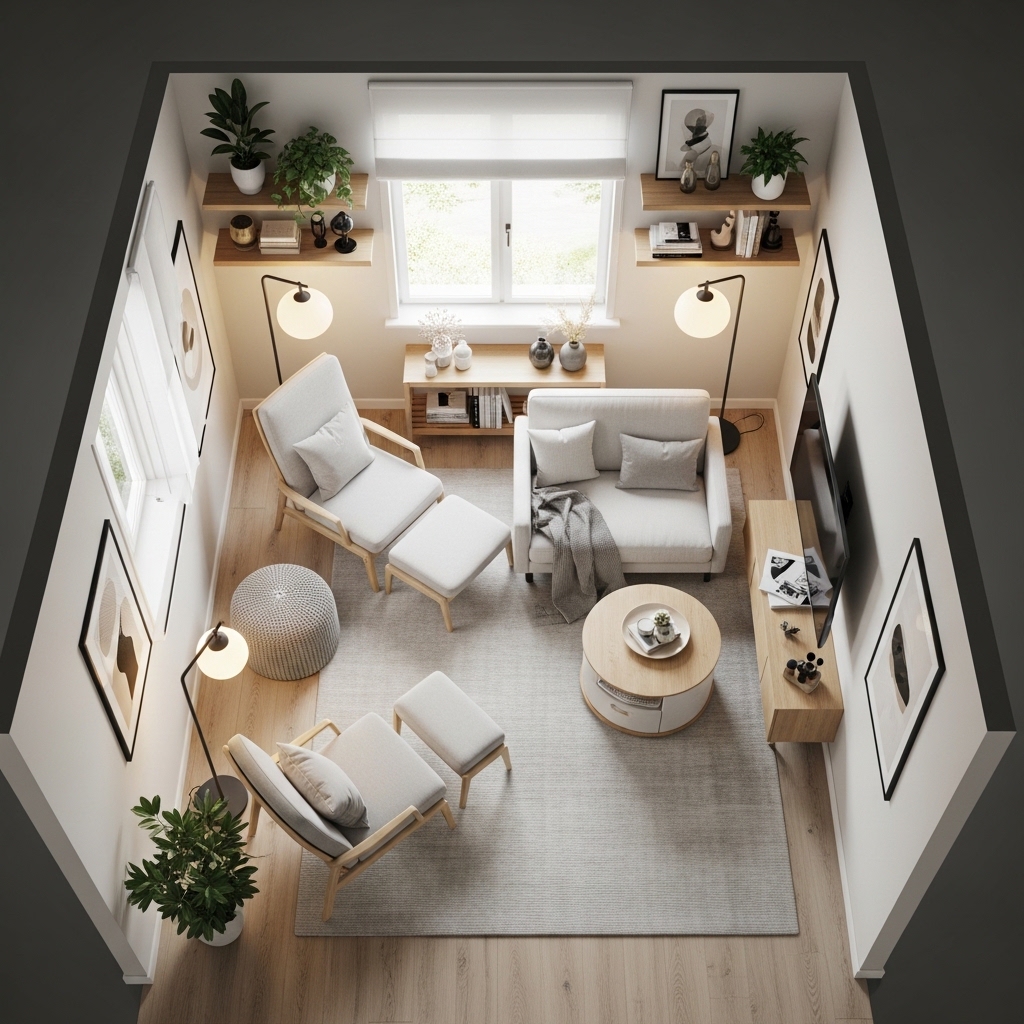
Ideal for: Living rooms that look good but don’t feel comfortable.
Rearrange furniture based on your daily habits—watching TV, hosting, or relaxing. Prioritize function over appearance.
This ensures the layout supports real-life use rather than just visual appeal. It improves long-term comfort.
Avoid sticking to layouts that don’t match your lifestyle.
Pro Tip: Test your setup during different activities to refine placement.
Conclusion: A Smart Layout Makes a Small Living Room Feel Effortless
The right layout can really make a small living room feel bigger and work better.
When you put your furniture in a way that helps you move around get comfortable and makes the room look good the small living room becomes a place to be, in and you have more freedom to do things.
By using these 10 small living room layout ideas you can make a living room that feels open and easy to use and it is a nice place to live in even if the small living room is not very big.