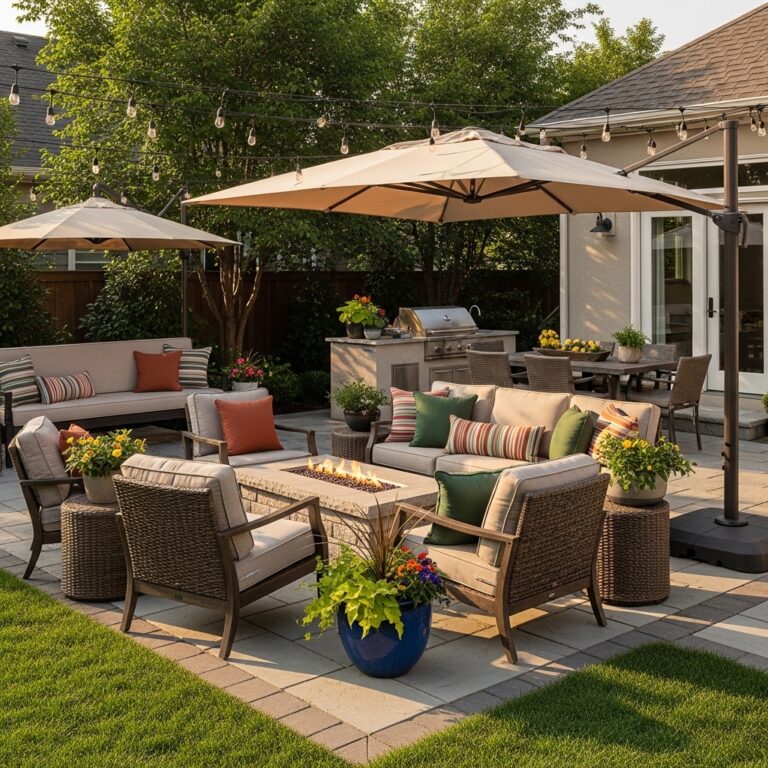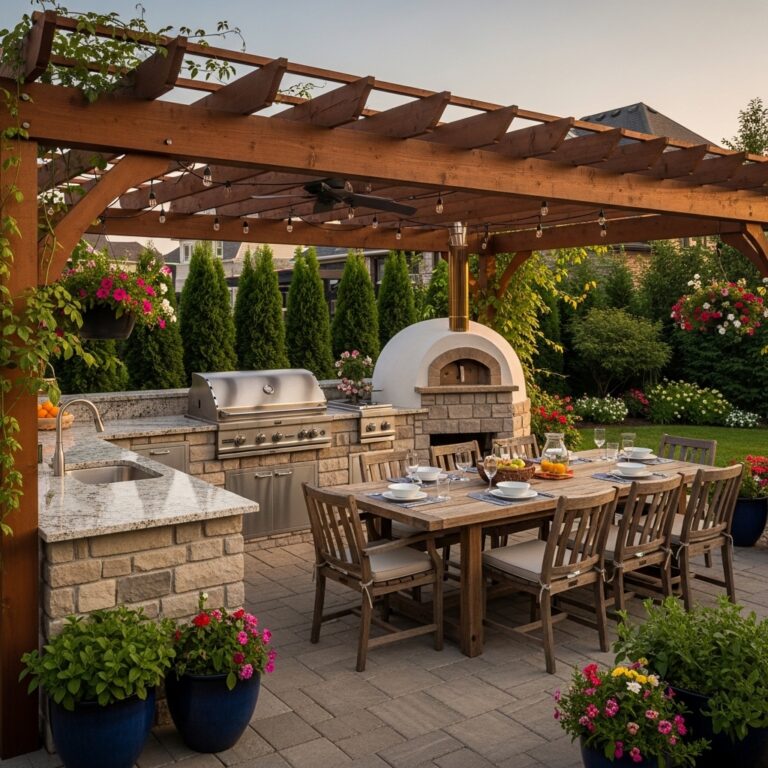
18 Trendy Backyard Ideas That Transform Outdoor Space Into Functional, Everyday Living Areas
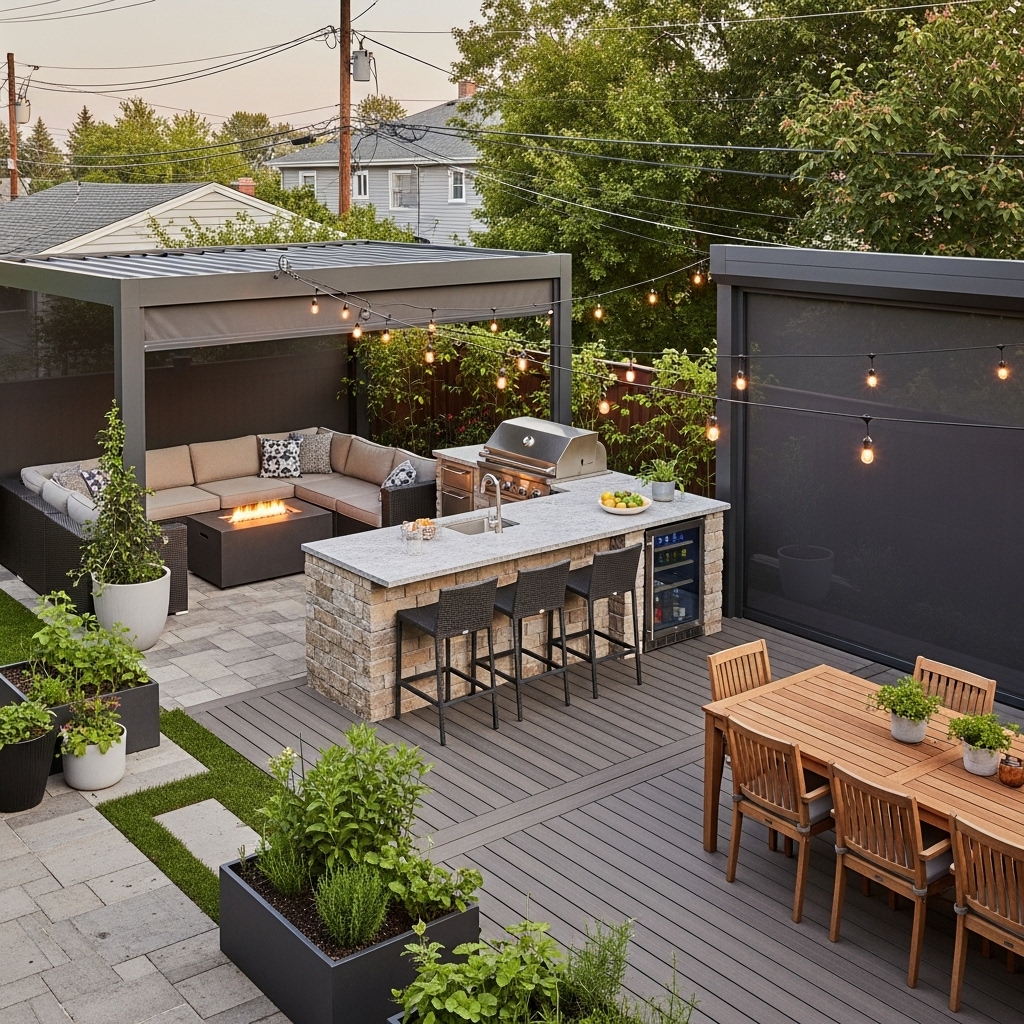
Backyards are often not used to their potential because they are seen as empty land rather than a place to live and spend time.
If a backyard does not have a purpose it can feel empty or cluttered even if it is a good size. It can be hard to use the space all the time.
This guide is about ways to plan your backyard so it is easy to use and comfortable. The ideas, in this guide will help you make the most of your space whether you want to relax have people over or just do everyday things in your backyard.
Each idea is straightforward. Helps you create a useful space without making things too complicated.
1. Design Your Backyard Around One Primary Lifestyle Use
Ideal for: Homeowners unsure how to utilize their backyard effectively.
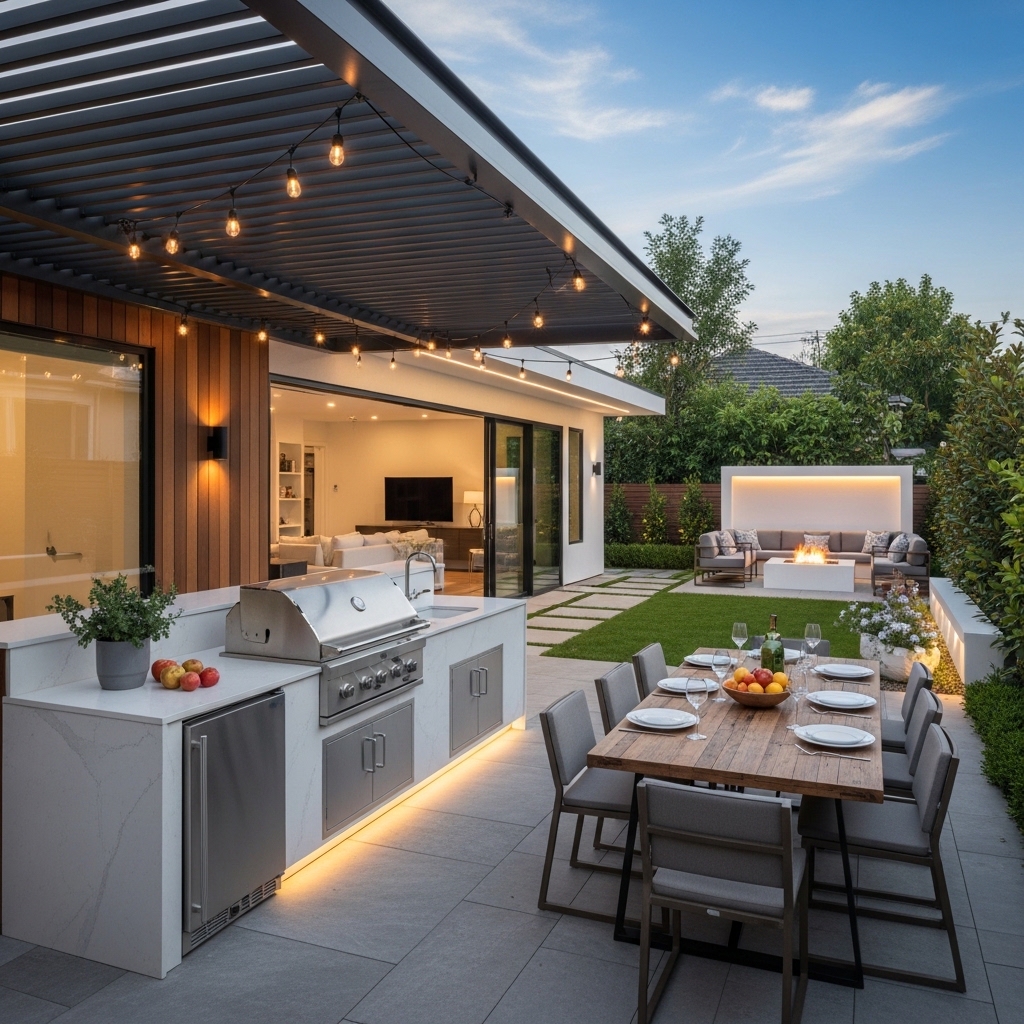
Start by identifying your main use—family time, entertaining, quiet relaxation, or outdoor dining. Build your layout around that function first, then add supporting elements gradually.
This works because a focused layout prevents overcrowding and ensures the space actually gets used. It also simplifies decision-making.
Avoid trying to include every feature at once, which leads to clutter and confusion.
Pro Tip: Expand only after your primary setup works well.
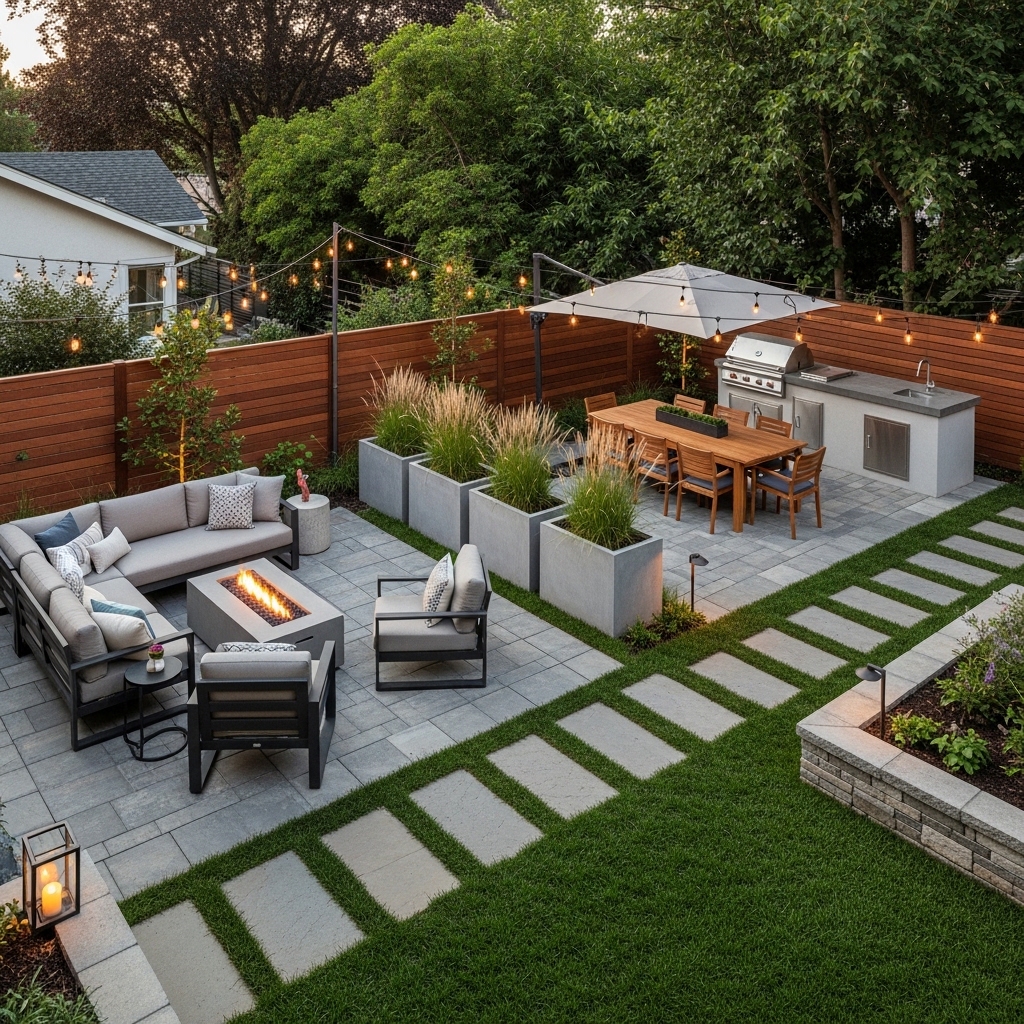
2. Divide the Yard Into Functional Zones With Clear Spacing
Best for: Medium to large backyards that feel undefined.
Create separate areas for seating, dining, and activity zones using furniture placement or ground changes. Keep enough distance between them for smooth movement.
Zoning improves organization and allows multiple activities without interference. It also makes the yard feel intentionally designed.
Avoid overlapping zones, which reduces usability.
Pro Tip: Maintain 3–4 feet between zones for comfort.
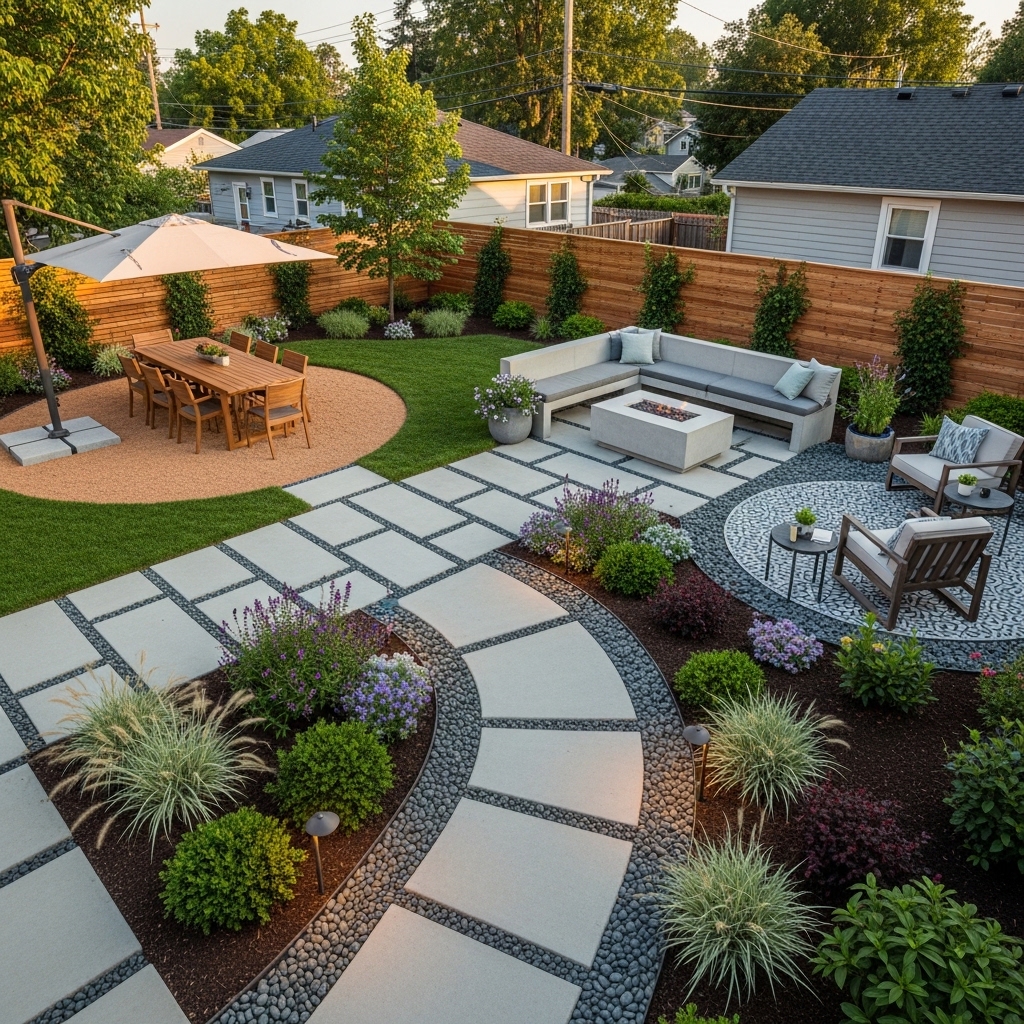
3. Use Ground Materials to Guide Layout Flow
Great for: Backyards lacking structure or pathways.
Introduce materials like gravel, pavers, or decking to define walkways and activity areas. Align them with natural movement paths.
This works because flooring changes guide how people move through the space. It also prevents random foot traffic.
Avoid mixing too many materials, which can feel chaotic.
Pro Tip: Stick to two complementary textures for cohesion.
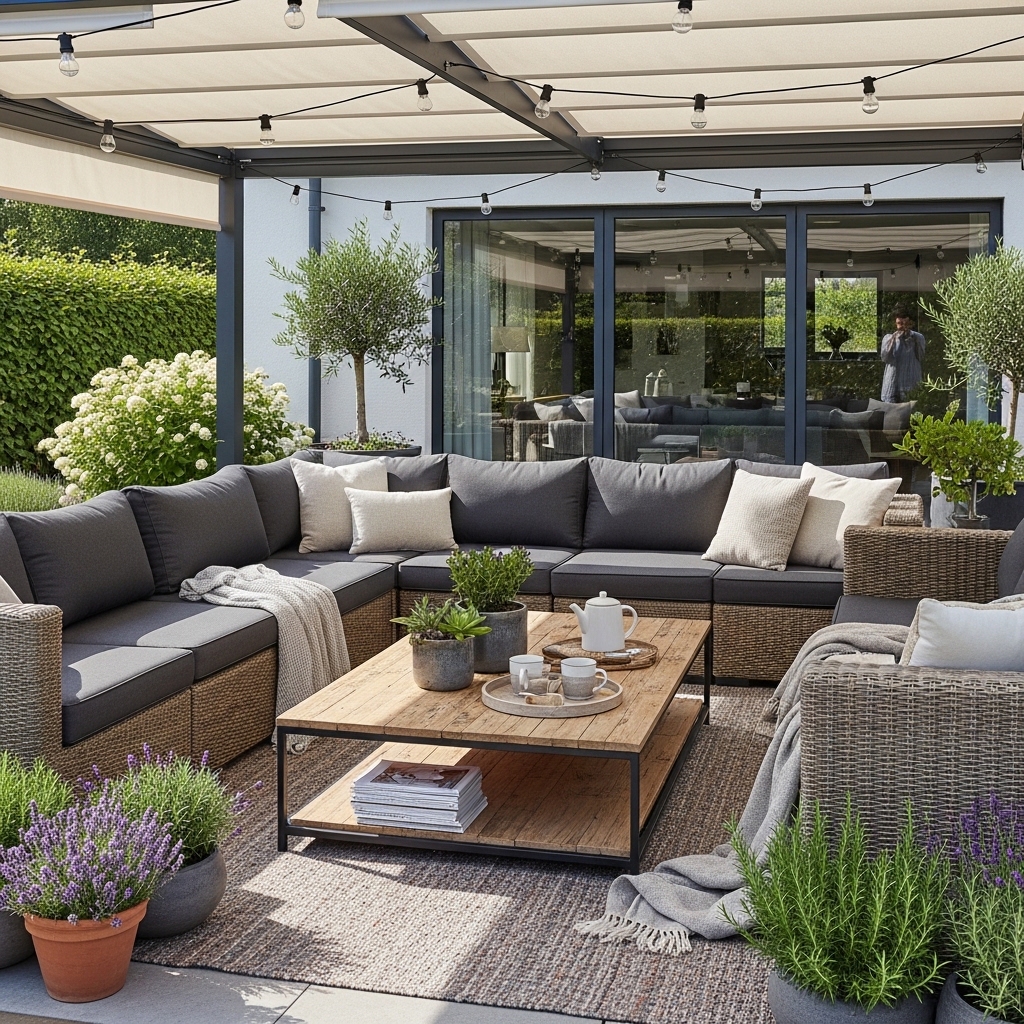
4. Create a Comfortable Outdoor Seating Hub
Ideal for: Families or those who entertain frequently.
Set up a main seating area with comfortable chairs or sofas arranged for conversation. Place it in a shaded or central location.
This becomes the heart of the backyard, encouraging regular use and social interaction.
Avoid placing seating in isolated or overly exposed areas.
Pro Tip: Keep seating within easy reach of lighting and shade.
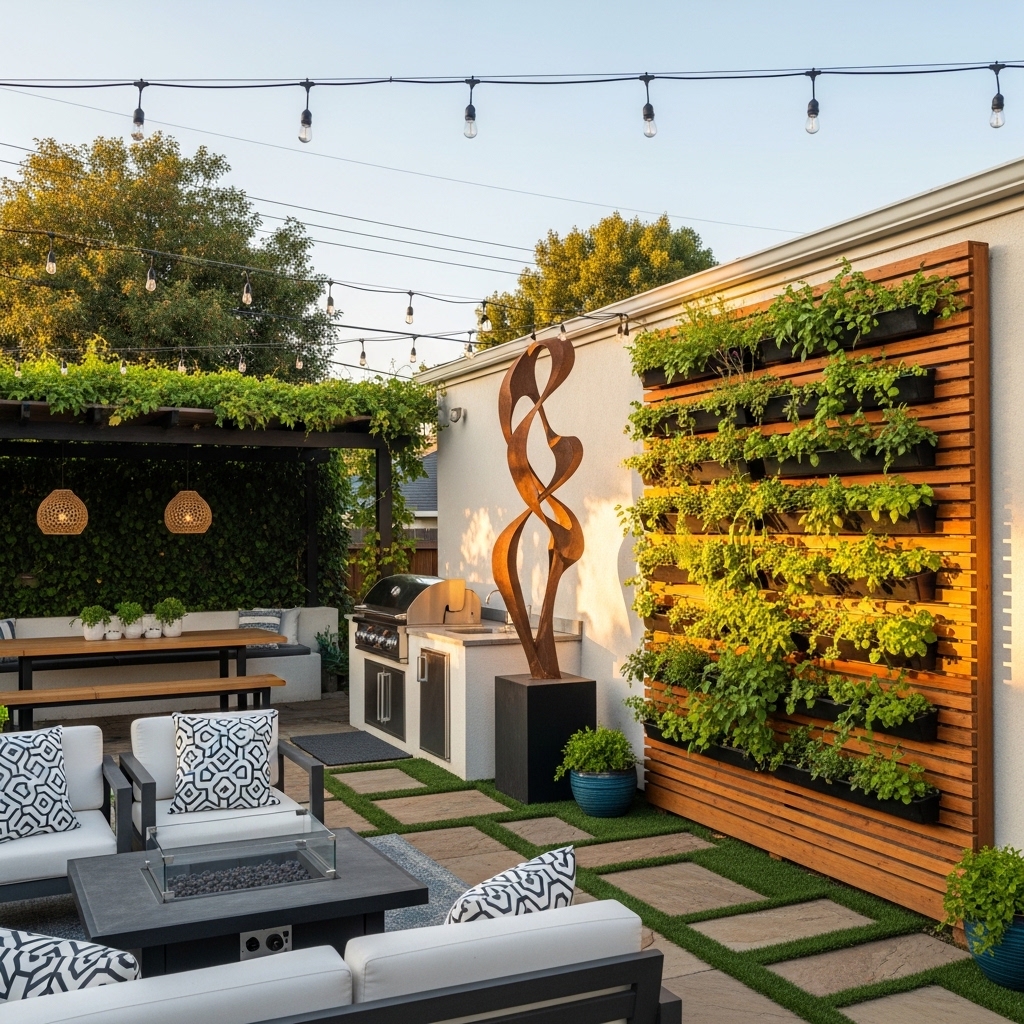
5. Add Vertical Elements to Balance Open Space
Best for: Backyards that feel flat or empty.
Incorporate vertical features like trellises, pergolas, or tall plants to add height and structure. Position them strategically.
Vertical elements create depth and make the yard feel more complete. They also improve privacy.
Avoid overloading with too many tall features, which can feel heavy.
Pro Tip: Place vertical elements near edges or corners.
6. Build a Flexible Area That Can Change Use
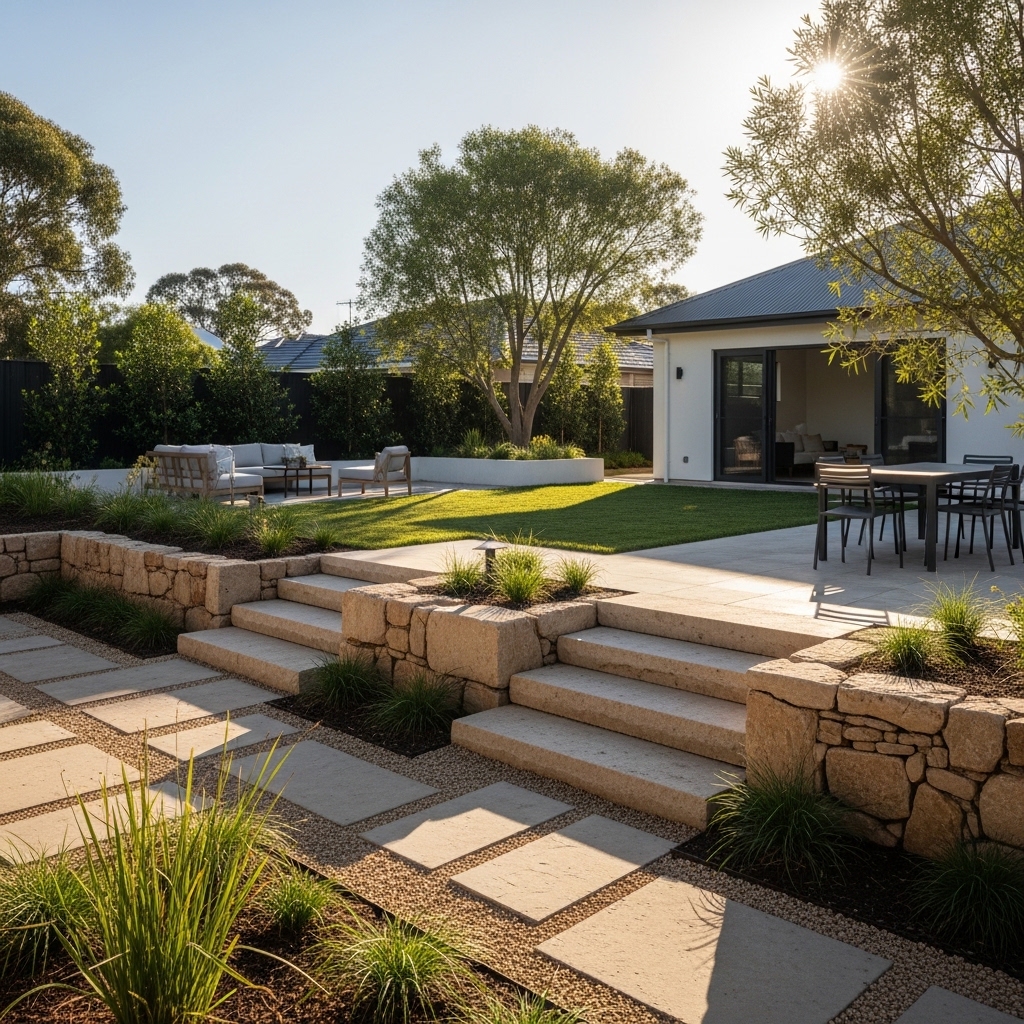
Great for: Families with evolving outdoor needs.
Keep one section of the yard open and adaptable for different uses like play, gatherings, or workouts.
Flexibility ensures the backyard remains useful over time. It also prevents overcrowding.
Avoid filling every area with fixed features.
Pro Tip: Use lightweight furniture for easy adjustments.
7. Keep Pathways Clear and Intuitive
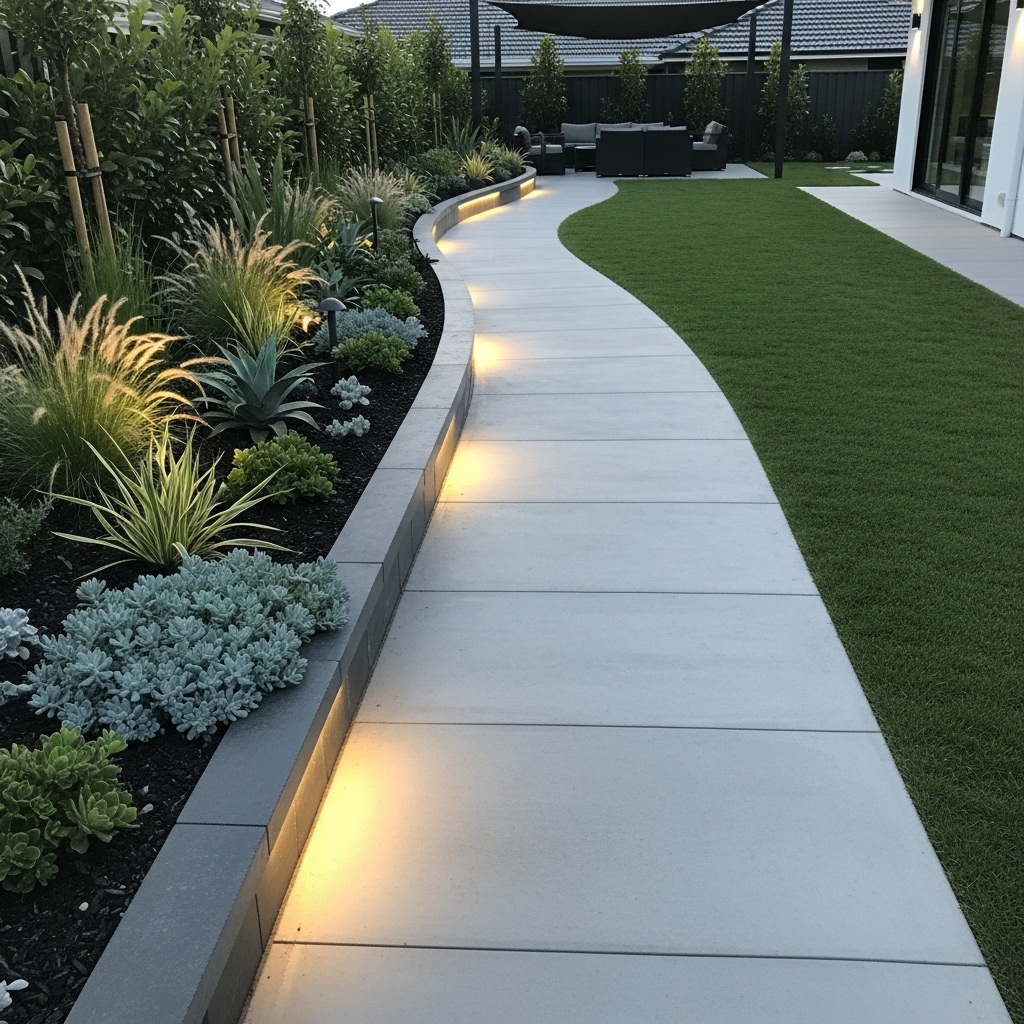
Ideal for: Backyards with frequent movement.
Ensure clear, direct routes between entry points, seating, and activity areas. Remove obstacles from main paths.
This improves usability and makes the space feel more organized.
Avoid placing furniture in walking routes.
Pro Tip: Test pathways by walking through daily routines.
8. Use Lighting to Extend Backyard Use Into Evening
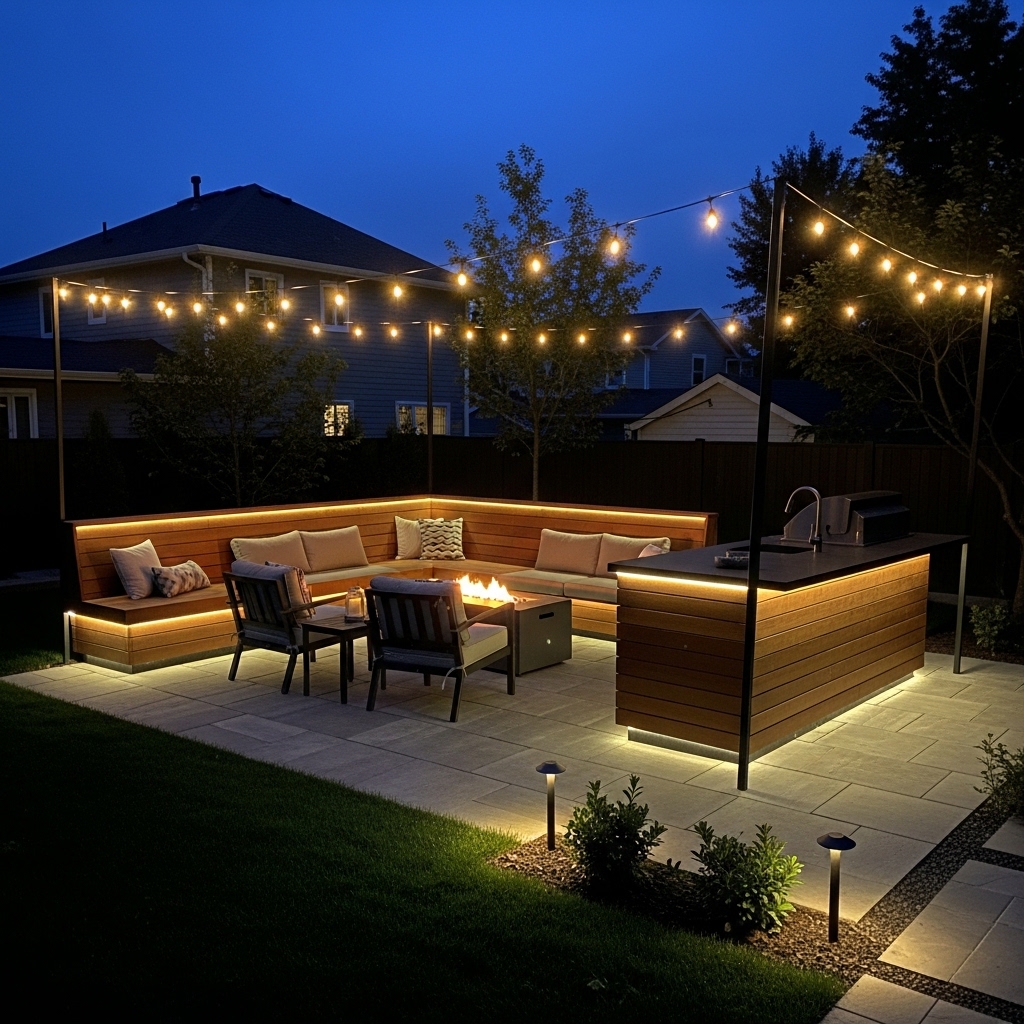
Best for: Backyards used after sunset.
Install layered lighting such as string lights, pathway lights, and task lighting for different zones.
Lighting improves safety and usability while enhancing atmosphere.
Avoid relying on one harsh light source.
Pro Tip: Use warm lighting for relaxation areas.
9. Incorporate Storage to Keep the Yard Organized
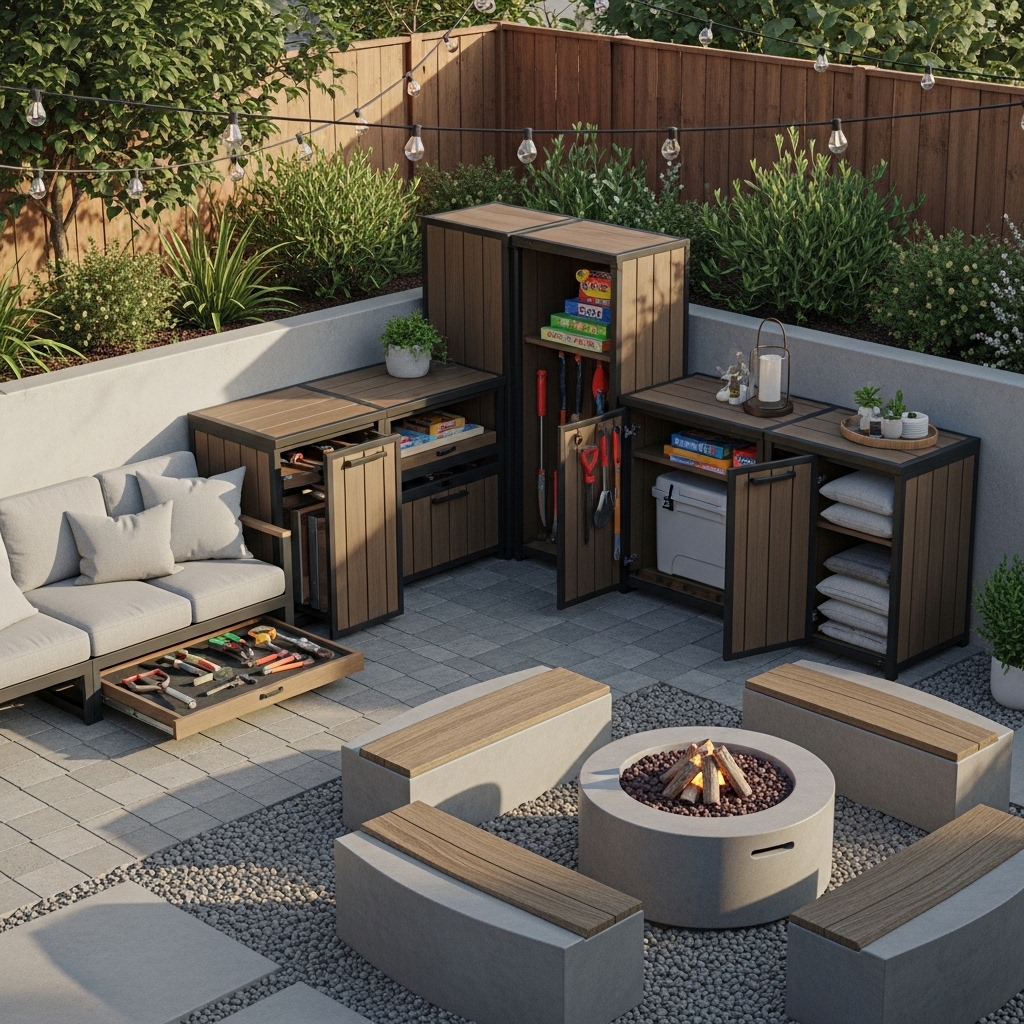
Great for: Backyards with tools, cushions, or kids’ items.
Add storage benches or sheds near usage areas to keep items accessible but hidden.
This prevents clutter and keeps the yard functional.
Avoid placing storage too far from where items are used.
Pro Tip: Choose weather-resistant storage solutions.
10. Use Shade Strategically for Comfort
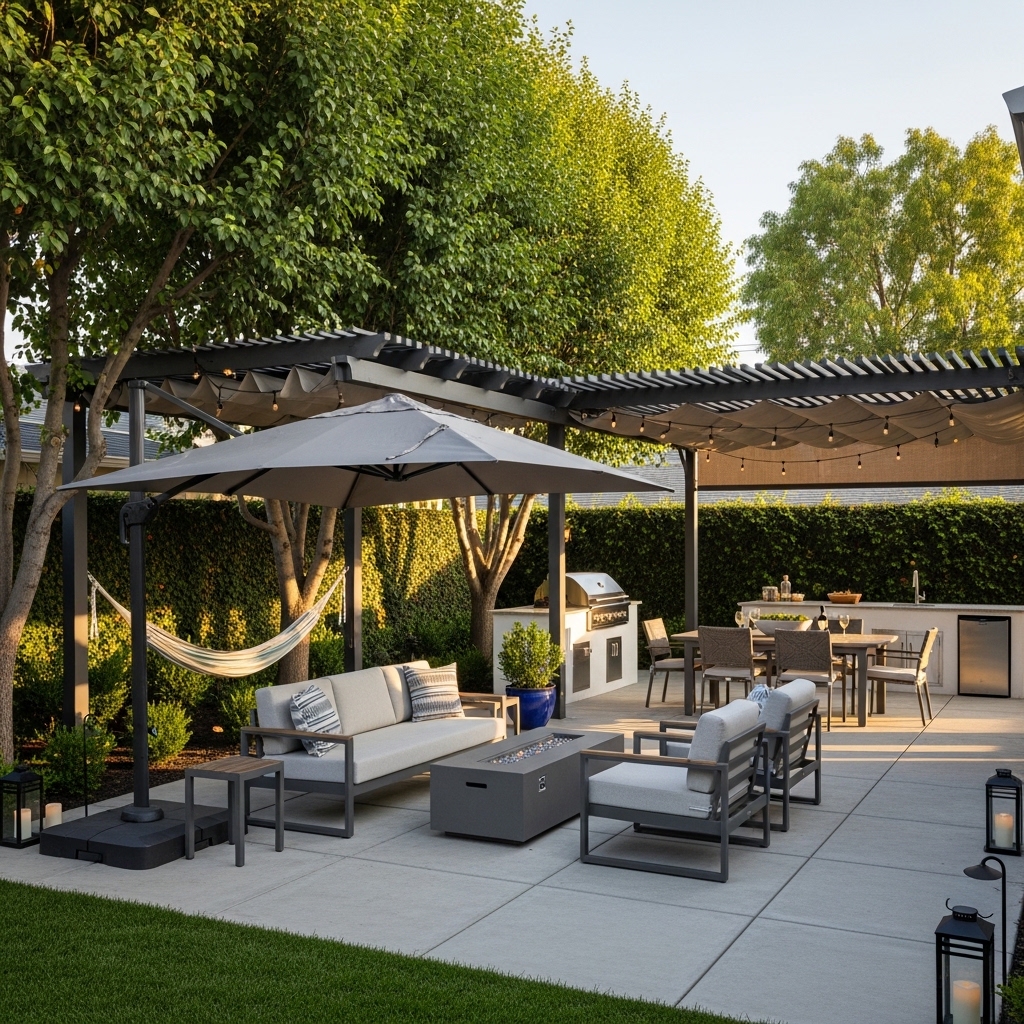
Ideal for: Hot or sunny climates.
Place umbrellas, pergolas, or shade sails over key areas like seating or dining zones.
Shade makes the backyard usable during the day and protects furniture.
Avoid random shade placement that doesn’t match layout.
Pro Tip: Align shade directly above main activity zones.
11. Create a Defined Dining Area Outdoors
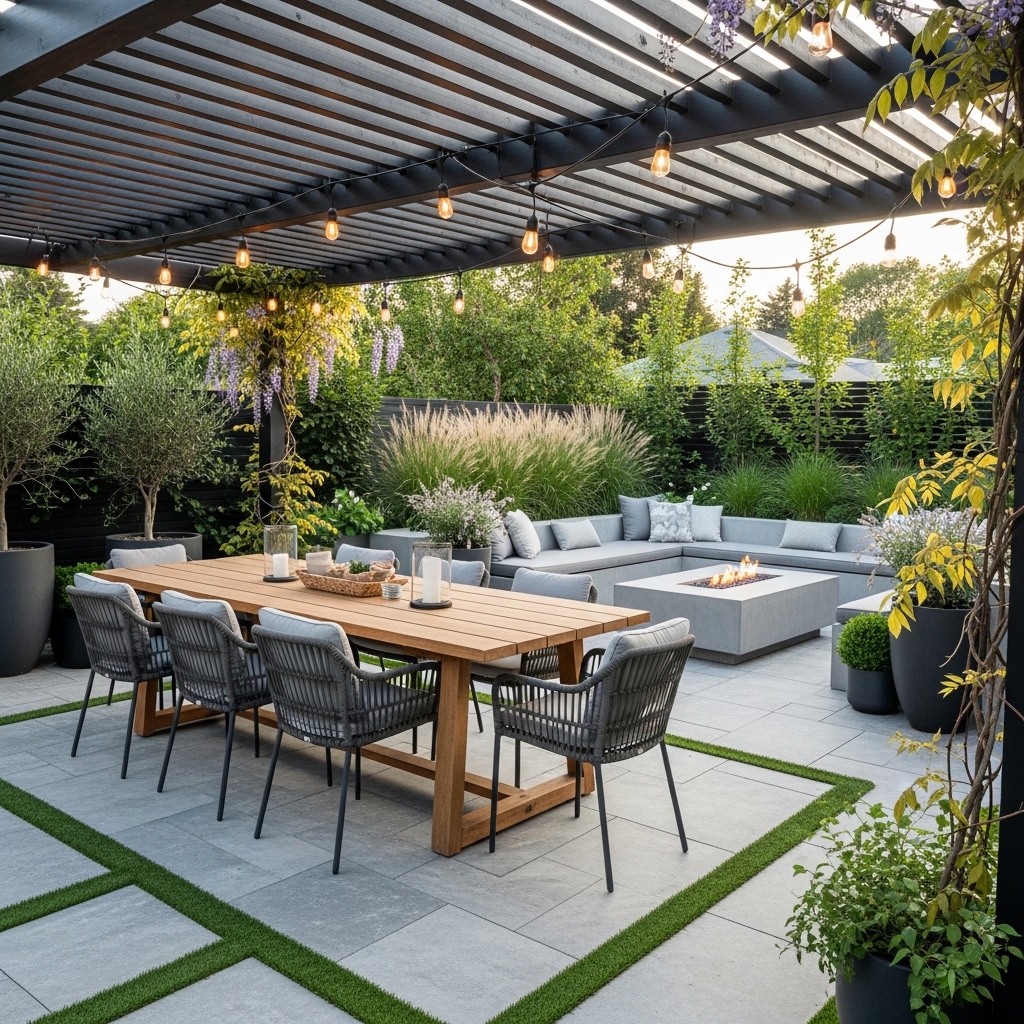
Best for: Those who enjoy outdoor meals.
Set up a table in a designated area with enough clearance for chairs and movement.
This adds function and encourages regular use.
Avoid placing dining areas too close to high-traffic zones.
Pro Tip: Keep 3 feet of space around the table.
12. Use Greenery to Soften Hard Surfaces
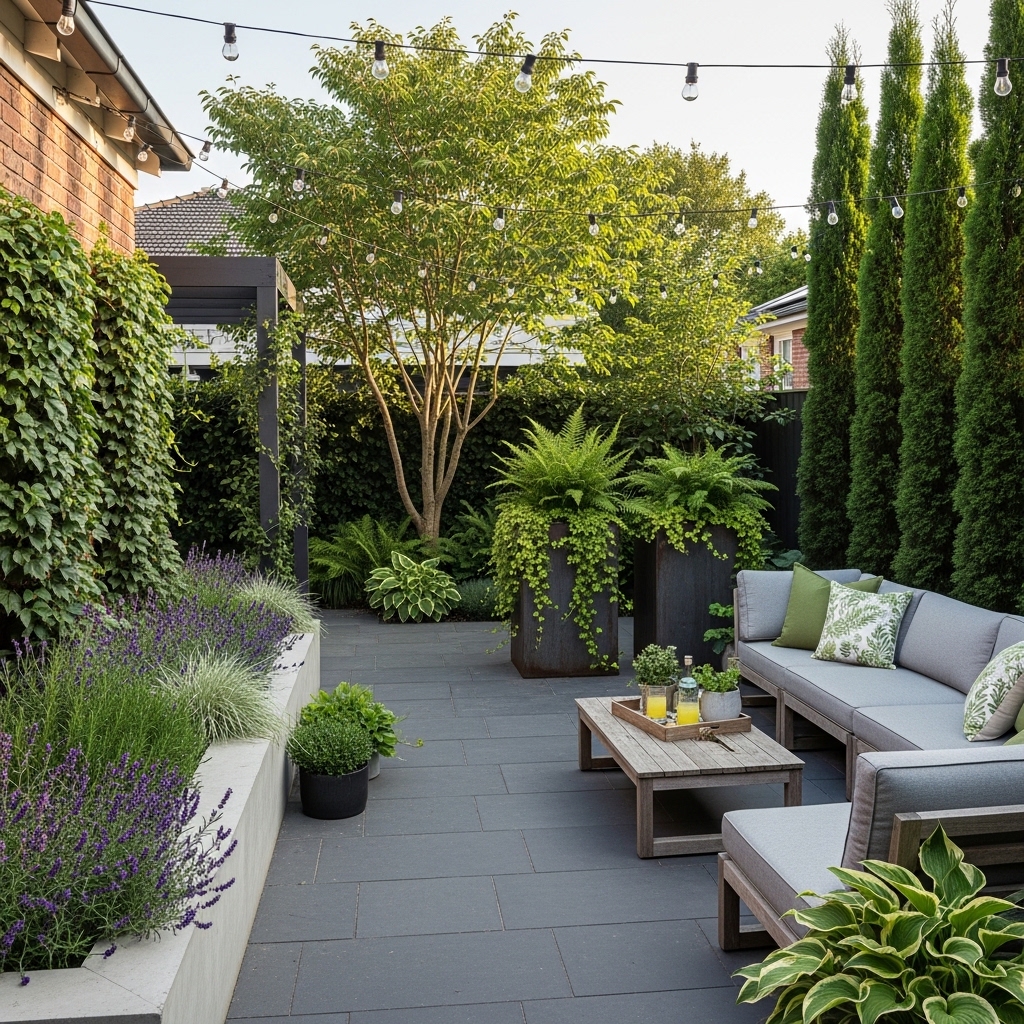
Great for: Backyards with lots of concrete or decking.
Add plants along edges or within zones to create balance and a natural feel.
Greenery softens the environment and improves visual appeal.
Avoid overcrowding with too many plants.
Pro Tip: Use a mix of heights for depth.
13. Add a Focal Point to Anchor the Design
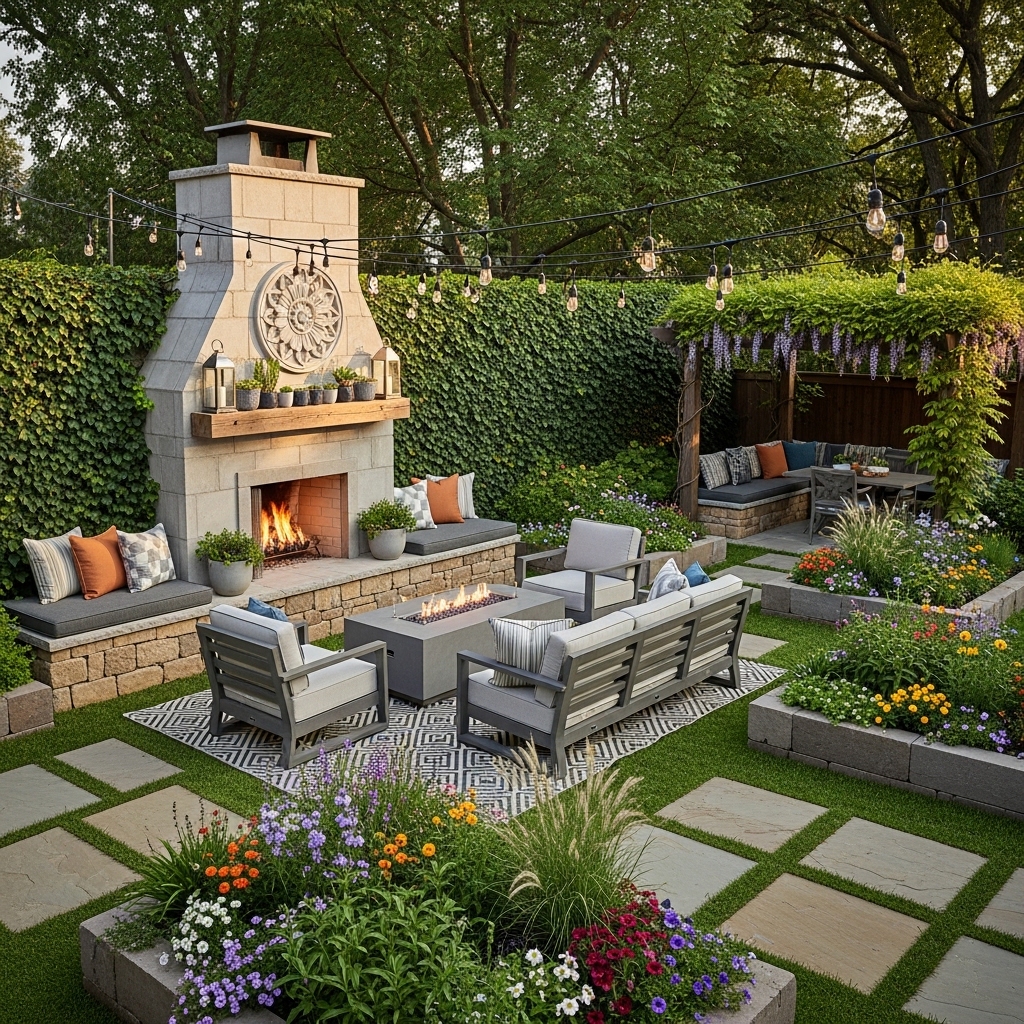
Ideal for: Backyards that feel scattered.
Introduce a central feature like a fire pit, water element, or seating hub to draw attention.
A focal point organizes the layout and creates visual interest.
Avoid multiple competing focal points.
Pro Tip: Position seating around the focal feature.
14. Keep Open Space to Prevent Overcrowding
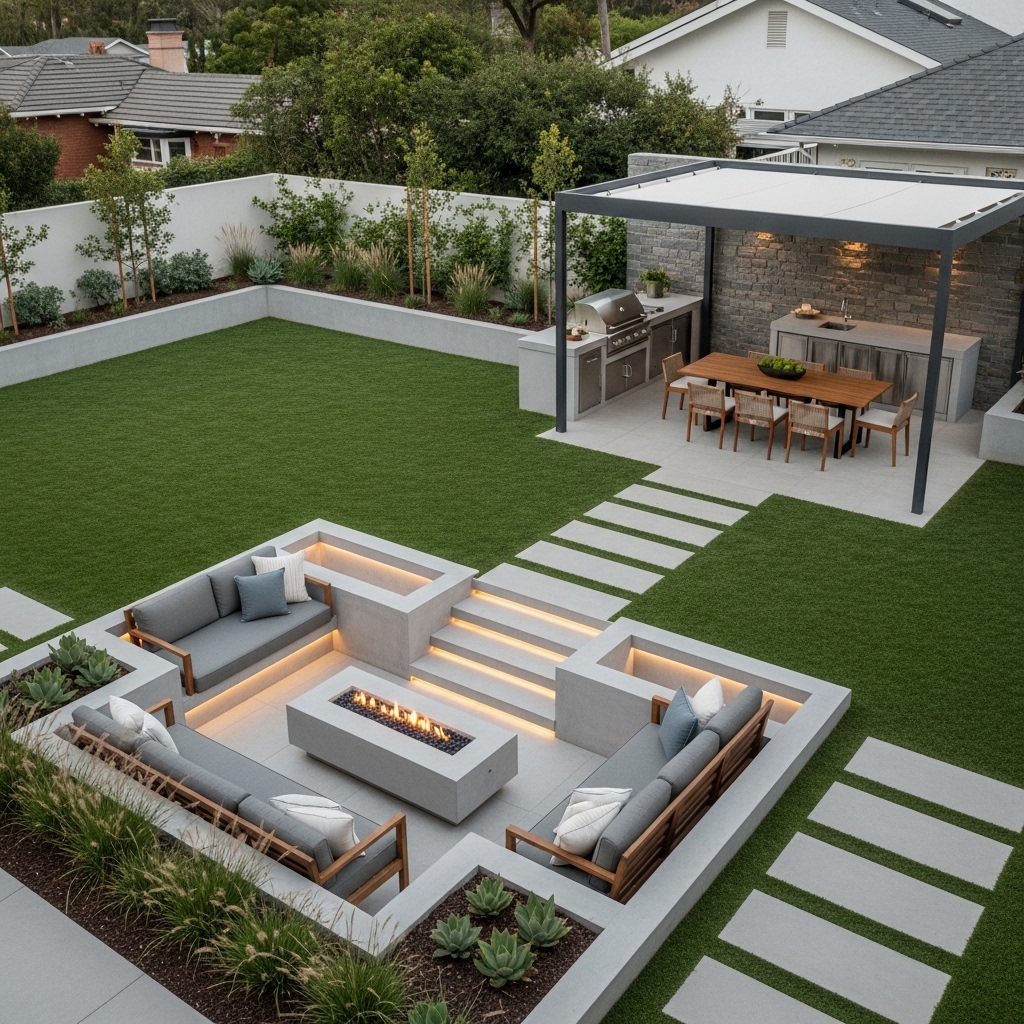
Best for: Backyards that feel too busy.
Leave intentional empty areas between zones to maintain balance and movement.
Open space improves comfort and highlights key features.
Avoid filling every inch with furniture or decor.
Pro Tip: Treat empty space as part of the design.
15. Use Edges for Functional Elements
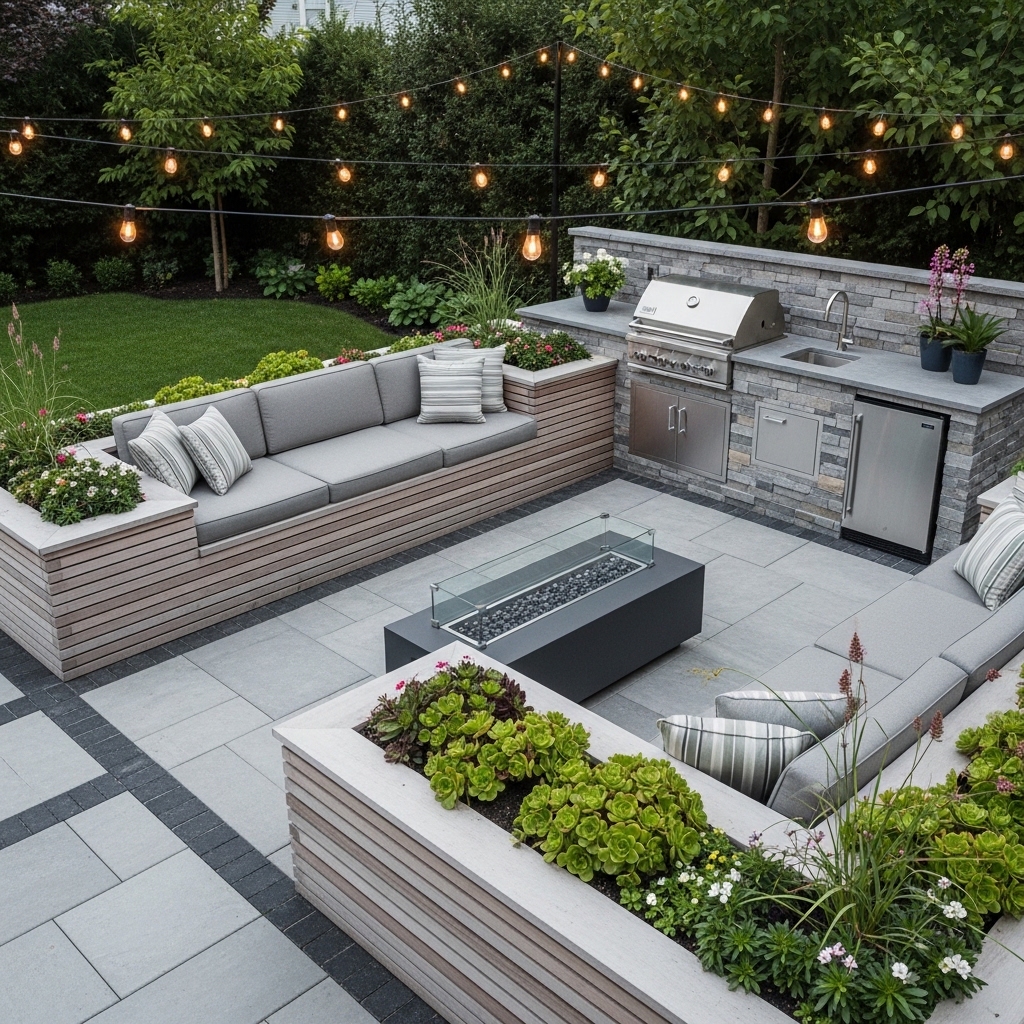
Great for: Maximizing usable space.
Place storage, plants, or seating along the edges to free up the center area.
This keeps the layout organized and improves flow.
Avoid placing bulky items in the middle.
Pro Tip: Keep edges consistent for a clean look.
16. Adjust Layout Based on Seasonal Use
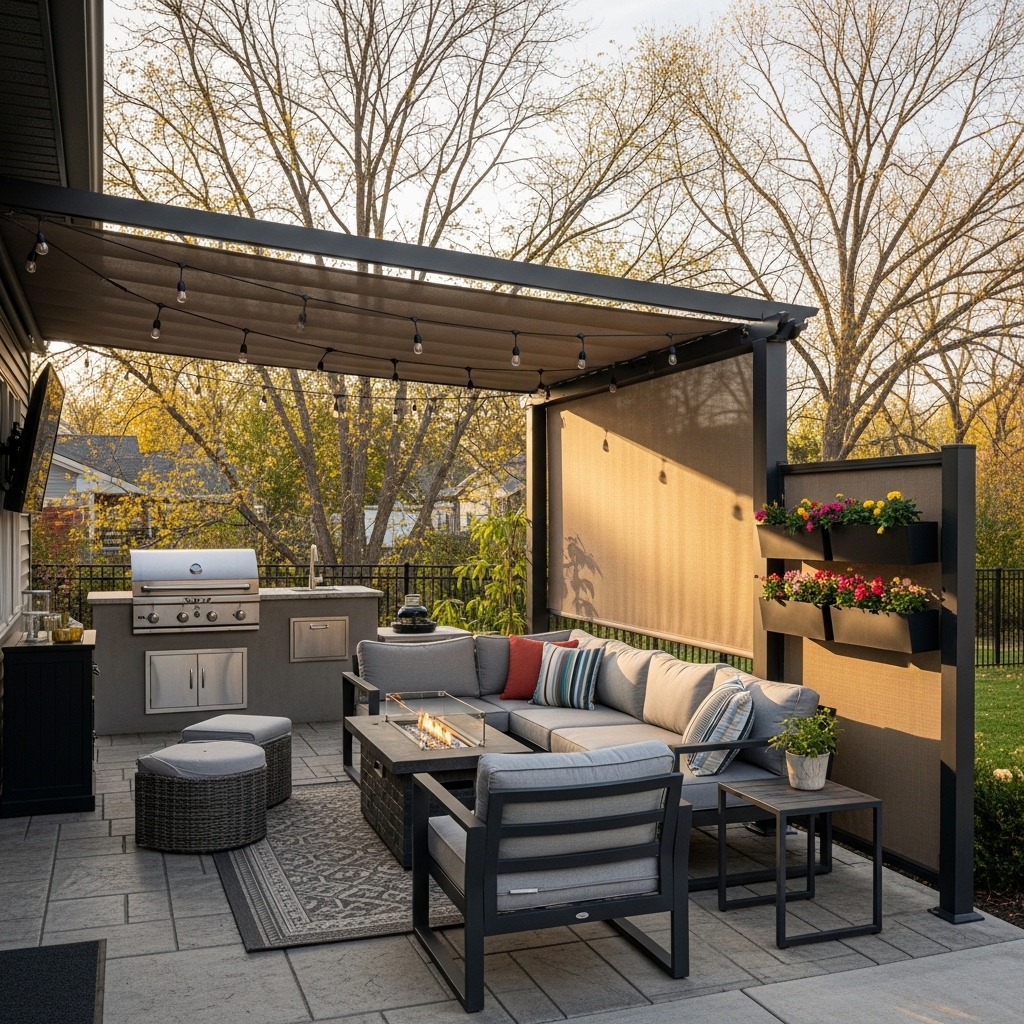
Ideal for: Backyards used year-round.
Rearrange furniture or zones based on weather and activities.
This keeps the space functional in different conditions.
Avoid fixed layouts that don’t adapt.
Pro Tip: Store seasonal items when not in use.
17. Combine Comfort With Durability in Materials
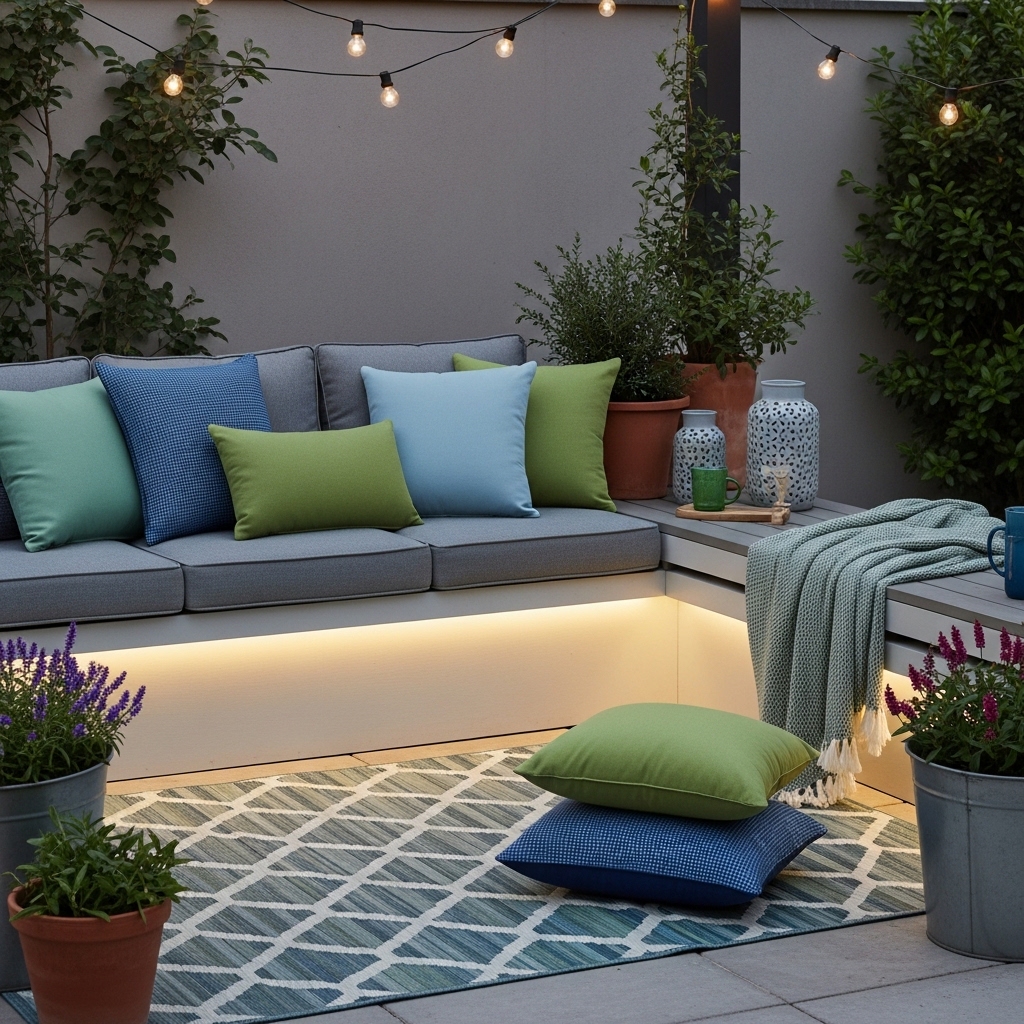
Best for: High-traffic backyards.
Choose materials that are both comfortable and weather-resistant.
This ensures long-term usability and reduces maintenance.
Avoid delicate materials that wear quickly outdoors.
Pro Tip: Test materials for both comfort and durability.
18. Continuously Refine Based on Real Use
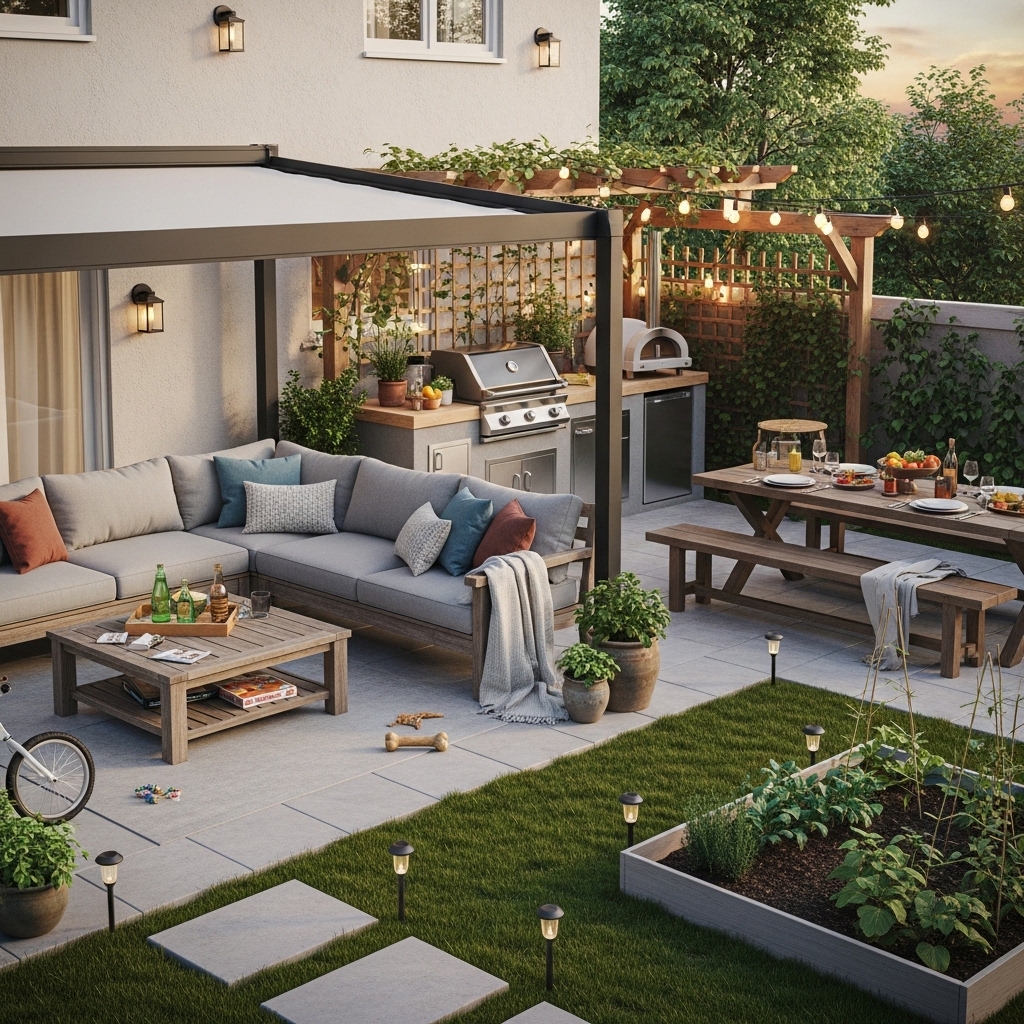
Great for: Backyards that don’t feel fully functional.
Observe how you use the space and make small adjustments over time.
This keeps the backyard aligned with your lifestyle.
Avoid sticking to a layout that doesn’t work.
Pro Tip: Small changes often create the biggest improvements.
Conclusion: A Well-Planned Backyard Becomes an Extension of Your Home
A backyard is really great when it is made to be useful and easy to get around. If a backyard does not have a plan it can feel like a waste of space even if it is big.
If you use these 18 backyard ideas you can make your outdoor space feel neat and comfortable. Your backyard will be a place to live and have fun every day no matter how big or small it is or how much money you have.