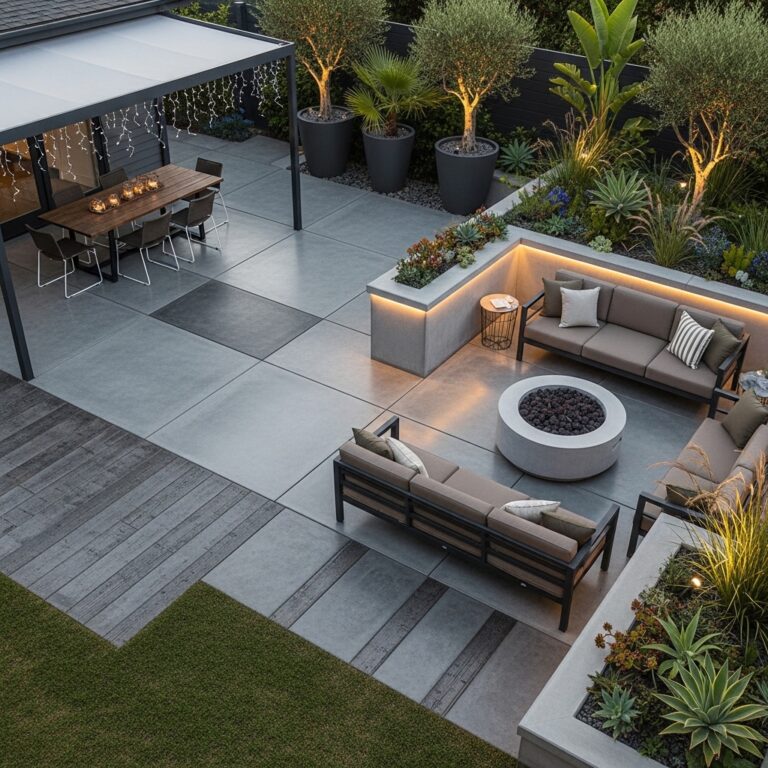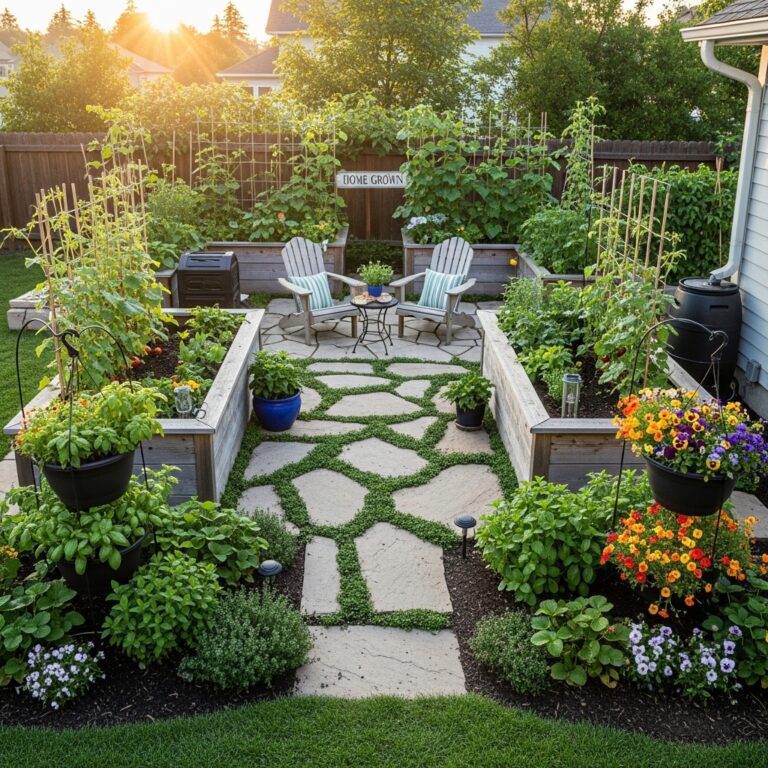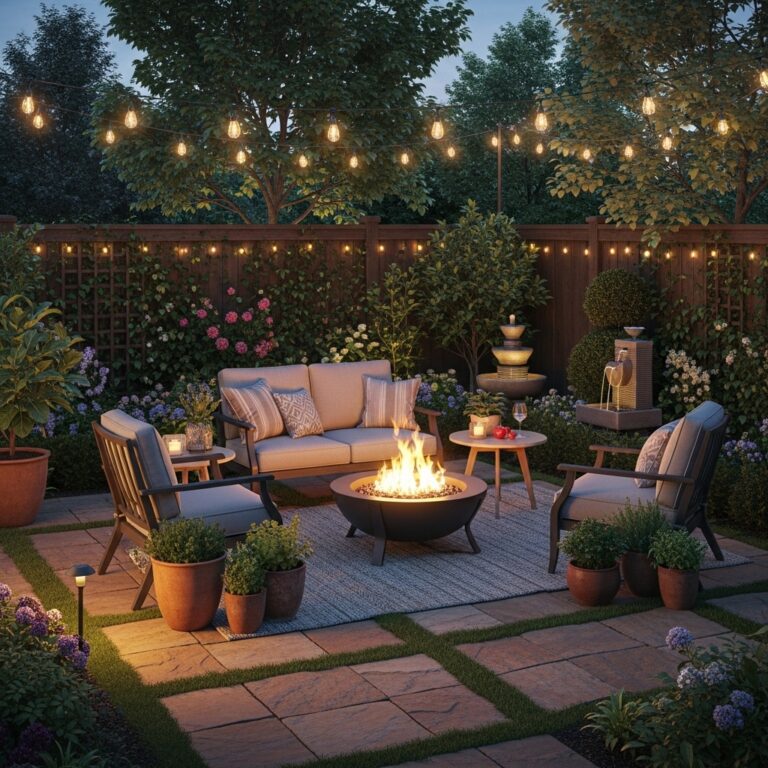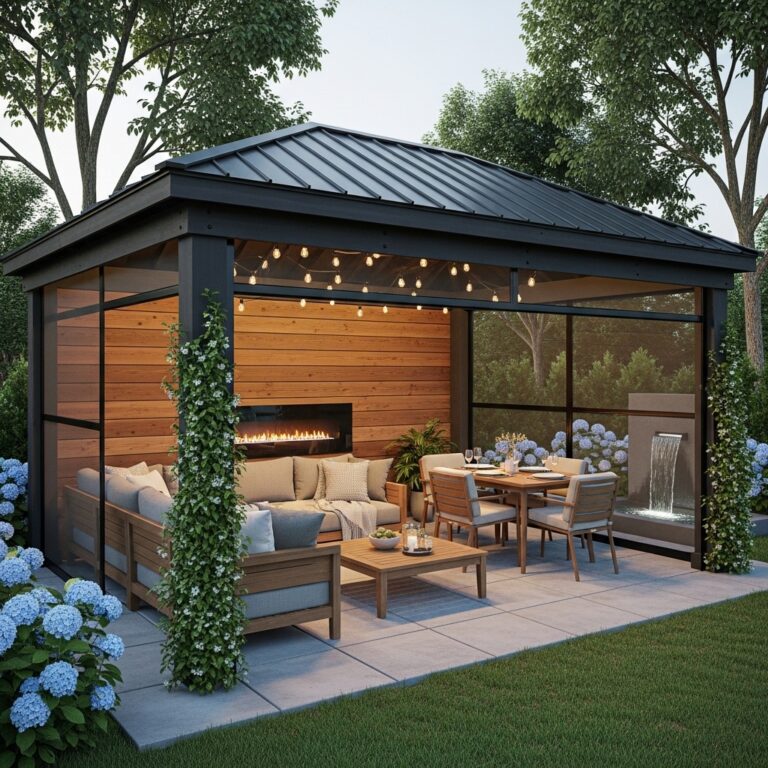
18 Small Backyard Makeover Ideas That Maximize Space, Function, and Style
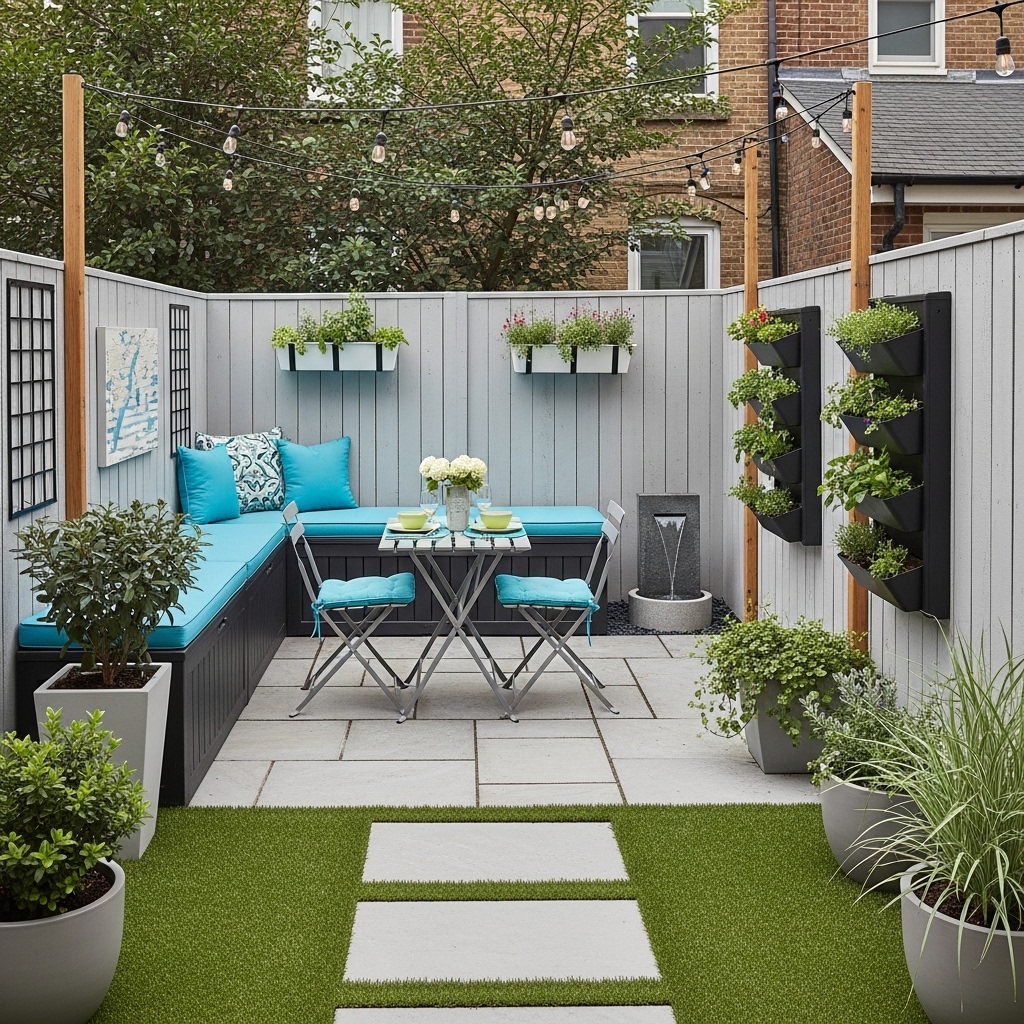
Small backyards can be a problem because they feel too small. But the thing that is usually the problem is not that the backyard is small it is that it is not set up well.
If you do not have areas for different things and you do not have a good way to store things your backyard is going to feel tiny.
This guide is, about ways to make your small backyard better. We want to show you ways to use every bit of space you have.
Each idea we talk about is meant to make your backyard feel more comfortable and easier to use. We want your small backyard to feel bigger and more organized so you can enjoy it every day.
1. Start With a Clear Layout Plan Before Adding Anything
Ideal for: Backyards that feel cluttered or random.
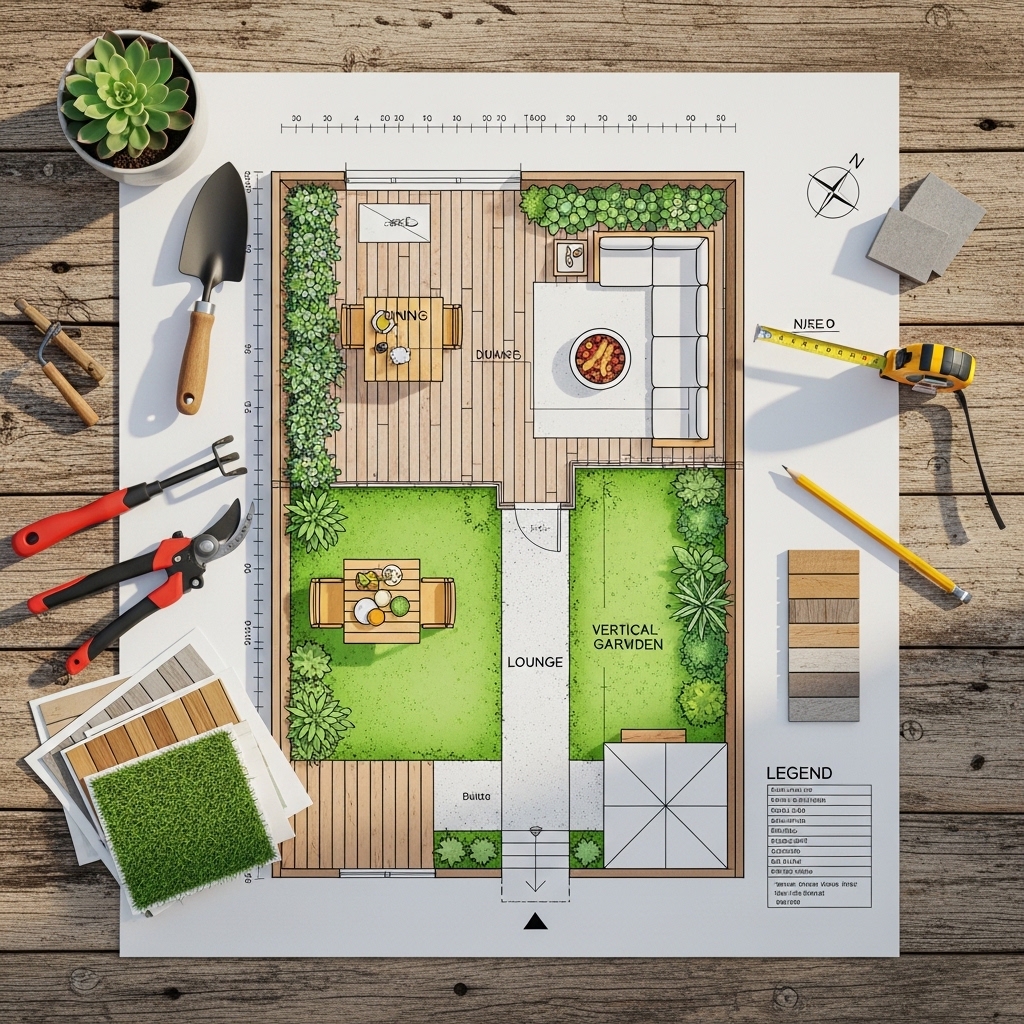
Before buying furniture or decor, map out zones for seating, movement, and greenery. Even a simple sketch helps you avoid wasted space.
This works because planning prevents overcrowding and ensures every element has a purpose. It also improves flow.
Avoid placing items randomly without considering movement paths.
Pro Tip: Walk through your space to test layout ideas in real life.
2. Use Multi-Functional Furniture to Save Space
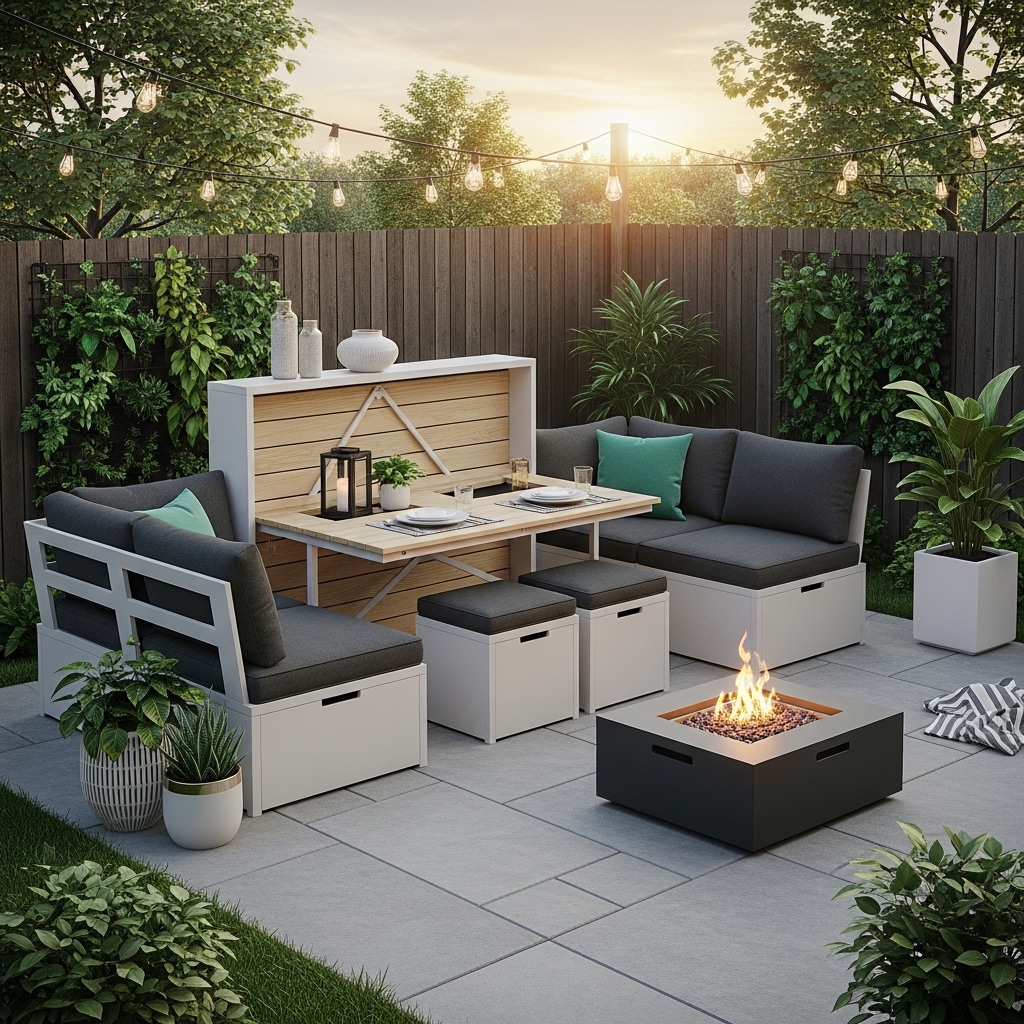
Best for: Tiny backyards with limited room.
Choose benches with storage, foldable tables, or seating that doubles as planters. Keep furniture proportional.
This reduces clutter and increases usability without adding more items.
Avoid bulky pieces that dominate the space.
Pro Tip: Prioritize items you’ll use daily.
3. Create Vertical Storage and Greenery
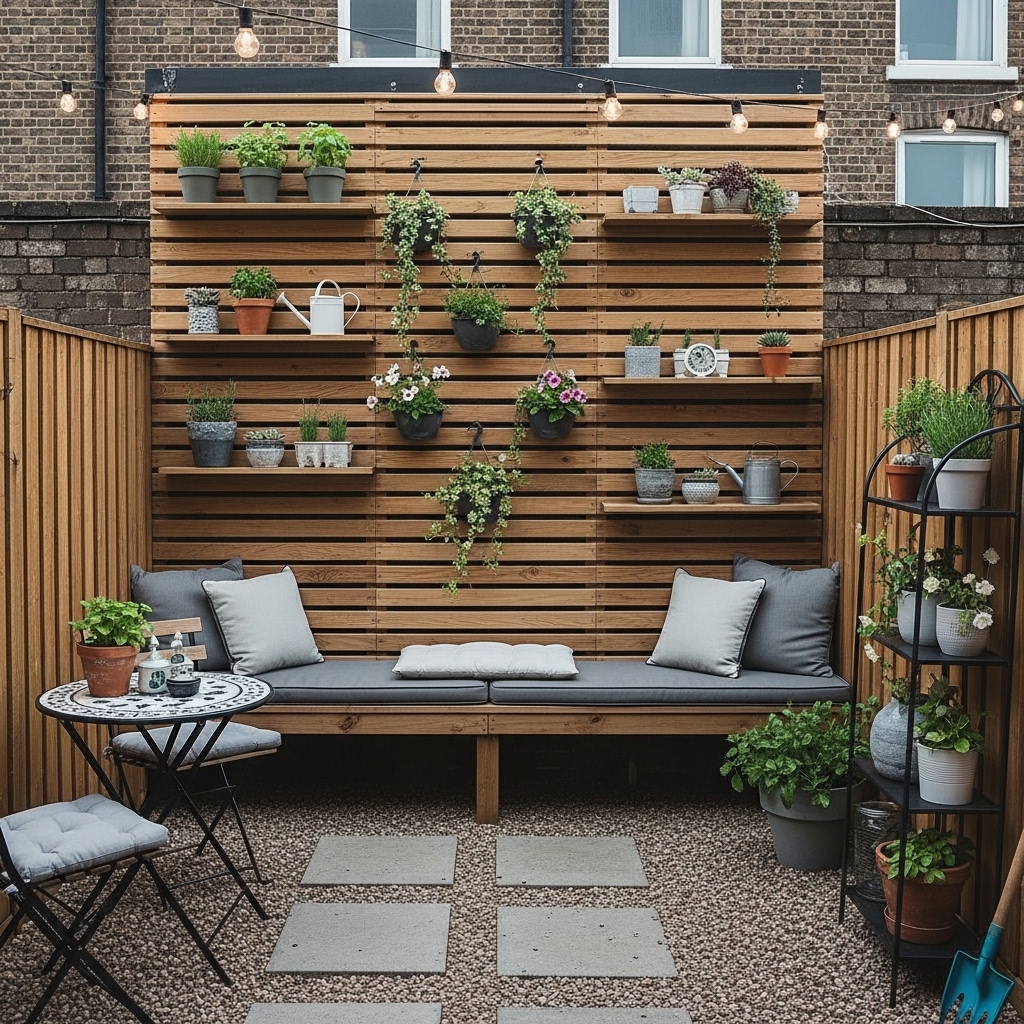
Great for: Small yards lacking floor space.
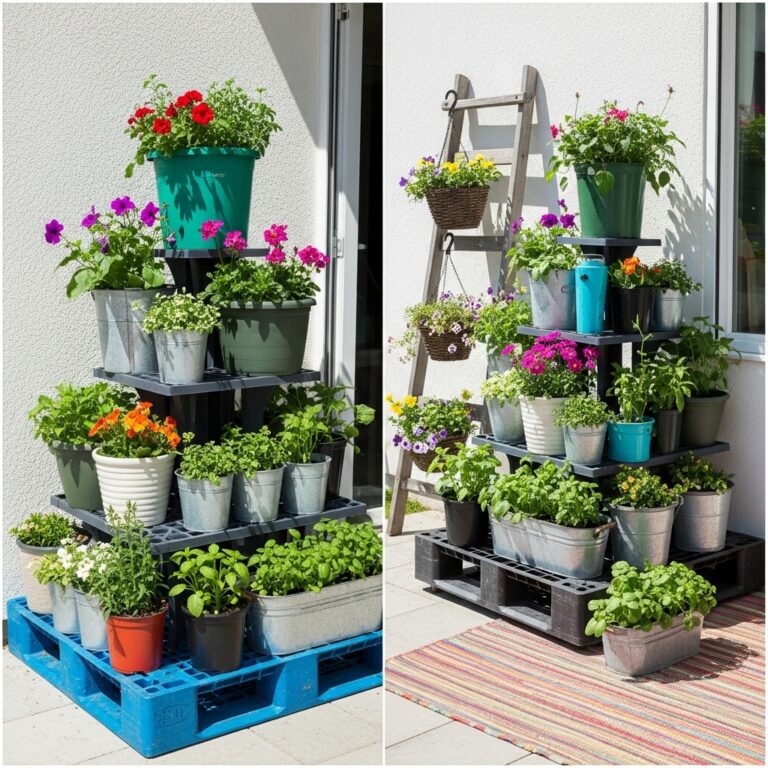
Install shelves, wall planters, or vertical gardens to keep plants and items off the ground.
This frees up space while adding visual interest and greenery.
Avoid overcrowding vertical areas.
Pro Tip: Keep heavier items lower for stability.
4. Define Zones Using Rugs or Ground Materials
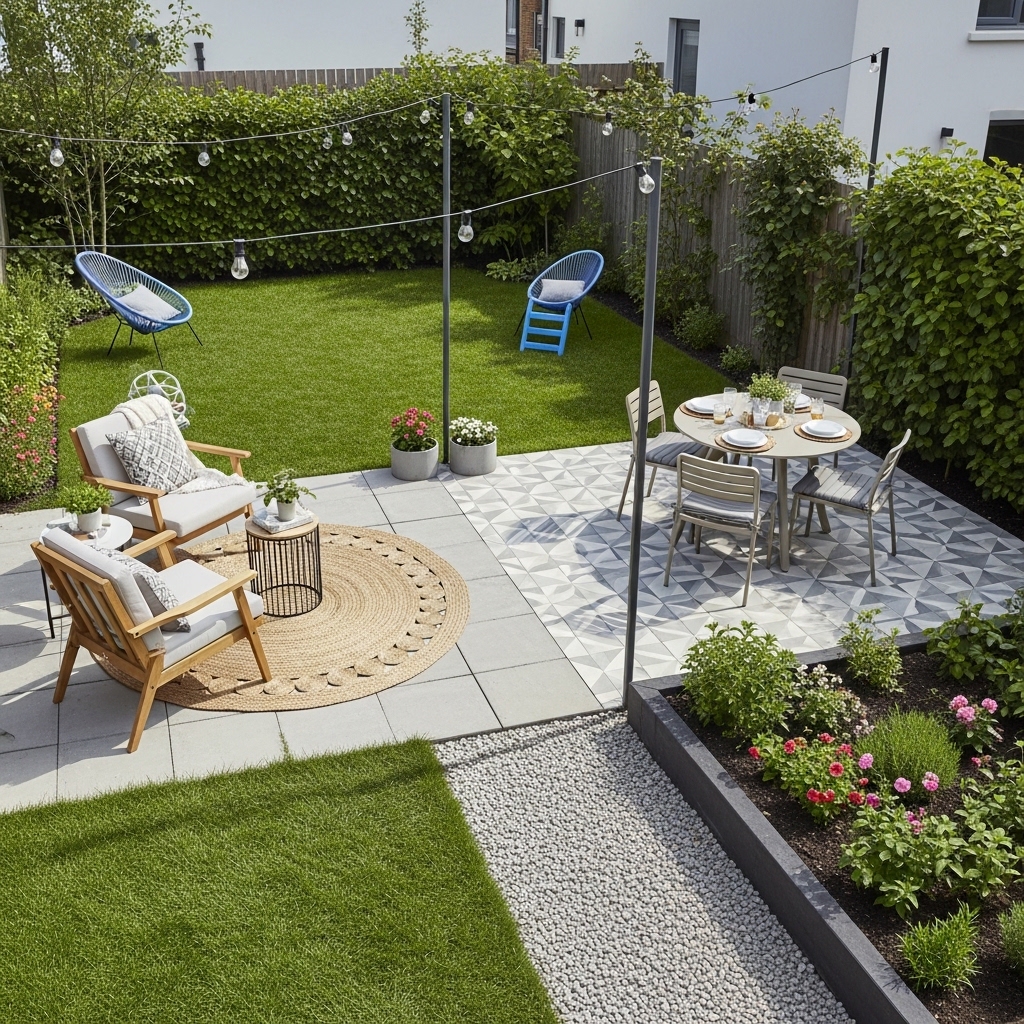
Ideal for: Open backyards with no structure.
Use outdoor rugs, gravel, or decking to separate areas like seating and dining.
This makes the space feel organized and intentional.
Avoid mixing too many materials, which can look messy.
Pro Tip: Stick to 2–3 materials max.
5. Keep Furniture Close to Edges to Open Up Space
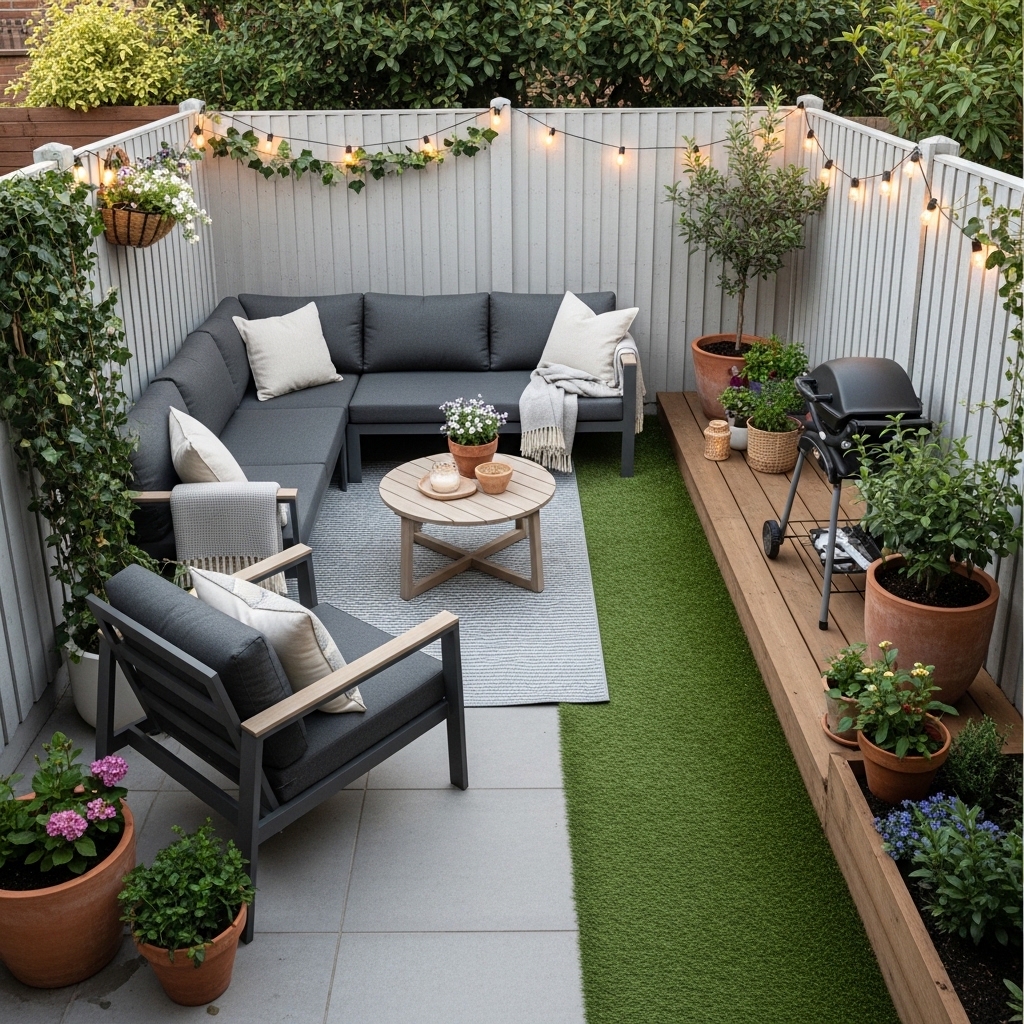
Best for: Improving movement flow.
Place seating and tables along the perimeter instead of the center. Leave the middle open.
This creates a more spacious feel and improves accessibility.
Avoid blocking pathways with furniture.
Pro Tip: Maintain clear walking lines across the yard.
6. Add Mirrors to Make the Backyard Feel Larger
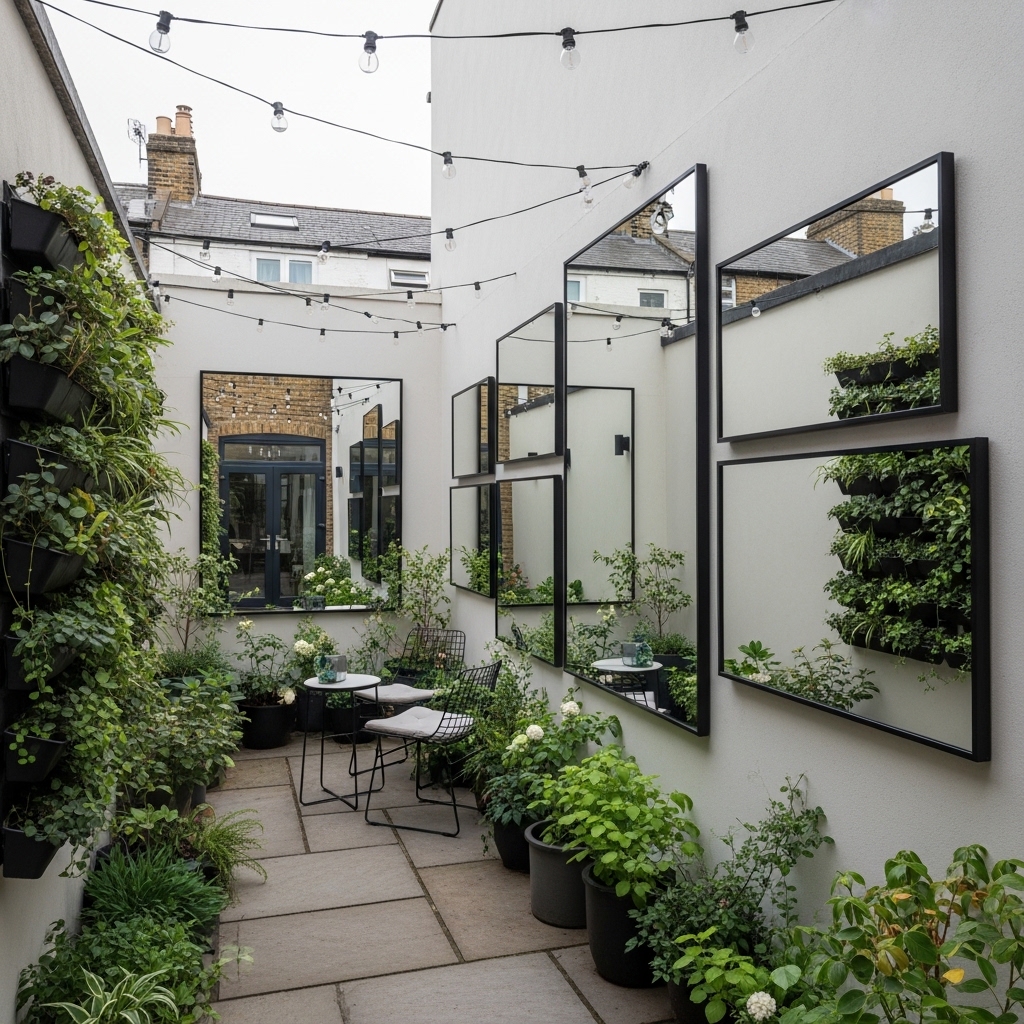
Great for: Small enclosed spaces.
Install outdoor-safe mirrors on walls or fences to reflect light and space.
This visually expands the backyard and brightens darker areas.
Avoid placing mirrors where they reflect clutter.
Pro Tip: Position mirrors opposite greenery for best effect.
7. Use Light Colors to Open Up the Space
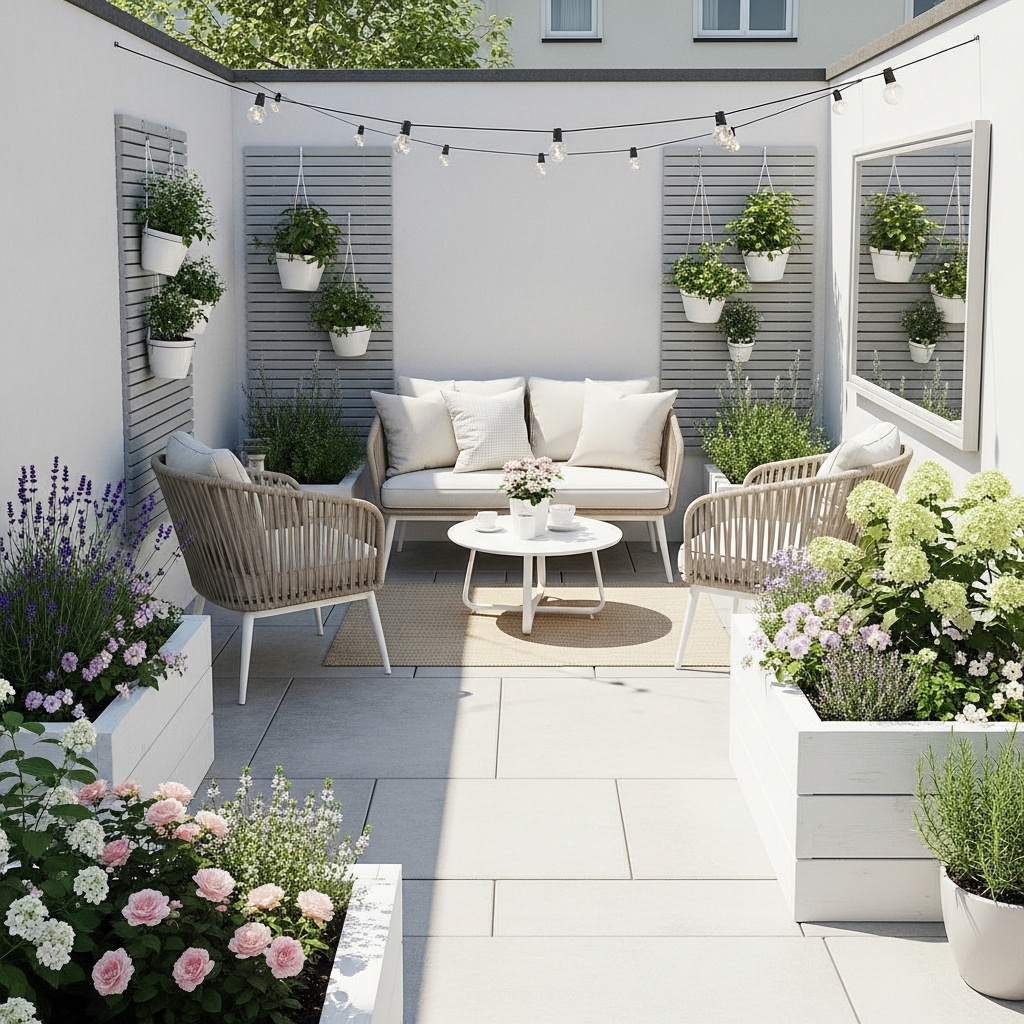
Ideal for: Dark or cramped backyards.
Choose light tones for walls, furniture, and flooring to reflect more light.
This makes the area feel more open and airy.
Avoid too many dark elements that shrink the space visually.
Pro Tip: Combine light tones with natural textures.
8. Install Foldable or Stackable Furniture
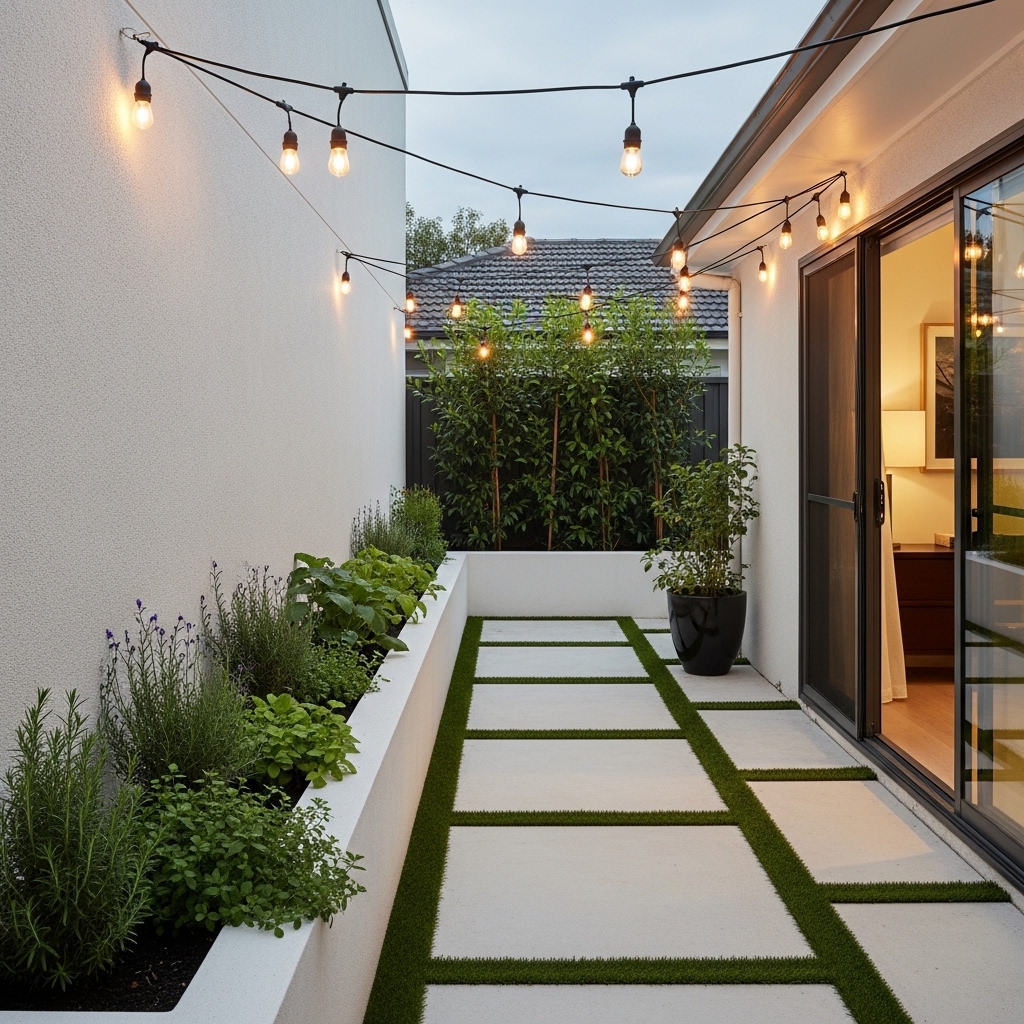
Best for: Flexible small spaces.
Use furniture that can be stored or rearranged easily when not in use.
This allows you to adapt the space based on needs.
Avoid fixed furniture that limits flexibility.
Pro Tip: Store extra pieces nearby for convenience.
9. Add a Compact Fire Pit for a Cozy Focal Point
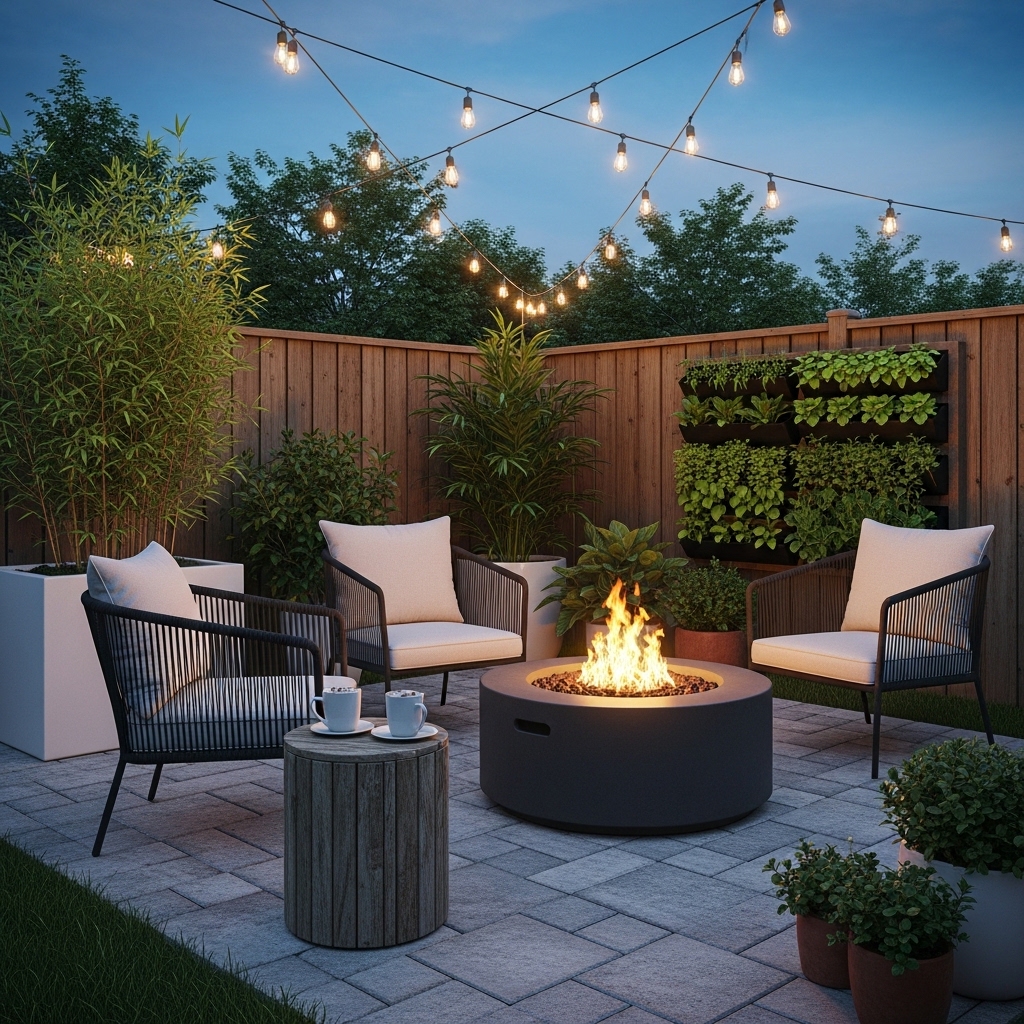
Great for: Evening use in small backyards.
Choose a small fire pit and arrange minimal seating around it. Keep spacing safe.
This creates a central gathering point without taking over the space.
Avoid oversized fire features.
Pro Tip: Use portable fire pits for flexibility.
10. Use Hanging Lights to Free Up Floor Space
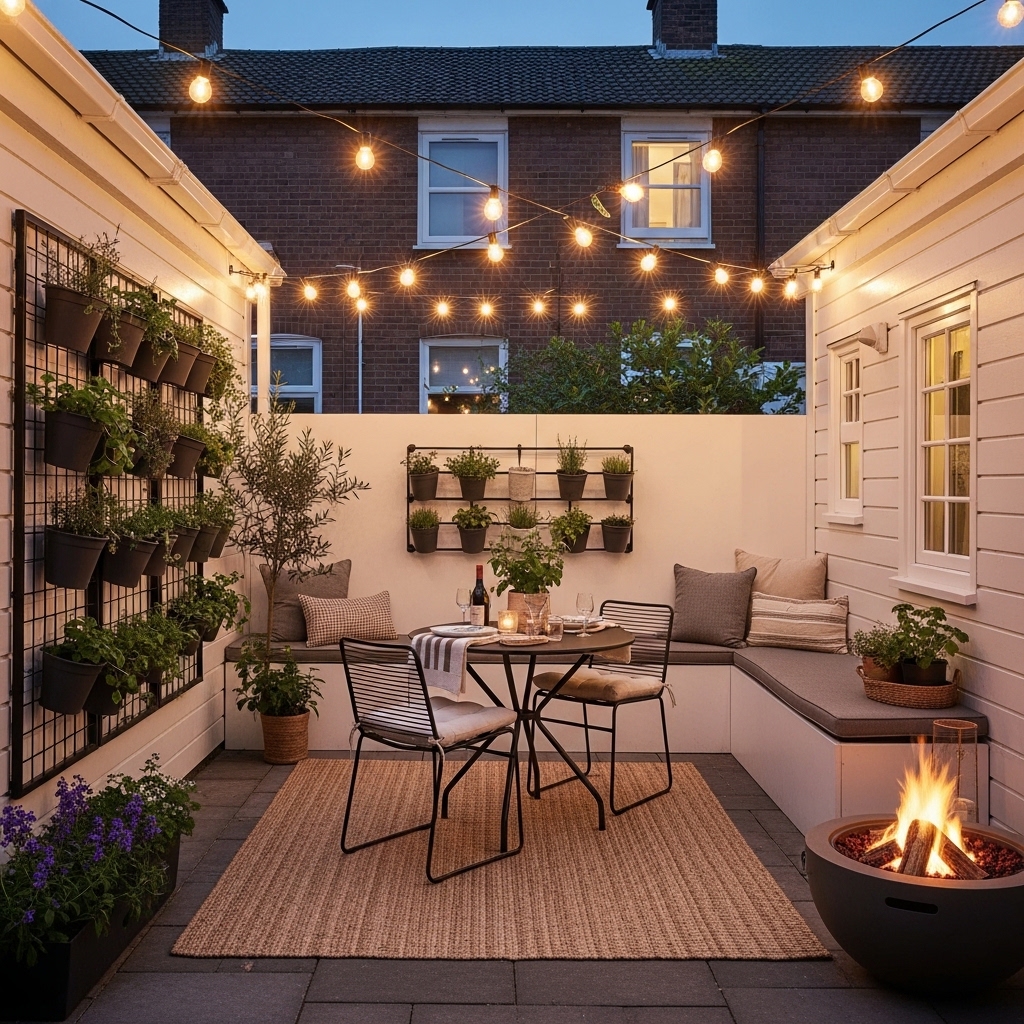
Ideal for: Lighting without clutter.
Install string lights or hanging fixtures above seating areas instead of using floor lamps.
This keeps the ground clear while improving ambiance.
Avoid low-hanging lights that obstruct movement.
Pro Tip: Align lights with seating zones.
11. Add Built-In Seating to Maximize Efficiency
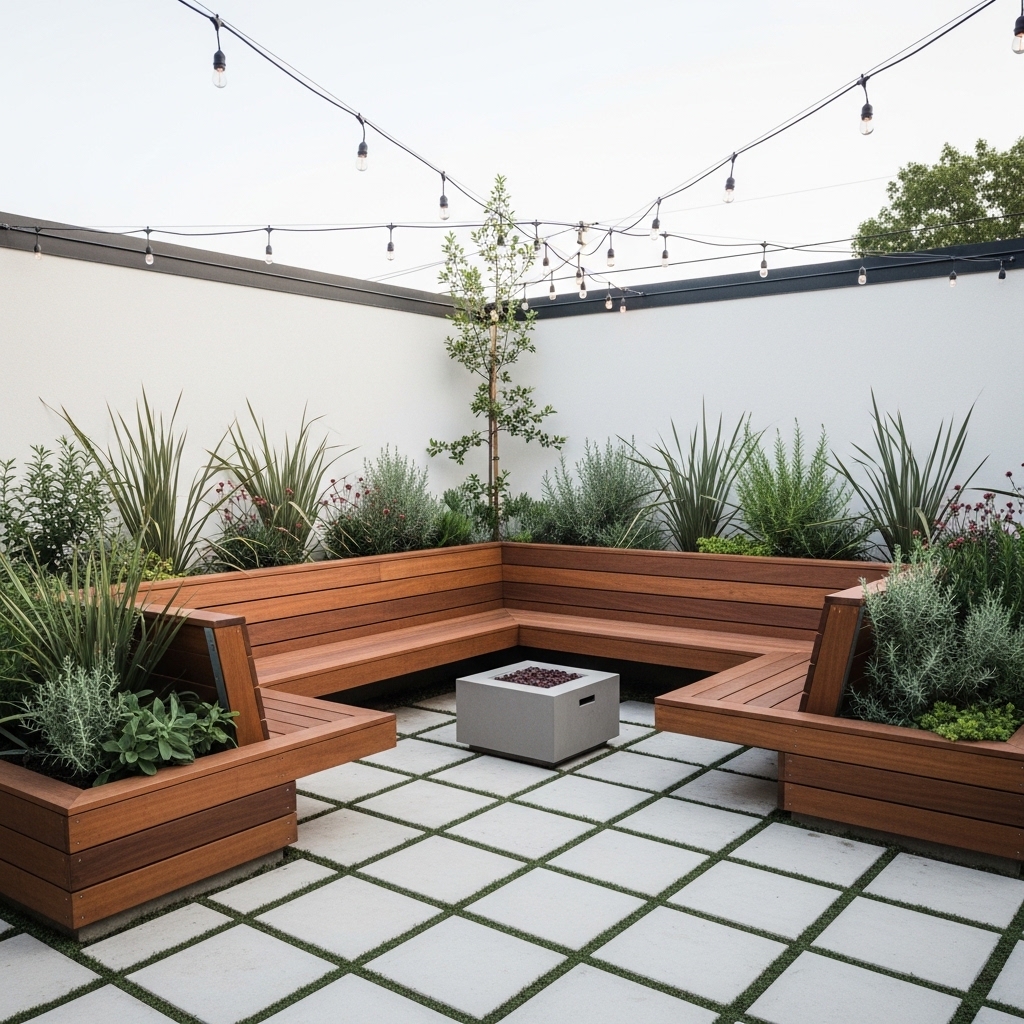
Best for: Permanent small backyard layouts.
Install benches along walls or fences to save space and reduce furniture needs.
This creates a clean and organized look.
Avoid hard seating without cushions.
Pro Tip: Include hidden storage when possible.
12. Keep Decor Minimal to Avoid Overcrowding
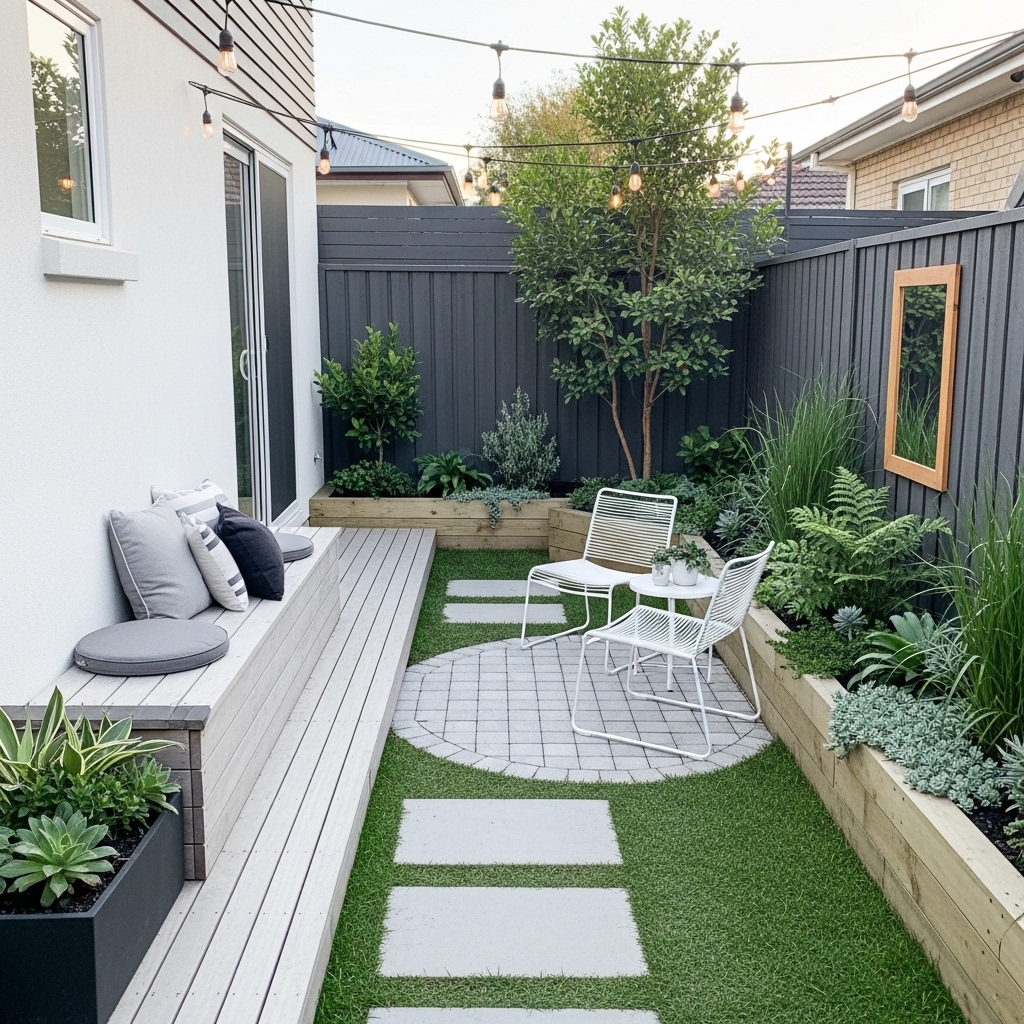
Great for: Maintaining a clean look.
Limit decorative items and focus on essentials that serve a purpose.
Minimal decor keeps the space functional and visually calm.
Avoid excessive accessories that clutter the yard.
Pro Tip: Choose a few high-impact pieces.
13. Use Planters to Create Subtle Dividers
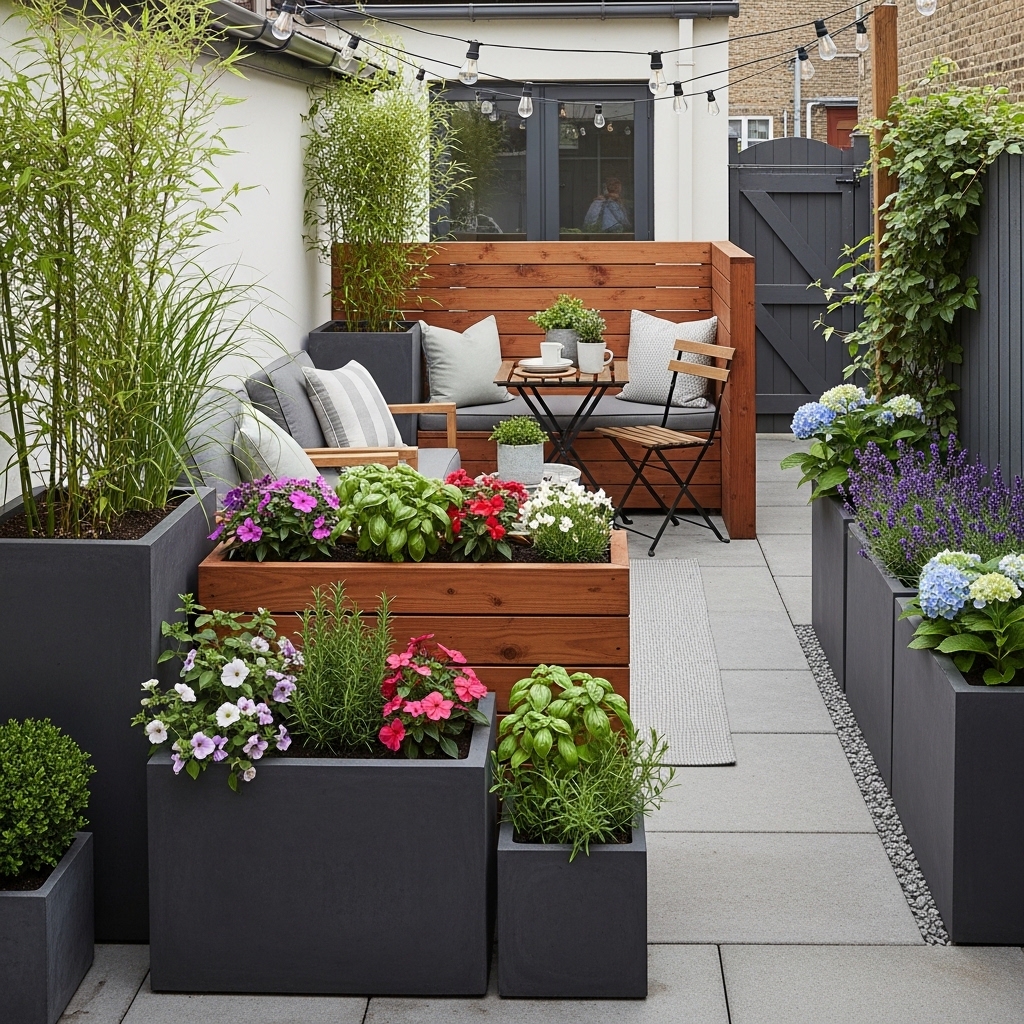
Ideal for: Defining zones without walls.
Place planters strategically to separate seating and other areas.
This maintains openness while improving organization.
Avoid large planters that take up too much space.
Pro Tip: Use matching planters for consistency.
14. Add Shade Without Bulky Structures
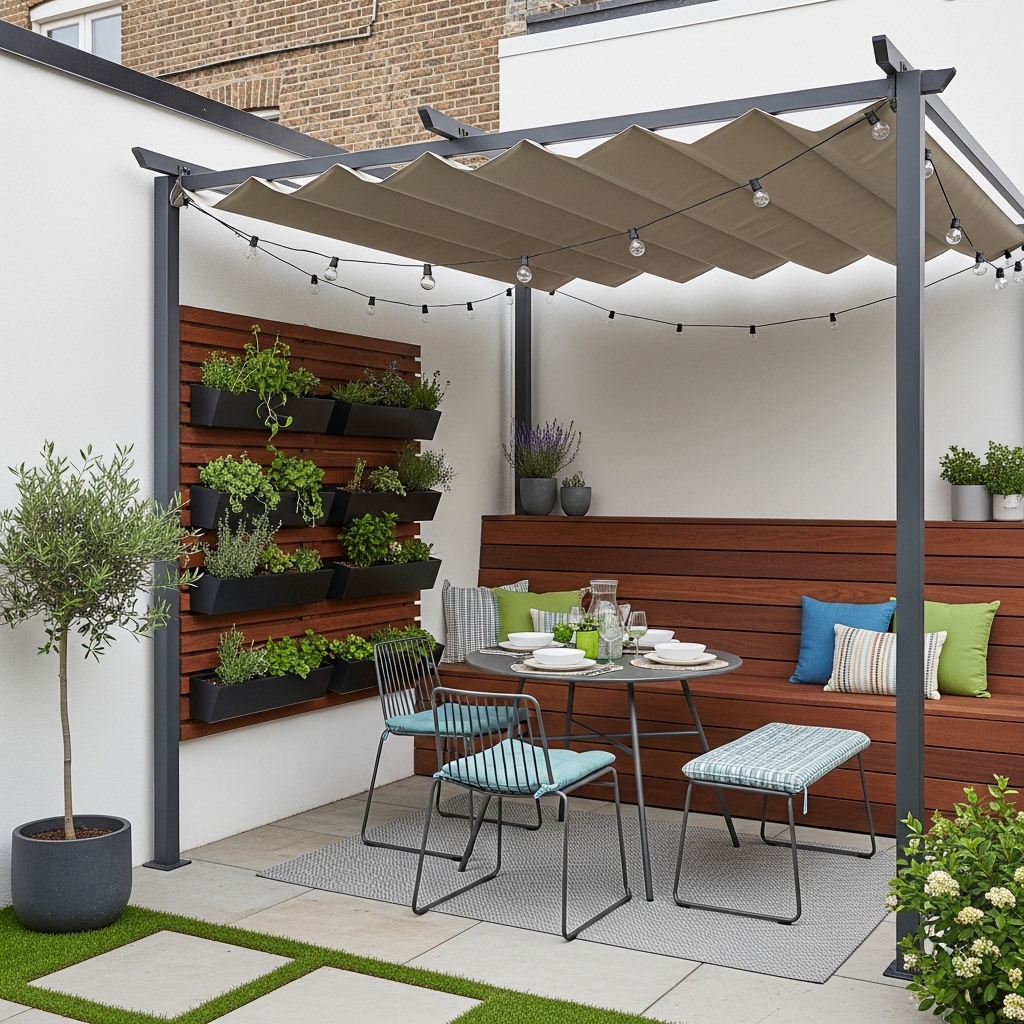
Best for: Sunny small backyards.
Use umbrellas or light fabric covers instead of large pergolas.
This improves comfort without crowding the space.
Avoid heavy structures in tight areas.
Pro Tip: Choose adjustable shade options.
15. Use Pathways to Improve Flow and Structure
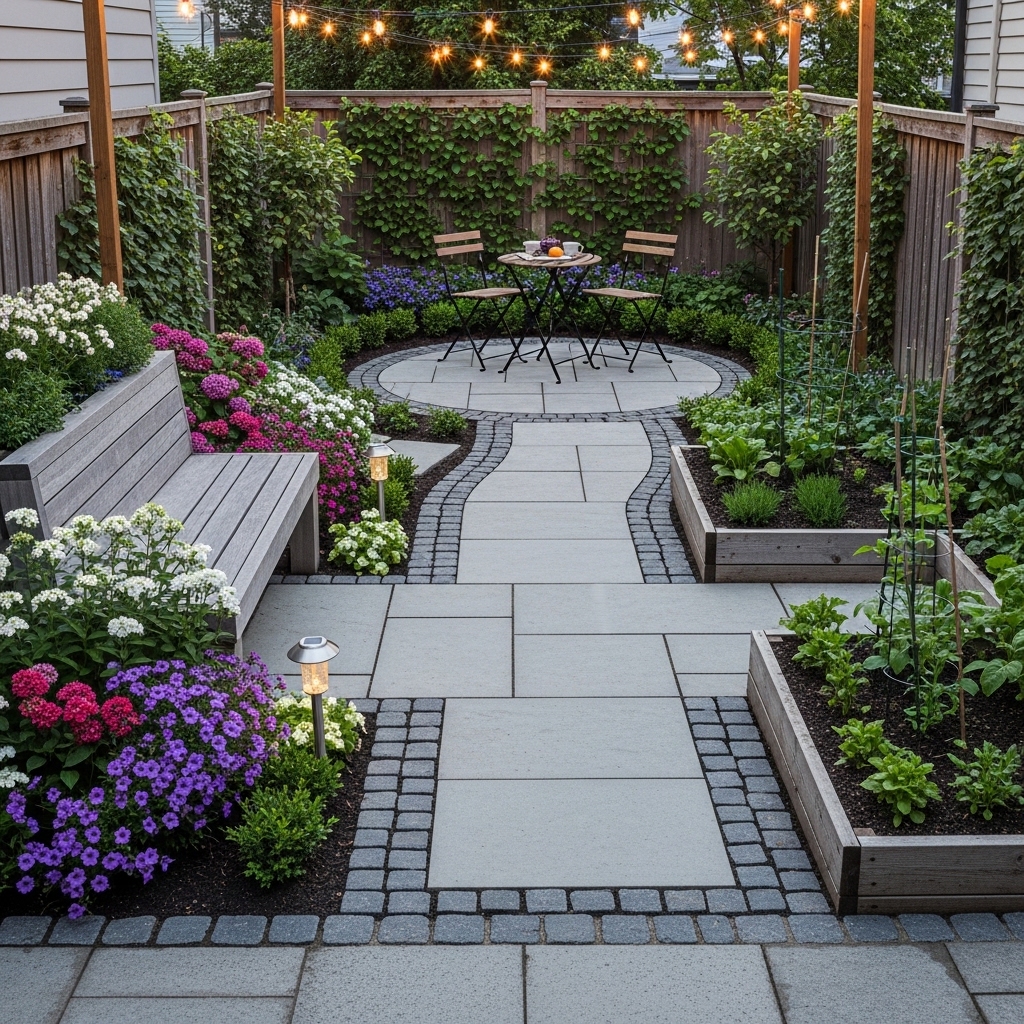
Great for: Backyards with unclear movement.
Create simple paths using gravel or stepping stones.
Paths guide movement and make the layout feel intentional.
Avoid uneven surfaces.
Pro Tip: Keep paths consistent in width.
16. Combine Seating and Dining in One Area
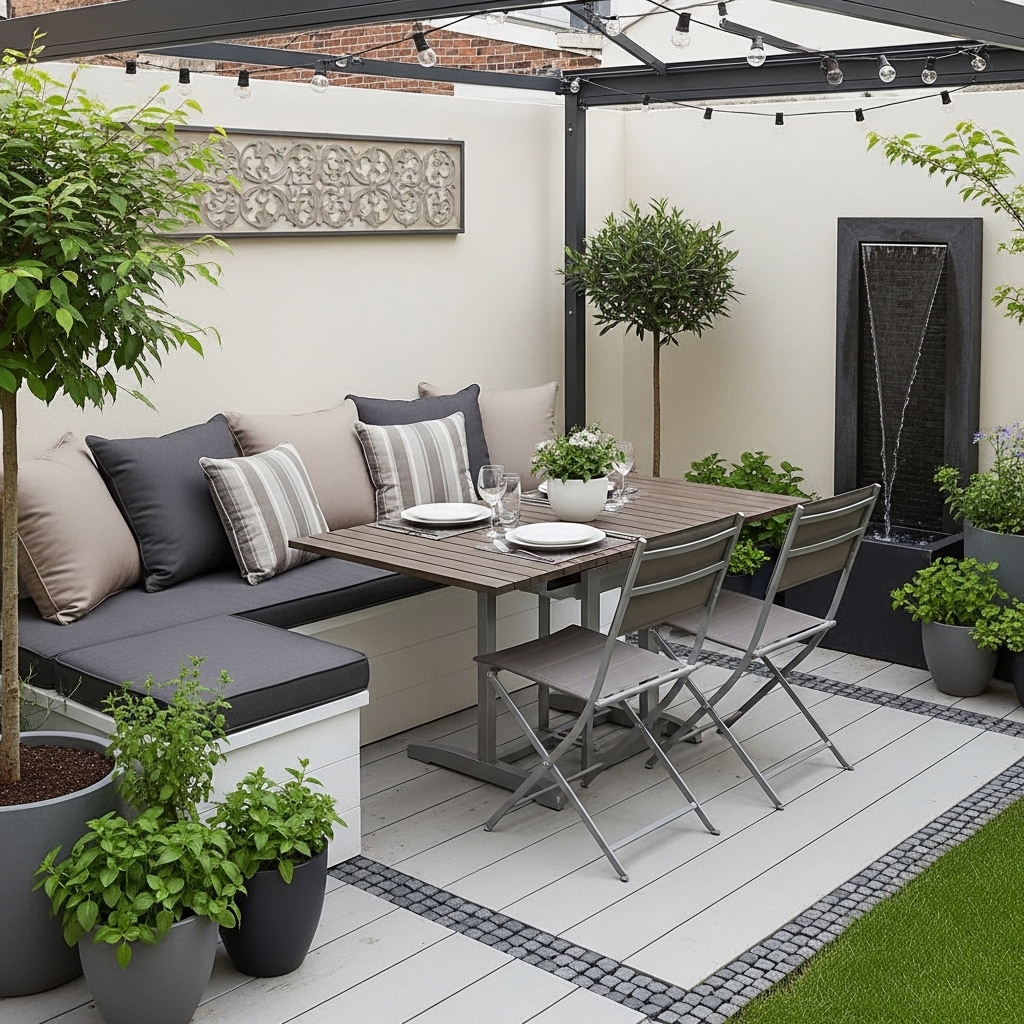
Ideal for: Multi-use small backyards.
Use one area for both lounging and dining with flexible furniture.
This maximizes usability without needing separate zones.
Avoid overcrowding with too many functions.
Pro Tip: Use adjustable tables.
17. Add Storage to Keep the Backyard Organized
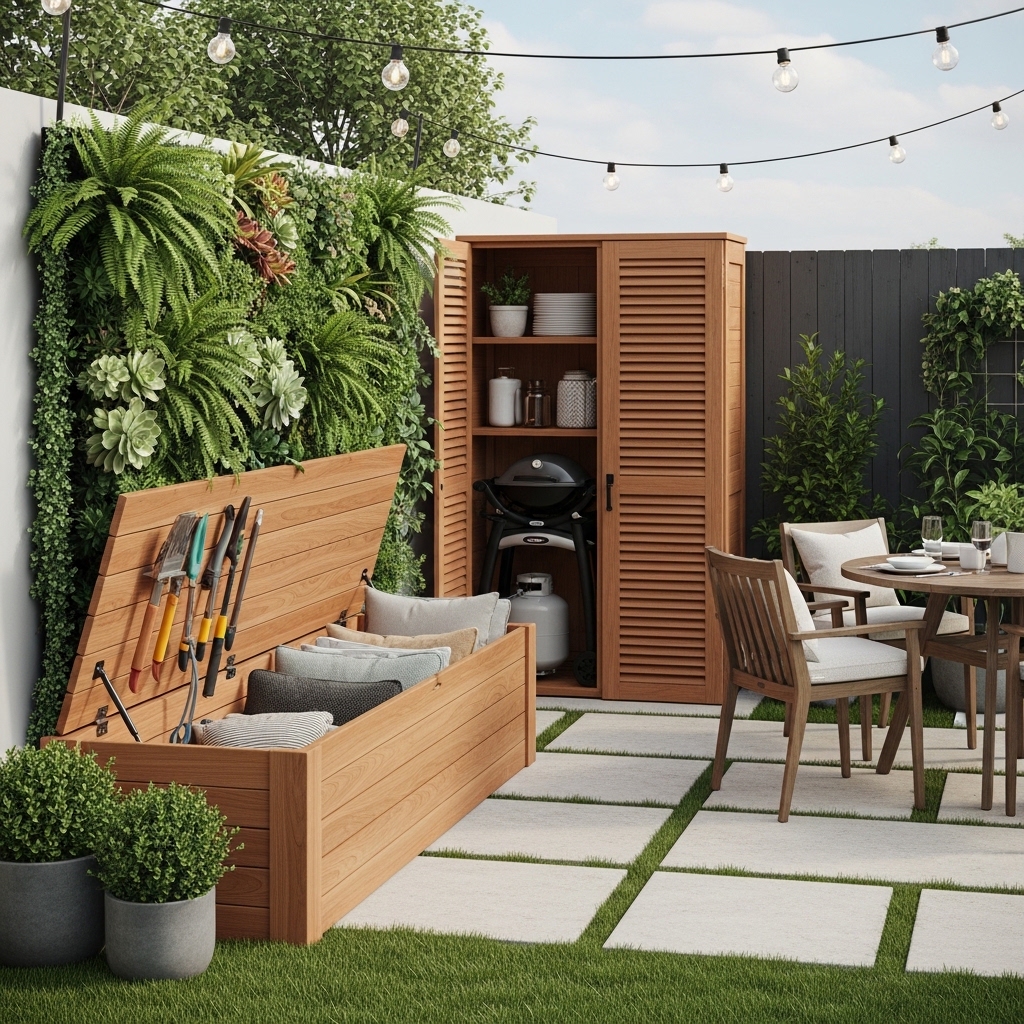
Best for: Small spaces that get messy quickly.
Use storage benches, boxes, or cabinets to hide clutter.
This keeps the backyard clean and usable.
Avoid leaving items exposed.
Pro Tip: Choose weatherproof storage solutions.
18. Adjust and Improve the Layout Over Time
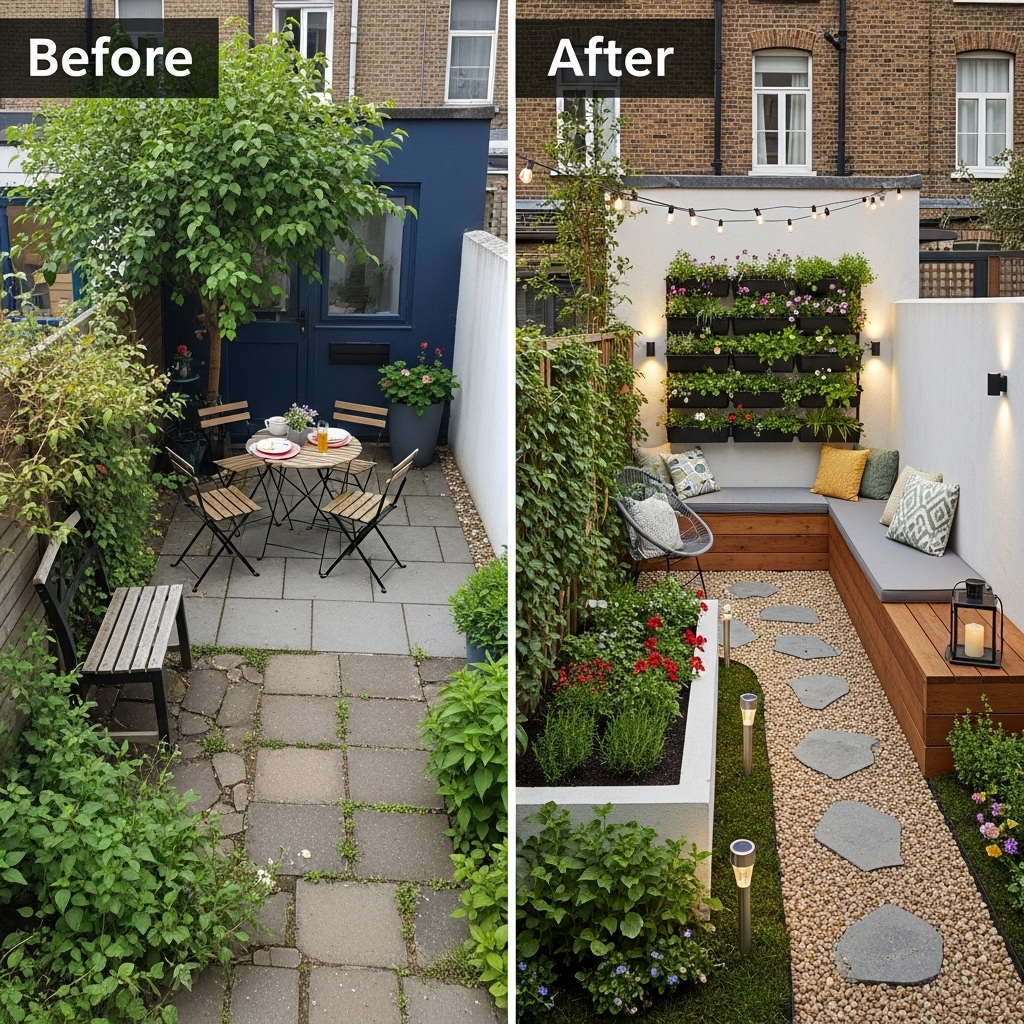
Ideal for: Backyards that feel unfinished.
Observe how you use the space and make gradual improvements.
This ensures the design evolves with your needs.
Avoid sticking to a layout that doesn’t work.
Pro Tip: Test changes before committing permanently.
Conclusion: Small Backyard Makeovers Succeed With Smart Layout and Intentional Design
A small backyard doesn’t need more space—it needs better planning. With the right layout, furniture choices, and design strategies, even the smallest yard can feel functional and inviting.
By applying these 18 small backyard makeover ideas, you can transform your space into a well-organized, comfortable outdoor area that works for everyday living.
Small backyards often feel limiting, but the real issue is usually poor layout, not lack of space. Without defined zones, smart storage, and intentional design, even a clean yard can feel cramped and underused.
This guide focuses on practical small backyard makeover ideas that help you use every inch effectively. Each idea is designed to improve layout, comfort, and usability so your backyard feels bigger, more organized, and easier to enjoy daily.