20 Dining Room Wall Ideas That Turn Empty Walls Into Stylish, Functional Focal Points
Dining room walls are often overlooked, yet they play a major role in how the space feels during everyday meals and gatherings. A poorly styled wall can make the room feel unfinished, while a thoughtfully designed one can elevate the entire dining experience. The goal isn’t just decoration—it’s creating a balanced, welcoming atmosphere that supports both daily use and entertaining.
The most effective dining room wall ideas focus on scale, placement, lighting interaction, and how decor connects with the table and seating layout. Whether you’re working with a small dining nook or a formal dining area, these ideas help you design walls that feel intentional, functional, and visually cohesive.
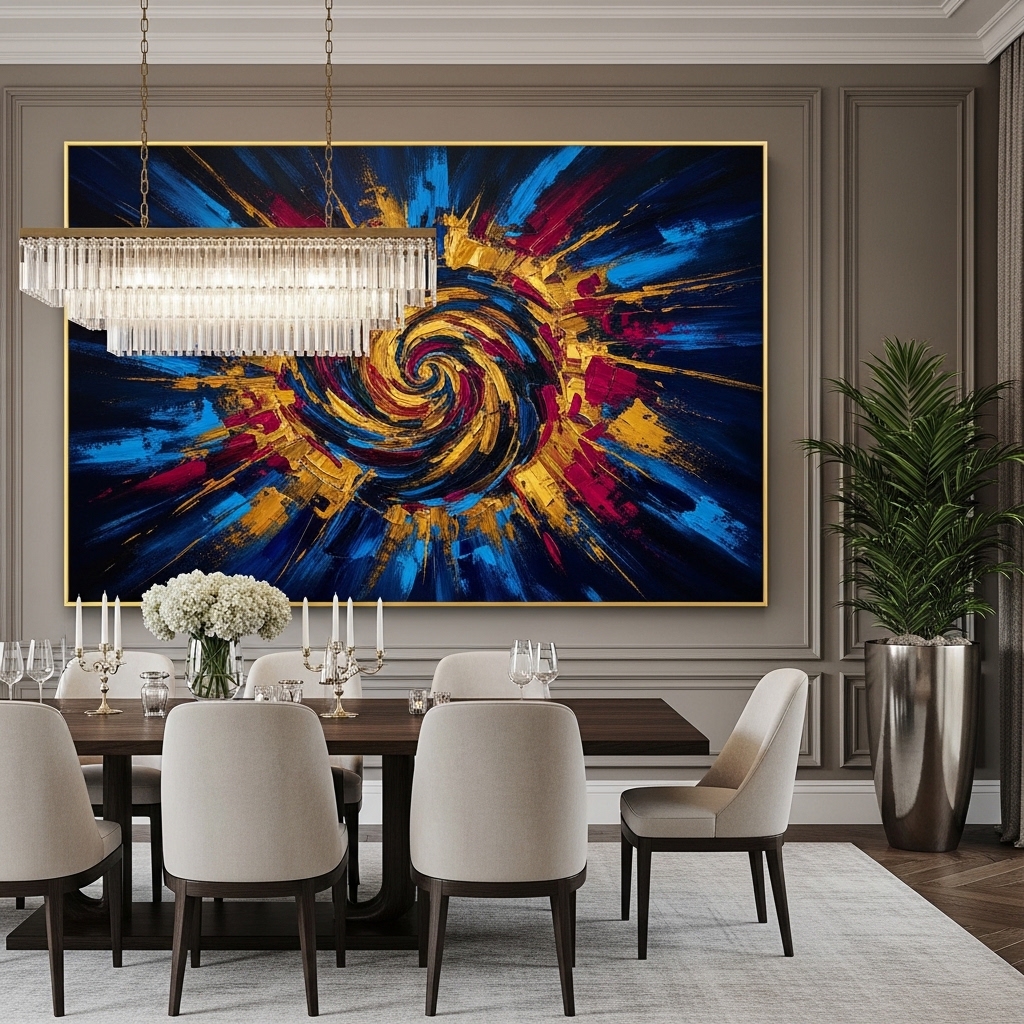
1. Oversized Statement Artwork for a Bold Dining Focal Point
Ideal for: Dining rooms with large blank walls that need immediate visual impact.
Choose one oversized artwork and center it on the main wall, ideally aligned with the dining table. Keep the width proportional—about two-thirds of the table length—to maintain balance. Select artwork that complements your color palette without overpowering the space.
This works because a single large piece simplifies styling while creating a strong focal point that anchors the entire room. It avoids clutter and ensures the wall feels complete without adding multiple elements. Many people choose art that’s too small, which gets lost and makes the wall feel empty.
Pro Tip: Use subtle lighting above the artwork to enhance its presence.
Mistake to Avoid: Don’t hang it too high—it should align visually with seated eye level.
2. Symmetrical Panel Art for Structured Elegance
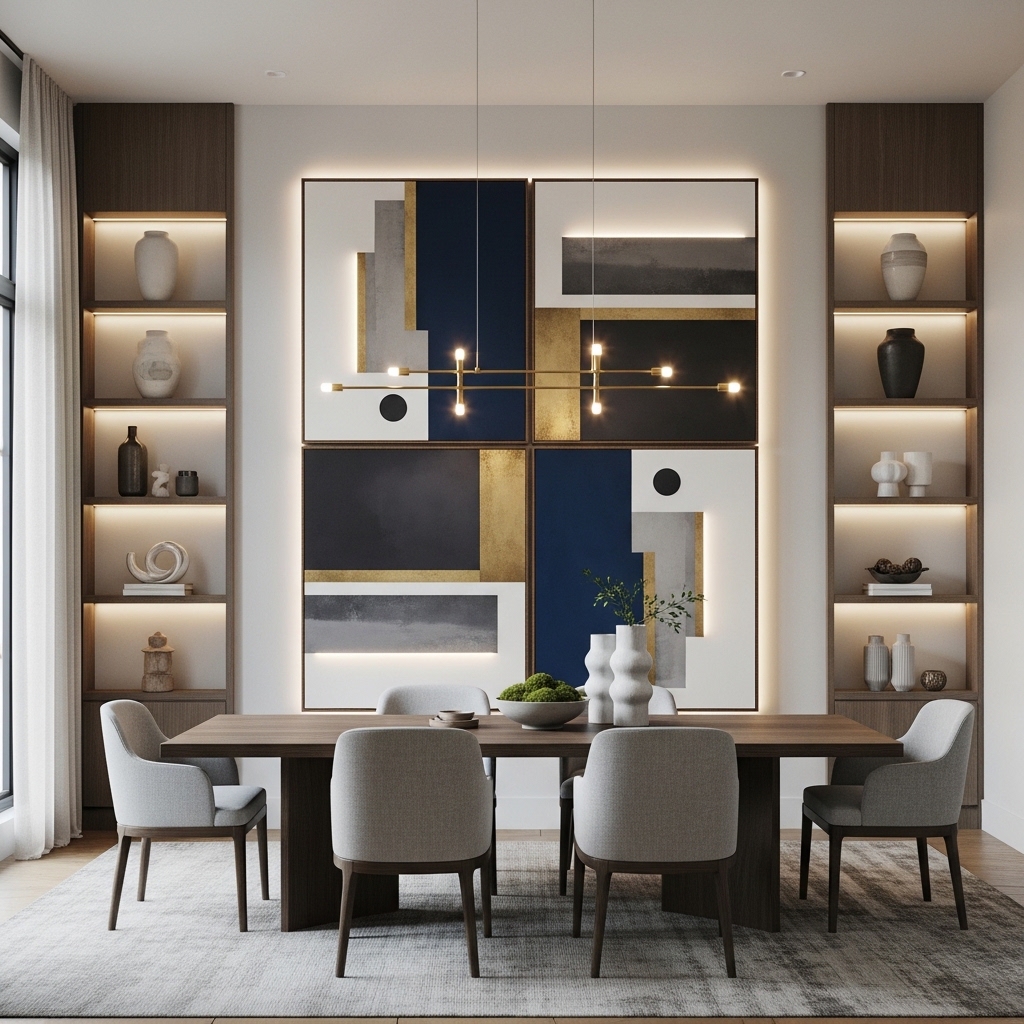
Best for: Formal or modern dining rooms that need balance and order.
Install two or three evenly spaced panels or frames above a buffet or along the main wall. Keep sizes consistent and spacing equal to maintain symmetry. Choose neutral or coordinated tones for a calm, cohesive look.
This works because symmetry naturally creates visual harmony, which enhances the dining experience by making the space feel organized and intentional. Uneven layouts can feel distracting, especially in a room meant for gathering.
Pro Tip: Measure spacing carefully before hanging to ensure alignment.
Mistake to Avoid: Don’t mix different frame sizes—it disrupts balance.
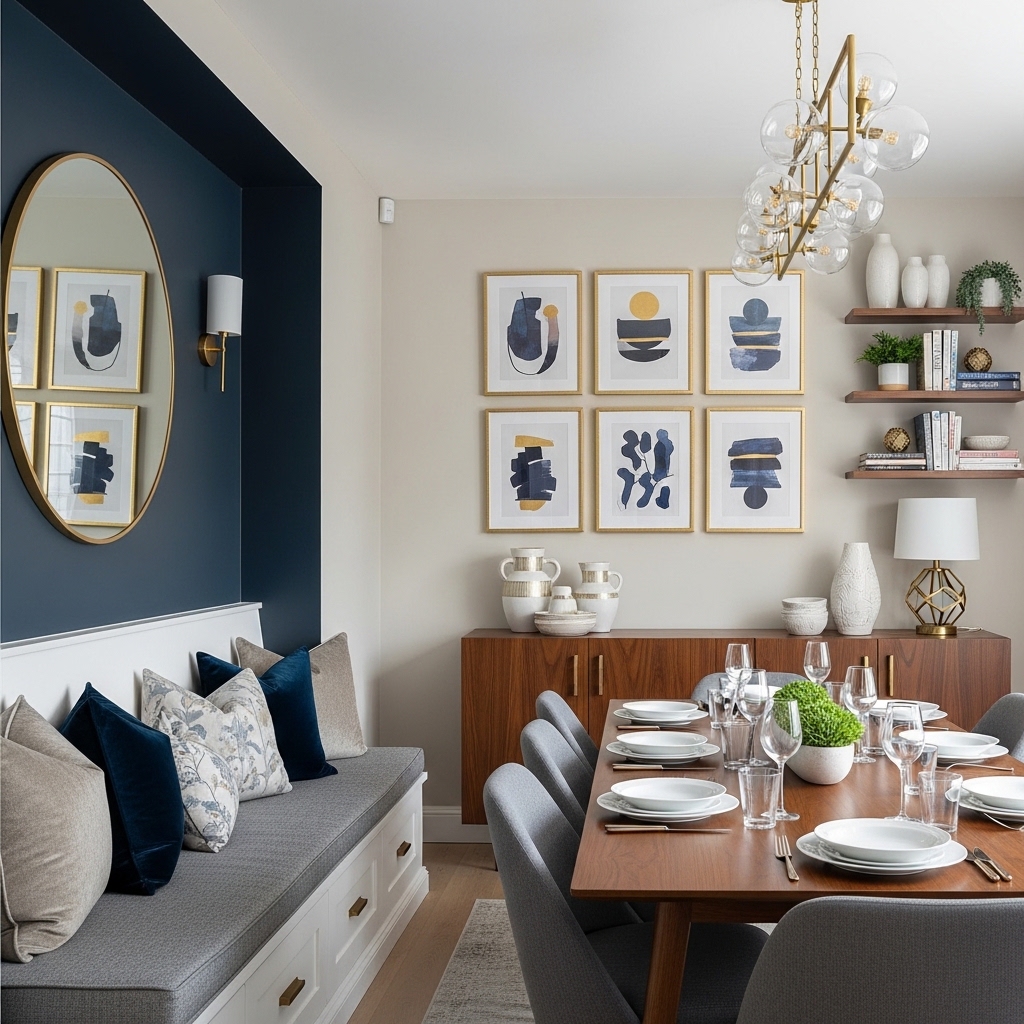
3. Gallery Wall With a Unified Theme
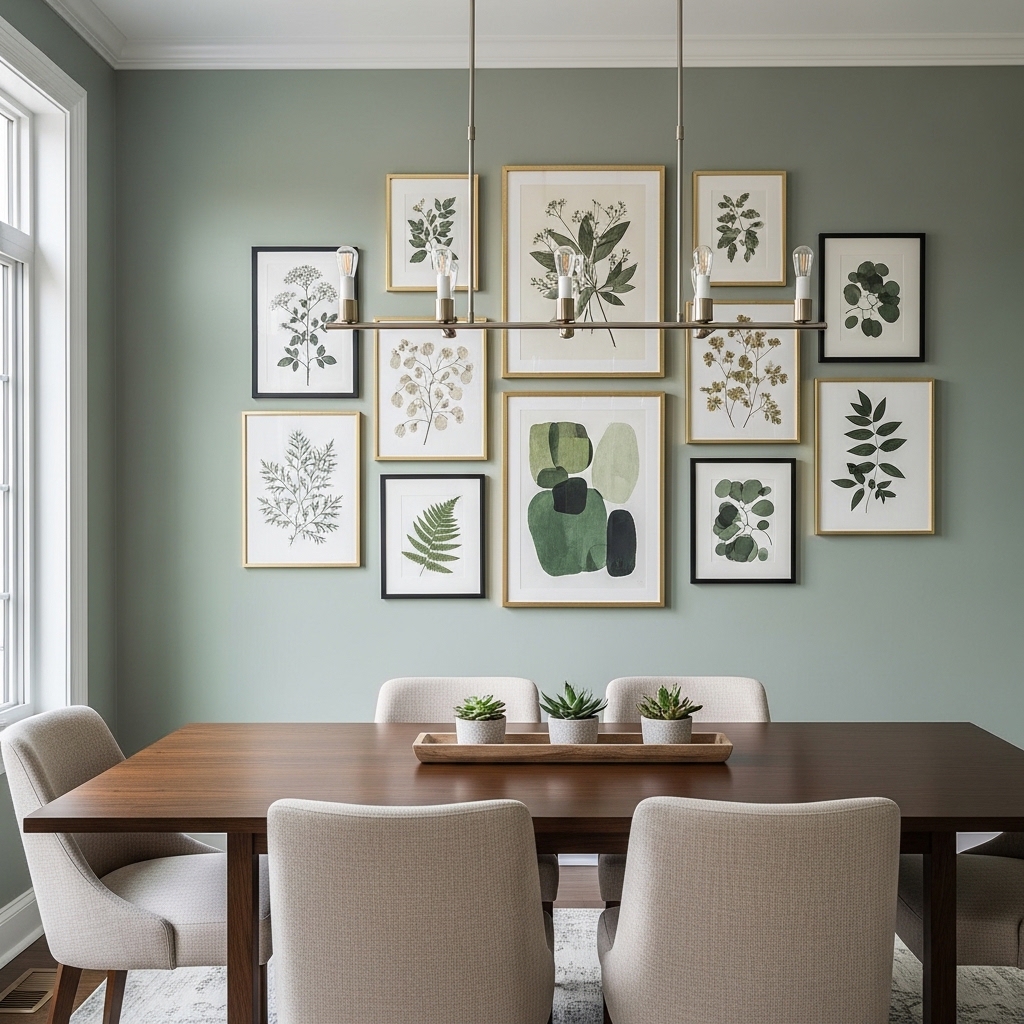
Ideal for: Adding personality to casual or family dining spaces.
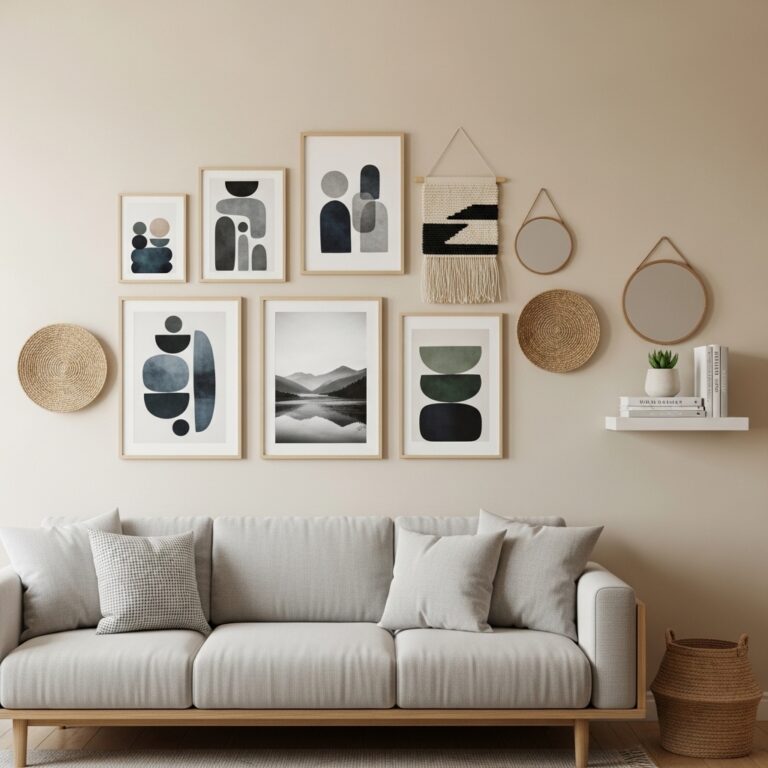
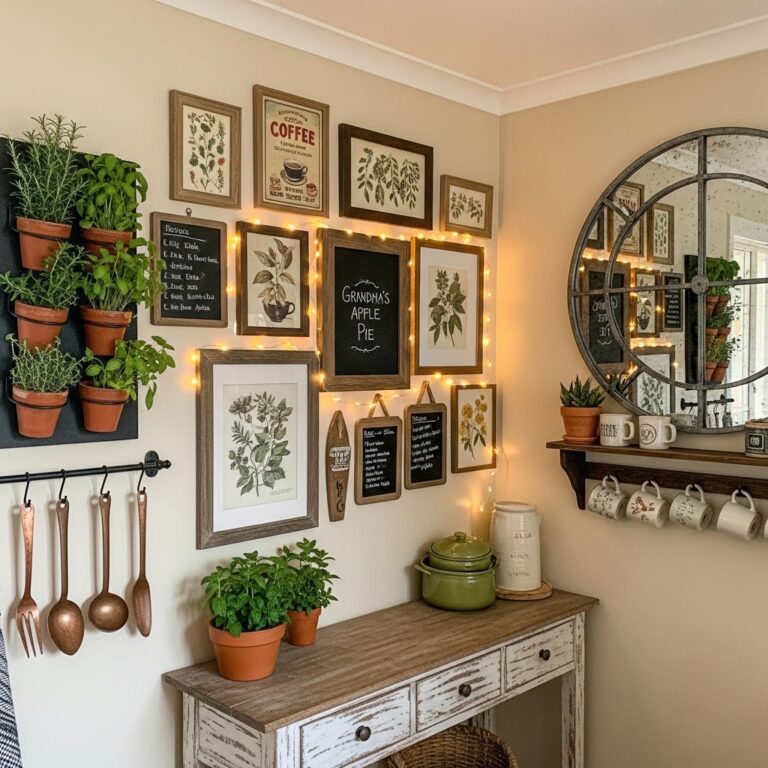
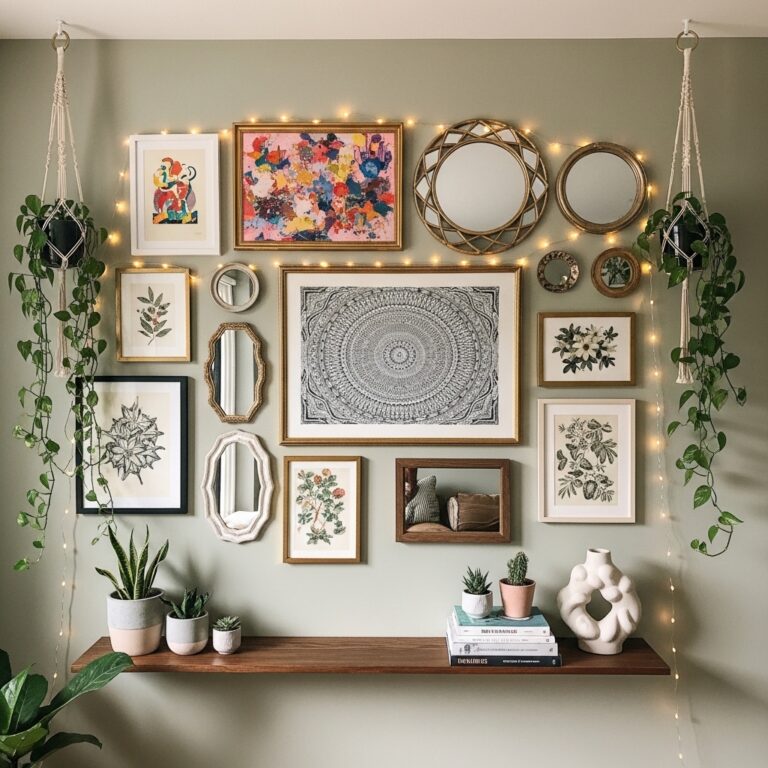
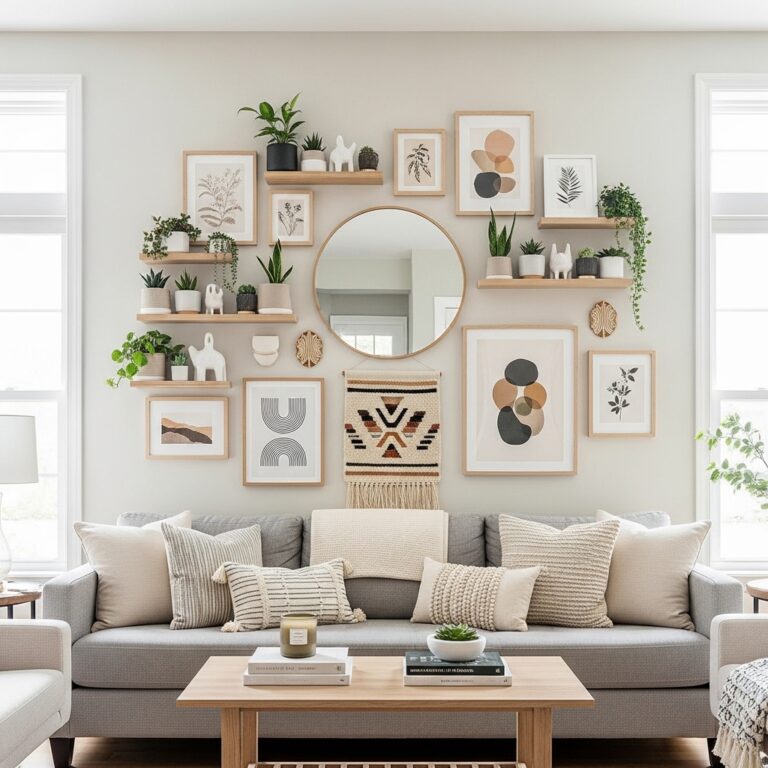
Create a gallery wall using artwork, prints, or photos within a consistent color palette or theme. Arrange them in a grid or organic layout, but maintain even spacing for a clean finish.
This works because repetition of color and style creates cohesion, even when using different pieces. It adds character without overwhelming the room.
Pro Tip: Plan the layout on the floor before mounting.
Mistake to Avoid: Don’t mix unrelated themes or colors.
4. Mirror Wall to Expand Light and Space
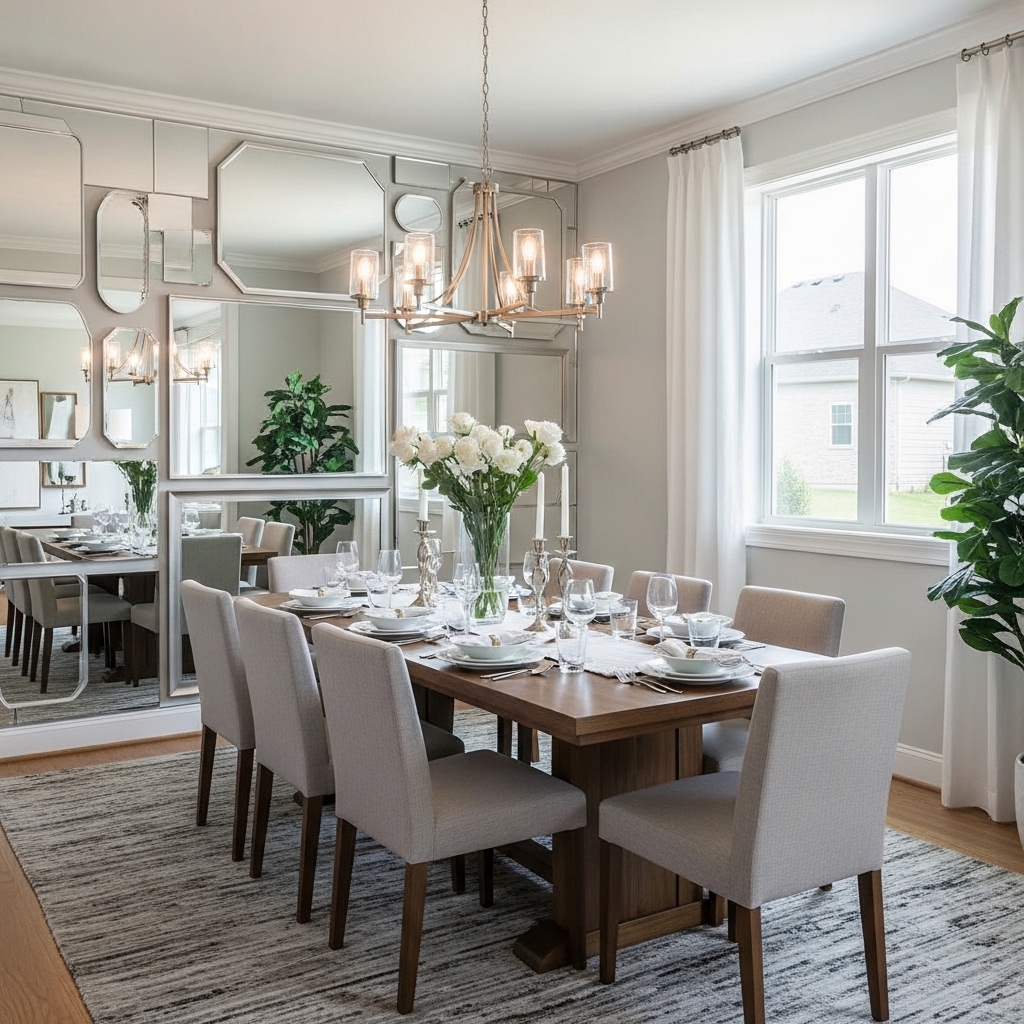
Best for: Small dining rooms or spaces with limited natural light.
Install a large mirror or a set of mirrors to reflect light and visually expand the room. Position them opposite windows or light sources for maximum effect.
This works because mirrors create the illusion of depth and brightness, making small dining areas feel larger and more open.
Pro Tip: Use simple frames for a clean look.
Mistake to Avoid: Don’t reflect cluttered areas—it doubles visual mess.
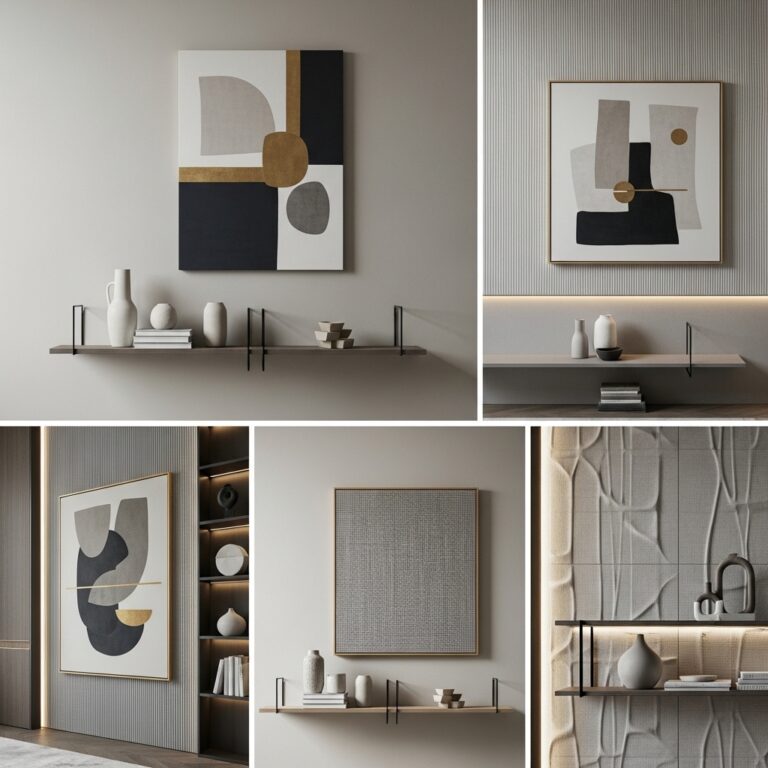
5. Floating Shelves for Layered Dining Decor
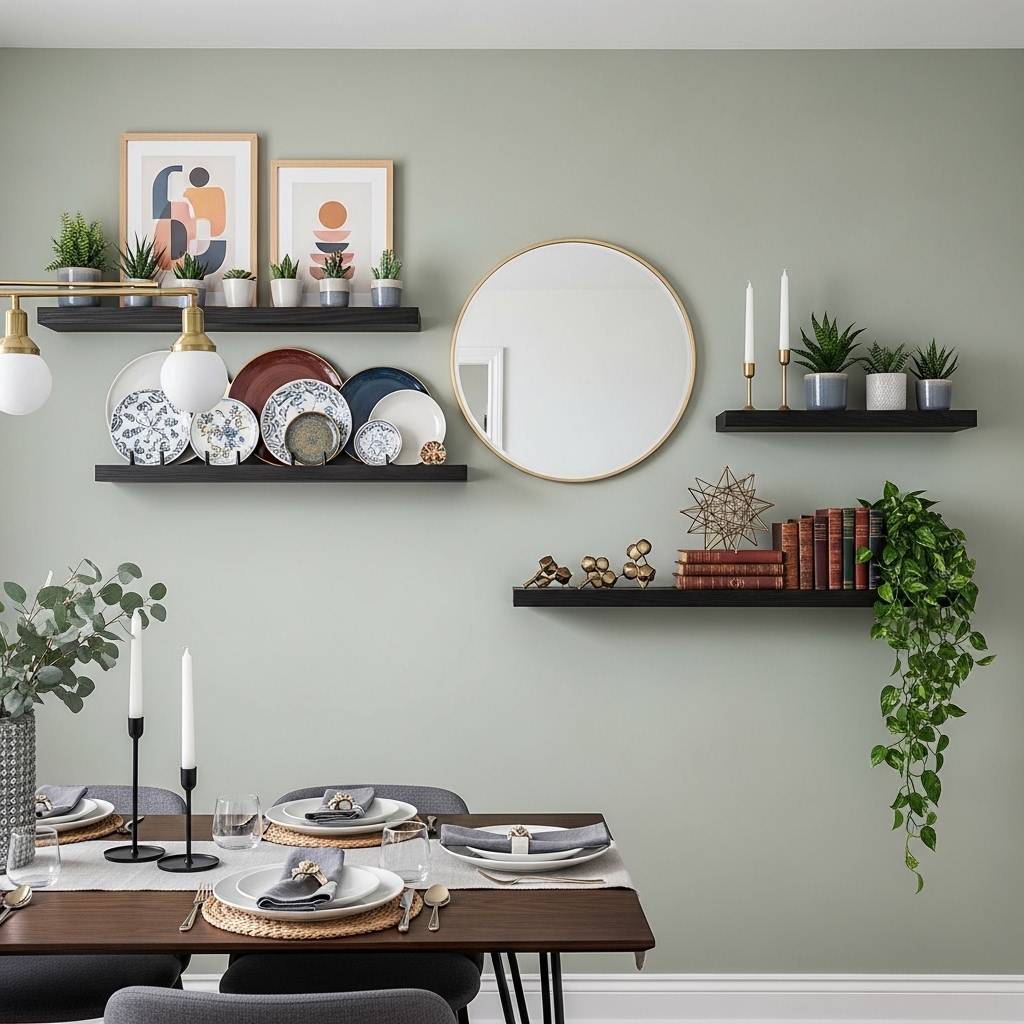
Ideal for: Flexible styling and seasonal decor changes.
Install floating shelves and style them with plates, small art pieces, plants, or decorative objects. Keep arrangements minimal and balanced.
This works because shelves allow easy updates and add depth compared to flat wall decor.
Pro Tip: Use odd-number groupings for better visual flow.
Mistake to Avoid: Don’t overcrowd shelves with too many items.
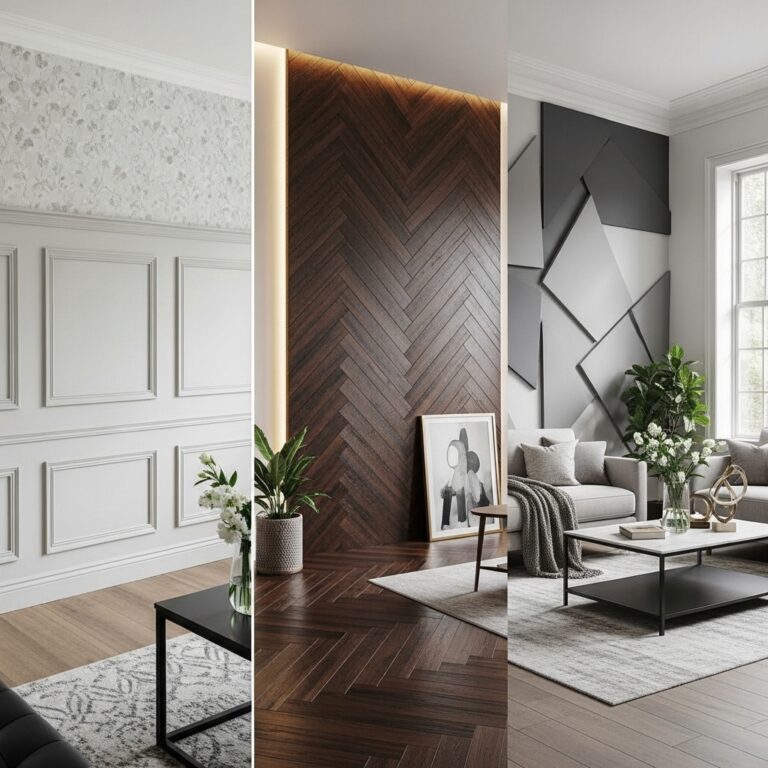
6. Textured Wall Panels for Depth and Warmth
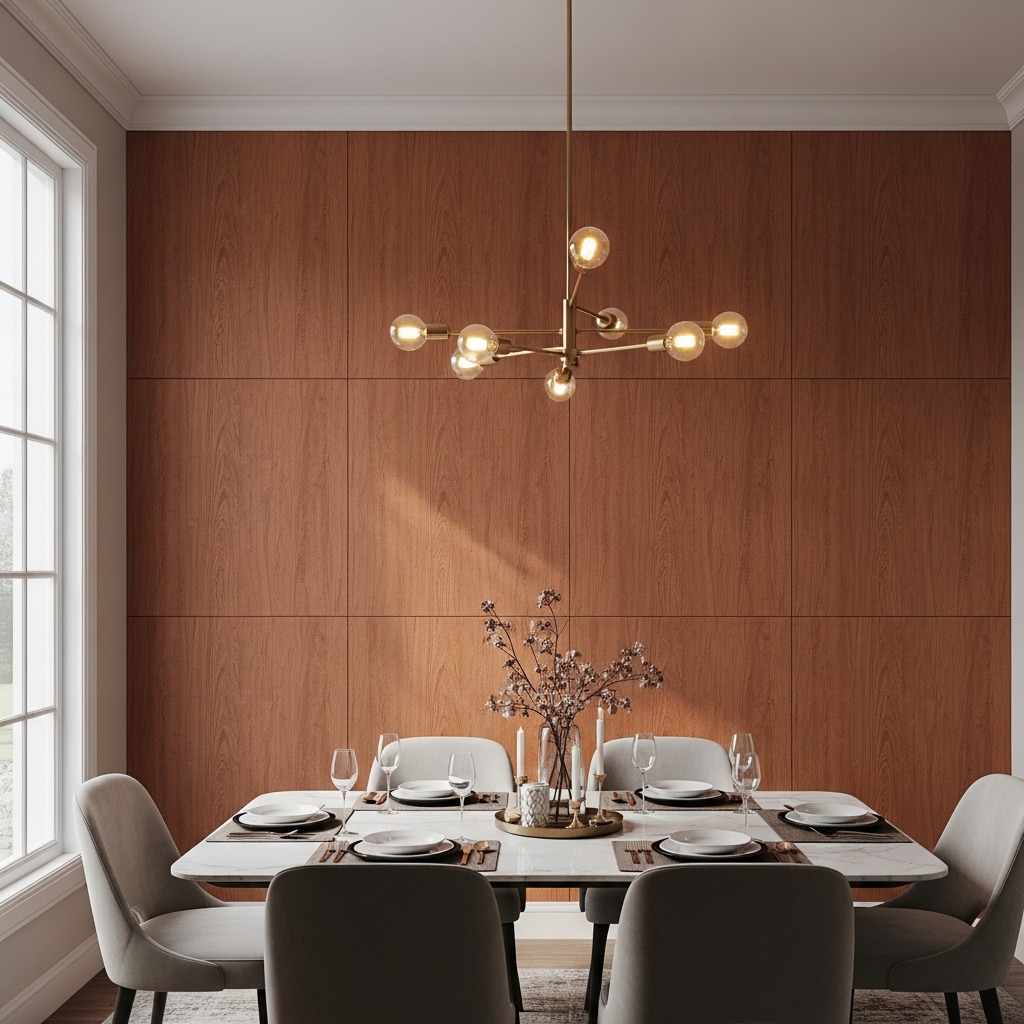
Best for: Dining rooms that feel flat or lack dimension.
Add wood panels, fabric panels, or subtle 3D textures to one wall, typically behind the dining table. Keep colors neutral for versatility.
This works because texture adds richness without needing bold colors or extra decor.
Pro Tip: Use lighting to highlight textures.
Mistake to Avoid: Don’t choose overly busy patterns.
7. Accent Wall With Paint or Wallpaper
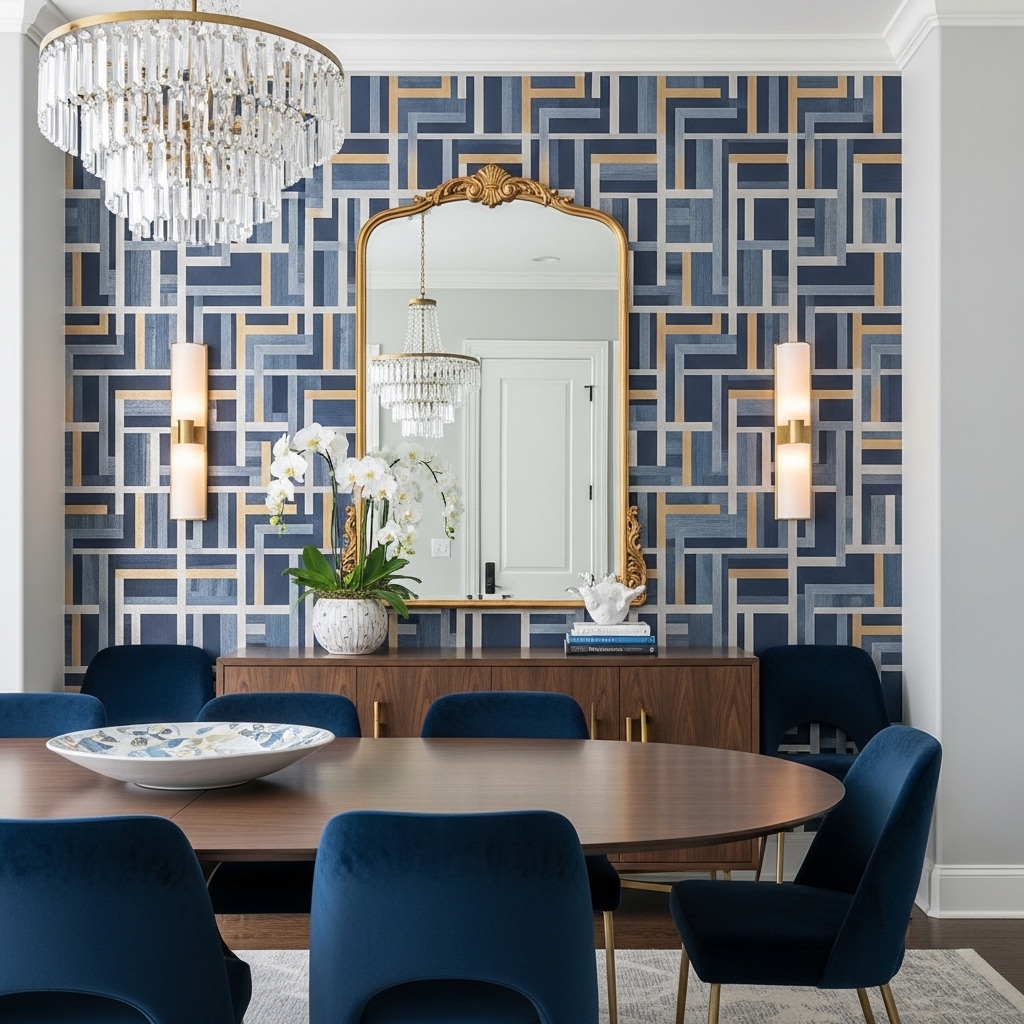
Ideal for: Creating a defined dining zone in open layouts.
Use a bold paint color or patterned wallpaper on one wall to distinguish the dining area. Keep other walls neutral to maintain balance.
This works because it visually anchors the dining space without adding physical barriers.
Pro Tip: Choose patterns that complement furniture.
Mistake to Avoid: Don’t use strong patterns on multiple walls.
8. Vertical Art for Narrow Dining Walls
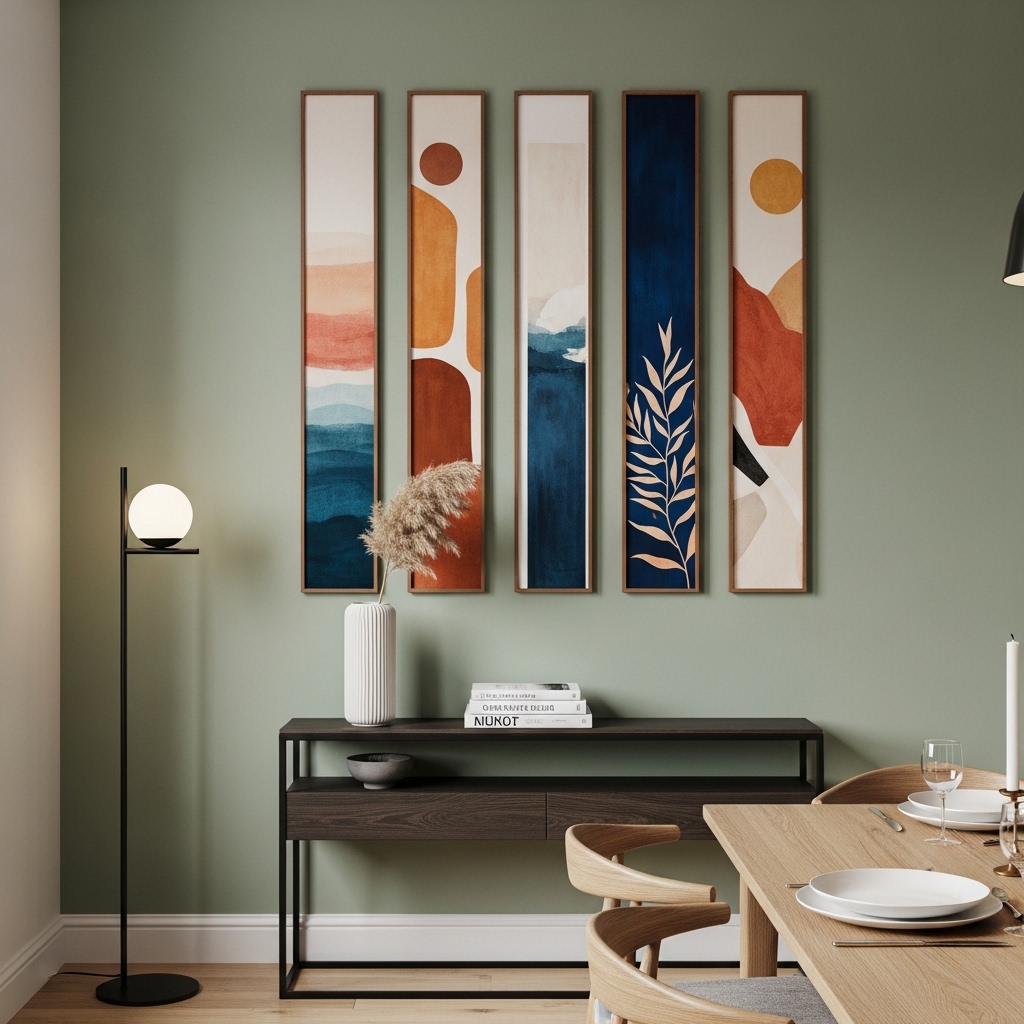
Best for: Tight spaces or small dining areas.
Use tall, narrow artwork to emphasize height and fill vertical space without crowding the room.
This works because vertical orientation makes ceilings feel higher.
Pro Tip: Align with furniture edges.
Mistake to Avoid: Don’t use wide artwork in narrow spaces.
9. Wall Sconces for Functional Elegance
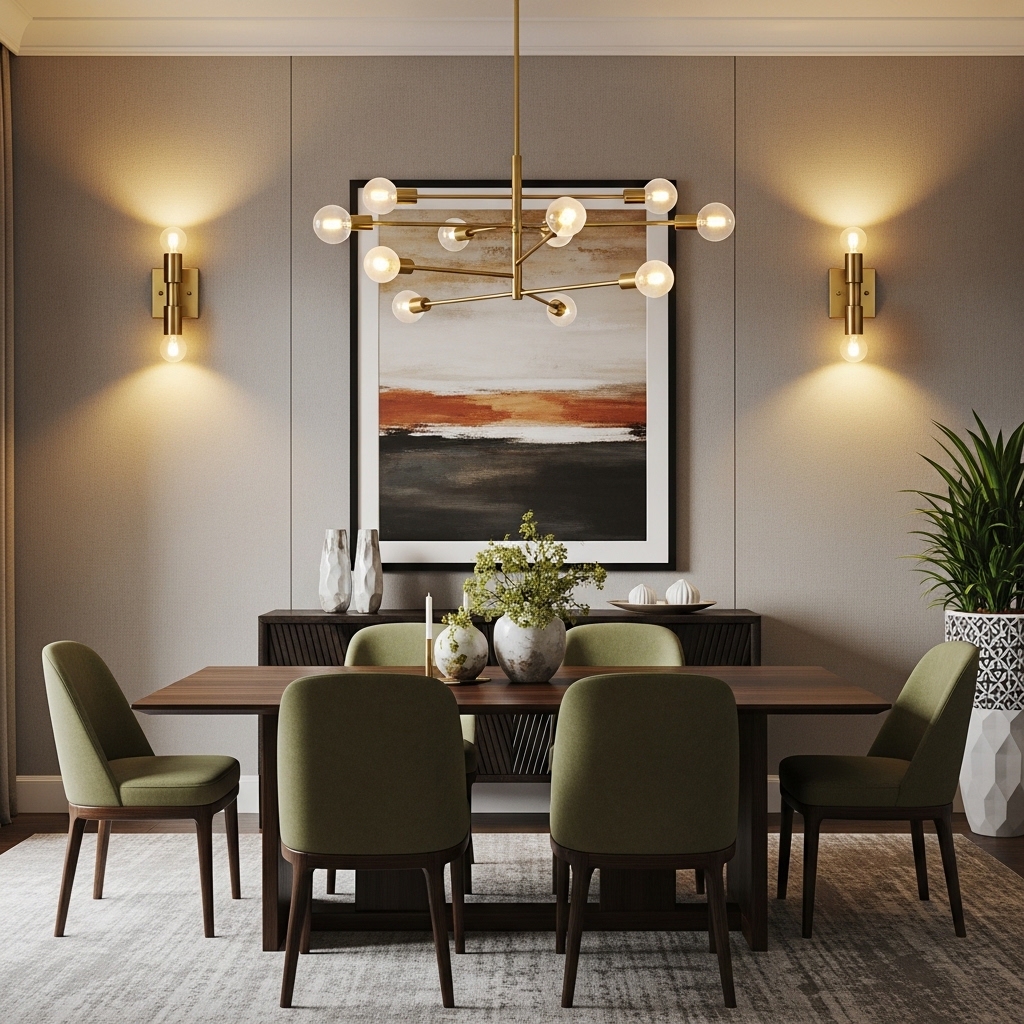
Ideal for: Adding lighting and decor simultaneously.
Install sconces on either side of artwork or mirrors to create balanced lighting.
This works because it enhances ambiance while saving table space.
Pro Tip: Use warm light for a cozy dining atmosphere.
Mistake to Avoid: Don’t install at inconsistent heights.
10. Framed Dining-Themed Artwork
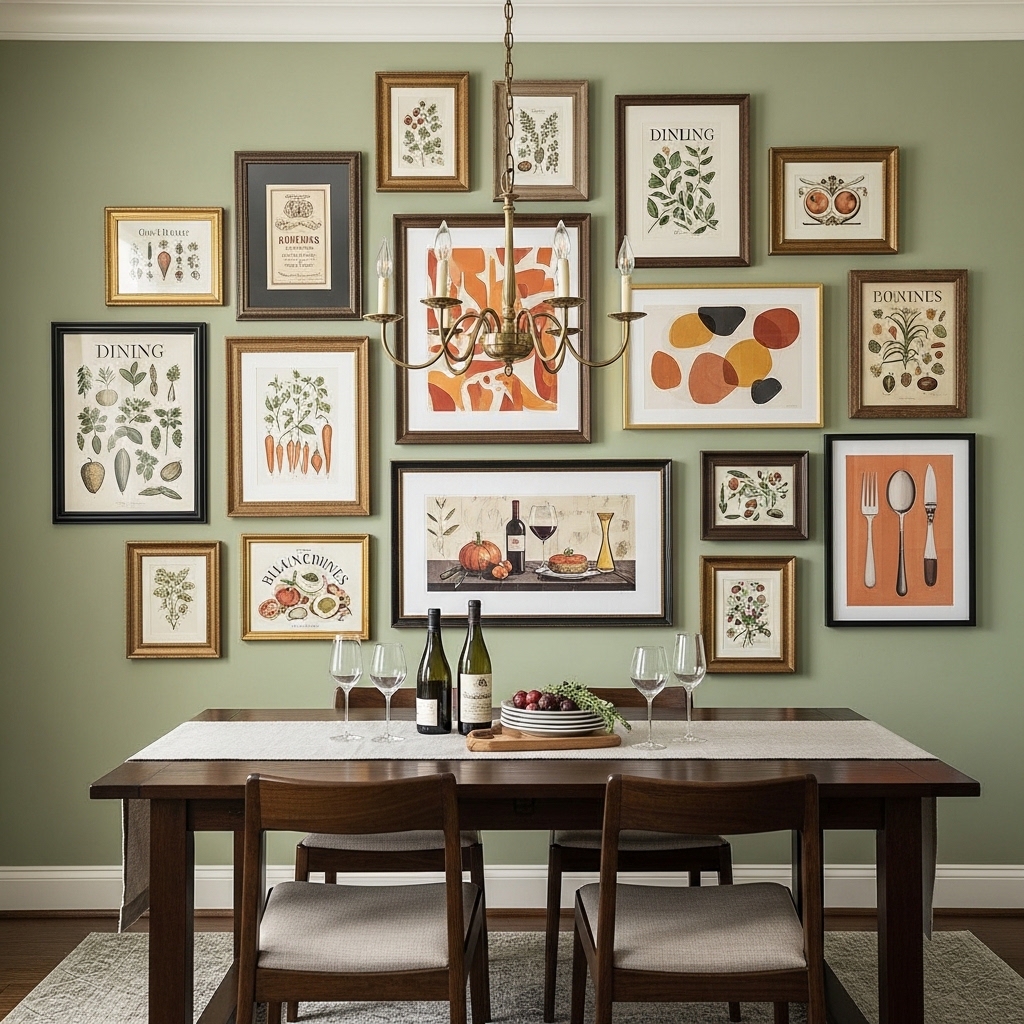
Best for: Traditional or themed dining rooms.
Use artwork featuring food, wine, or nature-inspired themes. Keep frames consistent.
This works because themed decor enhances the dining experience.
Pro Tip: Keep designs subtle and tasteful.
Mistake to Avoid: Don’t over-theme the space.
11. Large Clock Wall Feature for Functional Style
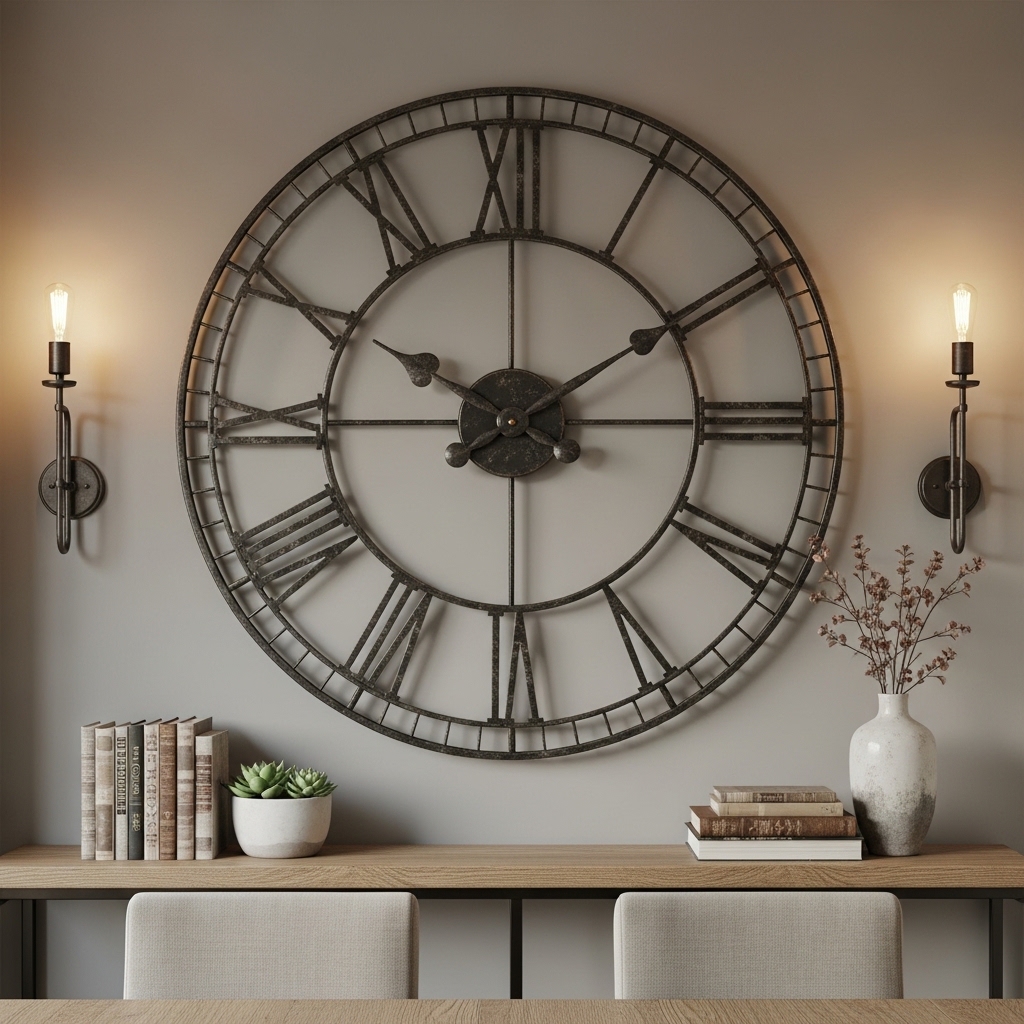
Ideal for: Dining rooms that need both decor and practicality.
Install a large wall clock as a central feature above a sideboard or on a main wall. Choose a design that matches your interior style—modern, rustic, or minimalist. Keep surrounding decor minimal so the clock stands out without competing elements.
This works because a clock serves both decorative and functional purposes, making it ideal for spaces where you don’t want purely ornamental items. It also adds structure to the wall without requiring multiple pieces.
Pro Tip: Choose silent or minimal-tick clocks for a calm environment.
Mistake to Avoid: Don’t place it too high—it should remain easily readable.
12. Plate Wall Display for Classic Dining Charm
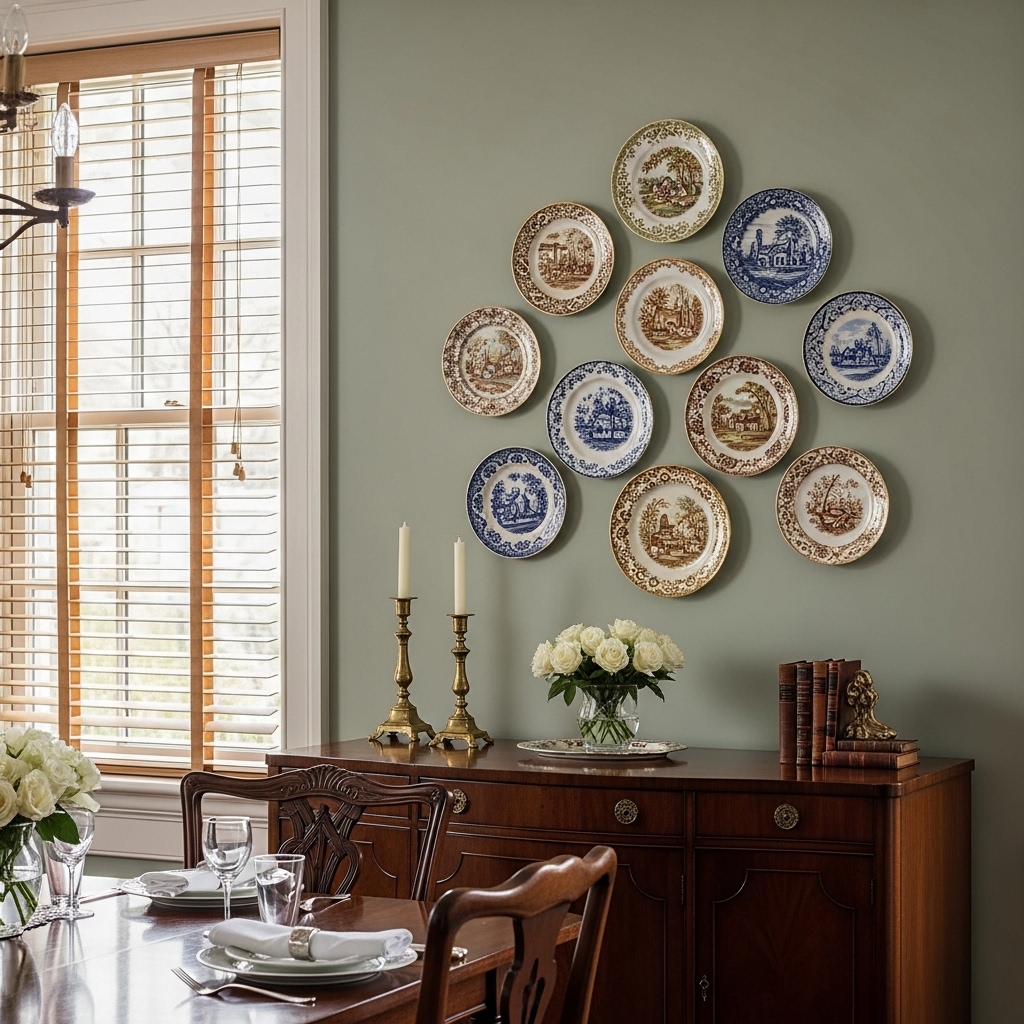
Best for: Traditional or farmhouse-style dining rooms.
Arrange decorative plates on the wall in a structured or organic layout. Use a consistent color palette to keep the display cohesive and balanced.
This works because plates naturally connect with dining themes, making them feel purposeful rather than random decor.
Pro Tip: Use secure mounts designed for plates.
Mistake to Avoid: Don’t mix too many patterns or colors.
13. Black Frame Contrast for Modern Definition
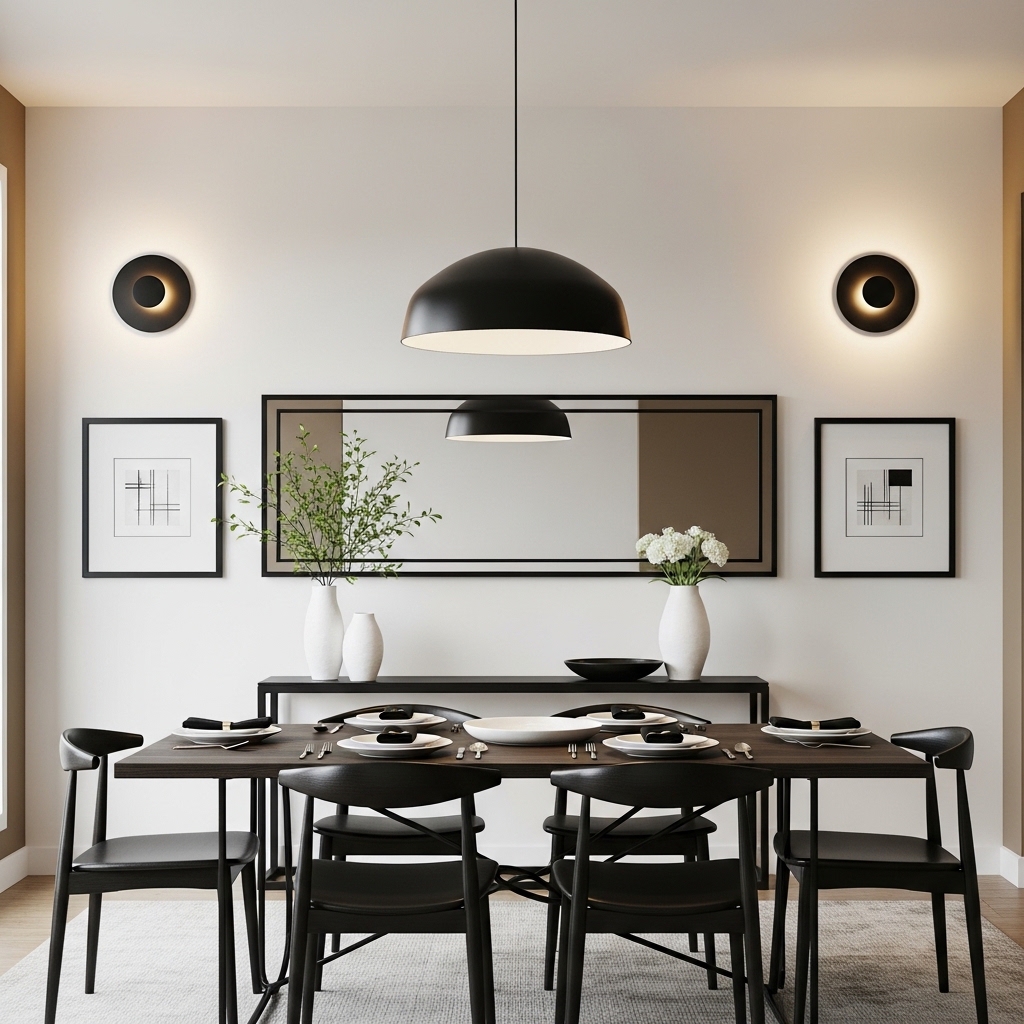
Ideal for: Light or neutral dining spaces needing contrast.
Use black or dark frames around artwork to create visual definition. Arrange pieces symmetrically or in clean layouts for a modern look.
This works because contrast prevents neutral spaces from feeling flat.
Pro Tip: Stick to one frame finish for consistency.
Mistake to Avoid: Don’t mix multiple bold frame styles.
14. Minimalist Line Art for Clean Dining Spaces
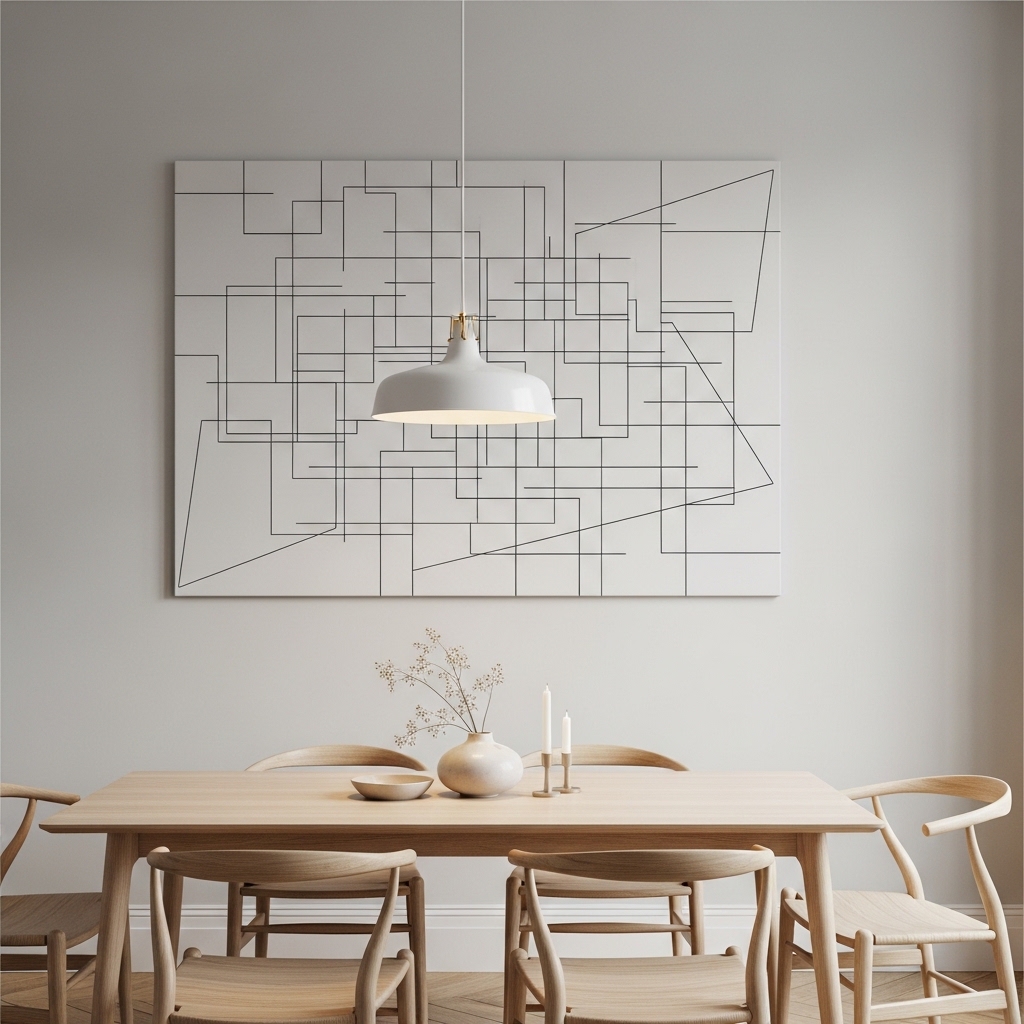
Best for: Small or modern dining areas.
Choose simple line drawings or abstract prints with plenty of white space.
This works because minimal art reduces visual clutter.
Pro Tip: Use thin frames.
Mistake to Avoid: Don’t overcrowd walls.
15. Built-In Wall Niches for Display
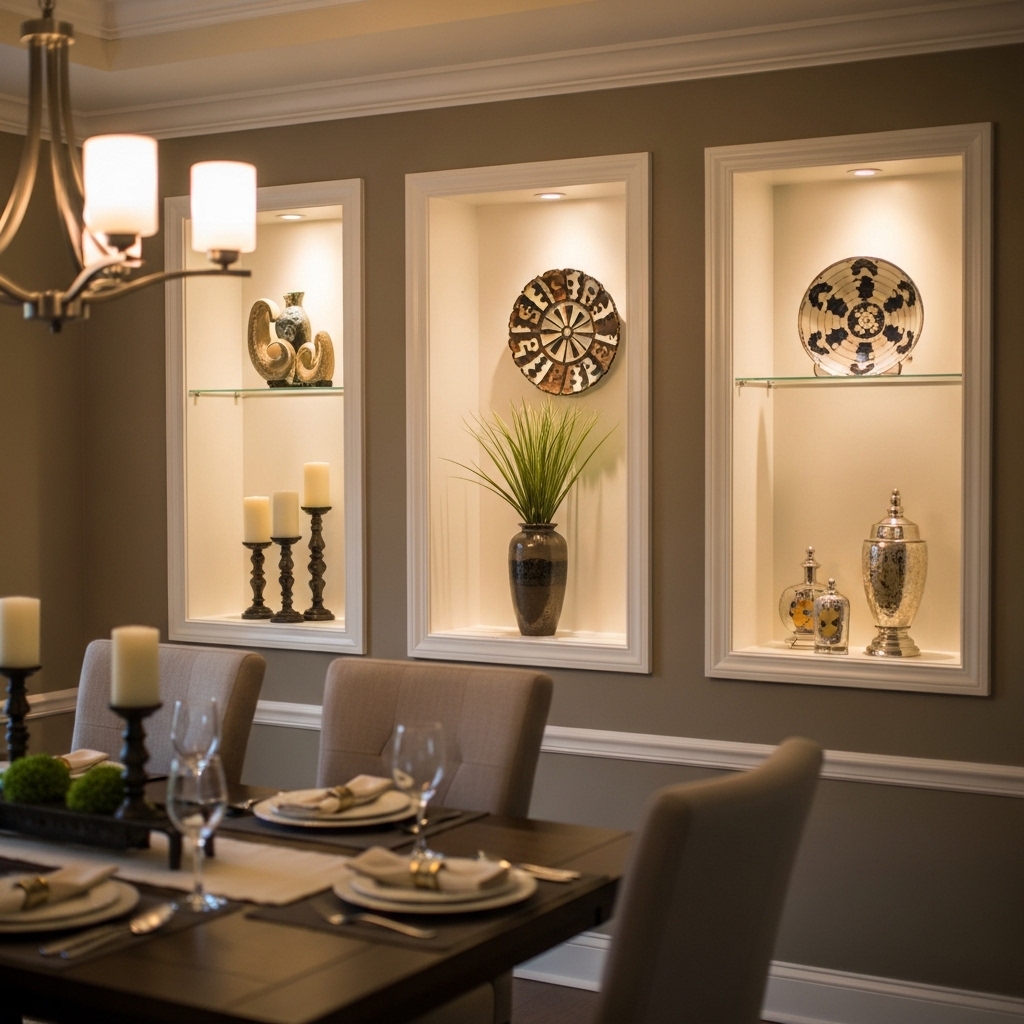
Ideal for: Custom or high-end dining interiors.
Create recessed wall niches to display decor or art.
This works because it adds depth without protruding into space.
Pro Tip: Add lighting inside niches.
Mistake to Avoid: Don’t overcrowd displays.
16. Layered Art With Mirrors for Depth
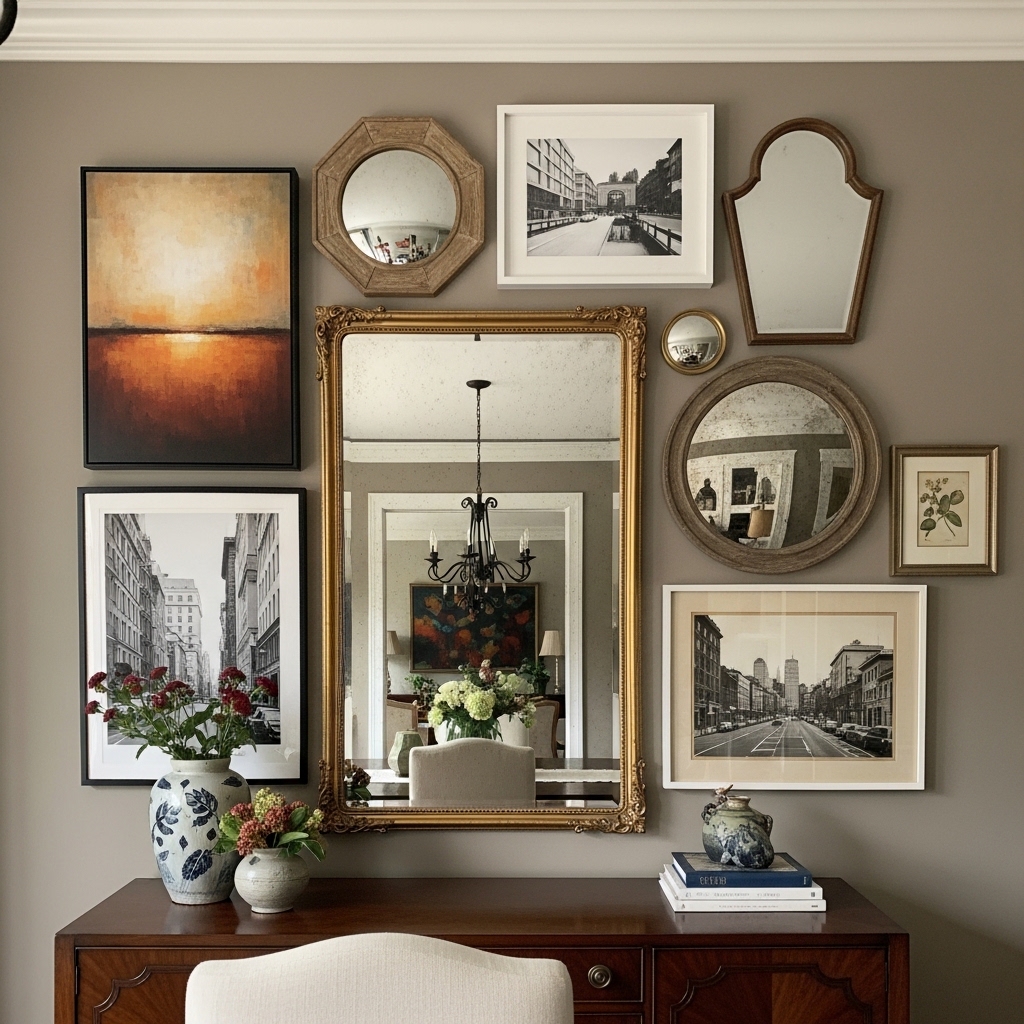
Best for: Small dining spaces.
Combine mirrors with artwork to reflect light and add dimension.
This works because it visually expands the room.
Pro Tip: Place near light sources.
Mistake to Avoid: Don’t reflect clutter.
17. Floating Sideboard With Wall Decor Combo
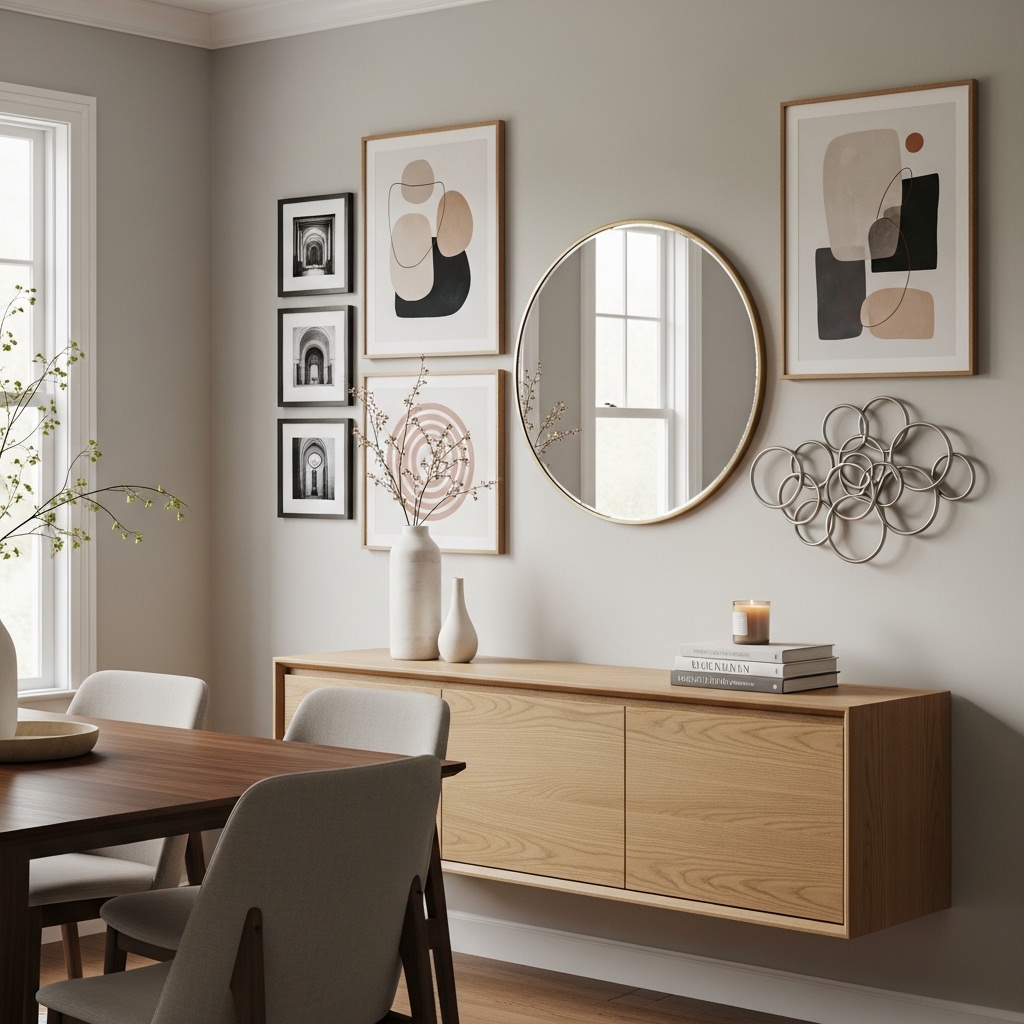
Ideal for: Modern dining rooms.
Pair a floating sideboard with art above it.
This works because it creates a clean, streamlined look.
Pro Tip: Keep proportions balanced.
Mistake to Avoid: Don’t overcrowd the area.
18. Botanical Wall Art for Natural Feel
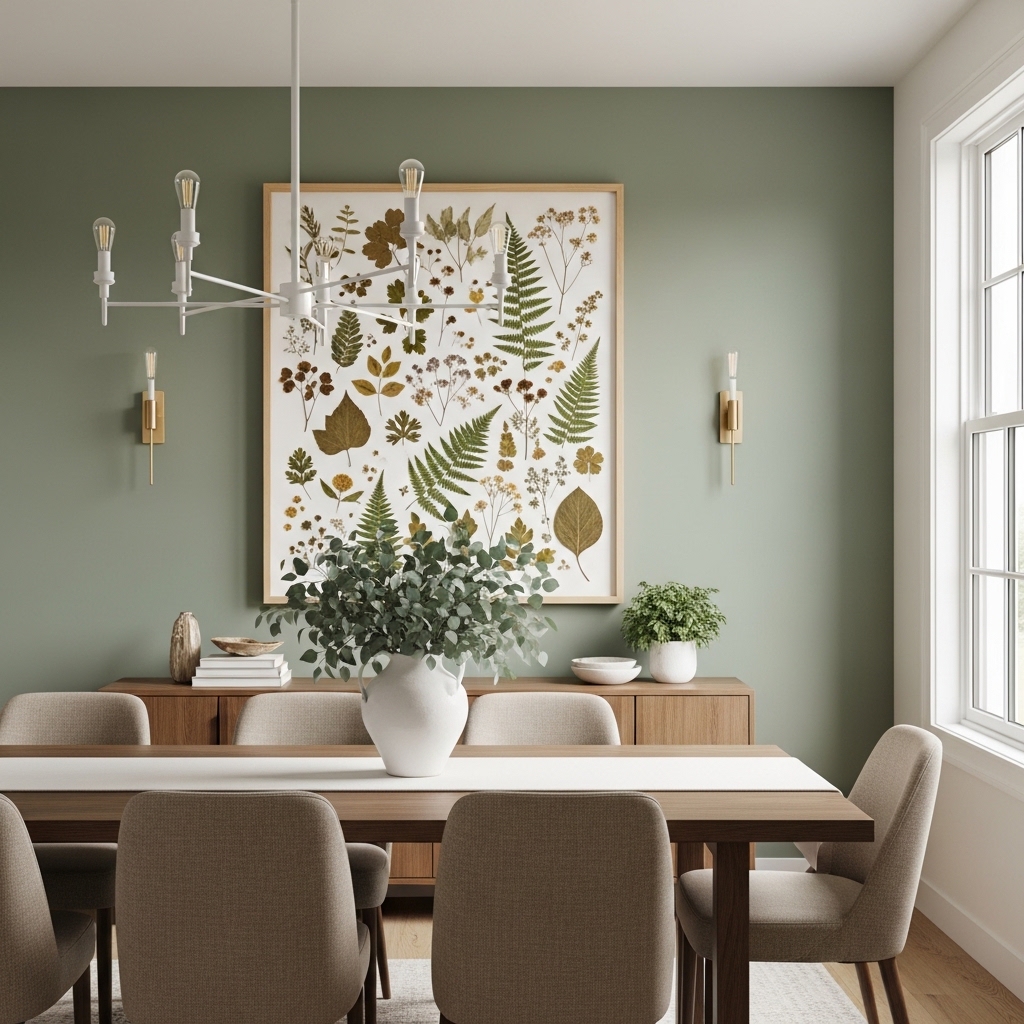
Best for: Relaxed dining environments.
Use plant or nature-inspired artwork.
This works because it adds freshness and calmness.
Pro Tip: Pair with real plants.
Mistake to Avoid: Don’t use overly bright colors.
19. Personalized Photo Wall for Warmth
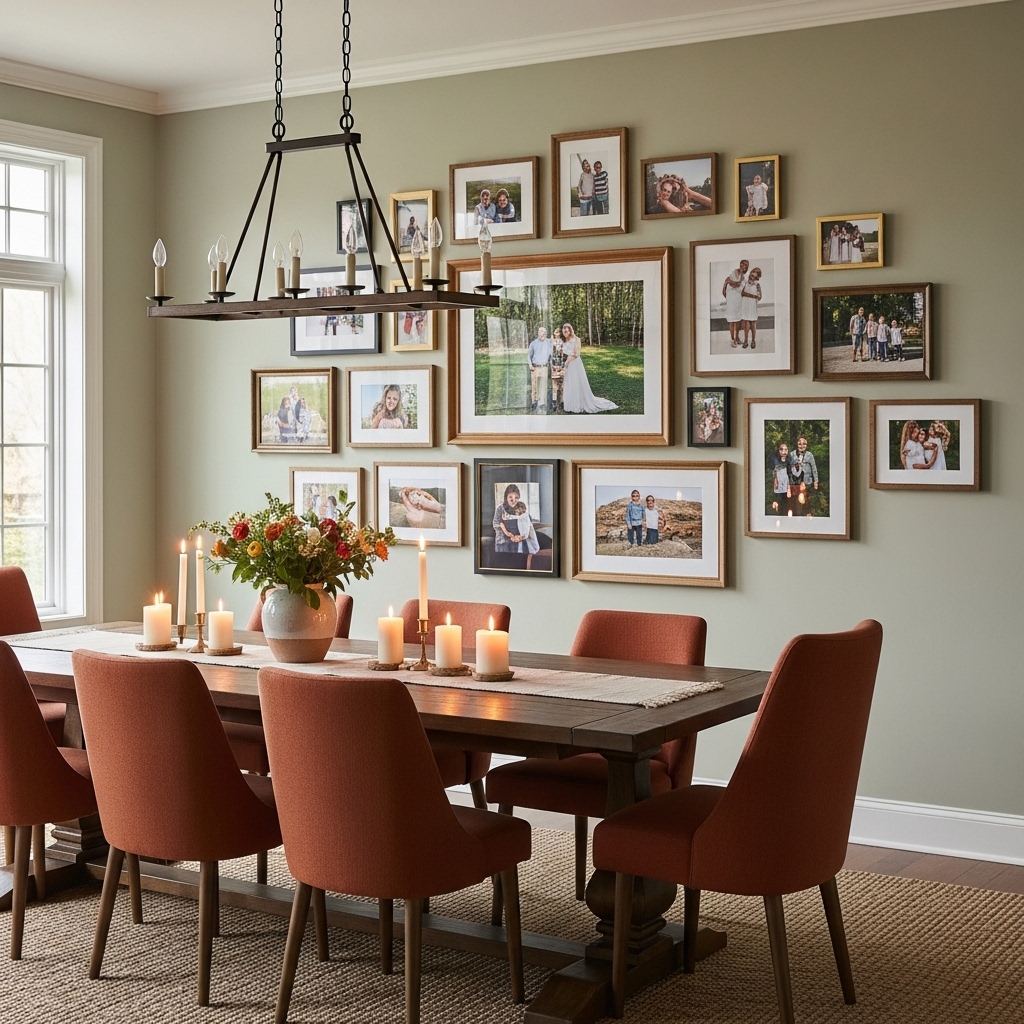
Ideal for: Family dining spaces.
Use framed photos arranged in a cohesive layout.
This works because it adds emotional connection.
Pro Tip: Use consistent filters.
Mistake to Avoid: Don’t mix random styles.
20. Seasonal Wall Styling for Fresh Updates
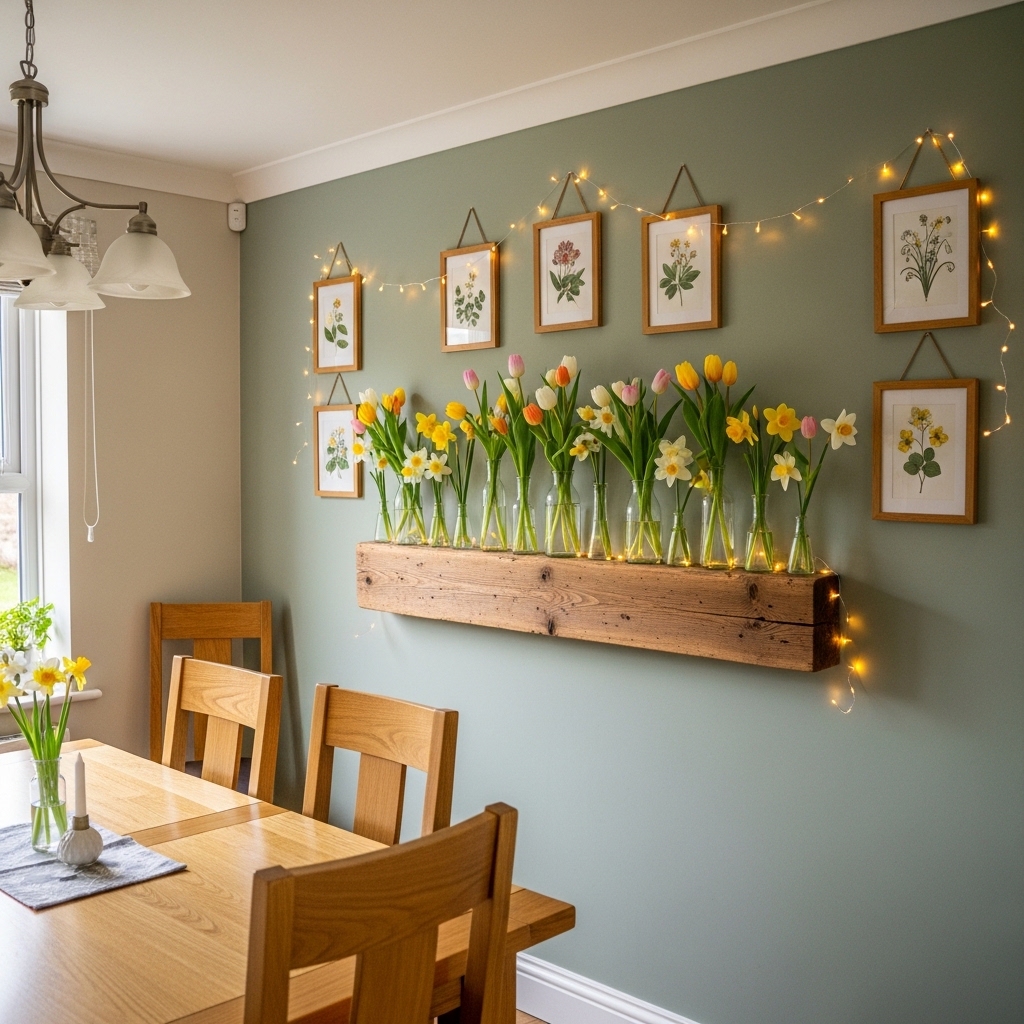
Best for: Keeping decor updated year-round.
Rotate small decor elements or artwork based on seasons.
This works because it refreshes the space without major changes.
Pro Tip: Keep base design consistent.
Mistake to Avoid: Don’t change the entire theme.
Conclusion
Dining room wall decor should enhance both visual appeal and the overall dining experience. When you focus on scale, placement, and cohesion, your walls can transform the space into something that feels both functional and inviting.