20 Wall Paneling Ideas That Add Depth, Character, and Architectural Interest to Any Room
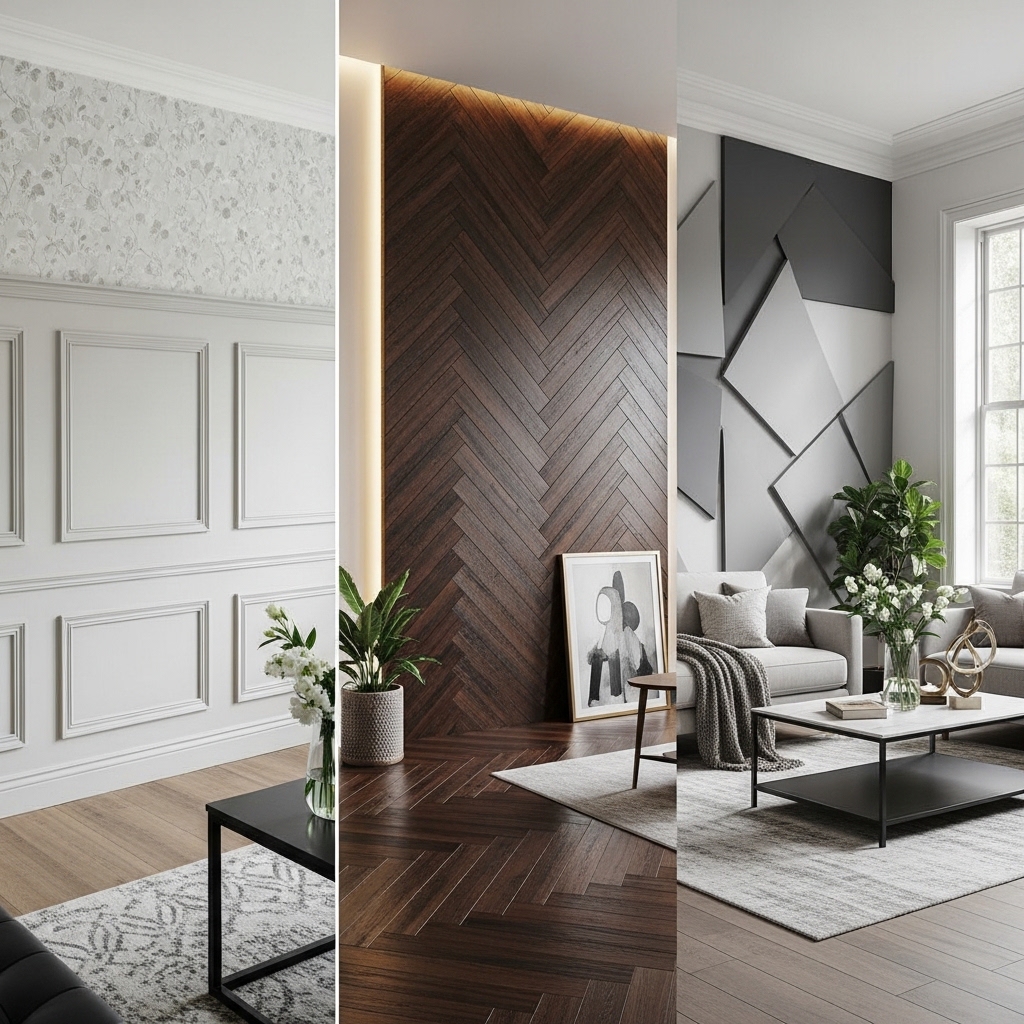
Wall paneling is making a comeback. Not the dark, heavy wood panels of the 1970s. Fresh, modern paneling that adds texture and dimension without overwhelming a room.
Plain drywall is flat. It absorbs sound poorly. It offers no visual relief. Paneling changes all of that. It adds shadow lines. It creates rhythm. It makes a room feel custom and intentional.
This guide delivers 20 wall paneling ideas for every room and budget. From classic board and batten to modern slat walls, each idea transforms flat walls into architectural features.
1. Classic Board and Batten for Traditional Charm
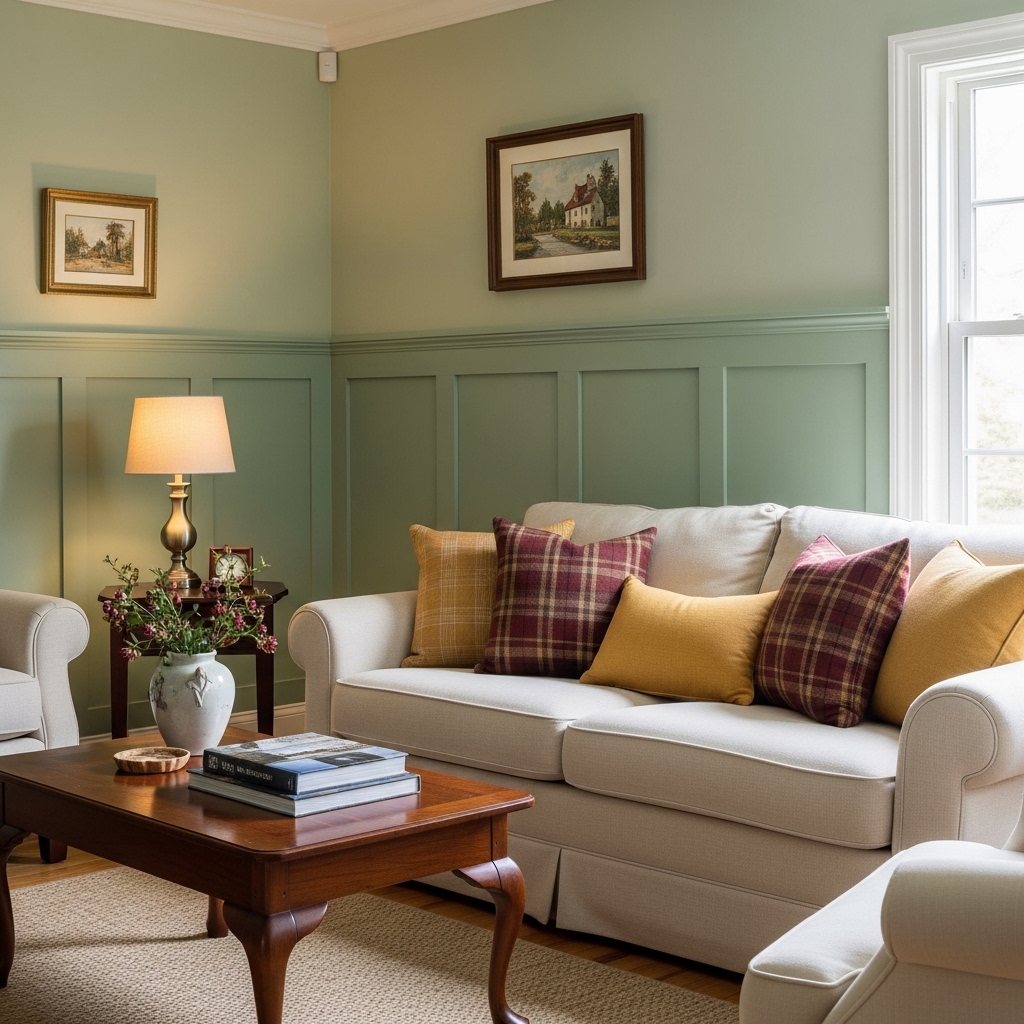
Board and batten features vertical boards with narrow battens covering the seams. It is timeless, structured, and works in any room.
Install the panels at chair rail height (32-36 inches from the floor) or floor to ceiling. Paint everything the same color for a modern take on a traditional look.
Pro Tip: Use MDF for the battens. It is smooth, paintable, and less expensive than wood.
Mistake to Avoid: Do not use wide spacing between battens. Twelve to 16 inches apart is standard.
2. Vertical Shiplap for Farmhouse Appeal
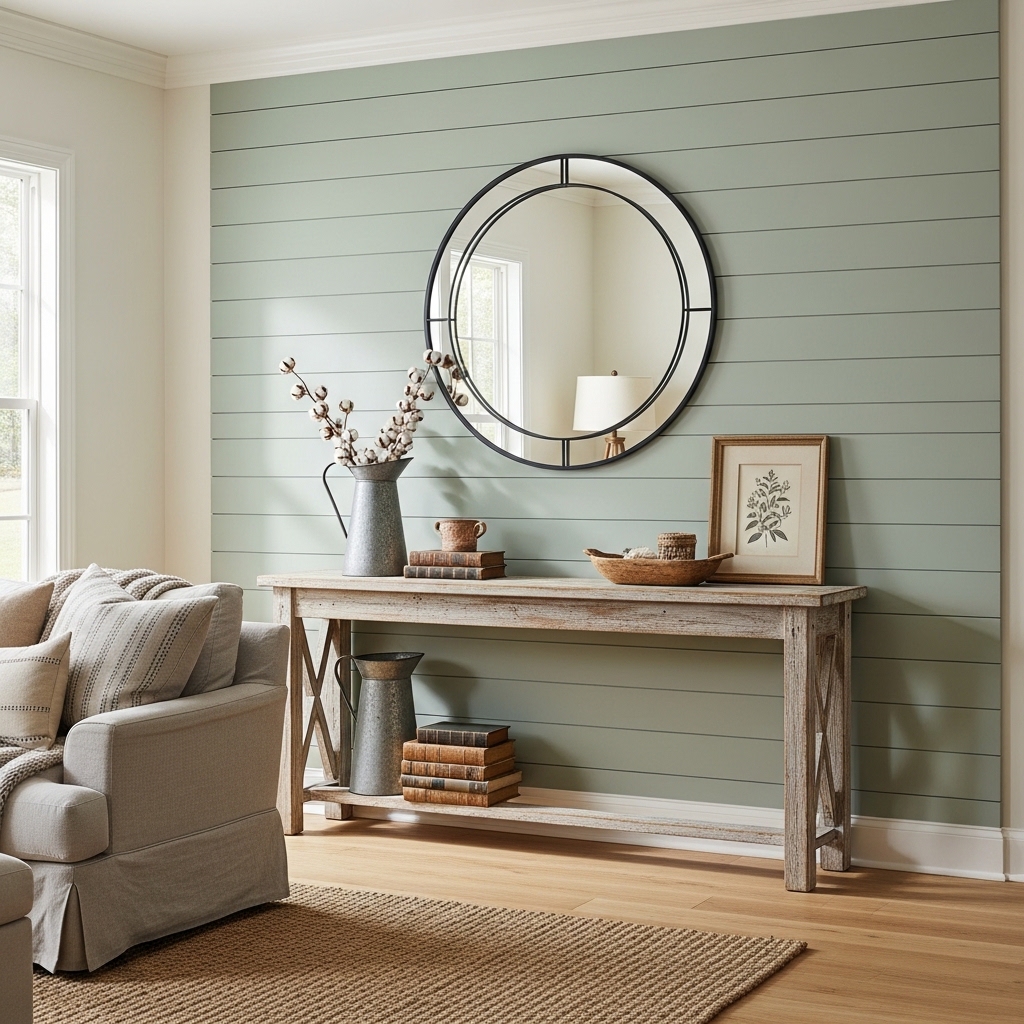
Shiplap has horizontal boards with small gaps between each row. It is casual, warm, and adds texture without visual weight.
Install shiplap on one accent wall only. Too many shiplap walls feel like a barn. Paint it white for a classic look or a deep color for drama.
Pro Tip: Use 6-inch or 8-inch boards. Wider boards feel more modern. Narrower boards feel more traditional.
Mistake to Avoid: Do not use real shiplap in a bathroom. Use MDF or PVC shiplap that resists moisture.
3. Floor-to-Ceiling Slat Walls for Modern Interiors
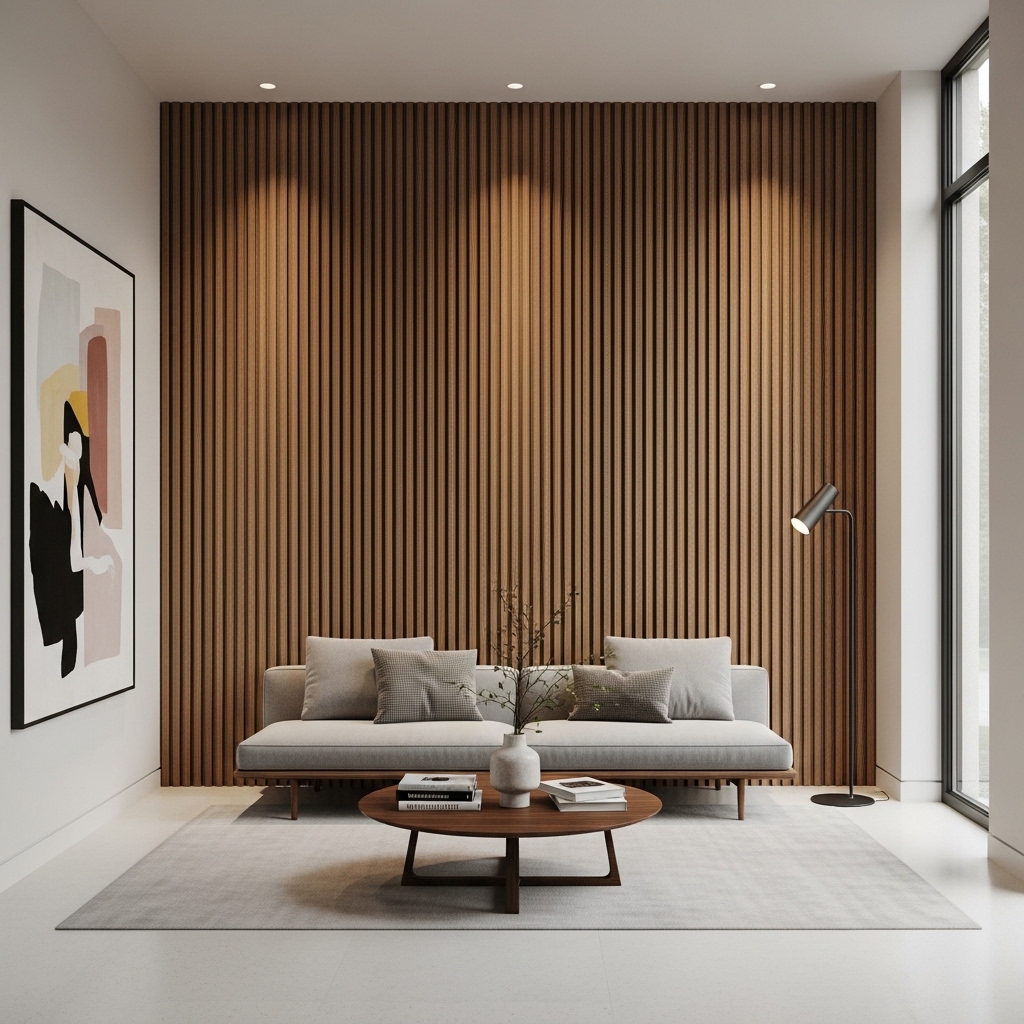
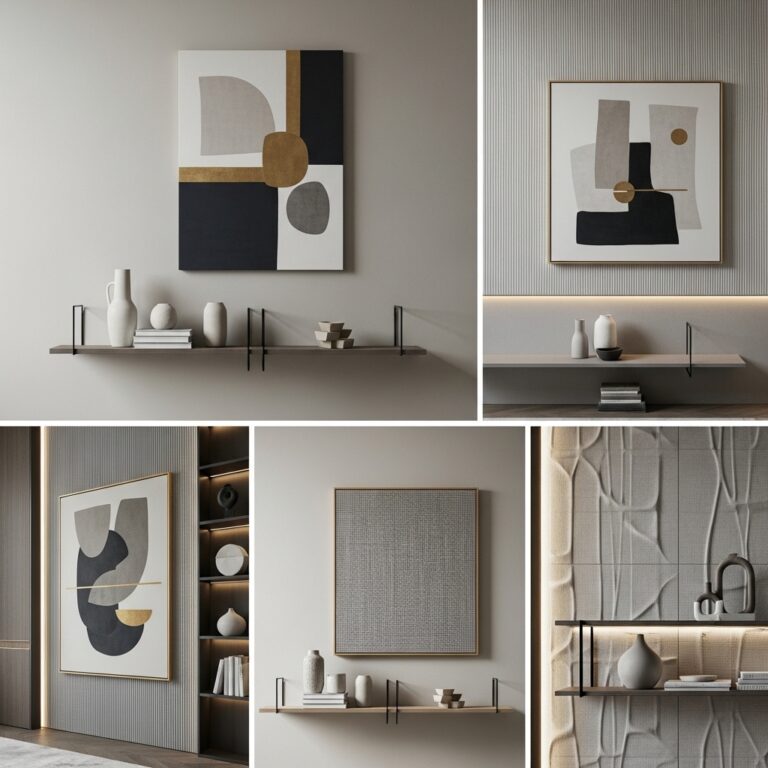
Slat walls feature vertical wood strips with gaps between each slat. The gaps create shadow lines that change throughout the day.
Install slats on one wall behind a bed, sofa, or TV. The vertical lines draw the eye upward, making ceilings feel higher.
Pro Tip: Use felt backing between the slats. The felt absorbs sound and adds a premium feel.
Mistake to Avoid: Do not use slats that are too wide. Two to three inches is ideal.
4. Picture Frame Molding for Elegant Dining Rooms
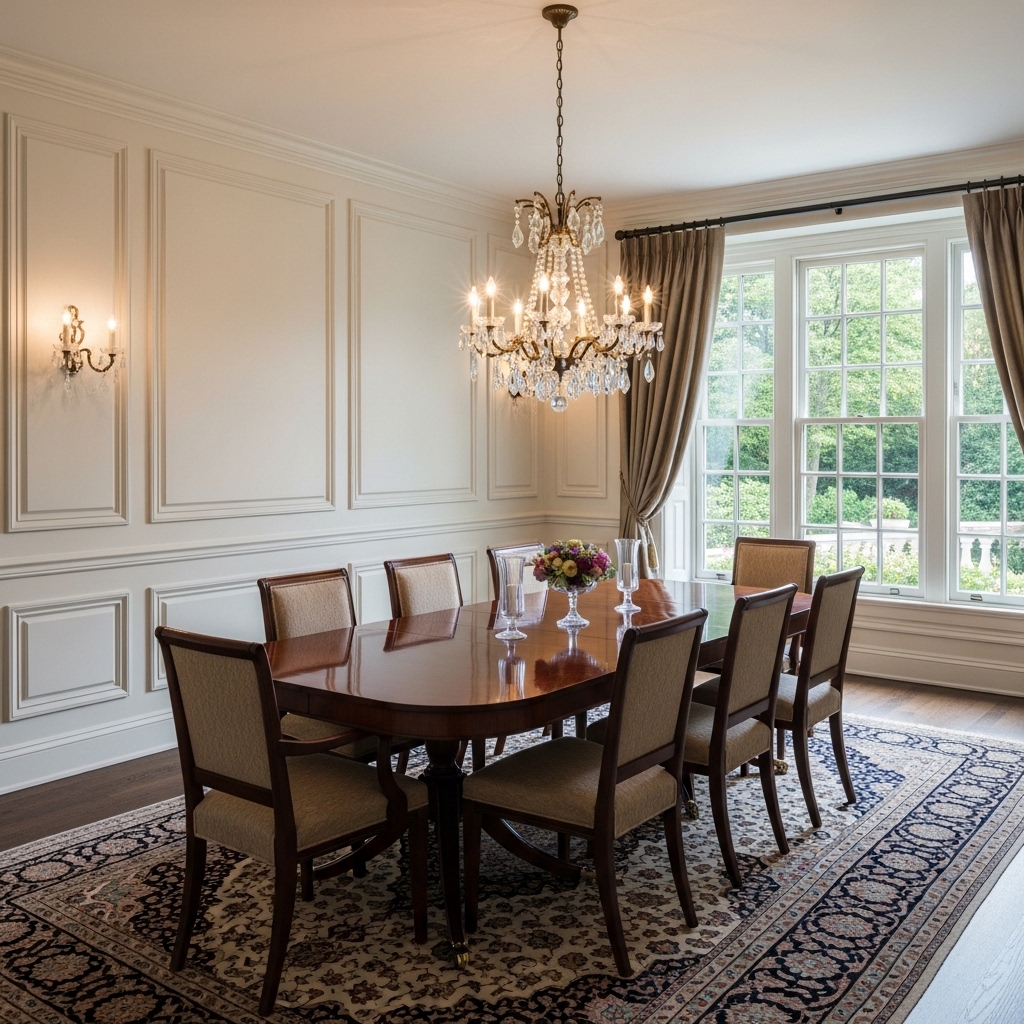
Picture frame molding creates rectangular frames directly on the wall. It looks like built-in panels without the depth of real paneling.
Arrange frames in a grid. The rectangles should be taller than they are wide. Paint the frames and the wall the same color for a subtle look.
Pro Tip: Use a level and painter’s tape to map the frames before cutting any molding.
Mistake to Avoid: Do not space frames too close together. Six inches between frames is minimum.
5. Beadboard for Cottage Bathrooms
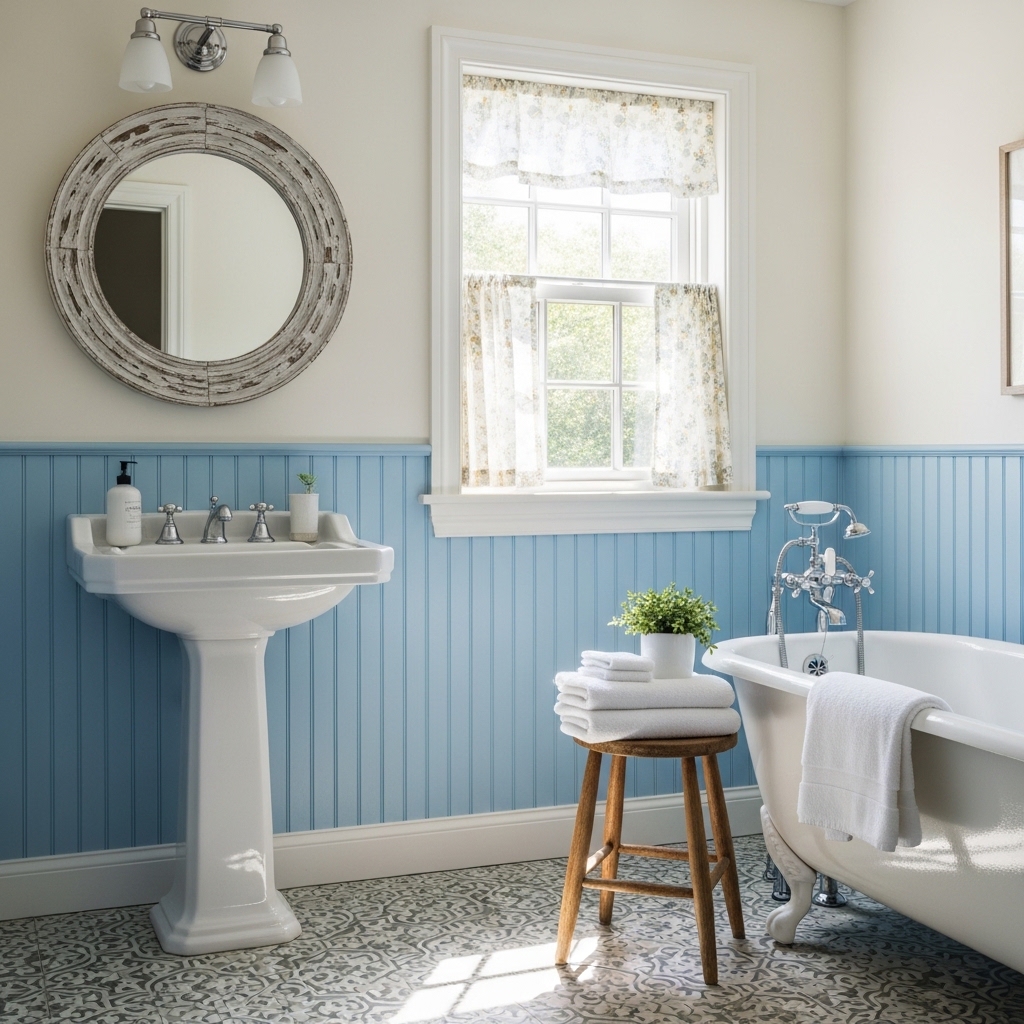
Beadboard has narrow vertical grooves (beads) running the length of each board. It is casual, charming, and perfect for bathrooms and kitchens.
Install beadboard at wainscot height (32-36 inches) or floor to ceiling. Caulk the seams before painting for a seamless look.
Pro Tip: Use beadboard sheets instead of individual boards. Sheets install faster and have fewer seams.
Mistake to Avoid: Do not use beadboard in a room with no natural light. The grooves can look busy in dark spaces.
6. Geometric Paneling for Statement Walls
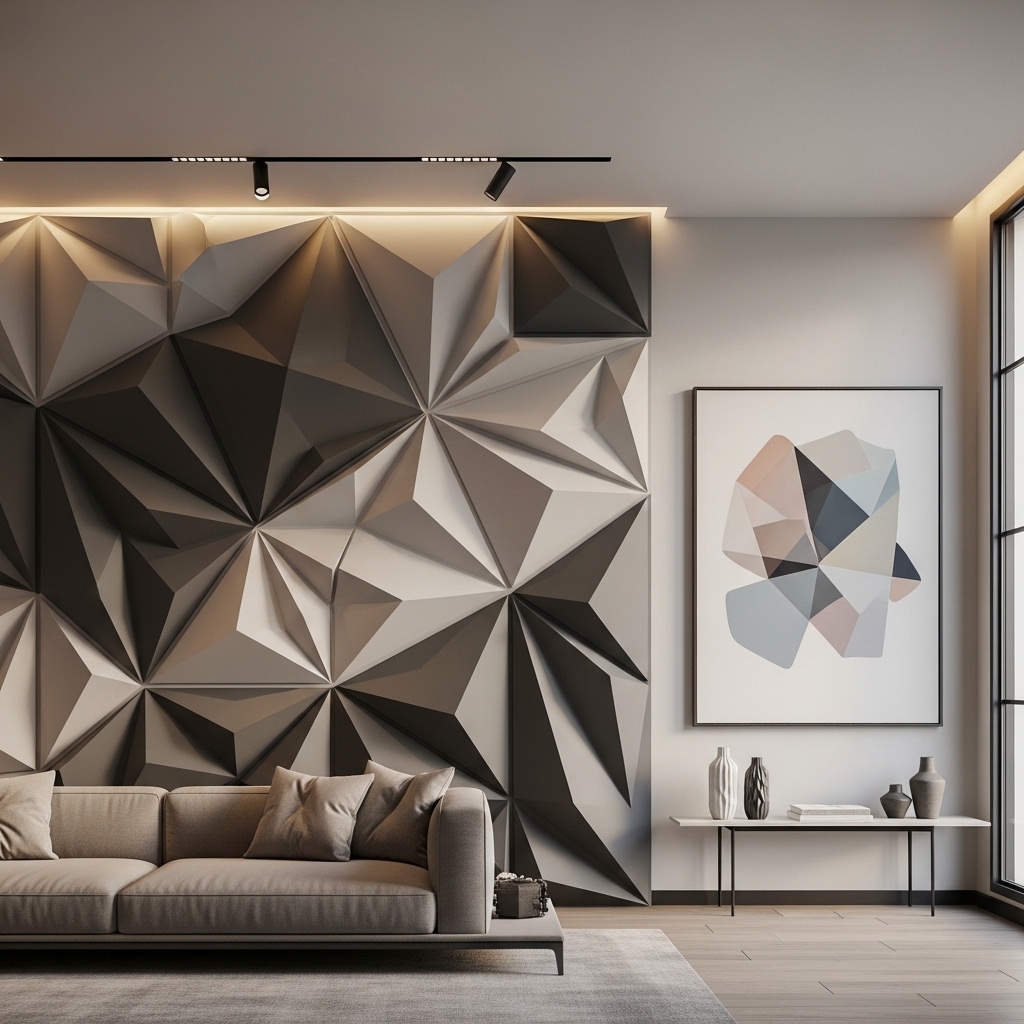
Geometric paneling uses triangles, diamonds, or hexagons instead of rectangles. It is unexpected, modern, and makes a strong statement.
Map the pattern on the wall first. Use thin strips of wood to create the shapes. Paint everything one color for a subtle effect or two colors for contrast.
Pro Tip: Start with a small wall. A geometric accent wall is striking. Too many geometric walls feel chaotic.
Mistake to Avoid: Do not use thick wood for geometric shapes. Thin strips (1/2 inch to 1 inch) look more refined.
7. Wainscoting with a Shelf for Function
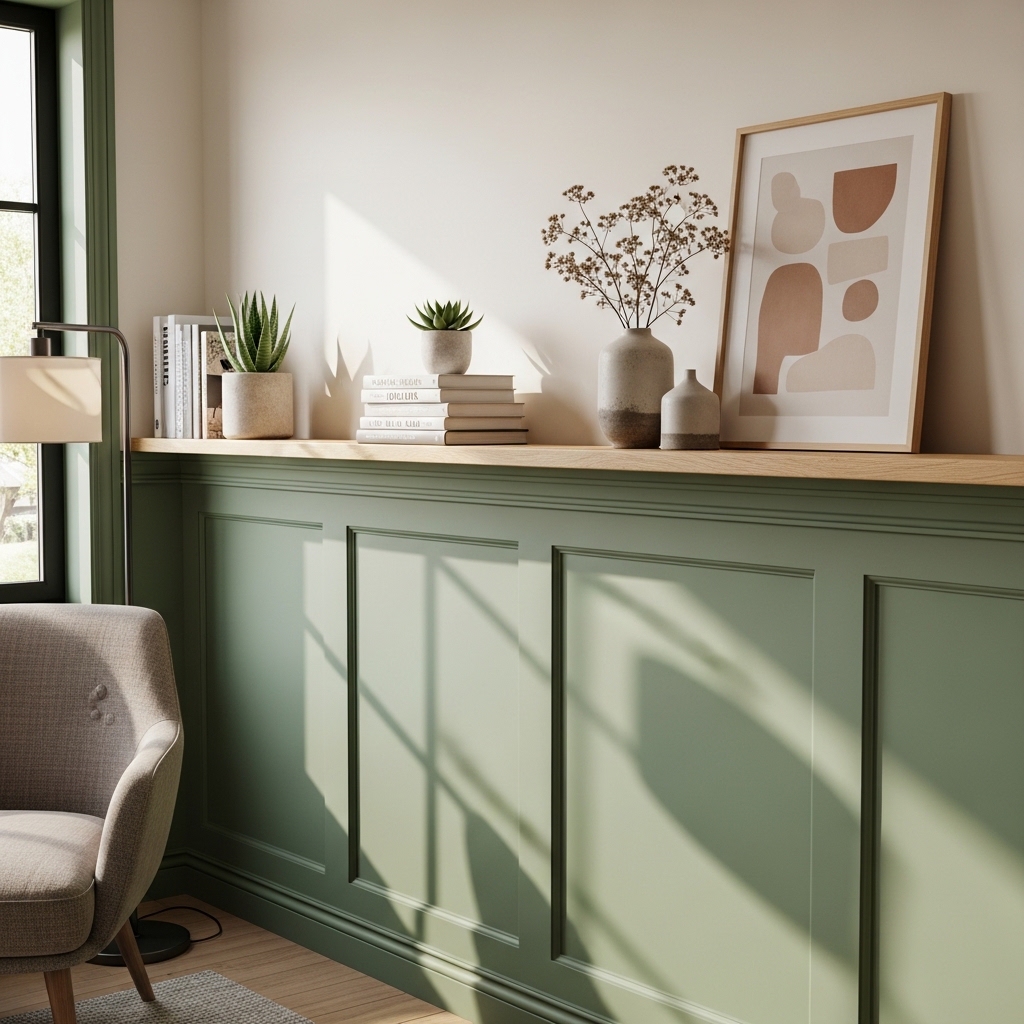
Traditional wainscoting ends with a chair rail. Modern wainscoting adds a shelf on top. The shelf holds photos, plants, or books.
Install the panels at 36 inches from the floor. Cap the top with a 6-inch-deep shelf. Paint everything the same color.
Pro Tip: Use the shelf as a nightstand in a bedroom. No need for bulky bedside tables.
Mistake to Avoid: Do not overload the shelf. The shelf is decorative, not structural.
8. Diamond Pattern Paneling for Dramatic Walls
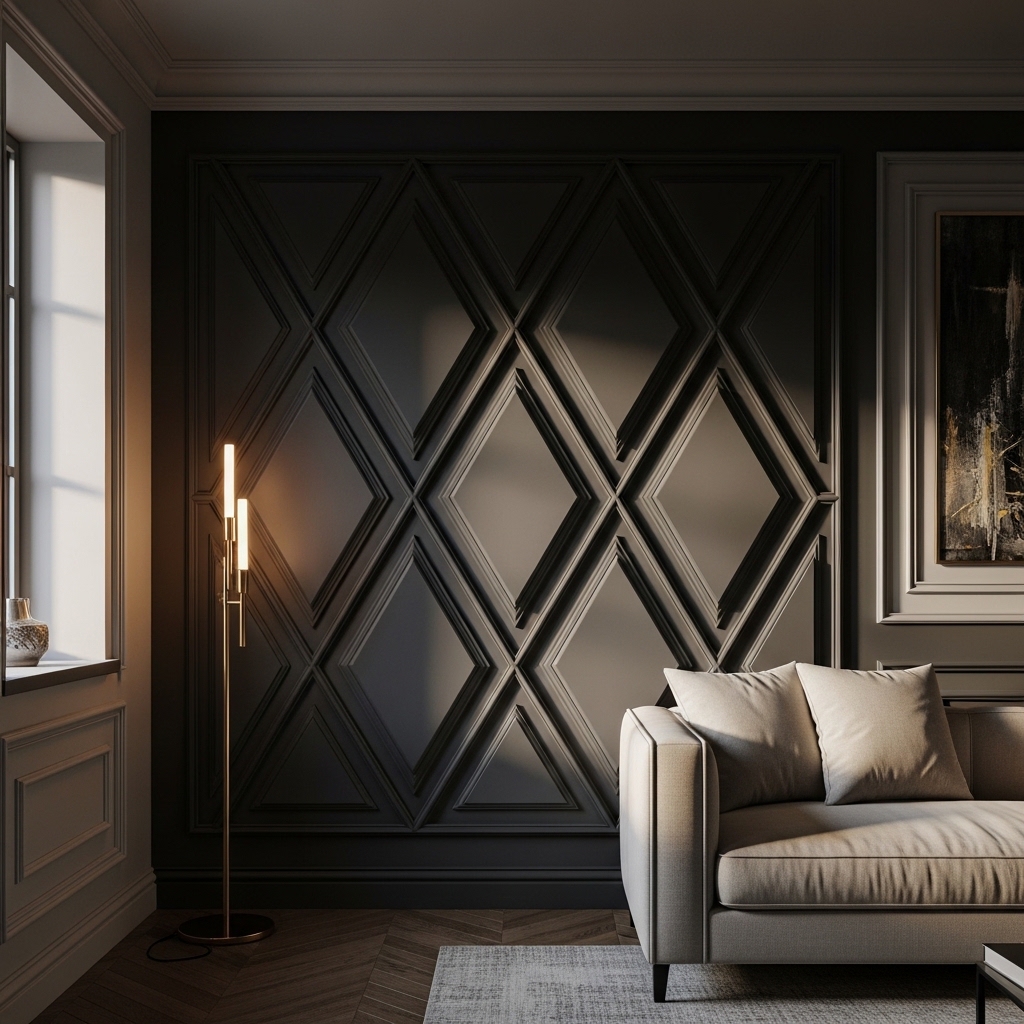
Diamond pattern paneling creates a grid of diamonds across the wall. It is bold, graphic, and works in modern and traditional rooms.
Use thin wood strips to create the diamonds. The diamonds should be twice as wide as they are tall. Paint the wall and the strips the same color.
Pro Tip: Use a laser level to map the diamonds. Accuracy is essential.
Mistake to Avoid: Do not use diamonds that are too small. Twelve to 18 inches wide is ideal.
9. Reclaimed Wood Planks for Rustic Texture
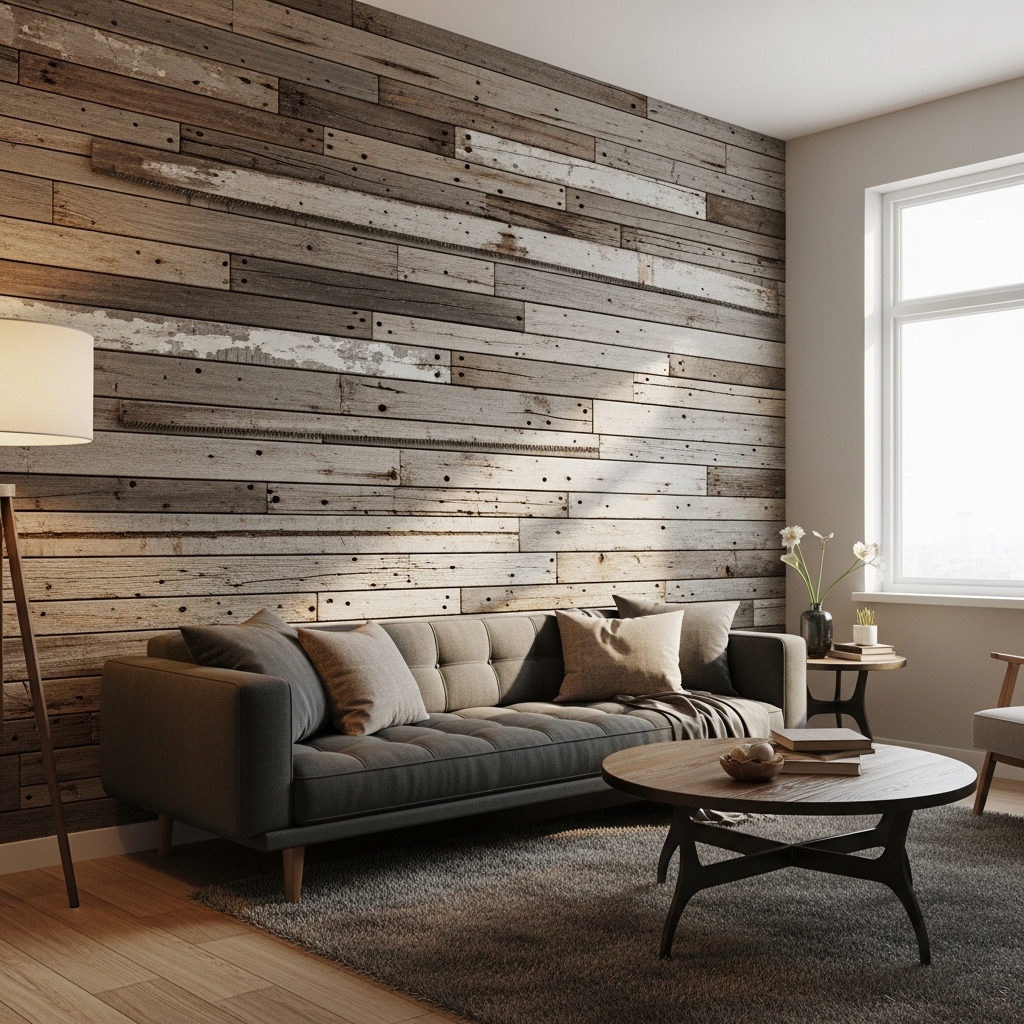
Reclaimed wood has age, character, and imperfections. Each plank tells a story. The variation in color and texture is the beauty.
Install planks horizontally, vertically, or diagonally. Leave the wood unfinished or seal it with matte polyurethane.
Pro Tip: Source reclaimed wood from architectural salvage yards. The wood has better character than new “distressed” wood.
Mistake to Avoid: Do not use reclaimed wood in a small room. The texture can feel overwhelming.
10. Fluted Panels for Subtle Texture
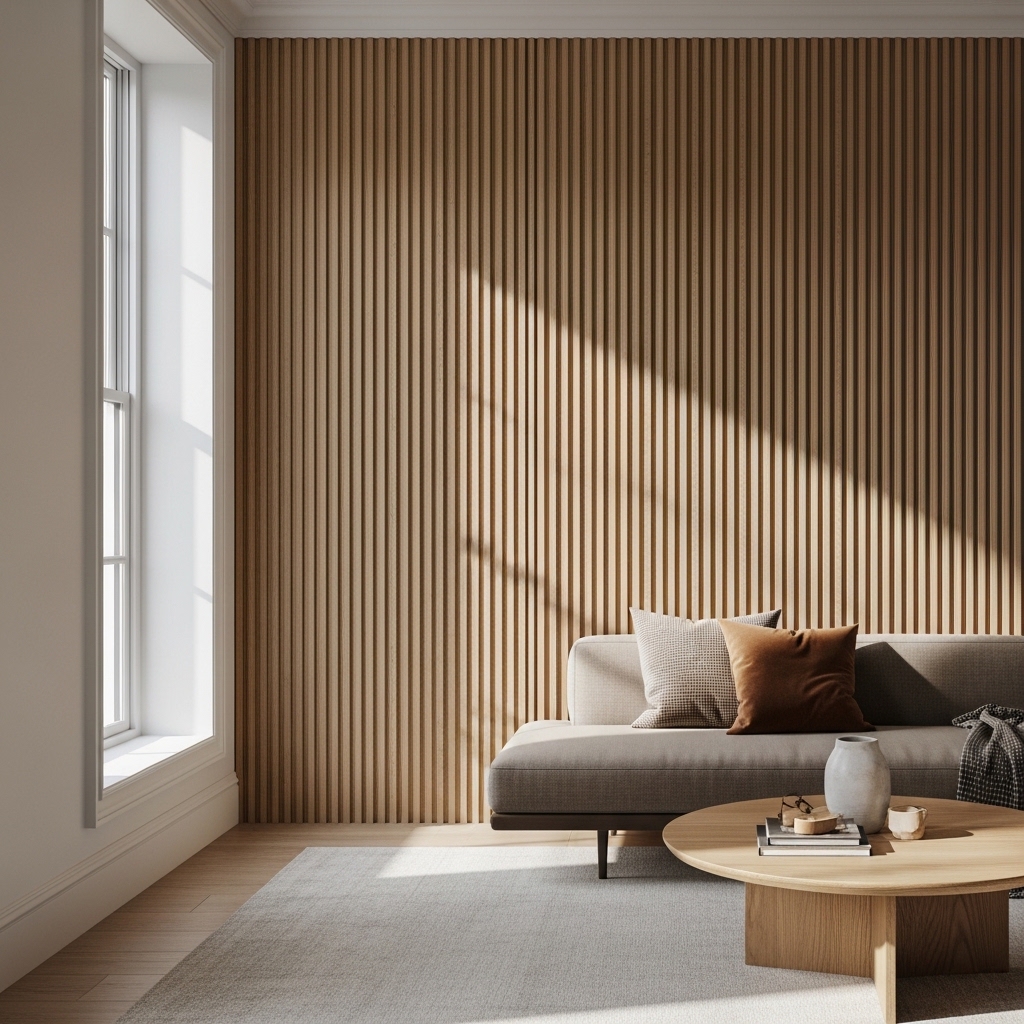
Fluted panels have vertical grooves cut into the surface. The grooves are shallow (1/4 inch to 1/2 inch deep). The effect is subtle but rich.
Install fluted panels on one wall behind a bed, sofa, or console. Paint them the same color as the wall for a tonal look.
Pro Tip: Use fluted panels in a hallway. The vertical lines make narrow spaces feel taller.
Mistake to Avoid: Do not use fluted panels on all four walls. One accent wall is enough.
11. Horizontal Planks for Wide Rooms
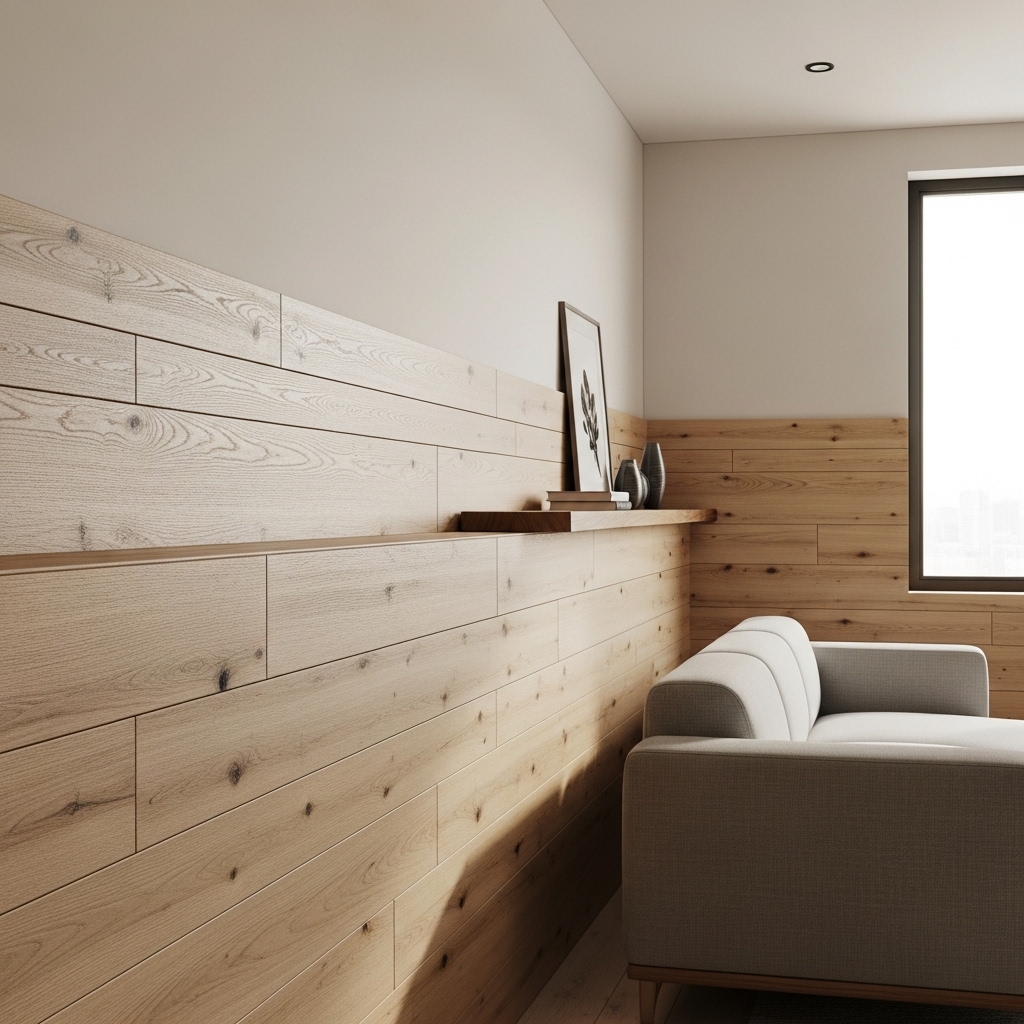
Horizontal planks make a room feel wider. They draw the eye sideways instead of up. Use them in long, narrow rooms to correct the proportions.
Install planks horizontally across one wall or all walls. Paint them a light color to reflect light.
Pro Tip: Use wider planks (6-8 inches) for a modern look. Narrower planks (4 inches) feel more traditional.
Mistake to Avoid: Do not use horizontal planks in a room with low ceilings. Horizontal lines make ceilings feel lower.
12. Leather or Fabric Upholstered Panels
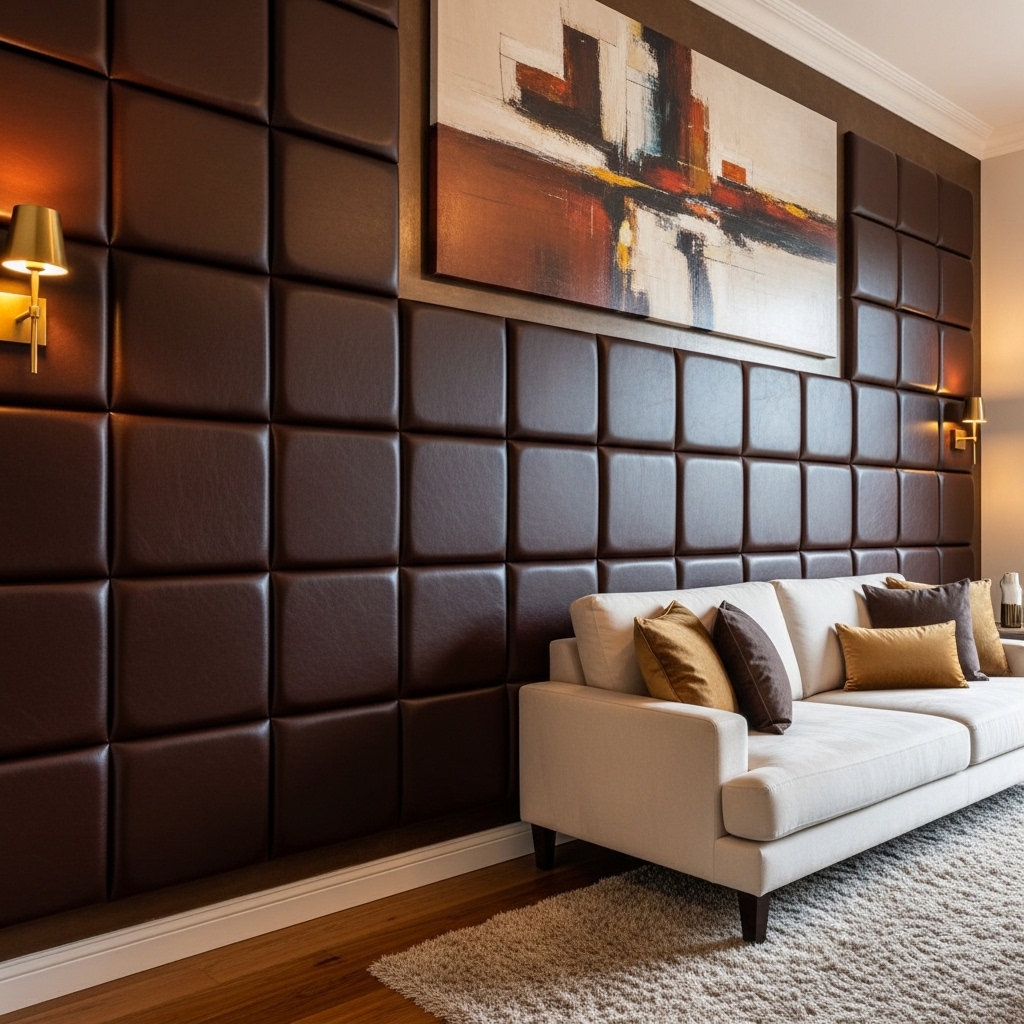
Soft panels add warmth and absorb sound. They are perfect for home theaters, bedrooms, and reading nooks.
Wrap plywood panels in leather, velvet, or wool. Mount them directly to the wall. The seams between panels become part of the design.
Pro Tip: Use acoustic felt behind the fabric. The panels will improve room sound significantly.
Mistake to Avoid: Do not use light-colored fabric in high-traffic areas. Dark colors hide dirt better.
13. Two-Tone Paneling for Visual Contrast
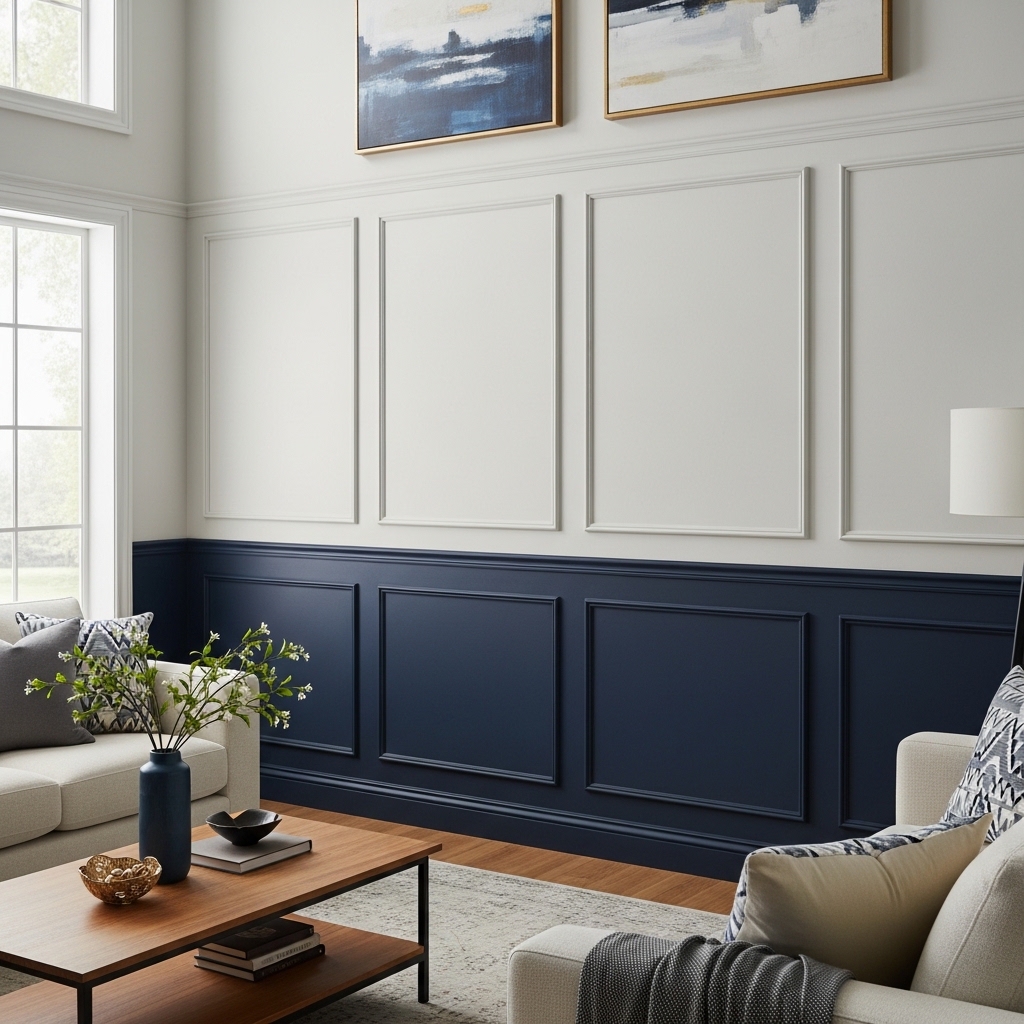
Paint the lower portion of the wall one color and the upper portion another. The paneling creates the division.
Install board and batten or wainscoting on the lower half. Paint the lower half a darker color. Paint the upper half a lighter color.
Pro Tip: Use the darker color on the bottom. Dark colors ground the room. Light colors lift the ceiling.
Mistake to Avoid: Do not use two bright colors. One neutral and one accent works best.
14. Curved Paneling for Softness
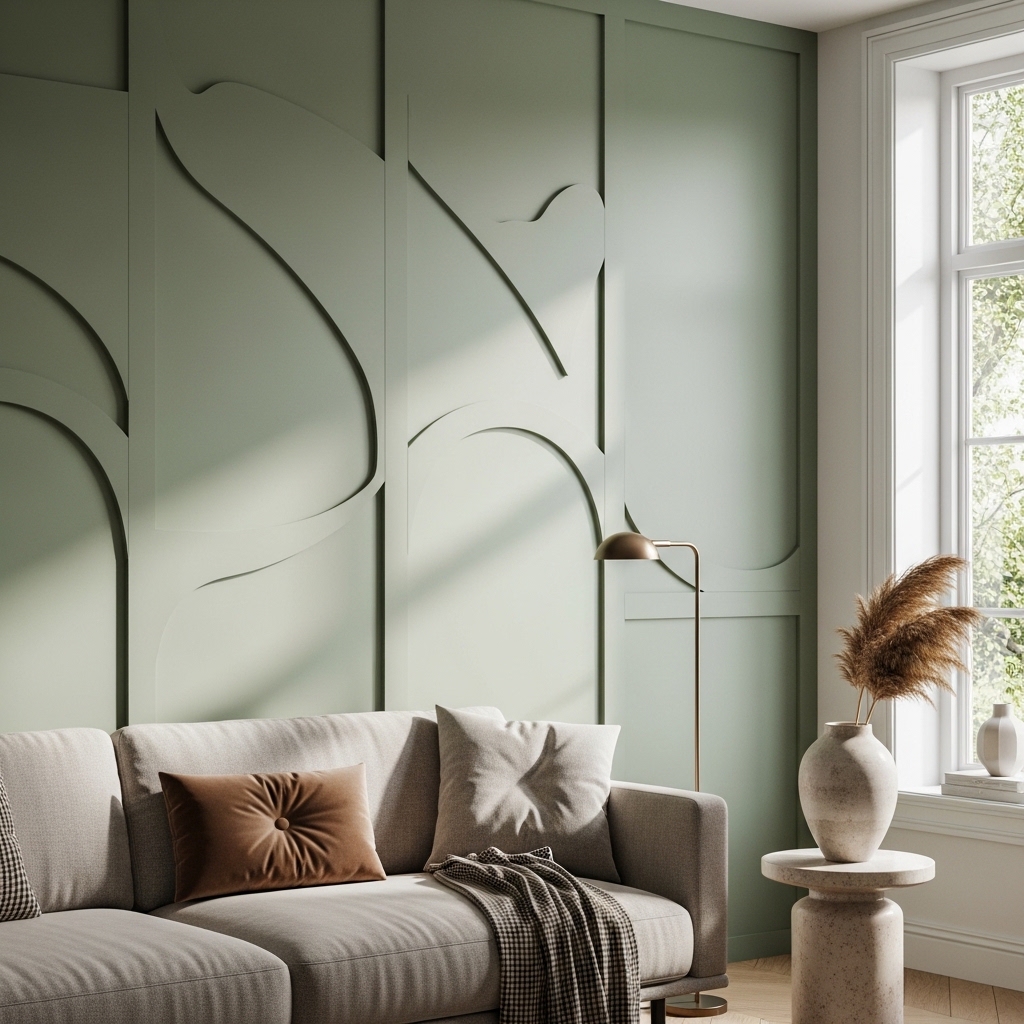
Straight lines are expected. Curved panels are unexpected. The curves add softness to rooms with many hard surfaces.
Use flexible plywood or MDF to create curved panels. Install them on one wall or as a headboard shape behind the bed.
Pro Tip: Create a template from cardboard before cutting the wood. Curves are difficult to adjust.
Mistake to Avoid: Do not use curved panels in a small room. The curves can feel busy.
15. Metal Panels for Industrial Edge
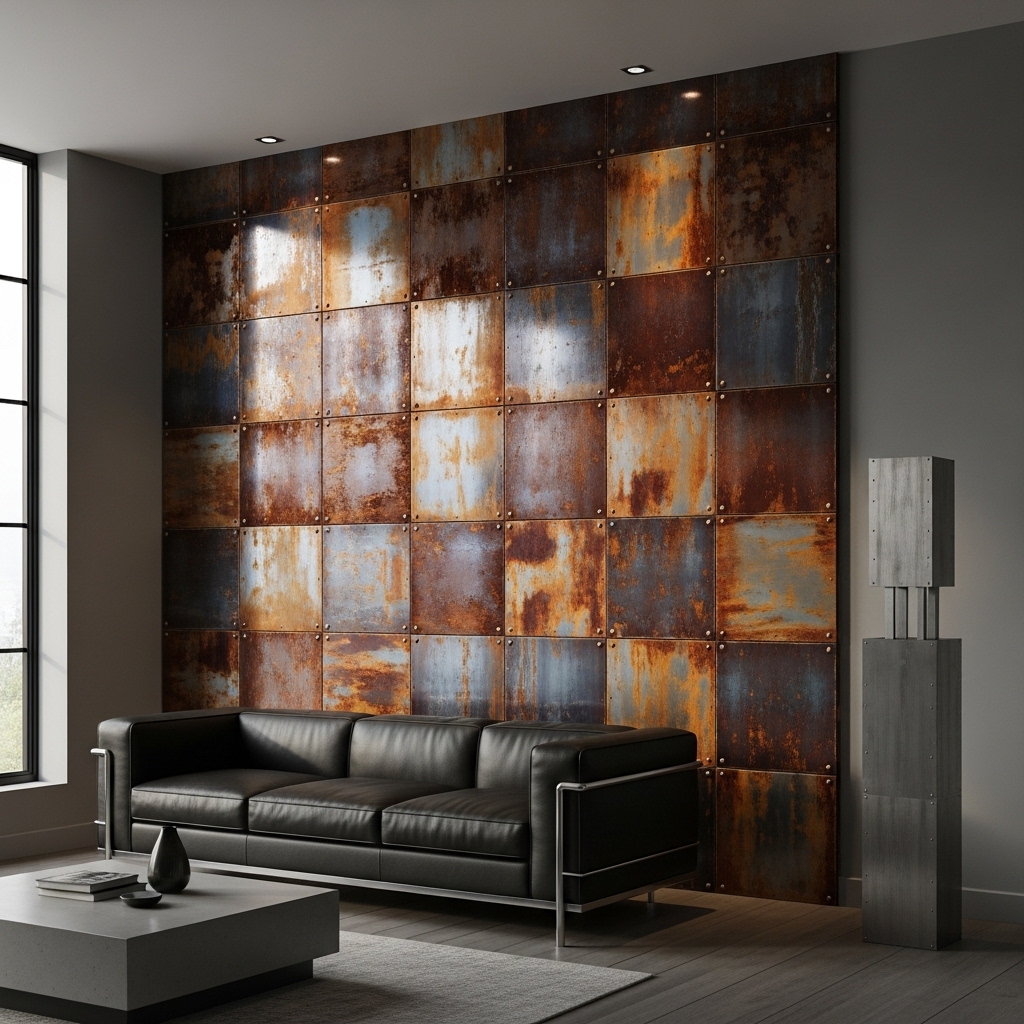
Metal panels add shine, durability, and industrial character. They are perfect for kitchens, entryways, and modern lofts.
Use aluminum, copper, or zinc panels. Install them vertically or in a herringbone pattern. Leave the metal unfinished or seal it.
Pro Tip: Use copper panels in a kitchen backsplash. The copper will patina beautifully over time.
Mistake to Avoid: Do not use metal panels in a bathroom. Moisture will cause corrosion.
16. Painted Panel Molding for Color Blocking
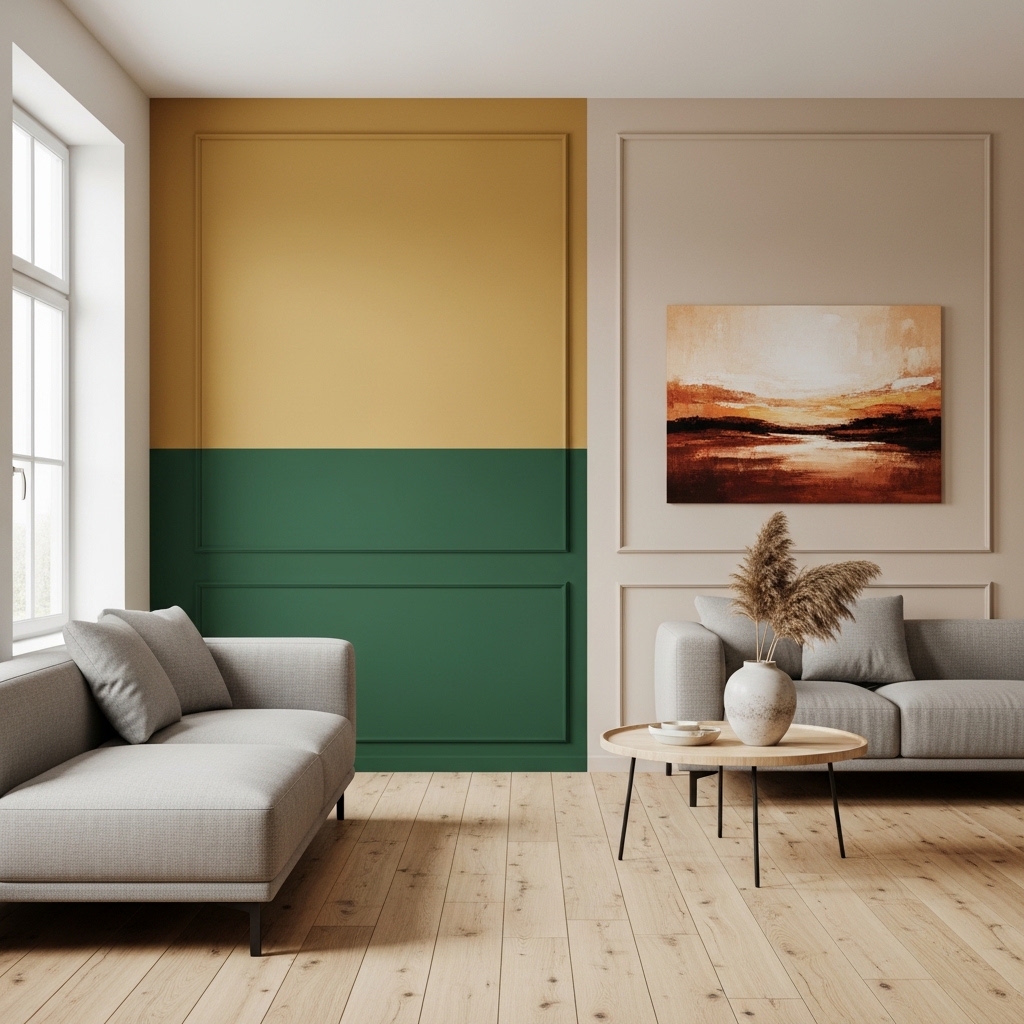
Panel molding creates frames on the wall. Painting each frame a different color creates a color-blocked effect.
Install picture frame molding in a grid. Paint each rectangle a different shade of the same color family. The effect is subtle but sophisticated.
Pro Tip: Use a monochromatic palette. Light blue, medium blue, and dark blue work together.
Mistake to Avoid: Do not use contrasting colors. The effect will feel chaotic, not calm.
17. Cane Webbing Panels for Boho Texture
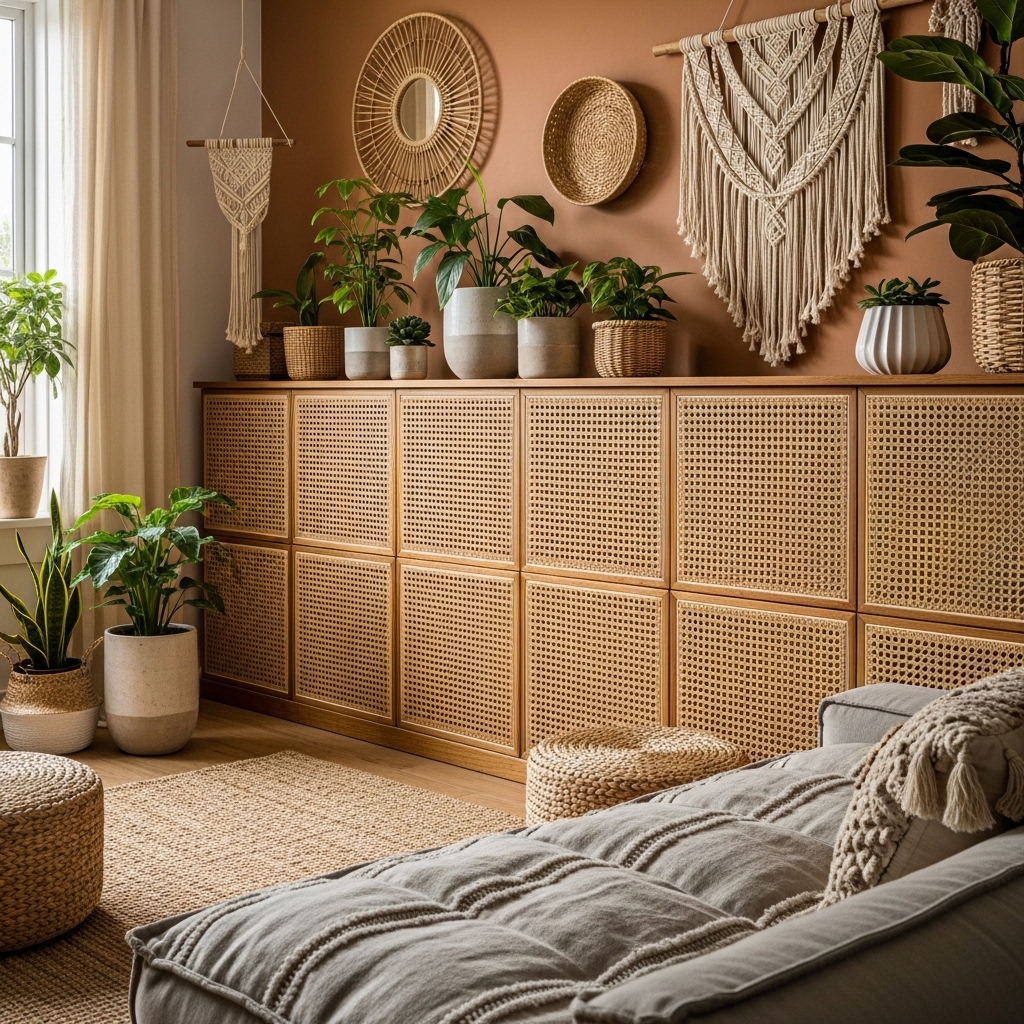
Cane webbing is lightweight, textured, and adds a boho touch to any room. It is perfect for cabinet fronts or as wall panels.
Stretch cane webbing over a plywood frame. Staple it in place. Mount the panel to the wall. The webbing allows light to pass through.
Pro Tip: Use cane webbing on closet doors. The webbing adds texture without blocking light.
Mistake to Avoid: Do not use cane webbing in a bathroom. Humidity will warp the natural fibers.
18. Plaster or Stucco Finish for Old World Charm
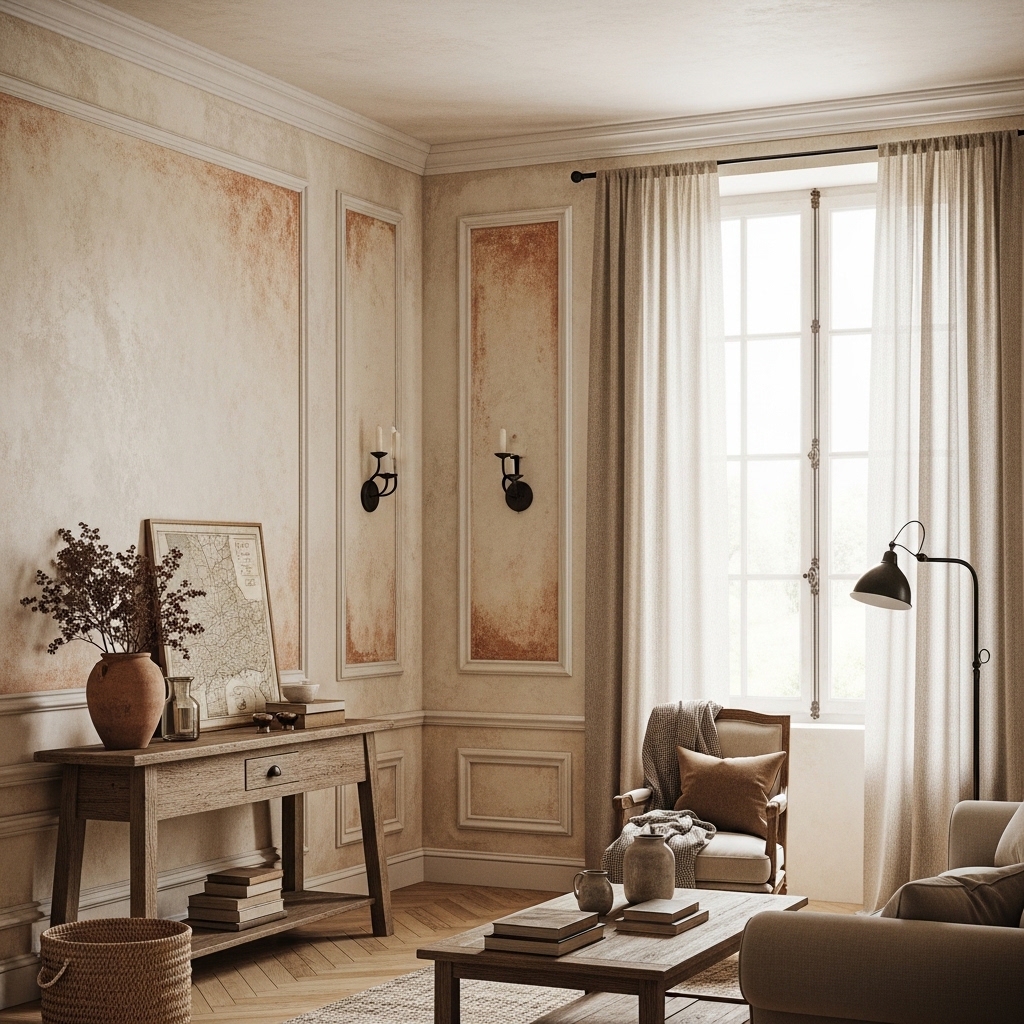
Plaster adds depth and imperfection that drywall cannot match. The subtle variations in texture are the beauty.
Apply plaster over existing drywall. Or use a plaster-look paint. The finish should be uneven and organic.
Pro Tip: Use Venetian plaster for a polished, marble-like finish. It is expensive but stunning.
Mistake to Avoid: Do not attempt Venetian plaster without practice. Hire a professional for best results.
19. Herringbone Wood Panels for Movement
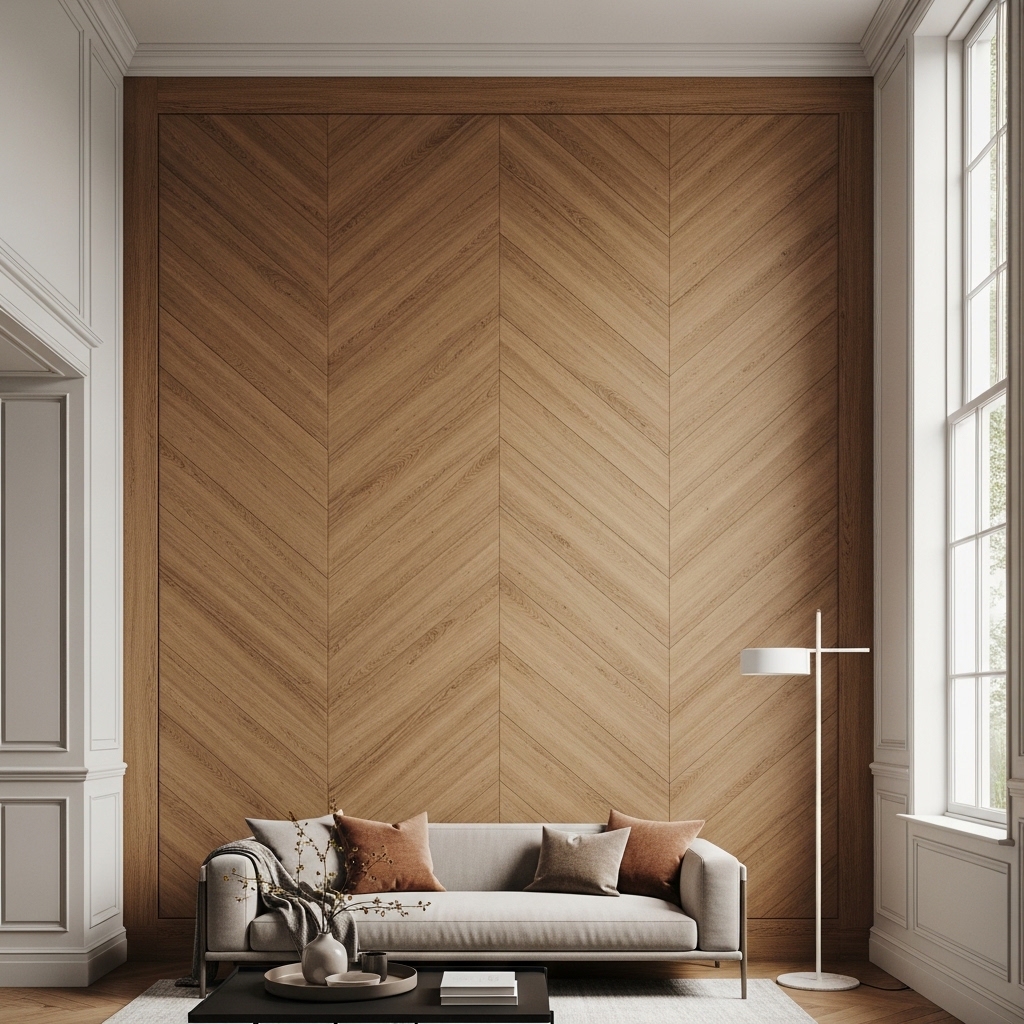
Herringbone pattern adds movement and energy to walls. The zigzag pattern draws the eye across the room.
Install thin wood planks in a herringbone pattern. Use a light wood for a modern look or a dark wood for traditional.
Pro Tip: Use pre-made herringbone panels. Installing individual planks is time-consuming and difficult.
Mistake to Avoid: Do not use herringbone on all four walls. One accent wall is enough.
20. One Wall Only for Maximum Impact
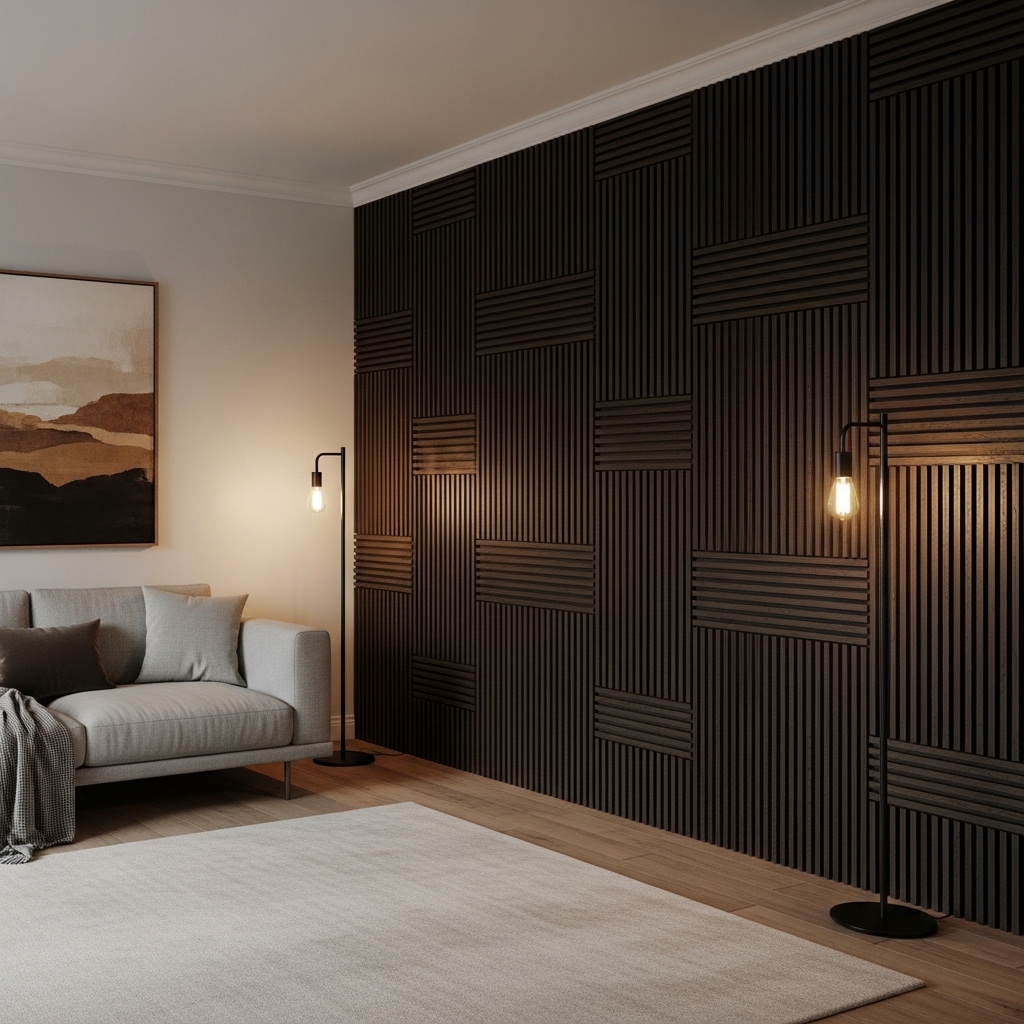
The most important rule of wall paneling is restraint. One paneled wall is a feature. Four paneled walls is a sauna.
Choose the wall that naturally draws attention. The wall behind the bed. The wall behind the sofa. The wall with the fireplace. Panel that wall. Leave the others smooth.
Pro Tip: Use a different paneling style on the accent wall than you would use on all walls. Be bold.
Mistake to Avoid: Do not panel every wall in a small room. The room will feel like a box.
Frequently Asked Questions
What is the easiest wall paneling for a beginner?
Board and batten. The materials are inexpensive. The cuts are straight. The installation requires only a saw, level, and nail gun. A beginner can finish a wall in a weekend.
Can I install wall paneling in a rental?
Yes, if you use removable panels or temporary methods. Some companies make peel-and-stick paneling that removes cleanly. Or build freestanding panels that lean against the wall.
What is the best wall paneling for a small room?
Vertical paneling. Board and batten. Shiplap. Slat walls. The vertical lines draw the eye upward, making the ceiling feel higher.
How do I choose between painted paneling and natural wood?
Painted paneling feels cleaner and more modern. Natural wood feels warmer and more traditional. Choose based on your room’s existing finishes. White painted paneling works with anything.
Conclusion
Wall paneling transforms flat drywall into architectural features. It adds depth, texture, and character. It makes a room feel custom and intentional.
Board and batten for traditional charm. Shiplap for farmhouse appeal. Slat walls for modern interiors. Picture frame molding for elegance. Beadboard for cottages. Geometric panels for statements. One wall only for maximum impact.
Start with one wall. Choose a style that fits your room. Install the panels. Paint them a color you love. The room will feel richer, quieter, and more designed.