20 Accent Wall Ideas That Transform Any Room With Depth, Contrast, and Modern Style
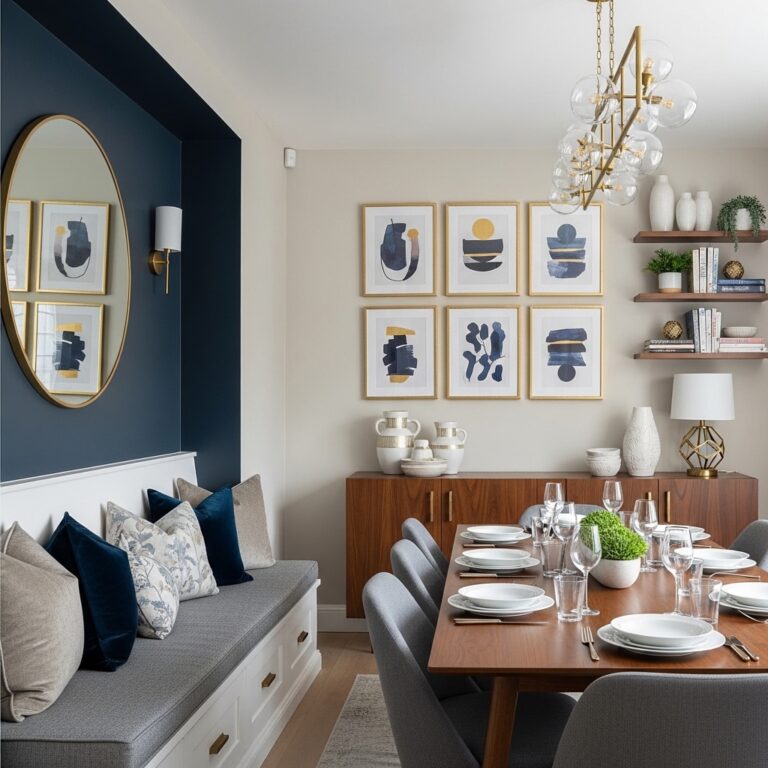
Accent walls are one of the most effective design tools for transforming a room without changing its entire structure. A single wall can redefine mood, highlight furniture, and create a focal point that feels intentional and balanced when designed correctly.
The key to a successful accent wall is not just choosing a color or material, but understanding scale, placement, texture, and visual flow within the room. Every idea below is designed to be practical, real-home usable, and adaptable for different interior styles.
1. Deep Neutral Painted Accent Wall
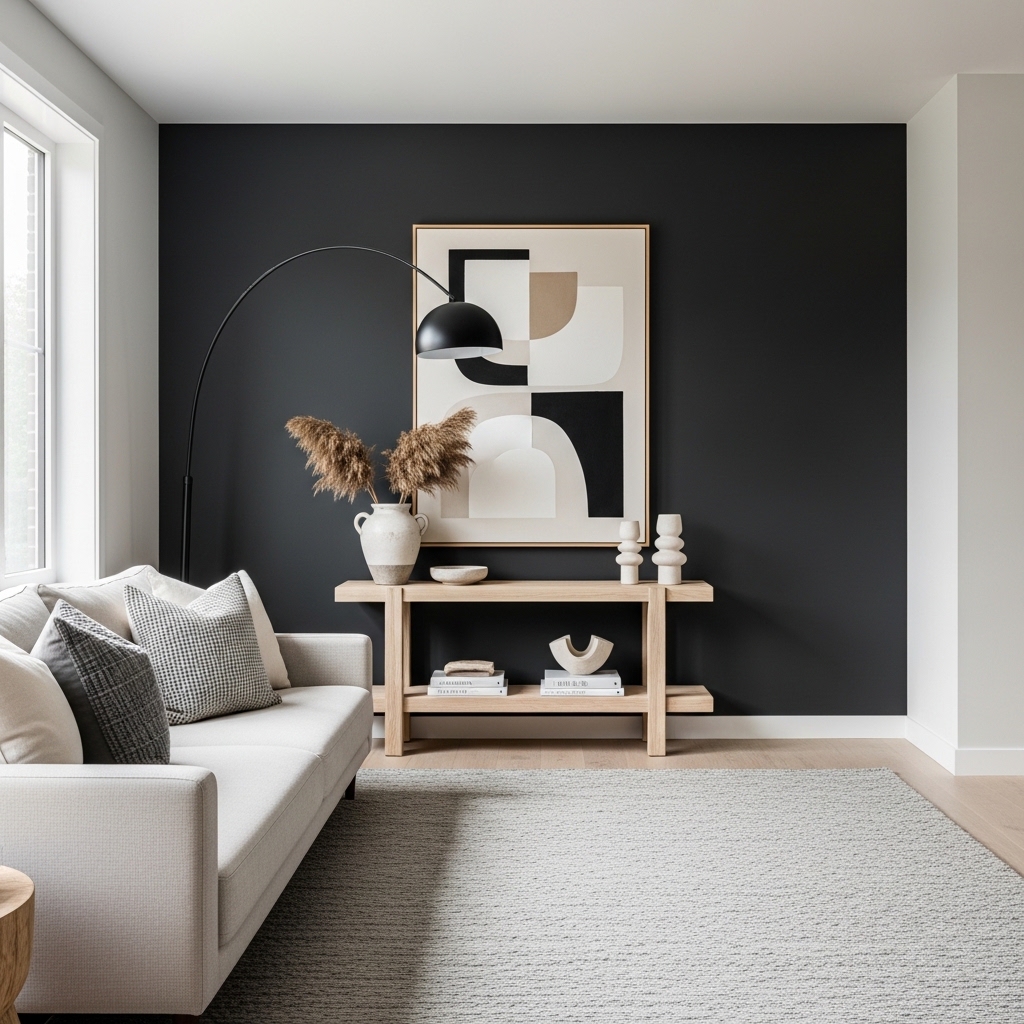
Choose a deep neutral tone like taupe, warm gray, or muted charcoal and apply it to the main focal wall, usually behind a bed or sofa. The surrounding walls should remain lighter so the accent creates contrast without overwhelming the room. Furniture placement should align with this wall to maintain balance and visual grounding.
This works because neutral dark tones add depth without visual chaos, making the room feel more structured and calm. Unlike bright colors, they remain timeless and easier to pair with changing decor styles. Many people make the mistake of selecting overly bold colors that overpower small or medium spaces.
Pro Tip: Always test paint under both daylight and artificial lighting before finalizing.
Mistake to Avoid: Don’t choose a wall that lacks natural focal importance in the room layout.
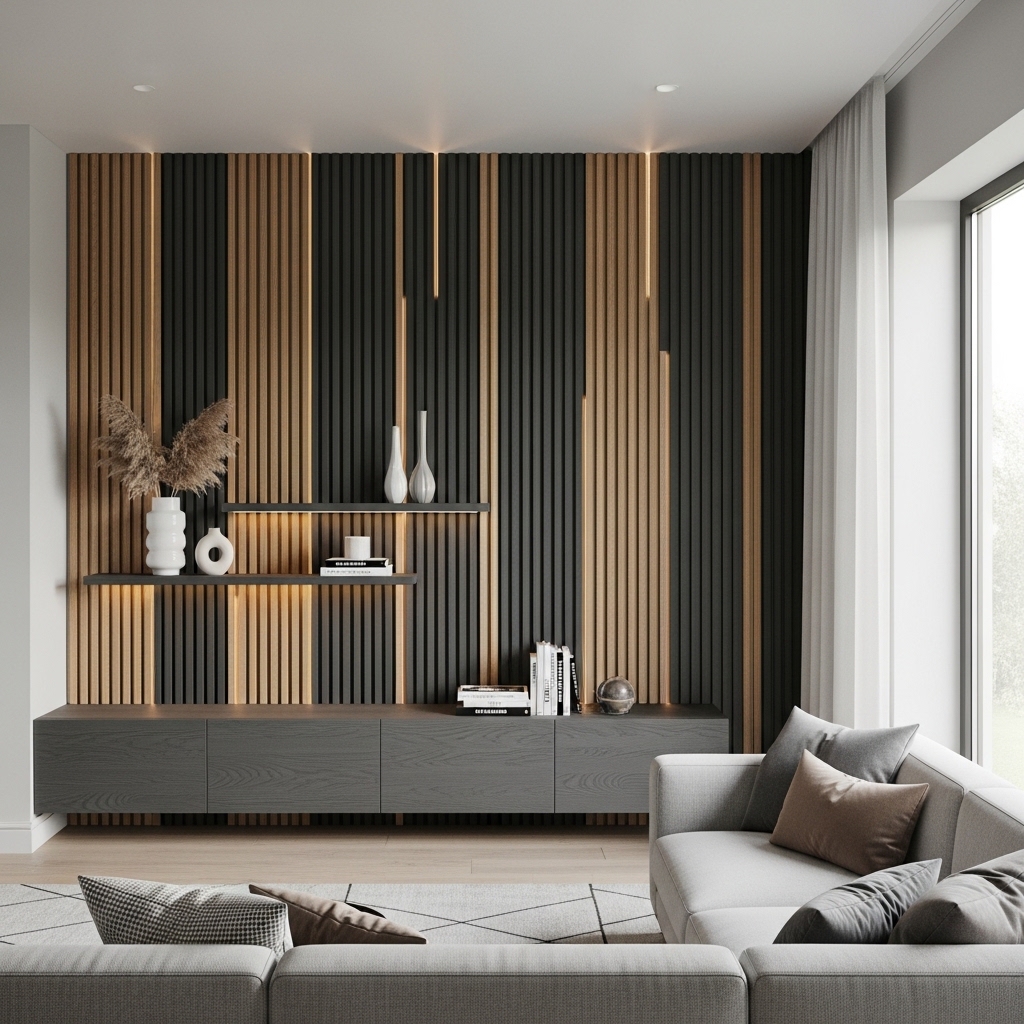
2. Vertical Wood Slat Accent Wall
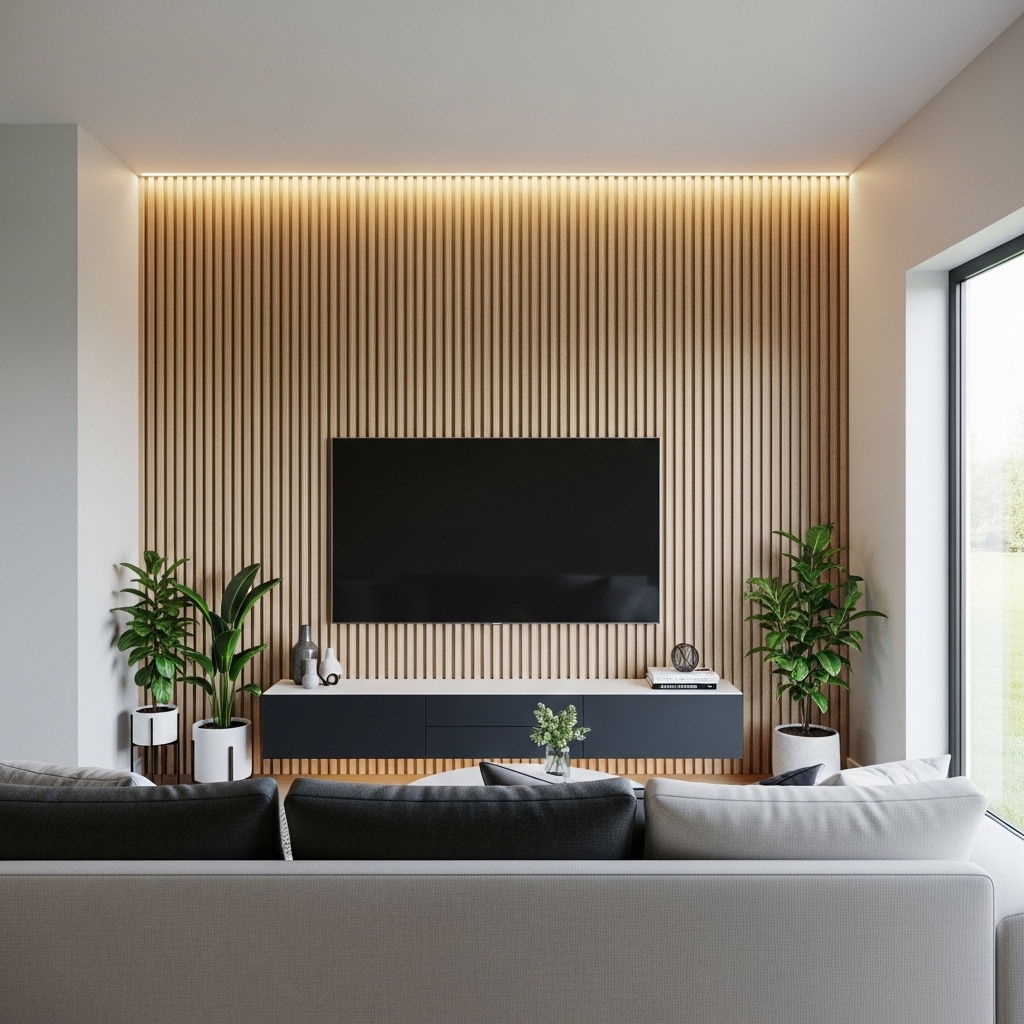
Install evenly spaced vertical wooden slats on a feature wall, typically behind the bed, sofa, or TV unit. Choose light oak for soft modern interiors or darker walnut for dramatic contrast. Maintain consistent spacing and alignment to ensure a clean architectural finish.
This works because vertical lines naturally elongate the perception of height, making rooms feel taller and more structured. The texture adds depth without relying on color changes, which makes it suitable for minimalist designs. Poor spacing or mismatched wood tones can reduce visual harmony.
Pro Tip: Use hidden mounting systems for a seamless floating effect.
Mistake to Avoid: Don’t mix multiple wood finishes in the same installation.
3. Wallpaper Accent Wall
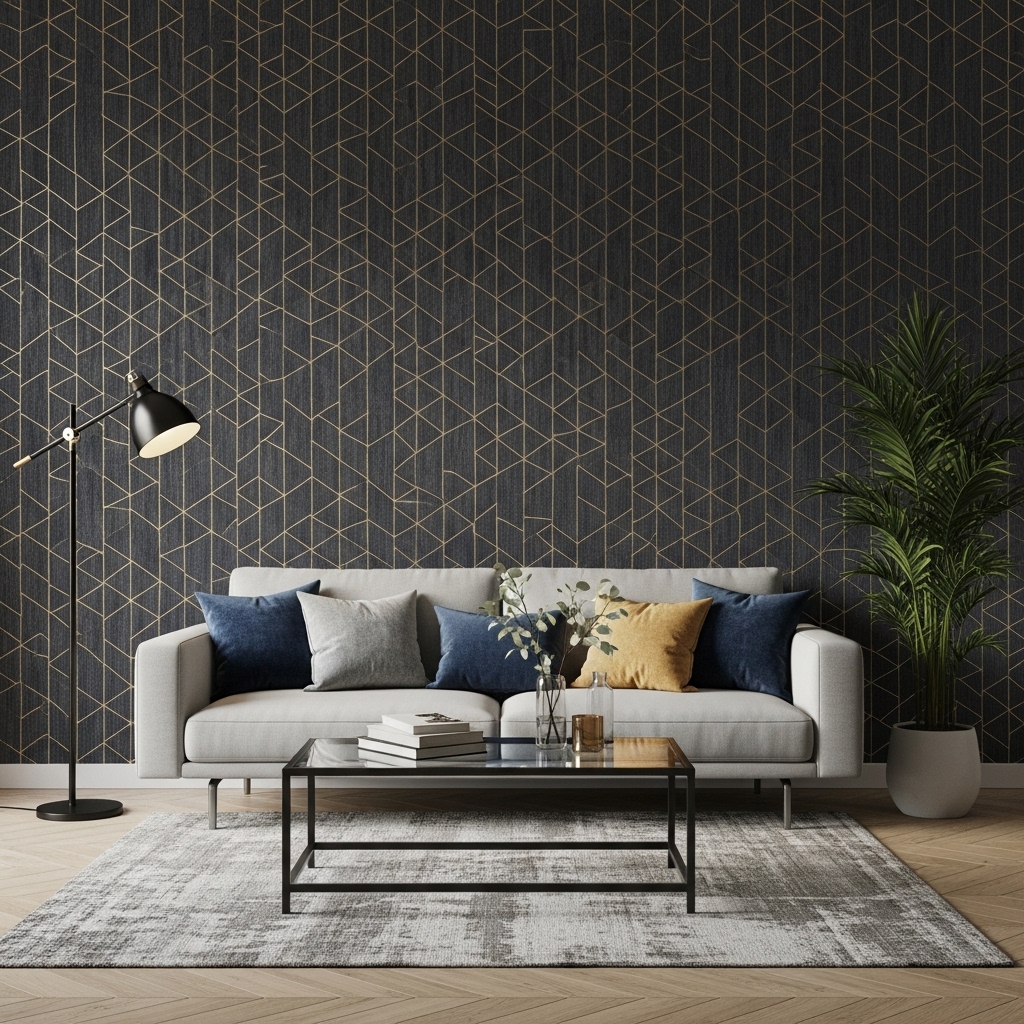
Apply wallpaper to one main wall, ideally behind key furniture like a bed or dining table. Choose subtle patterns for calm interiors or bold prints for statement rooms, but keep surrounding walls neutral. Ensure the pattern scale matches the room size to avoid visual imbalance.
This works because wallpaper introduces texture, pattern, and personality instantly without requiring additional decor. It creates a strong focal point while keeping the rest of the room visually clean. Overuse or mixing patterns leads to visual clutter and reduces impact.
Pro Tip: Peel-and-stick wallpaper is ideal for renters and easy updates.
Mistake to Avoid: Don’t apply wallpaper on multiple walls in small rooms.
4. Half-Painted Accent Wall
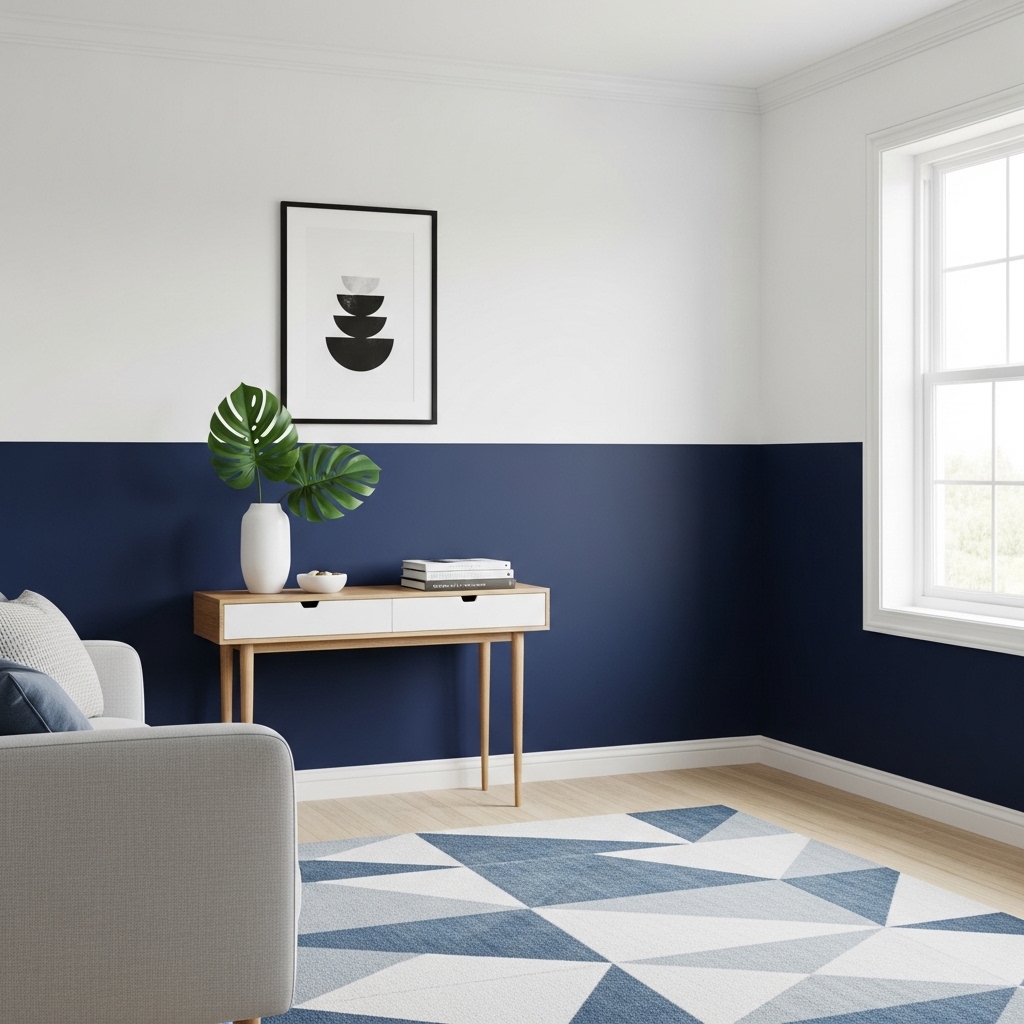
Paint either the lower or upper half of a wall in a contrasting color while keeping the rest neutral. Align the division line with furniture height or architectural features to maintain proportion and flow. Keep edges sharp and intentional for a modern finish.
This works because partial color application creates subtle contrast without overwhelming the space. It adds visual interest while maintaining openness, making it ideal for small rooms or budget updates. Random placement weakens its design effectiveness.
Pro Tip: Use painter’s tape and a level tool for clean separation lines.
Mistake to Avoid: Don’t split the wall without alignment reference points.
5. Stone Texture Accent Wall
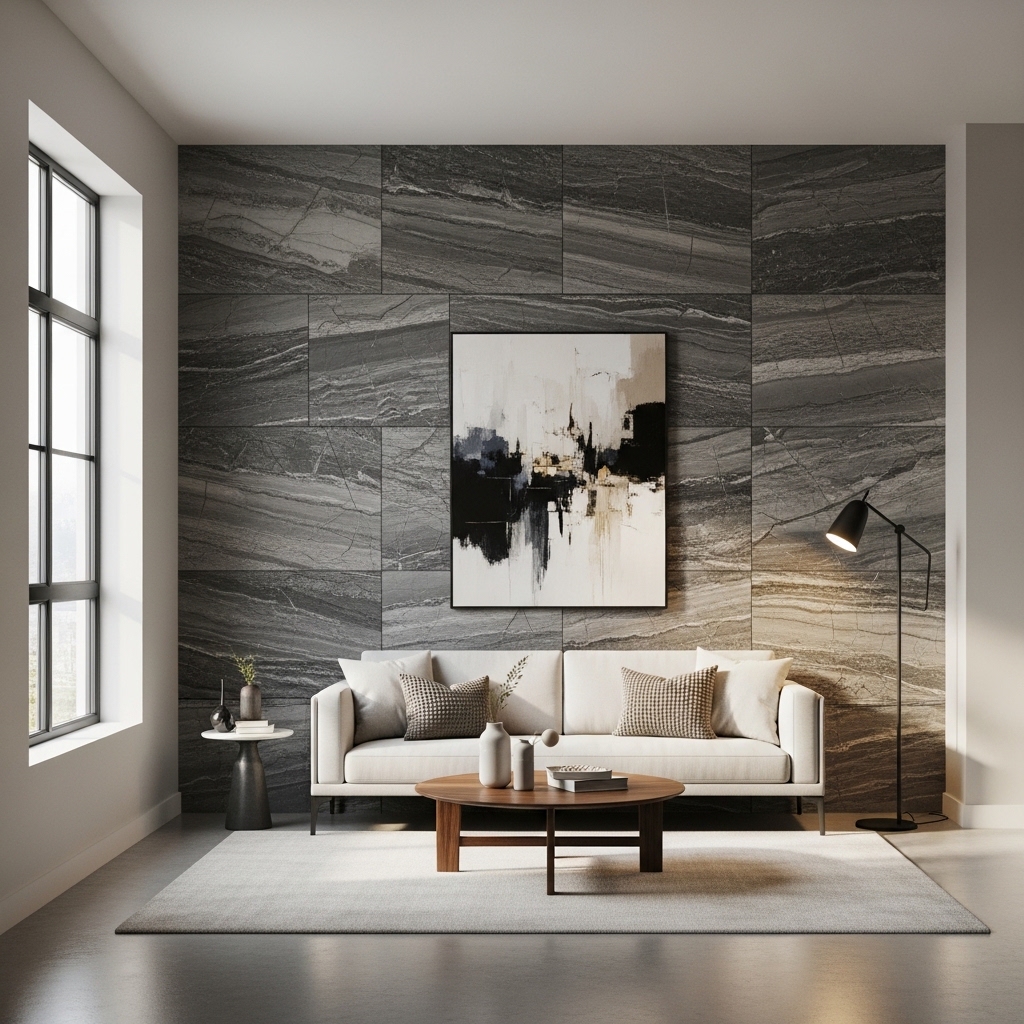
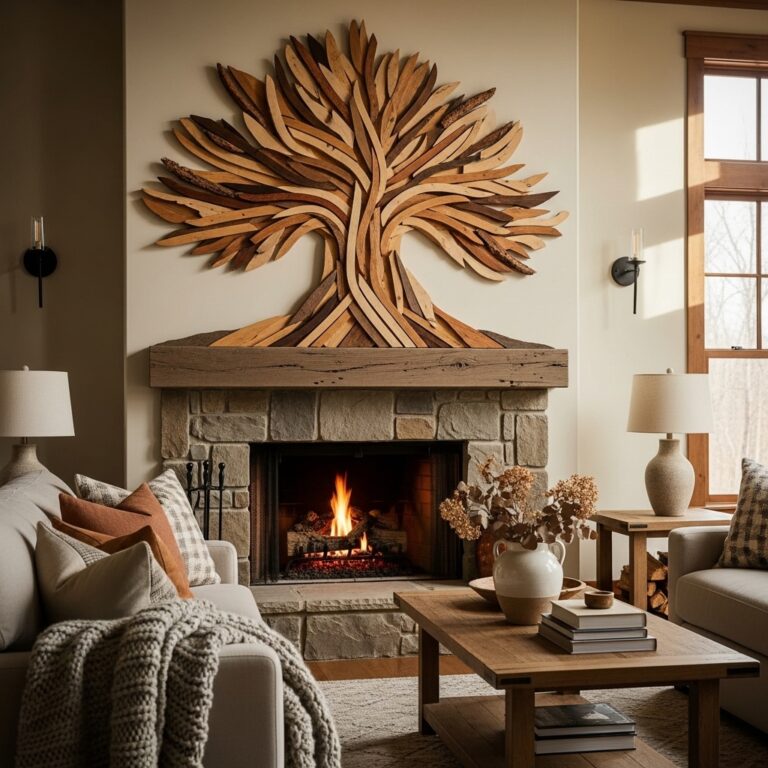
Install stone or faux-stone panels on a primary wall, often behind fireplaces or seating areas. Keep surrounding decor minimal so the texture becomes the main focus. Choose neutral stone tones for versatility across different styles.
This works because natural materials add permanence, depth, and organic character to interiors. It creates a strong architectural feel without requiring additional decor elements. Too many competing textures nearby can reduce its visual strength.
Pro Tip: Use warm lighting to highlight stone texture depth.
Mistake to Avoid: Don’t combine with multiple heavy textures in the same space.
6. Board and Batten Accent Wall
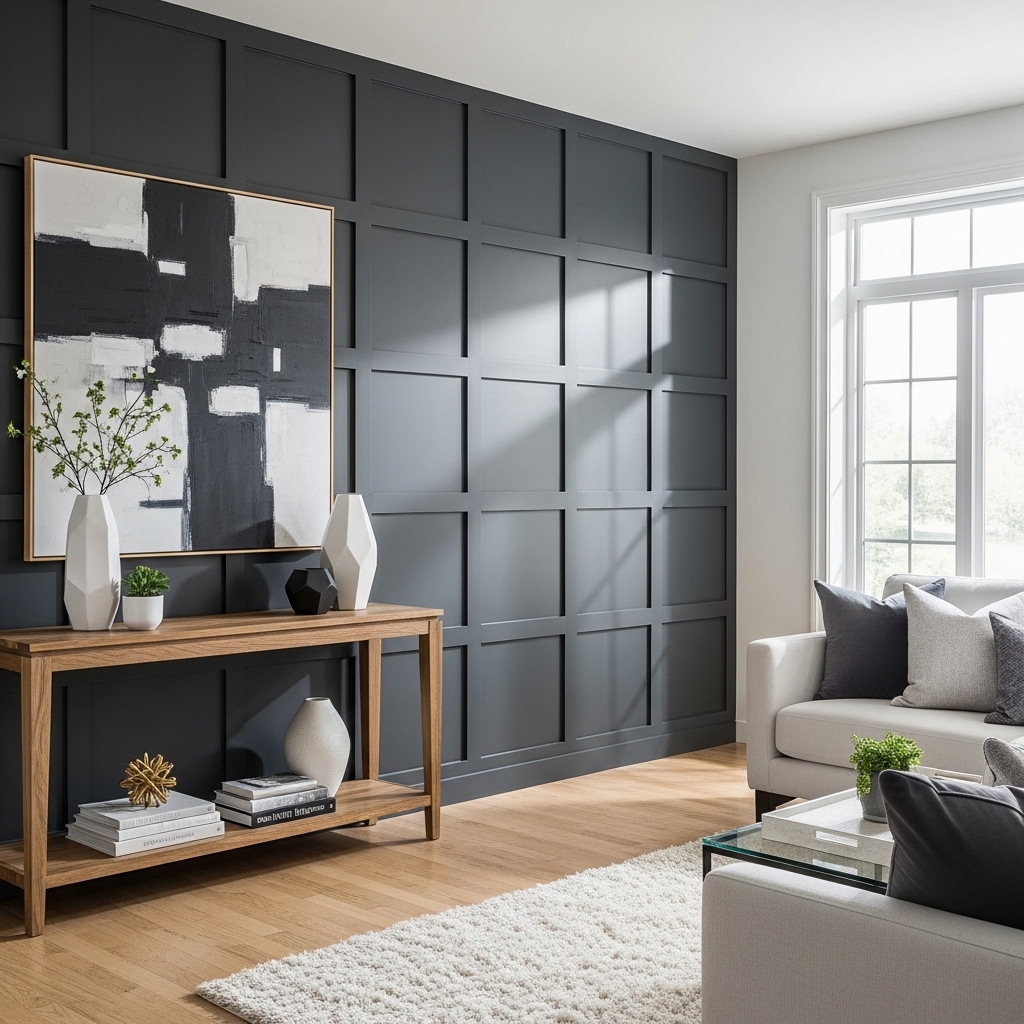
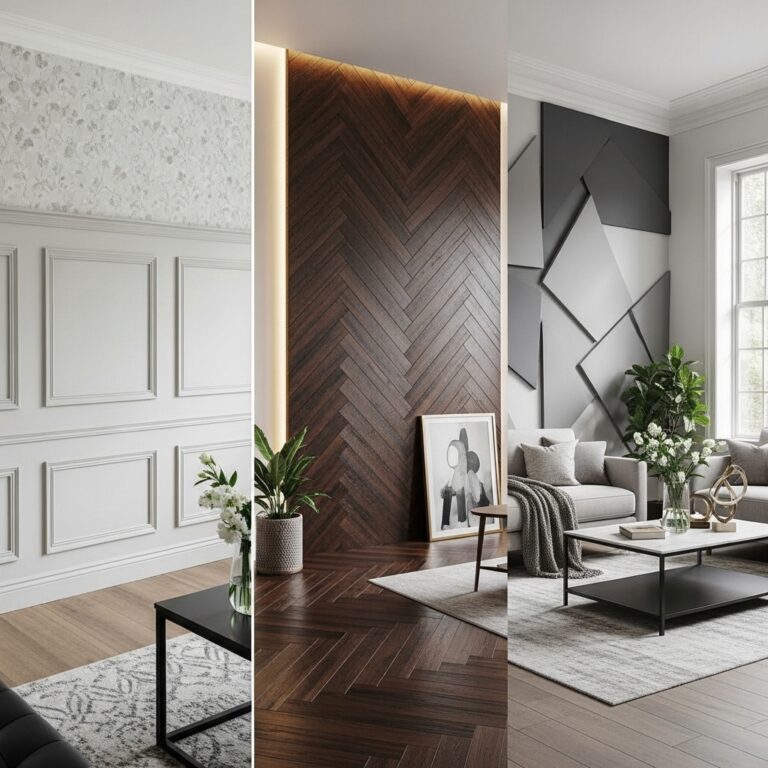
Install vertical and horizontal trim to form structured rectangular or square patterns. Paint the entire wall in one unified color for a clean and cohesive finish. Ensure equal spacing between all panels for a professional look.
This works because it adds architectural interest without introducing new colors or materials. It enhances structure and elegance in both modern and traditional interiors. Irregular spacing disrupts the visual flow.
Pro Tip: Use a laser level for perfect alignment.
Mistake to Avoid: Don’t vary panel sizes randomly.
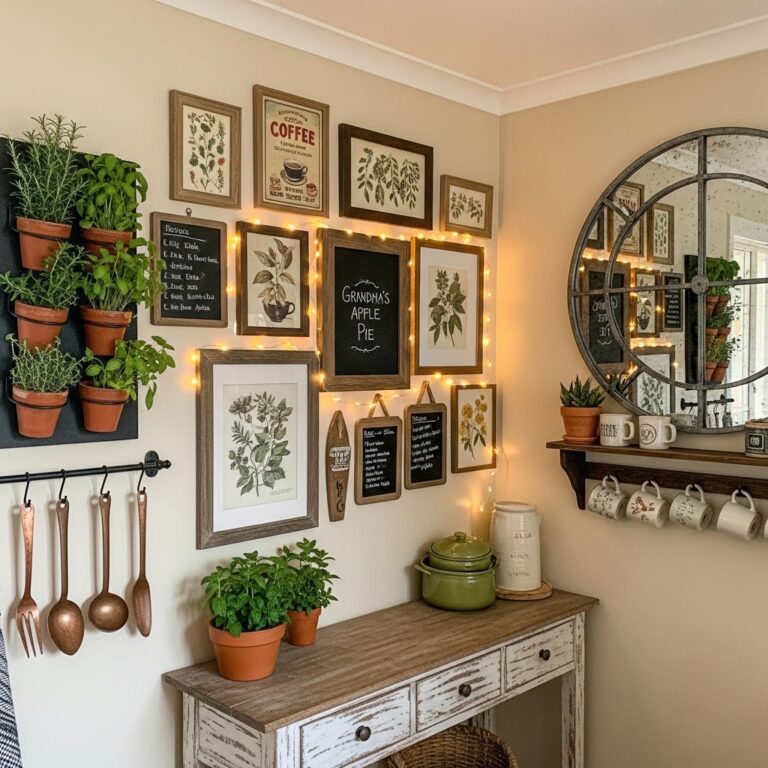
7. Gallery Wall Accent
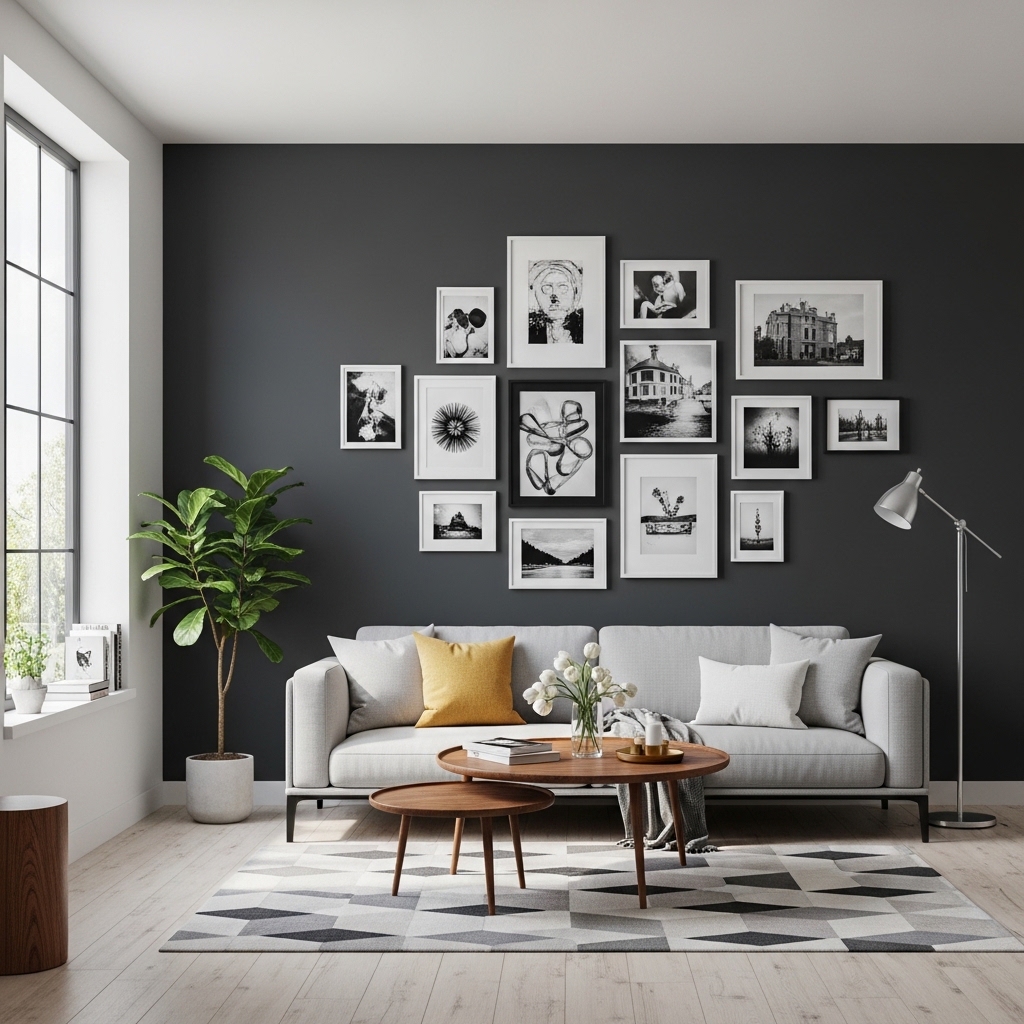
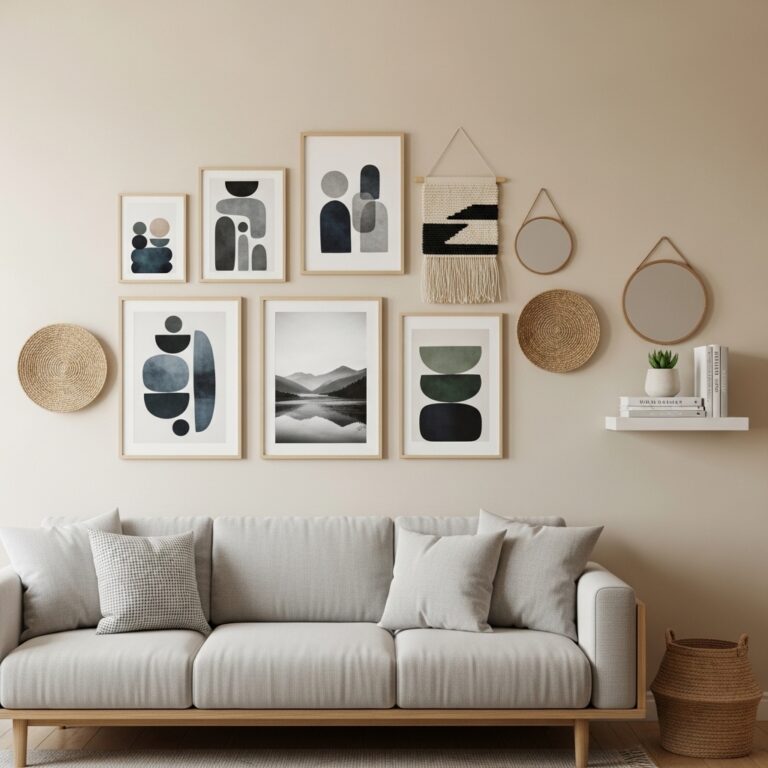
Arrange framed artwork or photographs in a cohesive layout using a consistent theme or color palette. Maintain equal spacing and balance between frames to avoid cluttered appearance. Start with a central anchor piece and build outward.
This works because repetition of tone and structure creates harmony even with multiple pieces. It personalizes the space while maintaining design order. Random placement reduces clarity and visual balance.
Pro Tip: Lay out frames on the floor before mounting.
Mistake to Avoid: Don’t mix unrelated themes or frame styles.
8. Dark TV Accent Wall
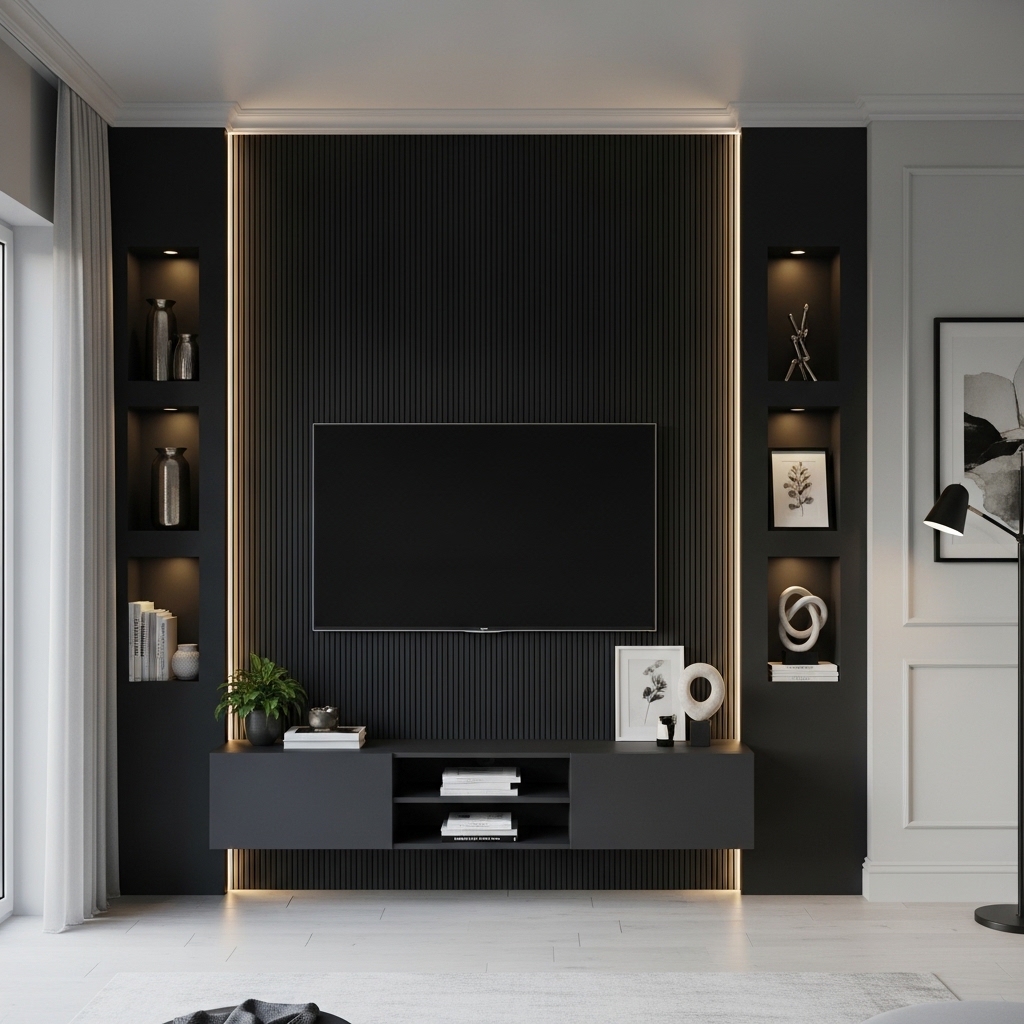
Paint the wall behind the TV in a darker shade to reduce glare and improve screen contrast. Keep other walls lighter to maintain balance in the room. Ensure cable management is clean to avoid visual distractions.
This works because darker tones absorb light and help the TV blend into the wall when not in use. It enhances viewing comfort and reduces eye strain. Glossy finishes can create unwanted reflections.
Pro Tip: Use matte paint for best viewing experience.
Mistake to Avoid: Don’t over-decorate the TV wall.
9. Fabric Panel Accent Wall
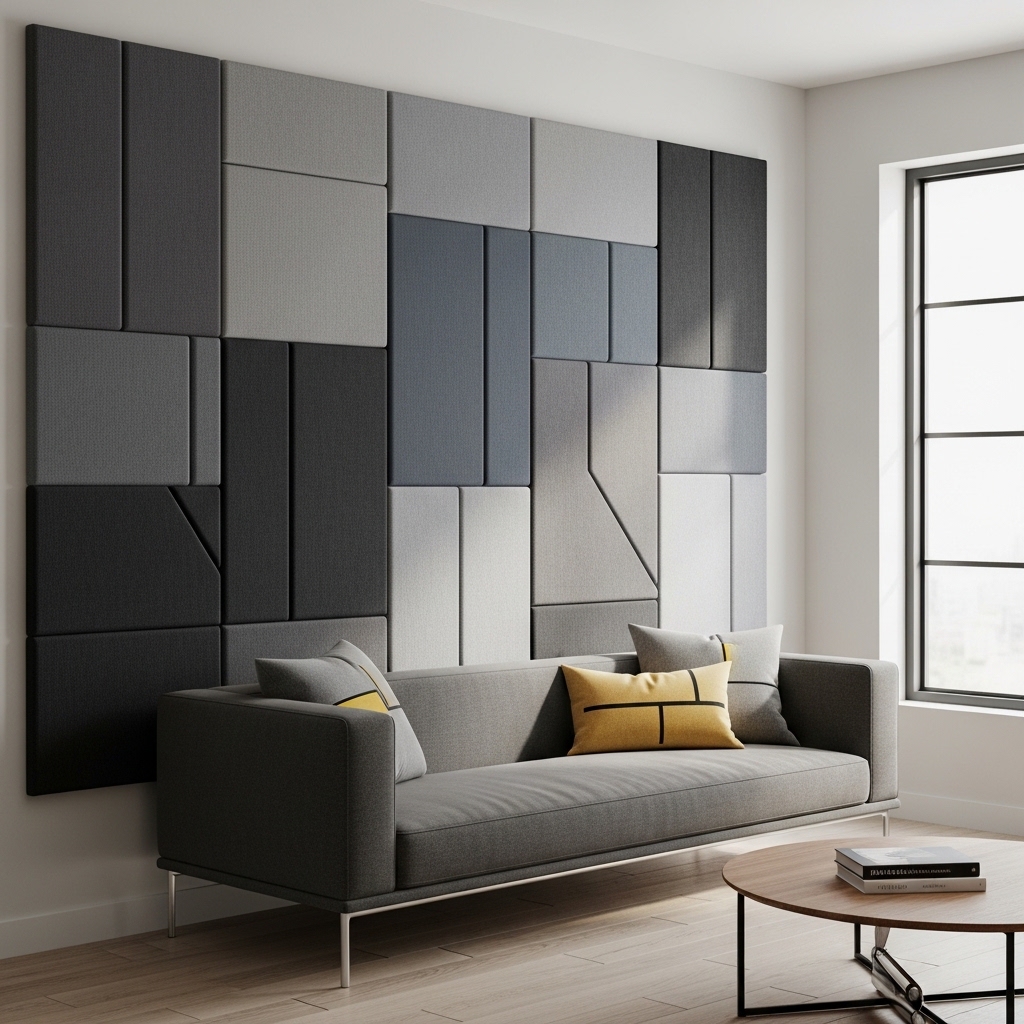
Install padded fabric panels on a main wall, often behind beds or seating areas. Choose neutral or soft-toned fabrics to maintain a calm aesthetic. Ensure panels are evenly aligned and securely mounted.
This works because fabric adds softness, comfort, and acoustic improvement to interiors. It creates a cozy environment without relying on heavy decor elements. Poor fabric choice can make the room feel outdated.
Pro Tip: Match fabric tones with bedding or curtains.
Mistake to Avoid: Don’t use overly thick or patterned fabrics.
10. Painted Arch Accent Wall
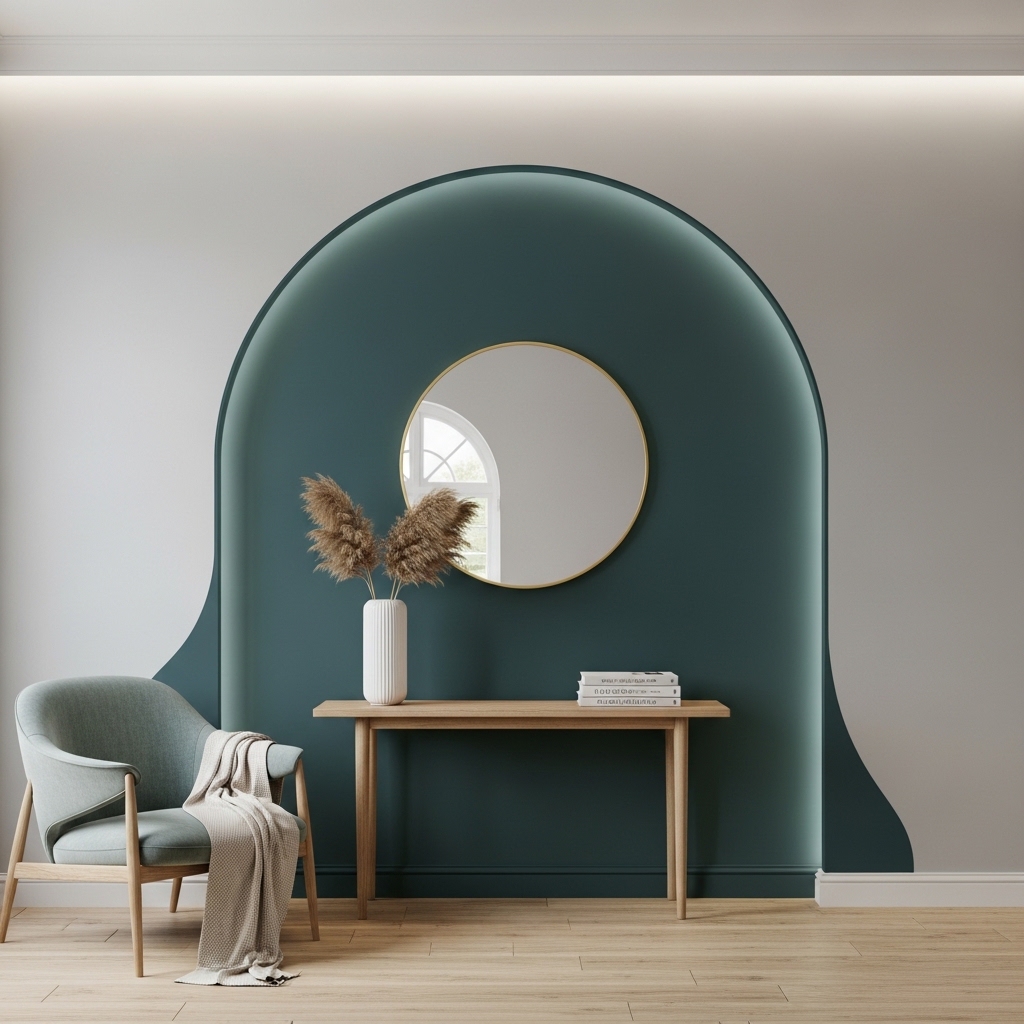
Paint an arch shape behind furniture to frame the focal area visually. Keep proportions centered with the bed, sofa, or console. Use soft curves for a modern aesthetic and ensure clean edges.
This works because curved shapes soften rigid room geometry and naturally draw attention to focal points. It adds architectural interest without physical structures. Misalignment reduces its visual effectiveness.
Pro Tip: Use light sketching before painting for accuracy.
Mistake to Avoid: Don’t position the arch off-center.
11. Large Clock Accent Wall
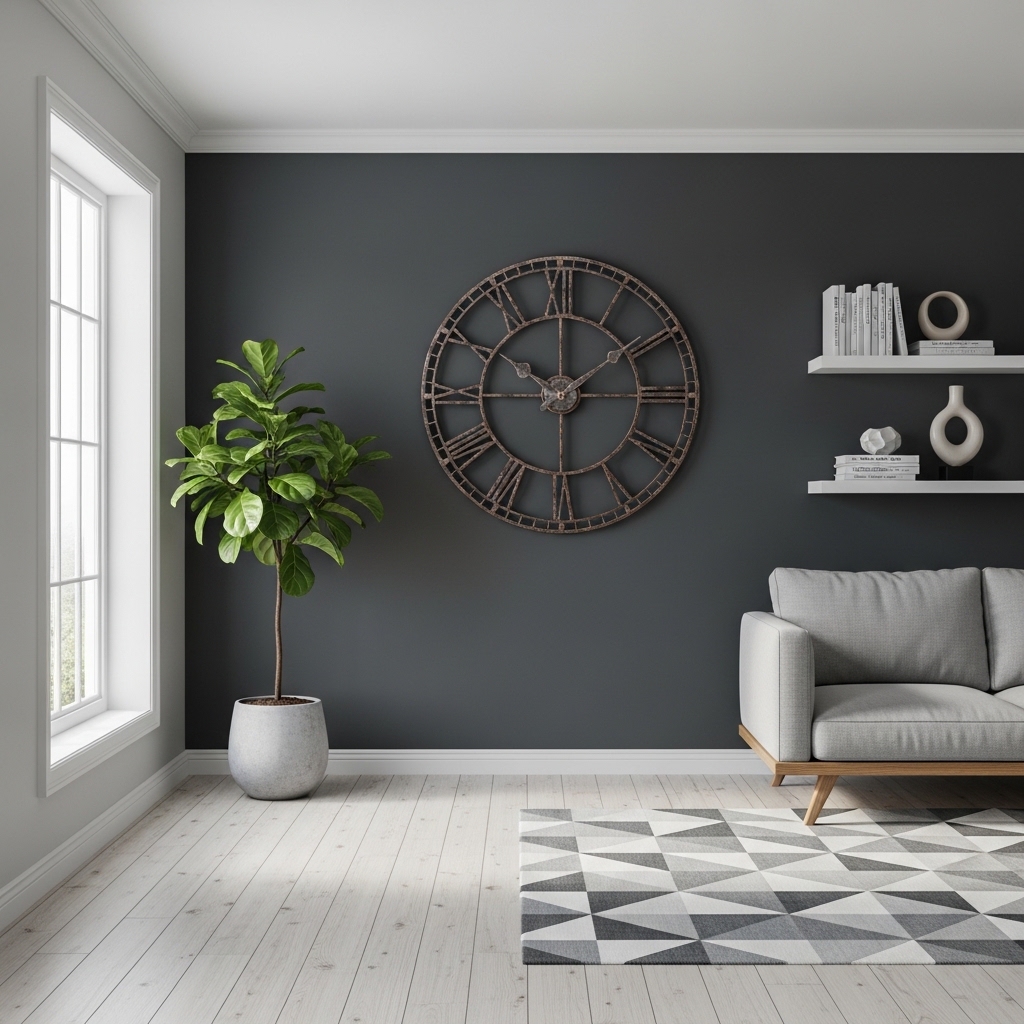
Install a large wall clock as the central feature of the accent wall, usually above a console, dining sideboard, or sofa. Choose a design that matches your interior style—modern minimal, rustic wood, or industrial metal. Keep surrounding decor minimal so the clock becomes the clear focal point without competition.
This works because it combines functionality and design in one object, reducing the need for additional wall decor while still completing the space visually. It brings structure, balance, and practicality, especially in rooms where excessive decoration feels cluttered. Many people choose clocks that are too small, which fail to anchor the wall properly.
Pro Tip: Choose silent movement clocks for a calm environment.
Mistake to Avoid: Don’t hang the clock too high above natural eye level.
12. Geometric Painted Accent Wall
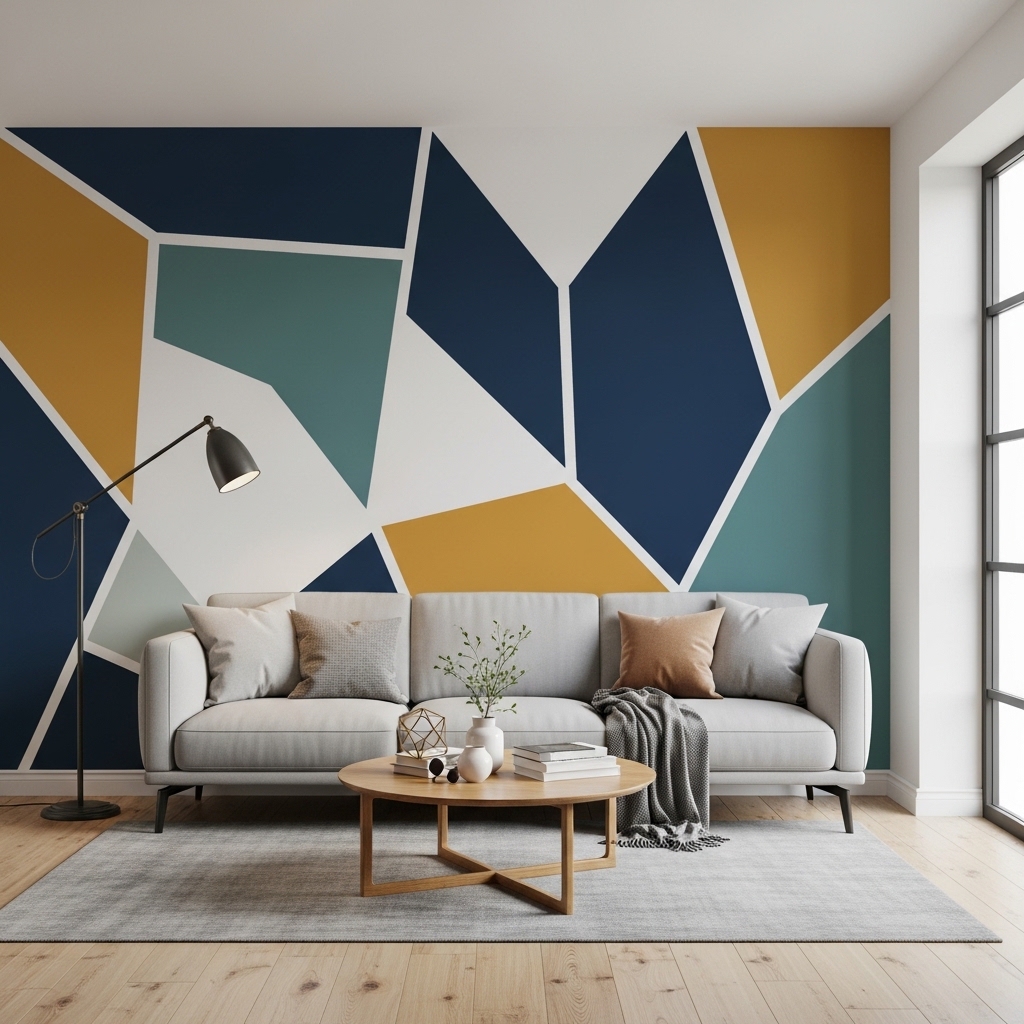
Use painter’s tape to create geometric patterns with two or three coordinated colors. Ensure shapes are evenly spaced and visually balanced across the wall.
This works because geometric forms add movement and structure, making the wall feel dynamic without physical objects. Uneven shapes reduce visual harmony.
Pro Tip: Stick to a limited color palette.
Mistake to Avoid: Don’t overcomplicate the pattern.
13. Mirror Accent Wall
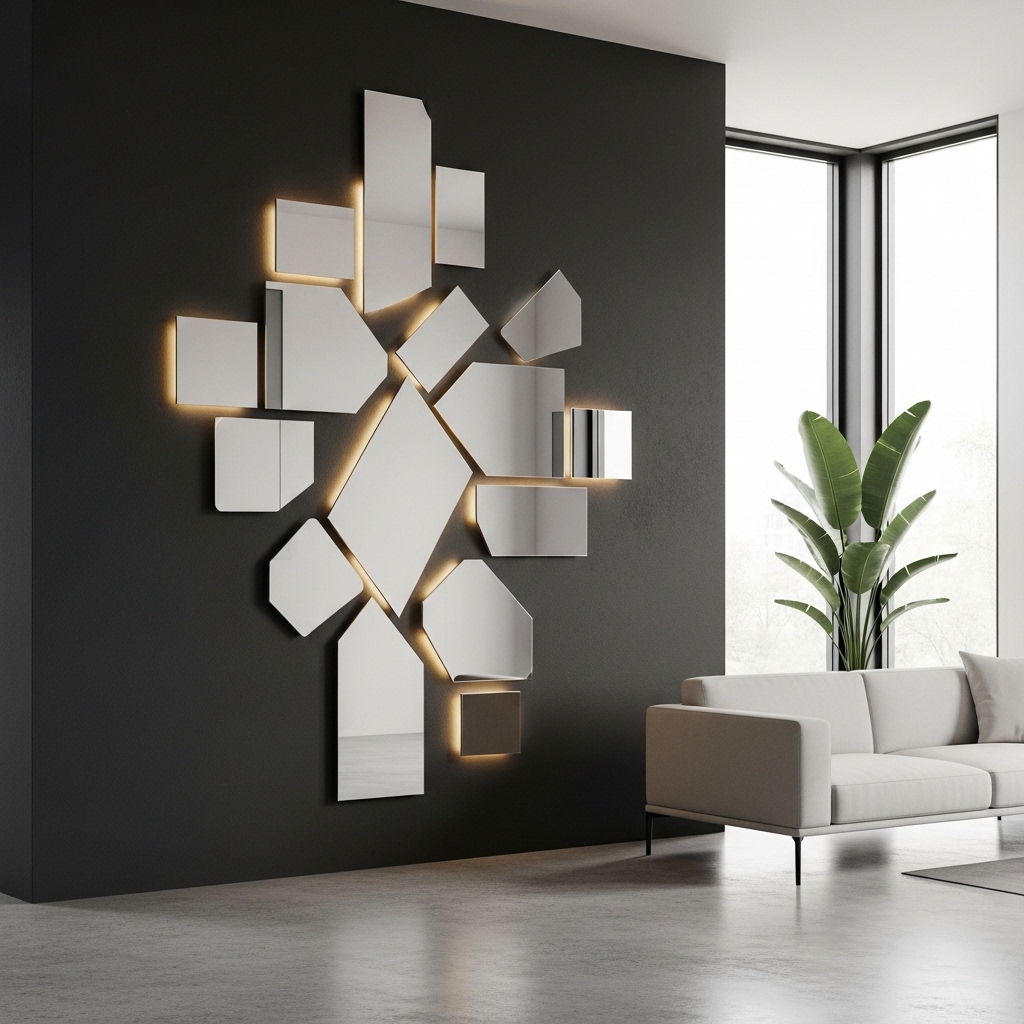
Install multiple mirrors in a structured or grid layout. Keep spacing equal and frames consistent for balance.
This works because mirrors reflect light and expand visual space, making rooms feel larger and brighter. Cluttered reflections reduce effectiveness.
Pro Tip: Place opposite natural light sources.
Mistake to Avoid: Don’t reflect messy areas.
14. Chalkboard Accent Wall
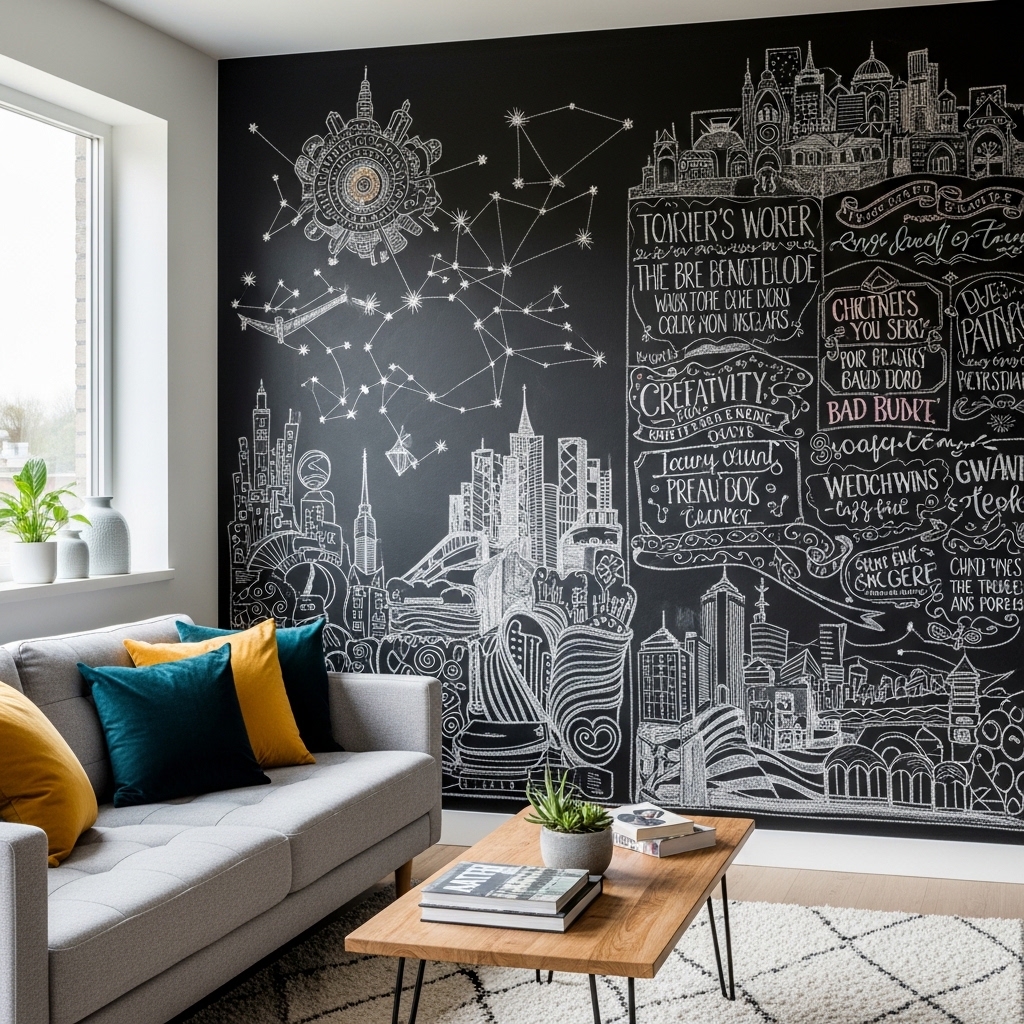
Apply chalkboard paint to one wall for writing, drawing, or planning. Keep the rest of the room neutral for balance.
This works because it adds interactive functionality and personalization. Overuse can make the space feel informal or chaotic.
Pro Tip: Use in kitchens or creative spaces.
Mistake to Avoid: Don’t use in formal living areas.
15. Built-In Shelf Accent Wall
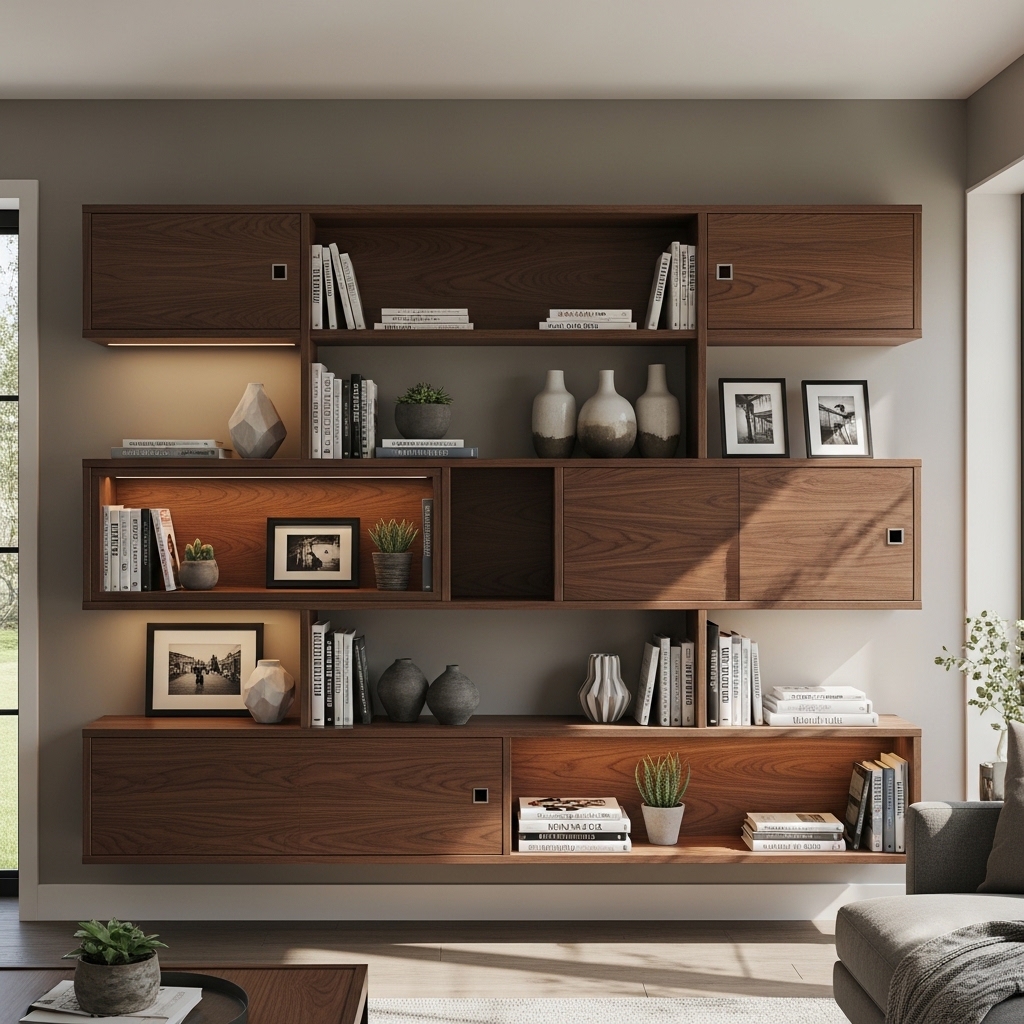
Install recessed or floating shelves across the accent wall for decor and storage. Keep styling minimal and balanced.
This works because it combines functionality and design without needing extra furniture. Overcrowding shelves reduces visual appeal.
Pro Tip: Use symmetry in shelf placement.
Mistake to Avoid: Don’t overload shelves with decor.
16. Metallic Accent Wall
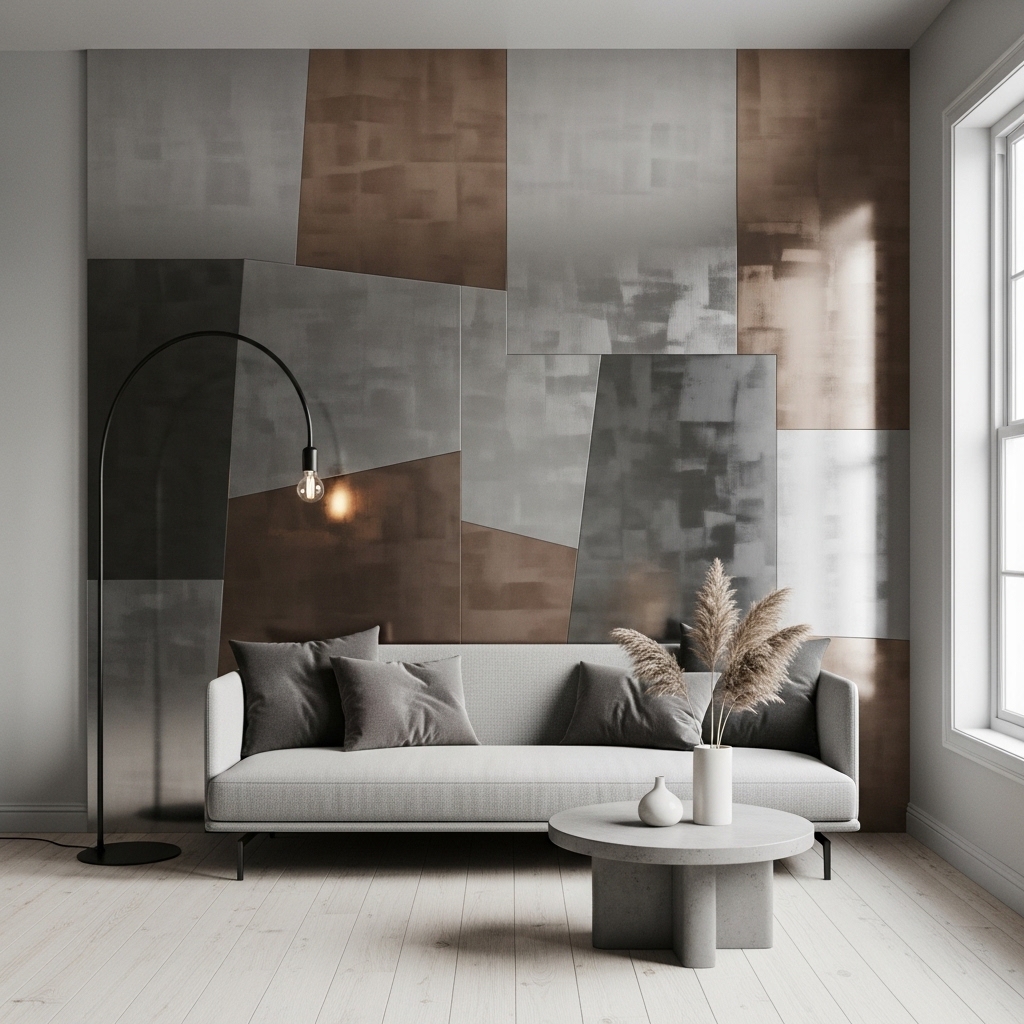
Use metallic paint or panels in soft gold, silver, or bronze tones. Apply on a single focal wall only.
This works because metallic finishes reflect light subtly and add elegance without heavy decor. Overuse can feel overwhelming.
Pro Tip: Pair with soft lighting.
Mistake to Avoid: Don’t use high-gloss finishes everywhere.
17. Concrete Accent Wall
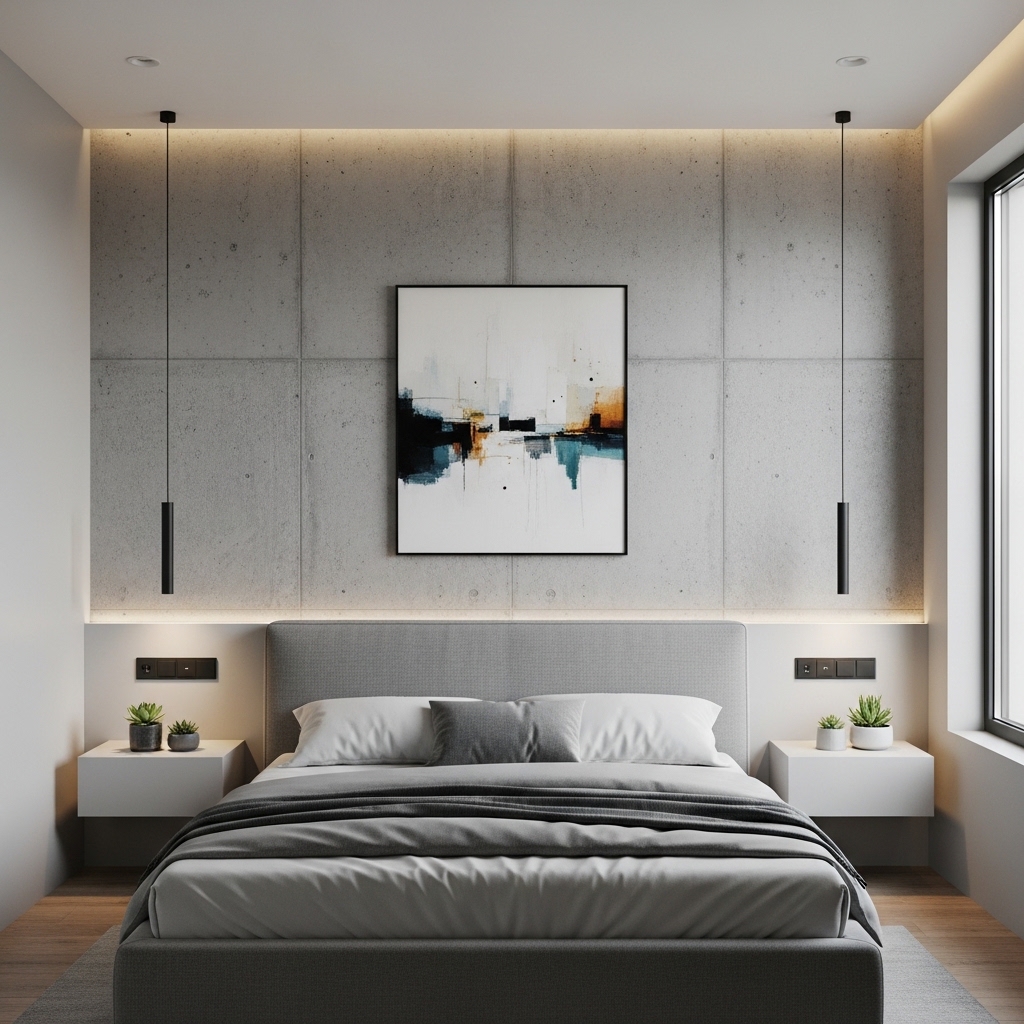
Apply concrete or cement finish on one wall for an industrial look. Keep decor warm to balance the raw texture.
This works because it adds depth and modern minimalism. Overuse can make the space feel cold.
Pro Tip: Combine with wood elements.
Mistake to Avoid: Don’t use in all walls.
18. Botanical Accent Wall
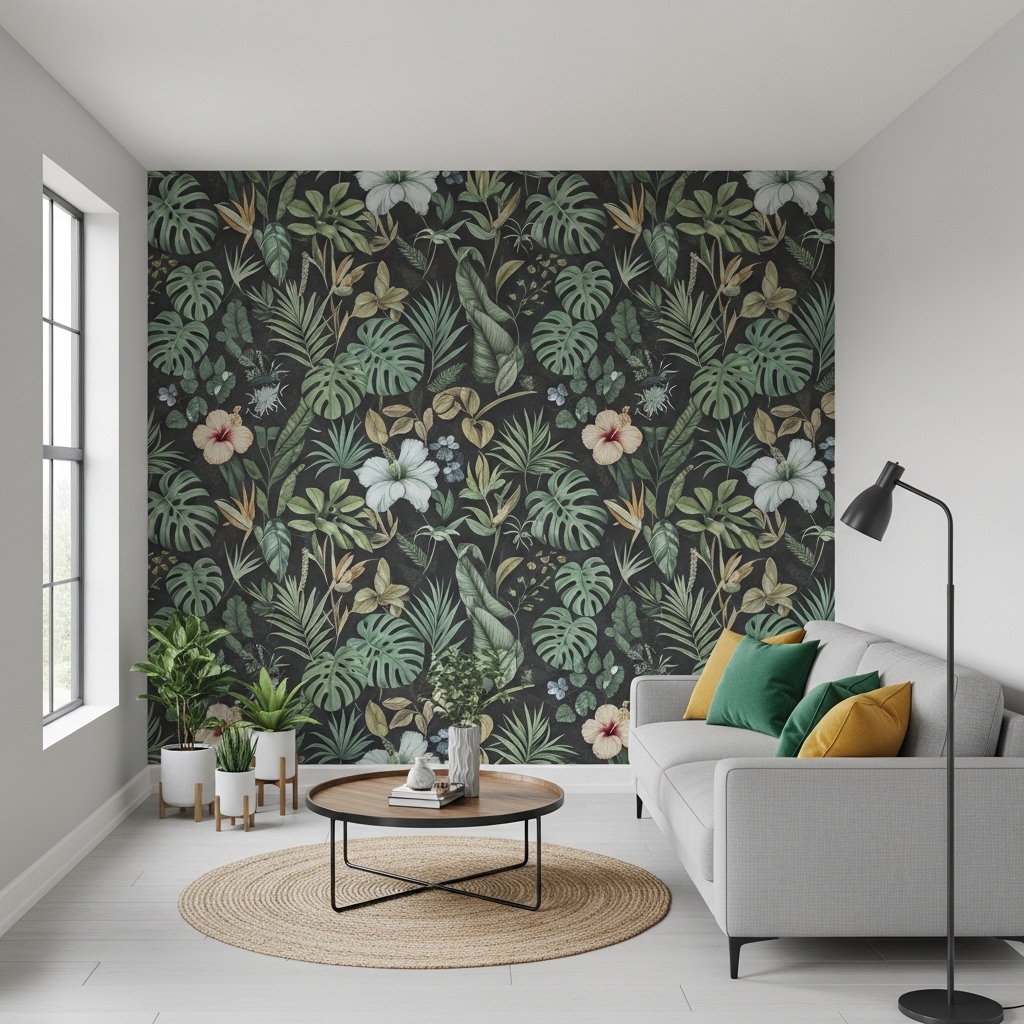
Use plant-themed wallpaper or botanical prints. Keep color tones soft and natural.
This works because nature-inspired visuals bring freshness and calm. Overly bright greens reduce elegance.
Pro Tip: Pair with real plants nearby.
Mistake to Avoid: Don’t overload with patterns.
19. Lighting Accent Wall
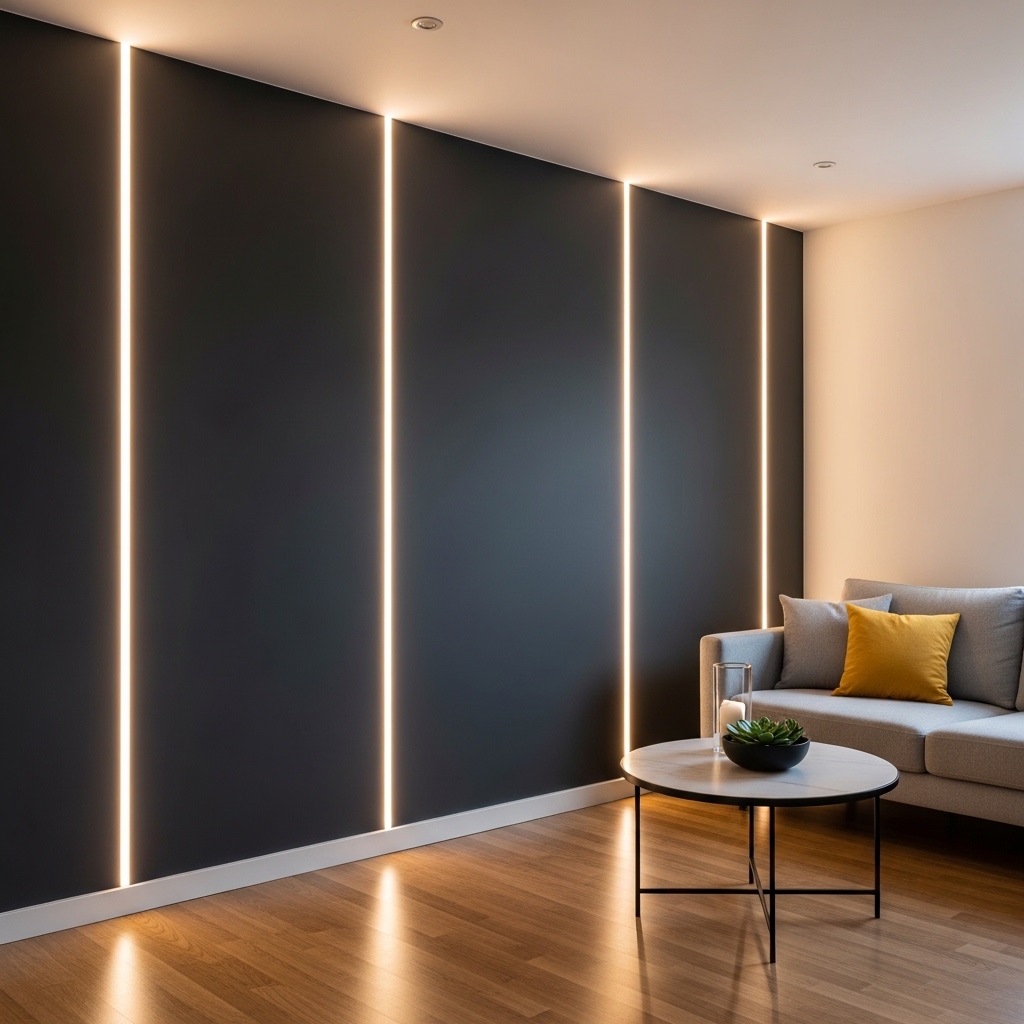
Install LED strips, wall washers, or backlit panels. Keep lighting warm and subtle.
This works because lighting creates depth and mood without physical decor. Harsh lighting reduces comfort.
Pro Tip: Use warm white tones for ambiance.
Mistake to Avoid: Don’t use flashing or neon lights.
20. Seasonal Accent Wall Rotation
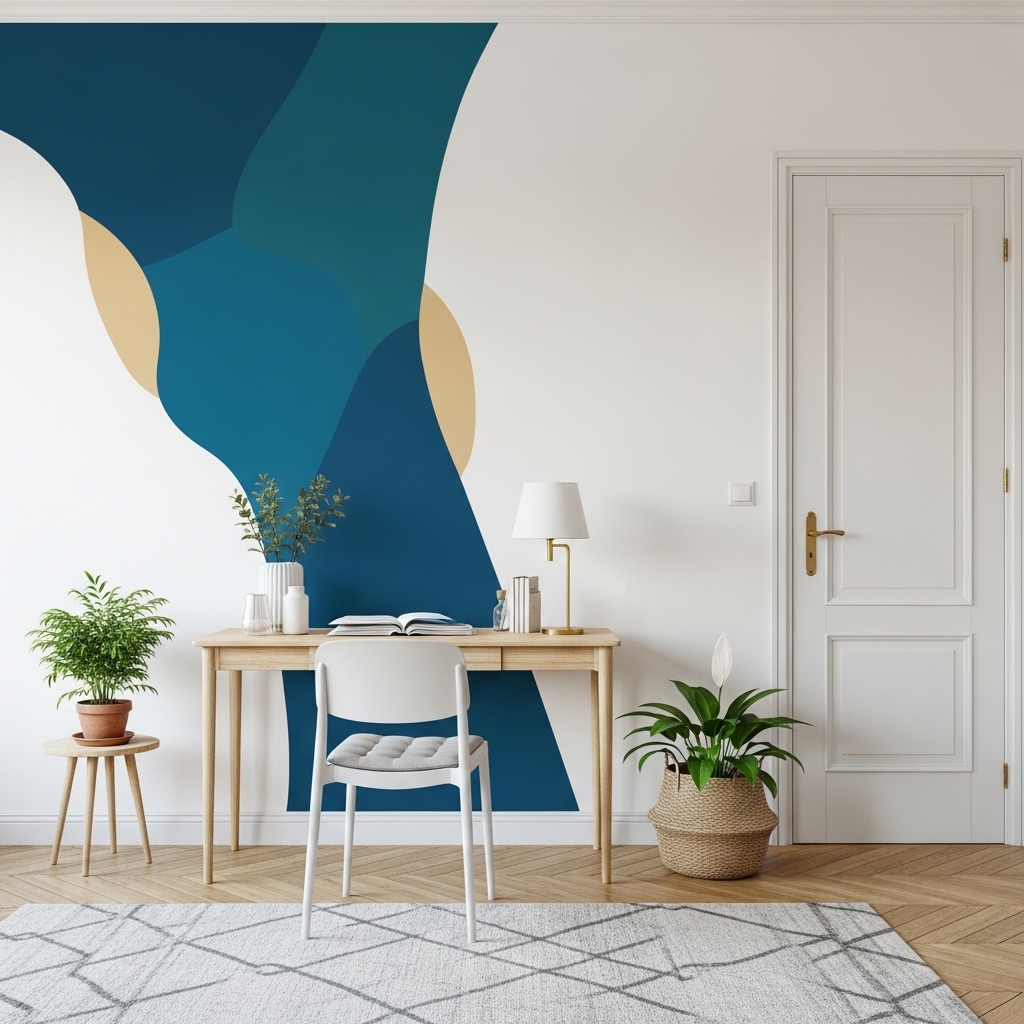
Keep a neutral base wall and rotate small decor or artwork seasonally. Maintain a consistent layout structure.
This works because it keeps interiors fresh without redesigning everything. Frequent full changes reduce cohesion.
Pro Tip: Store seasonal pieces properly for reuse.
Mistake to Avoid: Don’t change the entire wall theme often.
Conclusion: How Accent Walls Redefine Modern Interior Spaces
Accent walls are not just decorative upgrades—they are strategic design tools that shape how a room feels, functions, and flows. When used correctly, they create structure, improve balance, and turn ordinary walls into intentional focal points that guide the entire interior layout.
What makes accent walls powerful is not complexity, but clarity. Whether you choose paint, texture, wood, lighting, or mixed materials, the goal is always the same: create contrast with purpose, not randomness. The best designs feel natural, not forced, and they always connect with surrounding furniture, lighting, and spatial proportions.
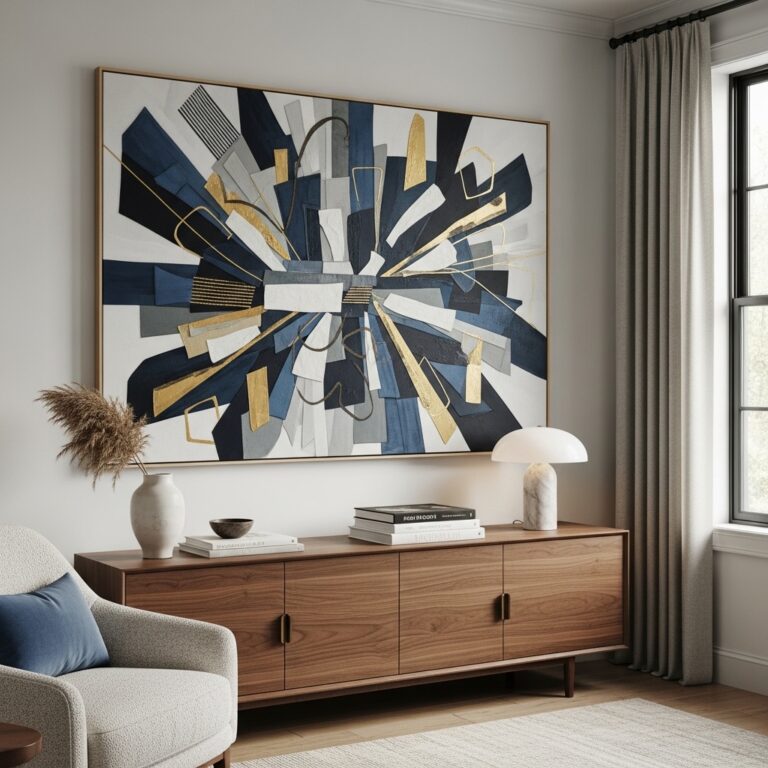
Across all 20 ideas, one pattern remains consistent—successful accent walls rely on scale, placement, and restraint. Overdesigning is the most common mistake, while simplicity paired with strong focus delivers the most visually satisfying results. Even small changes like a painted arch, a textured panel, or a single large artwork can completely shift the mood of a room.
Ultimately, accent walls work because they give the eye a place to rest while adding personality to the space. When planned thoughtfully, they elevate interiors from plain layouts into curated environments that feel balanced, modern, and lived-in.