20 Garage Conversion Ideas That Add Functional Living Space Without Expanding Your Home
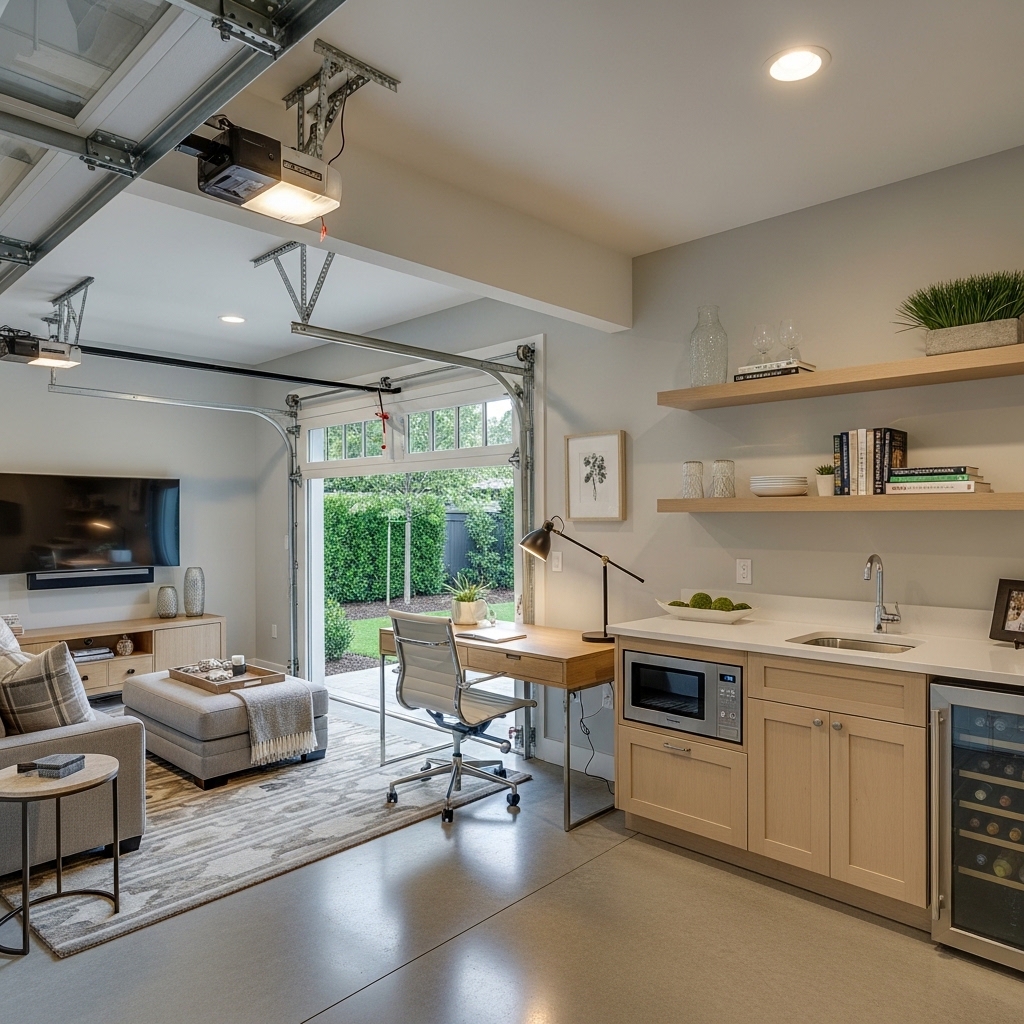
Garage conversion ideas are one of the most overlooked opportunities in modern homes. Instead of letting valuable square footage sit unused or filled with clutter, converting a garage can dramatically improve how your home functions daily.
The key to a successful conversion isn’t just aesthetics—it’s aligning the space with a clear purpose, layout efficiency, insulation, and long-term usability. These ideas focus on real-life needs: small homes, rental flexibility, budget upgrades, and multi-functional spaces that actually get used.
1. Convert Your Garage Into a Functional Home Office
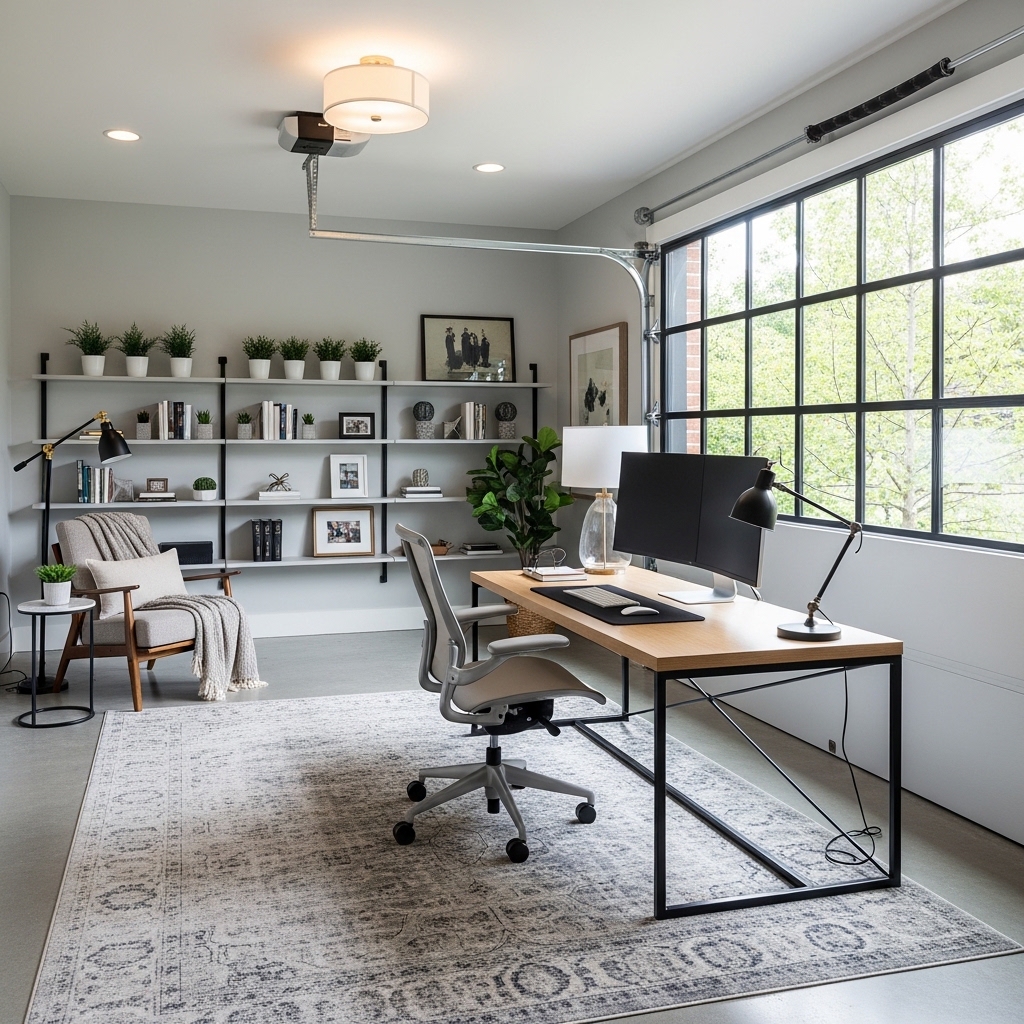
Ideal for: Remote workers needing a quiet, dedicated workspace away from household distractions.
Start by insulating walls, adding proper lighting, and installing a compact desk setup with vertical storage. Position your desk near natural light if possible, and use wall-mounted shelves to keep the floor open. Consider soundproofing panels if the garage is near a noisy street.
This works because separating work from living space improves focus and productivity while reducing distractions. Many people try to work from shared spaces like kitchens, which leads to inefficiency.
Pro Tip: Use warm-neutral wall tones to reduce eye strain during long work hours.
Mistake to Avoid: Don’t skip insulation—temperature control is critical for usability.
2. Create a Cozy Guest Bedroom Conversion
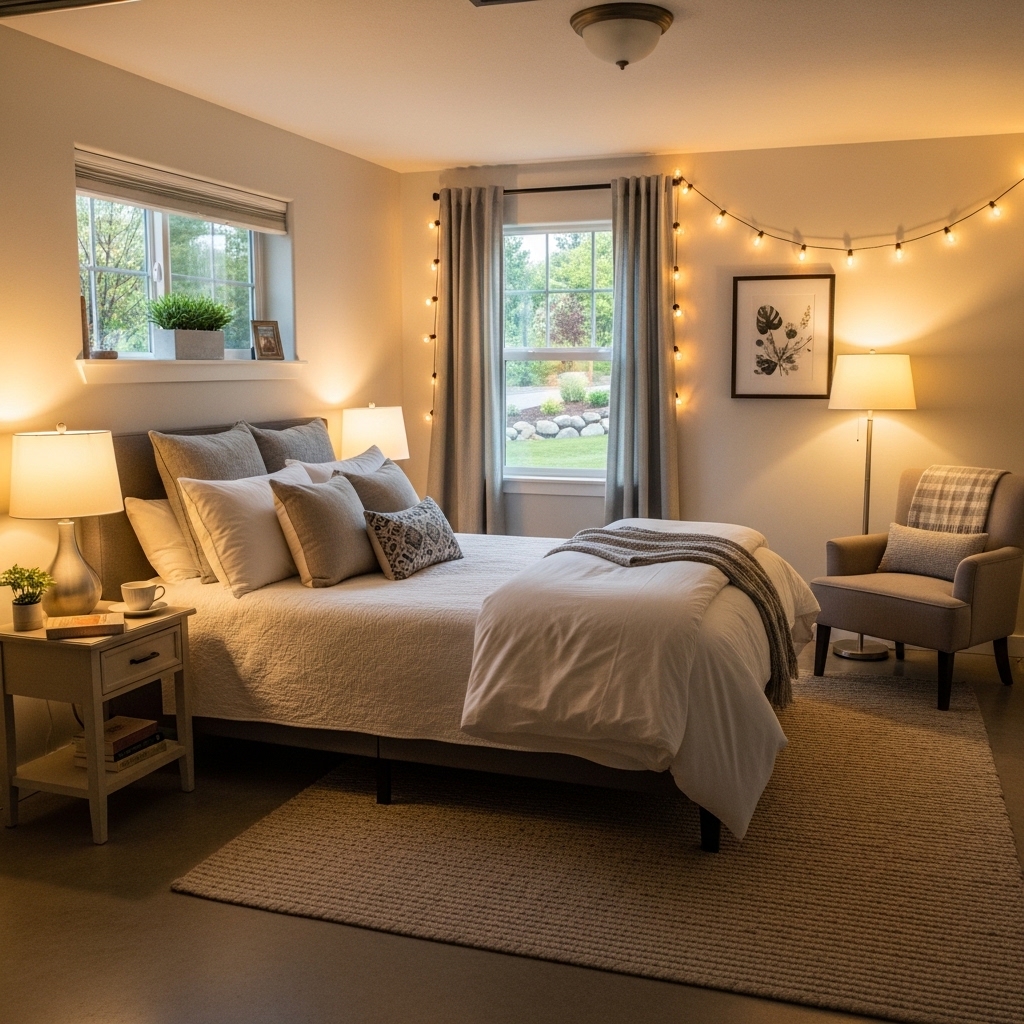
Best for: Homes that host visitors but lack extra bedrooms.
Transform the garage into a comfortable bedroom with proper flooring, insulation, and soft lighting. Use a platform bed with built-in storage to maximize space and keep the room uncluttered. Add curtains or blinds for privacy.
This works because it provides a dedicated sleeping space without affecting the main house layout. Many homeowners fail by treating it like a temporary setup instead of a fully functional room.
Pro Tip: Use layered lighting (ambient + bedside) for comfort.
Mistake to Avoid: Don’t leave concrete flooring exposed—it reduces comfort.
3. Turn the Garage Into a Rental Studio for Extra Income
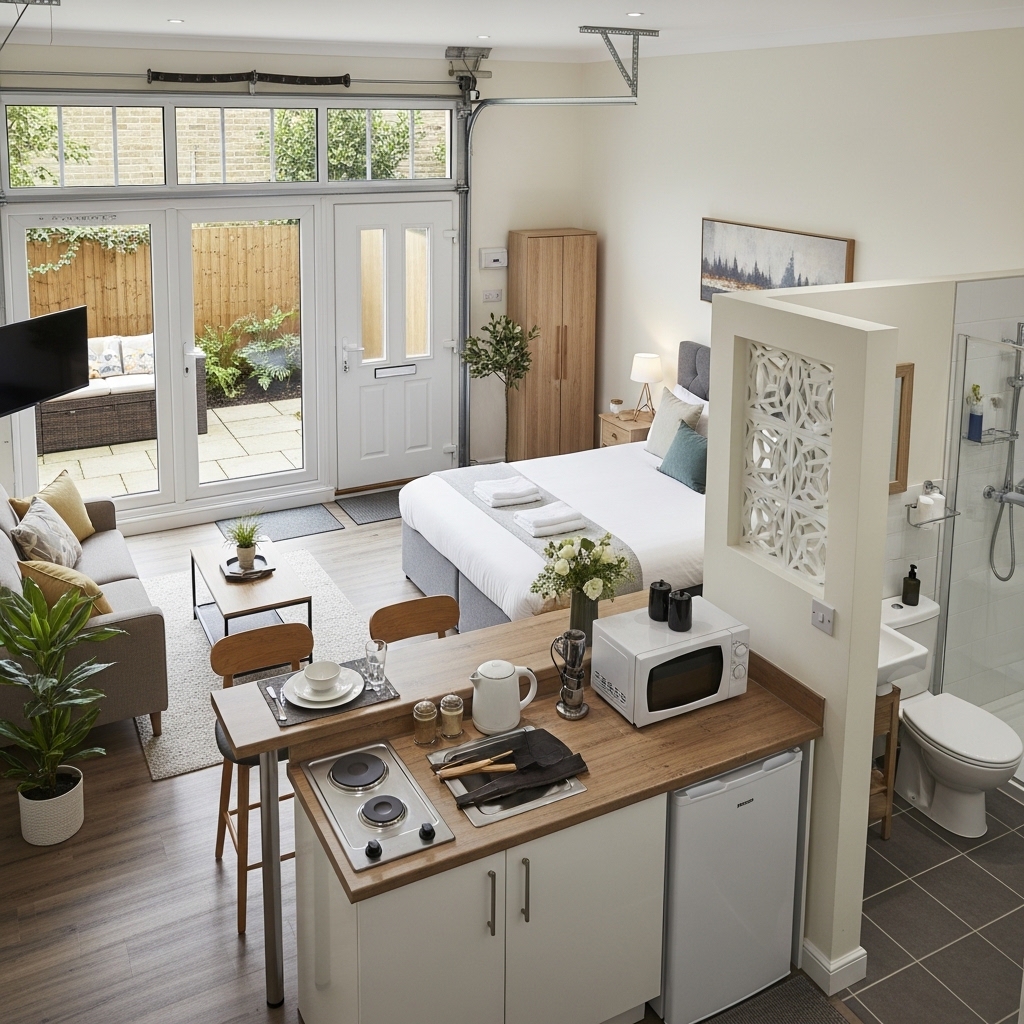
Ideal for: Homeowners looking to generate passive income.
Add a small kitchenette, compact bathroom (if plumbing allows), and multifunctional furniture. Focus on efficient layout—use foldable beds and wall storage to maximize space.
This works because rental units in converted garages are in high demand, especially in urban areas. A common mistake is ignoring local building regulations and zoning requirements.
Pro Tip: Use neutral finishes to appeal to a wider audience.
Mistake to Avoid: Don’t skip proper ventilation and lighting—it affects livability.
4. Design a Multi-Use Family Room
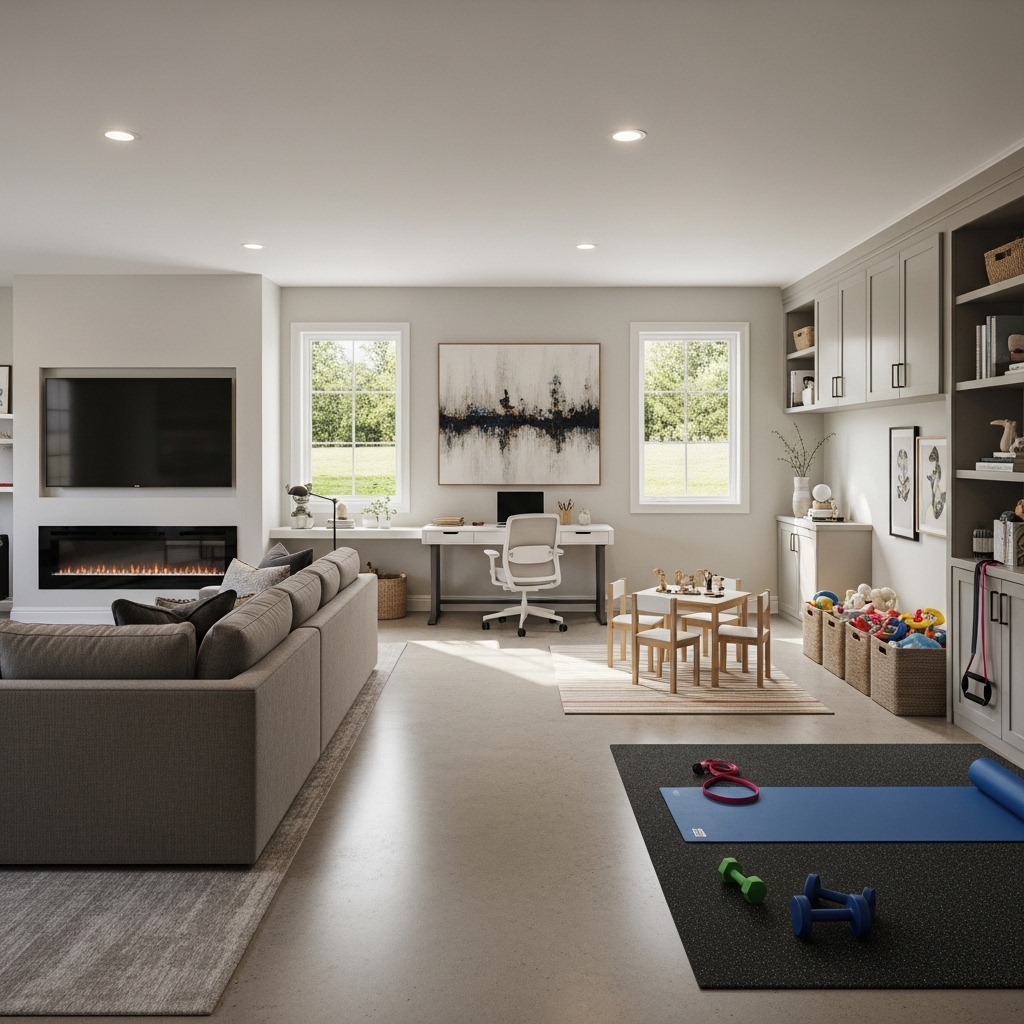
Best for: Families needing additional living space.
Create a flexible room with a sofa, TV, and storage units that can double as a play area or relaxation zone. Use durable materials for flooring and furniture to handle heavy use.
This works because it expands your living area without structural changes. Many setups fail due to lack of zoning, making the space feel chaotic.
Pro Tip: Use rugs to define activity zones.
Mistake to Avoid: Don’t overcrowd the room with bulky furniture.
5. Build a Compact Home Gym Setup
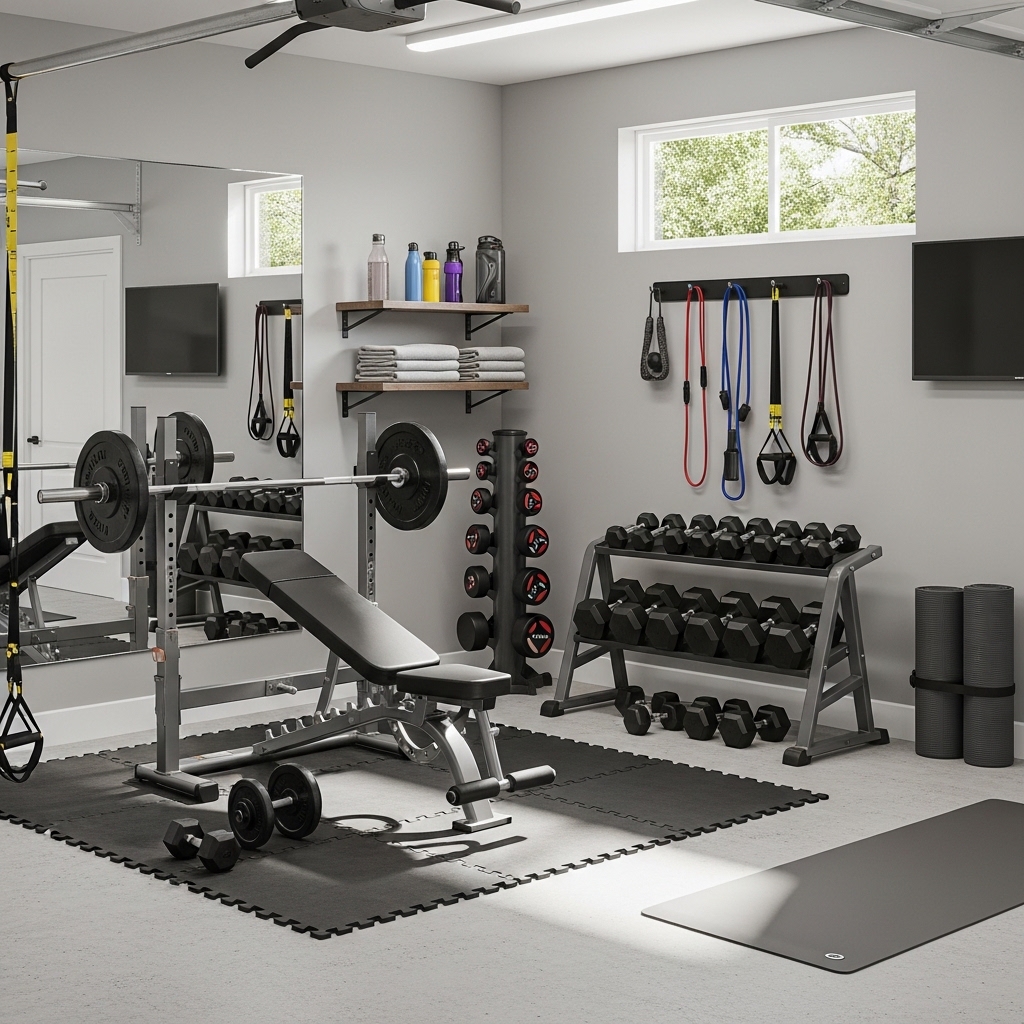
Ideal for: Fitness enthusiasts with limited indoor space.
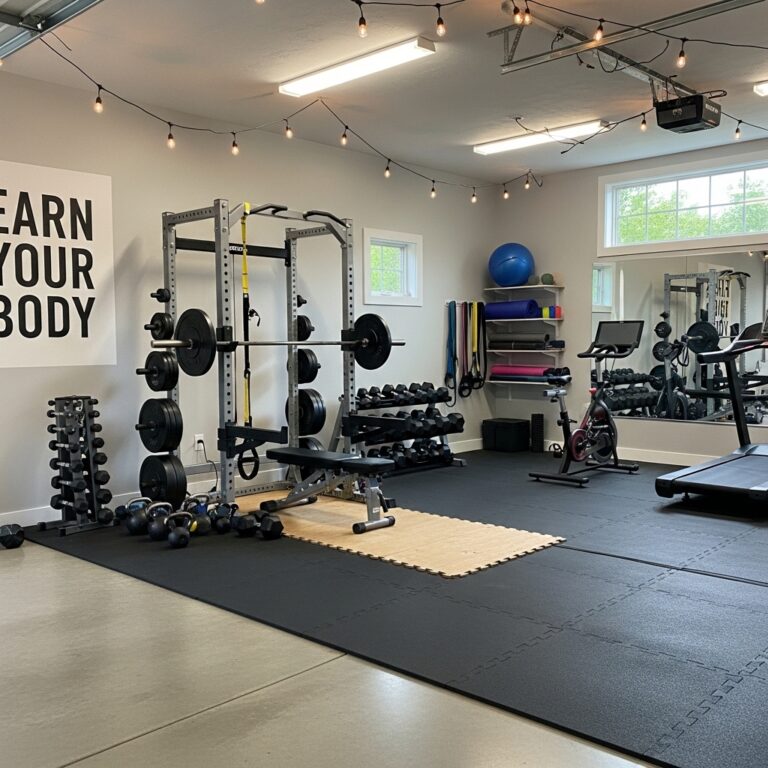
Install rubber flooring, mirrors, and wall-mounted equipment storage. Keep layout open for movement and choose foldable or compact gym equipment.
This works because it eliminates the need for commuting to a gym and encourages consistent workouts. Overcrowding equipment is a common mistake.
Pro Tip: Use vertical racks for weights and accessories.
Mistake to Avoid: Don’t ignore ventilation—airflow is essential.
6. Create a Hobby or Craft Studio
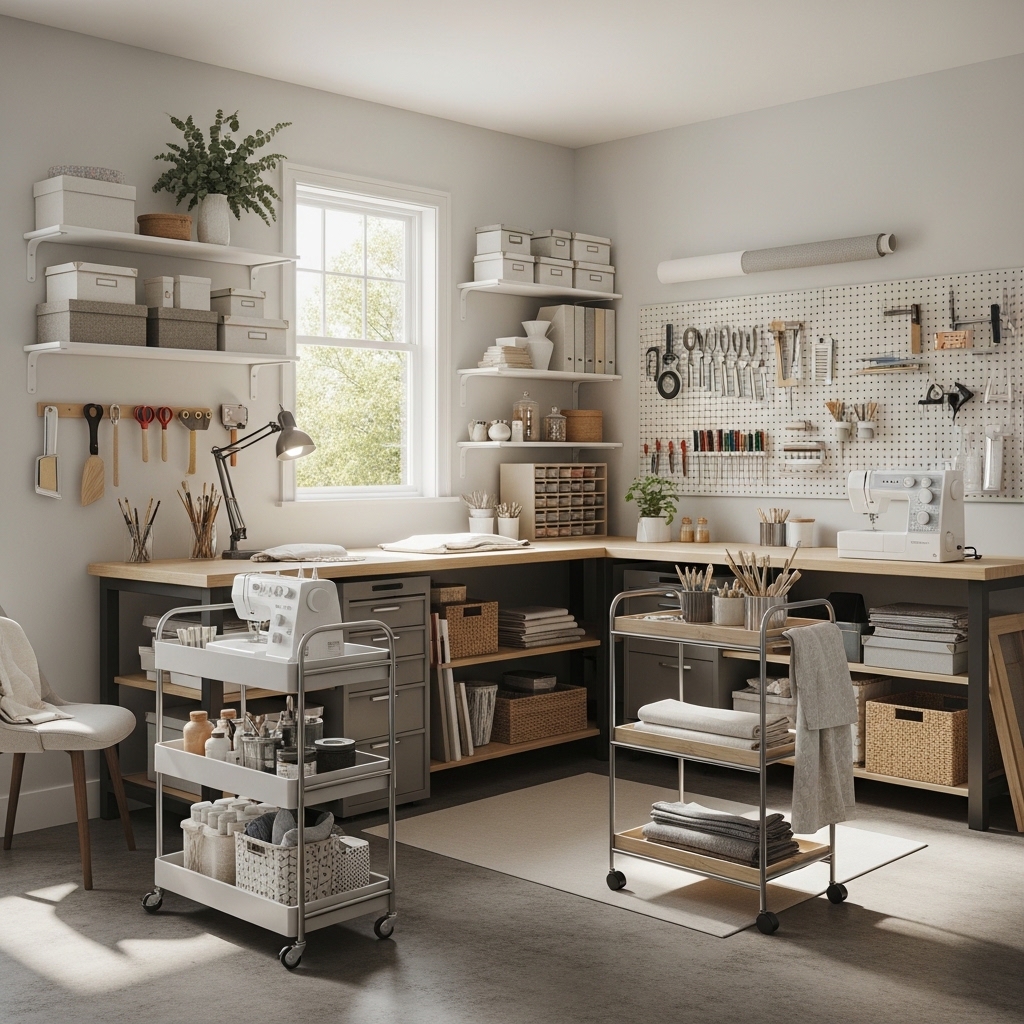
Best for: Artists, DIYers, or creative professionals.
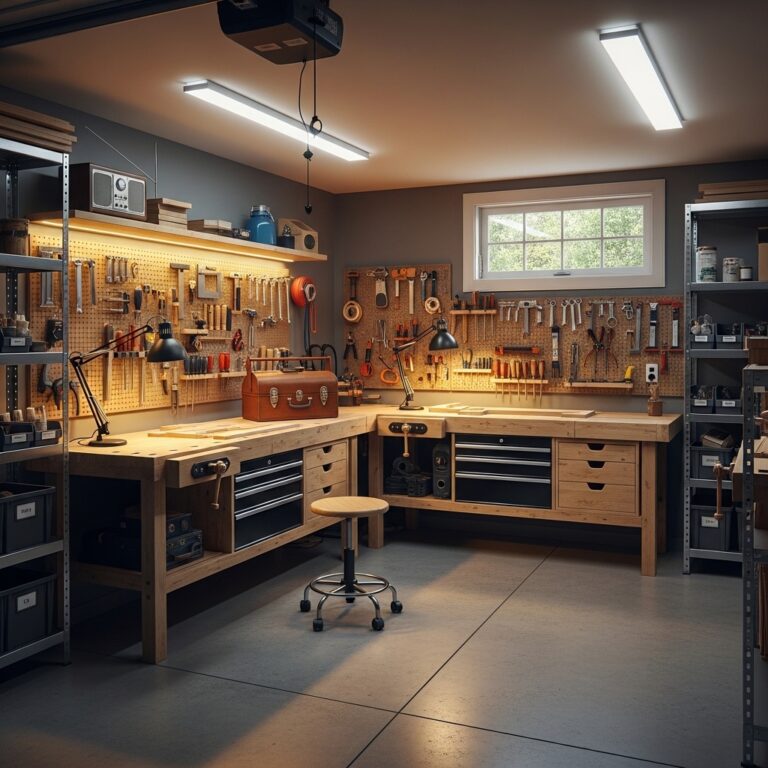
Set up large work tables, organized storage for supplies, and task lighting. Keep frequently used tools within arm’s reach and use labeled storage systems.
This works because dedicated creative space improves productivity and reduces clutter in the main home.
Pro Tip: Use pegboards for easy tool access.
Mistake to Avoid: Don’t mix unrelated materials—it creates clutter.
7. Convert Into a Kids’ Playroom
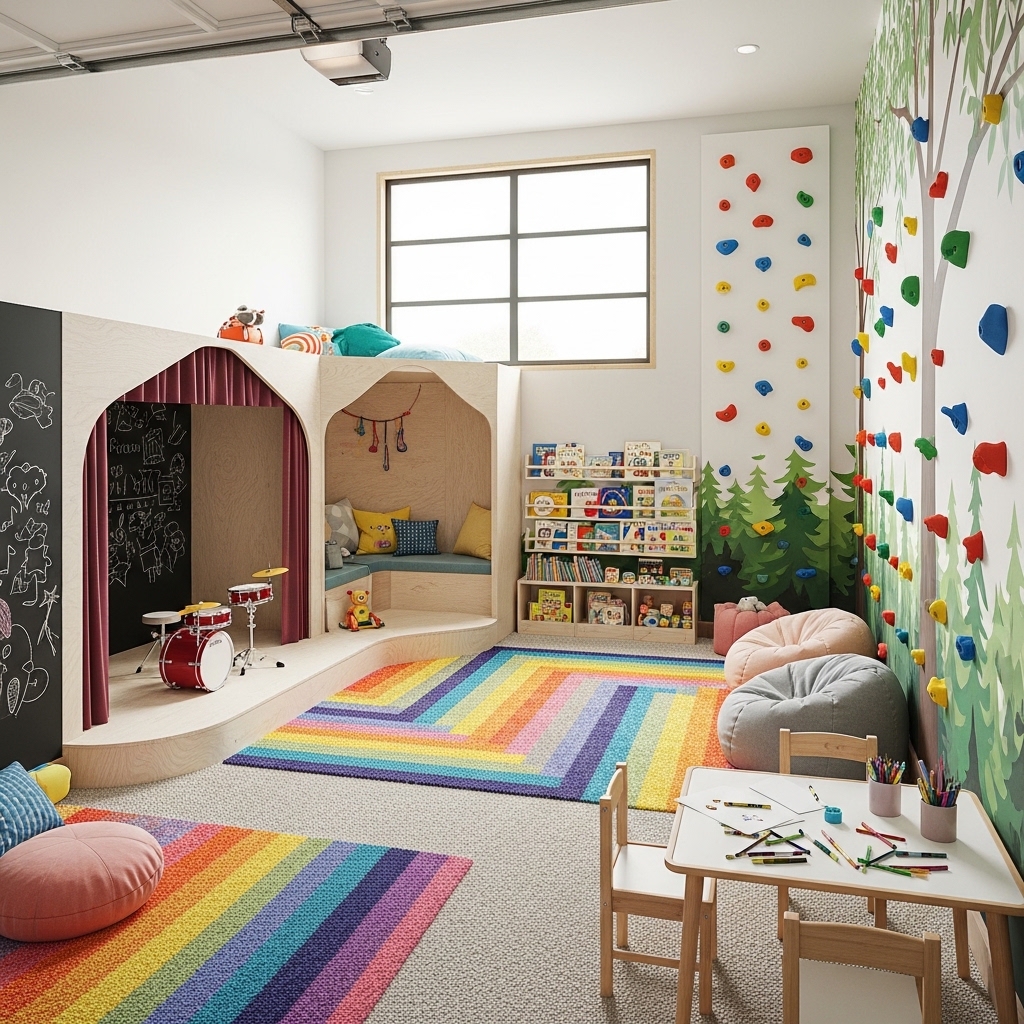
Ideal for: Families needing a safe, organized play space.
Use soft flooring, storage bins, and activity zones for toys, reading, and games. Keep layout open for movement and easy supervision.
This works because it keeps toys contained in one area instead of spreading across the house.
Pro Tip: Use labeled bins for easy cleanup.
Mistake to Avoid: Don’t use hard or slippery flooring.
8. Design a Home Theater Room
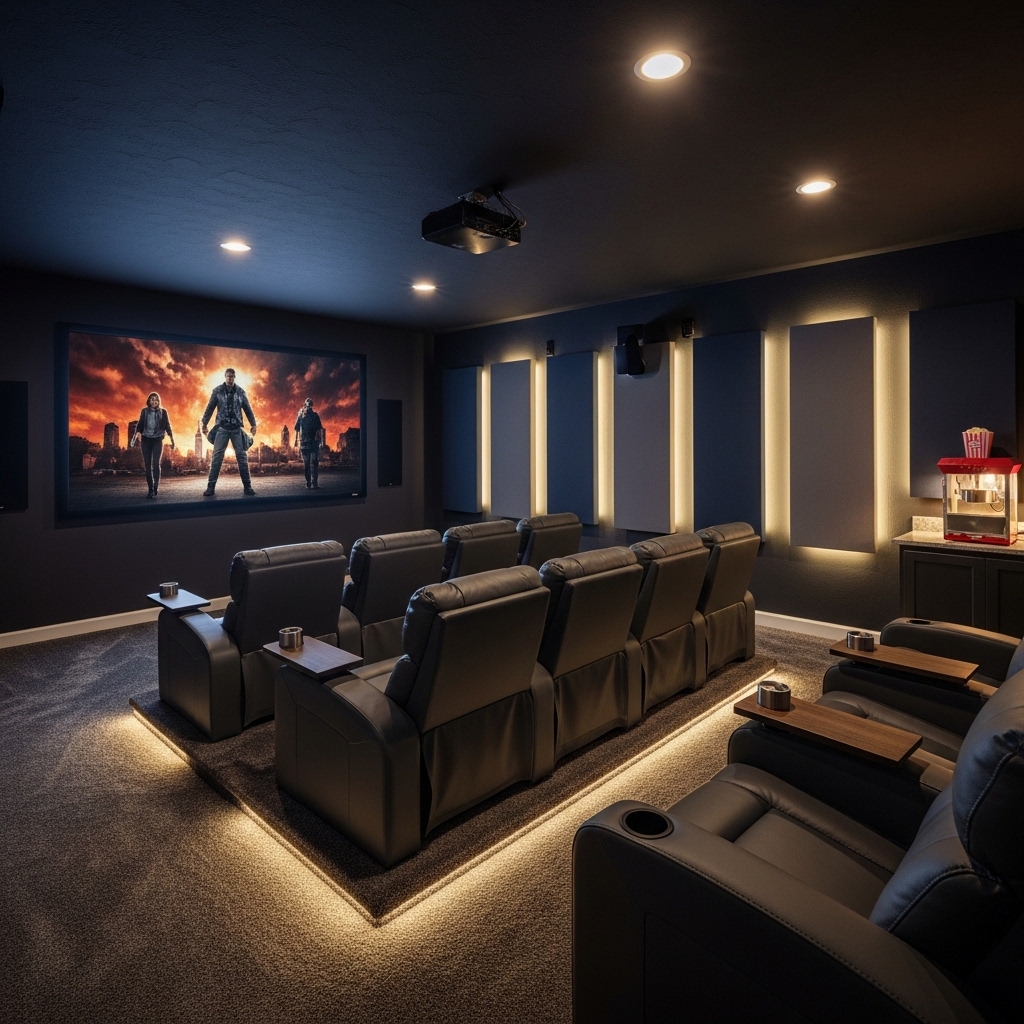
Best for: Entertainment-focused households.
Install blackout curtains, soundproofing panels, and a projector or large screen. Use comfortable seating arranged for optimal viewing.
This works because controlled lighting and sound improve the viewing experience.
Pro Tip: Use dark wall colors to reduce glare.
Mistake to Avoid: Don’t skip acoustic treatment.
9. Build a Functional Laundry Room
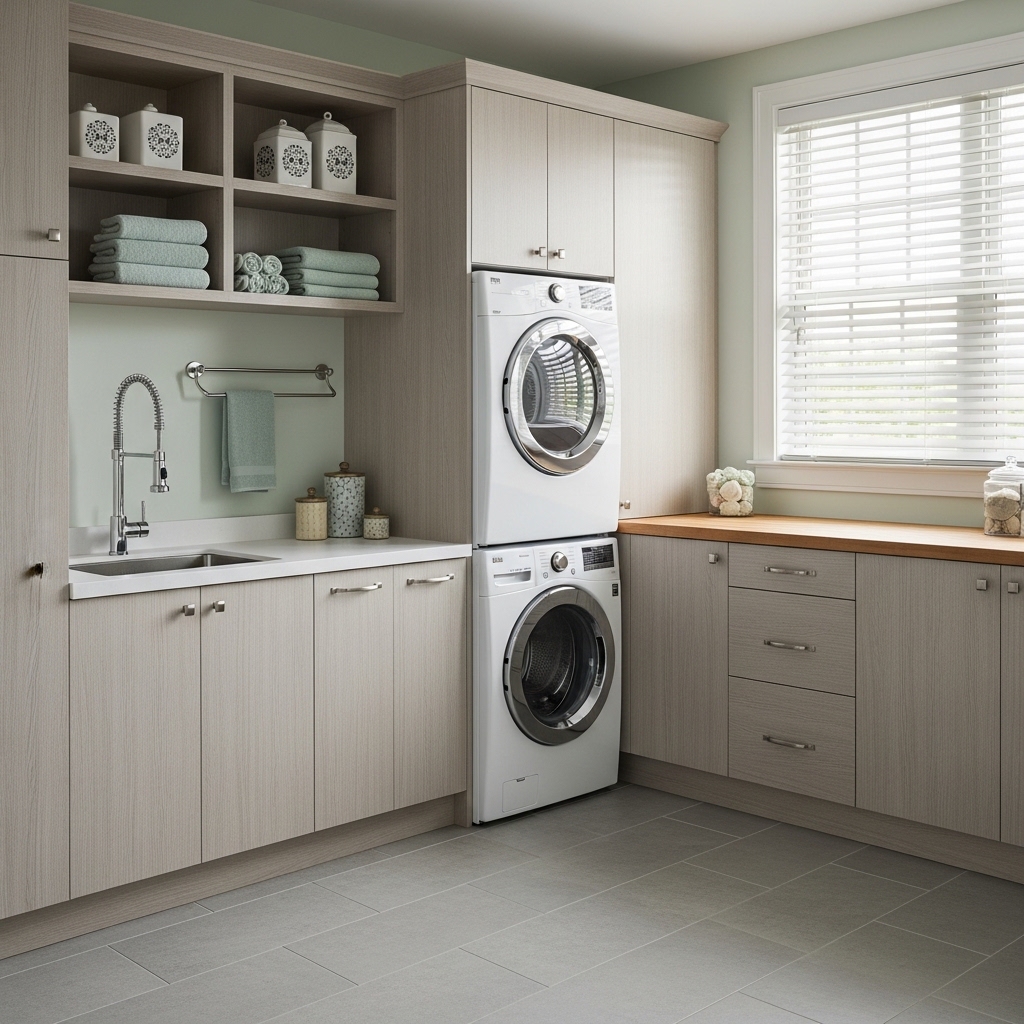
Ideal for: Homes lacking dedicated laundry space.
Install washer/dryer units, storage cabinets, and folding surfaces. Keep layout efficient for workflow.
This works because it frees up space inside the home.
Pro Tip: Use vertical shelving for supplies.
Mistake to Avoid: Don’t ignore drainage setup.
10. Create a Minimalist Studio Apartment
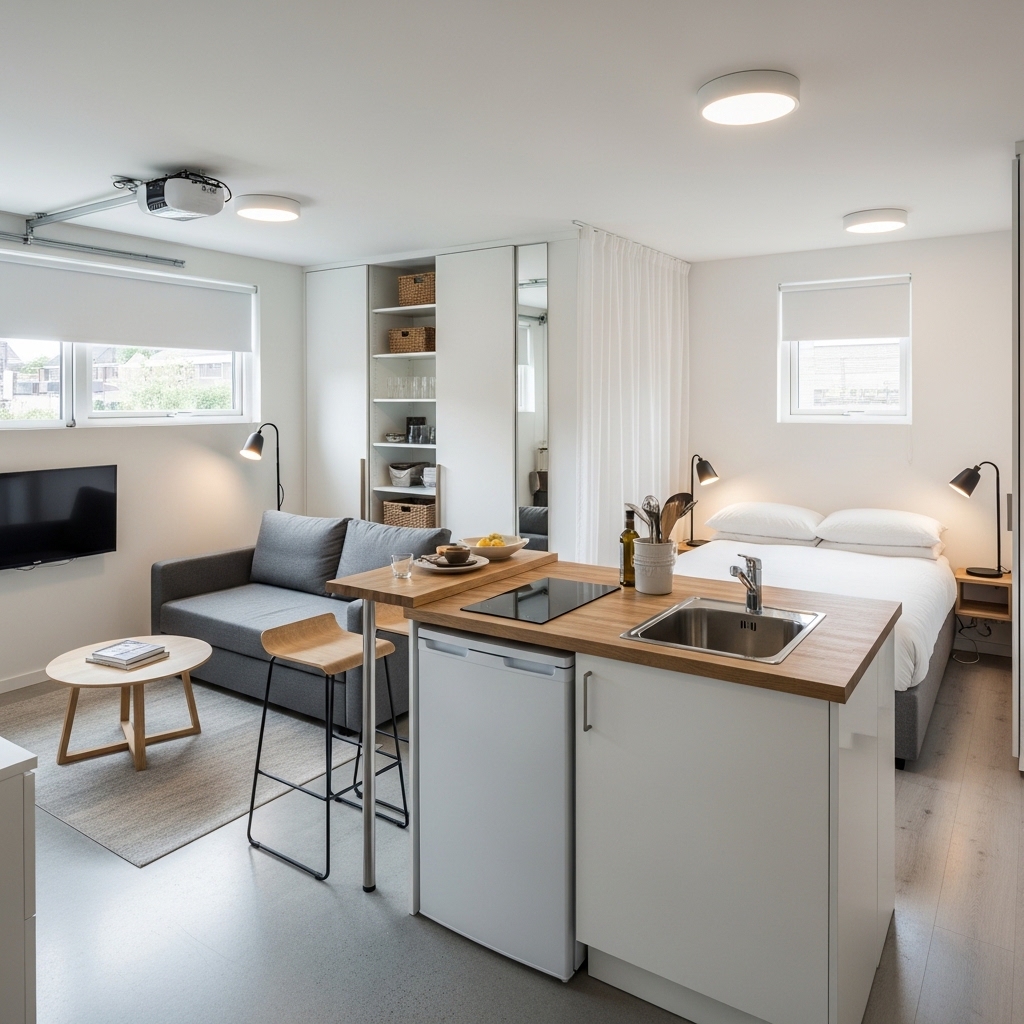
Best for: Small homes needing extra living quarters.
Design a compact layout with sleeping, dining, and storage zones. Use multifunctional furniture like sofa beds and foldable tables.
This works because it maximizes usability in limited space.
Pro Tip: Keep color palette light for openness.
Mistake to Avoid: Don’t overcrowd with furniture.
11. Turn It Into a Walk-In Closet Extension
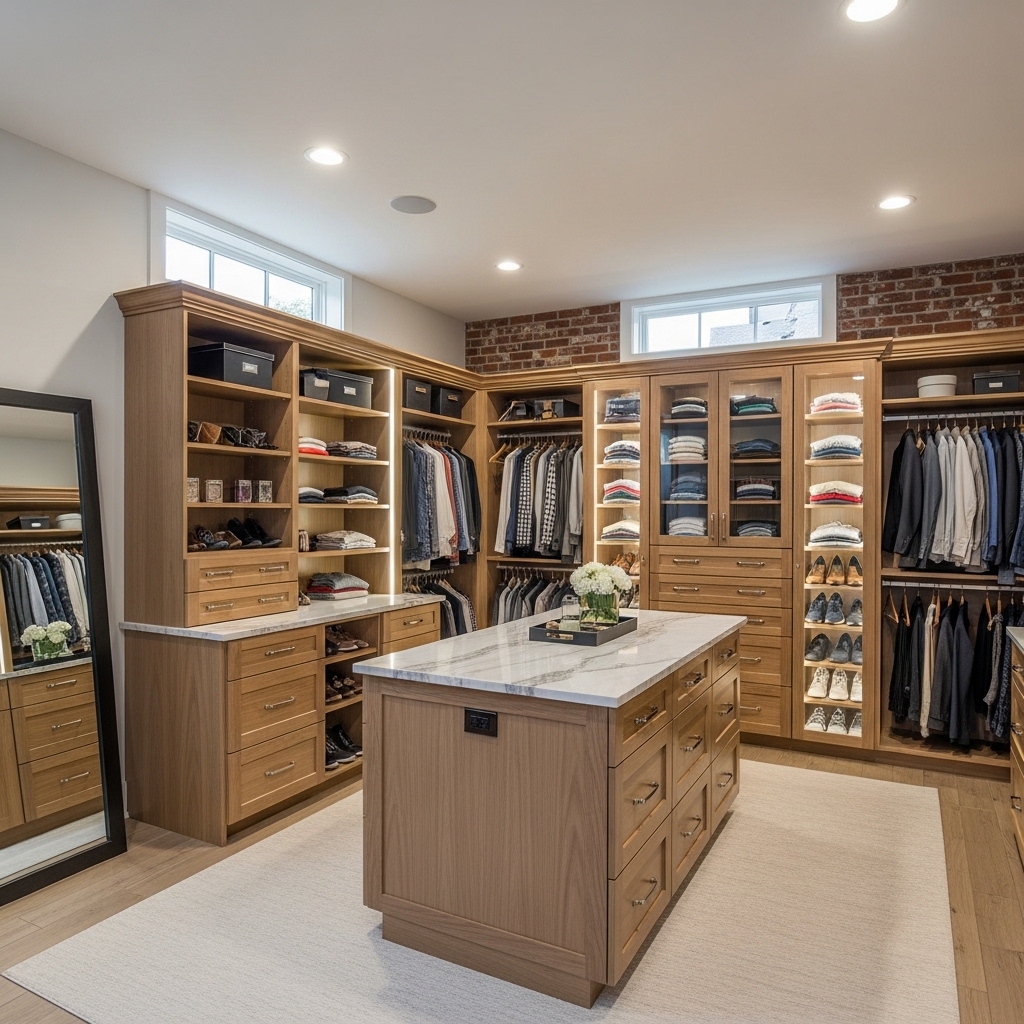
Ideal for: Homes lacking storage or closet space.
Install shelving, hanging rods, and drawers to organize clothing and accessories. Use lighting to enhance visibility.
This works because it removes clutter from bedrooms.
Pro Tip: Use adjustable shelving systems.
Mistake to Avoid: Don’t ignore humidity control.
12. Build a Home Library or Reading Room
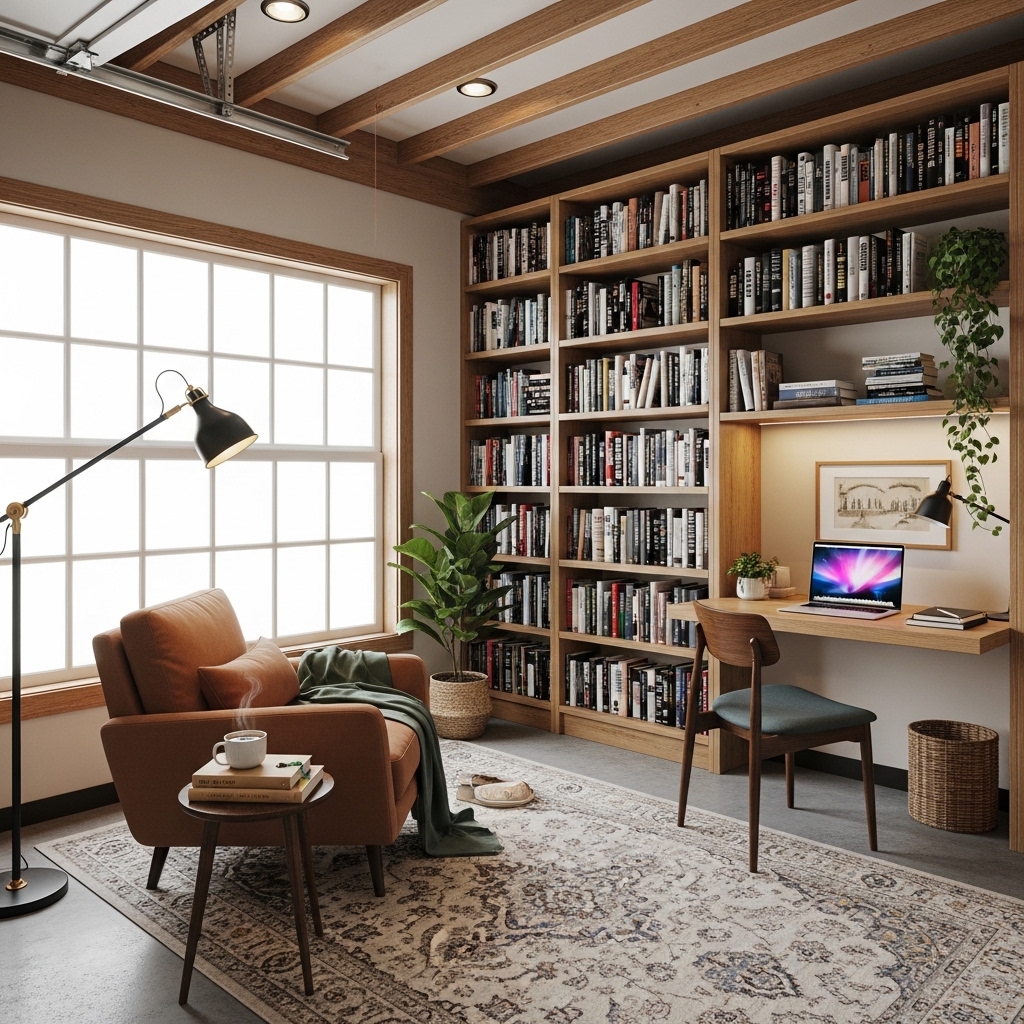
Best for: Quiet, distraction-free relaxation.
Add bookshelves, comfortable seating, and soft lighting. Position seating near natural light if possible.
This works because it creates a calm, dedicated space for reading.
Pro Tip: Use warm lighting for comfort.
Mistake to Avoid: Don’t overcrowd shelves.
13. Create a Music or Podcast Studio
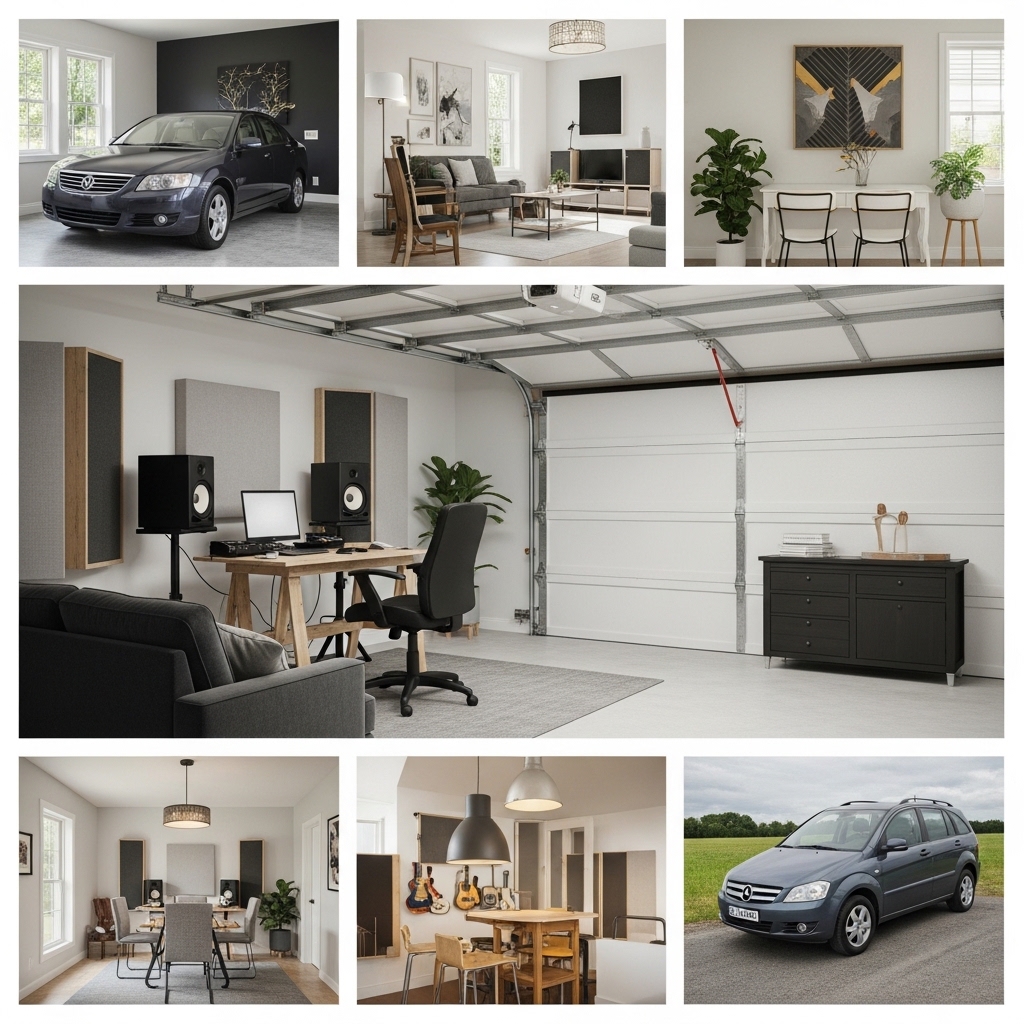
Ideal for: Creators and musicians.
Install soundproofing, recording equipment, and organized storage. Keep layout simple for efficiency.
This works because dedicated space improves sound quality.
Pro Tip: Use acoustic panels strategically.
Mistake to Avoid: Don’t ignore insulation.
14. Convert Into a Small Business Workspace
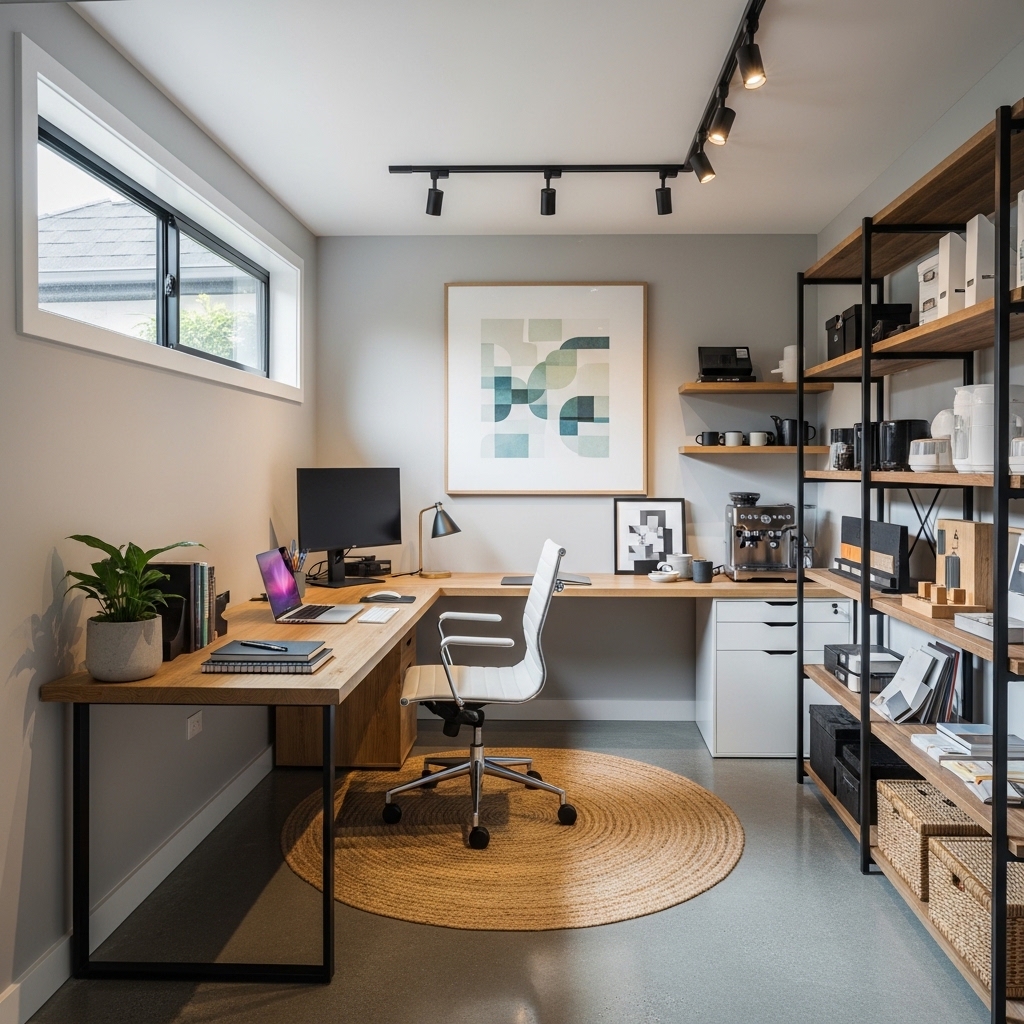
Best for: Entrepreneurs working from home.
Set up desks, storage, and packaging areas. Keep layout efficient for workflow.
This works because it separates business from personal life.
Pro Tip: Use labeled zones for tasks.
Mistake to Avoid: Don’t mix storage randomly.
15. Create an Indoor Garden or Greenhouse Room
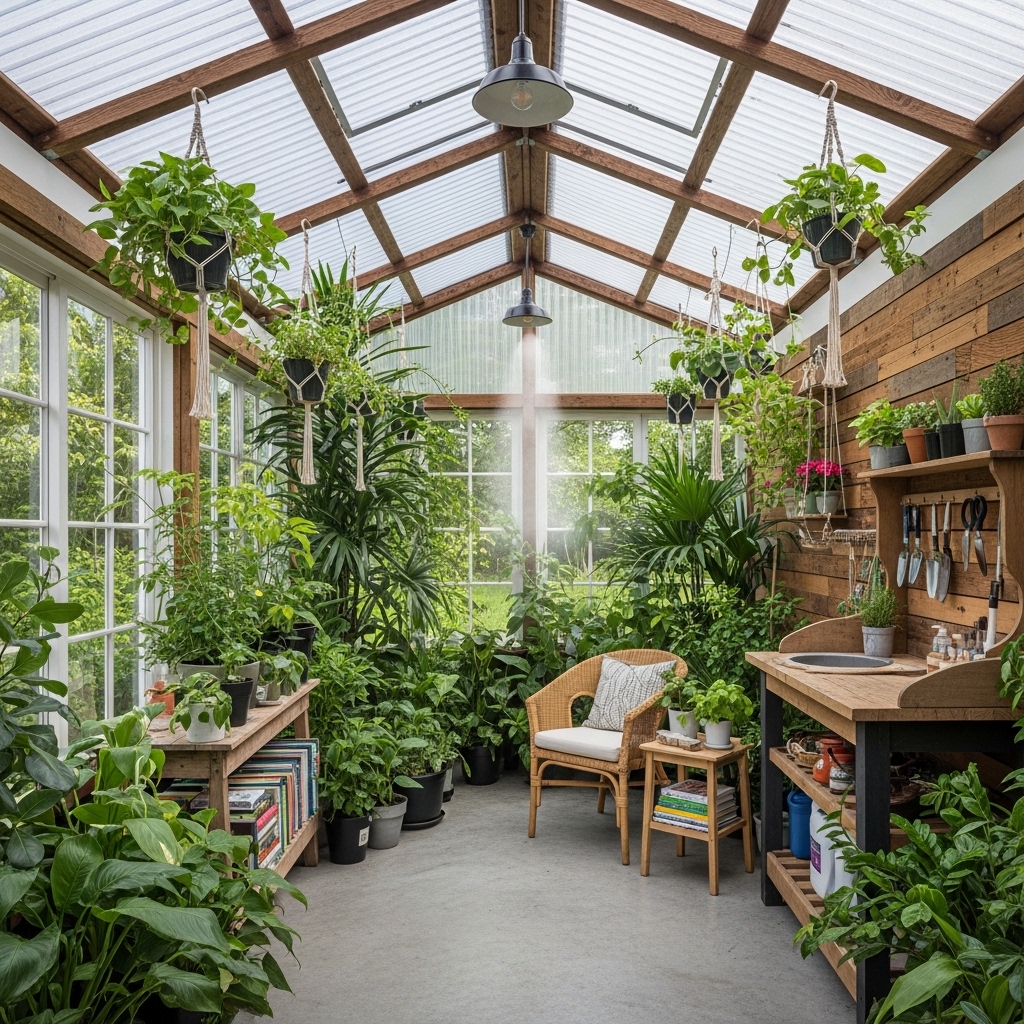
Ideal for: Plant lovers in urban spaces.
Use shelving, grow lights, and proper ventilation. Group plants based on care needs.
This works because controlled conditions improve plant growth.
Pro Tip: Use moisture-resistant materials.
Mistake to Avoid: Don’t overcrowd plants.
16. Build a Game Room or Entertainment Zone
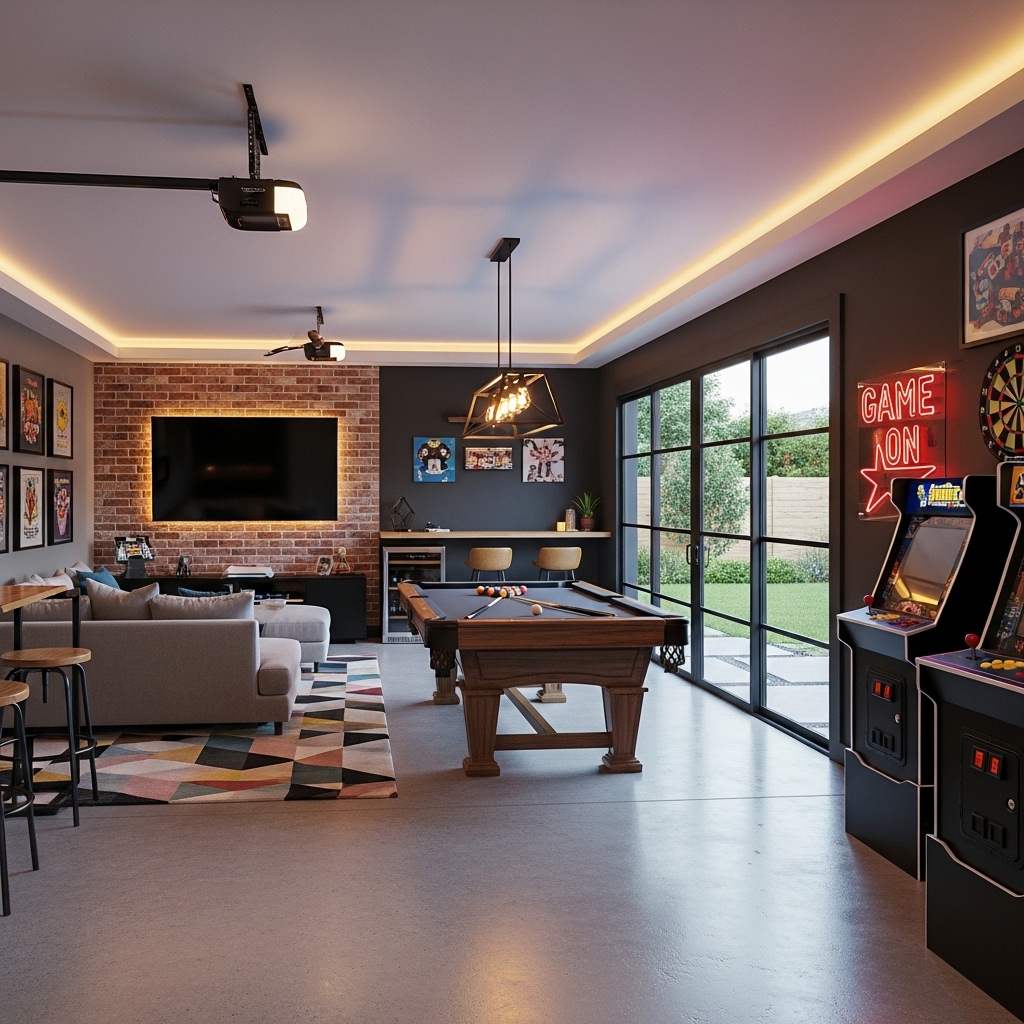
Best for: Social households or families.
Add gaming consoles, tables, and seating. Keep layout open for movement.
This works because it creates a dedicated fun space.
Pro Tip: Use durable materials.
Mistake to Avoid: Don’t overcrowd with equipment.
17. Convert Into a Yoga or Meditation Room
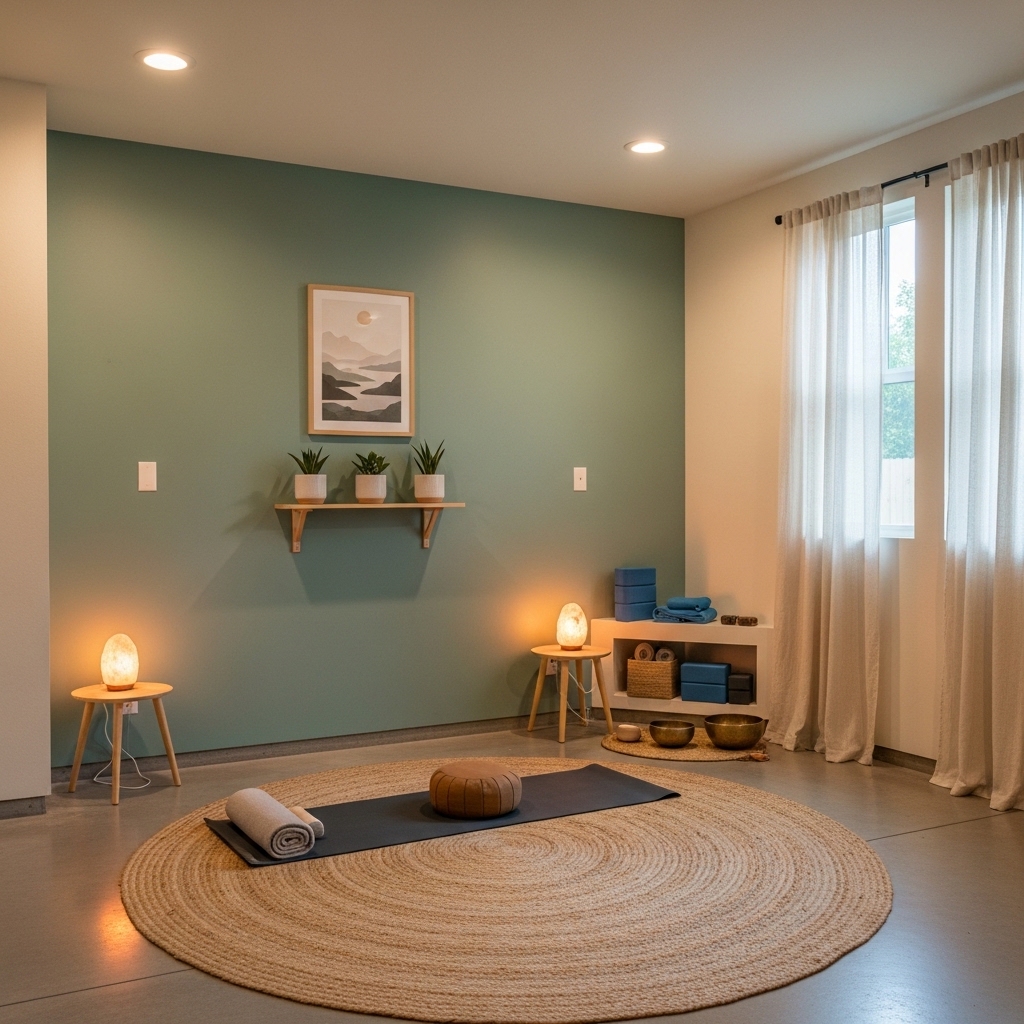
Ideal for: Wellness-focused homeowners.
Keep decor minimal, use soft lighting, and maintain open space. Add calming elements like plants or neutral tones.
This works because a distraction-free space improves consistency.
Pro Tip: Use natural textures for calming effect.
Mistake to Avoid: Don’t clutter the space.
18. Design a Pet Care or Grooming Room
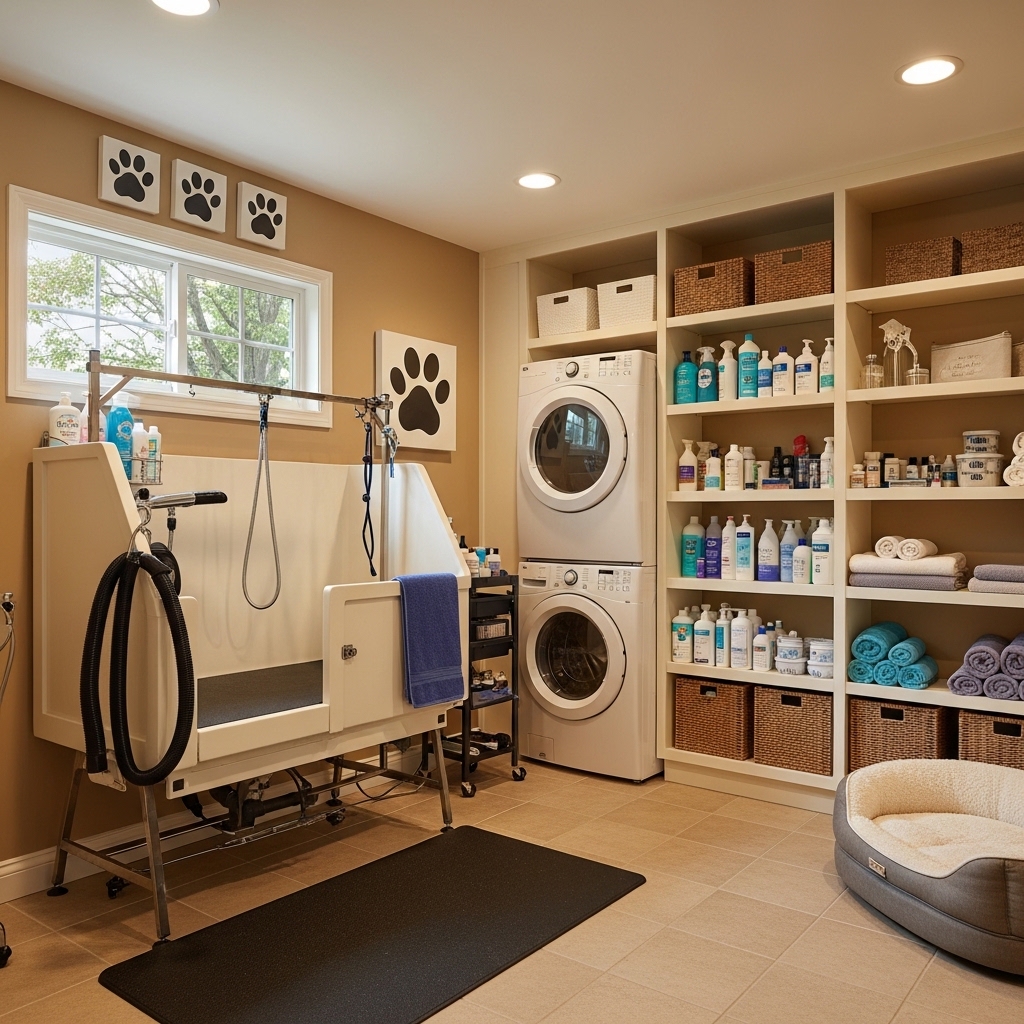
Best for: Pet owners needing dedicated space.
Install storage, washing stations, and organized supplies.
This works because it keeps pet-related mess out of main areas.
Pro Tip: Use waterproof materials.
Mistake to Avoid: Don’t ignore ventilation.
19. Create a Teen Hangout or Study Zone
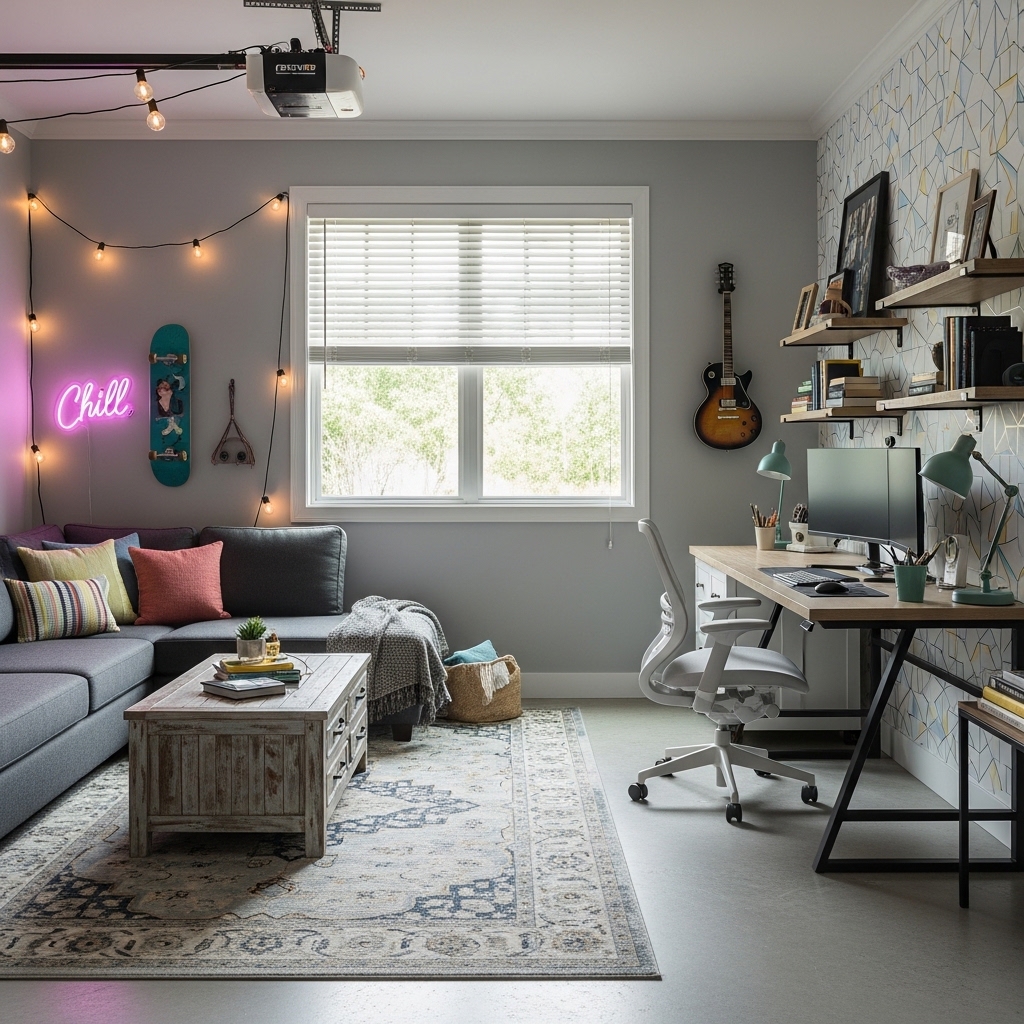
Ideal for: Growing families with teenagers.
Include seating, study desks, and entertainment options. Keep layout flexible.
This works because it gives teens their own space.
Pro Tip: Use modular furniture.
Mistake to Avoid: Don’t overcrowd with decor.
20. Build a Flexible Multi-Purpose Conversion
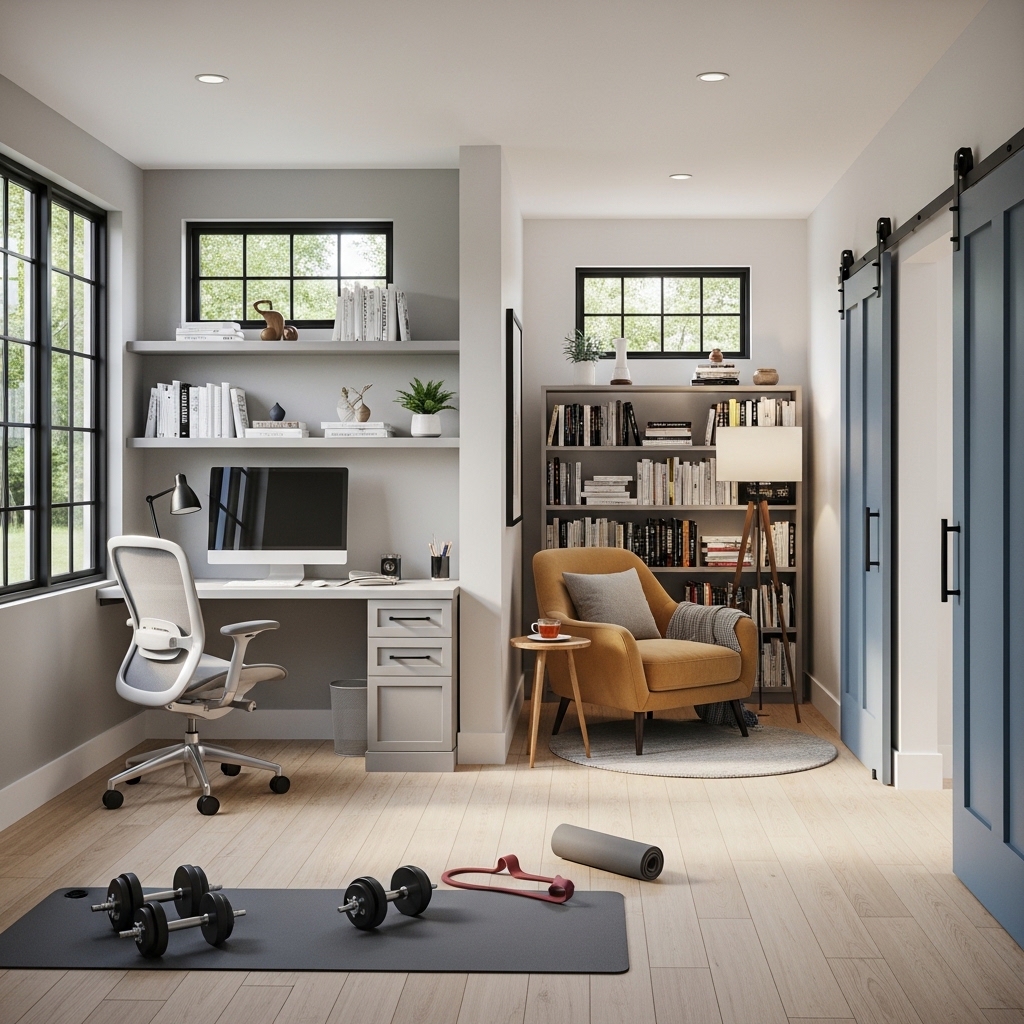
Best for: Homeowners unsure of one fixed use.
Design a space that can shift between office, guest room, or lounge using movable furniture and storage.
This works because flexibility ensures long-term usability as needs change.
Pro Tip: Use foldable and modular furniture.
Mistake to Avoid: Don’t design for only one purpose.
Conclusion
A garage conversion isn’t just about adding a room—it’s about unlocking hidden space and making your home work smarter. Whether you need extra income, workspace, or relaxation areas, the right conversion can significantly improve daily living.