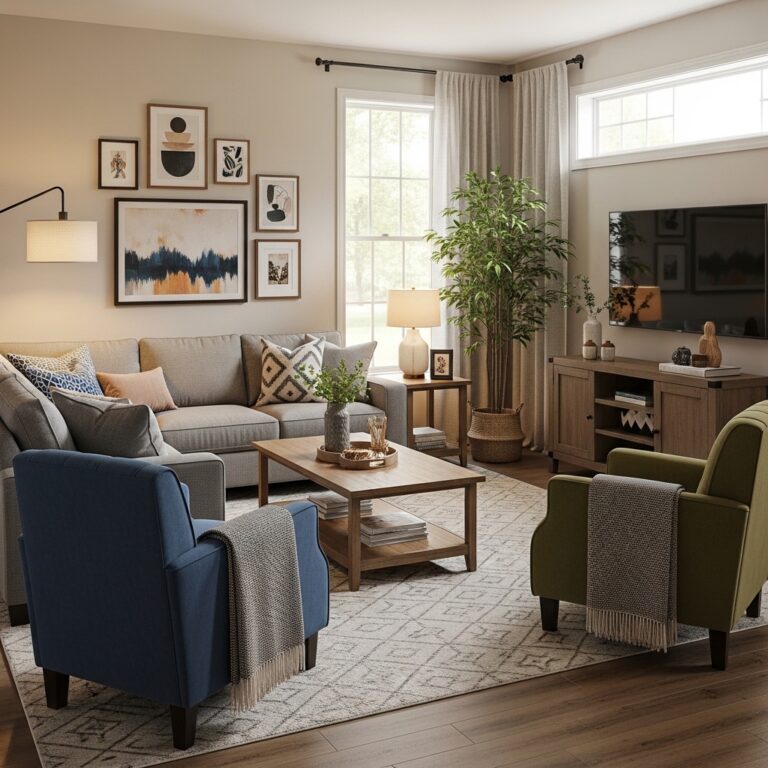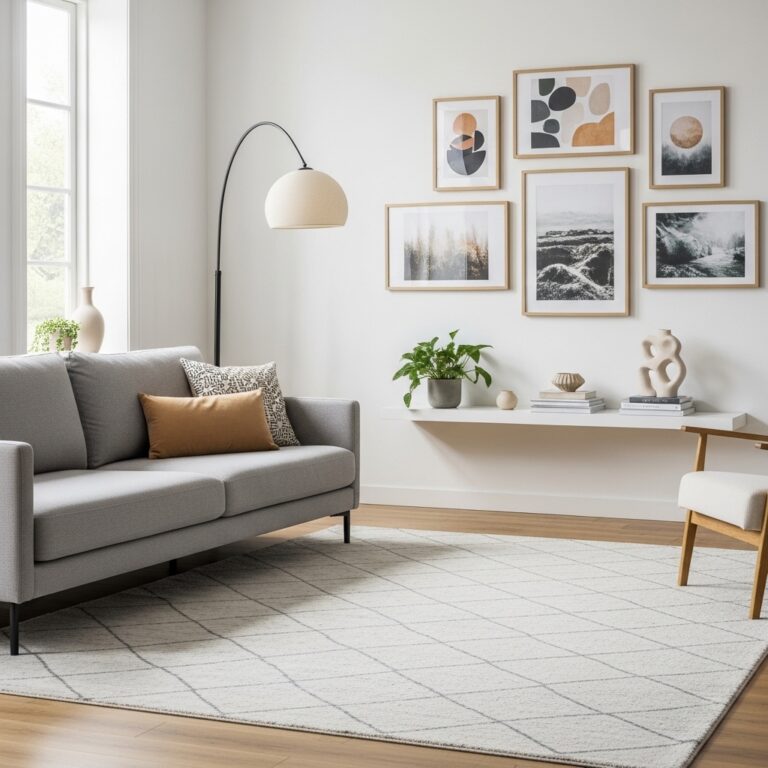
65 Apartment Living Room Decor Ideas to Maximize Style in Small Spaces
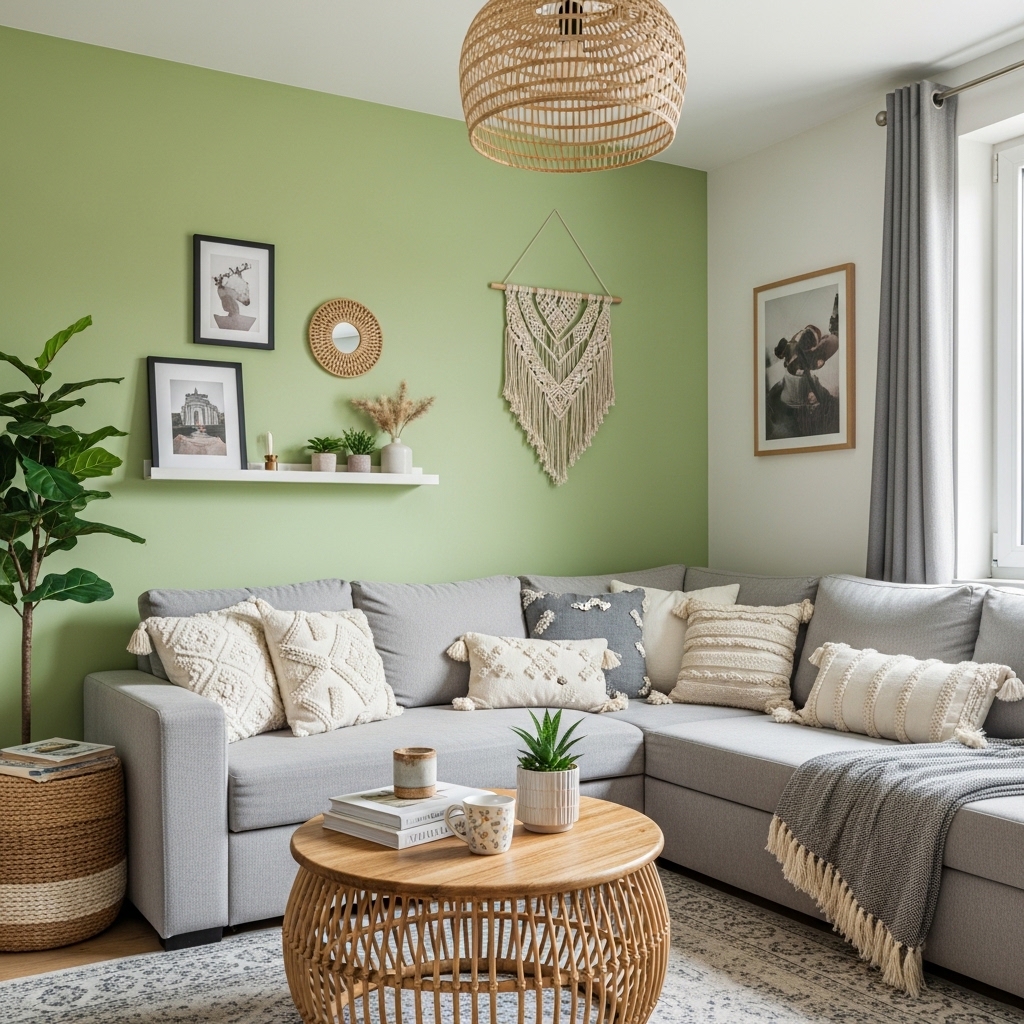
Living in an apartment can be tough when it comes to the living room. You have to deal with not having a lot of space rules about what you can and cannot do and you need to make sure it is comfortable and works well. It is not about getting stuff it is about picking things that work really well in the space you have.
The ideas I am going to share are about things that happen in life when you live in an apartment. Like when the rooms are really small or it is hard to get a lot of light in or you have to share the space with people or you do not have a lot of money to spend.
Each idea will help you make choices, about how to decorate your apartment living room so it feels like it was planned it feels comfortable and it looks nice and open instead of cluttered.
1. Space-Saving Furniture Layout for Small Apartments
Who this is for: Studio apartments or compact living rooms where every inch matters.
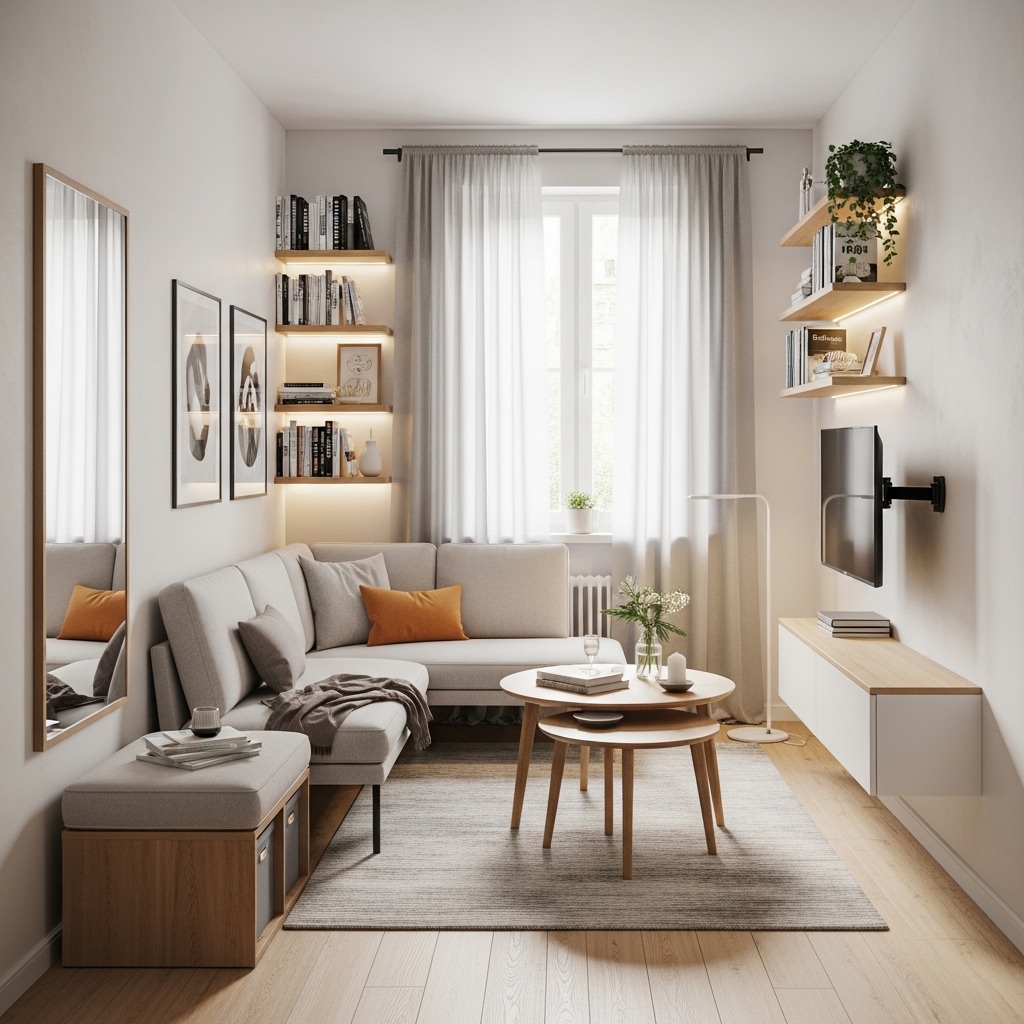
A smart layout improves flow and prevents the room from feeling blocked. Positioning furniture correctly often matters more than buying new pieces.
How to apply: Float the sofa slightly away from walls and keep walking paths clear. Use fewer but well-sized pieces.
Mistake: Pushing everything against walls can actually make the space feel smaller.
2. Multi-Functional Furniture That Reduces Clutter
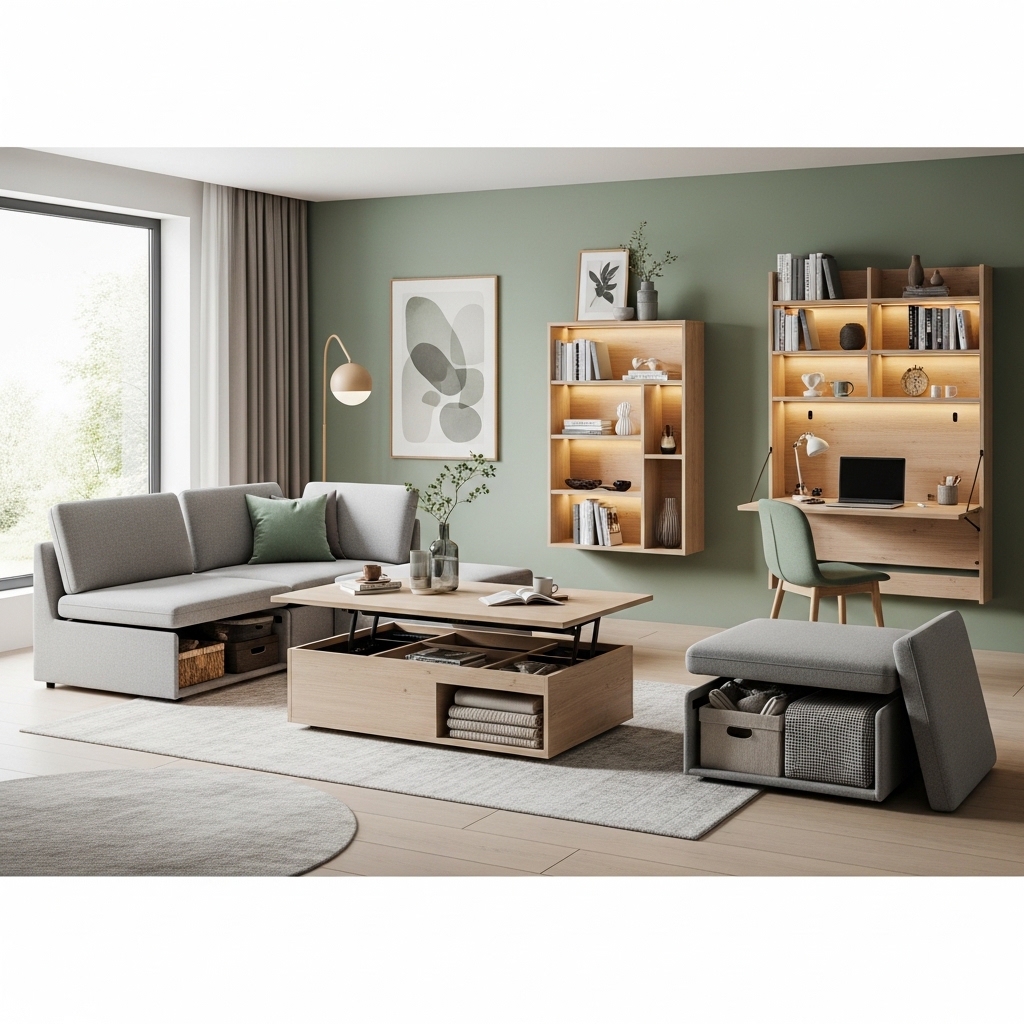
Who this is for: Small apartments needing both storage and seating.
Furniture that serves multiple purposes helps reduce visual clutter and saves space. It keeps the room functional without overcrowding it.
How to apply: Use ottomans with storage, nesting tables, or sofa beds.
Budget tip: Look for second-hand multi-use furniture to save money.
3. Light Color Palette to Open Up the Room
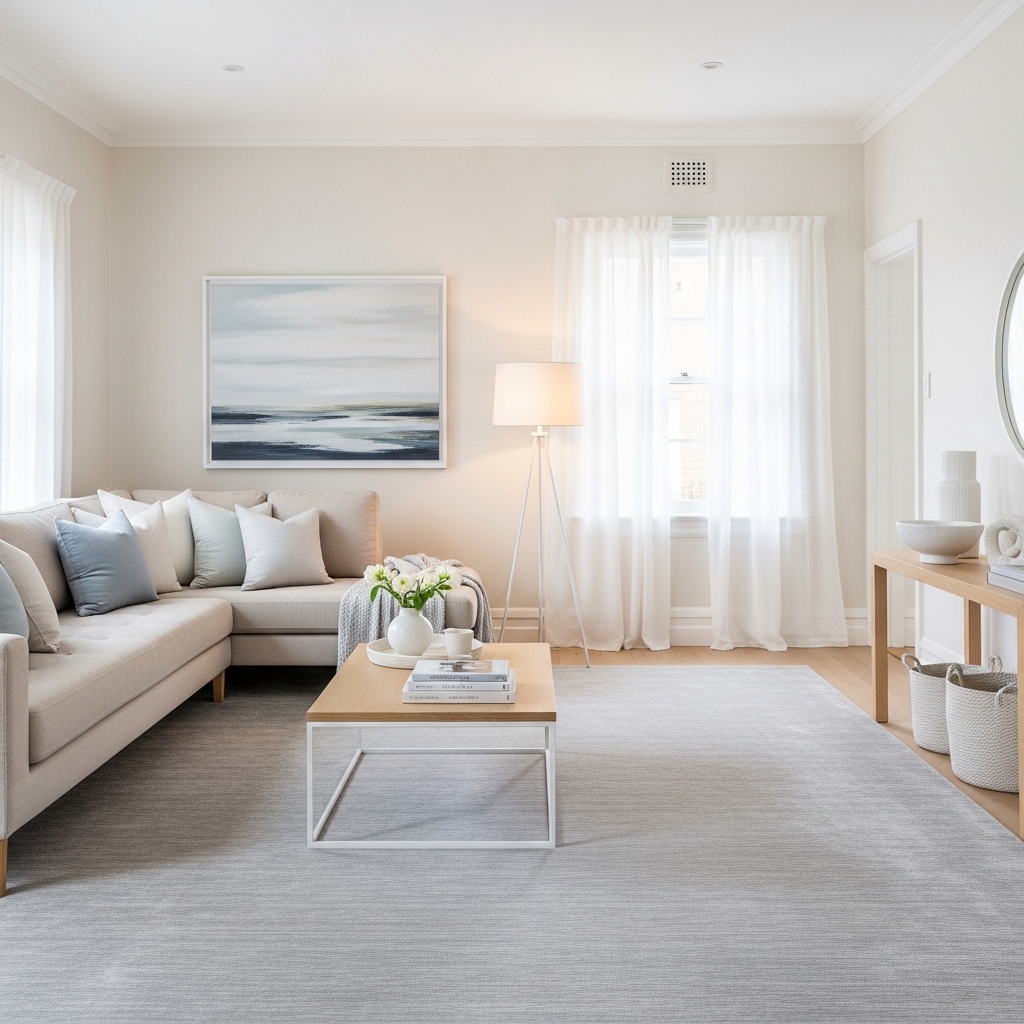
Who this is for: Apartments with limited natural light.
Lighter colors reflect light and make the room feel more spacious. They also create a clean base for layering decor.
How to apply: Use white, beige, or soft gray on walls and large furniture. Add subtle color through accessories.
Mistake: Too many dark tones can make small rooms feel enclosed.
4. Mirrors to Visually Double Space
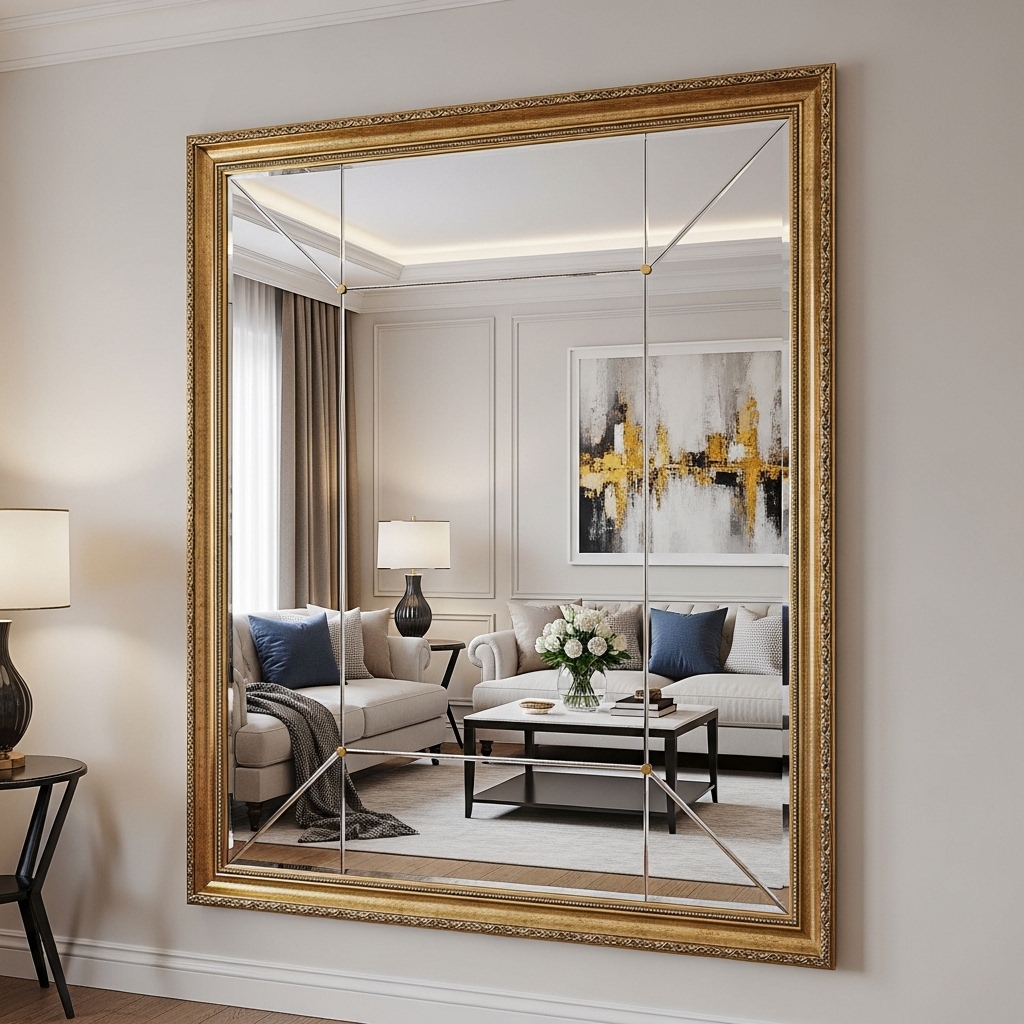
Who this is for: Narrow or low-light living rooms.
Mirrors create the illusion of depth and brightness by reflecting light.
How to apply: Place opposite windows or light sources. Use large mirrors instead of multiple small ones.
Mistake: Avoid reflecting cluttered areas.
5. Vertical Wall Storage Instead of Floor Units
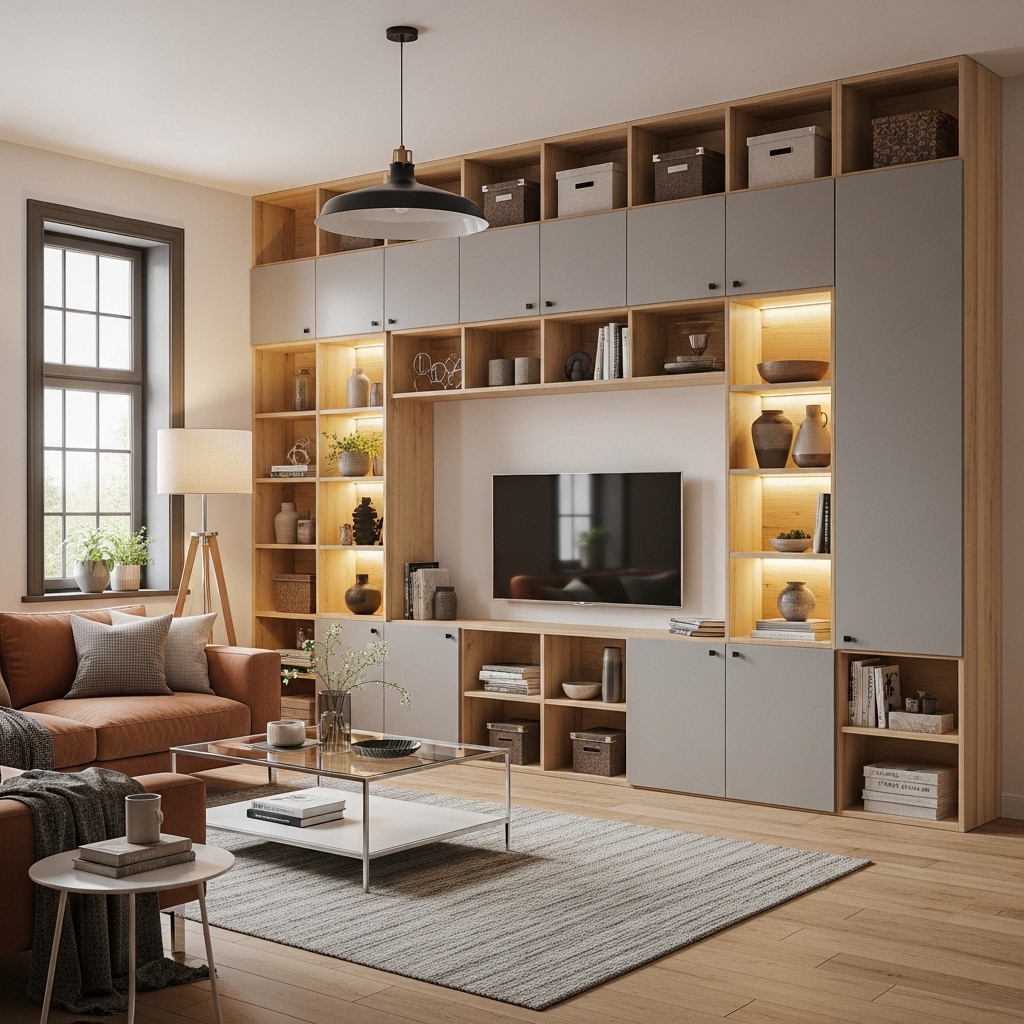
Who this is for: Apartments with limited floor space.
Using vertical space keeps the floor open and improves movement.
How to apply: Install shelves above sofas or desks. Keep items spaced out.
Mistake: Overloading shelves makes walls look messy.
6. Compact Sectional for Corner Optimization
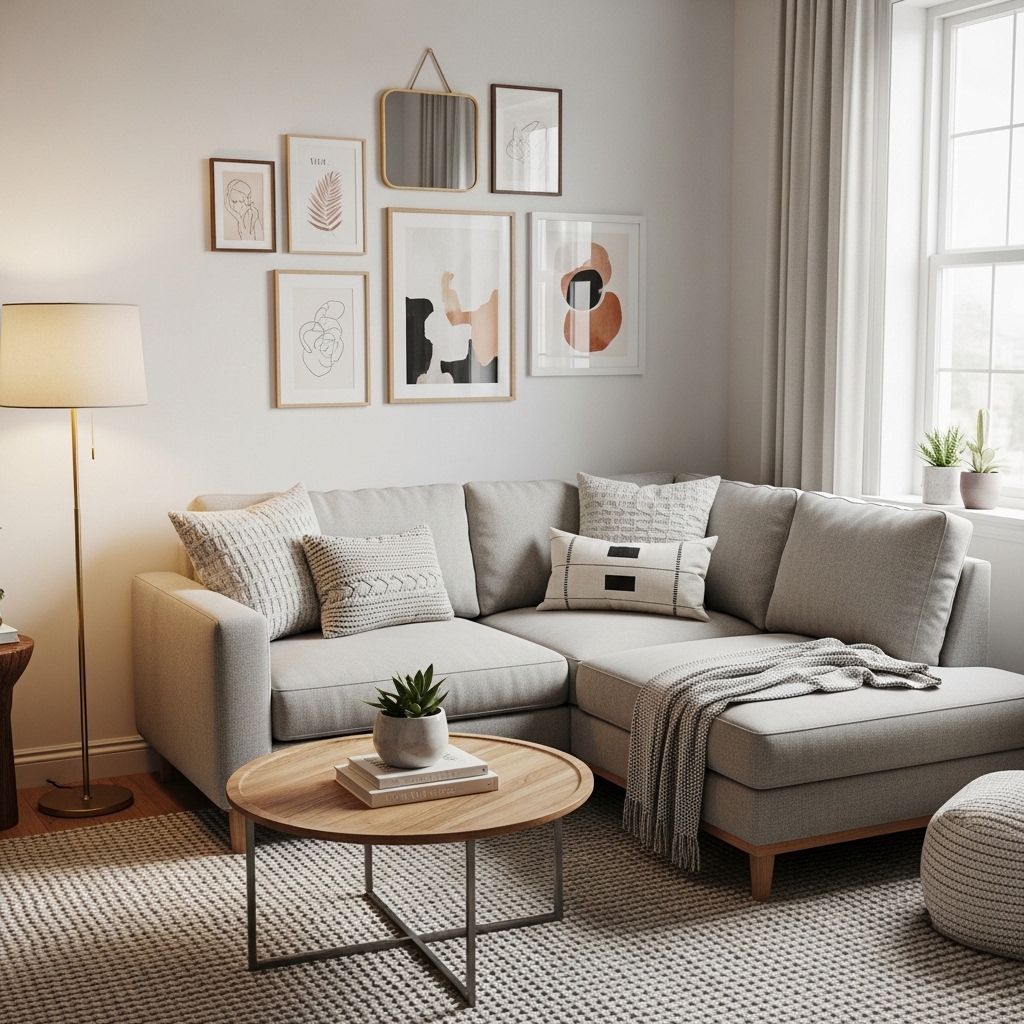
Who this is for: Small families or shared apartments.
Corner sofas maximize seating without taking over the room.
How to apply: Place against two walls or in a corner. Keep surrounding decor minimal.
Mistake: Oversized sectionals can dominate the space.
7. Area Rugs to Define Zones in Open Layouts
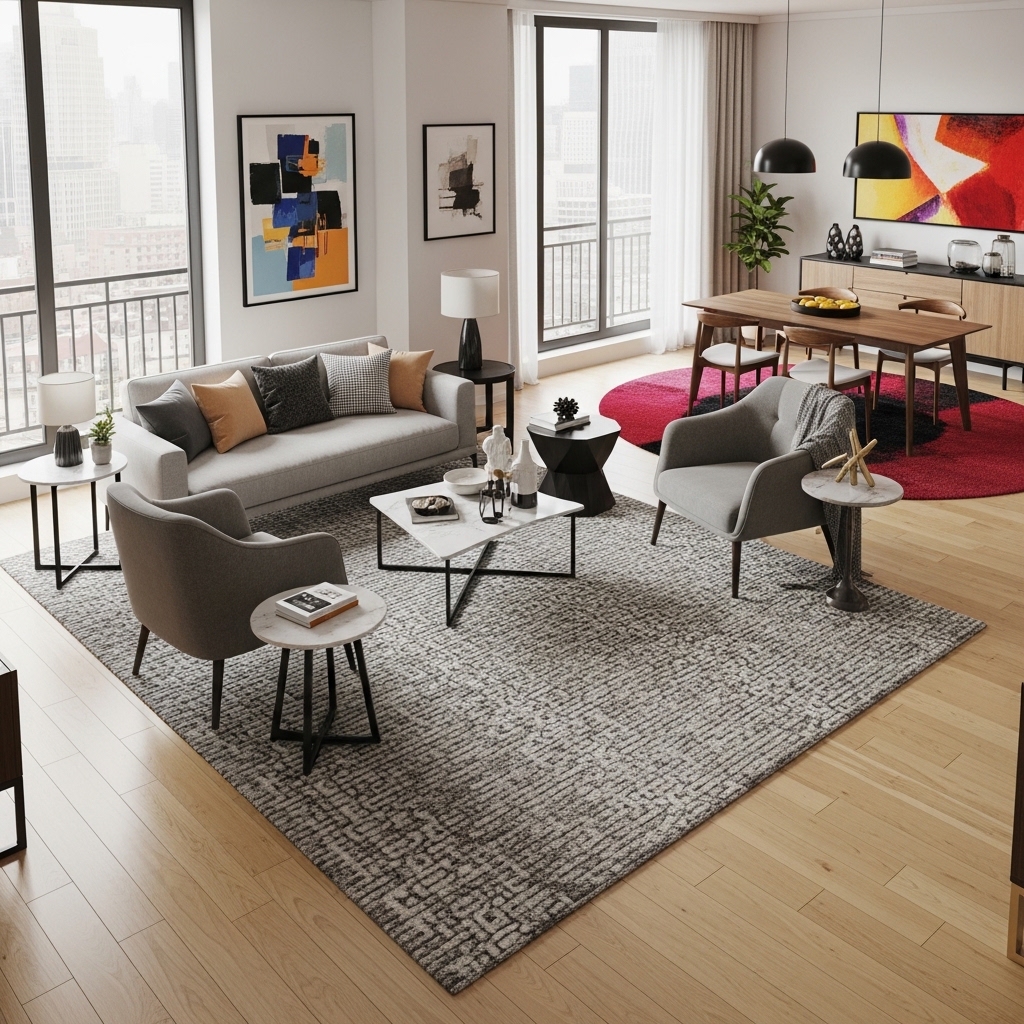
Who this is for: Studio apartments or open-plan living rooms.
Rugs help visually separate spaces like living and dining areas.
How to apply: Use one rug per zone and keep furniture partially on it.
Mistake: Small rugs break visual flow.
8. Wall-Mounted TV to Free Up Floor Space
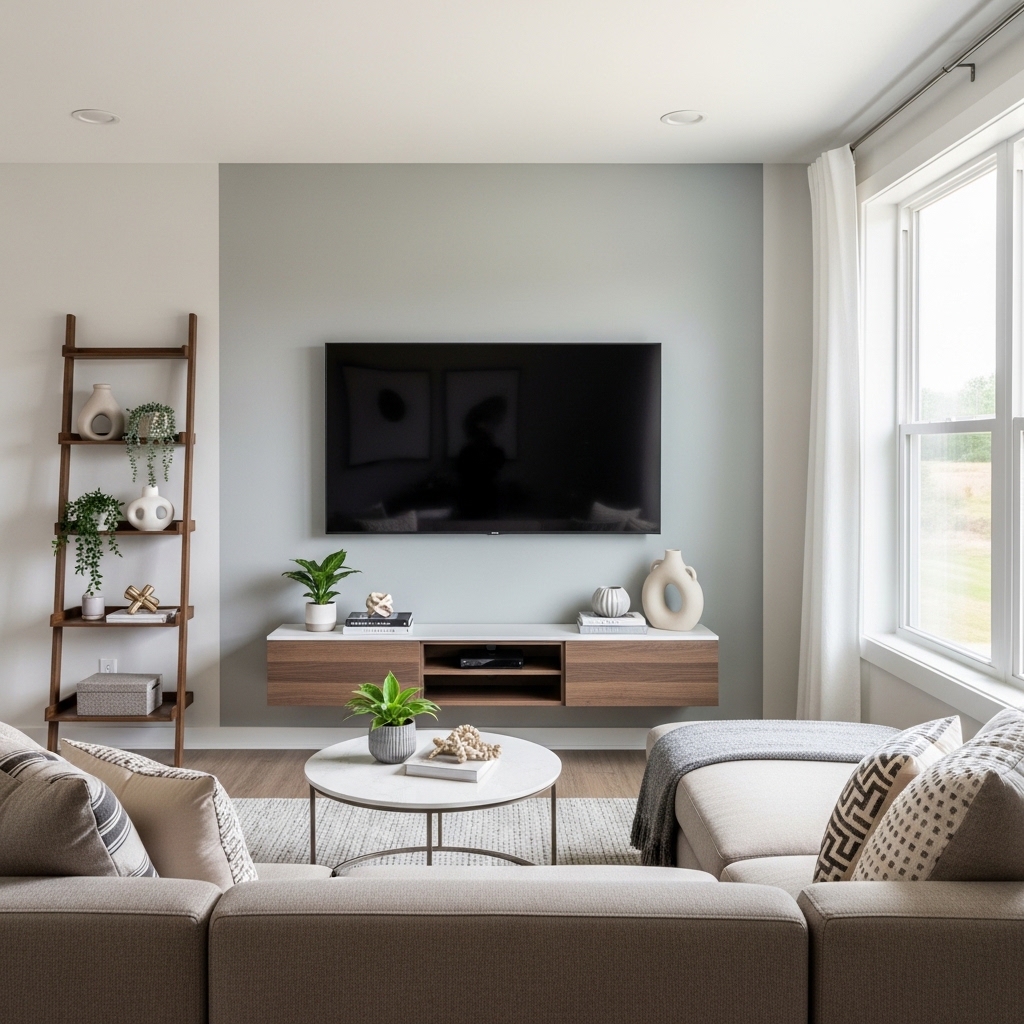
Who this is for: Apartments with limited room for media units.
Mounting the TV reduces clutter and keeps the layout clean.
How to apply: Pair with a slim console or floating shelf. Hide wires.
Mistake: Mounting too high causes discomfort while watching.
9. Slim Furniture for Better Movement
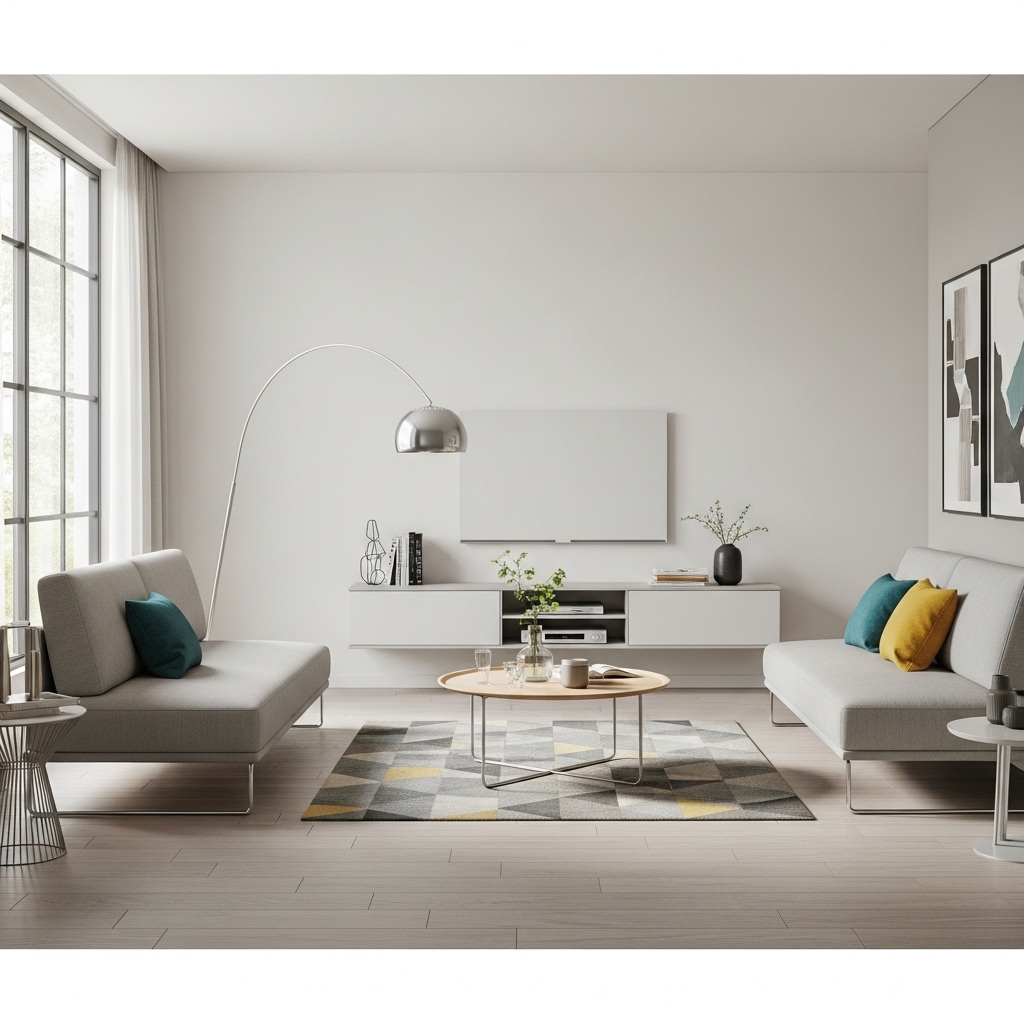
Who this is for: Narrow living rooms.
Slim furniture improves circulation and prevents tight spaces.
How to apply: Choose thin-leg tables and compact seating.
Mistake: Bulky furniture blocks pathways.
10. Layered Lighting Instead of One Overhead Light
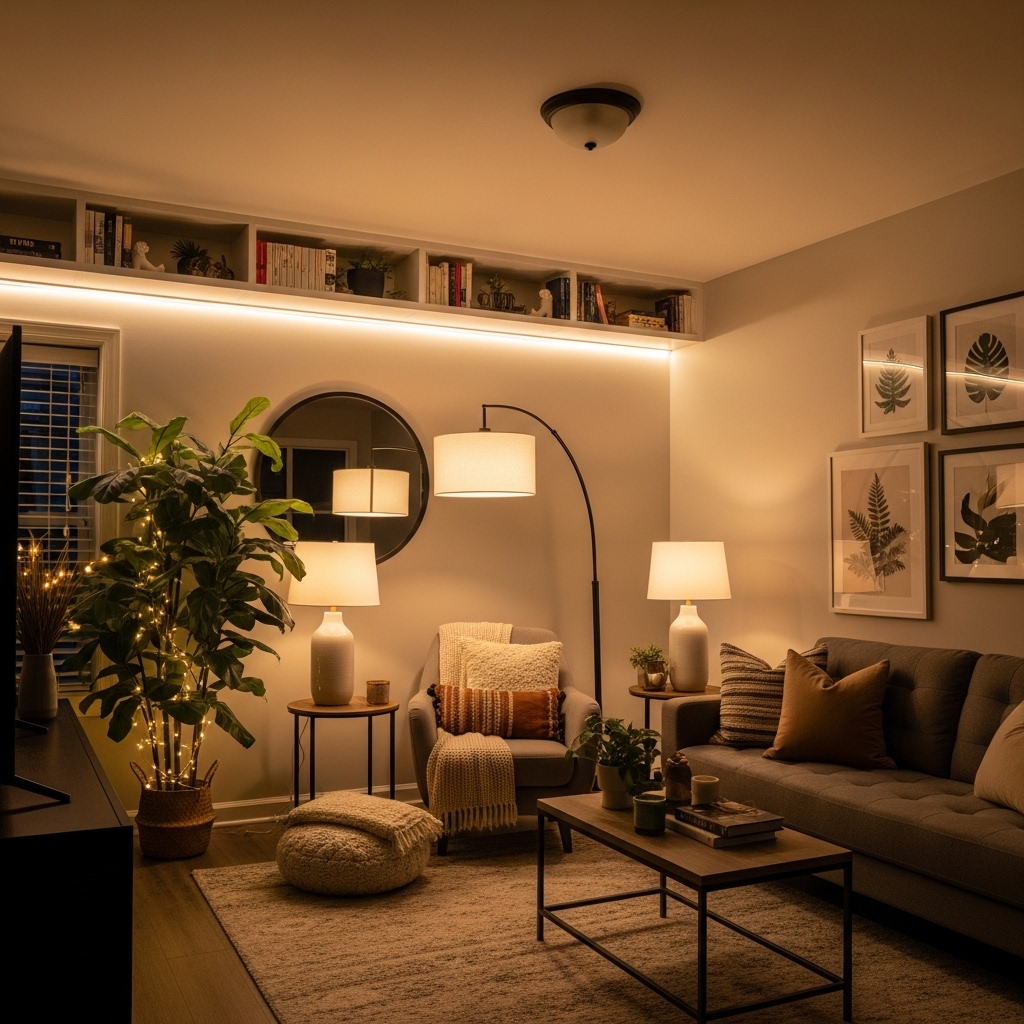
Who this is for: Apartments with harsh ceiling lighting.
Layered lighting creates depth and improves ambiance.
How to apply: Combine floor lamps, table lamps, and warm bulbs.
Mistake: Relying only on ceiling lights makes the room feel flat.
11. Removable Wallpaper for Rental-Friendly Style
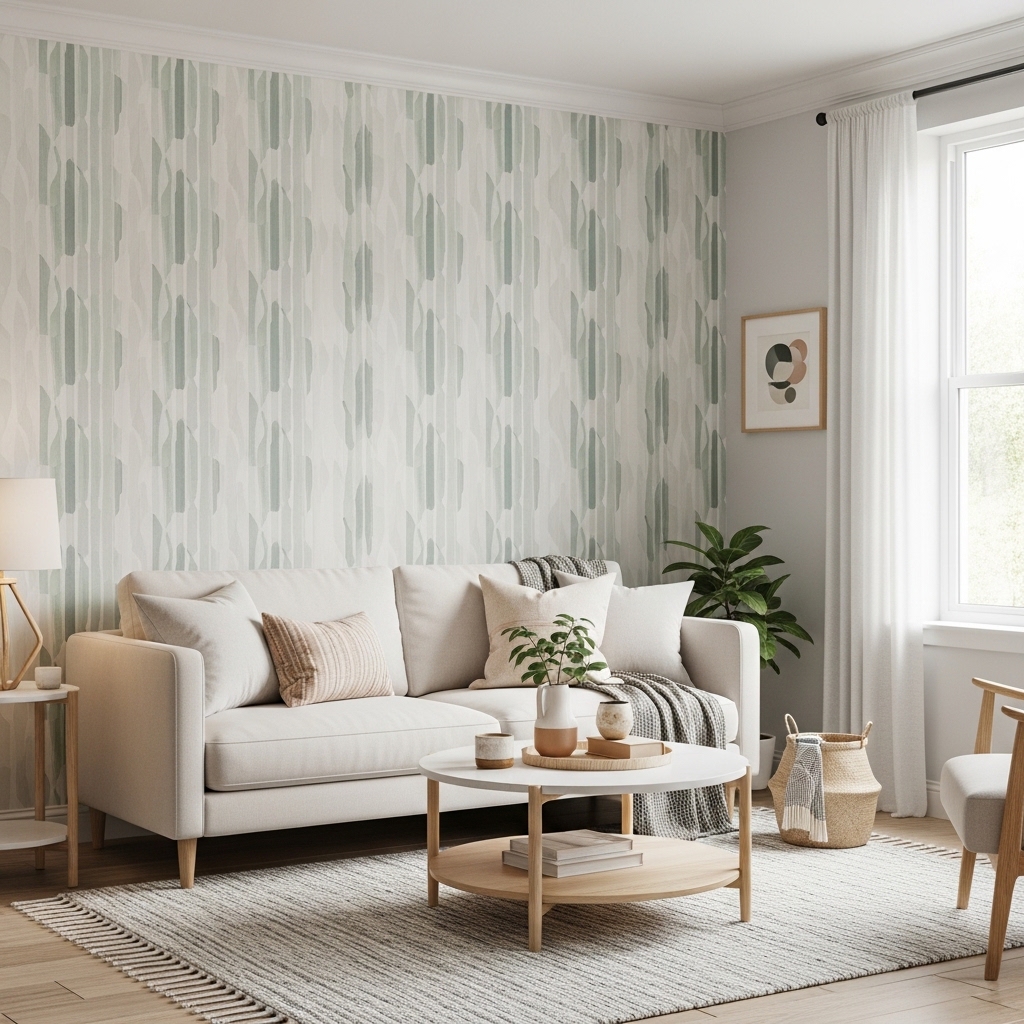
Who this is for: Renters who can’t paint walls.
Peel-and-stick wallpaper adds personality without permanent changes.
How to apply: Use on one accent wall. Choose subtle patterns.
Mistake: Overusing patterns can overwhelm small rooms.
12. Floating Shelves for Decor Display
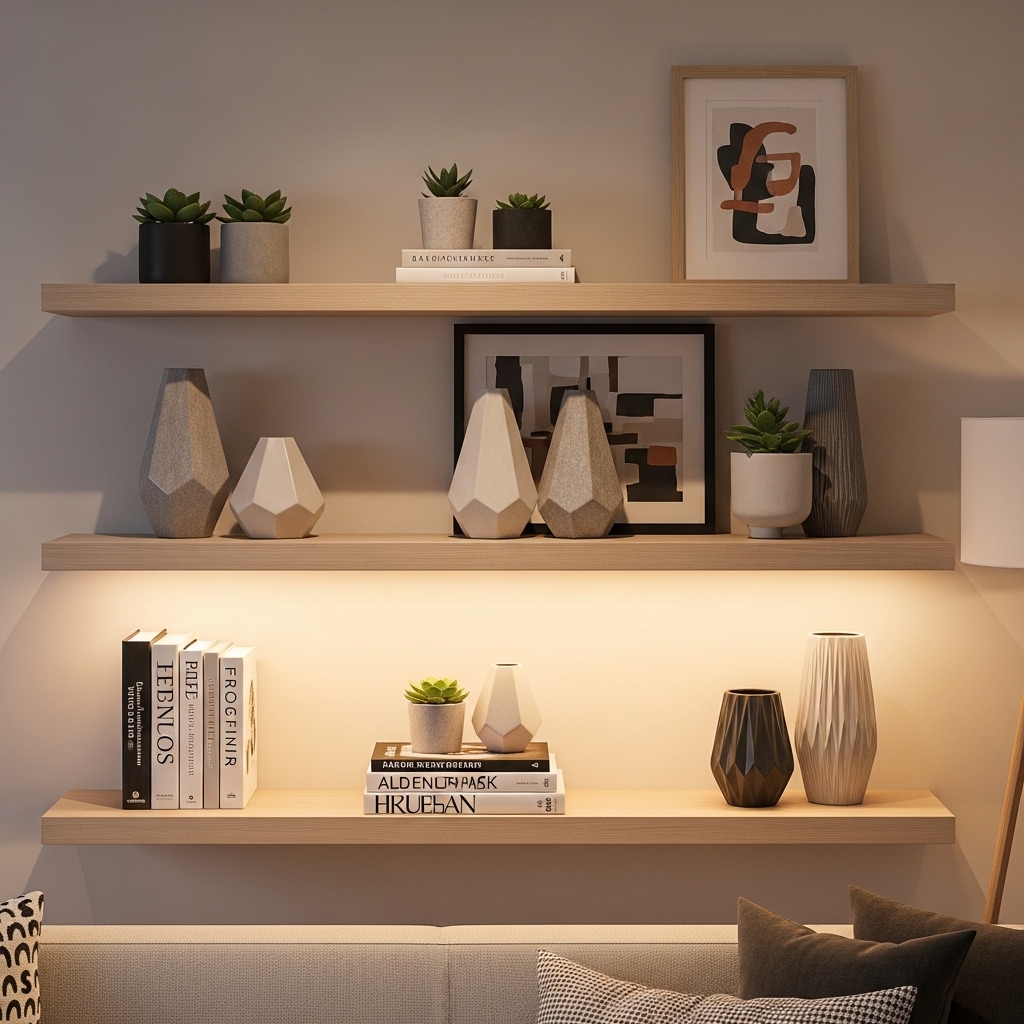
Who this is for: Small apartments needing vertical styling.
Shelves provide space for decor without using floor area.
How to apply: Keep items minimal and balanced.
Mistake: Cluttered shelves reduce visual appeal.
13. Neutral Base with Accent Colors
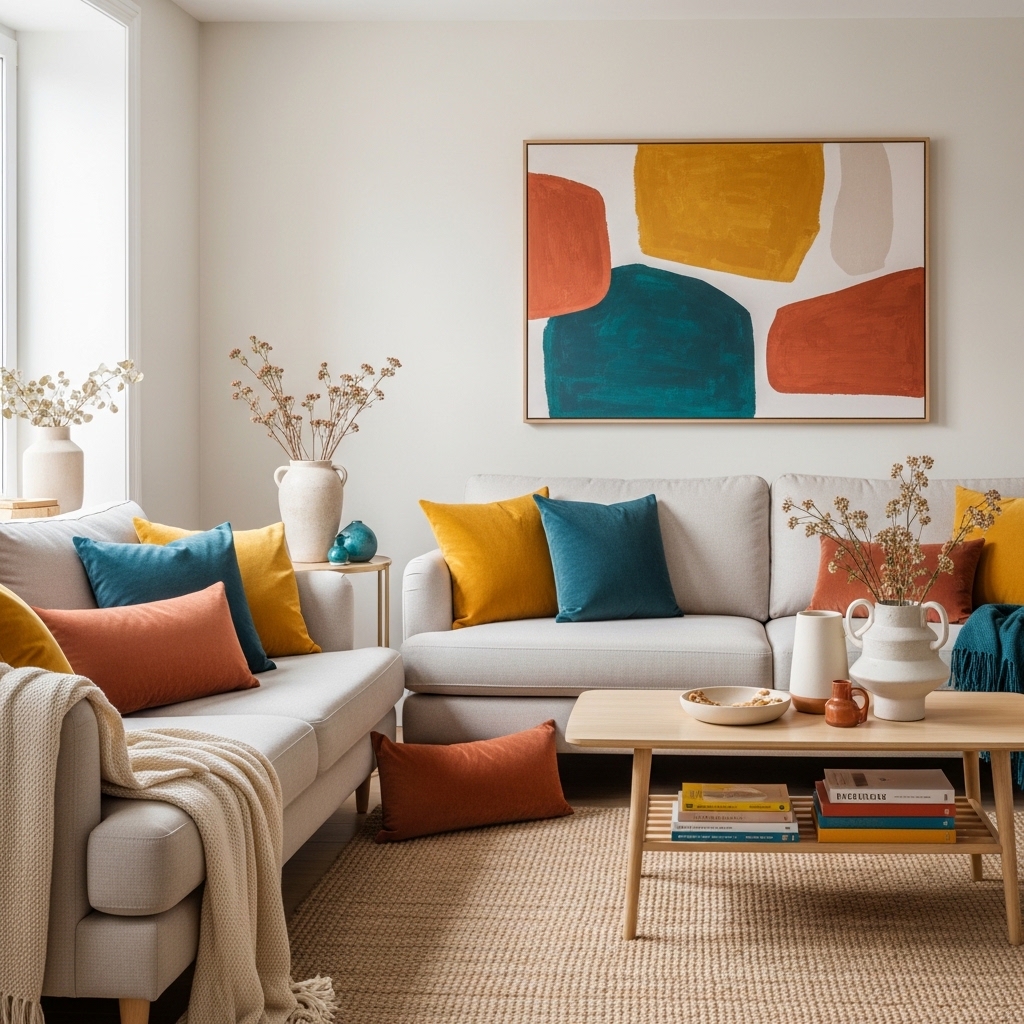
Who this is for: Flexible styling across seasons.
Neutral bases allow easy updates with accessories.
How to apply: Use colored pillows, throws, or art.
Tip: Stick to 2–3 accent colors.
14. Glass Furniture for Visual Lightness
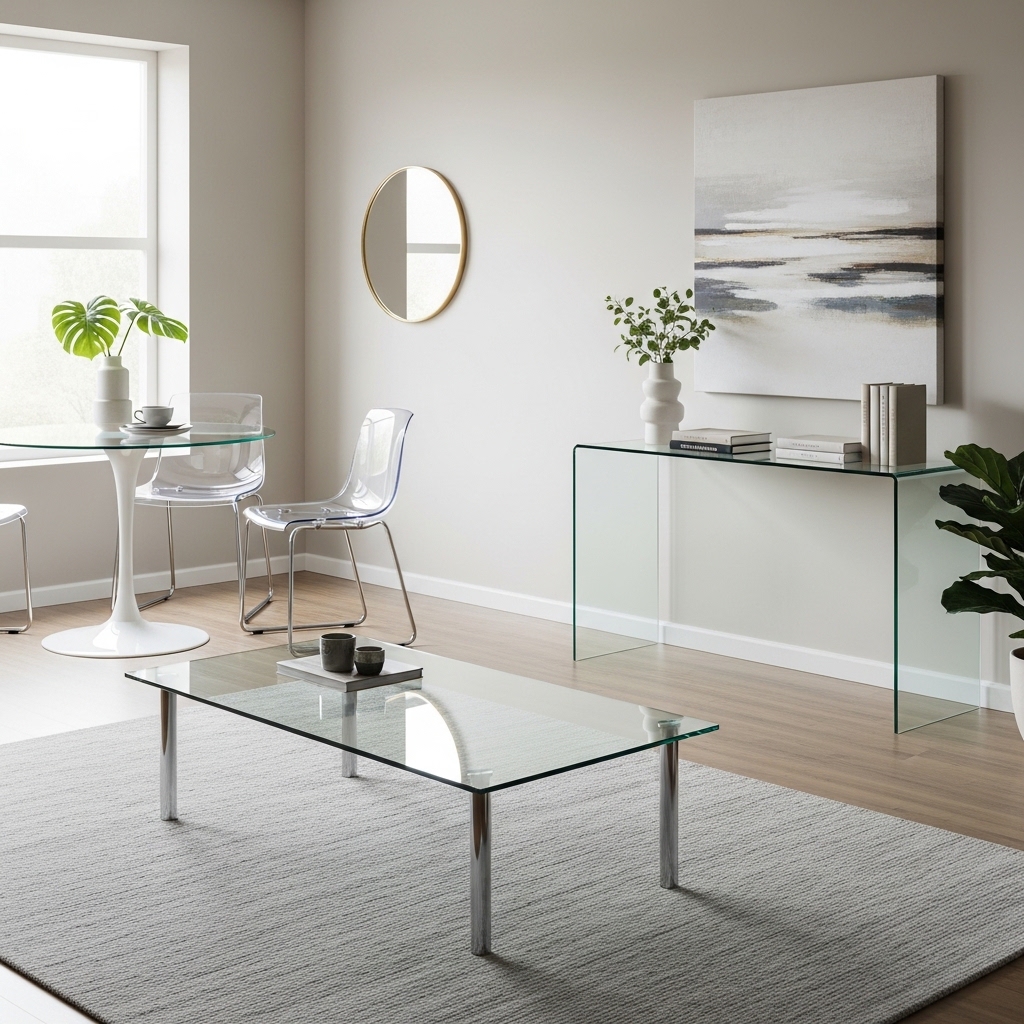
Who this is for: Very small living rooms.
Glass pieces make the room feel less crowded.
How to apply: Use glass coffee tables or side tables.
Mistake: Too many transparent items can feel cold.
15. Hidden Storage Solutions
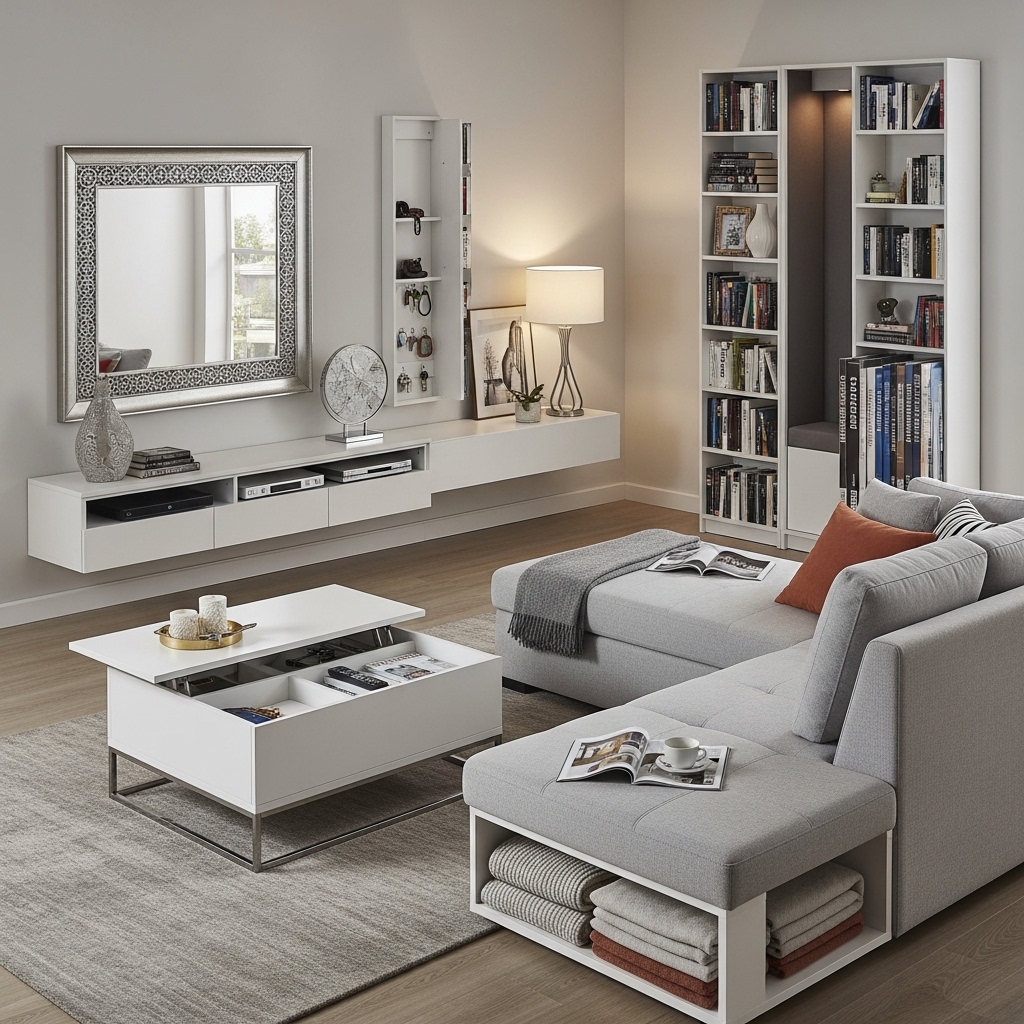
Who this is for: Clutter-prone apartments.
Hidden storage keeps the room clean and organized.
How to apply: Use storage benches or cabinets.
Budget tip: DIY storage solutions work well.
16. Cozy Reading Nook in a Corner
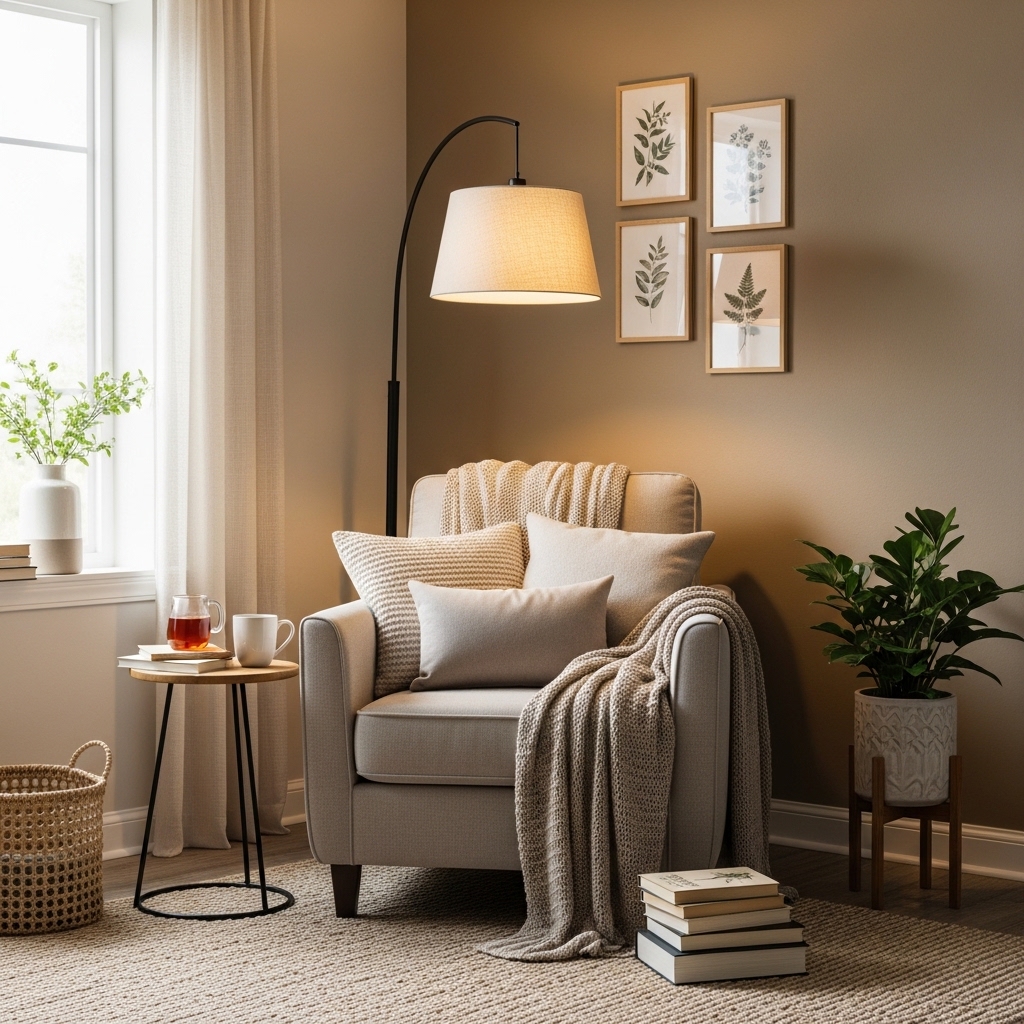
Who this is for: Unused apartment corners.
A reading nook adds function without needing extra space.
How to apply: Add a chair, lamp, and small table.
Mistake: Poor lighting reduces usability.
17. Curtains Hung High to Expand Height
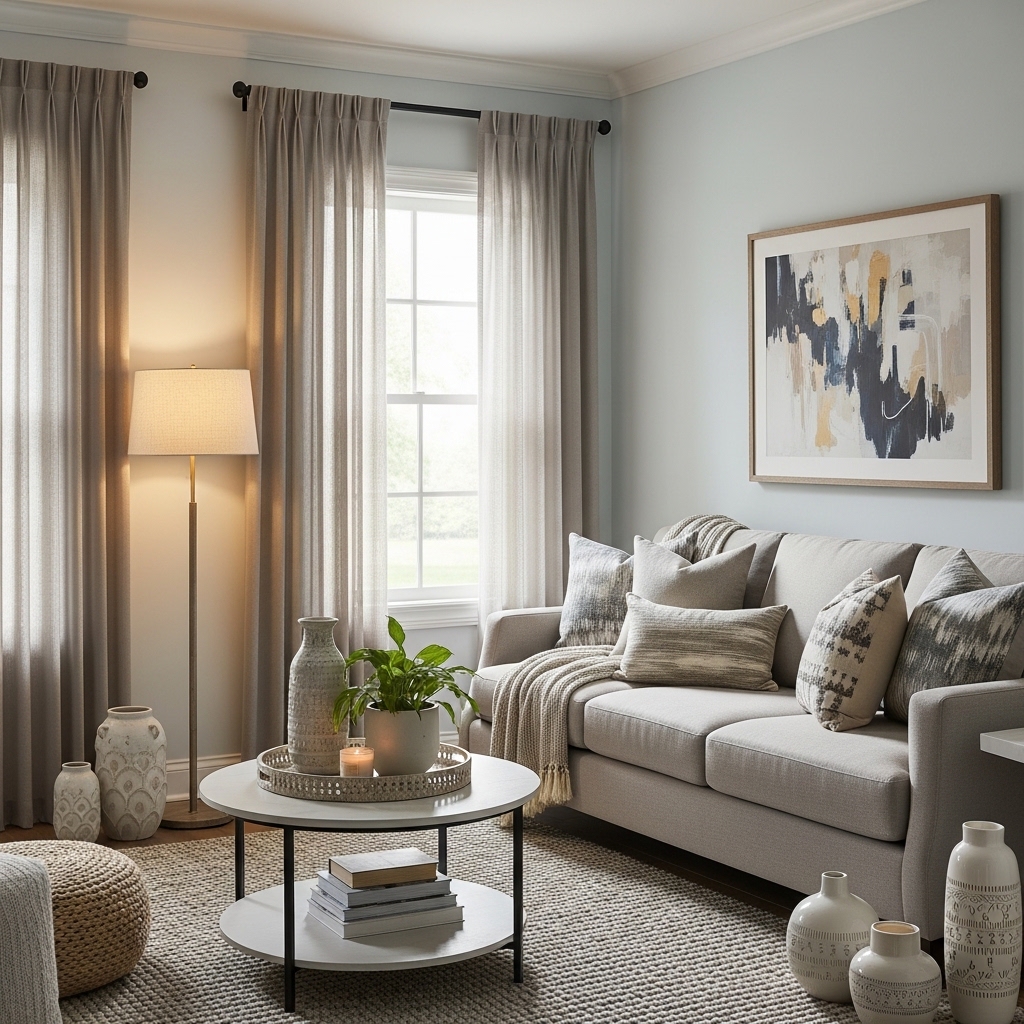
Who this is for: Low-ceiling apartments.
High curtains make ceilings appear taller.
How to apply: Hang above window frame and use long panels.
Mistake: Short curtains shrink the room visually.
18. Minimal Decor for Small Spaces
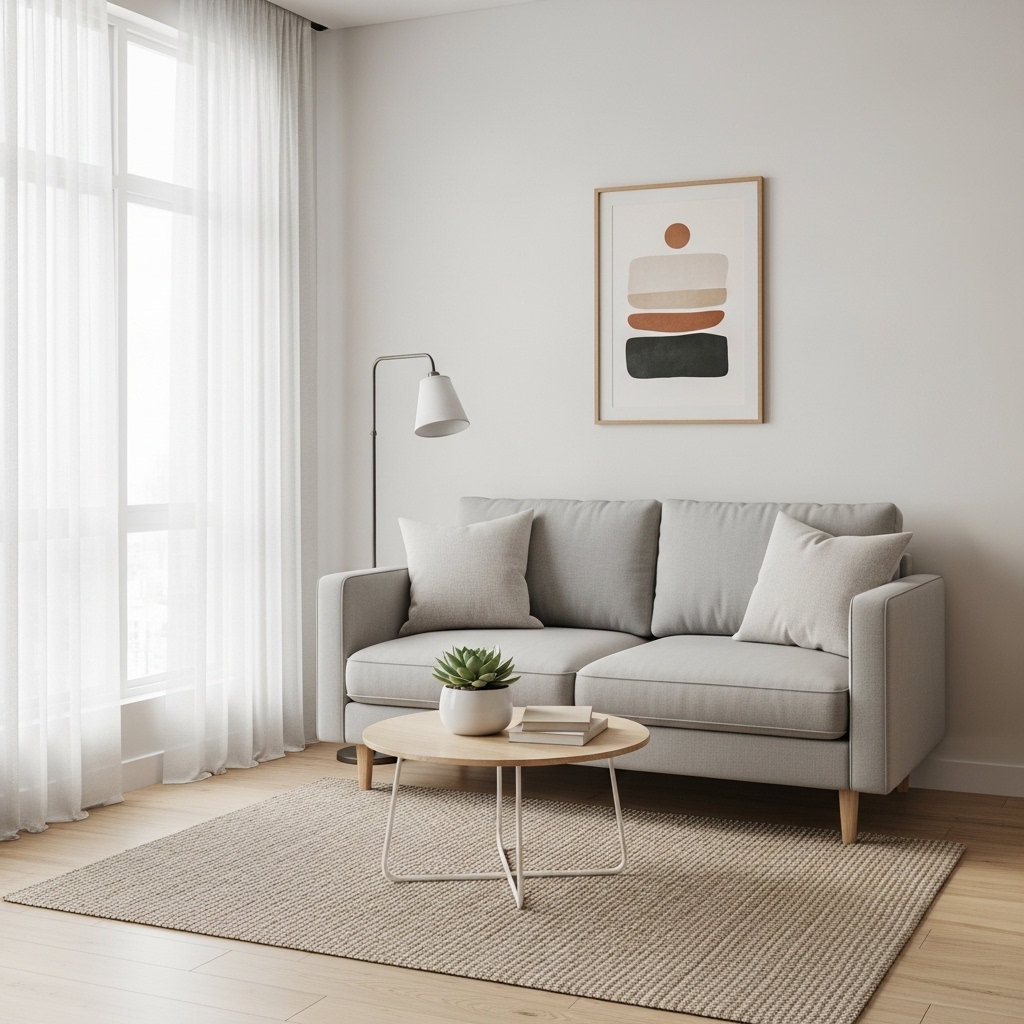
Who this is for: Tight living rooms.
Less decor keeps the space breathable and functional.
How to apply: Focus on a few statement pieces.
Tip: Leave empty space intentionally.
19. Wall Art That Matches Scale
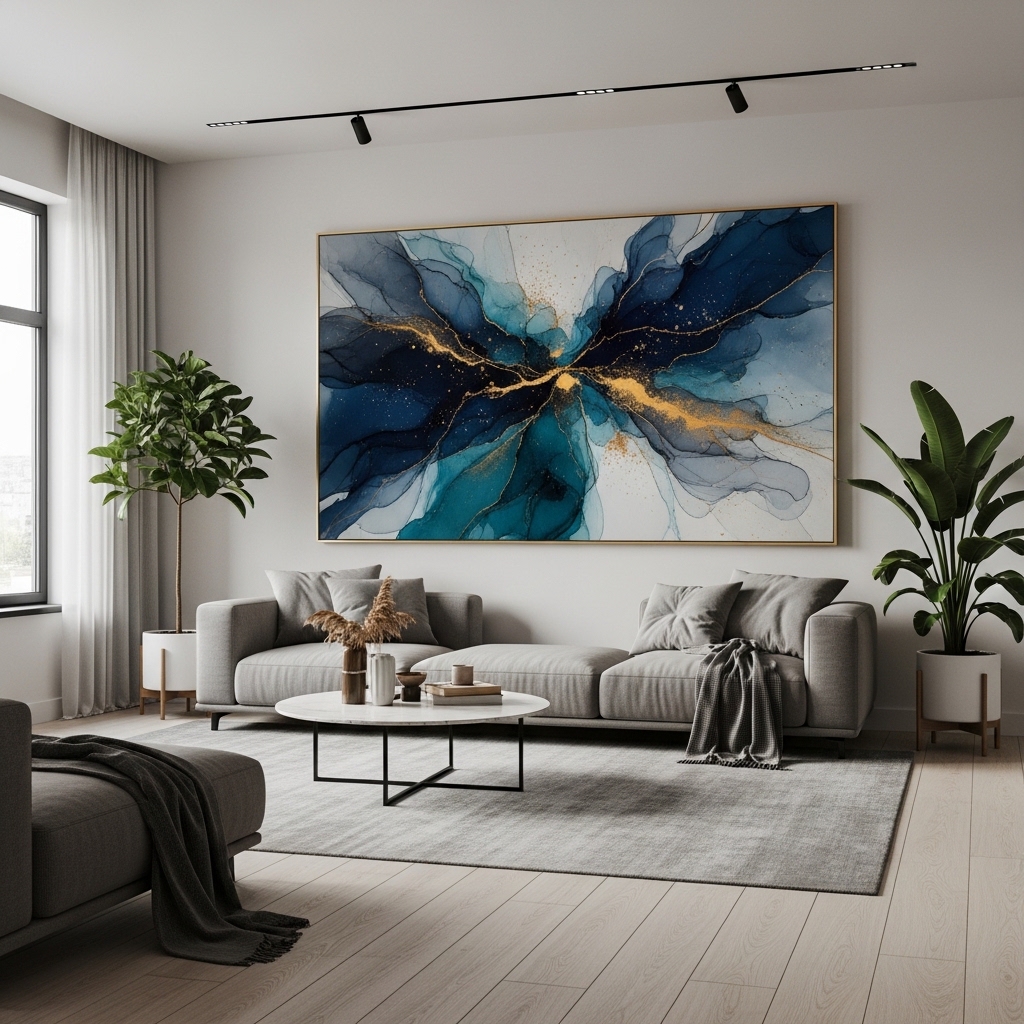
Who this is for: Rooms with awkward wall sizes.
Correctly sized art improves balance.
How to apply: Choose large art for big walls, small for tight spaces.
Mistake: Tiny art on large walls looks disconnected.
20. Foldable Furniture for Flexibility
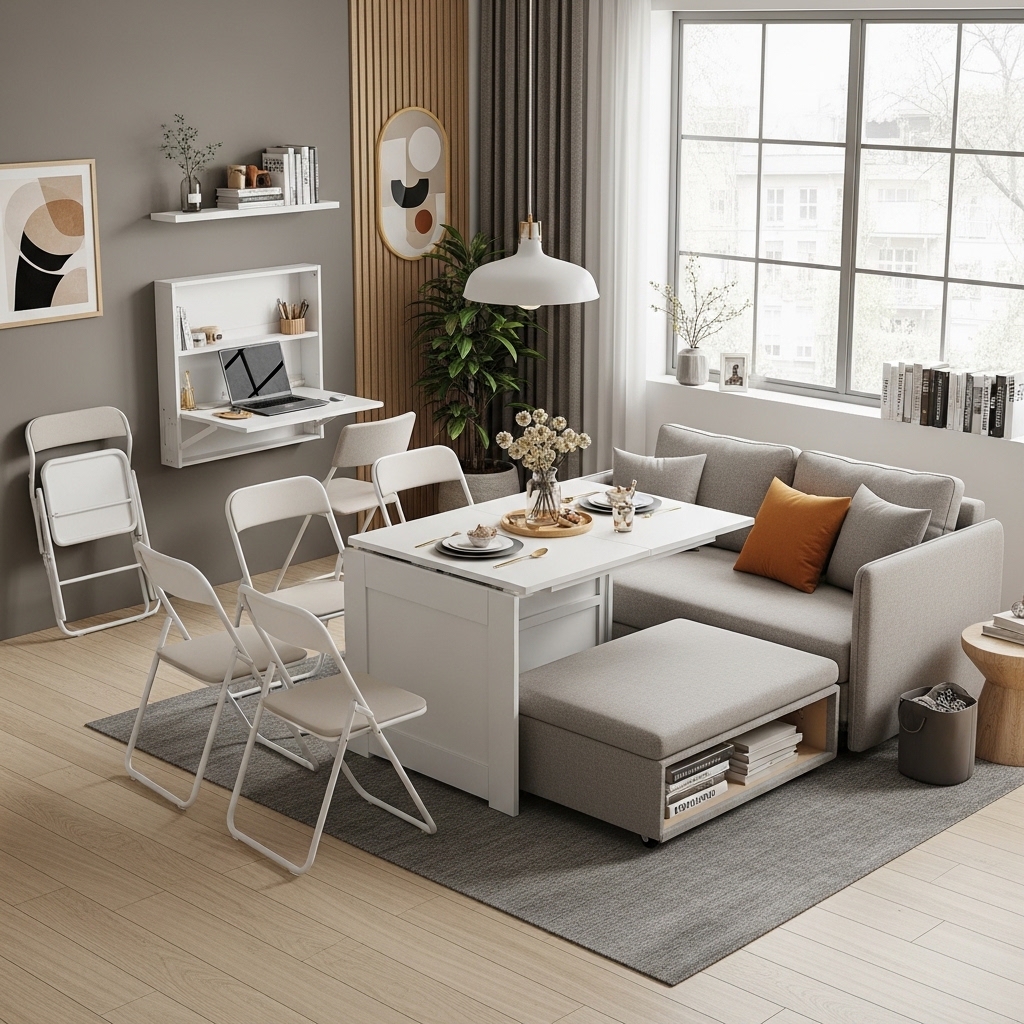
Who this is for: Multi-use living rooms.
Foldable items allow easy reconfiguration.
How to apply: Use folding tables or chairs.
Tip: Store when not in use.
21. Open Leg Furniture for Airiness
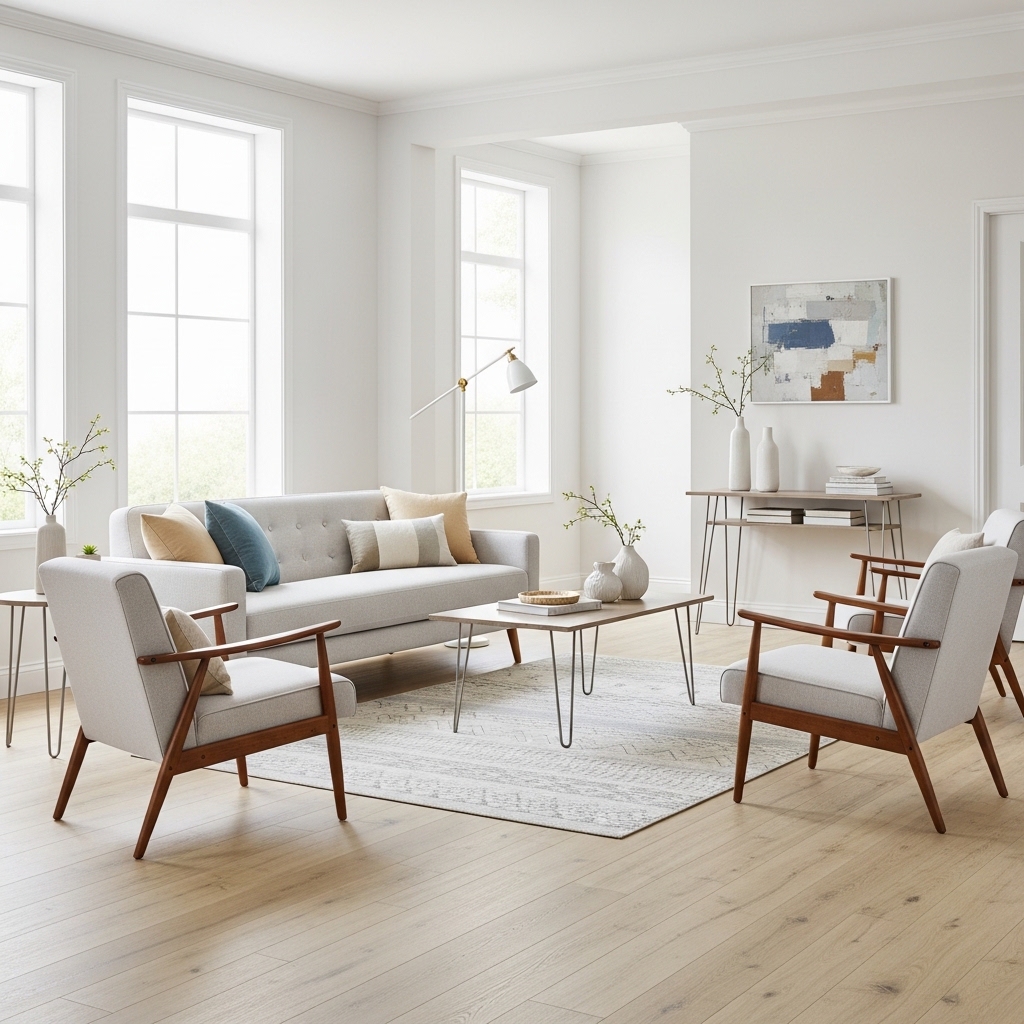
This is for people who live in apartments.
When you can see the floor it makes the room feel bigger.
To make this work you should choose furniture that is raised up.
The thing to avoid is furniture, with skirts because it hides the space and makes the room feel smaller.
22. Statement Lighting for Style
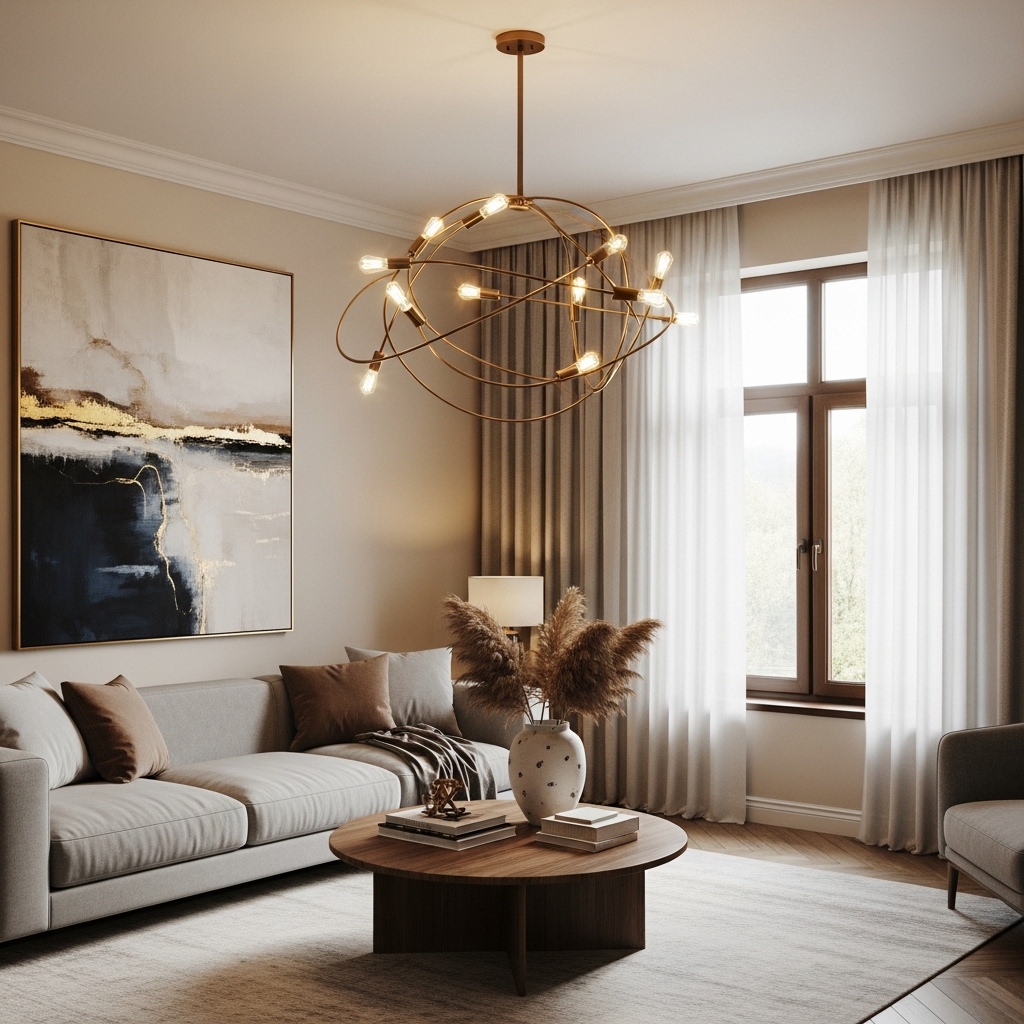
Who this is for: Minimal decor setups.
Lighting can act as decor itself.
How to apply: Use a unique floor lamp or pendant.
Mistake: Oversized fixtures overwhelm rooms.
23. Compact Coffee Tables
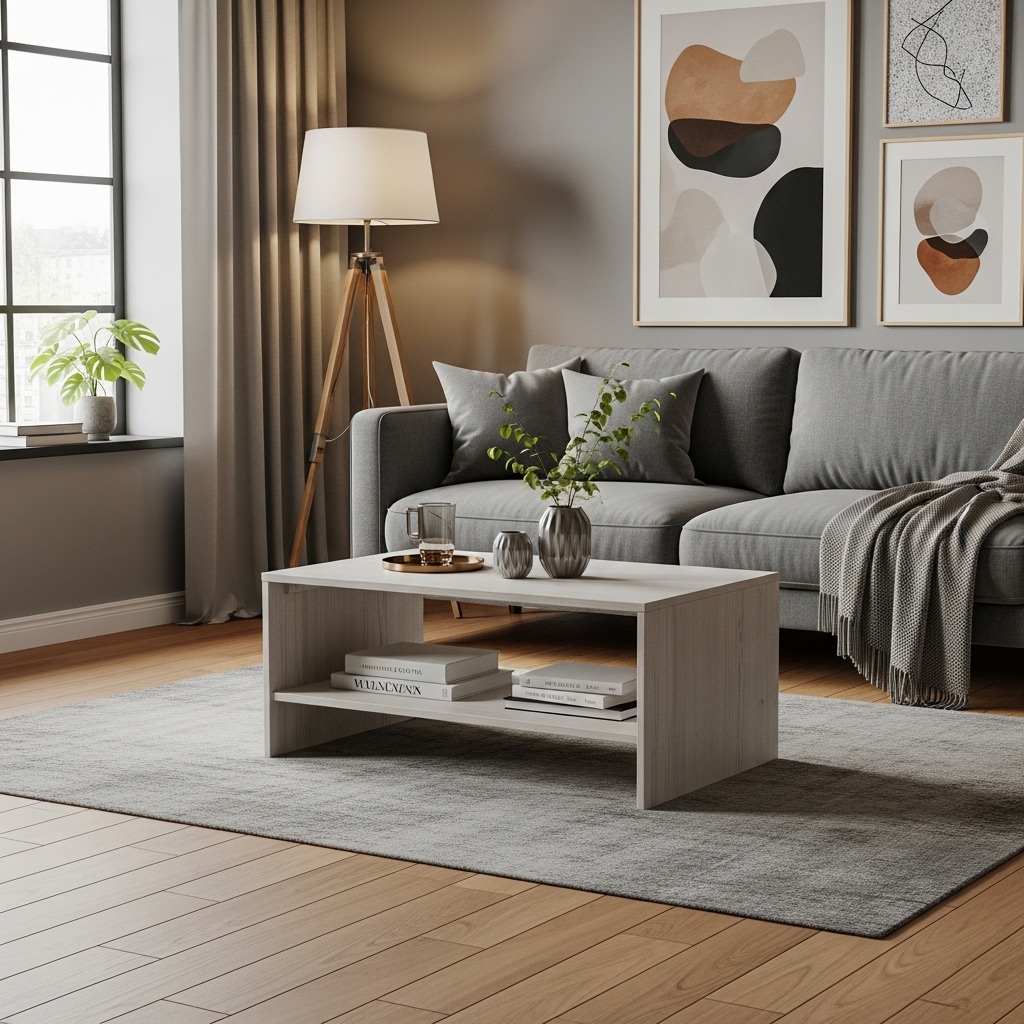
Who this is for: Small seating areas.
Right-sized tables improve usability.
How to apply: Leave walking space around them.
Mistake: Large tables block movement.
24. Wall Hooks for Extra Storage
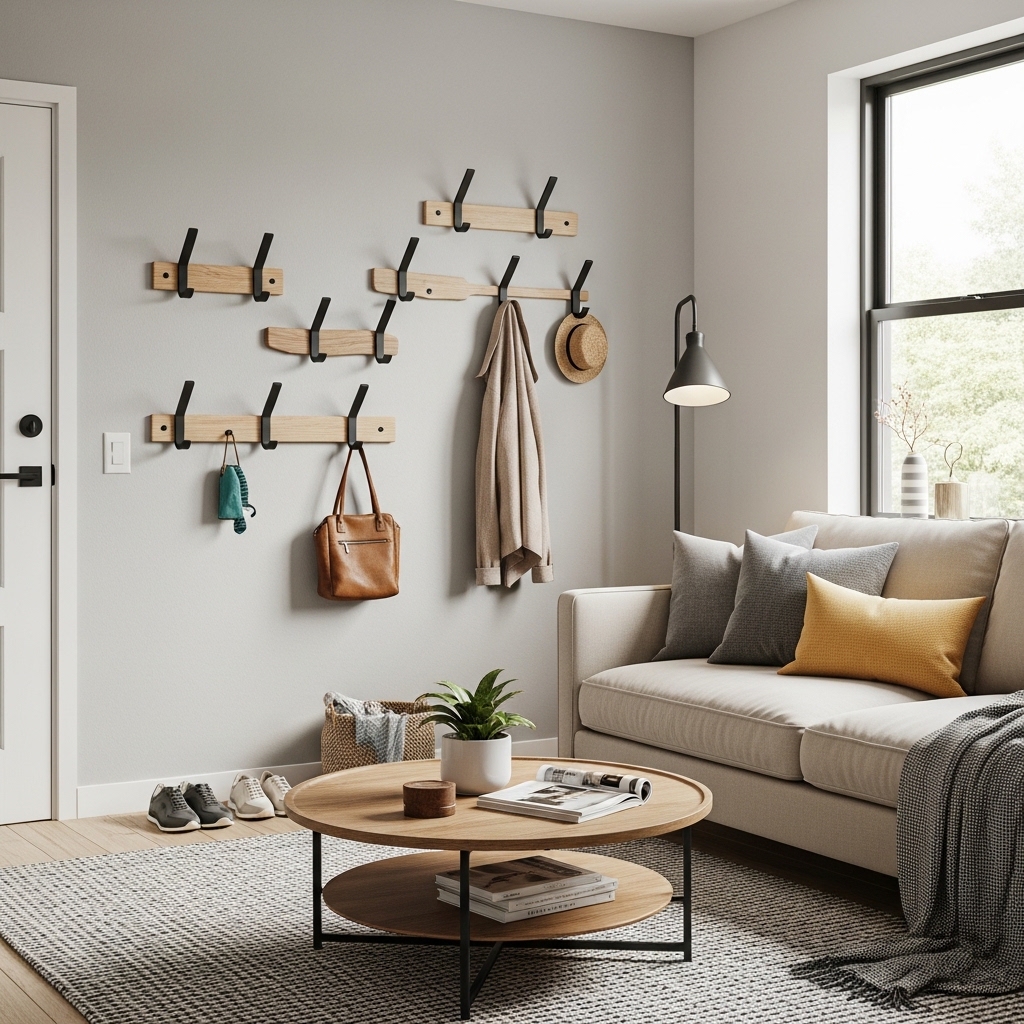
Who this is for: Entry-adjacent living rooms.
Hooks provide quick storage.
How to apply: Install near doors.
Tip: Keep it organized.
25. Layered Textures for Warmth
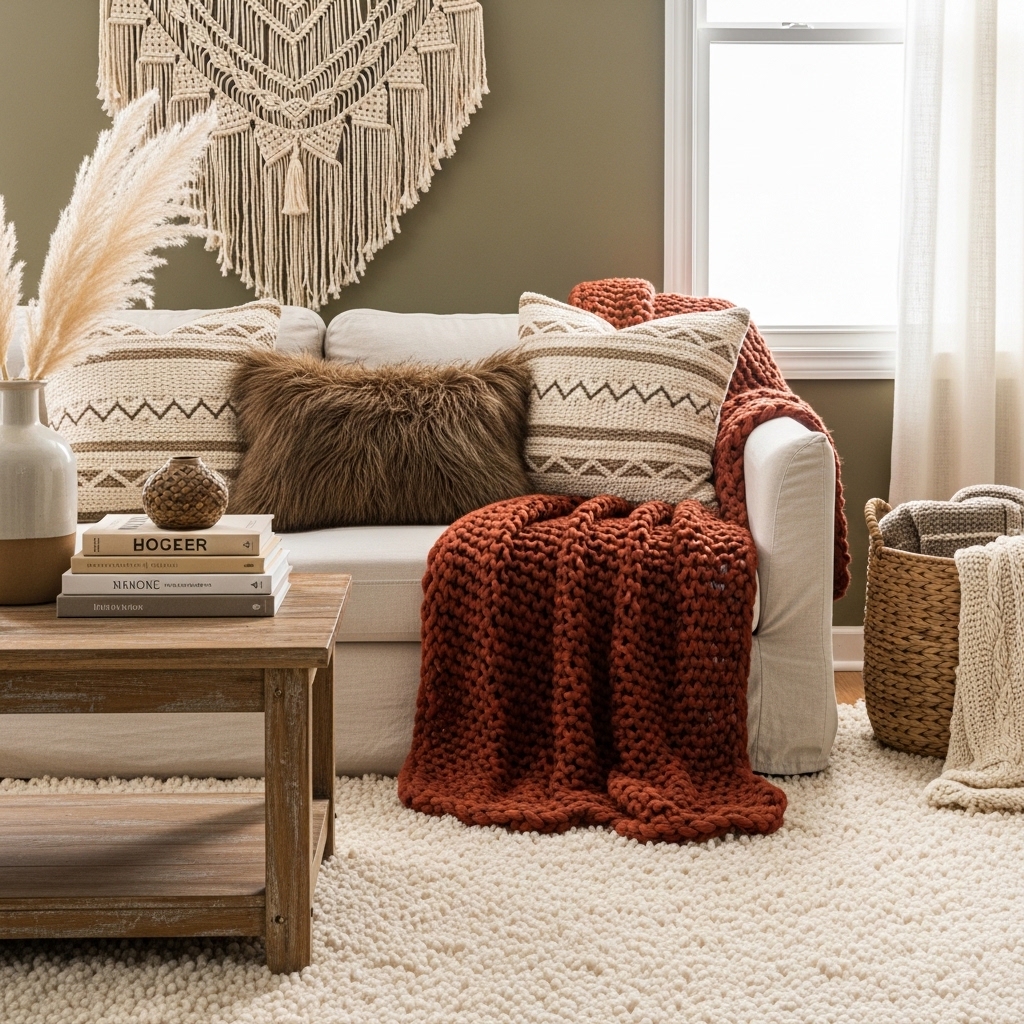
Who this is for: Neutral apartments.
Textures prevent the room from feeling flat.
How to apply: Mix fabrics like linen and knit.
Mistake: Too many textures create clutter.
26. Use Mirrored Accents to Brighten Dark Corners
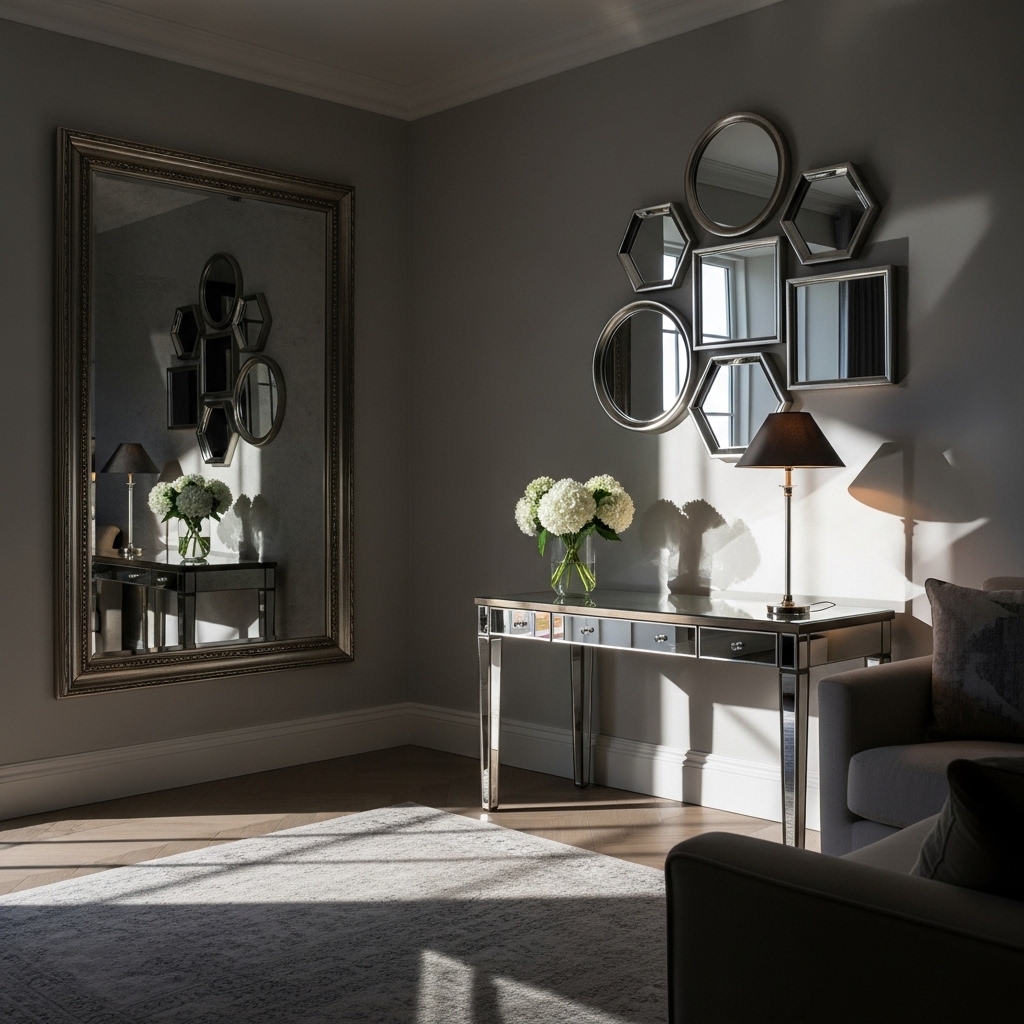
Who this is for: Apartments with limited natural light or shaded layouts.
Mirrored decor reflects available light, helping darker corners feel brighter without adding extra fixtures. It’s especially useful in rooms with only one window.
How to apply: Place a mirror or mirrored tray near a light source or lamp. Keep surrounding decor minimal so the reflection stays clean.
Mistake: Reflecting clutter makes the space look busier instead of brighter.
27. Add a Slim Console Table Behind the Sofa
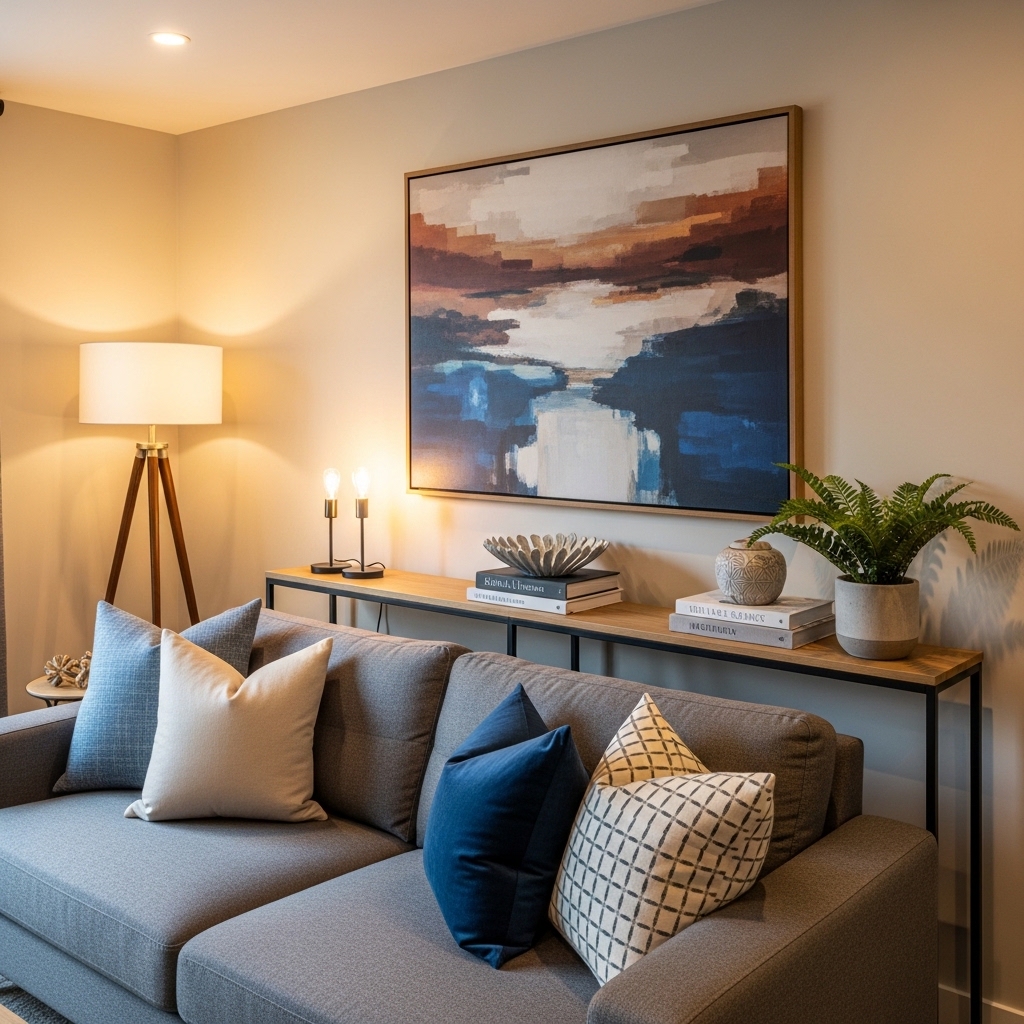
Who this is for: Living rooms where the sofa floats in the middle.
A narrow console table adds surface space without blocking movement. It also helps visually anchor the seating area.
How to apply: Use it for lamps, books, or small decor. Keep the width under 12 inches for tight spaces.
Tip: Choose open-leg designs to maintain airflow visually.
28. Build a Compact Gallery Wall Above Seating
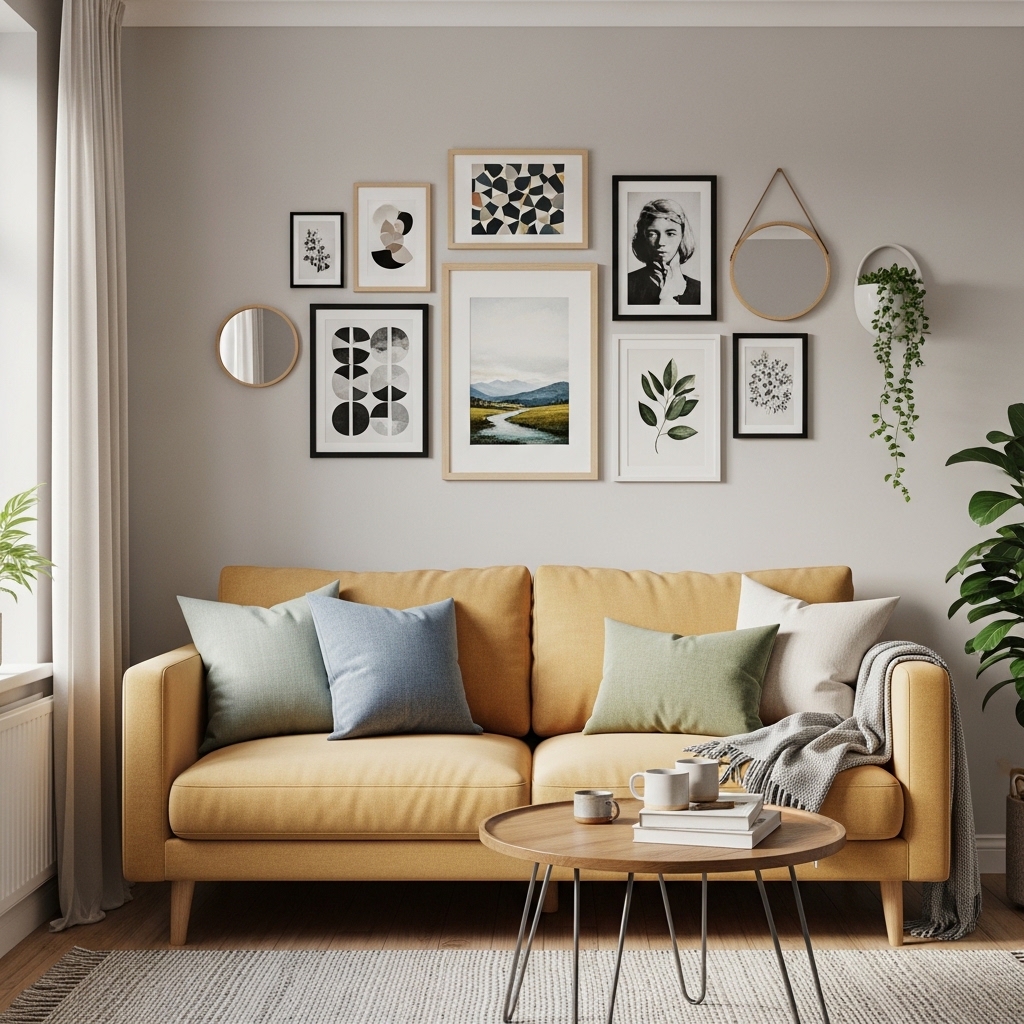
Who this is for: Small walls that still need personality.
A scaled-down gallery wall fills space without overwhelming it. It works well when large artwork feels too dominant.
How to apply: Use 3–5 frames with equal spacing. Stick to one color palette for cohesion.
Mistake: Mixing too many styles can break the visual flow.
29. Stackable Stools for Flexible Seating
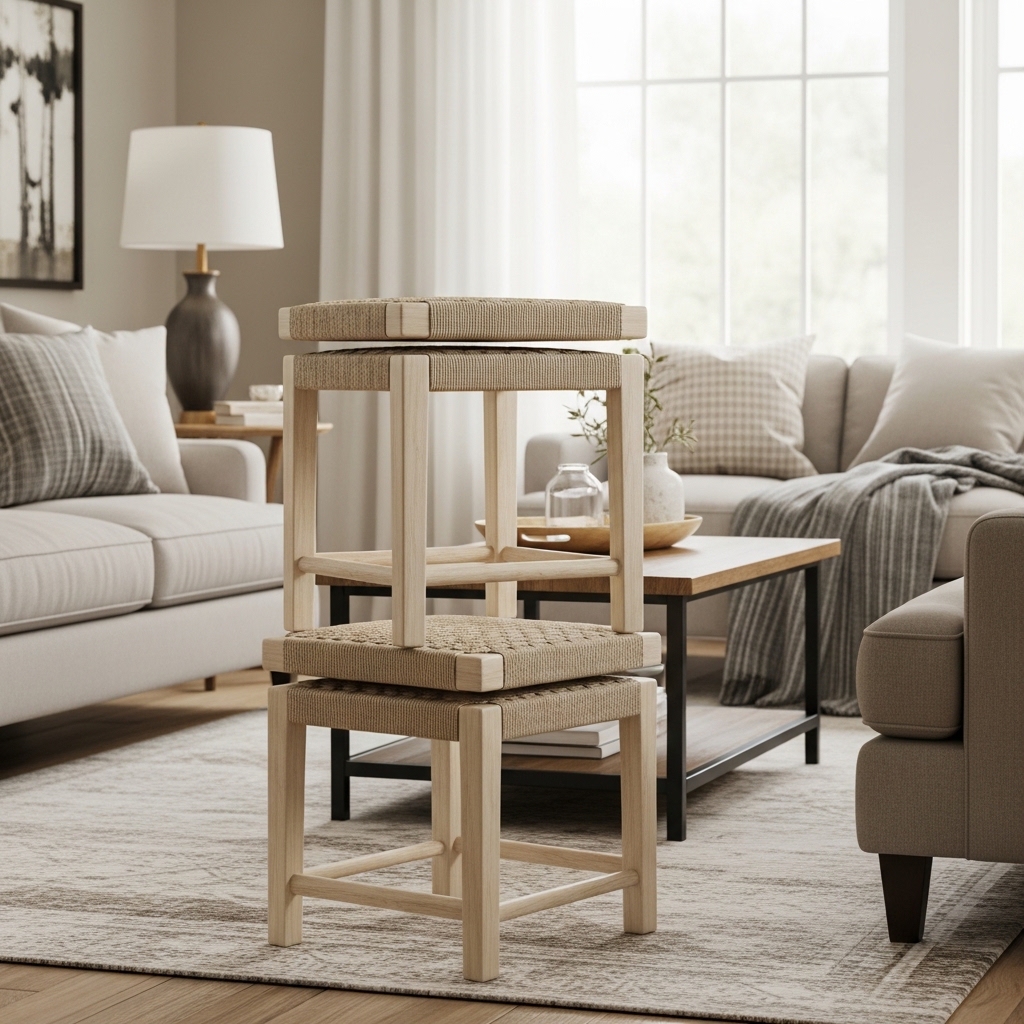
Who this is for: Apartments that occasionally host guests.
Stackable stools provide extra seating without taking up permanent space. They’re easy to store when not needed.
How to apply: Keep them tucked under a console or in a corner. Use neutral tones to blend with decor.
Tip: Choose lightweight designs for easy movement.
30. Monochrome Color Scheme for a Clean Look
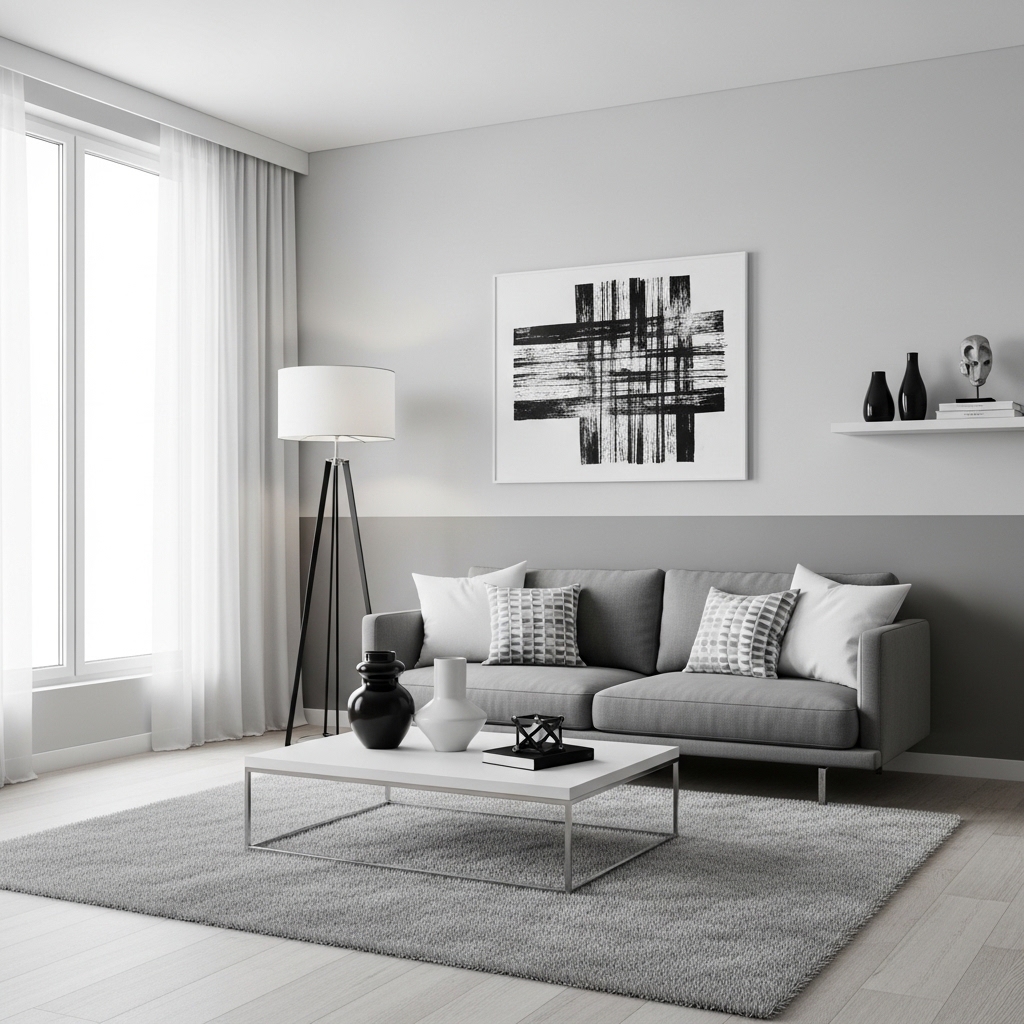
Who this is for: Small spaces that feel visually busy.
Using one color family reduces visual clutter and makes the room feel more cohesive.
How to apply: Layer shades of the same color (like beige or gray) across furniture and decor.
Mistake: Adding too many contrasting colors breaks the effect.
31. Place Plants Strategically Near Windows
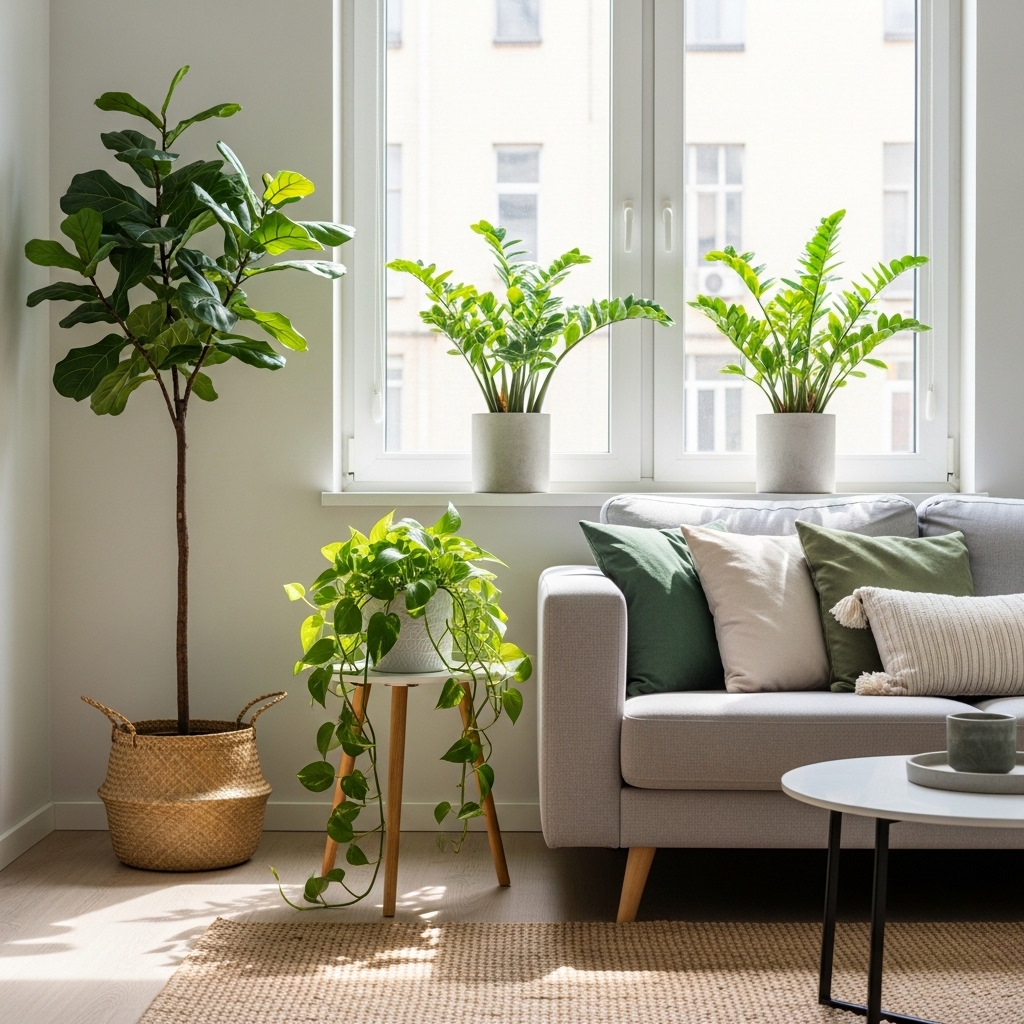
Who this is for: Apartments needing a natural touch without clutter.
Plants soften hard edges and bring life into structured spaces. Placement matters more than quantity.
How to apply: Use one or two medium plants near windows instead of scattering small ones everywhere.
Mistake: Overcrowding surfaces with plants reduces usability.
32. Rolling Carts for Mobile Storage
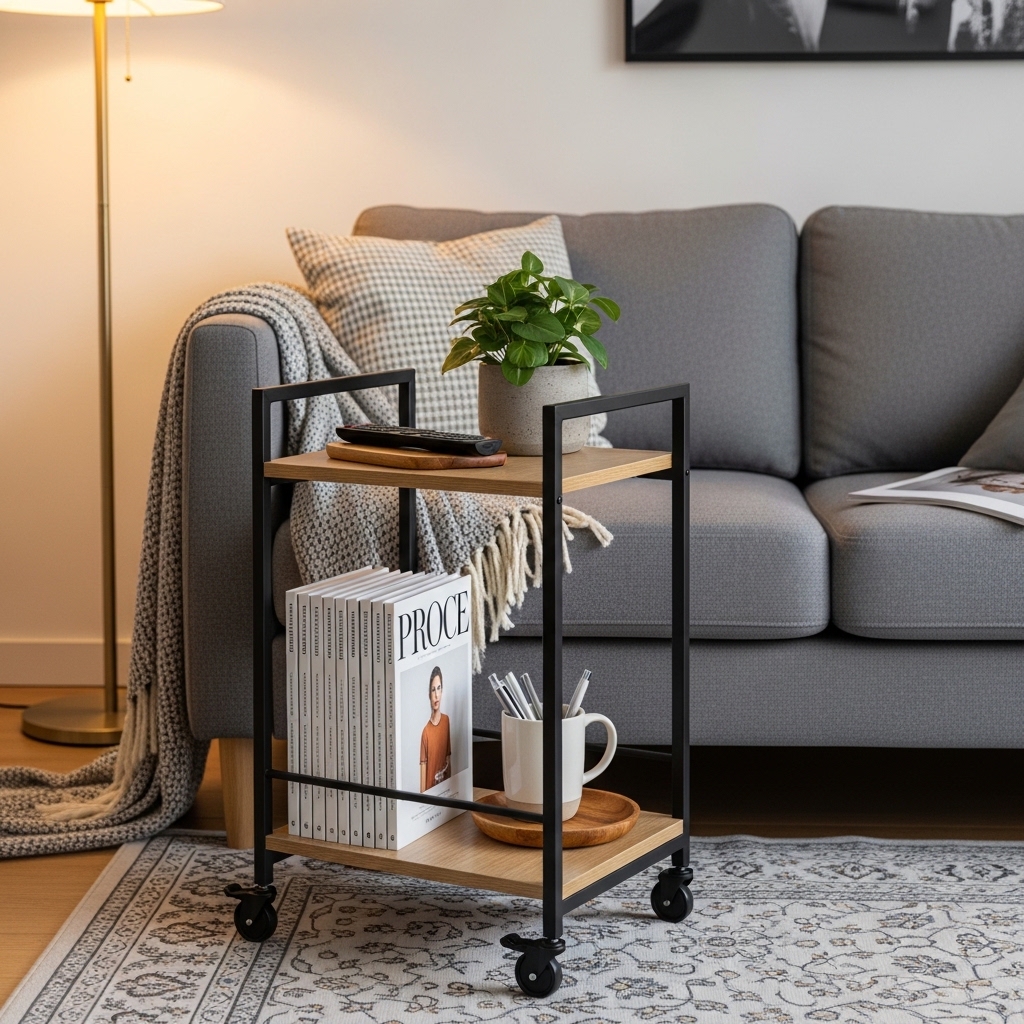
Who this is for: Multi-use living rooms that change throughout the day.
Rolling carts allow you to move storage or decor where needed, making the space adaptable.
How to apply: Use as a mini bar, book cart, or decor station. Move it aside when not needed.
Tip: Keep it organized to avoid visual clutter.
33. Floor Cushions for Casual Seating
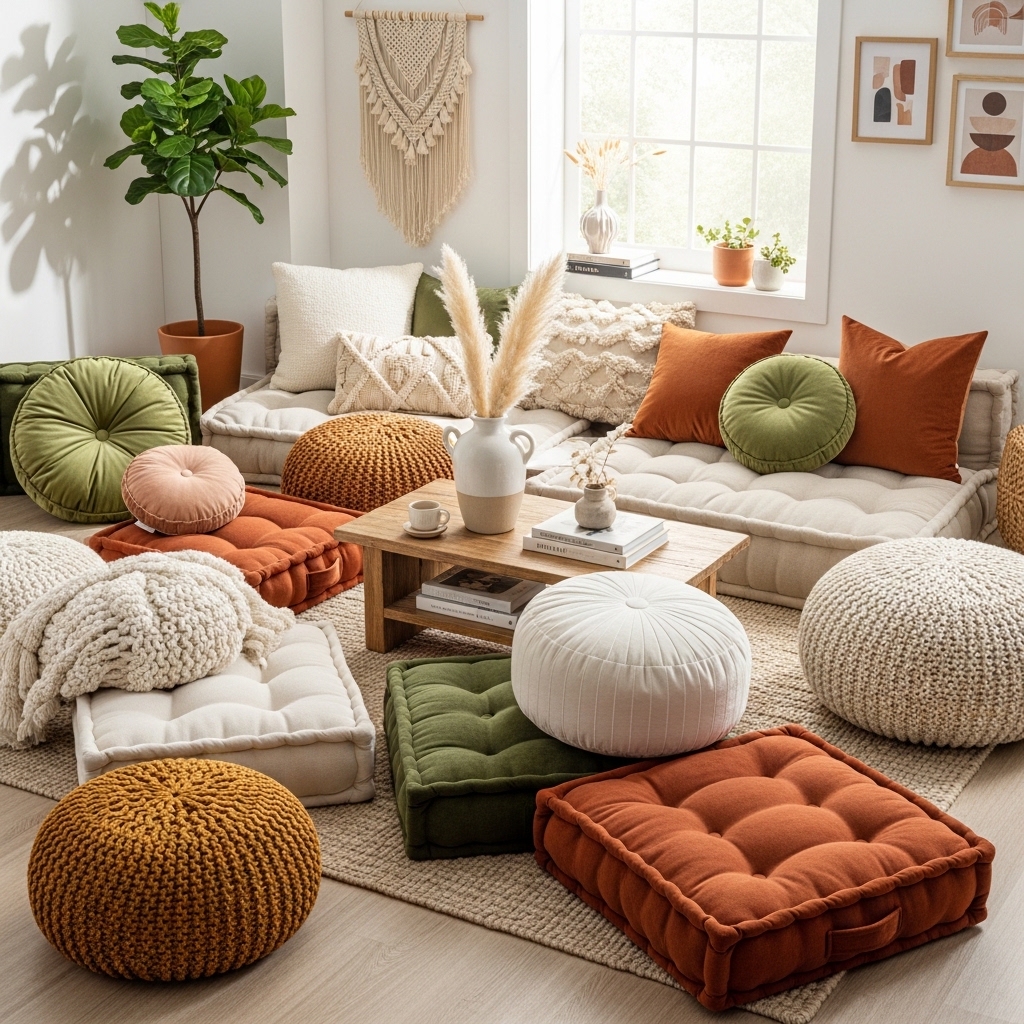
Who this is for: Small apartments with limited seating options.
Floor cushions provide flexible seating without permanent furniture. They also create a relaxed, informal vibe.
How to apply: Store them in a corner or basket and bring them out when needed.
Mistake: Using too many can make the space feel crowded.
34. Textured Accent Wall for Depth
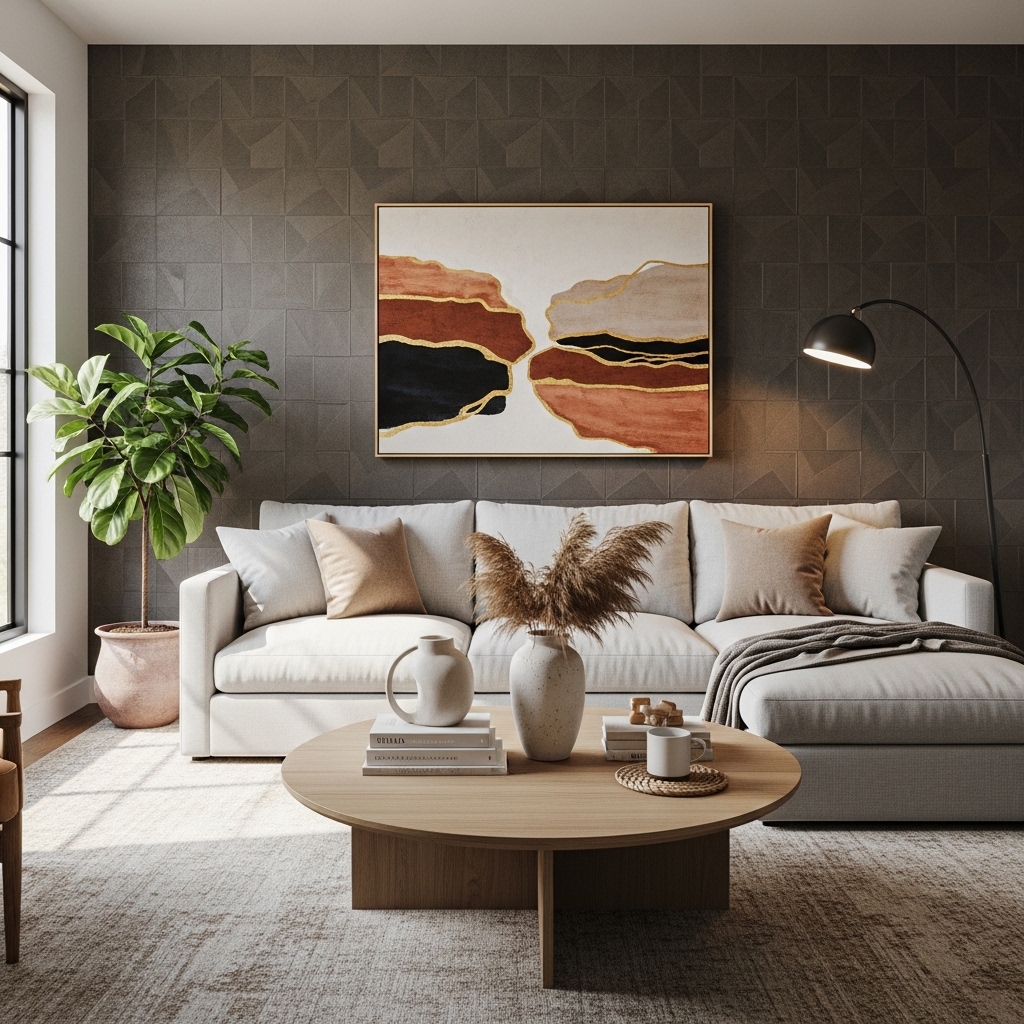
Who this is for: Living rooms that feel flat or plain.
Adding texture to one wall creates depth without relying on heavy decor.
How to apply: Use peel-and-stick panels or subtle wallpaper on a single wall.
Mistake: Applying texture on all walls can overwhelm small rooms.
35. Neutral Rugs to Maintain Visual Calm
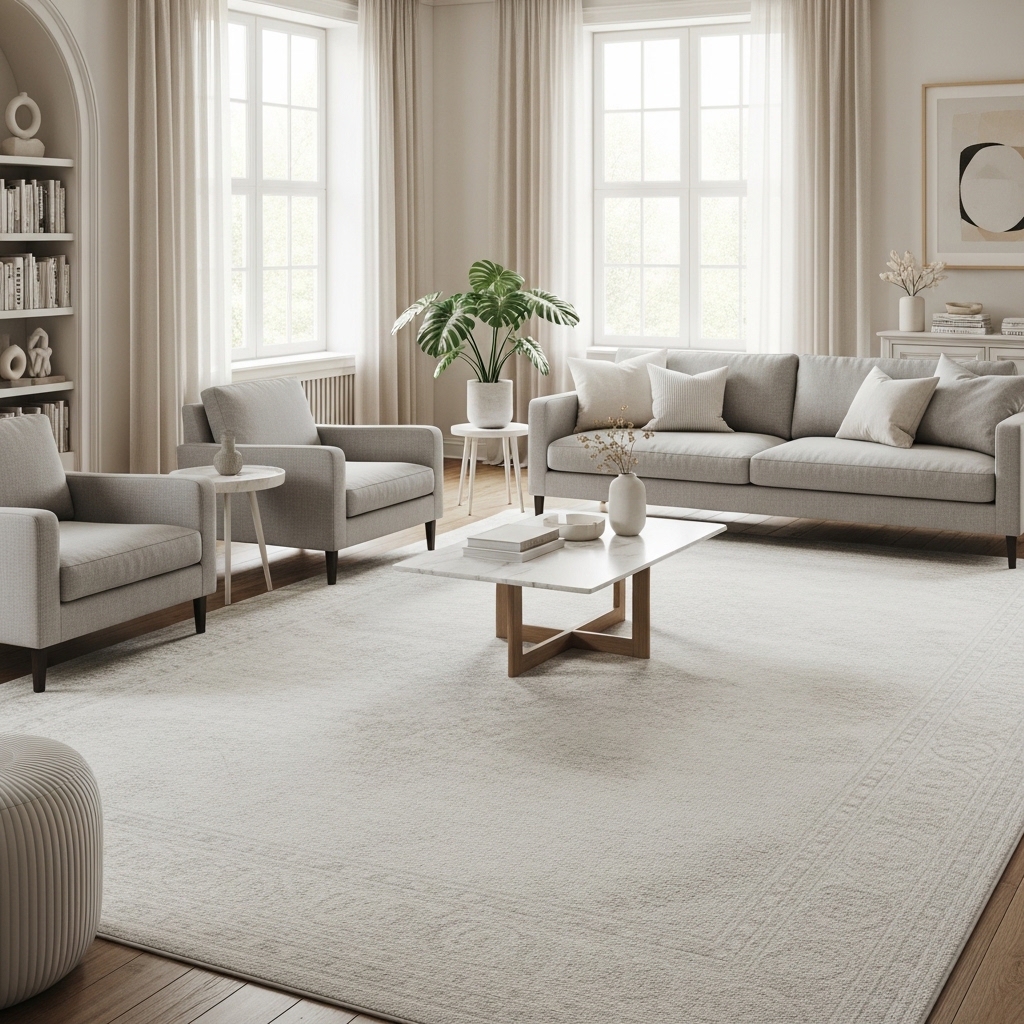
Who this is for: Apartments with multiple decor elements already present.
Neutral rugs tie everything together without adding visual noise.
How to apply: Choose soft patterns or faded tones. Ensure the rug fits under key furniture.
Mistake: Small rugs disrupt the layout flow.
36. Blend TV Into a Decor Wall
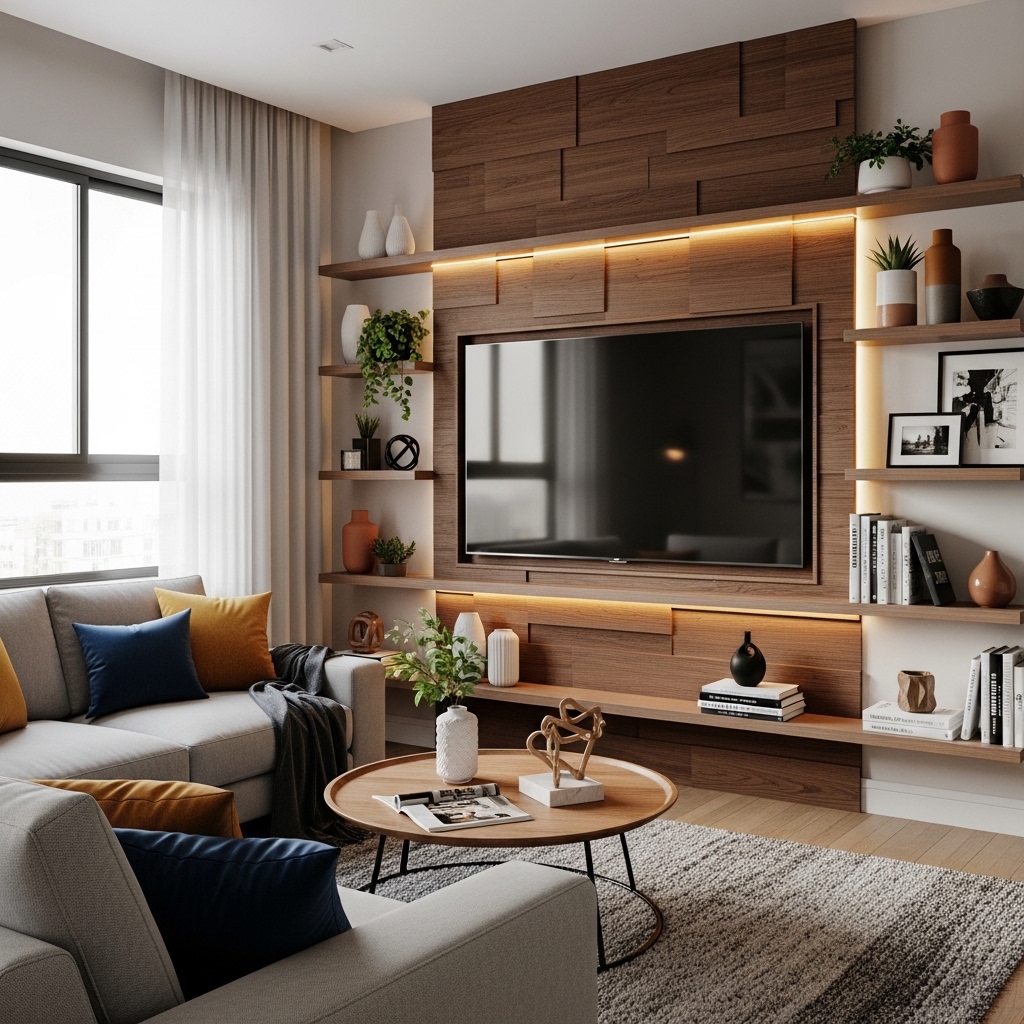
Who this is for: Living rooms where the TV dominates visually.
Integrating the TV into a styled wall reduces its visual impact.
How to apply: Surround it with frames or shelves while keeping spacing balanced.
Mistake: Overdecorating makes the wall feel busy.
37. Utilize Corner Shelving Units
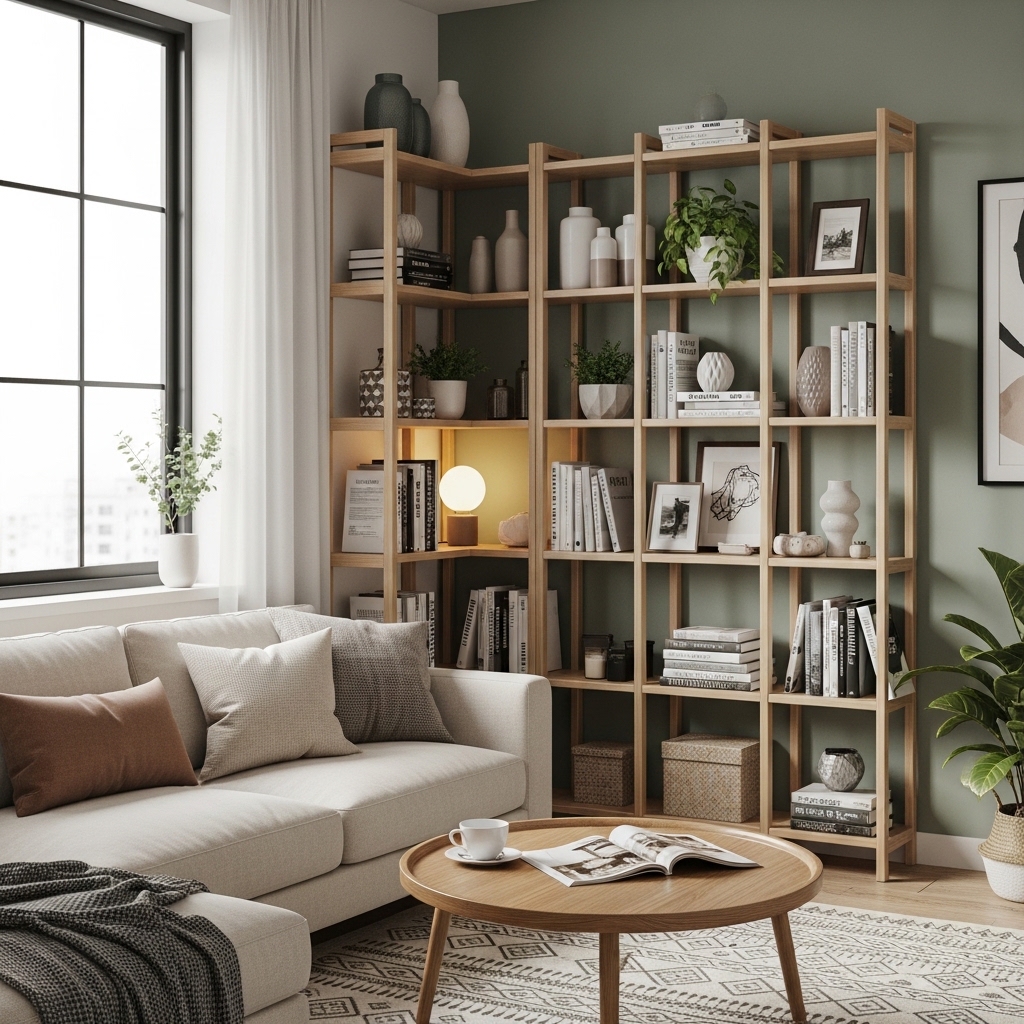
Who this is for: Apartments with unused corners.
Corner shelves make use of overlooked space while adding storage.
How to apply: Keep decor minimal and vertically arranged.
Tip: Use light-colored shelves for a less bulky look.
38. Bench Seating Along Walls
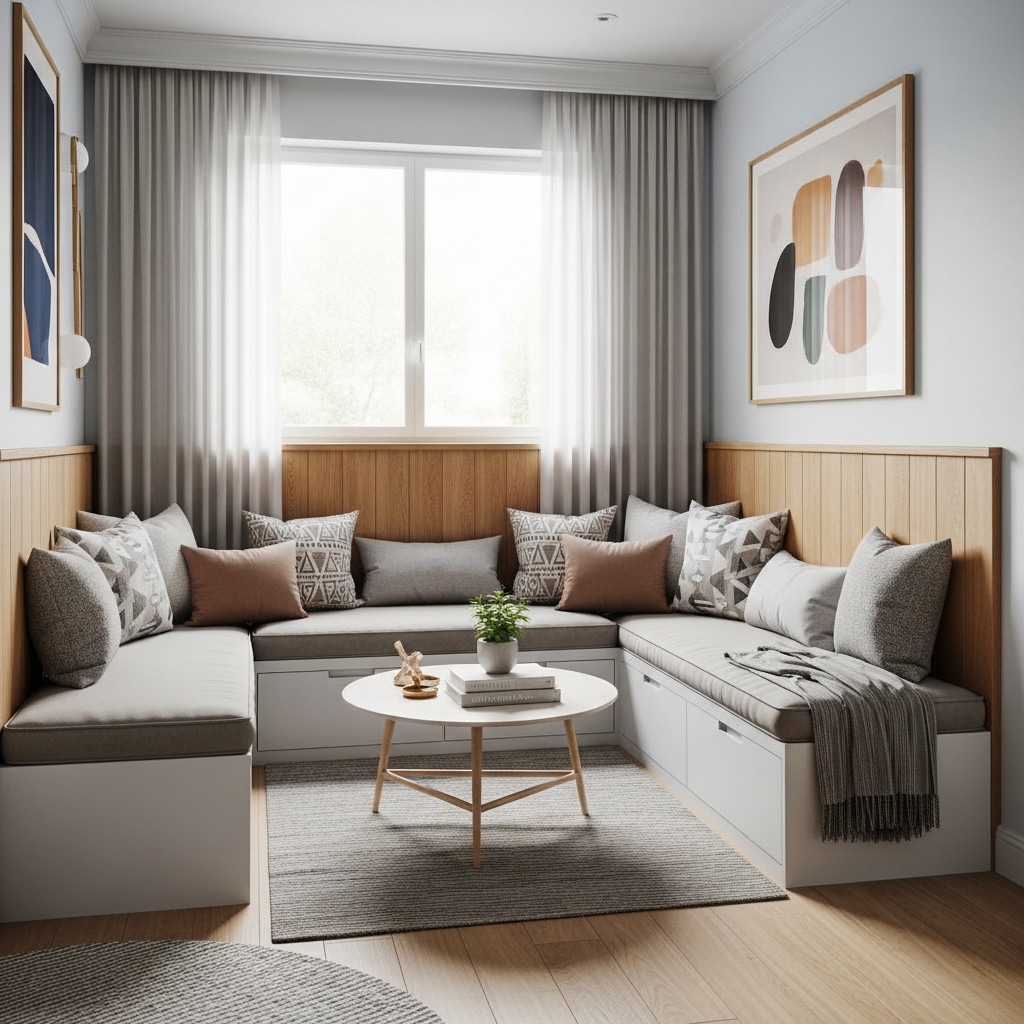
Who this is for: Narrow living rooms.
Bench seating saves space while offering extra seating when needed.
How to apply: Place against a wall and add cushions for comfort.
Mistake: Oversized benches reduce walking space.
39. Wall-Mounted Lighting to Save Space
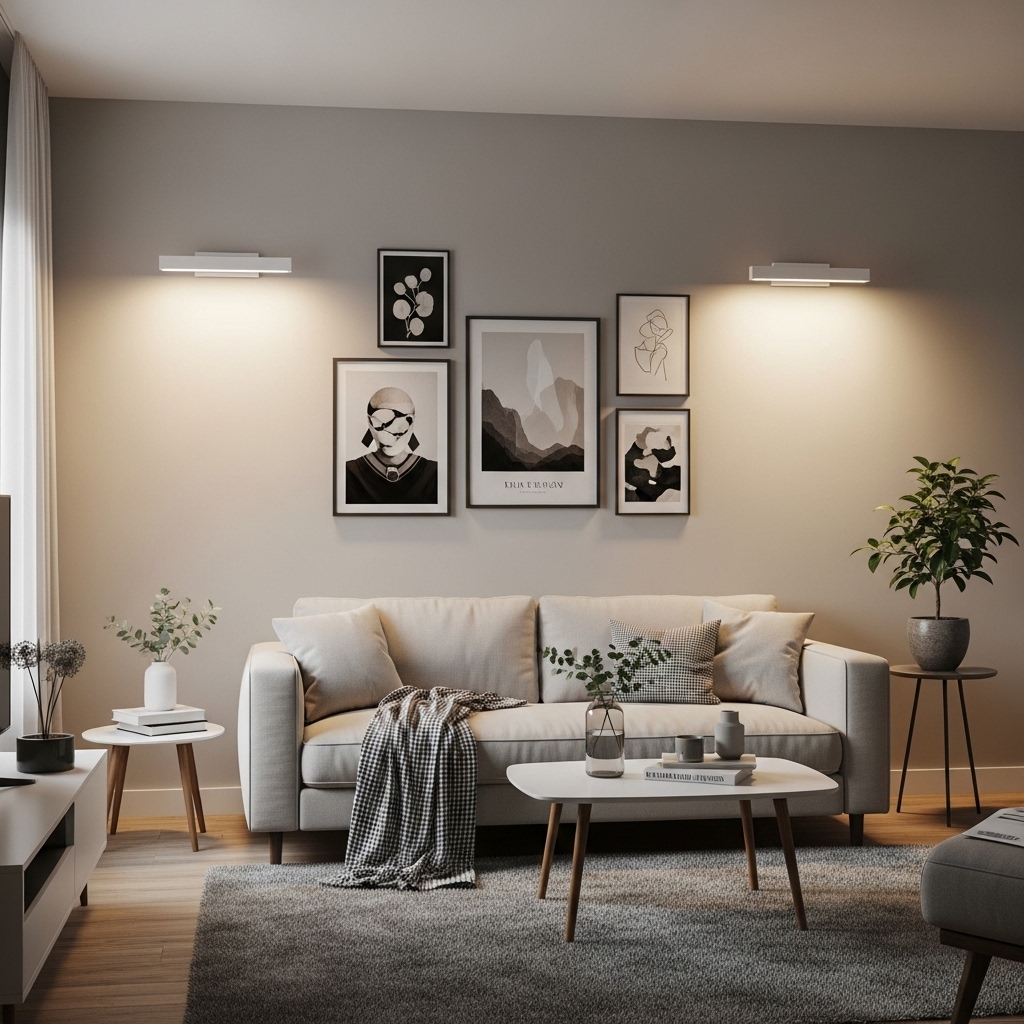
Who this is for: Rooms lacking floor space for lamps.
Wall lights free up surfaces and improve lighting distribution.
How to apply: Install near seating or reading areas.
Tip: Choose adjustable designs for flexibility.
40. Transparent Chairs for Visual Openness
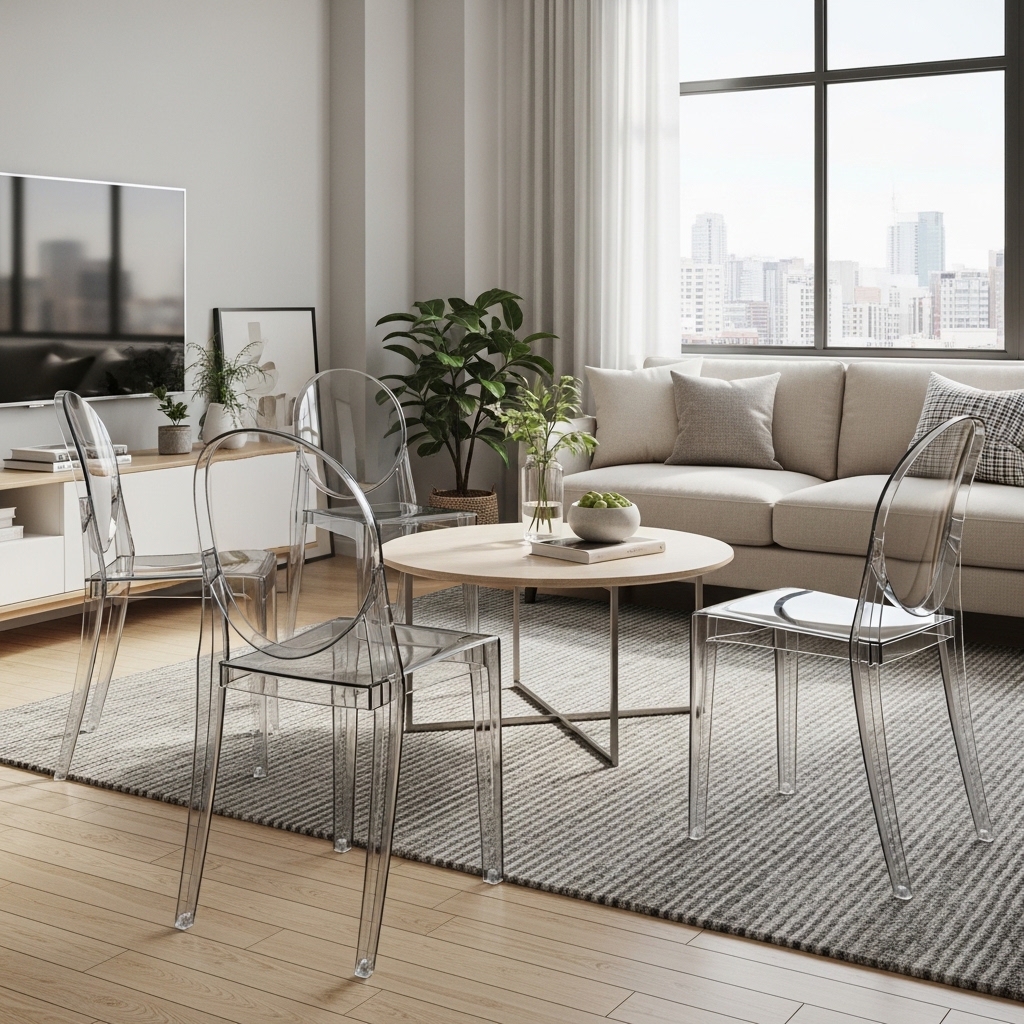
Who this is for: Very compact apartments.
Clear furniture reduces visual weight, making the room feel less crowded.
How to apply: Use acrylic or glass chairs sparingly.
Mistake: Overusing transparent pieces can feel cold.
41. Two-Tone Walls for Subtle Contrast
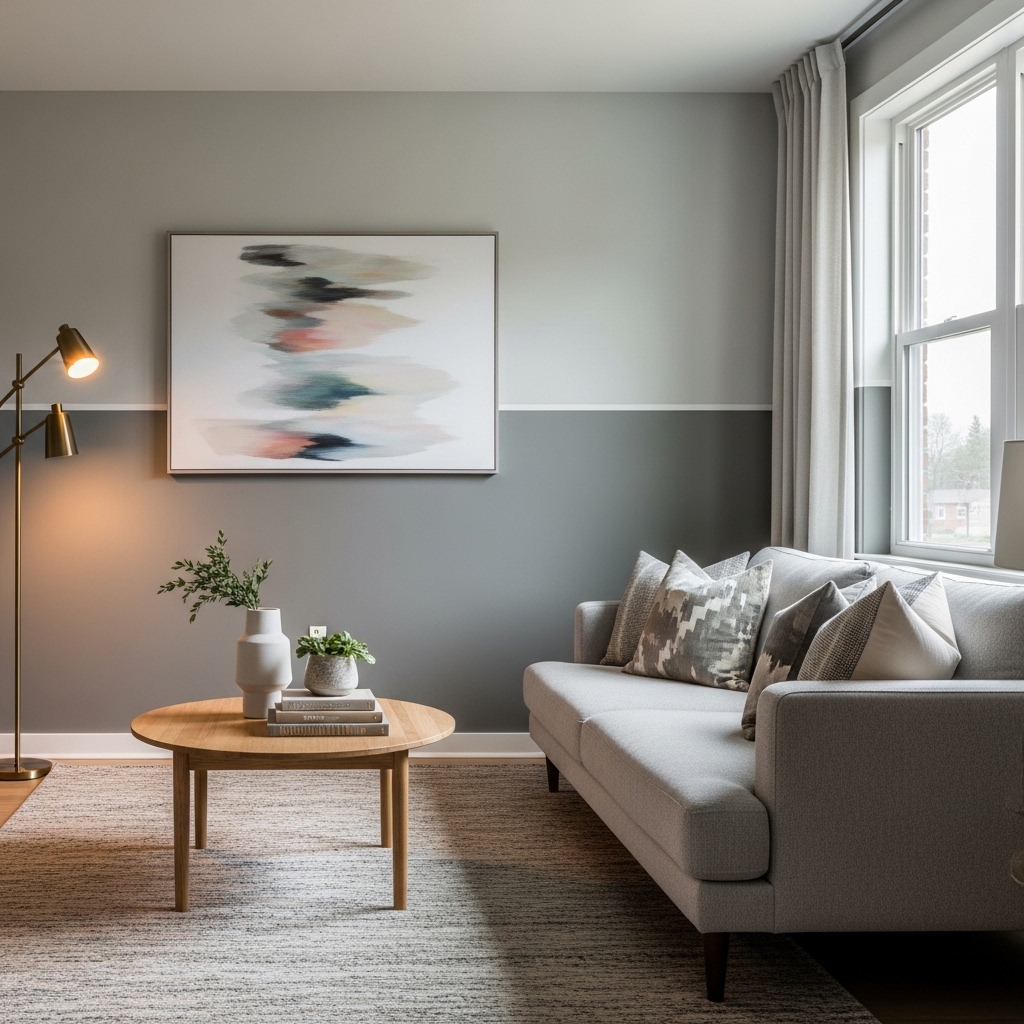
Who this is for: Rooms needing depth without bold colors.
Two-tone walls add interest while keeping the space calm.
How to apply: Use lighter tones on top and darker below.
Tip: Keep contrast soft for a cohesive look.
42. Statement Mirror Above Console
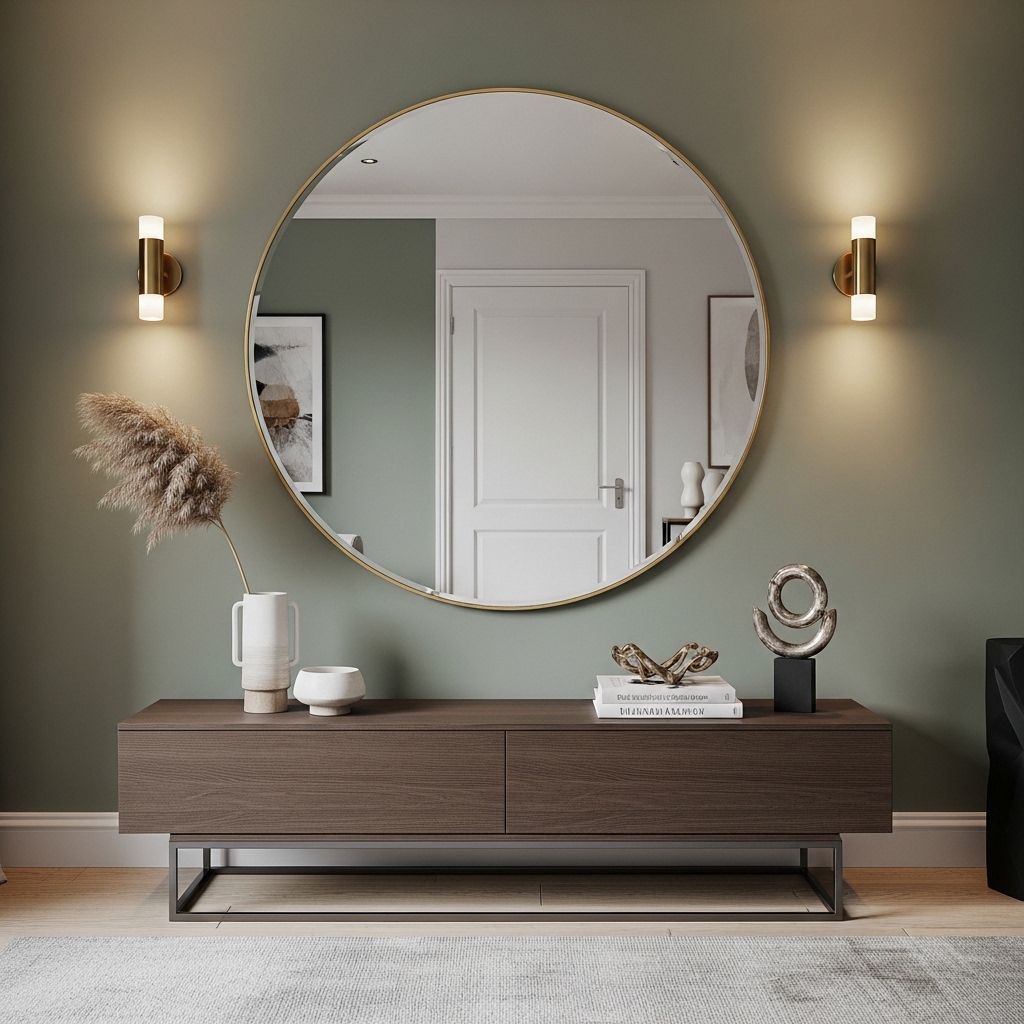
Who this is for: Entry-facing living rooms.
Mirrors above consoles create a focal point and reflect light.
How to apply: Keep console styling minimal to avoid clutter.
Mistake: Oversized mirrors in tight spaces feel overwhelming.
43. Under-Sofa Storage for Hidden Organization
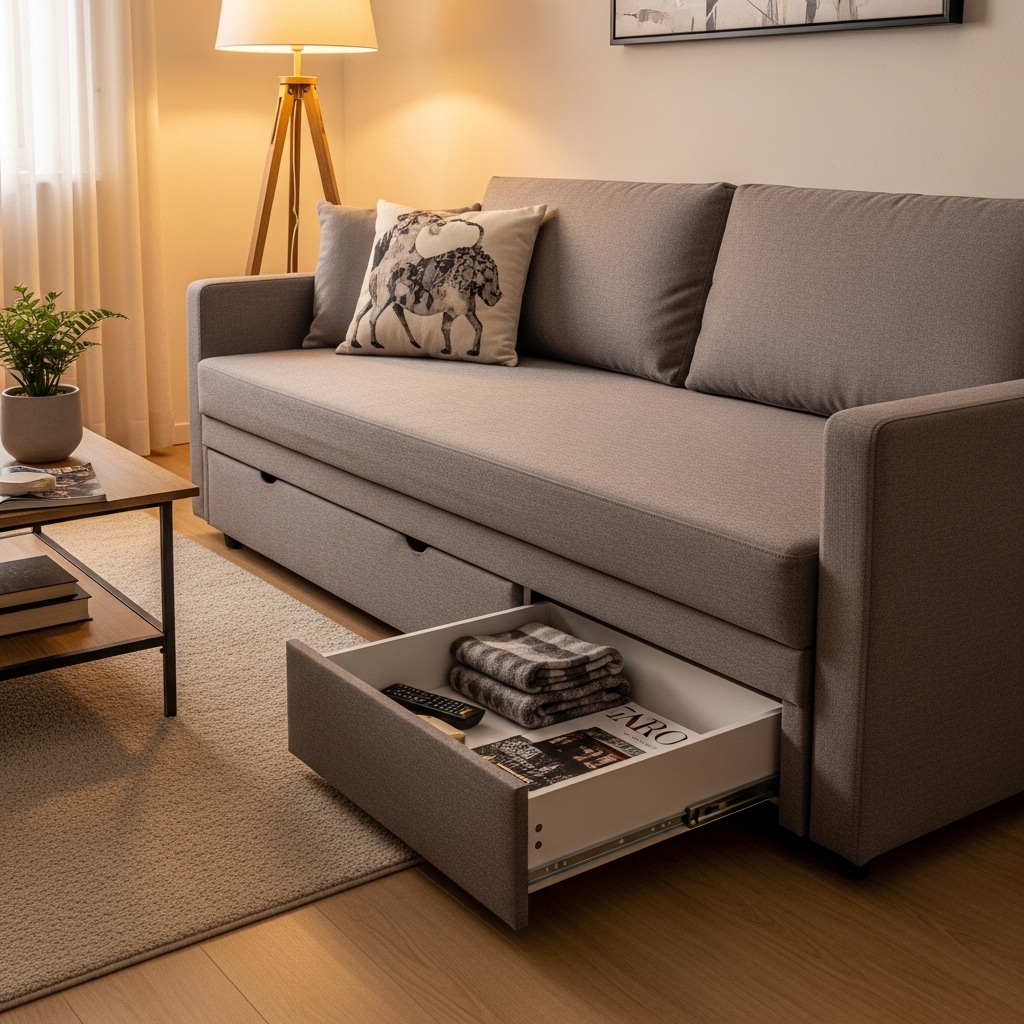
Who this is for: Small apartments with limited storage.
Using space under furniture keeps clutter out of sight.
How to apply: Use low-profile storage boxes.
Tip: Match storage color with flooring for a seamless look.
44. Consistent Color Palette Across Decor
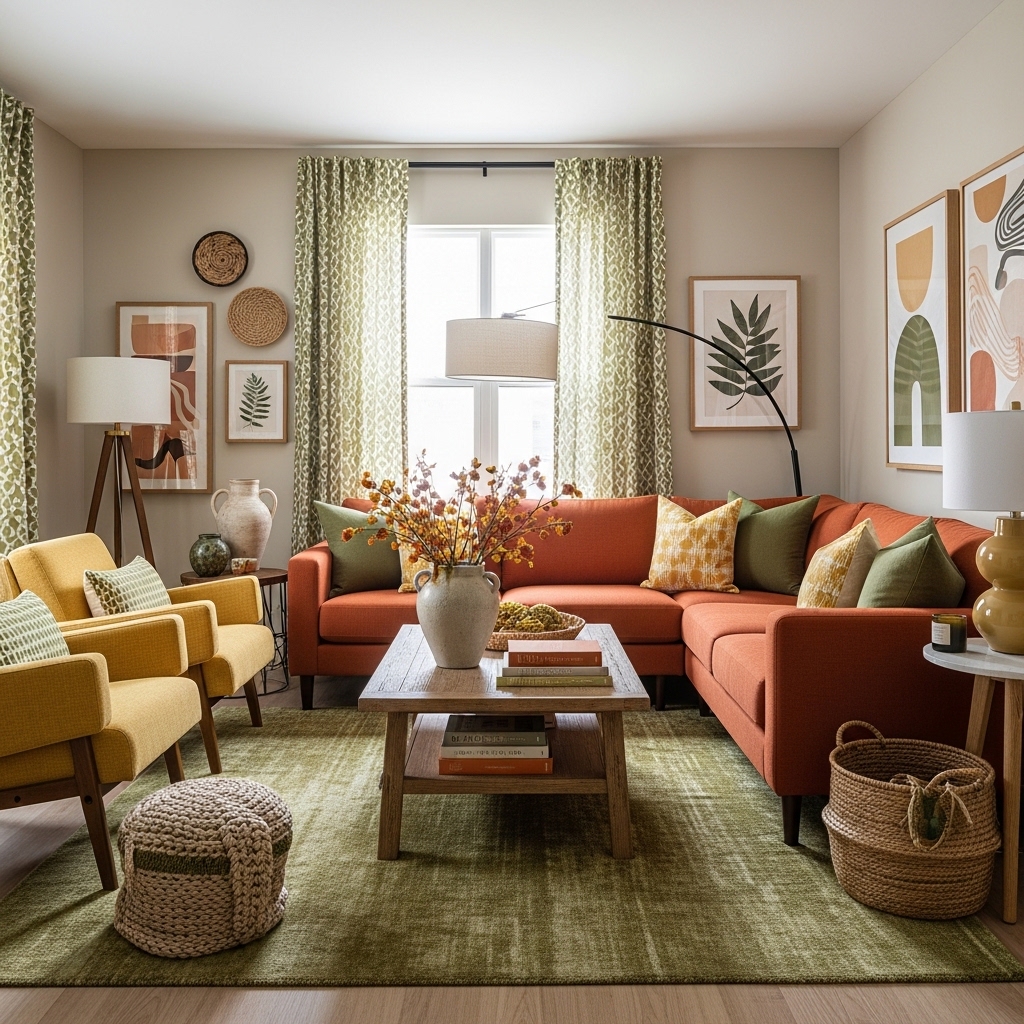
Who this is for: Rooms that feel visually chaotic.
Consistency creates harmony and reduces clutter perception.
How to apply: Repeat 2–3 colors across pillows, art, and rugs.
Mistake: Too many colors break cohesion.
45. Sliding Furniture for Flexible Layouts
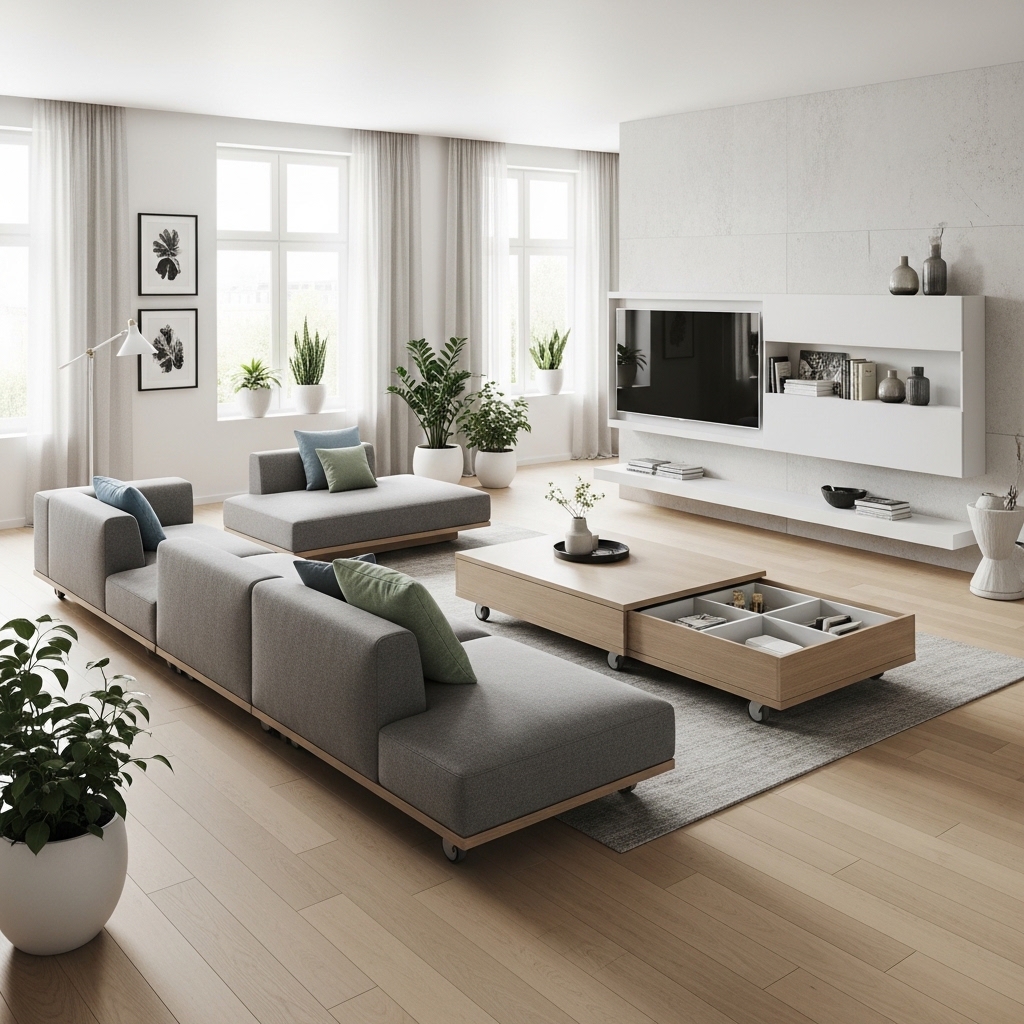
Who this is for: Multi-use living rooms.
Movable furniture allows quick layout changes.
How to apply: Use lightweight tables or chairs.
Tip: Keep pathways clear when rearranging.
46. Framed Textiles for Soft Wall Decor
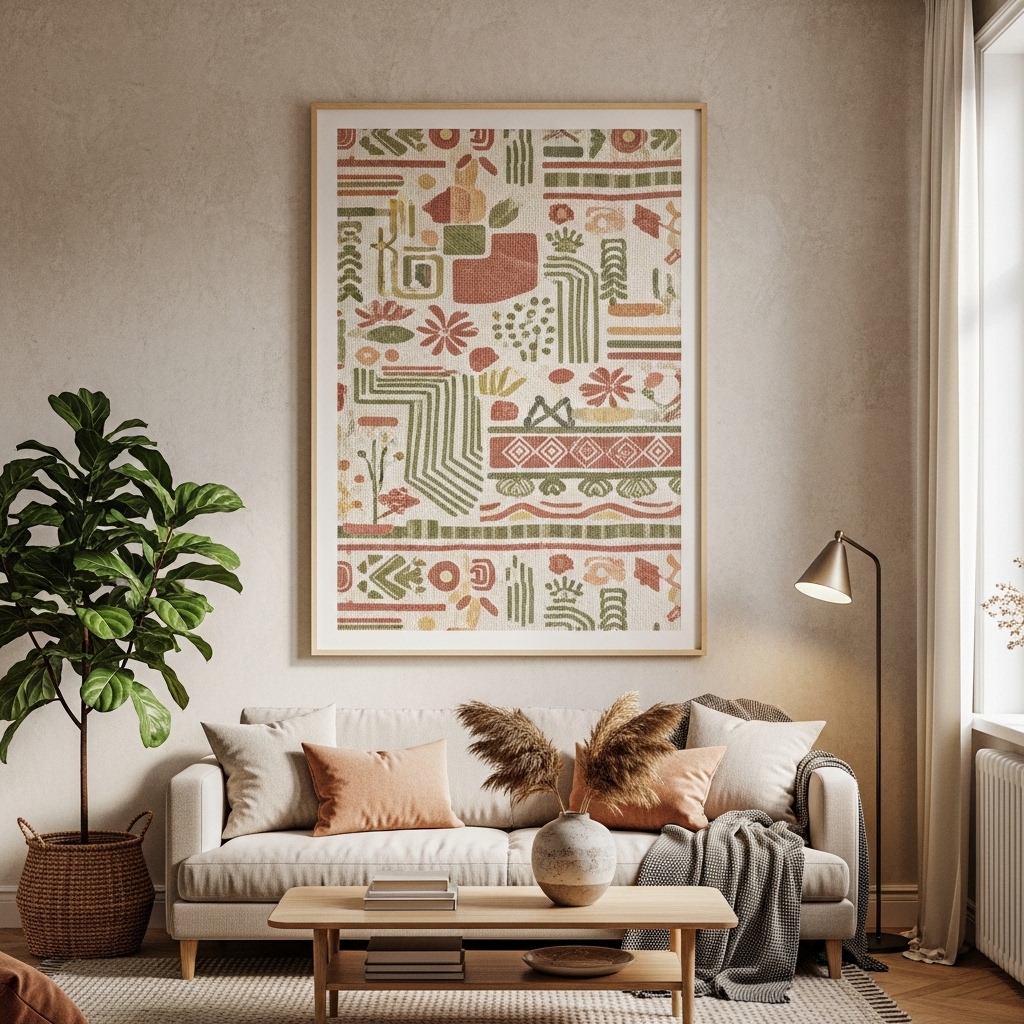
Who this is for: Cozy or neutral apartments.
Textiles add warmth without heavy visuals.
How to apply: Frame fabric pieces or hang woven art.
Mistake: Too many textures can overwhelm.
47. Books as Decorative Elements
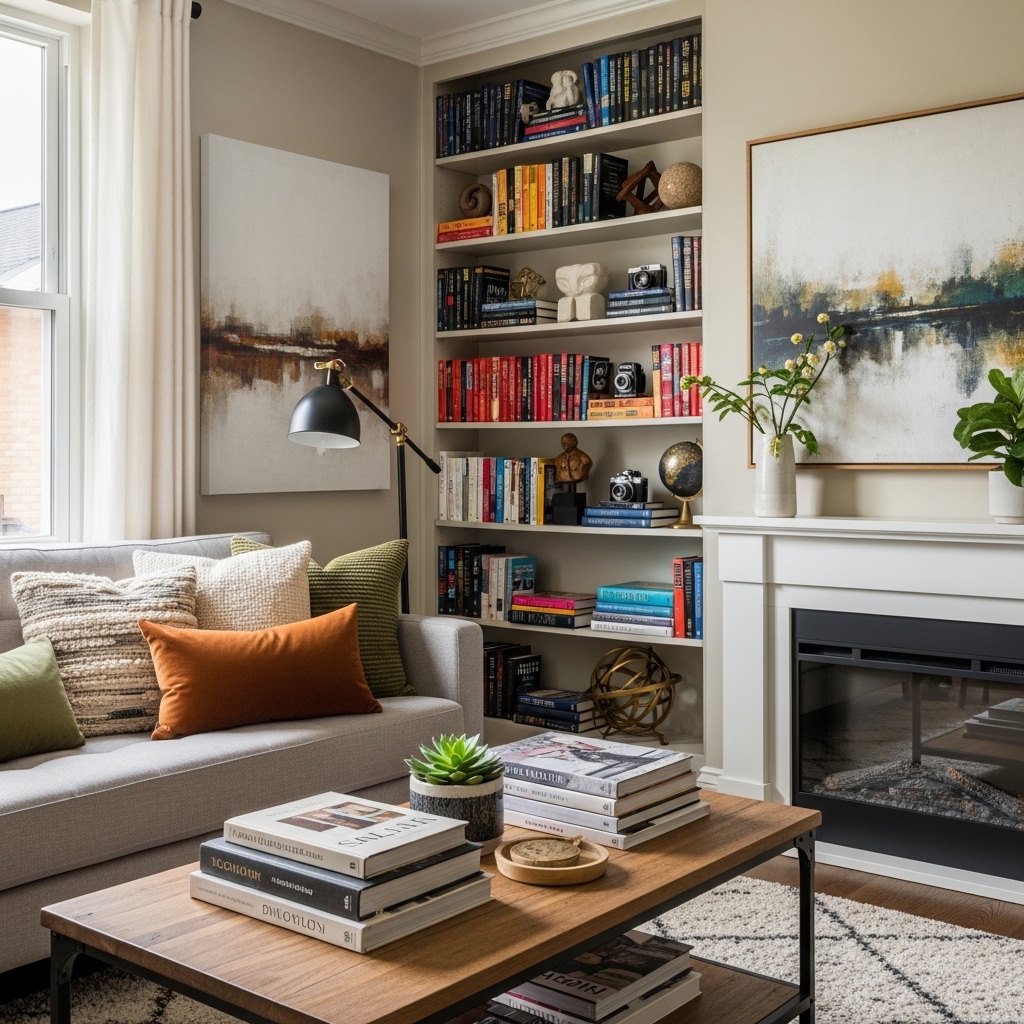
Who this is for: Minimalist decor setups.
Books add personality and structure.
How to apply: Stack on tables or shelves in small groups.
Tip: Use neutral covers for a clean look.
48. Subtle Metal Accents for Contrast
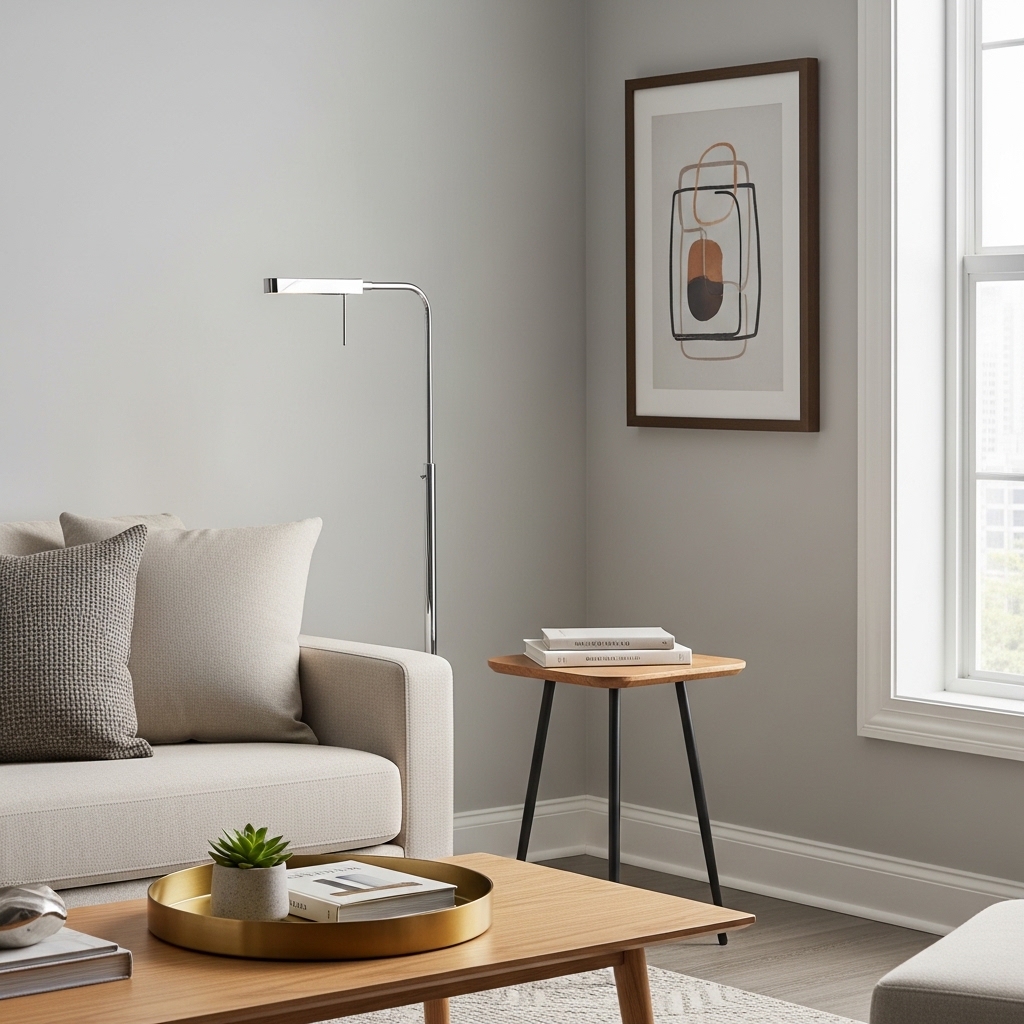
Who this is for: Neutral spaces needing depth.
Metal adds shine without overpowering the design.
How to apply: Use small decor pieces like trays or lamps.
Mistake: Mixing too many finishes looks messy.
49. Low Furniture for Better Sightlines
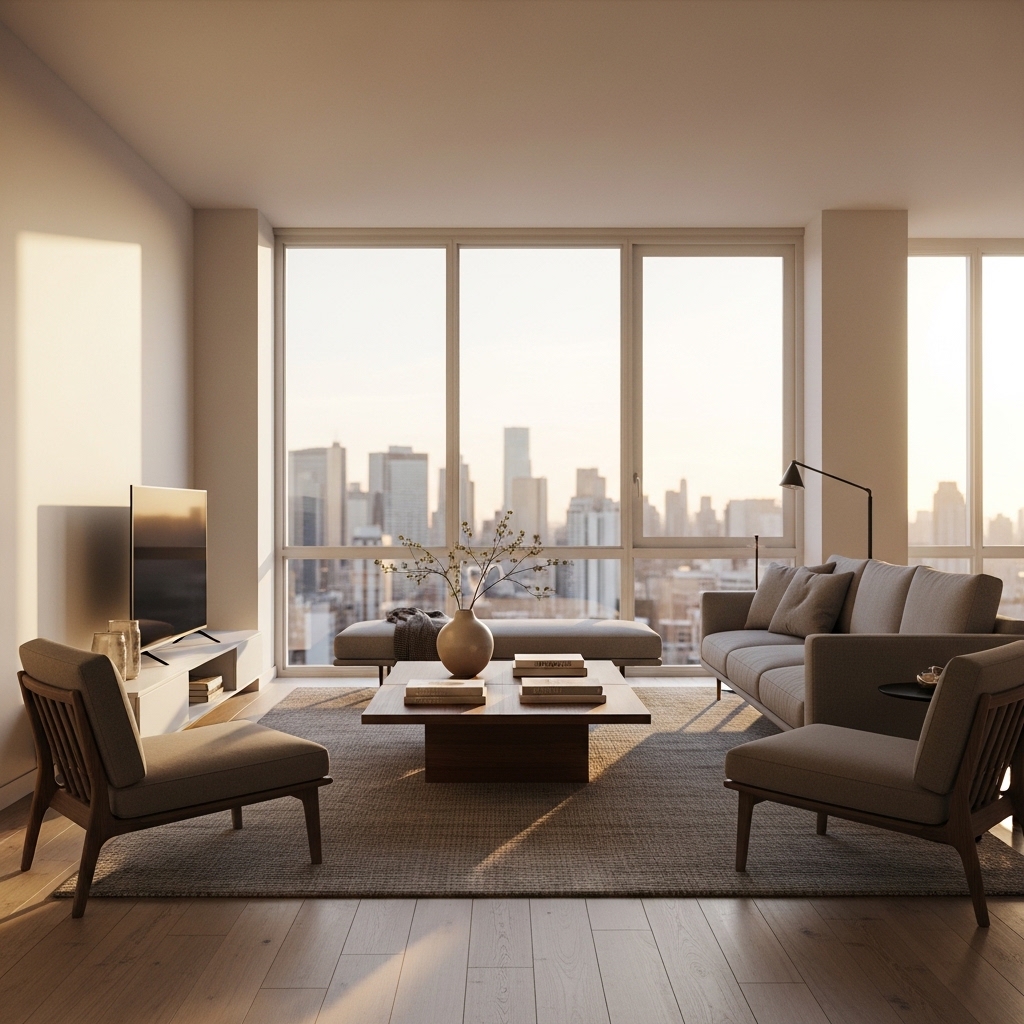
Who this is for: Small rooms that feel blocked.
Low furniture improves visual openness.
How to apply: Choose low sofas or tables.
Tip: Pair with taller decor for balance.
50. Seasonal Accent Swaps
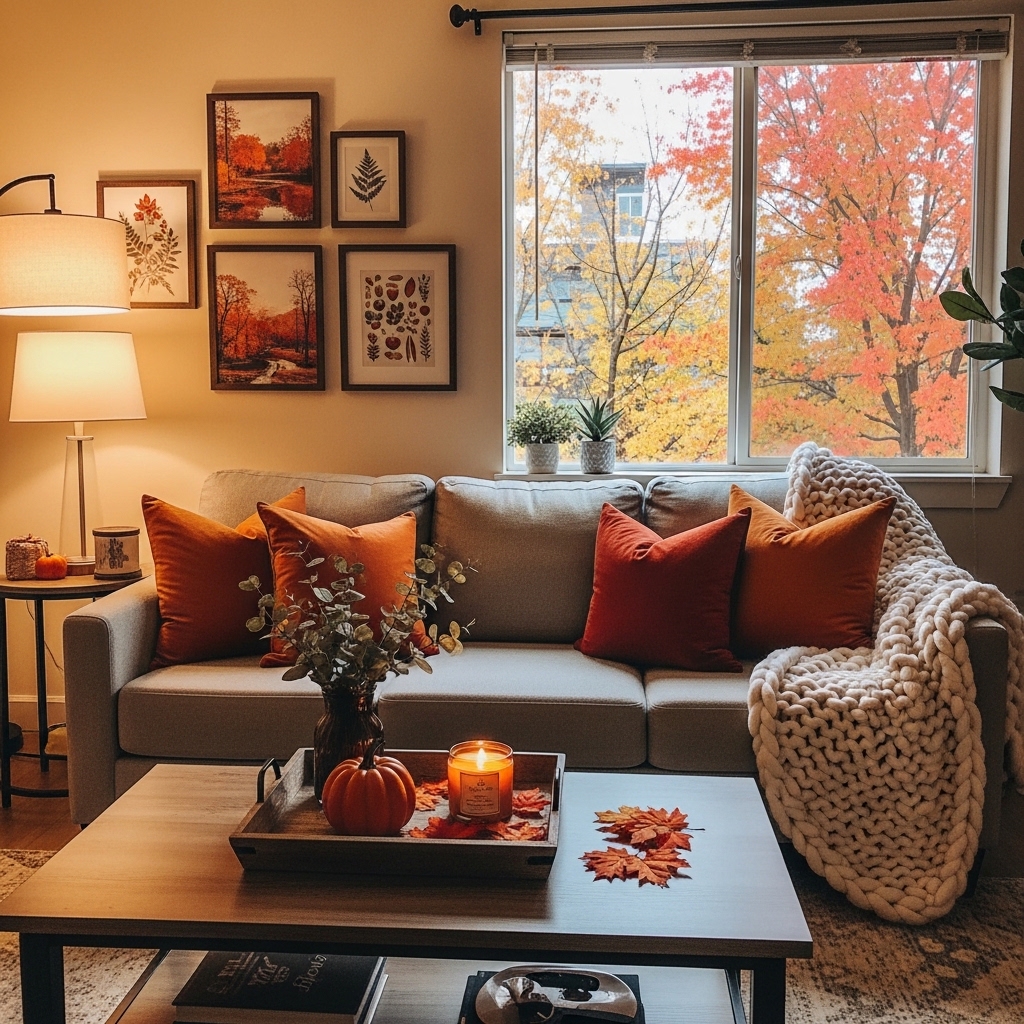
Who this is for: Those who like refreshing decor regularly.
Small seasonal updates keep the space dynamic.
How to apply: Change pillows, throws, or decor colors.
Budget tip: Store and reuse items yearly.
51. String Lights for Cozy Ambience
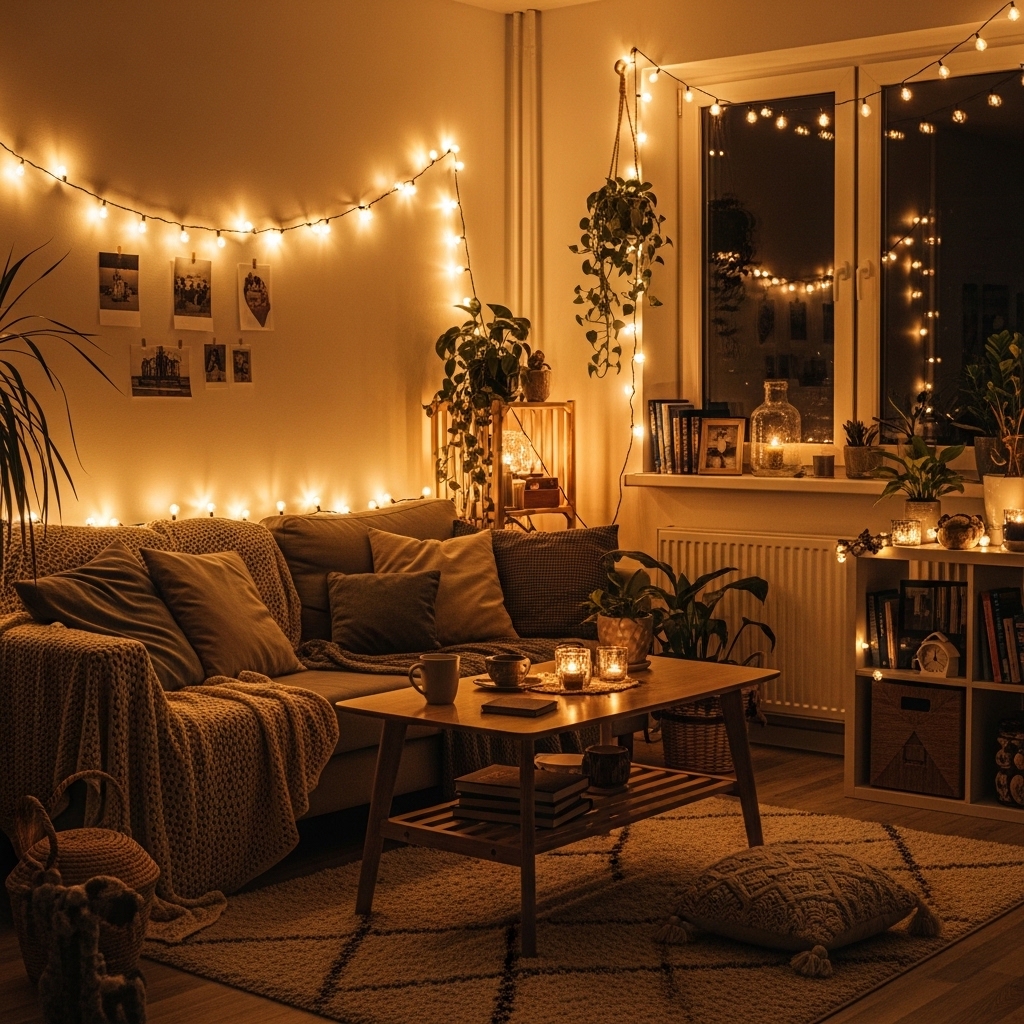
Who this is for: Evening-focused apartments.
Soft lighting creates warmth without harsh brightness.
How to apply: Place along shelves or walls.
Mistake: Overuse can look cluttered.
52. Wall Grid for Organized Display
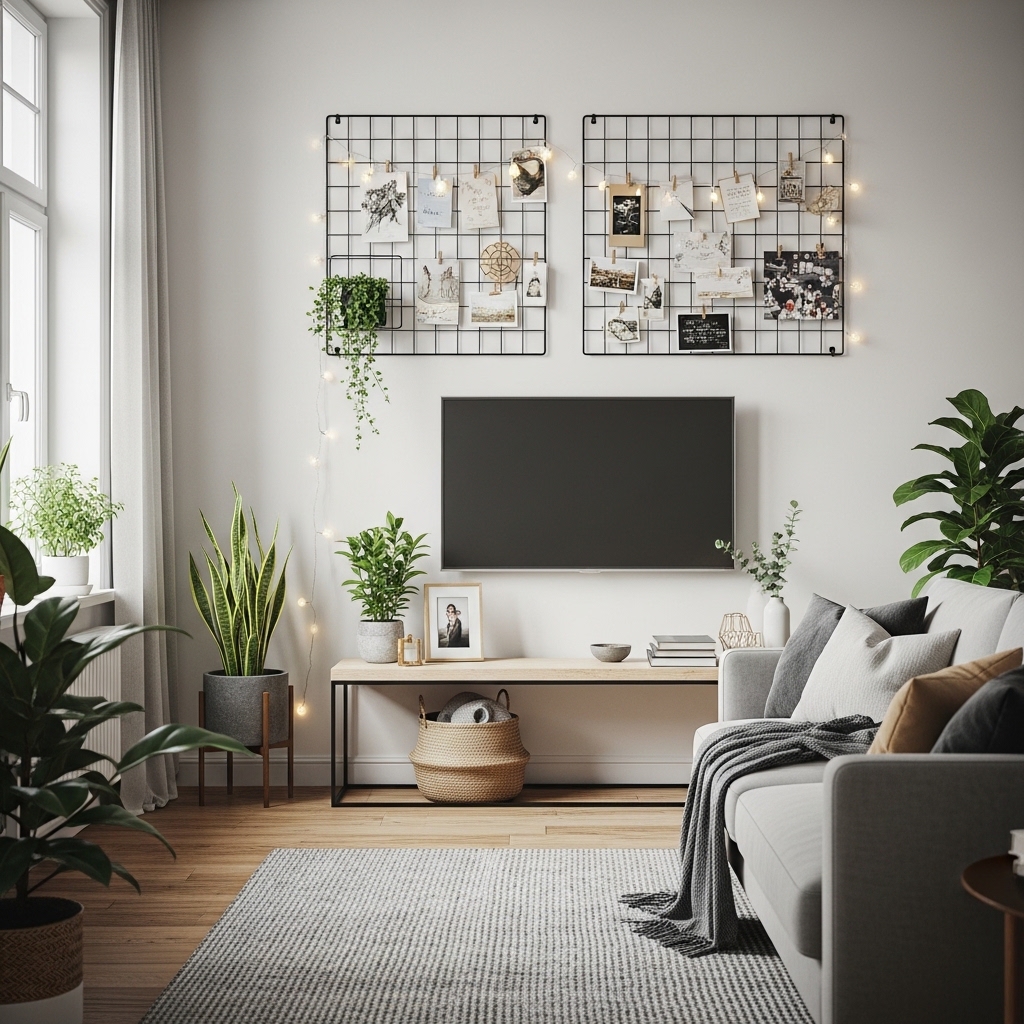
Who this is for: Creative or flexible decor lovers.
Grids allow easy rearrangement of items.
How to apply: Clip photos or notes neatly.
Tip: Keep spacing balanced.
53. Dual-Purpose Workspace Setup
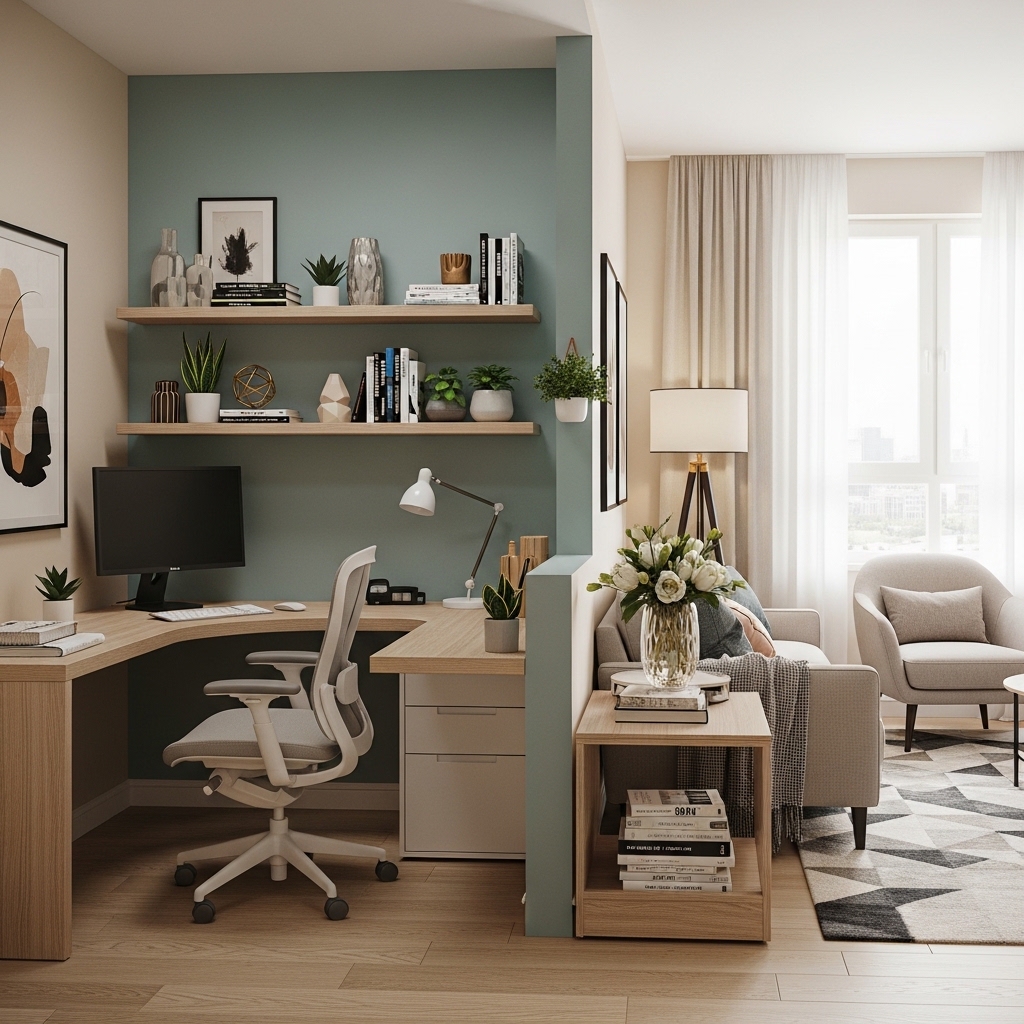
Who this is for: Work-from-home apartments.
Combining living and work areas saves space.
How to apply: Use a compact desk near a wall.
Mistake: Letting work clutter spill into living space.
54. Compact Storage Cabinets
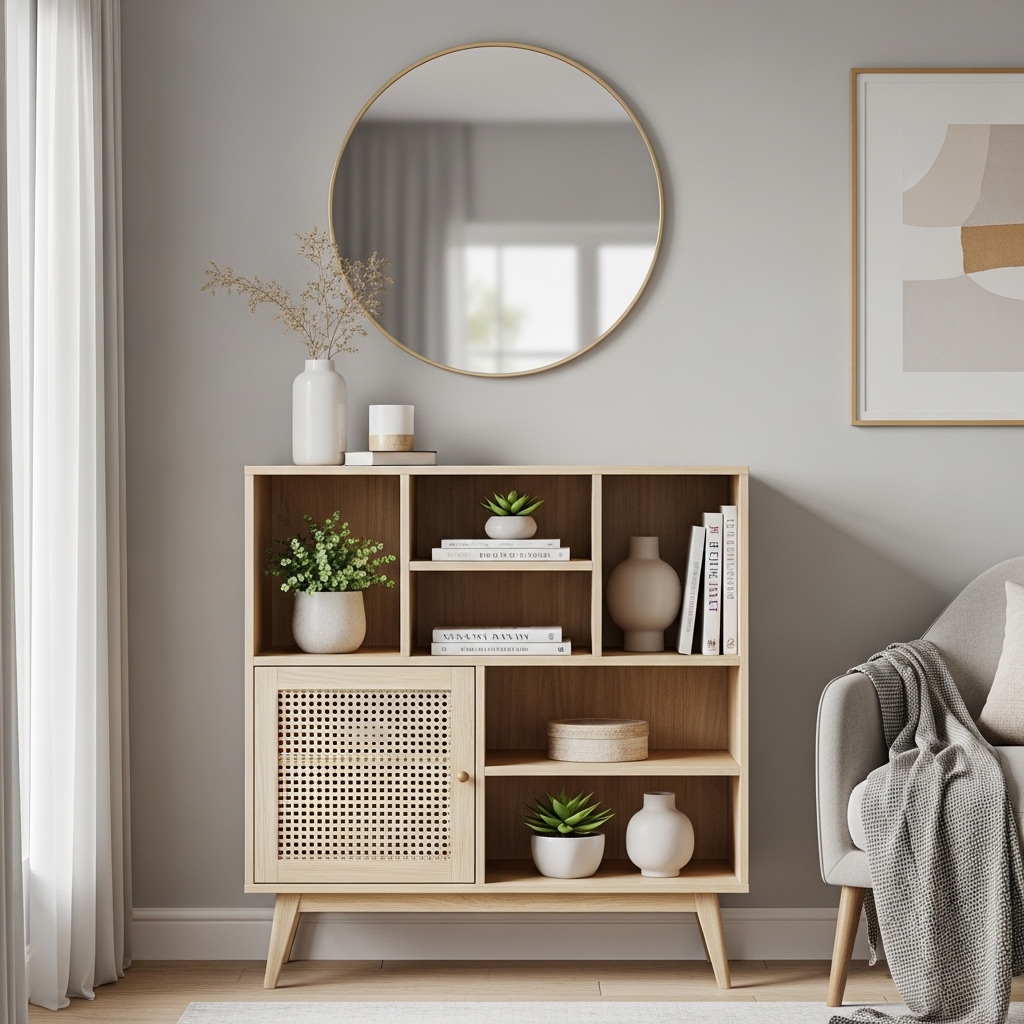
Who this is for: Small spaces needing hidden storage.
Cabinets keep items organized and out of sight.
How to apply: Choose slim designs.
Tip: Match with room color palette.
55. Soft Poufs for Flexible Seating
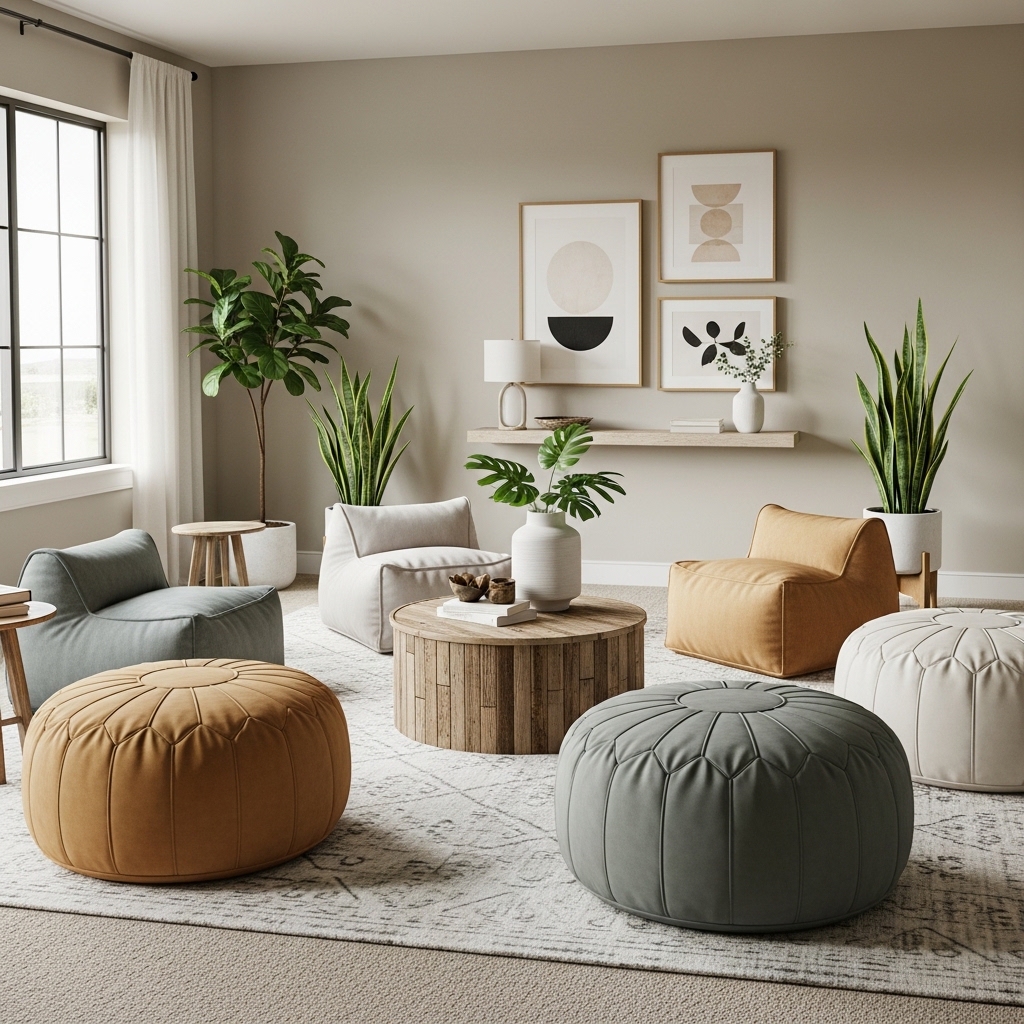
Who this is for: Casual seating needs.
Poufs are lightweight and versatile.
How to apply: Use as footrests or extra seats.
Mistake: Too many reduce floor space.
56. Layered Rugs for Texture
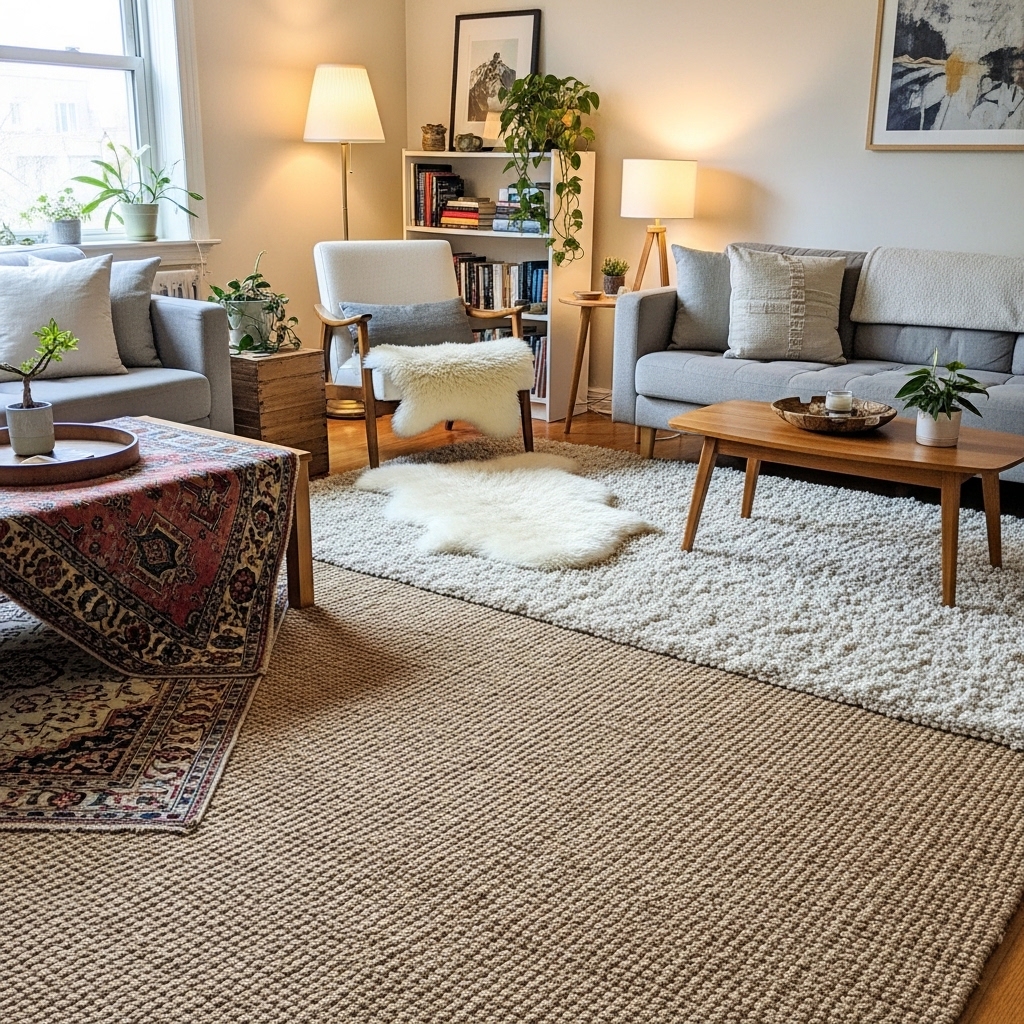
Who this is for: Neutral or minimalist apartments.
Layering rugs adds depth and warmth.
How to apply: Use a large base rug with a smaller one on top.
Mistake: Clashing patterns disrupt harmony.
57. Symmetrical Decor for Clean Look
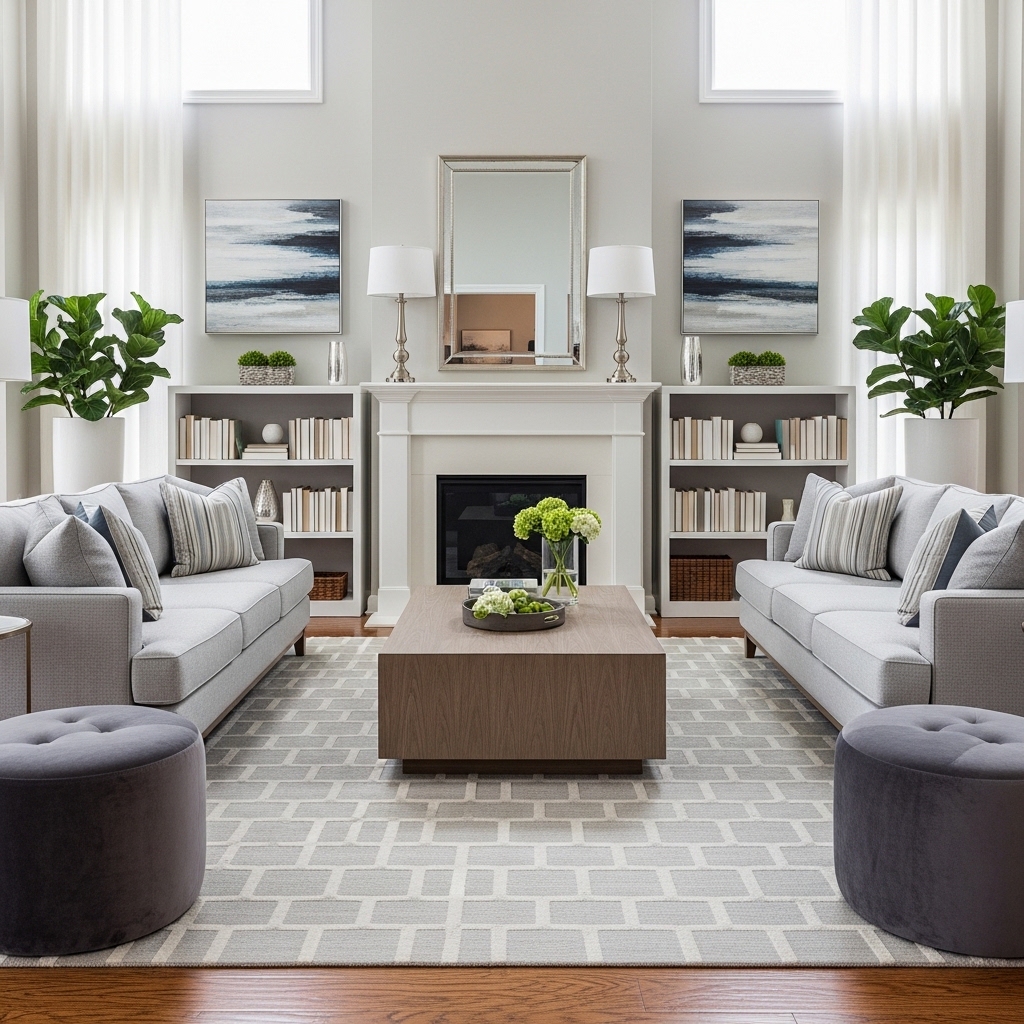
Who this is for: Organized, modern spaces.
Symmetry creates balance and calm.
How to apply: Match decor on both sides of furniture.
Tip: Works best in structured layouts.
58. Wood Accents for Warmth
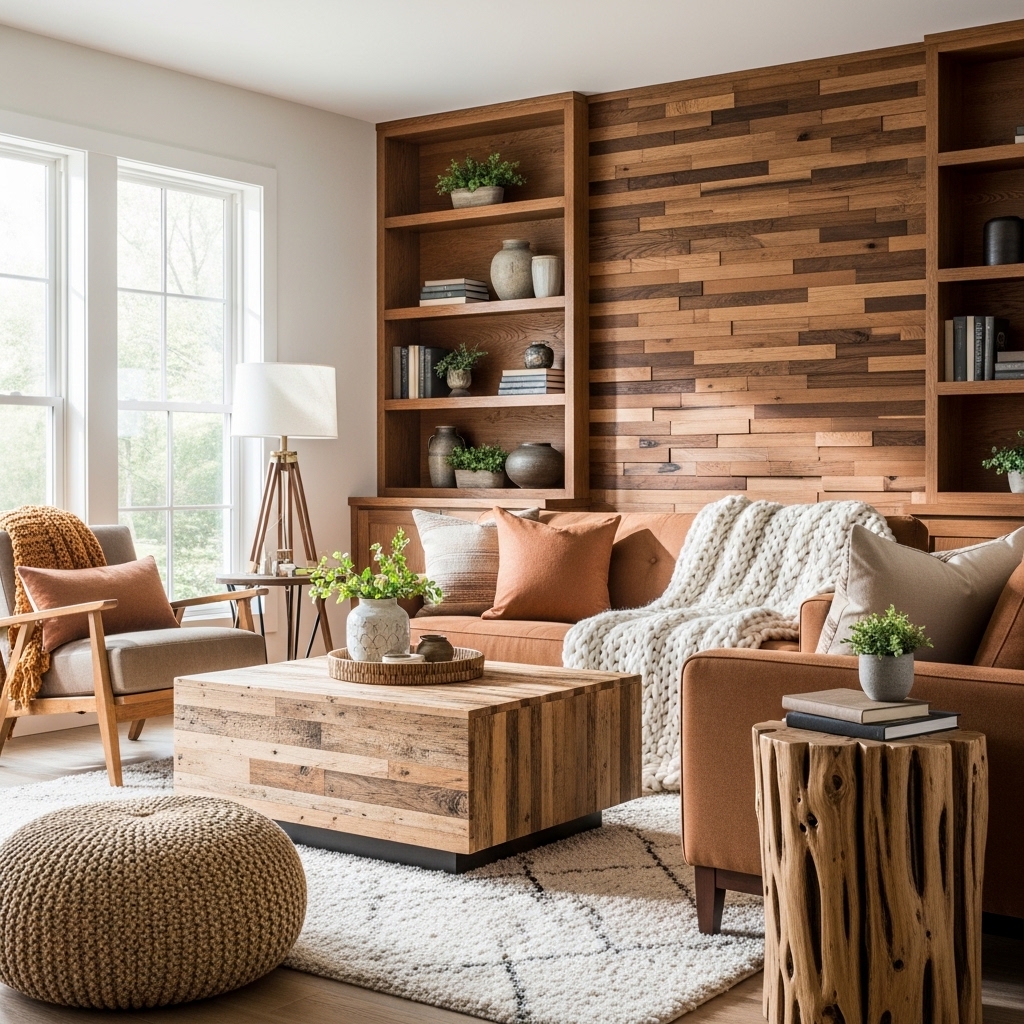
Who this is for: Cold or modern apartments.
Wood tones soften the space.
How to apply: Add through tables or decor.
Mistake: Too many finishes reduce cohesion.
59. Light Curtains for Brightness
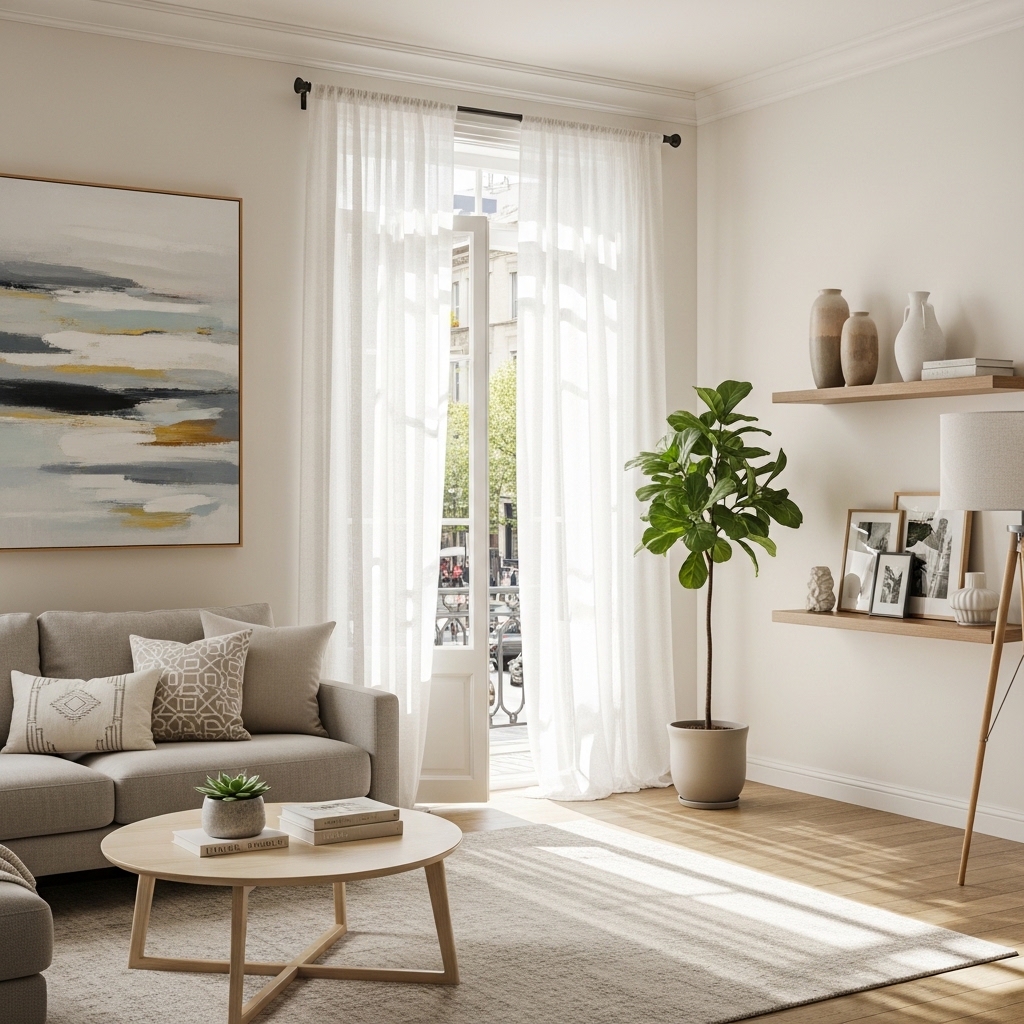
Who this is for: Low-light rooms.
Light fabrics allow natural light through.
How to apply: Use sheer or linen curtains.
Mistake: Heavy curtains block light.
60. Minimal Focal Wall Design
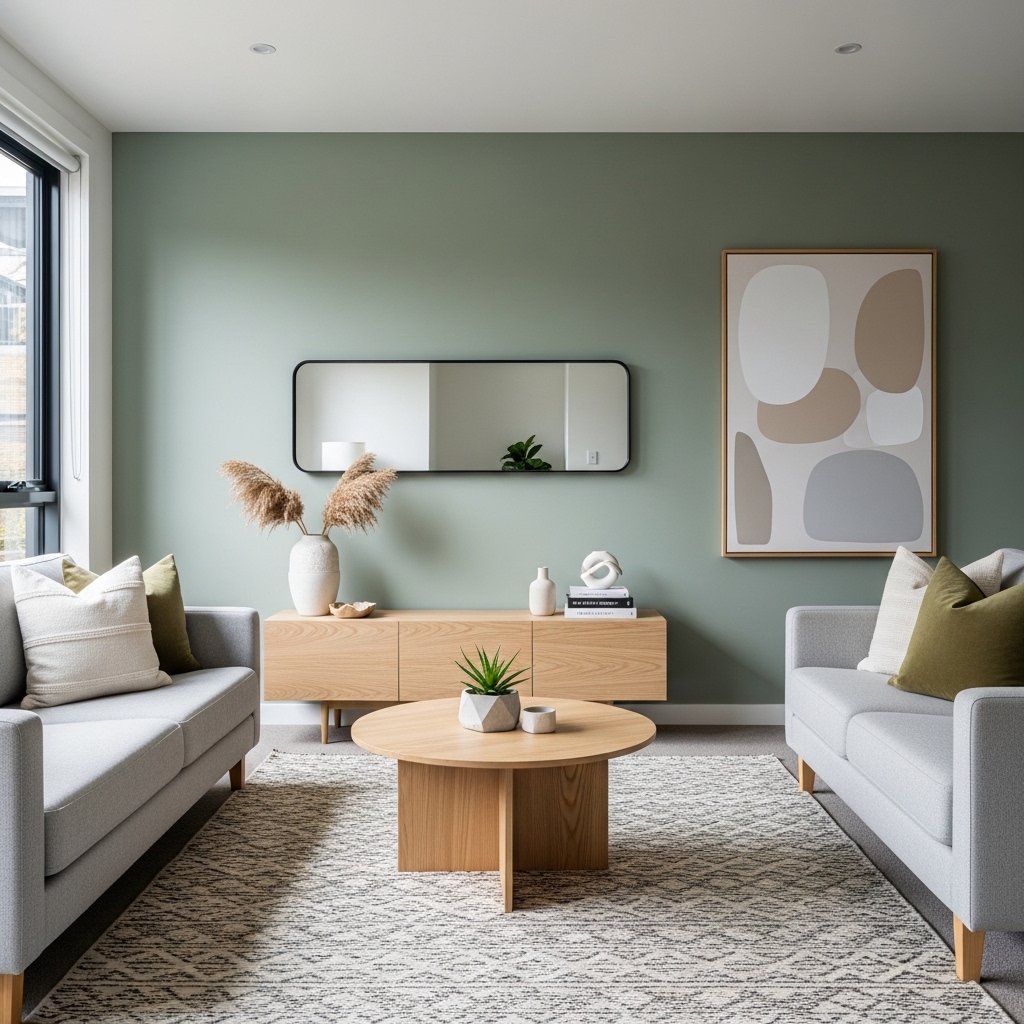
Who this is for: Small spaces needing simplicity.
A single focal wall keeps design intentional.
How to apply: Use art or paint on one wall only.
Tip: Keep other walls minimal.
61. Decorative Trays for Organization
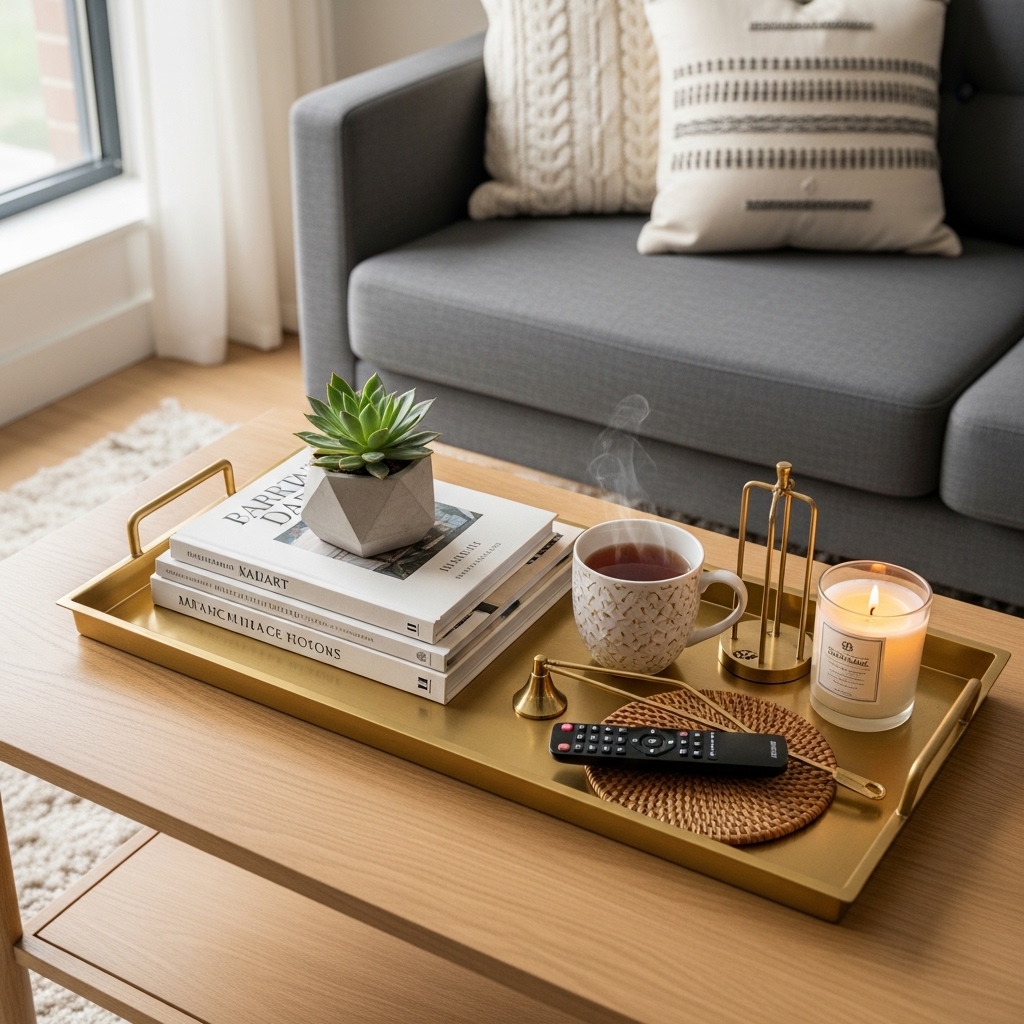
Who this is for: Cluttered surfaces.
Trays group items neatly.
How to apply: Use on coffee tables or consoles.
Mistake: Overfilling trays defeats purpose.
62. Hidden Cable Management
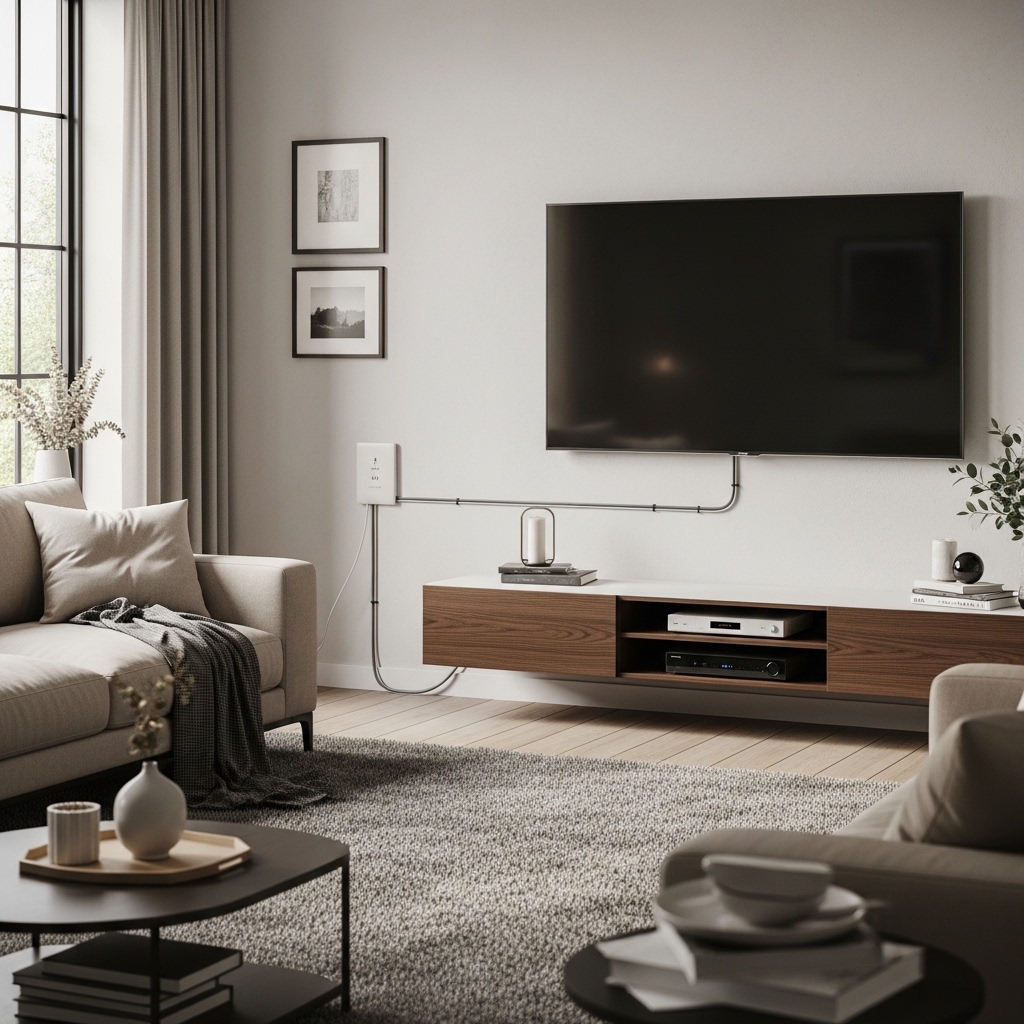
Who this is for: Tech-heavy living rooms.
Clean wiring improves overall aesthetics.
How to apply: Use clips or covers.
Tip: Match cable covers to wall color.
63. Floating Desk for Small Work Areas
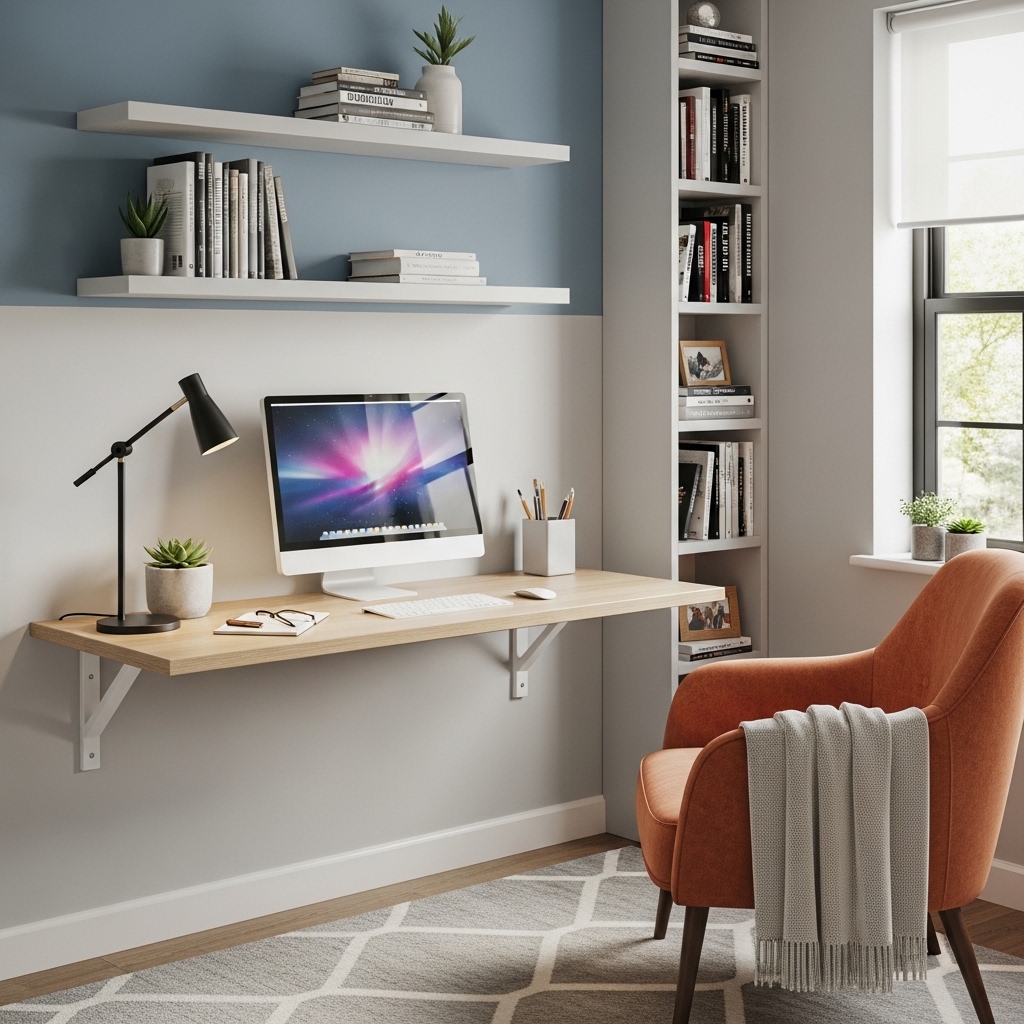
Who this is for: Studio apartments.
Wall-mounted desks save floor space.
How to apply: Install in unused wall areas.
Mistake: Overloading desk space.
64. Scent Elements for Atmosphere
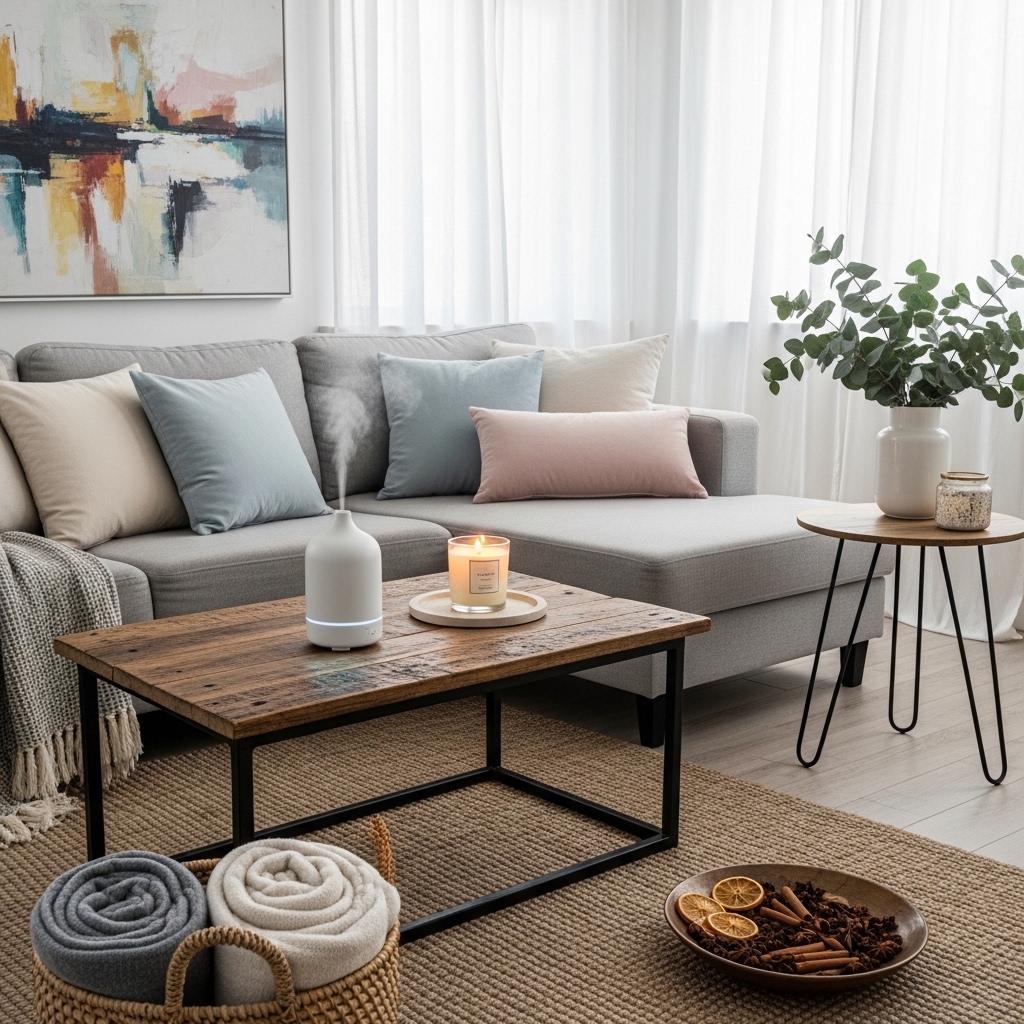
Who this is for: Creating a cozy environment.
Scents enhance the overall feel of the space.
How to apply: Use candles or diffusers sparingly.
Mistake: Strong scents can overwhelm.
65. Keep Walkways Clear for Better Flow
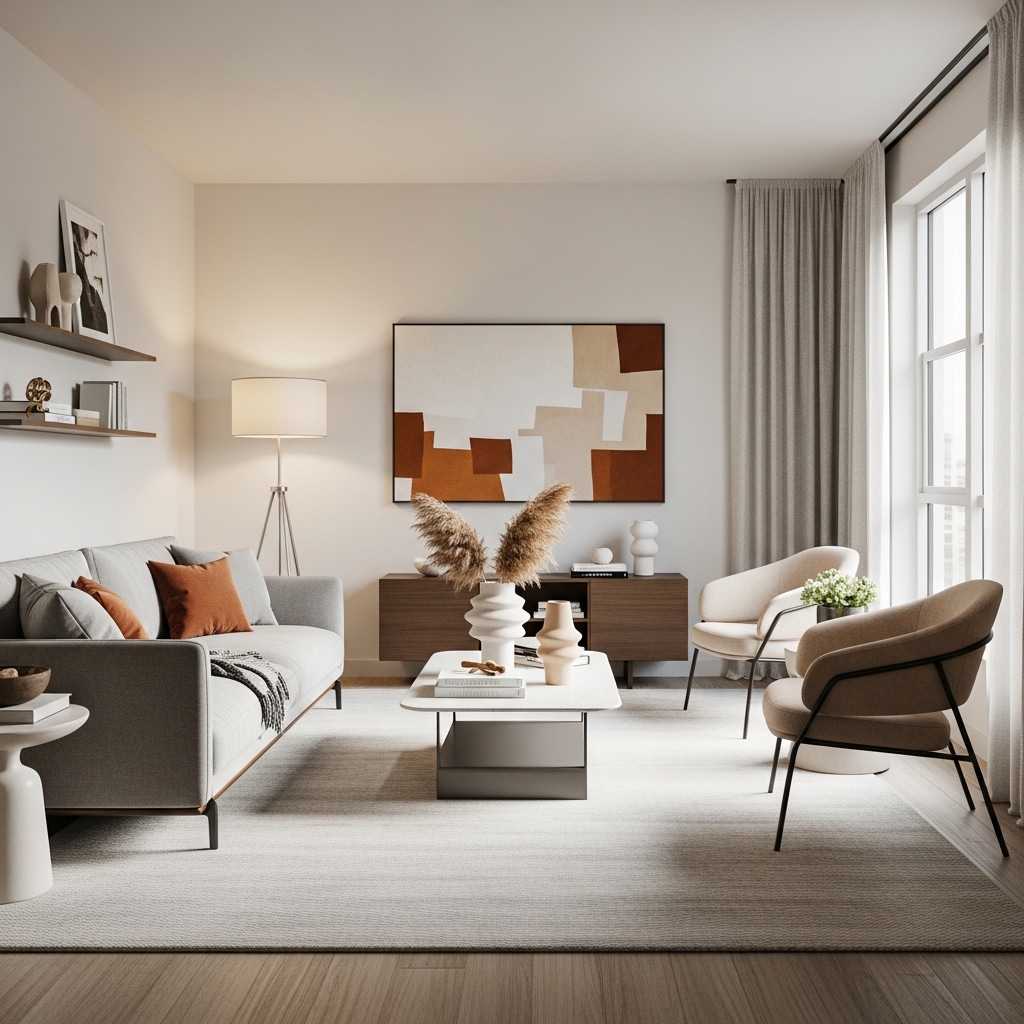
Who this is for: Any apartment layout.
Clear pathways improve usability and comfort.
How to apply: Maintain at least 2–3 feet walking space.
Tip: Rearrange furniture if movement feels tight.
Conclusion: Design an Apartment Living Room That Works Smarter
A nice apartment living room is not about how big it is. It is about how the space is used. You can make a difference in how the room looks and feels by making a few small changes.
For example you can improve the layout of the room choose furniture that can be used for than one thing and get rid of things that you do not need.
Start by making some changes like getting better lights finding smart ways to store your things and putting decorations in the right places.
Once you have done these things you can add textures and things that are special, to you to make the room feel more like your own. The apartment living room decor ideas, all 65 of them can help you make a living room that feels big and organized and comfortable and still looks really good.