How to Create a Cozy Apartment Aesthetic | Warm Hygge-Inspired Decor | Budget-Friendly Comfort Ideas
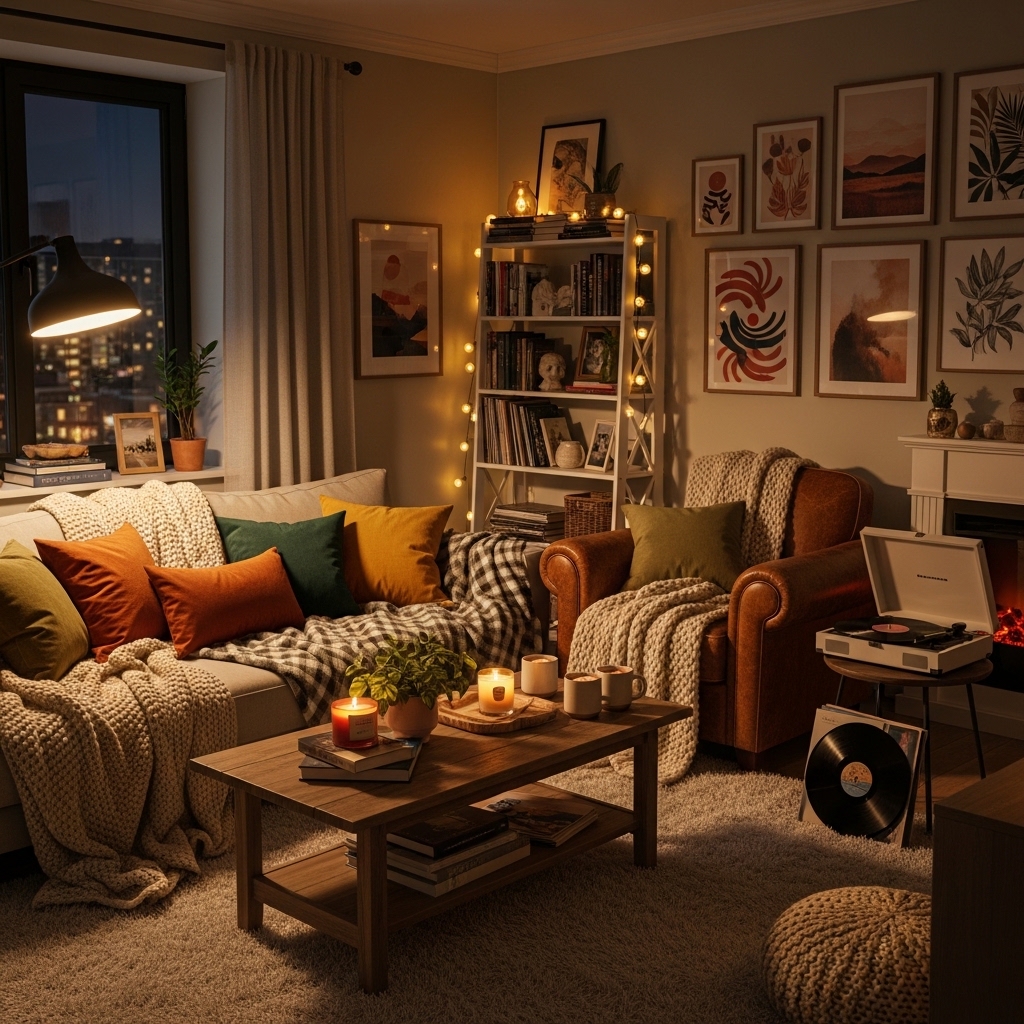
An apartment should feel like a sanctuary. After a long day, the space you return to should wrap around you like a warm blanket. But many apartments feel cold, impersonal, and stark. White walls. Gray carpet. Bare windows. No personality.
The cozy apartment aesthetic is not about expensive furniture or perfect styling. It is about creating warmth, comfort, and a sense of retreat. The Danish call it hygge (pronounced hoo-ga). It is the art of building warmth and coziness into everyday life.
This article explains how to create a cozy apartment aesthetic without renovation or expensive purchases. Small changes make the biggest difference.
Why Apartments Feel Cold (And How to Fix It)
Apartments have challenges that houses do not. White walls are standard. Landlords forbid painting. Flooring is often beige carpet or gray vinyl. Windows are small. Lighting is harsh.
The good news is that these challenges have solutions. The solutions are temporary. They do not violate leases. They do not require construction.
The Three Problems with Apartments
| Problem | Why It Happens | How to Fix |
|---|---|---|
| White walls | Landlord standard | Add color through textiles, art, plants |
| Harsh lighting | Single overhead fixture | Add lamps, dimmers, candles |
| Bare windows | No curtain rods allowed | Use tension rods for curtains |
The Cozy Apartment Mindset
Cozy is not about having more things. Cozy is about creating warmth. Warmth comes from soft textures, warm lighting, and personal touches. A minimalist apartment can be cozy. A maximalist apartment can be cold. The difference is intention.
Pro Tip: Walk through your apartment at night. Turn off all lights. Turn on one lamp. The areas that remain dark are where you need to add warmth.
Mistake to Avoid: Do not confuse cozy with cluttered. Cozy is intentional. Clutter is chaos.
Lighting: The Foundation of Cozy
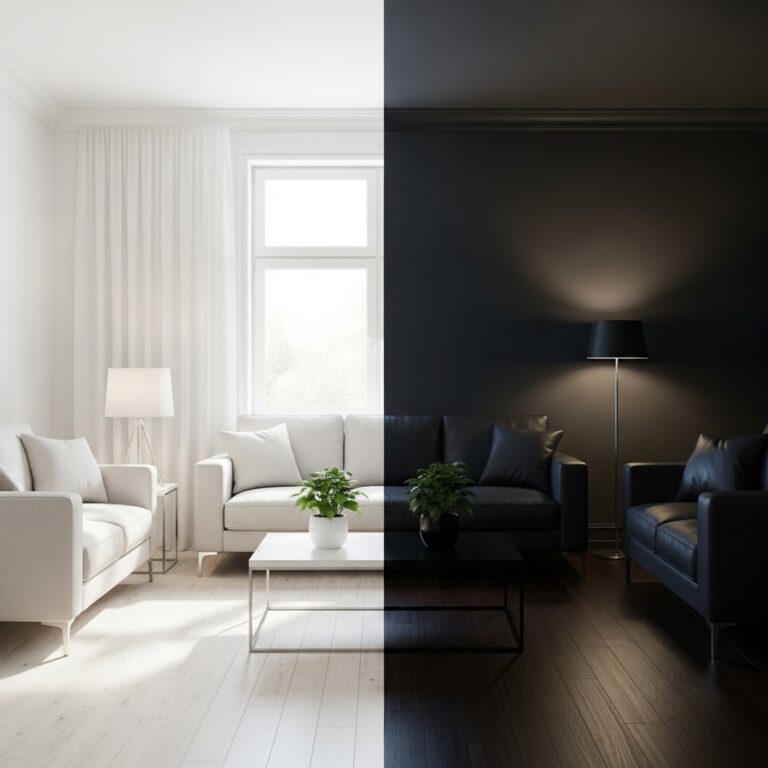
Lighting is the most important element of a cozy apartment. Harsh overhead lights destroy coziness. Warm, layered lighting creates it.
The Three Layers of Cozy Lighting
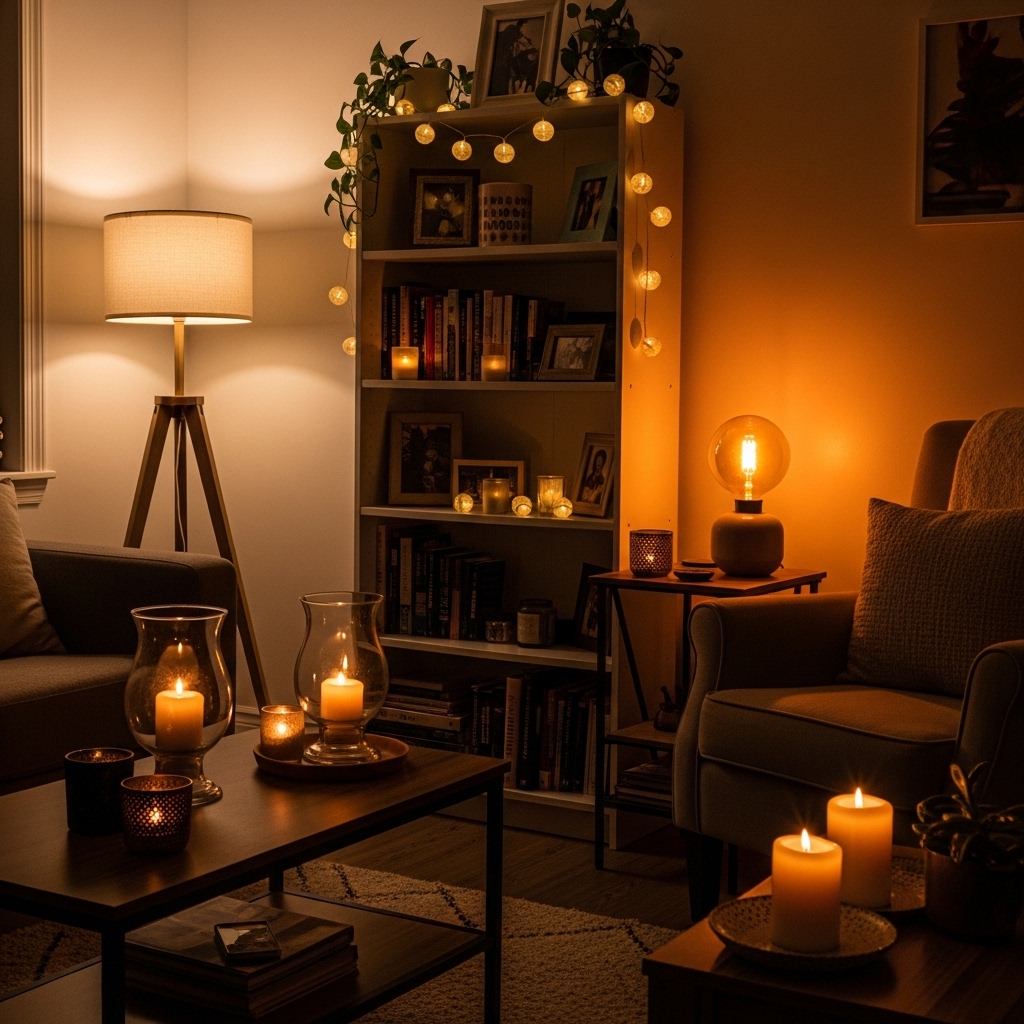
Every room needs three layers of light. Ambient lighting comes from the ceiling and provides general illumination. This light should be on a dimmer. Task lighting comes from table lamps or floor lamps and focuses on specific activities. Accent lighting comes from candles, string lights, or wall sconces and adds mood and depth.
| Light Layer | Purpose | Budget Example | Cost |
|---|---|---|---|
| Ambient | General illumination | Overhead light on dimmer | $15 (dimmer) |
| Task | Reading, activities | Thrifted table lamp | $10-20 |
| Accent | Mood, depth | Candles, string lights | $5-15 |
The Bulb Temperature Rule
Bulb color temperature is measured in Kelvins (K). Lower numbers produce warmer light. Higher numbers produce cooler light.
| Temperature | Color | Effect | Best For |
|---|---|---|---|
| 2700K | Warm white | Cozy, inviting | Living rooms, bedrooms |
| 3000K | Soft white | Clean, warm | Kitchens, bathrooms |
| 4000K | Cool white | Alert, focused | Home offices |
For a cozy apartment, use 2700K bulbs everywhere. The warm glow signals relaxation. It makes white walls feel less stark. It flatters skin tones.
Candles and String Lights
Candles are essential for a cozy apartment. The flickering flame creates movement and warmth. Battery-operated candles are safe and can be placed anywhere. Real candles provide scent and authenticity.
String lights add a magical quality. Drape them over a headboard, along a bookshelf, or around a window. Warm white lights only. Avoid cool white or colored lights.
Pro Tip: Place candles in glass holders to prevent fire hazards. Group three candles of different heights on a tray.
Mistake to Avoid: Do not use cool white bulbs in living spaces. Cool light feels clinical and harsh.
Soft Textures: The Secret to Warmth
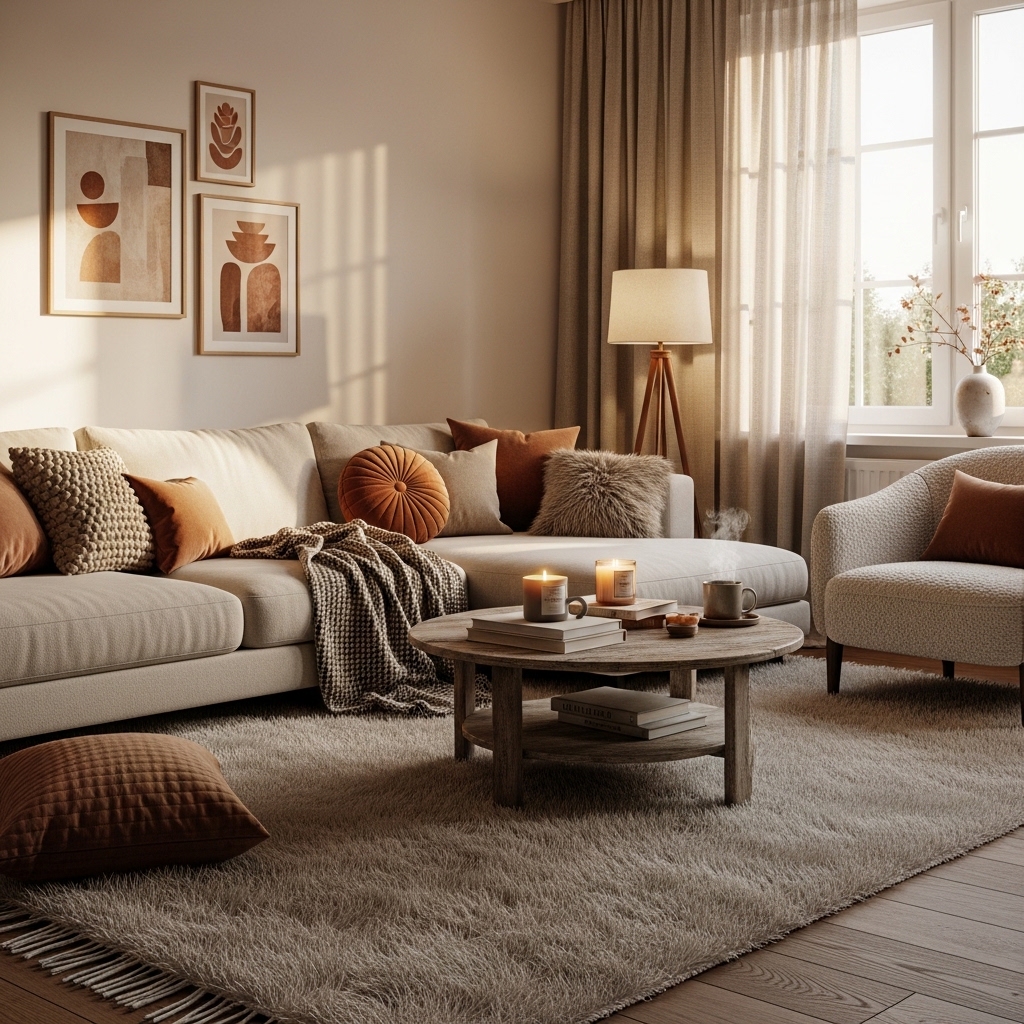
Hard surfaces feel cold. Soft surfaces feel warm. A cozy apartment has layers of soft textures throughout.
Where to Add Soft Textures
Throws and blankets. Drape a chunky knit blanket over the back of the sofa. Fold a fleece blanket over the arm of a chair. Keep a basket of blankets next to the seating area. Visible blankets invite use.
Pillows. A sofa needs pillows. A bed needs pillows. A chair needs a pillow. Choose pillows in different textures: velvet, wool, cotton, linen. Mix solid colors with subtle patterns.
Rugs. Bare floors feel cold. An area rug adds warmth underfoot. Layer a smaller rug on top of a larger rug for extra softness. Shag rugs are cozy but harder to clean. Flat-weave rugs are less cozy but easier to maintain.
Curtains. Bare windows feel cold. Curtains add softness. Choose a fabric that feels warm: velvet, cotton, or linen. Hang them high and wide for maximum impact.
The Texture Mixing Rule
Do not use the same texture throughout the room. Mixing textures creates depth and visual interest.
| Texture | Examples | Where to Use |
|---|---|---|
| Smooth | Cotton sheets, leather chair | Bed, accent chair |
| Soft | Velvet pillows, fleece blanket | Sofa, bed |
| Chunky | Knitted throw, wool rug | Sofa, floor |
| Natural | Linen curtains, jute rug | Windows, floor |
Pro Tip: Buy throws and blankets at thrift stores. Wash them before use. Vintage blankets have character that new blankets lack.
Mistake to Avoid: Do not use all synthetic fabrics. Polyester does not breathe and can feel clammy. Mix in natural fibers like cotton, wool, and linen.
Color: Warm Neutrals and Earthy Tones
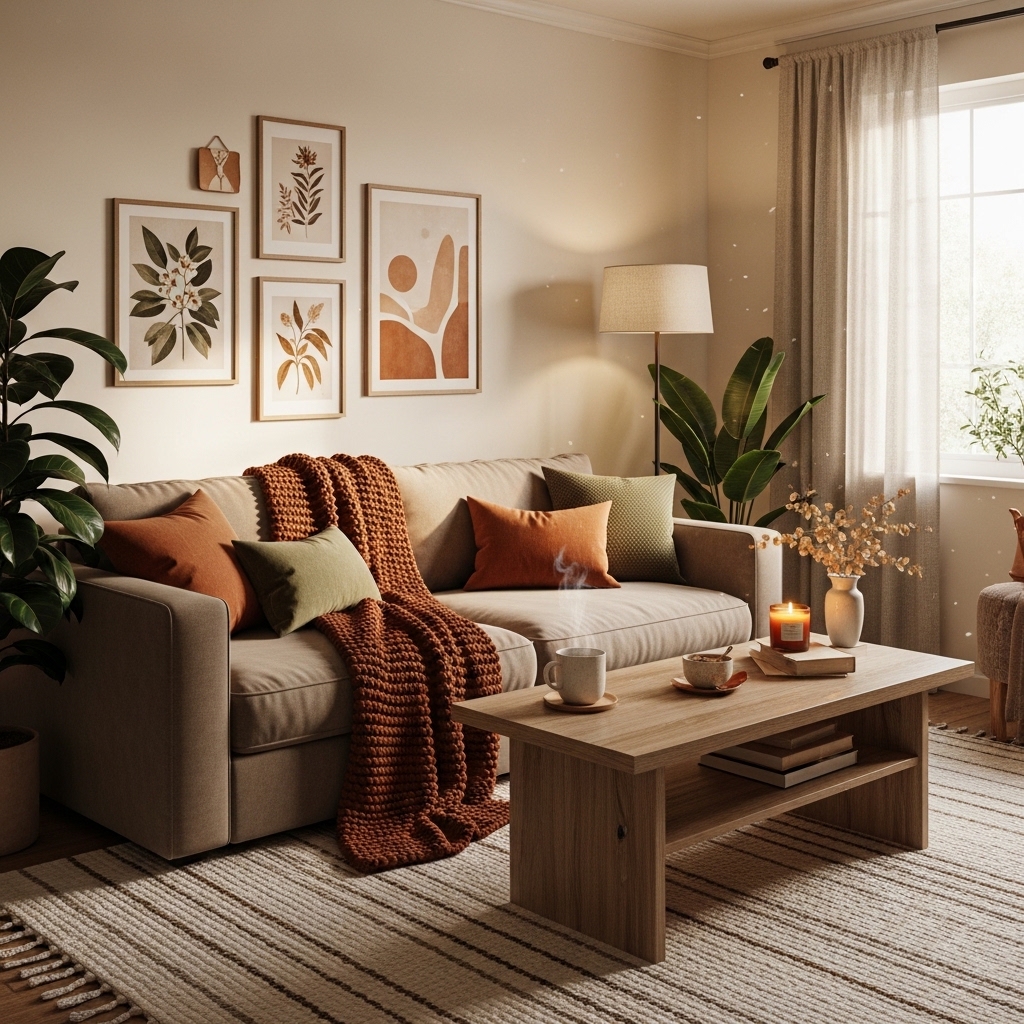
Color affects how warm a room feels. Cool colors (blue, gray, pure white) feel cold. Warm colors (cream, beige, terracotta, sage green) feel cozy.
The Best Cozy Colors for Apartments
| Color | Why It Works | Best For |
|---|---|---|
| Warm white | Reflects light, feels soft | Walls (if you can paint), bedding |
| Cream | Warmer than white, pairs with everything | Sofas, rugs, curtains |
| Beige | Neutral, warm, hides wear | Rugs, upholstery |
| Sage green | Earthy, calming, natural | Pillows, throws, art |
| Terracotta | Warm, grounded, rich | Accent wall, pillows, pottery |
Adding Color Without Painting
If your lease forbids painting, add color through textiles. A cream-colored rug warms up a gray carpet. Sage green curtains add color to white walls. Terracotta pillows bring warmth to a beige sofa.
| Surface | How to Add Color | Cost |
|---|---|---|
| Walls | Large art, fabric tapestry, removable wallpaper | $20-100 |
| Floor | Area rug | $50-200 |
| Windows | Curtains | $30-80 |
| Furniture | Throw blankets, pillows | $10-50 |
| Shelves | Books, pottery, plants | $5-30 |
Pro Tip: Use removable wallpaper on one wall. It adds color and pattern. It peels off cleanly when you move.
Mistake to Avoid: Do not use cool colors in a north-facing apartment. North light is already cool. Cool colors will make the space feel cold and dark.
Personal Touches: Making the Space Yours
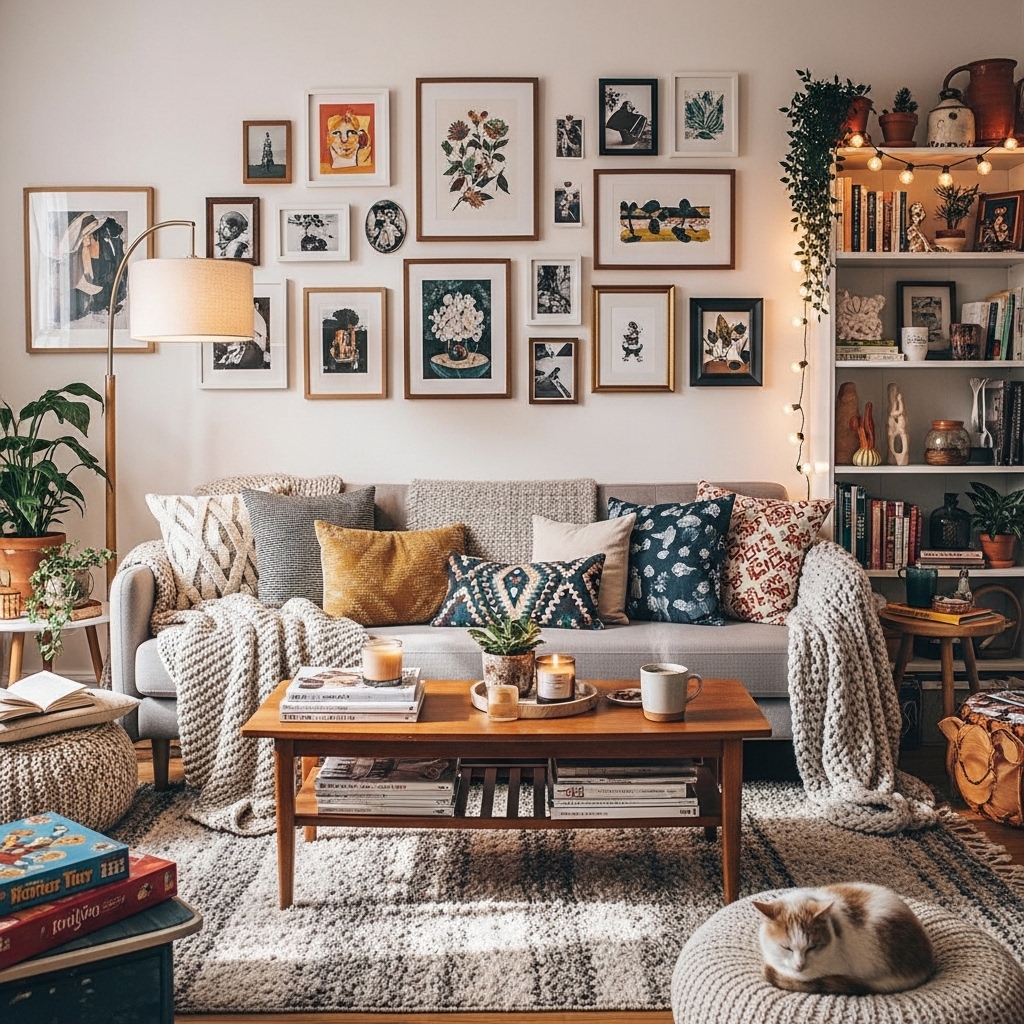
A cozy apartment is personal. It reflects the people who live there. Mass-produced decor from a big box store feels generic. Personal items feel warm.
What to Display
Photos. Frame photos of family, friends, and pets. A gallery wall of personal photos is meaningful and inexpensive. Print photos at a drugstore for under one dollar each.
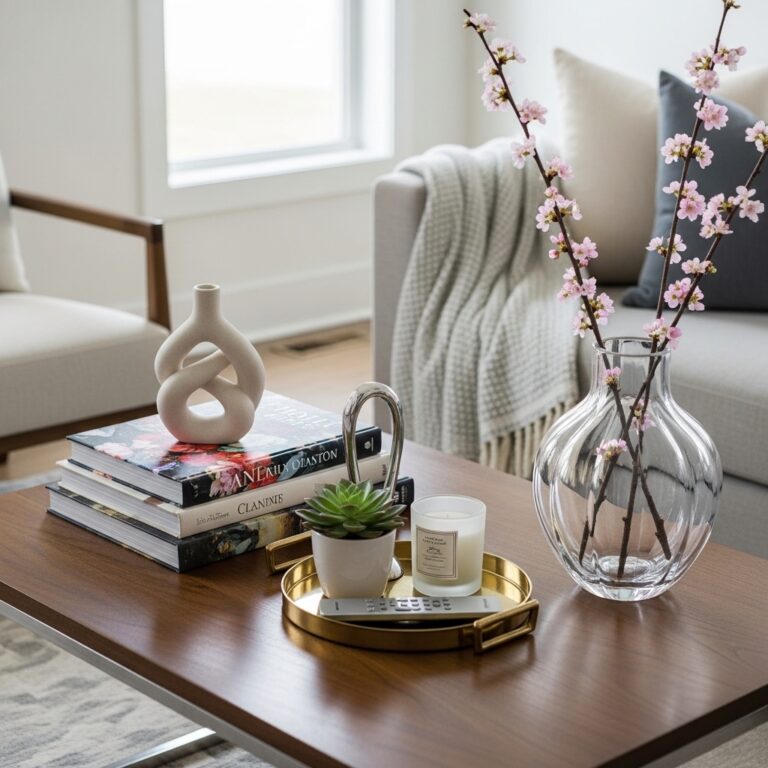
Books. A stack of books on a coffee table or shelf adds intellectual warmth. Choose books you have actually read or want to read.
Travel souvenirs. A small object from a trip becomes a conversation piece. A ceramic bowl from Morocco. A woven basket from Mexico. A print from a local artist.
Plants. Plants add life and organic shape. They make an apartment feel alive. Snake plants and ZZ plants thrive on neglect.
The Memory Rule
Every item in a cozy apartment should have a memory attached. If an item has no memory, it is just decor. Decor is fine. Items with memories are better.
Pro Tip: Rotate personal items seasonally. Store summer souvenirs in winter. Bring out winter items in summer. The rotation keeps the space feeling fresh.
Mistake to Avoid: Do not clutter surfaces with too many personal items. Choose a few meaningful pieces. Give each piece breathing room.
Scent: The Overlooked Cozy Element
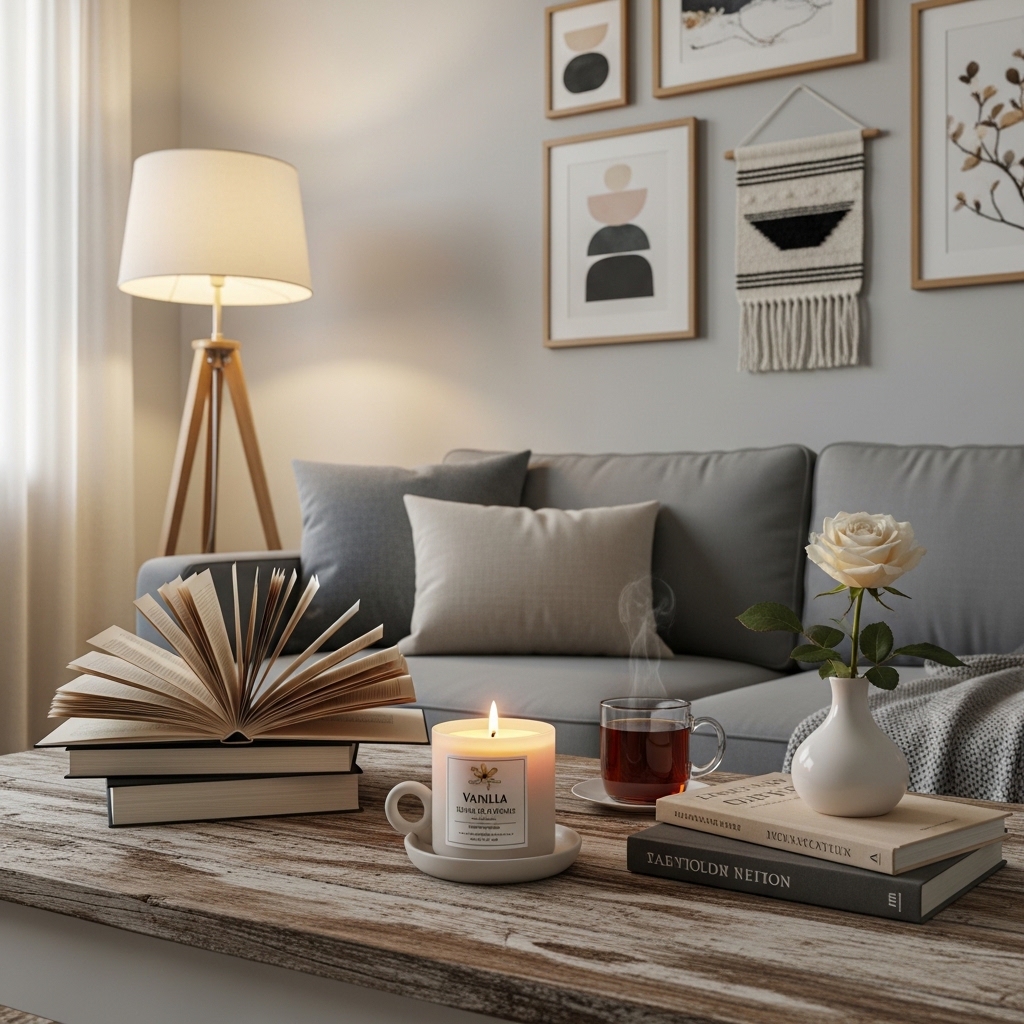
Scent is often overlooked in home design. It is one of the most powerful tools for creating a cozy atmosphere.
Best Cozy Scents
| Scent | Effect | Best Form |
|---|---|---|
| Vanilla | Warm, comforting, sweet | Candle, diffuser |
| Lavender | Calming, relaxing, sleep-inducing | Candle, pillow spray |
| Cedar | Woody, grounding, fresh | Candle, incense |
| Cinnamon | Warm, spicy, festive | Candle (fall/winter) |
| Sandalwood | Earthy, meditative, warm | Diffuser, incense |
How to Add Scent to an Apartment
Candles. A burning candle adds light and scent. Choose candles in glass jars for safety. Never leave a burning candle unattended.
Essential oil diffuser. A diffuser uses water and essential oils to create a fine mist. It is safe to leave on for hours. It adds humidity to dry apartment air.
Room spray. A quick spritz on pillows or curtains adds instant scent. Choose natural sprays without harsh chemicals.
Pro Tip: Use unscented candles in small spaces. Strong scents can be overwhelming in a studio apartment. Save strong scents for larger rooms.
Mistake to Avoid: Do not mix too many scents. One scent per room is enough. Mixed scents can clash and create an unpleasant odor.
Creating Cozy Zones in Small Apartments
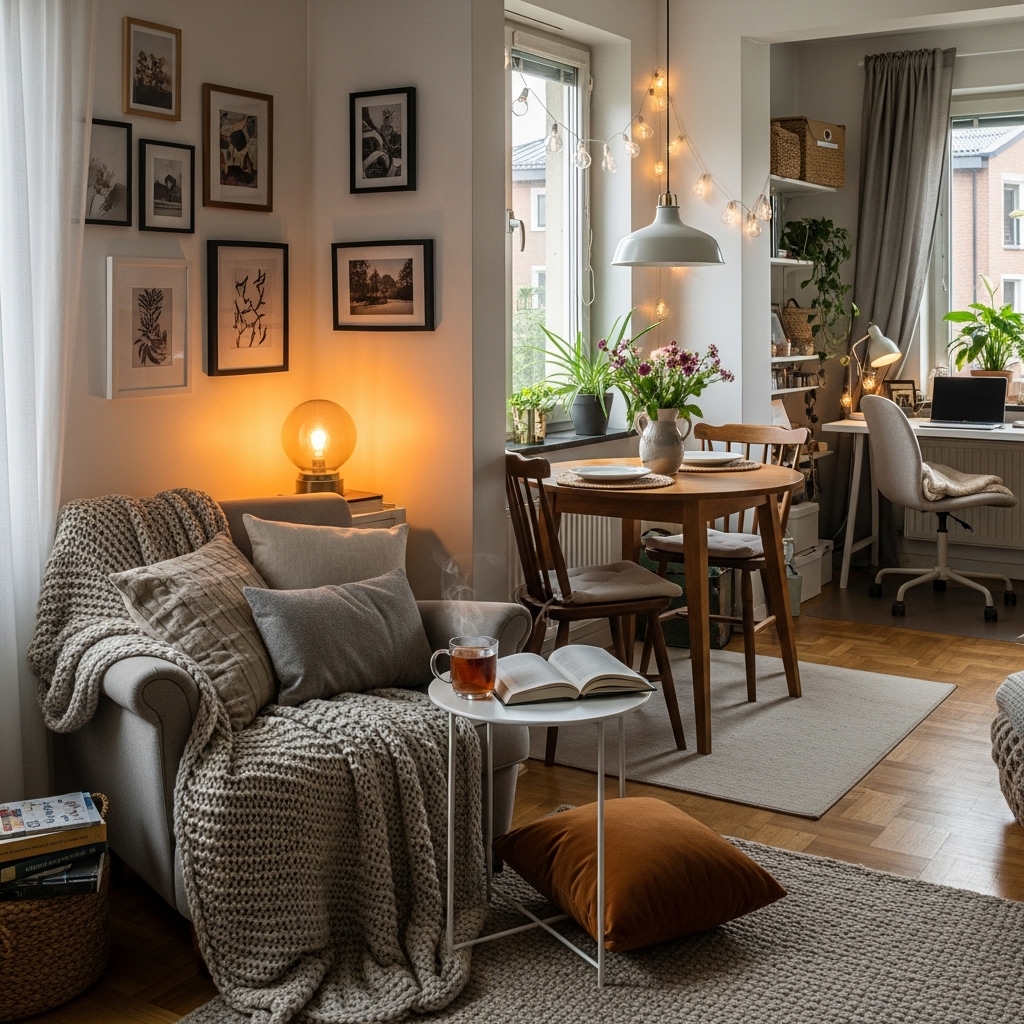
A studio apartment or small one-bedroom needs zones. Different areas for different activities. Zones create the feeling of multiple rooms.
The Three-Zone System
Sleep zone. The bed is the focal point. Use a room divider, bookshelf, or curtain to separate the bed from the living area. A canopy or mosquito net adds softness and defines the space.
Living zone. A small sofa or two chairs face each other. A rug defines the area. A coffee table holds drinks and books. A floor lamp provides warm light.
Work zone. A small desk faces a wall or window. Keep the desk clear of clutter. A task lamp provides focused light.
How to Define Zones Without Walls
| Zone Separator | Cost | Best For |
|---|---|---|
| Bookshelf | $20-50 (thrifted) | Dividing bed from living area |
| Curtain on tension rod | $30-50 | Soft, temporary division |
| Area rug | $50-100 | Visual definition without physical barrier |
| Furniture placement | $0 | Angled chairs create conversation area |
Pro Tip: Use a large rug to define the living zone. Use a different rug (or no rug) to define the work zone. The change in flooring signals a change in function.
Mistake to Avoid: Do not let zones bleed into each other. Keep work items out of the sleep zone. Keep sleep items out of the work zone.
Frequently Asked Questions
What is the single most important element for a cozy apartment?
Lighting. Warm, layered lighting transforms a cold apartment into a cozy retreat. Add lamps. Use warm bulbs. Add candles. No other change makes as big an impact.
Can I make a rental apartment cozy without losing my security deposit?
Yes. Use tension rods for curtains. Use command strips for art. Use removable wallpaper. Add area rugs over ugly flooring. Add lamps (no installation). All of these are temporary and landlord-friendly.
How do I make a studio apartment feel cozy?
Create zones. Use a bookshelf or curtain to separate the bed from the living area. Use rugs to define different areas. Keep the work zone separate from the sleep zone.
What colors make an apartment feel cozy?
Warm neutrals: cream, beige, warm white. Earthy tones: sage green, terracotta, rust. Avoid cool colors: pure white, cool gray, light blue.
Conclusion
A cozy apartment is not about expensive furniture or perfect styling. It is about creating warmth. Warmth comes from soft textures, warm lighting, personal touches, and intentional choices.
Layer your lighting. Add candles. Drape blankets over furniture. Mix textures. Choose warm colors. Display personal items. Add plants. Use scent. Create zones.
Start with one change today. Add a lamp. Buy a throw blanket. Light a candle. Small changes produce dramatic results. The apartment becomes a sanctuary.