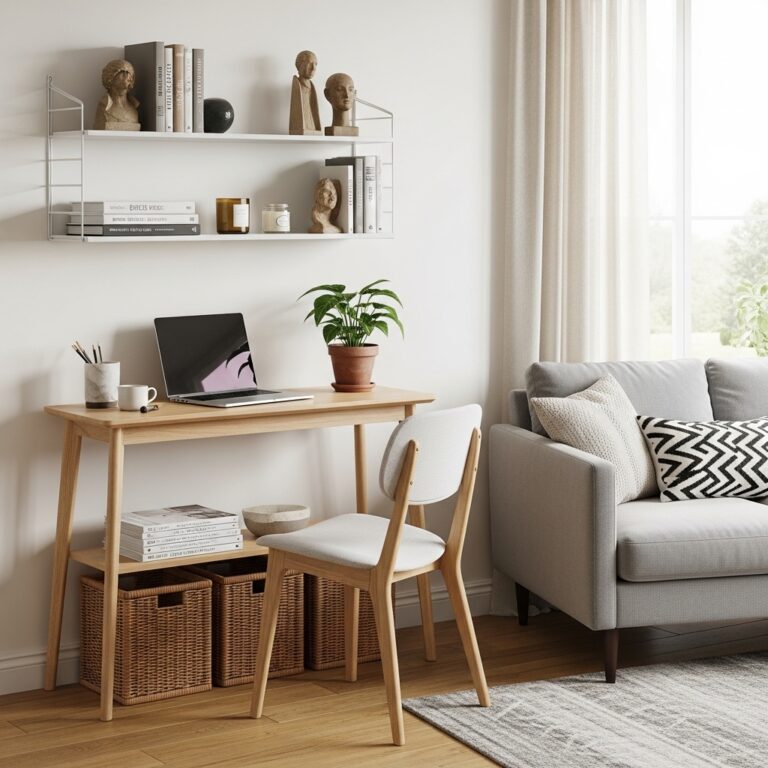
My Minimalist Home Setup Experiment (Real Results) & What Happened When I Removed 70% of My Belongings
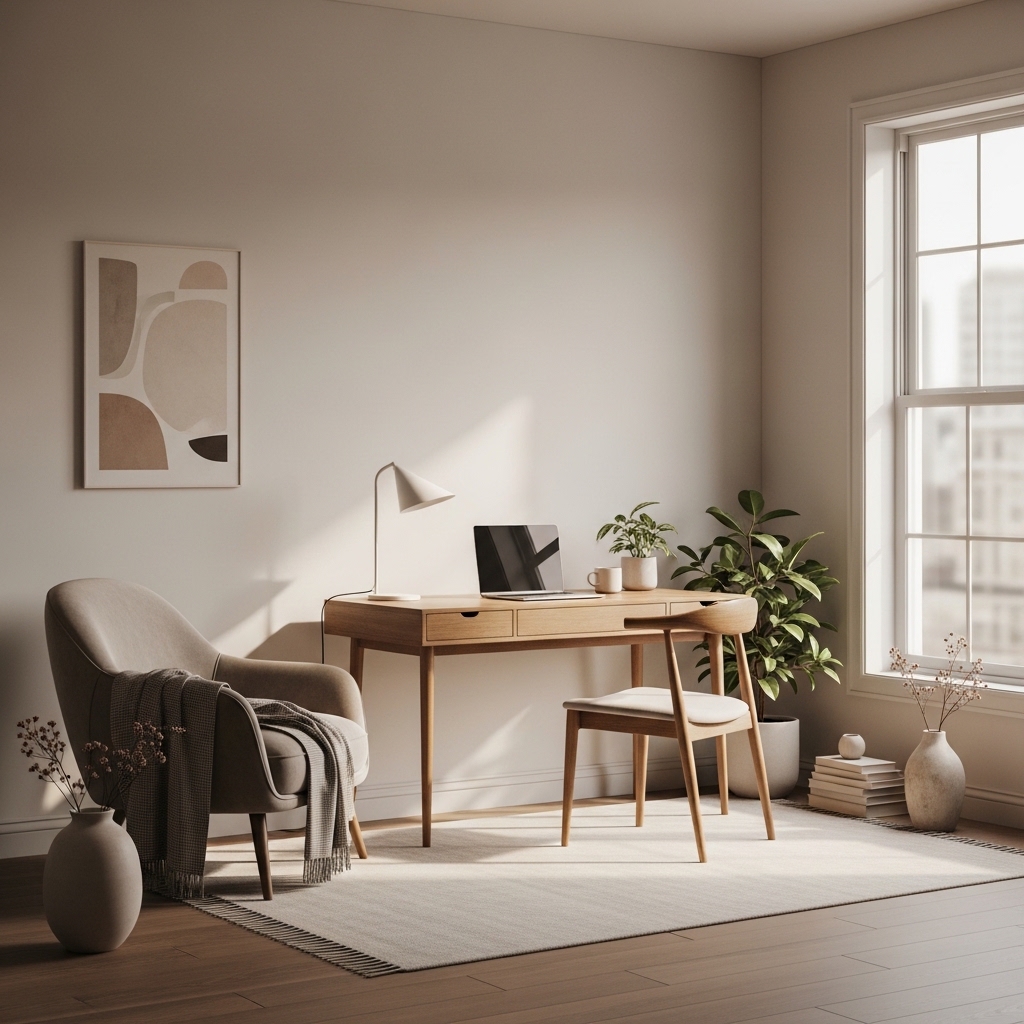
The idea sounded extreme. Remove seventy percent of everything. Keep only what adds value. See what happens.
Minimalism seemed like a trend for people with perfect homes and no children. The assumption was that it would not work for real life.
The experiment was conducted anyway. Thirty days. One rule. If an item was not used, loved, or needed, it left the house.
What happened next was unexpected. The results were not just visual. They were emotional, financial, and behavioral.
This guide shares the real results of the minimalist home setup experiment. No staging. No perfection. Just honest outcomes from a real home.
Why the Experiment Started
The apartment felt heavy. Every surface held something. Every closet was packed. Every drawer was stuffed.
The problem was not organization. The problem was the sheer volume of things. Better organization would not solve having too much.
The Breaking Point
A drawer broke from overfilling. The repair cost money. The drawer was full of items not used in years. The absurdity was impossible to ignore.
Paying to fix a drawer that held nothing useful felt like a metaphor for the whole apartment.
The 70% Rule
Seventy percent of items would leave. Not ten percent. Not fifty percent. Seventy percent.
The number was chosen because smaller purges had failed before. Ten percent came back within weeks. Fifty percent felt like progress but did not change the feeling of the space.
Seventy percent forced real decisions. Comfortable items would have to go. Sentimental items would face scrutiny. Nothing was safe.
The Process: How the Experiment Worked
The experiment lasted thirty days. Each week had a specific focus.
Week One: Clothing and Accessories
Every piece of clothing was removed from closets and drawers. Each item was held and evaluated.
The three-question test:
- Have I worn this in the past twelve months?
- Does this fit well and make me feel good?
- Would I buy this again today?
Items that failed any question were donated or sold.
| Category | Before | After | Removed |
|---|---|---|---|
| Shirts | 45 | 12 | 33 |
| Pants | 20 | 6 | 14 |
| Dresses | 12 | 3 | 9 |
| Jackets | 8 | 2 | 6 |
| Shoes | 15 | 5 | 10 |
| Accessories | 30 | 8 | 22 |
Total clothing removed: 94 items
Week Two: Kitchen and Dining
The kitchen was packed. Multiple spatulas. Duplicate baking dishes. Gadgets used once.
The kitchen rule: If it did not have a specific, frequent use, it left.
Duplicate items were eliminated. One spatula remained. One baking sheet remained. One mixing bowl set remained.
| Category | Before | After | Removed |
|---|---|---|---|
| Spatulas and spoons | 12 | 3 | 9 |
| Baking dishes | 8 | 2 | 6 |
| Mixing bowls | 7 | 4 | 3 |
| Gadgets (specialty) | 9 | 1 | 8 |
| Mugs | 15 | 4 | 11 |
| Glasses | 12 | 6 | 6 |
Total kitchen items removed: 43
Week Three: Furniture and Decor
Furniture was evaluated by function. Did it serve a daily purpose? Did it make the room better?
| Item | Decision | Reason |
|---|---|---|
| Extra chair | Donated | Never used by guests |
| Side table | Donated | Created clutter surface |
| Three decorative bowls | Donated | No purpose, collected dust |
| Large mirror | Kept | Added light and depth |
| Floor lamp | Kept | Essential for evening lighting |
| Bookshelf | Kept | Held remaining books and decor |
Week Four: Paper, Digital, and Sentimental
Paper was the hardest category. Receipts from years ago. Manuals for appliances no longer owned. Cards from people barely remembered.
The paper rule: If it was not tax-related or deeply sentimental, it was scanned or shredded.
Digital files were also deleted. Old photos. Duplicate documents. Emails from ten years ago.
The Real Results: What Actually Happened
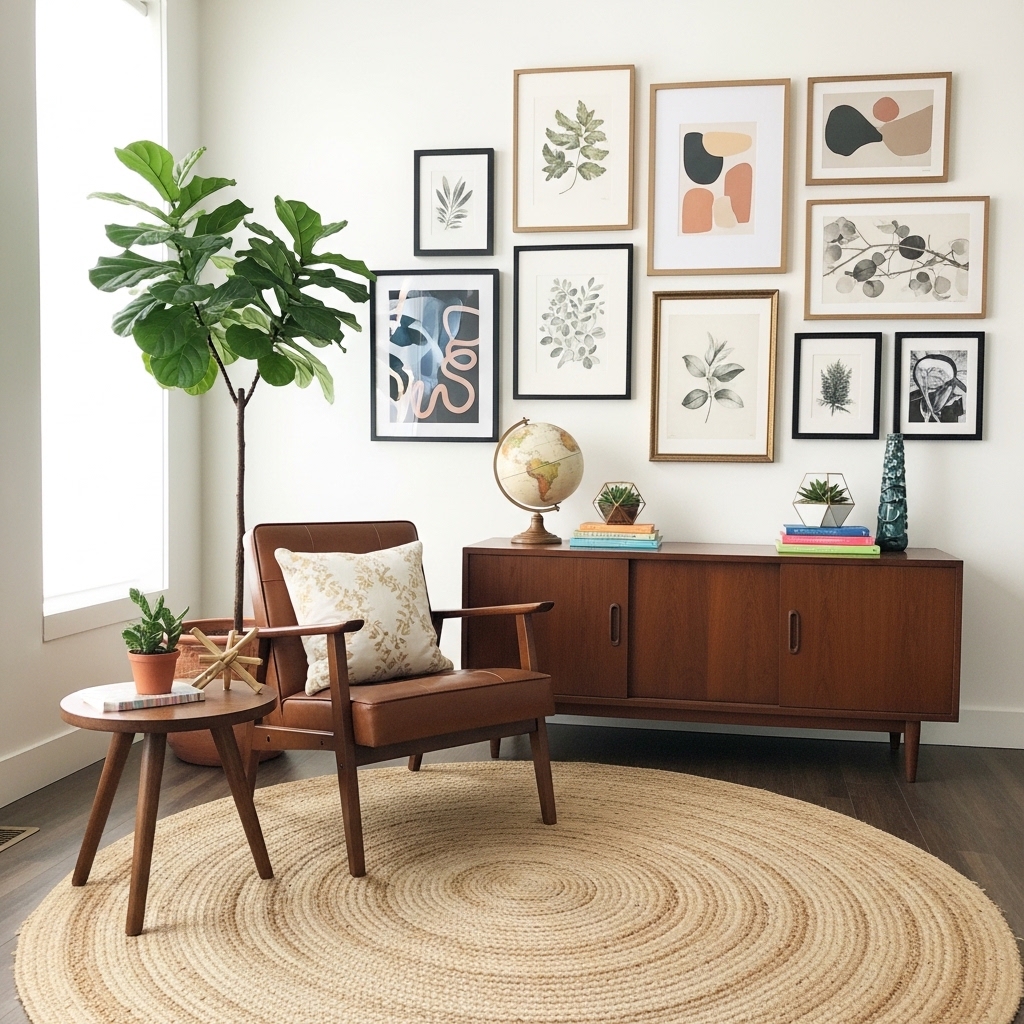
The results were tracked in three categories. Physical space. Mental space. Financial impact.
Physical Space Results
| Room | Before Feel | After Feel | Visible Empty Space Gained |
|---|---|---|---|
| Living room | Cluttered, heavy | Open, light | 40% more visible floor |
| Bedroom | Cramped, stressful | Calm, restful | 50% more visible floor |
| Kitchen | Packed, frustrating | Functional, pleasant | 35% more counter space |
| Closet | Overflowing, chaotic | Organized, peaceful | 60% more hanging space |
Mental Space Results
The mental changes were more significant than the physical changes.
Before the experiment:
- Daily stress about clutter
- Difficulty finding items
- Guilt about unused purchases
- Overwhelm when cleaning
- Avoidance of having guests
After the experiment:
- Calmness entering each room
- Ability to find items instantly
- Relief about fewer decisions
- Quick, easy cleaning
- Welcoming guests without anxiety
Financial Results
| Category | Before (Monthly) | After (Monthly) | Savings |
|---|---|---|---|
| Impulse purchases | $85 | $15 | $70 |
| Duplicate purchases | $40 | $0 | $40 |
| Storage bins and organizers | $30 | $0 | $30 |
| Cleaning supplies (less needed) | $25 | $10 | $15 |
| Total monthly savings | $180 | $25 | $155 |
Annual savings projected: $1,860
What Was Expected vs. What Actually Happened
Expectations were wrong in several ways. The experiment produced unexpected results.
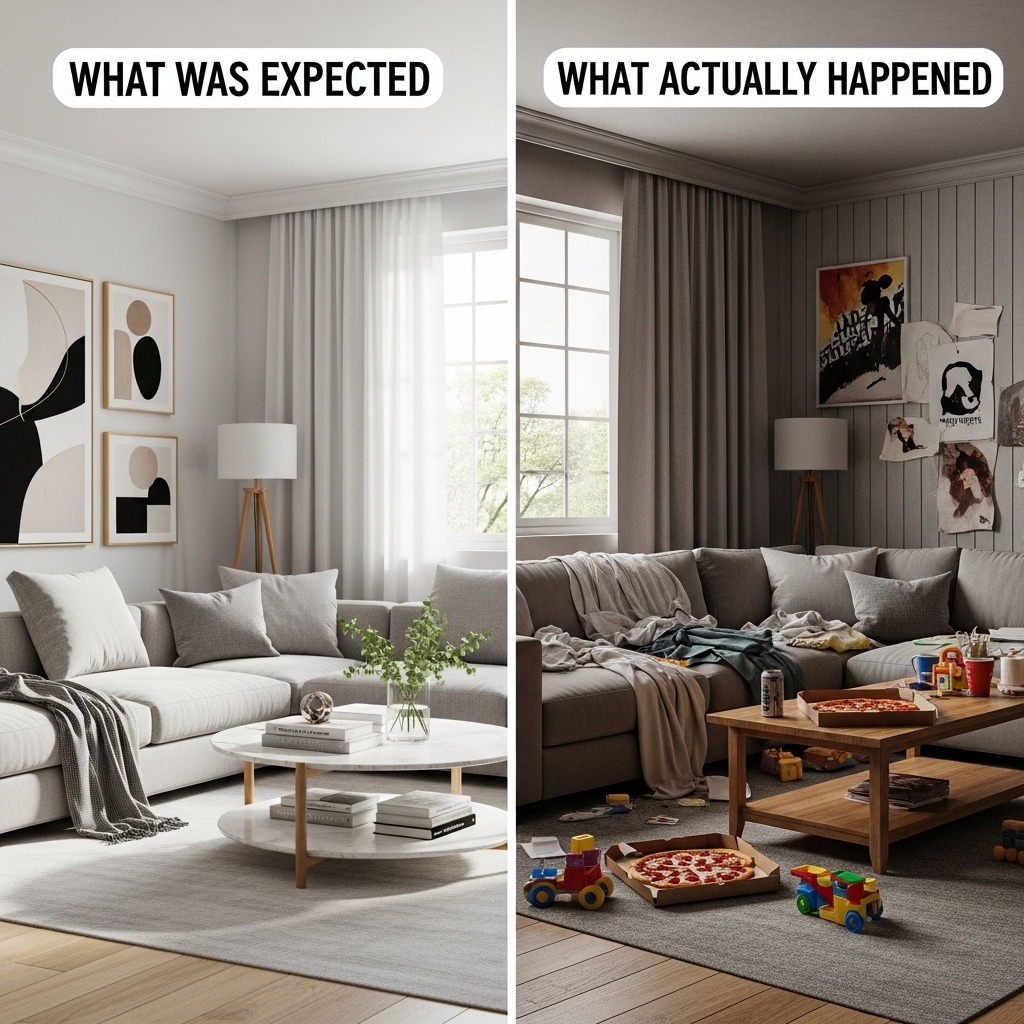
Expectation One: The Apartment Would Feel Empty
Expected: The apartment would feel bare and cold.
Actual: The apartment felt peaceful and intentional. Empty space was not cold. Empty space was restful for the eyes.
Expectation Two: Regret Would Follow Donations
Expected: Missing donated items would cause regret.
Actual: Not a single donated item was missed. Within two weeks, most donated items could not even be remembered.
Expectation Three: Guests Would Notice the Emptiness
Expected: Visitors would comment on how little furniture remained.
Actual: Guests noticed the apartment felt calmer and more open. No one said it felt empty.
Expectation Four: The Process Would Be Painful
Expected: Letting go of items would be emotionally difficult.
Actual: The first few items were hard. By day five, letting go became liberating. By day ten, it was enjoyable.
What Stayed: The Keep Criteria
Not everything left. Some items earned their place through daily use or genuine value.
The Keep Categories
Daily drivers: Items used every single day. Coffee maker. Bed. Desk. Phone charger.
Seasonal essentials: Items used multiple times per season. Winter coat. Summer sandals. Holiday decorations (one small box only).
Genuine sentiment: Items that truly held meaning. Photographs. A gift from a late family member. A souvenir from a life-changing trip.
Functional beauty: Items that were both useful and beautiful. A lamp that also served as art. A bowl that held fruit and looked good doing it.
The Donation Categories
Duplicates: Items owned in multiples when one was sufficient.
Sentimental guilt: Items kept out of obligation, not genuine attachment.
Aspirational items: Things bought for a future self who never arrived.
Convenience clutter: Items kept because they were already there, not because they were needed.
Comparison Table: Before and After Daily Routines
| Activity | Before the Experiment | After the Experiment | Time Saved |
|---|---|---|---|
| Getting dressed | 12 minutes (searching) | 5 minutes | 7 minutes |
| Cleaning living room | 20 minutes (moving items) | 8 minutes | 12 minutes |
| Finding keys/wallet | 3 minutes (searching) | 30 seconds | 2.5 minutes |
| Making dinner | 15 minutes (finding tools) | 8 minutes | 7 minutes |
| Weekly cleaning | 3 hours | 1.5 hours | 1.5 hours |
| Daily total time saved | Approximately 45 minutes |
The Unexpected Benefits
Benefits that were not anticipated emerged during and after the experiment.
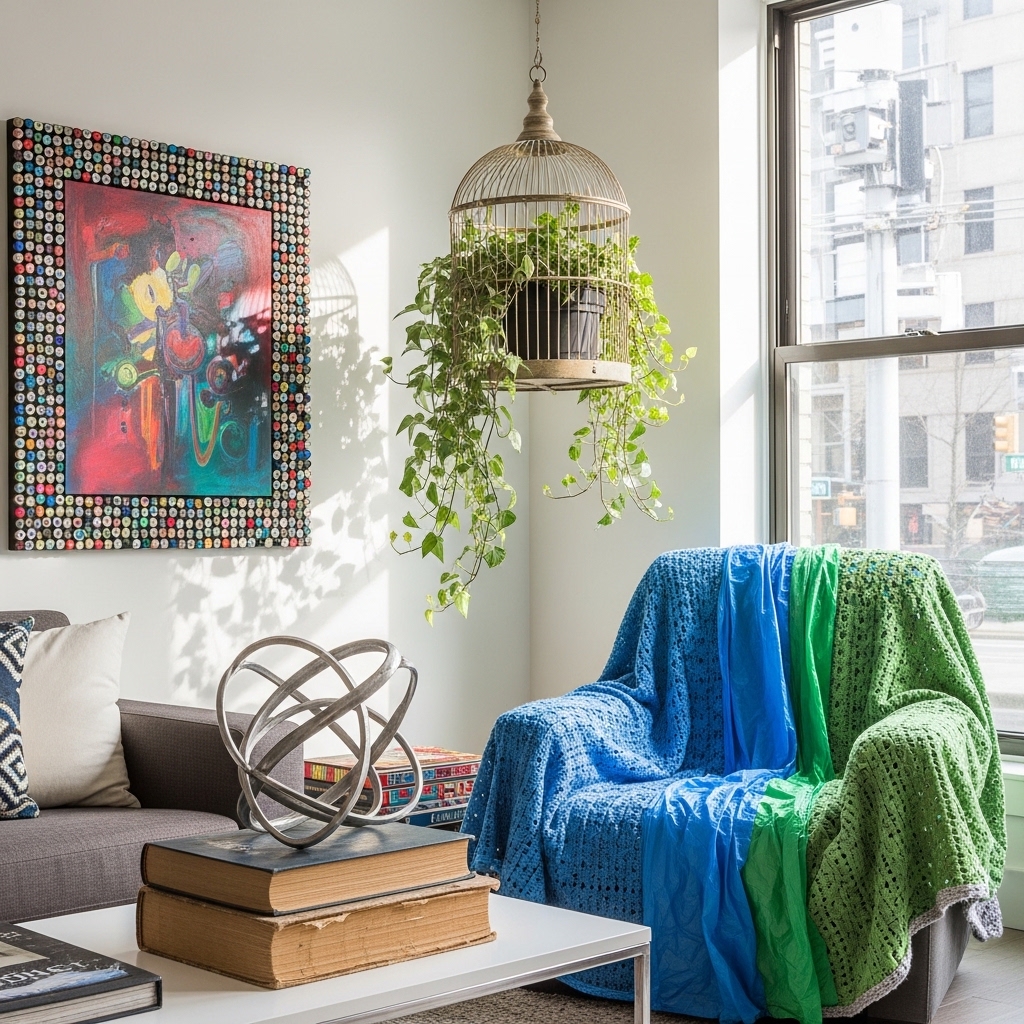
Benefit One: Easier Decision Making
Fewer items meant fewer decisions. What to wear. What to cook. What to clean. Each decision became simpler.
Decision fatigue dropped significantly. Energy reserved for trivial choices was redirected to meaningful ones.
Benefit Two: Better Sleep
The bedroom was completely transformed. No piles of clothes. No clutter on surfaces. No visual noise.
Falling asleep became easier. Staying asleep became more consistent. The calm environment signaled rest to the brain.
Benefit Three: More Hosting
Before the experiment, guests were avoided. The apartment felt embarrassing. Cleaning for visitors was overwhelming.
After the experiment, hosting became enjoyable. Cleaning took fifteen minutes. The apartment looked intentional, not perfect.
Benefit Four: Financial Awareness
The experiment revealed spending patterns. So much money was wasted on items that were never used.
Awareness led to changed habits. Purchases were considered more carefully. Impulse buying dropped significantly.
What Did Not Work
Not every minimalist strategy worked. Some ideas were abandoned.
The One-Plate Rule Failed
Eating from one plate sounds efficient. It was not. Washing the same plate multiple times per day was annoying.
The fix was keeping four plates. Enough for two meals plus guests. Not enough for a cabinet full.
The Empty Countertop Rule Failed
All kitchen counters were cleared. The kitchen looked beautiful. It was also impractical.
The coffee maker needed a home. The knife block needed a home. The fruit bowl needed a home.
The fix was keeping essential items on the counter. Nothing else. The counter was functional but not empty.
The No-Backup Rule Failed
One backup of essential items was actually useful. One extra toothbrush. One extra phone charger. One extra light bulb.
Zero backups created unnecessary trips to the store. Two backups created clutter. One backup was the sweet spot.
The Minimalist Home Setup: Before and After
| Element | Before | After |
|---|---|---|
| Living room surfaces | 12 items | 3 items |
| Bedroom surfaces | 8 items | 2 items |
| Kitchen counter items | 15 items | 5 items |
| Closet hanging items | 85 items | 25 items |
| Drawers (average items) | 30 items | 10 items |
| Time to clean entire apartment | 3 hours | 1.5 hours |
| Monthly impulse spending | $85 | $15 |
| Stress level (1-10) | 7 | 3 |
The 30-Day Minimalist Experiment Plan
Week One: Clothing and Accessories
- Empty every closet and drawer
- Use the three-question test on each item
- Donate or sell removed items immediately
- Do not store removed items “just in case”
Week Two: Kitchen and Dining
- Remove everything from cabinets and drawers
- Keep only what is used weekly
- Eliminate duplicates (one spatula, one baking sheet)
- Store nothing on counters except daily essentials
Week Three: Furniture and Decor
- Evaluate each piece by function
- Remove furniture without daily purpose
- Keep only decor that is loved or useful
- Allow empty space (it is not wasted)
Week Four: Paper, Digital, and Sentimental
- Shred old receipts and manuals
- Scan sentimental paper items
- Delete old digital files and emails
- Limit sentimental items to one small box
Maintaining the Minimalist Setup
The experiment ended. The maintenance began. Without maintenance, clutter returns.
The One-In, One-Out Rule
For every new item brought in, one old item leaves. This rule is non-negotiable.
The Seasonal Audit
Every three months, one hour is spent auditing each category. Clothing. Kitchen. Decor. Paper.
Items that have accumulated are removed. The apartment returns to its minimalist baseline.
The 24-Hour Purchase Rule
Non-essential purchases wait 24 hours. Impulse wants cool down. Real needs become clear.
Most wants disappear within 24 hours. The money is saved. The clutter is prevented.
Pro Tip: Keep a donation box in the closet. When the box fills, take it to the donation center immediately.
Mistake to Avoid: Do not make exceptions to the one-in, one-out rule. One exception becomes two. Two becomes a pile.
Who Should Try This Experiment
The minimalist experiment is not for everyone. Some people thrive with abundance. Some need visual stimulation.
Signs the Experiment Might Help
- Cleaning feels overwhelming
- Surfaces are never fully clear
- Items are purchased that are already owned
- The apartment feels stressful
- Guests are avoided due to embarrassment
Signs to Skip the Experiment
- Visual abundance feels energizing
- Collections bring genuine joy
- The apartment is already organized
- There is no desire to change
Conclusion
The minimalist home setup experiment delivered real, measurable results. Less stress. More time. Lower spending. Better sleep.
The apartment did not feel empty. It felt peaceful. The items that remained were used, loved, or needed. Everything else was noise.
Seventy percent of belongings left. Zero percent were missed.
The experiment is not about deprivation. It is about intention. Every item in the home earned its place. Nothing remained by default.
Start small. One drawer. One closet. One category. See how it feels.
The worst outcome is a cleaner closet. The best outcome is a completely different relationship with stuff.
Take back your home starting today. Less is waiting to show you what it can do.