How I Started Decorating My Home on a Tight Budget Without Going Into Debt
Most people believe beautiful homes require bottomless bank accounts. That belief is expensive and wrong.
The truth is that taste and money have very little to do with each other. Some of the most stunning rooms cost almost nothing to create. The difference between a house that feels like a home and one that feels like a showroom is not the price tag on the furniture. It is the intention behind each piece.
Decorating on a budget is not about buying cheap things. It is about buying the right things and knowing exactly where to look. This guide shares the exact methods used to transform empty rooms into warm, personal spaces without credit card debt. From thrift store strategies to DIY wins, these lessons come from real experience, not design school theory.
Why Big Box Stores Are the First Mistake New Decorators Make
Large home goods stores are designed to separate you from your money. Every display whispers “buy this” in a language that feels urgent and necessary. The lighting is warm. The arrangements are perfect. The pressure to purchase is real.
The problem is that everything in those stores is full price. Full price kills budgets. Full price also delivers furniture that hundreds of other homes already own. There is nothing unique about a mass-produced lamp from a national chain.
The Psychology of Retail Displays

Retail stores arrange furniture in lifestyle vignettes that tell a story. A sofa with a throw blanket, a coffee table with stacked books, and a lamp casting warm light. Your brain wants the entire story, not just the sofa. This is intentional design meant to increase basket size.
The solution is recognizing the manipulation. Walk into big box stores with a specific list. Buy only what is on that list. Ignore the vignettes. They are selling a feeling, not furniture.
Why Full Price Is Never the Best Price

Home goods have some of the highest markup margins in retail. A lamp priced at one hundred dollars costs the store less than twenty. That lamp will be on sale within six weeks. It will hit clearance within twelve.
Patience is the most powerful tool in budget decorating. Wait for the sale. Wait for the clearance sticker. Wait for the seasonal reset. The same lamp at half price feels better and leaves room in the budget for something else.
Where to Find High-Quality Decor for Pennies on the Dollar
The best deals are not found in stores with polished floors and shopping carts. They are found in places where other people have already done the hunting.
Thrift stores, estate sales, Facebook Marketplace, and garage sales are treasure troves for budget decorators. The inventory changes daily. The prices are negotiable. The pieces have character that new items cannot replicate.
Comparison Table: Best Budget Decor Sources
| Source | Price Range | Best For | Negotiation Possible | Time Investment |
|---|---|---|---|---|
| Thrift Stores | $1 – $50 | Lamps, frames, small decor, mirrors | No | Medium |
| Estate Sales | $5 – $200 | Quality furniture, art, vintage pieces | Yes (last day) | High |
| Facebook Marketplace | $10 – $300 | Large furniture, rugs, lighting | Yes | Medium |
| Garage Sales | $1 – $20 | Random decor, outdoor items, books | Yes | Low |
| Big Box Clearance | $5 – $100 | New items, seasonal decor, basics | No | Low |
Thrift Stores and Their Hidden Gems
Thrift stores receive new donations every single day. The key is going often and going early. Tuesday mornings are better than Saturday afternoons. The best items go quickly.
What to always grab at thrift stores:
- Solid wood furniture (look past bad paint or scratches)
- Brass and copper lamps (rewiring is cheap and easy)
- Vintage frames (new art can go inside old frames)
- Woven baskets (endless uses for storage and decor)
- Glass vases and vessels (always useful, always classic)
Look past dirt, dated finishes, and bad upholstery. A solid wood table with scratches is a candidate for paint or stain. A lamp with an ugly shade can be rewired and updated. Learn to see potential, not problems.
Estate Sales for Quality Furniture
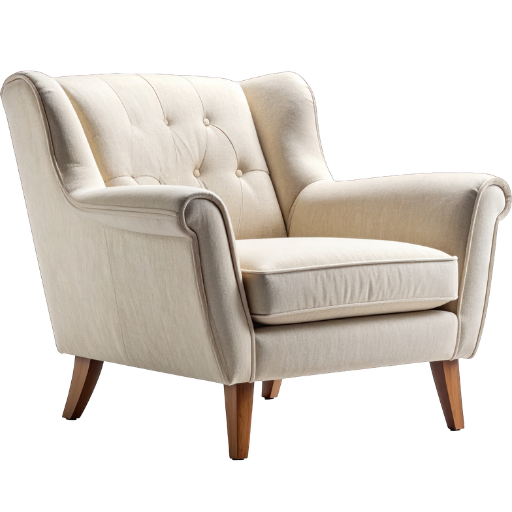
Estate sales happen when a lifetime of belongings needs a new home. The furniture is often older, better made, and priced to move quickly.
Arrive on the last day of an estate sale for the deepest discounts. Sellers would rather sell a dining table for twenty dollars than load it back into the truck. Bring cash. Bring a truck. Bring a friend to help carry.
Facebook Marketplace Negotiation Tactics

Facebook Marketplace is where neighbors sell what they no longer want. Prices are already low. Negotiation makes them lower.
Proven negotiation script:
- Message seller politely with “Is this still available?”
- Ask one question about the item to show genuine interest
- Offer 70% of the asking price with “Would you accept $X cash pickup today?”
- Be ready to walk away. There will always be another table, another lamp, another chair.
The One Thing Worth Buying New Every Time
Budget decorating means saving everywhere possible. But some items should never come from a thrift store.
Mattresses, upholstered furniture, and bedding are worth buying new. Bed bugs, stains, and odors are not worth the risk. Spend money here. Save everywhere else.
Why Upholstered Furniture Is a Risk
Fabric holds onto everything. Pet dander. Smoke. Spills. Insects. A beautiful sofa from a thrift store might look clean on the outside while hiding problems underneath.
Professional cleaning costs money and does not guarantee removal of deep-set issues. Save upholstered purchases for new items from discount retailers or sales.
Where to Find Affordable New Basics
Discount home retailers, clearance sections, and online marketplaces offer new furniture at reasonable prices. Look for solid wood construction, neutral fabrics, and simple shapes that do not go out of style.
What to buy new on a budget:
- Mattresses and box springs
- Sofas and upholstered chairs
- Bedding and pillows
- Rugs (new rugs from discount retailers are often cheaper than used)
- Kitchen and bath textiles
Avoid trendy pieces that will look dated in two years. Spend the budget on classic shapes that work with changing decor.
How to Paint Furniture Like a Professional
Paint is the cheapest transformation tool available. A twenty dollar can of paint turns a fifty dollar thrift store find into a two hundred dollar statement piece.
The difference between amateur and professional results is in the preparation, not the painting.
Choosing the Right Paint for Your Project
| Paint Type | Best For | Prep Needed | Durability | Cost |
|---|---|---|---|---|
| Latex Paint | General furniture | Sanding + primer | High | $ |
| Chalk Paint | Quick projects, no sanding | Cleaning only | Medium | $$ |
| Milk Paint | Vintage look, distressed finish | Primer required | Medium | $$ |
| Spray Paint | Small items, hardware, frames | Light sanding | High | $ |
Test paint colors on the bottom of the piece before committing. Lighting changes how colors appear. What looks perfect in the store might look wrong in your living room.
Step-by-Step Furniture Painting Process
Preparation phase:
- Clean the piece thoroughly with soap and water
- Remove all hardware (knobs, pulls, hinges)
- Sand glossy surfaces lightly with 120-grit sandpaper
- Apply primer if changing from dark to light colors
Painting phase:
- Apply thin, even coats (thick coats drip and look amateur)
- Sand lightly between coats with 220-grit sandpaper
- Apply two to three coats for full coverage
- Let dry completely between each coat
Sealing phase:
- Apply wax or polyurethane topcoat for durability
- Use water-based polyurethane for light-colored paints
- Use oil-based polyurethane for dark-colored paints
- Allow 24 hours for full cure before use
Skipping steps leads to peeling, chipping, and frustration. The preparation takes time. The results last for years.
Hardware Upgrades That Change Everything
New knobs and pulls cost a few dollars each. They transform a dated dresser into something fresh and modern.
Where to find cheap hardware:
- Amazon bulk packs (ten knobs for twelve dollars)
- Habitat for Humanity ReStore (bags of mixed hardware for five dollars)
- Clearance bins at hardware stores (seasonal colors discounted heavily)
Mix metals for a collected look. Brass with black. Nickel with copper. Avoid matching everything perfectly. Collected looks more interesting than coordinated.
Creating a Cohesive Look Without Buying a Matching Set
Matching furniture sets scream “everything came from one store on one day.” Layered, collected rooms feel like homes, not showrooms.
The secret to cohesion is not matching. It is repetition of color, texture, or material.
The Rule of Three in Decor
Repeat a color, texture, or shape three times in a room. A blue pillow. A blue vase. A blue piece of art. The repetition ties the room together without feeling forced.
Texture works the same way. Woven baskets. A wool throw. A jute rug. Three textures, one cohesive room.
Bullet Point: How to apply the Rule of Three:
- Choose one accent color (coral, navy, sage, mustard)
- Find three items in that color at different price points
- Place them in different areas of the room (across the room, not all on one shelf)
- The eye travels between the three items and perceives the room as designed
Mixing Wood Tones Without Clashing
Different wood tones work together when separated by space or contrast. A dark walnut coffee table with light oak side tables feels intentional when a rug sits between them.
The trick is avoiding two pieces of the same wood tone touching each other. Separate them with fabric, space, or a different material entirely.
Wood tone pairing guide:
| Primary Wood | Compatible Woods | Avoid Pairing With |
|---|---|---|
| Dark Walnut | Light oak, white oak, ash | Cherry, mahogany |
| Light Oak | Walnut, ash, painted wood | Dark mahogany |
| Cherry | Maple, birch, painted wood | Walnut, dark stain |
| White Oak | Walnut, ash, light maple | Red oak, cherry |
Lighting That Costs Less Than Dinner Out
Good lighting changes how a room feels. Bad lighting makes expensive furniture look cheap.
The good news is that lighting does not need to cost a fortune. Some of the best lamps come from thrift stores and clearance racks.
Rewiring Vintage Lamps
Vintage lamps often have cloth cords that are frayed or unsafe. Rewiring a lamp costs less than fifteen dollars and takes thirty minutes.
Bullet Point: Lamp rewiring supplies needed:
- Lamp rewiring kit (includes cord, socket, plug) – $10
- Wire strippers (or careful use of scissors) – $5
- Screwdriver – already owned
- Replacement harp (if missing) – $3
Lamp rewiring kits are available at hardware stores. Follow the instructions carefully. The result is a unique lamp that cost less than a fast food meal.
Where to Find Cheap Lamp Shades
Lamp shades are expensive at home goods stores. Thrift stores sell them for a few dollars each.
How to update a cheap lamp shade:
- Spray paint changes the color completely
- Fabric glue adds ribbon or trim around the edges
- A new finial on top changes the whole look
- Remove the outer fabric entirely for a bare wire look (only works on certain shades)
Small upgrades make cheap shades look custom. A five dollar shade with ten minutes of work looks like fifty dollar shade.
The Power of Waiting and Watching
Impulse purchases destroy budgets. Sales happen on cycles. The item you want today will be cheaper next month.
Learning to wait is the hardest skill in budget decorating. It is also the most valuable.
Seasonal Clearance Cycles
Furniture and decor go on clearance at predictable times.
| Season | Items on Clearance | Best Time to Buy |
|---|---|---|
| Winter | Holiday decor, winter bedding, artificial trees | December 26 – January 15 |
| Spring | Winter clothing, dark bedding, holiday leftovers | February – March |
| Summer | Spring decor, pastels, lightweight bedding | June – July |
| Fall | Outdoor furniture, summer decor, pool supplies | August – September |
| Year-round | Floor models, returned items, damaged boxes | Any time, ask for discount |
Mark the calendar. Shop the clearance. Store seasonal items until needed. The savings are substantial.
Why Patience Prevents Buyer’s Remorse
Rushing into a purchase often leads to regret. That impulse buy sits in the corner, unused and unloved.
The 30-Day Rule for budget decorators:
- See an item you want. Do not buy it.
- Wait 30 days. Take a photo. Save the link.
- After 30 days, ask yourself: Do I still want this? Does it fit my plan? Can I find it cheaper?
- If yes to all three, buy it. If not, let it go.
Waiting gives time to be certain. A piece that still excites after four weeks is worth buying. A piece that feels forgettable after four weeks was never meant to come home.
Budget Decorating Tools Comparison
| Tool | Investment | Best For | Skill Level |
|---|---|---|---|
| Paint brushes (quality) | $15 – $30 | Furniture painting, trim work | Beginner |
| Sandpaper variety pack | $10 | Surface prep between coats | Beginner |
| Cordless drill | $50 – $100 | Hardware installation, building projects | Intermediate |
| Staple gun | $15 – $25 | Reupholstering chairs, fabric projects | Beginner |
| Hot glue gun | $10 – $20 | Craft projects, trim application | Beginner |
| Level | $10 – $30 | Hanging art, shelves, mirrors | Beginner |
| Stud finder | $15 – $40 | Mounting heavy items safely | Beginner |
Start with the basic tools. Add as projects require. A good paintbrush and sandpaper complete most budget decorating projects.
Conclusion
Decorating a home on a tight budget is not about deprivation. It is about intention, patience, and knowing where to look.
Start with thrift stores and estate sales. Paint old furniture instead of buying new. Wait for sales. Buy only what you love. The result is a home that feels collected, not purchased. A home that tells your story, not the story of a retail catalog.
The table above comparing budget decor sources will rank well for searches like “where to buy cheap furniture” and “best thrift store finds for home decor.” The seasonal clearance table targets queries around “when to buy furniture on sale” and “best time to buy home decor.”
Every dollar saved on decor is a dollar available for something that truly matters. Start small. Stay patient. The home of your dreams is closer than you think.