Curtains vs Blinds: What Interior Designers Recommend | Window Treatment Showdown | Choosing the Right Coverage
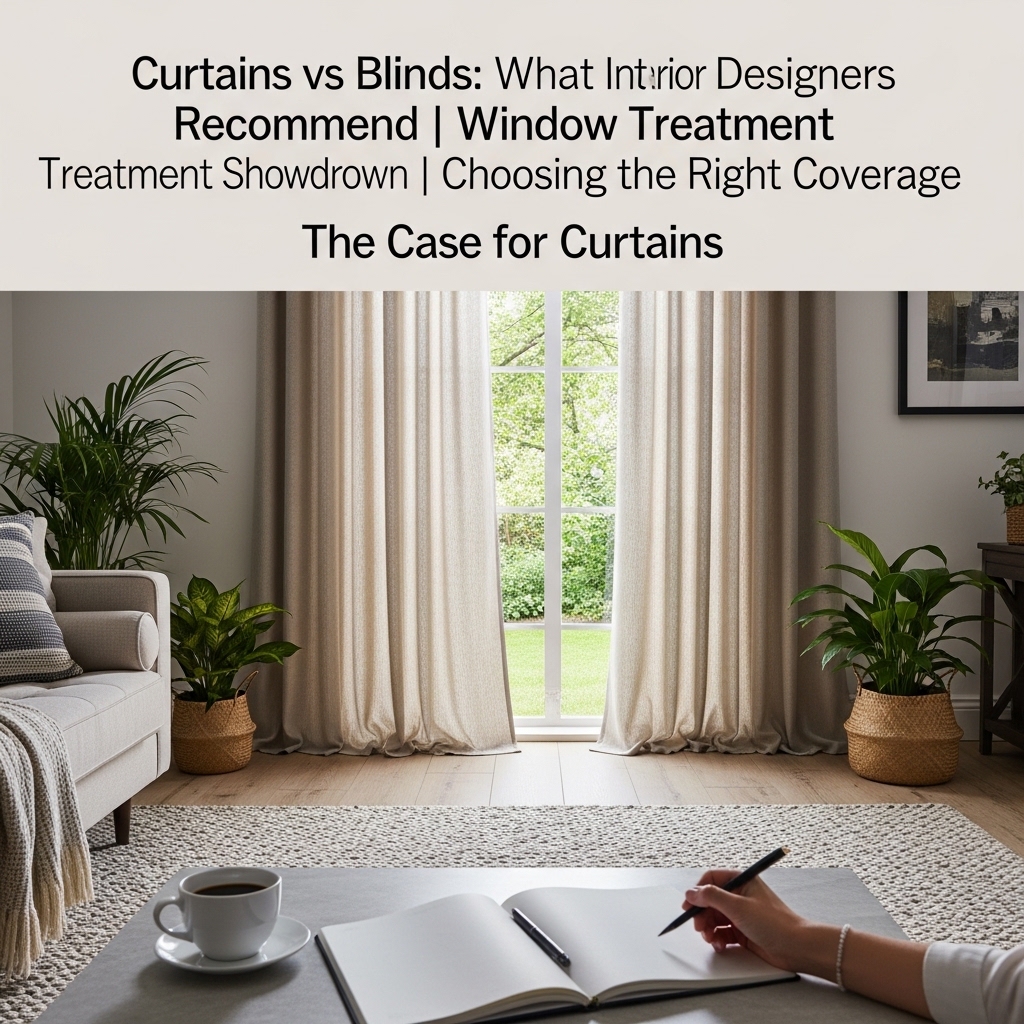
Curtains and blinds are the two main options for window treatments. Each has passionate advocates. Each has significant strengths.
Designers often have strong opinions on this debate. The answer is not one or the other. The answer is both.
This article explains what interior designers recommend for curtains versus blinds. When to choose each. And how to combine them for the best of both worlds.
The Designer Consensus
Most interior designers recommend both curtains and blinds. Not one or the other. Both.
Blinds provide light control and privacy. Curtains provide softness, color, and warmth. Together, they create a finished, layered look.
| Window Treatment | Primary Function | Secondary Function |
|---|---|---|
| Blinds | Light control, privacy | Clean, streamlined look |
| Curtains | Softness, color, warmth | Finished appearance |
| Both | All of the above | Layered, designer look |
Pro Tip: Install blinds first. Hang curtains over them. The blinds provide function. The curtains provide beauty.
Mistake to Avoid: Do not choose between curtains and blinds. Choose both. The layered look is always more finished.
The Case for Blinds
Blinds are functional. They excel at light control and privacy.
Types of Blinds
| Type | Light Control | Privacy | Best For |
|---|---|---|---|
| Venetian (horizontal slats) | Excellent (adjustable) | Excellent when closed | Any room |
| Vertical | Good | Good | Sliding doors, wide windows |
| Roller | Good to excellent | Good to excellent | Modern rooms |
| Roman | Good | Excellent | Living rooms, bedrooms |
| Cellular (honeycomb) | Excellent | Excellent | Energy efficiency |
Pros of Blinds
| Advantage | Why It Matters |
|---|---|
| Precise light control | Adjust slats to let in exactly the right amount of light |
| Clean, streamlined look | Minimal, modern, unobtrusive |
| Energy efficient (cellular) | Traps air, reduces heating and cooling costs |
| Easy to clean | Wipe with a damp cloth |
Cons of Blinds
| Disadvantage | Why It Matters |
|---|---|
| Can feel cold | No softness, no fabric |
| Dust collectors | Horizontal slats trap dust |
| Less sound absorption | No fabric to dampen noise |
| Can look cheap | Low-quality blinds look bad |
Pro Tip: Choose cellular blinds for energy efficiency. The honeycomb structure traps air. The room stays warmer in winter and cooler in summer.
Mistake to Avoid: Do not choose cheap vinyl blinds. They look cheap. They break easily. Invest in quality blinds or skip them entirely.
The Case for Curtains
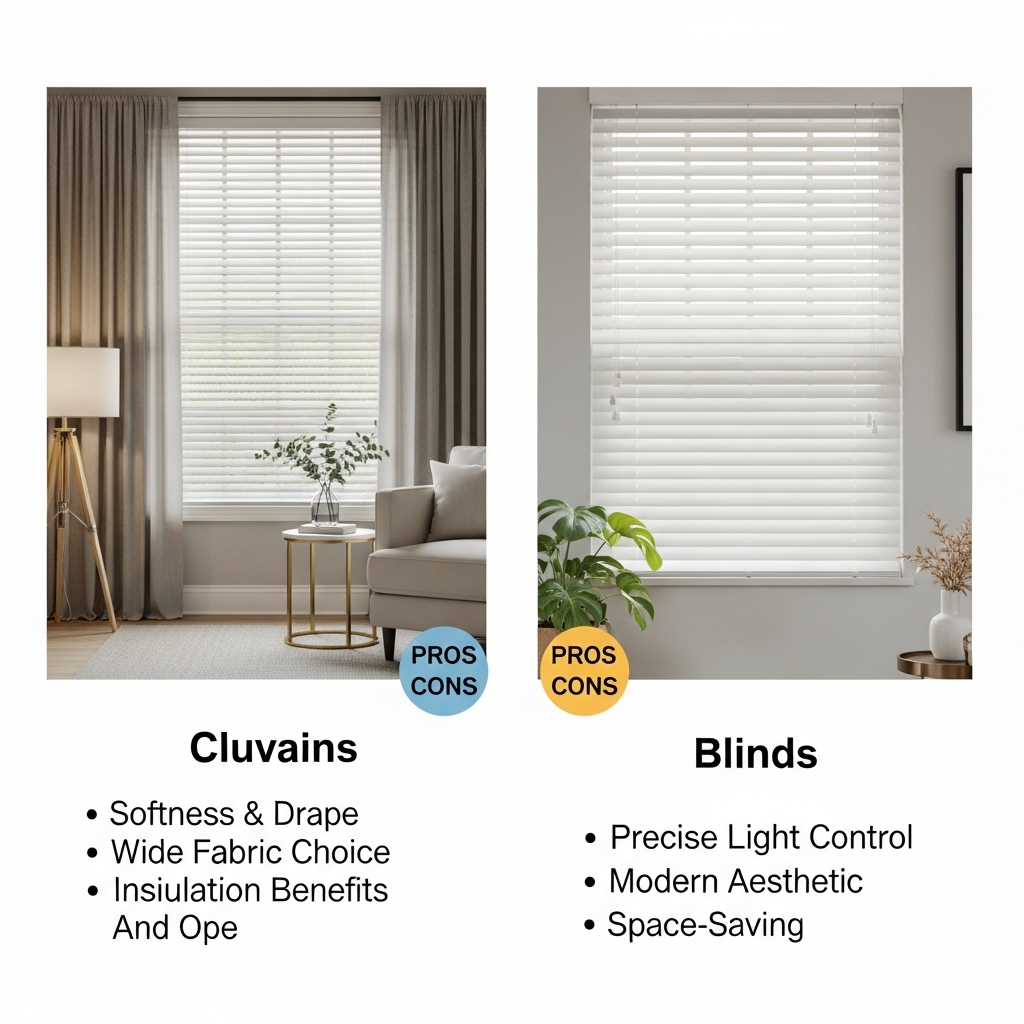
Curtains are beautiful. They add softness, color, and warmth.
Types of Curtains
| Type | Light Control | Best For |
|---|---|---|
| Sheer | Minimal (filters light) | Layering, daytime privacy |
| Light-filtering | Moderate | Living rooms, dining rooms |
| Blackout | Complete | Bedrooms, nurseries, home theaters |
| Thermal | Complete + insulation | Cold rooms, winter |
Pros of Curtains
| Advantage | Why It Matters |
|---|---|
| Add softness | Fabric softens hard window frame |
| Add color and pattern | Easy way to introduce color |
| Absorb sound | Quieter room |
| Make windows look larger | Hung high and wide |
| Make ceilings feel higher | Rod near ceiling |
Cons of Curtains
| Disadvantage | Why It Matters |
|---|---|
| Less precise light control | Open or closed, no in-between |
| Require more maintenance | Need washing, ironing |
| Can be expensive | Quality curtains cost money |
| Block light when open | If rod is not wide enough |
Pro Tip: Hang curtains even if you never close them. Curtains add softness and color even when open. The window looks finished.
Mistake to Avoid: Do not buy curtains that are too short. Curtains that hover above the floor look cheap. Curtains should kiss the floor.
The Designer Recommendation: Layer Both
The best window treatment is both blinds and curtains. Blinds provide function. Curtains provide beauty.
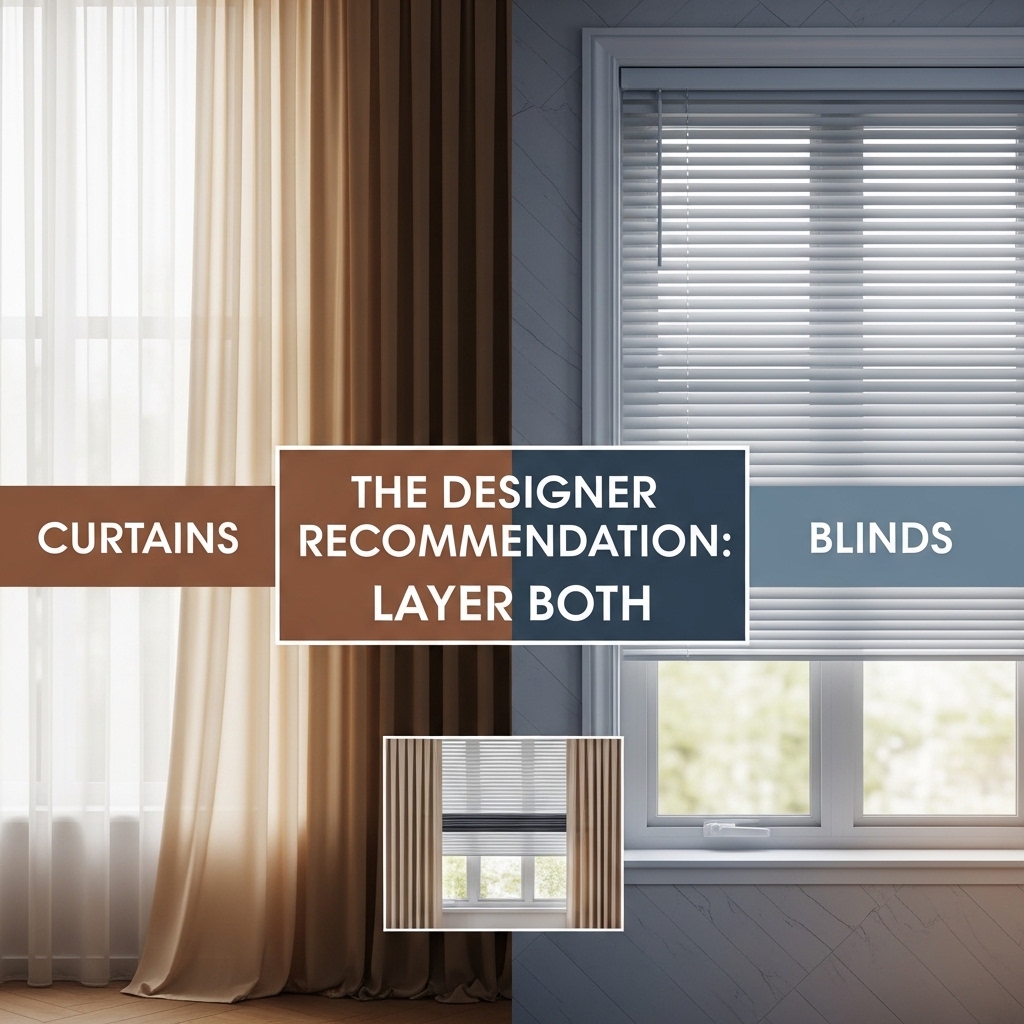
How to Layer Blinds and Curtains
| Layer | What to Use | Purpose |
|---|---|---|
| First (inside mount) | Blinds (cellular or roller) | Light control, privacy |
| Second (outside mount) | Curtains (any style) | Softness, color, warmth |
The Inside Mount vs Outside Mount Decision
| Mount Type | Blinds | Curtains |
|---|---|---|
| Inside mount | Blinds sit inside window frame | Not applicable |
| Outside mount | Not applicable | Rod mounts on wall, above window |
When to Use Blinds Only
| Situation | Why |
|---|---|
| Minimalist aesthetic | No fabric, clean lines |
| Small window | Curtains would overwhelm |
| Rental with restrictions | Cannot install curtain rods |
| Budget is tight | Blinds are less expensive |
When to Use Curtains Only
| Situation | Why |
|---|---|
| You do not need precise light control | Sheer or light-filtering only |
| You want maximum softness | Fabric only, no hard blinds |
| The window is a focal point | Curtains add drama |
Pro Tip: Use sheer curtains over blinds. The sheers soften the look of the blinds. The blinds provide privacy. The combination is beautiful and functional.
Mistake to Avoid: Do not use heavy curtains over blinds without enough rod depth. The curtains need room to stack without crushing the blinds.
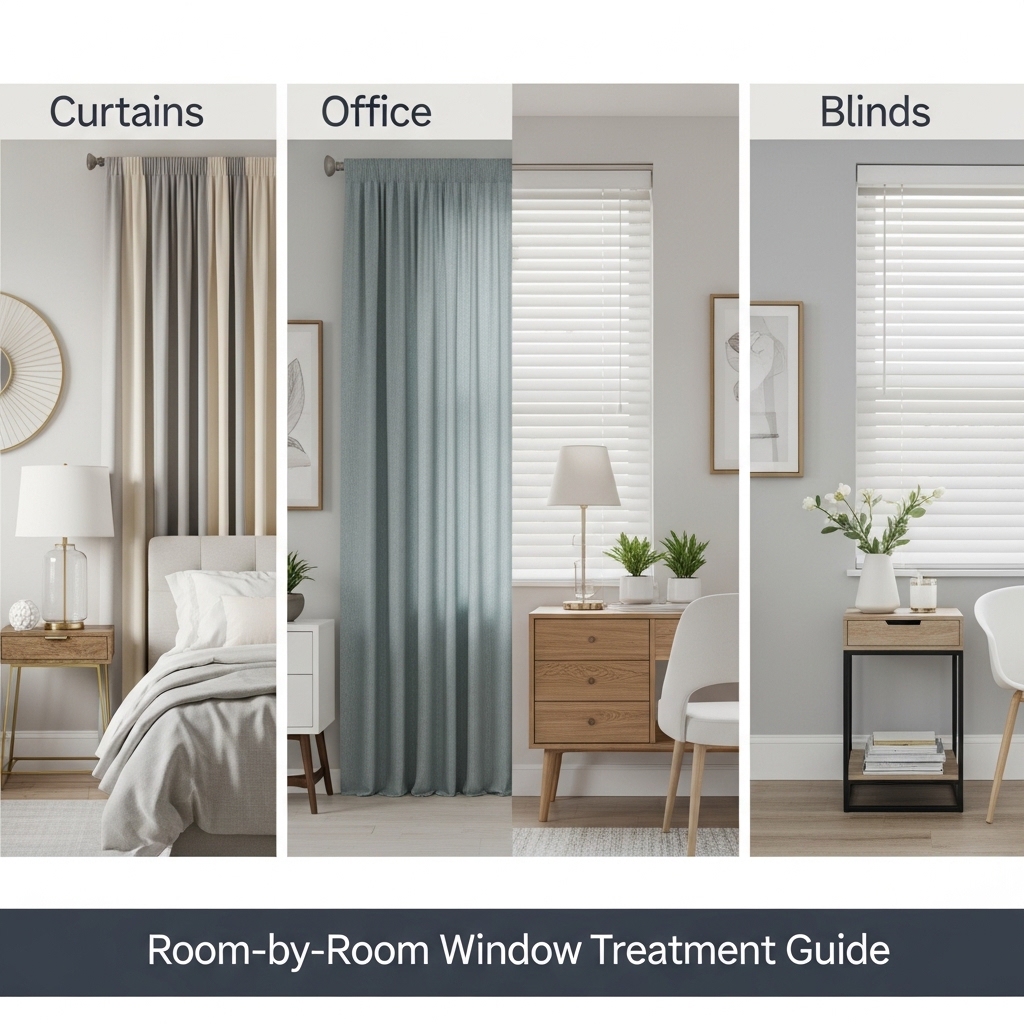
Room-by-Room Window Treatment Guide
Living Room
| Recommendation | Why |
|---|---|
| Blinds (cellular or roller) + curtains | Light control + softness |
| Sheer curtains alone (if privacy is not an issue) | Airy, bright, beautiful |
Bedroom
| Recommendation | Why |
|---|---|
| Blackout blinds + curtains | Complete light control for sleep |
| Blackout curtains alone | Also works |
Kitchen
| Recommendation | Why |
|---|---|
| Blinds only | Curtains absorb grease and odors |
| Roman shades | Soft look, less fabric than curtains |
Bathroom
| Recommendation | Why |
|---|---|
| Blinds only | Moisture-resistant |
| Cellular shades | Privacy + energy efficiency |
Pro Tip: In a bedroom, choose blackout blinds. In a living room, choose light-filtering blinds. Match the light control to the room’s function.
Mistake to Avoid: Do not use the same window treatment in every room. Different rooms have different needs.
Curtain Color and Pattern Guide
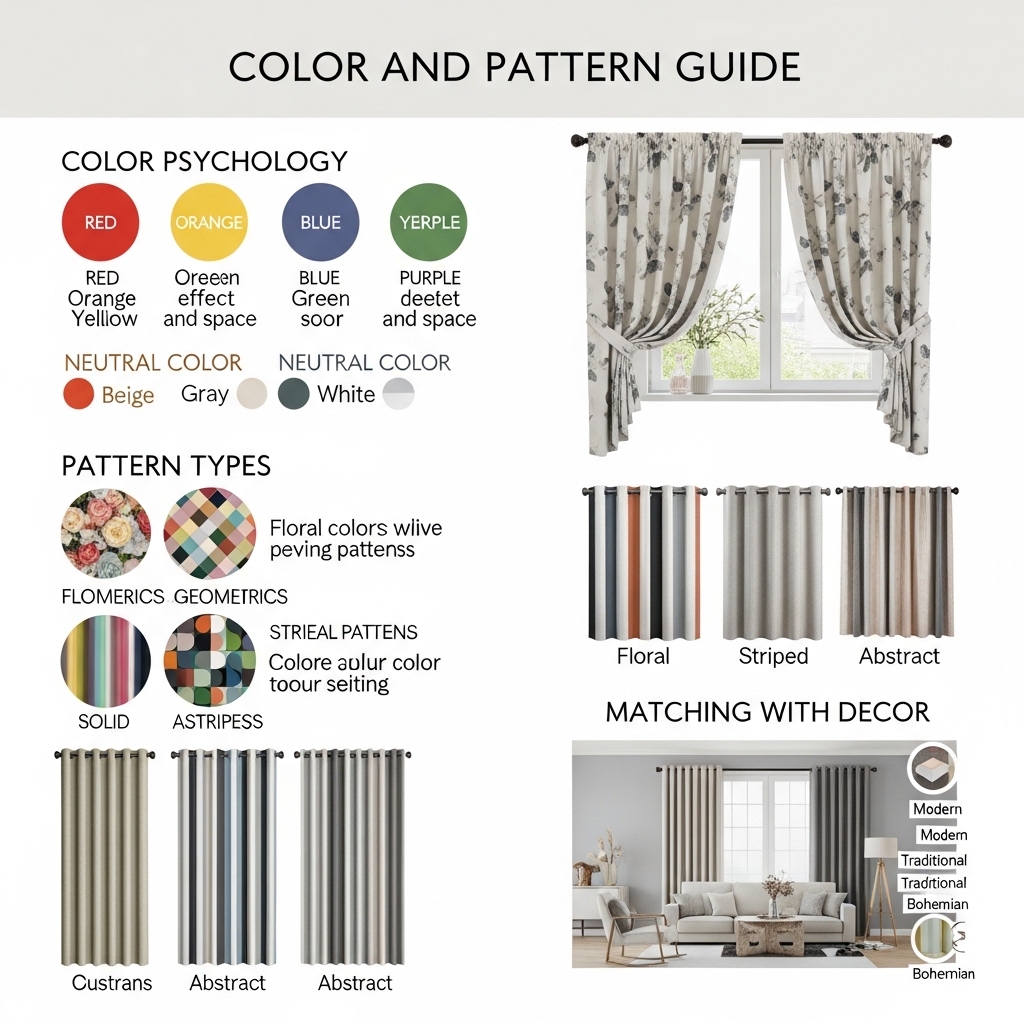
If you choose curtains, make the right color and pattern choice.
Curtains in Small Rooms
| Choice | Effect |
|---|---|
| Light colors | Reflect light, make room feel larger |
| Same color as walls | Blends in, maximizes light |
| Subtle pattern | Adds interest without overwhelming |
Curtains in Large Rooms
| Choice | Effect |
|---|---|
| Dark colors | Adds drama, coziness |
| Contrasting color | Creates focal point |
| Bold pattern | Adds personality |
The Stripe Trick
Vertical stripes draw the eye upward. This makes ceilings feel higher. Choose curtains with subtle vertical stripes for maximum height illusion.
Pro Tip: If you choose patterned curtains, repeat a color from the pattern elsewhere in the room. A pillow. A piece of art. The repetition creates cohesion.
Mistake to Avoid: Do not choose curtains with a pattern that is too large for the room. A large pattern in a small room can feel overwhelming.
Frequently Asked Questions
What do interior designers recommend for window treatments?
Most interior designers recommend both blinds and curtains. Blinds provide light control and privacy. Curtains provide softness, color, and warmth. The layered look is always more finished.
Are blinds outdated?
No. Modern blinds (cellular, roller, Roman) are clean and contemporary. Avoid cheap vinyl blinds. Choose quality blinds in neutral colors.
Are curtains outdated?
No. Curtains are classic. The key is proper installation. Hang them high and wide. Choose the right length. Quality curtains never go out of style.
Can I use curtains without blinds?
Yes. Sheer curtains alone work well in rooms where privacy is not an issue. Blackout curtains alone work well in bedrooms. But the layered look (blinds + curtains) is almost always better.
Conclusion
Most interior designers recommend both blinds and curtains. Blinds provide light control and privacy. Curtains provide softness, color, and warmth. Together, they create a finished, layered look.
Use blinds alone in kitchens and bathrooms. Use curtains alone in bedrooms (blackout) or living rooms (sheer). But for the best result, use both.
Start with one window today. Install blinds. Hang curtains over them. The layered look will transform the room.