Minimalist vs Modern Decor: What’s the Difference? | Style Comparison Guide | Choosing the Right Aesthetic for Your Home
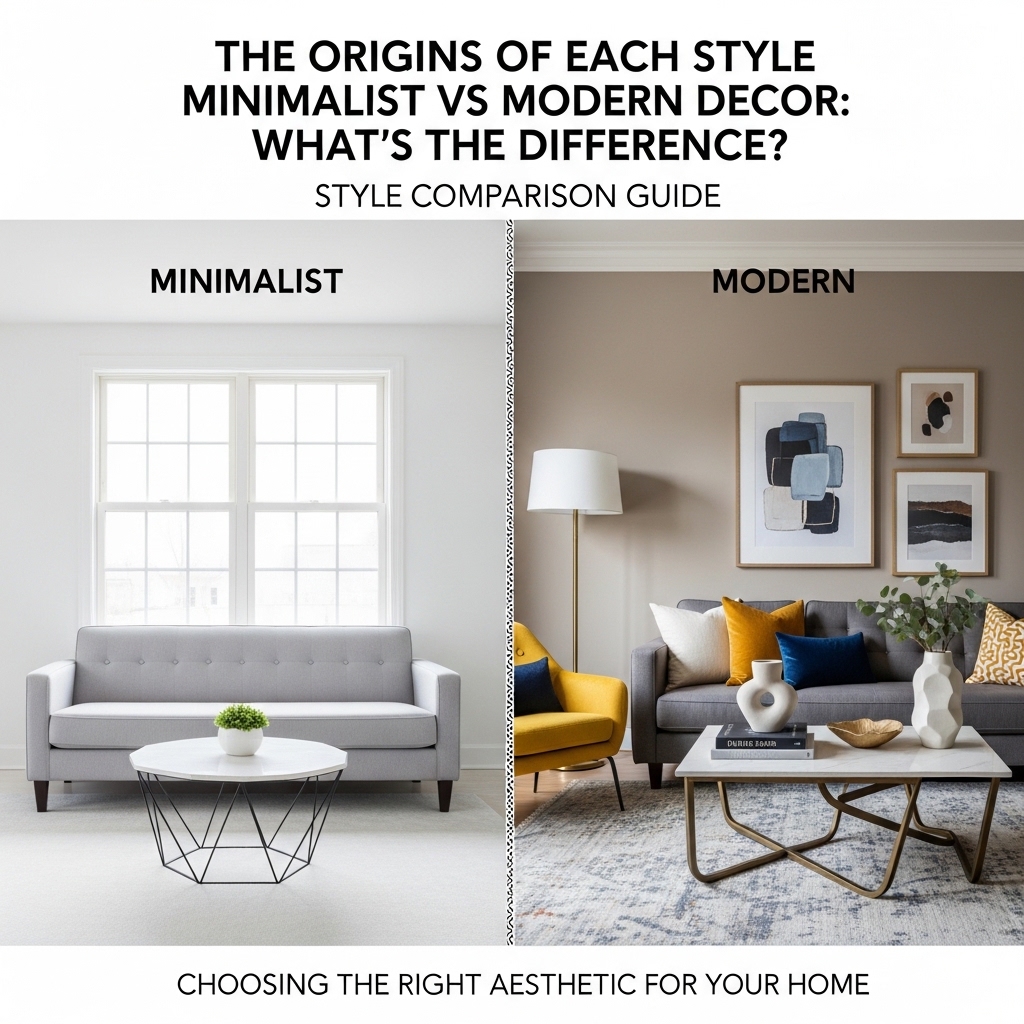
Minimalist and modern are often used interchangeably. They are not the same. The confusion is understandable. Both styles feature clean lines and simple forms. Both avoid excessive ornamentation.
But minimalist and modern have different origins, different philosophies, and different looks. Understanding the difference helps you choose the right style for your home.
This article explains the difference between minimalist and modern decor. Clear definitions. Visual examples. Practical guidance for choosing between them.
The Origins of Each Style
Every design style has a history. Understanding the history explains the aesthetic.
Modern: Early 20th Century
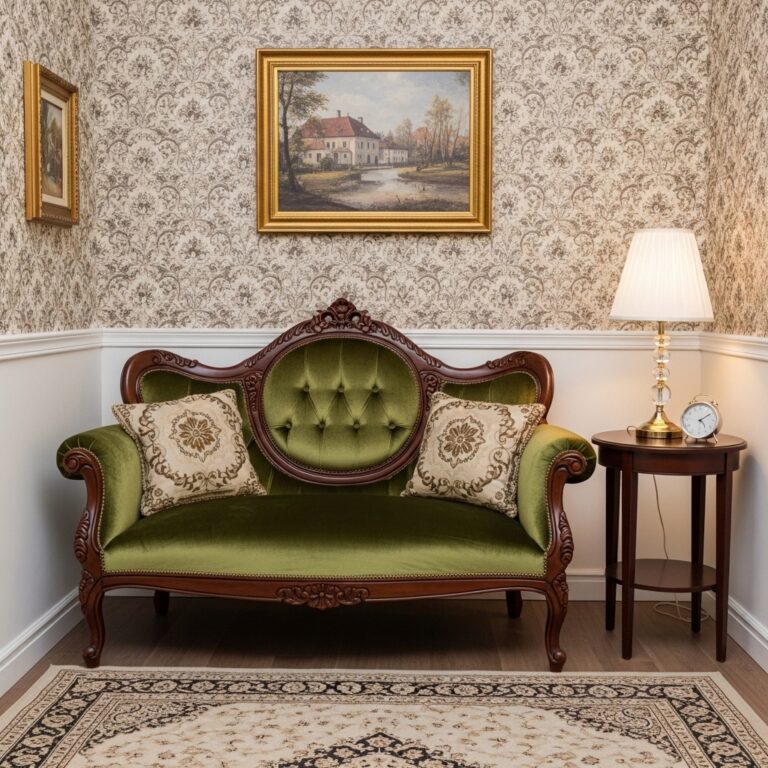
Modern design emerged in the early 1900s. It was a reaction against ornate Victorian and Art Nouveau styles. The mantra was “form follows function.” Ornamentation was stripped away. Clean lines and geometric shapes became dominant.
Key figures included Le Corbusier, Mies van der Rohe, and Frank Lloyd Wright. Their work emphasized industrial materials: steel, glass, and concrete.
Minimalist: Late 20th Century
Minimalist design emerged in the 1960s and 1970s. It was an extension of modernism but more extreme. While modernism reduced ornamentation, minimalism reduced everything. Color. Pattern. Texture. Personal expression.
The minimalist mantra is “less is more.” Every element must serve a purpose. Nothing is there for decoration alone.
| Style | Era | Philosophy | Key Words |
|---|---|---|---|
| Modern | Early 1900s | Form follows function | Clean, geometric, industrial |
| Minimalist | Late 1900s | Less is more | Sparse, reductive, essential |
Pro Tip: Do not worry about strict definitions. Most homes blend elements of both styles. The labels are guides, not rules.
Mistake to Avoid: Do not claim a room is minimalist if it has clutter. Minimalism requires extreme restraint.
Color Palette: Modern vs. Minimalist
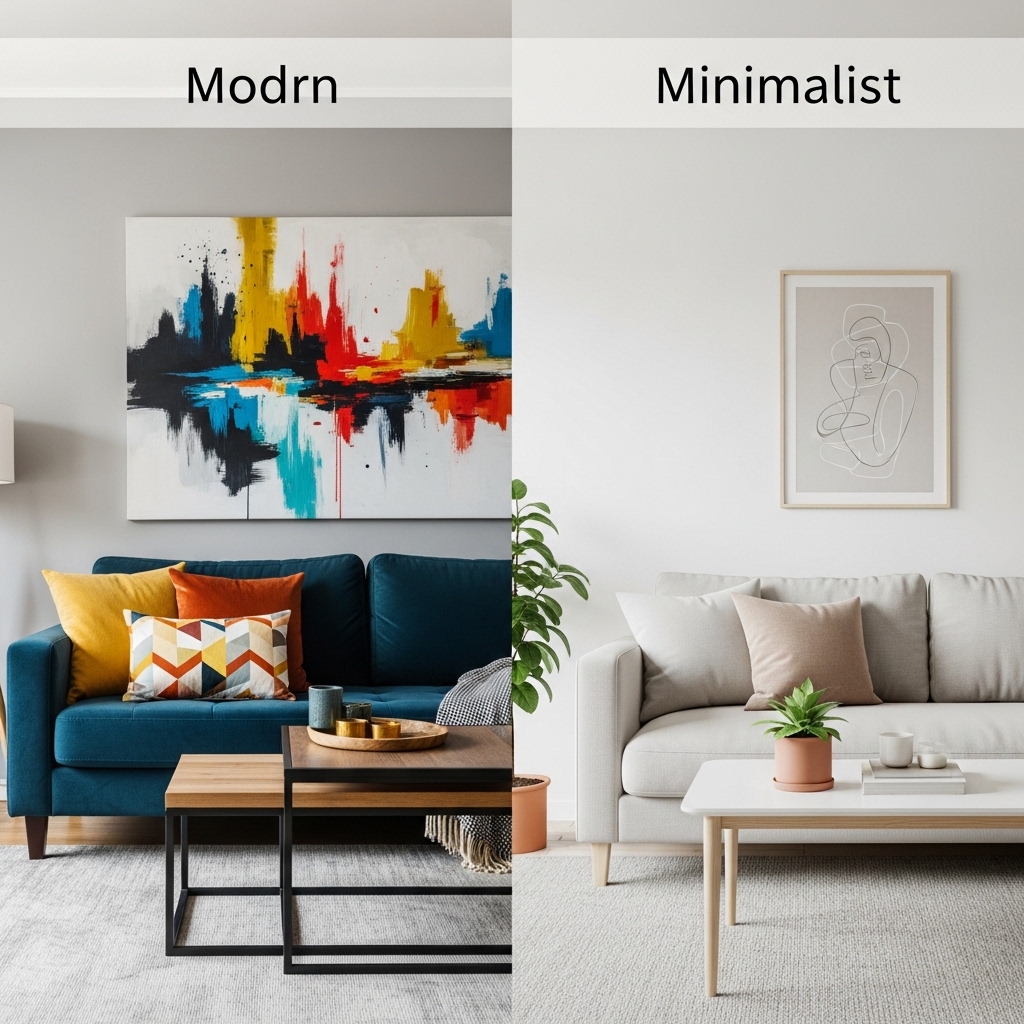
Color is one of the clearest differences between modern and minimalist decor.
Modern Color Palette
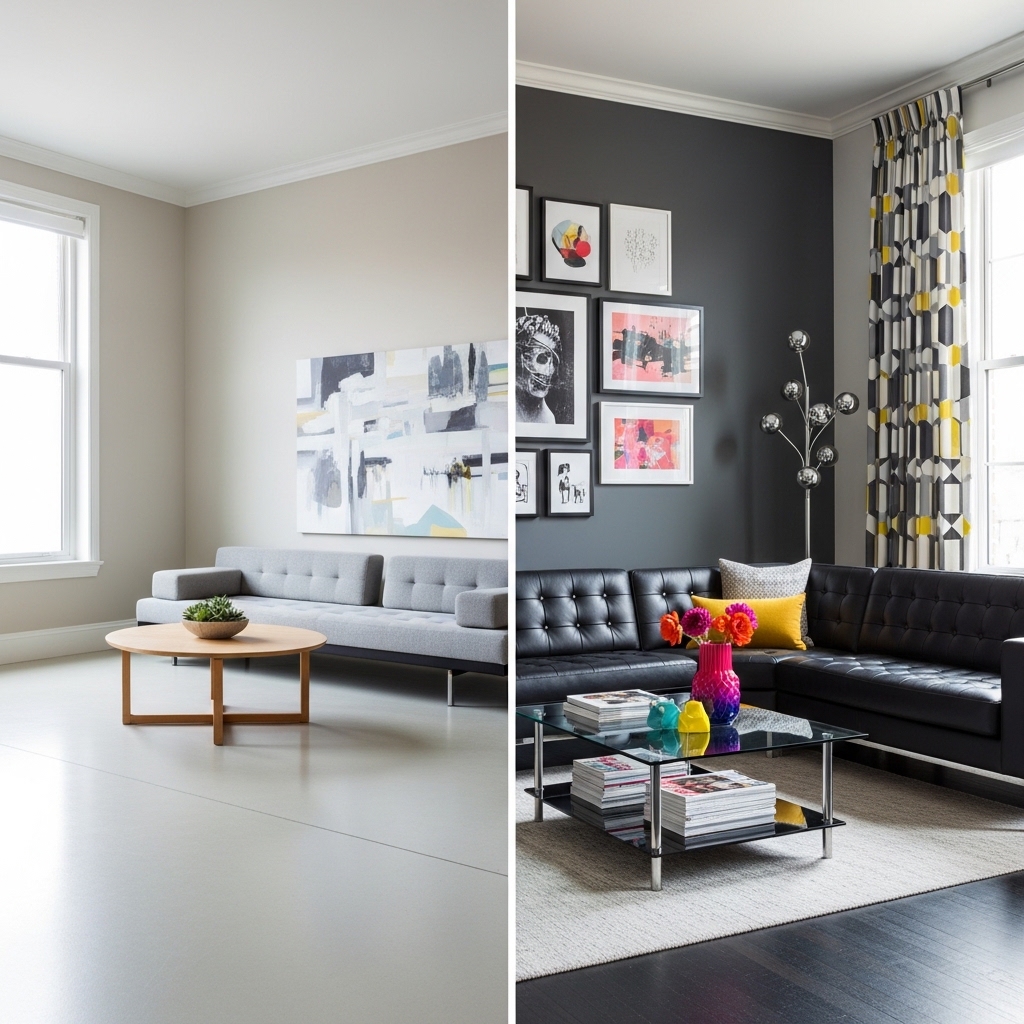
Modern design uses a wide range of colors. Bold primary colors (red, blue, yellow) are common. Black and white provide contrast. Accent colors add energy.
| Color Role | Examples |
|---|---|
| Neutrals | Black, white, gray |
| Accents | Red, blue, yellow, orange |
| Pops | Single bold color in an otherwise neutral room |
Minimalist Color Palette
Minimalist design uses a very limited palette. Neutrals dominate. Color is sparse and restrained.
| Color Role | Examples |
|---|---|
| Neutrals | White, beige, gray, black |
| Accents | One muted color (if any) |
Comparison Table
| Aspect | Modern | Minimalist |
|---|---|---|
| Color range | Wide | Very narrow |
| Typical colors | Neutrals + bold primaries | Neutrals only |
| Accent colors | Yes, often bold | Rare, always muted |
| Color philosophy | Contrast and energy | Calm and restraint |
Pro Tip: If you love color, modern is for you. If you prefer calm neutrality, minimalist is the better choice.
Mistake to Avoid: Do not use bold colors in a minimalist room. A single red pillow in an otherwise white room feels out of place.
Furniture: Modern vs. Minimalist
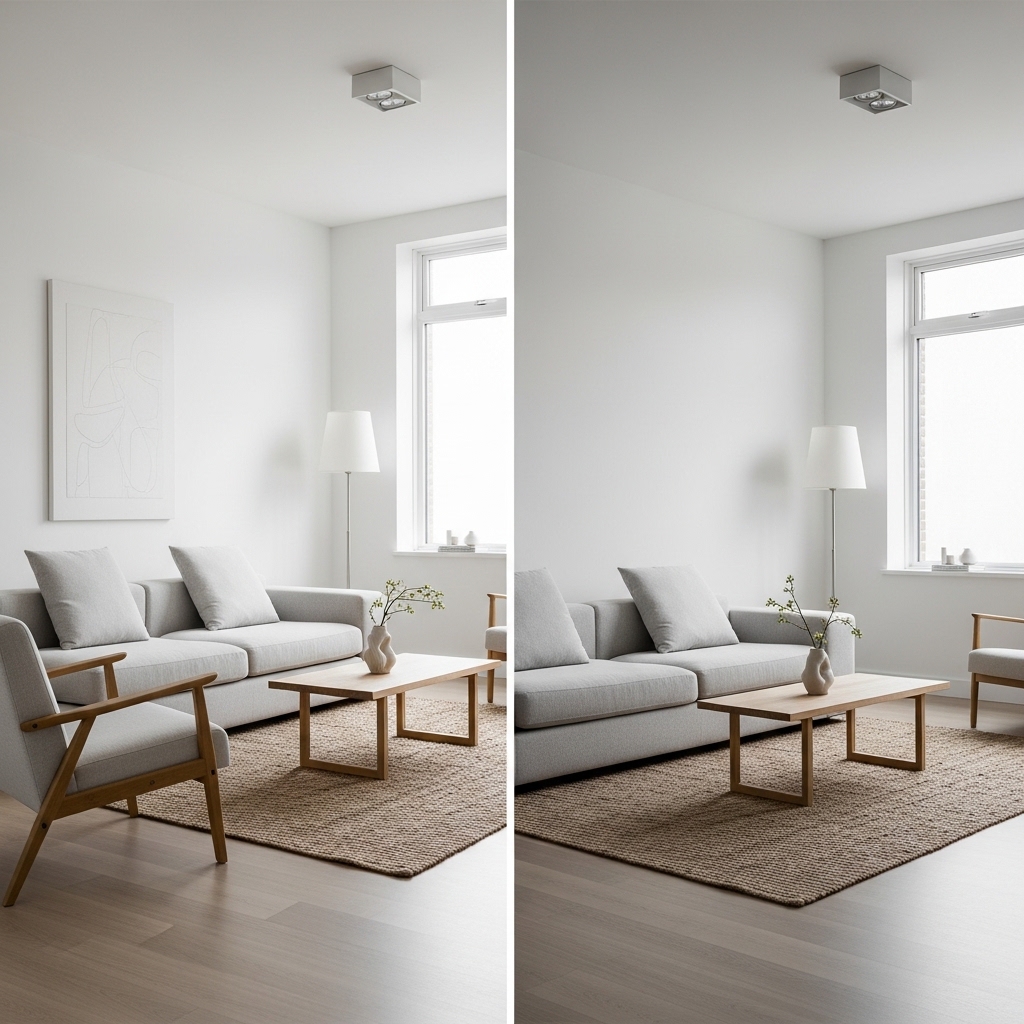
Furniture is where the differences become most visible.
Modern Furniture
Modern furniture has clean lines but is not sparse. Pieces make statements. Chairs have sculptural shapes. Sofas have distinct profiles. Furniture is meant to be noticed.
| Characteristics | Examples |
|---|---|
| Clean lines | Barcelona chair, Eames lounge chair |
| Geometric shapes | Noguchi table, Saarinen tulip table |
| Industrial materials | Steel, glass, molded plywood |
| Legs | Exposed, often metal |
Minimalist Furniture
Minimalist furniture is almost invisible. The goal is for the furniture to recede, not stand out. Shapes are simple. Colors are neutral. Nothing draws attention.
| Characteristics | Examples |
|---|---|
| Simple shapes | Rectangular, boxy, low-profile |
| Neutral colors | White, beige, gray, black |
| Materials | Wood, concrete, leather (in neutral colors) |
| Legs | Often hidden or very simple |
Comparison Table
| Aspect | Modern | Minimalist |
|---|---|---|
| Furniture role | Statement pieces | Functional, receding |
| Shapes | Sculptural, geometric | Simple, boxy |
| Colors | Neutral + bold accents | Neutral only |
| Materials | Steel, glass, plywood | Wood, concrete, leather |
Pro Tip: In a modern room, the furniture is the art. In a minimalist room, the architecture is the art.
Mistake to Avoid: Do not mix bold modern furniture with minimalist restraint. The pieces will compete.
Accessories: Modern vs. Minimalist
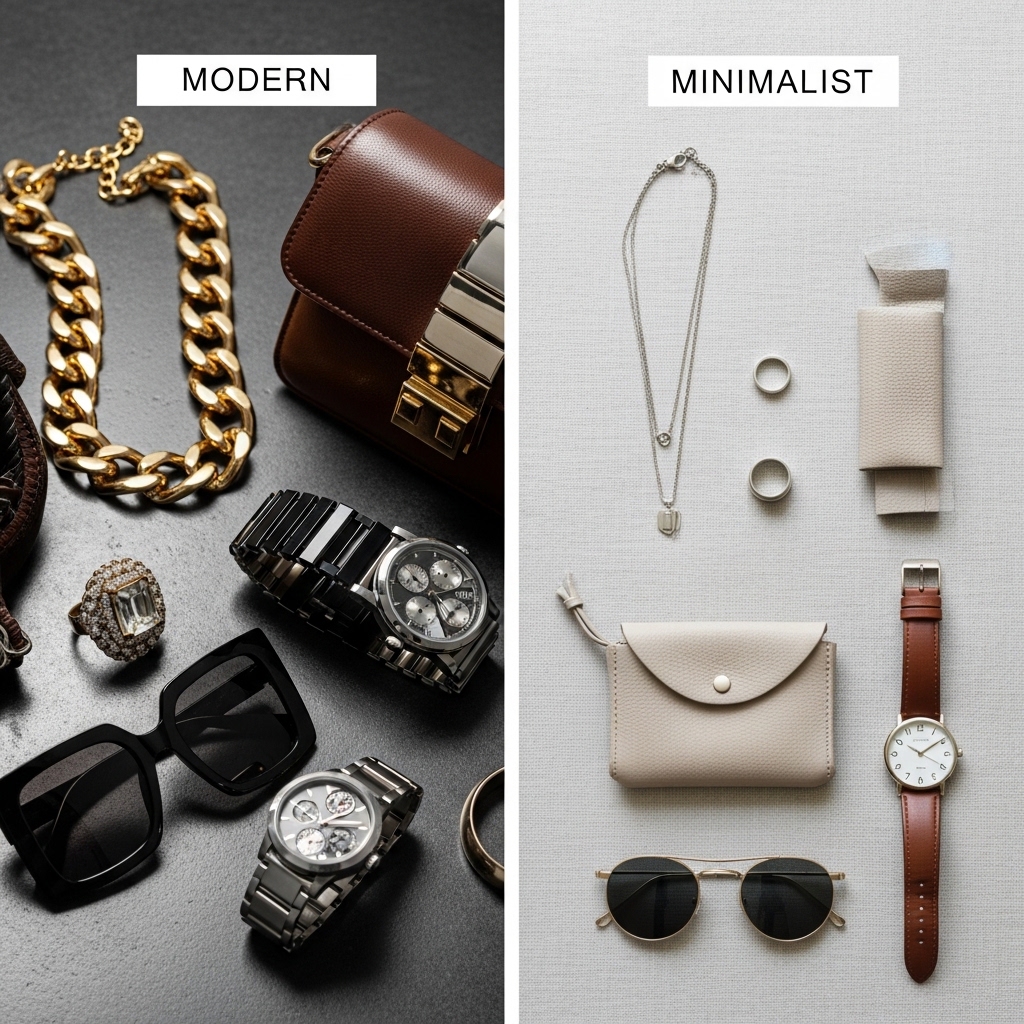
Accessories reveal the philosophy of each style.
Modern Accessories
Modern rooms have accessories. Art is present. Sculptural objects are displayed. Books are visible. The room feels lived in.
| Accessory Type | Examples |
|---|---|
| Art | Abstract paintings, geometric prints |
| Objects | Sculptural vases, ceramic bowls |
| Books | Coffee table books, displayed covers |
| Plants | Yes, sculptural varieties |
Minimalist Accessories
Minimalist rooms have very few accessories. Art is absent or extremely minimal. Surfaces are bare. The room feels serene but sparse.
| Accessory Type | Examples |
|---|---|
| Art | One large piece, very simple |
| Objects | One or two, functional only |
| Books | None visible |
| Plants | One small plant, if any |
Pro Tip: If you have collections you want to display, choose modern. If you prefer bare surfaces, choose minimalist.
Mistake to Avoid: Do not add decorative objects to a minimalist room. Decorative objects are clutter in minimalism.
Warmth: Modern vs. Minimalist
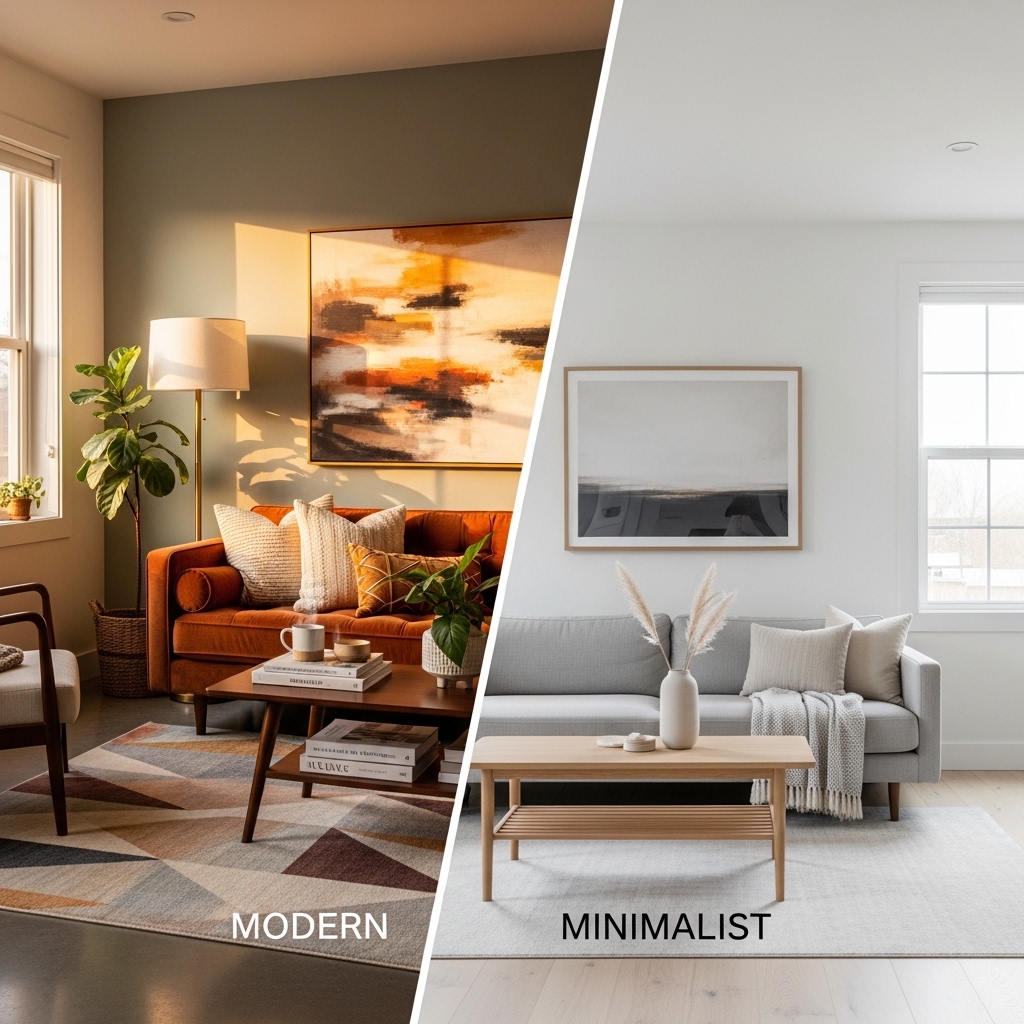
Modern rooms can be warm. Minimalist rooms are often cool.
Modern Warmth
Modern design uses wood, textiles, and warm colors to add comfort. A modern room feels inviting despite its clean lines.
Minimalist Warmth (or Lack Thereof)
Minimalist design prioritizes simplicity over comfort. The result can feel cold. Many people find pure minimalism unlivable.
| Aspect | Modern | Minimalist |
|---|---|---|
| Texture | Mixed (wood, fabric, metal) | Limited (mostly smooth) |
| Warmth | Can be warm | Often cool |
| Coziness | Achievable | Difficult |
Pro Tip: If you want a warm, livable space, choose modern. If you prefer a gallery-like atmosphere, choose minimalist.
Mistake to Avoid: Do not force warmth into a minimalist room. Warm textures (wool, wood) contradict minimalist purity.
Which Style Is Right for You?
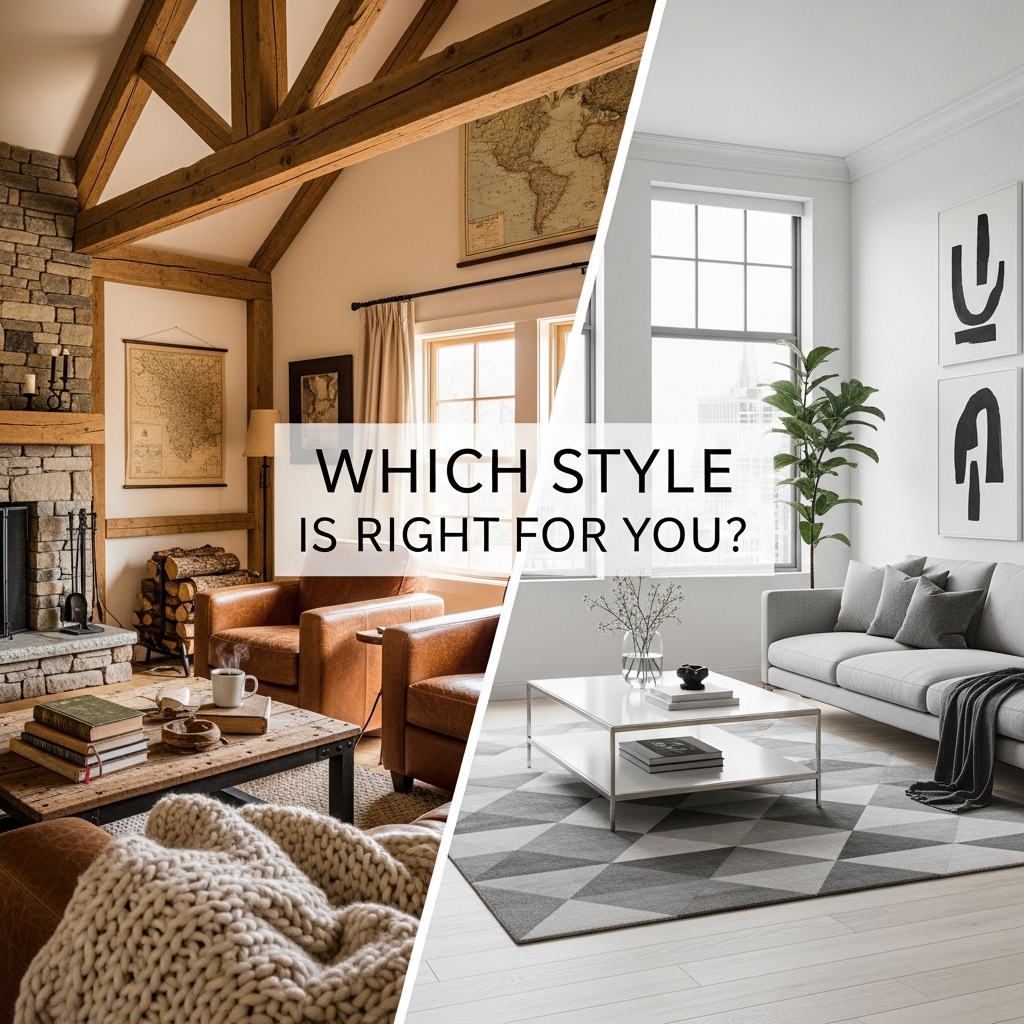
The choice between modern and minimalist depends on your personality, lifestyle, and preferences.
Choose Modern If
| You Prefer | Examples |
|---|---|
| Bold colors | Red, blue, yellow accents |
| Statement furniture | Eames chair, Noguchi table |
| Displaying collections | Books, art, objects |
| A lived-in look | Visible personal items |
| Warmth and comfort | Textiles, wood, plants |
Choose Minimalist If
| You Prefer | Examples |
|---|---|
| Neutral colors | White, beige, gray only |
| Invisible furniture | Simple, receding pieces |
| Bare surfaces | No visible objects |
| A serene look | No visual clutter |
| Architectural focus | The room itself is the art |
The Hybrid Approach
Most homes are neither purely modern nor purely minimalist. They blend elements of both. A modern sofa with minimalist accessories. A minimalist color palette with modern furniture.
| Hybrid Combination | Effect |
|---|---|
| Modern furniture + minimalist accessories | Clean but interesting |
| Minimalist furniture + modern art | Serene with a focal point |
| Modern colors + minimalist furniture | Warm but uncluttered |
Pro Tip: Start with one style as your base. Add elements of the other style as accents. The hybrid is often more livable than either pure style.
Mistake to Avoid: Do not try to be strictly pure. Most homes work better as hybrids.
Frequently Asked Questions
Can I mix modern and minimalist in the same room?
Yes. A modern sofa with minimalist accessories works well. A minimalist room with one modern art piece creates a focal point.
Is IKEA modern or minimalist?
IKEA produces both. Their simpler, all-white pieces are minimalist. Their bolder, colorful pieces are modern. Choose based on the specific item.
Which style is more expensive?
Neither. Both can be achieved on a budget. Both can be expensive. The cost depends on the specific pieces, not the style.
Which style is easier to maintain?
Minimalist is easier to maintain because there is less stuff to clean. But minimalist requires constant editing. Modern is less demanding but has more surfaces to dust.
Conclusion
Modern and minimalist are not the same. Modern is bold, colorful, and statement-driven. Minimalist is restrained, neutral, and reductive.
Modern uses clean lines but welcomes color and pattern. Minimalist reduces everything to essentials. Modern feels warm and lived in. Minimalist feels serene and sparse.
Choose modern if you love color, statement furniture, and a lived-in look. Choose minimalist if you prefer neutrality, bare surfaces, and architectural focus. Or blend both for a livable hybrid.
Start with one room today. Identify whether it leans modern or minimalist. Adjust accordingly. Small changes produce dramatic results.