Rug vs No Rug Living Room: Designer Opinion | Floor Covering Guide | Choosing the Right Foundation
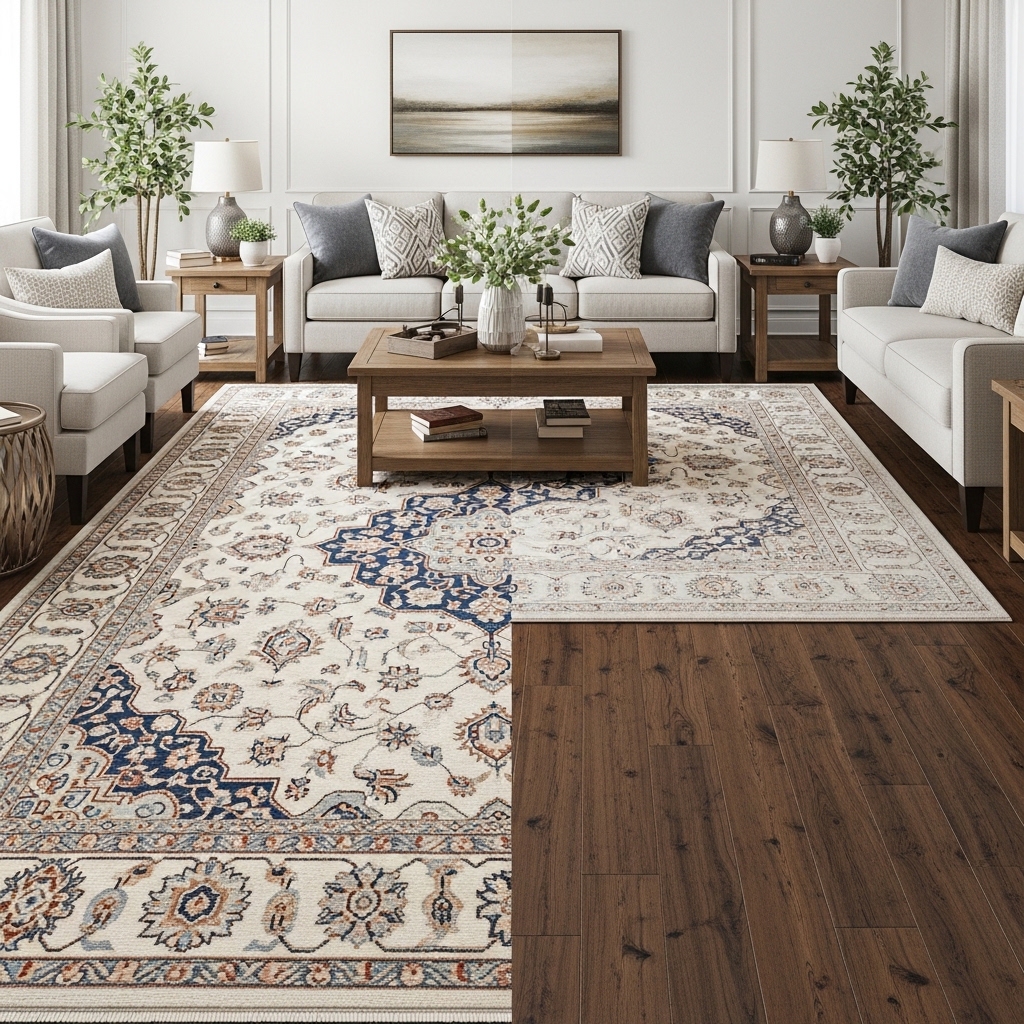
The rug decision plagues every living room. Some designers insist a room is not finished without a rug. Others argue that bare floors are beautiful on their own. Who is right?
Both. A rug can transform a room. Bare floors can also work beautifully. The right choice depends on the room, the floor, and the desired aesthetic.
This article presents the designer opinion on rugs versus no rugs. When to use a rug. When to skip it. And how to make either choice work.
The Case for Rugs
Most designers recommend rugs for most living rooms. The reasons are compelling.
Pro 1: Defines the Seating Area
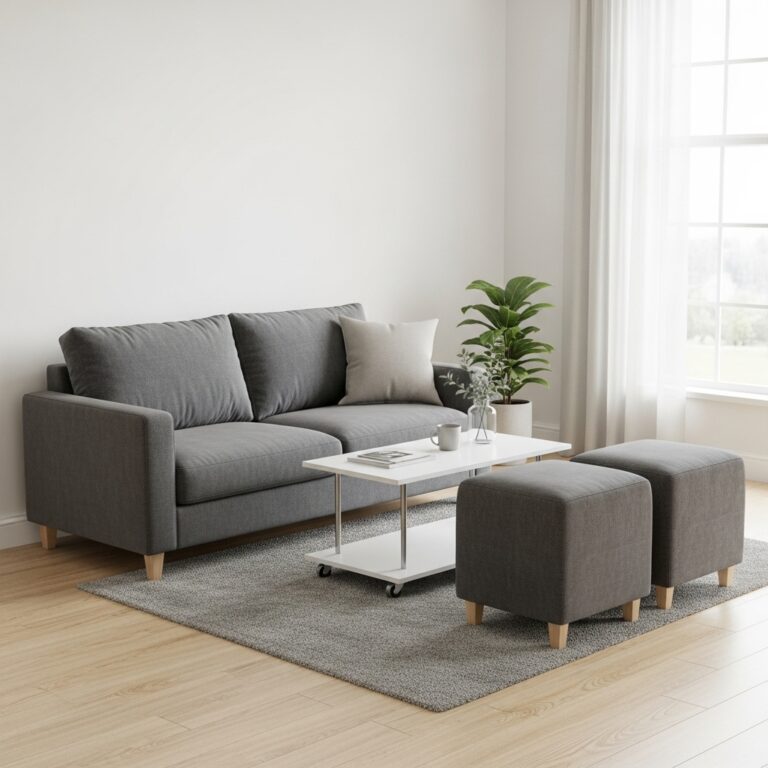
A rug visually anchors the furniture. It tells the eye that this is the seating area. Without a rug, the furniture can feel like it is floating.
Pro 2: Adds Warmth and Softness
Bare floors feel cold. A rug adds warmth underfoot. It also absorbs sound. The room feels cozier and quieter.
Pro 3: Adds Color and Pattern
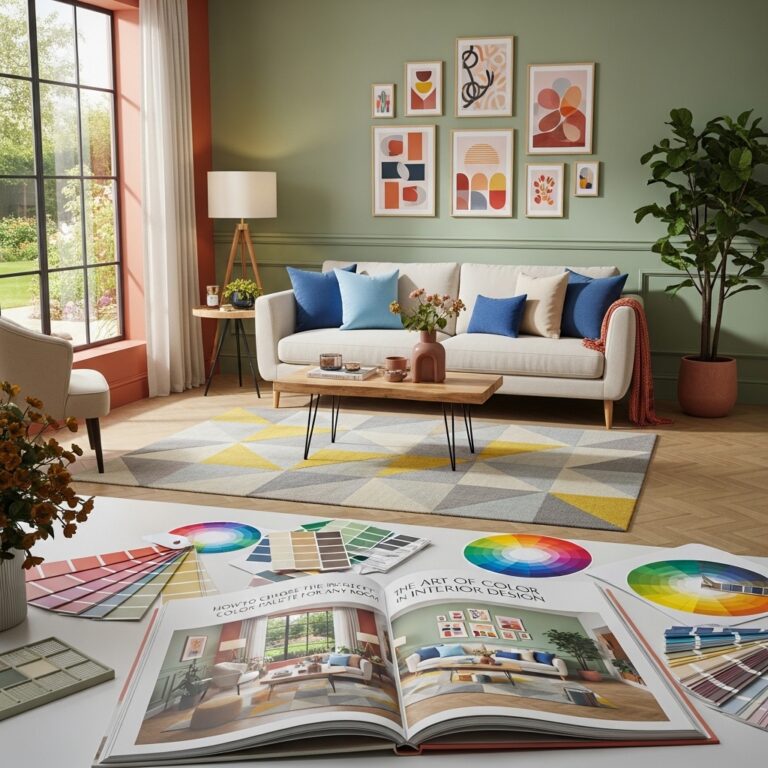
A rug is the easiest way to add color and pattern to a room. It covers a large surface area. It sets the tone for the rest of the decor.
Pro 4: Protects the Floor
A rug protects hardwood from scratches. It protects carpet from stains. It is easier to clean a rug than to refinish a floor.
| Advantage | Why It Matters |
|---|---|
| Defines seating area | Anchors furniture |
| Adds warmth and softness | Cozier, quieter |
| Adds color and pattern | Sets the tone |
| Protects the floor | Prevents damage |
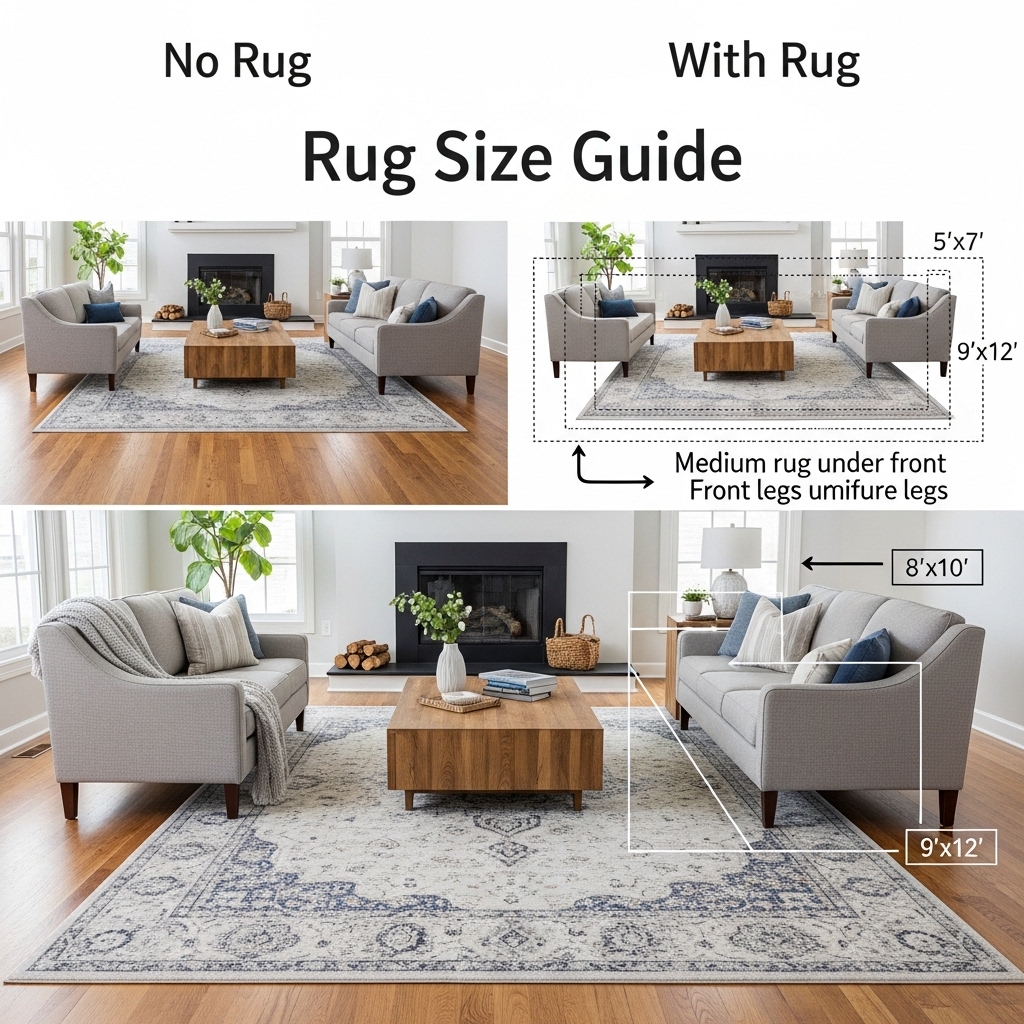
Pro Tip: Choose a rug large enough for the front legs of all seating to sit on it. A too-small rug looks awkward and undermines the benefits.
Mistake to Avoid: Do not buy a rug that is too small to save money. A properly sized rug is worth the investment.
The Case for No Rug
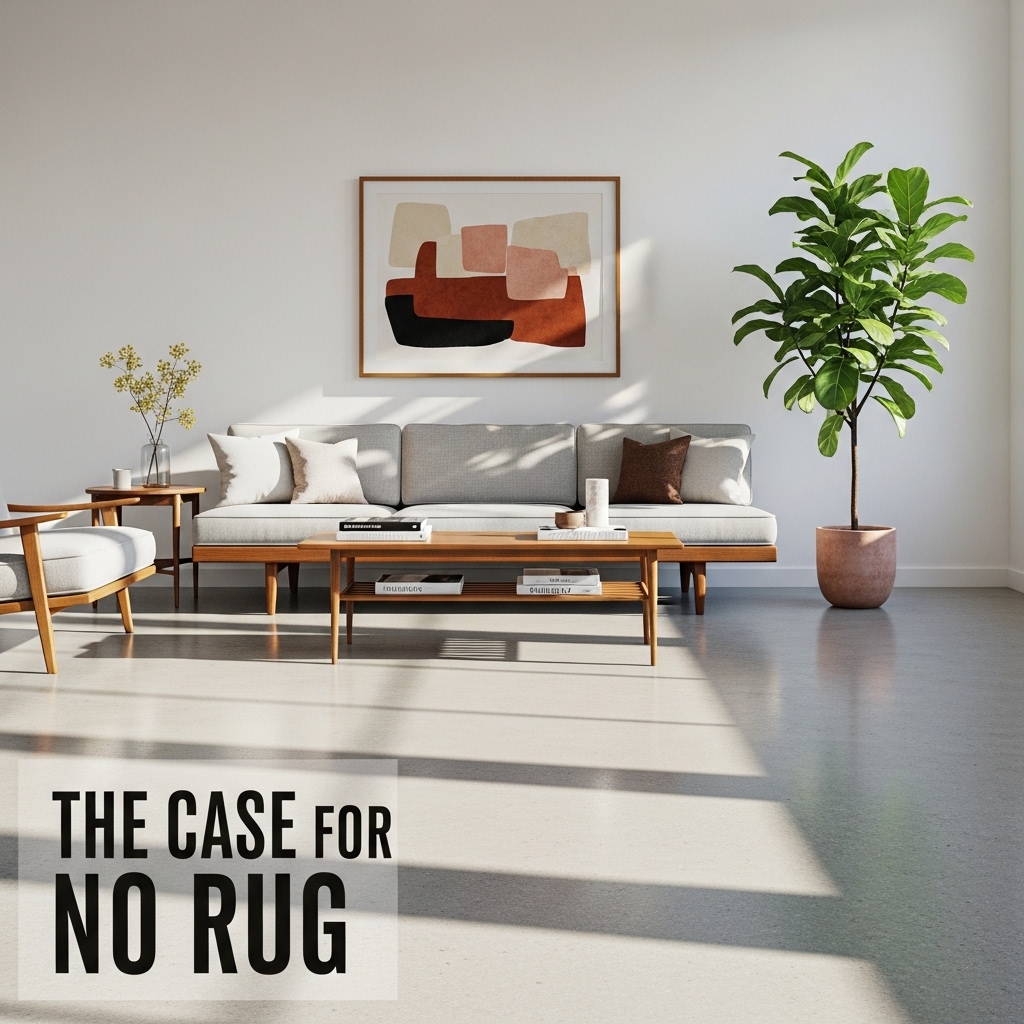
Bare floors can be beautiful. Some rooms work better without a rug.
Pro 1: Highlights the Floor
If you have beautiful hardwood, show it off. A rug covers the floor. Without a rug, the floor becomes the star.
Pro 2: Creates a Clean, Modern Look
No rug feels minimal and modern. The clean lines of the furniture are uninterrupted. The room feels open and airy.
Pro 3: Easier to Clean
Vacuuming a bare floor is faster than vacuuming a rug. Spills wipe up easily. Dust does not get trapped.
Pro 4: Better for Allergies
Rugs trap dust, pollen, and pet dander. Bare floors do not. For allergy sufferers, no rug is the healthier choice.
| Advantage | Why It Matters |
|---|---|
| Highlights the floor | Beautiful floors become the star |
| Clean, modern look | Minimal, open, airy |
| Easier to clean | Faster, less maintenance |
| Better for allergies | No trapped allergens |
Pro Tip: If you skip the rug, make sure the floor is in excellent condition. Scratches, stains, or worn areas will be visible. Refinish or replace damaged flooring.
Mistake to Avoid: Do not skip the rug in a room with poor acoustics. Bare floors echo. A rug absorbs sound. Without a rug, the room may feel loud and harsh.
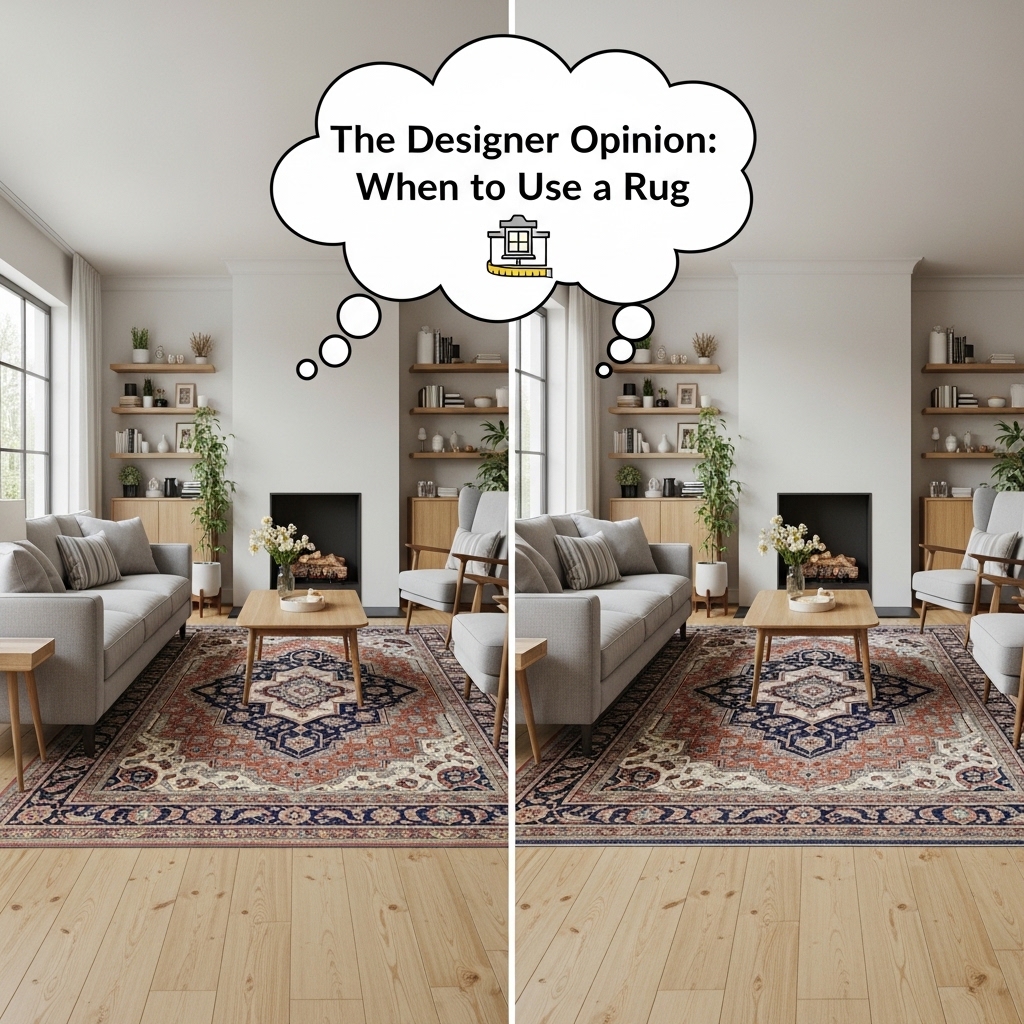
The Designer Opinion: When to Use a Rug
Most designers recommend a rug for most living rooms. But there are exceptions.
Definitely Use a Rug When
| Situation | Why |
|---|---|
| Room feels cold or echoey | Rug adds warmth and absorbs sound |
| Floor is damaged or ugly | Rug covers imperfections |
| Furniture feels disconnected | Rug anchors the seating area |
| You want to add color or pattern | Rug is the easiest way |
Consider Skipping the Rug When
| Situation | Why |
|---|---|
| Floor is beautiful hardwood | Show it off |
| You want a minimal, modern look | Bare floor feels cleaner |
| Allergies are a concern | Rug traps allergens |
| Budget is tight | A good rug is expensive |
The Compromise: A Smaller Rug
If you want a rug but cannot afford a large one, use a smaller rug. Place it under the coffee table only. The front legs of the sofa do not need to sit on it.
| Rug Size | Placement | Effect |
|---|---|---|
| 8×10 (large) | Front legs of all seating on rug | Anchors entire seating area |
| 5×7 (medium) | Under coffee table only | Adds color without anchoring |
| 2×3 (small) | Accent only | Decorative, not functional |
Pro Tip: If you skip the rug, add warmth through other elements. A wool throw blanket. Velvet pillows. A sheepskin on a chair. The room can still feel cozy without a rug.
Mistake to Avoid: Do not use a rug that is too small. A 5×7 rug floating in the middle of a 12×12 room looks awkward. No rug is better than a too-small rug.
Rug Materials Compared
If you decide to use a rug, choose the right material.
| Material | Pros | Cons | Best For |
|---|---|---|---|
| Wool | Durable, soft, natural | Expensive, can shed | Living rooms, bedrooms |
| Cotton | Inexpensive, washable | Less durable, thin | Layering, casual spaces |
| Jute | Natural, textured, inexpensive | Rough, stains easily | High-traffic areas |
| Polyester | Inexpensive, stain-resistant | Less durable, synthetic | Kids’ rooms, pets |
| Silk | Luxurious, beautiful | Expensive, delicate | Formal spaces |
The Wool Recommendation
Wool is the best all-around rug material. It is durable. It is soft. It is naturally stain-resistant. It is worth the investment.
| Wool Rug Grade | Quality | Price Range | Lifespan |
|---|---|---|---|
| Low-grade wool | Moderate | $200-500 | 5-10 years |
| Mid-grade wool | Good | $500-1,000 | 10-20 years |
| High-grade wool | Excellent | $1,000-3,000 | 20-50 years |
Pro Tip: Buy a wool rug from a reputable brand. Read reviews. Look for rugs with a high wool percentage (80% or more).
Mistake to Avoid: Do not buy a jute rug for a living room with kids or pets. Jute stains easily and is difficult to clean.
Rug Size Guide
Choosing the right size is the most important decision. A rug that is too small is worse than no rug.
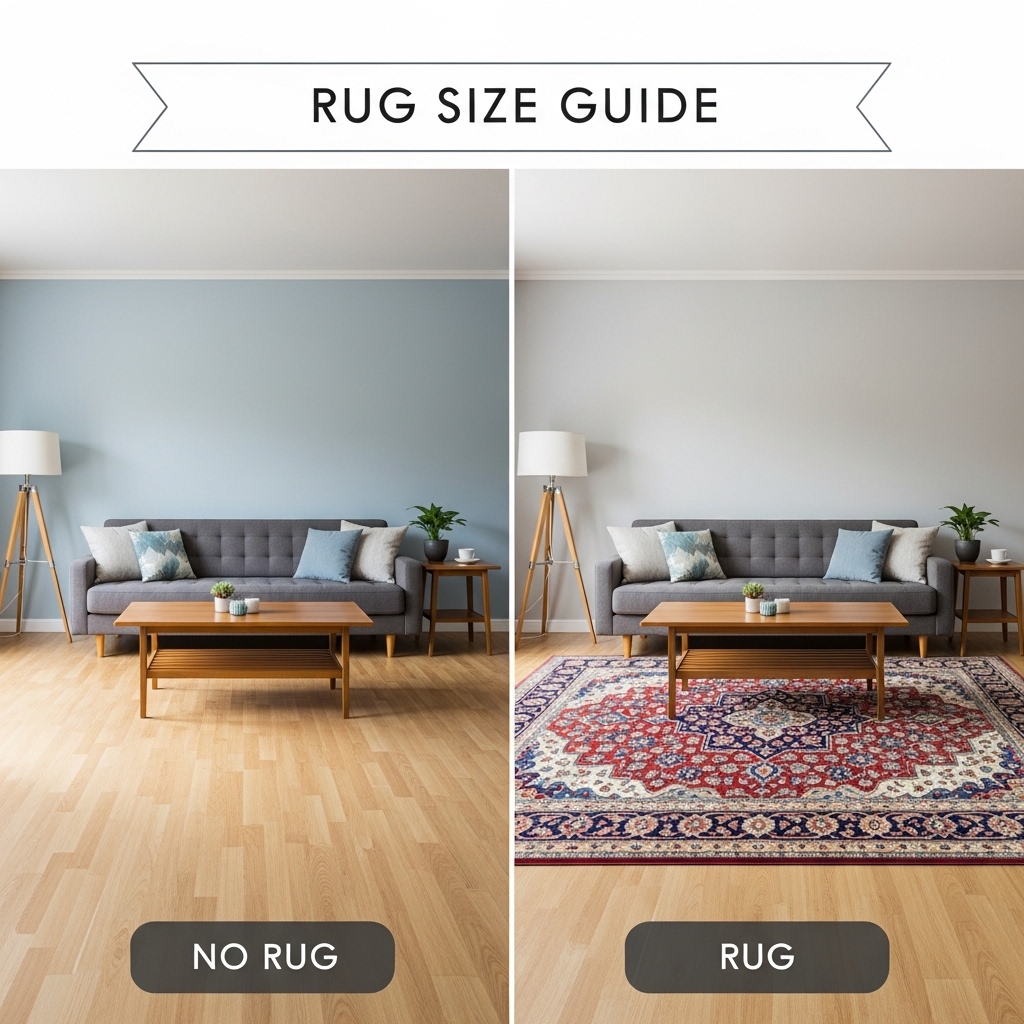
Living Room Rug Sizes
| Room Size | Minimum Rug Size | Ideal Rug Size | Placement |
|---|---|---|---|
| Small (10×10) | 5×8 | 8×10 | Front legs of sofa on rug |
| Medium (12×12) | 8×10 | 9×12 | Front legs of all seating on rug |
| Large (15×15) | 9×12 | 10×14 | All legs of all seating on rug |
The Front Legs Rule
The front legs of the sofa and chairs should sit on the rug. The back legs can be off the rug. This is the standard for most living rooms.
| Seating | Front Legs | Back Legs |
|---|---|---|
| Sofa | On rug | Off rug |
| Armchairs | On rug | Off rug |
| Coffee table | Fully on rug | N/A |
Pro Tip: Use painter’s tape to outline the rug size on the floor. Live with the tape for a day. Adjust the size before buying the rug.
Mistake to Avoid: Do not buy a rug that is too small because the larger size is expensive. A too-small rug will look awkward. Save up for the right size.
Frequently Asked Questions
Do I need a rug in my living room?
No. A living room can be beautiful without a rug. But most living rooms benefit from a rug. A rug defines the seating area, adds warmth, and absorbs sound.
What if I have carpet?
You can put a rug on top of carpet. The rug defines the seating area and adds color and pattern. Use a rug pad to prevent slipping.
Can I use multiple rugs in one room?
Yes. Use one large rug to define the main seating area. Use smaller rugs to define secondary zones. A rug under a desk. A rug under a reading chair.
How do I choose a rug color?
Choose a rug color that pulls from the room. A color from the sofa. A color from the curtains. A color from a piece of art. The rug will tie the room together.
Conclusion
Most living rooms benefit from a rug. A rug defines the seating area, adds warmth and softness, and introduces color and pattern. But bare floors can work beautifully in the right context.
Use a rug if your floor is damaged, your room feels cold, or you want to add color. Skip the rug if your floor is beautiful, you prefer a minimal look, or allergies are a concern.
Choose a rug large enough for the front legs of all seating to sit on it. Wool is the best material for most homes. A rug is an investment worth making.
Start with one room today. Measure your space. Choose the right size. Select a material and color. The rug will transform the room.